
 Read on Twitter
(1/24) Let's talk about Strela-10. 

(2/24) Strela-10 is the successor to the original Strela ('Arrow', 'Strila' in Ukrainian). Originally intended to be man-portable, during development the requirements were changed and the Strela-1 was mounted on the BRDM-2 chassis instead.
(3/24) The chief designer of the Strela-1/10 was Aleksandr Nudelman. Most know him for his aircraft cannons, but Nudelman also designed missiles like the Kobra and Falanga.
kpi.ua/en/nudelman
kpi.ua/en/nudelman


(4/24) Strela-1's 9M31(M), unlike the unrelated Strela-2 MANPADS, had an uncooled PbS photo-contrast (FK) seeker. Ideally, one prefers to engage planes as they are entering, not egressing, and 1960s IR seekers were simply too primitive for the required all-aspect capability.
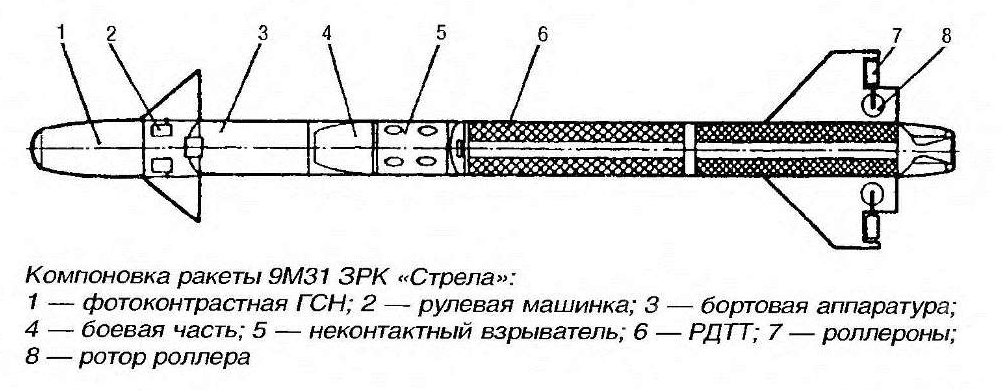
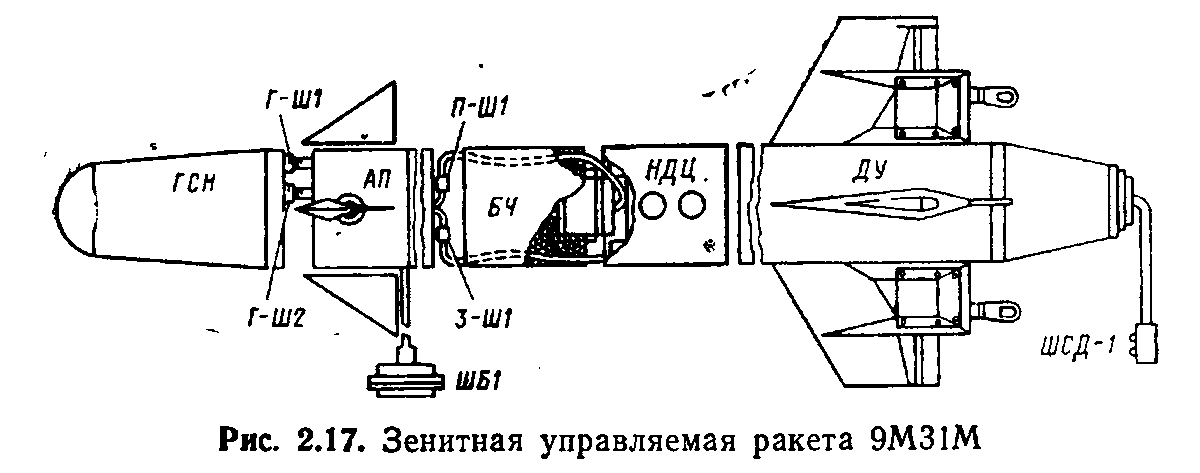
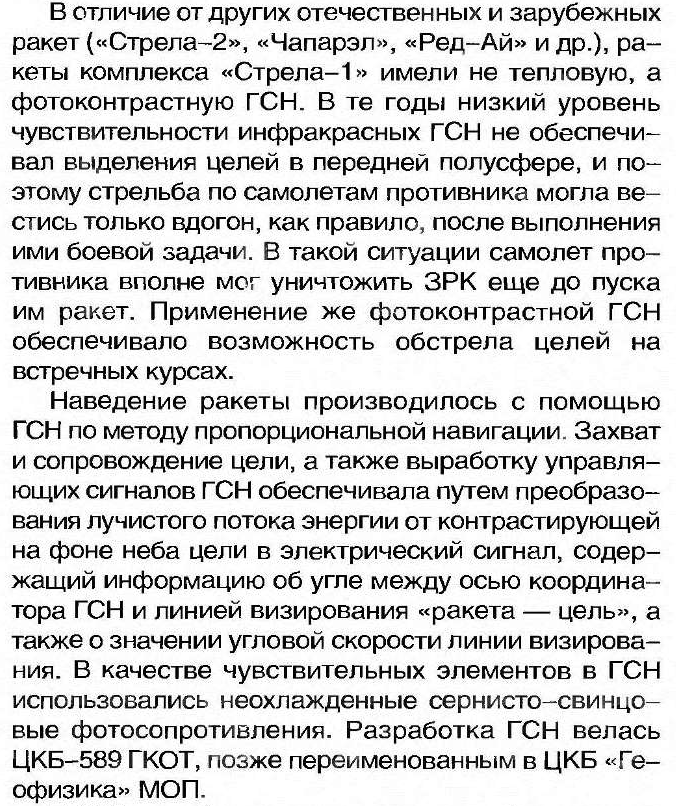
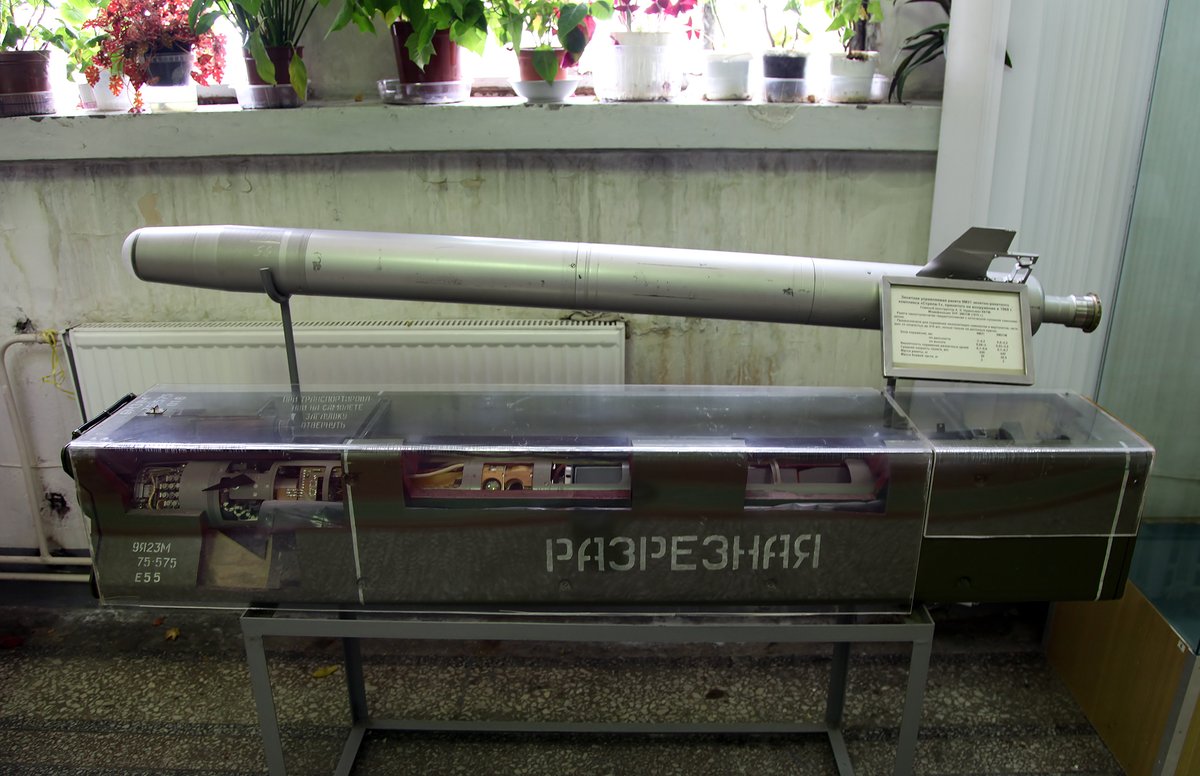
(5/24) This allowed it to complement the ZSU-23-4 Shilka (much shorter range and whose radar could be degraded by enemy ECM) and Strela-2 MANPADS, (only works against aircraft moving away from the launcher). Together, they were the backbone of 1970s Warsaw Pact SHORADS.
(6/24) The original 1976 Strela-10SV's 9M37 missile improved on this by adding a secondary IR-homing channel for the now-cooled 9E47 PbS seeker. This allowed the Strela-10 to engage targets in low-light or non-uniform sky backgrounds, where the FK channel performs poorly.

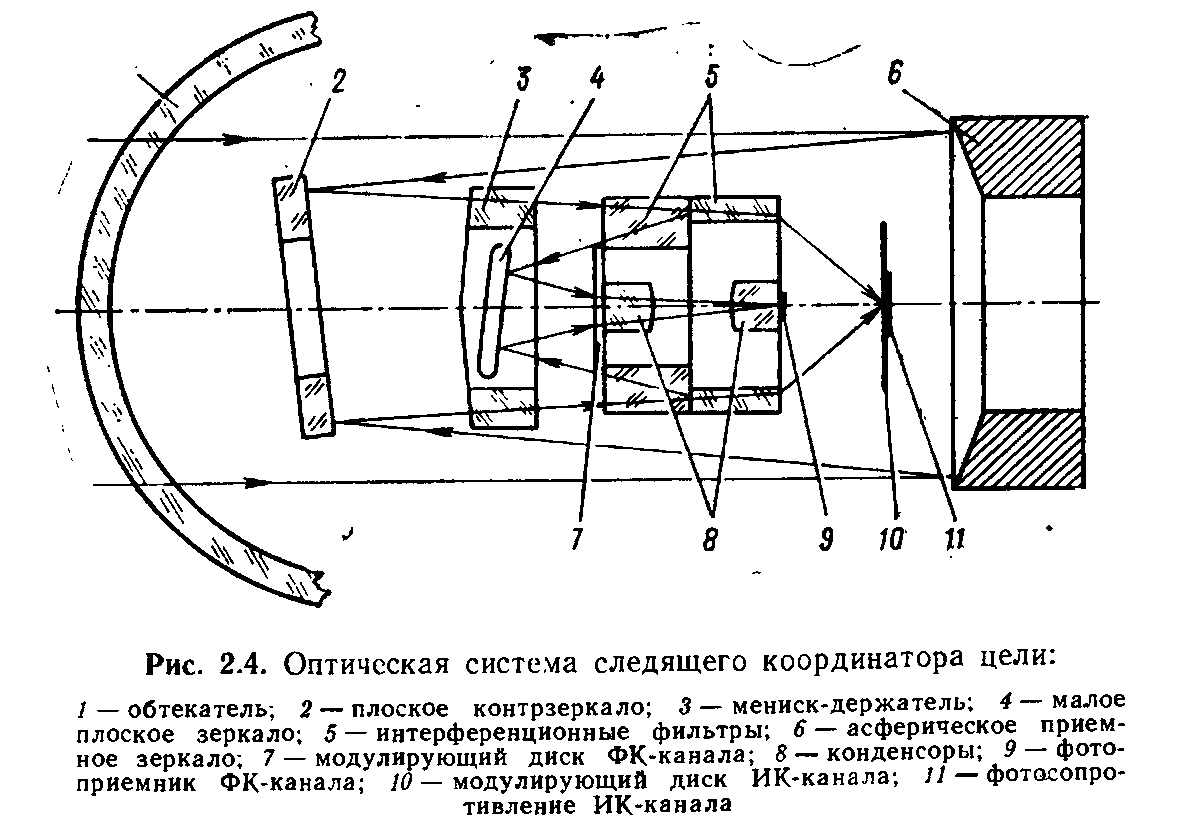
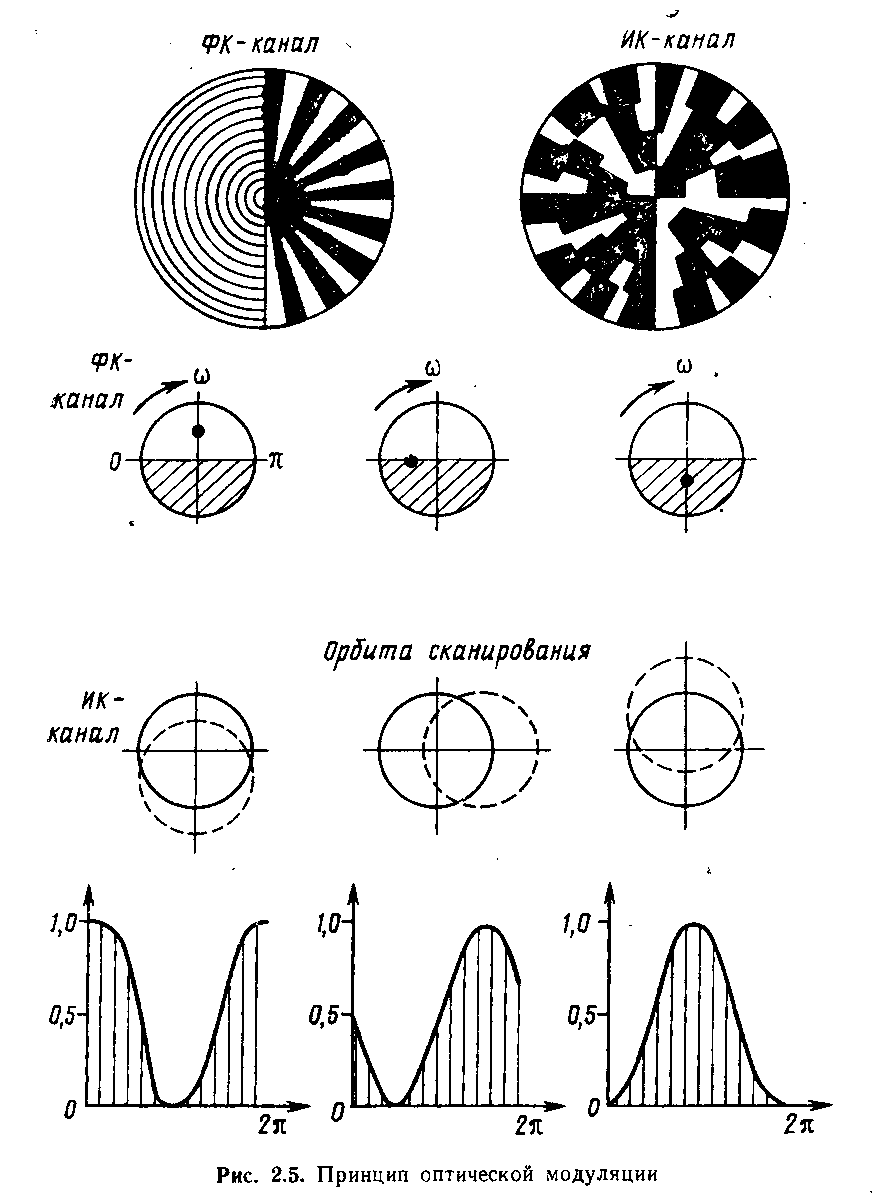

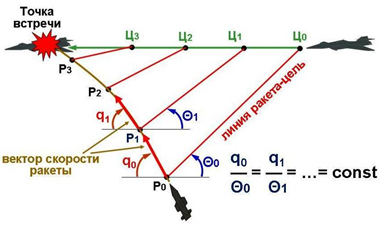
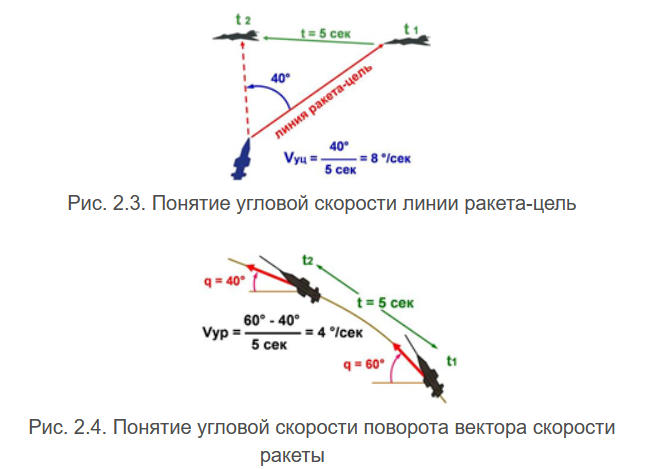
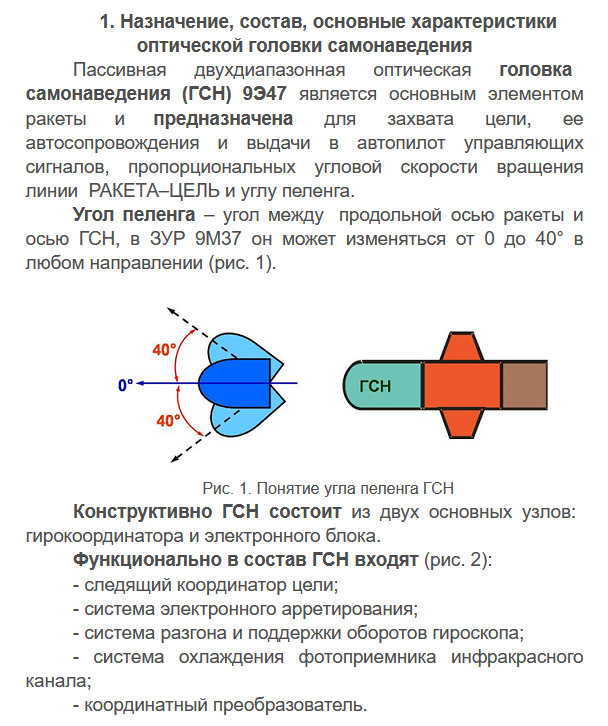
(7/24) The missile is steered by the method of proportional navigation, using signals generated by the seeker head: the missile will attempt to keep the ratio between the angular velocity of its movement vector and the target-missile line vector constant.
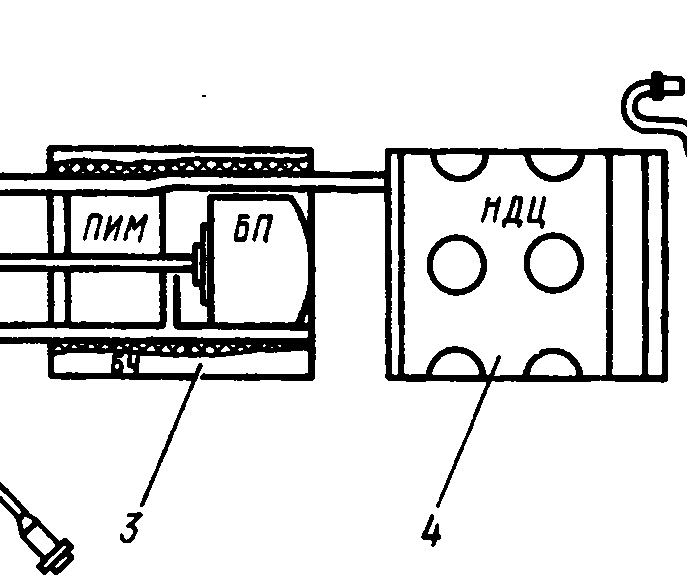
(8/24) The 9M37 has a 3 kg warhead (3), of which 1.1 kg is explosive. It is of the continuous rod type, with 9 g rods, unlike the Strela-1's 9M31, which is purely blast-fragmentation. The warhead is triggered by a laser proximity fuze (4).
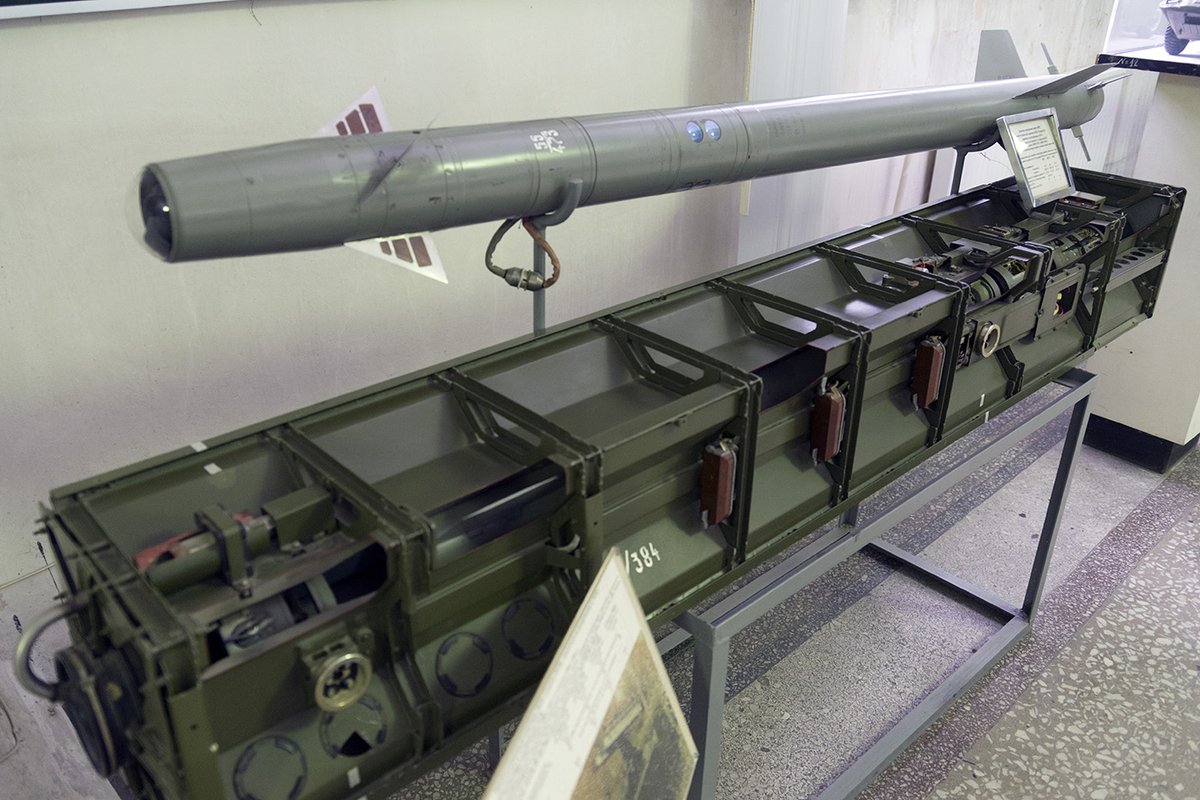

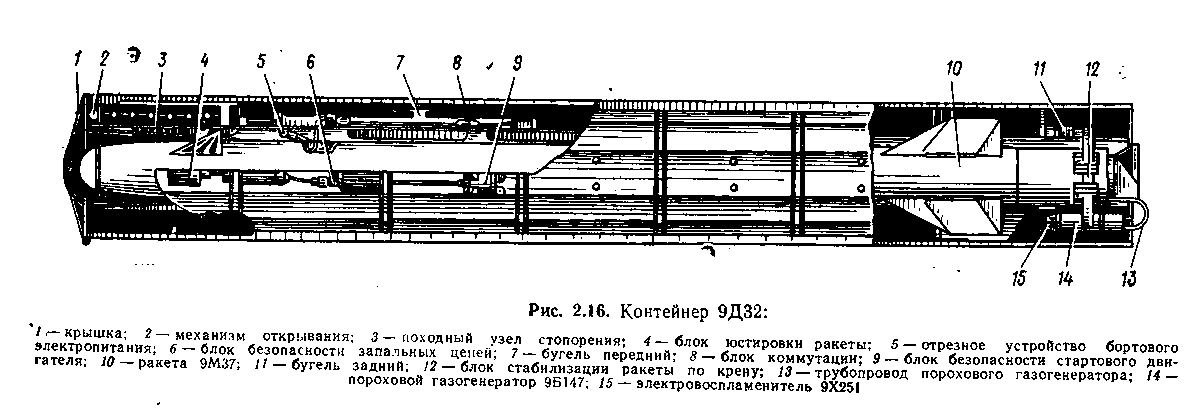
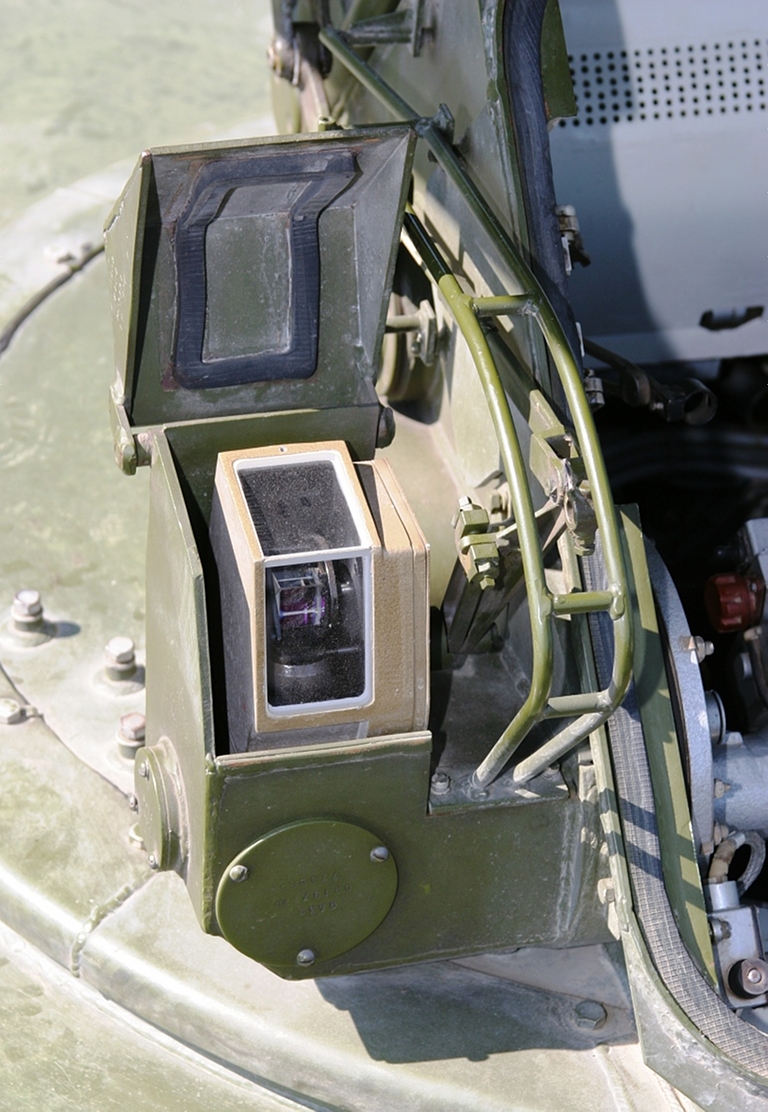
(9/24) The missiles are kept sealed in 9D32 containers. When preparing for launch, the front cover is opened to allow the seeker head to acquire its target. It takes 5 s to prepare a launch.
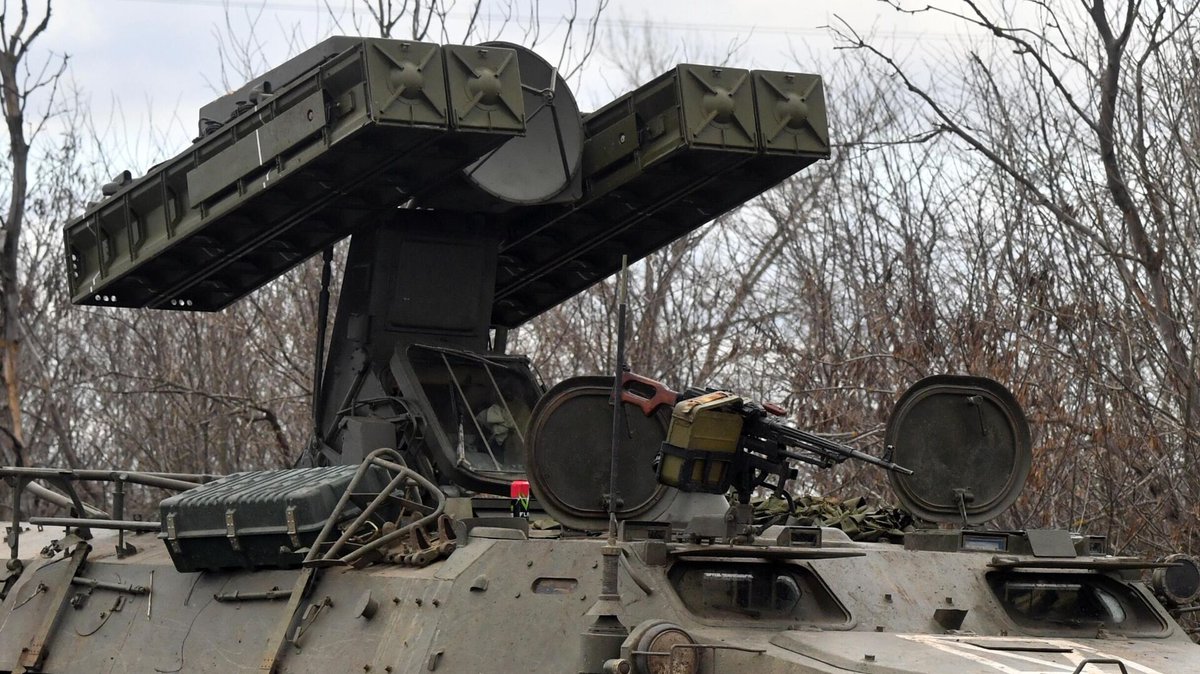
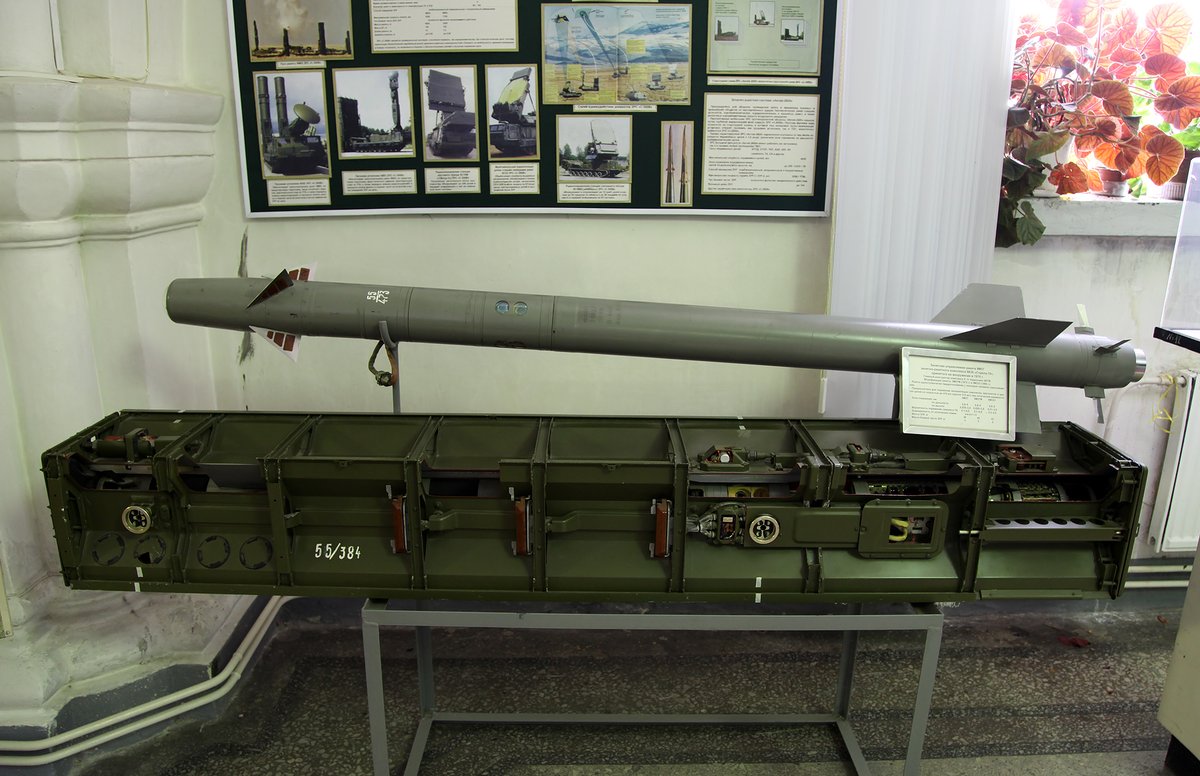
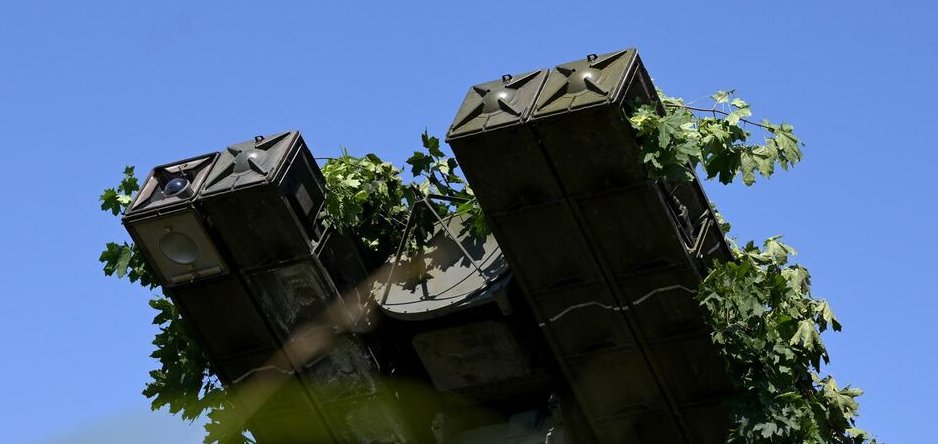
(10/24) The Strela-10's launcher can take 4 containers. It is also reverse-compatible with the Strela-1's 9M31 missiles and containers. The launcher folds backwards when not active. Traverse and elevation are electrically powered.
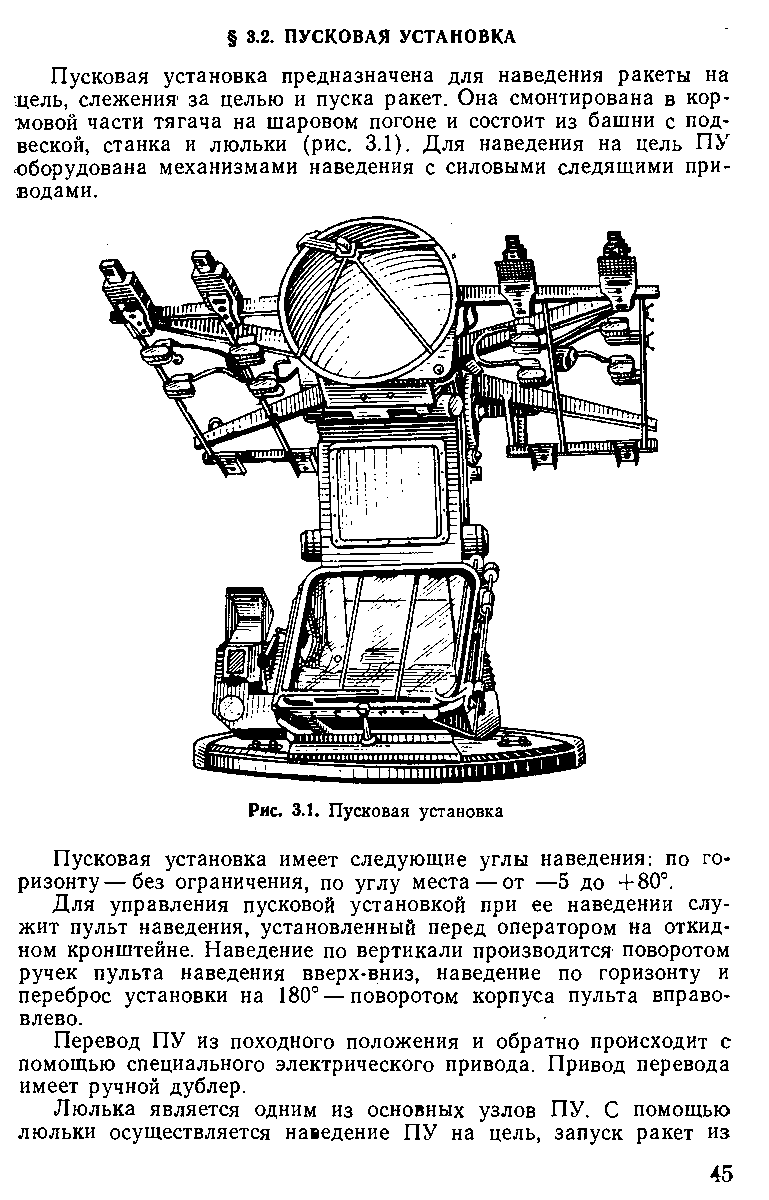

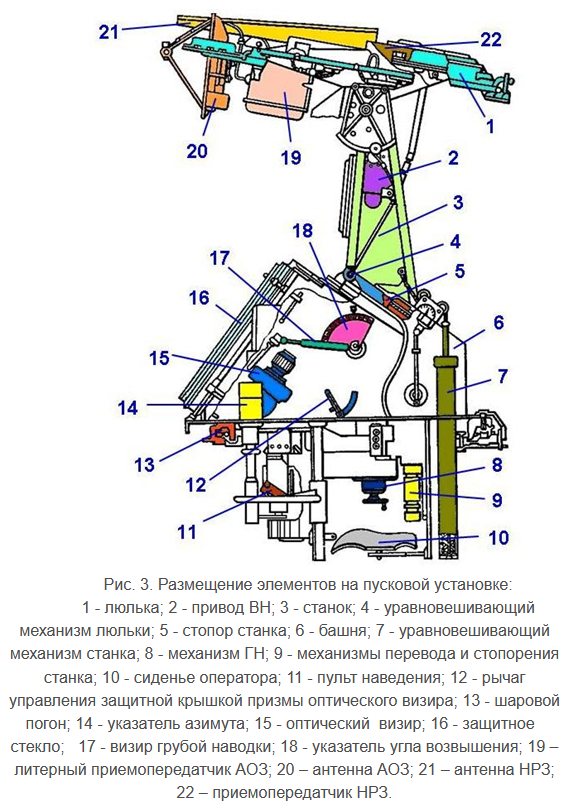
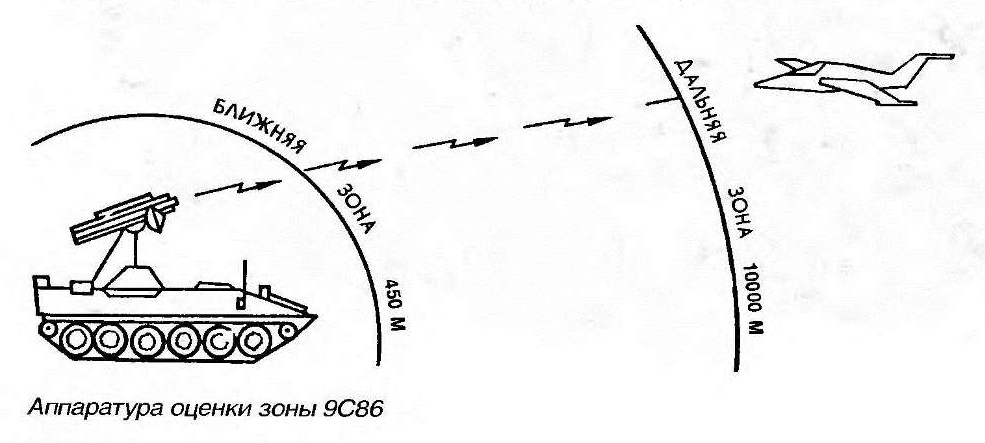
(11/24) The launcher has a 9S86 pulse Doppler radar between the missile containers. Its purpose is purely to provide target range and angular velocity data readouts. The gunner otherwise tracks and engages targets using the optical sight.
ausairpower.net/APA-9K35-Strel…
ausairpower.net/APA-9K35-Strel…
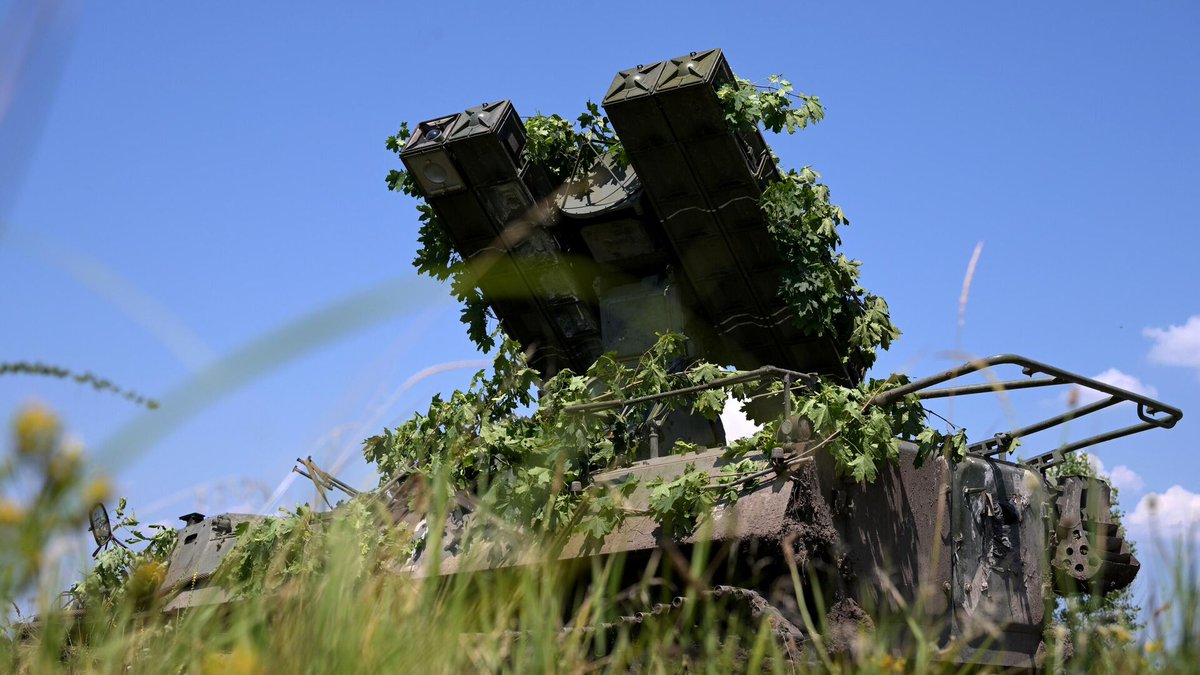
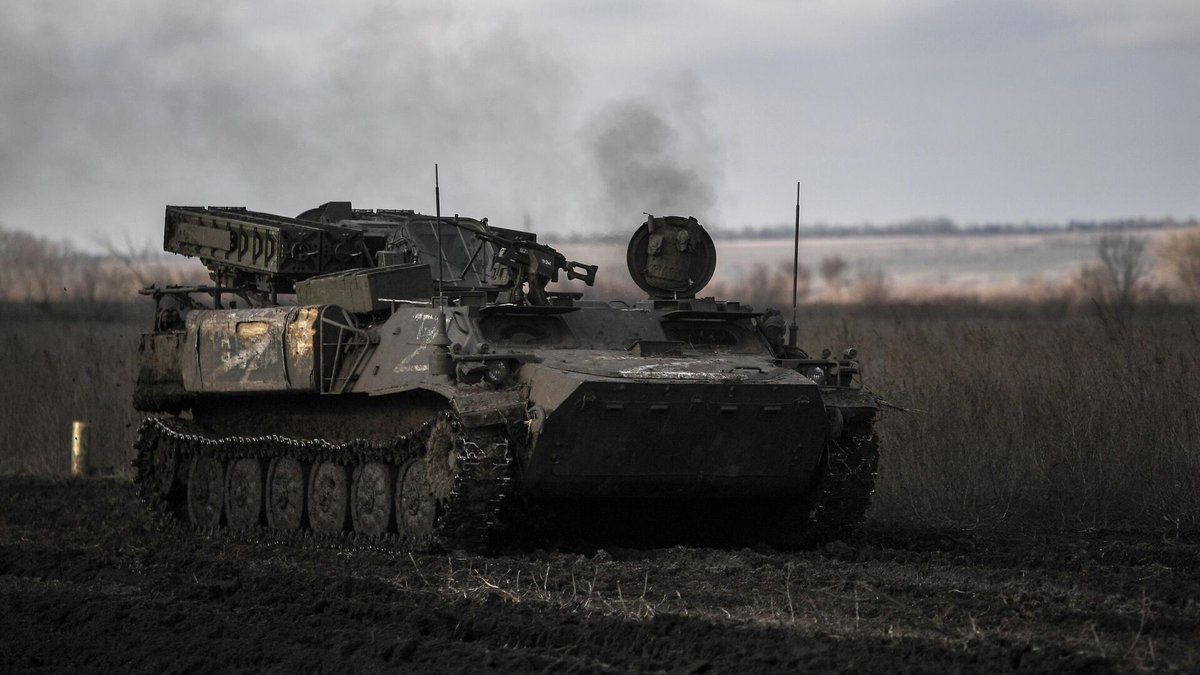
(12/24) The launch platform is based on the ubiquitous MT-LB. There is not much I can add about the MT-LB that is not already covered b Tankograd's article, so refer to that if you want to know more.
thesovietarmourblog.blogspot.com/2022/10/mt-lb.…
thesovietarmourblog.blogspot.com/2022/10/mt-lb.…
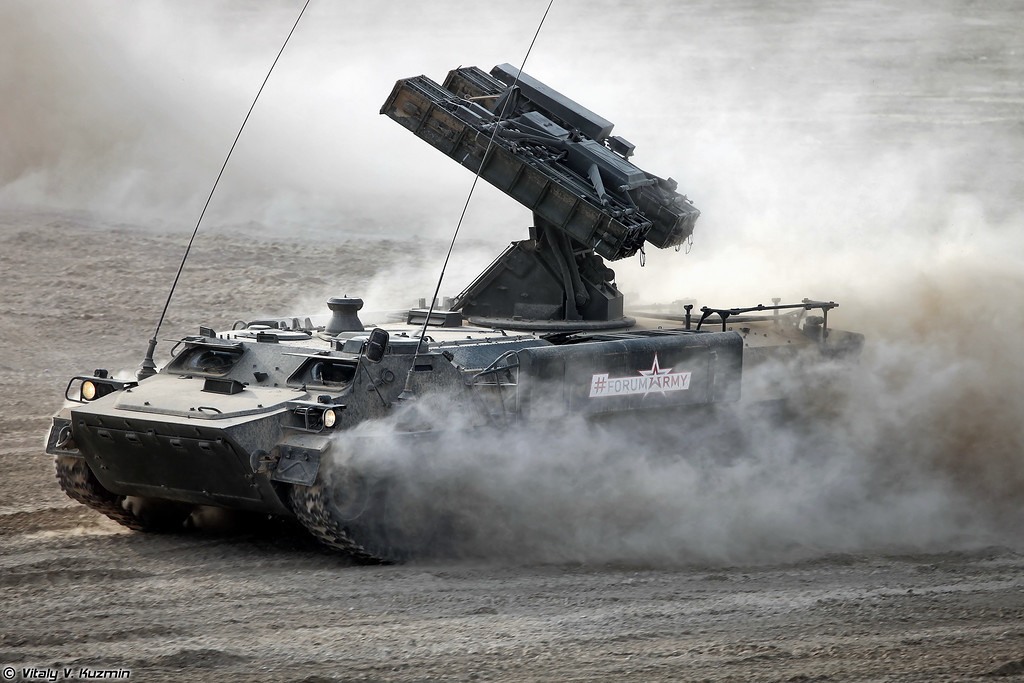
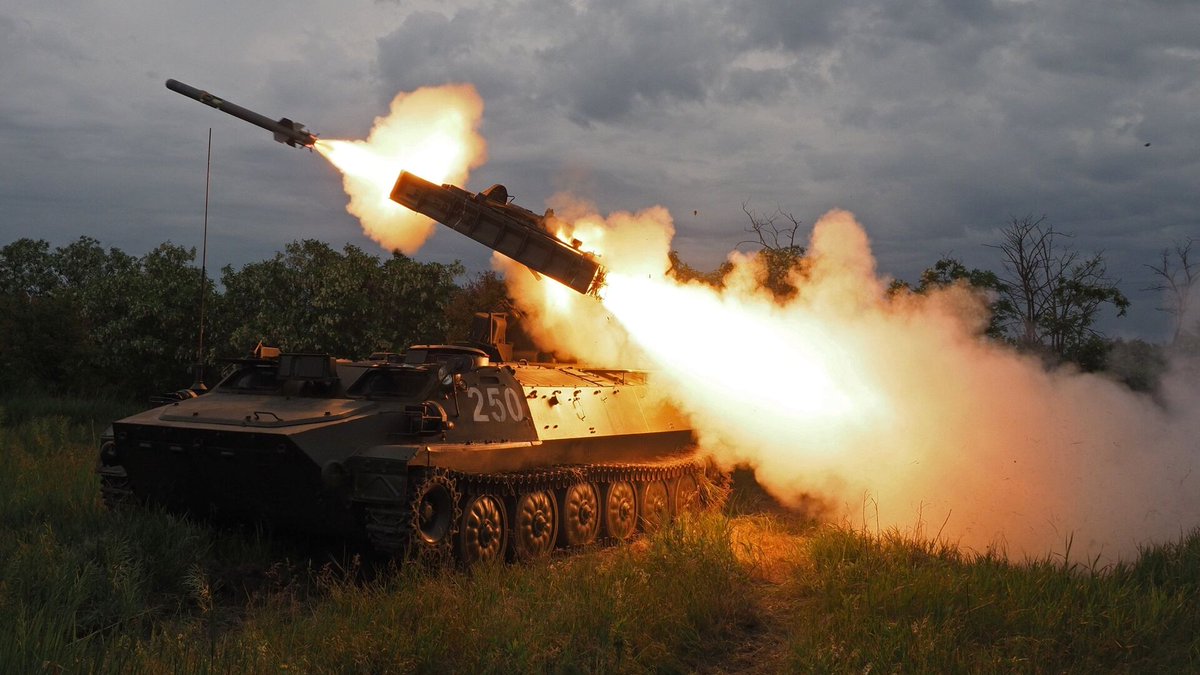
(13/24) The basic TELAR comes in two types. The 9A35(M/M2 etc.) platoon commander's vehicle has the 9S16 passive RF DF antenna suite for detecting aircraft emissions. The 9A34(M/M2 etc.) lacks these.
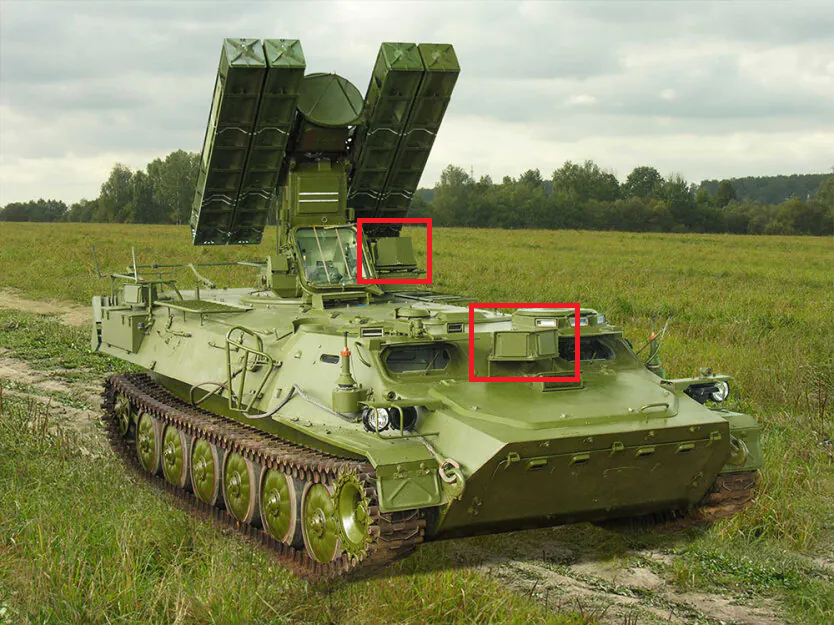

(14/24) The Strela-10M of 1978 introduced the 9M37M missile. This had an improved autopilot that allowed the missile to better maintain a lock even if it briefly loses sight of the target and has better resistance to flares and other sources of interference.
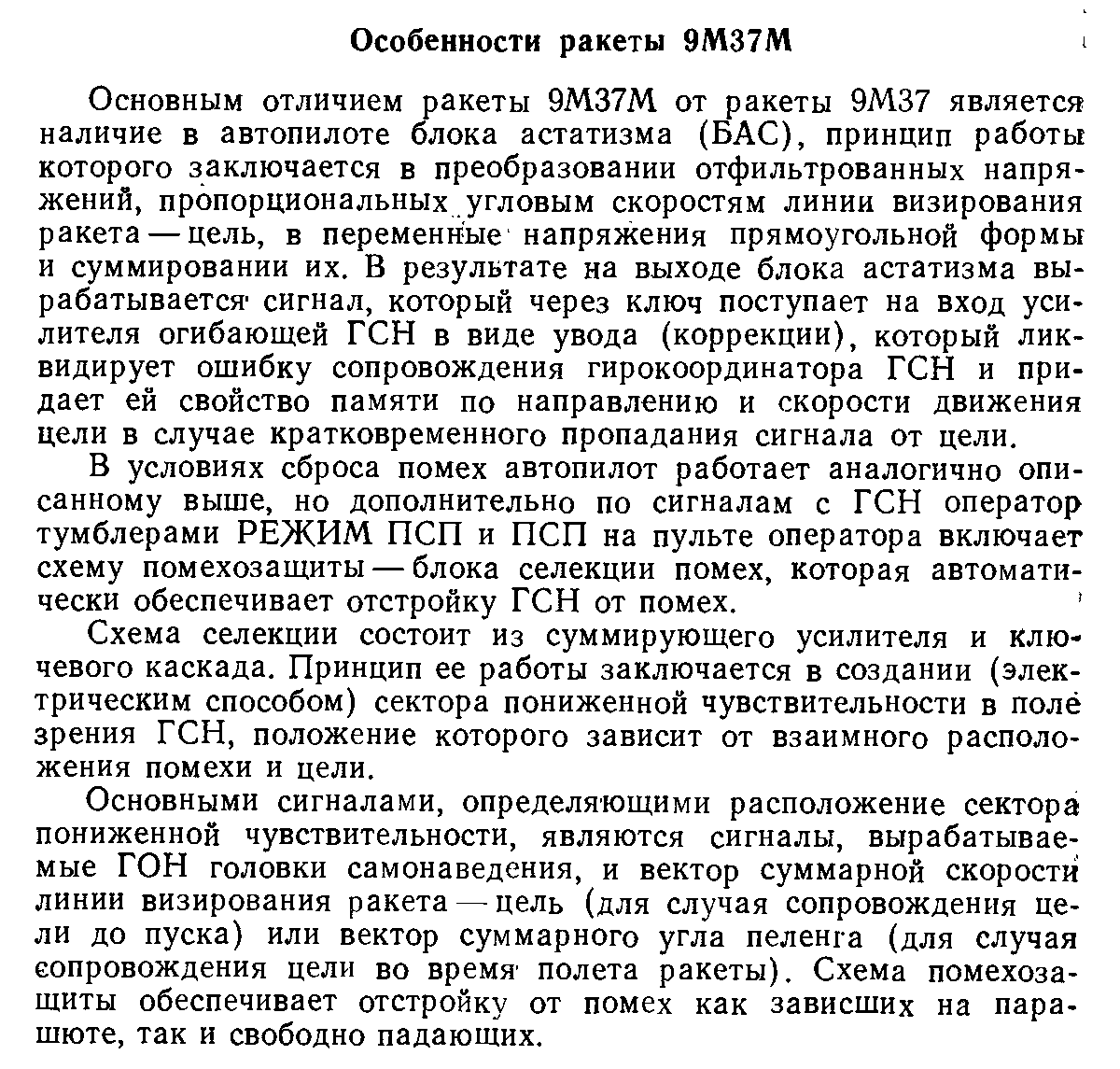
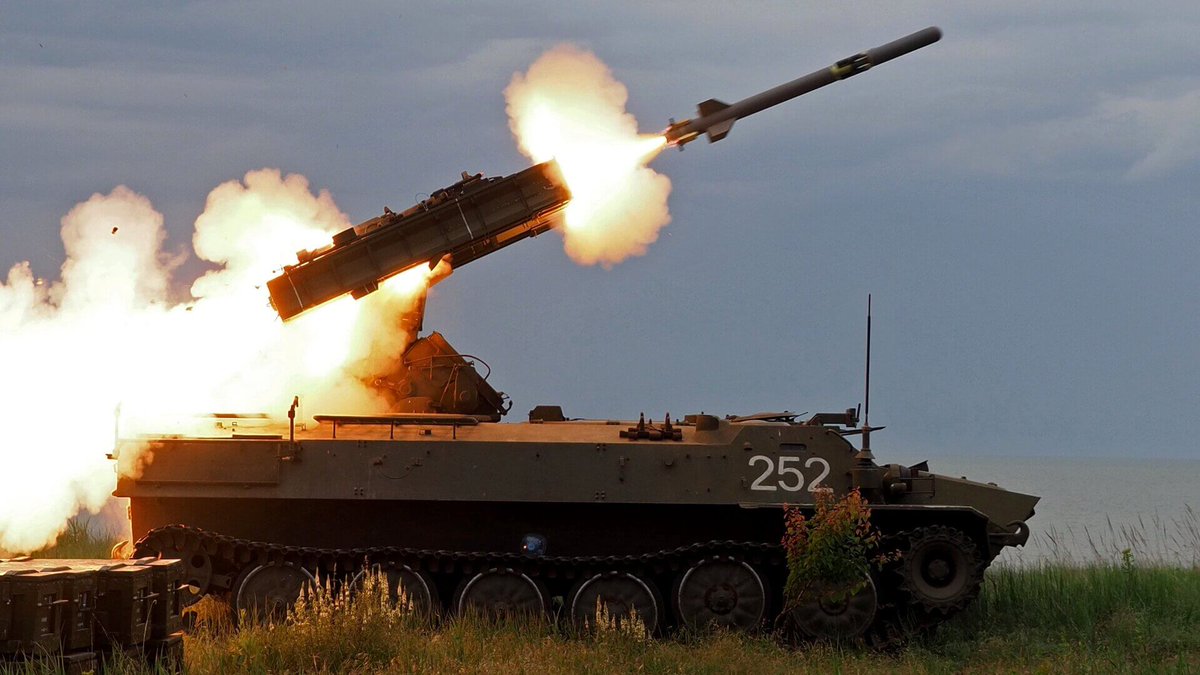
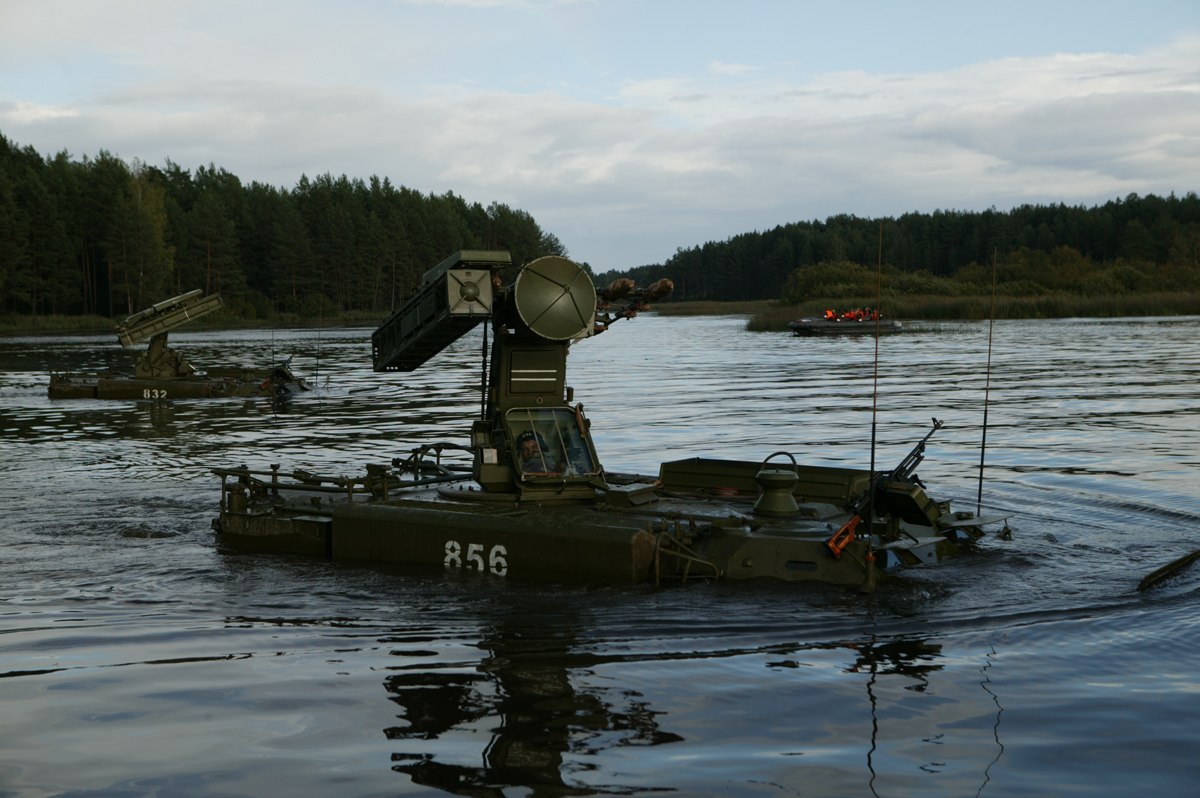
(15/24) Strela-10M2 TELARs (9A34/35M2) onward are also fully amphibious. They are equipped with rectangular polyurethane floats on the sides, and can launch while floating as well. The rectangular box above the launcher is the 1RL246-10 IFF. It is not always mounted.

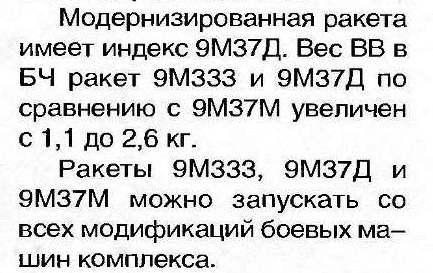
(16/24) Strela-10M3, the last Soviet variant, introduced the 9M333. This had a larger warhead (2.6 kg explosive) with larger rods and a 3rd home-on-jam (IRCCM) guidance channel. The autopilot was further improved as well.
topwar.ru/178528-zenitna…
topwar.ru/178528-zenitna…
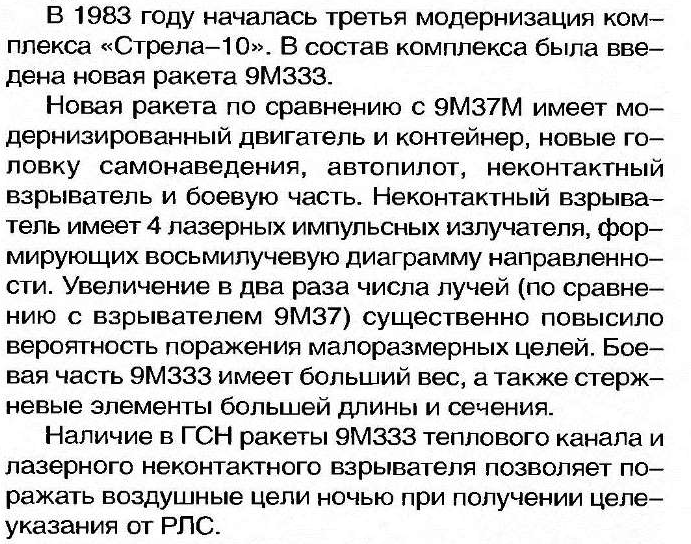
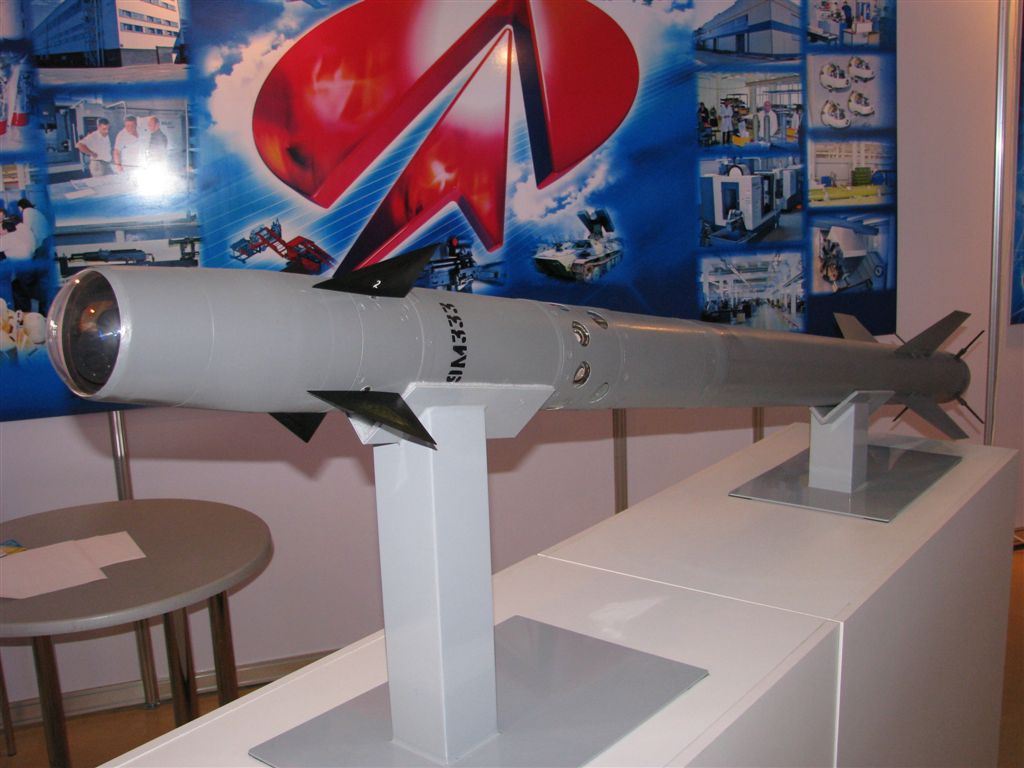
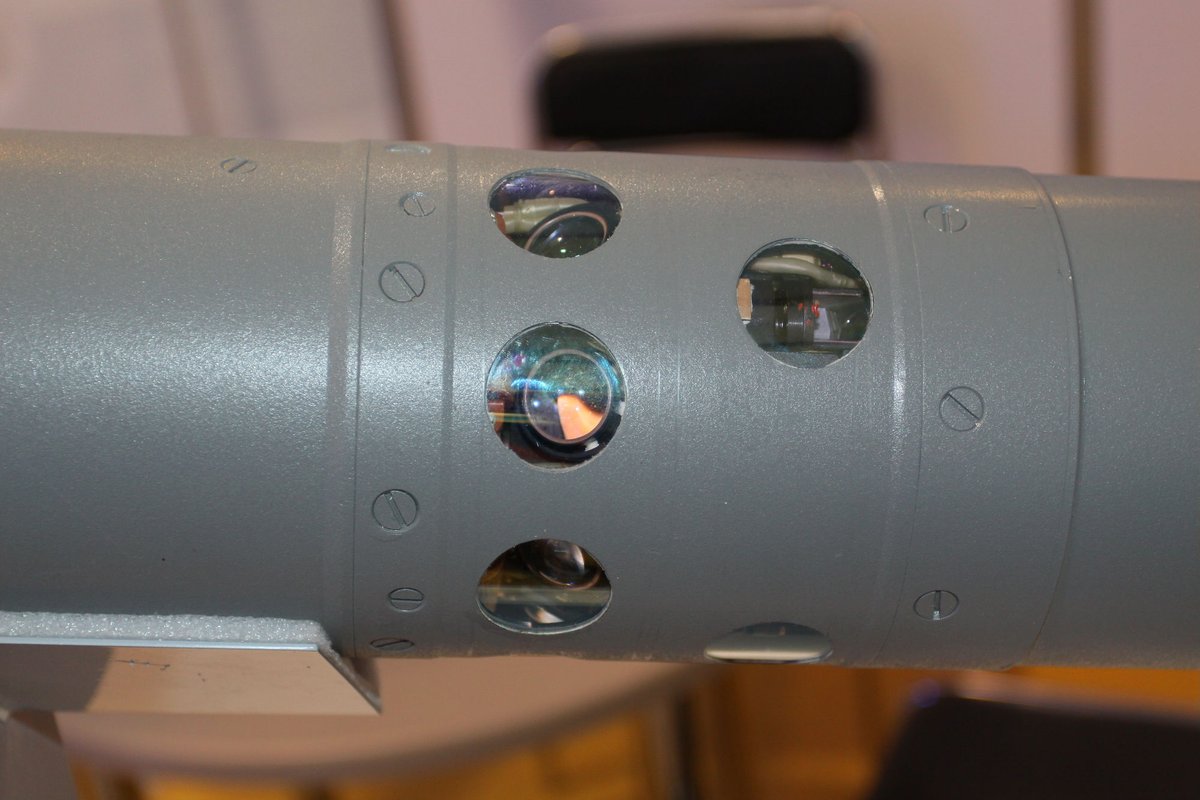
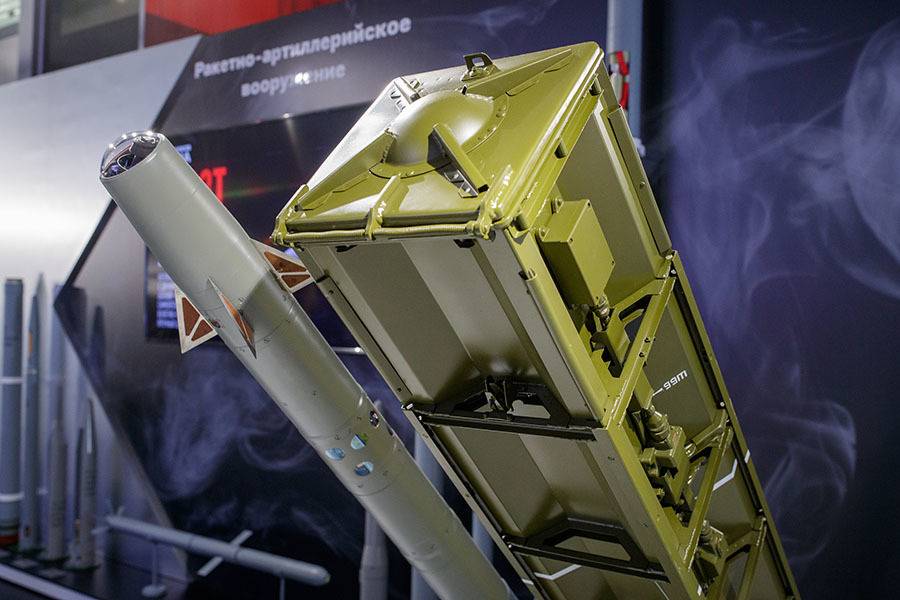
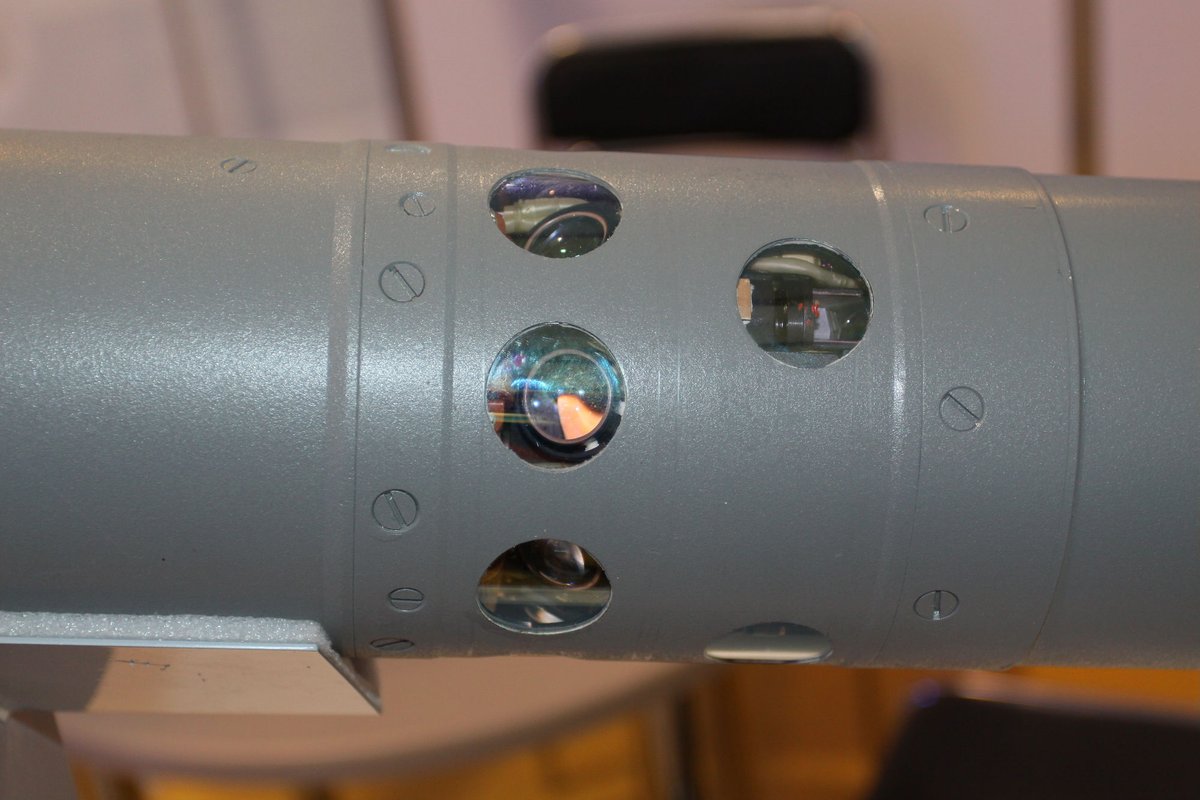
(17/24) The most obvious difference is the number of laser fuse windows has been doubled from 4 to 8 to improve capability against small targets. Older missiles can be upgraded to 9M333 standard as 9M37Ds by replacing the seeker, warhead, and fuse sections.
(18/24) There have been post-Soviet projects to upgrade the Strela-10, like the Russian Strela-10M4 with its LLTV/thermal sight for improved night fighting capability, but these have only been made in small numbers.
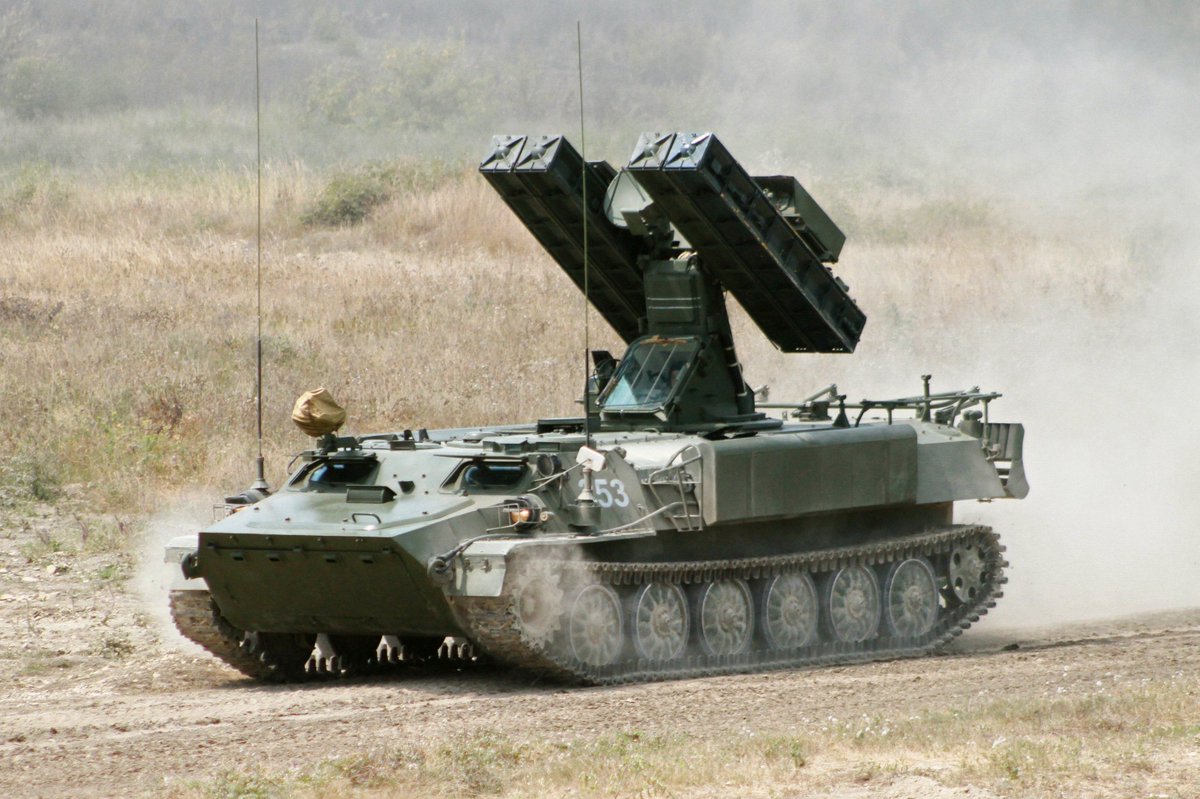
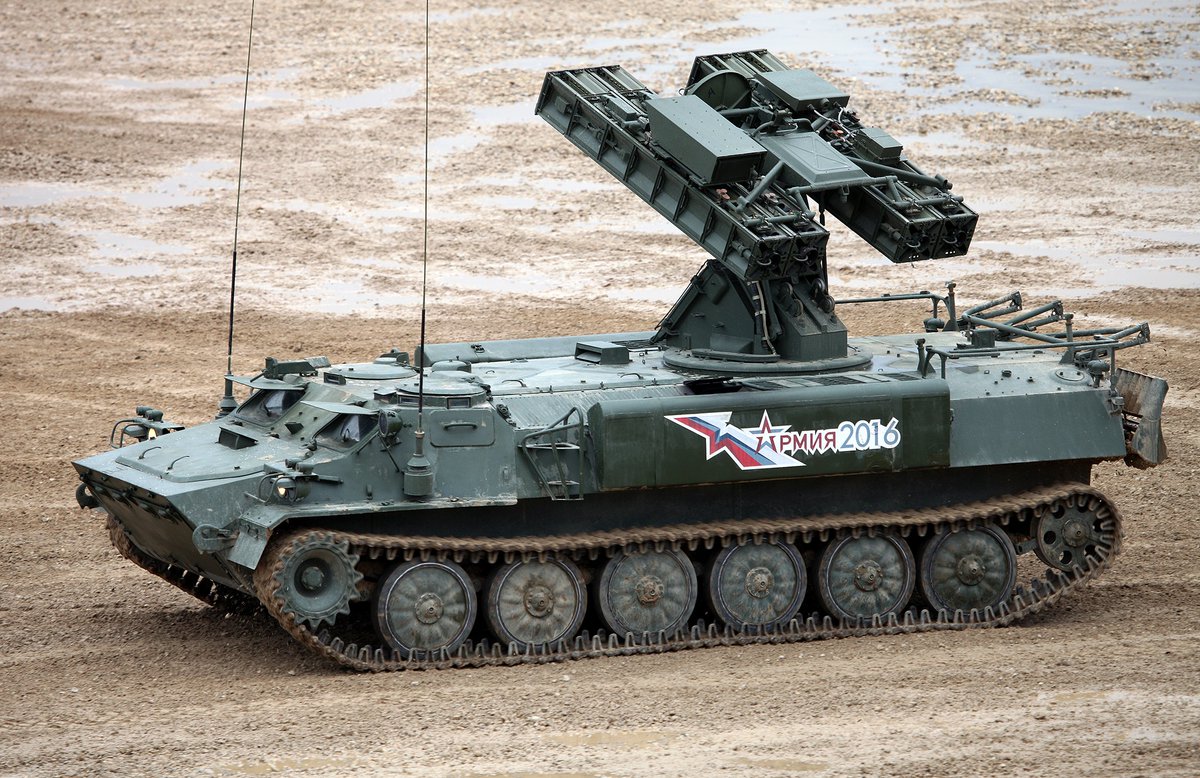
(19/24) In Soviet times, the Strela-10 was to be paired with the Tunguska and Tor. Much like how the Strela-1 complemented the ZSU-23-4 and Osa, the Strela-10 would form the low-level umbrella alongside Tunguska and Tor, and lacked their vulnerability to radar ECM.
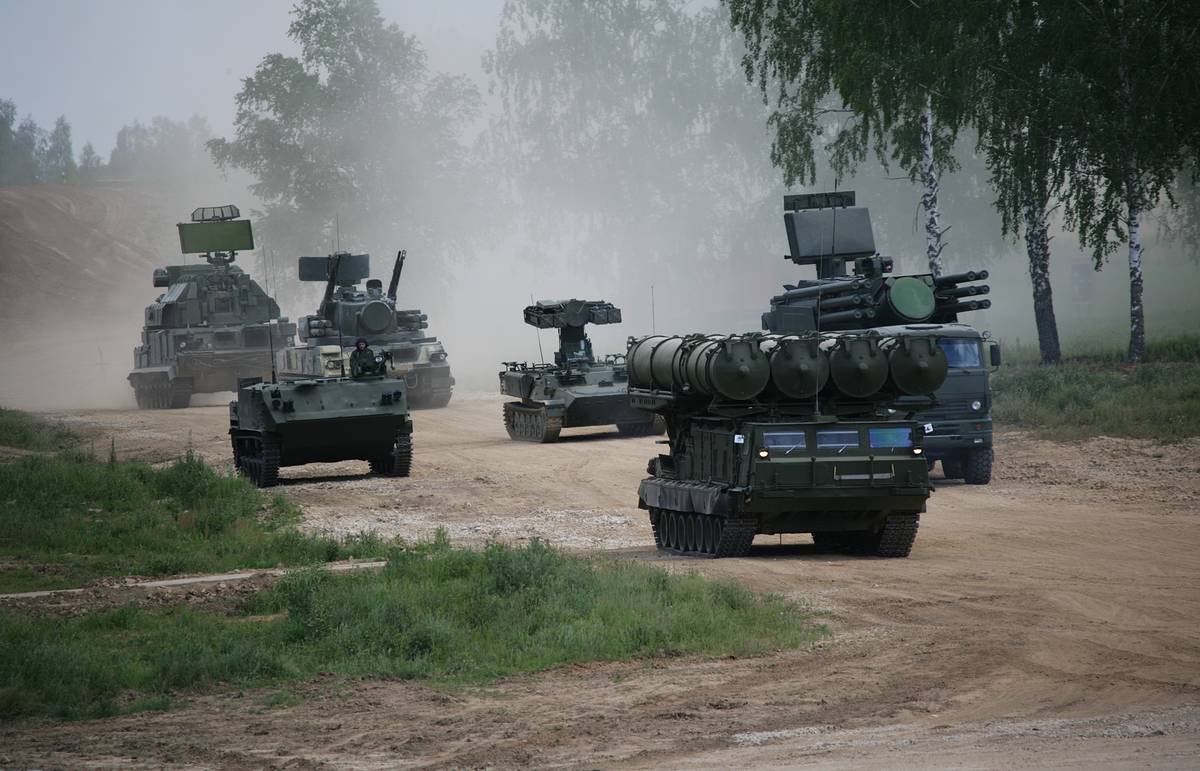
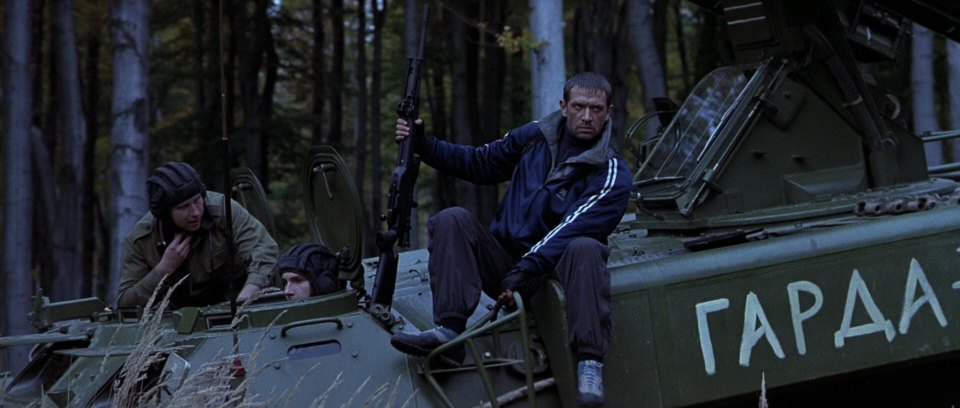
(20/24) The Strela-10 has been fairly widely exported, and has seen combat in Africa and the Middle East, credited with several kills. Most people probably know it from the movie 'Behind Enemy Lines', although in reality the system involved was a Kub, and the plane an F-16.
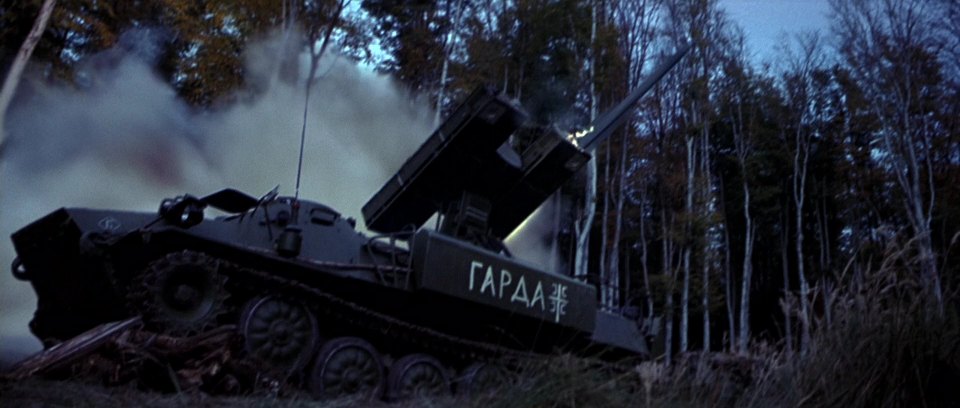
(21/24) Today, it remains an important point-defence system for both the Ukrainian and Russian forces.
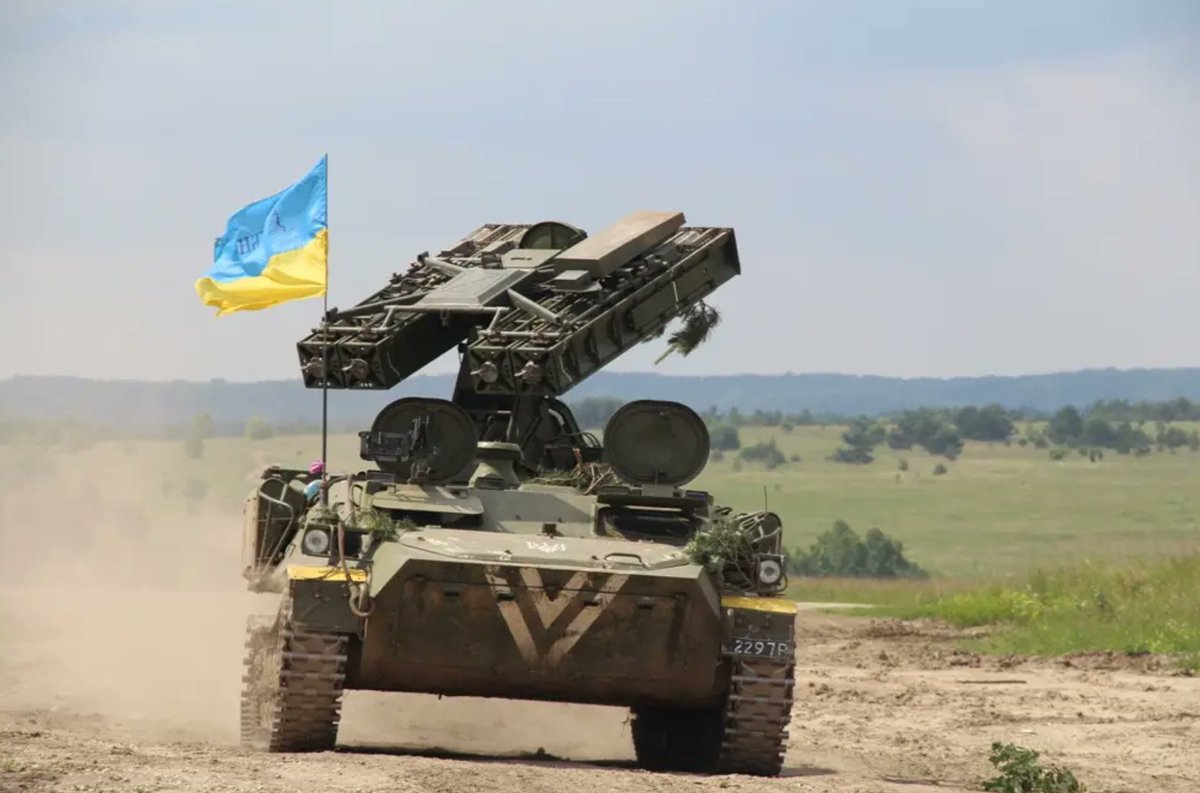
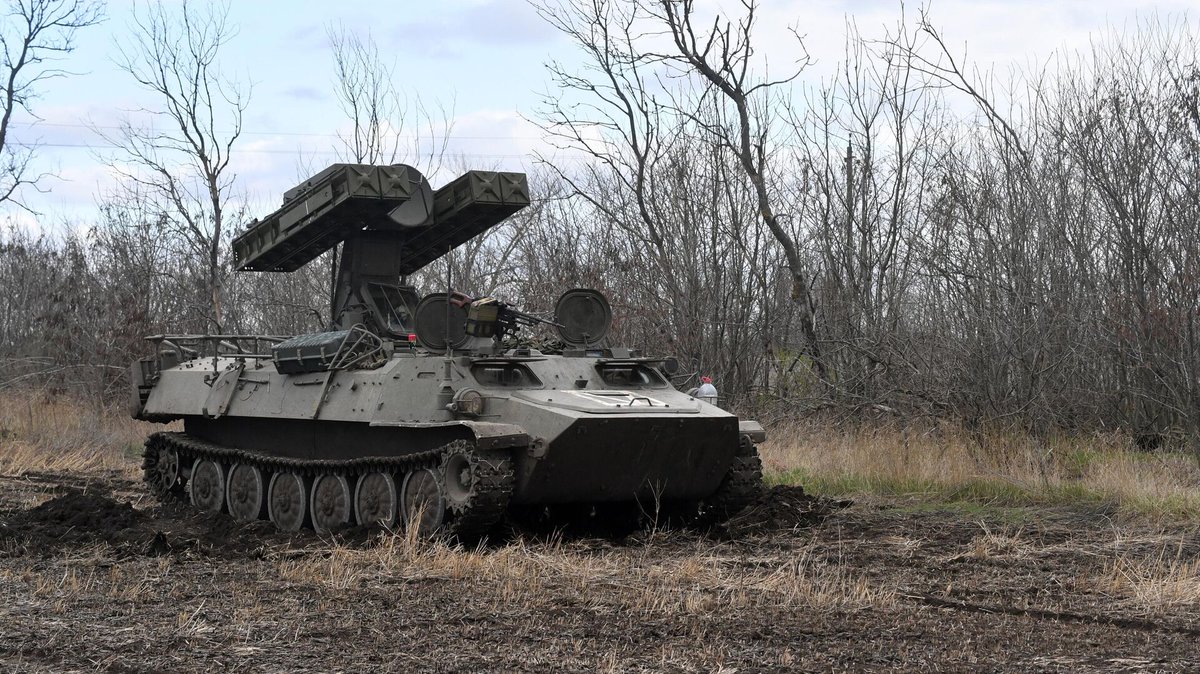
(22/24) Because both sides are generally not willing to risk their planes or helicopters within range of such systems, the primary targets for the Strela-10 are drones.
https://twitter.com/UAWeapons/status/1660249747318362112
(23/24) These are very challenging targets for the Strela-10 due to their small sizes and IR signatures and the fact that the Strela-10 has to acquire its targets visually. It's not surprising that they do fail to acquire drones that are spotting them.
https://twitter.com/Osinttechnical/status/1673102050605903873
(24/24) Still, they are better than nothing, and you'll need all the air defence assets you can get in this war.
https://twitter.com/Osinttechnical/status/1646714011466055682
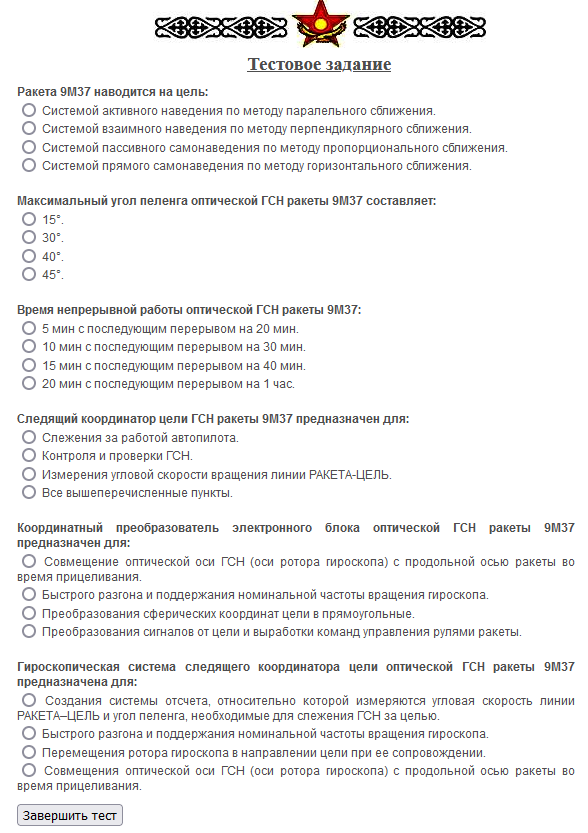
(25/24) Don't want to waste your life like me putting Strela-10 manual screenshots into an OCR translator? Then Kazakhstan National University has got you covered with their Strela-10 course. It even has a test after every section. Available in colour.
kaznu.kz/Content/%D0%97…
kaznu.kz/Content/%D0%97…
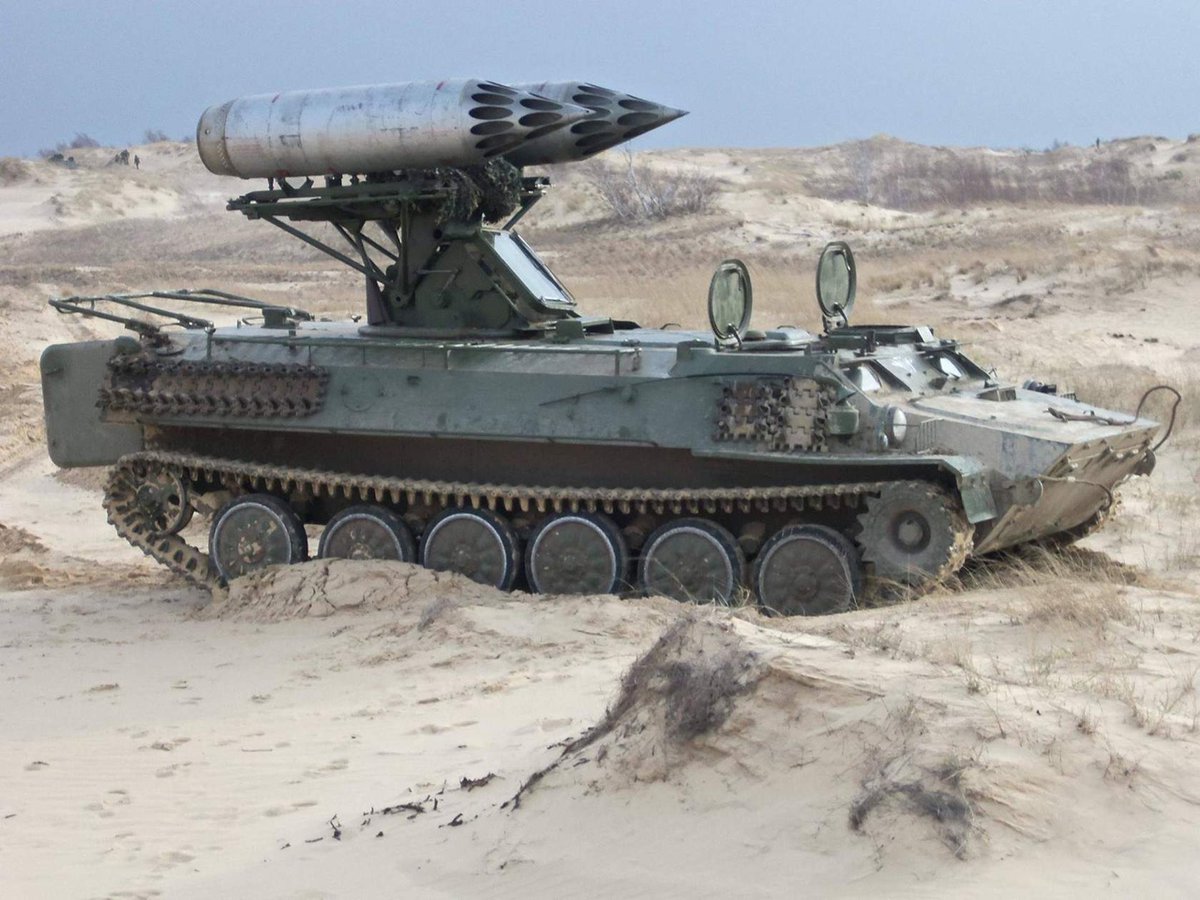
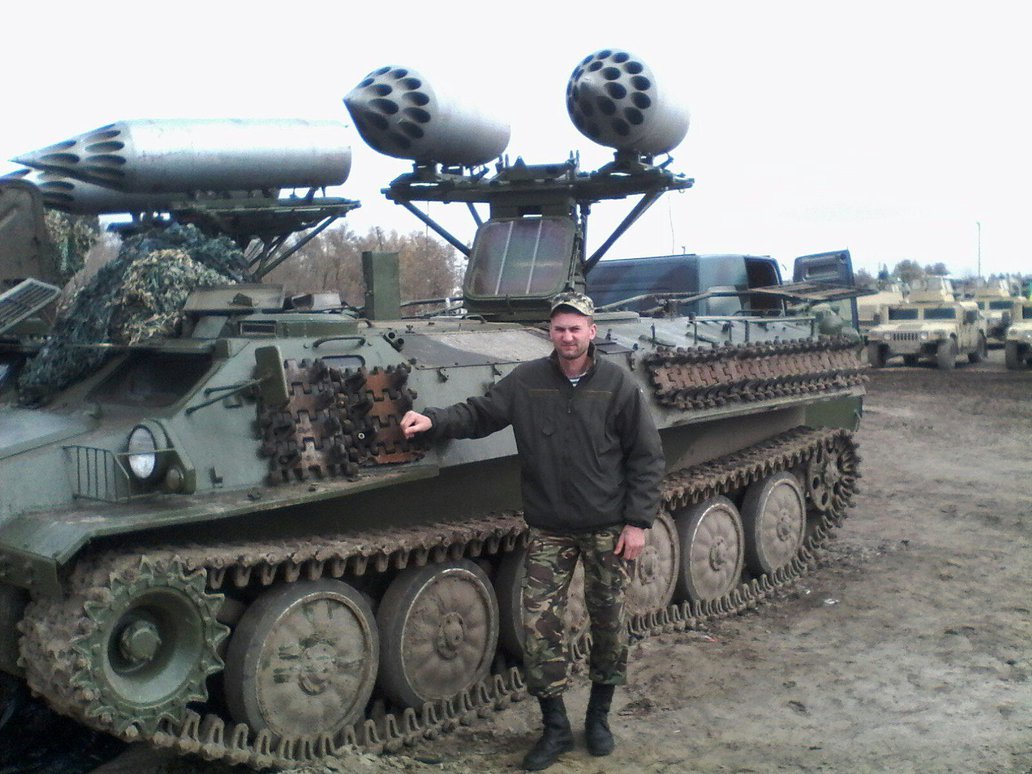
(26/24) A less conventional modification.
@SupratikSaumya Generally it is more accurate to say Kub -> Buk and Krug -> S-300V.
• • •
Missing some Tweet in this thread? You can try to
force a refresh






