1/ Someone presented this article to me as evidence that asylum seekers are a net benefit to European economies
Such headlines are common, so I thought I'd examine how they have come to this conclusion
This is a perfect example of how academia and the media lie to you
🧵
Such headlines are common, so I thought I'd examine how they have come to this conclusion
This is a perfect example of how academia and the media lie to you
🧵
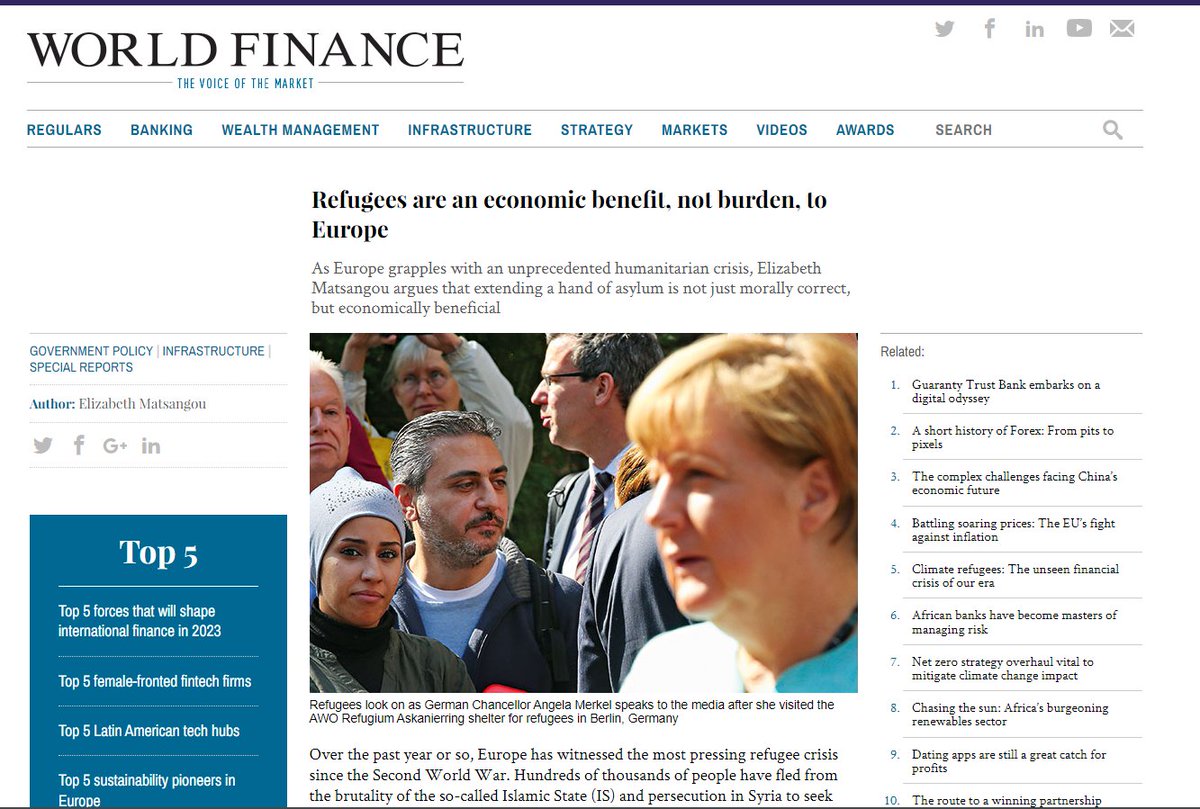
2/ The article's author challenges the notion that asylum seekers will be an economic burden, stating many argue without evidence.
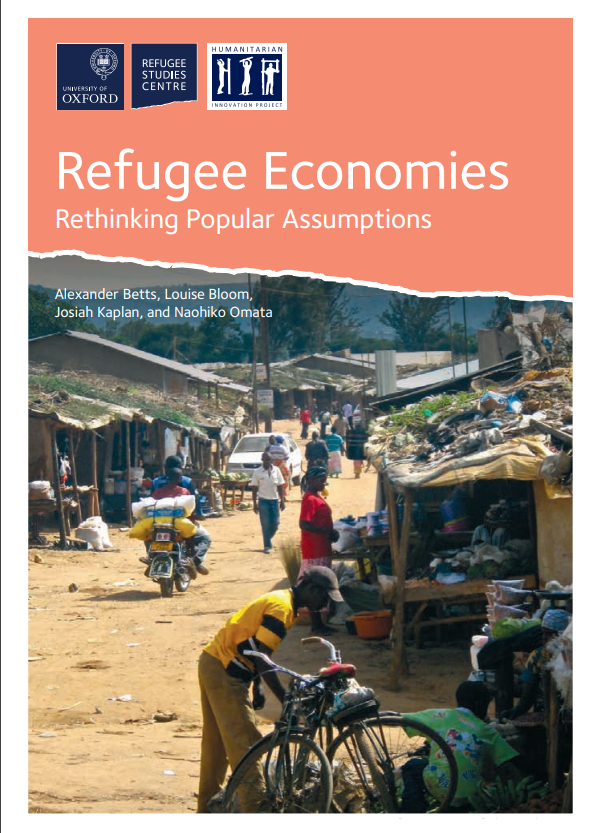
They then cite a 2014 Oxford study as their proof.
So let's look at this study >>>
They then cite a 2014 Oxford study as their proof.
So let's look at this study >>>
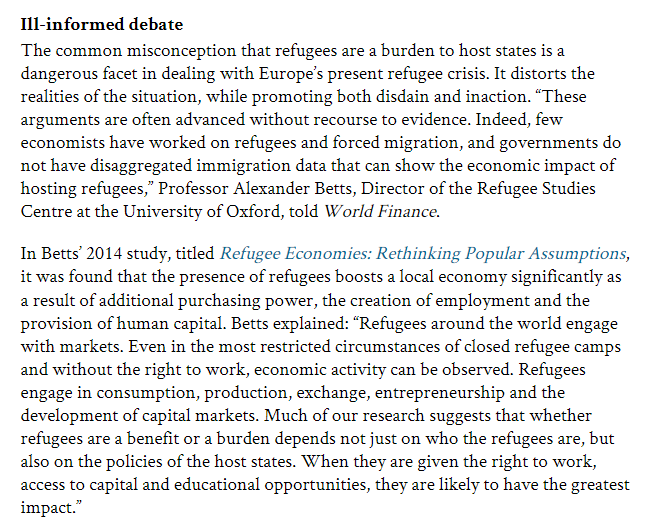
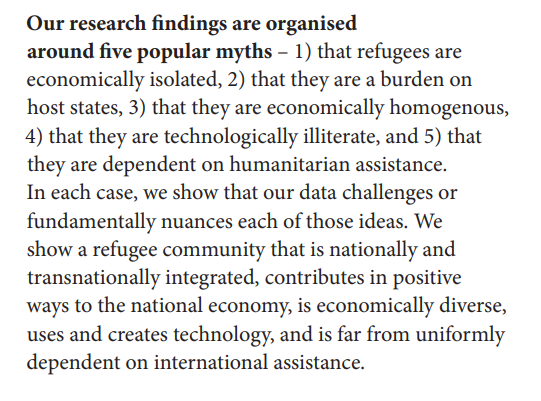
3/ The research opens by telling us how we're facing the most serious refugee crisis in 20 years and aims to dispel five myths pertaining to asylum seekers' economic impact
So how will they measure this?
Oh, by looking at refugees settlements in UGANDA
rsc.ox.ac.uk/files/files-1/…
So how will they measure this?
Oh, by looking at refugees settlements in UGANDA
rsc.ox.ac.uk/files/files-1/…
4/ That's right, Uganda.
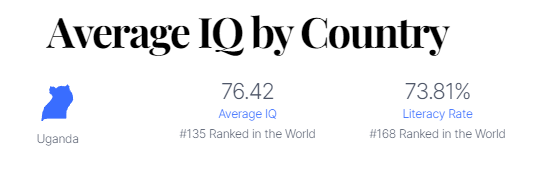
This is a country with a literacy rate of 74%, a life expectancy of 60-years-old and is ranked 166th in the Human Development Index
Their GDP per capita is ranked at 155th and their average IQ is 76
This is a country with a literacy rate of 74%, a life expectancy of 60-years-old and is ranked 166th in the Human Development Index
Their GDP per capita is ranked at 155th and their average IQ is 76

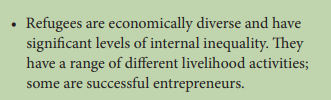
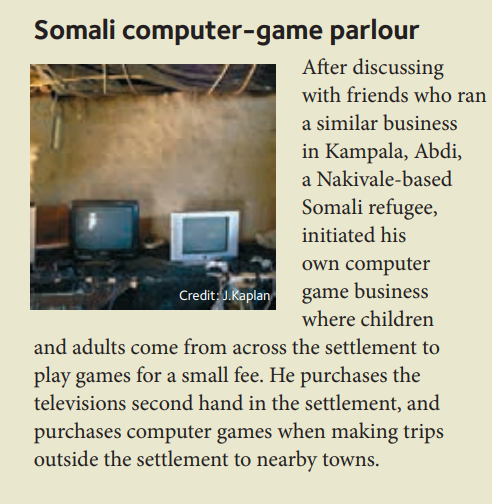
5/ The authors highlight refugee entrepreneurship, showcasing Ethiopian restaurants, Somali gaming parlours & a Congolese cinema
Compelling evidence that refugees will thrive in Europe
Who here can say that Vienna wouldn't benefit from a screening of Ghostbusters in a mud hut?
Compelling evidence that refugees will thrive in Europe
Who here can say that Vienna wouldn't benefit from a screening of Ghostbusters in a mud hut?

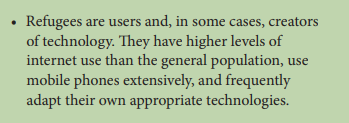
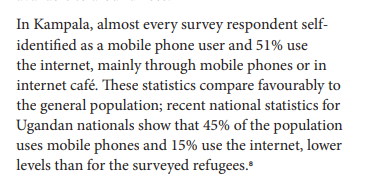
6/ Another 'key finding' is that refugees are more technologically adaptive and have higher levels of internet use than the native population.
At the time of the study, only 15% of Uganda had access to the internet.
At the time of the study, only 15% of Uganda had access to the internet.
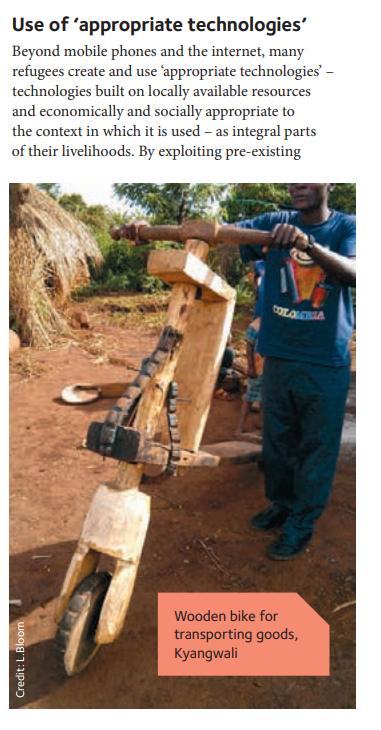
7/ Here are some examples of refugees creating 'appropriate technologies'
While Europe replicates the conditions which caused the big bang with 17 mile particle accelerators, the authors suggest that asylum seekers will enhance Europe with mud stoves and wooden bikes
While Europe replicates the conditions which caused the big bang with 17 mile particle accelerators, the authors suggest that asylum seekers will enhance Europe with mud stoves and wooden bikes
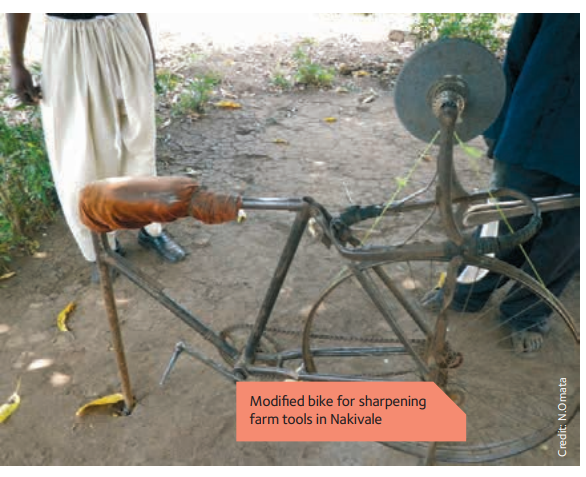

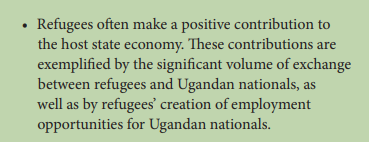
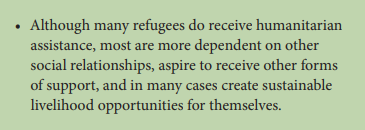
8/ Without actually quantifying their contribution, the authors claim that many asylum seekers positively contribute to the thriving economy of Uganda.
So now let's check the actual data for how asylum seekers have impacted European economies >>>
So now let's check the actual data for how asylum seekers have impacted European economies >>>
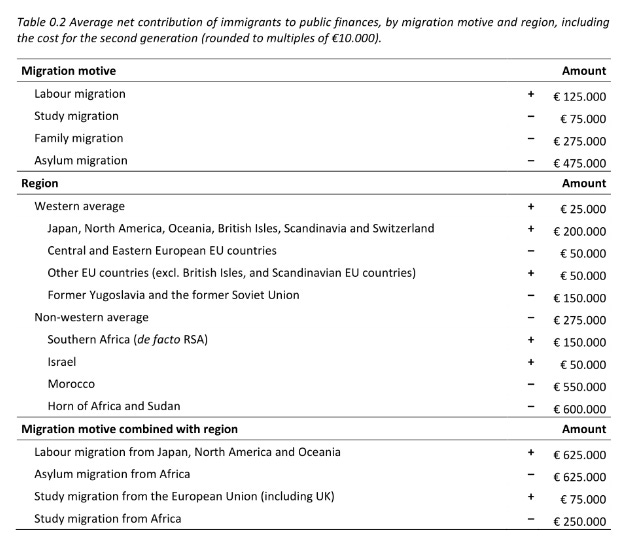
9/ Research from the University of Amsterdam revealed that the average asylum seeker cost the Dutch €475,000 per refugee
demo-demo.nl/wp-content/upl…
demo-demo.nl/wp-content/upl…
10/ In Norway, asylum seekers earn half of what natives do, have substantially lower employment rates and far higher rates of participation in social welfare programs
cream-migration.org/publ_uploads/C…
cream-migration.org/publ_uploads/C…
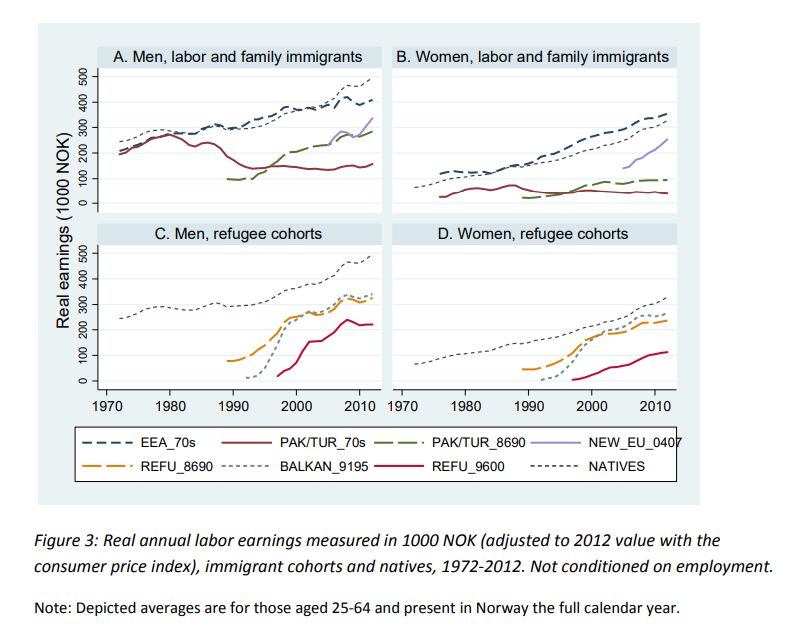
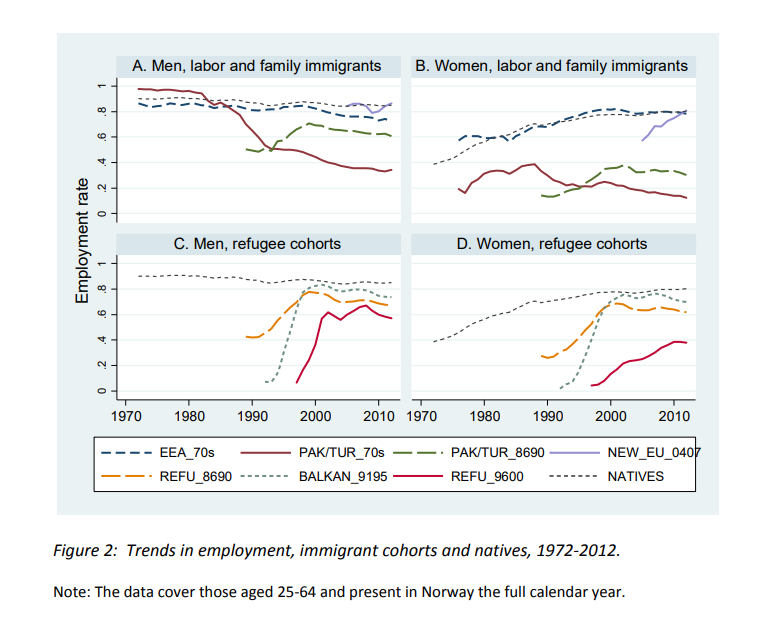
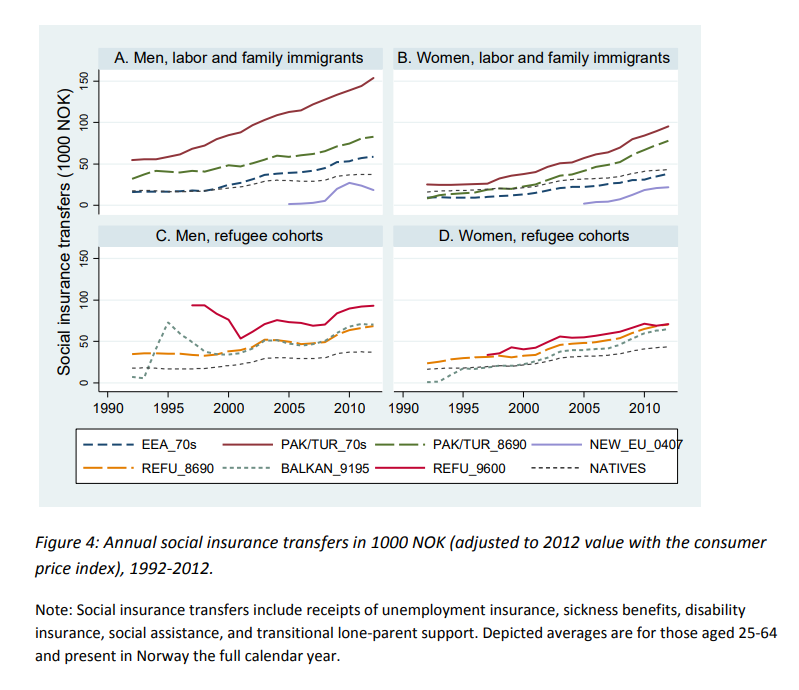
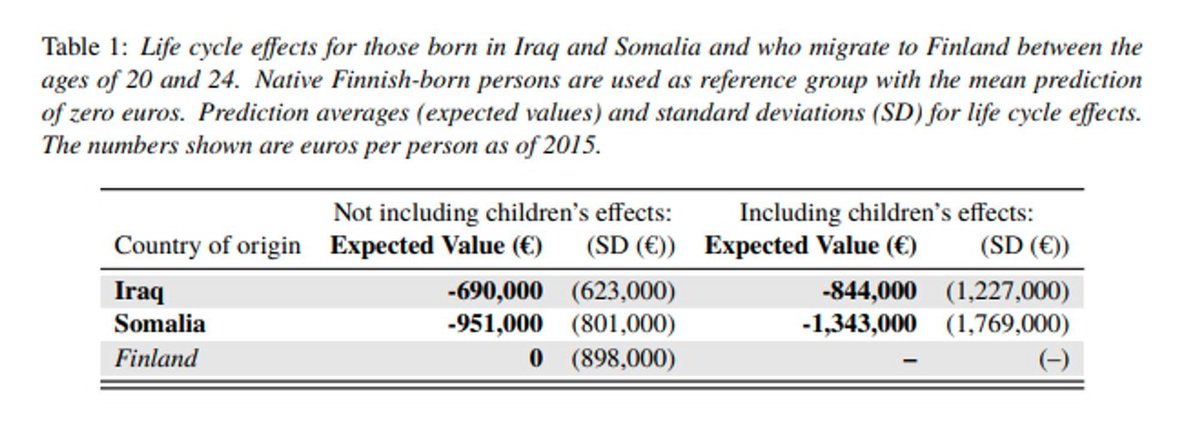
11/ In Finland, the average Iraqi migrant (aged 20-24) costs €844k if they choose to have children, costing €1.27 million more than the average Finnish-born family
Worse still, a single Somali immigrant costs the Finnish state almost €1 million
suomenperusta.fi/content/upload…
Worse still, a single Somali immigrant costs the Finnish state almost €1 million
suomenperusta.fi/content/upload…
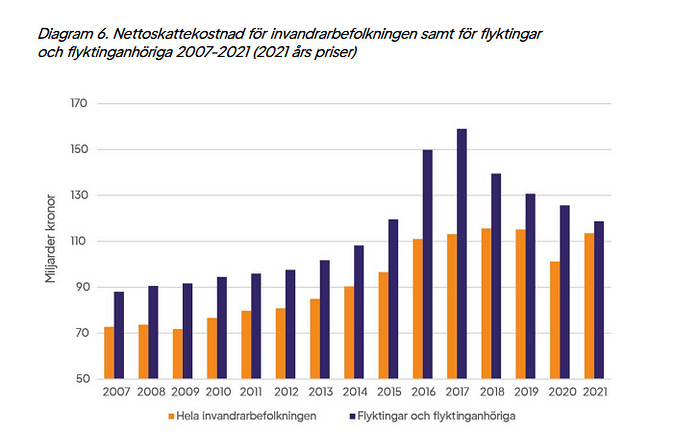
12/ Sweden took in the most refugees per capita during the migrant crisis of 2015.
A report estimated that the net tax cost for migrants and migrants' relatives amounts to an average of $10bn per year.
The net tax cost is on average 2.38% of GDP
via.tt.se/data/attachmen…
A report estimated that the net tax cost for migrants and migrants' relatives amounts to an average of $10bn per year.
The net tax cost is on average 2.38% of GDP
via.tt.se/data/attachmen…
13/ Six years after the migrant crisis, 65% of Syrian refugees & 43% of Afghan refugees of working age are still on social welfare in Germany
euractiv.com/section/politi…
euractiv.com/section/politi…
14/ The individual who shared the initial article likely only read the headline, reinforcing their preconceptions
This is what the majority do and it's expected
What's despicable is how academics and the media knowingly use such obviously ludicrous data to push narratives
This is what the majority do and it's expected
What's despicable is how academics and the media knowingly use such obviously ludicrous data to push narratives
• • •
Missing some Tweet in this thread? You can try to
force a refresh