The world's worst air pollution crisis is happening right now across Kalimantan & Sumatra, Indonesia 🇮🇩
According to our monitoring network, PM2.5 is at a 24-hr average of around 300 µg/m^3 (hazardous AQI of 350), 1-hr averages peaking at 750 (above the AQI max)
A thread 🧵 [1/n]

According to our monitoring network, PM2.5 is at a 24-hr average of around 300 µg/m^3 (hazardous AQI of 350), 1-hr averages peaking at 750 (above the AQI max)
A thread 🧵 [1/n]


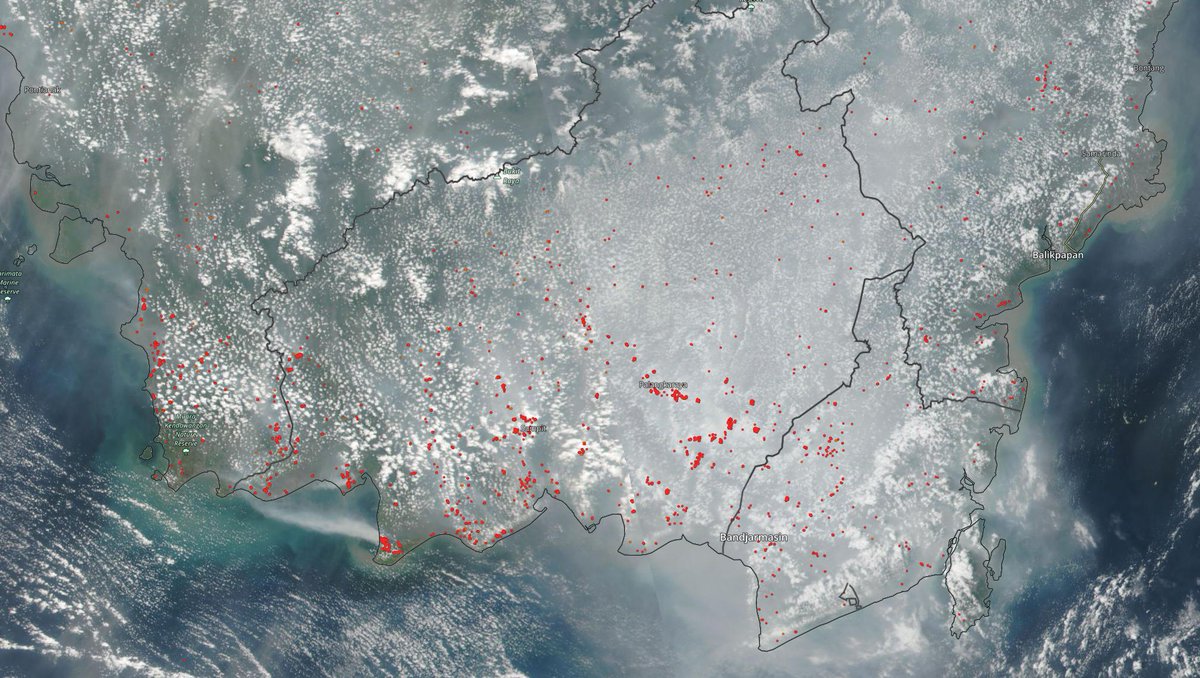
Persistent fires in Kalimantan, particularly in Central & South provinces, are sending a thick plume of smoke that by today has enfulged pretty much the whole of Indonesian Borneo (~500,000 km²). Millions of people have been exposed to hazardous air pollution for weeks now.
[2/n]
[2/n]
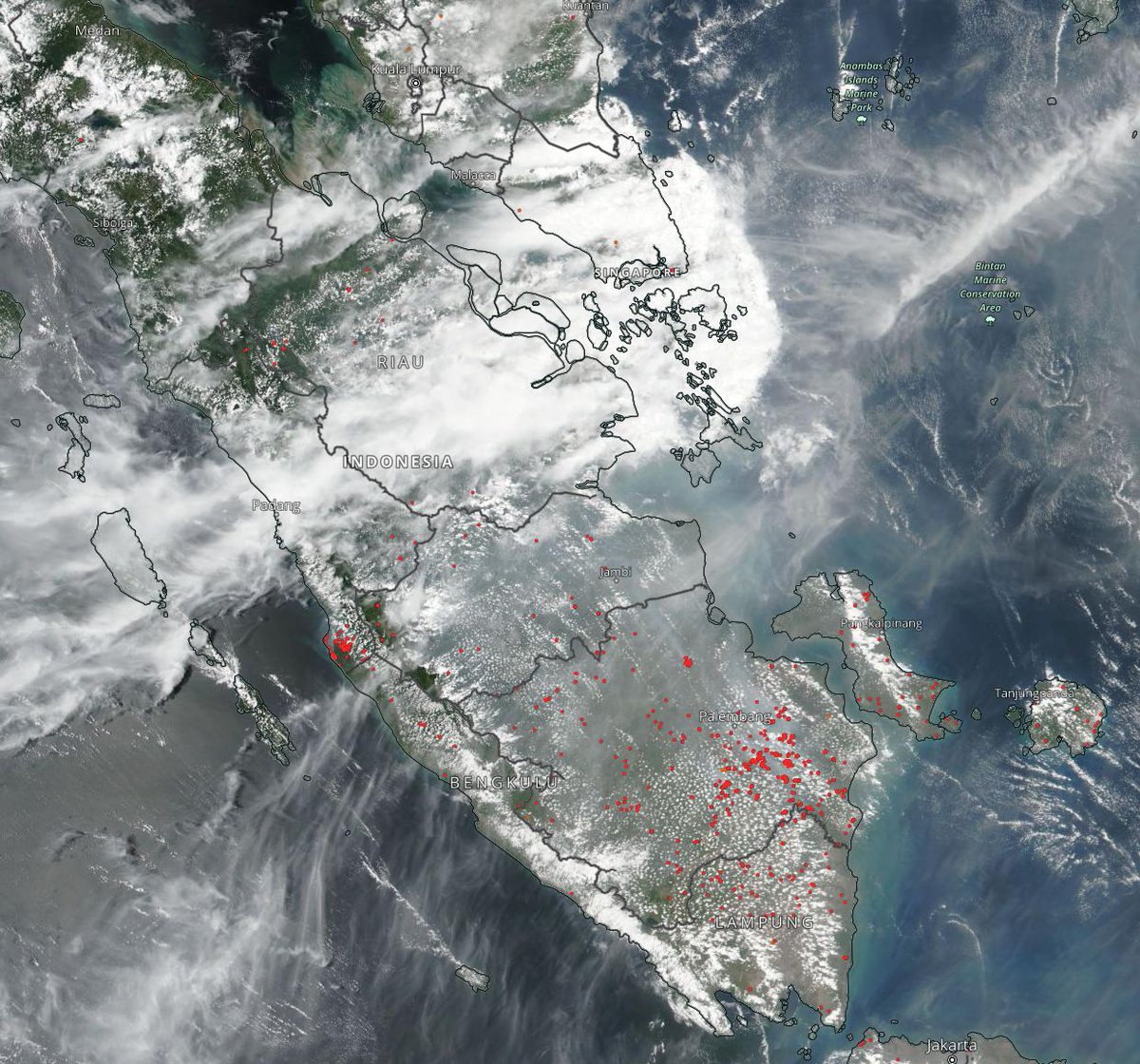
The situation is also bad in Sumatra, where fires in Lampung & South Sumatra are sending a thick plume north affecting millions on the island, but also densely populated cities across the Malacca Straits to Singapore 🇸🇬 & Malaysia 🇲🇾.
[3/n]
[3/n]
Most of these fires are on tropical peatlands that have been degraded due to deforestation & drainage. Tackling peat fires on this scale is beyond the capacity of civil contingency agencies. Smouldering fires require huge volumes of water to extinguish.
[4/n]
[4/n]
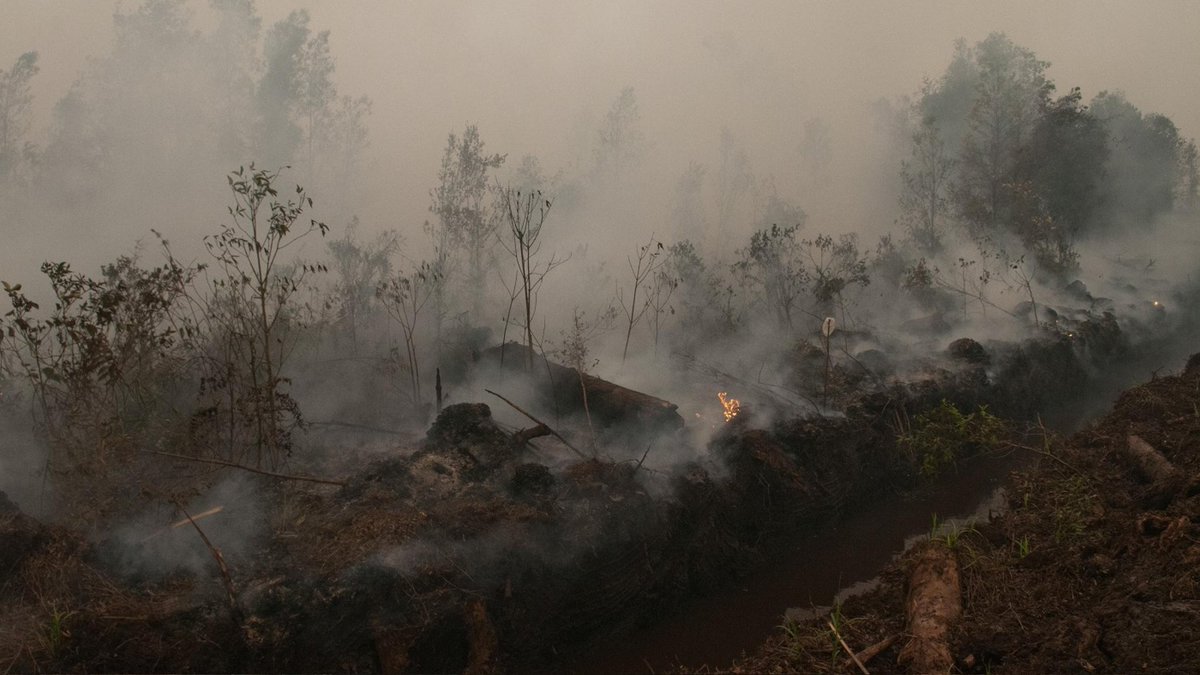
Our experiments @ImperialHazelab have shown that peat fires will continue to burn even following heavy rainfall events. These fires will not go away until the wet season, which under the current El Niño conditions might be delayed or substantially diminished.
[5/n]
[5/n]
This is a recurring disaster. In 2015 (El Niño), the smog from these fires resulted in the premature deaths of 10,000s and more than 600,000 severe asthma attacks in children. This was possibly the worst ever human-caused environmental disaster.
.
[6/n]ehjournal.biomedcentral.com/articles/10.11…
.
[6/n]ehjournal.biomedcentral.com/articles/10.11…
Part of our @NERCscience project (@Kalimantanlest1) hopes to develop a better understanding of exposure to smoke pollution. Deploying sensors in communities, indoors, outdoors, and personal portable devices to identify those most at risk.
[7/n]
[7/n]

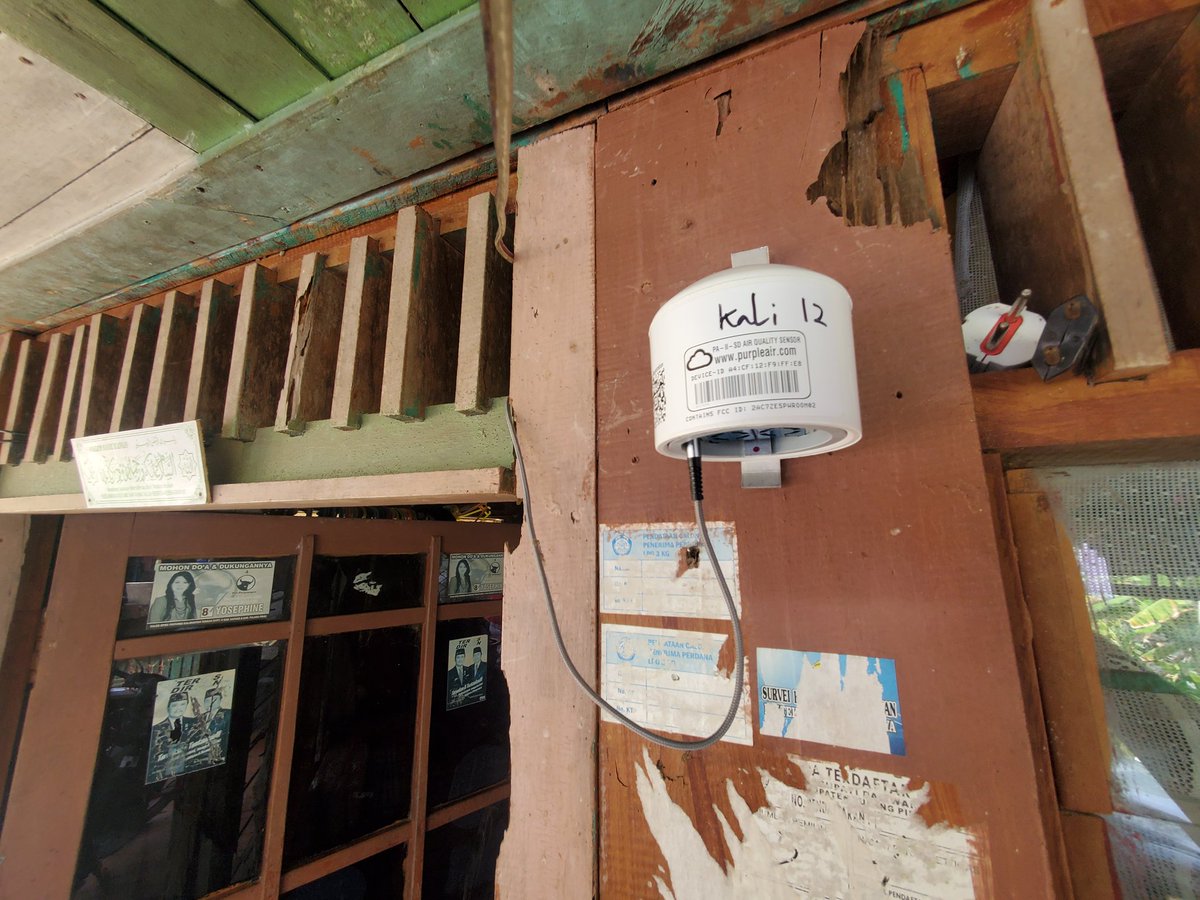
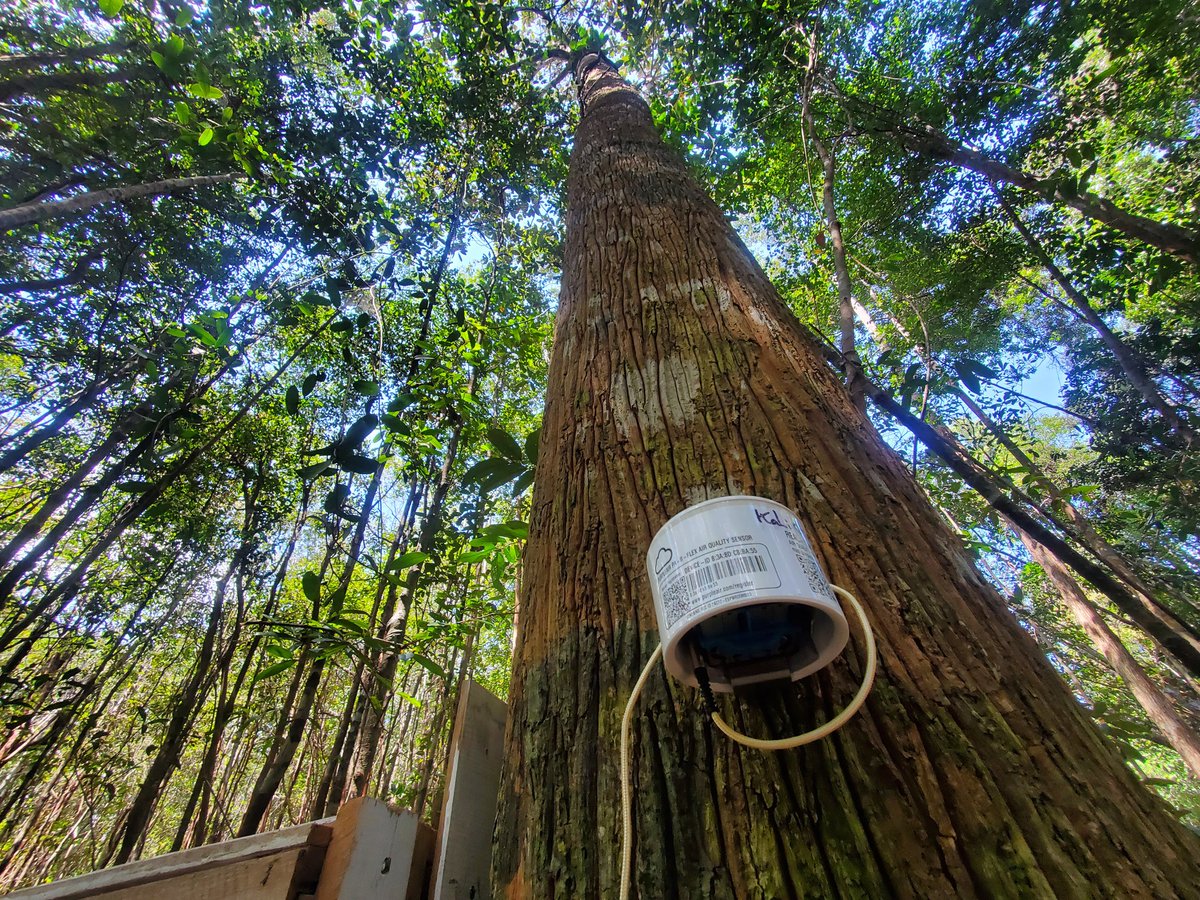
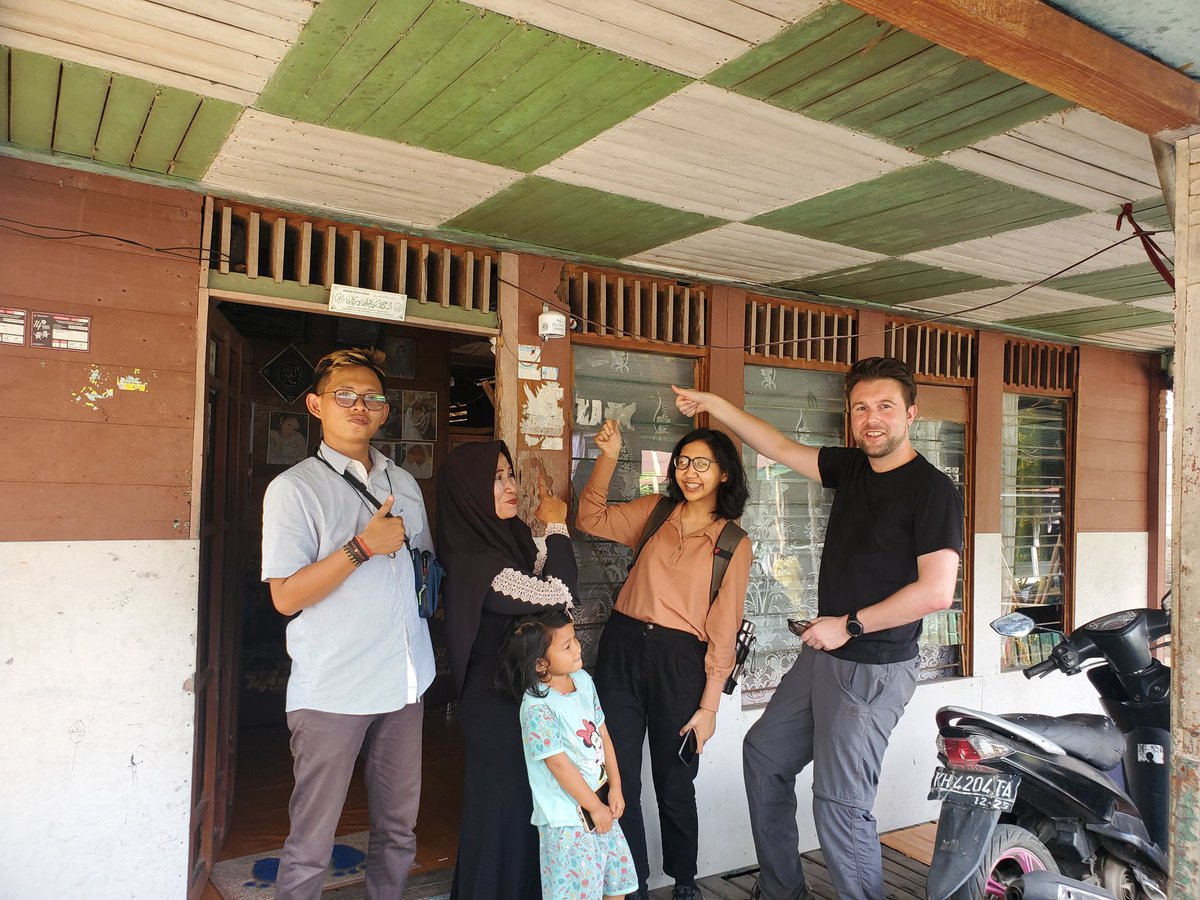
Right now, our sensor network is highlighting just how bad things can get, and I worry for our volunteers who are having to live through this. A quick look @ThePurpleAir map shows that our network in the Palangkaraya region is the global max.
[8/n]
[8/n]

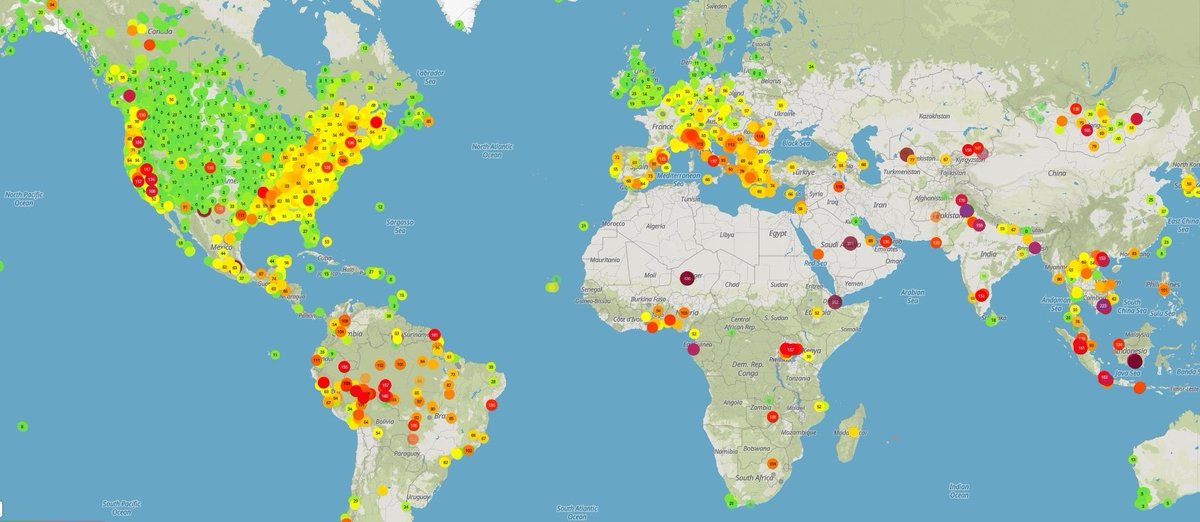
As usual, the 'transboundary' air pollution blame game is at play, with Malaysia blaming Indonesia for their poor air quality @MongabayID
[9/n]news.mongabay.com/2023/10/wasnt-…
[9/n]news.mongabay.com/2023/10/wasnt-…
Things aren't so simple. Leaving the transnational corporation & financing responsibilities aside, there are also fires on peatlands in Malaysia... I was measuring the smoke from a whole bunch of them just three weeks ago with @Inter_PEAT, all within 80 km of Kuala Lumpur.
[10/n]
[10/n]

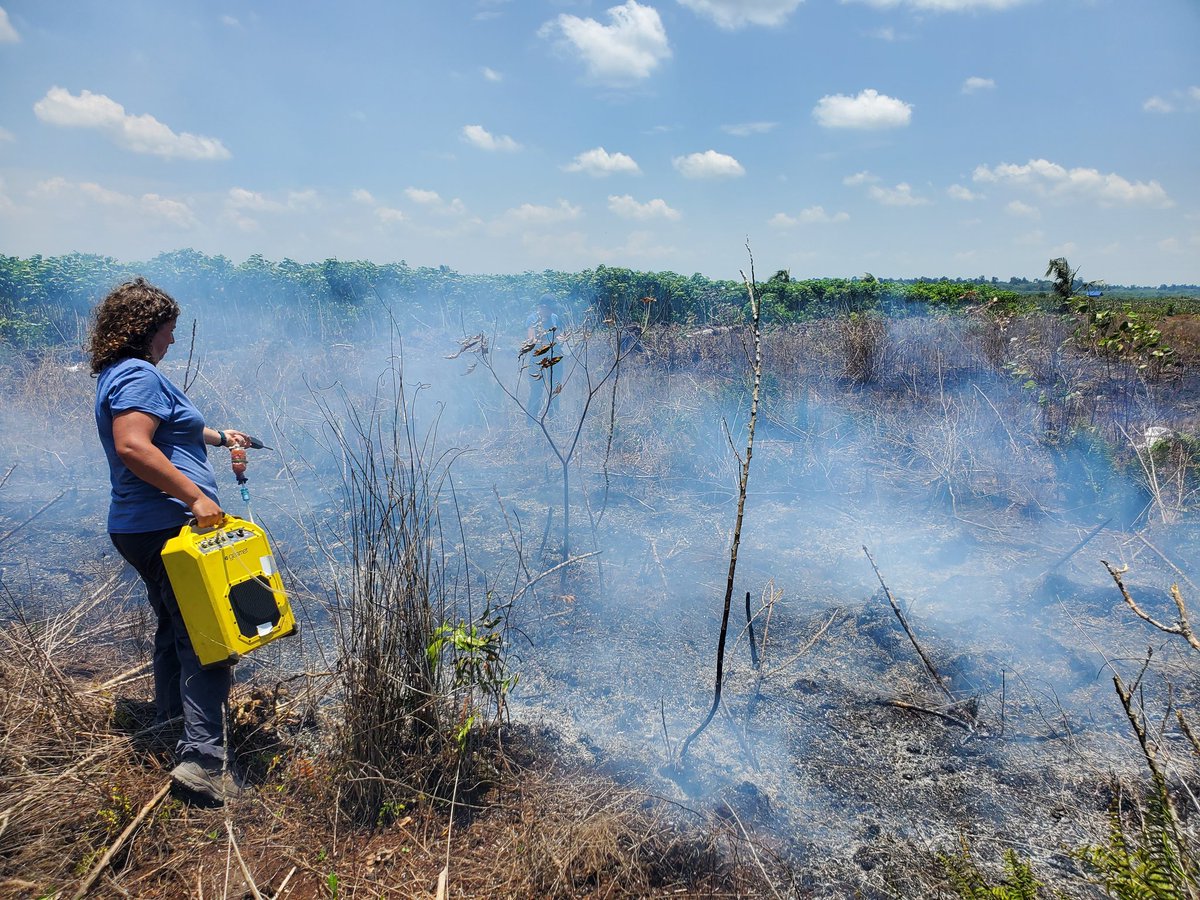

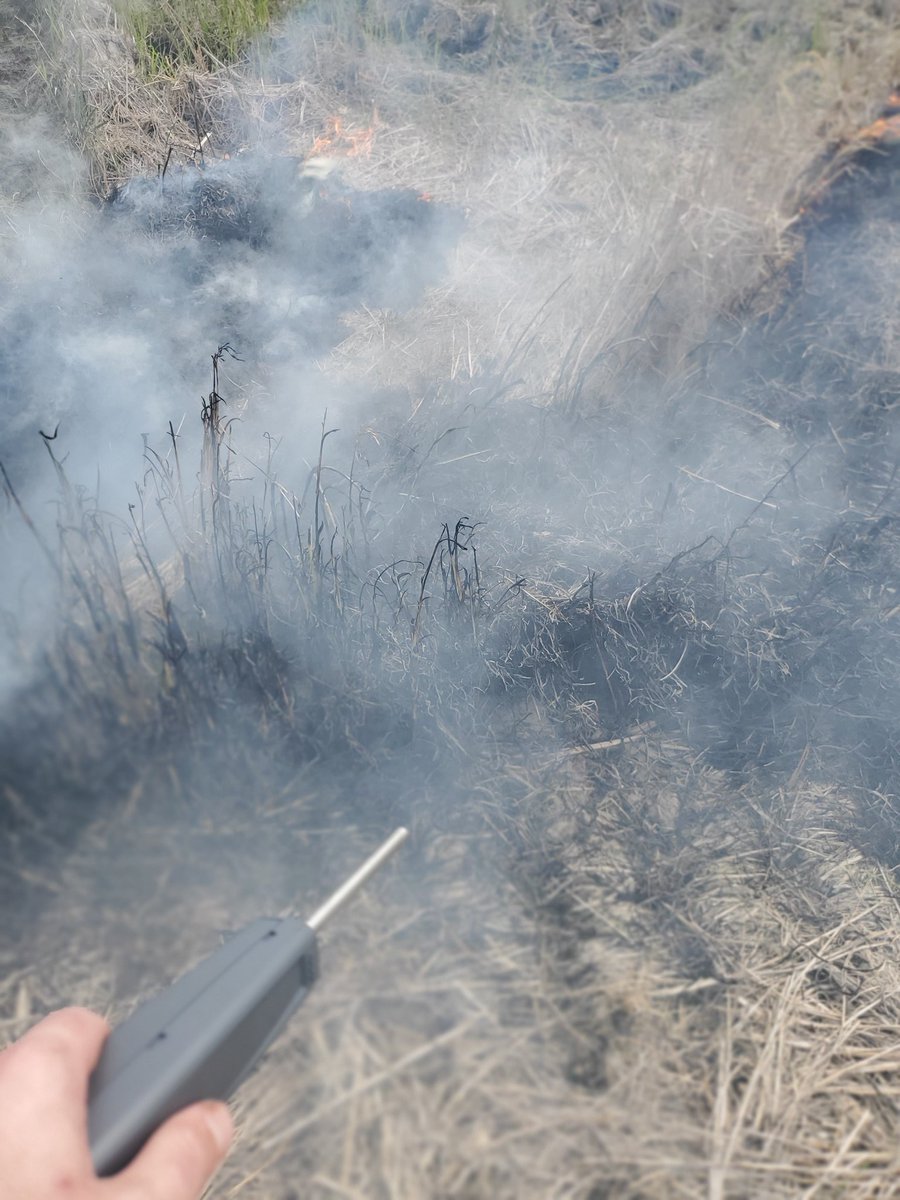
The prognosis isn't good. Significant rain is what's needed, and under El Niño that might not come for some time. Despite the millions suffering hazardous risk of acute health impacts, this unfolding disaster is noticeably lacking in media attention.
[11/11]
[11/11]
Read more about our Kalimantan Lestari (Kali) project here:
kali-project.com
kali-project.com
Here is a paper on the experiments @ImperialHazelab:
publish.csiro.au/WF/WF21135
publish.csiro.au/WF/WF21135
And you can view our air quality network @ThePurpleAir here:
map.purpleair.com/1/l/m/i/lt/mAQ…
map.purpleair.com/1/l/m/i/lt/mAQ…
• • •
Missing some Tweet in this thread? You can try to
force a refresh