Arsenal vs Manchester City
· Pep Guardiola vs Mikel Arteta
· Focus: Out Of Possession
· Impact Subs
· Gabriel Martinelli
[THREAD]

· Pep Guardiola vs Mikel Arteta
· Focus: Out Of Possession
· Impact Subs
· Gabriel Martinelli
[THREAD]
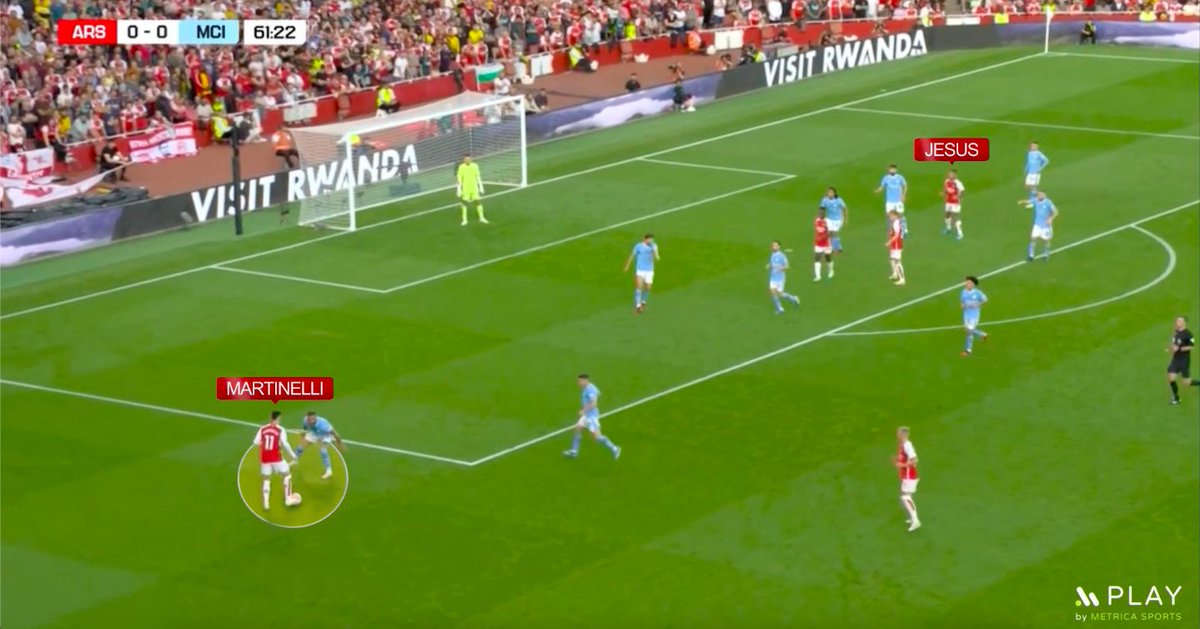
From the start, Man City had more control of the game.
City build up with 2-3-5, both fullbacks (Walker and Gvardiol) held the width.
City build up with 2-3-5, both fullbacks (Walker and Gvardiol) held the width.
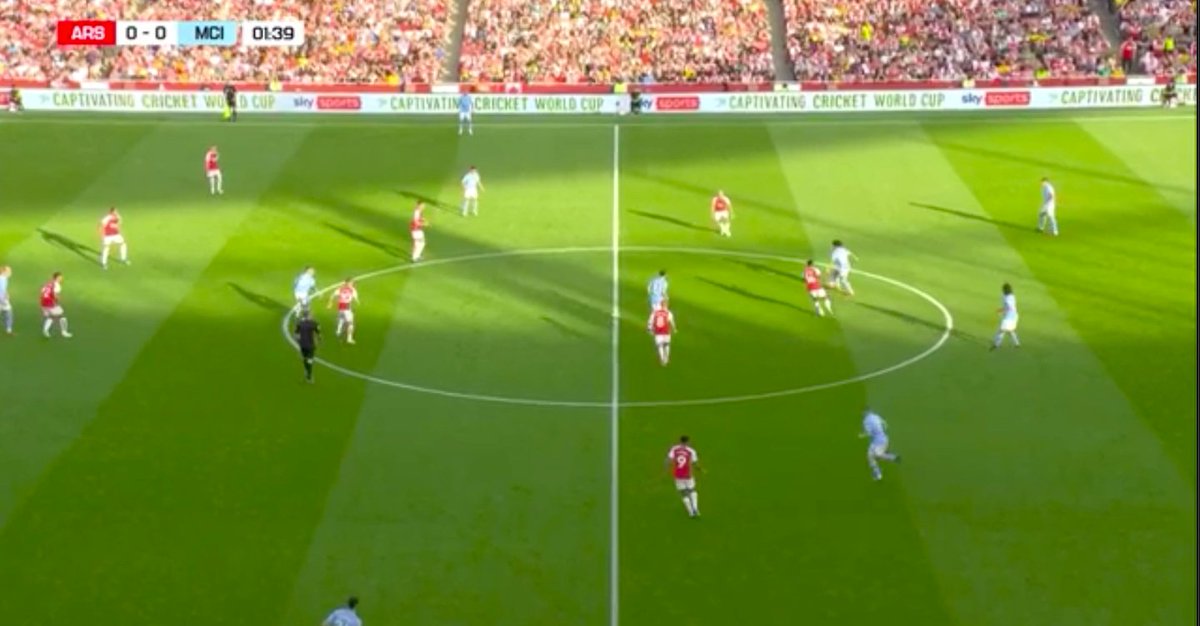
Arsenal defended in a 4-4-2 block which could transition into a man-to-man press.
The main priority was to minimize Man City’s central progression.
The main priority was to minimize Man City’s central progression.
City took advantage of Ederson’s ball-playing ability as usual, but Arsenal’s press made it hard for City to progress.
After successfully forcing City to play through wide areas, Arsenal pressed aggressively.
After successfully forcing City to play through wide areas, Arsenal pressed aggressively.
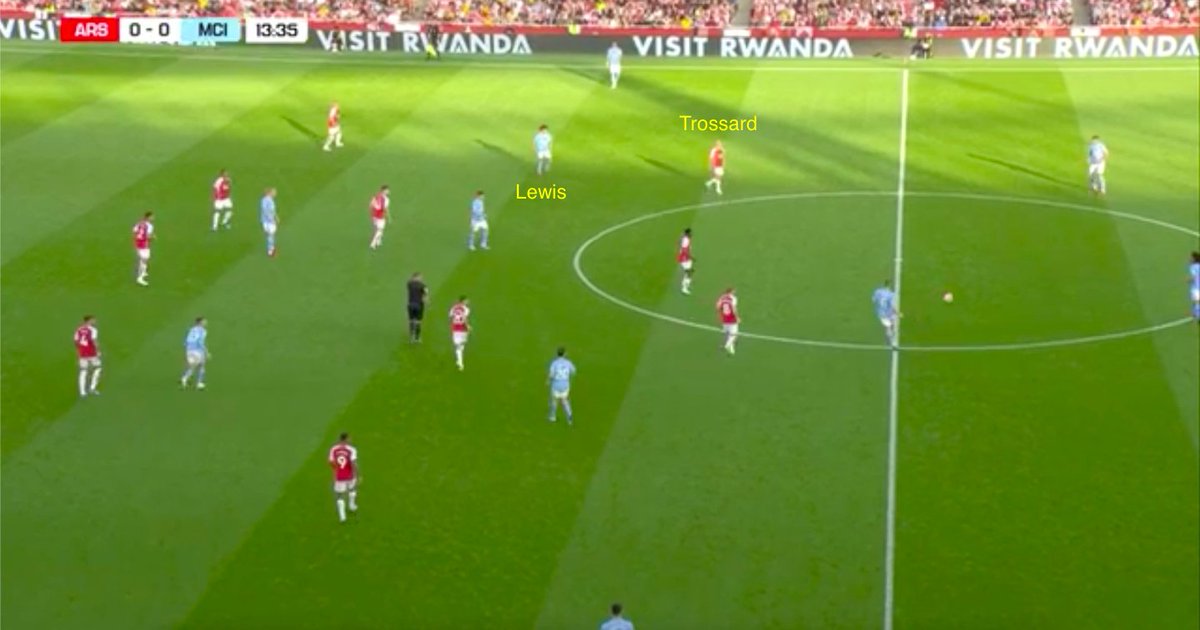
Man City was able to open up the access between the lines by pushing Rico Lewis higher to overload the central areas (Rice 1 v 2 Lewis – Alvarez).
Arteta then responded with Trossard deeper and closer to Rico Lewis, leaving more space for the FBs (ex: Walker).
White also focused more on Foden in central areas which left Gvardiol more space to attack.
To minimize the space, Arsenal transformed into more of a back 5 with Jesus dropped to the backline.
Saka often does this.
Saka often does this.
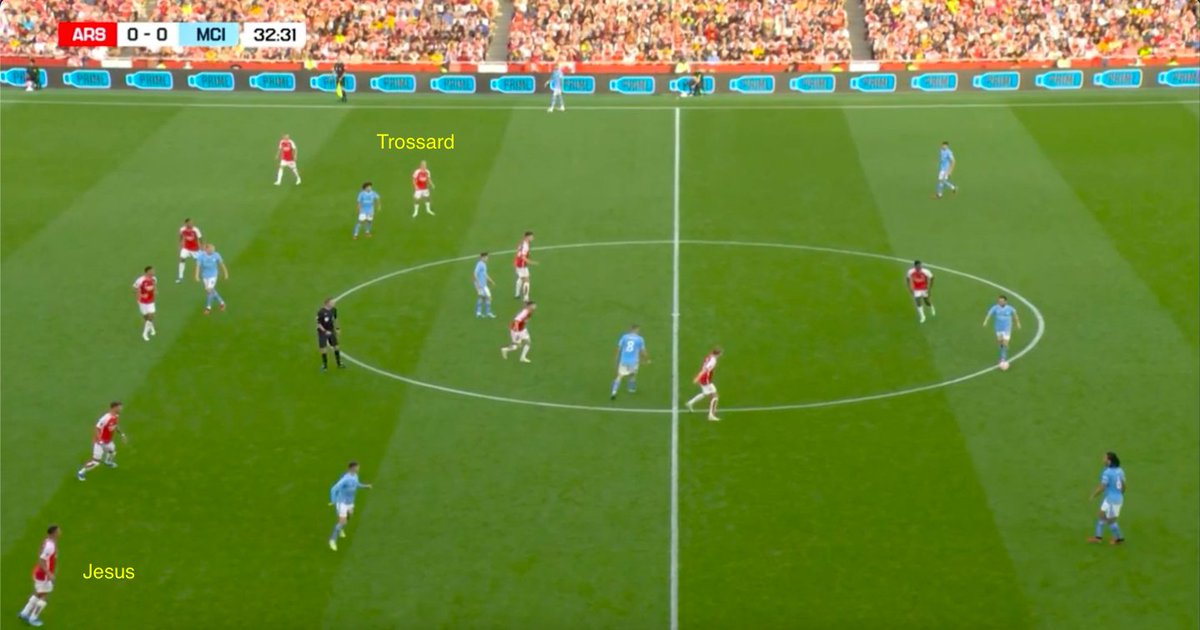
But of course, Gabriel Jesus isn’t a natural defender which means that he could be more easily bypassed.
This was a great chance for Man City.
This was a great chance for Man City.
With Haaland, it allowed Manchester City to play direct and take advantage of his runs.
It was an exciting battle between Haaland against Arsenal’s CBs (Saliba – Gabriel).
It was an exciting battle between Haaland against Arsenal’s CBs (Saliba – Gabriel).
This time, Haaland was able to receive.
City invited Arsenal’s press which created a big space between the lines for Alvarez but he missed it.
City invited Arsenal’s press which created a big space between the lines for Alvarez but he missed it.
If City was more of a 2-3-5, Arsenal build-up with a 3-2-5 (against City’s 4-4-2). There were some interesting rotations between Zinchenko/Jorginho/Rice.
When Zinchenko inverts, Jorginho will act as the RCB which also pushes White.
When Zinchenko inverts, Jorginho will act as the RCB which also pushes White.
When Jorginho stays central, White will act as the RCB while Zinchenko holds the width.
This created variety for the build-up although they usually tried to find players BTL (ex: Odegaard/Trossard).
This created variety for the build-up although they usually tried to find players BTL (ex: Odegaard/Trossard).
But with Rice sometimes more advanced (LCM), this allowed both Jorginho – Zinchenko in central areas.
Arsenal tried to invite City’s press here but failed to find any players for the direct play.
Arsenal tried to invite City’s press here but failed to find any players for the direct play.
The flexibility between those 3 could help Arsenal break through City’s press/block.
Here, Rice’s runs opened up the access to Nketiah.
Here, Rice’s runs opened up the access to Nketiah.
City didn’t always press as aggressively as Arsenal (more players on the back) but it succeeded to create some nervy moments.
Man City sometimes pressed more aggressively with man-to-man, giving Arsenal a hard time to progress especially in the 1st half.
While Ederson had a great performance on the distribution, David Raya made some errors that could lead to dangerous chances in the 1st half.
City was focusing on attacking through central areas, while Arsenal tried to attack more in wide areas.
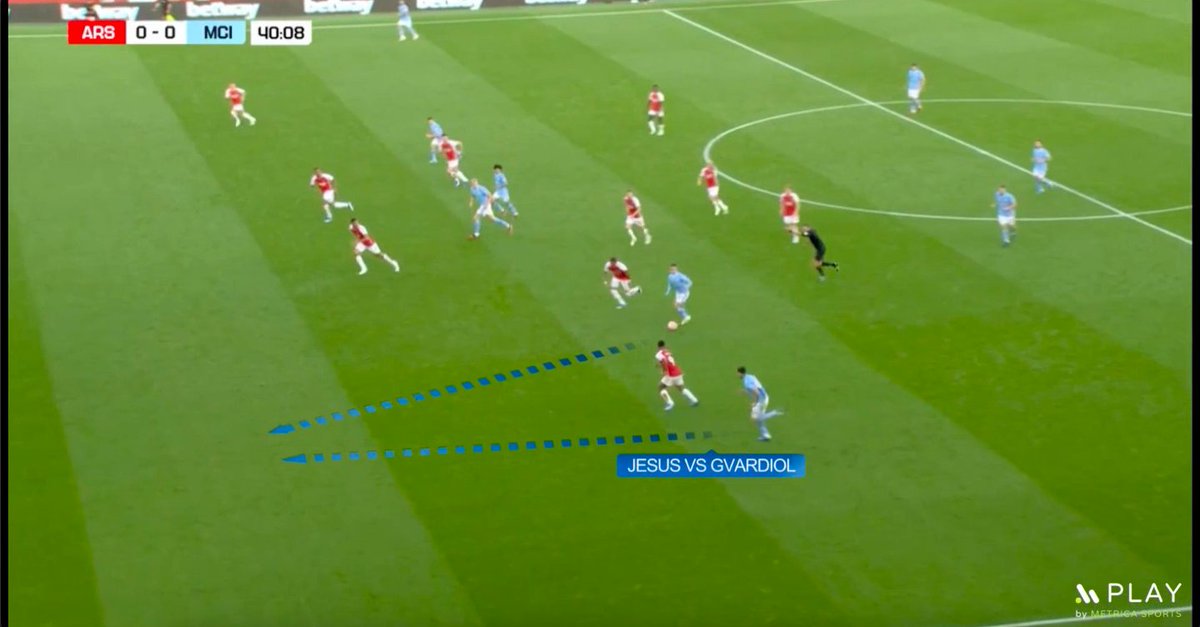
As from the previous example, Arsenal often created 1v1 situations between Jesus and Gvardiol.
As from the previous example, Arsenal often created 1v1 situations between Jesus and Gvardiol.
Raya to Jesus.
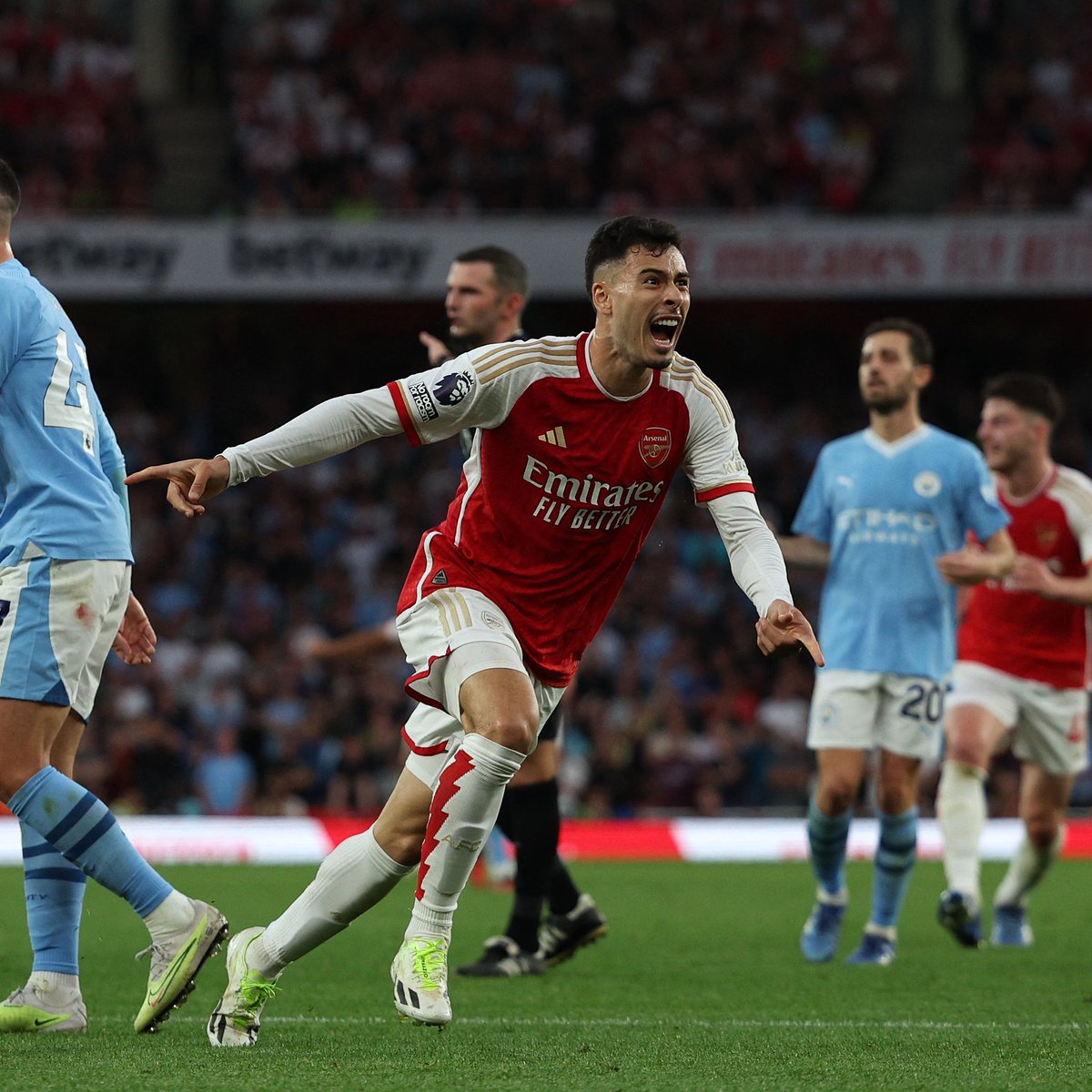
Martinelli’s introduction in the 2nd half gave Arsenal a breath of fresh air, because before Arsenal’s attack was more one-sided (Jesus).
With Martinelli, Arsenal could also take advantage of transitional moments/situations.
Rice🪨
Rice🪨
Arsenal created overloads on the right side to support Jesus before isolating Martinelli (1v1/2v2 with Zinchenko).
This also allowed Jesus (who is more of a CF) to attack the box more often.
This also allowed Jesus (who is more of a CF) to attack the box more often.
Pep Guardiola took Doku in the 2nd half and tried to create 1v1 situations between Doku against Arsenal’s FBs (White – Zinchenko) but they defended well against that.
Stones and Nunes also came on, Man City transitioned into a 4-2-3-1.
Stones and Nunes also came on, Man City transitioned into a 4-2-3-1.
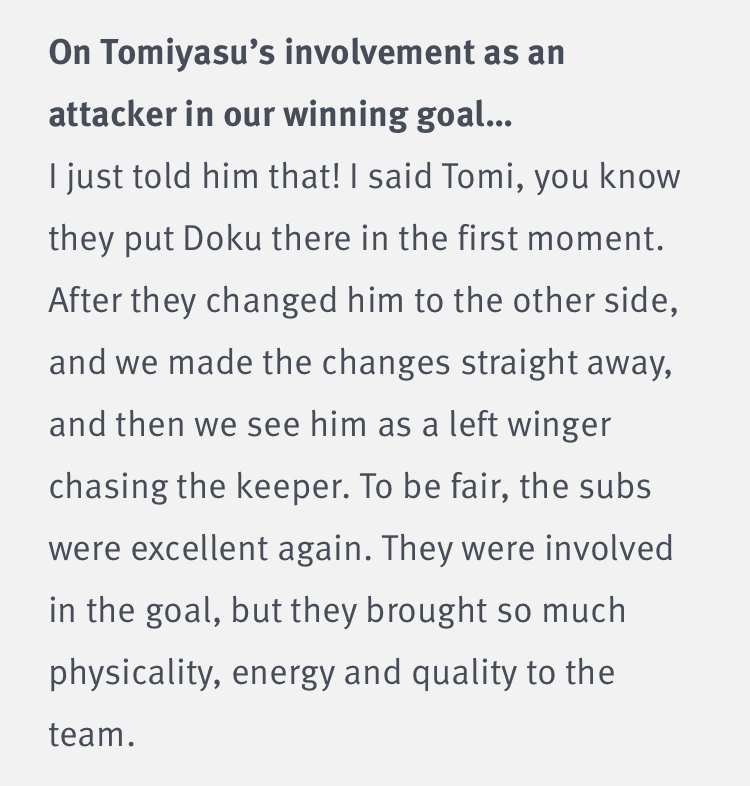
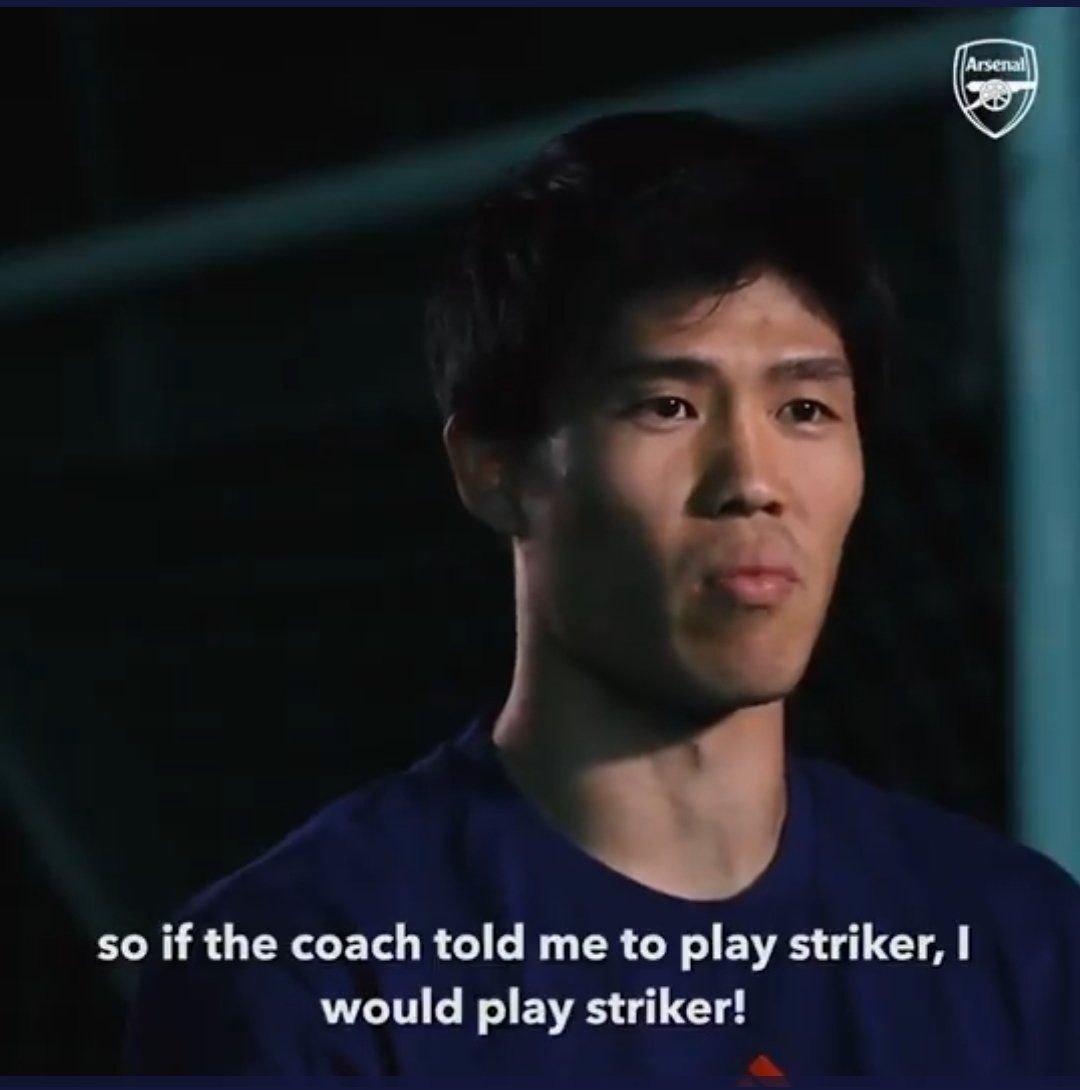
Arteta responded with Tomiyasu, Havertz, and Partey came on.
All of them are players who like to defend, which gives Arsenal more defensive security.
All of them are players who like to defend, which gives Arsenal more defensive security.
Not only that, all of the four subs made an impact on the winning goal against Manchester City.
Partey was able to find Tomiyasu’s instinct run ➡️Havertz’s hold-up play ➡️ Space for Martinelli
Partey was able to find Tomiyasu’s instinct run ➡️Havertz’s hold-up play ➡️ Space for Martinelli
Tomiyasu.
This game is a great answer from Arsenal after always being very leaky in Emirates Stadium.
You’re probably playing FPL this season. But are you playing it the right way?
@LazyFPL's pre-deadline emails will help you to win your mini-leagues without breaking a sweat. 99.2% of their readers agree. They’re totally free.
Subscribe ⬇️
lazyfpl.com/subscribe?utm_…
@LazyFPL's pre-deadline emails will help you to win your mini-leagues without breaking a sweat. 99.2% of their readers agree. They’re totally free.
Subscribe ⬇️
lazyfpl.com/subscribe?utm_…
• • •
Missing some Tweet in this thread? You can try to
force a refresh