Read on Twitter
You might have heard that instructional coaching is one of the most powerful forms of development for teachers. But is it really?
Time for a deep analysis:
↓
(with some bonus dodgy drawings and a burger analogy 🍔)
Time for a deep analysis:
↓
(with some bonus dodgy drawings and a burger analogy 🍔)
NOTE
This is *my* perspective on IC (and one shared by lots of schools I work with).
However... other views exist... and this is a good thing.
Any system as complex as education should absolutely support a diversity of views and approaches.
This is *my* perspective on IC (and one shared by lots of schools I work with).
However... other views exist... and this is a good thing.
Any system as complex as education should absolutely support a diversity of views and approaches.
https://twitter.com/MattTeachCoach/status/1397229891989475335
First up, what is instructional coaching (IC)?
For me, IC involves one teacher working with another teacher, to help them take small, personalised steps to improve their practice.
Let's look at a basic configuration of what this can look like in practice:
For me, IC involves one teacher working with another teacher, to help them take small, personalised steps to improve their practice.
Let's look at a basic configuration of what this can look like in practice:
A BASIC MODEL
Coaches help their teachers to get better by doing two things on a regular basis:
1. Exploring and agreeing an area for improvement, often based on a short observation.
2. Supporting teachers with opportunities to rehearse and get feedback on their practice.
Coaches help their teachers to get better by doing two things on a regular basis:
1. Exploring and agreeing an area for improvement, often based on a short observation.
2. Supporting teachers with opportunities to rehearse and get feedback on their practice.

In the observation phase, a coach will often drop into the teacher’s lesson for about 15 minutes.
This ensures that improvement is grounded in the reality of practice, and it generates stimulus for identifying and agreeing the next best small step for a teacher to work on.
This ensures that improvement is grounded in the reality of practice, and it generates stimulus for identifying and agreeing the next best small step for a teacher to work on.

NOTE
Instructional coaching observations work best when they focus on *developing* teachers, not *judging* them.
Instructional coaching observations work best when they focus on *developing* teachers, not *judging* them.

In the feedback phase, the coach and the teacher often get together for a structured meeting lasting about 30 minutes.
During this time, the coach and the teacher have a semi-structured conversation, aimed at helping the teacher improve a small aspect of their practice.
During this time, the coach and the teacher have a semi-structured conversation, aimed at helping the teacher improve a small aspect of their practice.

The shape of this conversation varies, depending on a range of factors, such as the area being developed or the expertise of the teacher.
However, it is common to engage in the following 6 activities:
However, it is common to engage in the following 6 activities:
1/ Highlighting positives... what is going well for the teacher or the class.
2/ Exploring & agreeing a 'next best step' for the teacher to work on.
3/ Exploring a model of (and unpacking) 'what good looks like' for the desired step.
2/ Exploring & agreeing a 'next best step' for the teacher to work on.
3/ Exploring a model of (and unpacking) 'what good looks like' for the desired step.

4/ Contextualising and planning the step, just as the teacher will use it in a future lesson.
5/ Engaging in some form of rehearsal... ideally multiple rounds of, with balanced feedback in between.
6/ Agreeing any follow-up actions and next steps.
5/ Engaging in some form of rehearsal... ideally multiple rounds of, with balanced feedback in between.
6/ Agreeing any follow-up actions and next steps.
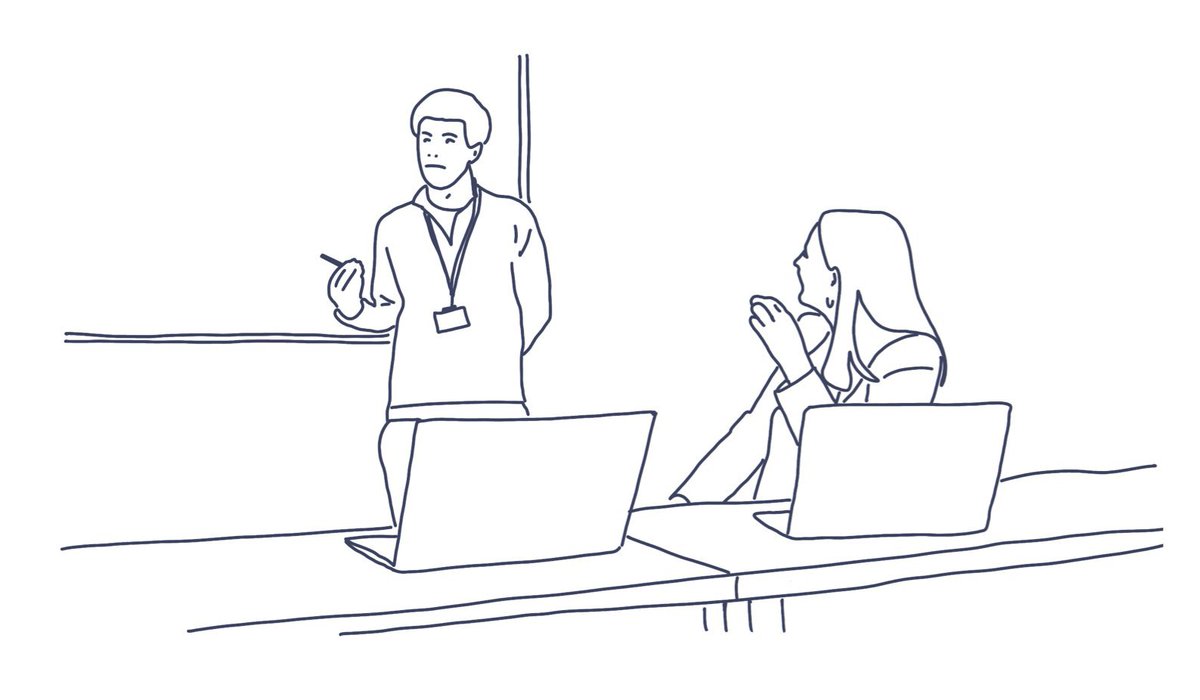
NOTE 1
Sometimes, coaches provide lots of guidance. Sometimes, they'll ask lots of question to facilitate development.
The best coaching is *responsive* to the needs of the teacher being supported and the thing they're working on.
Sometimes, coaches provide lots of guidance. Sometimes, they'll ask lots of question to facilitate development.
The best coaching is *responsive* to the needs of the teacher being supported and the thing they're working on.
NOTE 2
For a range of aspects of teaching (but not all), rehearsal in this low-stakes environment allows teachers to focus all their attention on improving, so they can begin to become fluent in their step *before* taking it to the demanding environment of the classroom.
For a range of aspects of teaching (but not all), rehearsal in this low-stakes environment allows teachers to focus all their attention on improving, so they can begin to become fluent in their step *before* taking it to the demanding environment of the classroom.
NOTE 3
The power of IC lies heavily in the 'compounding effect' of making small improvements on an ongoing basis.
This is why it works best when it is done regularly: ideally weekly or fortnightly, integrated into school timetables.
The power of IC lies heavily in the 'compounding effect' of making small improvements on an ongoing basis.
This is why it works best when it is done regularly: ideally weekly or fortnightly, integrated into school timetables.
Now, back to the original question: is IC effective?
Well, the answer is that...
it doesn't really make sense to ask this question.
Because it DEPENDS on the configuration of the coaching.
Well, the answer is that...
it doesn't really make sense to ask this question.
Because it DEPENDS on the configuration of the coaching.
As I said at the start, a range of conceptions and models of IC exist, and so it doesn't really make sense to try to judge things at that level.
It's like asking if a burger is healthy.
The answer DEPENDS on the ingredients and how it's made 🍔
It's like asking if a burger is healthy.
The answer DEPENDS on the ingredients and how it's made 🍔
And the same is true for IC.
The effectiveness of coaching DEPENDS on what ingredients are present, and how they're put together.
So what ingredients make coaching effective?
The effectiveness of coaching DEPENDS on what ingredients are present, and how they're put together.
So what ingredients make coaching effective?
Well, the EEF's recent systematic review is a good place to start.
They identified that 'balanced' PD—that which contains at least one ingredient from each of the rows in this diagram—tends to have the greatest effect.
educationendowmentfoundation.org.uk/education-evid…
They identified that 'balanced' PD—that which contains at least one ingredient from each of the rows in this diagram—tends to have the greatest effect.
educationendowmentfoundation.org.uk/education-evid…

And so, where coaching contains such ingredients, it has the *potential* to be effective.
What this LOOKS LIKE in practice, can take a variety of forms.
What this LOOKS LIKE in practice, can take a variety of forms.
For example, the simple model outlined above is a solid basis for effective coaching.
Similarly, @EvidenceInEdu are developing a team coaching approach which incorporates several essential ingredients.
The models are different, but *both* have the potential to be effective.
Similarly, @EvidenceInEdu are developing a team coaching approach which incorporates several essential ingredients.
The models are different, but *both* have the potential to be effective.
@EvidenceInEdu I use the word potential here very deliberately.
Because, of course, the effectiveness of coaching also depends on implementation factors...
Such as coach expertise, leadership support, timetabling and so on...
Because, of course, the effectiveness of coaching also depends on implementation factors...
Such as coach expertise, leadership support, timetabling and so on...
@EvidenceInEdu Which is a conversation for another time...
--
Although if you want an example of a school nailing the coaching implementation piece, this case study by @khgalea & @MrsBallAP is a cracking place to start ⤵️
steplab.co/resources/case…
--
Although if you want an example of a school nailing the coaching implementation piece, this case study by @khgalea & @MrsBallAP is a cracking place to start ⤵️
steplab.co/resources/case…

@EvidenceInEdu @khgalea @MrsBallAP That's all for now.
For more on how to get started with coaching, check out this Beginner’s Guide:
And for a more advanced analysis, check out this paper by @Josh_CPD & @ArielleBoguslav
Let the arguments commence!
👊 steplab.co/resources/pape…
steplab.co/resources/pape…
For more on how to get started with coaching, check out this Beginner’s Guide:
And for a more advanced analysis, check out this paper by @Josh_CPD & @ArielleBoguslav
Let the arguments commence!
👊 steplab.co/resources/pape…
steplab.co/resources/pape…

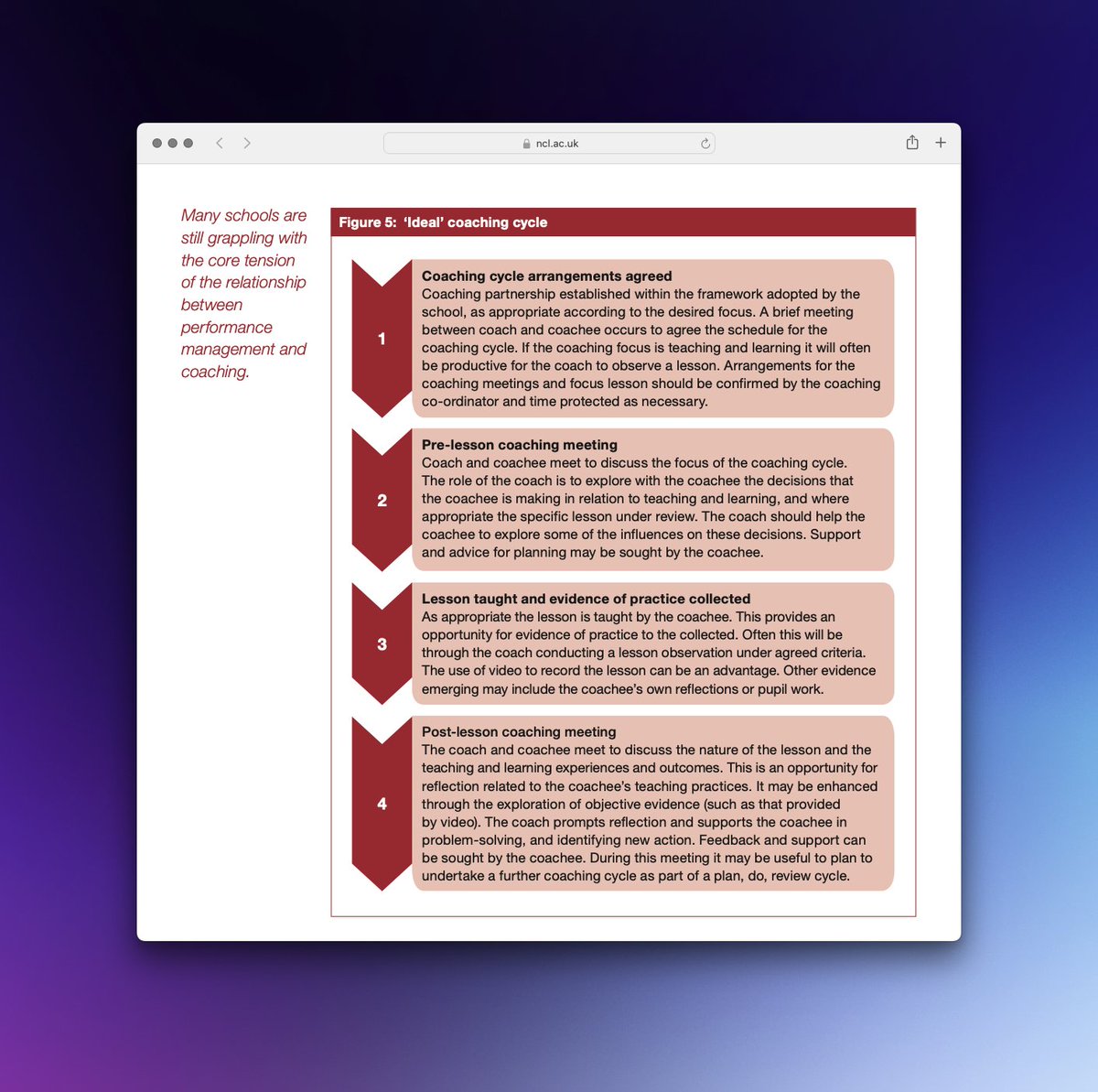
PS. Forgot to flag this practical & nuanced coaching guide from @DrRLofthouse et al. ⤵️
ncl.ac.uk/media/wwwnclac…
ncl.ac.uk/media/wwwnclac…
• • •
Missing some Tweet in this thread? You can try to
force a refresh