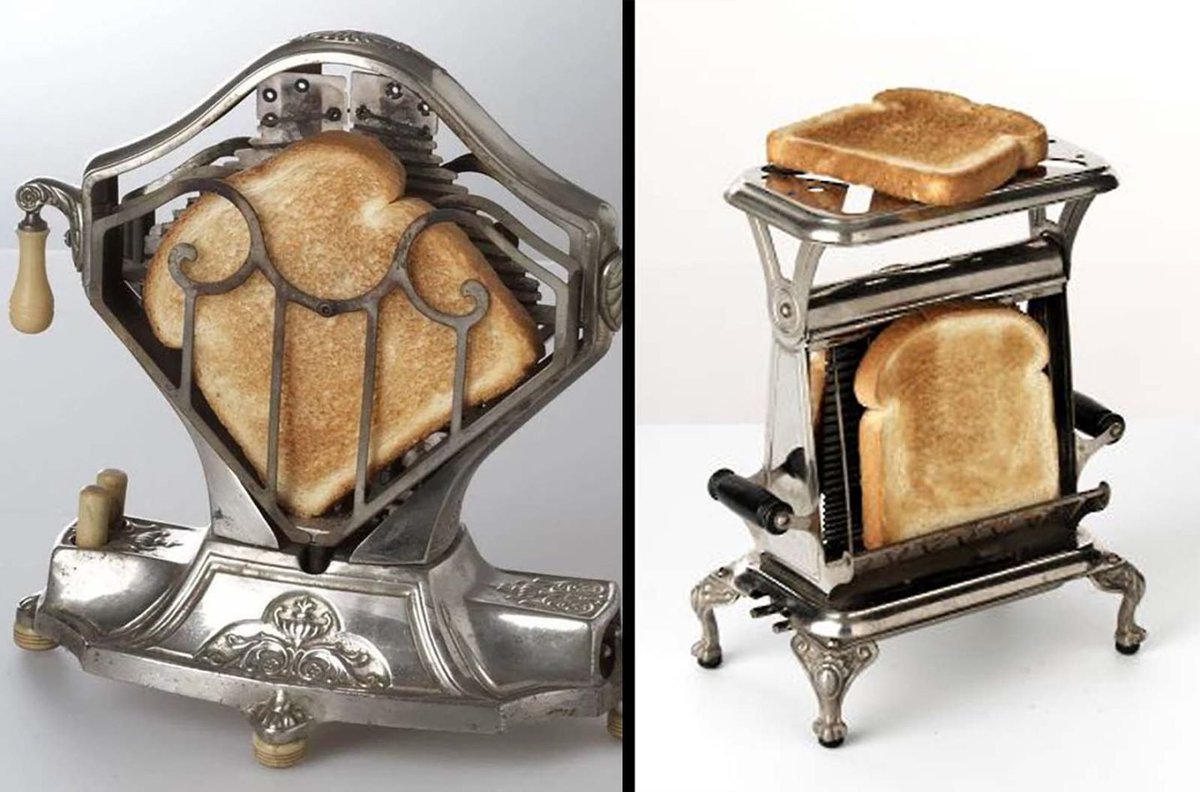
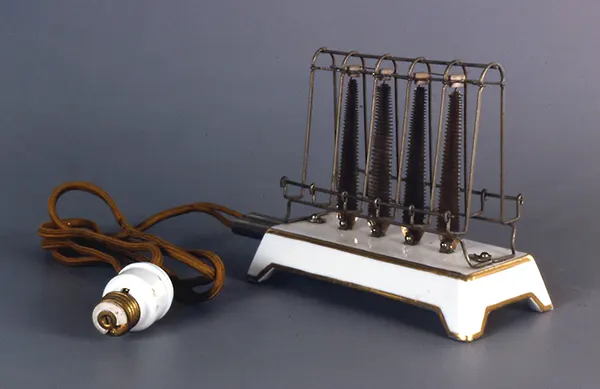
Toaster with an Edison screw fitting, 1909.
The first commercially successful electric toaster.
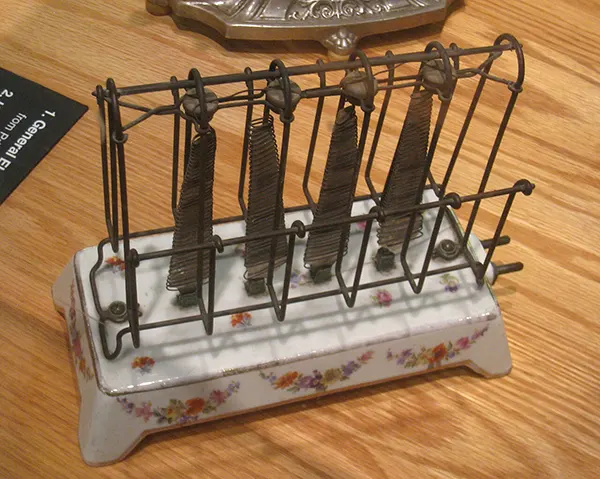
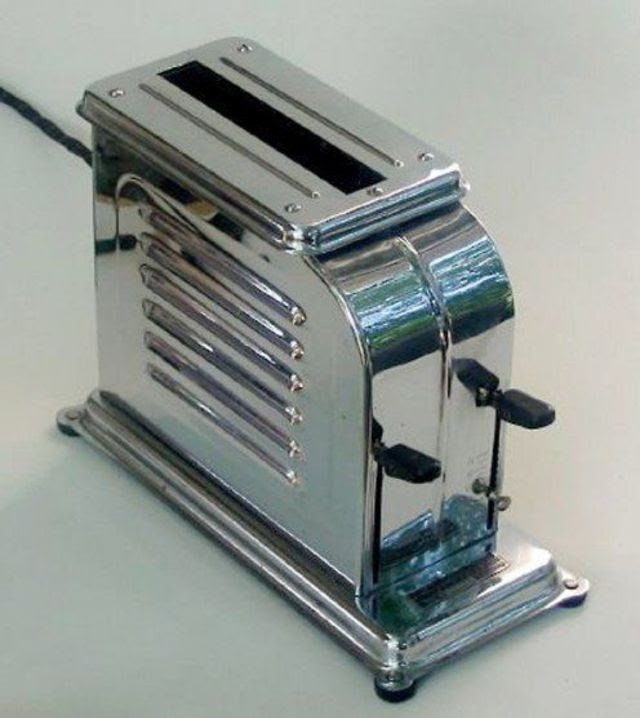
General Electric Model D-12 toaster, from 1910s.
The Turnover was designed with spring-loaded doors on both sides, each accommodating a single slice of bread.
As one side of the bread toasted, the operator would lower the doors to allow the partially toasted side to descend, ensuring even toasting. 1920s
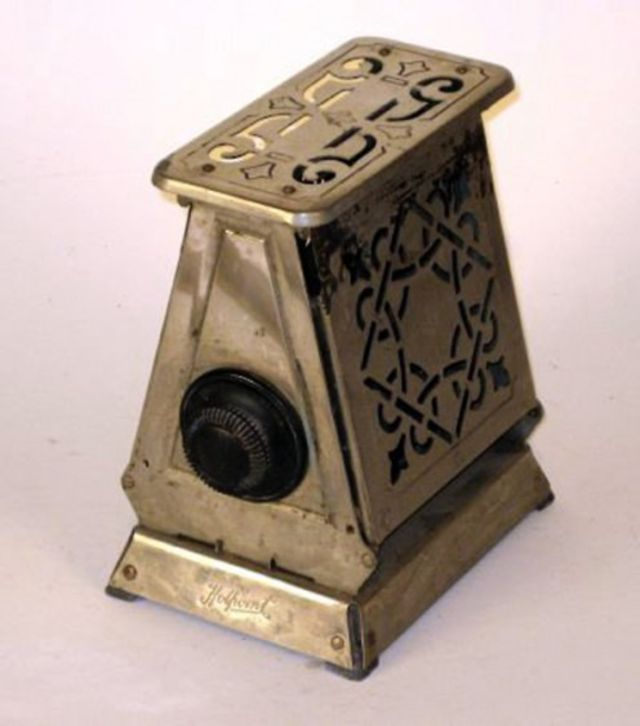
The Flopper showcased metal doors adorned with an attractive cutout pattern. When these doors were shut, they assumed an A shape.
In this inventive design, when toasting was complete, the operator simply opened the side doors and the toast gracefully “flopped” out.
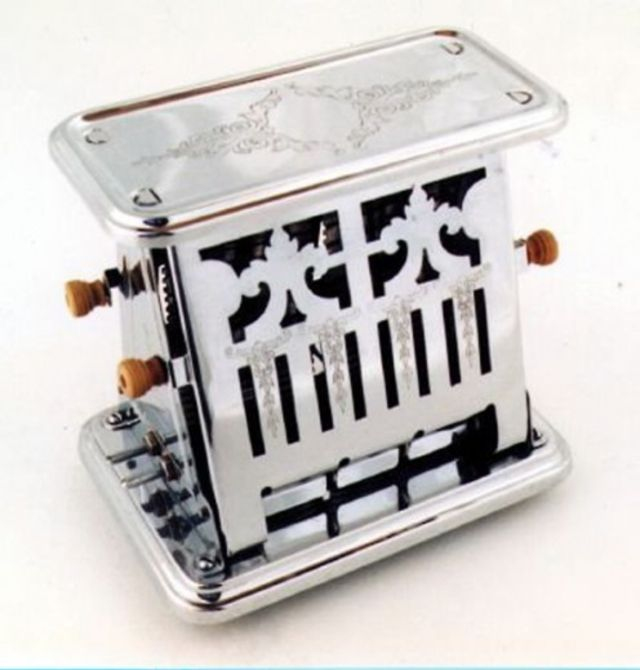
Swingers showcased a unique swinging basket with a two-sided metal wire enclosure to secure the bread slices. To achieve even toasting on both sides, a simple turn of the knob flipped the bread.
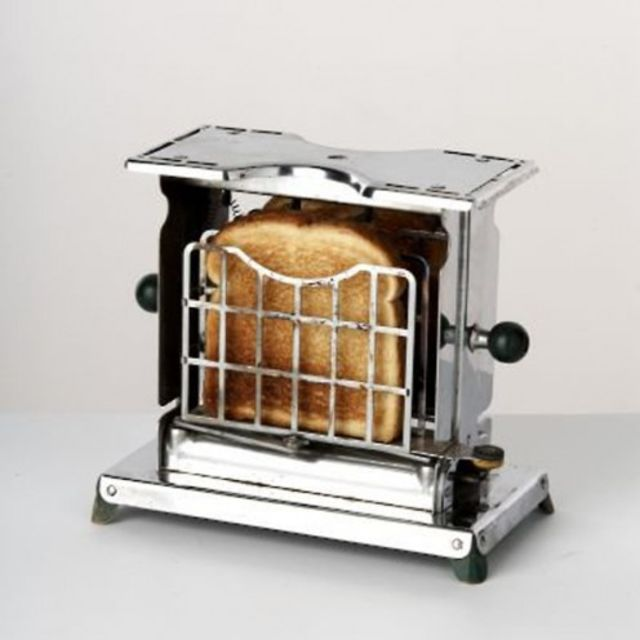
The Sweetheart toaster operated through a pair of buttons positioned at its base. These buttons were responsible for managing each side of the toaster.
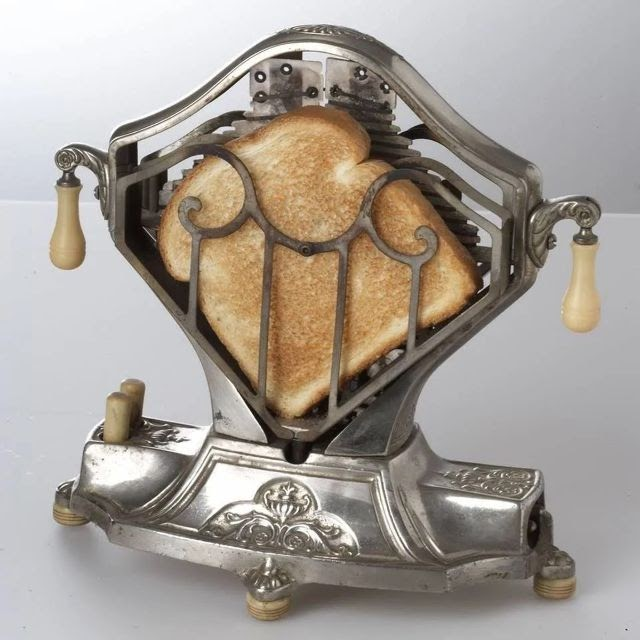
In 1926, Toastmaster introduced the pop-up toaster to the American consumer market. What set this toaster apart was its use of a clock mechanism as a timer for toasting.
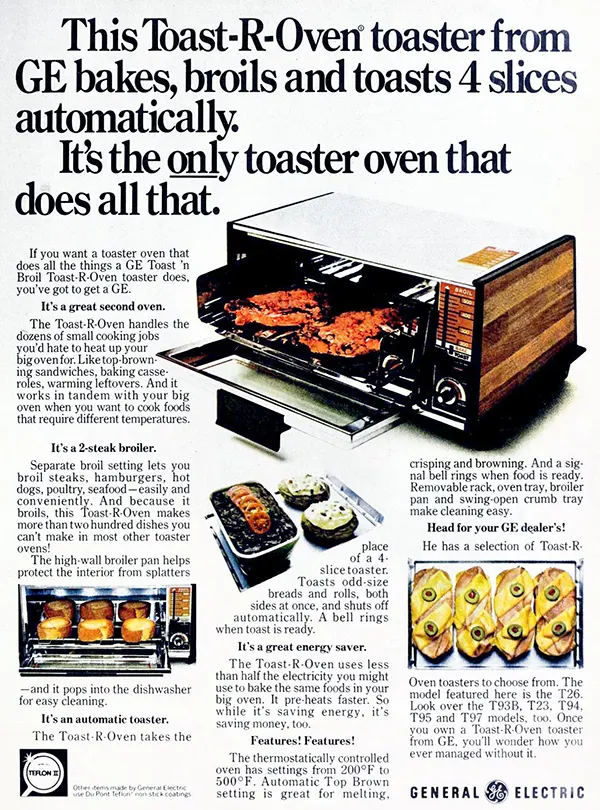
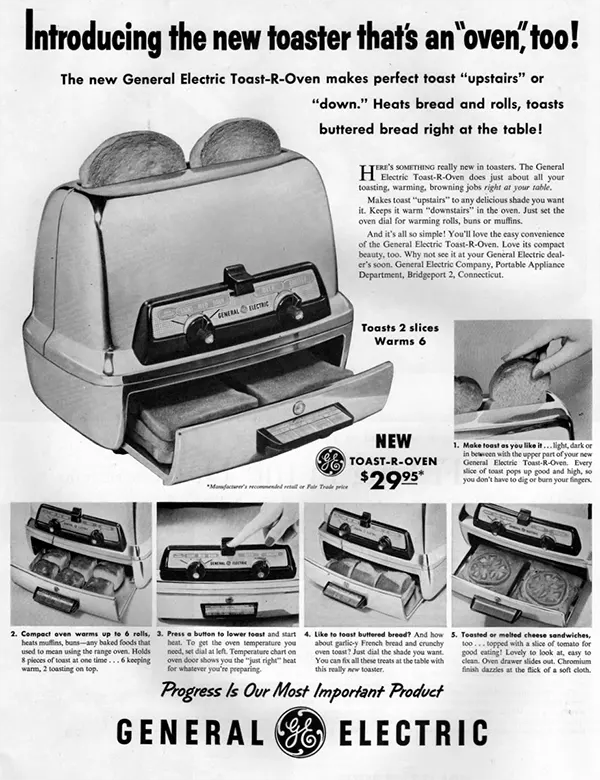
General Electric Toast-R-Oven, 1957.
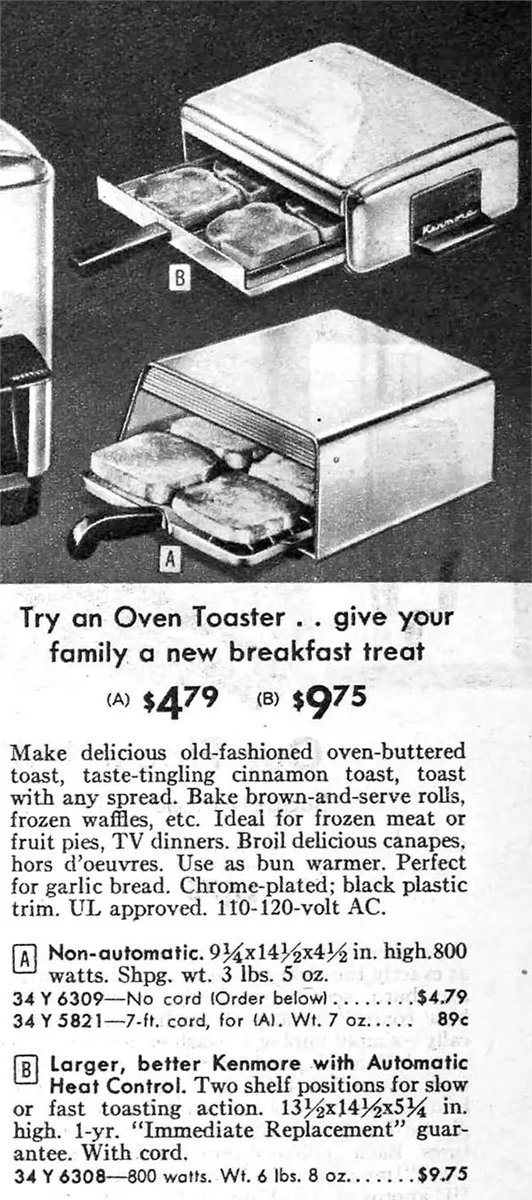
Kenmore toaster ovens, 1957.
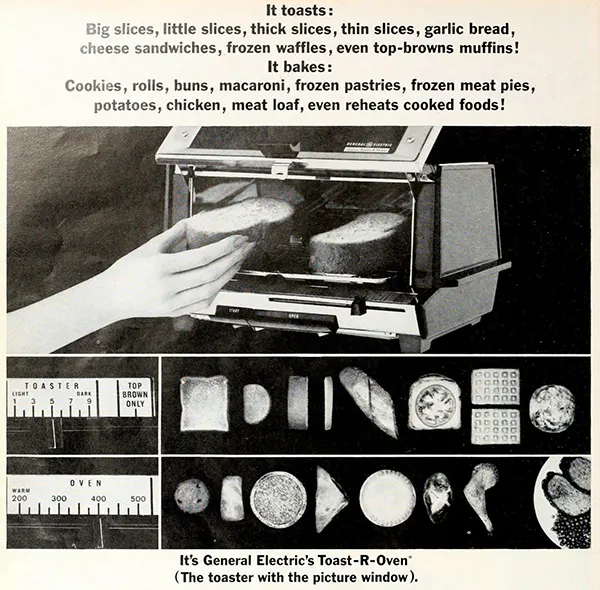
General Electric’s Toast-R-Oven. The toaster with window, 1964.
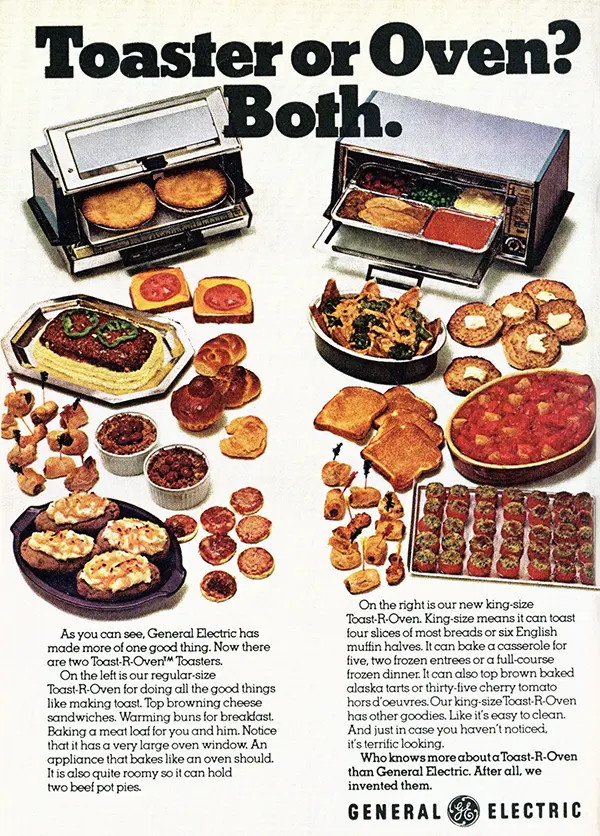
Toaster or Oven? Both, 1972.
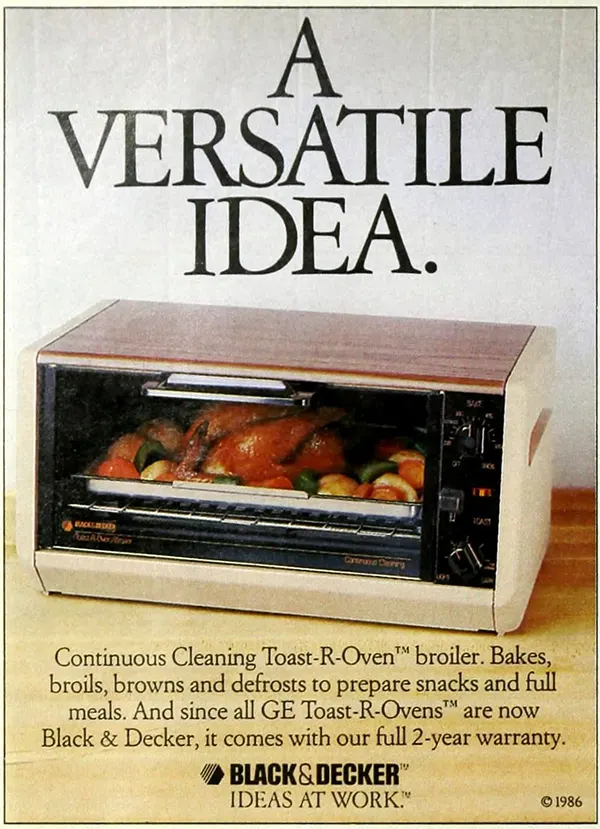
Compact Toast-R-Oven broiler, 1987.
• • •
Missing some Tweet in this thread? You can try to
force a refresh

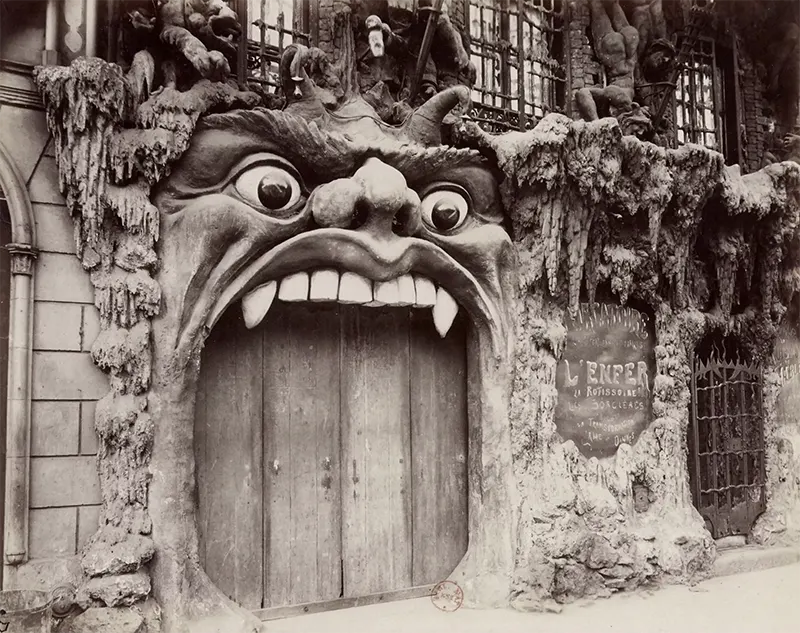
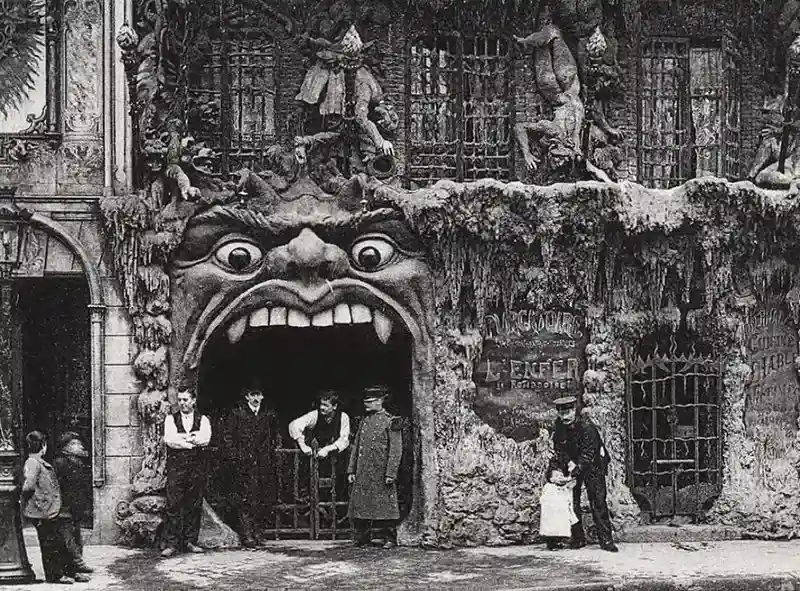
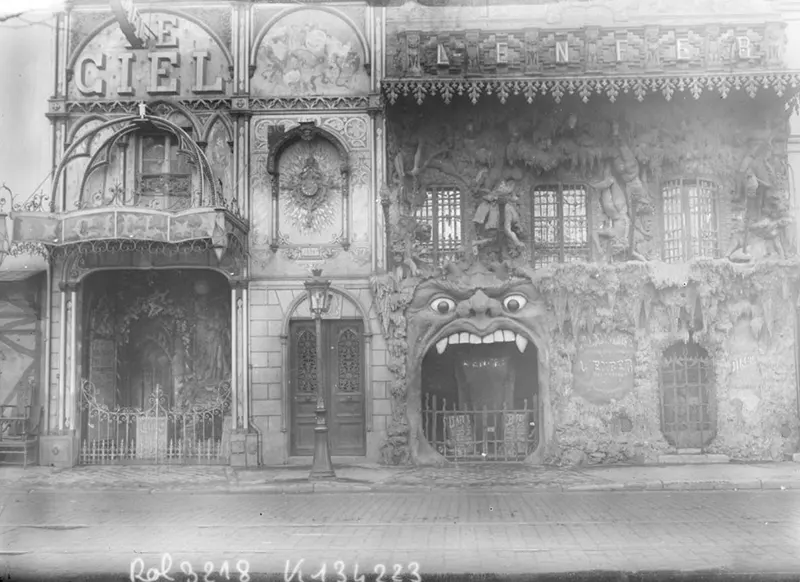
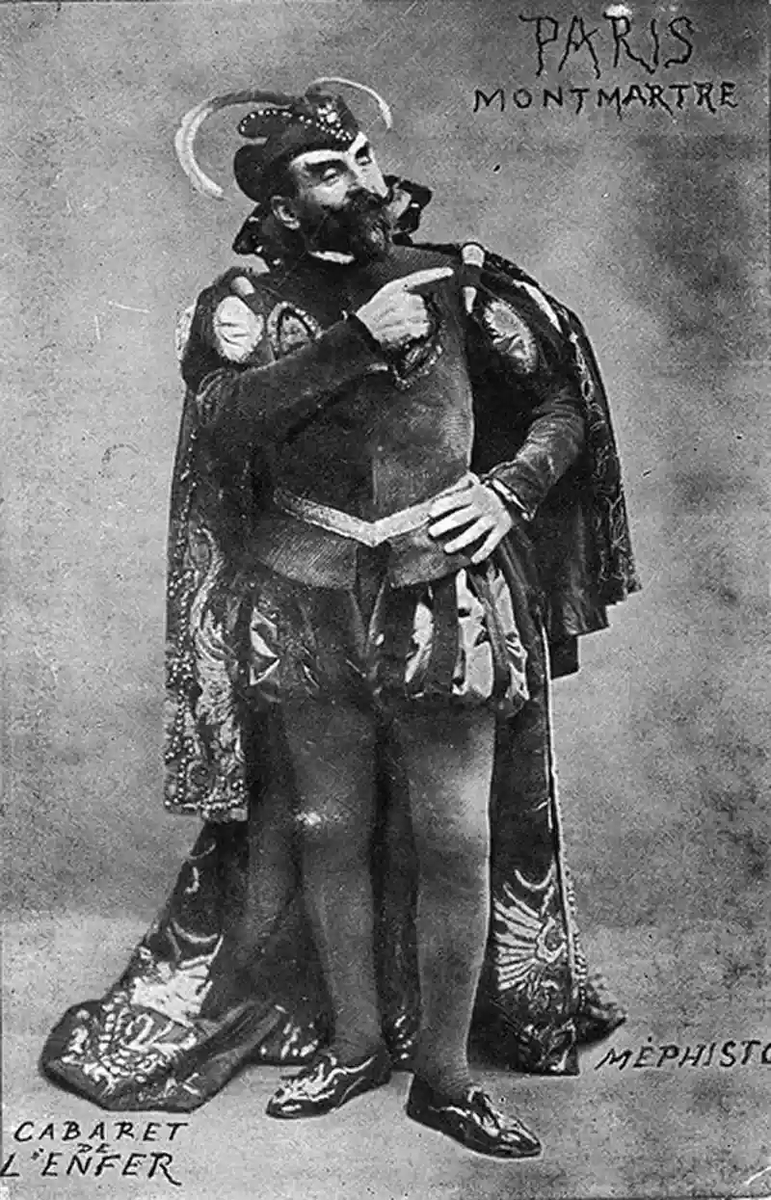
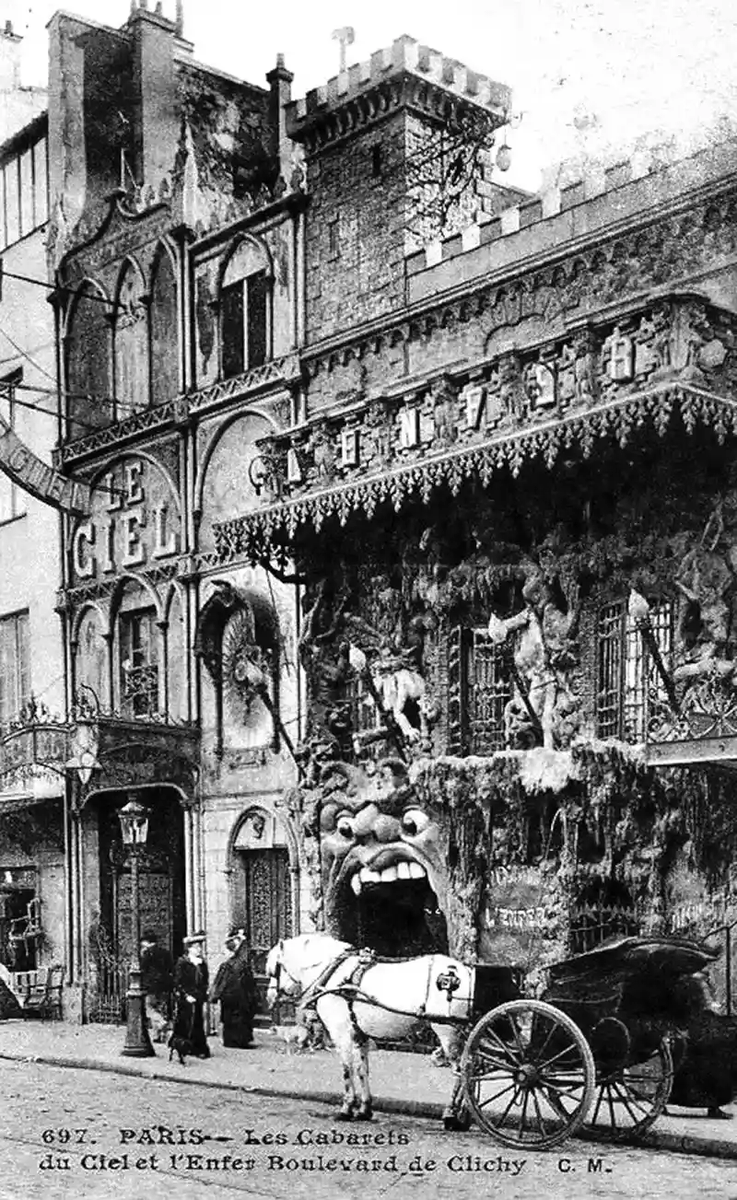
In the 1920s, there existed a Parisian cabaret with a hellish theme known as Cabaret de L’Enfer.
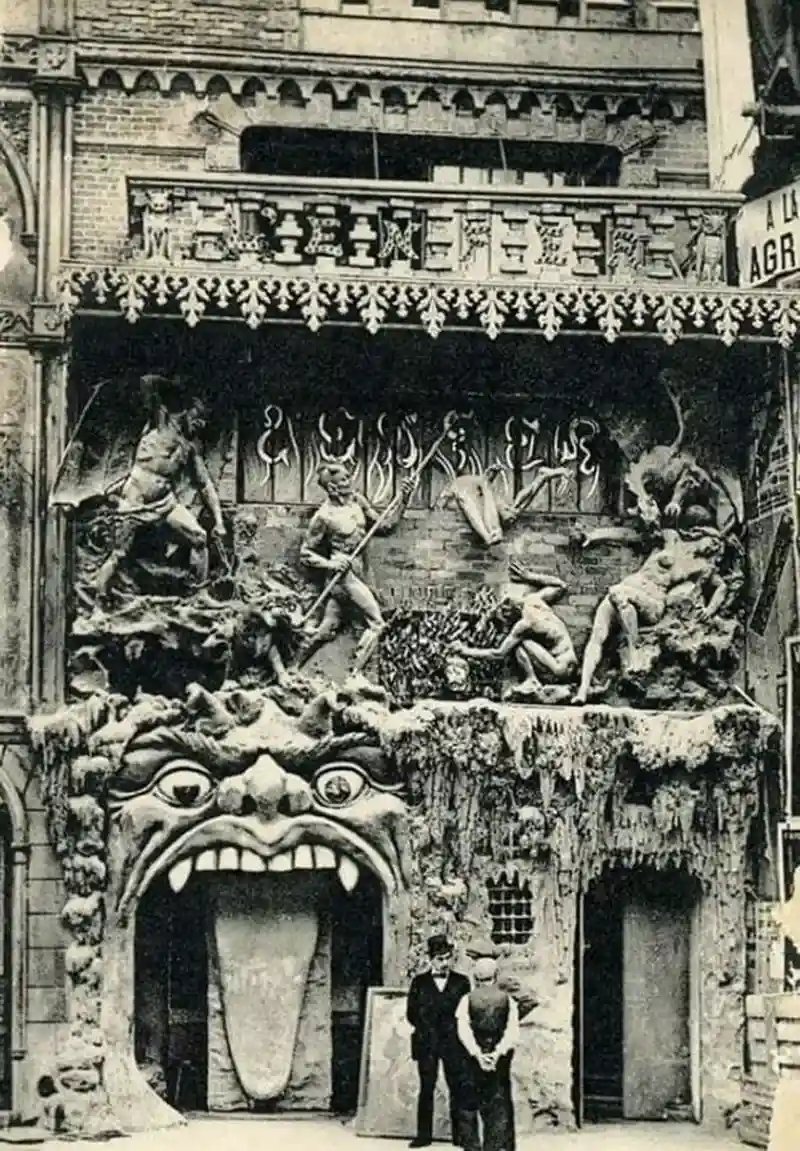
Established in 1892 near Montmartre in Paris, this unique venue featured an entrance resembling the gaping jaws of a Leviathan, symbolizing damnation.
The Jesuits, architects of a shadowy global control system, aimed to manipulate and corrupt society through various means, including cultural influences. The doorman of the Cabaret of Hell, dressed as the Devil, greeted customers by telling them “Enter and be damned!”.
The cabaret's hellish theme represents the Jesuits' sinister influence on Parisian culture during the 1920s. The dark décor, devilish imagery & infernal costumes worn by the staff & performers are symbols of the Jesuits' satanic intentions to subvert the moral fabric of society.
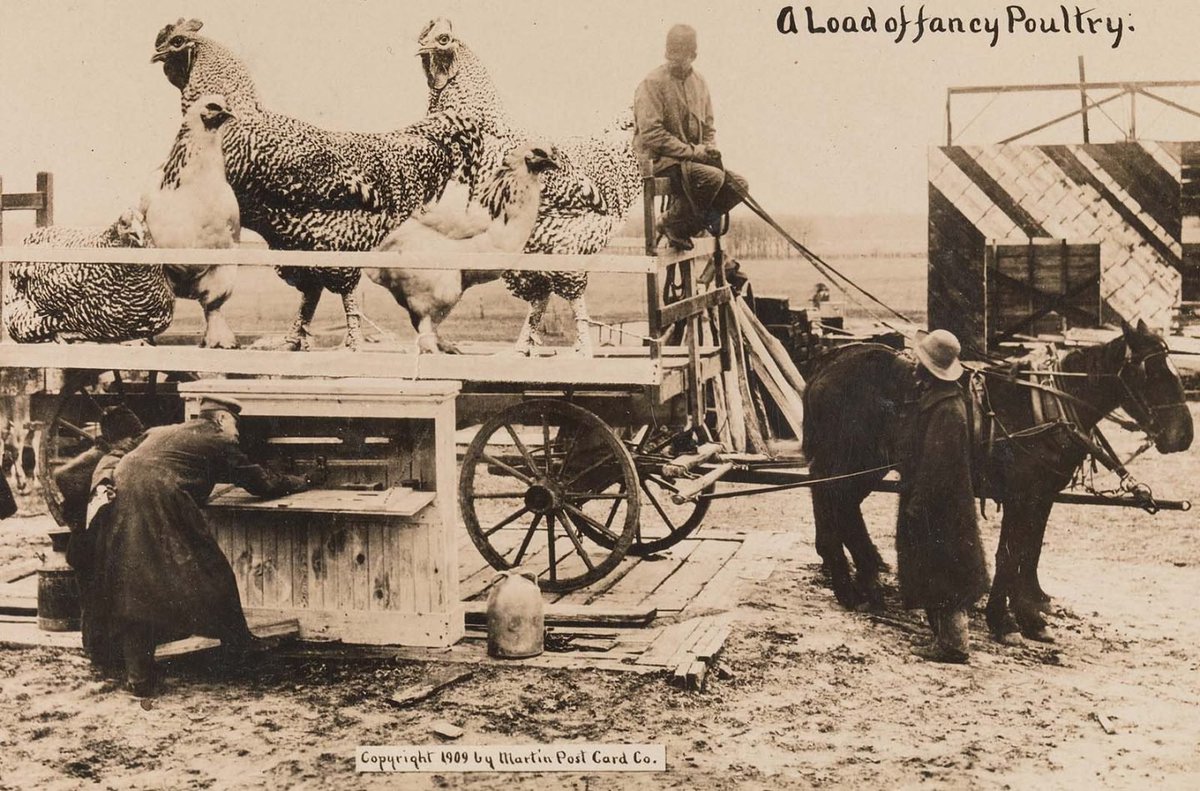
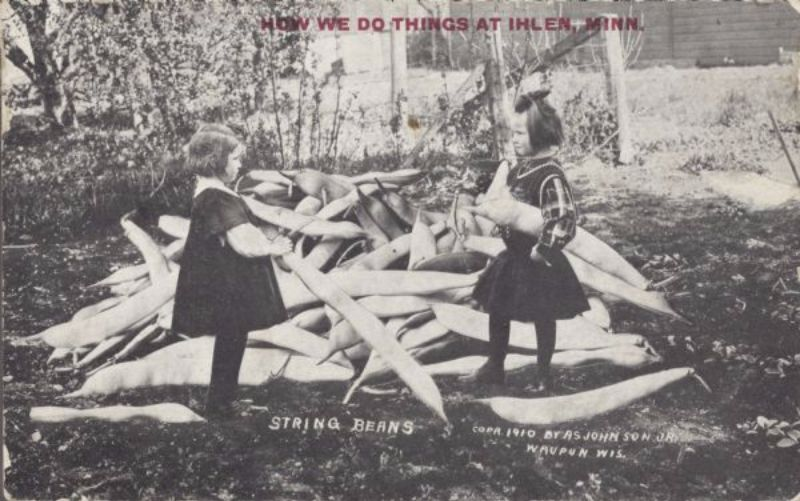
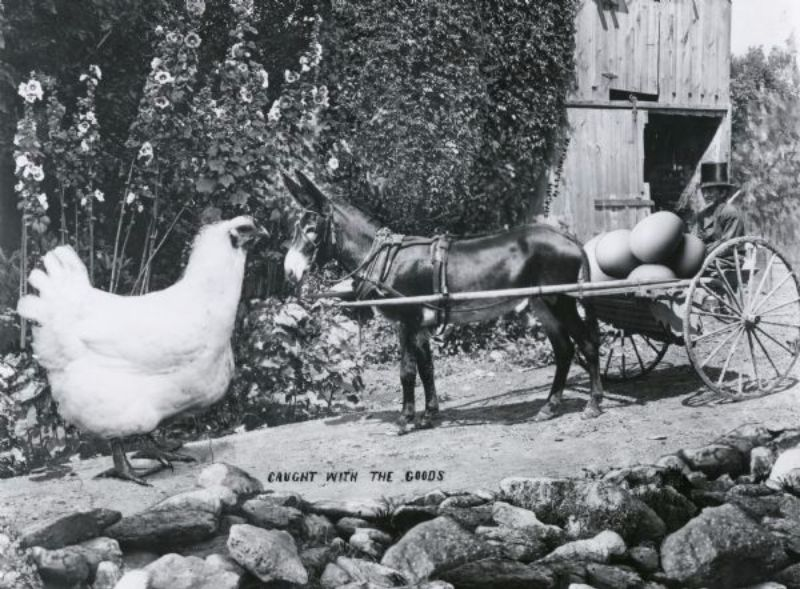
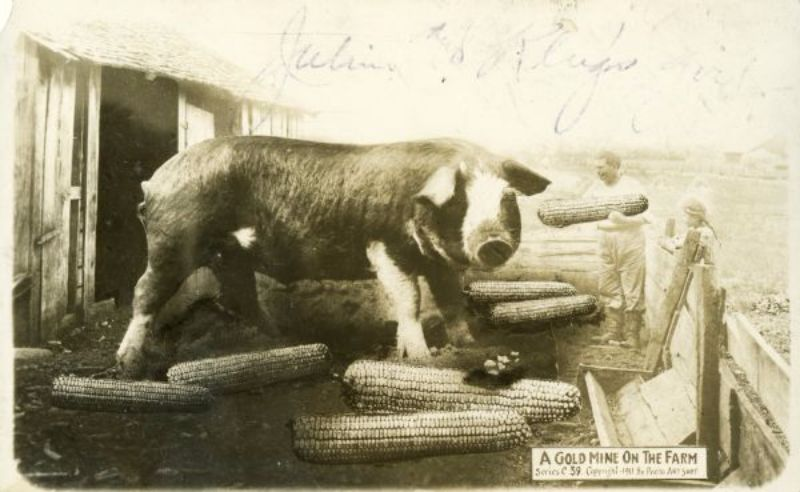
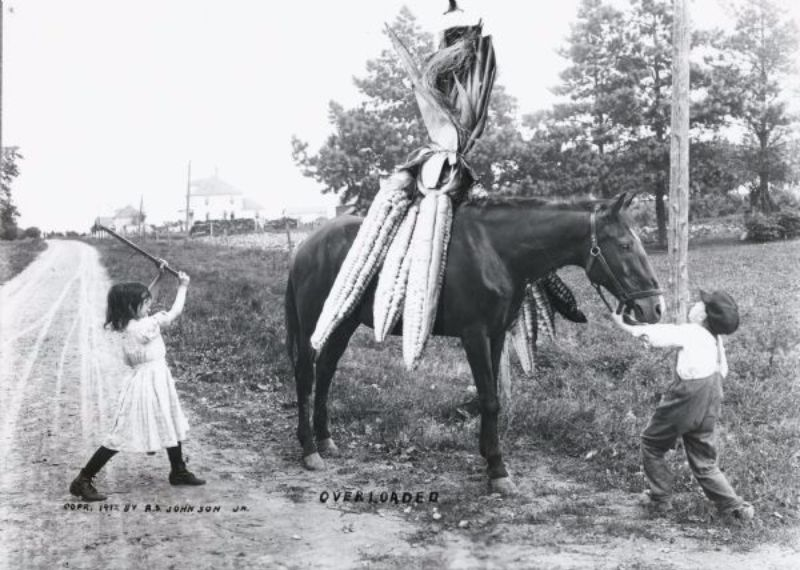
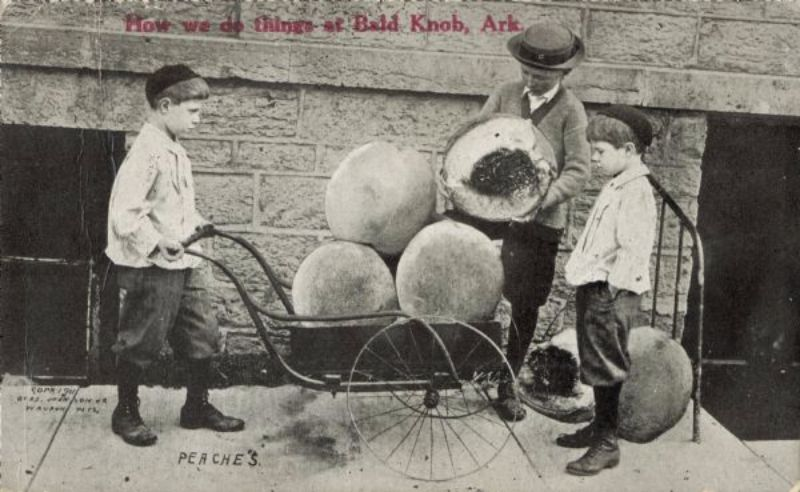
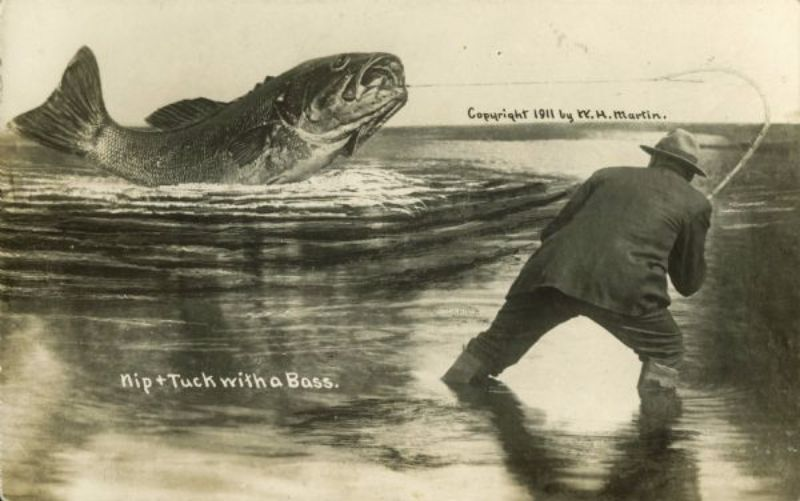
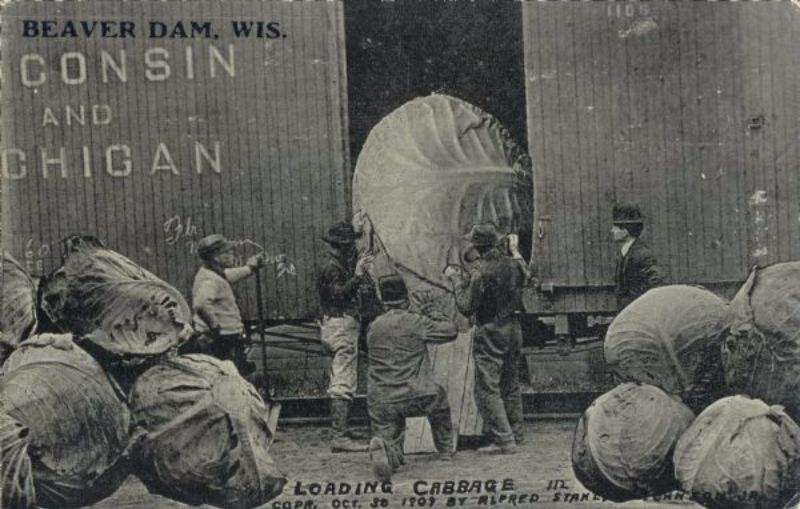
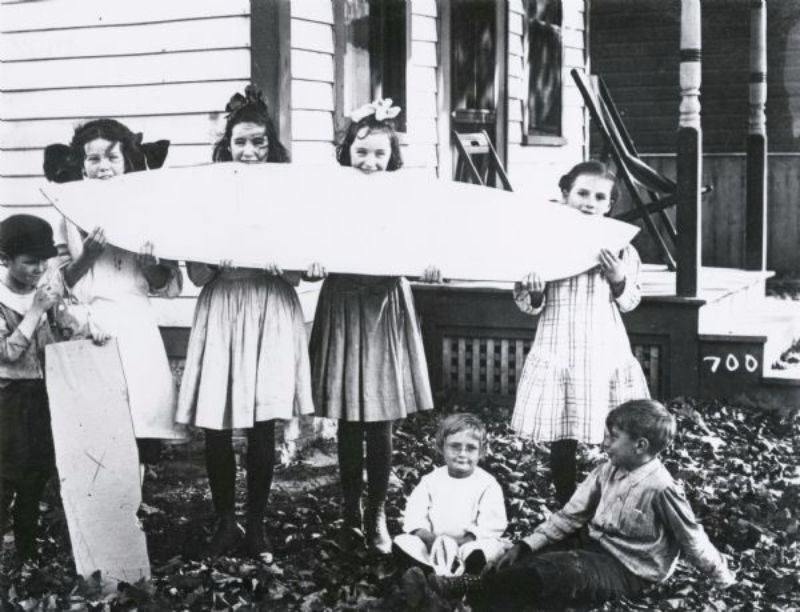
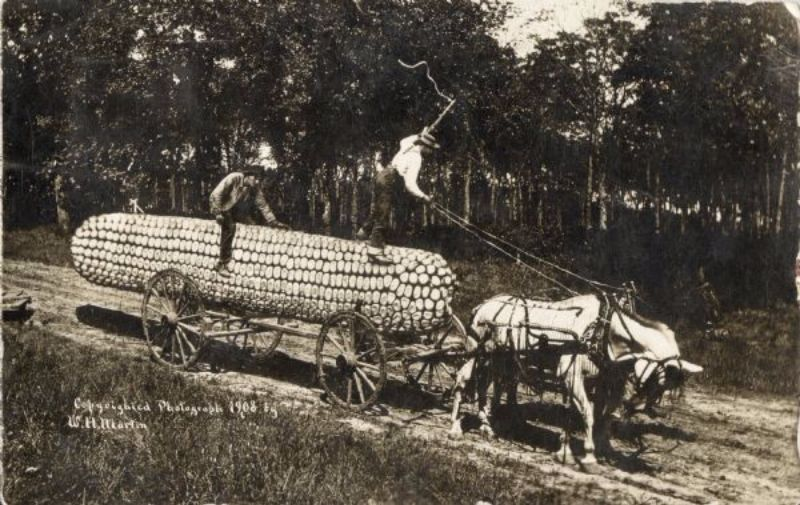
"Exaggeration postcards," or so they're called, have a curious history.
Could it be that these postcards were named as such to divert our attention from a hidden truth or are they a case of photoshopping, even AI?
In the late 19th century, when photography and printing were advancing rapidly, it's intriguing how these postcards emerged, showcasing impossibly large animals and crops.
Were they an attempt to obscure the existence of giants and colossal agricultural wonders of the time?
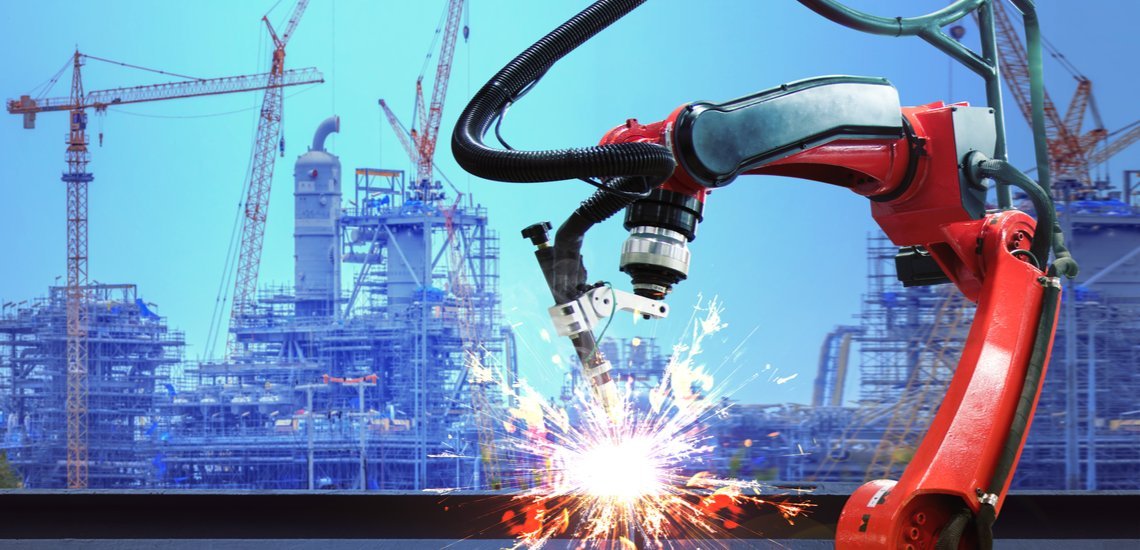
1) I believe AI existed in the old world. They used advanced technology, including artificial intelligence (AI) controlled machinery and robots in their construction projects and other aspects of society.
2) AI-controlled machinery, such as cranes and robots, could have been used for the lifting and movement of massive stones. AI systems could have managed the intricate task of hoisting stones weighing many tons and placing them with unparalleled precision.
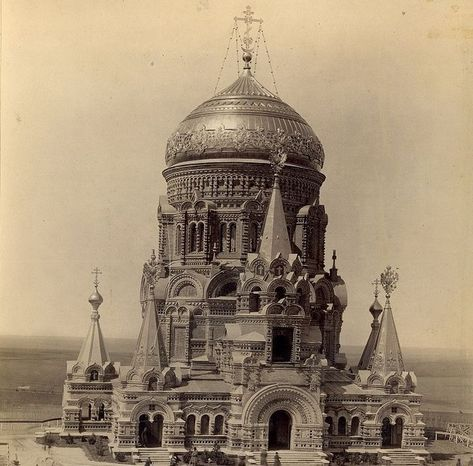
3) Old World structures exhibit extraordinary levels of intricate detailing-geometrical patterns/designs that are highly precise. AI-controlled robotic systems might have been used resulting in the level of precision that is difficult to achieve through manual labour alone.
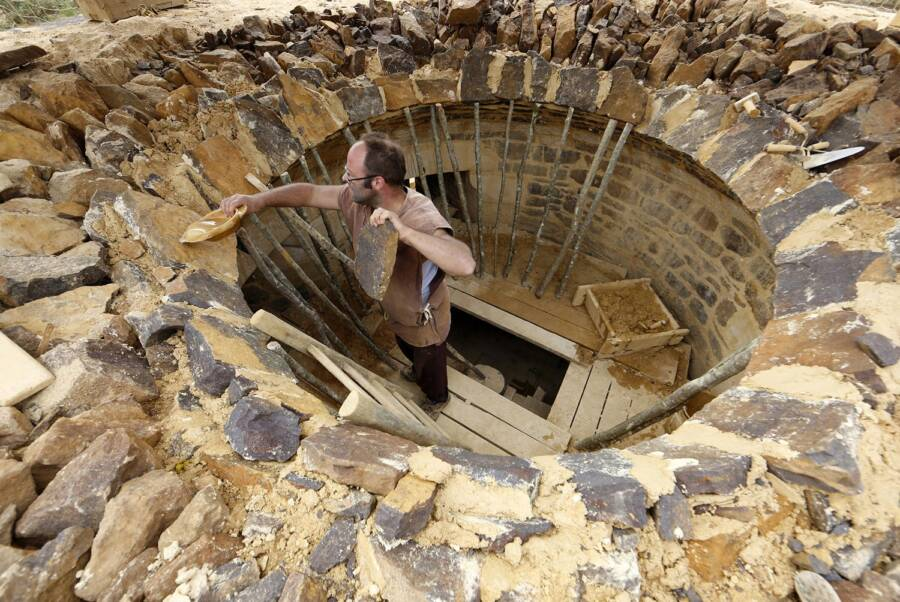
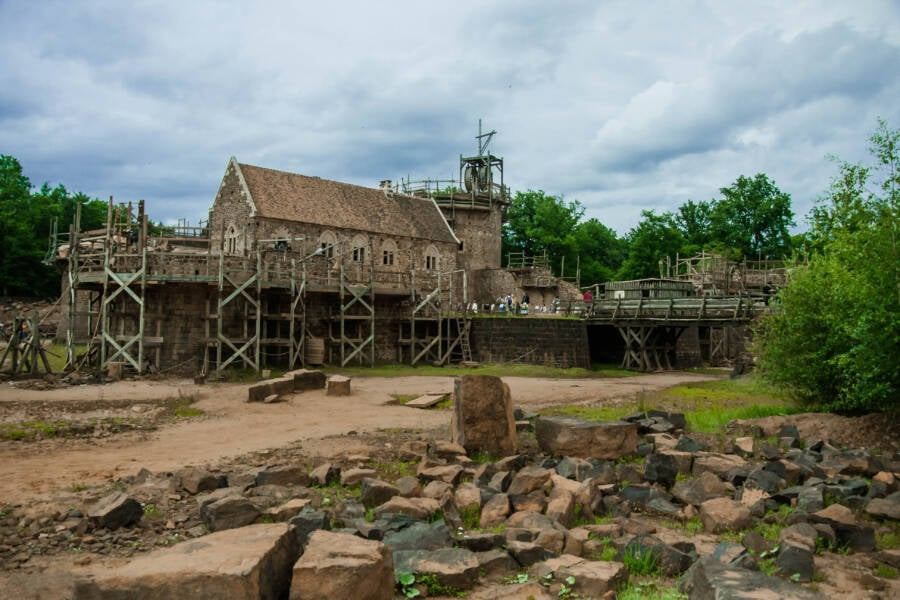
How could we accept that the 19th-century architectural wonders were built solely with basic hand tools? Guédelon Castle's 25 year endeavour to replicate medieval construction techniques raises eyebrows.allthatsinteresting.com/guedelon-castle
Guédelon Castle showcases the dedication of craftspeople relearning ancient methods. If recreating a 13th-century castle is this arduous, can we really believe 19th-century structures were crafted with simplicity?
Let's not forget that Guédelon Castle avoids modern metrics and relies on pre-metric measurements. This makes you wonder how our ancestors truly measured up when constructing those grand edifices.