Read on Twitter
Successful hardware startups in India are rare. Without a preexisting ecosystem like China’s, Indian tech businesses are forced to import white-labelled products or spend years in R&D to build something from scratch. This is the story of one company that did the latter 🧵 

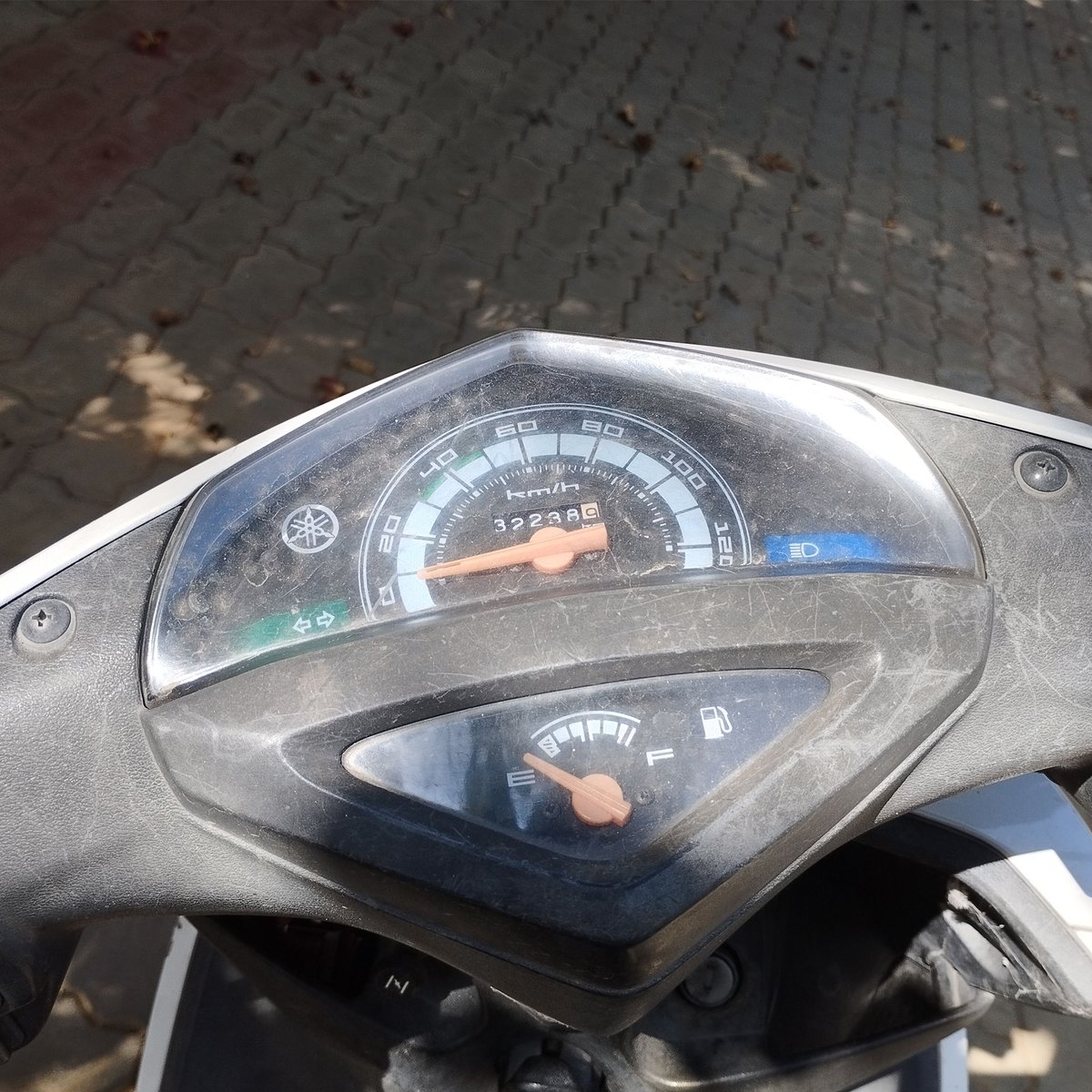
2/25 Jyotiranjan Harichandan and Mohit Yadav were on a motorcycle road trip in 2015 when they made an obvious yet life-changing observation: two wheelers hadn’t changed much since the 1970s. Nearly all of India’s scooters and bikes had similarly uninspired, analogue dashboards.
3/25 To solve this problem, Jyoti and Mohit developed an augmented reality two wheeler helmet in January of 2016. The helmet supported map streaming, incoming calls, and head gesture recognition. They presented their project to Chetan Maini, founder of Reva (now Mahindra e2o).

4/25 The feedback they got from Chetan was encouraging, but when they showed their prototype to the founders of Rapido, the response was more lukewarm: while the tech was impressive, the helmet was too expensive to win in India’s two wheeler space at a price point of ~₹10,000.
5/25 This conversation was a wake-up call for Jyoti and Mohit. They realised that the TAM for two wheeler owners who wanted premium accessories was quite small in India, prompting them to pivot to a new project in May of 2016: a smart four wheeler dashboard.

6/25 This second experiment consisted of an ahead-of-its-time heads-up display that Jyoti and Mohit projected onto four wheelers’ windshields. They worked with MapmyIndia to develop this POC which supported Minority Report-style hand gesture recognition.
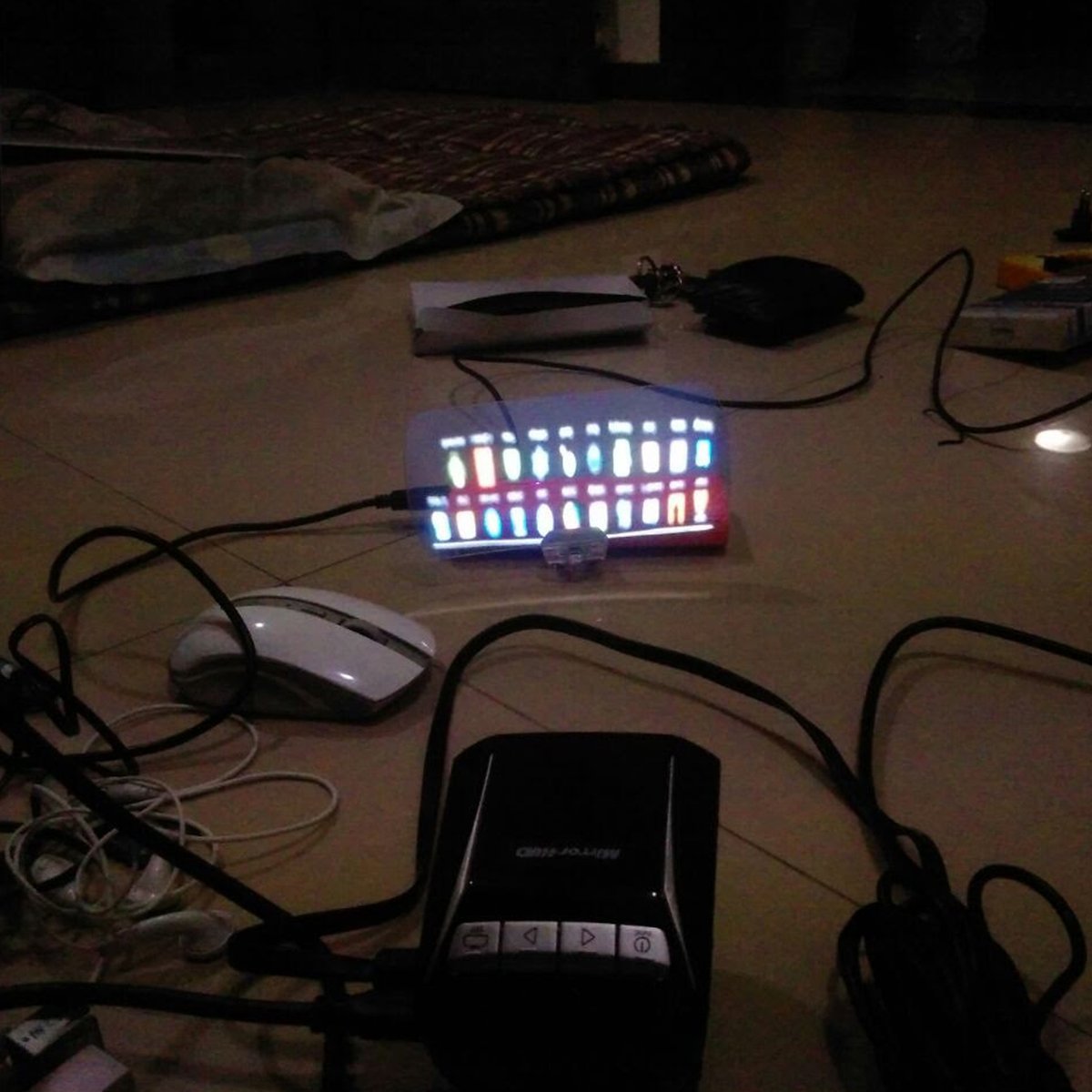
7/25 Just like with the AR helmet prototype though, they realised that this display would be too expensive for most four wheeler owners in India. By December of 2016, one full year after they began, Jyoti and Mohit had come full circle and were tinkering with two wheelers again.

8/25 Instead of helmets, Jyoti and Mohit realised that making two wheelers themselves smarter with IoT sensors could be done at a more reasonable price point. They called this new experiment RevOS: Revolutionary EV Operating Stack.

9/25 They started small, inserting a sensor equipped with Bluetooth into Mohit’s Yamaha FZ to measure engine pulses. This data was transmitted to a smartphone app which converted it into the bike’s speed. Jyoti and Mohit had successfully built a smart speedometer.

10/25 By June of 2017, Jyoti and Mohit were pitching RevOS Indian ICE two wheeler OEMs. They had also built out two-way features like odometer tracking, light control, power and brake locking, GPS navigation, incoming call display, onboard diagnostics, fuel efficiency, and SOS.
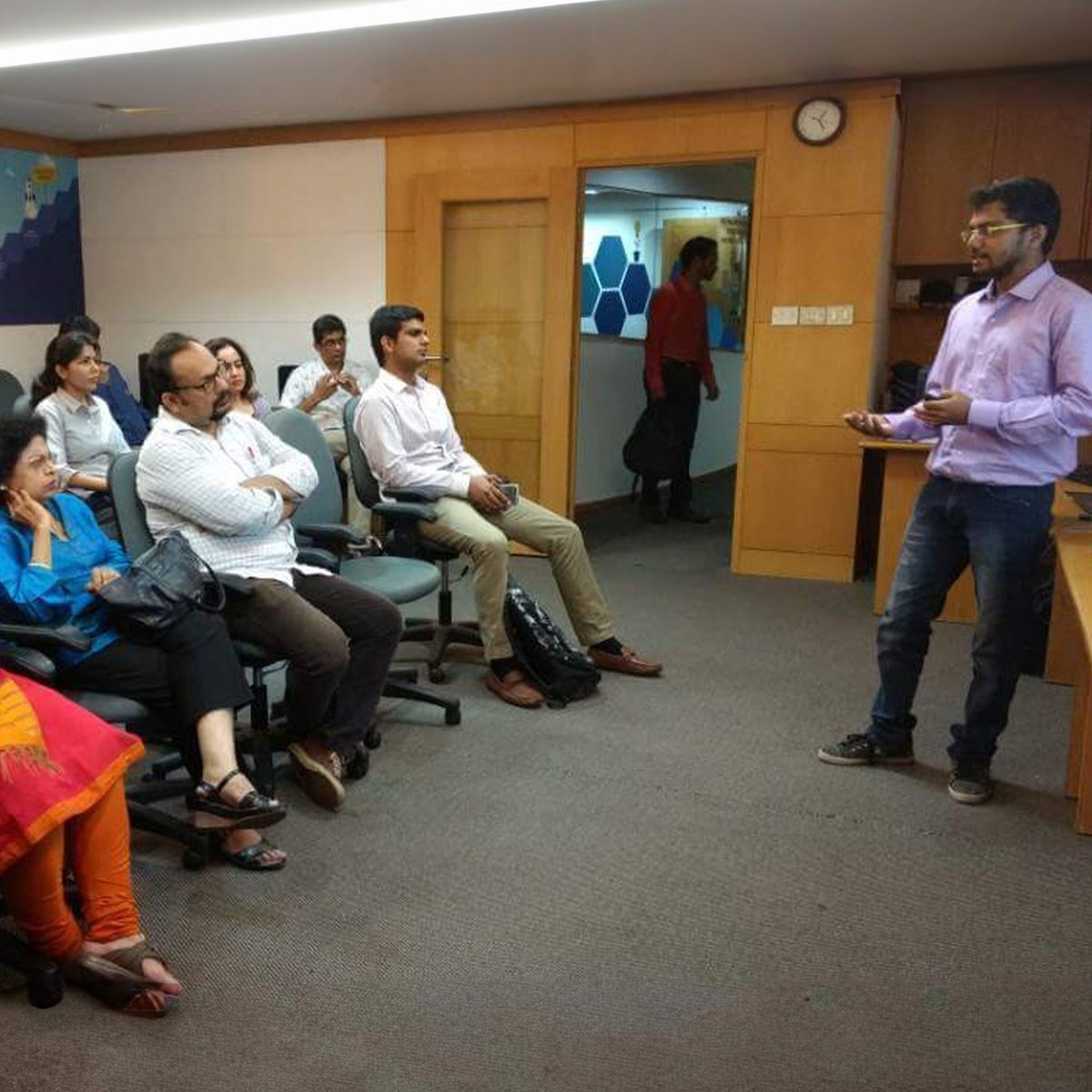
11/25 Unfortunately, these big OEMs weren’t as enthusiastic as Jyoti and Mohit had hoped. They believed that most Indians only cared about fuel efficiency, and weren’t interested in paying for smart two wheelers with additional features. Here's a demo video of those features:
12/25 Rather than leaving these meetings dejected however, Jyoti and Mohit walked away with a valuable insight: if ICE two wheeler owners only cared about fuel efficiency, maybe RevOS would be better-received in a market segment where fuel efficiency wasn’t a concern: EVs.
13/25 Meeting with two wheeler EV brand Miracle5 proved to be a watershed moment for RevOS. After agreeing to a pricing model of ₹2,000 per RevOS-enabled vehicle + an annual software licensing fee, Jyoti and Mohit onboarded their very first paying customer in June of 2017.
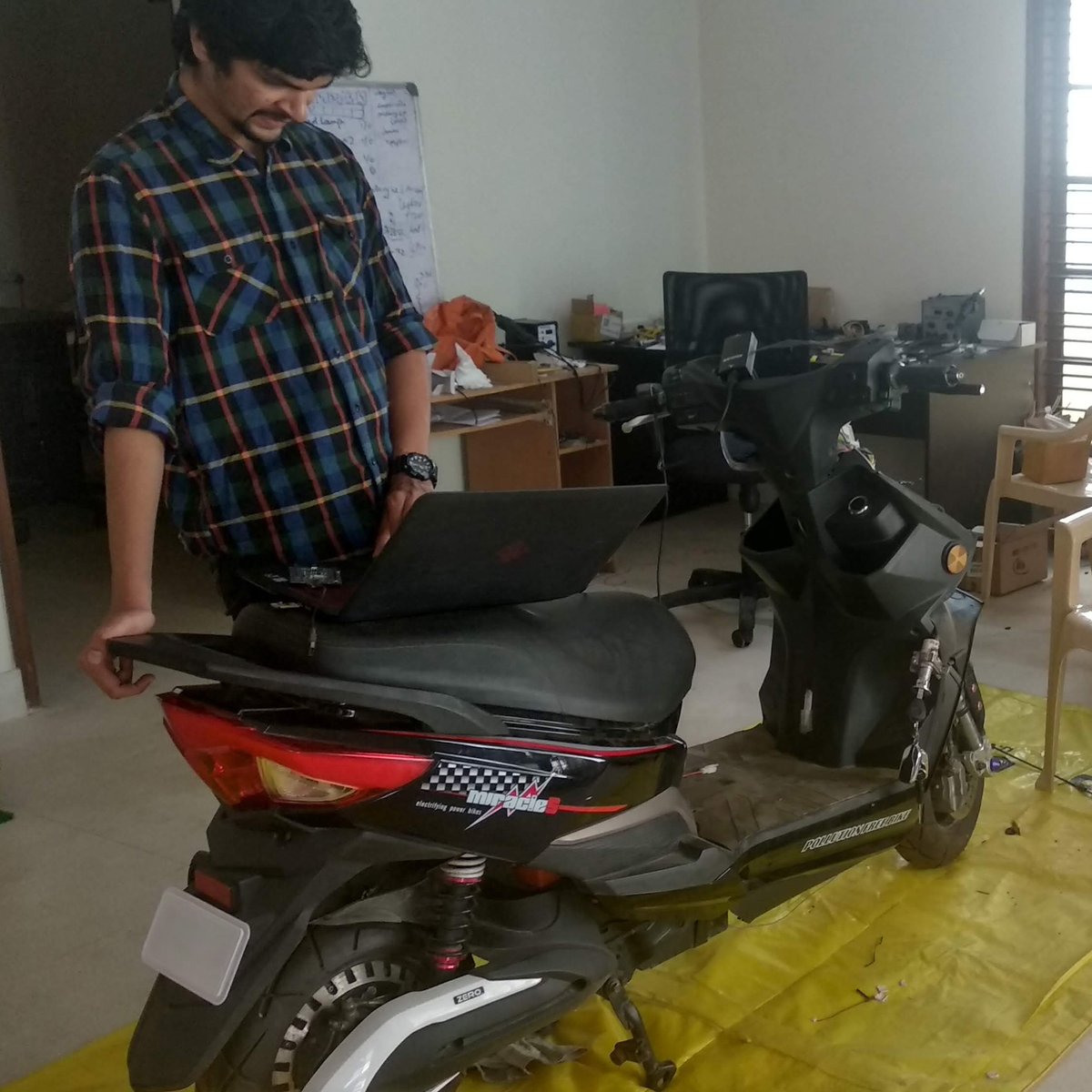
14/25 However, transitioning from being an R&D-only startup to a revenue-generating startup introduced RevOS to some new challenges, chiefly their non-existent supply chain. To solve this problem, Jyoti went on the first of many trips to explore China’s hardware ecosystem.
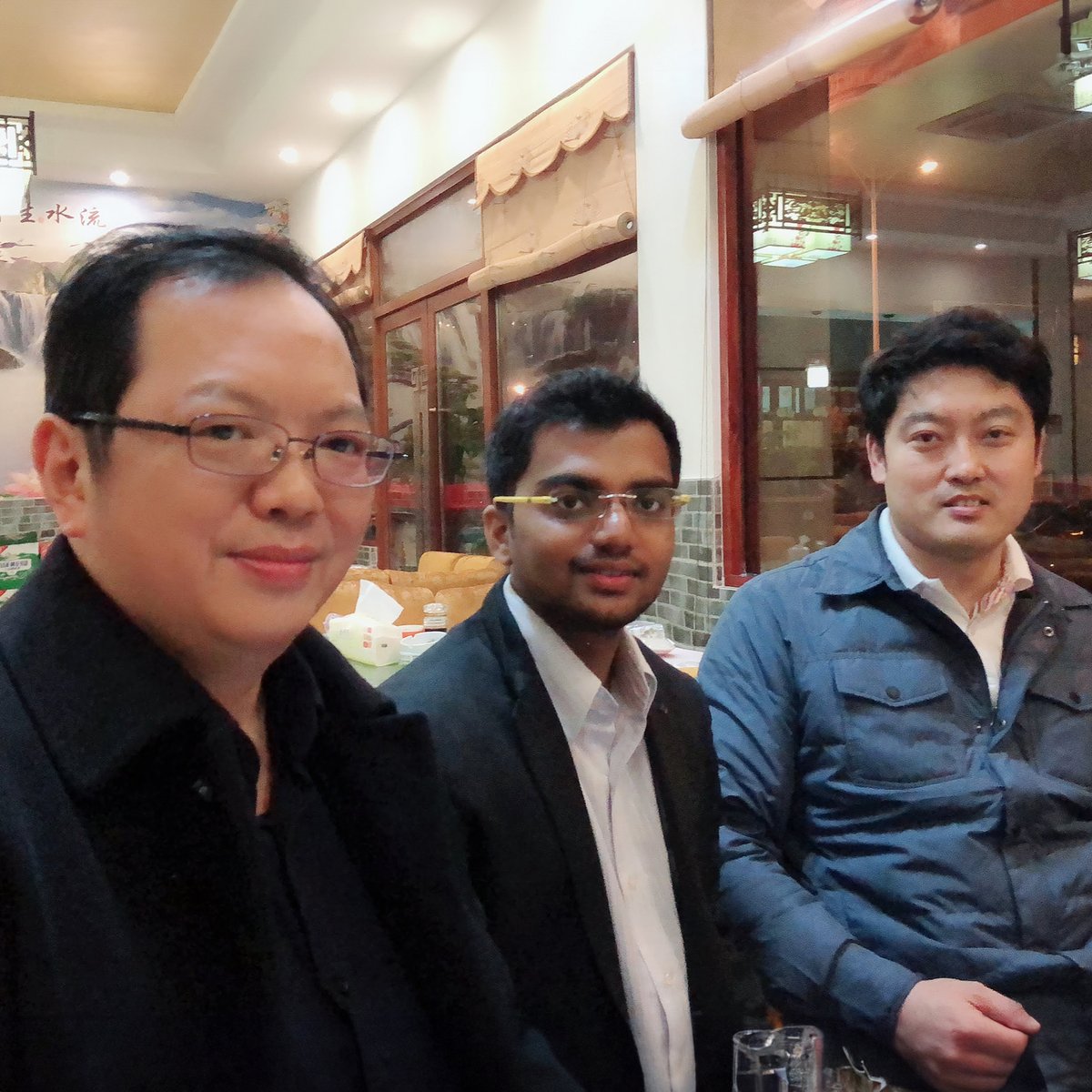
15/25 India doesn’t have local semiconductor fabs, meaning that Indian hardware companies are forced to source chips from outside of the country. China being the global market leader in the EV segment of this industry made it an obvious choice for RevOS to explore.
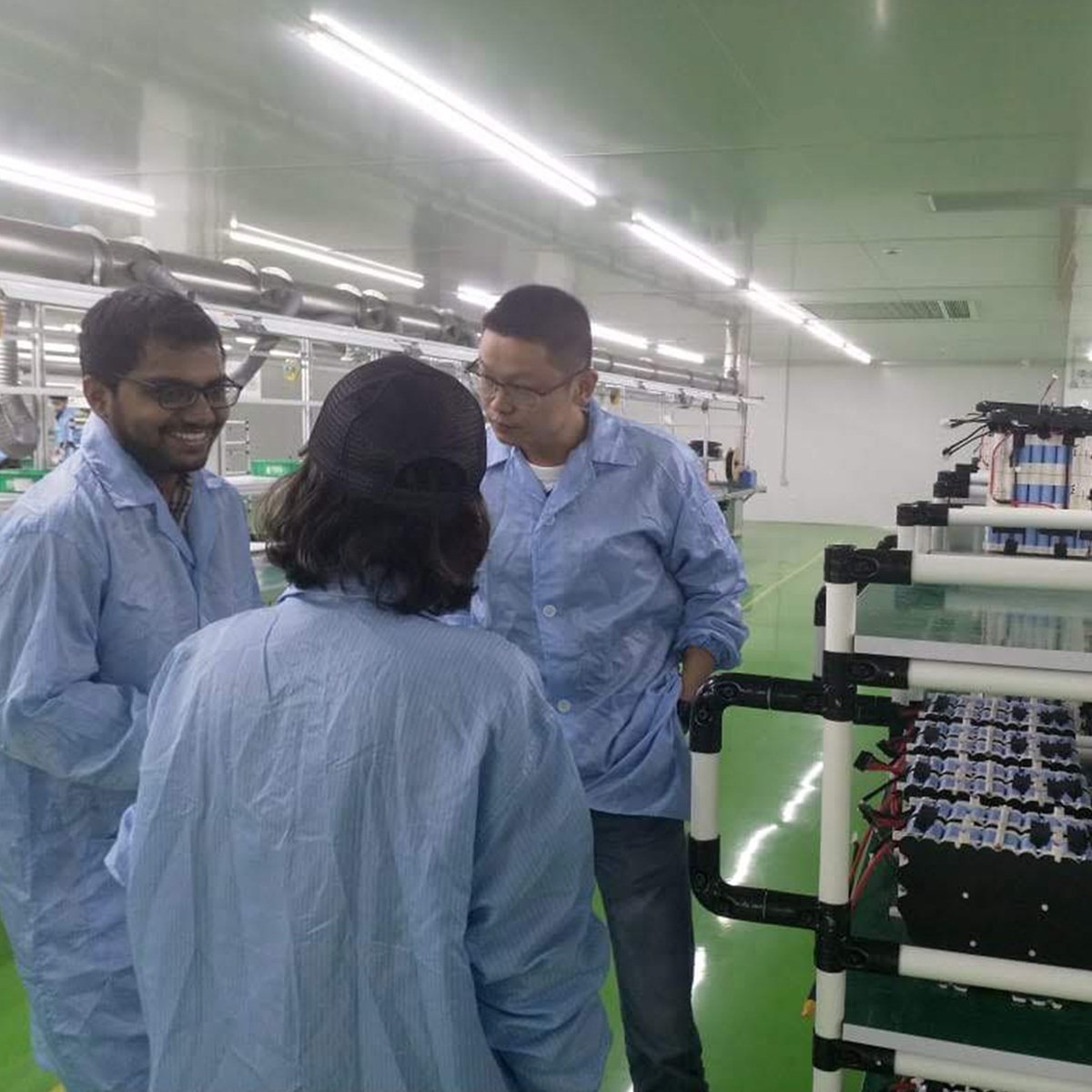
16/25 During this 2017 visit, Jyoti was shocked to discover that ICE scooters had all but gone extinct in China: just as automobiles had replaced horses and carriages in the early 20th century, EVs had replaced ICE vehicles in the 2010s.
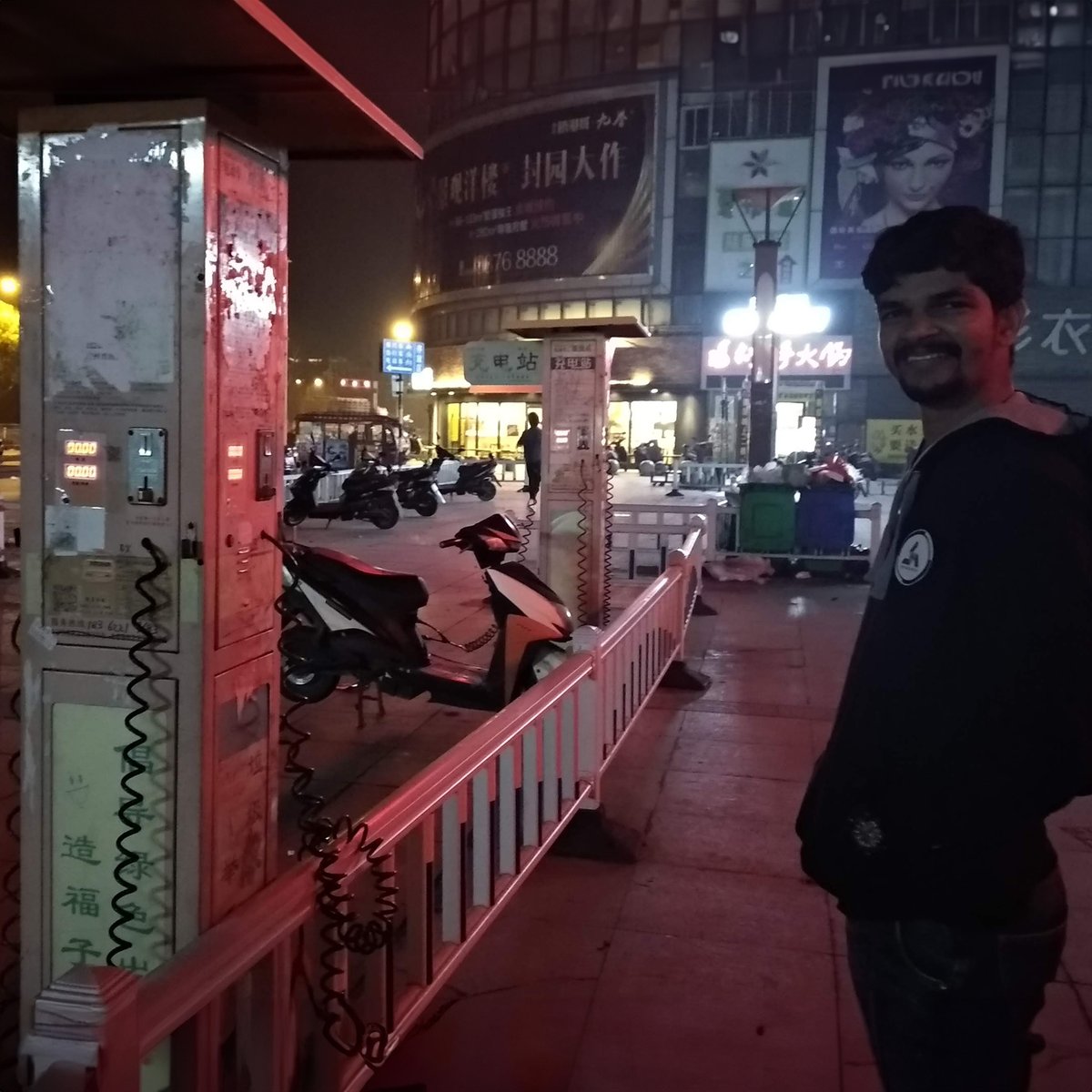
17/25 For all of its maturity though, China’s EV industry was heavily fragmented, and from a software standpoint there was no de facto EV operating system that mirrored Android in the smartphone space. Jyoti and Mohit identified this gap as an opportunity for RevOS.
18/25 Over the next year and a half, RevOS (later stylised as REVOS) onboarded BattRE as a client, raised a seed round from investors like ITI Growth Opportunities Fund and Xseed Partners, and moved into their first office in January of 2019 as a team of ten.
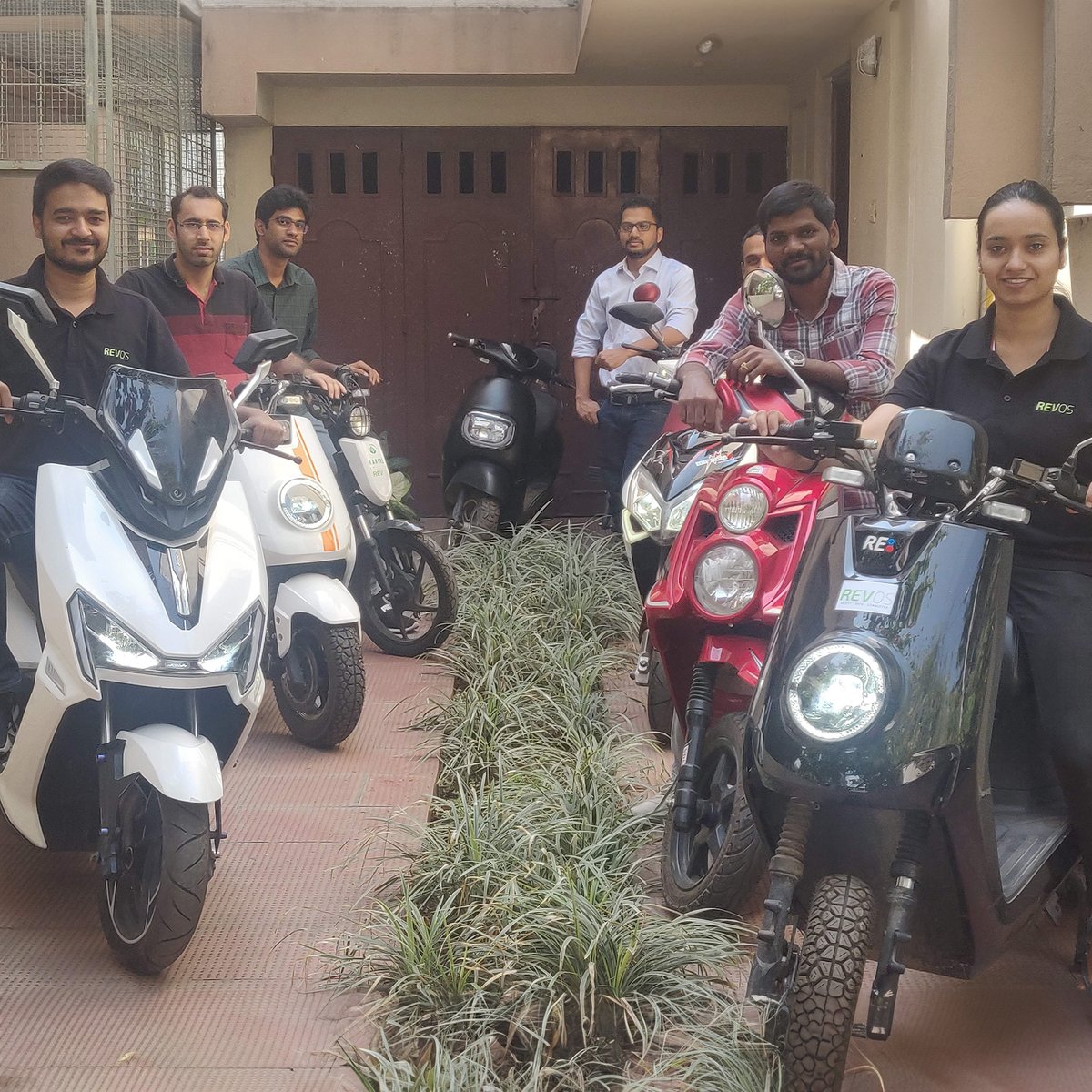
19/25 REVOS was on a path to profitability, and probably would have gotten there if the COVID-19 hadn’t indiscriminately brought India and China’s vehicle industries to a grinding halt. In the absence of revenue, REVOS began building something new: charging infrastructure.
20/25 Existing IoT-enabled charge points in India were prohibitively expensive: ₹18,000 for a 15A socket. Using their expertise in building low-cost smart devices, the REVOS team created an ultra-affordable smart peer-to-peer charge point in the span of a month.
21/25 Within the span of a few months, this charging network consisted of 500 charge points across India. These sockets cost just ₹1,500, a 12X reduction from the next cheapest IoT-enabled option. By September of 2021, this network had grown by 10X to 5,000+ charge points.
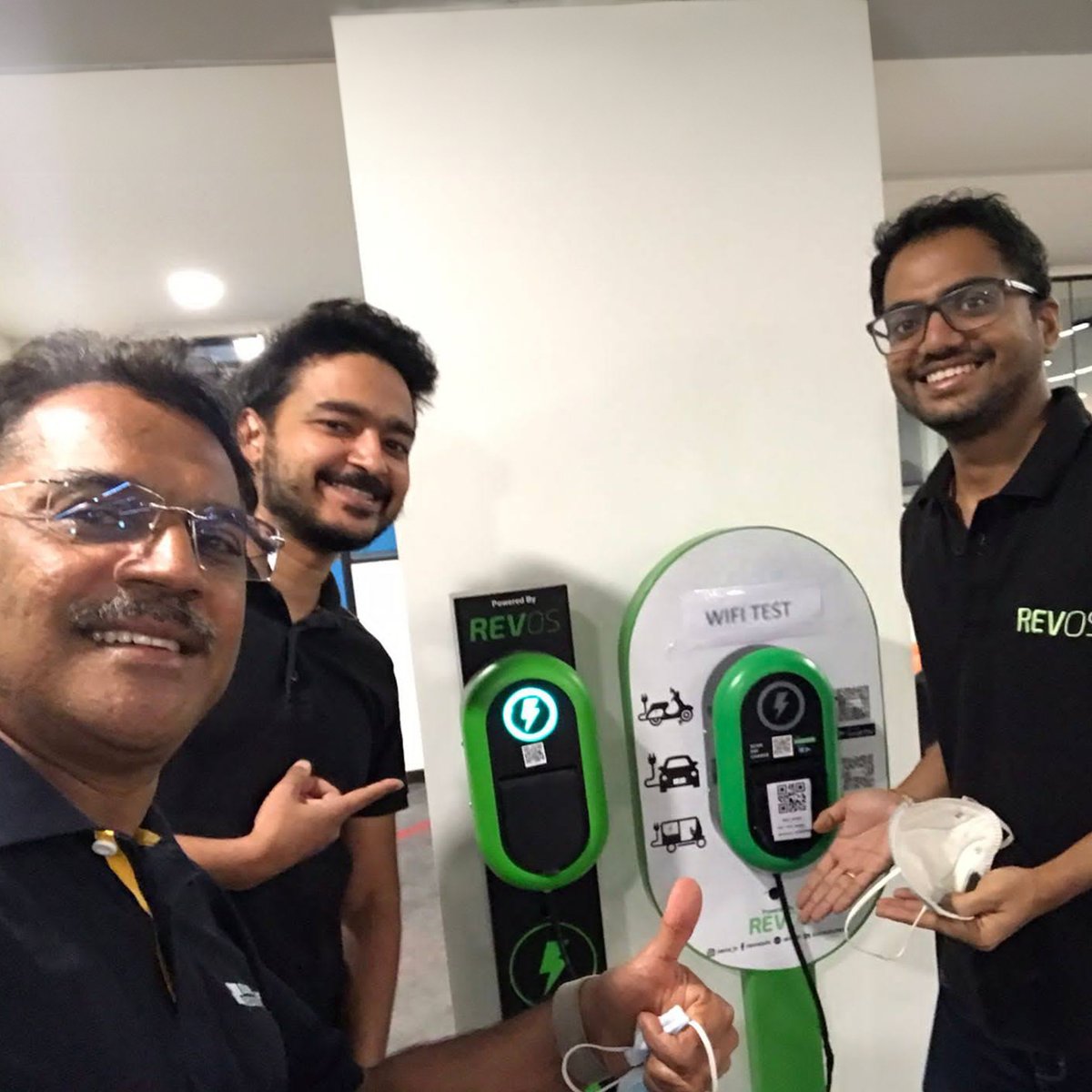
22/25 Impressed by this growth, Prime Venture Partners and Union Square Ventures invested $4M into the startup's Series A round, allowing RevOS (now rebranded to Bolt Earth) to initiate an ambitious experiment: The ₹1 Campaign, where they sold charge points for ₹1.
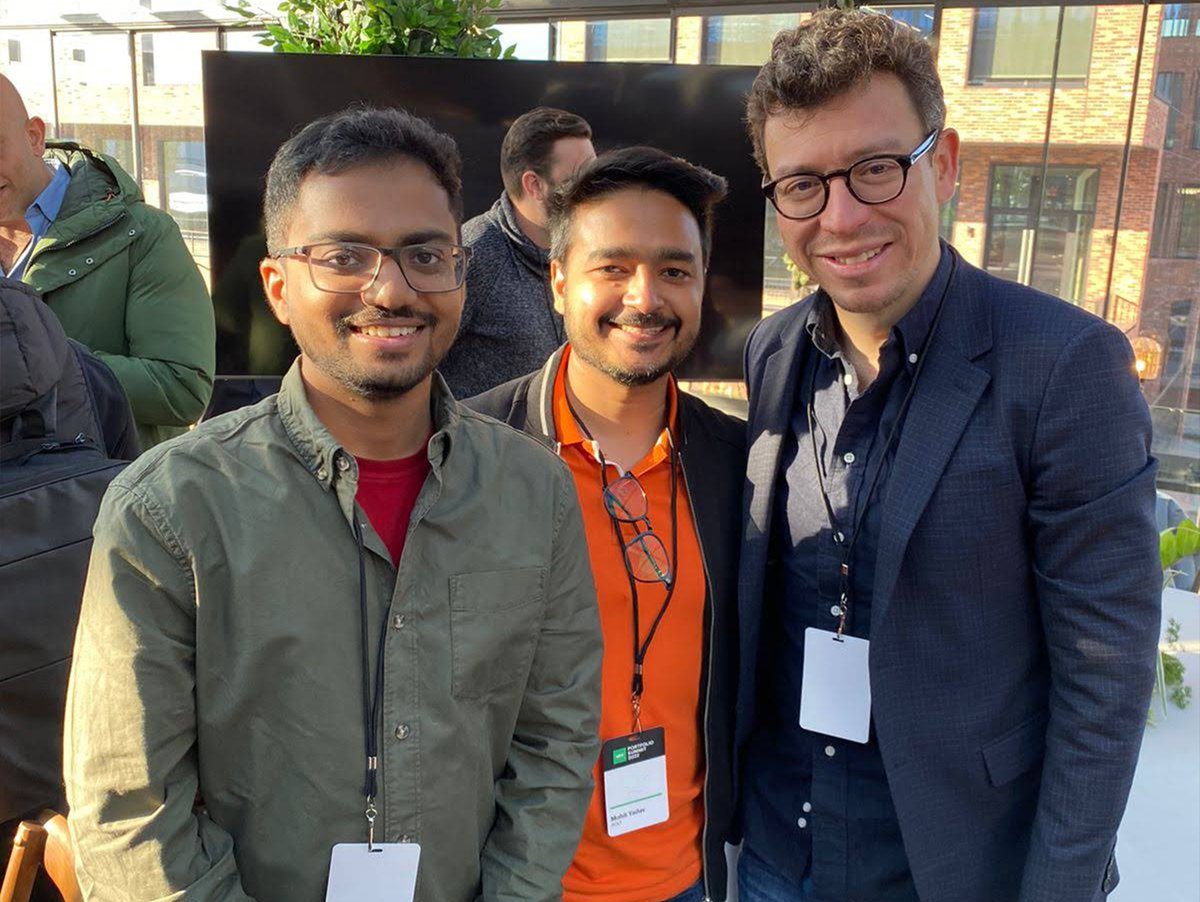
23/25 The network effects that this campaign set in motion accelerated Bolt Earth’s growth significantly: today they have 30,000+ charge points across 1,100+ cities in India, making their EV charging network the largest in the country.
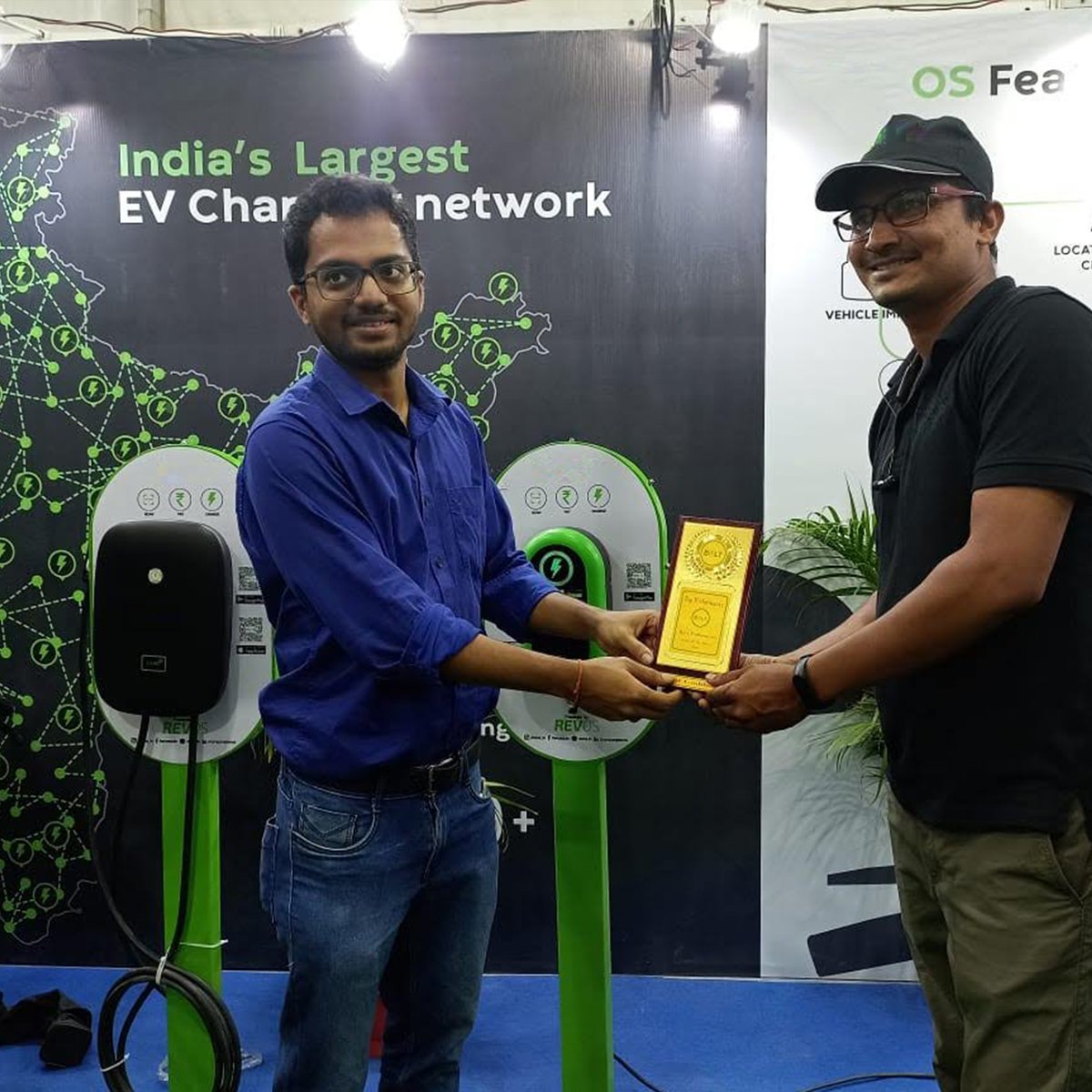
24/25 In October of 2023, Bolt Earth raised a $20M Series B, ensuring that they are perfectly positioned to capitalise on the rapid growth in EV adoption in India as an infrastructure provider. They’re selling shovels during a gold rush.
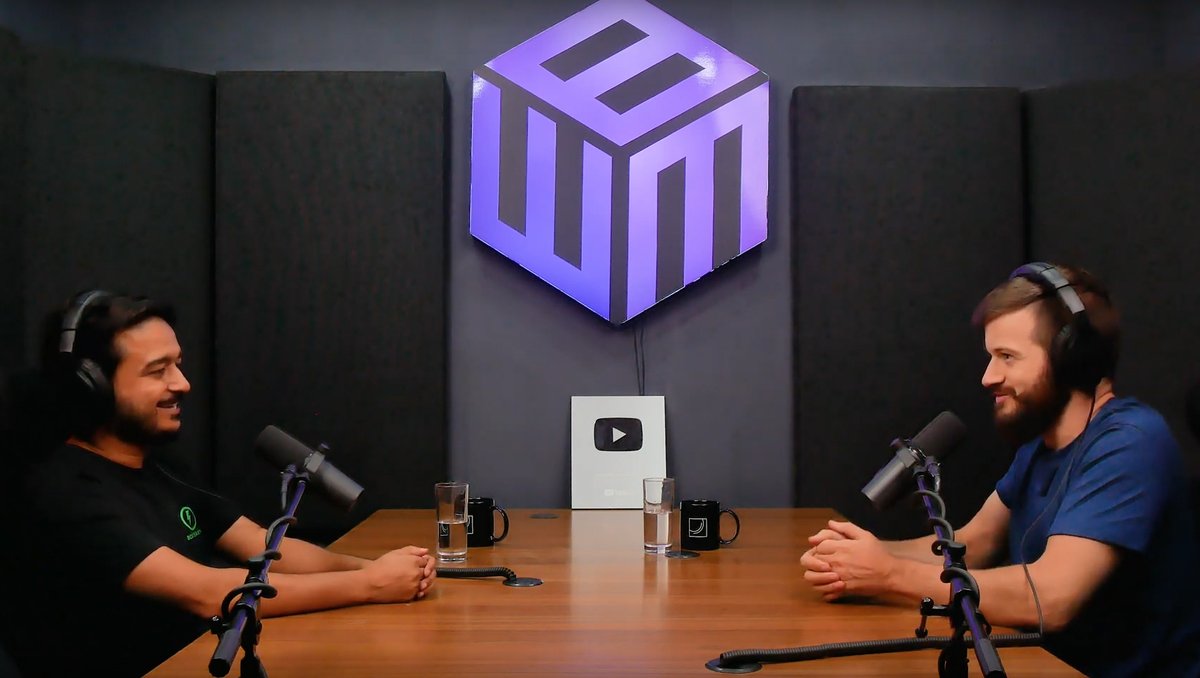
25/25 If you enjoyed this thread, you’ll love listening to my conversation with Mohit Yadav (@mohit_bolt). You can find a link to the entire podcast in my bio.
• • •
Missing some Tweet in this thread? You can try to
force a refresh