Still working through the judgment from the FWS appeal but first thing to note is that in my view this confirms that the Gender Recognition Reform (Scotland) Bill would change the operation of the Equality Act and so would modify the law as it applied to reserved matters.
If sex in the Equality Act is taken to mean biological sex unless modified by a GRC, then changing the process by which you can get a GRC modifies the operation of provisions relating to sex in the Equality Act.
An analogy here would be if there was U.K. legislation that gave welfare benefits or social care to people who meet certain criteria and Scotland introduced legislation changing the criteria for qualifying for these benefits. That would modify the operation of the benefit scheme.
This wasn’t expressly stated in this judgment bc it wasn’t the legal Q at issue but this decision means that one potential hurdle in the s35 judicial review has been avoided. If the court here had held that sex isn’t modified by a GRC the s35 case would have been more complex
Another point of significance here in this judgment is the upholding of what has long been the clear position that if you don’t have a GRC you are legally considered to be your biological sex and have no right to use single sex services intended for the opposite sex.
I might write a longer thread on the judgment when I’ve finished reading though it again in detail.
• • •
Missing some Tweet in this thread? You can try to
force a refresh

Interesting development this week on whether parents can assess material relating to the teaching of relationship, sex, and health education (RSHE). A thread 🧵on the background leading to this:
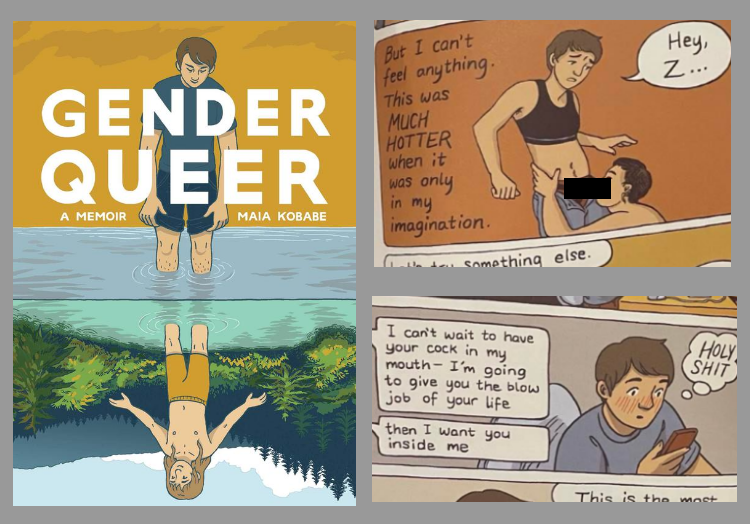
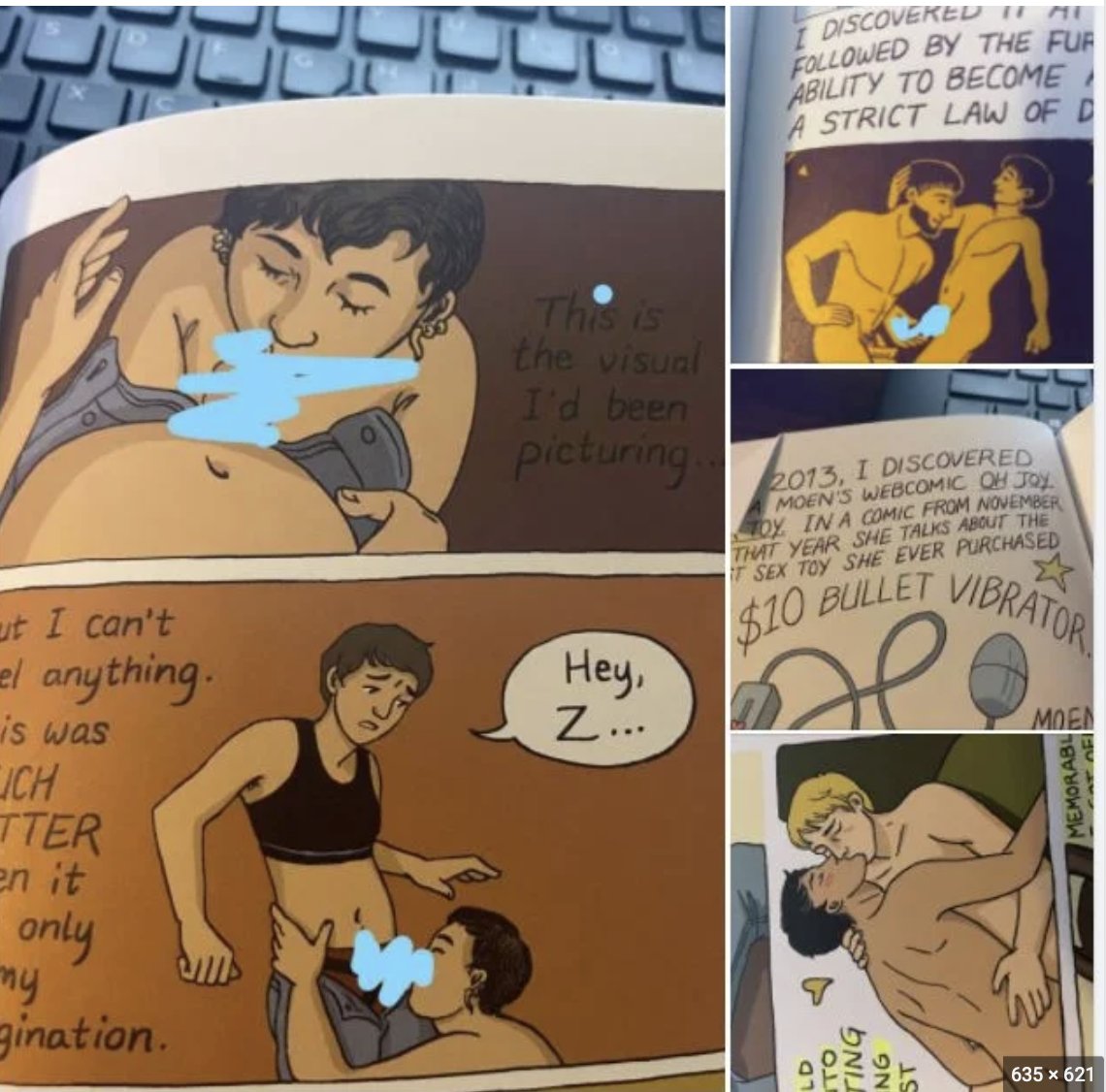
Over the last few years, there has been a growing concern amongst some parents - particularly in the US - about sexually explicit or inappropriate material being made available to young children via their school libraries or classes. The most notorious example is this:
We don't know whether material such as this, or material perhaps less explicit but still potentially inappropriate is being used in schools in the UK because parents who have requested information about RSHE lessons have been denied access to the material used.
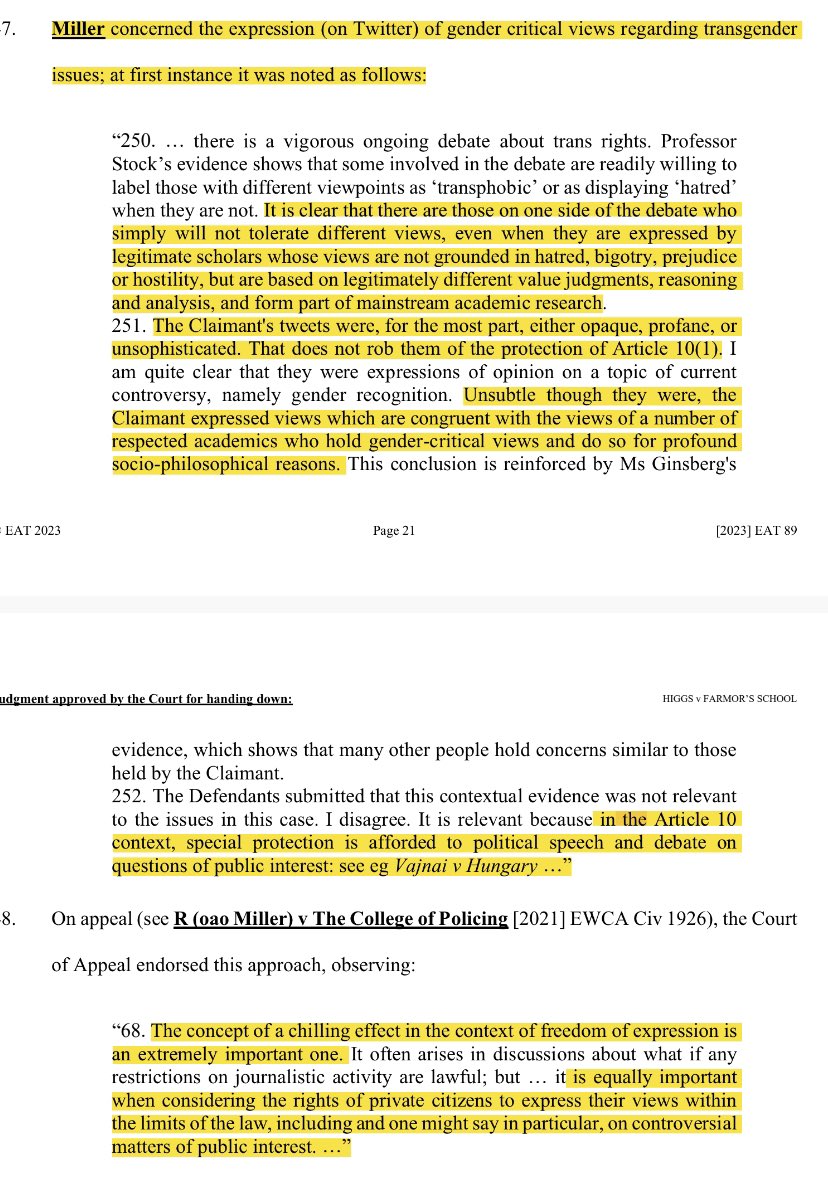
This compete misstatement of the law is coming from an academic union. Not only do academics have the general rights to freedom of expression everyone has, including the right to offend, we have heightened protection as academics due to legal protection for academic freedom.
Just a few examples of courts reiterating that the ECHR protects the right not just to hold a belief but to manifest it - which cannot be curtailed merely because it’s offensive. This includes gender critical belief.
This misinformation that you’re free to believe X but you have no right to manifest that belief if it’s offensive to others is completely false. It’s been argued for by activist campaigning groups that want to silence people from lawfully expressing protected beliefs.
There was a court case address the exact question of whether sufficient medical intervention in the form of surgery or hormones means that someone has changed biological sex: Corbett v Corbett (1970). The court held that this does not change sex.
The court held that “the biological sexual constitution of an individual is fixed at birth (at the latest), and cannot he changed … operation, therefore, cannot affect [one’s] true sex”.
This was affirmed in R v Tan (1984) and again in Bellinger v Bellinger (2003). In A v Chief constable of West Yorkshire Police (2004) Lord Bingham noted that “there is nothing in English domestic law to suggest that a person can be make for one purpose and female for another”
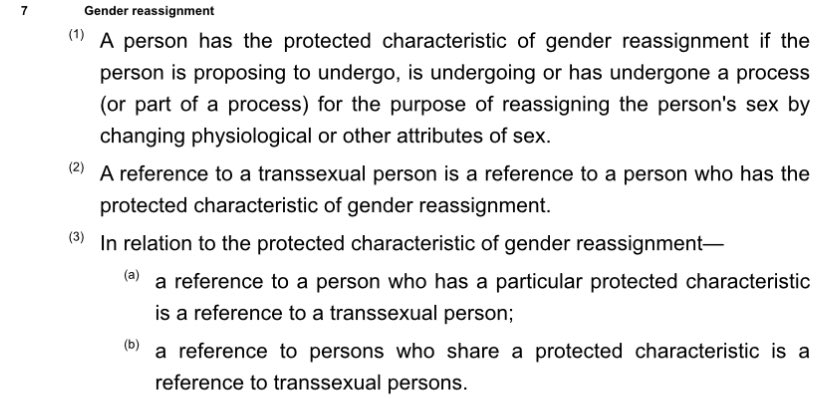
There’s been a lot of discussion over whether children can be covered under the protected characteristic of gender reassignment in the Equality Act. Here’s why this is almost certainly the the case.
First the statutory text does not have any age limit on it which means those arguing that children cannot be covered are assuming that children cannot propose to undergo a process or part of a process of changing (what the law recognises as) attributes of sex.
This seems false on the face of it since there are many teenagers who have very clear intentions of changing several things that the law is likely to recognise as aspects of sex. Even if confined to physiological changes or getting GRCs, many teenagers propose to (and do) do this
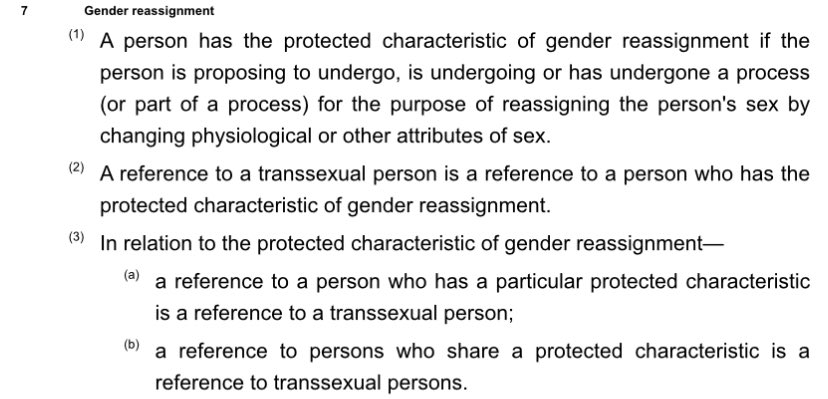
First some background. The Equality Act covers a list of protected characteristics. Gender reassignment is one of them. It’s not tied to the Gender Recognition Act, you don’t need to be in the process of obtains a GRC to be protected and it almost certainly covers minors.
This means that children who are experiencing gender distress are likely protected from gender reassignment based discrimination. There is a lot of confusion and misinformation about what being protected under GR means and this is likely affecting how guidance is being drafted.
This thread seems to presume that the only purpose of equality law is to move to a position of equal treatment in all contexts. The equivalent of being colour blind, religion blind, sex blind, and so on. But that is not the purpose of the Equality Act.
Yes, the Act does set up a baseline presumption of non-discriminatory treatment. But that must be understood in light of other aspects of the Act, including indirect discrimination, positive measures, single characteristic services/associations/schools and the PSED
The Act isn’t just about individual claims, it’s also about group claims relating to combating particular disadvantage that those who share a PC might face and to ensure the rights of people to associate together and to be provided services on the basis of one PC or another