Michael Shellenberger Profile picture
Nov 26 3 tweets 6 min read Twitter logo Read on Twitter
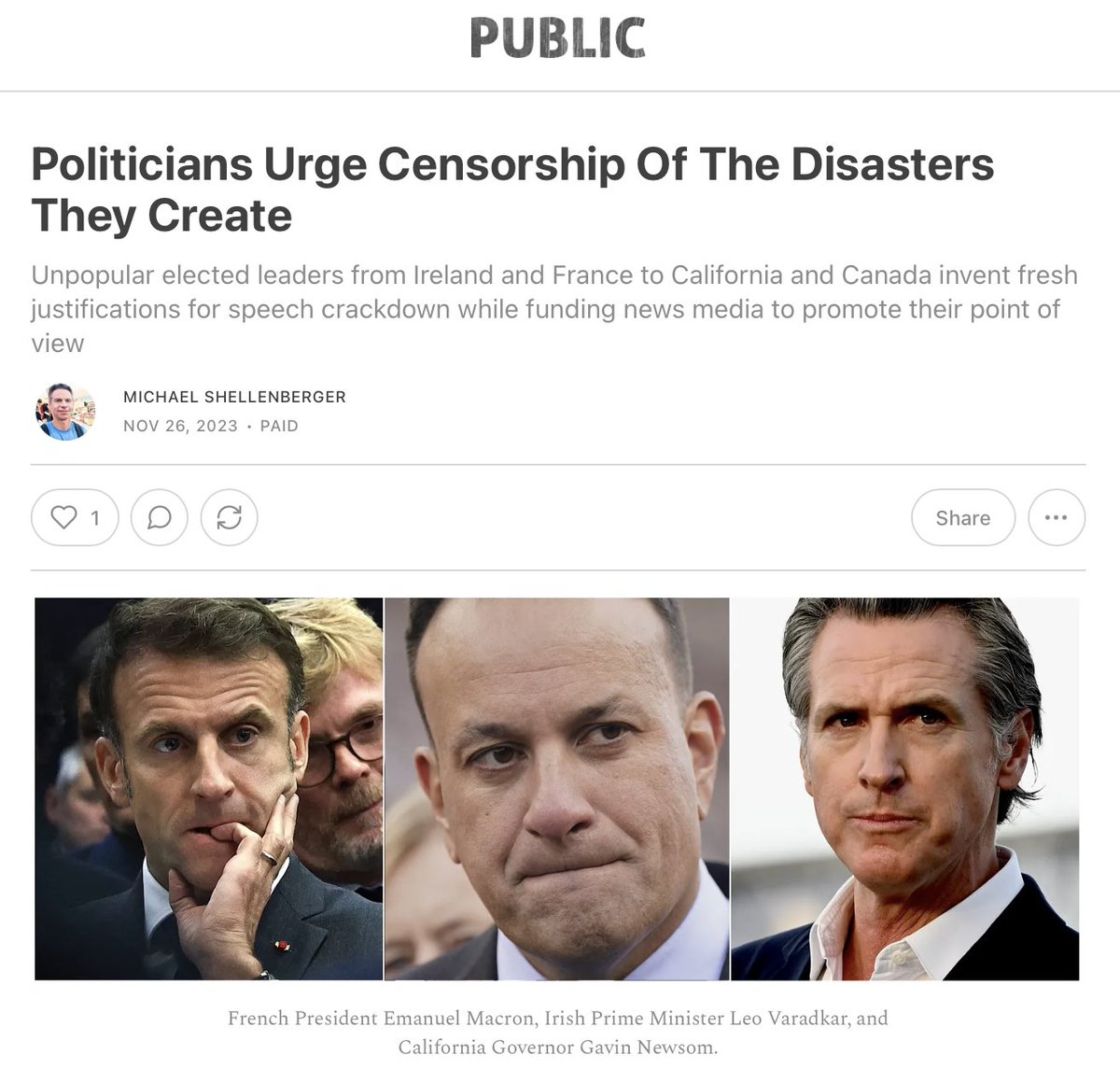
Politicians around the world say governments must censor social media to prevent rioting, but that's a lie. It's not social media that causes people to riot. It's their often-justified anger at the real-world policy disasters the politicians created. Image
Politicians Urge Censorship Of The Disasters They Create

Unpopular elected leaders from Ireland and France to California and Canada invent fresh justifications for speech crackdown while funding news media to promote their point of view

by @Shellenberger
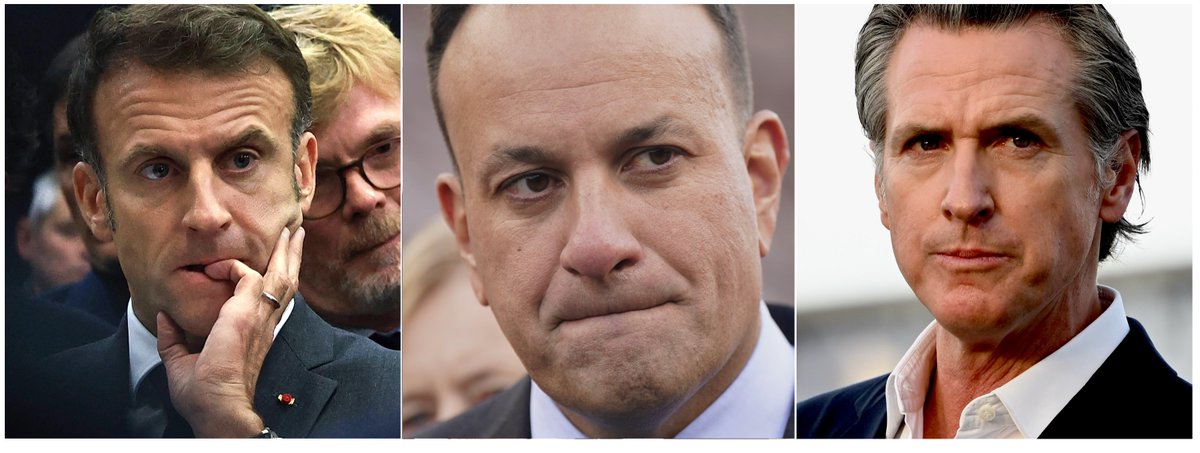
French President Emanuel Macron, Irish Prime Minister Leo Varadkar, and California Governor Gavin Newsom.

Ireland must pass new legislation to crack down on the online hatred behind the rioting in Dublin on Thursday, said its Prime Minister Leo Varadkar yesterday. “It’s not just the platforms that have a responsibility here, and they do,” he said. “It’s also the individuals who post messages and images online that stir up hatred and violence. We need to be able to use laws to go after them individually as well.”

But what triggered the riots were accurate news media reports that the suspect in the stabbing of multiple individuals, including a five-year-old child, was an Algerian immigrant. Either Varadkar is spreading misinformation by attributing the riots to “messages and images,” or he wants to criminalize sharing accurate news stories.

There’s no excuse for the looting and rioting that occurred in Dublin, and the suspect in the stabbing attack had been in Ireland for 20 years, according to news reports, and another immigrant, a Brazilian, physically intervened to stop the attacker. The Dublin riots appeared to have been the work of the same kind of nihilistic young men that engaged in rioting during Black Lives Matter protests in 2020 and in France this summer.

At the same time, many in Ireland felt they have seen a pattern. “A few days before [the stabbing],” writes Angela Nagle at Compact, “a Slovak Romani immigrant was sentenced for the murder of a young woman, Ashling Murphy. She had been walking home from work by a canal when she was stabbed eleven times in the neck. It was reported that the assailant had been living on disability benefits in a publicly funded council home. Last year, an Iraqi immigrant murdered two Irish gay men, decapitating one of them. In a nation with close-knit, high-trust communities until recently, this new reality is shocking and alien to Irish people. Dublin used to be renowned for its warmth, fun, and friendliness. Now everyone talks about how the atmosphere has taken a dark turn.”

But rather than deal with crime, violence, and homelessness, the government instead wants to crack down on what people say on social media.

“People don’t realise how extreme Ireland’s hate speech bill is,” wrote an Irish commentator on X. “Up to 12 months in prison for refusing to give password to your devices if suspected of committing hate speech. 12 months for refusing to allow the State read messages between you and your spouse.”

Ireland’s government has presented no evidence that any of the riots were caused by “messages and images online that stir up hatred” other than accurate news reports. “In recent decades, Dublin has seen many incidences of rioting,” says Free Speech Ireland. “These incidents never caused calls for scrapping freedom of speech.”

Indeed, Ireland has experienced prolonged periods of low-level civil war in its turbulent past without resorting to such measures. “Organising a riot is a crime,” noted one of Ireland’s most impactful independent journalists, Ben Scallan of Gript. “Participating in a riot is a crime. Arson, attacking police, theft, calling for violence - these are all crimes already. If anyone tells you that we need new ‘hate speech’ laws to deal with these things, they are simply lying.”

Added Christopher O’Flynn, “Where are the new laws to seriously crack down on knife possession in public? Or a mandatory life for attack on a child or public sector worker? I would much rather an extreme law into place to protect people who might actually cause harm than a law prohibiting speech that may or may not hurt someone’s feelings.”

Unfortunately, Varadkar is not unique in turning to censorship.

On the Fourth of July, French President Emanuel Macron proposed sweeping censorship of social media platforms to prevent riots. "We need to have a think about social media, about the bans we need to put in place," he said. "And when things get out of hand, we may need to put ourselves in a position to regulate or cut them off."

One week later, the top censor of the European Union, Thierry Breton, said that the European Union would similarly censor to prevent rioting.

In California and New York progressive leaders are promoting and financing government-sanctioned news media companies in “media literacy” programs for school children, which promote reliance on mainstream corporate media, and skepticism of independent and social media.

In Canada, the government has voted to increase taxpayer funding for government-sanctioned news media corporations so they are more widely promoted by social media platforms and read by the public.

Much of the Left supports this censorship. Support for greater government censorship of social media by the government rose from 40% to 70% among Democrats between 2018 and 2023, according to Pew. And the numbers are likely to be similar among Left party partisans in Europe and Canada.

But it’s one thing to endorse a role for government in fighting misinformation in the abstract and quite another to advocate for concrete censorship.

Varadkar appears to view the riots as just what was needed to pass the new hate speech legislation. But support for his hate legislation declined from 40% in late Juneto just 19% today, and it’s not obvious the riots will change the minds of the Irish people.

And demands for censorship can sometimes backfire by generating more attention for the thing the politicians want to censor. This is known as the “Streisand effect” after singer Barbra Streisand tried to stop a photograph of her home in Malibu from being publicly released and only brought it national attention.

Censorship can also backfire by angering the public, turning them against the politicians demanding censorship.

Researchers find that censorship “pacifies rebellious societies but has the opposite effect on peaceful ones” and that “the choice of not restricting social communication turns out to be a judicious one for avoiding to trade democratic values and freedom of expression for an illusory sense of security.”

Indeed, there is a good case to be made that politicians from Joe Biden and Barack Obama to Varadkar and Macron are undermining their ability to govern, and their legacy, in urging censorship of their political opponents in the name of combating “misinformation” and “hate speech.”

The Biden administration’s Department of Homeland Security had to withdraw its proposal for a “Disinformation Governance Board” after it was denounced by liberals and conservatives alike for being unAmerican, and it must now defend to the Supreme Court its sweeping censorship activities starting in 2020.

And yet the politicians continue to relentlessly demand new powers for censorship in response to every new crisis, from climate change, crime, and Covid to Ukraine, Israel, and immigration. Why is that? Why are politicians — who must remain popular in order to remain politicians, and are thus notoriously risk-averse — taking the highly risky path of trying to censor their citizens?
Image
Please subscribe now to fight censorship, and to read the rest of the article!


Image
Image

• • •

Missing some Tweet in this thread? You can try to force a refresh

 

Keep Current with Michael Shellenberger

Michael Shellenberger Profile picture

Stay in touch and get notified when new unrolls are available from this author!

Read all threads

This Thread may be Removed Anytime!

PDF

Twitter may remove this content at anytime! Save it as PDF for later use!

Try unrolling a thread yourself!

how to unroll video
  1. Follow @ThreadReaderApp to mention us!

  2. From a Twitter thread mention us with a keyword "unroll"
@threadreaderapp unroll

Practice here first or read more on our help page!

More from @shellenberger

Nov 28
THE CTIL FILES #1

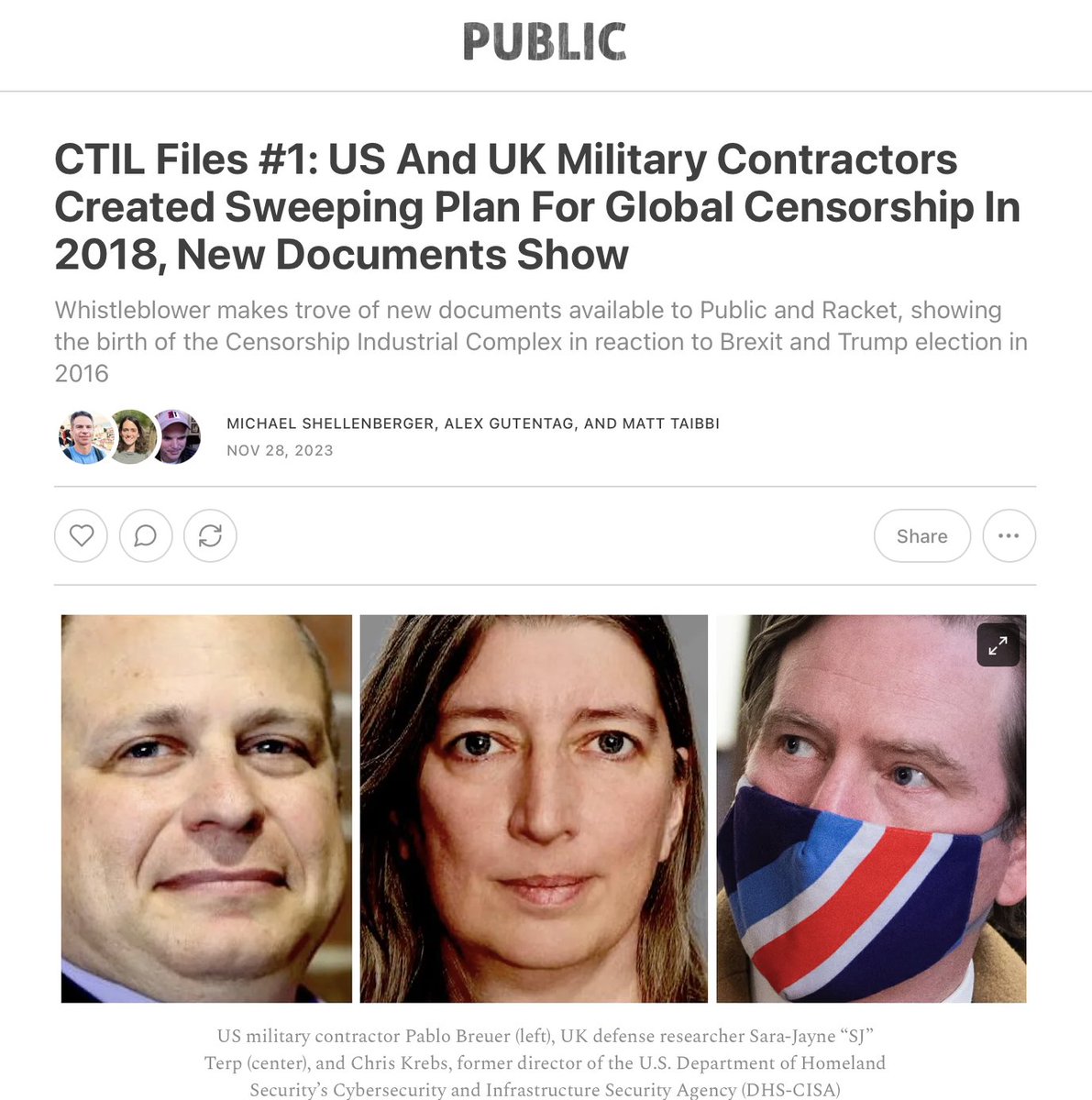
Many people insist that governments aren't involved in censorship, but they are. And now, a whistleblower has come forward with an explosive new trove of documents, rivaling or exceeding the Twitter Files and Facebook Files in scale and importance. Image
CTIL Files #1: US And UK Military Contractors Created Sweeping Plan For Global Censorship In 2018, New Documents Show

Whistleblower makes trove of new documents available to Public and Racket, showing the birth of the Censorship Industrial Complex in reaction to Brexit and Trump election in 2016

by @shellenberger @galexybrane @mtaibbi
US military contractor Pablo Breuer (left), UK defense researcher Sara-Jayne “SJ” Terp (center), and Chris Krebs, former director of the U.S. Department of Homeland Security’s Cybersecurity and Infrastructure Security Agency (DHS-CISA)

A whistleblower has come forward with an explosive new trove of documents, rivaling or exceeding the Twitter Files and Facebook Files in scale and importance. They describe the activities of an “anti-disinformation” group called the Cyber Threat Intelligence League, or CTIL, that officially began as the volunteer project of data scientists and defense and intelligence veterans but whose tactics over time appear to have been absorbed into multiple official projects, including those of the Department of Homeland Security (DHS).

The CTI League documents offer the missing link answers to key questions not addressed in the Twitter Files and Facebook Files. Combined, they offer a comprehensive picture of the birth of the “anti-disinformation” sector, or what we have called the Censorship Industrial Complex.

The whistleblower's documents describe everything from the genesis of modern digital censorship programs to the role of the military and intelligence agencies, partnerships with civil society organizations and commercial media, and the use of sock puppet accounts and other offensive techniques.

"Lock your shit down," explains one document about creating "your spy disguise.”

Another explains that while such activities overseas are "typically" done by "the CIA and NSA and the Department of Defense," censorship efforts "against Americans" have to be done using private partners because the government doesn't have the "legal authority."

The whistleblower alleges that a leader of CTI League, a “former” British intelligence analyst, was “in the room” at the Obama White House in 2017 when she received the instructions to create a counter-disinformation project to stop a "repeat of 2016."

Over the last year, Public, Racket, congressional investigators, and others have documented the rise of the Censorship Industrial Complex, a network of over 100 government agencies and nongovernmental organizations that work together to urge censorship by social media platforms and spread propaganda about disfavored individuals, topics, and whole narratives.

The US Department of Homeland Security’s Cybersecurity and Information Security Agency (CISA) has been the center of gravity for much of the censorship, with the National Science Foundation financing the development of censorship and disinformation tools and other federal government agencies playing a supportive role.

Emails from CISA’s NGO and social media partners show that CISA created the Election Integrity Partnership (EIP) in 2020, which involved the Stanford Internet Observatory (SIO) and other US government contractors. EIP and its successor, the Virality Project (VP), urged Twitter, Facebook and other platforms to censor social media posts by ordinary citizens and elected officials alike.

Despite the overwhelming evidence of government-sponsored censorship, it had yet to be determined where the idea for such mass censorship came from. In 2018, an SIO official and former CIA fellow, Renee DiResta, generated national headlines before and after testifying to the US Senate about Russian government interference in the 2016 election.

But what happened between 2018 and Spring 2020? The year 2019 has been a black hole in the research of the Censorship Industrial Complex to date. When one of us, Michael, testified to the U.S. House of Representatives about the Censorship Industrial Complex in March of this year, the entire year was missing from his timeline.

An Earlier Start Date for the Censorship Industrial Complex
Now, a large trove of new documents, including strategy documents, training videos, presentations, and internal messages, reveal that, in 2019, US and UK military and intelligence contractors led by a former UK defense researcher, Sara-Jayne “SJ” Terp, developed the sweeping censorship framework. These contractors co-led CTIL, which partnered with CISA in the spring of 2020.

In truth, the building of the Censorship Industrial Complex began even earlier — in 2018.

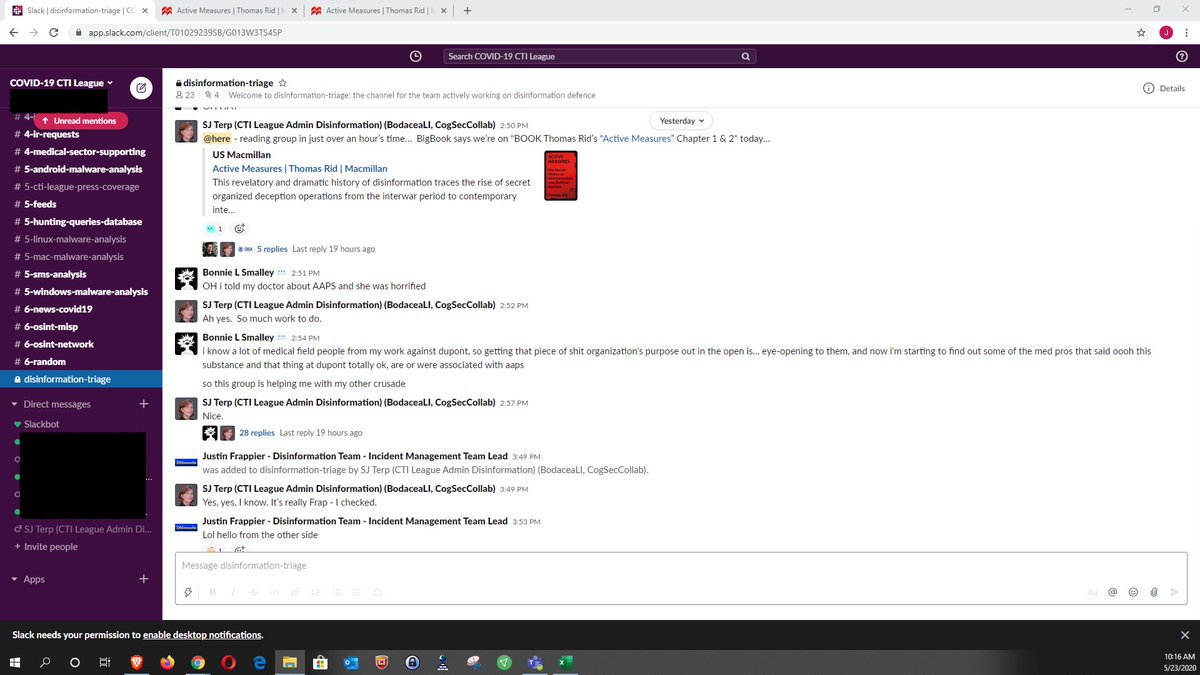
Internal CTIL Slack messages show Terp, her colleagues, and officials from DHS and Facebook all working closely together in the censorship process.

The CTIL framework and the public-private model are the seeds of what both the US and UK would put into place in 2020 and 2021, including masking censorship within cybersecurity institutions and counter-disinformation agendas; a heavy focus on stopping disfavored narratives, not just wrong facts; and pressuring social media platforms to take down information or take other actions to prevent content from going viral.

In the spring of 2020, CTIL began tracking and reporting disfavored content on social media, such as anti-lockdown narratives like “all jobs are essential,” “we won’t stay home,” and “open America now.” CTIL created a law enforcement channel for reporting content as part of these efforts. The organization also did research on individuals posting anti-lockdown hashtags like #freeCA and kept a spreadsheet with details from their Twitter bios. The group also discussed requesting “takedowns” and reporting website domains to registrars.

CTIL’s approach to “disinformation” went far beyond censorship. The documents show that the group engaged in offensive operations to influence public opinion, discussing ways to promote “counter-messaging,” co-opt hashtags, dilute disfavored messaging, create sock puppet accounts, and infiltrate private invite-only groups.

In one suggested list of survey questions, CTIL proposed asking members or potential members, “Have you worked with influence operations (e.g. disinformation, hate speech, other digital harms etc) previously?” The survey then asked whether these influence operations included “active measures” and “psyops.”

These documents came to us via a highly credible whistleblower. We were able to independently verify their legitimacy through extensive cross-checking of information to publicly available sources. The whistleblower said they were recruited to participate in CTIL through monthly cybersecurity meetings hosted by DHS.

The FBI declined to comment. CISA did not respond to our request for comment. And Terp and the other key CTIL leaders also did not respond to our requests for comment.

But one person involved, Bonnie Smalley, replied over Linked in, saying, “all i can comment on is that i joined cti league which is unaffiliated with any govt orgs because i wanted to combat the inject bleach nonsense online during covid…. i can assure you that we had nothing to do with the govt though.”

Yet the documents suggest that government employees were engaged members of CTIL. One individual who worked for DHS, Justin Frappier, was extremely active in CTIL, participating in regular meetings and leading trainings.

CTIL’s ultimate goal, said the whistleblower, ”was to become part of the federal government. In our weekly meetings, they made it clear that they were building these organizations within the federal government, and if you built the first iteration, we could secure a job for you.”

Terp’s plan, which she shared in presentations to information security and cybersecurity groups in 2019, was to create “Misinfosec communities” that would include government.

Both public records and the whistleblower’s documents suggest that she achieved this. In April 2020, Chris Krebs, then-Director of CISA, announced on Twitter and in multiple articles, that CISA was partnering with CTIL. “It’s really an information exchange,” said Krebs.

The documents also show that Terp and her colleagues, through a group called MisinfoSec Working Group, which included DiResta, created a censorship, influence, and anti-disinformation strategy called Adversarial Misinformation and Influence Tactics and Techniques (AMITT). They wrote AMITT by adapting a cybersecurity framework developed by MITRE, a major defense and intelligence contractor that has an annual budget of $1 to $2 billion in government funding.

Terp later used AMITT to develop the DISARM framework, which the World Health Organization then employed in “countering anti-vaccination campaigns across Europe.”

A key component of Terp’s work through CTIL, MisinfoSec, and AMITT was to insert the concept of “cognitive security” into the fields of cybersecurity and information security.

The sum total of the documents is a clear picture of a highly coordinated and sophisticated effort by the US and UK governments to build a domestic censorship effort and influence operations similar to the ones they have used in foreign countries. At one point, Terp openly referenced her work “in the background” on social media issues related to the Arab Spring. Another time, the whistleblower said, she expressed her own apparent surprise that she would ever use such tactics, developed for foreign nationals, against American citizens.

According to the whistleblower, roughly 12-20 active people involved in CTILworked at the FBI or CISA. “For a while, they had their agency seals — FBI, CISA, whatever — next to your name,” on the Slack messaging service, said the whistleblower. Terp “had a CISA badge that went away at some point,” the whistleblower said.

The ambitions of the 2020 pioneers of the Censorship Industrial Complex went far beyond simply urging Twitter to slap a warning label on Tweets, or to put individuals on blacklists.

The AMITT framework calls for discrediting individuals as a necessary prerequisite of demanding censorship against them. It calls for training influencers to spread messages. And it calls for trying to get banks to cut off financial services to individuals who organize rallies or events.The timeline of CISA’s work with CTIL leading up to its work with EIP and VP strongly suggests that the model for public-private censorship operations may have originated from a framework originally created by military contractors. What’s more, the techniques and materials outlined by CTIL closely resemble materials later created by CISA’s Countering Foreign Intelligence Task Force and Mis-, Dis-, and Maliformation team.

Over the next several days and weeks, we intend to present these documents to Congressional investigators, and will make public all of the documents we can while also protecting the identity of the whistleblower and other individuals who are not senior leaders or public figures.

But for now, we need to take a closer look at what happened in 2018 and 2019, leading up to the creation of CTIL, as well as this group’s key role in the formation and growth of the Censorship Industrial Complex.


Image
Image
Image
Image
“Volunteer” and “Former” Government Agents
Bloomberg, Washington Post and others published credulous stories in the spring of 2020 claiming that the CTI League was simply a group of volunteer cybersecurity experts. Its founders were: a “former” Israeli intelligence official, Ohad Zaidenberg; a Microsoft “security manager,” Nate Warfield; and the head of sec ops for DEF CON, a hackers convention, Marc Rogers. The articles claimed that those highly skilled cybercrime professionals had decided to help billion-dollar hospitals, on their own time and without pay, for strictly altruistic motives.

In just one month, from mid-March to mid-April, the supposedly all-volunteer CTIL had grown to “1,400 vetted members in 76 countries spanning 45 different sectors,” had “helped to lawfully take down 2,833 cybercriminal assets on the internet, including 17 designed to impersonate government organizations, the United Nations, and the World Health Organization,” and had “identified more than 2,000 vulnerabilities in healthcare institutions in more than 80 countries.”

At every opportunity the men stressed that they were simply volunteers motivated by altruism. “I knew I had to do something to help,” said Zaidenberg. ”There is a really strong appetite for doing good in the community,” Rogers said during an Aspen Institute webinar.

And yet a clear goal of CTIL’s leaders was to build support for censorship among national security and cybersecurity institutions. Toward that end, they sought to promote the idea of “cognitive security” as a rationale for government involvement in censorship activities. “Cognitive security is the thing you want to have,” said Terp on a 2019 podcast. “You want to protect that cognitive layer. It basically, it’s about pollution. Misinformation, disinformation, is a form of pollution across the Internet.”

Terp and Pablo Breuer, another CTIL leader, like Zaidenberg, had backgrounds in the military and were former military contractors. Both have worked for SOFWERX, “a collaborative project of the U.S. Special Forces Command and Doolittle Institute.” The latter transfers Air Force technology, through the Air Force Resource Lab, to the private sector.

According to Terp’s bio on the website of a consulting firm she created with Breuer, “She’s taught data science at Columbia University, was CTO of the UN’s big data team, designed machine learning algorithms and unmanned vehicle systems at the UK Ministry of Defence.

Breuer is a former US Navy commander. According to his bio, he was “military director of US Special Operations Command Donovan Group and senior military advisor and innovation officer to SOFWERX, the National Security Agency, and U.S. Cyber Command as well as being the Director of C4 at U.S. Naval Forces Central Command.” Breuer is listed as having been in the Navy during the creation of CTIL on his LinkedIn page.

In June, 2018, Terp attended a ten-day military exercise organized by the US Special Operations Command, where she says she first met Breuer and discussed modern disinformation campaigns on social media. Wired summed up the conclusions they drew from their meeting: “Misinformation, they realized, could be treated the same way: as a cybersecurity problem.” And so they created CogSec with David Perlman and another colleague, Thaddeus Grugq, at the lead. In 2019, Terp co-chaired the Misinfosec Working Group within CogSec.

Breuer admitted in a podcast that his aim was to bring military tactics to use on social media platforms in the U.S. “I wear two hats,” he explained. “The military director of the Donovan Group, and one of two innovation officers at Sofwerx, which is a completely unclassified 501c3 nonprofit that's funded by U. S. Special Operations Command.”

Breuer went on to describe how they thought they were getting around the First Amendment. His work with Terp, he explained, was a way to get “nontraditional partners into one room,” including “maybe somebody from one of the social media companies, maybe a few special forces operators, and some folks from Department of Homeland Security… to talk in a non-attribution, open environment in an unclassified way so that we can collaborate better, more freely and really start to change the way that we address some of these issues.”

The Misinfosec report advocated for sweeping government censorship and counter-misinformation. During the first six months of 2019, the authors say, they analyzed “incidents,” developed a reporting system, and shared their censorship vision with “numerous state, treaty and NGOs.”

In every incident mentioned, the victims of misinformation were on the political Left, and they included Barack Obama, John Podesta, Hillary Clinton, and Emmanuel Macron. The report was open about the fact that its motivation for counter-misinformation were the twin political earthquakes of 2016: Brexit and the election of Trump.

“A study of the antecedents to these events lead us to the realization that there’s something off kilter with our information landscape,” wrote Terp and her co-authors. “The usual useful idiots and fifth columnists—now augmented by automated bots, cyborgs and human trolls—are busily engineering public opinion, stoking up outrage, sowing doubt and chipping away at trust in our institutions. And now it’s our brains that are being hacked.”

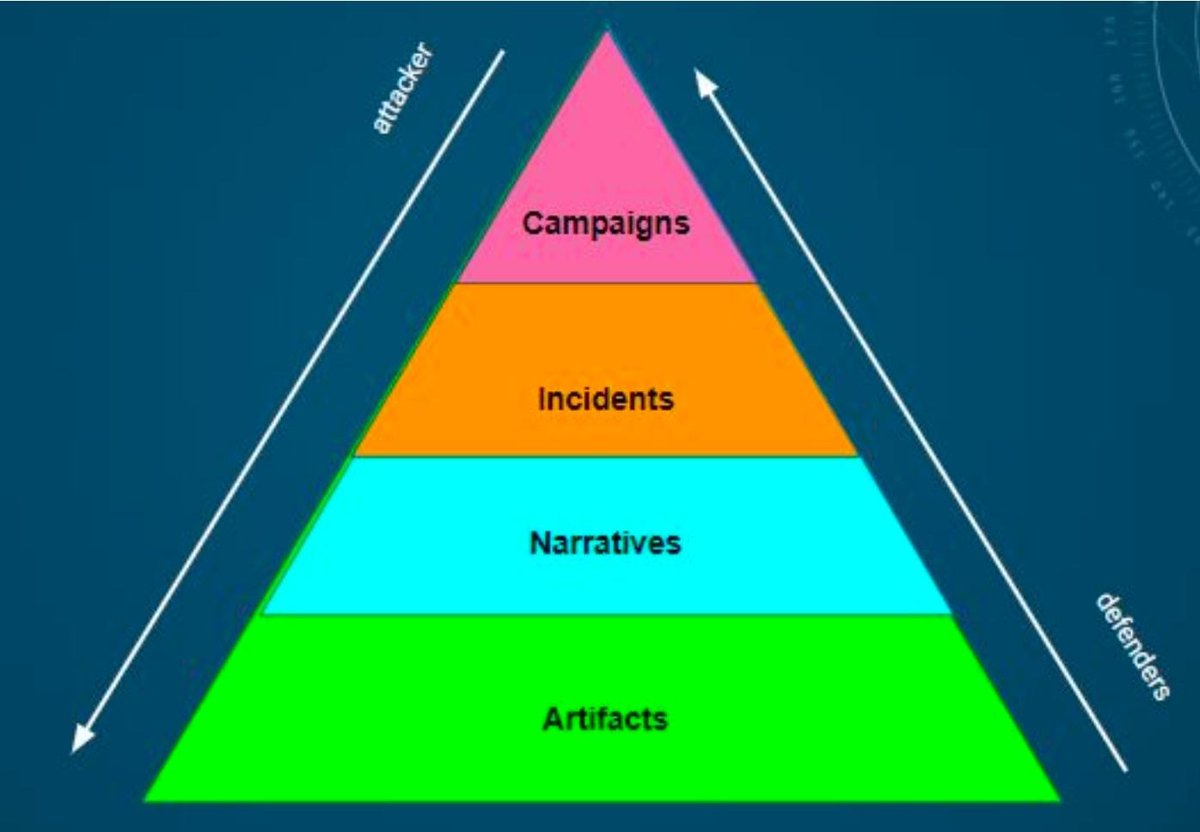
The Misinfosec report focused on information that “changes beliefs” through “narratives,” and recommended a way to counter misinformation by attacking specific links in a “kill chain” or influence chain from the misinfo “incident” before it becomes a full-blown narrative.

The report laments that governments and corporate media no longer have full control of information. “For a long time, the ability to reach mass audiences belonged to the nation-state (e.g. in the USA via broadcast licensing through ABC, CBS and NBC). Now, however, control of informational instruments has been allowed to devolve to large technology companies who have been blissfully complacent and complicit in facilitating access to the public for information operators at a fraction of what it would have cost them by other means.”

The authors advocated for police, military, and intelligence involvement in censorship, across Five Eyes nations, and even suggested that Interpol should be involved.

The report proposed a plan for AMITT and for security, intelligence, and law enforcement collaboration and argued for immediate implementation. “We do not need, nor can we afford, to wait 27 years for the AMITT (Adversarial Misinformation and Influence Tactics and Techniques) framework to go into use.”
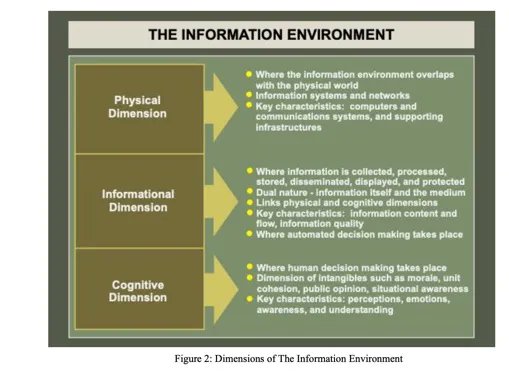
The authors called for placing censorship efforts inside of “cybersecurity” even while acknowledging that “misinformation security” is utterly different from cybersecurity. They wrote that the third pillar of “The information environment” after physical and cybersecurity should be “The Cognitive Dimension.”

The report flagged the need for a kind of pre-bunking to “preemptively inoculate a vulnerable population against messaging.” The report also pointed to the opportunity to use the DHS-funded Information Sharing and Analysis Centers (ISACs) as the homes for orchestrating public-private censorship, and argued that these ISACs should be used to promote confidence in government.

It is here that we see the idea for the EIP and VP: “While social media is not identified as a critical sector, and therefore doesn’t qualify for an ISAC, a misinformation ISAC could and should feed indications and warnings into ISACs.”

Terp’s view of “disinformation” was overtly political. “Most misinformation is actually true,” noted Terp in the 2019 podcast, “but set in the wrong context.” Terp is an eloquent explainer of the strategy of using “anti-disinformation” efforts to conduct influence operations. “You're not trying to get people to believe lies most of the time. Most of the time, you're trying to change their belief sets. And in fact, really, uh, deeper than that, you're trying to change, to shift their internal narratives… the set of stories that are your baseline for your culture. So that might be the baseline for your culture as an American.”

In the fall, Terp and others sought to promote their report. The podcast Terp did with Breuer in 2019 was one example of this effort. Together Terp and Breuer described the “public-private” model of censorship laundering that DHS, EIP, and VP would go on to embrace.

Breuer spoke freely, openly stating that the information and narrative control he had in mind was comparable to that implemented by the Chinese government, only made more palatable for Americans. “If you talk to the average Chinese citizen, they absolutely believe that the Great Firewall of China is not there for censorship. They believe that it's there because the Chinese Communist Party wants to protect the citizenry and they absolutely believe that's a good thing. If the US government tried to sell that narrative, we would absolutely lose our minds and say, ‘No, no, this is a violation of our First Amendment rights. So the in-group and out-group messaging have to be often different.”


Image
Image
Image
Read 6 tweets
Nov 17
A Stanford group said the government didn’t fund it to censor anyone. But it did. Newly released files show that Twitter, pre-Musk, censored Republicans at the request of Stanford Internet Observatory, and that US taxpayers funded it, adding insult to injury. We have the proof.
After we testified before Congress, Stanford Internet Observatory denied everything. That was a mistake. After months of refusing to turn over key documents, Congress finally forced them to do so. They proved that what we had said was true, and that they had lied.
These guys violated the First Amendment, interfered in an election, and then blamed their interns for it.
Read 14 tweets
Nov 16
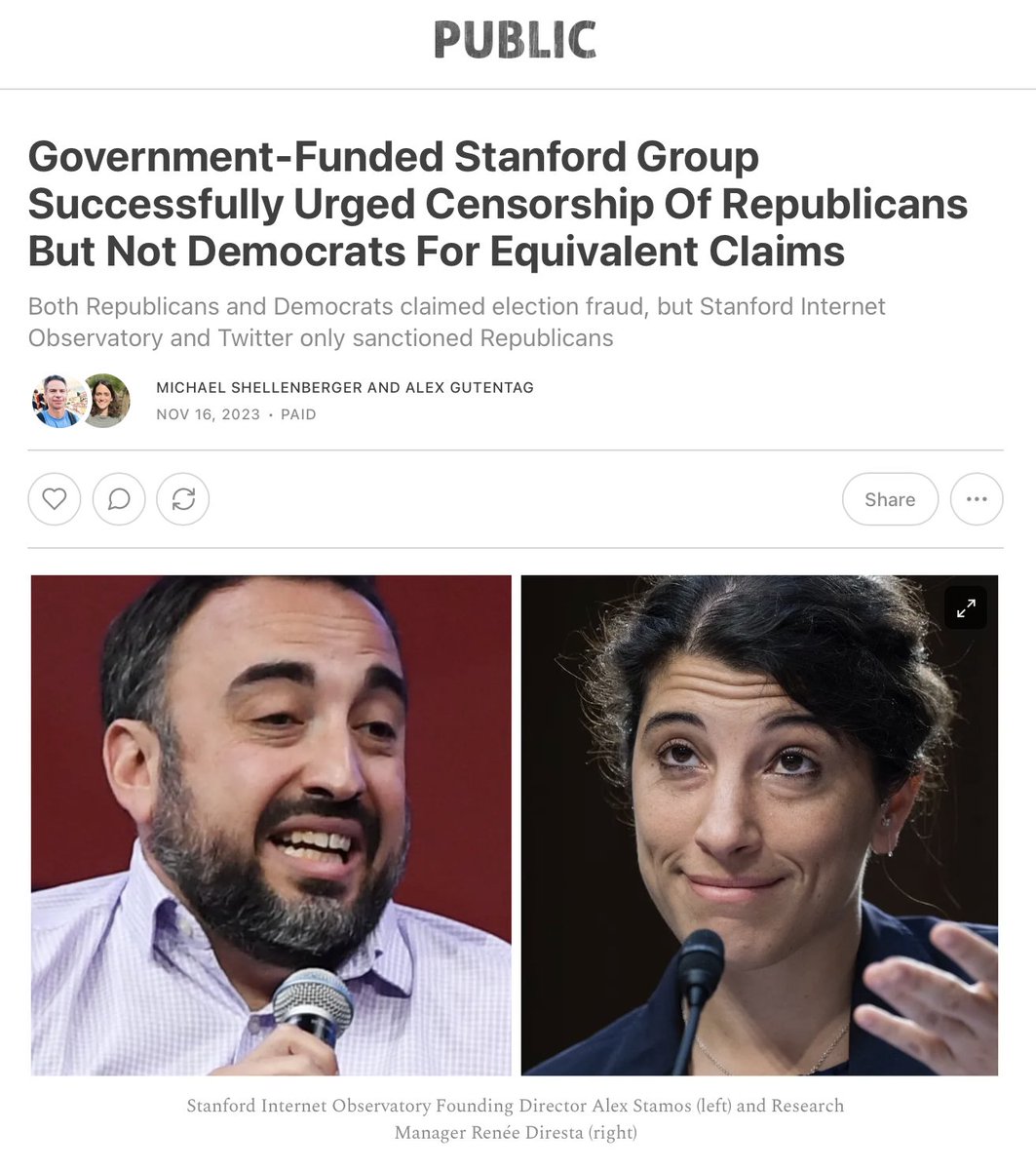
A US government-funded group at Stanford said its work was "nonpartisan," but it wasn't. A newly released tranche of files, exclusive to Public, show that it demanded censorship of Republican elected officials, but not of Democrats, for making equivalent claims of election fraud Image
Government-Funded Stanford Group Successfully Urged Censorship Of Republicans But Not Democrats For Equivalent Claims

Both Republicans and Democrats claimed election fraud, but Stanford Internet Observatory and Twitter only sanctioned Republicans

by @shellenberger & @galexybrane
Stanford Internet Observatory Founding Director Alex Stamos (left) and Research Manager Renée Diresta (right)

The US government-funded Stanford Internet Observatory (SIO) claims that its 2020 Election Integrity Project (EIP) and its 2021 Virality Project (VP) were “non-partisan research coalitions.” They did not discriminate against Republicans or conservatives, SIO insists.

But a new tranche of SIO files subpoenaed by the House Homeland Security Committee Chairman, Mark Green (R-TN), and Homeland Security Subcommittee for Oversight Chairman Dan Bishop (R-SC) reveal that SIO singled out Republicans for censorship, even though Democrats engaged in similar kinds of inaccurate or misleading speech.

One member of Congress singled out for censorship was alarmed to learn of the pattern. “In striving to silence duly elected Congressmen and prevent them from communicating with constituents,” Rep. Thomas Massie (R-KY) told Public, “this government-funded censorship network has shown itself to be a far greater threat to our representative democracy than any foreign nation.”

Representatives from Stanford Internet Observatory did not respond to a request for comment.

To see the pattern of partisan behavior, we have to go back to November 2020, when the EIP was well underway.
Image
At 5:58 am, November 4, 2020, Rep. Marjorie Taylor Greene (R-SC) tweeted, “The Silicon Valley Cartel is in on the STEAL! Censoring our President while DEMOCRATS work overtime to STEAL THIS ELECTION! I need you to join me in the fight to STOP THIS.!” Image
Read 11 tweets
Nov 14
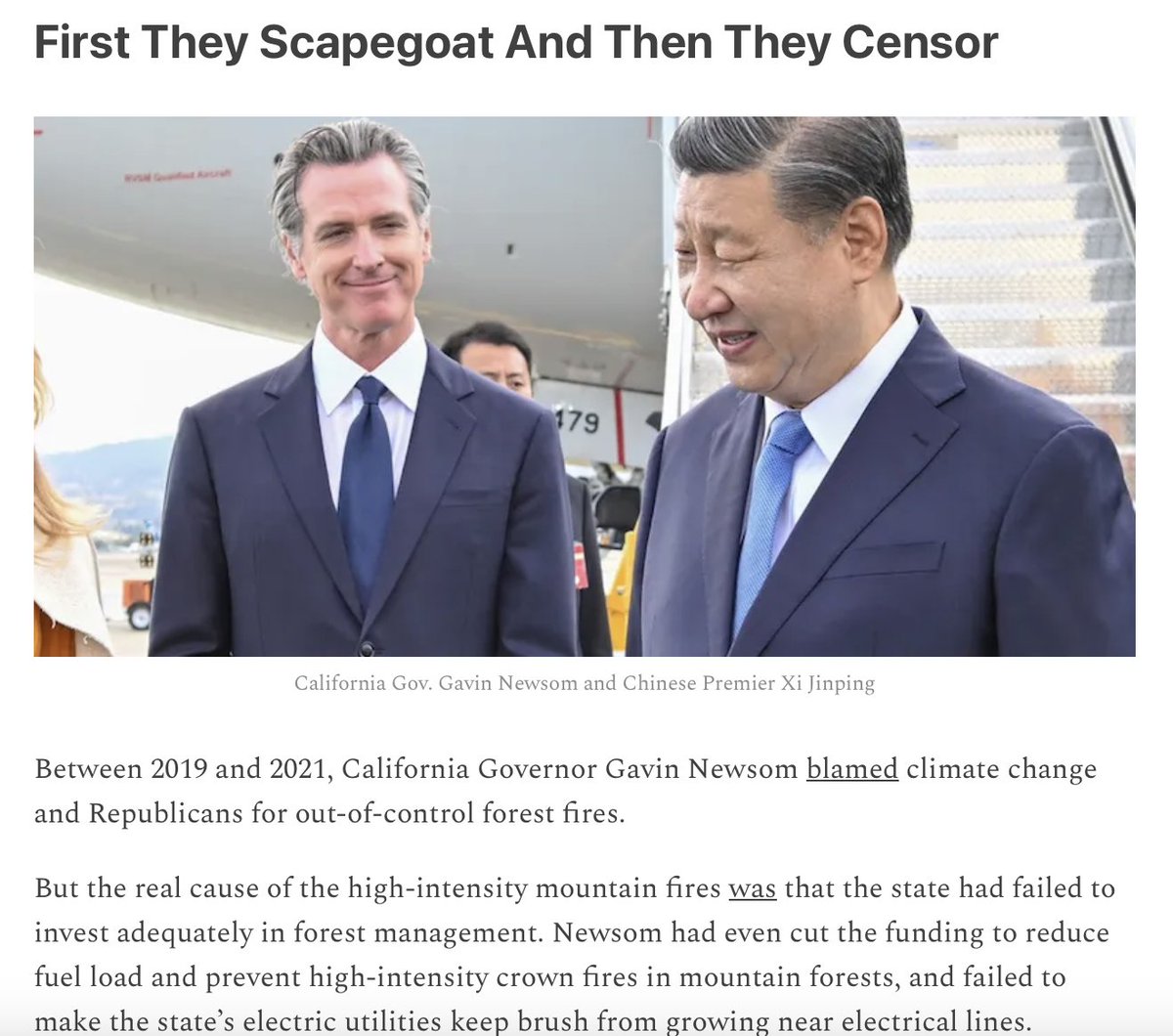
California Gov. @GavinNewsom says he does what he can. In truth, he does what he is told. When told to let people die on the streets, he does. When told to clean up the streets, he does. This is the story of a person who wants to be president but isn't even his own man. Image
All Eyes On What Gavin Newsom Will Do Next Now That Feds Cleaned Up San Francisco

A summit of world leaders has forced the city to shut down a major open-air drug market. Will it last?

by @lwoodhouse
Gov. Gavin Newsom [Getty]

For years, the sidewalks outside the Nancy Pelosi Federal Building in San Francisco’s SoMa district have been clogged with drug dealers and homeless addicts. On any random day, as in the above video that Public shot, you might see EMTs carting away an overdose victim, while swarms of addicts around them continue to smoke meth and fentanyl on the curbside.

But not this week. Suddenly, the sidewalks on 7th and Mission are spotless, as are streets all over the vicinity of the Moscone Convention Center.

On Saturday, the Asia-Pacific Economic Cooperation conference got underway. On Wednesday, President Biden and China’s President Xi Jinping will be in attendance. So the city has pushed all the dealers, addicts, and tent encampments out of the neighborhood and cordoned off much of the area behind 10-foot fences, creating a Potemkin Village of cleanliness and order.

The sudden change has been head-spinning for those who have watched for years as politicians have promised and failed repeatedly to fix the problem. When now-Governor Gavin Newsom was elected San Francisco’s mayor almost exactly twenty years ago, he pledged to end chronic homelessness in the city within a decade. We’re now 10 years out from that deadline and the problem has only gotten worse.

“Open-air drug dealing and using has been going on for years without the city taking necessary action,” said Randy Shaw, head of the Tenderloin Housing Clinic. “It’s not meaningfully better today than when Mayor Breed issued her Emergency Declaration for the Tenderloin two years ago.”

But then last week, seemingly overnight, one of the largest concentrations of open-air drug dealing and public camping in the city, in the SoMa district, vanished into thin air. The crackdown was, in part, to accommodate President Xi, one of the most singularly responsible people alive for the addiction crisis city workers were working double time to conceal. The fentanyl on America’s city streets is manufactured by Mexican drug cartels out of precursor chemicals created in legal, above-ground Chinese labs. China has allowed its lethal fentanyl industry to persist and thrive, in a kind of Opium War in reverse. “Whereas China has gone to war with other drugs that have a demand in China, such as methamphetamines,” New Jersey Congressman Chris Smith said in 2018, “it has conspicuously failed to launch a similar crackdown on fentanyl, which has no demand in China.”

Yet somehow, Xi’s arrival in San Francisco changed everything. How did the city suddenly achieve what it has been unable to accomplish for decades? And will things return to how they were as soon as the heads of state leave town? Or is there room for optimism?
Image
Please subscribe now to hold California's leaders accountable, and to read the rest of the story!

Read 4 tweets
Nov 10
Representatives of a US government front group, "Stanford Internet Observatory," denied ever demanding censorship of anyone. They lied, and we have the proof. They got social media companies to censor accurate Covid information in a clear violation of the First Amendment. Bam. Image
Stanford Group Helped US Government Censor Covid Dissidents and Then Lied About It, New Documents Show

A trove of newly released Virality Project reports confirms that the government used a Stanford cut-out to censor true content about Covid vaccines, vindicating Twitter Files reporting
by @galexybrane & @NAffects

A Stanford Internet Observatory (SIO) spokesperson says it “did not censor or ask social media platforms to remove any social media content regarding coronavirus vaccine side effects.”

This denial came in response to Twitter Files published by Matt Taibbi in March, which revealed that SIO’s so-called “Virality Project” had pushed platforms to treat user concerns about vaccine mandates and passports as “disinformation” and to consider “stories of true vaccine side effects” to be actionable content on social media.

The Virality Project was an initiative undertaken jointly by Big Tech, universities, and NGOs to combat “anti-vaccine misinformation.” SIO responded to Taibbi’s Twitter Files by claiming that his findings were “inaccurate and based on distortions of email exchanges in the Twitter Files.”

But new evidence shows that Stanford lied about the scope of the Virality Project and that its censorship efforts were undertaken on behalf of the US government.

As Public reported on Tuesday, new documents shared by the House Judiciary Committee revealed that the Department of Homeland Security (DHS), created the Virality Project’s predecessor, the Election Integrity Partnership (EIP), to censor protected speech. Explains the committee, “EIP reconstituted as the Virality Project” and continued working with the federal government. The Twitter Files also found that the Project partnered “with several government agencies,” including the Cybersecurity and Infrastructure Security Agency (CISA), the Office of the Surgeon General, and the Centers for Disease Control (CDC).

Still, Stanford and the mainstream media insist that “disinformation” experts were merely conducting research, and not involved in actual censorship.

Now, an investigation by Public has uncovered clear evidence that the Project was directly and deliberately involved in successful censorship efforts. Public analyzed a trove of newly released Jira system tickets, the Virality Project’s tipline to social media companies. These tickets overwhelmingly contradict Stanford’s assertion that it did not try to get content censored.

The Virality Project, acting as a cut-out for DHS and CISA, worked directly with employees at Facebook, Google, YouTube, TikTok, and more, who were all signed up to their Jira system.

Those companies regularly assured the Project that they were addressing the content it flagged. Companies responded with comments like, “Thanks for flagging this. We have actioned the content,” or “Thanks for escalating to us — our team is looking into this now.”

The Virality Project kept track of actions on the content it flagged, and was frequently successful in getting content labeled or removed by platforms, and in getting users suspended.

The Virality Project appears to have played a major role in one particularly infamous case of Covid-related censorship. On March 15, 2021, Harvard professor of medicine Martin Kulldorff tweeted, “Thinking that everyone must be vaccinated is as scientifically flawed as thinking that nobody should. COVID vaccines are important for older high-risk people, and their care-takers. Those with prior natural infection do not need it. Nor children.”

“Dear Twitter Team,” a representative of the Virality Project wrote in response to Kulldorff’s post, “This Tweet directly contradicts CDC’s advice.”

“Thanks team — we’re looking into this,” a senior Twitter Trust & Safety policy specialist wrote back.

Kulldorff’s tweet was then labeled as misleading and he was temporarily suspended from the platform. Internally, the Virality Project identified Kulldorff, a renowned biostatistician, as a “repeat offender.”

This process was indeed a deliberate, state-sponsored act of censorship. In many egregious instances, the Virality Project — again, a government cut-out — intentionally and knowingly worked to silence and deplatform social media users. Jira records vindicate the Twitter Files and are evidence of First Amendment violations.

Here are some of the Virality Project’s most egregious, absurd, and anti-science censorship efforts:
Image
Please subscribe now to support Public's award-winning investigative reporting and to read the rest of the article!

Read 6 tweets
Nov 3
The Directors of the FBI & the Dept. of Homeland Security say they didn't violate the First Amendment by demanding censorship, but they did. And their recent statements before Congress suggest they not only know they did but also that they are scared of the consequences to come. Image
FBI And DHS Directors Mislead Congress About Censorship

Plus: Twitter Files journalists win Dao Prize for journalism

by @shellenberger & @galexybrane
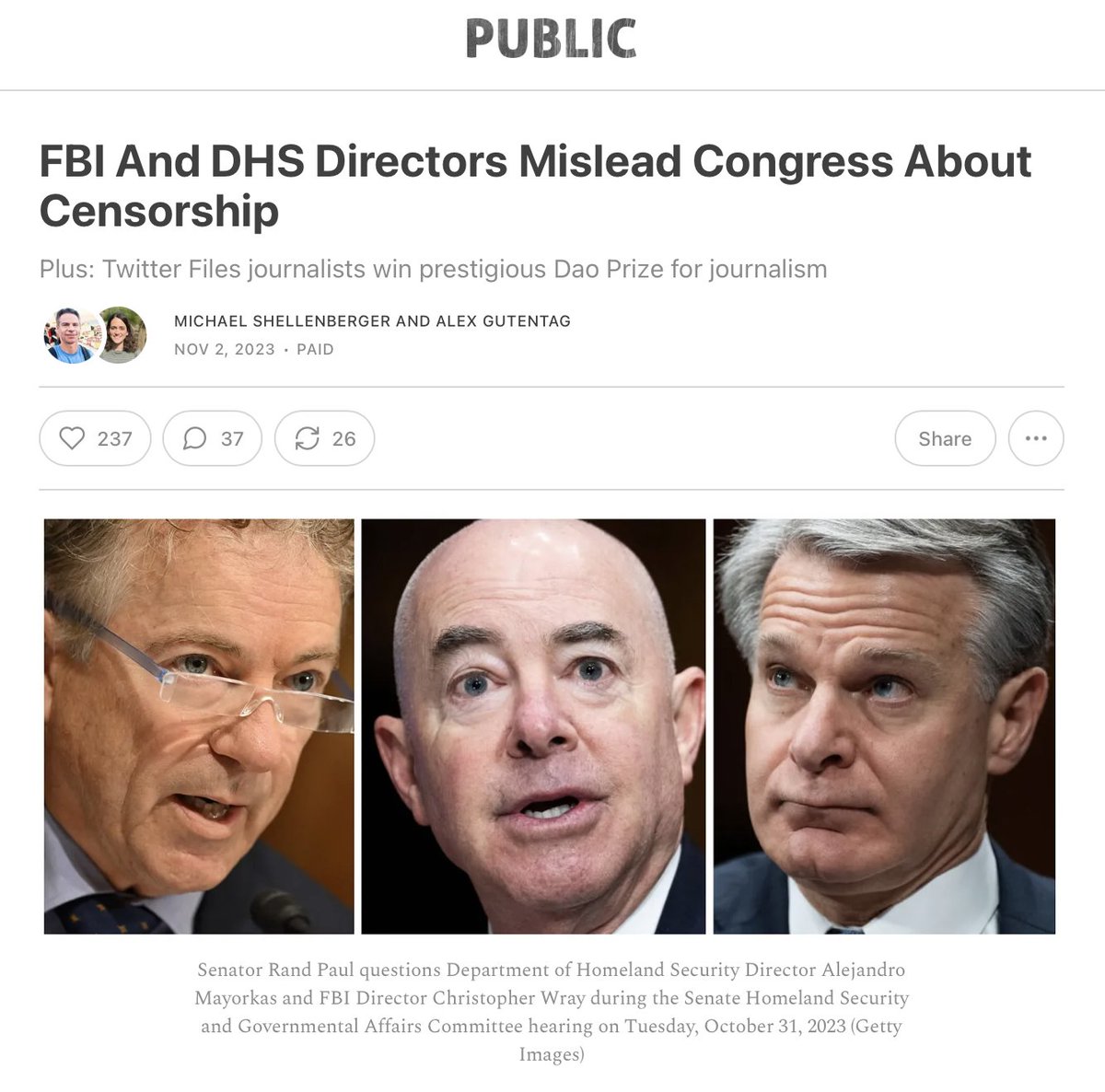
Senator @RandPaul questions Department of Homeland Security Director Alejandro Mayorkas and FBI Director Christopher Wray during the Senate Homeland Security and Governmental Affairs Committee hearing on Tuesday, October 31, 2023 (Getty Images)

Over the last year, mainstream news reporters have dismissed every new revelation of government censorship. Federal Bureau of Investigations (FBI) officials who primed social media executives to censor the Hunter Biden laptop were simply on guard for Russian disinformation, they said. White House officials who demanded that Facebook censor accurate information about Covid-19 vaccine side effects were simply trying to save lives, journalists argued. And the sweeping effort by the Department of Homeland Security (DHS) to demand, alongside academic institutes, social media censorship of Covid and election information was, a “public-private partnership” to “counter misinformation,” many reporters insisted.

But many independent journalists disagree. We and others have documented how these efforts blatantly violate the First Amendment to the United States Constitution, which explicitly prohibits the government from “abridging the freedom of speech, or of the press.” The FBI had Hunter Biden’s laptop in its possession since 2019 but primed social media executives in the summer of 2020 to view it instead as Russian disinformation, resulting in its censorship.

White House officials also demanded that social media companies censor accurate information about the side effects of the Covid vaccine. Facebook complied, fearing retaliation from the White House, even though executives knew that doing so would increase, not decrease, “vaccine hesitancy.”

Emails obtained through discovery in the Missouri v. Biden case revealed how officials from the federal government threatened, berated, and pressured social media companies. In light of this evidence, the Fifth Circuit Court of Appeals partially upheld an injunction in the Missouri v. Biden case, ruling that some government agencies had coerced platforms into censoring protected speech. And the Fifth Circuit Court of Appeals viewed the sweeping public-private effort overseen by DHS’s Cybersecurity and Infrastructure Security Agency (CISA) to censor disfavored views on vaccines and elections to be in violation of the First Amendment. The court demanded that CISA, along with the FBI, CDC, and the White House, refrain from coercing or significantly encouraging social media companies to censor users.

After this sequence of events, many rightly wondered how the heads of the various government agencies within the Censorship Industrial Complex would respond to public questioning by members of Congress. After months of anticipation, this finally occurred this week, when Senator Rand Paul interrogated DHS Secretary Alejandro Mayorkas and FBI Director Christopher Wray.

Senator Ted Cruz similarly grilled National Science Foundation (NSF) Director Dr. Sethuraman Panchanathan earlier this month on that agency’s distribution of millions of dollars to promote “the science of countering social media myths and disinformation as well as the development of digital tools to track and censor so-called misinformation.”

With the Censorship Industrial Complex increasingly under scrutiny, America’s leading thought police turned evasive, misleading Congress about their involvement in censorship. Why are they no longer defending the actions they once said were necessary for safety, public health, and national security?
Image
Please subscribe now to support Public's award-winning journalism and to read the rest of the article!


Image
Image
Read 4 tweets

Did Thread Reader help you today?

Support us! We are indie developers!


This site is made by just two indie developers on a laptop doing marketing, support and development! Read more about the story.

Become a Premium Member ($3/month or $30/year) and get exclusive features!

Become Premium

Don't want to be a Premium member but still want to support us?

Make a small donation by buying us coffee ($5) or help with server cost ($10)

Donate via Paypal

Or Donate anonymously using crypto!

Ethereum

0xfe58350B80634f60Fa6Dc149a72b4DFbc17D341E copy

Bitcoin

3ATGMxNzCUFzxpMCHL5sWSt4DVtS8UqXpi copy

Thank you for your support!

Follow Us on Twitter!

:(