Tintin fans may recognize this odd character from "The Broken Ear." Inspired by a real-life figure known as the "Merchant of Death," his intriguing tale intertwines with the genesis of an iconic Indian Army machine gun.
A thread 1/17
A thread 1/17

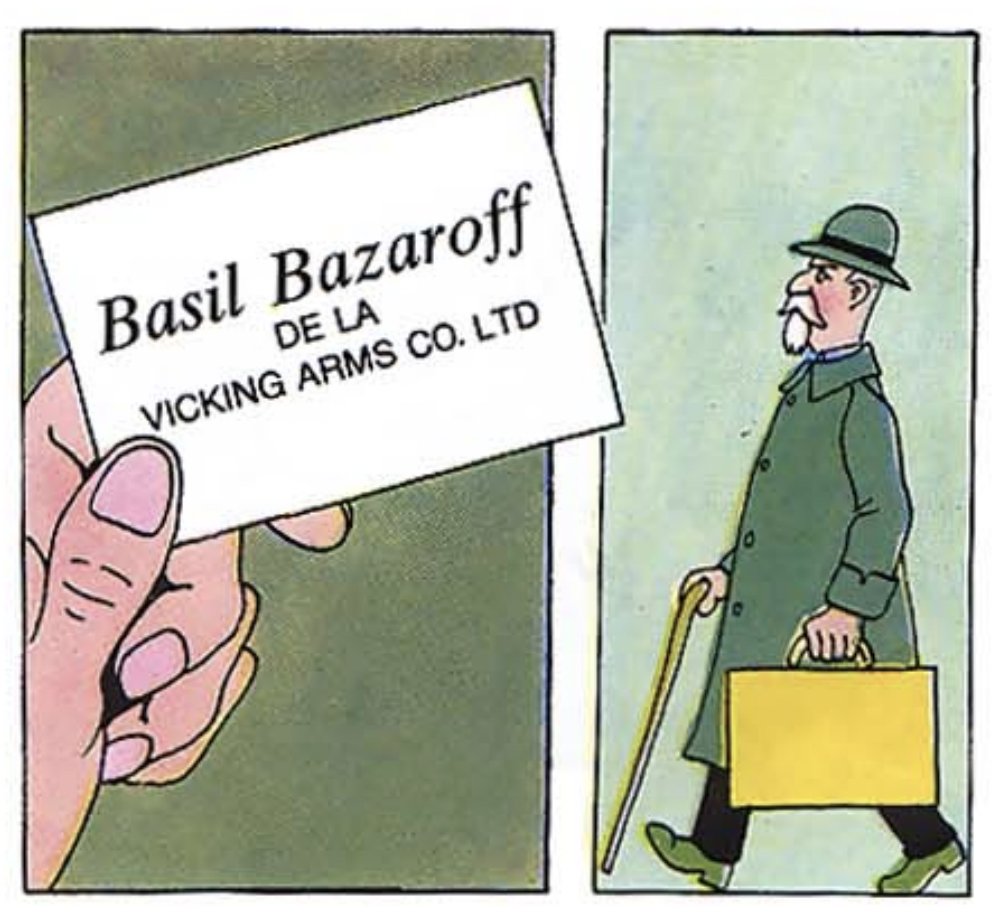
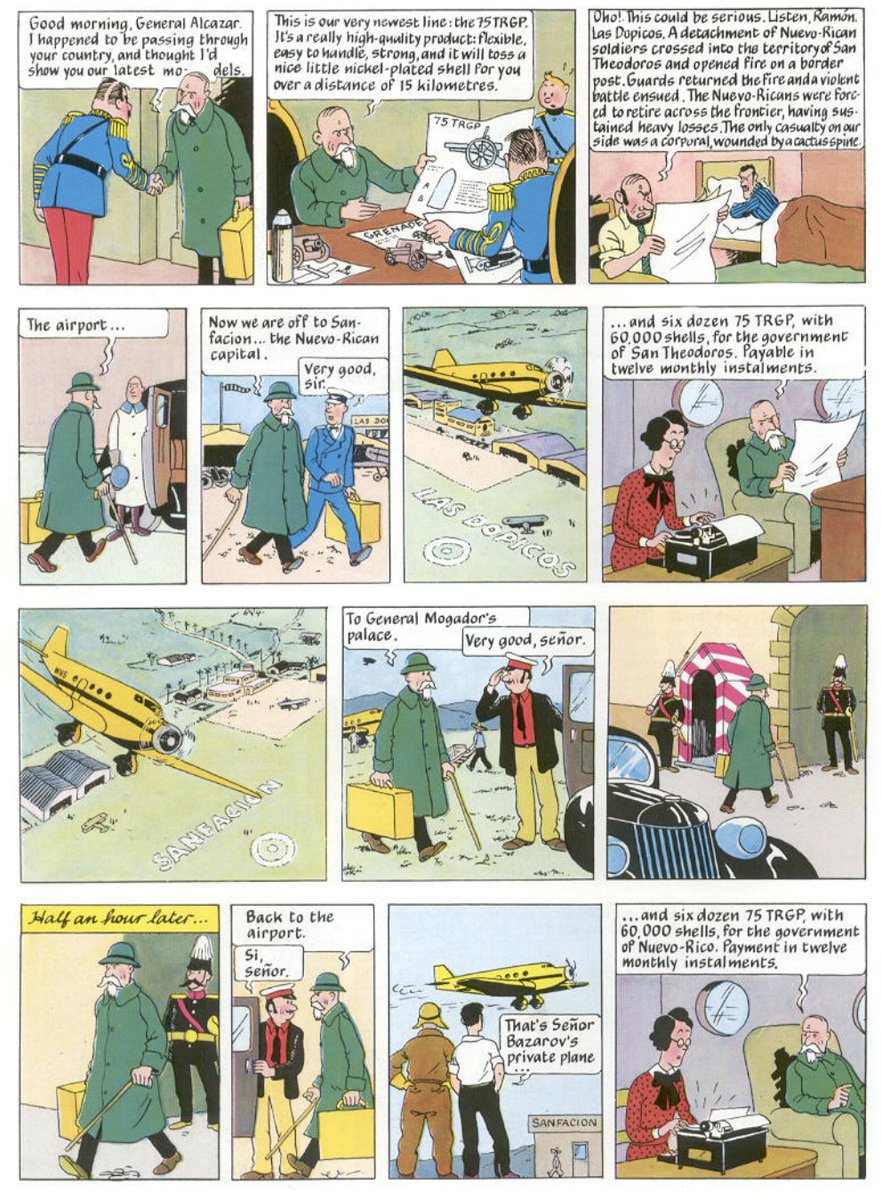
Basil Bazarov, a shrewd arms dealer representing Korrupt Arms GMBH (Vicking Arms in French) in the book selling weapons to both the San Theodoran and Nuevo-Rican governments, is closely based on the real-life arms tycoon, Sir Basil Zaharoff (1849-1936).
2/17
2/17
But who was Basil Zaharoff? A name that resonates with mystery and intrigue. Born in a Greek family in Turkey, this enigmatic figure left an indelible mark on the world, navigating the realms of business, diplomacy, and espionage.
3/17
3/17

Zaharoff's journey from humble beginnings to the echelons of wealth and influence remains a captivating saga. Rising from modest roots in the Ottoman Empire, he became the king of the murky world of arms trade and high finance. They would call him "Mystery Man of Europe."
4/17
4/17
Known for his charm and cunning, Zaharoff was a master negotiator. His prowess in brokering colossal arms deals earned him the moniker "Merchant of Death." Yet, beneath this veneer lay a man adept at navigating the complex geopolitical landscape of his era.
5/17
5/17
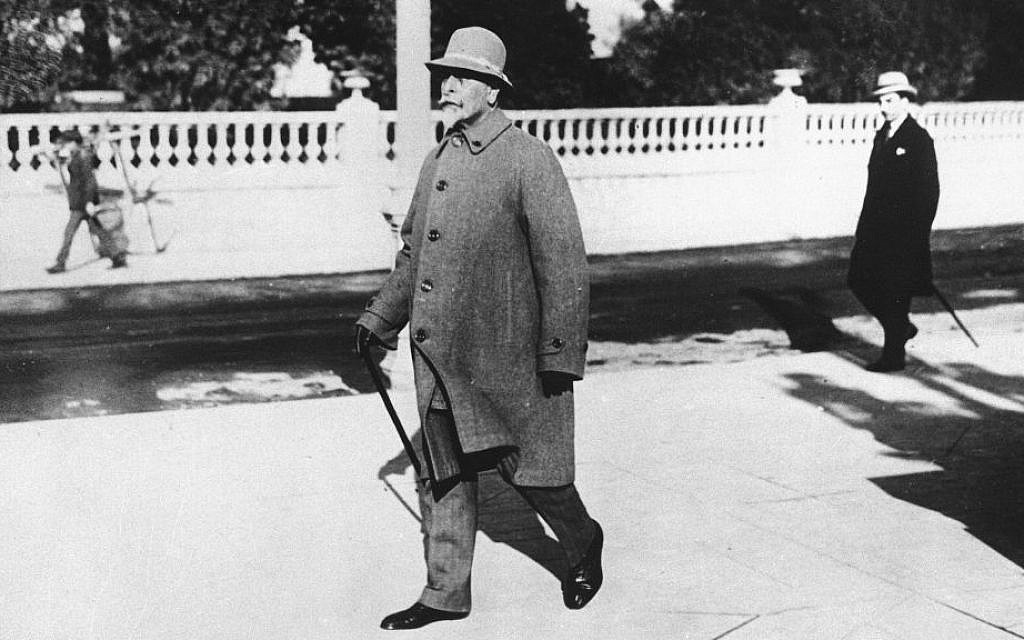
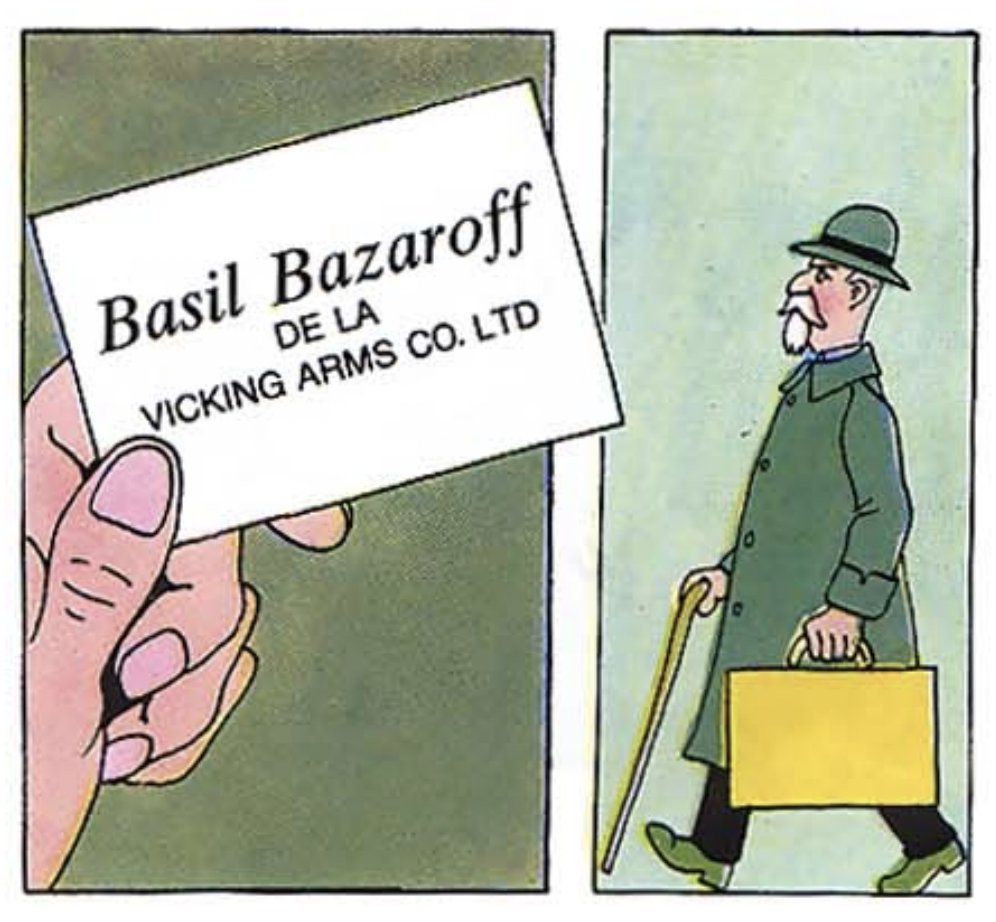
The shadow of controversy trailed Zaharoff throughout his life. Accusations of profiteering from conflicts and fueling tensions hung heavy over his legacy. His involvement in various international intrigues sparked both awe and suspicion.
6/17
6/17
Zaharoff's influence reached its zenith during the tumultuous years of the Balkan Wars and World War I. He brokered insane arm deals, manoeuvred through complexities of the conflict, further cementing his role as a behind-the-scenes puppet master.
7/17
7/17
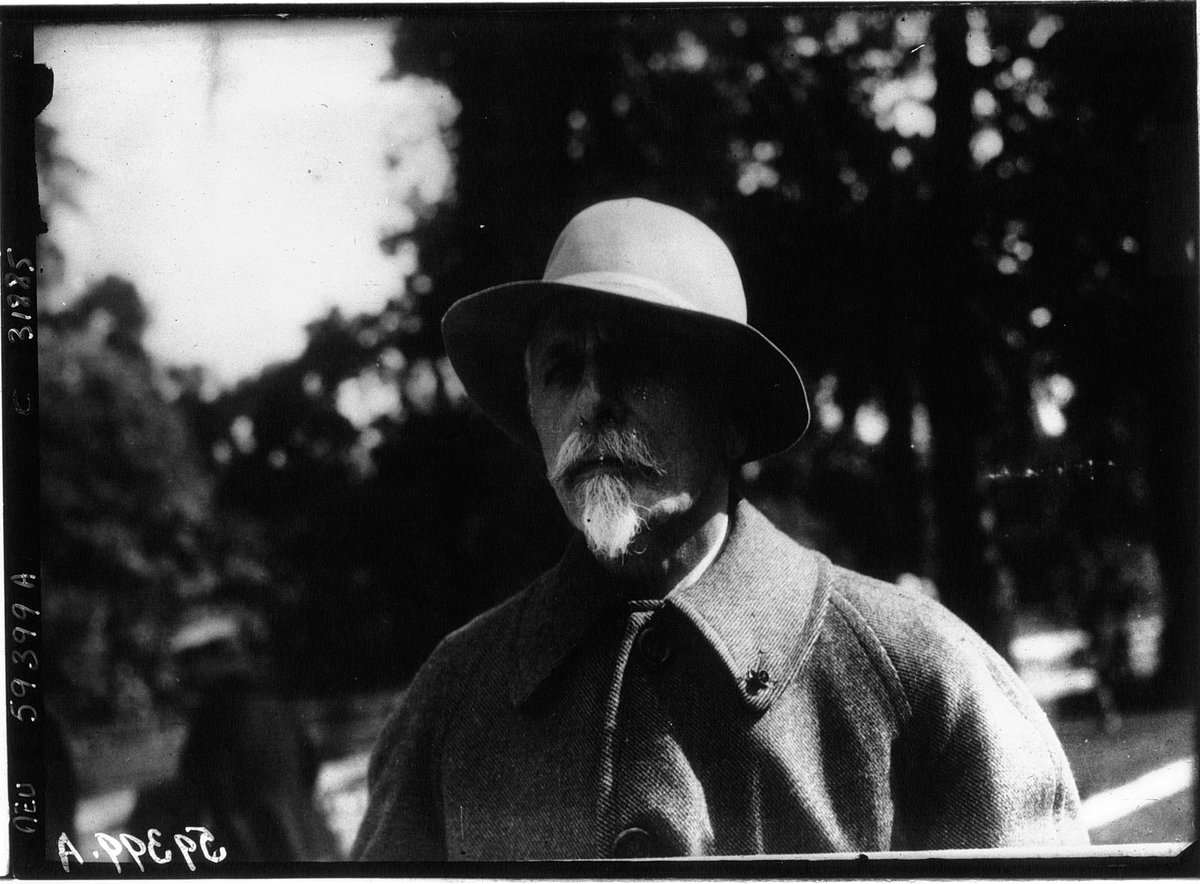
His career soared amidst the huge demand for arms during the Balkan instability. Exploiting rivalries, he pioneered the “Systeme Zaharoff”—selling arms to both sides, fueling conflicts, and ensuring a perpetual need for more weapons.
8/17
8/17
He would seize opportunities for profit by first selling a submarine to the Greeks. Exploiting conflict dynamics he would then sell 2 to the Turks, citing the Greek threat. Then he would alarm the Russians about Turkish submarines, selling them 2 more and so on. Beat that! 9/17
In early days, Hiram Maxim's automatic machine gun, known as the first of its kind, dominated the gun market. Zaharoff, connected to his rival Nordenfeldt, allegedly sabotaged Maxim's demo events. But soon they joined hands, no one knows how, with Zaharoff gaining a stake. 10/17
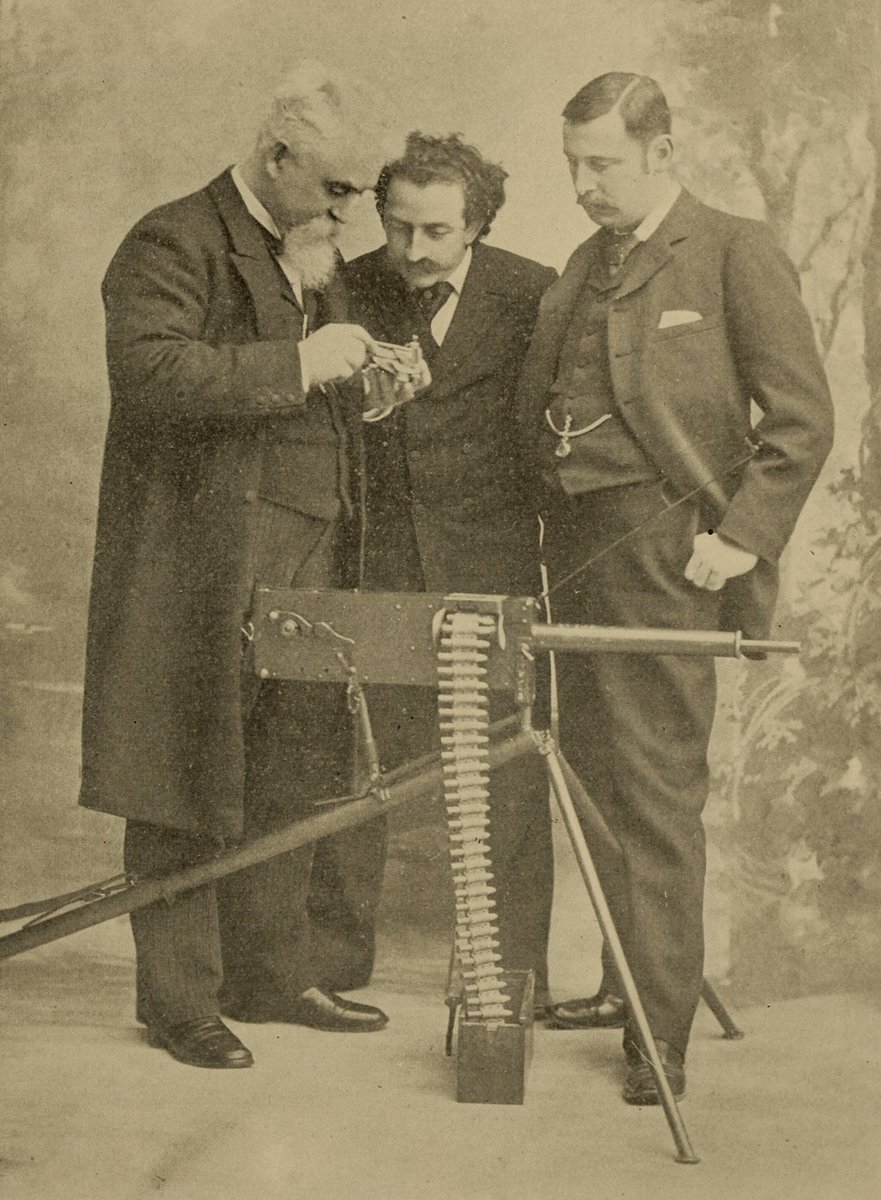
Zaharoff soon emerged as the driving force, replacing Nordenfeldt in the partnership. The journey continued following a merger into Vickers, a British conglomerate. Zaharoff, now a major Vickers shareholder, laid the foundation for future dominance.
11/17
11/17
With Vickers, he amassed millions as director and chairman of the renowned Vickers-Armstrong munitions firm. Zaharoff's success hinged on international networks, elite connections, and the strategic use of commissions and bribes.
12/17
12/17
In the Tintin comic, Basil Zaharoff and Vickers-Armstrongs are satirised as Basil Bazarov and the fictional Vicking Arms Co. Limited, engaging in the “Systeme Zaharoff” tactic—funding both sides in the war. The connection was quite clear.
13/17
13/17
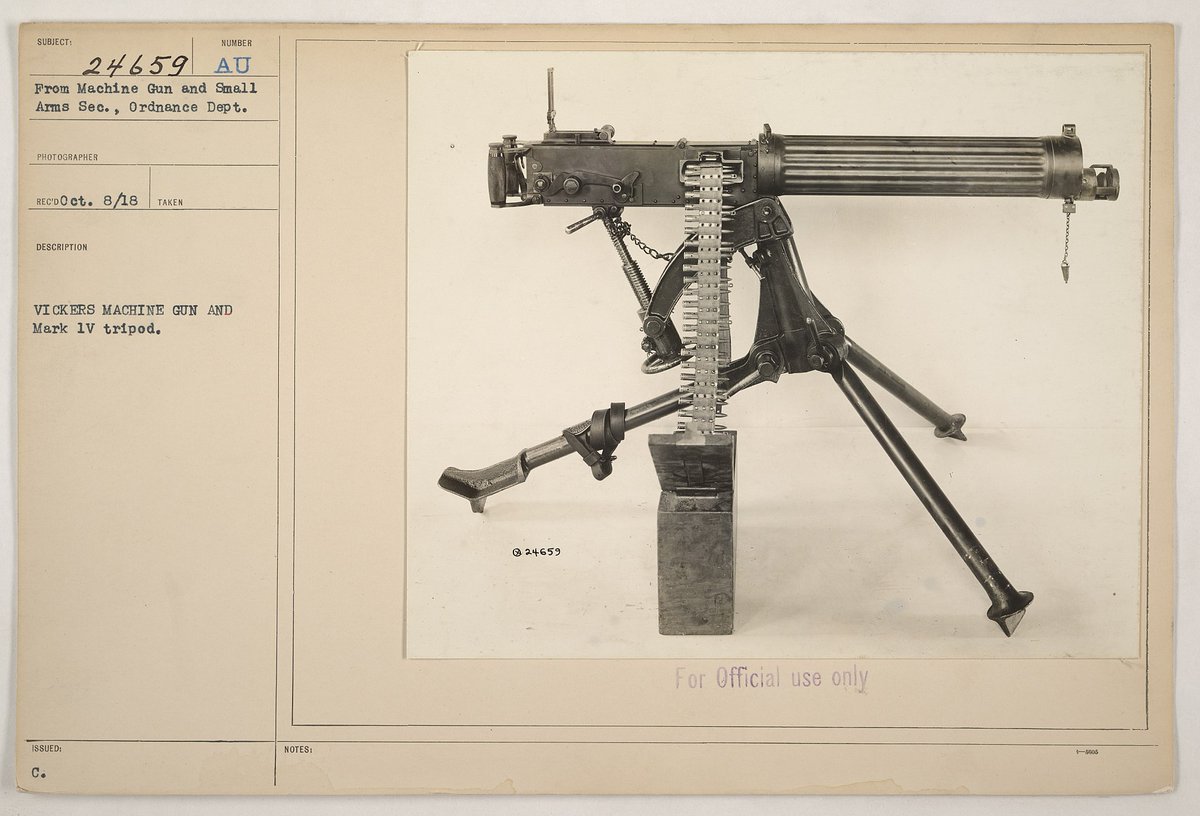
After buying Maxim company in 1896, Vickers enhanced the iconic Maxim machine gun design. Originally focused on only supplying guns for the British navy, Vickers' tremendous growth occurred after absorbing Maxim's machine gun, boosted albeit by Zaharoff's salesmanship.
14/17
14/17
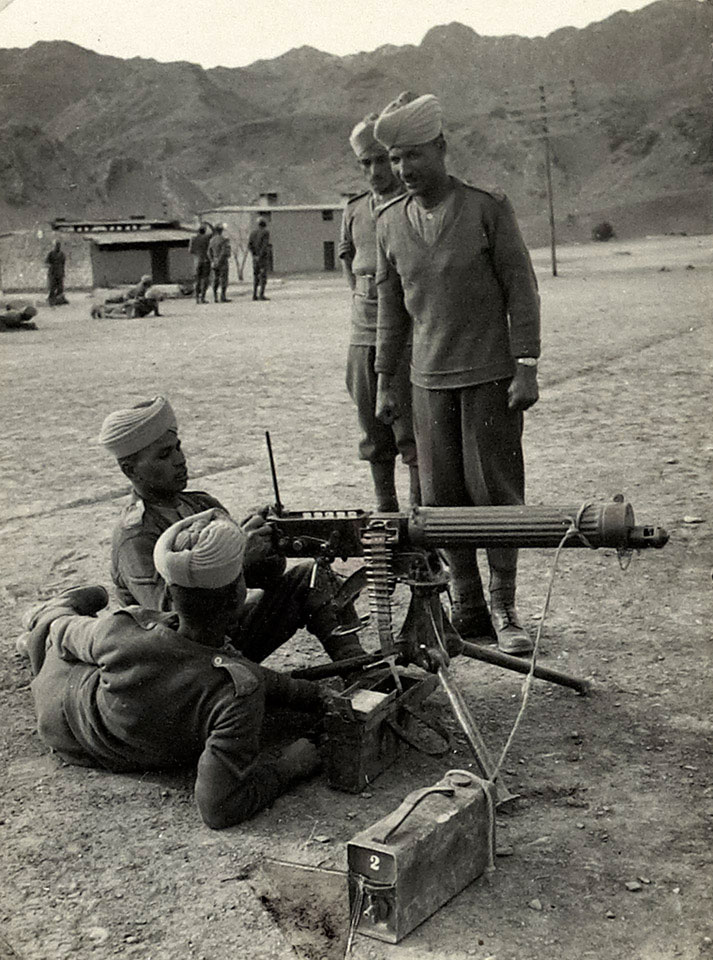
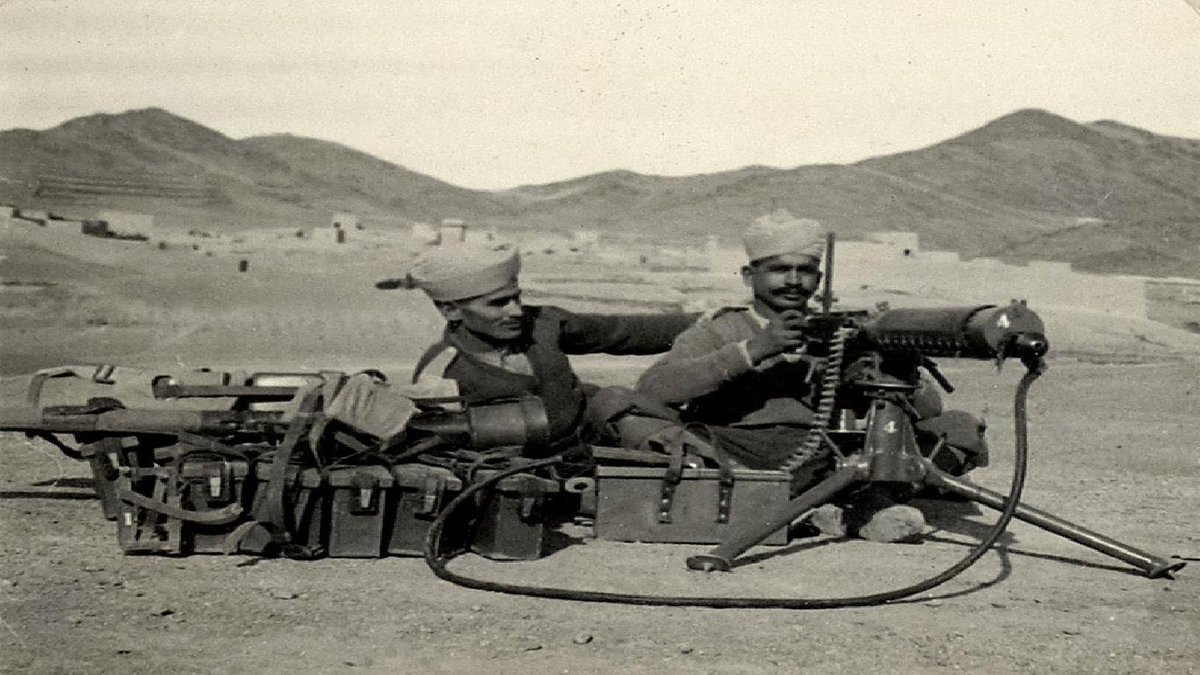
Now, if you look closely, this photograph shows Indian soldiers of the British Indian Army in the North West Frontier, operating a machine gun in 1940, which was, in fact, a Vickers machine gun - yes, the same machine gun from the house of Vickers, spearheaded by Zaharoff 15/17
Vickers-Armstrongs inherited the iconic Vickers machine gun from Vickers Limited, a Zaharoff-fortune-maker in World War I. The Vickers-Berthier (VB) machine gun, sold to the Indian Army, served in World War II and persisted in Indian service till the 1980s.
16/17
16/17
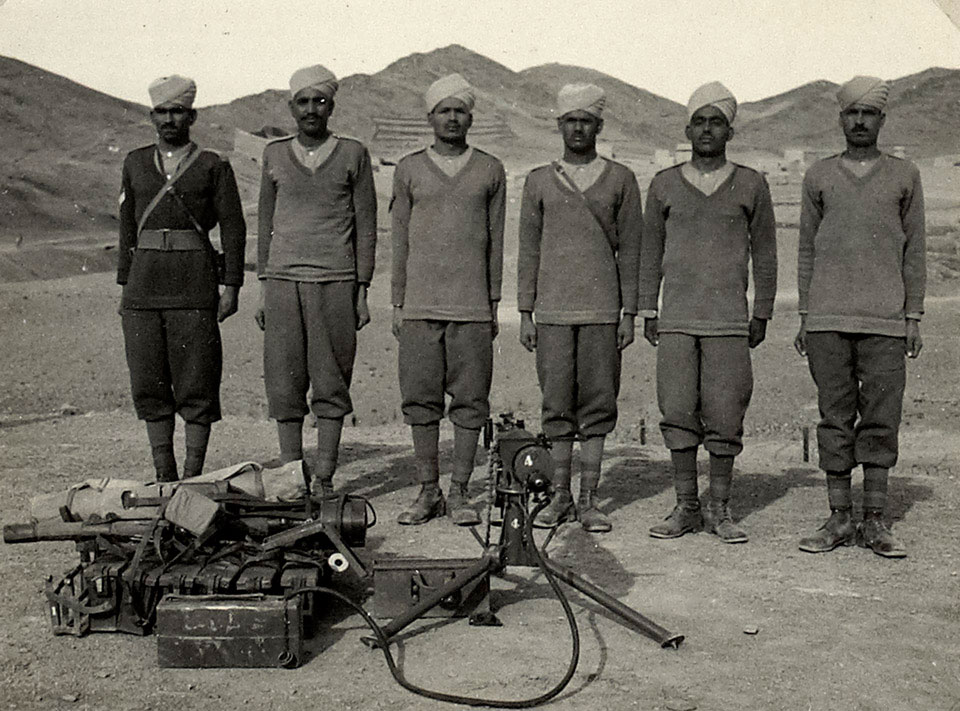
There are several war archival photographs of Indian soldiers wielding Vickers machine guns. But hidden within, the story of Basil Zaharoff remains overlooked. Who would have thought a page from a Tintin comic would reveal such an interlinked history?
17/17
17/17
Source: Farr, Michael. Tintin: The Complete Companion. San Francisco, Last Gasp
Greg Beyer, Basil Zaharoff: How to Play Both Sides, Sell Weapons and Get Rich, The Collector, thecollector.com/basil-zaharoff…
Greg Beyer, Basil Zaharoff: How to Play Both Sides, Sell Weapons and Get Rich, The Collector, thecollector.com/basil-zaharoff…
Who Is Sir Basil Zaharoff?
Ralph Thompson
Current History (1916-1940),
Joanna Spear, The Business of Armaments: Armstrongs, Vickers and the International Arms Trade, Cambridge University Pressjstor.org/stable/45334178
Ralph Thompson
Current History (1916-1940),
Joanna Spear, The Business of Armaments: Armstrongs, Vickers and the International Arms Trade, Cambridge University Pressjstor.org/stable/45334178
Image Attributes: The Broken Ear, The Adventures of Tintin, Hergé
Wikimedia Commons @Wikimedia @WikiCommons
National Army Museum, Online Collection, collection.nam.ac.uk
Wikimedia Commons @Wikimedia @WikiCommons
National Army Museum, Online Collection, collection.nam.ac.uk
• • •
Missing some Tweet in this thread? You can try to
force a refresh