Read on Twitter
The Indo-Arya 🧵
For millennia, in India, children have memorized, in faithful transmission, the songs of a people called the Arya.
Though long dead, they speak through those songs, their bones, and their art, giving us an intimate glimpse of a forgotten past.

For millennia, in India, children have memorized, in faithful transmission, the songs of a people called the Arya.
Though long dead, they speak through those songs, their bones, and their art, giving us an intimate glimpse of a forgotten past.
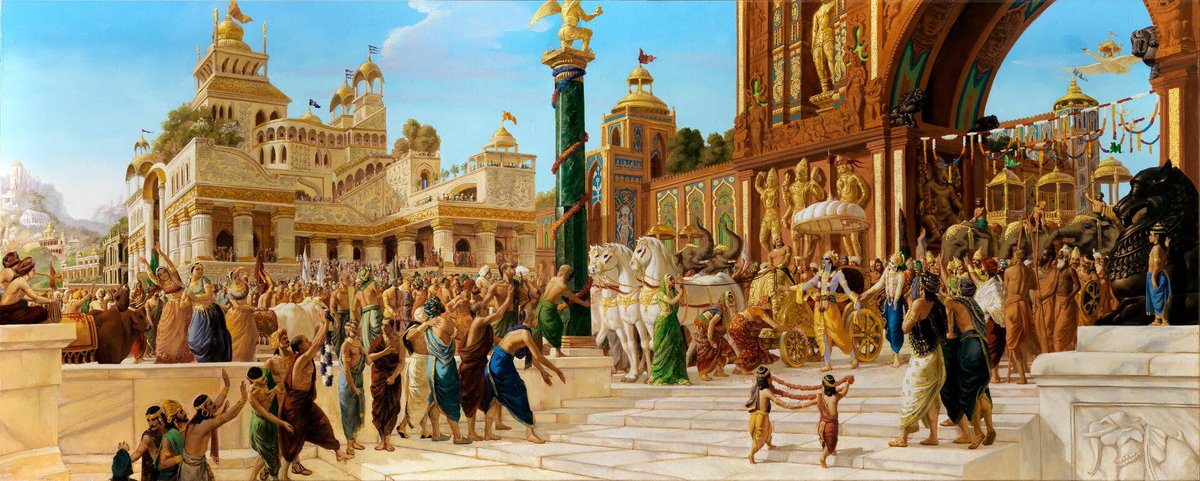
Horrific translations and political agendas have distorted this great saga.
But take them at their word, and the Arya give us not only their own story - but that of their Greek, Germanic, Baltic, and Slavic cousins.
1/
But take them at their word, and the Arya give us not only their own story - but that of their Greek, Germanic, Baltic, and Slavic cousins.
1/
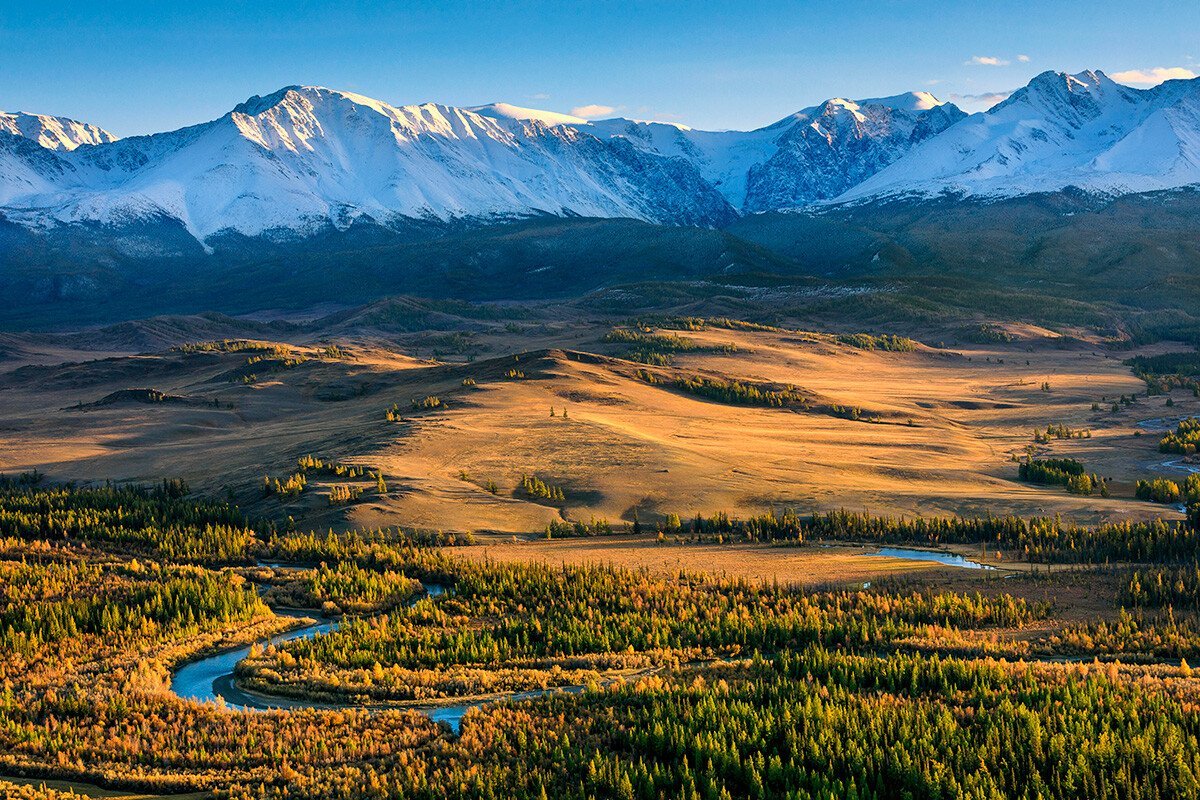
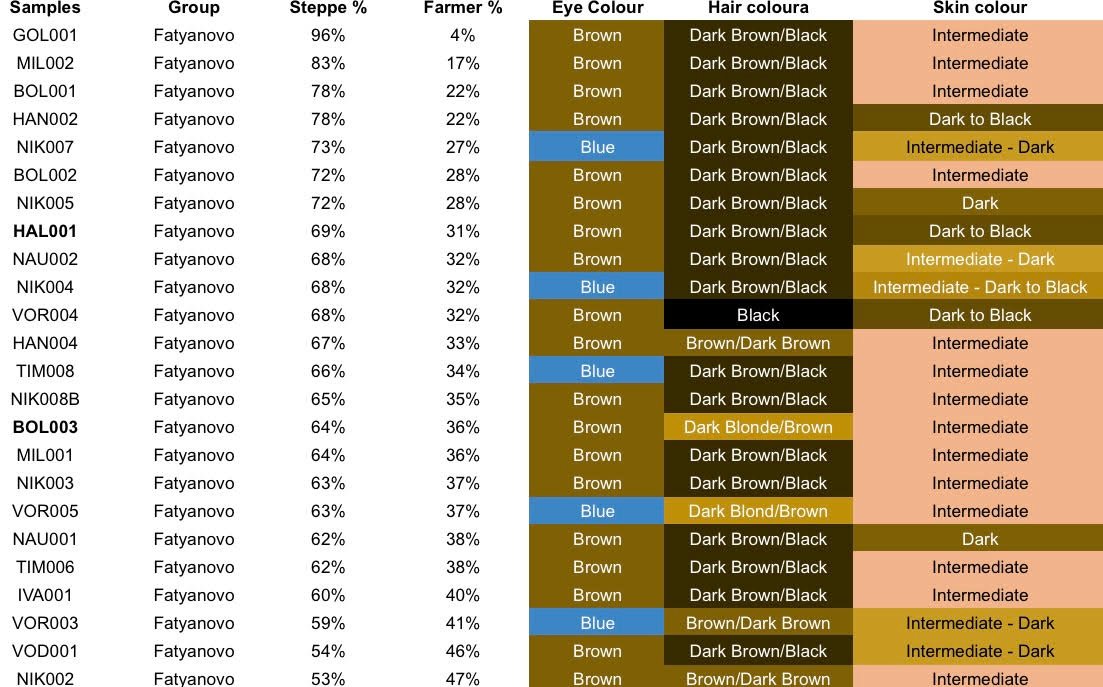
When bones speak through ancient DNA, we hear of a single clan of Northern Russia that, possessed with a deep restlessness, traveled ever eastward towards the Dawn.
We now call them the Abashevo Culture.
2/
We now call them the Abashevo Culture.
2/
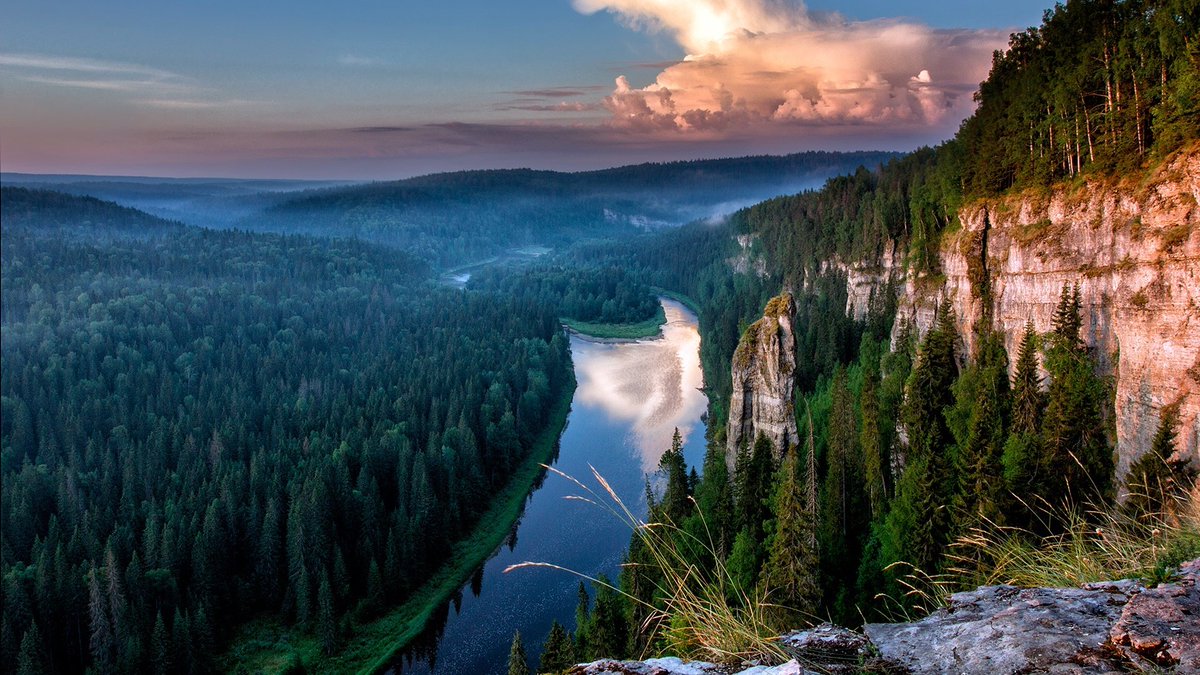
Finding themselves among the Ural Mountains, they hewed ore from its depths, forging,through craft and will, weapons and artifacts of bronze.
These products of their genius traveled the axes of the world.
3/
These products of their genius traveled the axes of the world.
3/
But even if they imagined these distant places with their mind’s eye, they would never see them.
For their craft carried a terrible curse.
The fumes of arsenical copper took from a smith the use of his legs.
4/
For their craft carried a terrible curse.
The fumes of arsenical copper took from a smith the use of his legs.
4/
Their legs lifeless, their restless imaginations seeking new horizons – is it any wonder they would craft the first chariots?
They trained horses to pull small carts with spoked wheels.
Again, the horizon was theirs.
5/
They trained horses to pull small carts with spoked wheels.
Again, the horizon was theirs.
5/
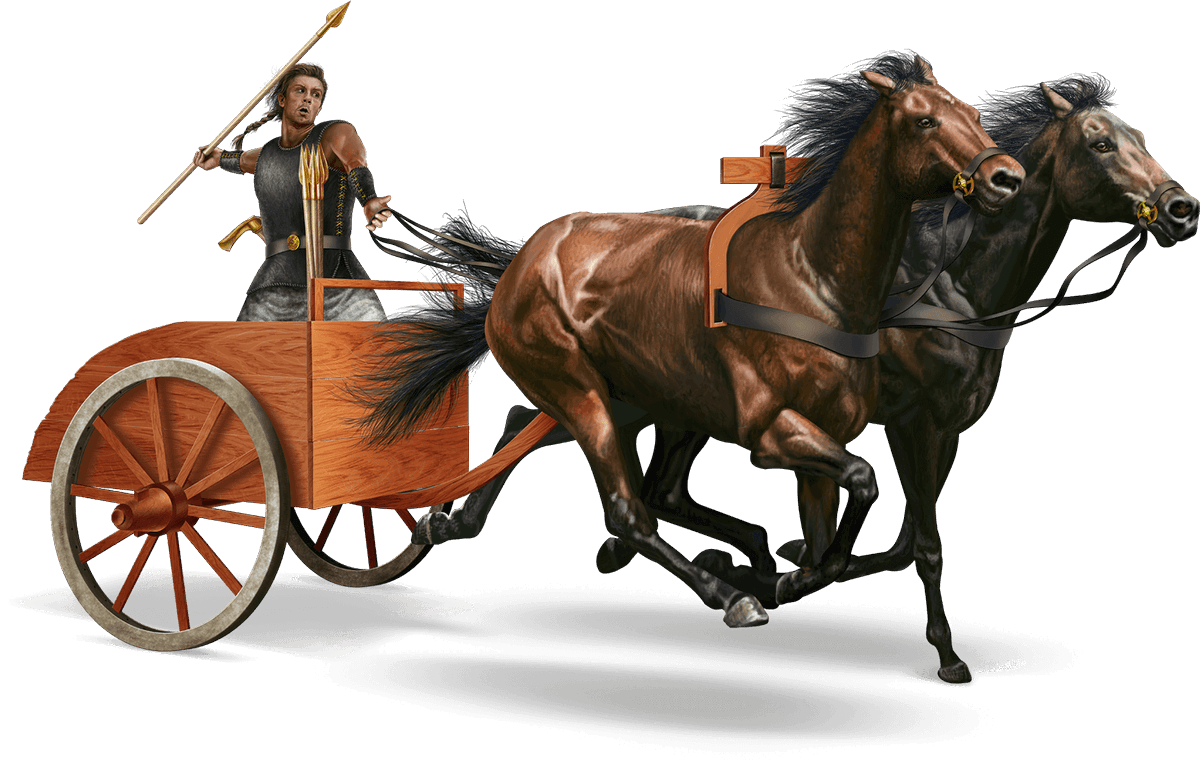
The expansive horizon – varivas – and the freedom it brought was their highest aspiration.
Its opposite, amhas, “narrowness” was their word for evil. It survives in angst, anxiety, anguish.
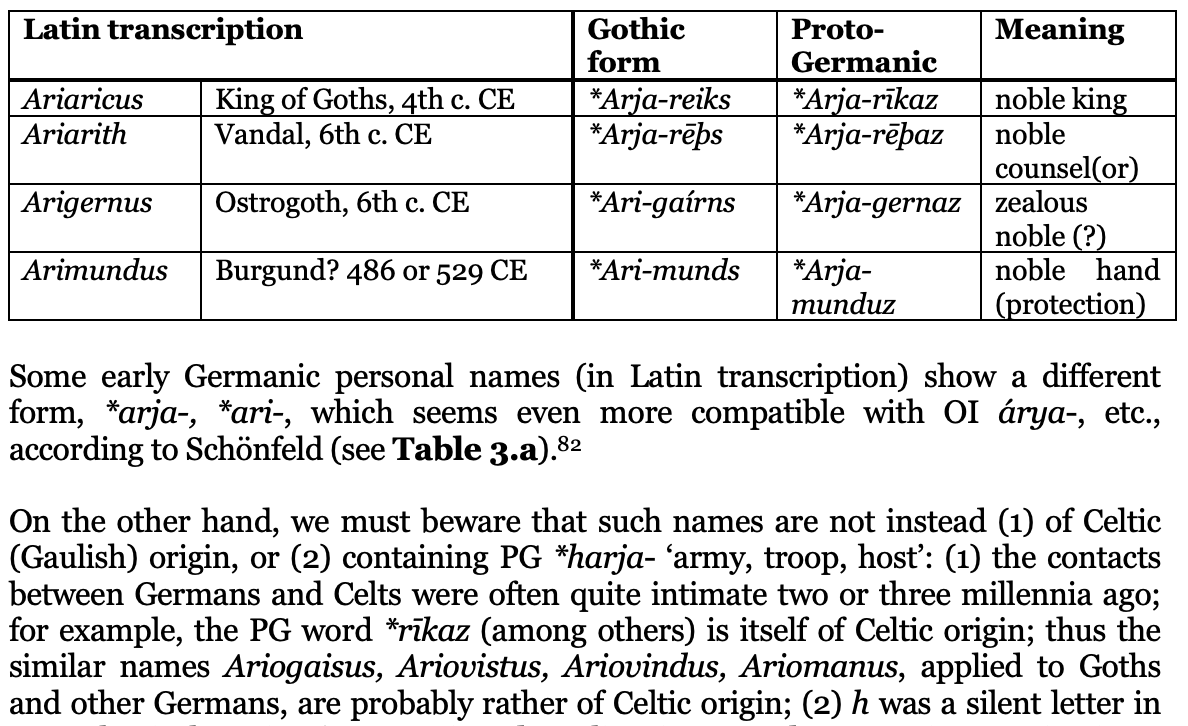
And they called themselves the “Arya” – the Shapers.
6/
Its opposite, amhas, “narrowness” was their word for evil. It survives in angst, anxiety, anguish.
And they called themselves the “Arya” – the Shapers.
6/
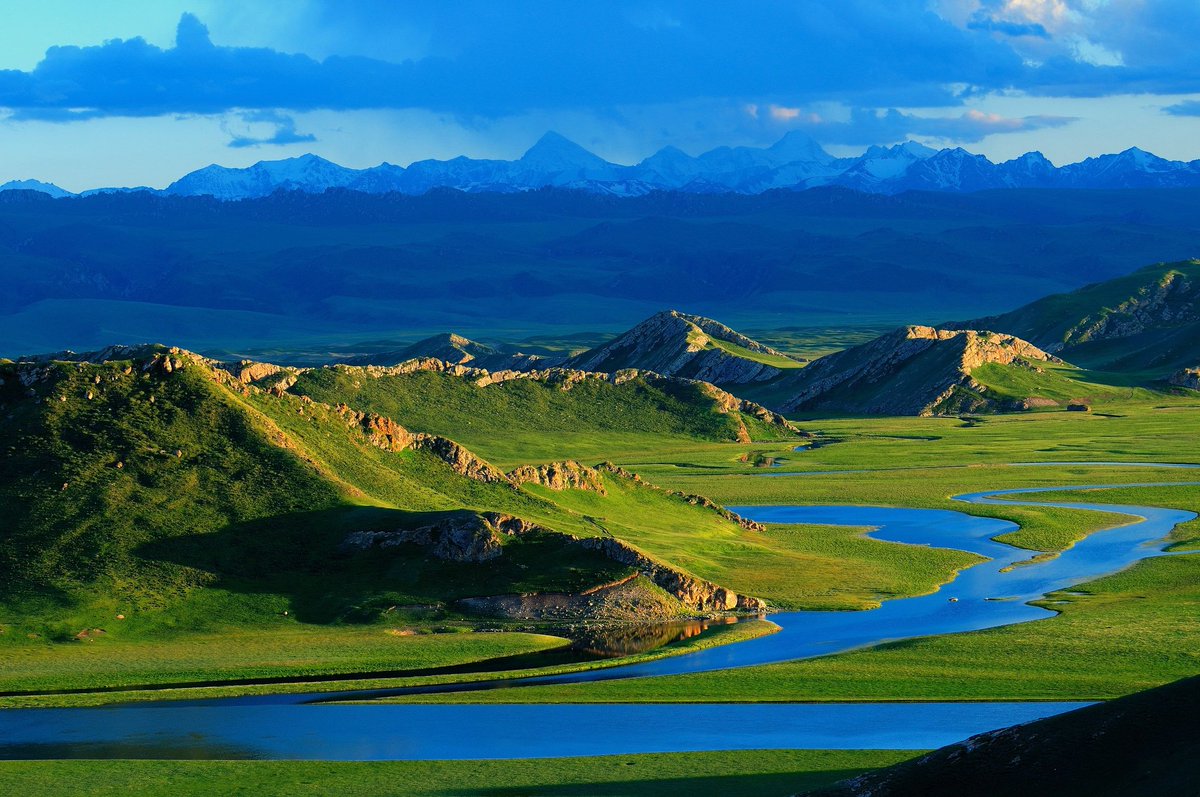
This will to shape became an obsession, haunted by the potential of things, another ever-moving horizon.
They would breed, in their herds, horses so superior that they are the ancestors of all living horses today.
7/
They would breed, in their herds, horses so superior that they are the ancestors of all living horses today.
7/
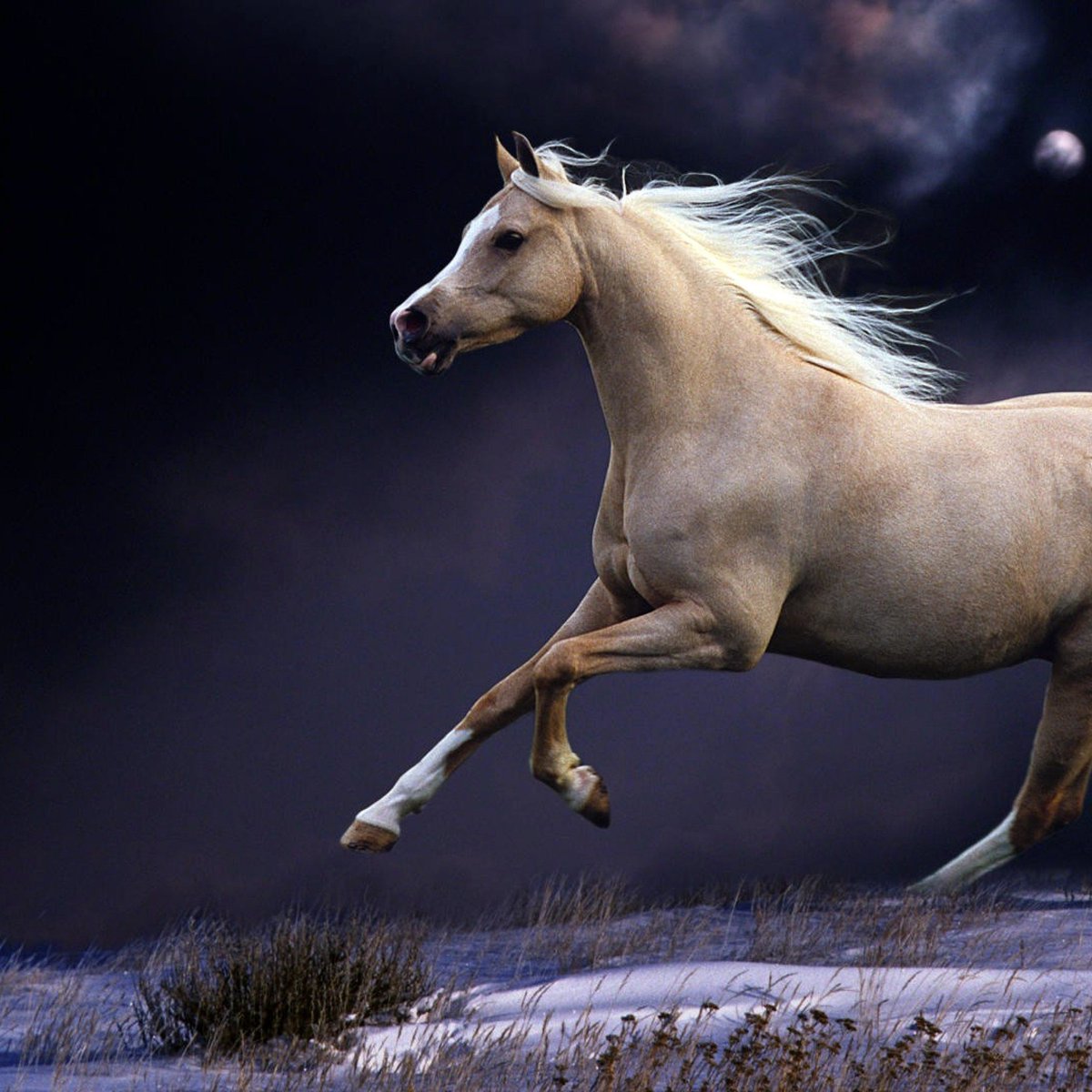
And so these people, once hardscrabble herders of frozen northern forests would gain prominence.
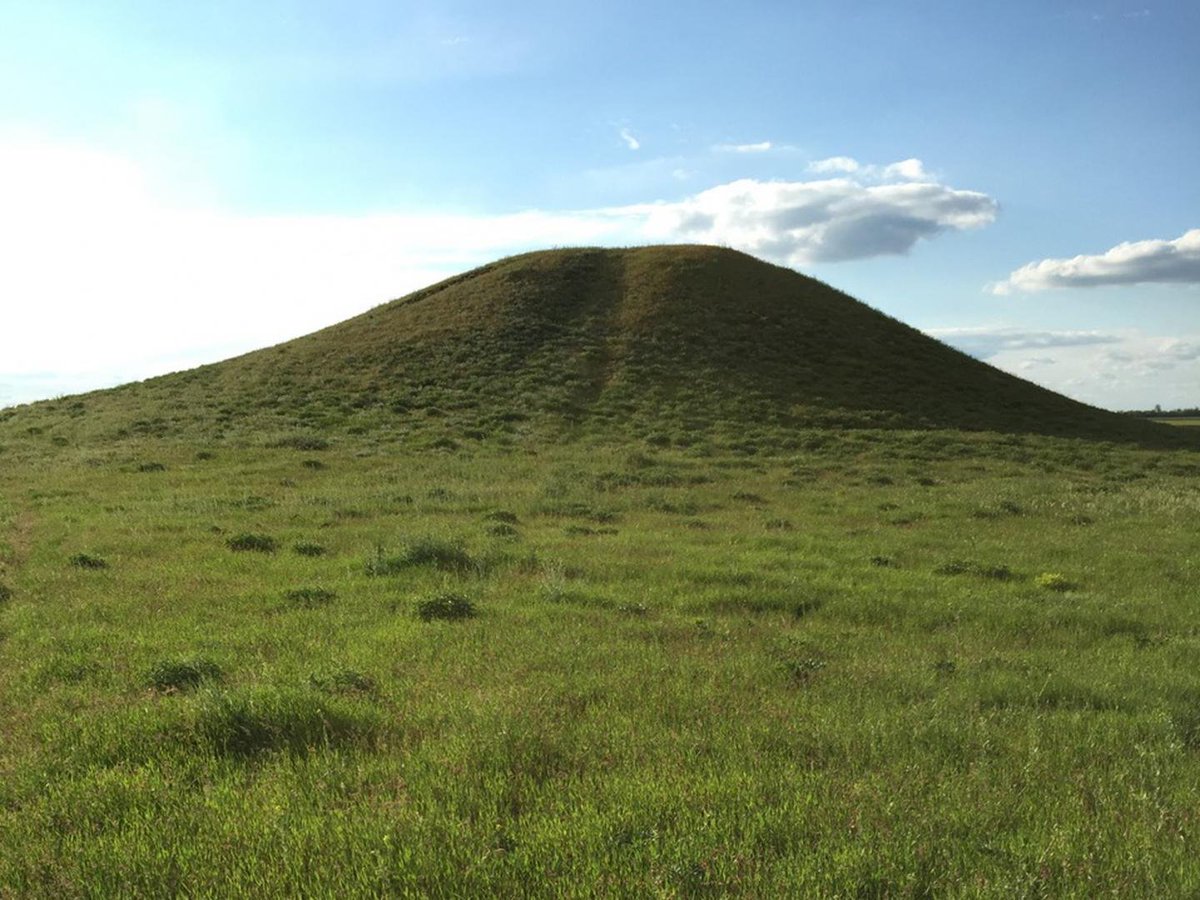
They were honored by the Steppe lords to the South, whose nobility were buried in Kurgans mounds as distant as Hungary and Mongolia.
Soon they too would receive Kurgan burials.
8/
They were honored by the Steppe lords to the South, whose nobility were buried in Kurgans mounds as distant as Hungary and Mongolia.
Soon they too would receive Kurgan burials.
8/
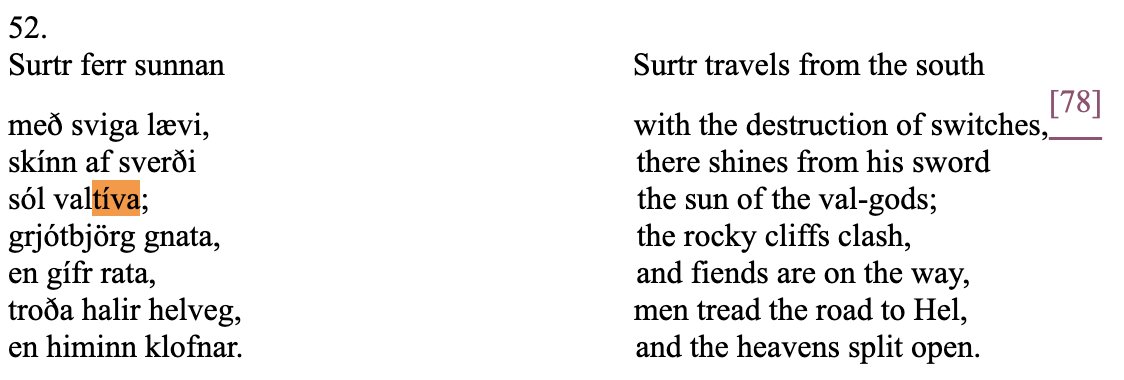
The Indo-Aryan kings traced their lineage to Sūrya, the sun God, cognate with Gk Helios & Latin Sol.
So in the memories of the Solar chariot and Helios’ eastern kingdom, we see the memory of these people.
But we also see the ancestors of the Europeans from their eyes.
9/
So in the memories of the Solar chariot and Helios’ eastern kingdom, we see the memory of these people.
But we also see the ancestors of the Europeans from their eyes.
9/
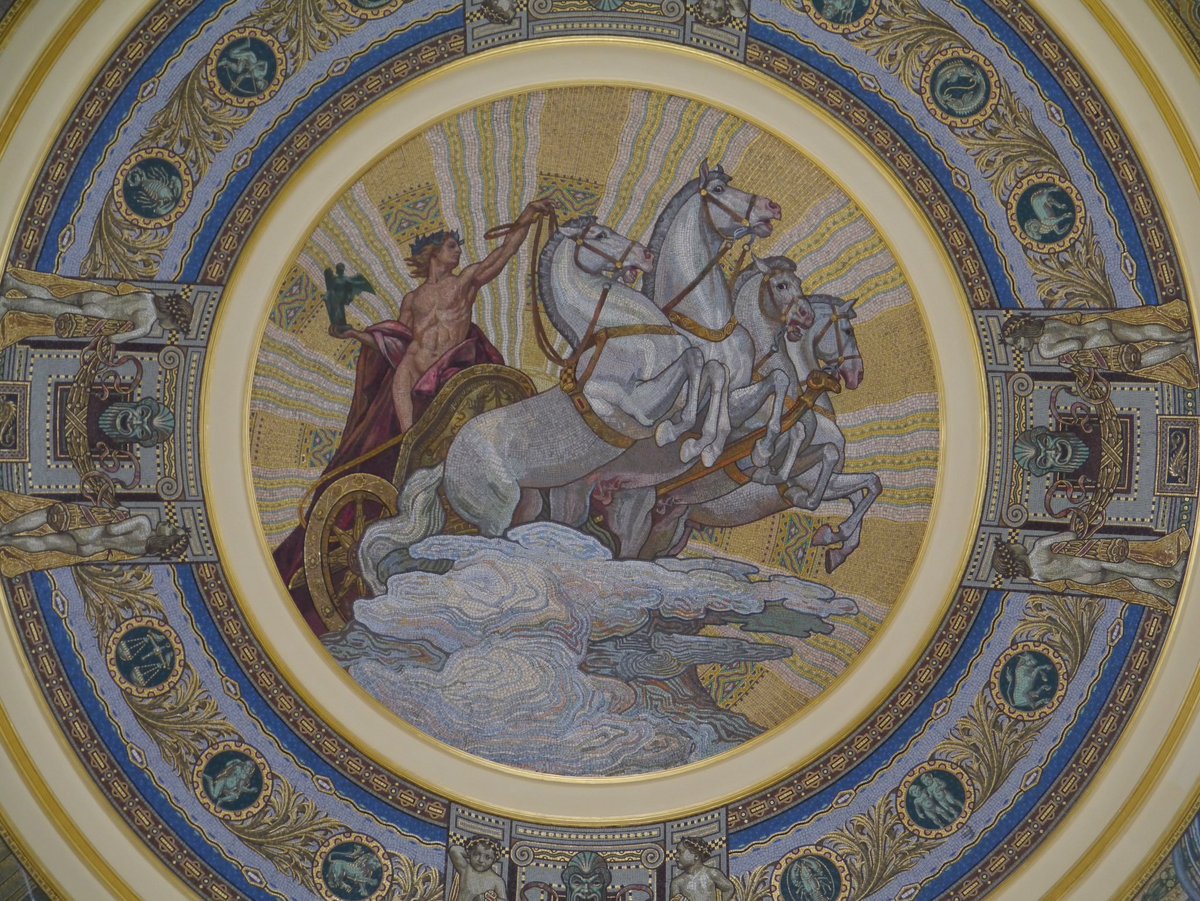
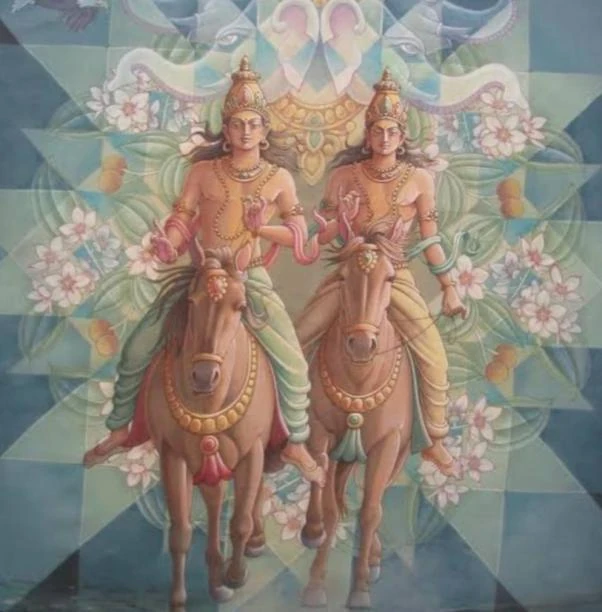
The Solar King Vivasvant marries the daughter of the Germanic mythical founder — Tvastar (Ger:Tuisto).
He is honored as the greatest of craftsmen and the king most mindful of his people.
10/
He is honored as the greatest of craftsmen and the king most mindful of his people.
10/
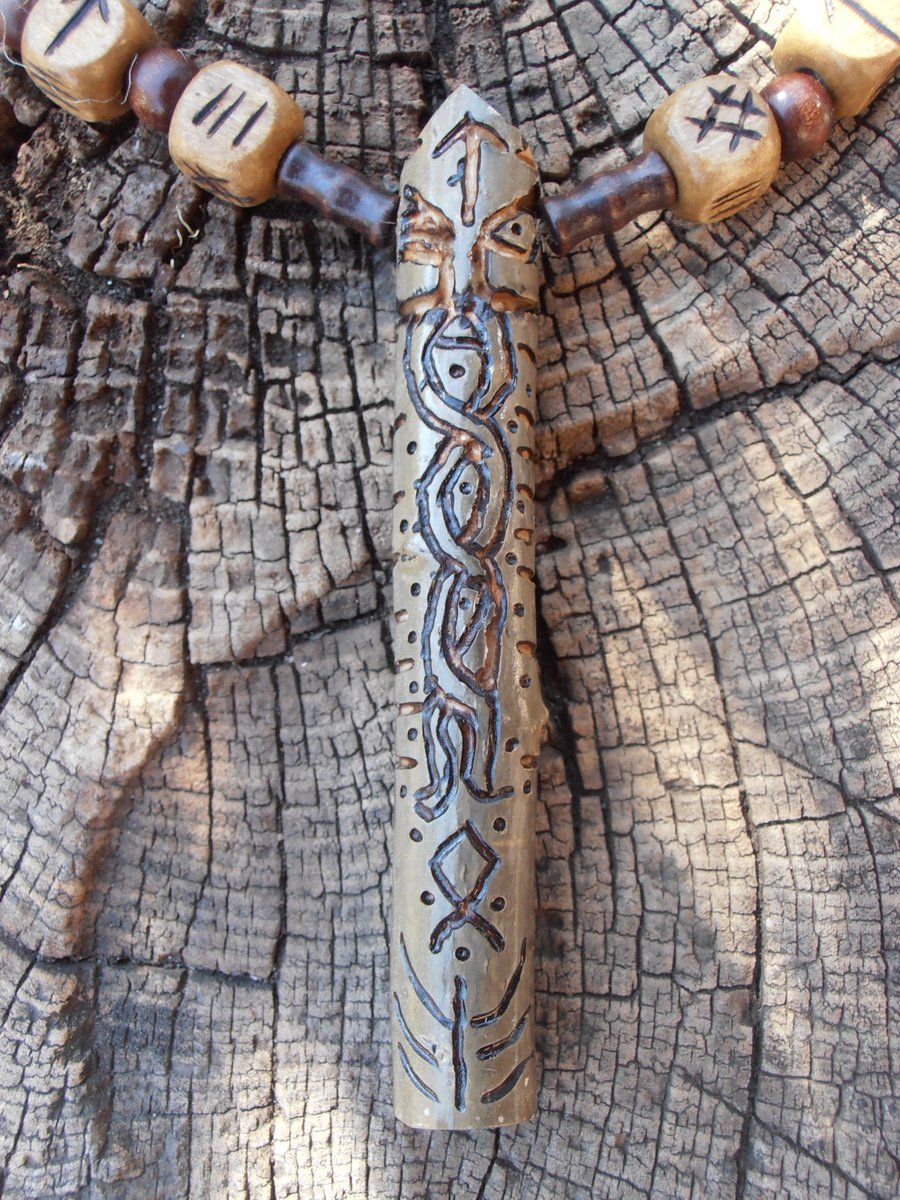
We see the Greeks and the myth of Prometheus in a new light.
The Solar King Vivasvant collaborates with the thief, bringing the sacred fire to the Waters — perhaps the Minoans.
11/
The Solar King Vivasvant collaborates with the thief, bringing the sacred fire to the Waters — perhaps the Minoans.
11/
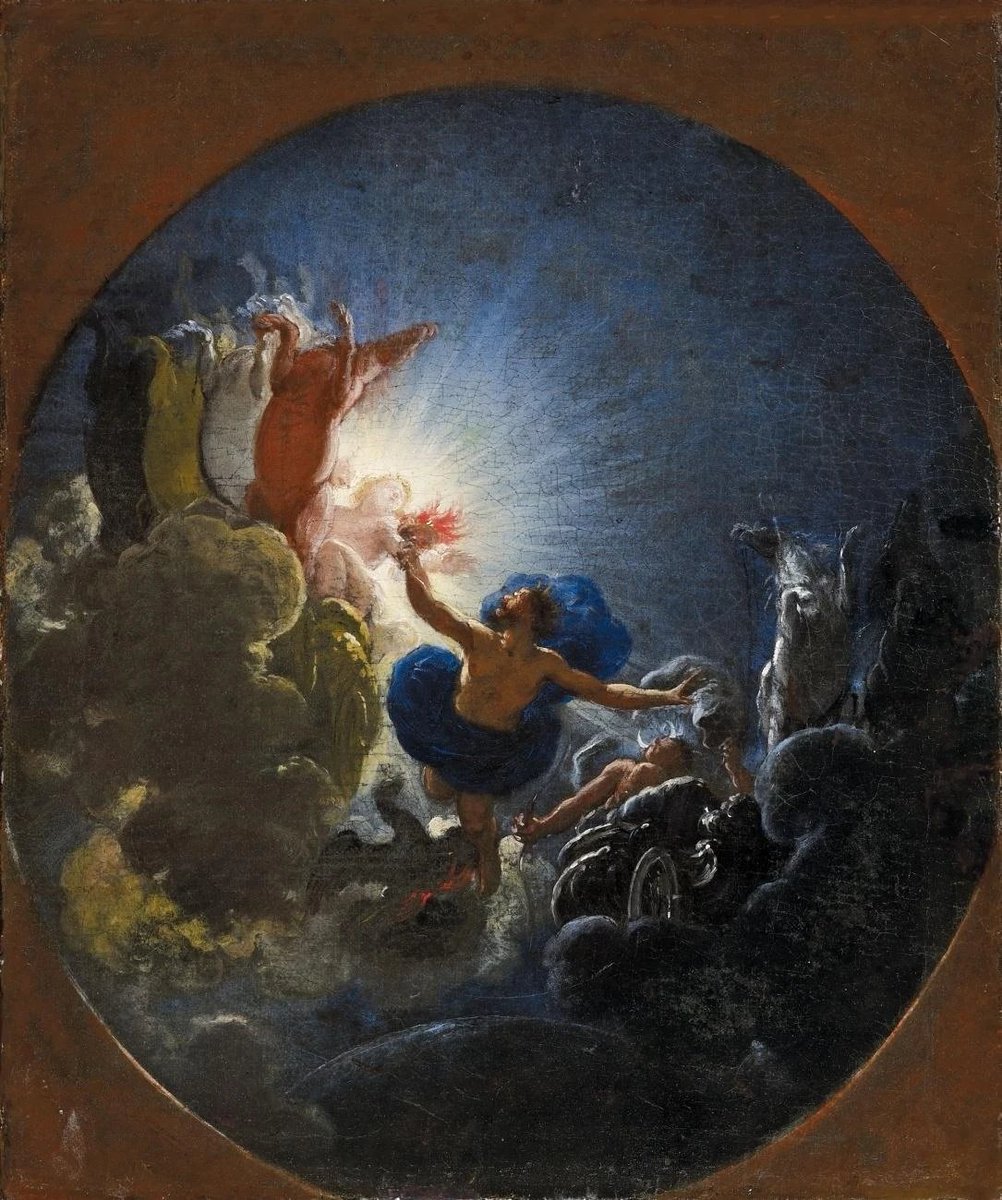
The Solar Kings are an “immortal” lineage, passing their dominion and identity from father to son.
But this realm faces a grave threat.
12/
But this realm faces a grave threat.
12/
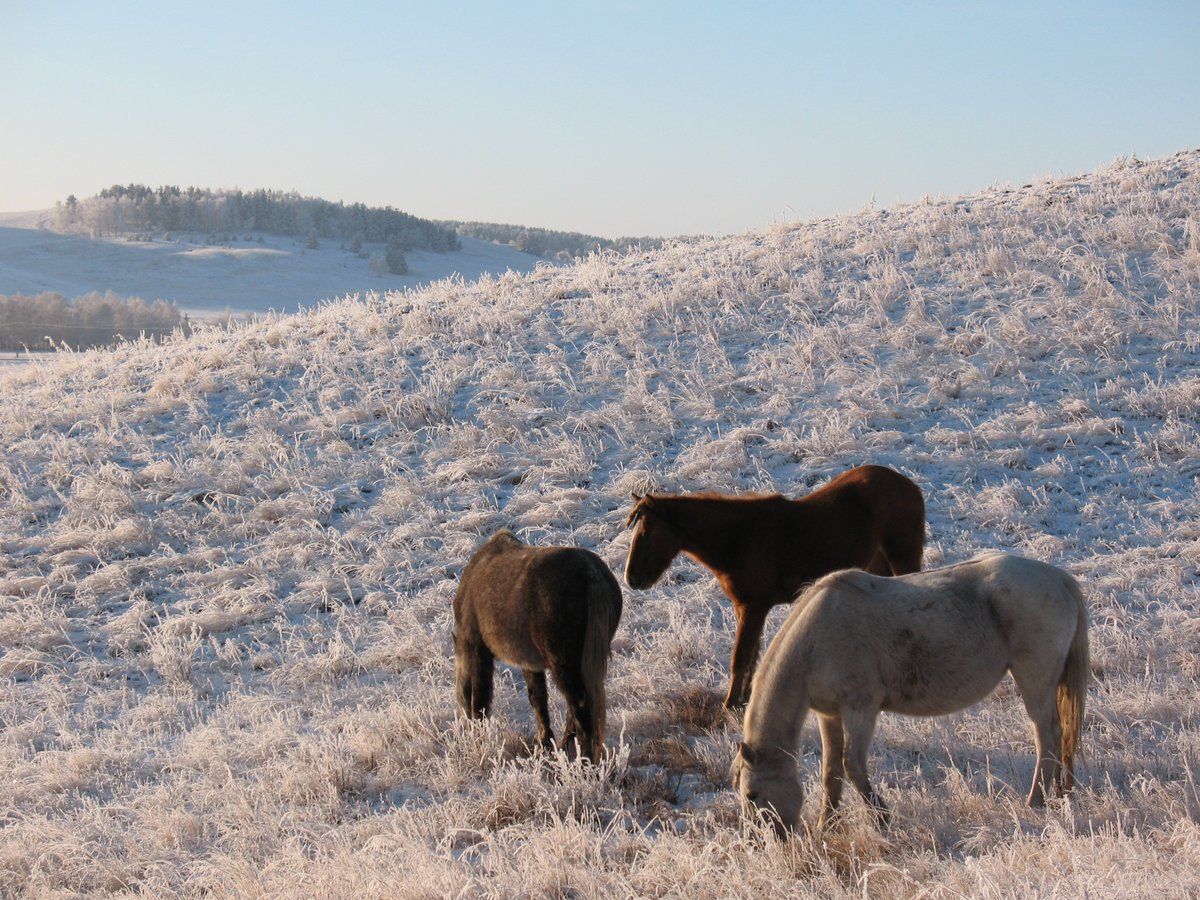
The world grows cold and the Arya must use their craft and kingship to find a new home.
In the Avesta, the Solar king Yima, son of Vivasvant looks to the South and doubles the size of his realm twice over.
13/
In the Avesta, the Solar king Yima, son of Vivasvant looks to the South and doubles the size of his realm twice over.
13/
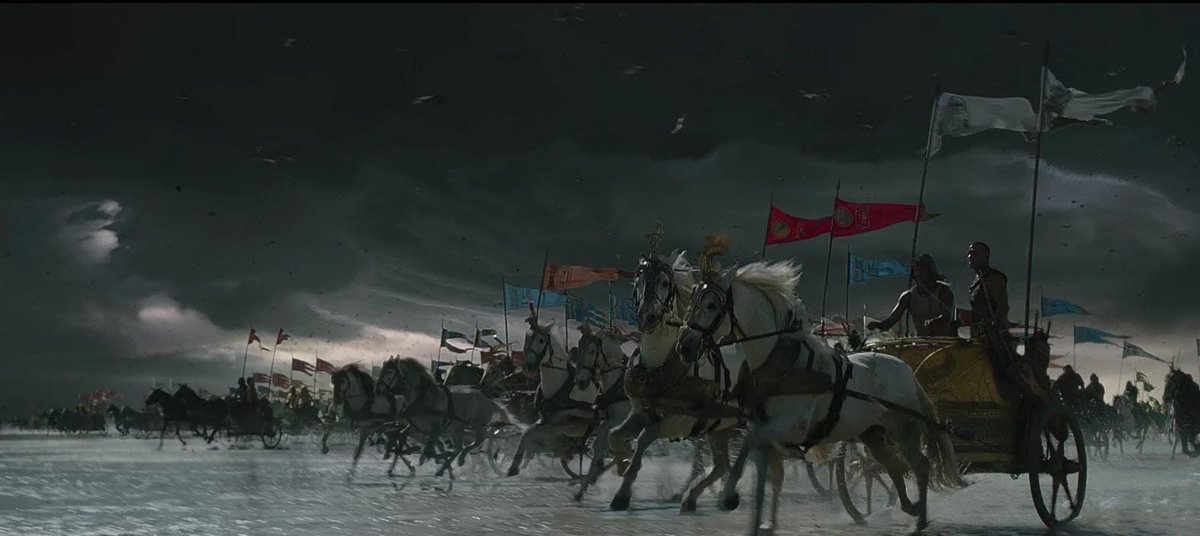
Then, he does something unprecedented for an Immortal.
He decides to die.
He refuses to have children. This means the equivalent of eternal damnation for his soul.
Why?
14/
He decides to die.
He refuses to have children. This means the equivalent of eternal damnation for his soul.
Why?
14/
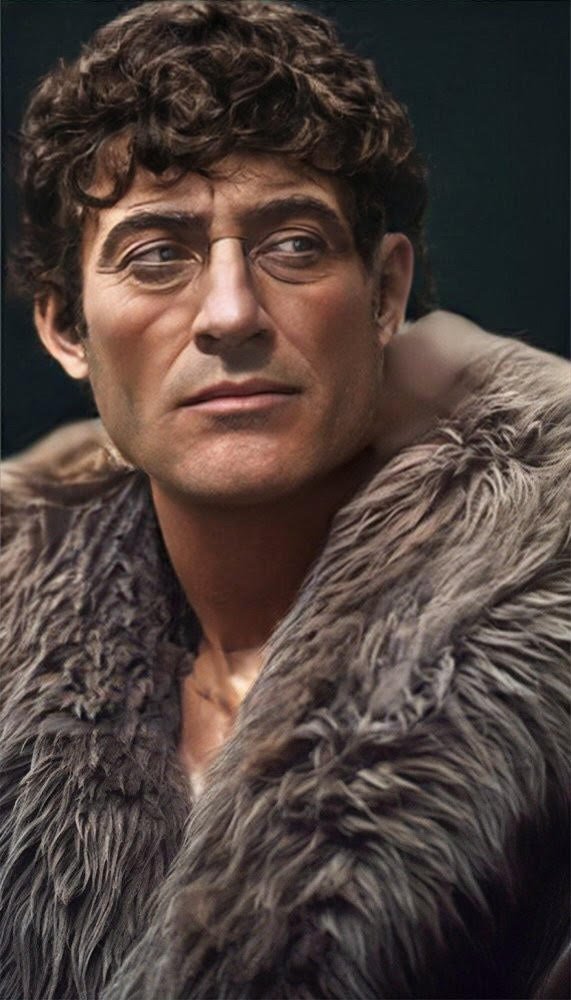
In the RgVeda, he does this to create a “new ideal — the Polis of wide foundation.”
Yima sacrifices his immortal lineage so that his kingdom will die — so that each clan can be free to decide its allegiance, its destiny.
15/
Yima sacrifices his immortal lineage so that his kingdom will die — so that each clan can be free to decide its allegiance, its destiny.
15/
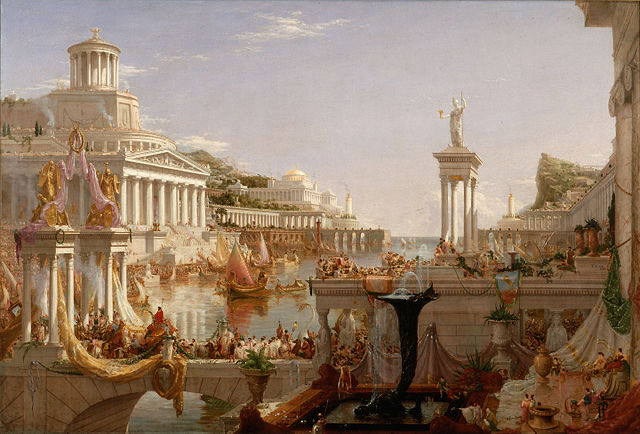
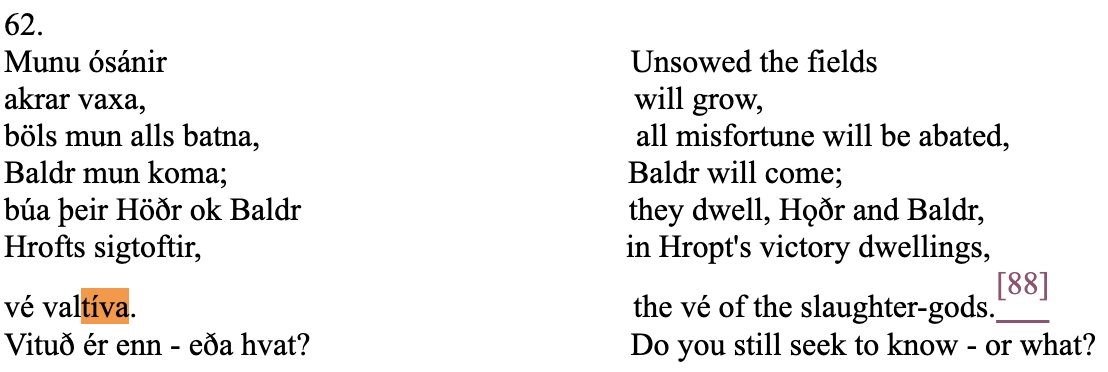
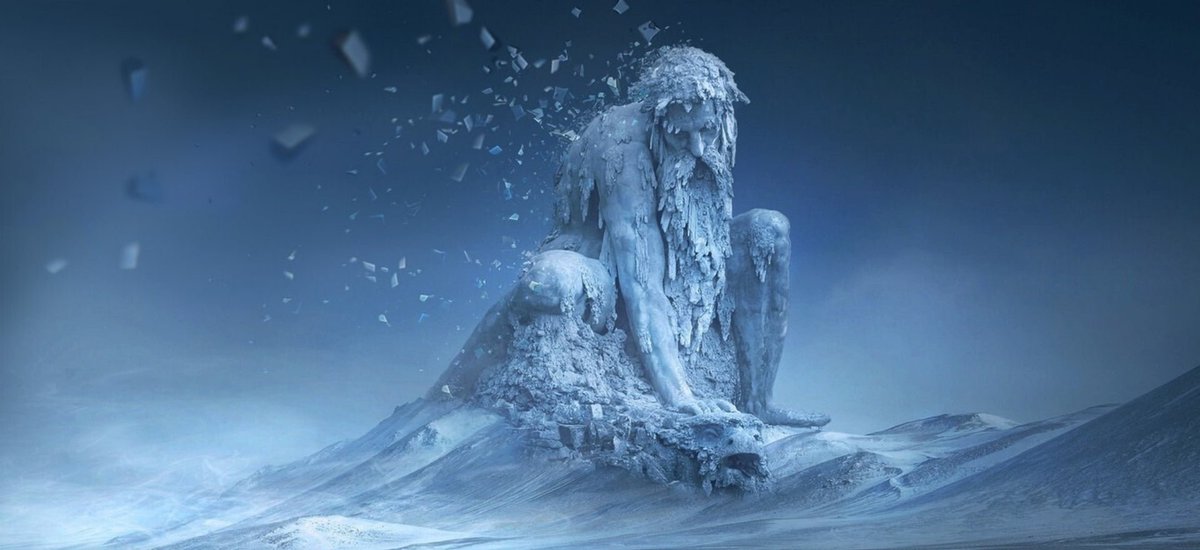
We see the trauma of this great choice in Norse myth. The realm is the very body of the king.
The Norse describe the world as Yima (Ymir’s) corpse.
16/
The Norse describe the world as Yima (Ymir’s) corpse.
16/
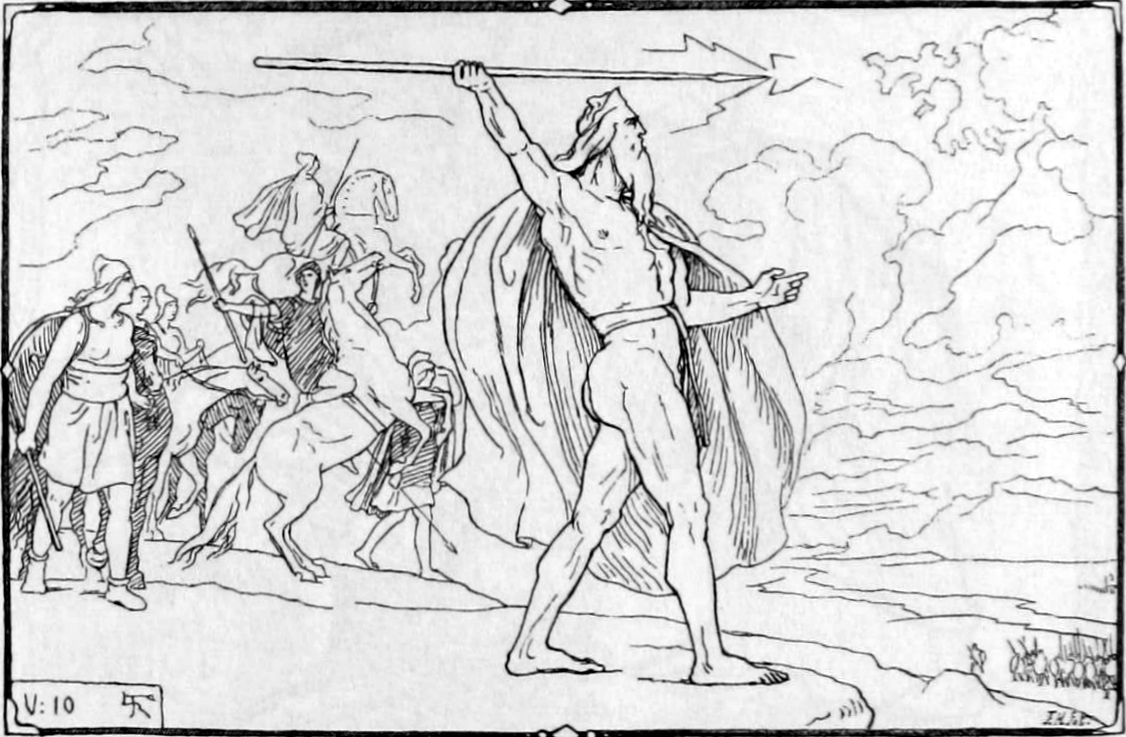
But to many this is sacrilege. A great rebellion begins, led by Tuisto’s son.
Yima dies brutally. A young hero steals the Mead of Poetry.
Two young princes, hunted, secure Yima’s legacy and win a crown.
The first myth.
17/
Yima dies brutally. A young hero steals the Mead of Poetry.
Two young princes, hunted, secure Yima’s legacy and win a crown.
The first myth.
17/
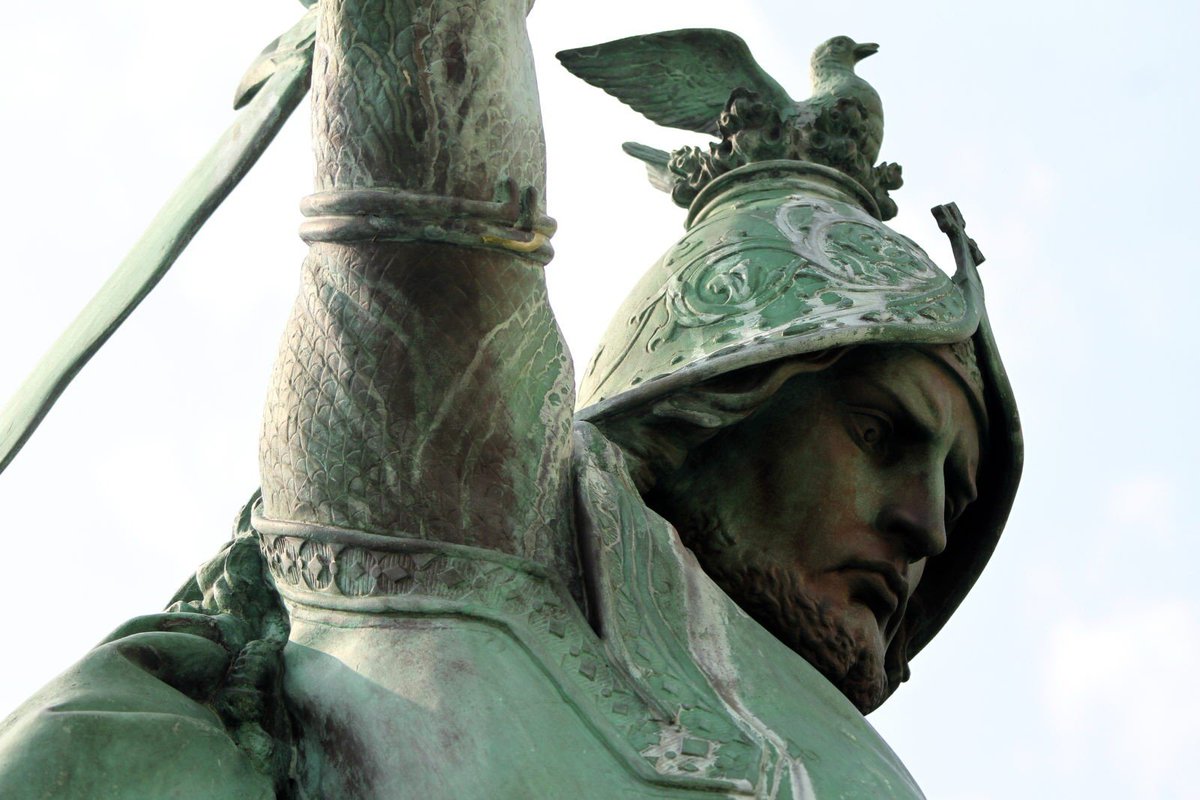
Yima’s brother, Manu, continues the line of Solar kings.
In the RgVeda, after their victories, he addresses his clansmen, sharing his highest hope for them all: “for one another now, in future for our children – may they be explorers of free frontiers.”
18/
In the RgVeda, after their victories, he addresses his clansmen, sharing his highest hope for them all: “for one another now, in future for our children – may they be explorers of free frontiers.”
18/
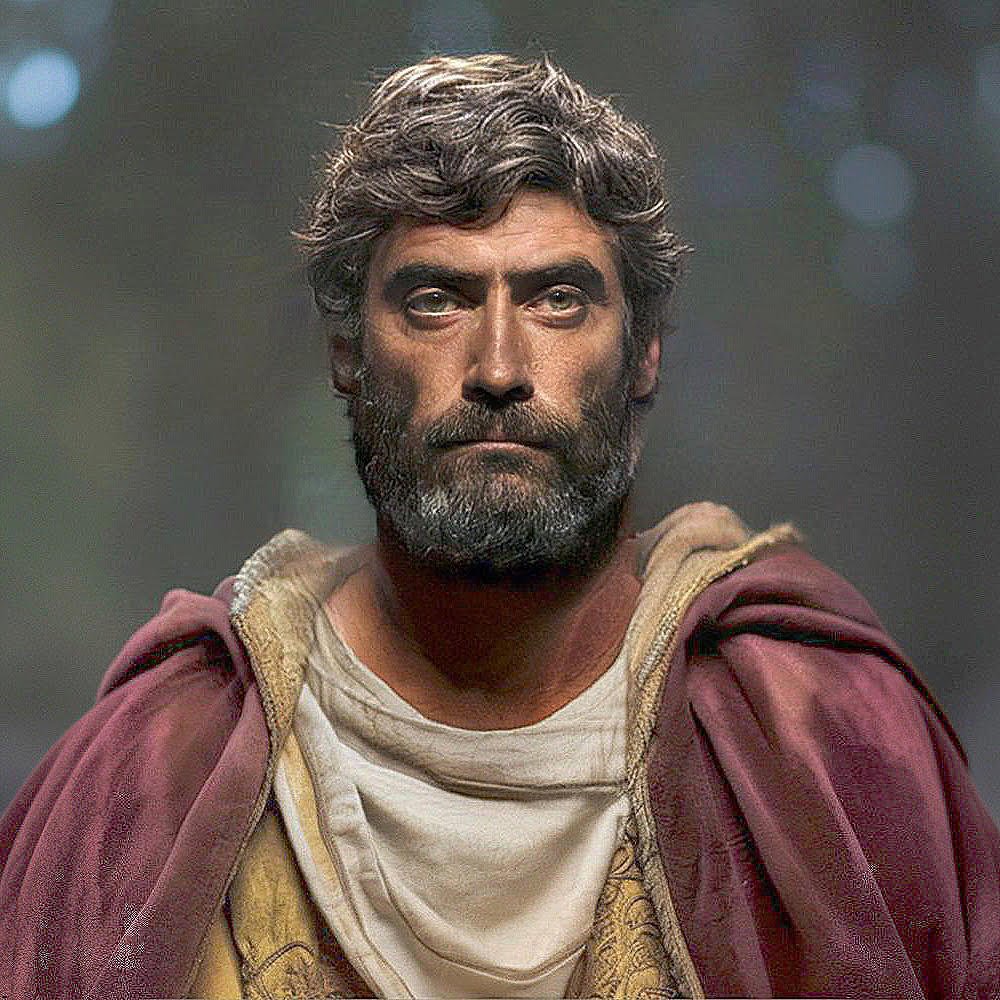
With this new freedom secured for their clansmen, the Solar kings see themselves as having fulfilled their purpose. They continue to chase the dawn.
And with chariots and weapons of bronze, Asia serves as this great frontier.
This is known as the Seima-Turbino phenomenon.
19/
And with chariots and weapons of bronze, Asia serves as this great frontier.
This is known as the Seima-Turbino phenomenon.
19/
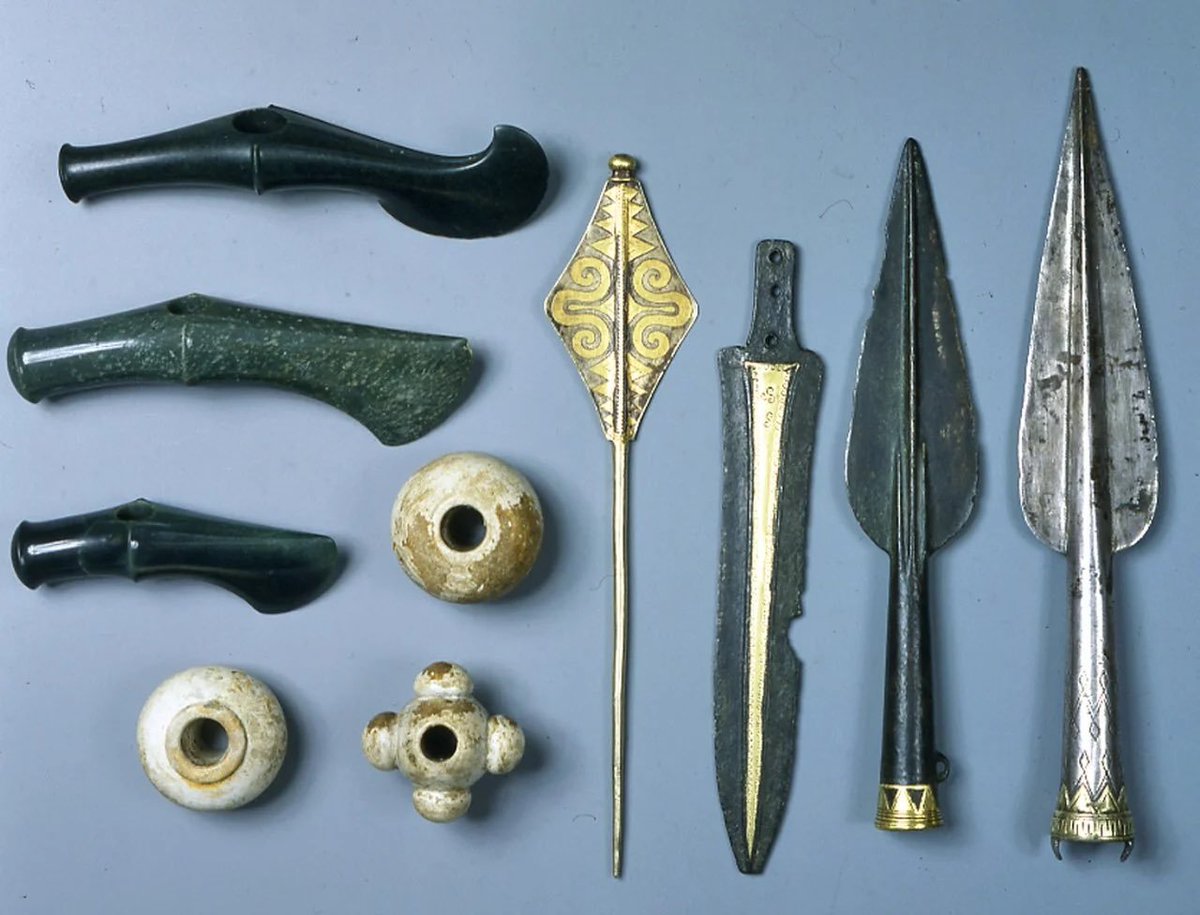
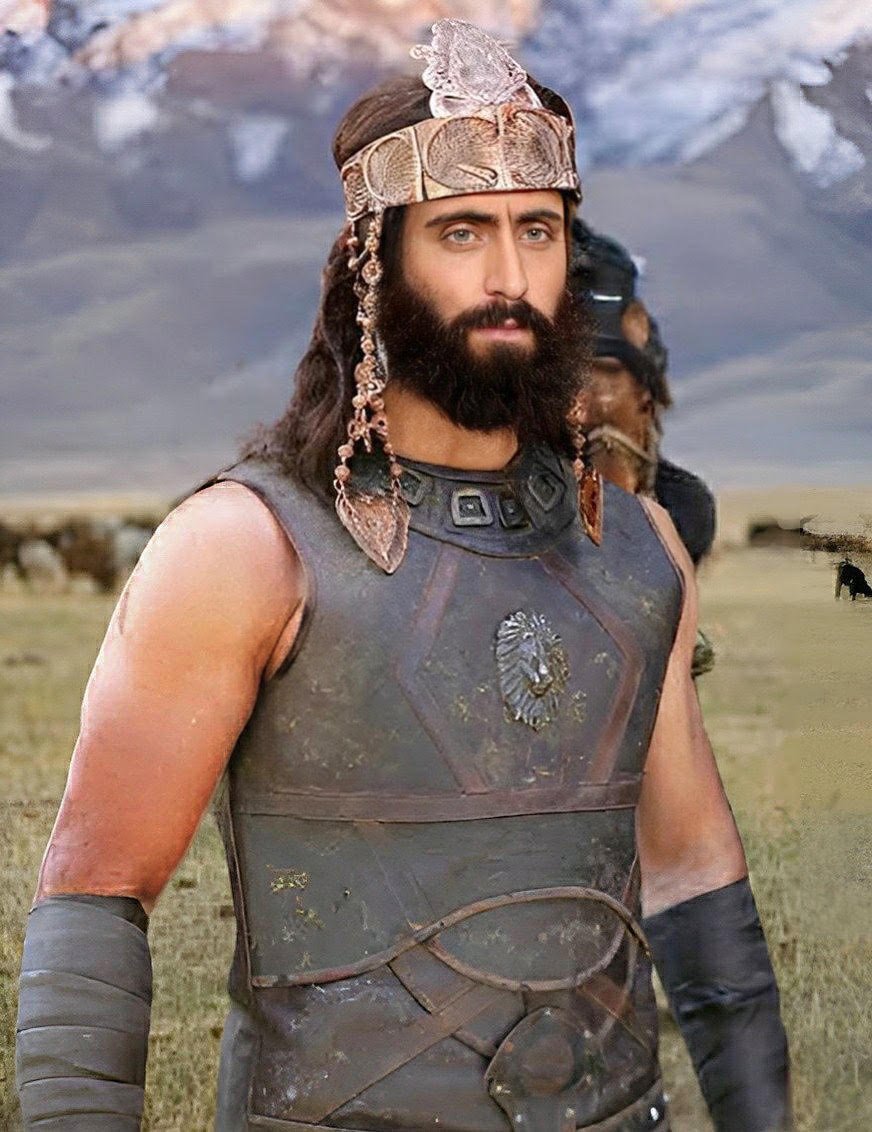
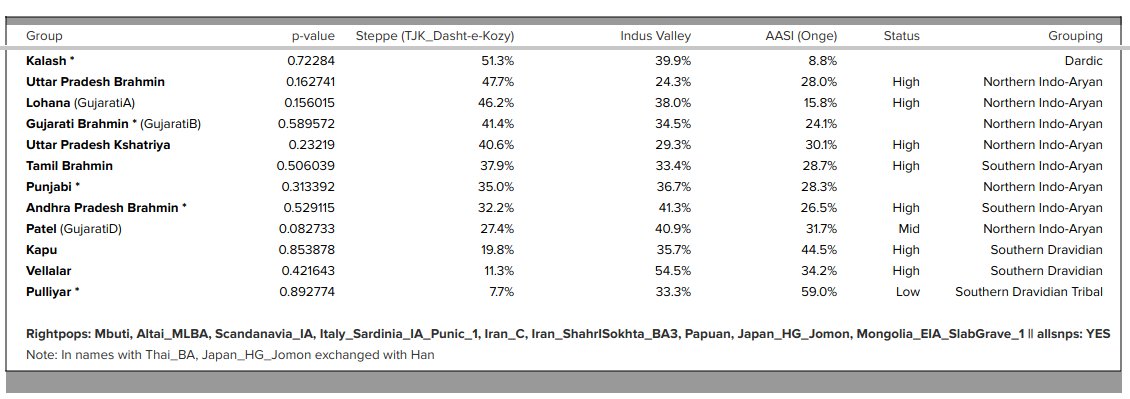
The Avesta says that the Indo-Arya go first to Sogdia. We see their genetic legacy in samples from Bronze Age Tajikistan, around 1600 BC.
We see why Sanskrit has close ties to Balto-Slavic, as well as Greek...
20/
We see why Sanskrit has close ties to Balto-Slavic, as well as Greek...
20/
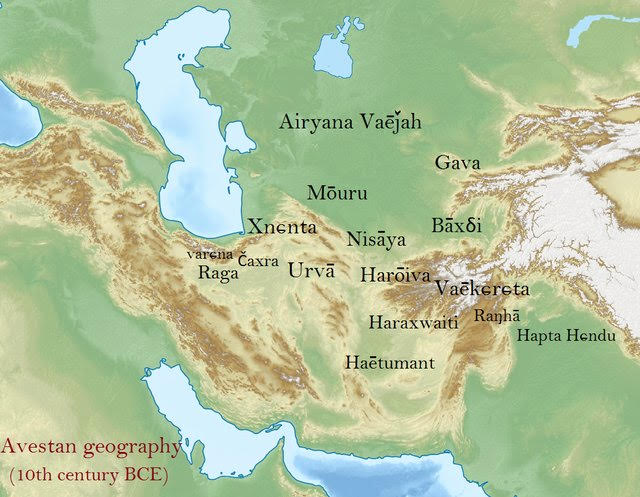
For these Indo-Aryans are a 50/50 mix between the Northern European Corded Ware culture, shared with the Germanic and Balto-Slavic peoples, and the Steppe Catacomb culture — ancestral to the Greeks (with a touch - 10% - of Central Asian admixture)
21/
21/
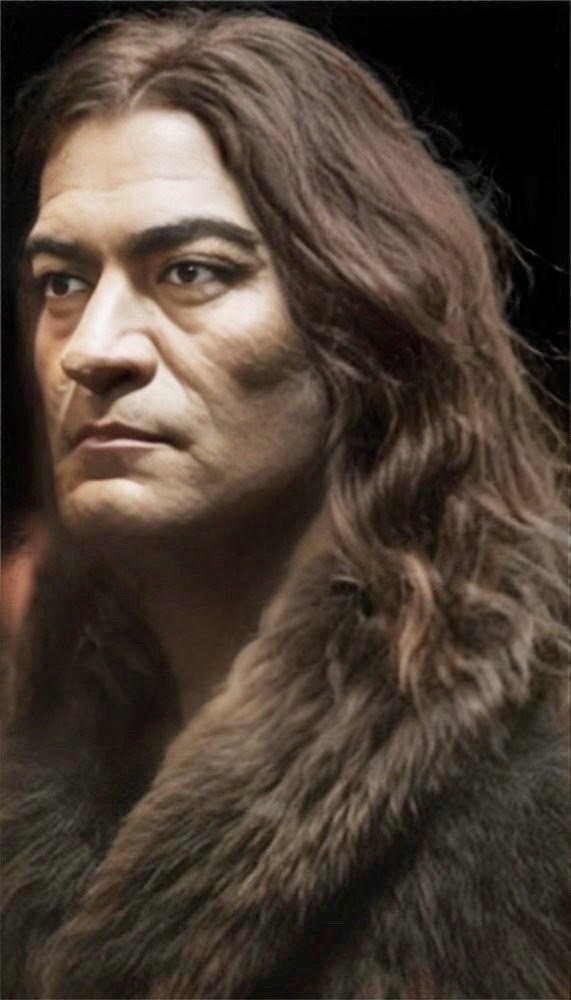
Here, the Arya part ways.
Manu's sister, Tapati will be ancestor to Scythian kings.
His daughter, Ila, rules in Bactria.
His son, Rishabha, known also as Ikshvaku, goes south.
22/
Manu's sister, Tapati will be ancestor to Scythian kings.
His daughter, Ila, rules in Bactria.
His son, Rishabha, known also as Ikshvaku, goes south.
22/

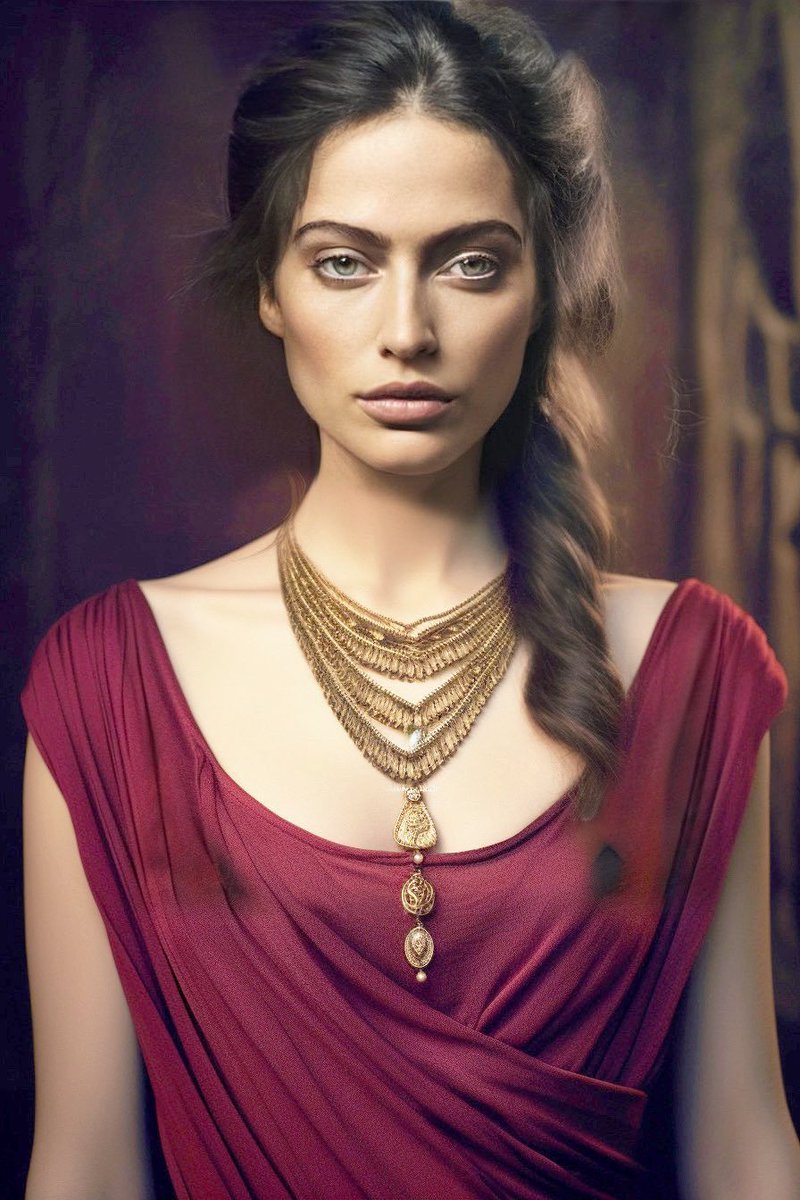
There he meets the people he calls “Prajapatis” — masters of creation.
The RgVeda mentions the integration of three clans — the Bhrigus, the Vashishtas, and the Agastyas.
Today, men of these lineages continue to carry Haplogroup H, found in the Indus Valley Civilization.
23/
The RgVeda mentions the integration of three clans — the Bhrigus, the Vashishtas, and the Agastyas.
Today, men of these lineages continue to carry Haplogroup H, found in the Indus Valley Civilization.
23/
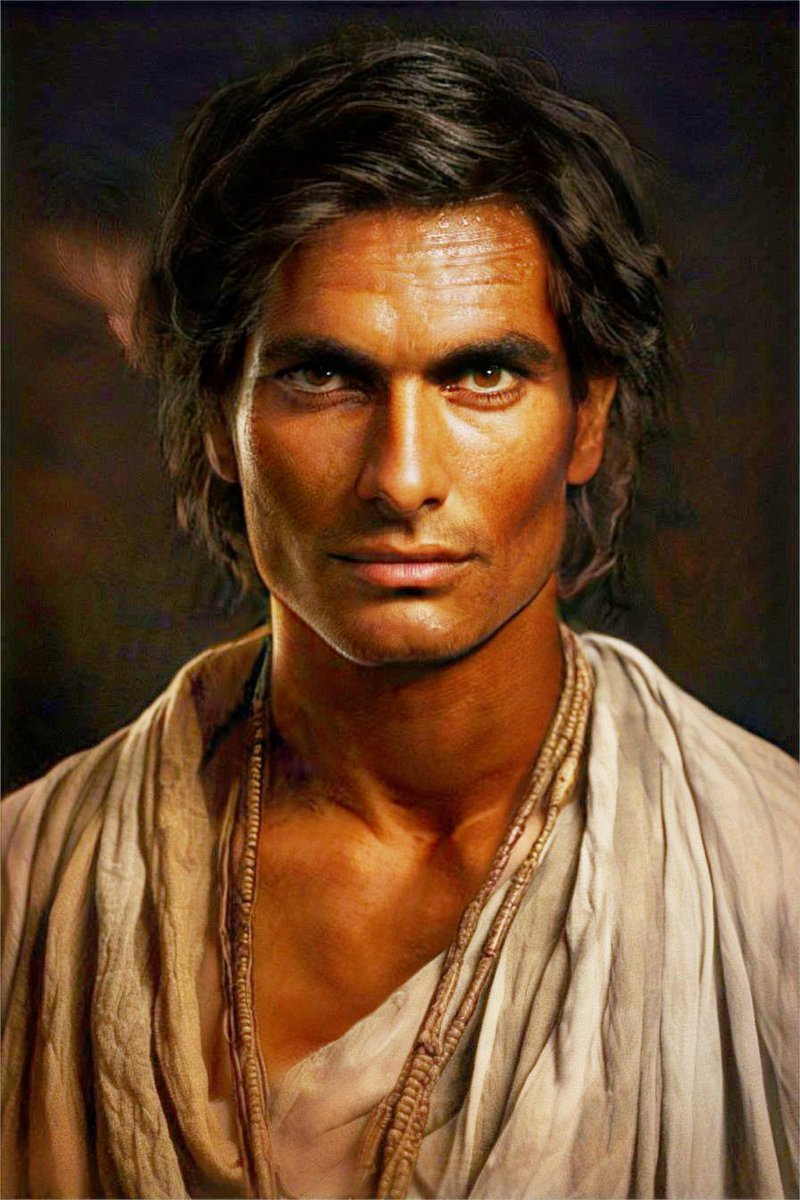

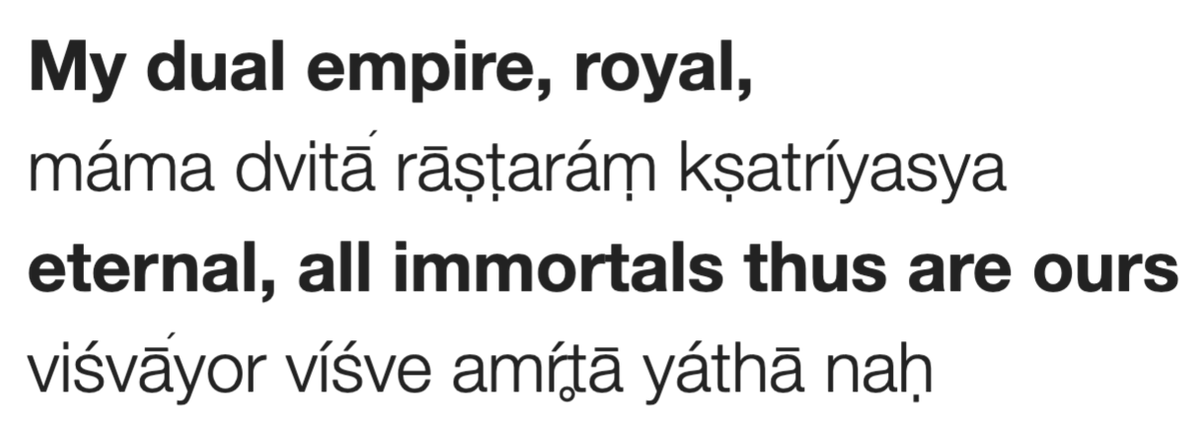
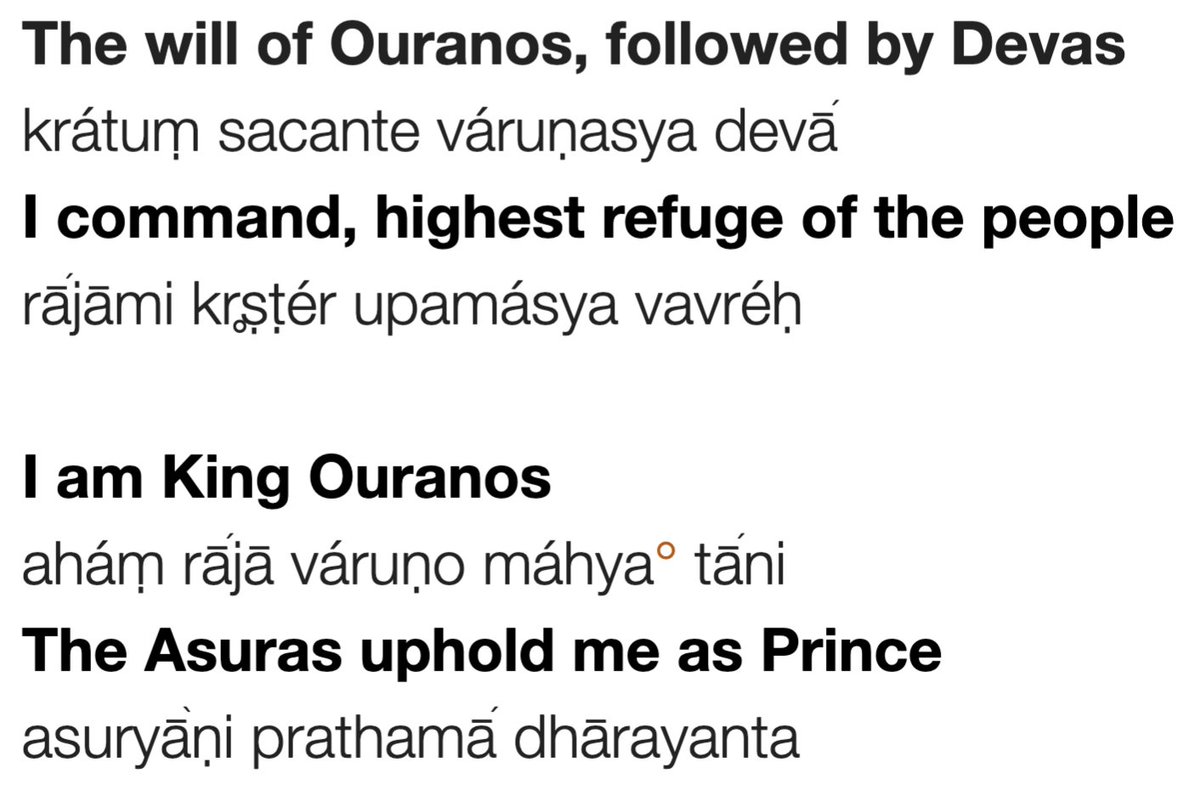
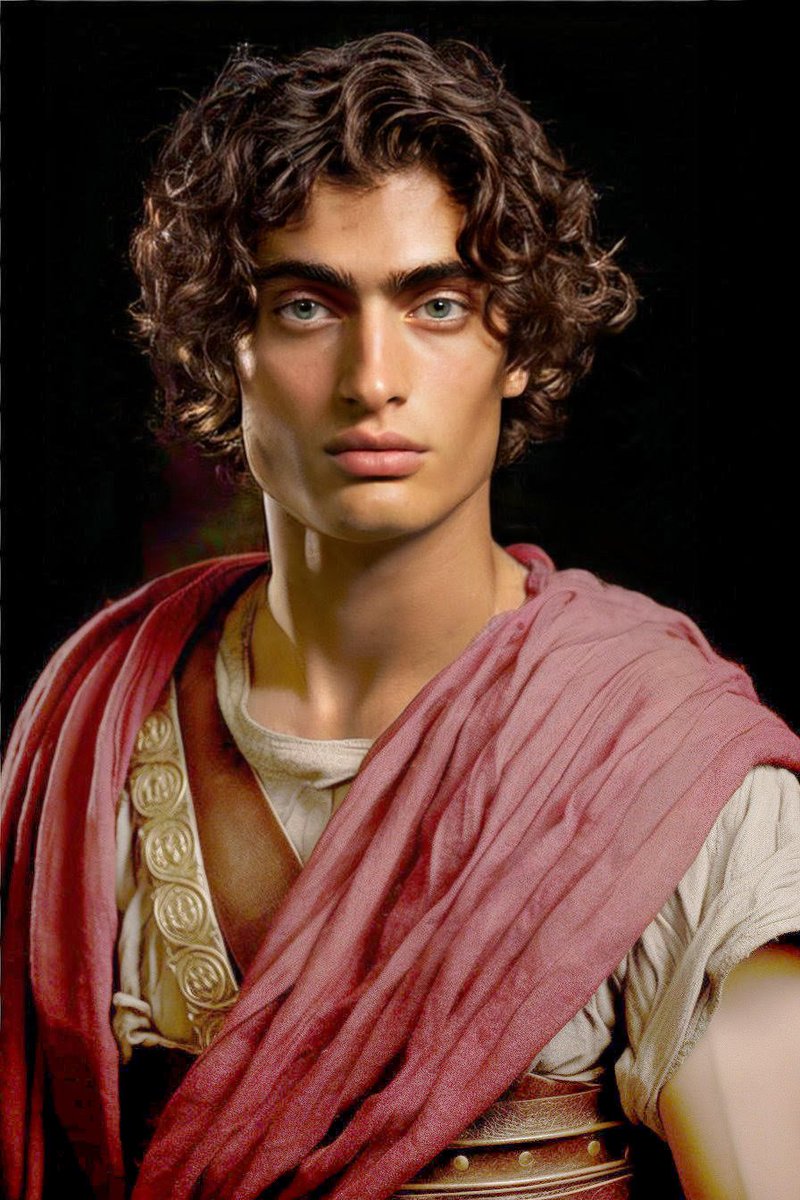
Rishabha goes deeper into India, where he establishes a new kingdom in Ayodhya.
We hear his declaration of victory in the RgVeda.
24/
We hear his declaration of victory in the RgVeda.
24/
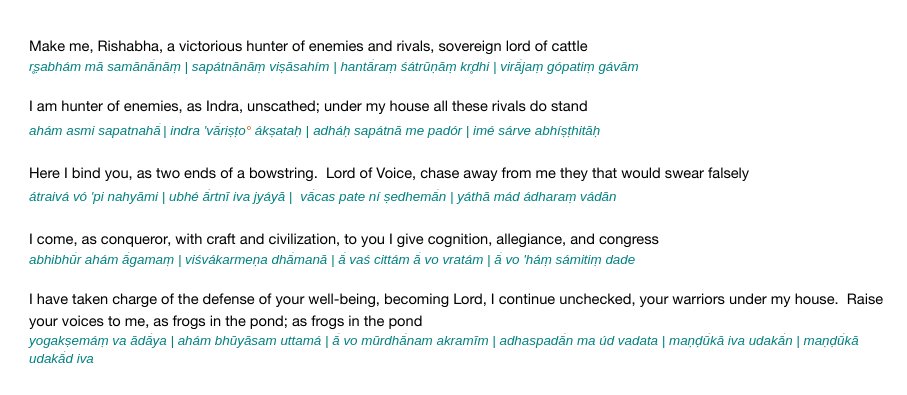
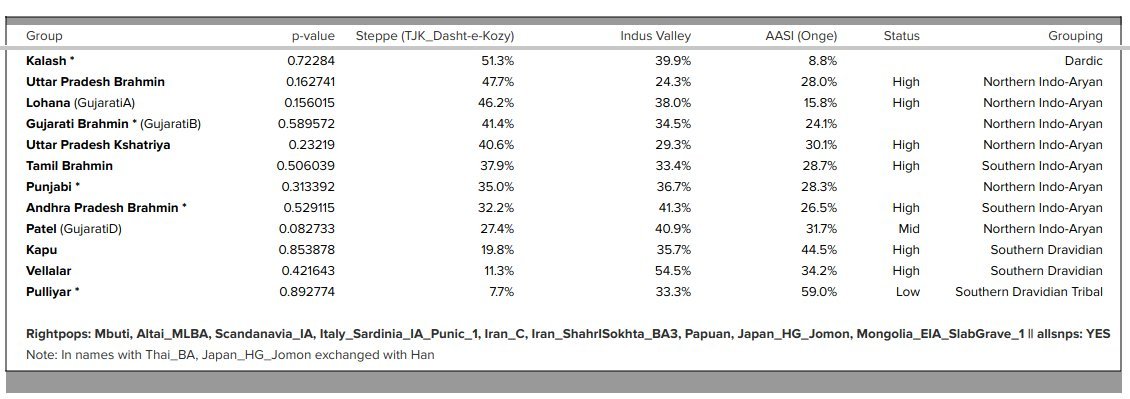
Their descendants continue today, with a clear genetic mark.
In the North we see the Kalash, a Dardic people. They remember Yima Raj in their myths.
But even today the old Kshatriya and Brahmana clans remember their ancestors.
25/
In the North we see the Kalash, a Dardic people. They remember Yima Raj in their myths.
But even today the old Kshatriya and Brahmana clans remember their ancestors.
25/
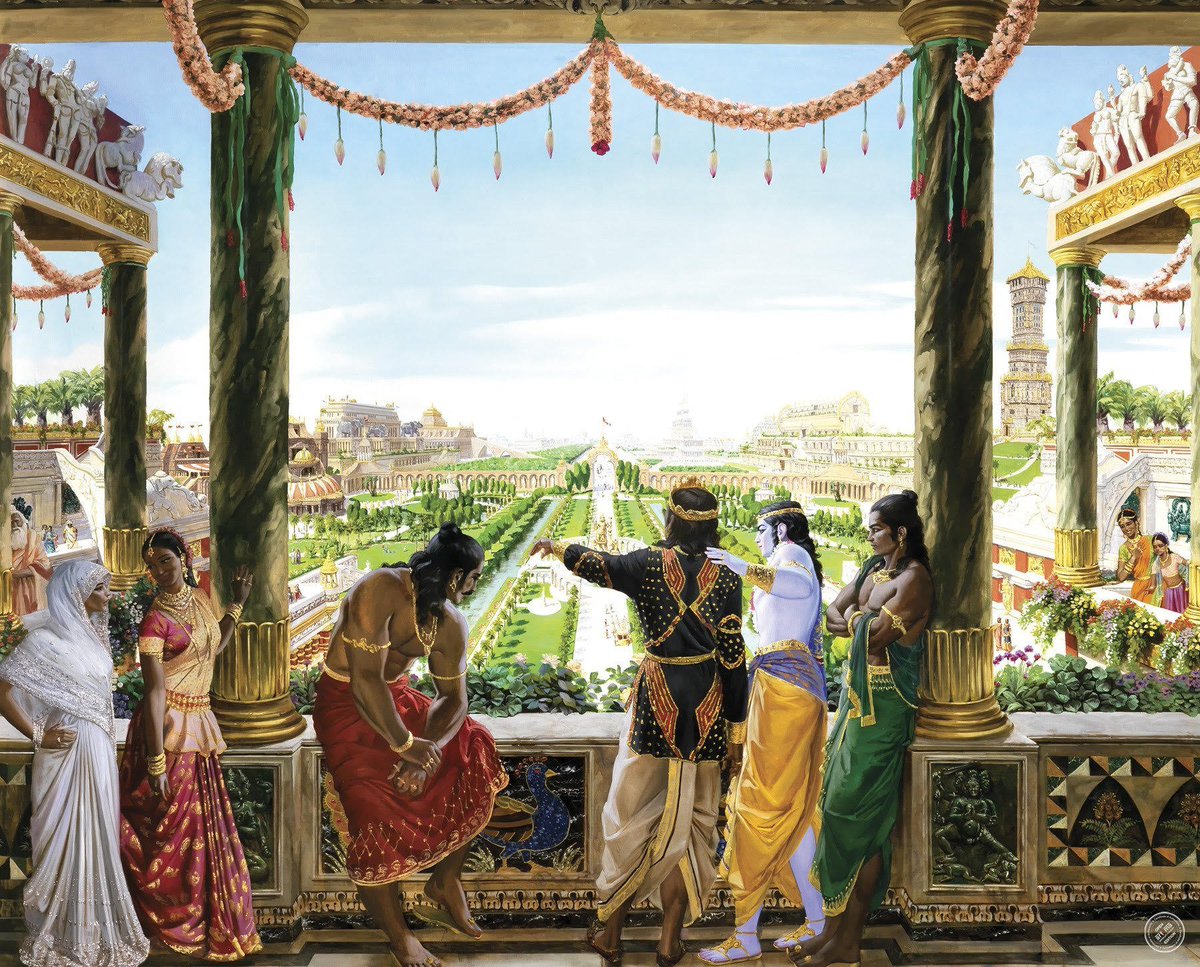
The Indo-Aryans lose their tradition of Varivas — Aditi is no longer worshipped as she once was.
But perhaps that spirit of creation and liberty will rise once again, and as their ancestors hoped, they will again challenge and discover new free frontiers.
/Fin
But perhaps that spirit of creation and liberty will rise once again, and as their ancestors hoped, they will again challenge and discover new free frontiers.
/Fin
• • •
Missing some Tweet in this thread? You can try to
force a refresh