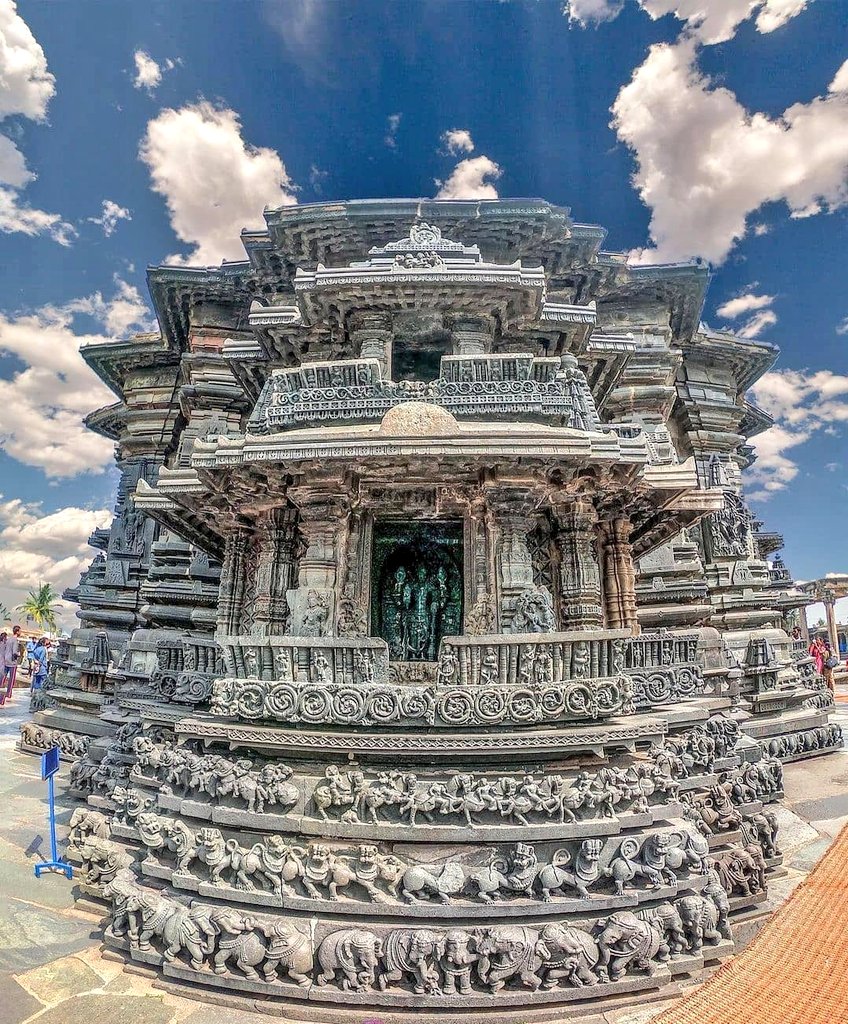
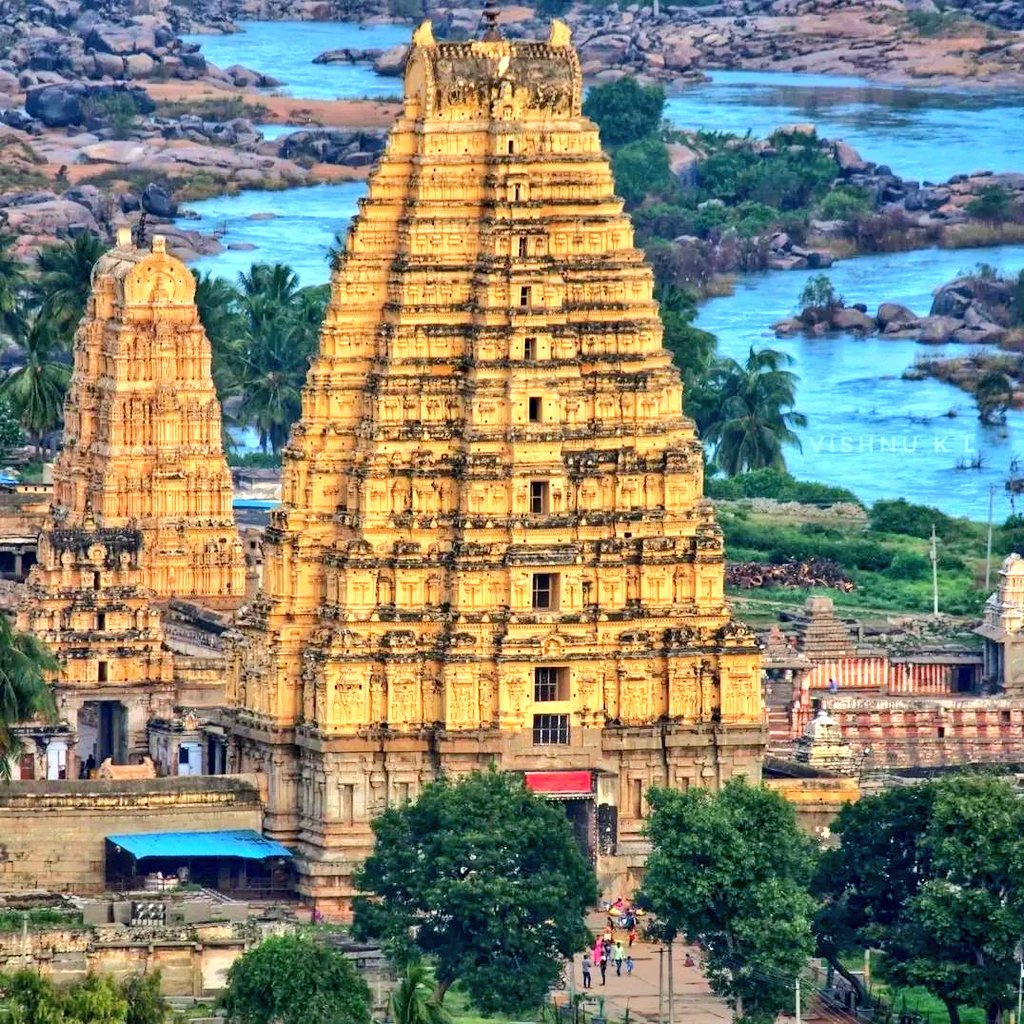
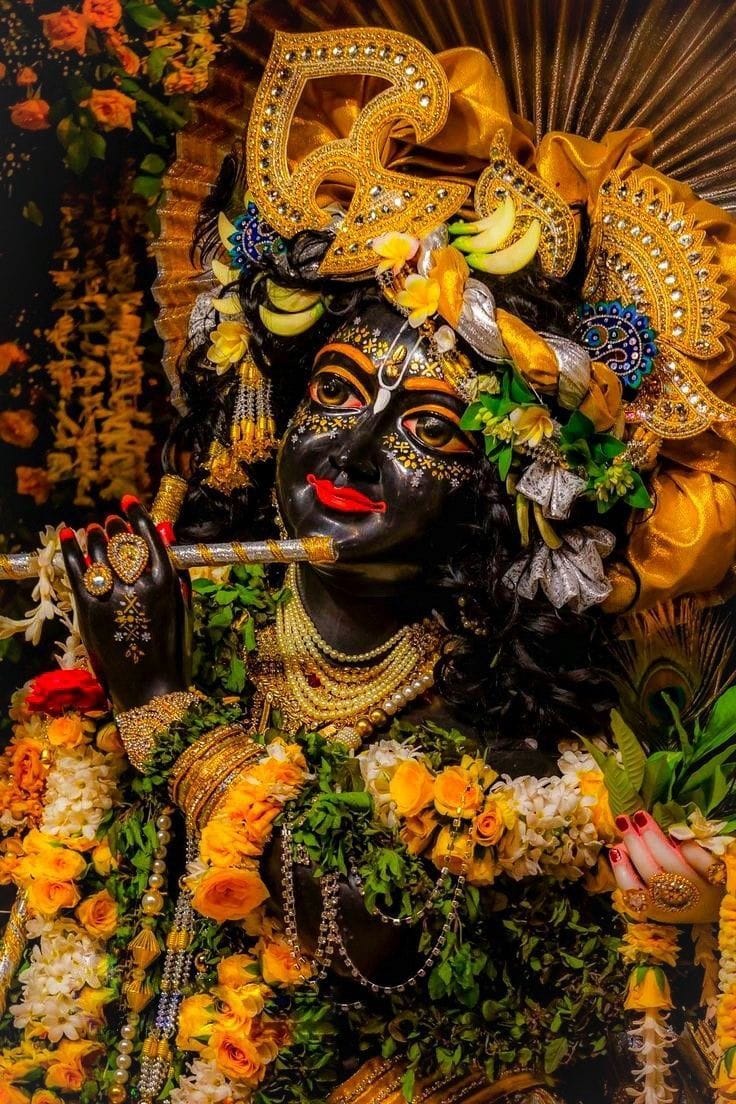
The Jagannath Temple in Puri, Odisha is a Hindu temple and one of the oldest in world. It was built in the 12th century by Ananta Varman Chodaganga Deva, a king of the Ganga Dynasty. The temple is dedicated to Lord Jagannath, a form of Lord Vishnu 🙏
Jay Jagannath Swami 🙏🙏
Jay Jagannath Swami 🙏🙏
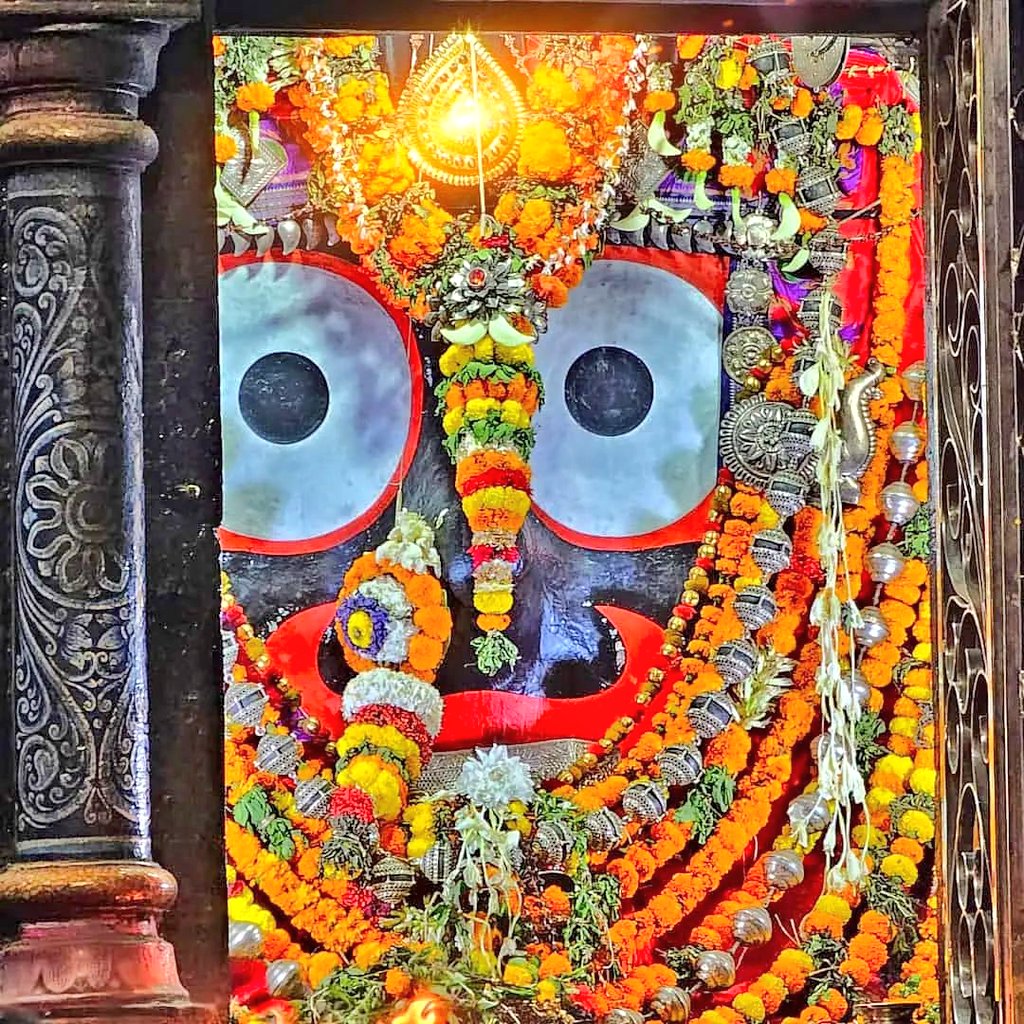
Some Interesting Facts about Jagannath Temple..
1) The Riddle of The Sudarshan Chakra :: The Sudarshan Chakra is a massive metal structure that weighs tons, and it is still a puzzling to consider how suce a massive structure made it to the Temple's pinnacle..
1) The Riddle of The Sudarshan Chakra :: The Sudarshan Chakra is a massive metal structure that weighs tons, and it is still a puzzling to consider how suce a massive structure made it to the Temple's pinnacle..
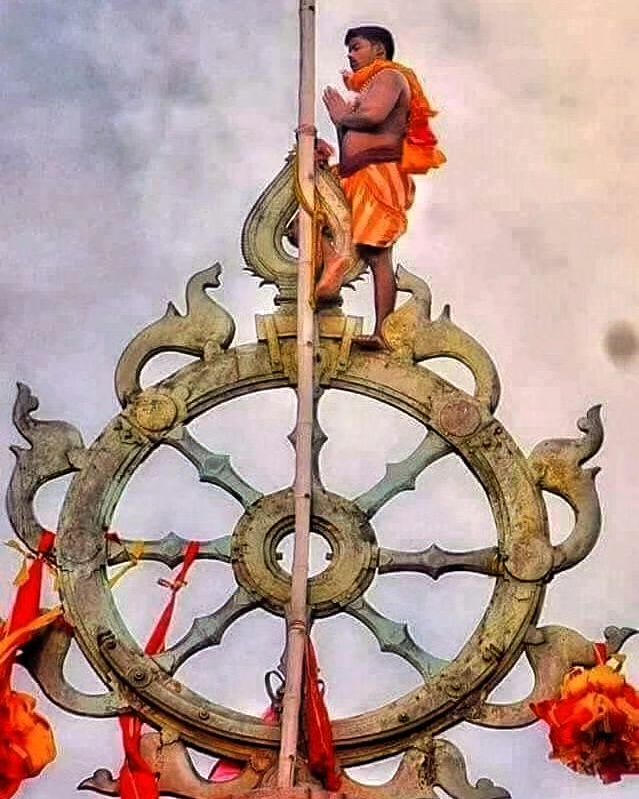
2) The Architectural Mystery :: The Sudarshan Chakra reportedly looks the same way when viewed from every direction throughout the city.

3) The Jagannath Flag :: The flag at the top of the Jagannath Temple flutters in an opposite to the direction in which the wind blows.

4) The Climb :: For the past 1800 years, it has been customary for a saint to climb the temple's 45-story dome and replace the banner there. The temple shall be shut down for 18 years if this routine is broken for even a day.
The practice is done with bare hands.
The practice is done with bare hands.
5) Temple was Plundered 18 times :
The Temple is home to priceless treasures that date back centuries, including gold and precious stones. Because of this, it was vulnerable to as many as 18 different invasions in the past.
The Temple is home to priceless treasures that date back centuries, including gold and precious stones. Because of this, it was vulnerable to as many as 18 different invasions in the past.

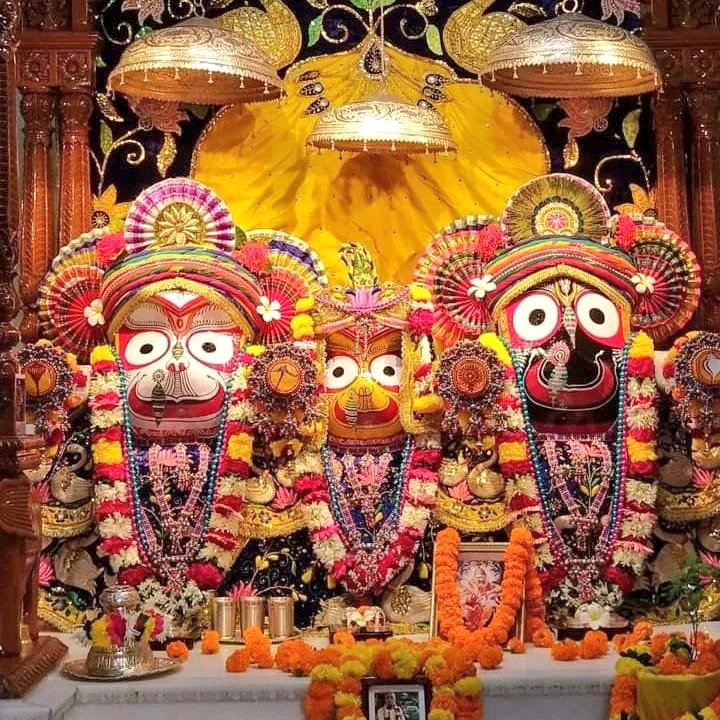
6) Wisdom Idols :: The idols are made of wood and are replaced with new idols during Nabakalebara. This ritual is done once after every 8, 12, or 19 years. The carving is done in secrecy by selected carpenters within a period of 21 days.
7) Nothing Flies Above The Temple. As you look up in the sky, you will find birds flying high, or resting on the tree tops. In the case of Puri’s Jagannath Temple, not even a single bird can be seen atop the temple dome. Nothing hovers above, no planes, not even any bird.

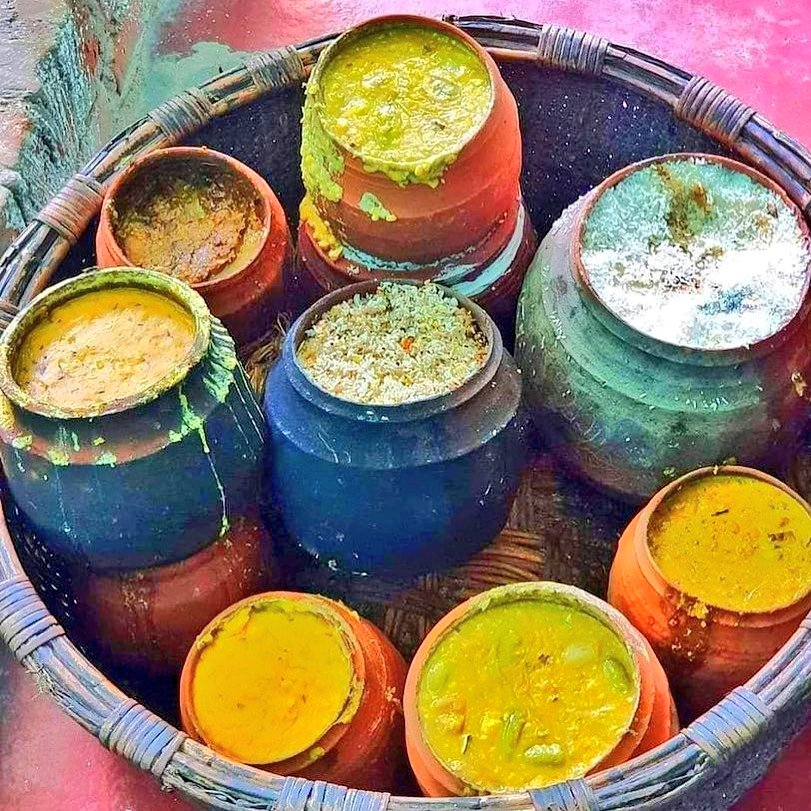
8) Magical Methods to Cook :The Mahaprasad is prepared by thousands of priests and 7 earthen pots are placed one above the other and the food is cooked over firewood and the food in the topmost pot gets cooked first followed by the rest. This is another riddle to solve.

9) Abadha Mahaprasadam - The Mahaprasad is served to Lord Jagannath in 5 phases and consists of 56 delectable delicacies. It is of two types, the sukhila and the shankhudi.

10) In Hindu mythology, wasting food is considered a bad sign; the Temple crew follows the same. A total number of people visiting the temple varies between 2,000 to 2, 00,000 people every day. Miraculously, the Parsadam prepared every day is never wasted, not even a bite.
11) No matter what time of the day it is, no matter where the sun is shining through in the sky, the temple doesn't have a shadow. Now if that is an architectural wonder or simply a miracle, that’s still unknown.

11) Various Small Temples are Present here.. The temple complex is home to more than thirty more, smaller temples. The Vimala Temple and the Narasimha Temple are both older than the Jagannath Temple in and of itself..

12) Reverse Sea Breeze- It is a natural phenomena that usually happens in coastal areas during the day-time, the breeze blows from the sea towards the land and during evening hours it blows from the land towards the sea. But in Puri, it happens in the reverse form.

13) Sound of Waves - Once you step inside the temple, you stop hearing the sound of the sea. According to myth, Goddess Subhadra wished that the temple would be a place of serenity, and in order to please her, the temple mutes the sound of the sea.

14) Rath Yatra :: The Jagannath Temple is famous for its annual Rath Yatra Festival. It is a believe that The three Gods visit their maternal aunt home and after seven days, they make their way back to the temple.

Picture Credit goes to their Respective Owners... Source of information Self and Google 🙏
Thank you Beta @aravind4bharat for thread Idea ❤️
Thank you all for your support.
May Swami Jagannath Bless his Devotees.
Jay Jagannath Mahaprabhu 🙏🙏
Thank you Beta @aravind4bharat for thread Idea ❤️
Thank you all for your support.
May Swami Jagannath Bless his Devotees.
Jay Jagannath Mahaprabhu 🙏🙏
• • •
Missing some Tweet in this thread? You can try to
force a refresh