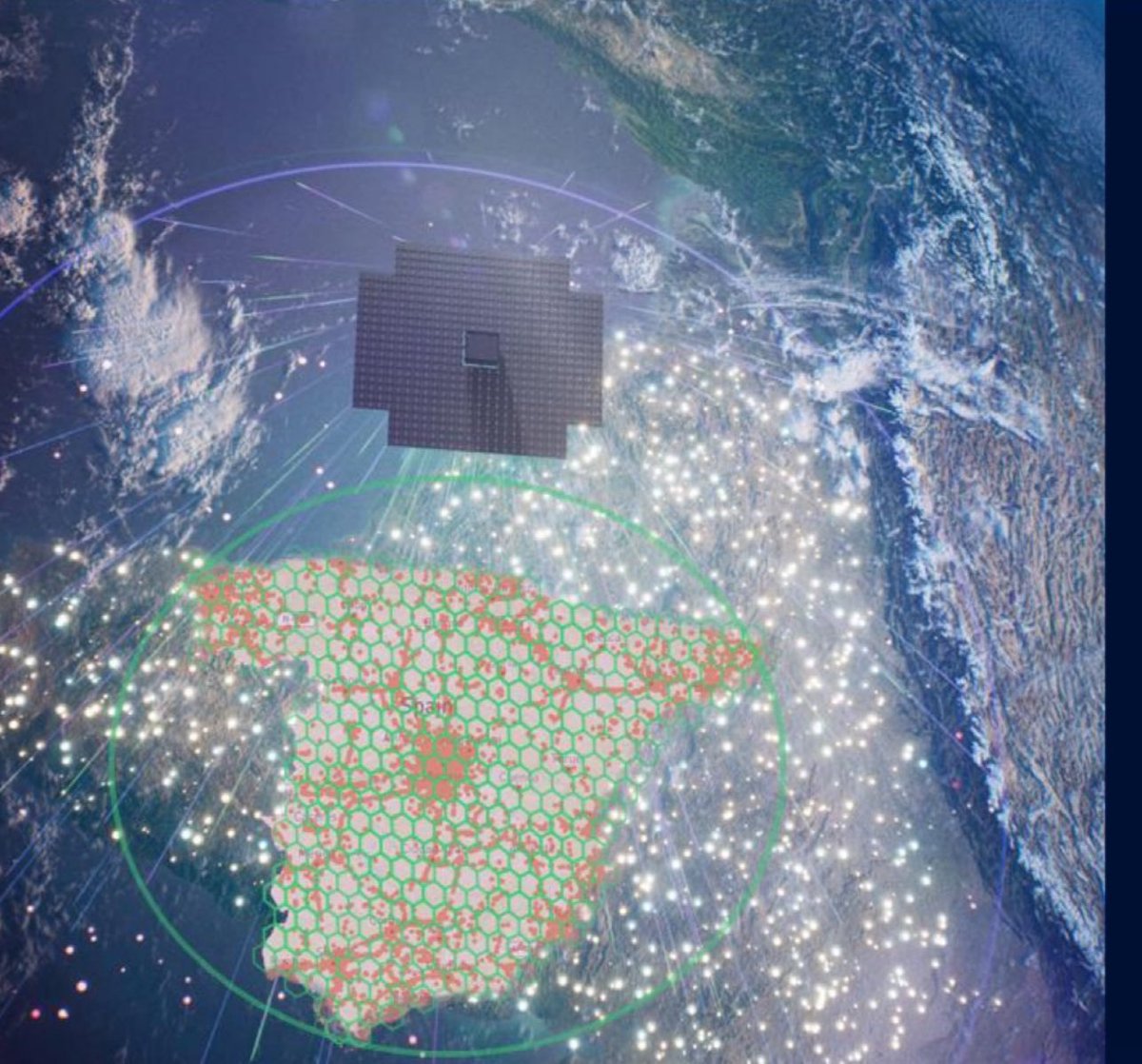
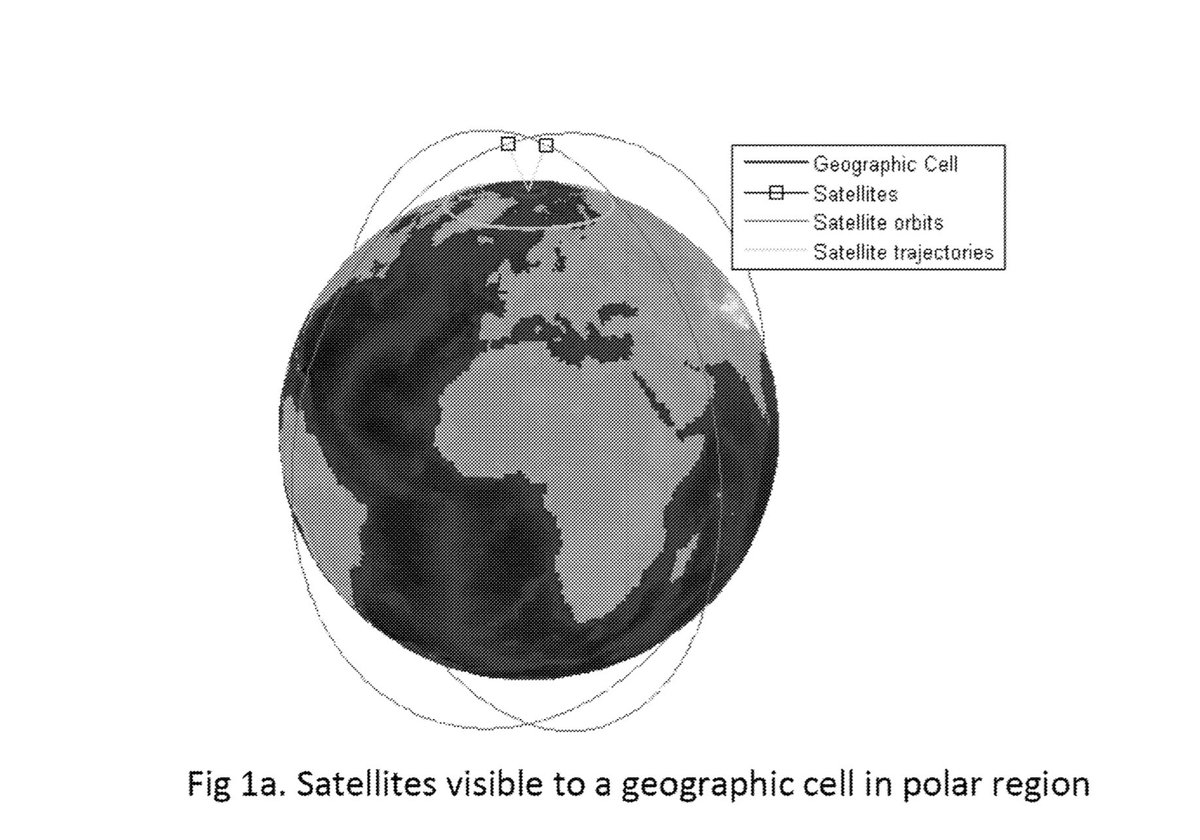
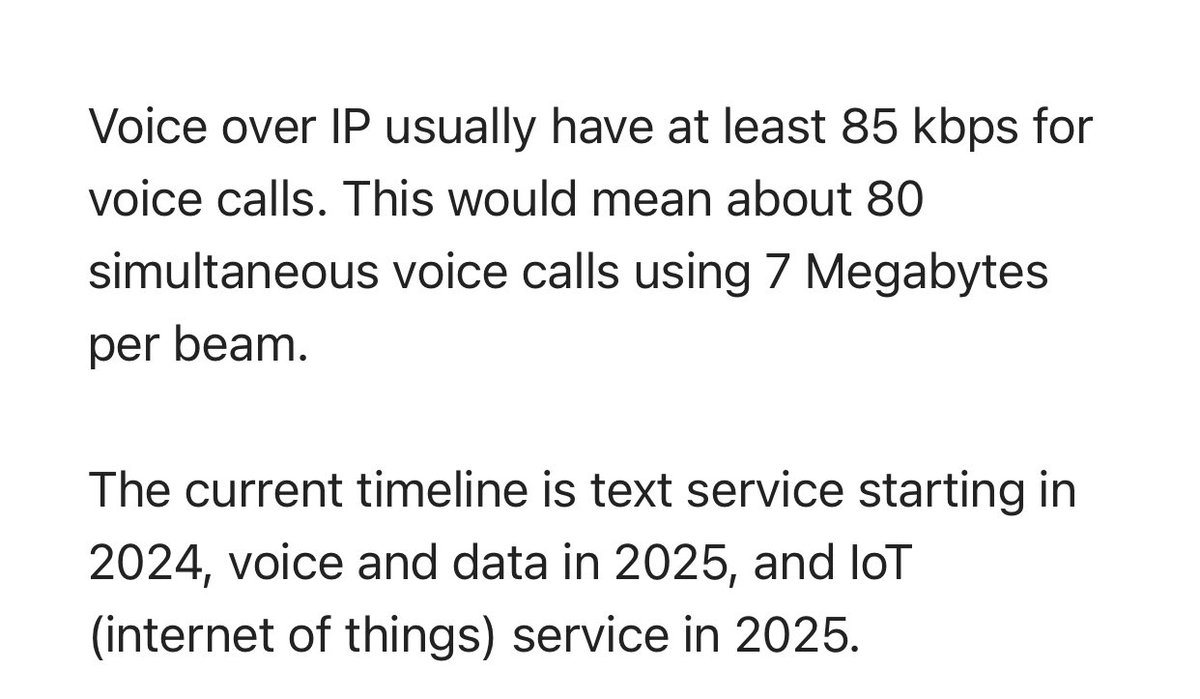
Starlink v2 mini. Some performance measures. ”7Mb” (7mbps DL?) per cell
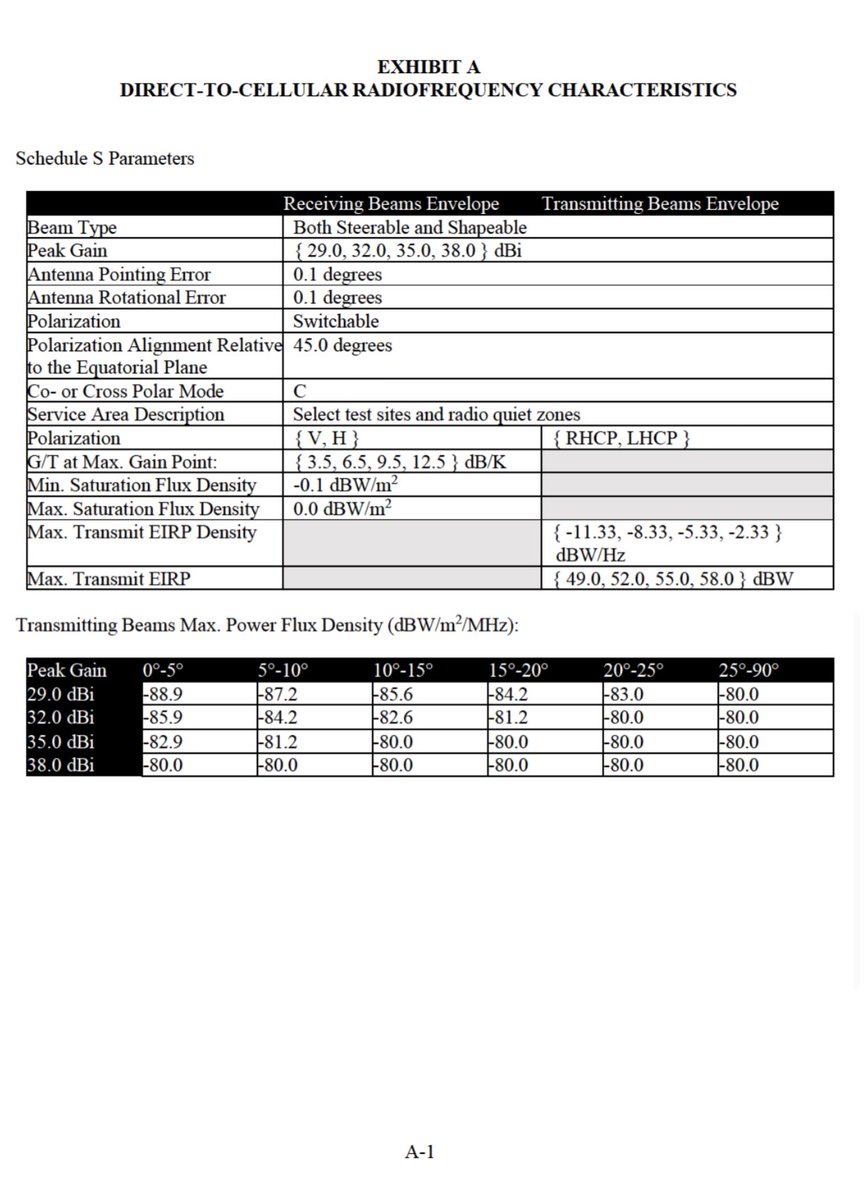
We can also compare gain levels:
Starlink v2mini 29–38dBi
BlueBird block2 40-47 dBi

We can also compare gain levels:
Starlink v2mini 29–38dBi
BlueBird block2 40-47 dBi
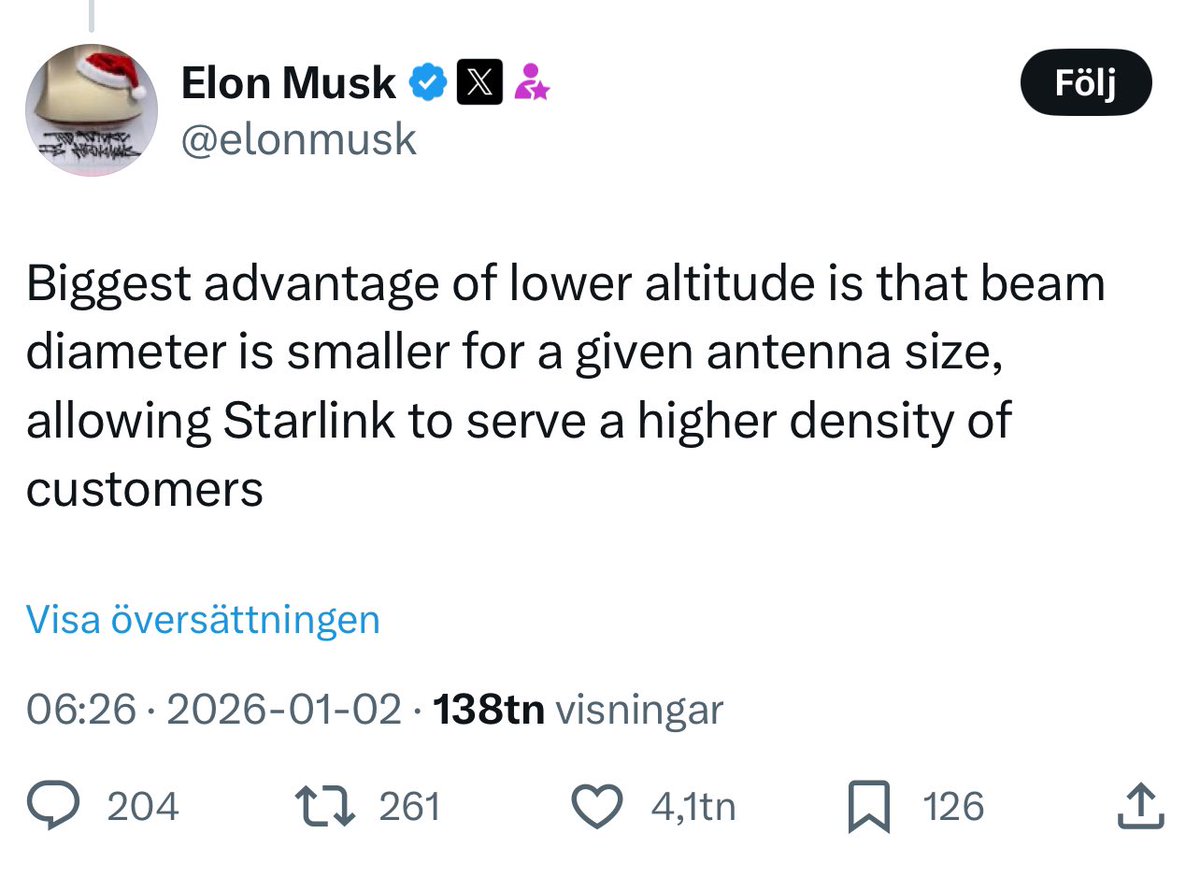
https://twitter.com/elonmusk/status/1742396904619581642
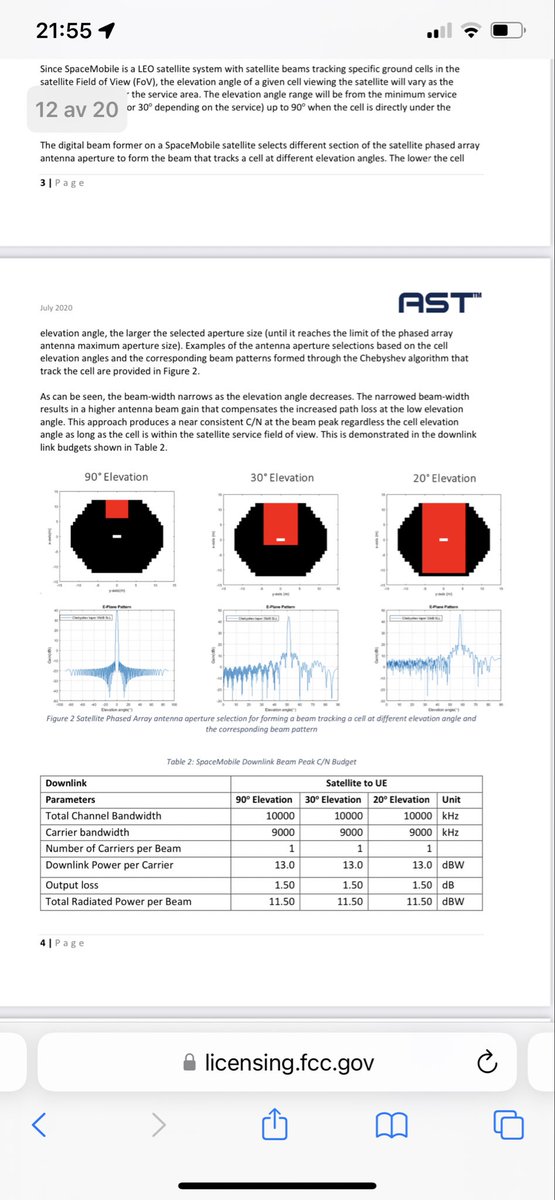
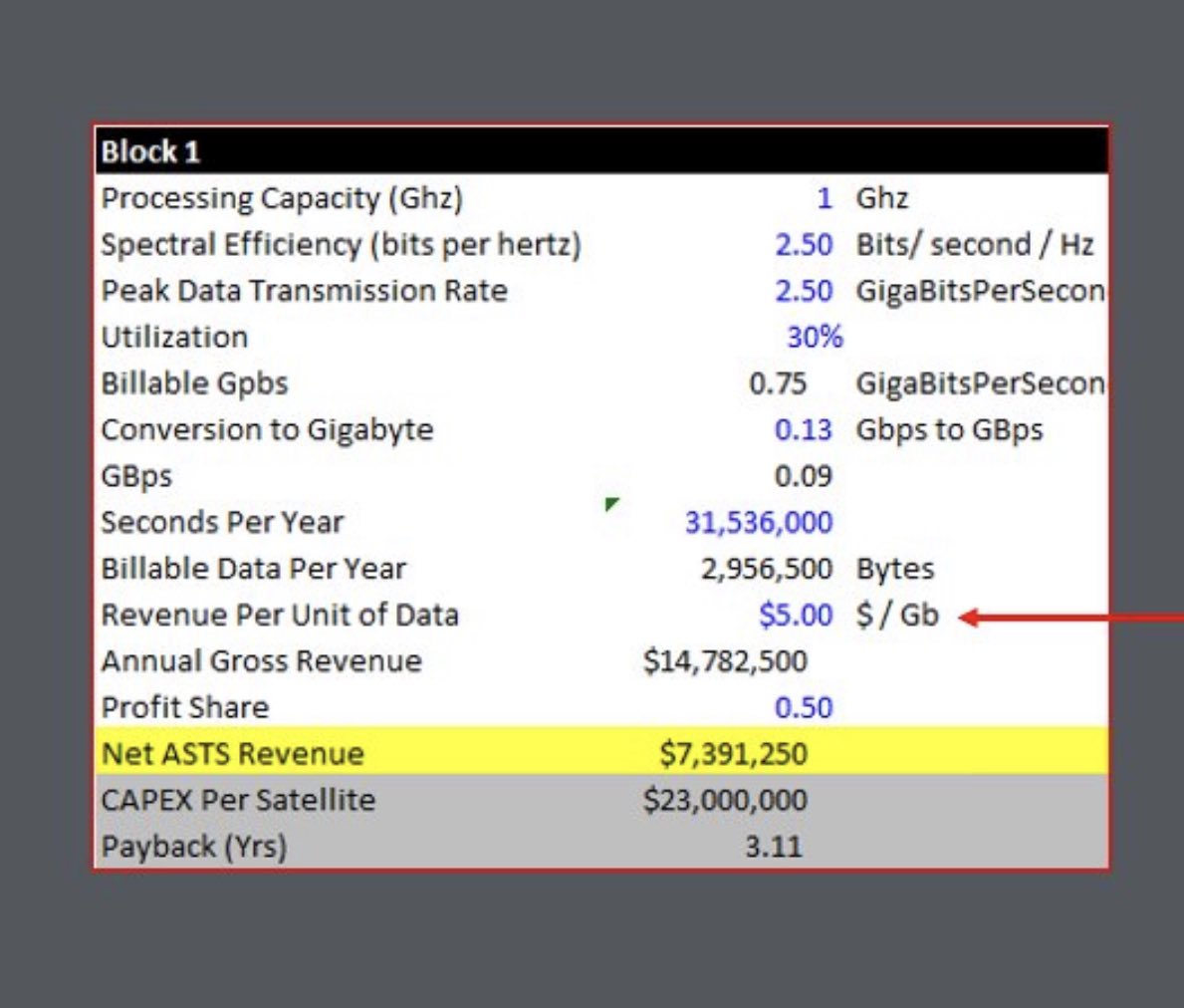
Unit economics of AST satellites.
Throughput per beam is in ASTs case (as in Elons) bandwidth dependent.
Just that AST gets much more of each MHz fronthaul due to much higher Area Spectral Efficiency. (Smaller cells and higher modulation).
Throughput per beam is in ASTs case (as in Elons) bandwidth dependent.
Just that AST gets much more of each MHz fronthaul due to much higher Area Spectral Efficiency. (Smaller cells and higher modulation).
https://x.com/thekookreport/status/1735199083625889806?s=46&t=IAdas7XGtpsHUboQt8WQJA
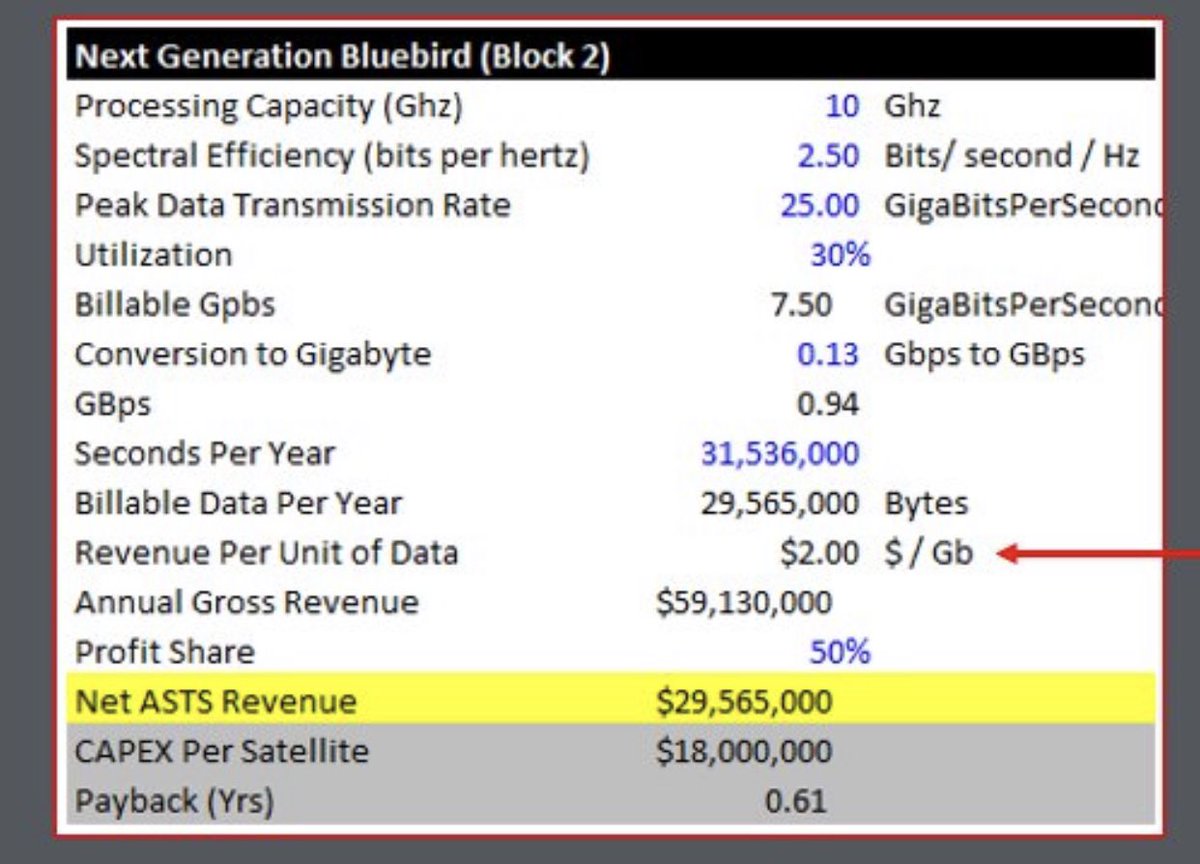
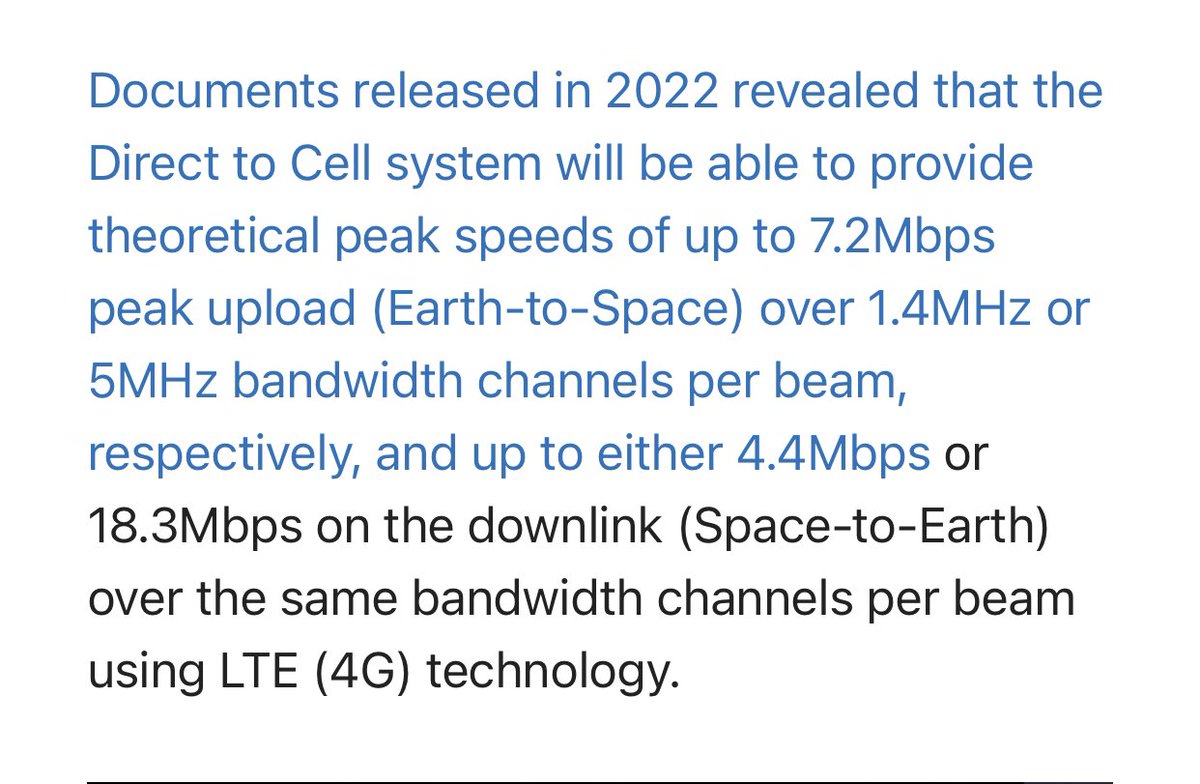
Note that Mb is Mbps in Elons tweet.
Per beam.
That is an SE of 7.2/5= 1.44 bits/Herz
AST SE is 2.8 last test. (14/5)
AST has 2800 beams on a BB2
Starlink has 48 beams.
Basically AST SE is twice that of starlink so they compare like 5600-48
~100x diff in throughput per sat.
Per beam.
That is an SE of 7.2/5= 1.44 bits/Herz
AST SE is 2.8 last test. (14/5)
AST has 2800 beams on a BB2
Starlink has 48 beams.
Basically AST SE is twice that of starlink so they compare like 5600-48
~100x diff in throughput per sat.
That is fronthaul comparison of v2mini v/s block2s.Comparing backhaul Starlink is not likely to be backhaul constrained.
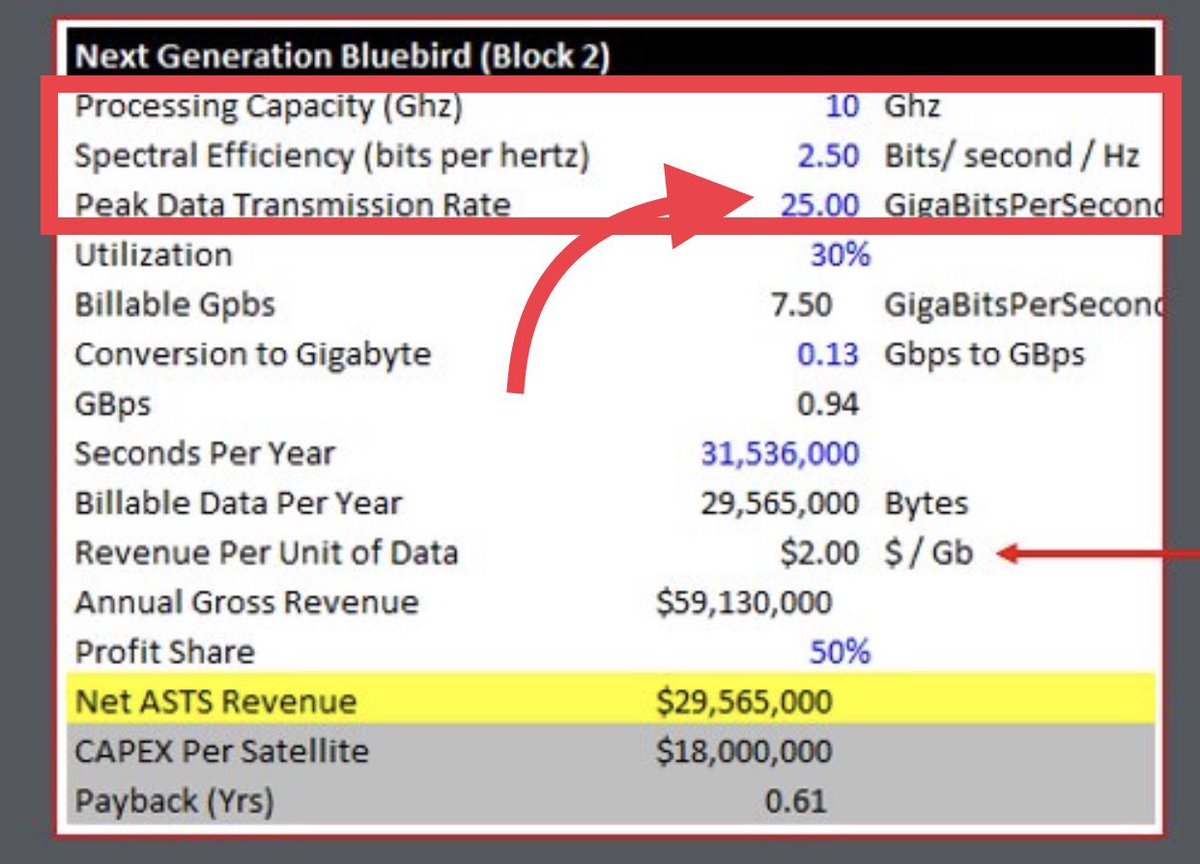
AST BB2 is ~25 Giga bits per sec backhaul bottleneck.
Compare that to Starlinks fronthaul bottleneck of 48 beams x 7 Mega bits per second.
25,000-336 ➡️75 x
AST BB2 is ~25 Giga bits per sec backhaul bottleneck.
Compare that to Starlinks fronthaul bottleneck of 48 beams x 7 Mega bits per second.
25,000-336 ➡️75 x
As could be learned from the dec 18 interview of Stephen Gibson:
AST is launching BlueueBirds bl2 on a Falcon Heavy. Either late Q3 or Q4.
We’re gonna say Q1 2025 [bc timelines regularly slips 😣].
Implies a lot of Block2s going up ~a year from now.
75x more capable than v2m.
AST is launching BlueueBirds bl2 on a Falcon Heavy. Either late Q3 or Q4.
We’re gonna say Q1 2025 [bc timelines regularly slips 😣].
Implies a lot of Block2s going up ~a year from now.
75x more capable than v2m.
But then it is not just about the throughput per satellite.
It is about the quality of service perceived of a user.
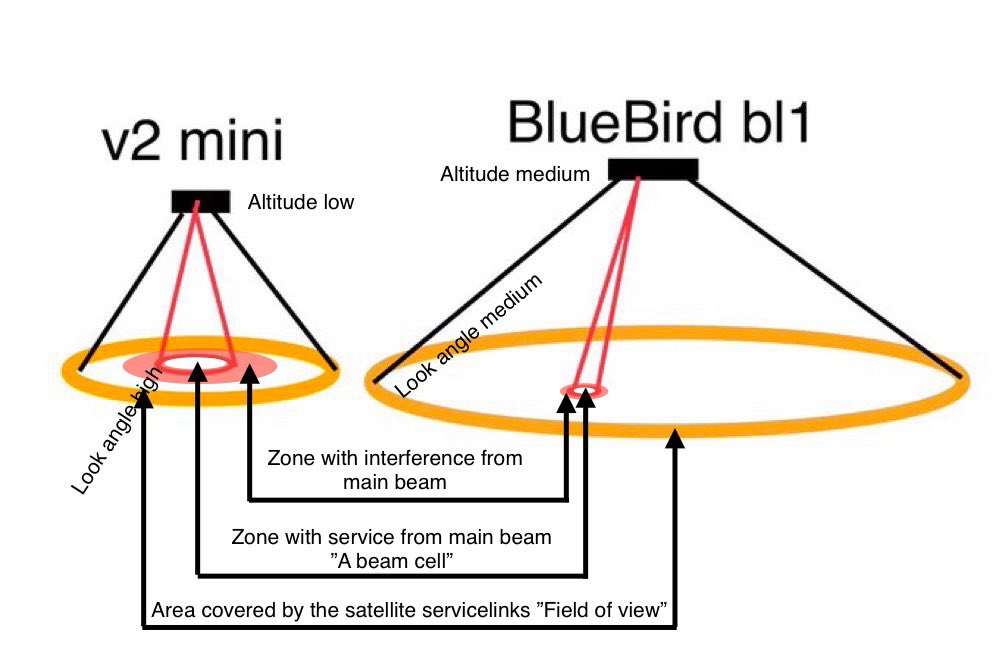
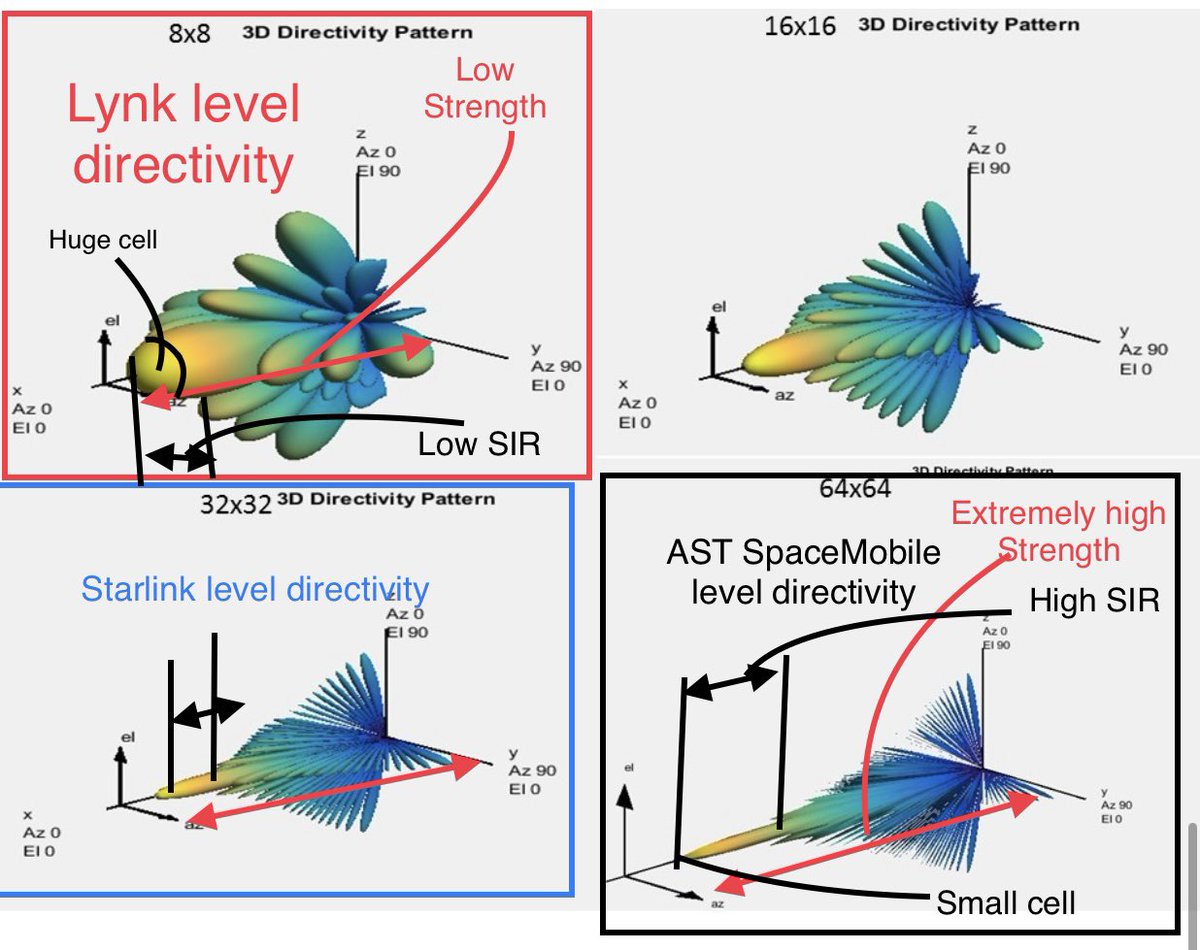
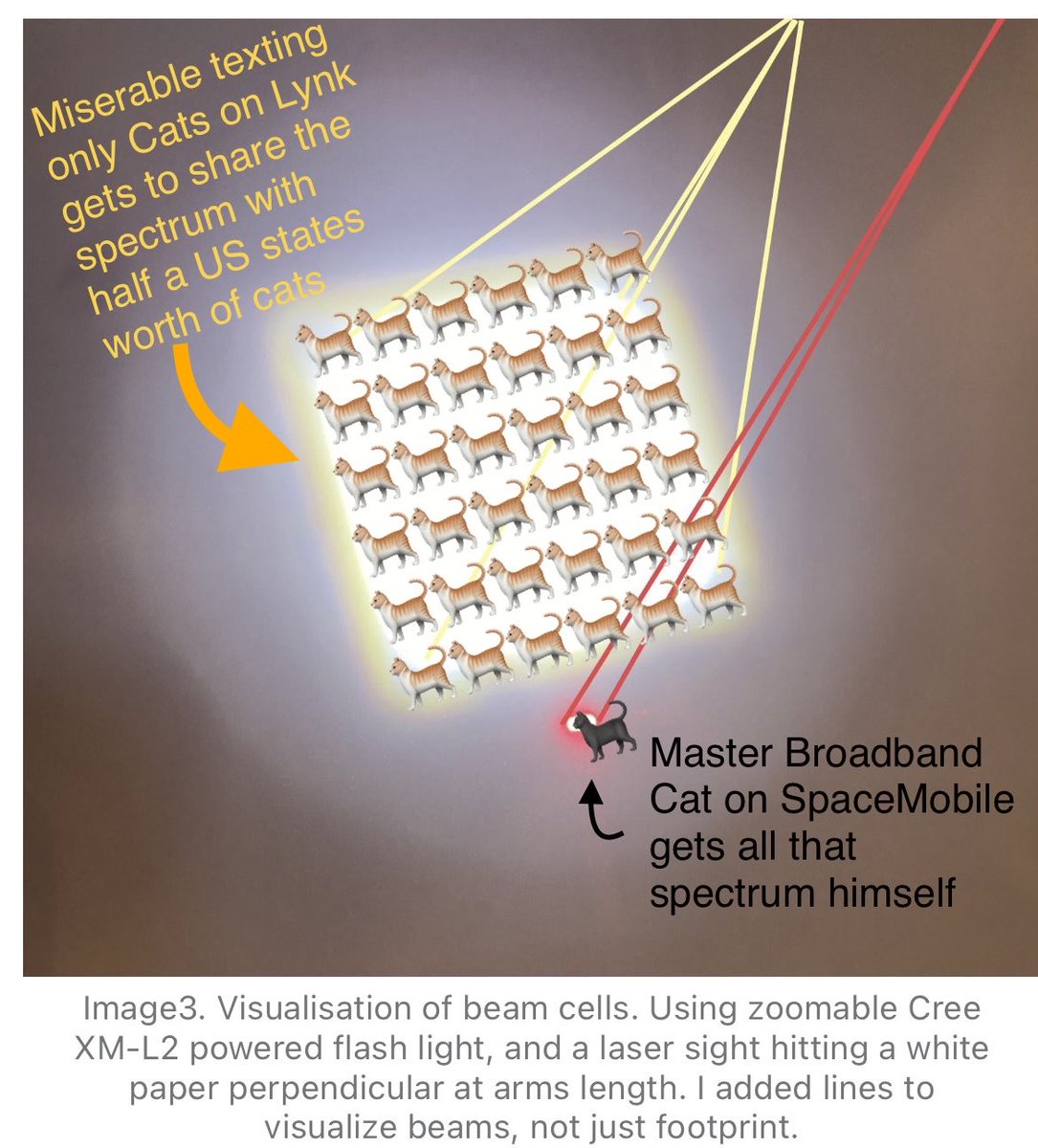
v2mini will have ”very wide cells”
Lynk is 19 beams 100-200 km wide cells.
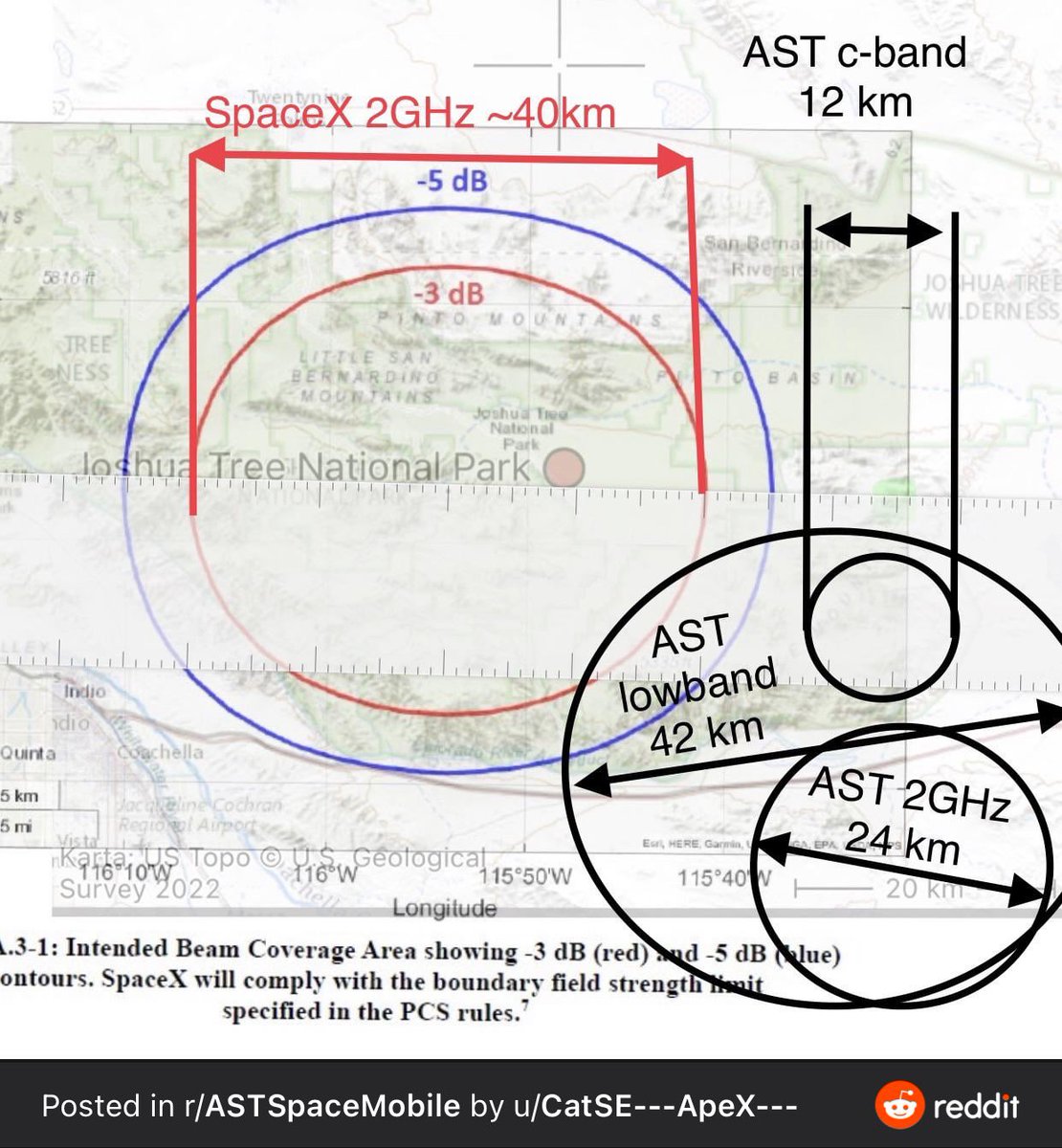
Starlink will eventually narrow to 40km, but v2ms 48 cells are likely ~80 km wide.
It is about the quality of service perceived of a user.
v2mini will have ”very wide cells”
Lynk is 19 beams 100-200 km wide cells.
Starlink will eventually narrow to 40km, but v2ms 48 cells are likely ~80 km wide.
D2C systems employ spectrum reuse.
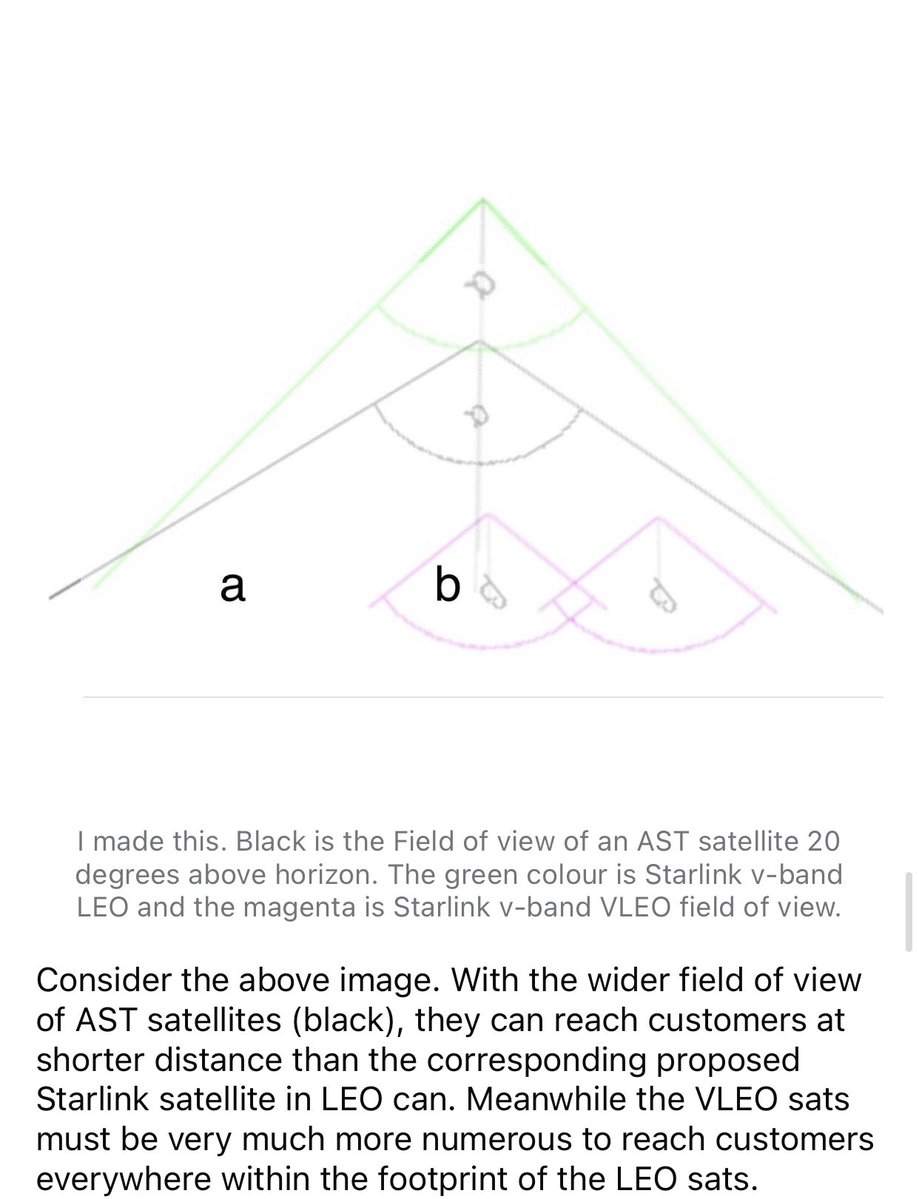
Basically the higher the directivity - the more narrow the cell - the more times can you reuse the spectrum.
All users of big cells gets to share the same spectrum bandwidth as less users share in a systen with small cells.
Basically the higher the directivity - the more narrow the cell - the more times can you reuse the spectrum.
All users of big cells gets to share the same spectrum bandwidth as less users share in a systen with small cells.
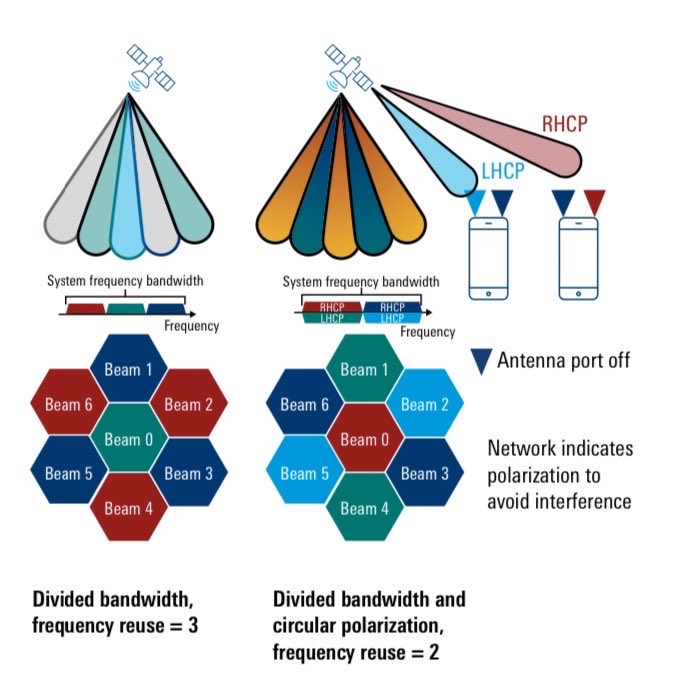
Comparing apples to apples.
2GHz / s-band cells to s-band cells then an 80km wide Starlink cell compares to an 24km wide AST s-band cell not like the duameter (4-1.)
The difference in area efficiency is 10-1.
Then there was spectral efficiency
2-1.
It combines to area SE
20-1
2GHz / s-band cells to s-band cells then an 80km wide Starlink cell compares to an 24km wide AST s-band cell not like the duameter (4-1.)
The difference in area efficiency is 10-1.
Then there was spectral efficiency
2-1.
It combines to area SE
20-1
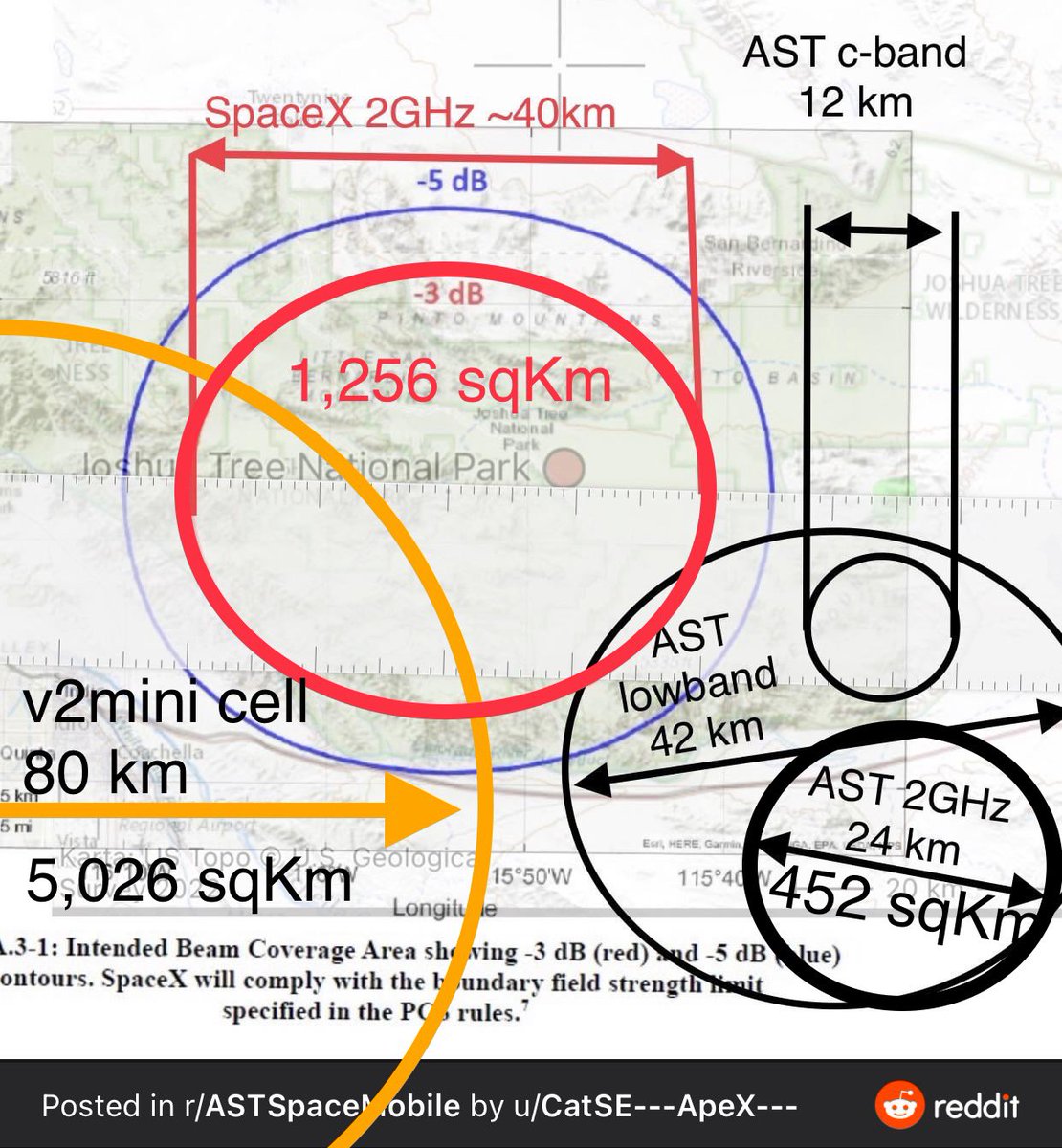
What that means is 10x as many users will be in a Starlink v2mini cell sharing half the modulation (compression rate). Compared to an AST BlueBird S-band cell.
It means user in a Starlink cell typically gets 1/20 the throughput of an AST user.
A diff of 20x
This is not per sat.
It means user in a Starlink cell typically gets 1/20 the throughput of an AST user.
A diff of 20x
This is not per sat.
This is per user, meaning that the ~75x more inefficient v2 minis by launching 10x more sats will NOT be just 7.5x more inefficent.
They will still be 20x more inefficent from the user perspective.
So volume to space can’t compensate for the entire 75x efficiency diff.
They will still be 20x more inefficent from the user perspective.
So volume to space can’t compensate for the entire 75x efficiency diff.
To get competitive Starlink will need to work hard _really hard_ on improving their area spectral efficiency.
The spectrum and the agreements with MNOs will search out and find the system with highest area spectral efficency.
As of now that is AST with a factor 20x
Size matters
The spectrum and the agreements with MNOs will search out and find the system with highest area spectral efficency.
As of now that is AST with a factor 20x
Size matters
There is one more important aspect to this.
Very little spectrum is MSS like Lynk and initially Starlink aims to use.
AST has a different approach and aims to use terrestrial (tower) spectrum.
There is much more of that.
Also more regulatory issues.
-But it scales to demand!
Very little spectrum is MSS like Lynk and initially Starlink aims to use.
AST has a different approach and aims to use terrestrial (tower) spectrum.
There is much more of that.
Also more regulatory issues.
-But it scales to demand!

Signal strength is ~ 10x
https://twitter.com/CatSE___ApeX___/status/1742662092484706713
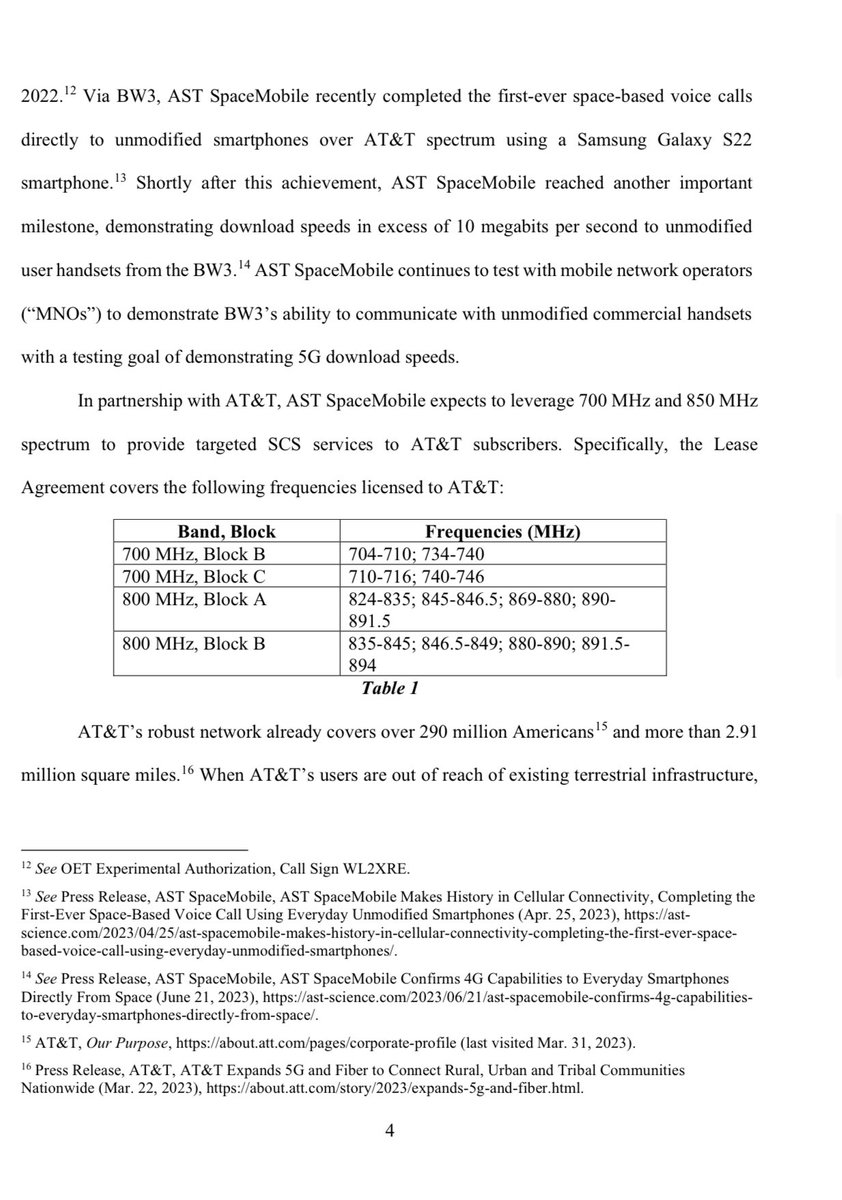
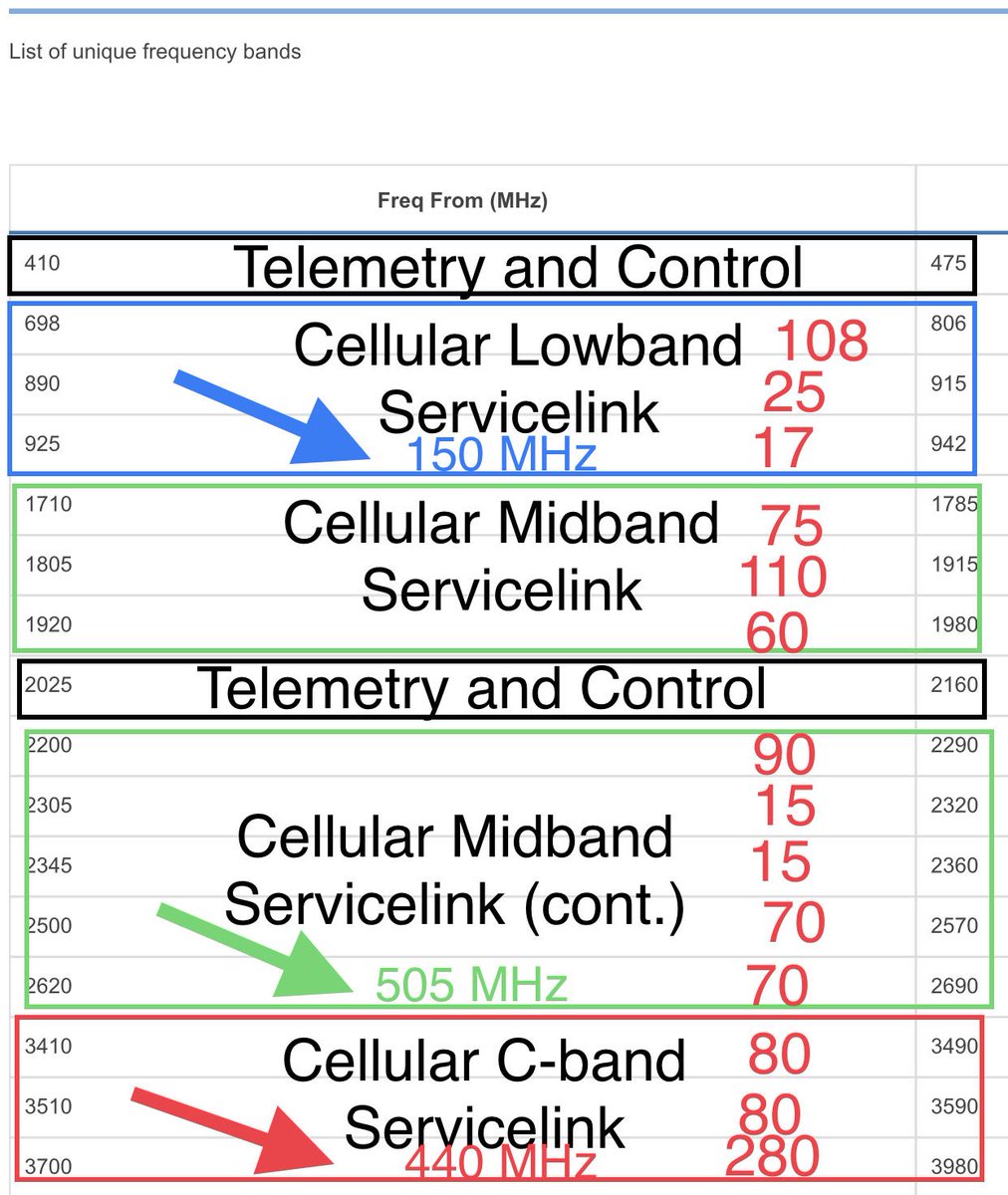
AST ITU filing MICRONSAT-2 tells us about the bandwidth on fronthaul / servicelinks that AST targets globally and eventually:
1,095 MHz
Initially AST targets Lowband in the USA leased from AT&T and FirstNet.
AST is testing now on 21MHZ up + 21 MHz down: ~42MHz total initially.
1,095 MHz
Initially AST targets Lowband in the USA leased from AT&T and FirstNet.
AST is testing now on 21MHZ up + 21 MHz down: ~42MHz total initially.
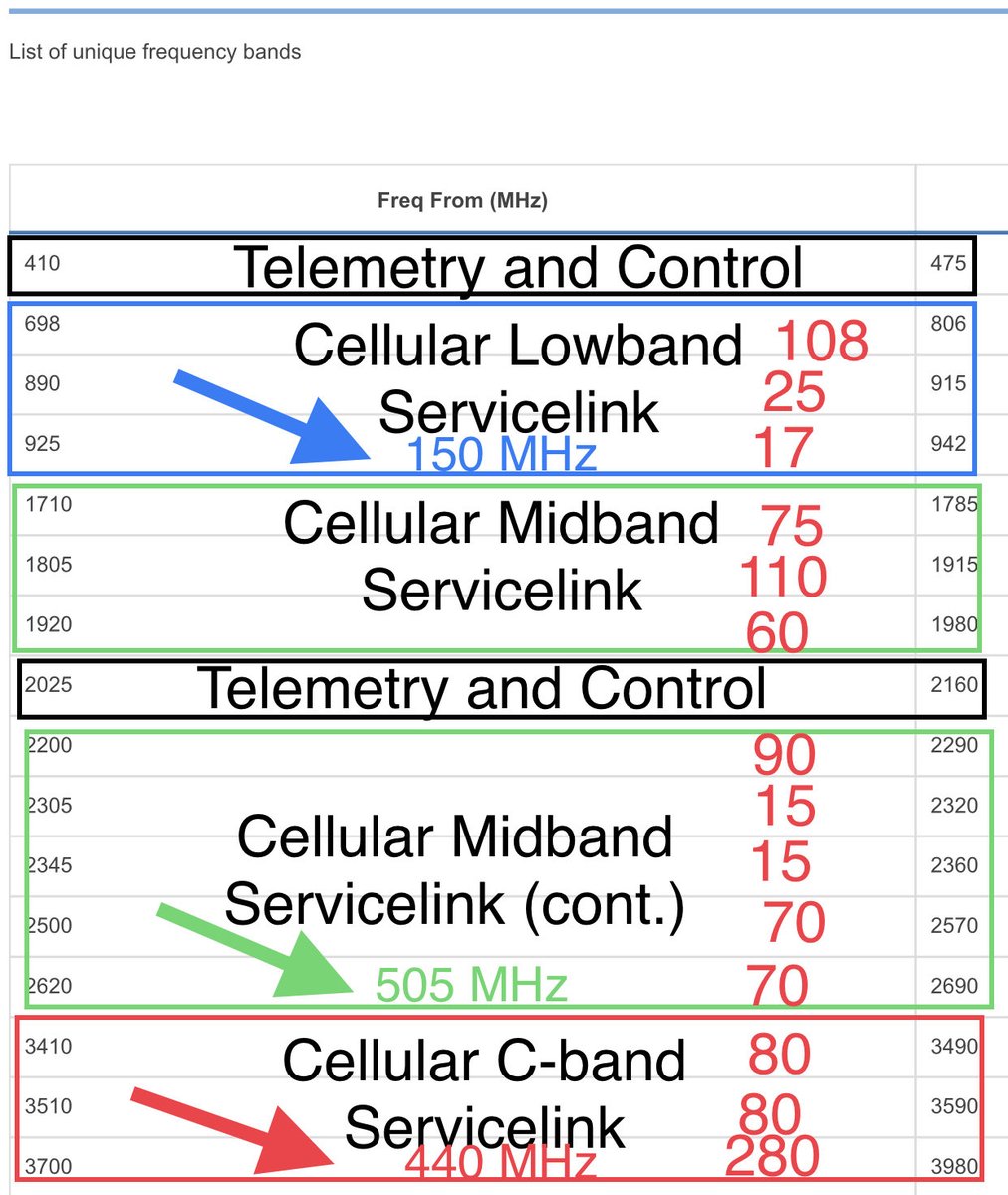
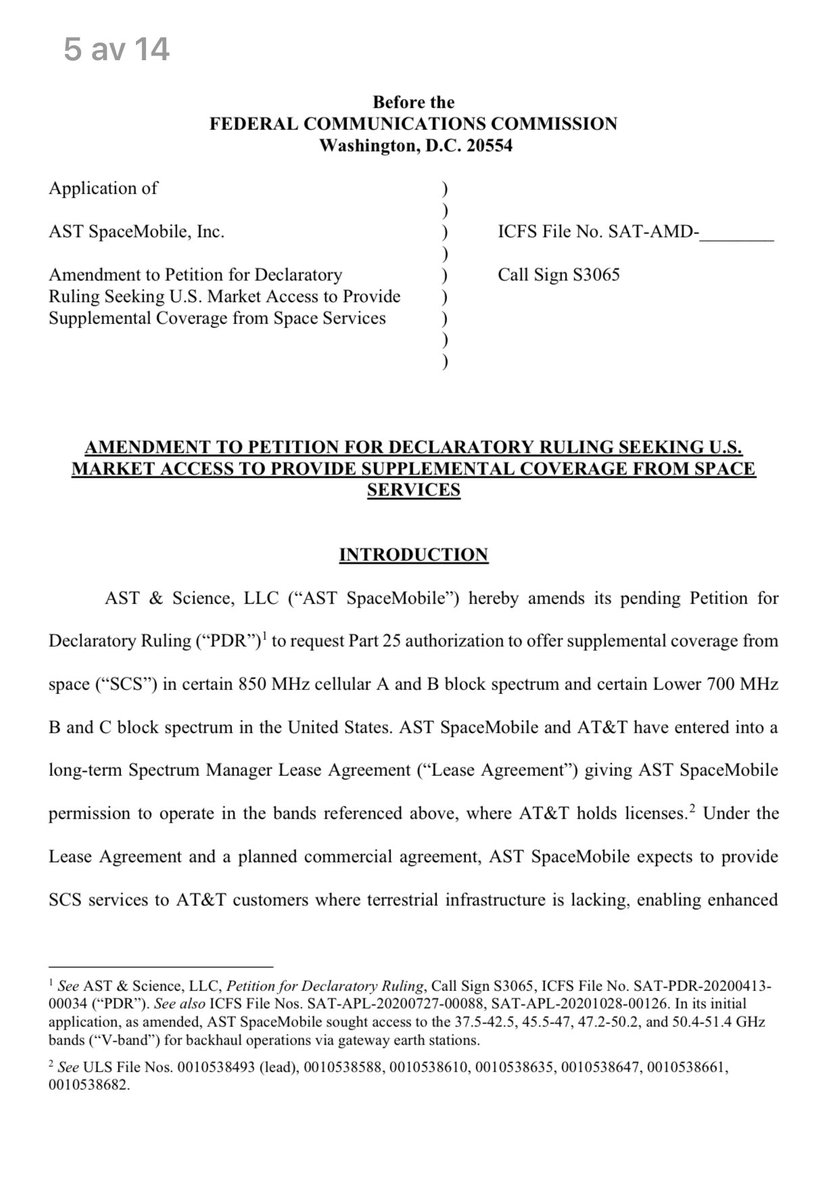
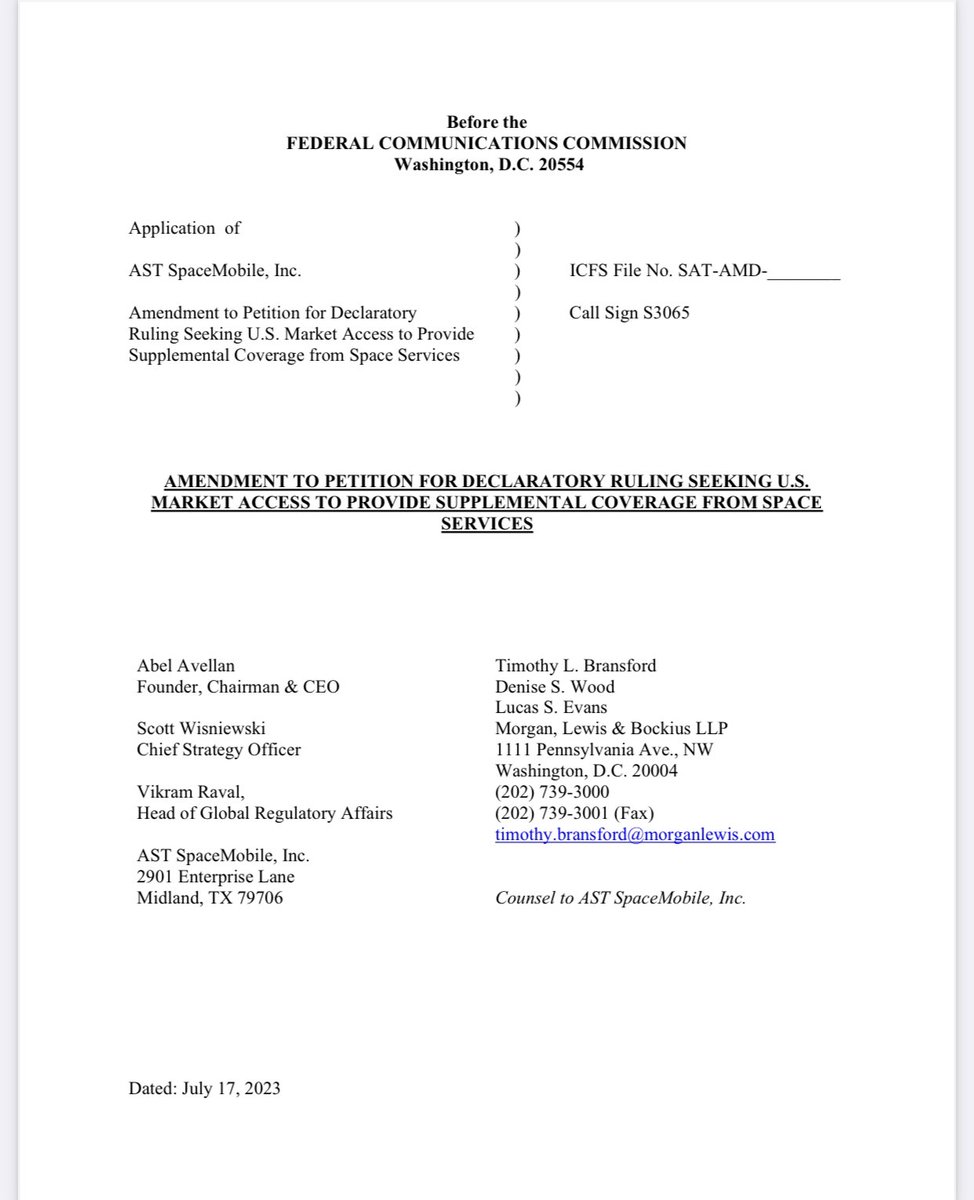
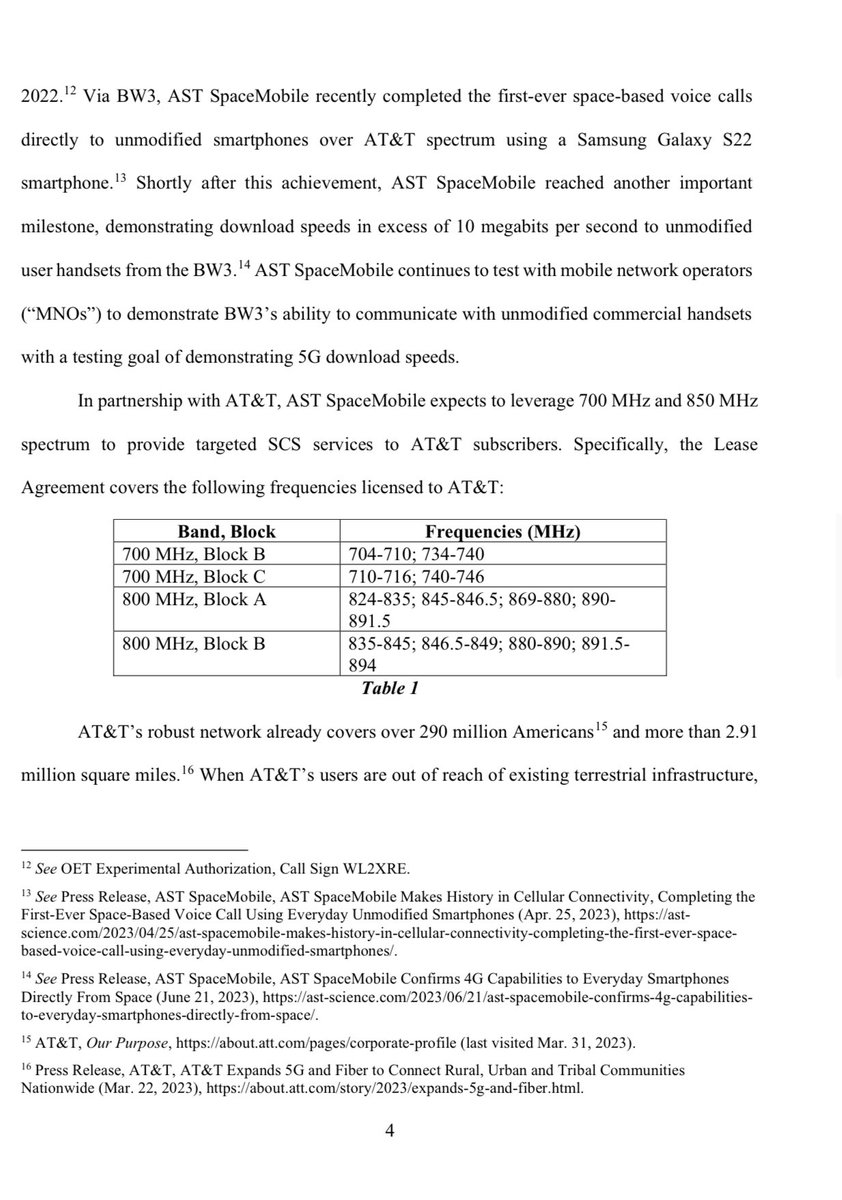
The amendment to AST application for US market access shows the lowband spectrum they target in the USA with the initial Bluebirds (block 1 & 2)
6+6 blB 700
6+6 blC 700
12.5+12.5 blA 800
12.5+12.5 blC 800
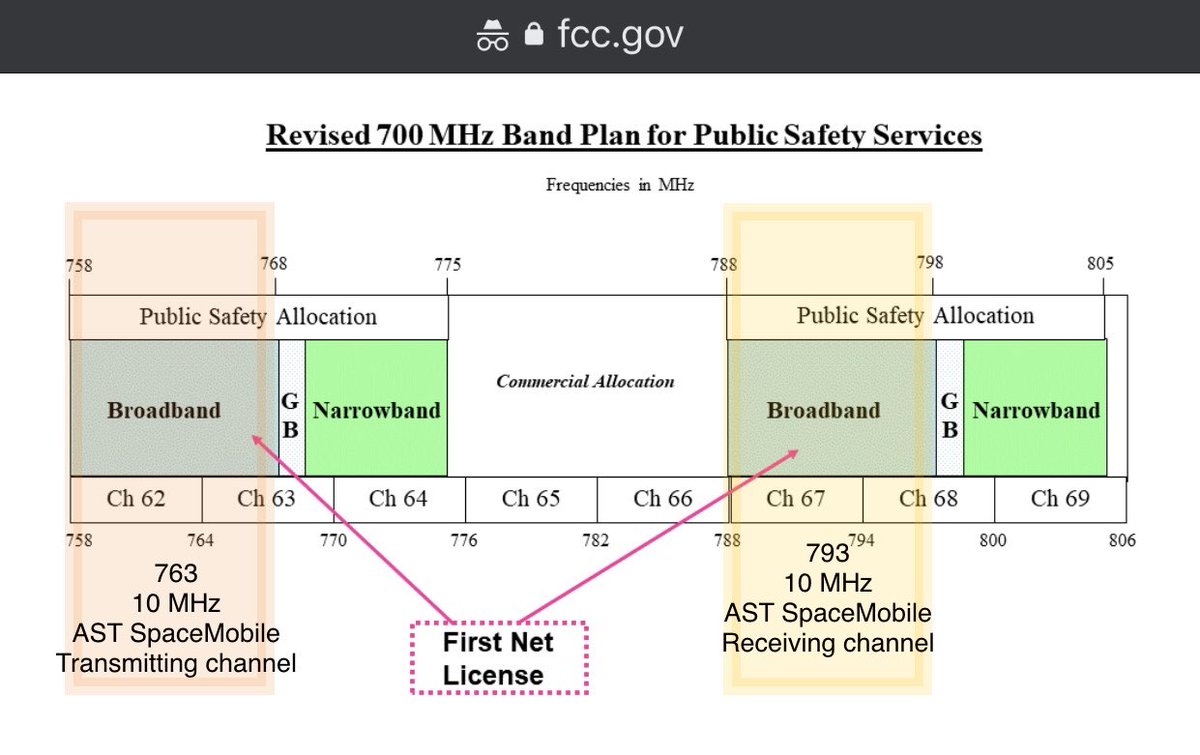
Add FirstNet 11+11 700
I get 48+48 MHz lowband.
$ASTS #5G
6+6 blB 700
6+6 blC 700
12.5+12.5 blA 800
12.5+12.5 blC 800
Add FirstNet 11+11 700
I get 48+48 MHz lowband.
$ASTS #5G
Thank You for the answer.
I agree that phones, carriers and the standard co-evolves in mutualistic system.
My takeaway is that the current 3GPP standard allows CA (and MIMO) in sub1GHz
and as carrier and network provides that the companies producing phones will also support it.
I agree that phones, carriers and the standard co-evolves in mutualistic system.
My takeaway is that the current 3GPP standard allows CA (and MIMO) in sub1GHz
and as carrier and network provides that the companies producing phones will also support it.
Then there is inter-band CA and MIMO from several satellites simultaneously lighting up a cell.
ASTS transparent architecture will come in handy with the terrestrial Air Scale gNb as AST lights up phones with both S-band and Lowband and eventually also C-band over several sats.
ASTS transparent architecture will come in handy with the terrestrial Air Scale gNb as AST lights up phones with both S-band and Lowband and eventually also C-band over several sats.
As you mentioned holes in AT&T lowband non-contigous spectrum.
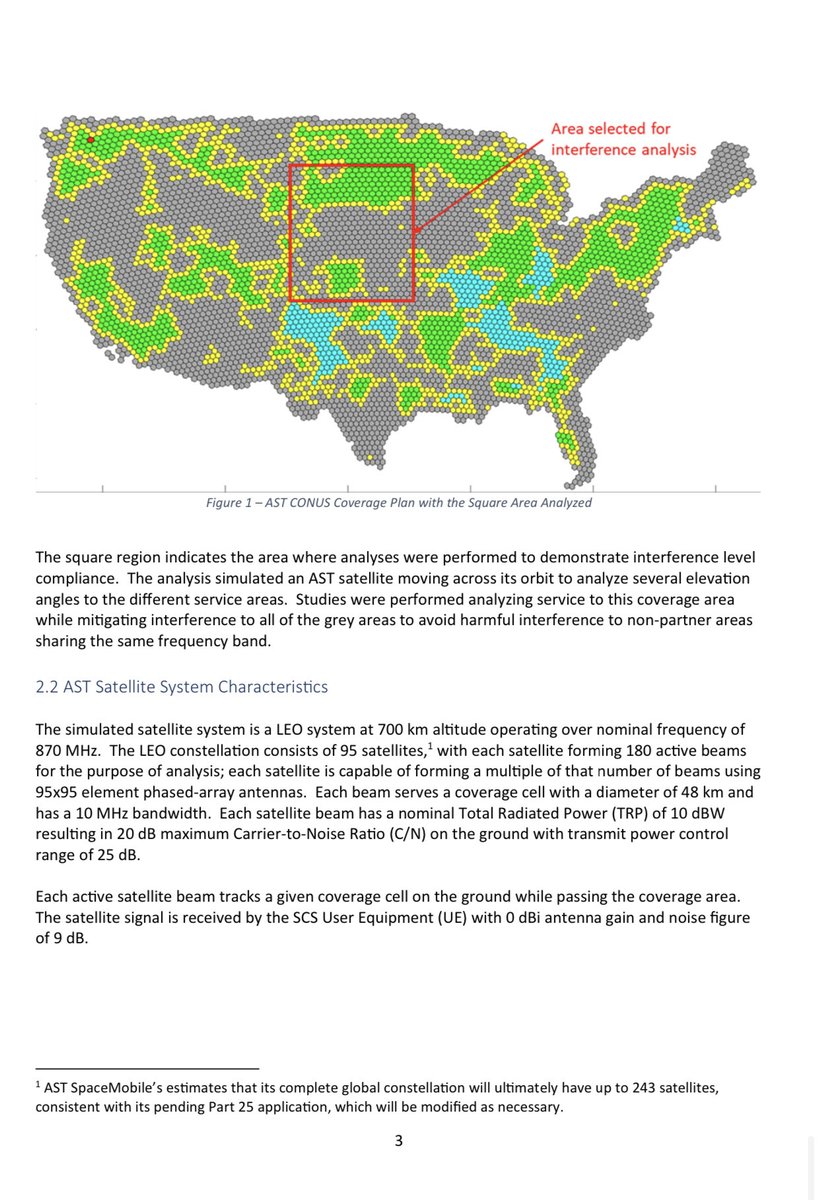
Thank You. Good point. And I am aware. Posted this map on the subject several times.
It shows the coverage of bands for which AT&T applied to lease the spectrum to AST.
The other map areas targeted for initial SCS.
Thank You. Good point. And I am aware. Posted this map on the subject several times.
It shows the coverage of bands for which AT&T applied to lease the spectrum to AST.
The other map areas targeted for initial SCS.
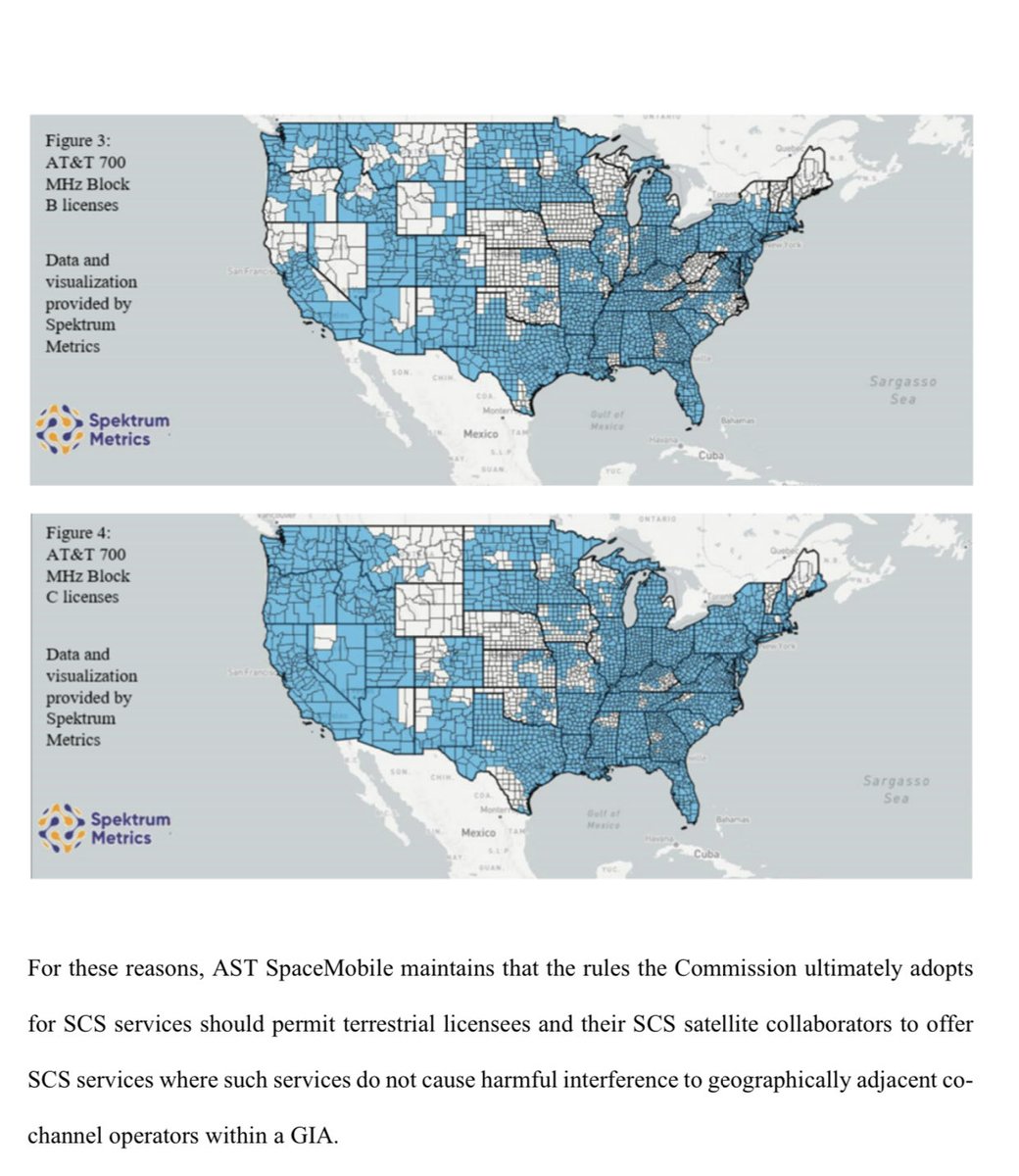
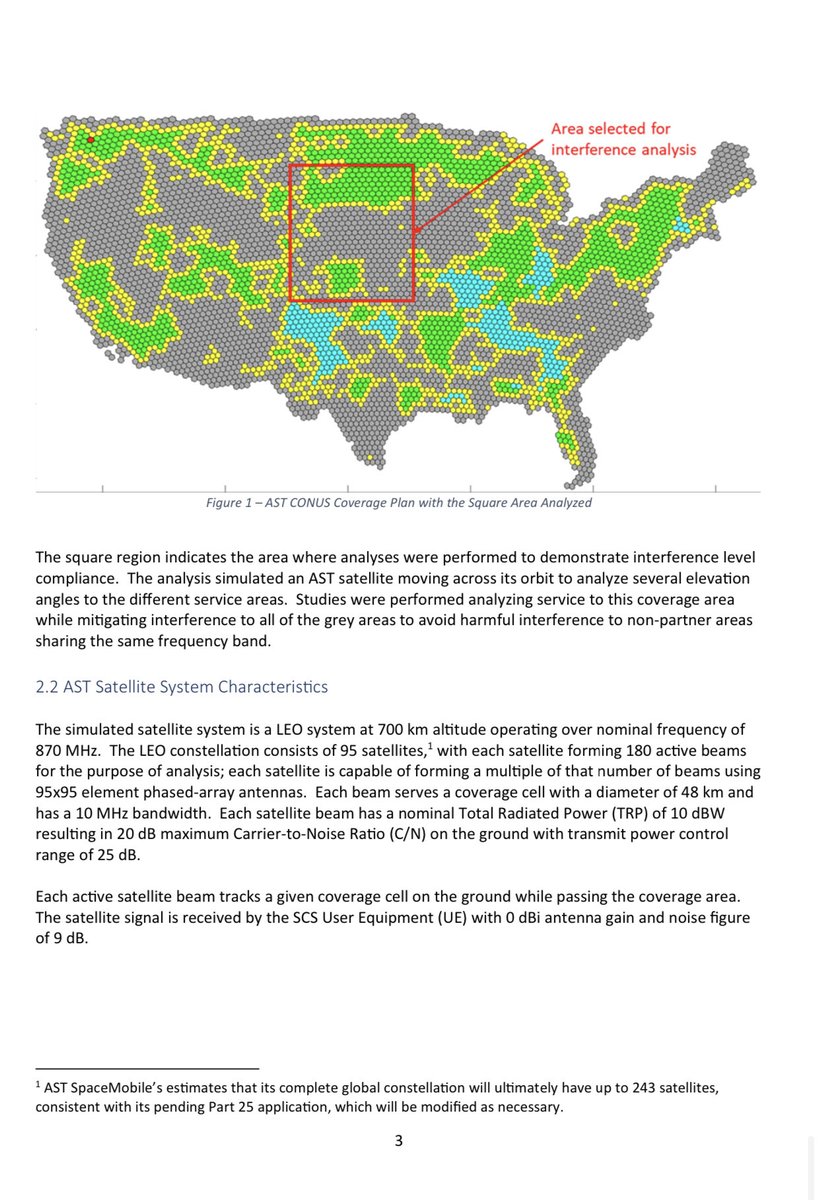
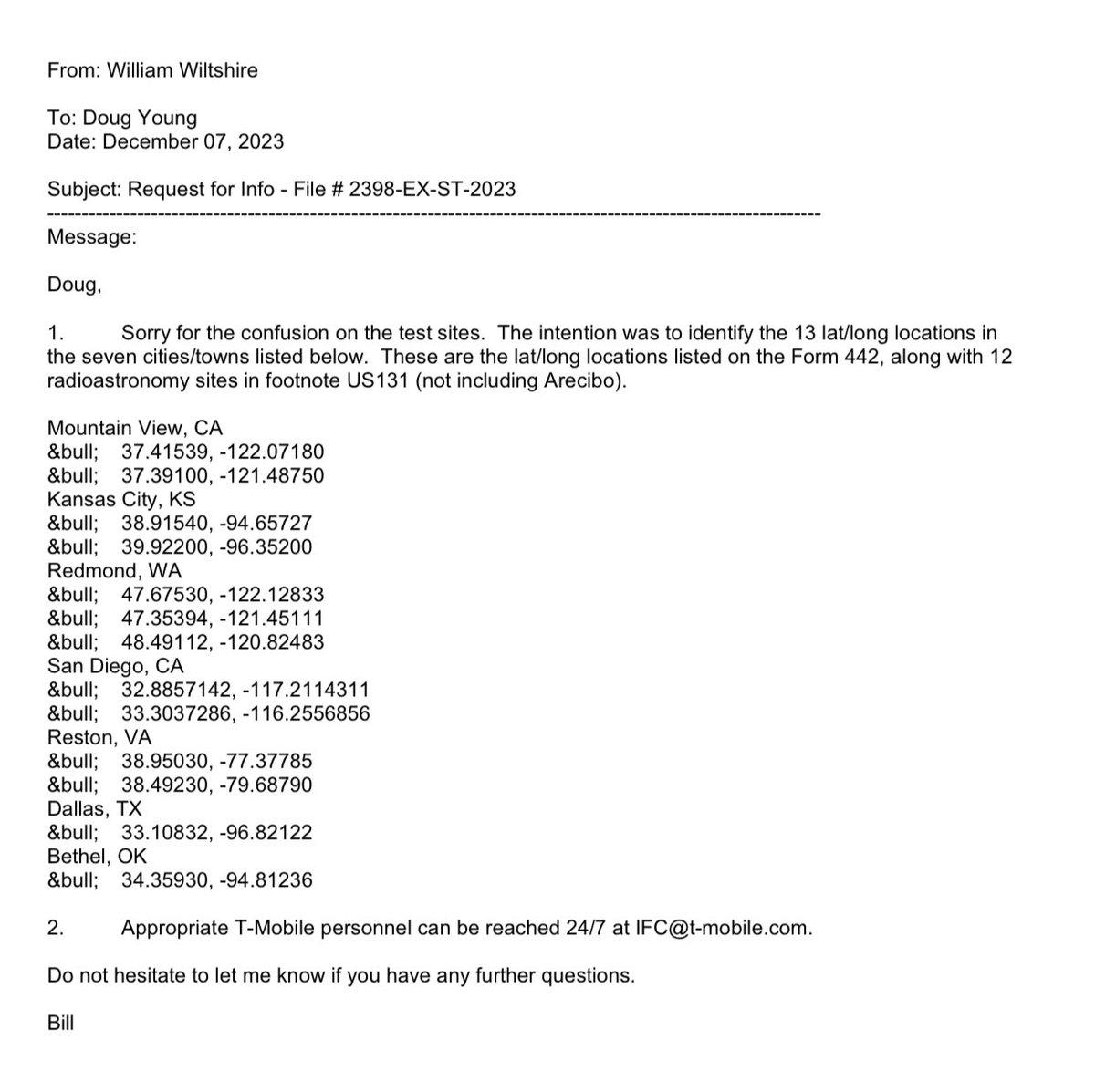
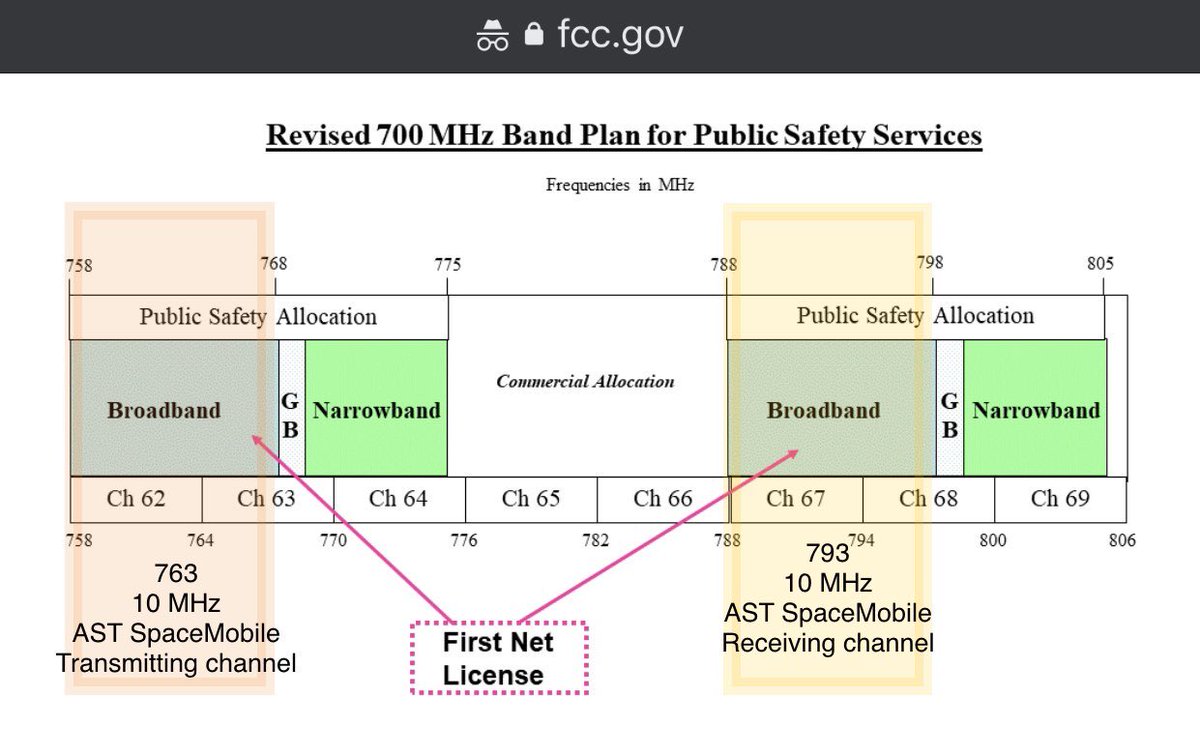
It is interesting to compare AST&AT&T application for commercial access with the testing license Space-X has.
Space-X is using 5+5 MHz (10 total) at Spectral Efficiency 1.44 for a 14.4 mbps total bandwidth. Split that on a cluster size 3 NW and You get 4.8 mbps avg per cell.
Space-X is using 5+5 MHz (10 total) at Spectral Efficiency 1.44 for a 14.4 mbps total bandwidth. Split that on a cluster size 3 NW and You get 4.8 mbps avg per cell.
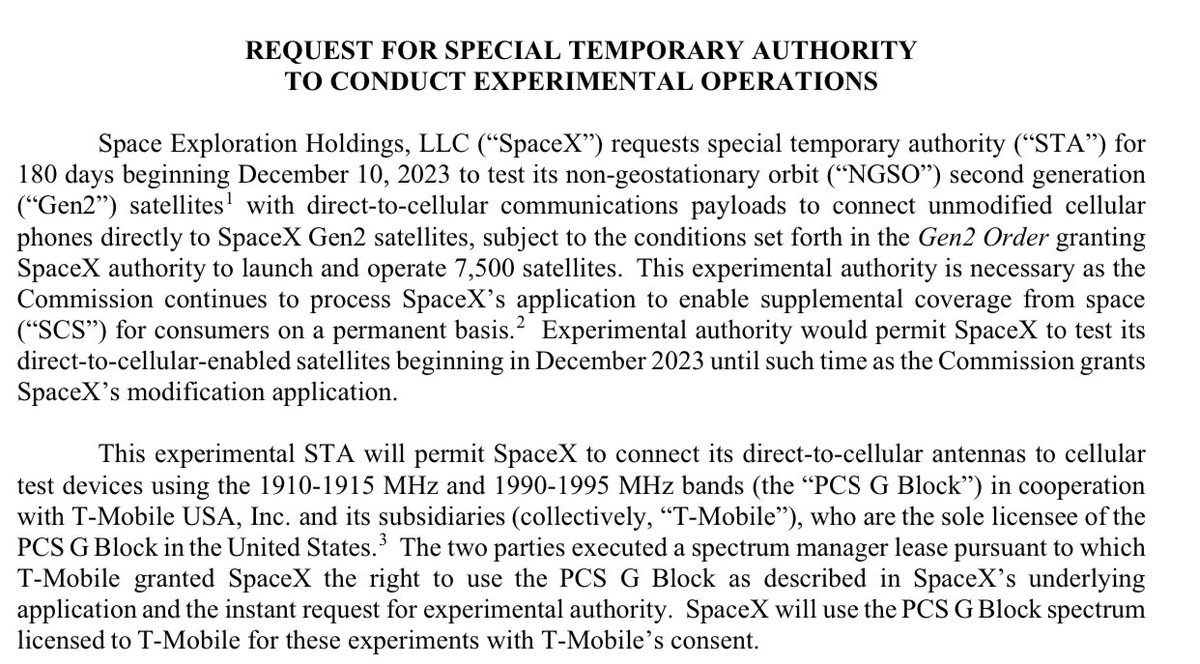
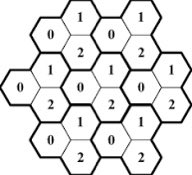
Space-X will only be testing at a set of locations, not lighting up a hex cell contigous network. So they’ll be able to max that single beam. With 5+5 MHz at SE 1.44. And that is how they get 7 mbps Download.
Using all their spectrum in one cell.
Using all their spectrum in one cell.
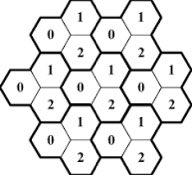
The AST commercial system has requested 48+48 MHz of spectrum. And as I stated before that would allow 2 out of 3 cells in a cluster size 3 network to use per beam max of 40 MHz in the USA at a stated SE of 3.0.
That is 120 mbps per 2 out of 3 cells.
Not just single test cells.
That is 120 mbps per 2 out of 3 cells.
Not just single test cells.
This tweet source of beam max.
It is twice what Space-X use for entire satellite.
At respective beam and SE max we get:
$ASTS: 120 mbps in 2 out of 3 cells.
(48 mbps in the third)
compared to
@SpaceX 7 mbps in single test cell.
or ~3 mbps in 2 out of 3.
It is twice what Space-X use for entire satellite.
At respective beam and SE max we get:
$ASTS: 120 mbps in 2 out of 3 cells.
(48 mbps in the third)
compared to
@SpaceX 7 mbps in single test cell.
or ~3 mbps in 2 out of 3.
https://twitter.com/AST_SpaceMobile/status/1743421561422430357
@SpaceX We see that it isn’t really per beam max that is limiting the throughput of a cell.
It is from an MNO perspective the total spectrum available. And the spectral efficiency.
And from a user perspective ability to do intra band Carrier Aggregation or if spectrum is continous.
It is from an MNO perspective the total spectrum available. And the spectral efficiency.
And from a user perspective ability to do intra band Carrier Aggregation or if spectrum is continous.
The showdown is going to be between systems that can use a wide spectrum and has high spectral efficiency.
And as inter-band CA is more proliferated in phones than intra-band CA the systems will benefit from operating in low-, mid and C-band.
Not just plan to operate one band.
And as inter-band CA is more proliferated in phones than intra-band CA the systems will benefit from operating in low-, mid and C-band.
Not just plan to operate one band.
We can summarize a list of bottleneck traits:
Space-X ____$ASTS___winner is
-Widest fronthaul initially?
5+5____48+48_____$ASTS
-Highest SE?
3____1.44____$ASTS
-Smallest initial cells?
~1250sqkm__~5000sqkm__$ASTS
-Multiband?
Low, S&C____S___$ASTS
-MIMO
Yes__No__$ASTS
Space-X ____$ASTS___winner is
-Widest fronthaul initially?
5+5____48+48_____$ASTS
-Highest SE?
3____1.44____$ASTS
-Smallest initial cells?
~1250sqkm__~5000sqkm__$ASTS
-Multiband?
Low, S&C____S___$ASTS
-MIMO
Yes__No__$ASTS
• • •
Missing some Tweet in this thread? You can try to
force a refresh