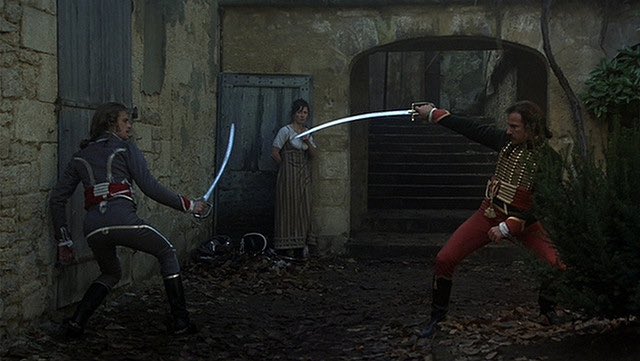
Naval warfare is in many ways a completely separate beast from land warfare; many times tactics fail in favor of technics, etc.
Mahan, Hale, and others should be mandatory reading for an understanding of the base theory of war at sea.
1/

Mahan, Hale, and others should be mandatory reading for an understanding of the base theory of war at sea.
1/
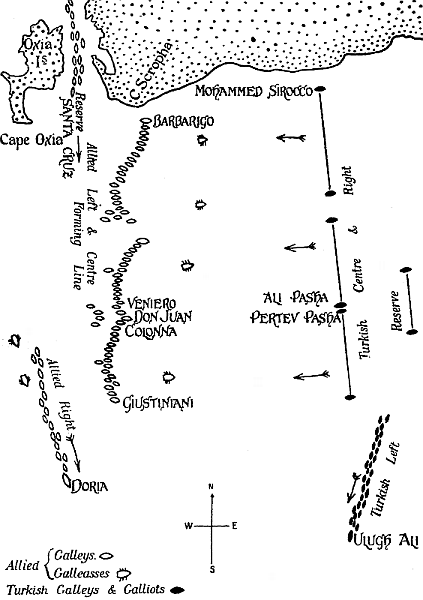
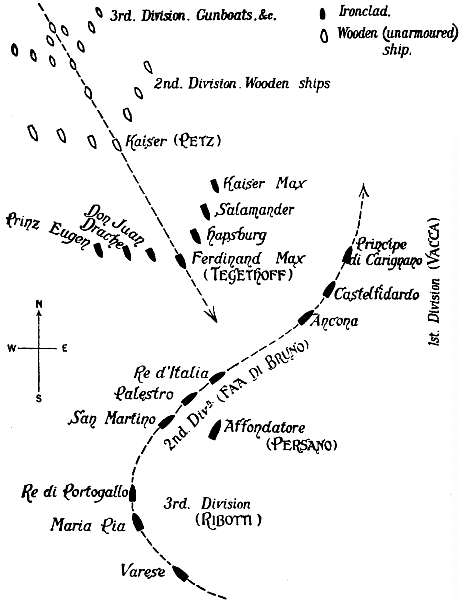
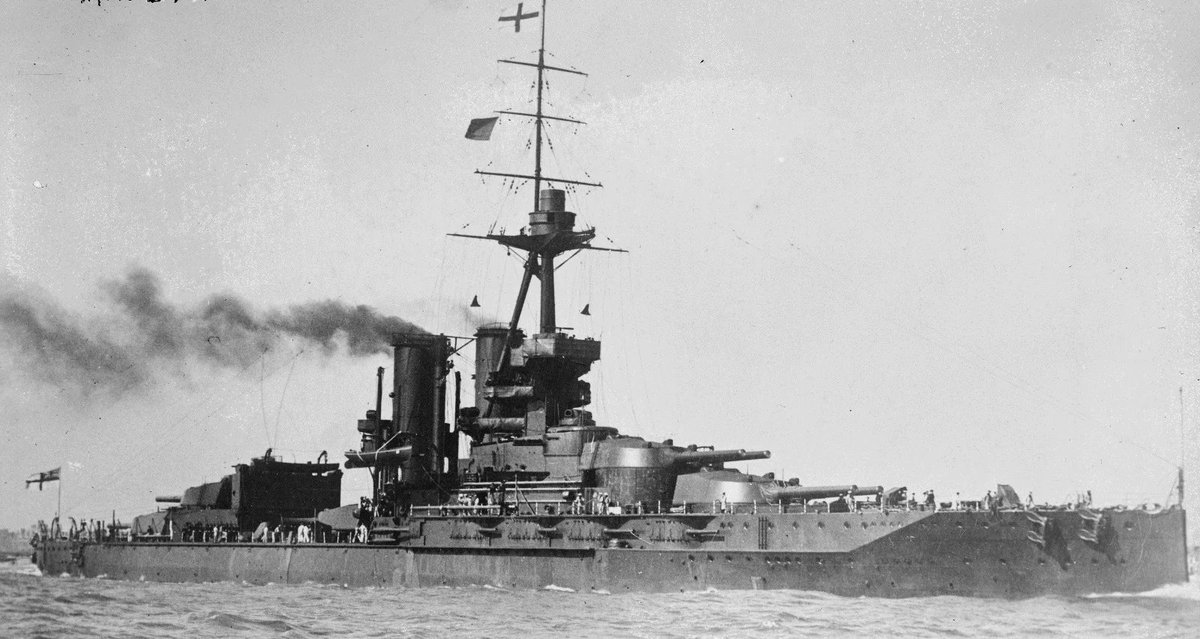
Also histories of the dreadnought race: the nuclear arms race of its day.
Due to the investment and pacing of naval warfare, as well as its inherent bureaucracy, it functioned on a strange and alien level throughout 19th-20th c. history. Still does today, to an extent.
Due to the investment and pacing of naval warfare, as well as its inherent bureaucracy, it functioned on a strange and alien level throughout 19th-20th c. history. Still does today, to an extent.
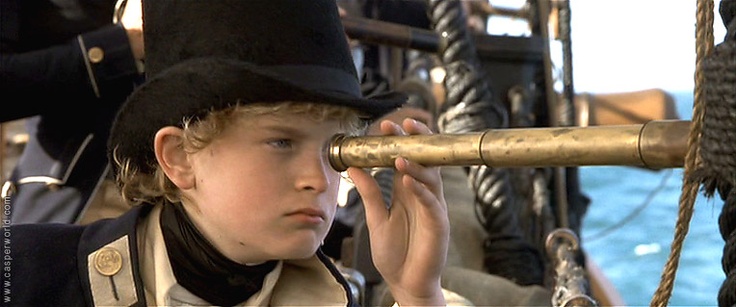
We also used to inspire boys with stories of seafaring hardship and adventure, and actually send them out as midshipmen and crew; obviously this is no longer the case, but the memetic weight of the grand and dangerous sea persisted through WWII before fading.
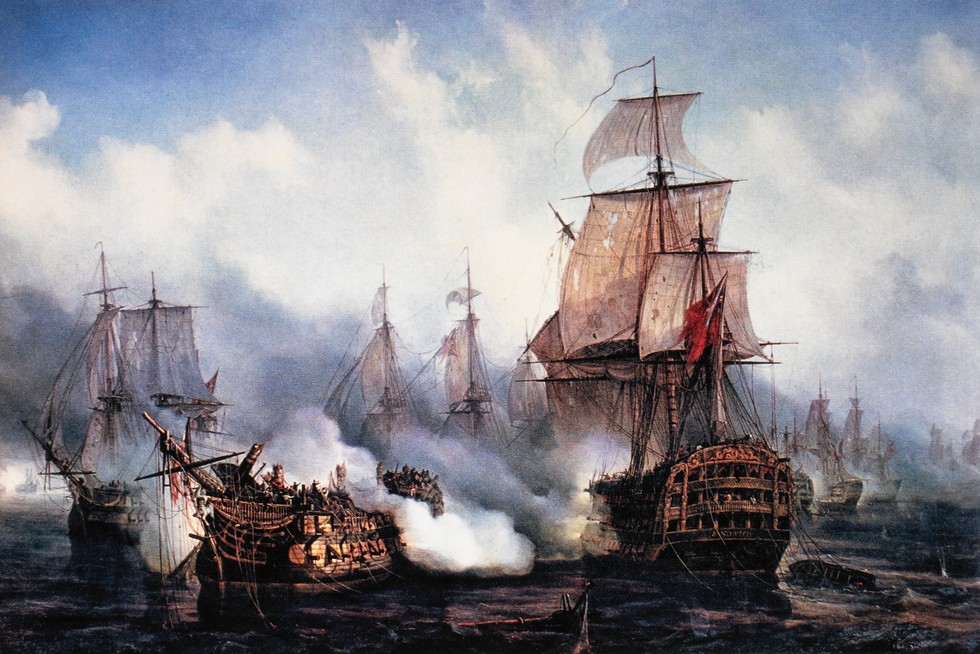
It was once a major element of school curriculum; crossing the T at Trafalgar and repelling the Ottoman fleet at Lepanto were major points of interest.
It's less tactically relevant today... but I'd argue more spiritually important, as inspiration.
It's less tactically relevant today... but I'd argue more spiritually important, as inspiration.
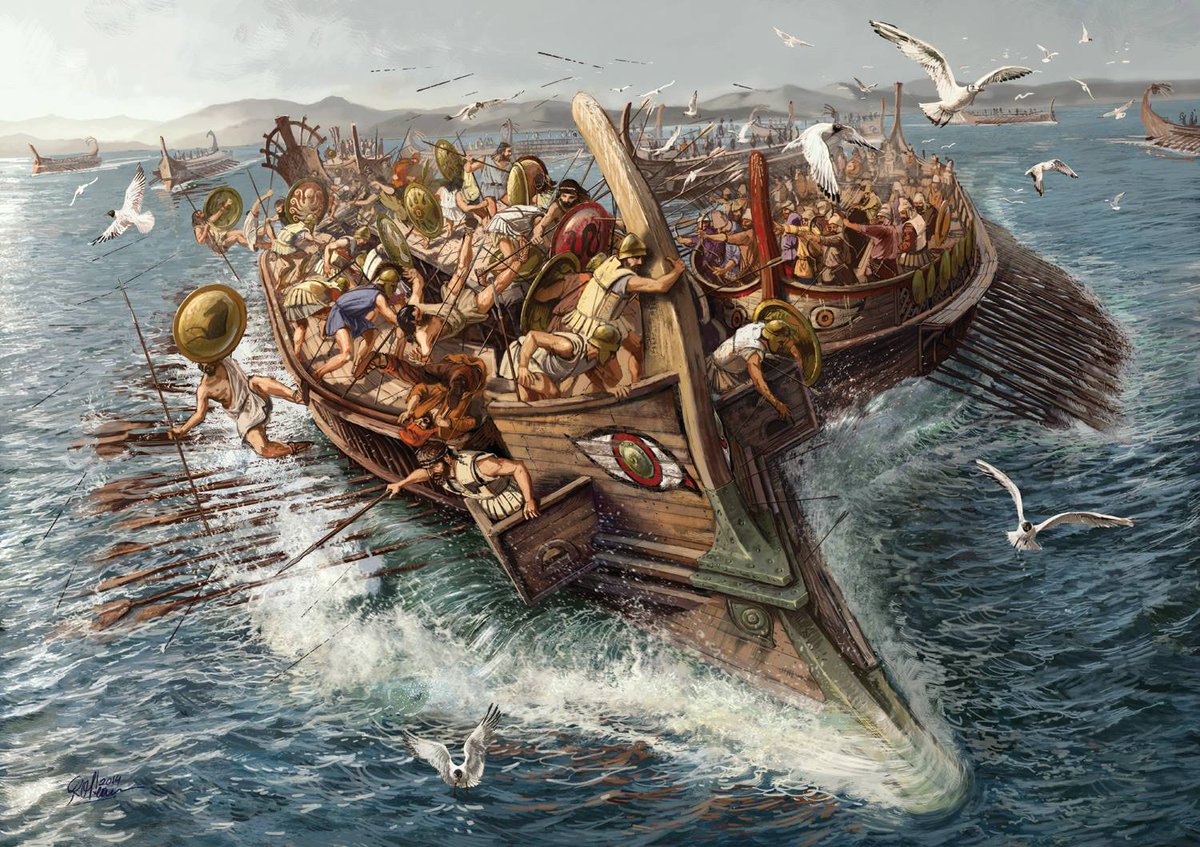
True education would include a strong history of the sea and warfare on it, to inspire wanderlust; aspirations to greatness and adventure. A spiritual inculcation to man's most ancient and powerful impulse.
I would recommend these works:
-Famous Sea-Fights, from Salamis to Tsushima by Hale
-Naval Battles of the 20th Century by Hough
-The Influence of Sea Power Upon History by Mahan
-Blind Man's Bluff by Drew, Drew, & Sontag
-Famous Sea-Fights, from Salamis to Tsushima by Hale
-Naval Battles of the 20th Century by Hough
-The Influence of Sea Power Upon History by Mahan
-Blind Man's Bluff by Drew, Drew, & Sontag
I did produce a version of Famous Sea-Fights via @Dissident_Rev, with the intention that it'd be nice enough to do the subject matter justice.
The hardcover is below. It is also on Gutenberg if you'd like to read online.
amazon.com/dp/B0C9SBNV7F?…
The hardcover is below. It is also on Gutenberg if you'd like to read online.
amazon.com/dp/B0C9SBNV7F?…
The other three are widely available (Mahan at least is public domain and thus free online), and come highly recommended.
Blind Man's Bluff is most relevant to the modern day, an excellent work of history covering Cold War submarine antics.
Blind Man's Bluff is most relevant to the modern day, an excellent work of history covering Cold War submarine antics.
• • •
Missing some Tweet in this thread? You can try to
force a refresh