
Airdrops in Cosmos Ecosystem got you intrigued?
Want to be eligible for all airdrops by staking $ATOM, $TIA, $OSMO? Avoid common mistakes!
Discover:
- How to fund your wallet and stake like a pro
- How to pick the best validator
- How to increase your airdrop chances
🧵⬇️

Want to be eligible for all airdrops by staking $ATOM, $TIA, $OSMO? Avoid common mistakes!
Discover:
- How to fund your wallet and stake like a pro
- How to pick the best validator
- How to increase your airdrop chances
🧵⬇️
https://twitter.com/1410927296614178816/status/1743288530976084207

I have received numerous DMs with questions about staking for airdrops. This thread will address all of those questions.
If, while reading, you realize that you have chosen the wrong validator, don't worry. You can easily change it in just two clicks without unstaking.
If, while reading, you realize that you have chosen the wrong validator, don't worry. You can easily change it in just two clicks without unstaking.
◢ Wallet
To get started in Cosmos Ecosystem, you'll need a wallet.
➜ In my opinion, the best option is @keplrwallet.
✓ One of its main advantages is Keplr Dashboard, which provides all the necessary information in one convenient place.
To get started in Cosmos Ecosystem, you'll need a wallet.
➜ In my opinion, the best option is @keplrwallet.
✓ One of its main advantages is Keplr Dashboard, which provides all the necessary information in one convenient place.

◢ Fund your wallet
The easiest option:
• Buy $ATOM on any CEX
• In the wallet, click the "Deposit" button and copy ATOM address.
• Withdraw tokens to the wallet
If you prefer not to use CEX:
• Go to @RocketXexchange.
• Bridge any token from any blockchain to $ATOM.
The easiest option:
• Buy $ATOM on any CEX
• In the wallet, click the "Deposit" button and copy ATOM address.
• Withdraw tokens to the wallet
If you prefer not to use CEX:
• Go to @RocketXexchange.
• Bridge any token from any blockchain to $ATOM.
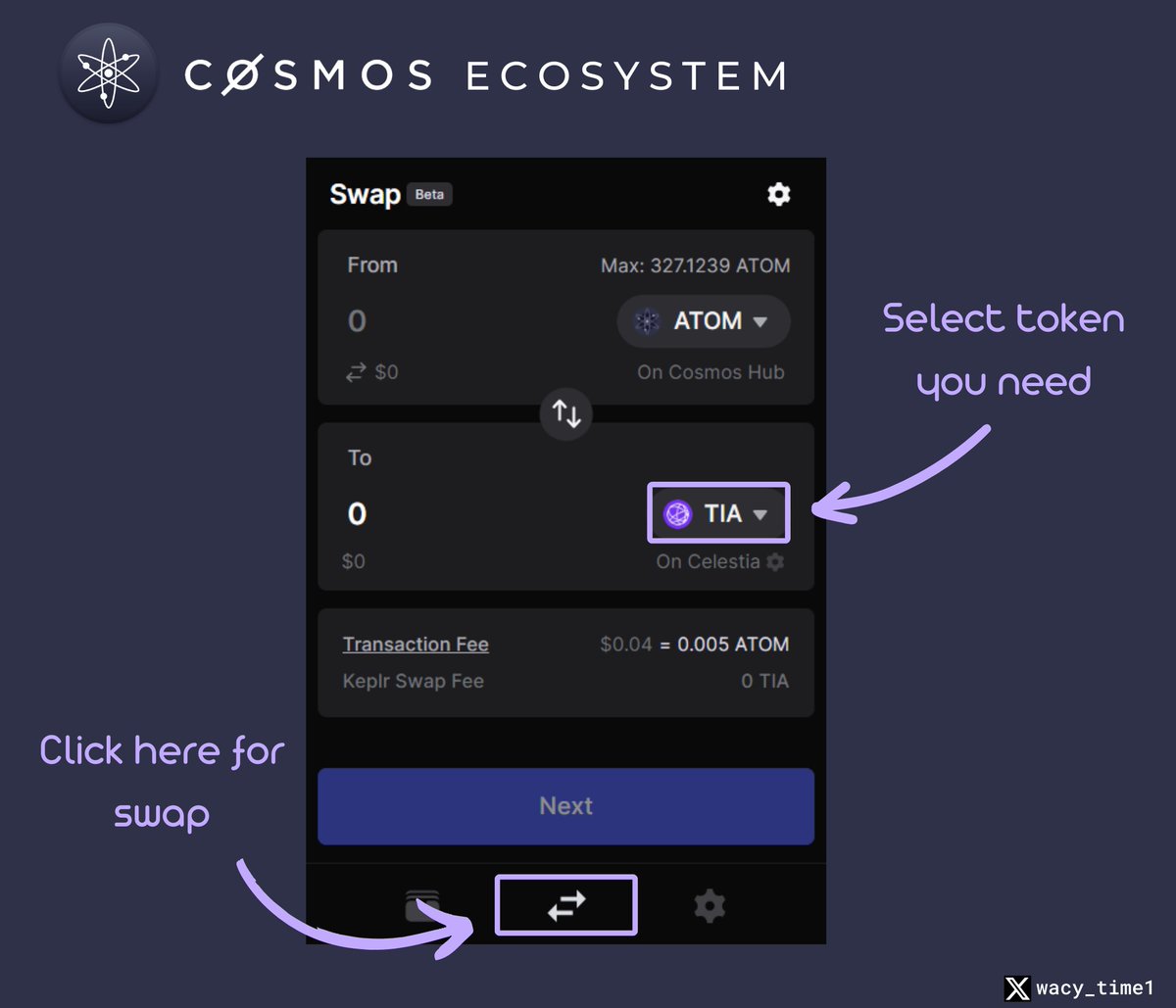
Once ATOM arrives in your wallet, utilize Swap to get the desired tokens: $TIA, $OSMO, $INJ, and etc.
Consider the wallet's Swap function as a crosschain, allowing you to exchange any tokens and obtain the tokens you require within the desired network.
Consider the wallet's Swap function as a crosschain, allowing you to exchange any tokens and obtain the tokens you require within the desired network.
◢ Staking
Once your funds are distributed across the networks, it's time to start staking.
In our case, staking involves delegating our tokens to a validator who will utilize our resources to mine new blocks.
To get started, simply click on "Manage Portfolio" in your wallet.
Once your funds are distributed across the networks, it's time to start staking.
In our case, staking involves delegating our tokens to a validator who will utilize our resources to mine new blocks.
To get started, simply click on "Manage Portfolio" in your wallet.
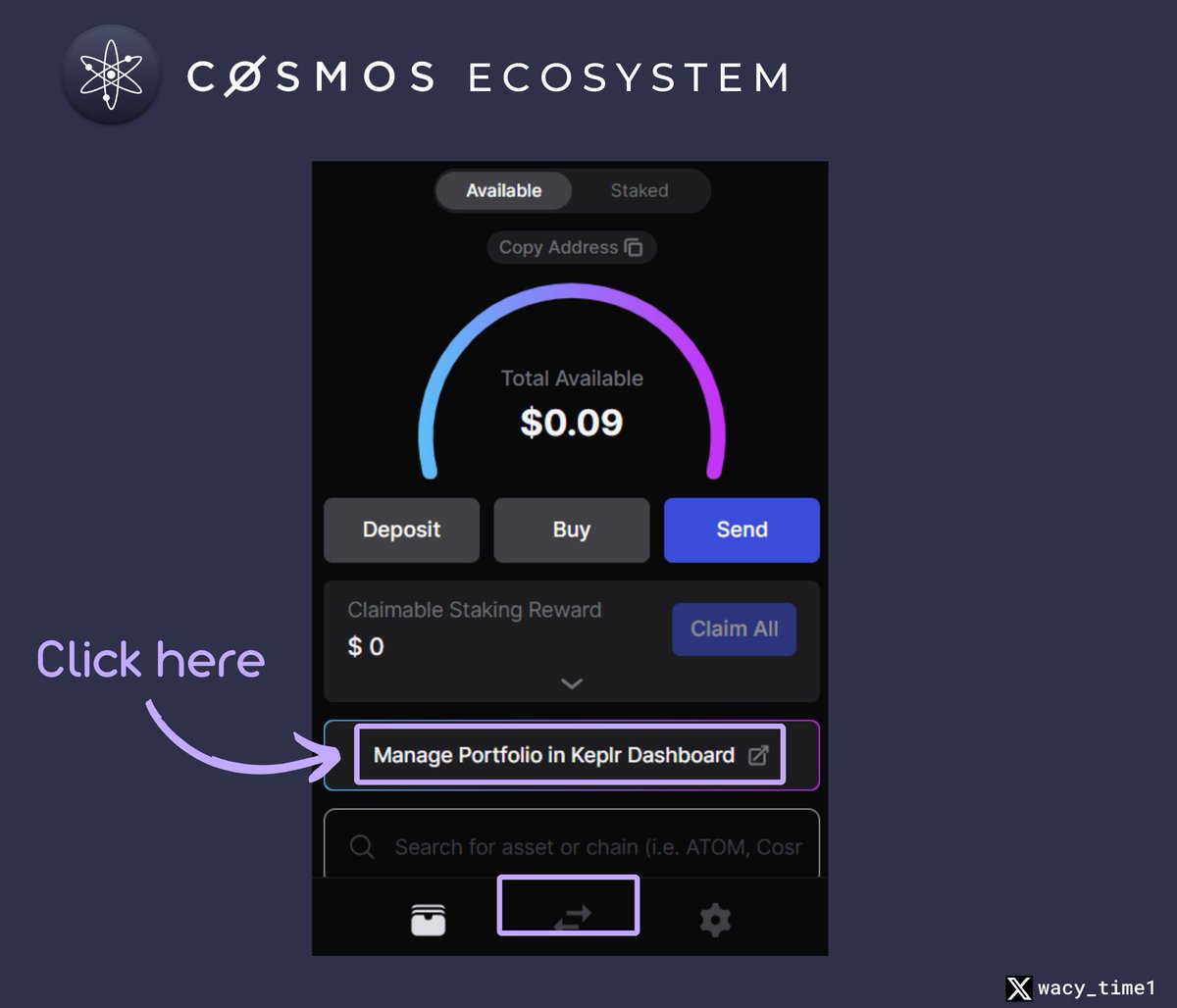
In the Stake tab, you will find a list of your assets. By selecting one of them, you will see a list of validators.
Choosing a validator is crucial, as projects often remove greedy or low-quality validators. Choosing a bad validator can result in not being rewarded.
Choosing a validator is crucial, as projects often remove greedy or low-quality validators. Choosing a bad validator can result in not being rewarded.
◢ Validator selection
To evaluate the quality of the validator, using @mintscanio.
• Go to website - mintscan.(io)
• Select the desired network
• Open the "Validators" tab
Short video tutorial for a clear example ⇩
To evaluate the quality of the validator, using @mintscanio.
• Go to website - mintscan.(io)
• Select the desired network
• Open the "Validators" tab
Short video tutorial for a clear example ⇩
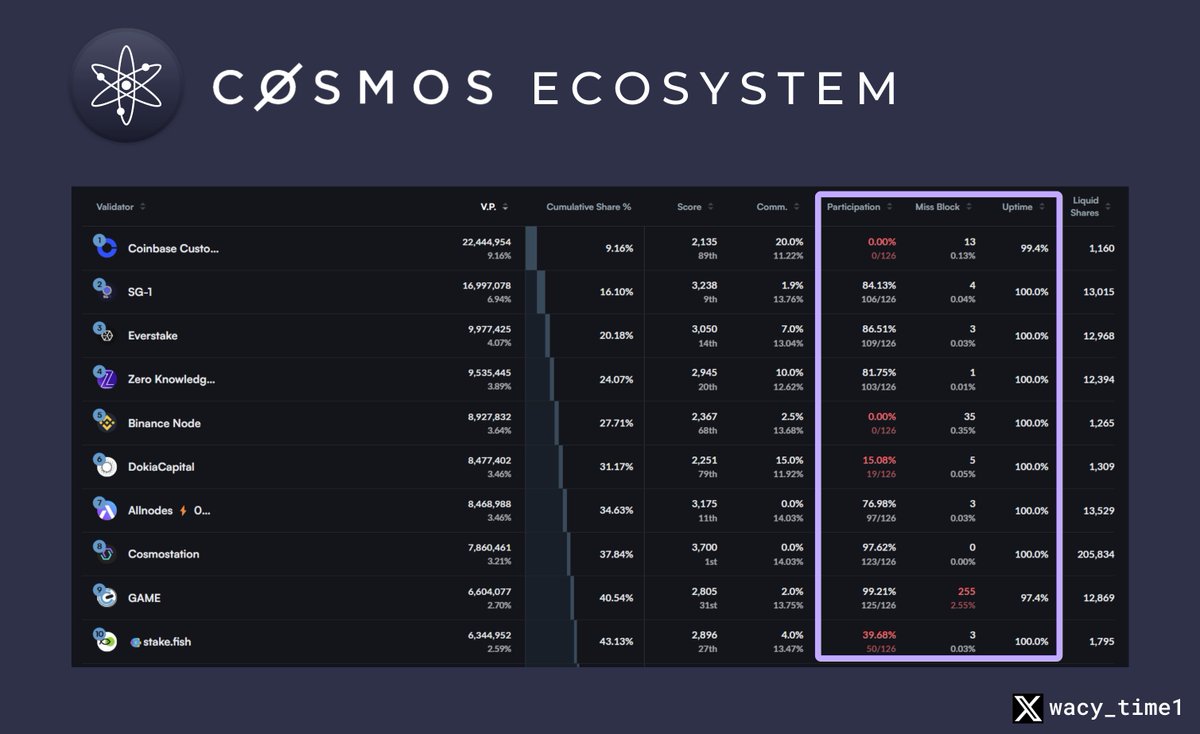
◢ When selecting a validator, it's important to follow these rules:
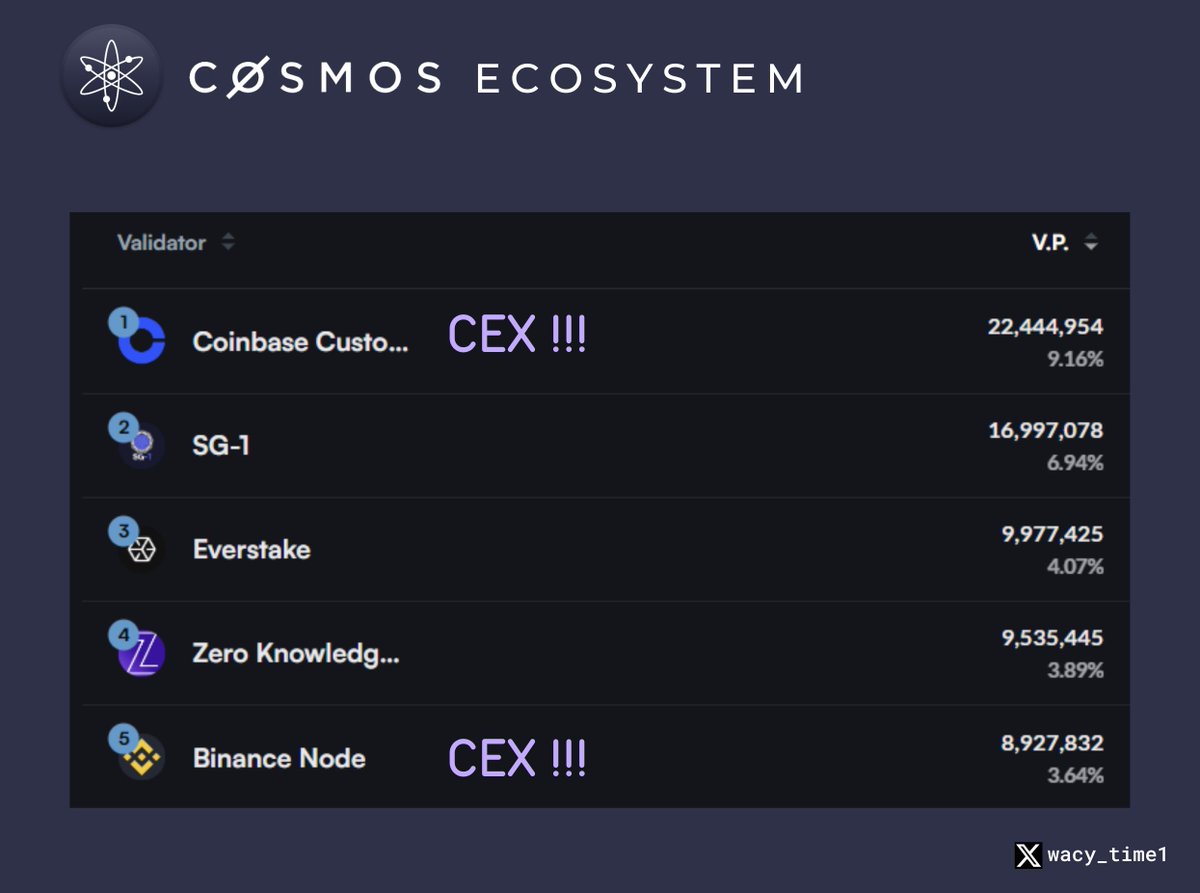
➜ Consider staking with validators ranked outside the top 10 (from top 11 to top 30).
➜ Avoid staking on validators that are CEX
CEX validators not be ideal, as we want to receive airdrops for staking.
➜ Consider staking with validators ranked outside the top 10 (from top 11 to top 30).
➜ Avoid staking on validators that are CEX
CEX validators not be ideal, as we want to receive airdrops for staking.
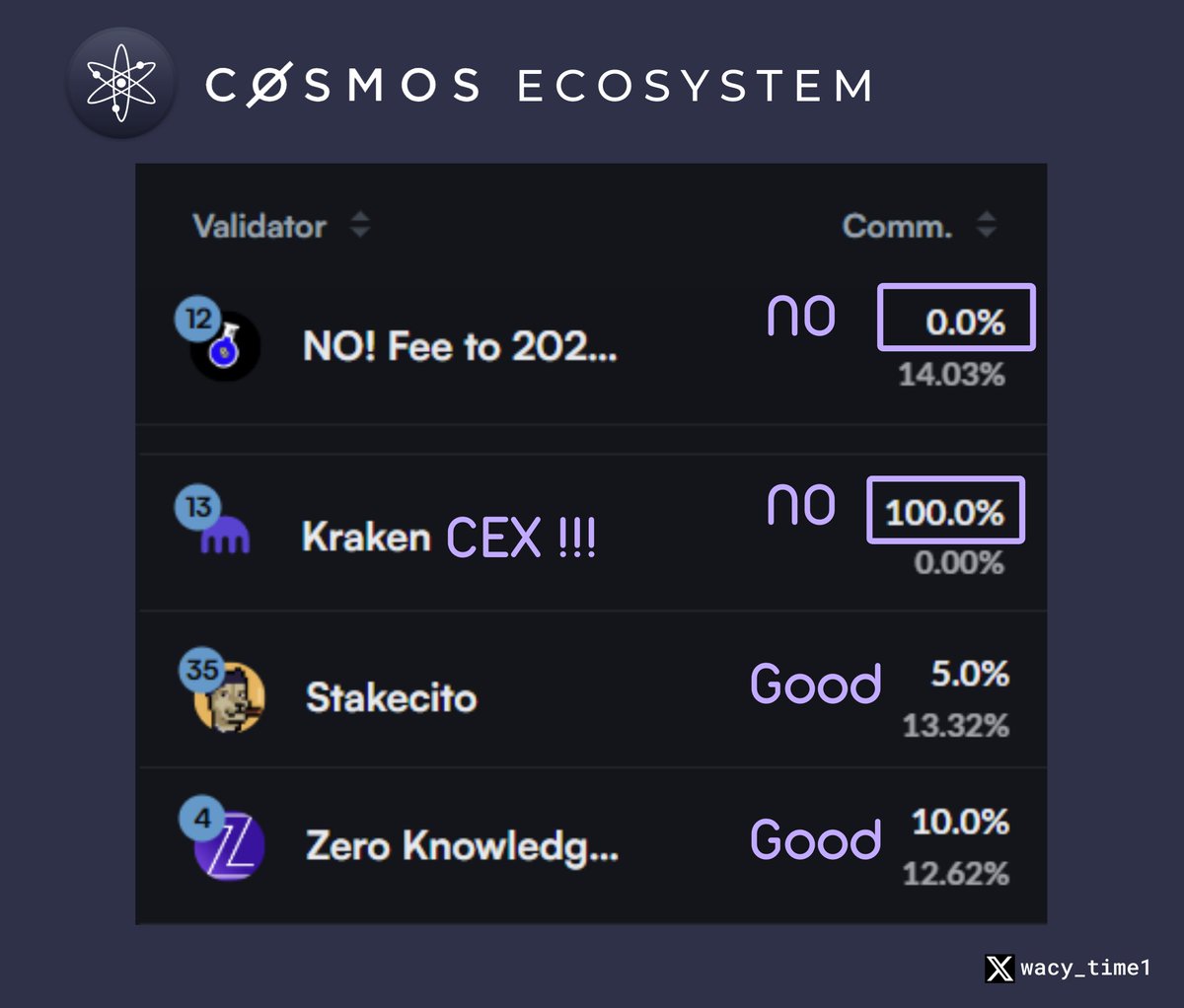
➜ Exclude validators with 0% and 100% commissions, aiming for a priority range of 5-10%.
Validators with 0% commissions may not be eligible for airdrops. Similarly, validators with 100% commissions may also not be eligible, and you won't receive APR for staking with them.
Validators with 0% commissions may not be eligible for airdrops. Similarly, validators with 100% commissions may also not be eligible, and you won't receive APR for staking with them.
➜ High uptime, ideally 100%
➜ Minimal missed blocks
➜ High participation
I think all of these factors are intuitively obvious and equally important.
➜ Minimal missed blocks
➜ High participation
I think all of these factors are intuitively obvious and equally important.
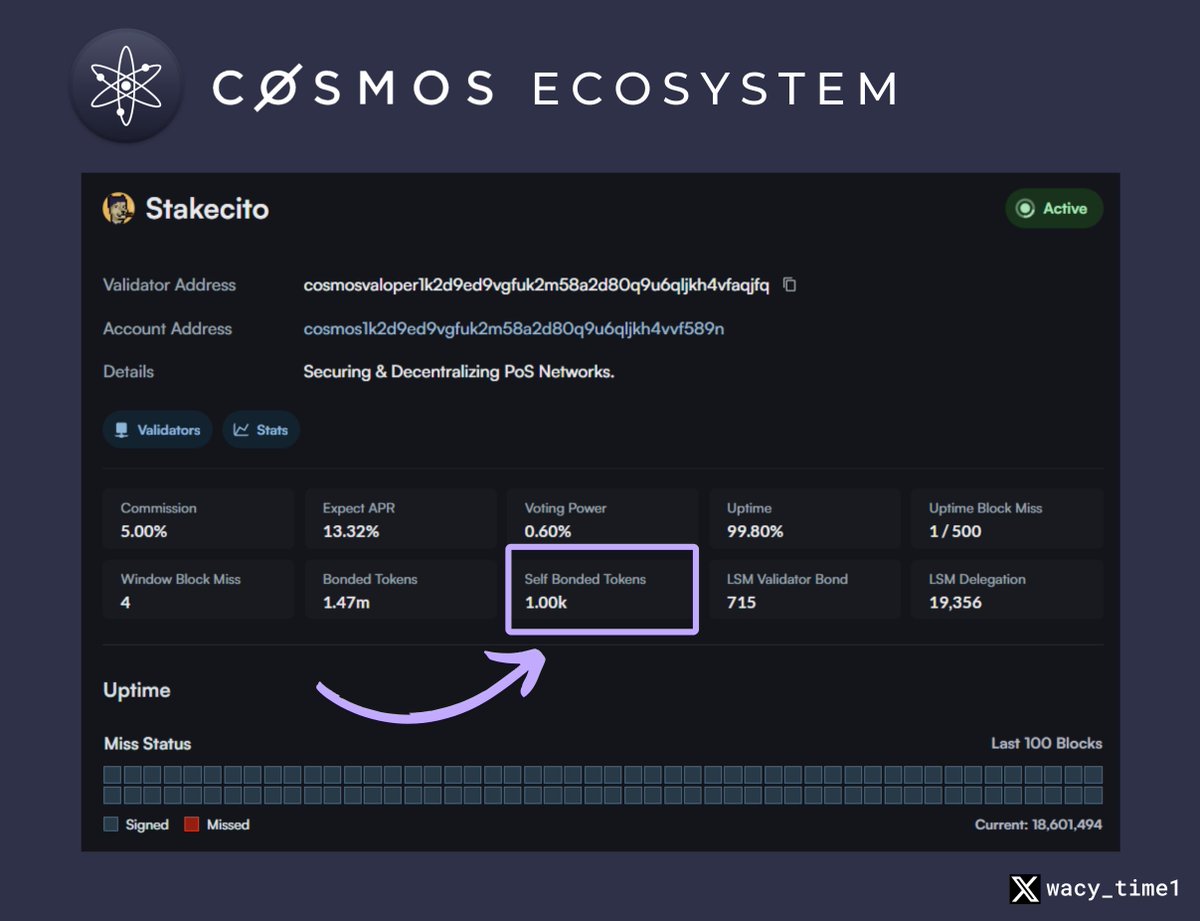
If you believe you have found the right validator, open their profile and take note:
• Self-Bonded Tokens
Self-bond refers to the amount of tokens that the validator themselves have staked. This increases the assurance that the validator will avoid any foul play.
• Self-Bonded Tokens
Self-bond refers to the amount of tokens that the validator themselves have staked. This increases the assurance that the validator will avoid any foul play.
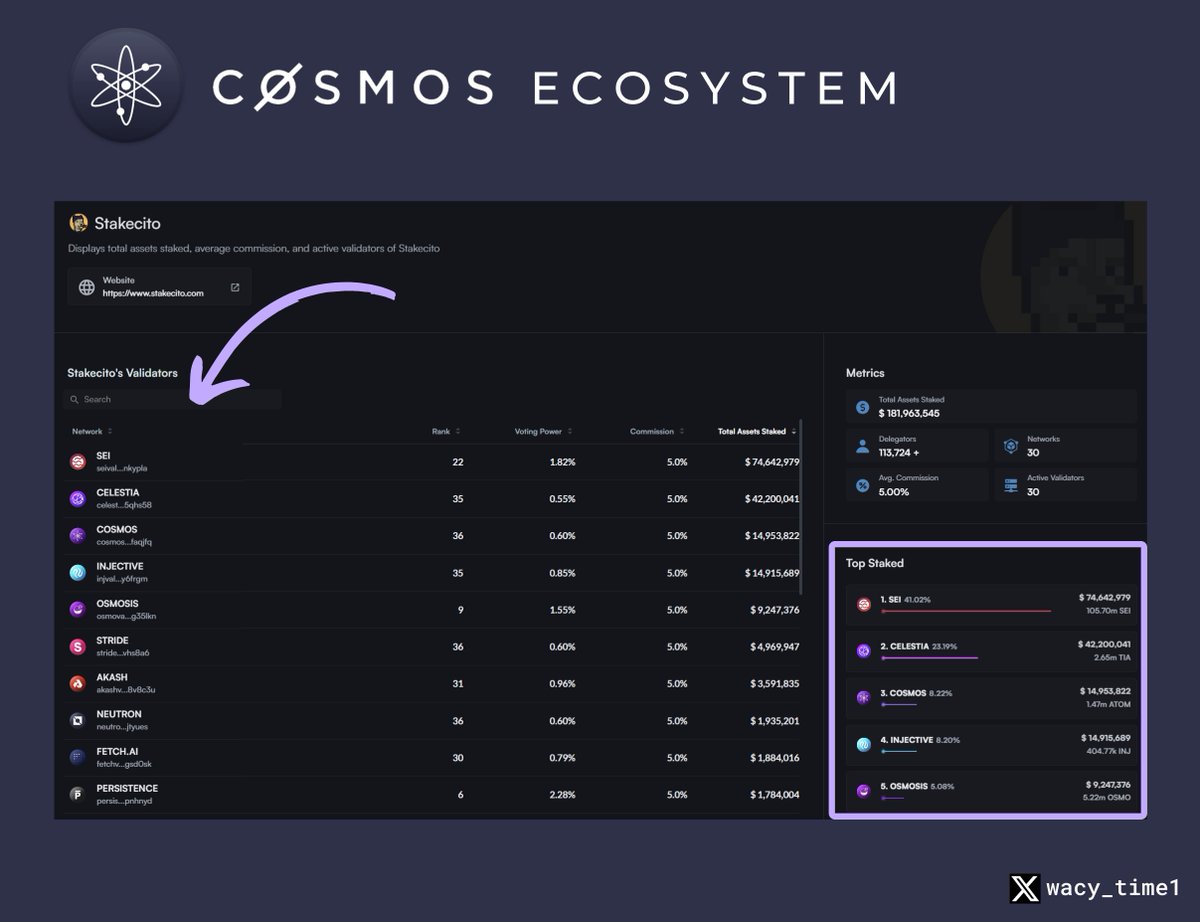
➜ Additionally, open the general data and check which other networks the validator is active on and the amount of tokens staked.
Remember, the more networks and tokens a validator has, the higher their reliability.
Remember, the more networks and tokens a validator has, the higher their reliability.
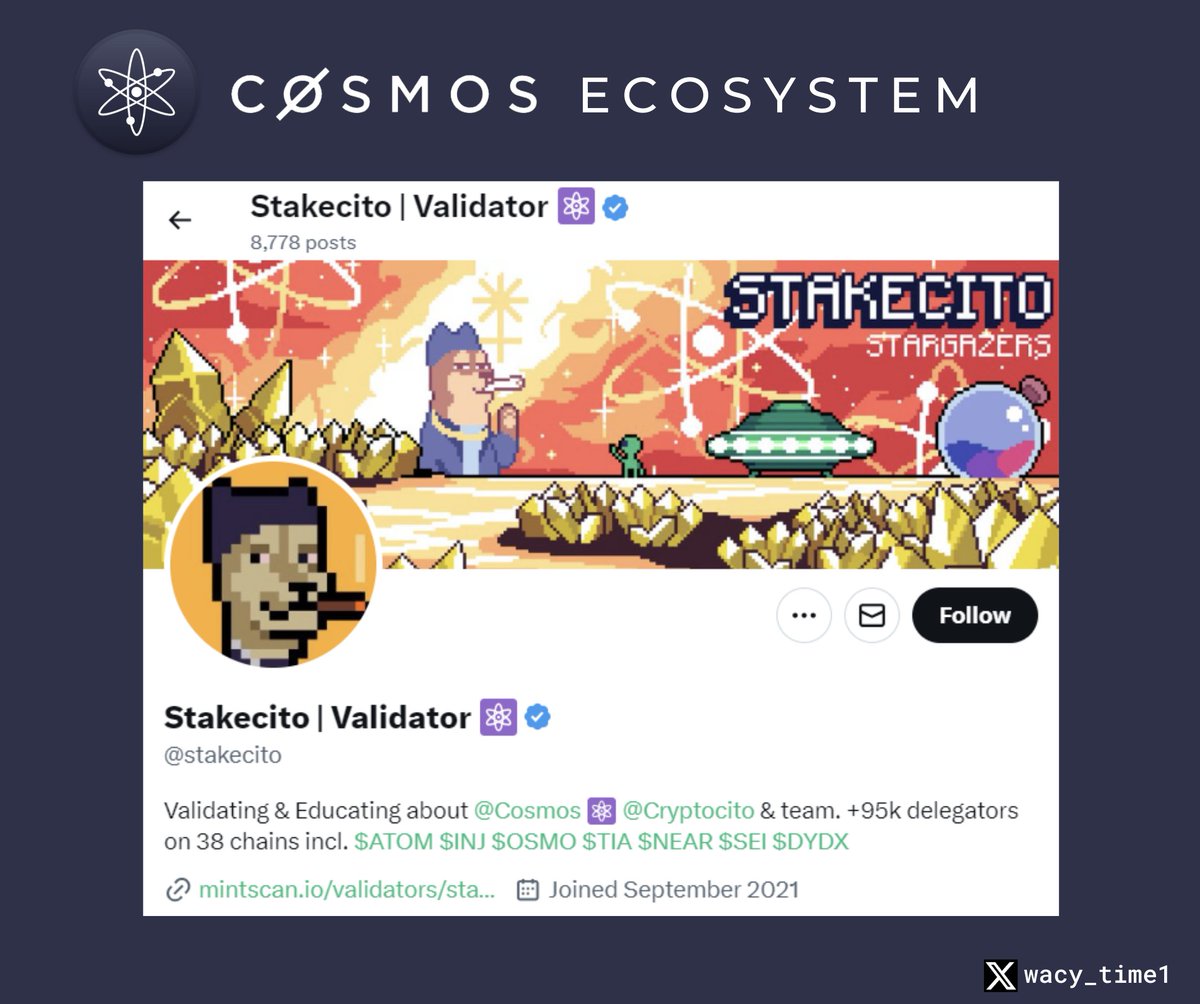
➜ To complete the process, follow the final step: check the validator's social media presence. Pay special attention to X, as it is of utmost importance.
Having a validator with an actively engaged social media account is a significant advantage.
Having a validator with an actively engaged social media account is a significant advantage.
➤ I recommend selecting 2-5 different validators for diversification.
Here is my personal preference:
➜ 2 validators from Top 11 to Top 20
➜ 2 validators from Top 21 to Top 30
Here is my personal preference:
➜ 2 validators from Top 11 to Top 20
➜ 2 validators from Top 21 to Top 30
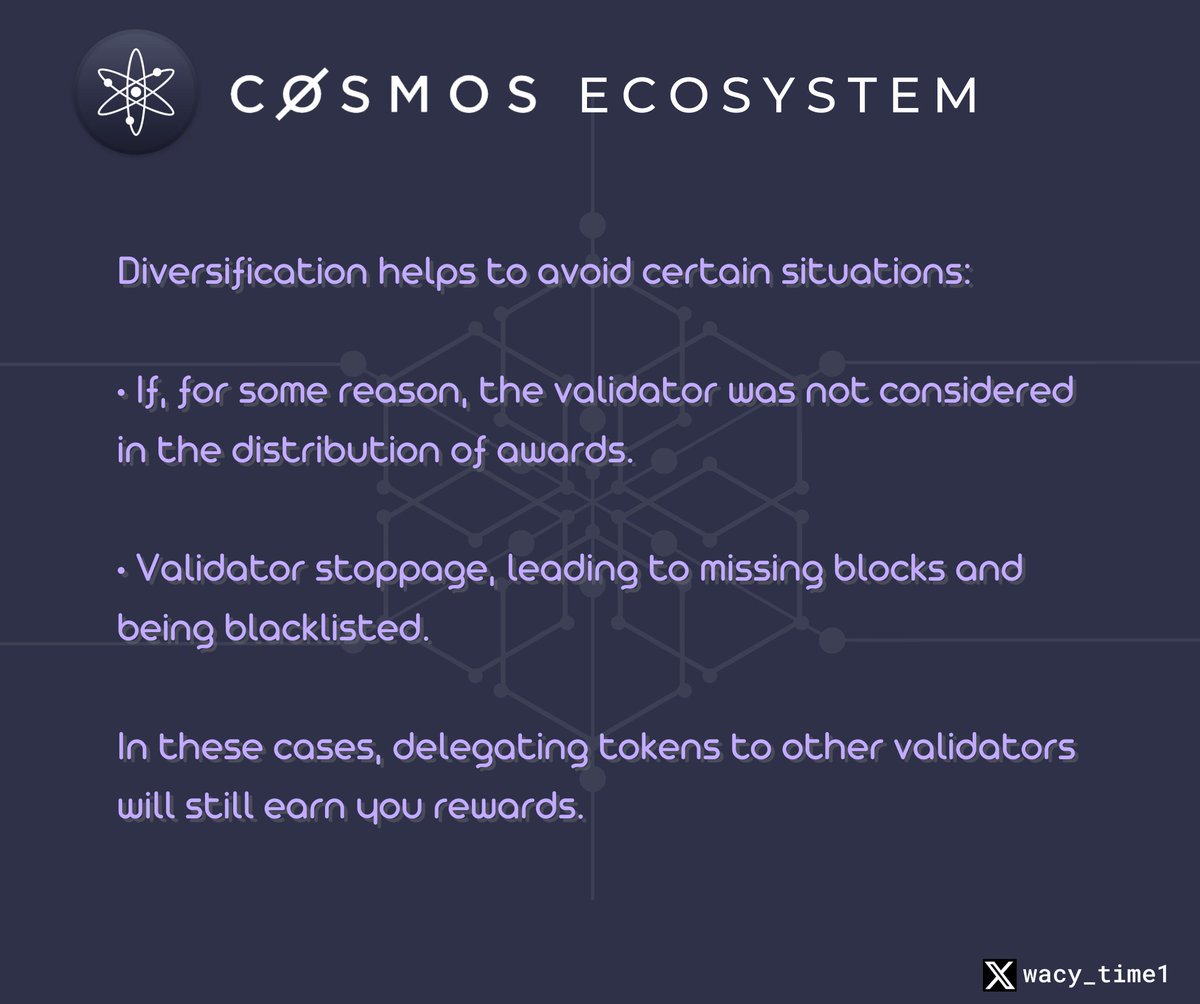
If you realize that you have staked on a bad validator while reading, don't worry and don't unstake your tokens.
➜ Identify a good validator in advance
➜ In the staking tab, select "Delegate" ("Switch validator" from mobile)
➜ Select another validator
Brief video guide ⇩
➜ Identify a good validator in advance
➜ In the staking tab, select "Delegate" ("Switch validator" from mobile)
➜ Select another validator
Brief video guide ⇩
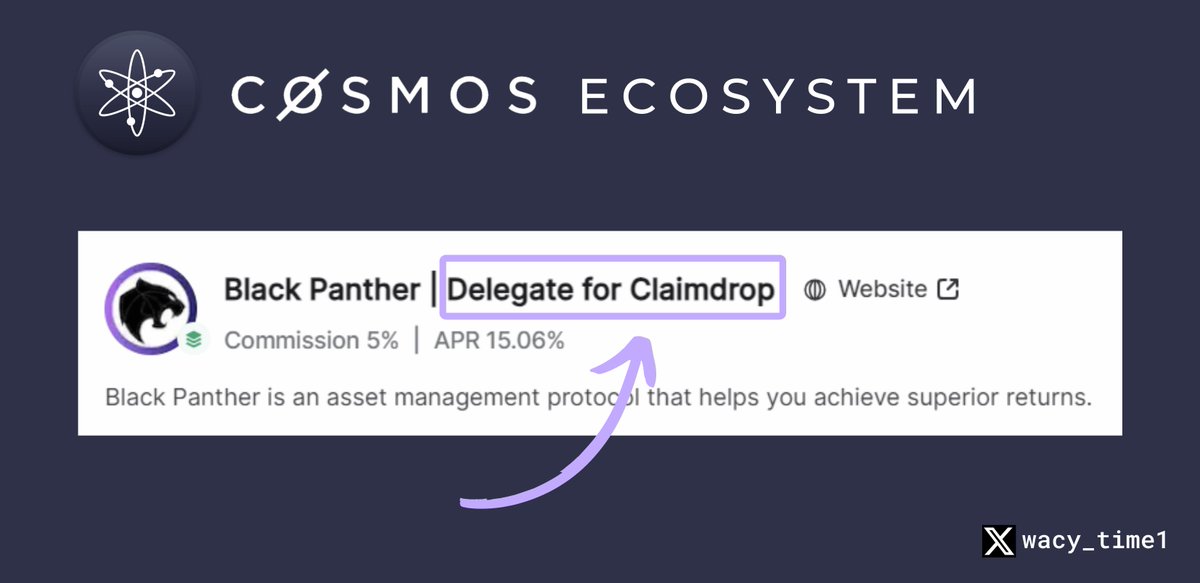
➜ Validators who openly state that there will be rewards for delegation should not be overlooked.
In such cases, you can usually delegate a significant portion of tokens to them.
In such cases, you can usually delegate a significant portion of tokens to them.
◢ To improve your chances of receiving an airdrop:
• Remember to increase your stake by 2-5% every month.
• Make 2-3 wallet swaps every month.
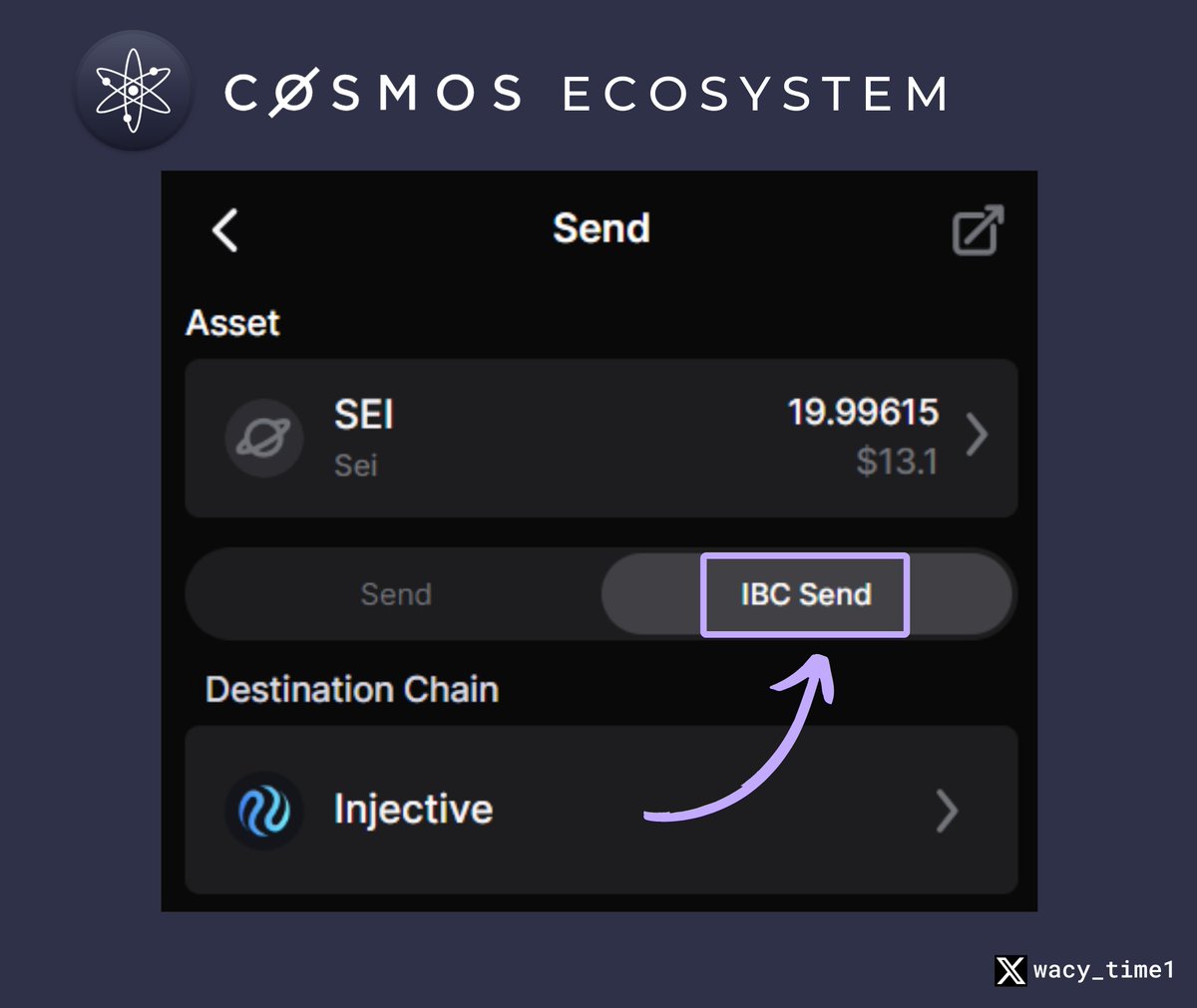
• Use IBC txn (a type of crosschain bridge). In Keprl, this is indicated when sending tokens.
Strategy that might work for you ⇩
• Remember to increase your stake by 2-5% every month.
• Make 2-3 wallet swaps every month.
• Use IBC txn (a type of crosschain bridge). In Keprl, this is indicated when sending tokens.
Strategy that might work for you ⇩
https://twitter.com/wacy_time1/status/1743288530976084207
◢ If you use multiple wallets, here are some tips:
➜ Fund each wallet separately using CEX and avoid linking them
➜ Be active at different times to avoid suspicion
➜ Using an Antidetect browser and proxy (although if you haven't used one before, it may be best to skip)
➜ Fund each wallet separately using CEX and avoid linking them
➜ Be active at different times to avoid suspicion
➜ Using an Antidetect browser and proxy (although if you haven't used one before, it may be best to skip)
However, I think that there won't be an anti-Sybil system in Cosmos Ecosystem due to the following reason:
➤ Staking contributes decentralization
This is the primary advantage that makes it unnecessary to implement measures against Sybil.
More staked = More decentralization.
➤ Staking contributes decentralization
This is the primary advantage that makes it unnecessary to implement measures against Sybil.
More staked = More decentralization.
I hope you've found this thread to be a valuable resource.
➜ Follow me @wacy_time1 for more content.
➜ Like/Repost/Bookmark the quote below:
➜ Follow me @wacy_time1 for more content.
➜ Like/Repost/Bookmark the quote below:
https://twitter.com/wacy_time1/status/1743667145316483164
• • •
Missing some Tweet in this thread? You can try to
force a refresh






