
Just a reminder that the following are unprecedented in all of human history and pre-history:
* 8 billion hosts.
* Global travel.
* Older population thanks to long lifespans.
* Repeated infections up to several times per year.
* Extremely dense populations, mostly indoors.
🧵
* 8 billion hosts.
* Global travel.
* Older population thanks to long lifespans.
* Repeated infections up to several times per year.
* Extremely dense populations, mostly indoors.
🧵
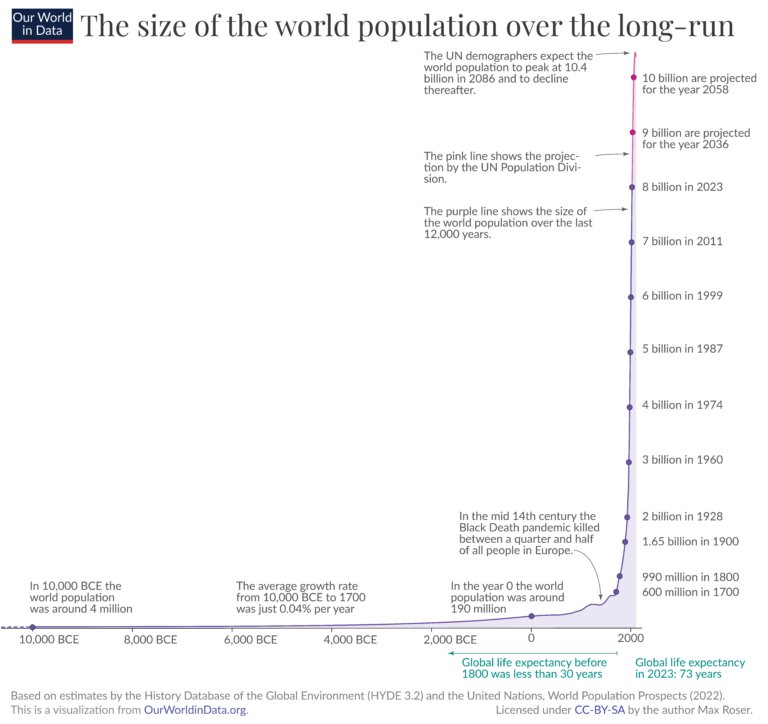
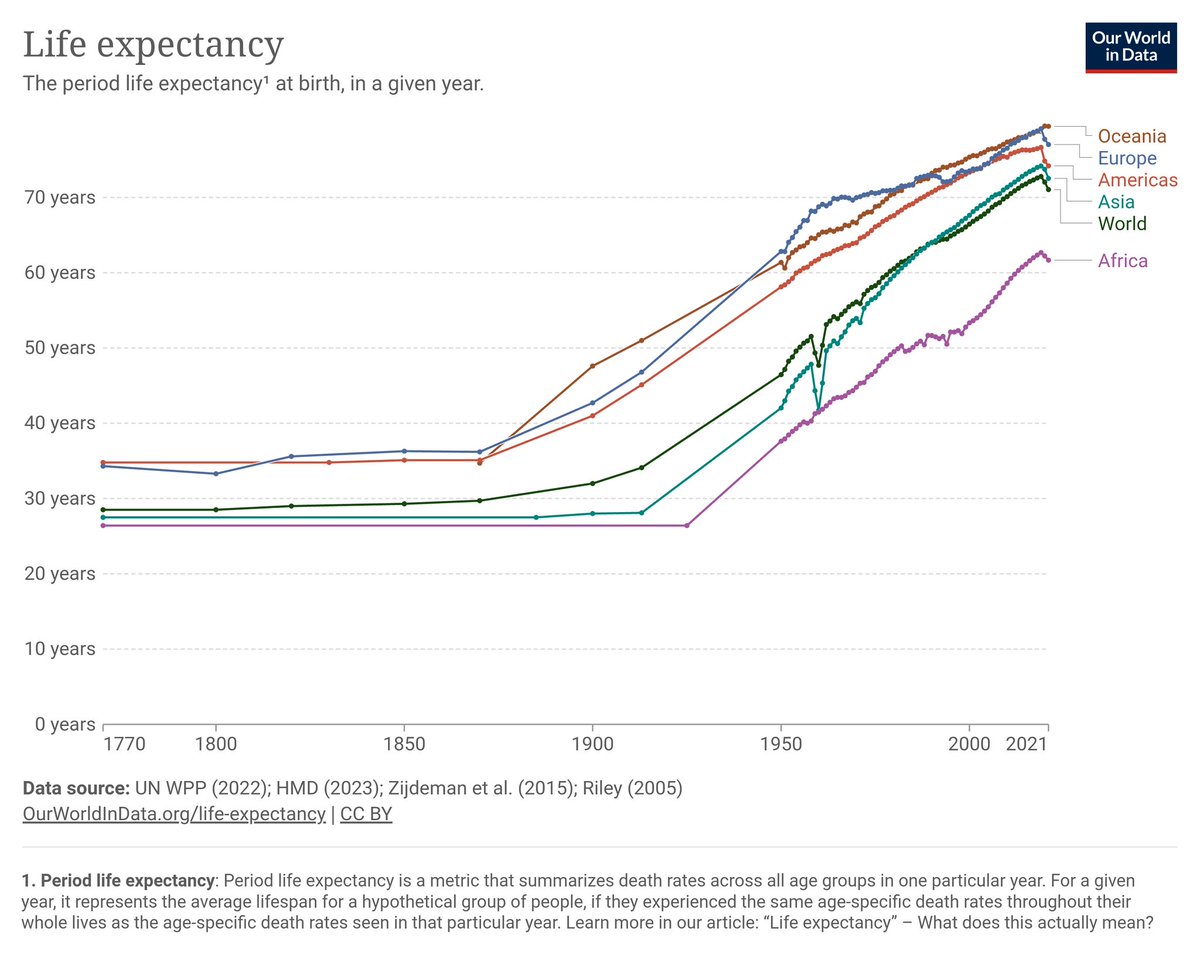
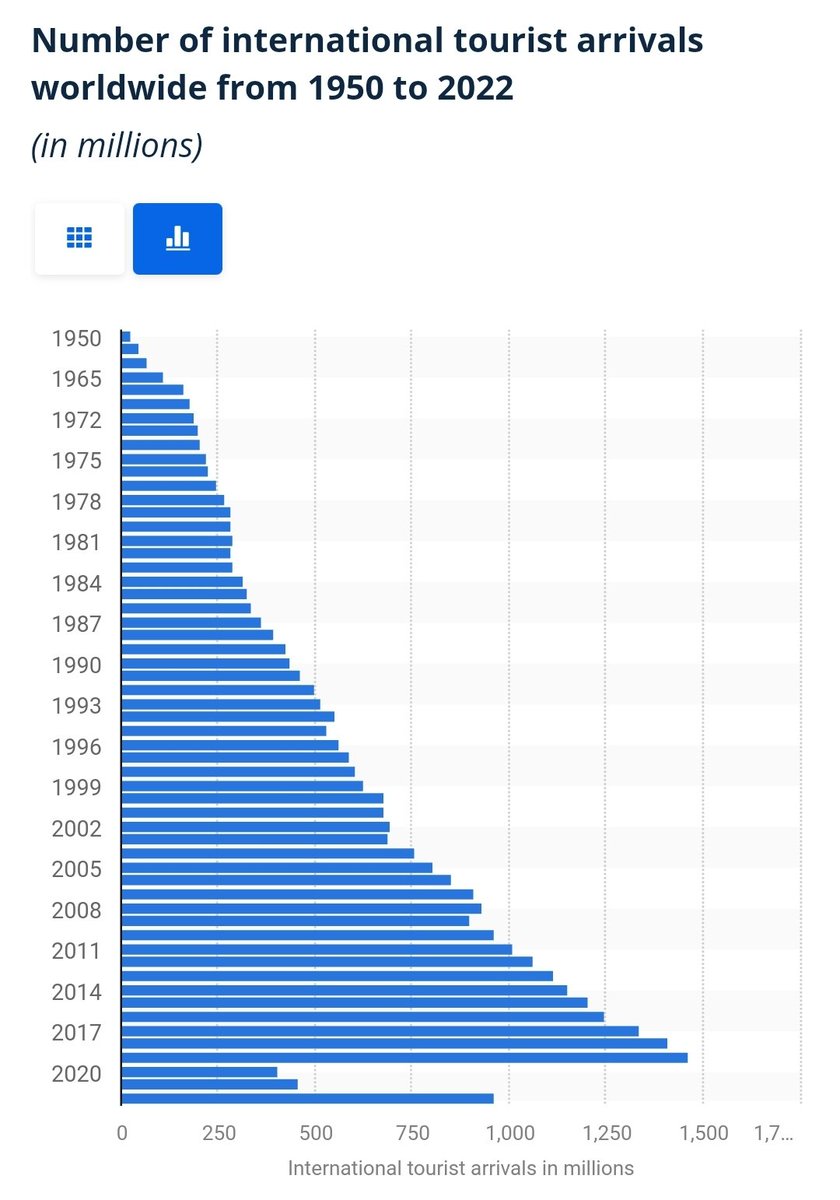
This all means that past pandemics are, at best, a very weak guide for what will happen with this one.
Yes, four of the human coronaviruses cause common colds. And three of them are deadly, two of which have caused pandemics within the past 20 years (SARS1, SARS2).
Yes, four of the human coronaviruses cause common colds. And three of them are deadly, two of which have caused pandemics within the past 20 years (SARS1, SARS2).
Consider the situation with the 1918 flu pandemic.
In 1918:
* The human population was less than 1/4 as large as it is today.
* There was no global air travel.
* Life expectancy was about 1/2 what it is today.
* Only about 30% of the population was infected.
In 1918:
* The human population was less than 1/4 as large as it is today.
* There was no global air travel.
* Life expectancy was about 1/2 what it is today.
* Only about 30% of the population was infected.
Very basic evolutionary theory shows that population size matters *a lot*. Larger population of viruses means:
* More mutations added to the gene pool.
* More opportunity for recombination and within-host evolution.
* Stronger natural selection on fit mutations.
* More mutations added to the gene pool.
* More opportunity for recombination and within-host evolution.
* Stronger natural selection on fit mutations.
With 8 billion potential hosts who can be infected year-round and up to several times per year, that is a lot of virus. Like, a lot a lot. Enough that every possible point mutation is probably happening and being passed on every single day.
pnas.org/doi/10.1073/pn…
pnas.org/doi/10.1073/pn…
Movement of infected hosts all around the world means that a variant that evolves anywhere will soon appear everywhere. With waning immunity and immune escaping variants, this means a high baseline and a lot of area under the curve even without huge peaks.
It's a myth that viruses must evolve to become benign lest they drive hosts extinct. Not when there are billions of hosts available. And it is a perfectly viable outcome to become less virulent acutely but take up residence in organs and do damage long term, after transmission.
The answer is not people getting infected more so that the virus becomes benign or we finally get herd immunity.
The answer is less virus.
The answer is less virus.
• • •
Missing some Tweet in this thread? You can try to
force a refresh






