Ryan Katz-Rosene, PhD Profile picture
Jan 14 8 tweets 3 min read Read on X
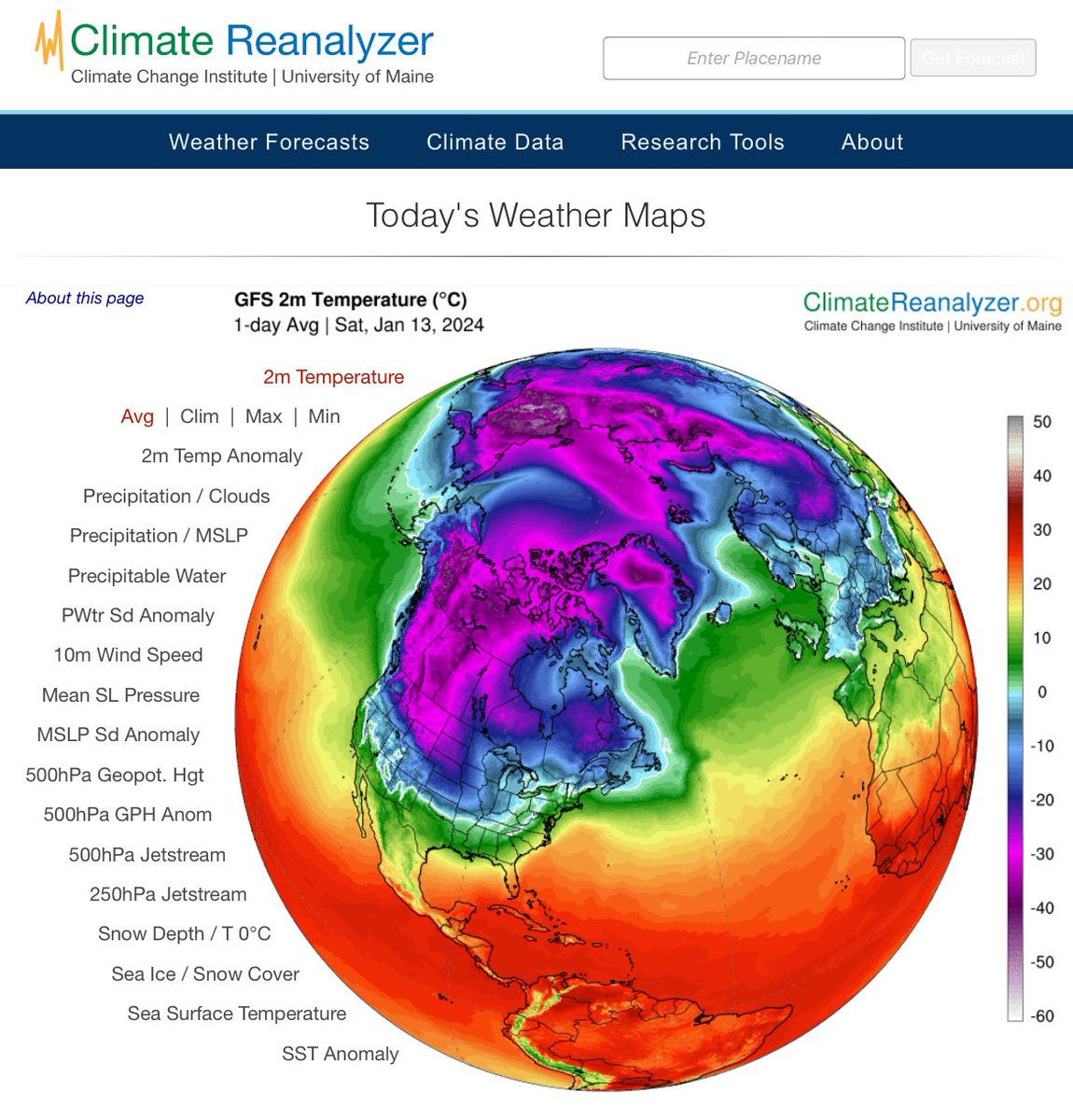
A blast of extreme cold air has plunged deep into central North America. Some places have set record cold temperatures. It turns out there’s a bit of a scientific debate about whether these types of cold snaps can be linked to… *global warming*

🧵on what the science says… Image
The general idea is that melting sea ice within the warming Arctic is causing instability in the jet stream, resulting in large Rossby waves which during the winter season can push frigid Arctic air deep into areas where they wouldn’t in a more stable climate…
The idea really gained traction after this 2012 paper came out, titled “Evidence linking Arctic amplification to extreme weather in mid-latitudes”: agupubs.onlinelibrary.wiley.com/doi/full/10.10…
By the late 2010s this became a common theory - that there was an association between Arctic warming and extreme weather events in sub-Arctic latitudes. A great explainer video here from 2018:
However, there is some scientific disagreement about this theory. Studies like this one from 2021 have claimed the influence of ice loss on winter weather is quite weak - that if anything its effect was modest and intermittent. meetingorganizer.copernicus.org/EGU21/EGU21-96…
Yet this 2021 study found that winter weather was indeed being affected by a wavier jet stream (though the study doesn’t mention melting ice as a cause): agupubs.onlinelibrary.wiley.com/doi/10.1029/20…
What does the IPCC say? The most recent Assessment (AR6) covers this debate at length (within Cross Chapter Box 10.1). They do indeed refer to it as “a topic that has been strongly debated” and note different sub-theories explaining cause and effect in various ways. https://www.ipcc.ch/report/ar6/wg1/chapter/chapter-10/
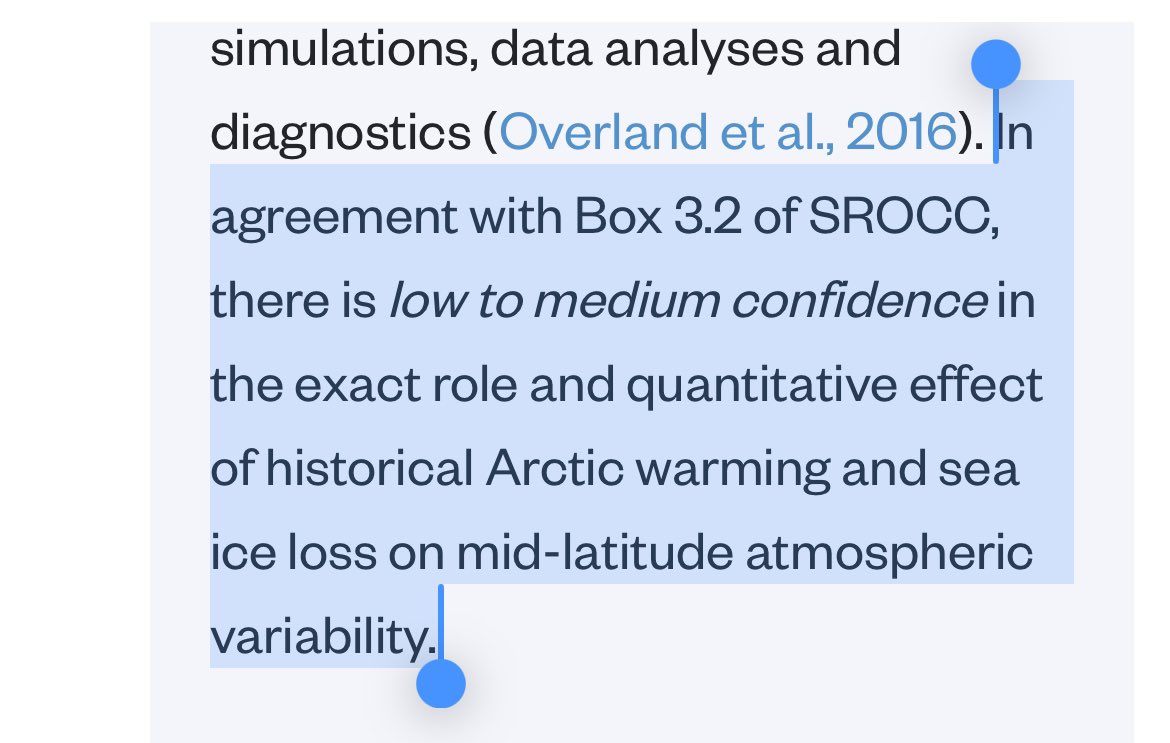
Finally, the IPCC concludes that while there’s some good evidence out there of an association between Arctic warming and mid-latitude weather, we still don’t have a clear understanding of exactly what’s going on. Image
• • •

Missing some Tweet in this thread? You can try to force a refresh

 

Keep Current with Ryan Katz-Rosene, PhD

Ryan Katz-Rosene, PhD Profile picture

Stay in touch and get notified when new unrolls are available from this author!

Read all threads

This Thread may be Removed Anytime!

PDF

Twitter may remove this content at anytime! Save it as PDF for later use!

Try unrolling a thread yourself!

how to unroll video
  1. Follow @ThreadReaderApp to mention us!

  2. From a Twitter thread mention us with a keyword "unroll"
@threadreaderapp unroll

Practice here first or read more on our help page!

More from @ryankatzrosene

Oct 6, 2023
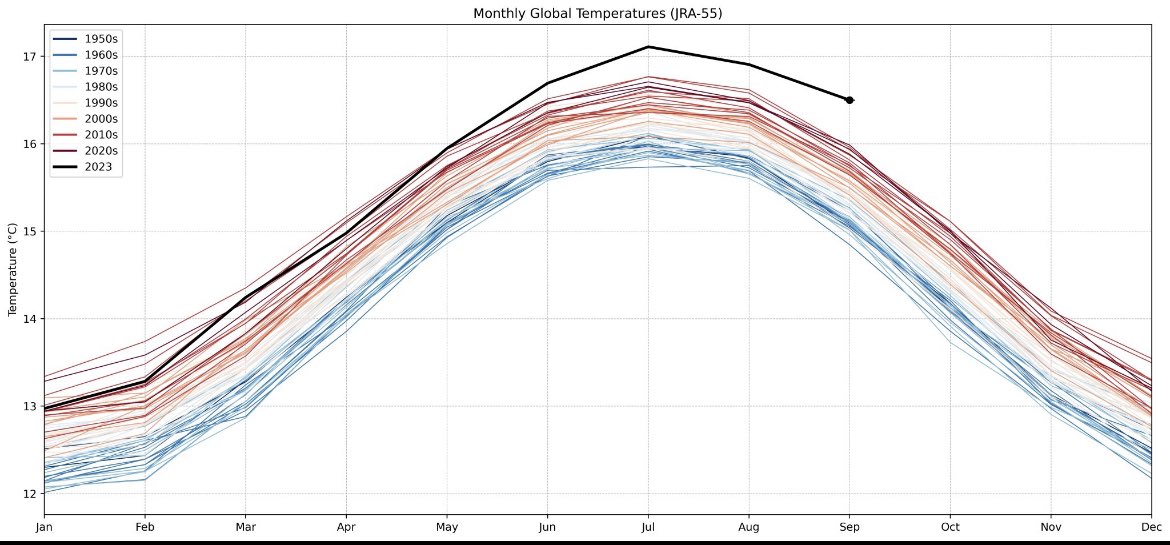
This year’s insane heat has coincided with (perhaps driven?) a bit of a wedge between two leading “climate urgency science narratives”…
🧵 Image
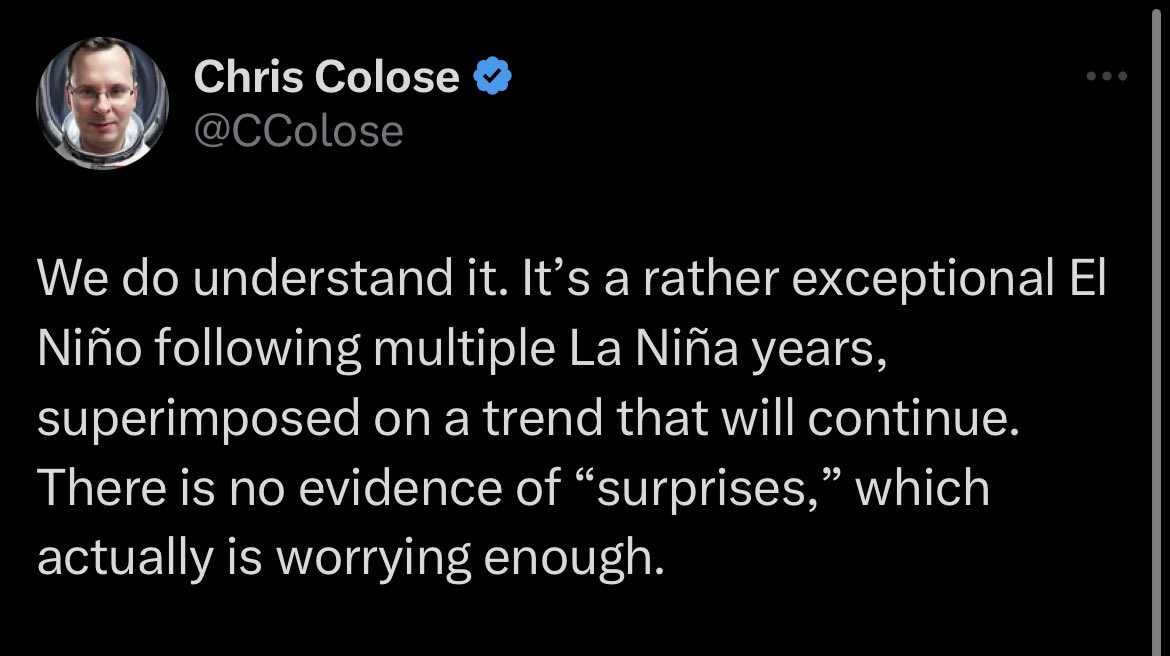
On one side there are what we might call “the traditionalists”. These folks emphasize how this heat falls within the boundaries of how we would expect the Earth system to behave given the historical trajectory of fossil Carbon emissions, combined with an El Niño transition year.
Image
Image
On the other hand we have what we might call the “accelerationists”. These folks emphasize the role of an aerosol termination shock and imply that what we are seeing is something new, more extreme than what models expected.
Image
Image
Read 10 tweets
Sep 23, 2023
I see the "livestock CH4 is/is not the same as fossil CH4" debate has resurfaced again🙄

Y'all! This is very well studied. Here's a thread on the science.

First tho, both these claims are untrue:
- livestock and fossil CH4 are the same
- livestock CH4 doesn't warm the planet
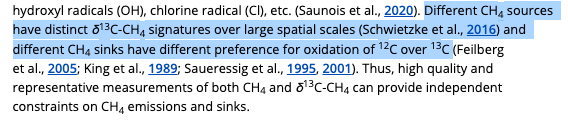
1) A molecule of CH4 emitted by an animal and from a fossil fuel project are very, very similar: One Carbon atom, four Hydrogen atoms. But they are not identical. We know this because they have slightly different carbon isotopic signatures.
doi.org/10.1029/2021GB…
Image
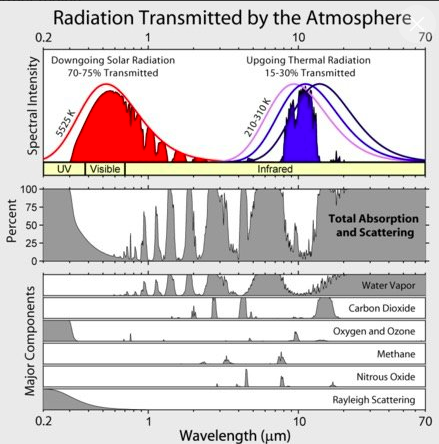
2) *While in the atmosphere* the biogenic and fossil CH4 have the same warming influence on the planet, regardless of their isotopic signature. The molecules absorb various wavelengths of solar radiation, just like other key greenhouse gases. Image
Read 11 tweets
Sep 8, 2023
Here's a story: After being emitted, most Methane (CH4) molecules spend about 12 years in the atmosphere before being broken down by a short-lived molecule called Hydroxyl Radical (OH) - a molecule which typically only lives for about 1 second!
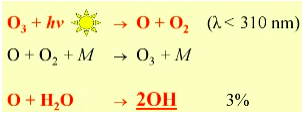
OH is typically formed by a two-step process in the atmosphere: First, Ozone (O3) reacts with UV light, splitting into O2 + O. Then the rogue Oxygen atom reacts with water vapour (H2O) to create two Hydroxy Radical (OH) molecules... Image
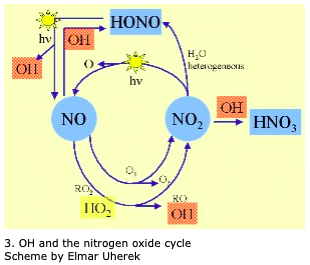
OH is ALSO formed by "the photolysis of nitrous acid (HONO), hydrogen peroxide (H2O2), or peroxy-methane (CH3OOH); or the reaction of nitrogen monoxide (NO) with the hydroperoxy radical (HO2)" This makes OH sensitive to Nitrogen Oxide... which we'll come back to... Image
Read 16 tweets
Jun 8, 2023
There's been all kinds of assertions out there about how CLIMATE CHANGE IS or IS NOT related to the current wildfire and smoke emergency...

Here's a quick thread on Wildfires and Climate Change in CANADA - what we KNOW and EXPECT based on the Science:
🧵 ImageImage
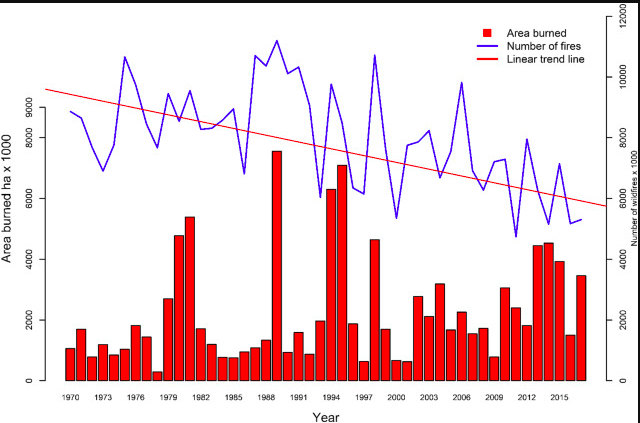
FIRST, let's clear the confusion around TRENDS for NUMBER OF FIRES:

The total number of wildfires in Canada has *DECLINED* in recent decades.

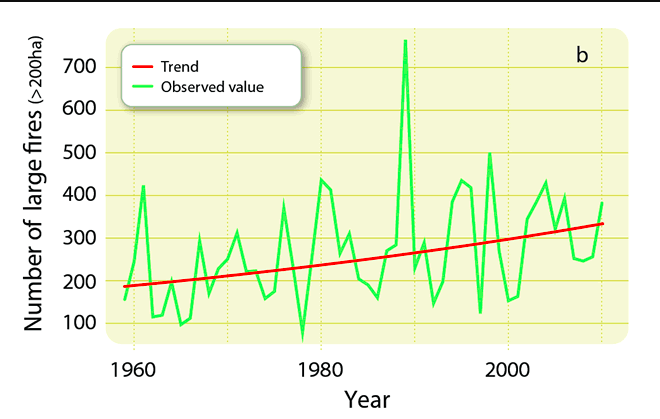
HOWEVER, the total number of LARGE wildfires (>200ha) has INCREASED in recent decades. ImageImage
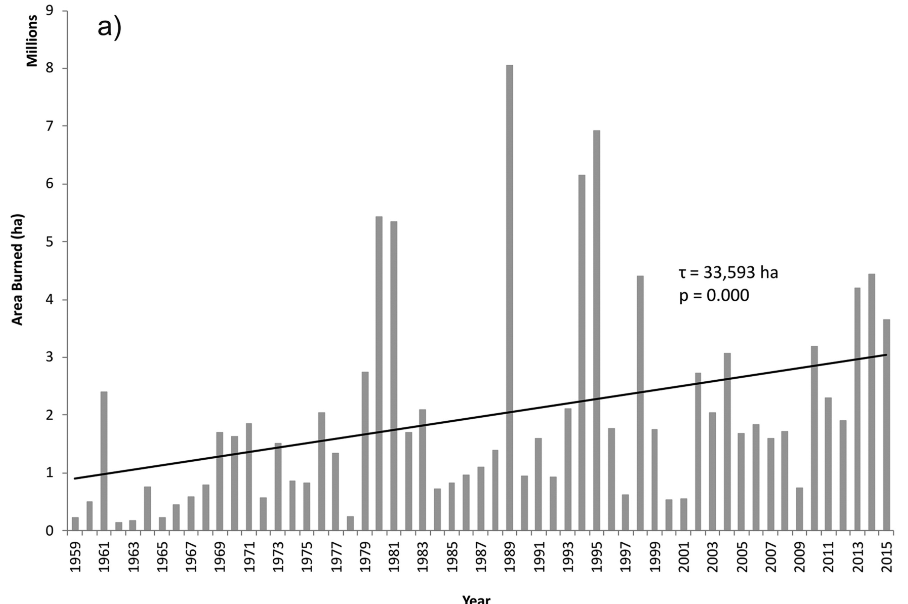
The total AREA burned is highly variable from year to year (just 3 years ago - 2020 - for instance, was one of the record lowest years for total area burned).

HOWEVER, the TREND for total AREA burned over the last number of decades has INCREASED significantly. Image
Read 13 tweets
Sep 19, 2022
Canada's top 11 methane 'hot spots', and their equivalent warming emissions in terms of barrels of oil consumed.

Number 11: JBS's stockyards in Brooks, AB. 9000 kg CH4 (warming equivalent to burning 521 barrels of oil).

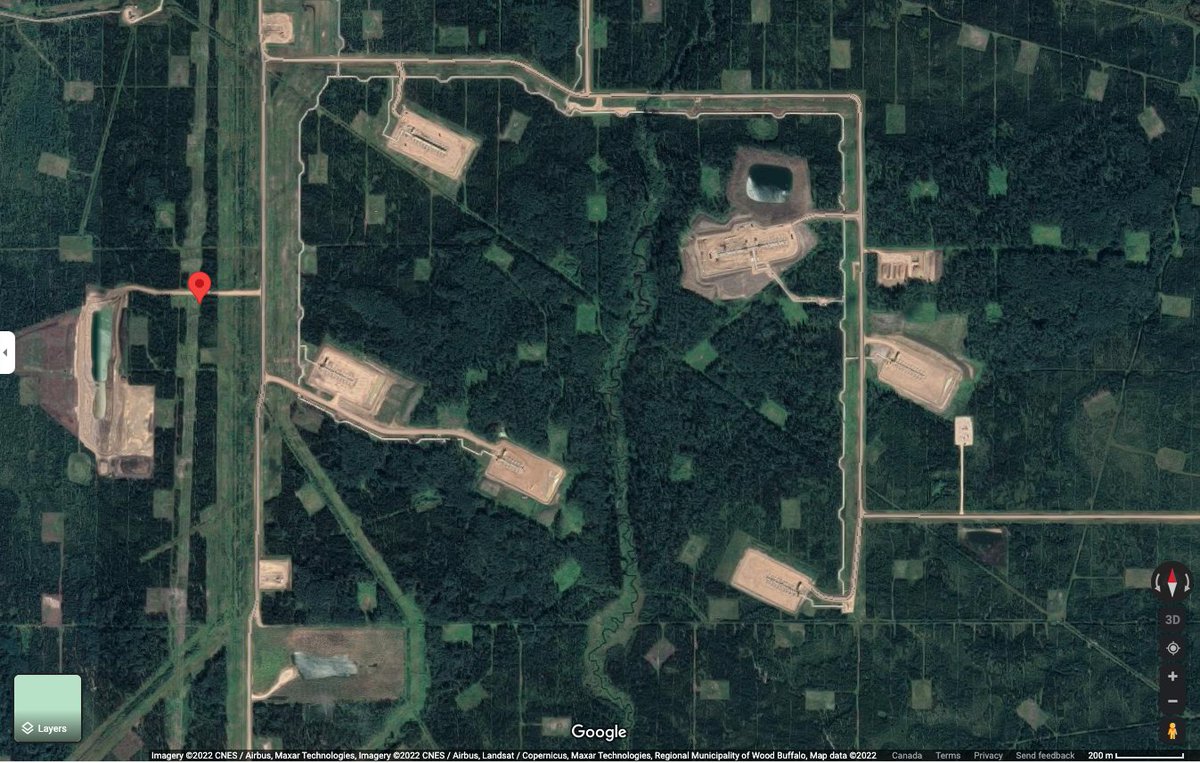
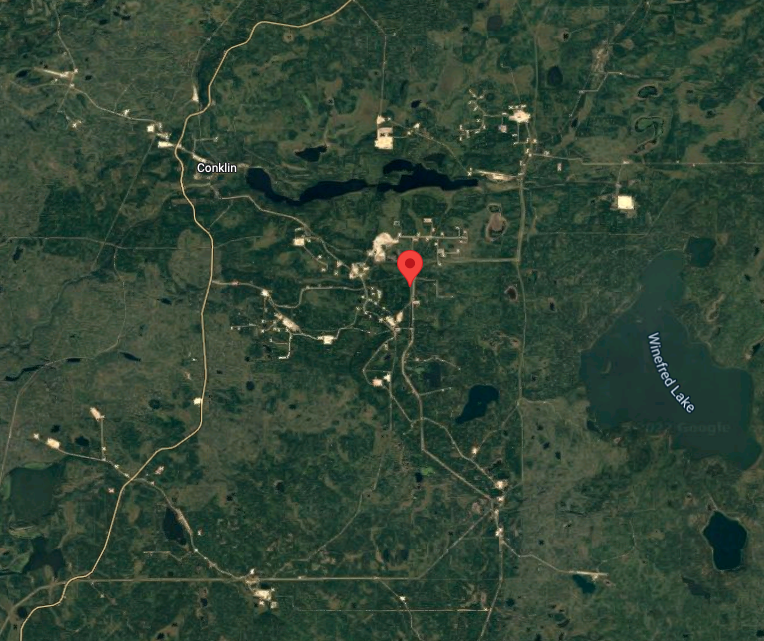
10th highest emitter: Canada's in situ oilsands well-pads near Conklin, AB. 10,000 kg CH4/year. Warming equivalent burning 579 barrels of oil. ImageImage
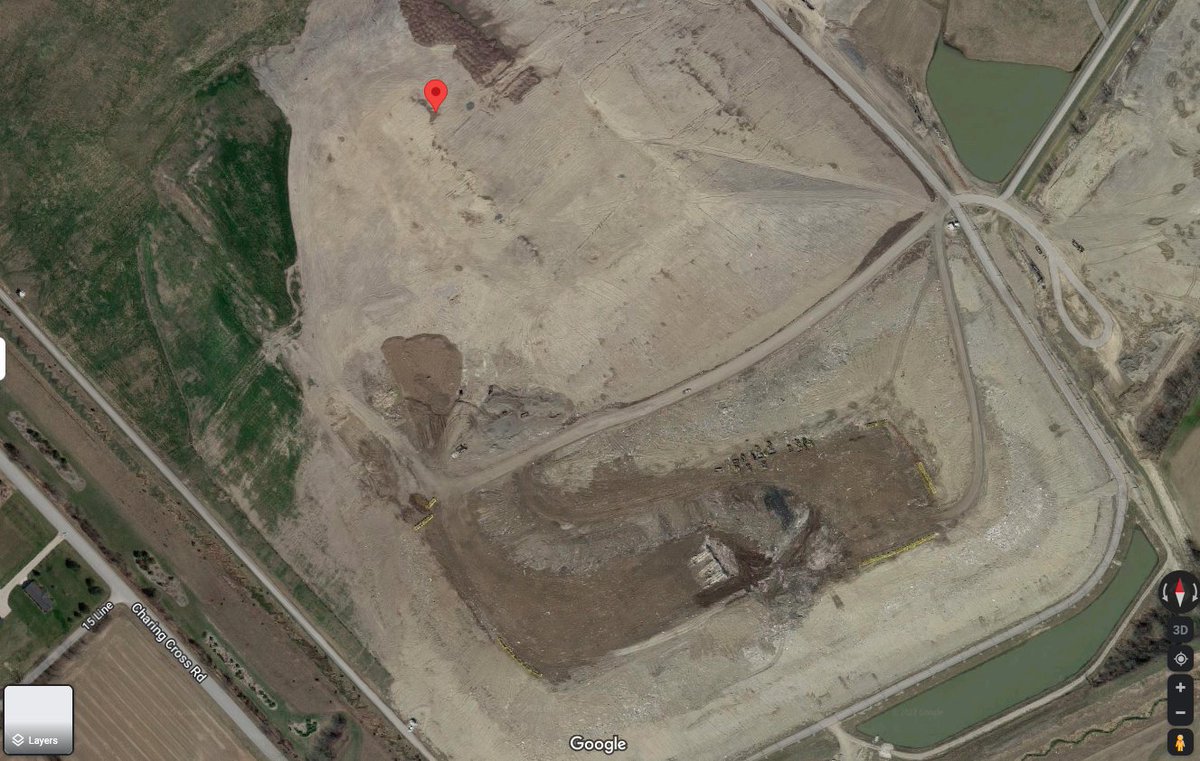
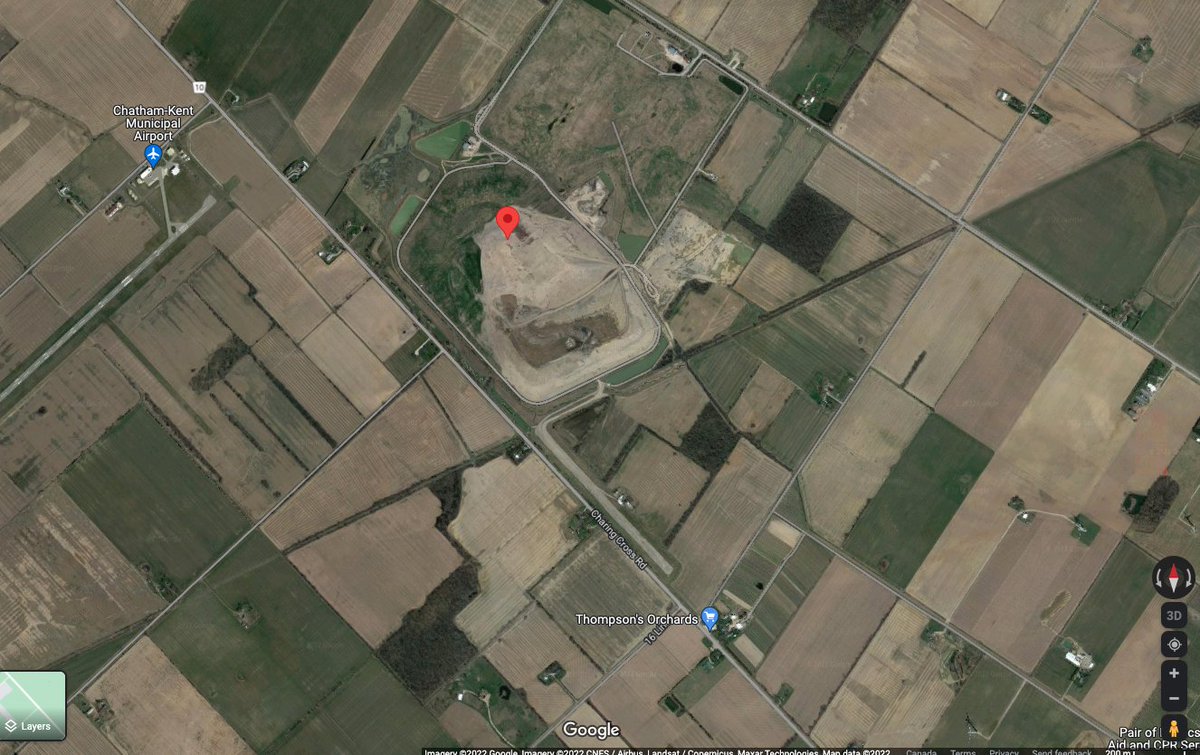
9th highest emitter: Ridge Landfill in Chatham-Kent, ON. 10,000 kg/year. Warming equivalent of burning 579 barrels of oil). ImageImage
Read 13 tweets
Sep 11, 2022
Between "climate radicalism" and "climate pragmatism"...

A thread on my predicament🧵
There's a tension between, on one hand, "radical" perspectives that start from the premise that things are so bad, and the situation is so urgent, that the only way we get out of this mess is through transformational change to the system; AND...
On the other hand, "pragmatic" perspectives which start from the premise that we don't really have time for messing around with socio-political-economic change, we're better off centring the effort on technological change and building whatever cross-political support possible.
Read 11 tweets

Did Thread Reader help you today?

Support us! We are indie developers!


This site is made by just two indie developers on a laptop doing marketing, support and development! Read more about the story.

Become a Premium Member ($3/month or $30/year) and get exclusive features!

Become Premium

Don't want to be a Premium member but still want to support us?

Make a small donation by buying us coffee ($5) or help with server cost ($10)

Donate via Paypal

Or Donate anonymously using crypto!

Ethereum

0xfe58350B80634f60Fa6Dc149a72b4DFbc17D341E copy

Bitcoin

3ATGMxNzCUFzxpMCHL5sWSt4DVtS8UqXpi copy

Thank you for your support!

Follow Us!

:(