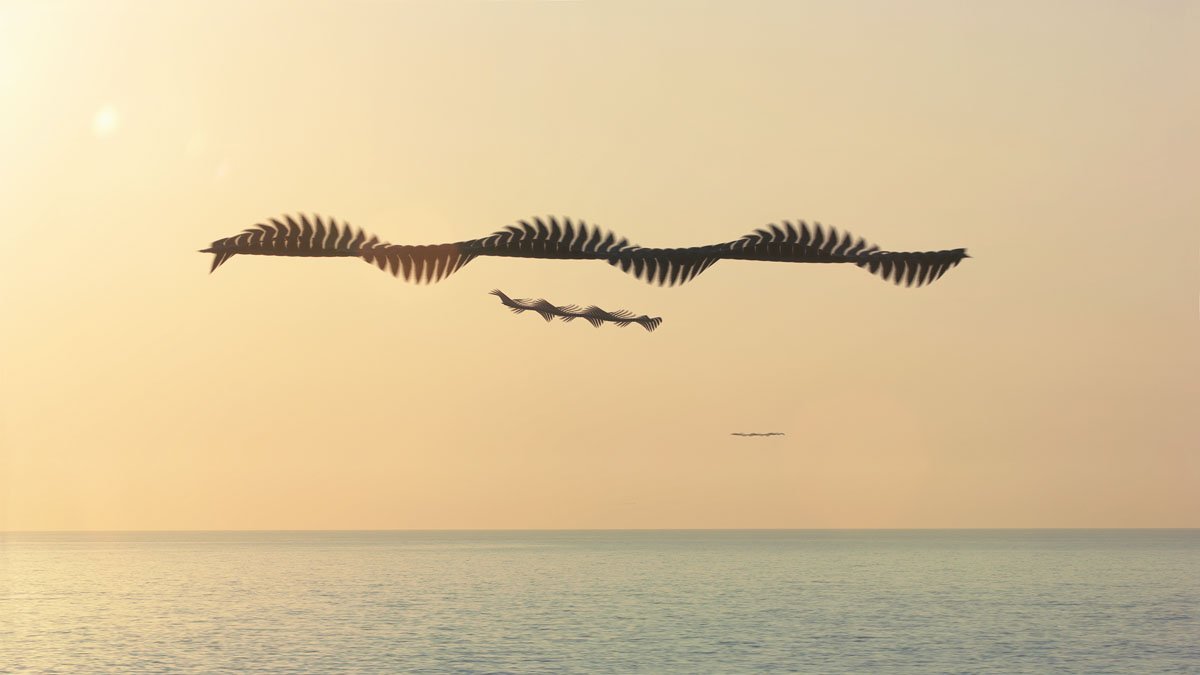
So there's this artist named Xavi Bou that makes these time lapse photos of bird flight
He takes photos of them continuously as they fly so a single bird looks like a trail as it moves across the sky.
They're incredible photos, but there's another reason I find them cool 🧵
He takes photos of them continuously as they fly so a single bird looks like a trail as it moves across the sky.
They're incredible photos, but there's another reason I find them cool 🧵
A couple years back I was doing seal necropsies with the Marie Mammal Center and someone showed me a seal whisker.
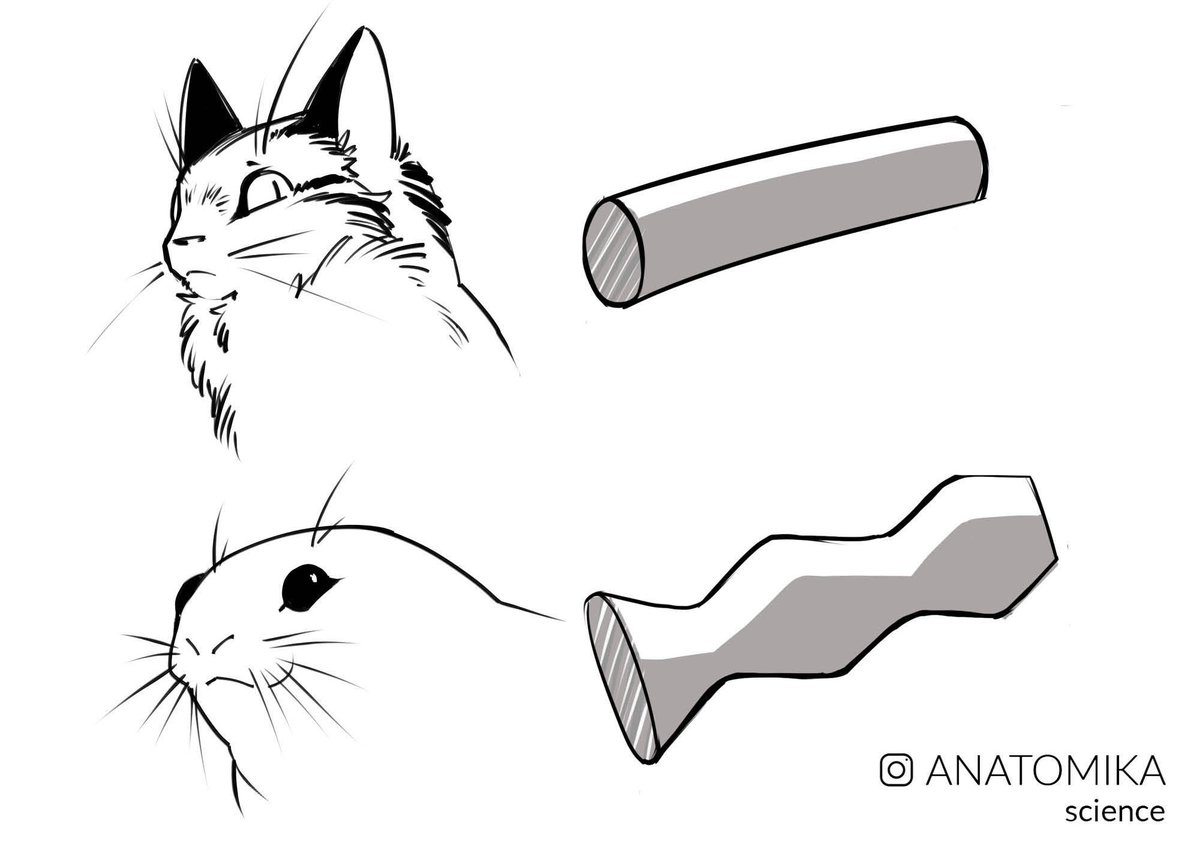
As it turns out seal whiskers aren't round like cat whiskers instead they have this weird flat wavy shape.
As it turns out seal whiskers aren't round like cat whiskers instead they have this weird flat wavy shape.
As fish move through the water they leave trails of turbulence.
Seals use their specialized whiskers to detect and follow turbulence trails like a dog following a scent trail.
Seals use their specialized whiskers to detect and follow turbulence trails like a dog following a scent trail.
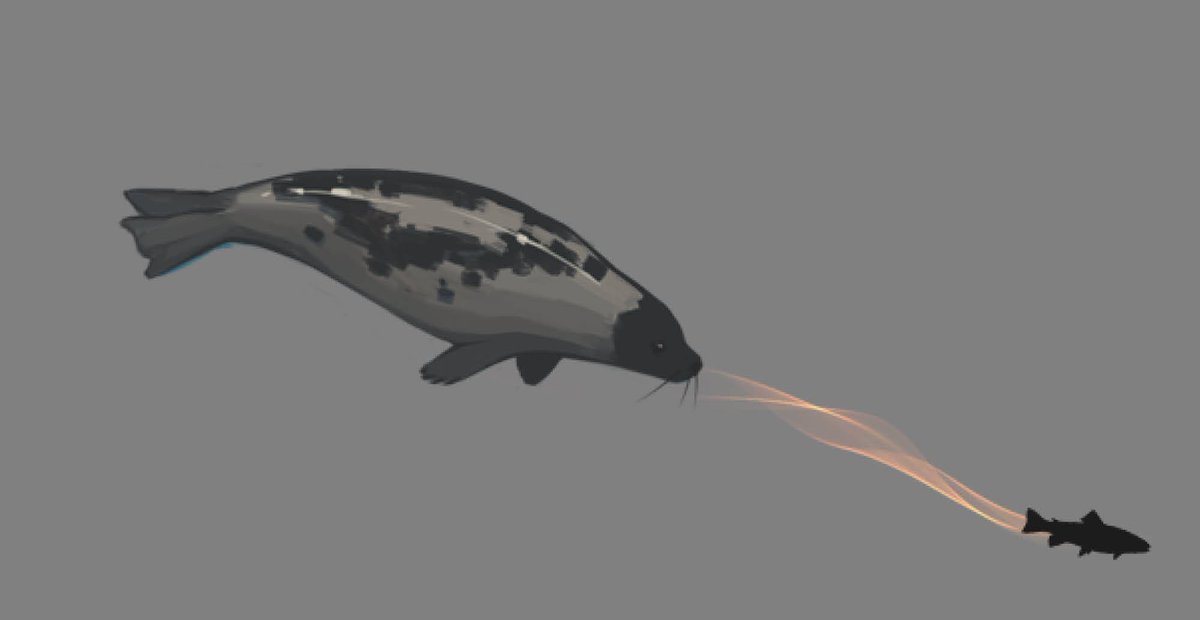
5,000 ft beneath the sunlit surface, elephant seals trail their prey, following invisible winding trails of turbulence in absolute darkness.
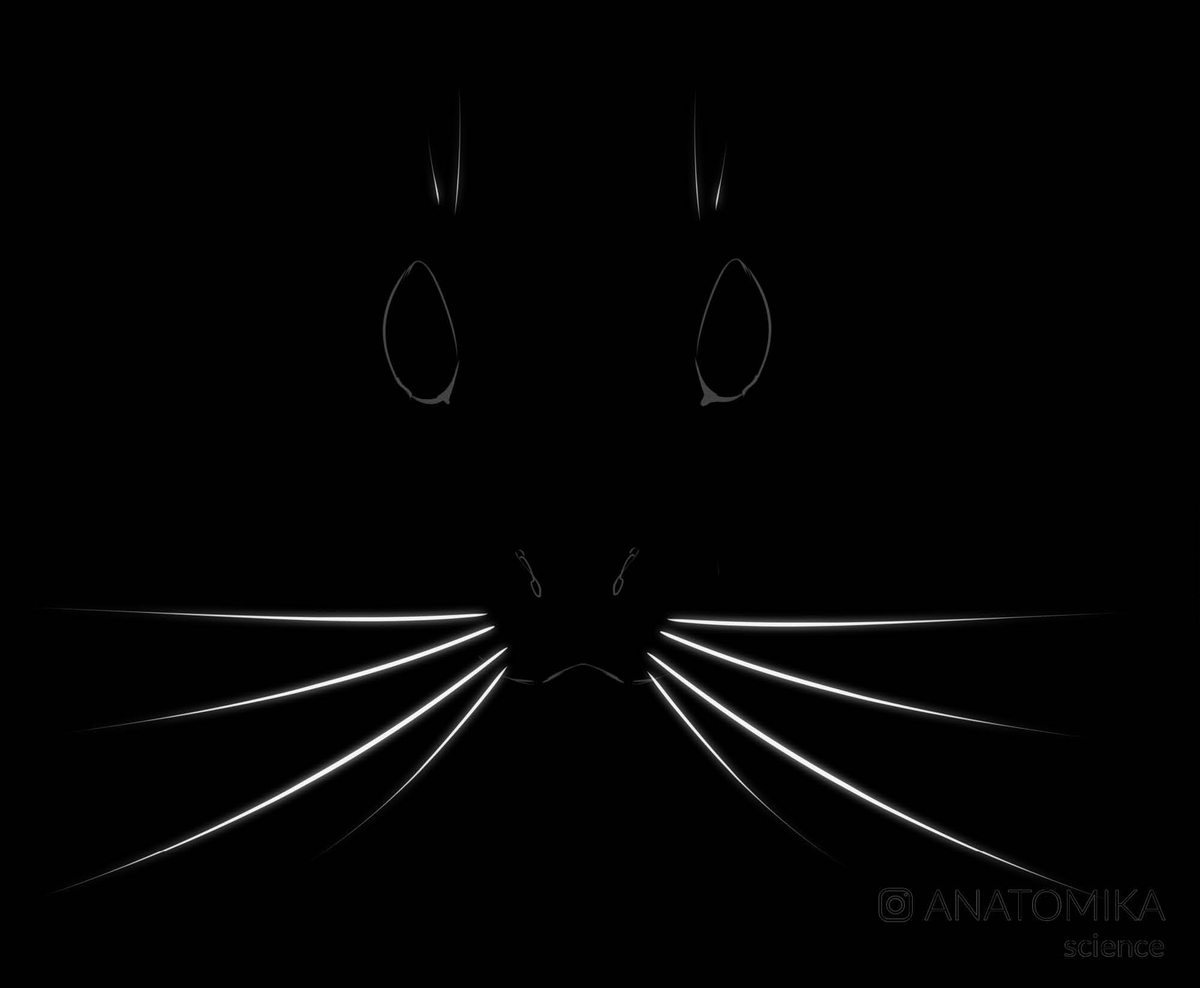
They can't see in the darkness but they can tell the size and shape of the animal that made the trail from tiny differences in turbulence and follow the trail from miles.
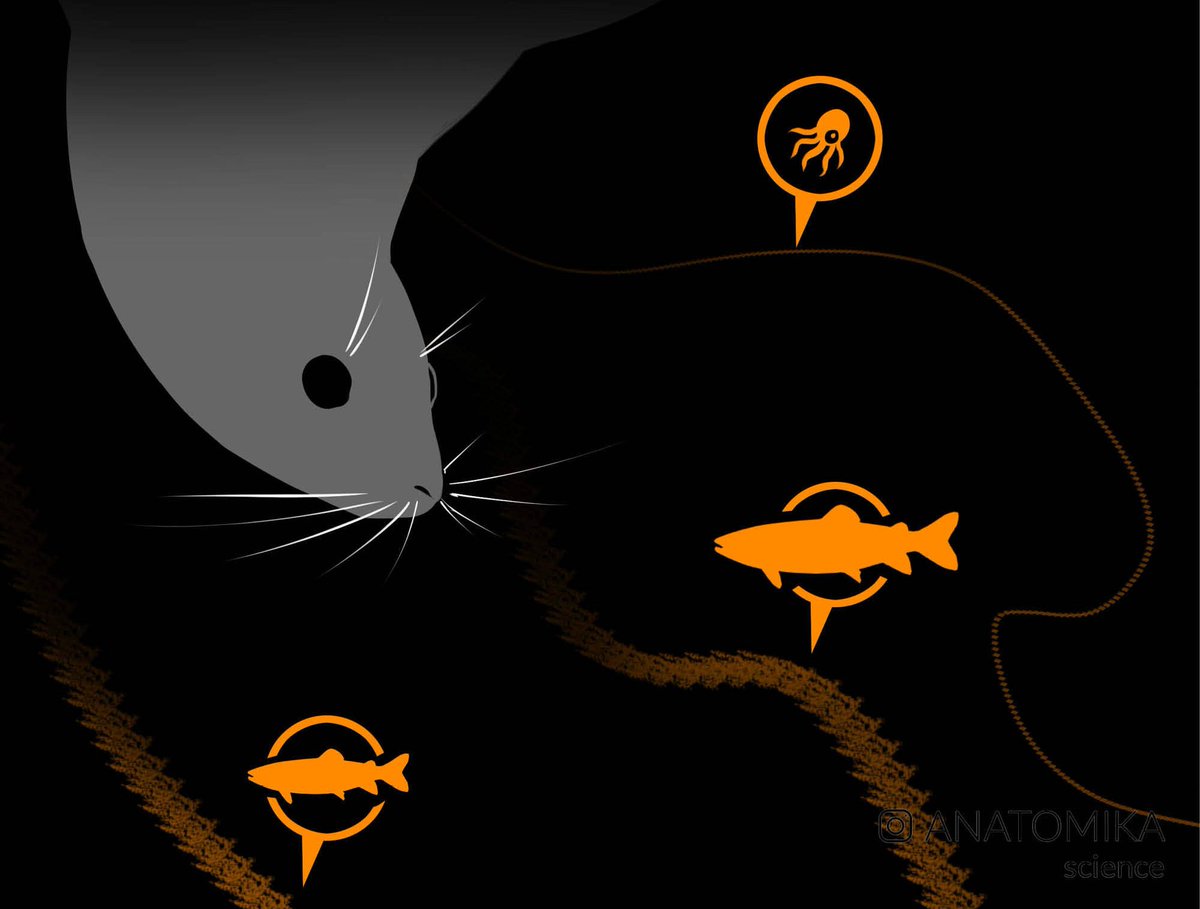
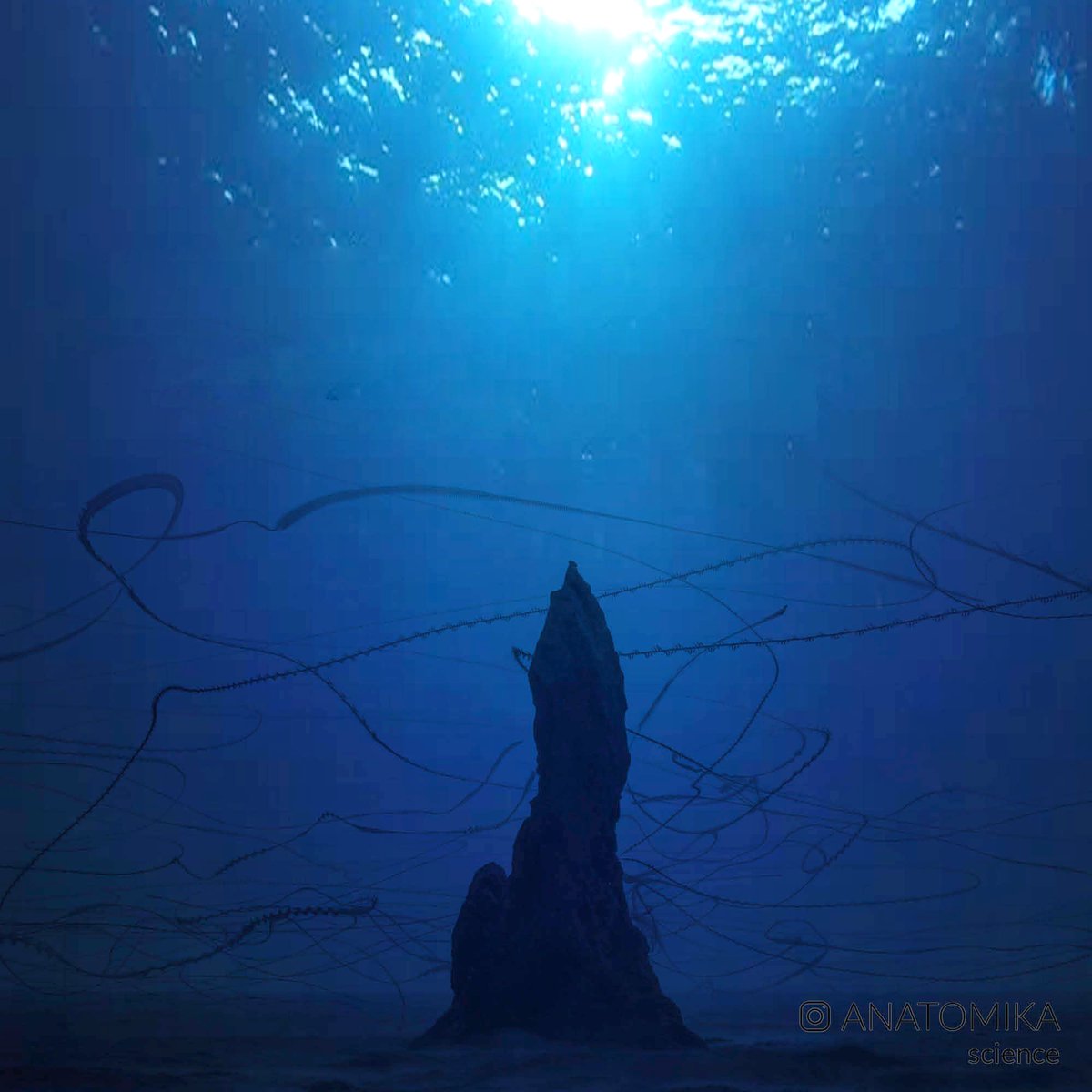
It's such an odd concept to think about. But to me these trailing after images of the wingbeats of birds is a way to approximate how seals experience the world.
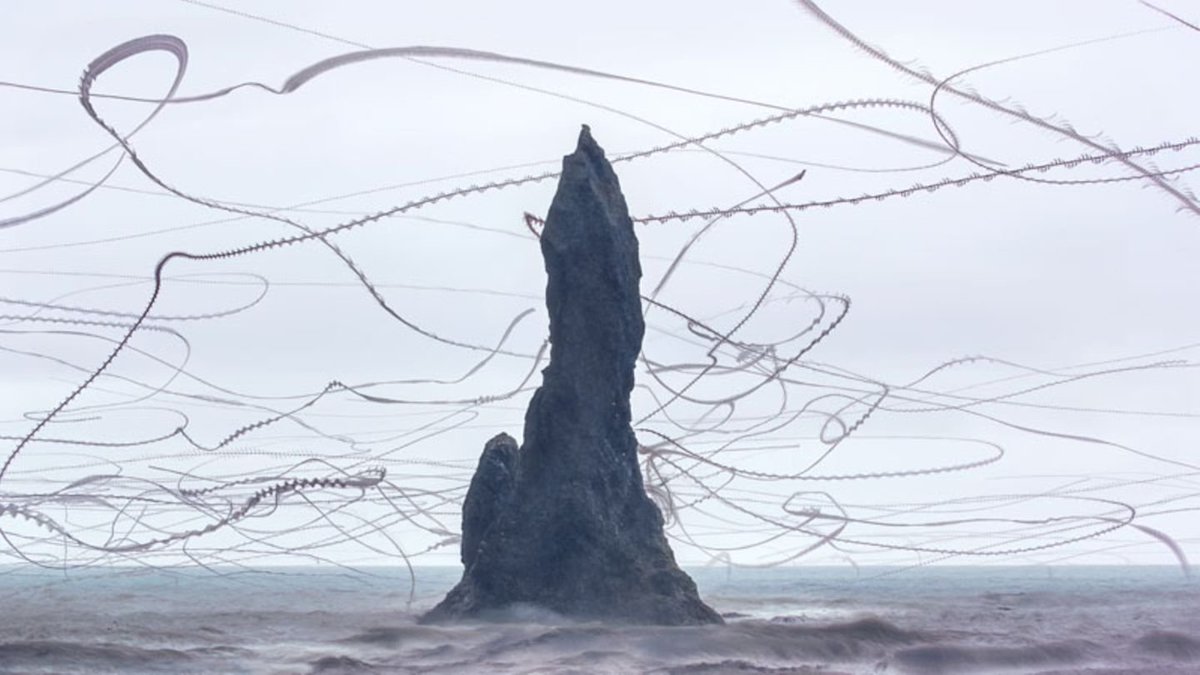
....an endless ocean filled with the trailing after images of motion....from those have long since moved on...
• • •
Missing some Tweet in this thread? You can try to
force a refresh