The Paperclip Profile picture
Jan 23 22 tweets 5 min read Read on X
In the summer of 1952, Mary D’Souza received an unexpected surprise - an invitation to participate in the Olympics. But attending the Olympics seemed to be an impossible task - a meagre salary and being one of 12 children certainly didn't help.

So what happened then?

1/20 Image
On July 21, 1952, in cold Helsinki, a young Mary D’Souza came 9th in the 100-metre sprint for women, clocking a speed of 13.1 seconds. Five days later, on the 26th, in the heats for the 200-metre, Mary clocked a time of 26.3 seconds. 2/20 Image
Fifth from the bottom out of a pool of 38 contenders, it was indeed a commendable outcome for a young 21-year-old participating in the Olympics. After all, a few months ago she was not even sure she was going to make it to Helsinki. 3/20
In a conversation with Journalist & Writer @sohinichat, Mary shared that the letter felt like winning a lottery ticket but the jolt came soon after when a notification, requesting a deposit of Rs 5,000 for the trip, arrived. They didn’t have the money. 4/20
Born into a Catholic family, Mary’s father relocated from Goa to Bandra in Bombay, Maharashtra after he secured a job as a motorman in the railways in 1933. 5/20
Mary was invested in sports from a very young age and she would often watch the boys play hockey at the municipal grounds in Bandra. 6/20 Image
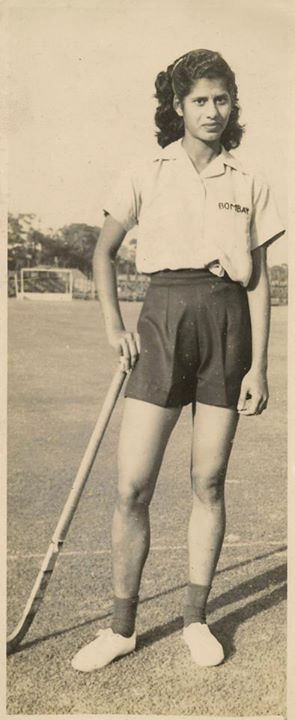
But it was her cousin Maxi Vaz, who, impressed by Mary’s speed following a game of hockey, coaxed her into participating in the 100 and 200 metre sprints. It was the 1950s and back then Roshan Mistry, Banoo Gulzar, and Pat Mendonca dominated the Bombay circuit. 7/20
Mary trained at the Brabourne Ground, doing stretches and similar exercises as the other three did. A year later in 1951, at the Bombay Athletics meet, Mary came second in the 200 metre sprint, prompting her selection for the inaugural Asian Games, where she won the bronze. 8/20
With news of the Olympics doing the rounds, the IOA* went into a tizzy. In fact, a Times of India (TOI) column stated that there was a mad scramble among sports officials to secure a free trip to the Helsinki Olympics. For Mary, though, it still felt like a dream too far. 9/20
She remained pragmatic and started preparing for her new job in Ooty. Then one day, out of the blue, a note arrived from the Bombay State Athletic Association - participants were requested to come and collect their uniforms, and Mary was in for a surprise. 10/20
Along with her uniform and gear, there was a ticket to Europe; the association was going to pay for all expenses and would even halt at Copenhagen for several weeks so that the entire contingent could train there. Mary was ecstatic in her own stoic way. 11/20
Helsinki felt like a dream. The Games village was neat and tidy, and the overall arrangement was overwhelming, to say the least. On 19th July, just a day after Mary’s birthday, she walked into Helsinki Olympic Stadium as part of India’s Olympic contingent. 12/20 Image
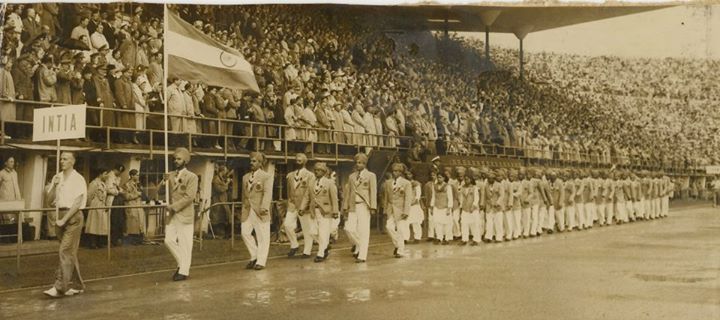
It was only the second time that India had sent its athletes to the summer games (except for the men’s hockey team which was on the path of glory) and little was anticipated from the others. 13/20
The contingent returned with one gold for the men’s hockey team and a bronze for K.D. Jadhav in wrestling. The TOI’s gossip column termed India’s performance in Helsinki as ‘comic-opera exploits’. For Mary, however, it was a watershed moment in her life. 14/20
She refused the job at Ooty and plunged headlong into sports. Not long after, the Tata’s roped her in and offered her a job at the Taj Mahal hotel in Bombay. Mary would work till lunch then change into her gear and head into training. 15/20
She went on to become one of India’s best female athletes from the mid-1950s well into the 60s. From 1952-1956 she was the fastest female sprinter and a dominant hockey player, known for her terrific speed and exuberant attacking game. 16/20
At the 1954 Asian Games in Manila, Mary led the Indian women's team to victory, securing gold for the nation. Sadly, Mary couldn’t participate in the 1956 Olympic Games in Melbourne due to miscommunication and budget constraints, something she rues even till today. 17/20 Image
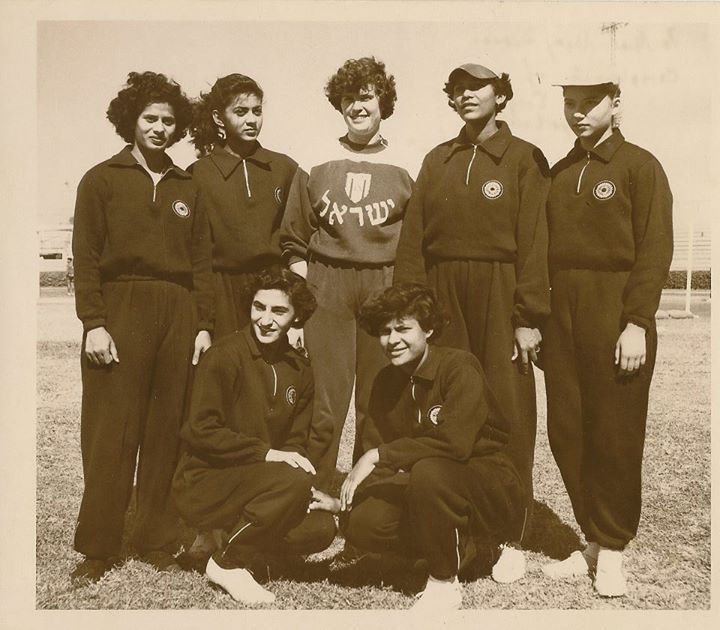
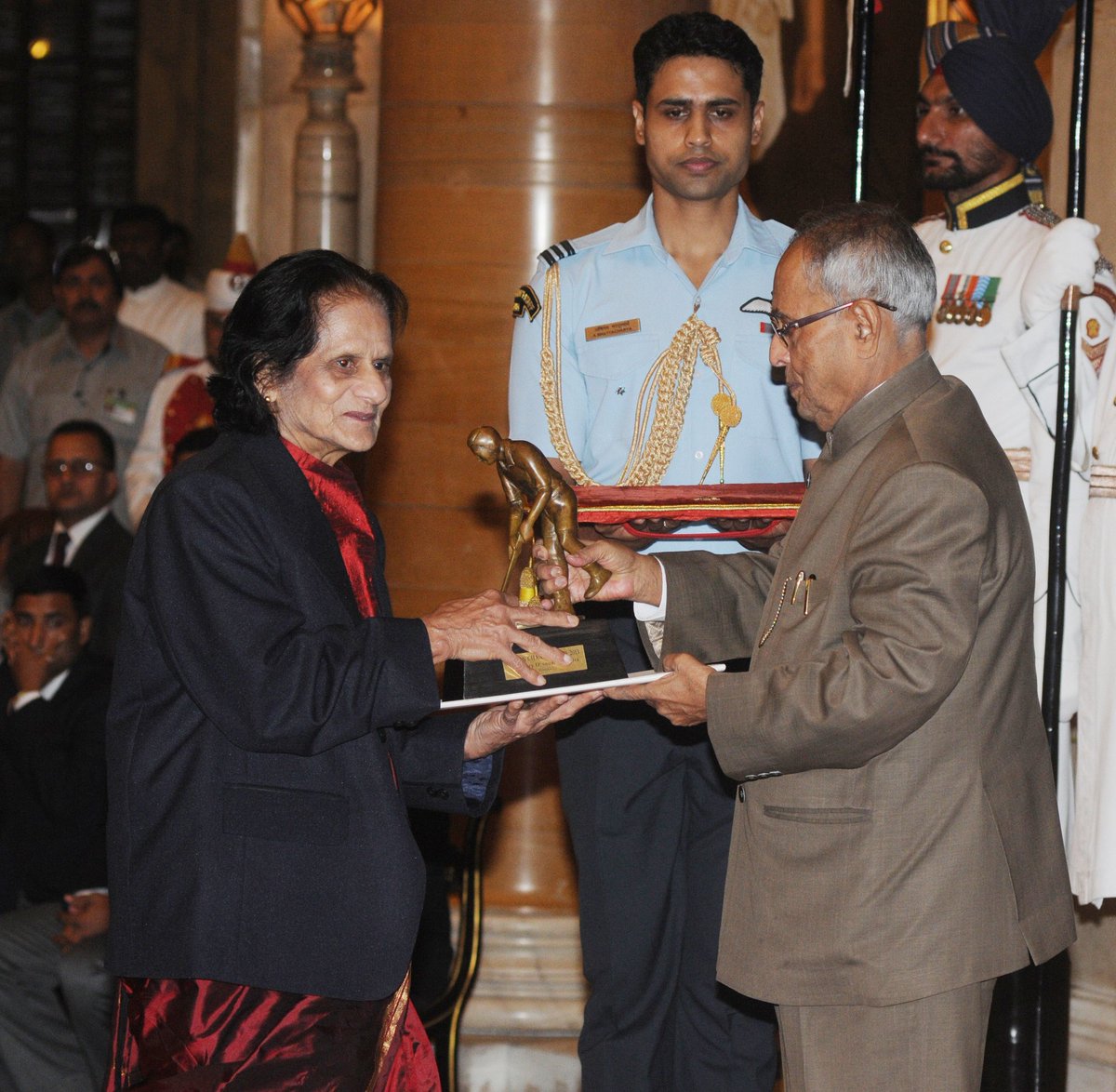
Though she gave up sprinting in 1957, she continued to play hockey till 1968. In 2013, she was awarded the Dhyan Chand Award for Lifetime Achievement in Sports and Games. 18/20 Image
Just before the summer games in 1952 an evening of card games and dance was set up by Mary’s friend Vincy D’Mello to raise money to cover for her expenses in Helsinki. Mary fondly remembers the evening during which the sum of Rs 300 was later handed to her by D’Mello. 19/20
It serves as an ode perhaps to all the little things and sacrifices people make for their loved ones to see their dreams turn into tangible achievements. 20/20
Source - The Day I Became a Runner: A Women's History of India through the Lens of Sport by @sohinichat, for more stories like this one you can collect the book from here amazon.in/Day-Became-Run…
Image attributes: ; @WikiCommons

Notes - IOA stands for Indian Olympic association.goenchimathi.wordpress.com

• • •

Missing some Tweet in this thread? You can try to force a refresh

 

Keep Current with The Paperclip

The Paperclip Profile picture

Stay in touch and get notified when new unrolls are available from this author!

Read all threads

This Thread may be Removed Anytime!

PDF

Twitter may remove this content at anytime! Save it as PDF for later use!

Try unrolling a thread yourself!

how to unroll video
  1. Follow @ThreadReaderApp to mention us!

  2. From a Twitter thread mention us with a keyword "unroll"
@threadreaderapp unroll

Practice here first or read more on our help page!

More from @Paperclip_In

Jan 20
In the post-war era, few have preserved the occult spirit of Nazism like Savitri Devi – a Hitler-devotee, a prolific writer, a cat lover, and a cult figure among Neo-Nazi groups. A thread on a Nazi associate dressed in a sari, who found an unexpected home in India. 1/18 Image
However, she was not Indian. Born prematurely in 1905 as Maximiani Julia Portas in Lyon, her life took a remarkable trajectory vividly documented by Nicholas Goodrick-Clarke in the celebrated book "Hitler's Priestess." 2/18 Image
A woman of intellect, Maximiani was deeply rooted in philosophy and chemistry, having earned multiple master's degrees and a PhD from the University of Lyon. Her inquisitive mind led her to explore the ancient ruins of Greece, where she drew connections to Aryan origins. 3/18
Read 20 tweets
Jan 17
Would you believe if we tell you that an illiterate barber in Bihar earned himself the extraordinary sobriquet of "Shakespeare"? The story behind this unique nickname is as fascinating as the moniker itself. Re-sharing a thread on Bhikhari Thakur-"Shakespeare of Bhojpuri."
1/20 Image
Thakur was born in a poor barber family in 1887 in Kutubpur village of Chhapra district. Due to extreme poverty, he couldn’t finish his education and adopted the family profession of a barber (2/20)
After a deadly famine hit his village, the young barber soon migrated to Kharagpur, then Puri to Calcutta where he watched Cinema, Parsi theatre and visited a "naach hall" for the first time that inspired him to write and act in plays. (3/20)
Read 21 tweets
Jan 6
In a world where incessant hate propaganda and social discrimination often hogs the spotlight, revisiting Savitribai Phule’s second letter to her husband about an intriguing love story and a vicious plot of honour-killing. A short thread.

(1/12) Image
In the era, when native women of colonial India rarely wrote letters, Savitribai Phule’s three letters to her husband Jyotirao Phule, have been preserved as precious pieces of literature, thanks to MG Mali's edition of her collected works and Sunil Sardar's translation.

(2/12)
Going beyond the domestic orbit of mundane conversation, the letters stand out as chronicles of humanitarian conditions and social taboos of the colonial era. The remarkable letters reflect a sense of hope and liberation.

(3/12)
Read 13 tweets
Jan 2
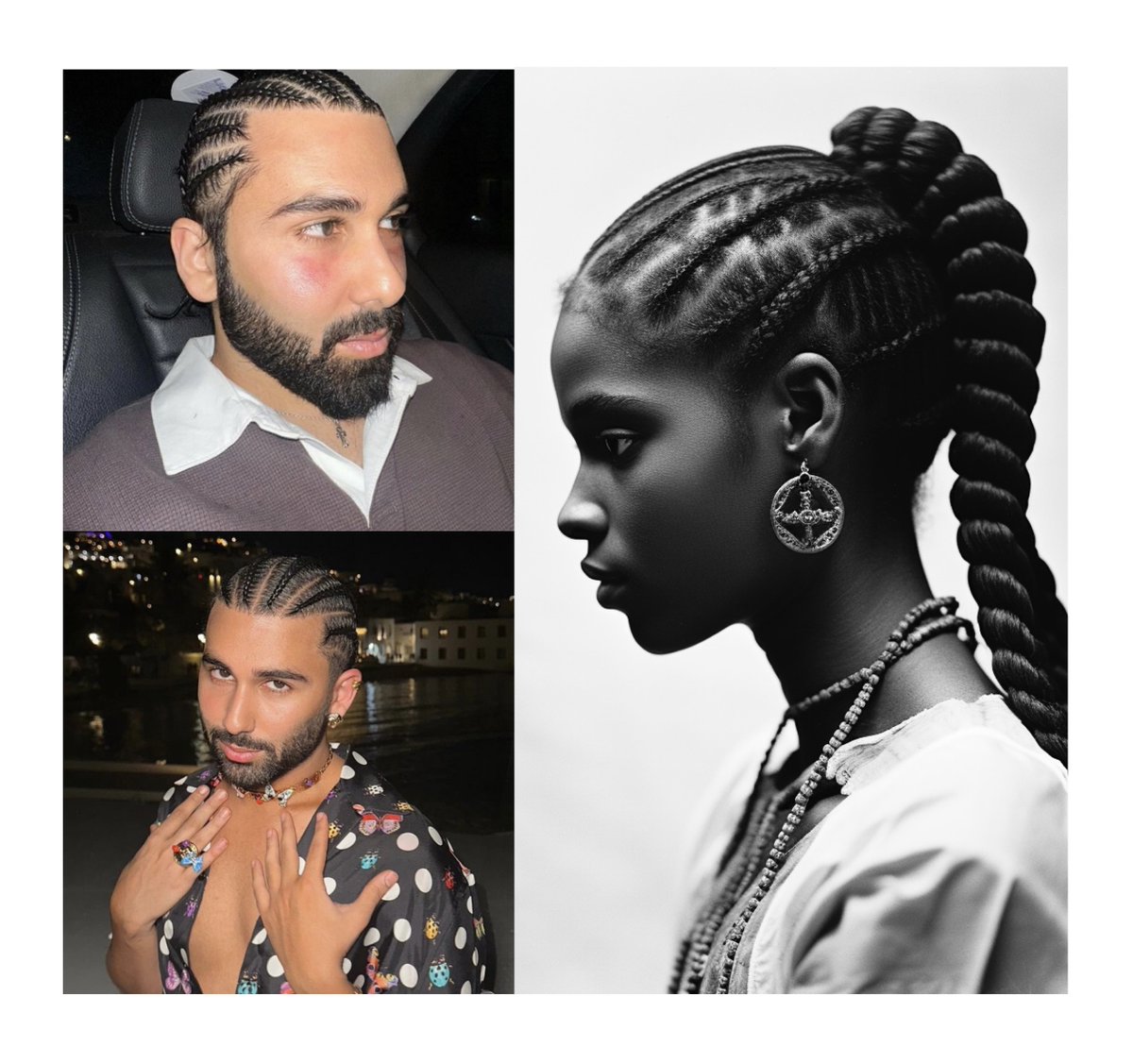
Orhan Awatramani, or Orry, is the latest social media sensation. You've probably noticed his trendy cornrow braids too. We couldn't resist tracing its mind-bending origin rooted in Africa's slave history. It's not just a hairstyle; it's a chilling tale of freedom. Thread.

1/11 Image
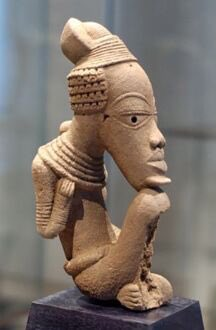
Cornrow styled braids are not just a fashion statement, but truly an ancient heritage. Evidences of such braids can be found in many prehistoric artifacts. This clay sculpture from the ancient Nok civilization of Nigeria was dated 500 BCE. (2/11) Image
When the people of Africa were brought to the New World as slaves, their heads were often shaved to dehumanize them. The helpless slaves, especially women, started to grow braids in a way to demonstrate their heritage as a symbol of strength. (3/11)
Read 11 tweets
Dec 24, 2023
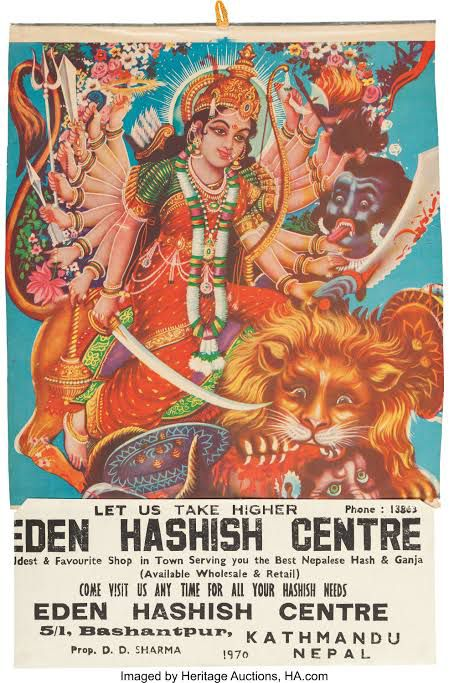
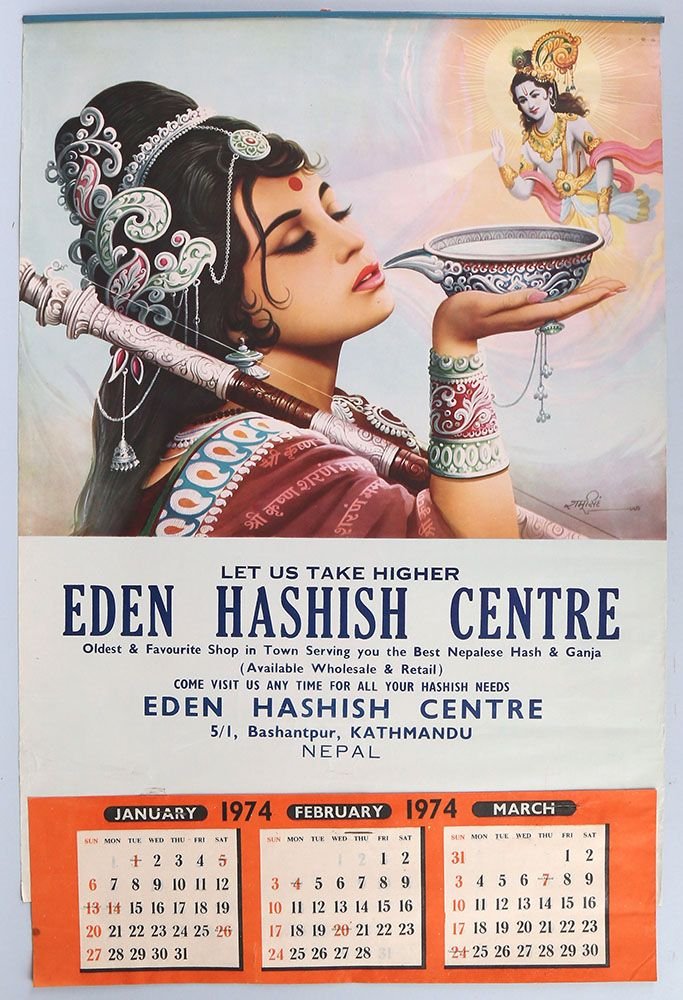
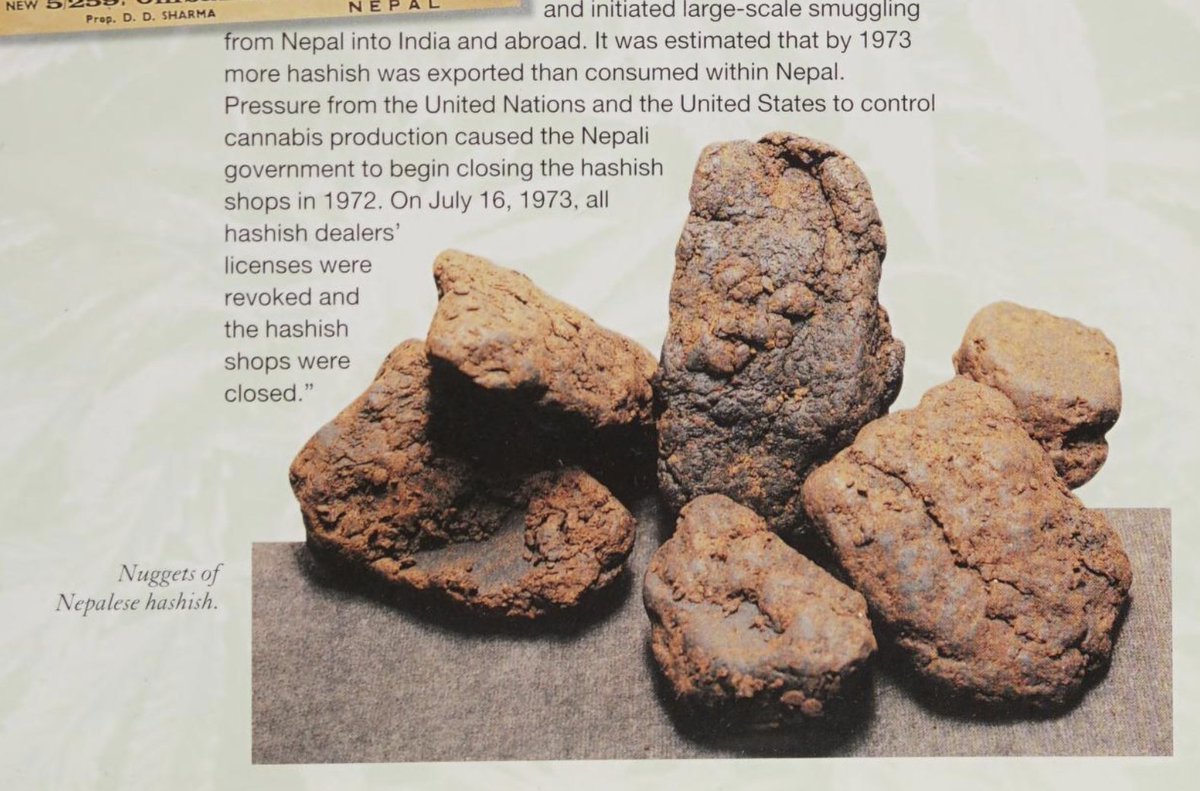
Once upon a time in Nepal, Hindu deities such as Goddess Durga, Lord Krishna, Lord Shiva and others were invoked to promote a legendary marijuana shop before it was criminalized in 1973. Intrigued?

Looking back. A thread.

(1/13)
Image
Image
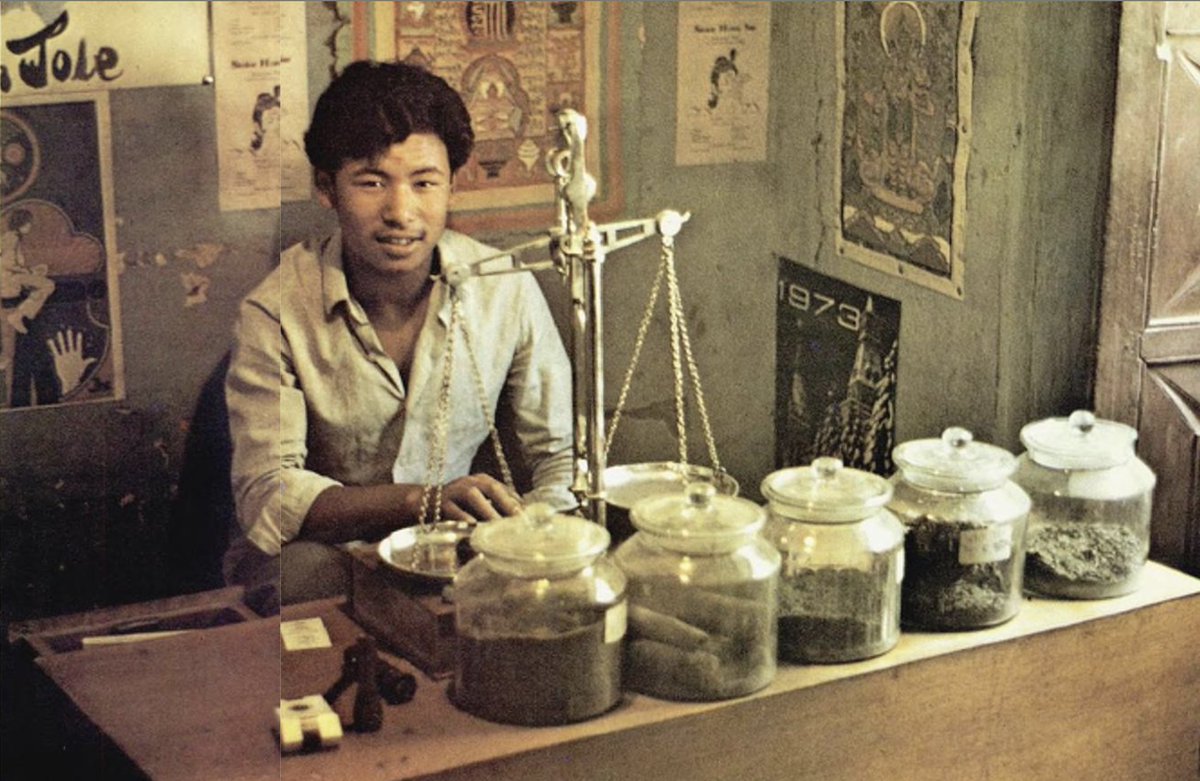
Located in a beautiful valley deep in the Himalayas, Kathmandu was a hippie magnet in Nepal during the late '60s and early '70s and cannabis was the centre of attraction (2/13) Image
Freak Street is a small street located south of Kathmandu Durbar Square and opposite of the former Basantapur royal palace, which was the epicentre of the hippie trail of the 1960s and 1970s, drawing locals and western tourists to numerous legal hashish shops
(3/13) Image
Read 14 tweets
Dec 21, 2023
Today we reopen the 'murder by germs' file to recount how the Bubonic Plague found its way to Calcutta and murdered a Bengali Zamindar.

Yes, you heard it right – murdered!

Looking back at a thread about the sensational case that shocked the world.

(1/20) Image
On a winter’s evening in 1933, Amarendra Chandra Pandey, the wealthy scion of a Bengali Zamindar family from Pakur (in present day Jharkhand), along with his compatriots, was walking down an usually busy Howrah station platform in Calcutta (2/20) Image
Amarendra was supposed to get on a train to Pakur, but before he could do so, a mysterious-looking person bumped into him. Suddenly, Amarendra felt a sharp pin prick (3/20)
Read 21 tweets

Did Thread Reader help you today?

Support us! We are indie developers!


This site is made by just two indie developers on a laptop doing marketing, support and development! Read more about the story.

Become a Premium Member ($3/month or $30/year) and get exclusive features!

Become Premium

Don't want to be a Premium member but still want to support us?

Make a small donation by buying us coffee ($5) or help with server cost ($10)

Donate via Paypal

Or Donate anonymously using crypto!

Ethereum

0xfe58350B80634f60Fa6Dc149a72b4DFbc17D341E copy

Bitcoin

3ATGMxNzCUFzxpMCHL5sWSt4DVtS8UqXpi copy

Thank you for your support!

Follow Us!

:(