DONNIE DARKO premiered 23 years ago this week. A cult classic that launched the career of Jake Gyllenhaal as a Hollywood star, the making of story is as out there as talking rabbit…
1/36

1/36

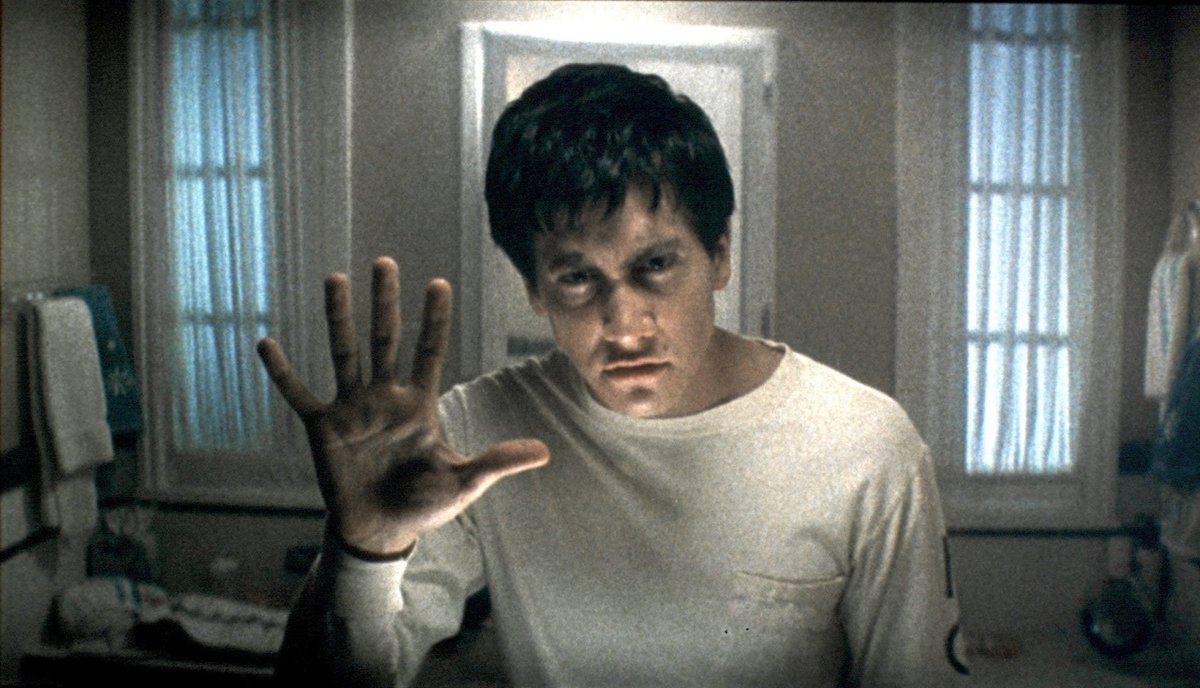
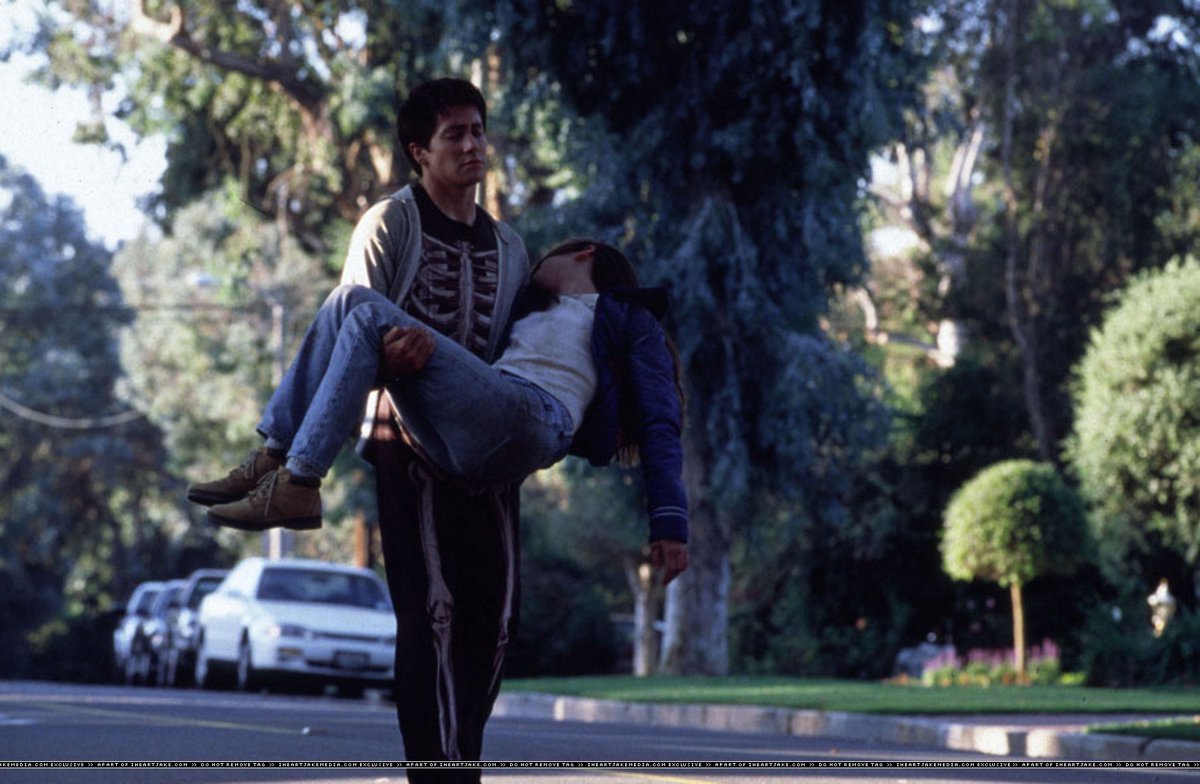

In 1997, 22 year old USC graduate Richard Kelly wrote his first screenplay. Completing it in 28 days, it was set in 1988, influenced by the teachings of Stephen Hawking, and told a story of a schizophrenic young man who travels through time. He called it Donnie Darko.
2/36
2/36


Kelly showed the script to a young producer called Sean McKittrick, who would recall “I’d never read anything like it.” Together, the two wrote further drafts, shortening the screenplay from 150 pages to 128 pages, and refined the ending.
3/36
3/36


Knowing the film’s story made it a tough sell, Kelly had producers read the script in full before meeting them. This, combined with Kelly’s insistence that he direct, led to many rejections. McKittrick called it “the script everybody wanted to make, but was too afraid."
4/36
4/36


Meetings with big names and producers like Francis Ford Coppola, and Ben Stiller came and went. Then, Drew Barrymore’s production company, Flower Films, got hold of the script and Kelly and McKittrick were invited to the Charlie’s Angels set to discuss.
5/36
5/36


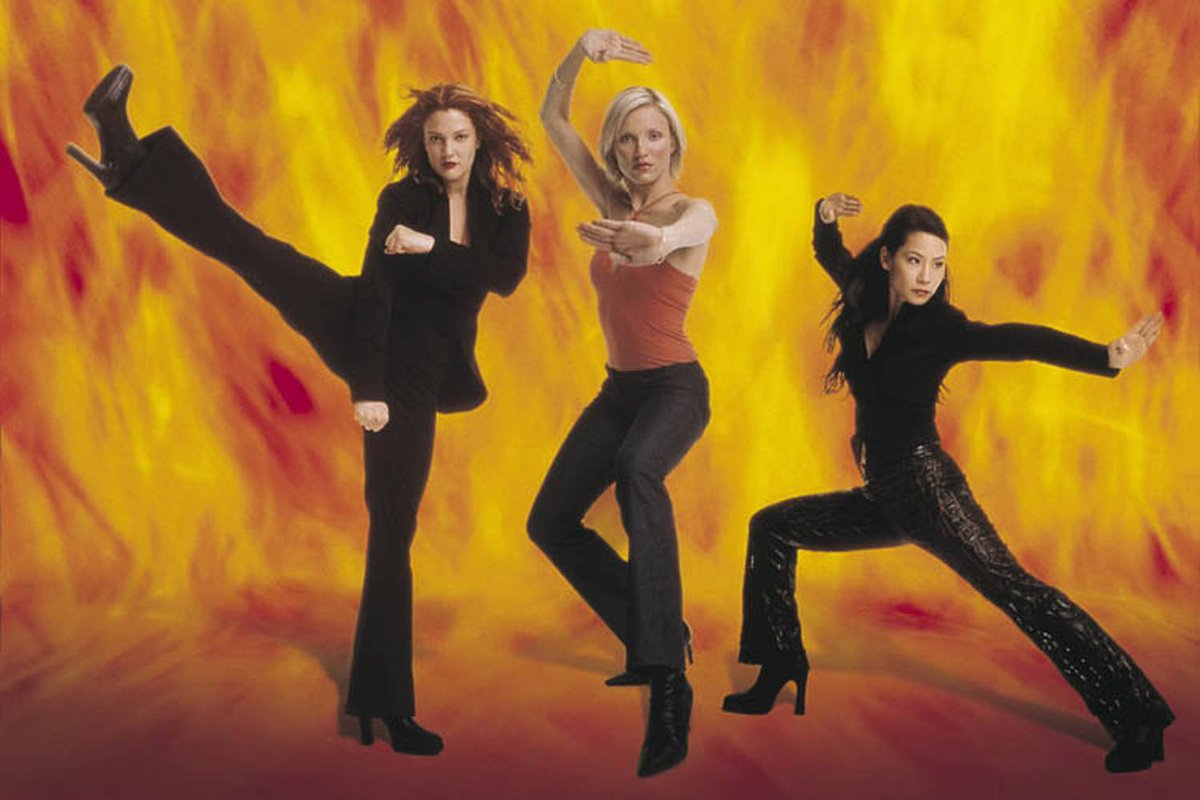
Kelly said other studios had pitched the idea of Joel Schumacher directing, which he refused, and said if Barrymore hadn’t stepped in, the film would’ve likely ended up as a straight-to-video or cable TV release.
6/36
6/36


The first person approached to play the title character was Vince Vaughn. Already well out of his teens, Vaughn said no as he was too old. Mark Wahlberg was also interested, but that fell through when he insisted on playing the part with a lisp.
7/36
7/36


Jason Schwartzman came across the script and agreed to play Donnie, but then had to pull out due to scheduling conflicts. Kelly met with Patrick Fugit and Lucas Black before meeting with Jake Gyllenhaal, who was “mesmerised” by the script. Kelly hired him as Donnie.
8/36
8/36


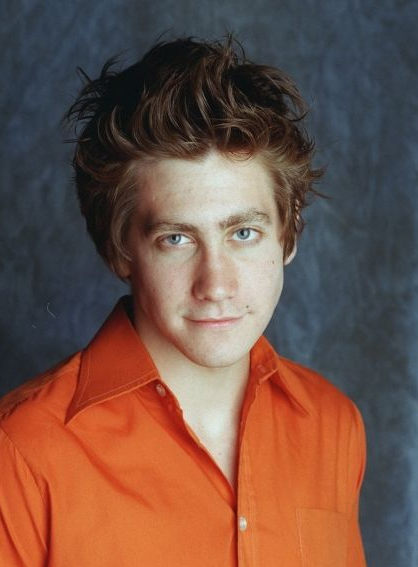
Gyllenhaal said he related strongly to Donnie, saying “This is what my adolescence felt like, although I don't speak, and have never spoken to, rabbits.” To enhance the strangeness of the character, Gyllenhaal made the decision to rarely blink as Donnie.
9/36
9/36


Mary McDonnell was quickly cast as Donnie’s mother, Rose and said she was so excited by the script that, on the first day of filming she received a first-ever speeding ticket driving to the set.
10/36
10/36


Seth Rogen was cast as Ricky Danforth in his feature film debut, meaning his first ever line in a movie was “I like your boobs.” Rogen later admitted that he had no idea what the movie was about.
11/36
11/36


Former child star Mara Wilson was asked to audition as Donnie’s sister, Samantha, but was so freaked out by the script she declined.
12/36
12/36


Jake Gyllenhaal’s sister, Maggie, was then put forward by her agent who told Kelly to watch Cecil B. Demented, where she drank urine. Kelly said he liked how she drank urine and, knowing he wanted a sibling rivalry between the characters, Maggie was hired.
13/36
13/36


Filming the final scene, where we see Donnie's family grieving his death, Maggie asked Jake to stay in his trailer until the scene was filmed as she felt seeing him would hinder her performance.
14/36
14/36

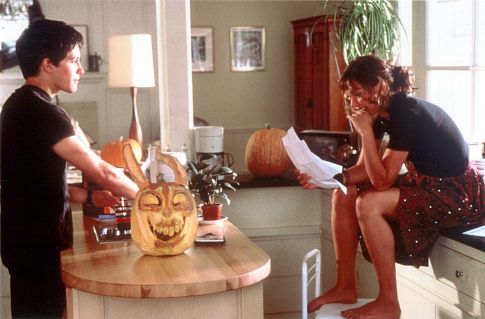
Patrick Swayze plays motivational speaker Jim Cunningham and, with the film set in 1988, he raided his own wardrobe and frosted his hair for the role. Kelly said “He wanted to take a flamethrower to his image… He was fearless.”
15/36
15/36


As well as producing, Drew Barrymore appears in the cast as Karen Pomeroy. She’s Donnie’s teacher, despite Barrymore only being 5 years older than Jake Gyllenhaal.
16/36
16/36


Noah Wyle read the script and loved it, and Kelly knew he was perfect to play Professor Kenneth Monnitoff. Wyle thought Kelly wanted him as Jim Cunningham and passionately told Kelly why he should play Monnitoff and Kelly said “Yeah, that’s who I want you to play.”
17/36
17/36


It is revealed at the end that the guy in the bunny costume is called Frank, and is dating Donnie’s sister. He was played by James Duval, and it’s Duvall who is in the rabbit scene in every earlier scene too.
18/36
18/36


Richard Kelly referenced some of his life in the script. Kelly grew up in Midlothian, Virginia, which was the town in the original script. He changed it to Middlesex, but the town is very much based on Midlothian.
19/36
19/36

Frank says the world will end in "28 days, 6 hours, 42 minutes, 12 seconds." That comes from adding or subtracting one from 27 days, 6 hours, 43 minutes, 11 seconds - the exact length of one lunar month.
20/36
20/36


It’s thought that Kelly took inspiration from the 1950 Jimmy Stewart classic Harvey in the creation of a man-sized rabbit. Kelly said he was actually inspired by Watership Down though, which had a big impact on him as a child.
21/36
21/36


In crafting the narrative, Kelly took inspiration from Stephen Hawking’s A Brief History Of Time for the time travel aspects. And he heard a story about a block of ice falling from a plane’s wing and crashing into a child’s bedroom, inspiring the falling engine idea.
22/36
22/36


The composer was Michael Andrews. Because of the low budget, he also had to play all the instruments on the recording. He was friends with Gary Jules, and asked him to sing the cover of Tears For Fears’ Mad World. It became a huge worldwide hit.
23/36
23/36


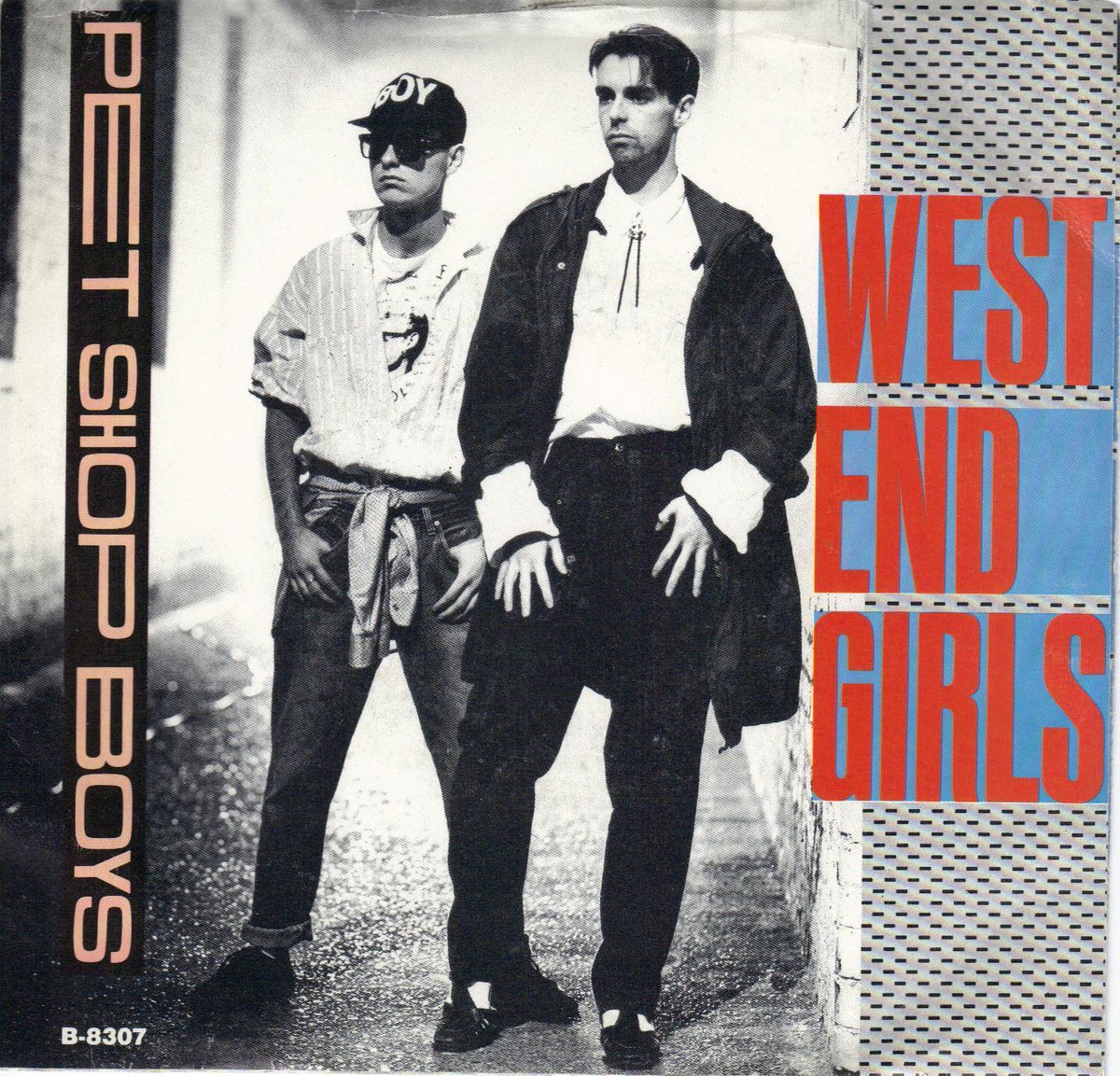
Some songs were substitutes for songs which Kelly wanted, but couldn’t get the rights to. The dance scene was performed to The Pet Shop Boys’ West End Girls, but was replaced with Notorious by Duran Duran. The final scene featured MLK by U2 but was switched to Mad World.
24/36
24/36

Kelly wanted Steven Poster for DP after realising he’d shot Someone To Watch Over Me with Ridley Scott. Poster wasn’t convinced and had Kelly dissect his own script line by line, and explain what each scene meant, to ensure he knew what he was doing.
25/36
25/36


There is a very early Easter Egg. At the start, when Donnie rides his bicycle into town, right after he passes the two ladies out powerwalking, we see Frank drive past Donnie in his red Trans Am.
26/36
26/36


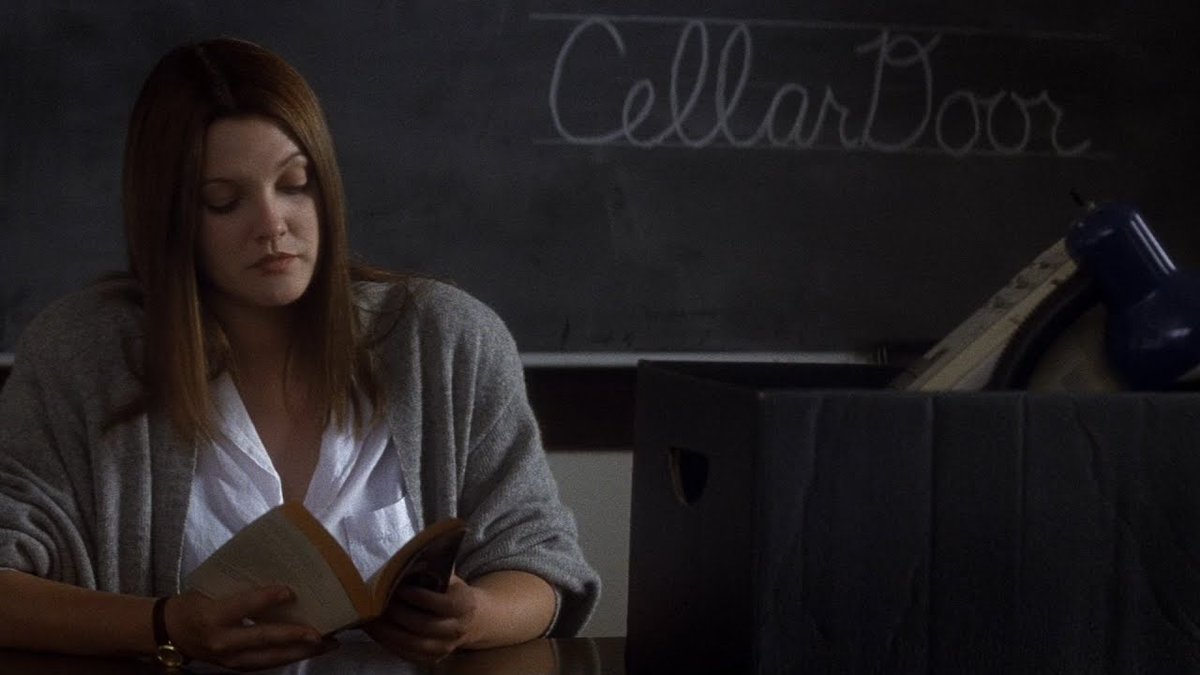
Karen says that out of all of the possible combinations of English words, "cellar door" is the most beautiful. The person she refers to who originally said this is J. R. R. Tolkien, famous for writing The Lord of the Rings.
27/36
27/36

In the conversations with his therapist (played by Katharine Ross), Donnie fantasises about Christina Applegate. The original script had Donnie fantasising about Alyssa Milano, but this was changed to Applegate for legal reasons.
28/36
28/36


Kelly had to get permission from the estate of Peyo, creator of the Smurfs, to show a Smurf doll. They also told Kelly the film could talk about Smurf sex, because they considered what had been written in the script to be an accurate description.
29/36
29/36


Filming the scene where Kitty says Donnie told her to “forcibly insert a Lifeline exercise card in my an*s” made Kelly laugh so hard he had to leave the set. He said "To be able to laugh while you’re working is the coolest thing in the world."
30/36
30/36


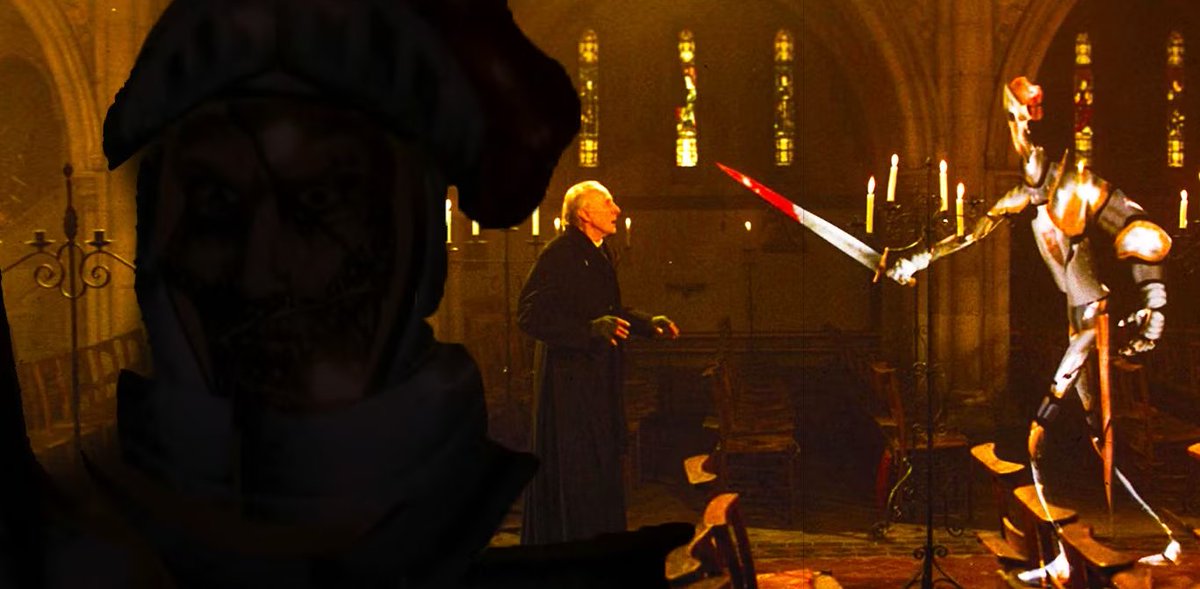
The movie theater scene was filmed at The Aero Theatre in Santa Monica, and the plan was for Donnie and Gretchen to see 1984 horror C.H.U.D. When there were issues getting the rights though, Sam Raimi said they could use and distort footage from The Evil Dead for free.
31/36
31/36


In the house party scene, one of the guests jumps on a trampoline while wearing a Ronald Reagan mask. This image was taken from a photo of writer Hunter S. Thompson doing the same thing.
32/36
32/36


Kelly had the idea of the ‘future blobs’ while he was high and watching John Madden’s NFL analysis, where he would pause the tape and draw over the top. This is why Donnie first notices the blobs whilst watching football.
33/36
33/36


The film premiered at Sundance and distributors were interested, but unsure how to market the film. A straight to video release was on the cards, until Christopher Nolan stepped in. He loved the film and told Newmarket (who distributed Memento) to take it, which they did.
34/36
34/36


The film cost $4.5m and made just $500k on its original theatrical run. This may have partly been due to premiering a month after 9/11. Moviegoers weren’t really in the mood for airplane-crashing darkness, and the film flopped.
35/36
35/36


Word of mouth quickly picked up however, and the film thrived in the rental and DVD market. Once released, it made over $15 in DVD sales. It now has cult status and The Aero Theatre has a tradition where they play Donnie Darko each Easter weekend.
36/36
36/36


If you liked our story of the making of DONNIE DARKO, please share the opening post 😀
https://x.com/ATRightMovies/status/1750852698855842061?s=20
• • •
Missing some Tweet in this thread? You can try to
force a refresh