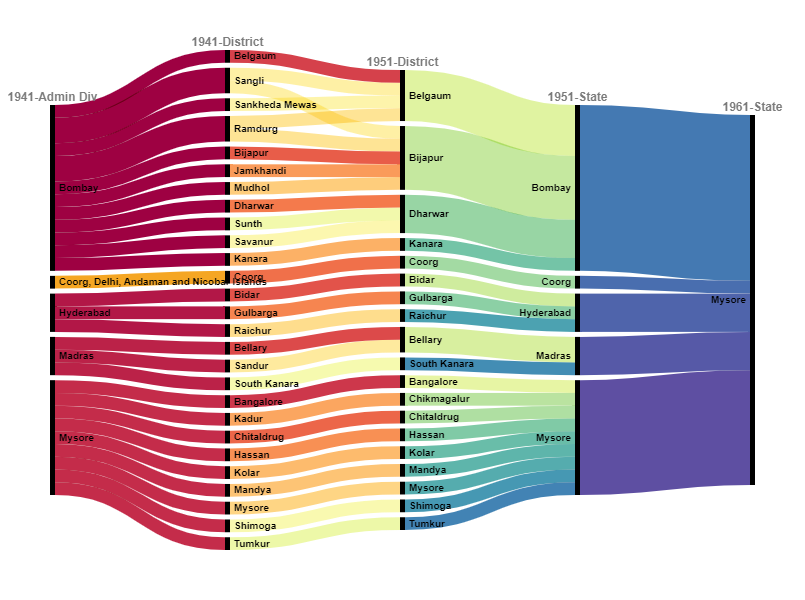
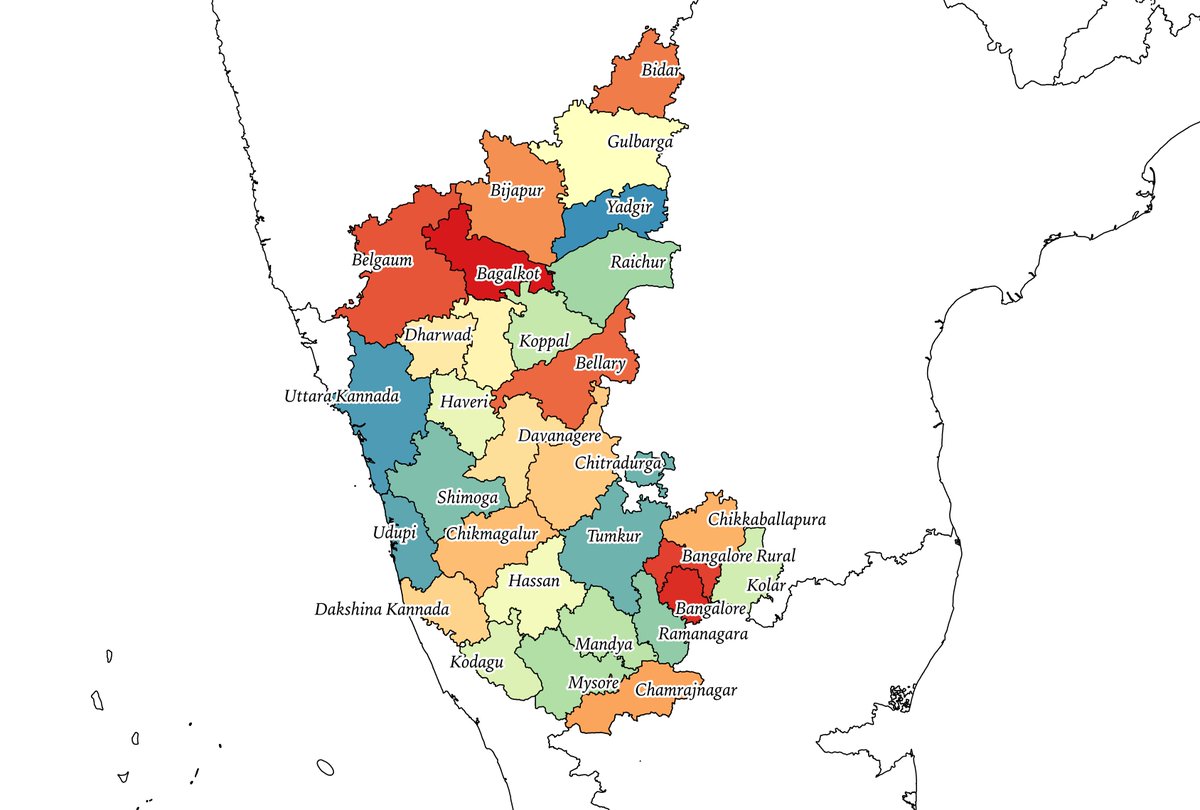
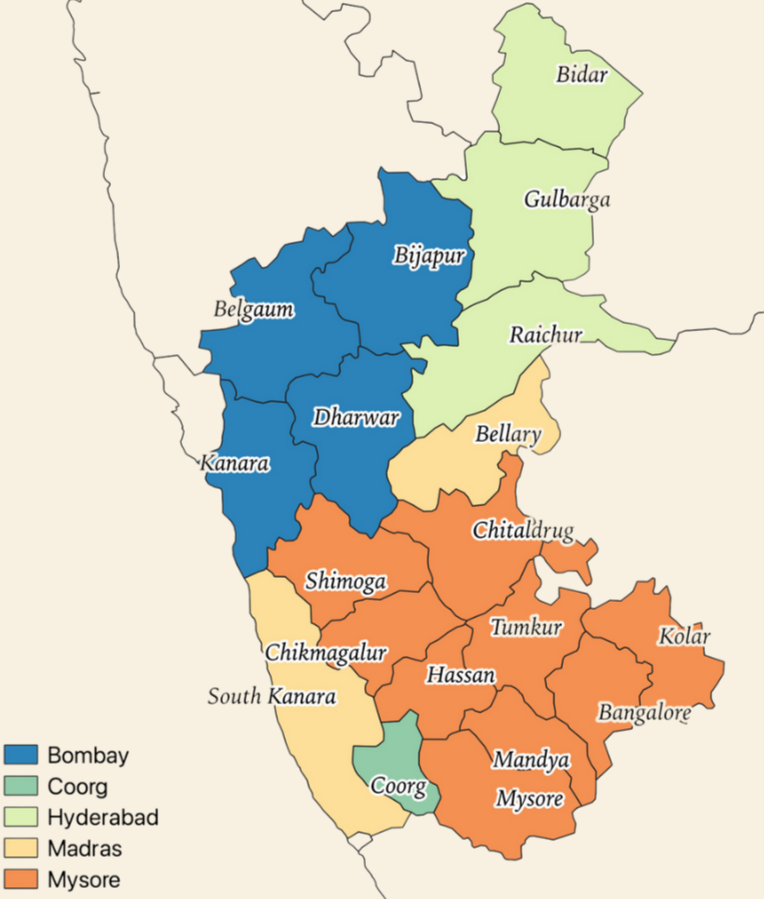
1/n : Today, we bring to you the visual story of the formation of the state of Karnataka, a land for Kannada speakers amalgamated from five different administrative regions of British India.
Mysore State, Hyderabad State, Madras Presidency, Bombay Presidency and Coorg.
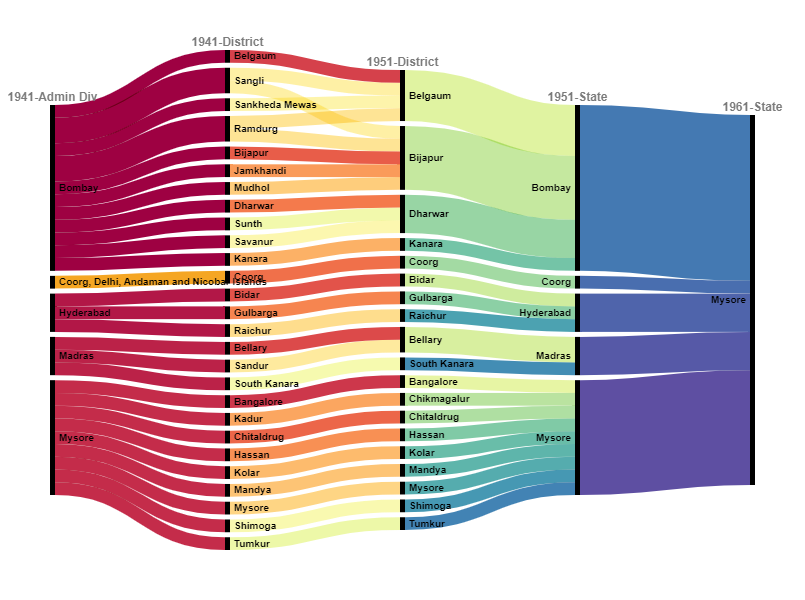
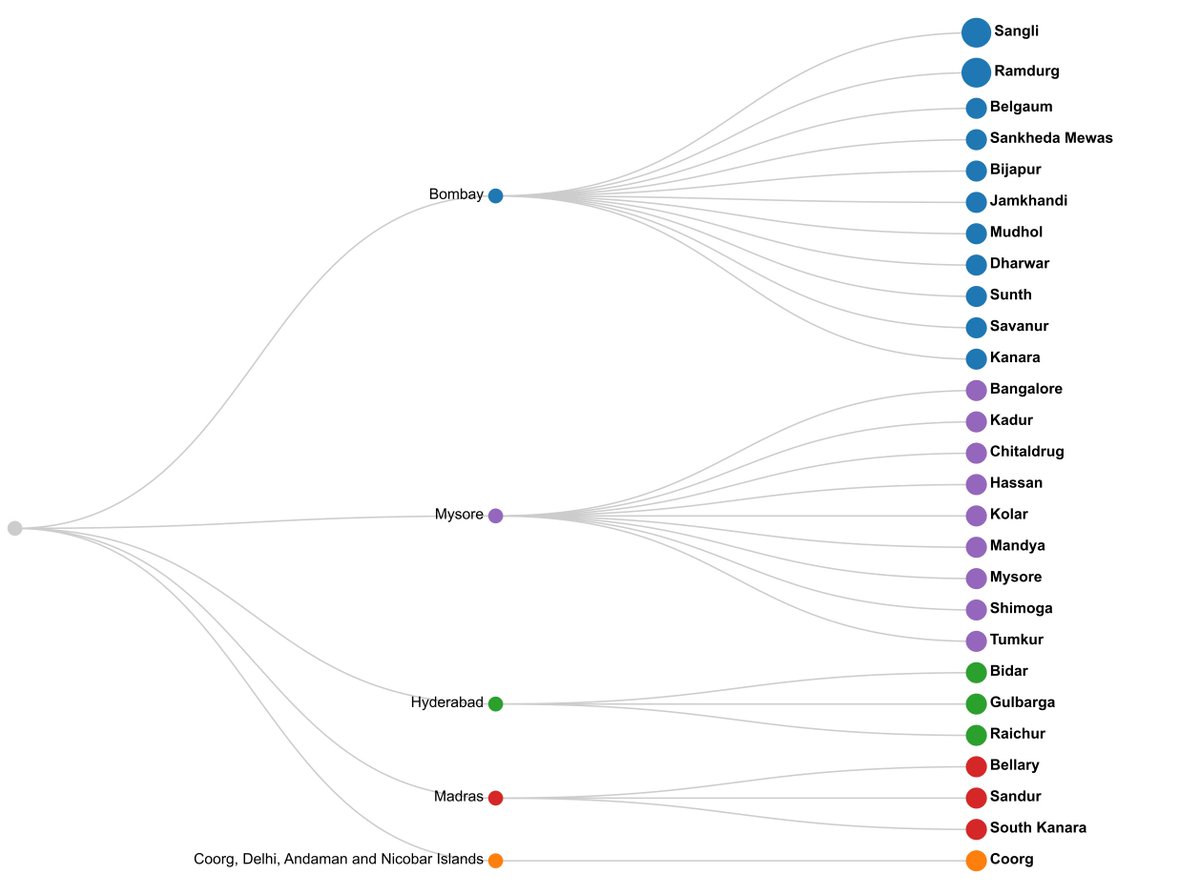
2/n: Kannada speakers were spread along the following districts in different British provinces and princely states. Some princely states like Sangli and Ramdurg had scattered regions in modern-day Karnataka.
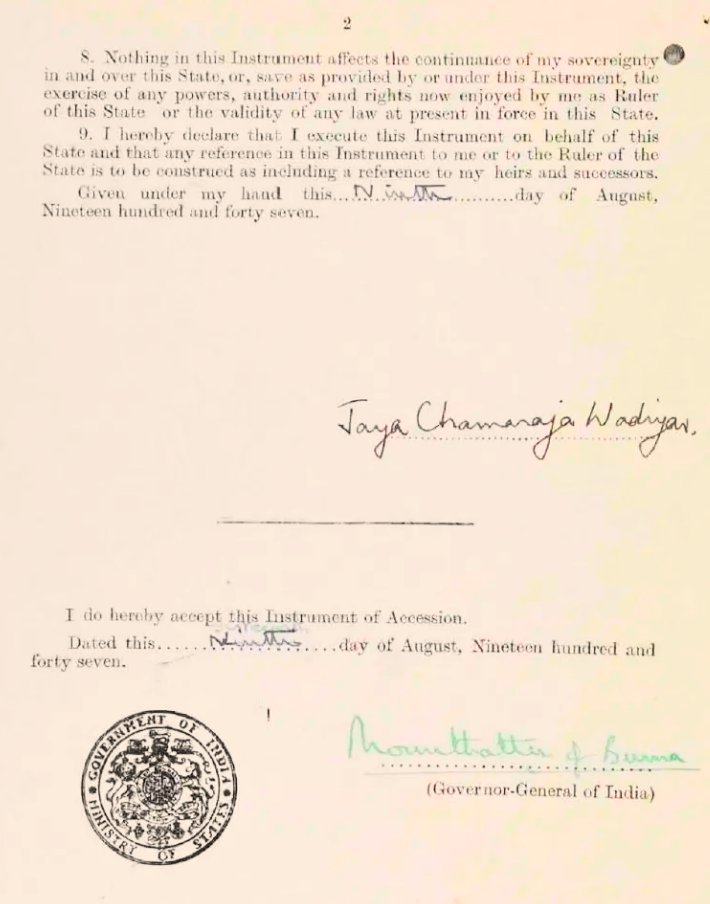
4/n : 1947 Integration into the Indian Union: the state of Mysore accedes to India
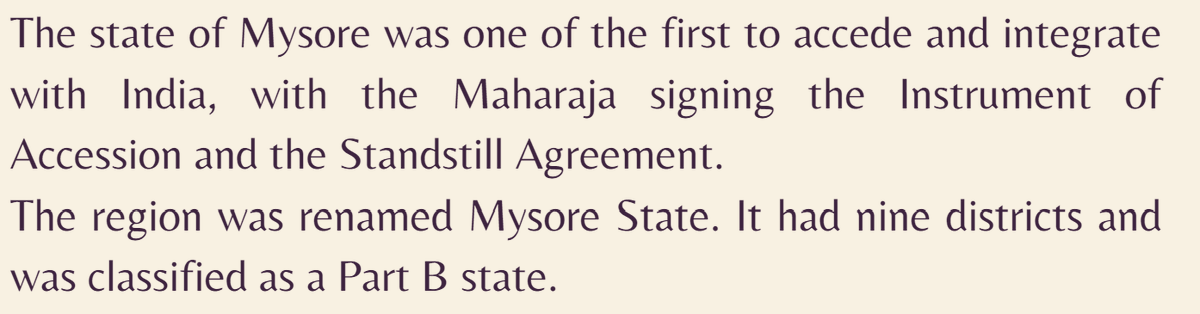
5/n : Mysore's integration into the Indian Union was seamless. In Aug 1947, the Maharajah signed the Instrument of Accession and Standstill Agreement. June 1949 he revised it for broader legislative powers, except in taxes. Mysore joined the Federal Financial Integration in 1950
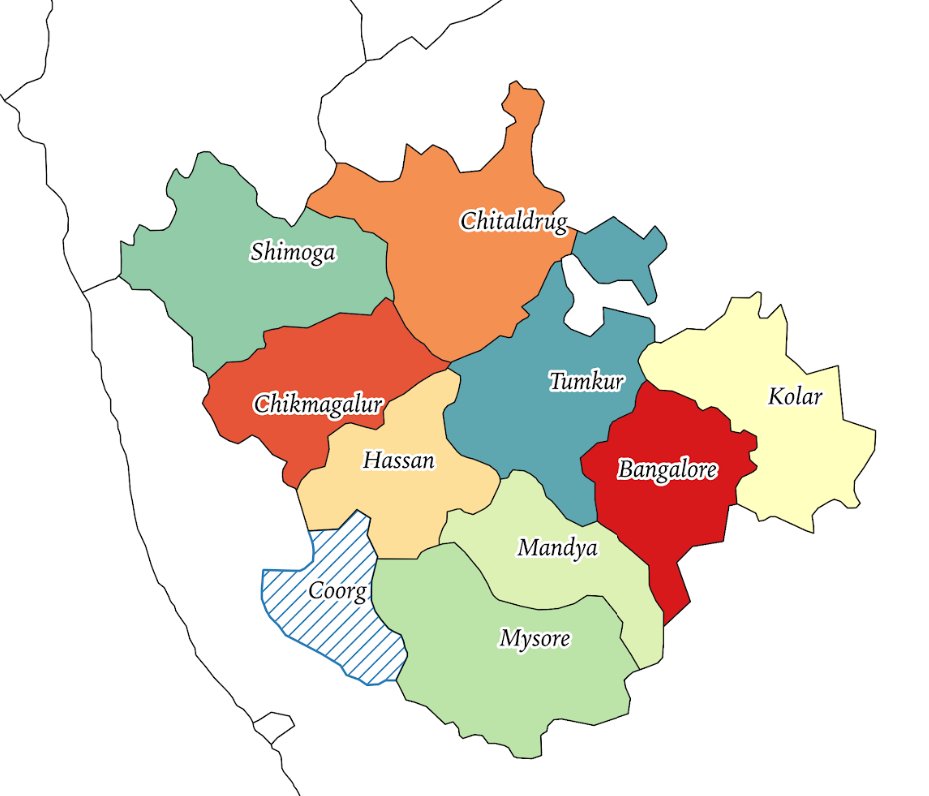
6/n: At the time of South Canara district’s transfer from Madras to Mysore state, a Kollegal taluk of Coimbatore state was also transferred to the state of Mysore on linguistic lines. Post-independence, Coorg was demarcated as Part-C state and centrally administered
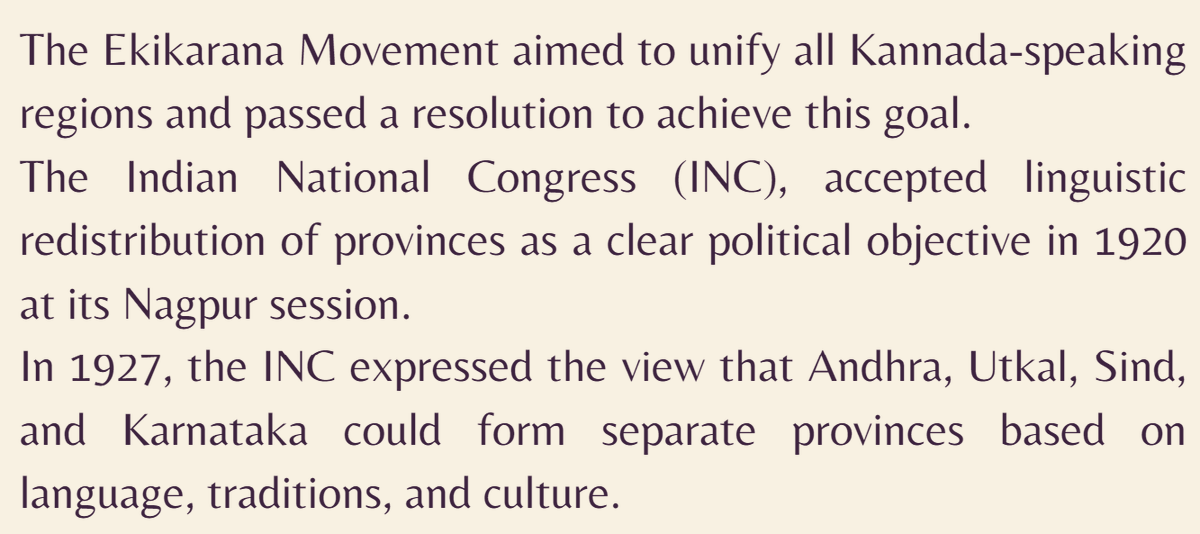
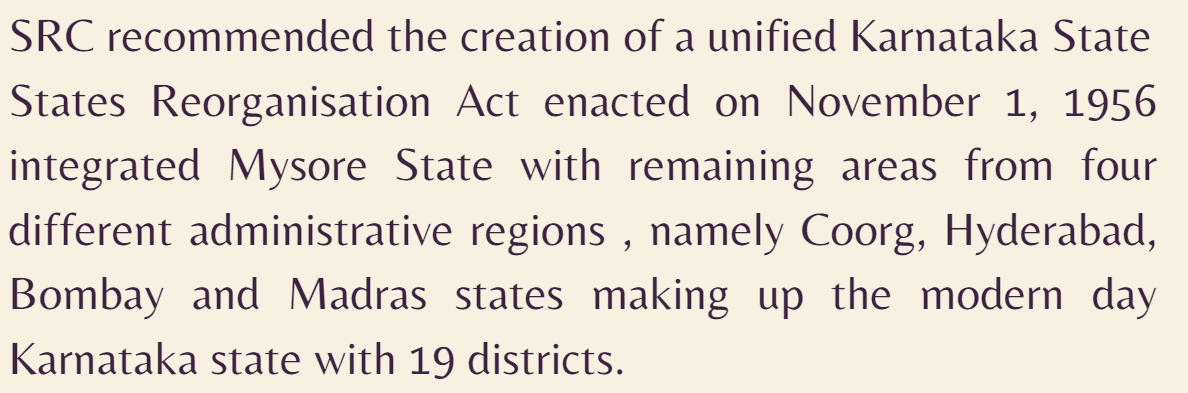
7/n: 1953-1956: SRC and Formation of Mysore State: Kannada-speaking regions of Bombay, Hyderabad, and Madars- integrated with Mysore. Considering Coorg’s greater linguistic and cultural linkages with Karnataka, the state was integrated within Mysore.
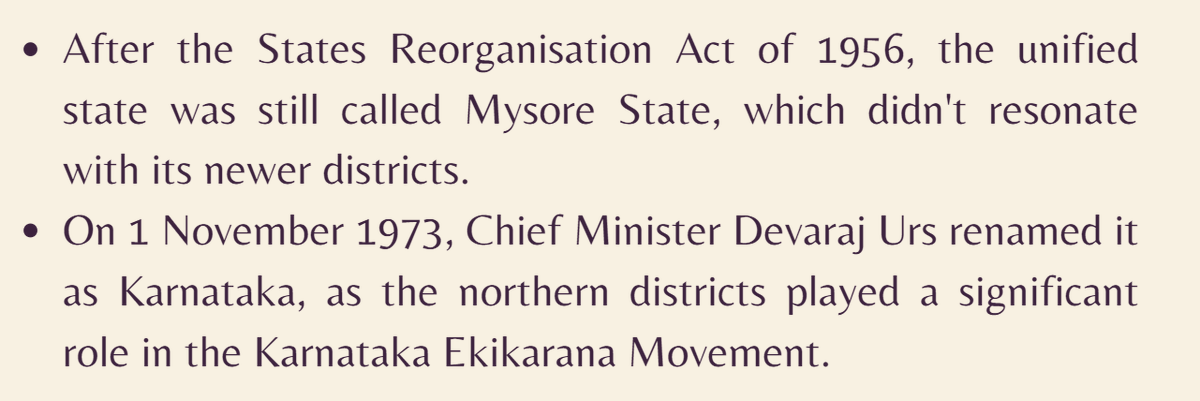
8/n 1973-renaming of Mysore State
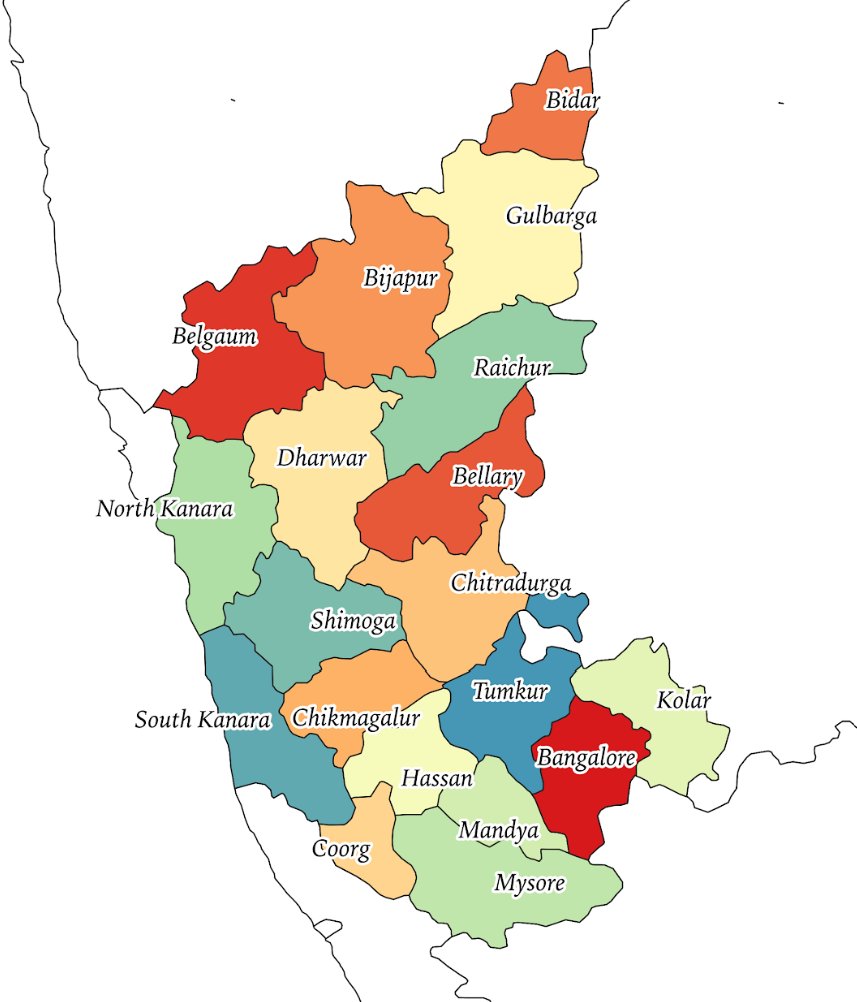
9/n Karnataka in 2011
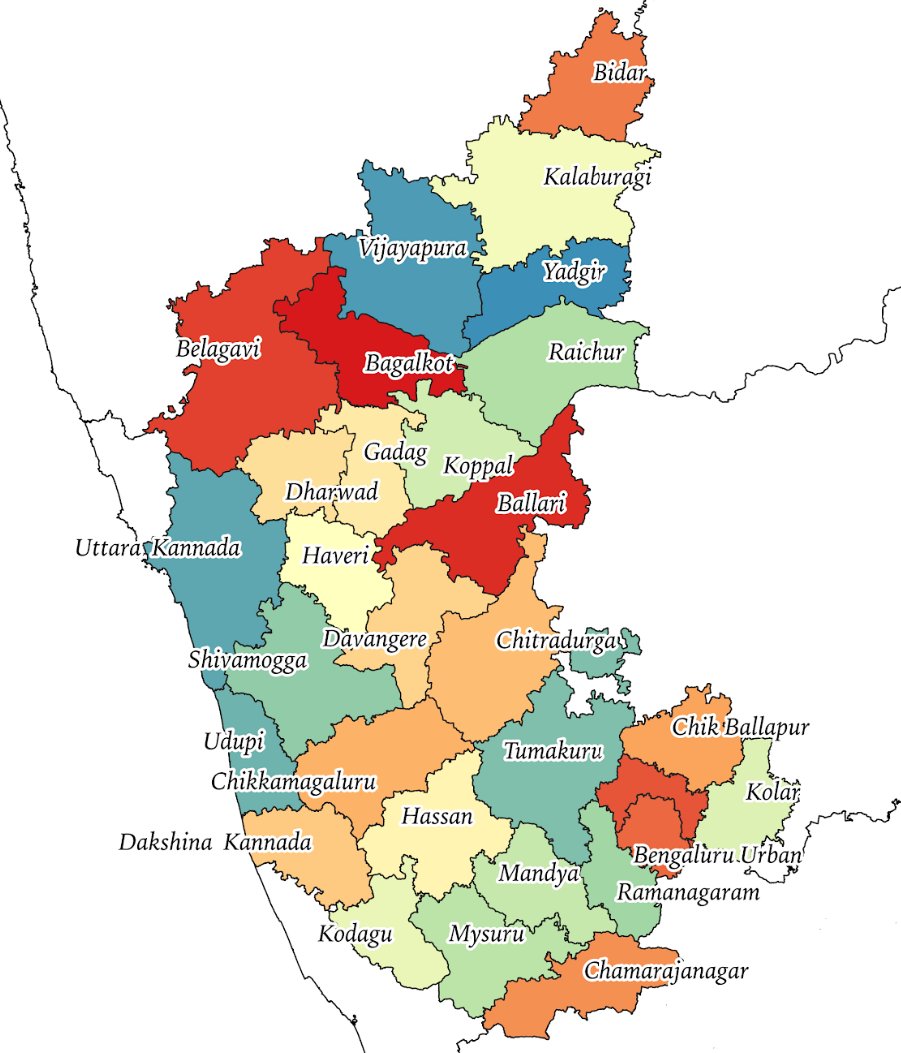
10/n: Sources- White Paper on Indian States (1950); The Story of Integration of India - V P Menon (1956); Administrative Atlas of India (2011). Origin Story of India’s States -Venkataraghavan Subha Srinivasan (2020).
• • •
Missing some Tweet in this thread? You can try to
force a refresh

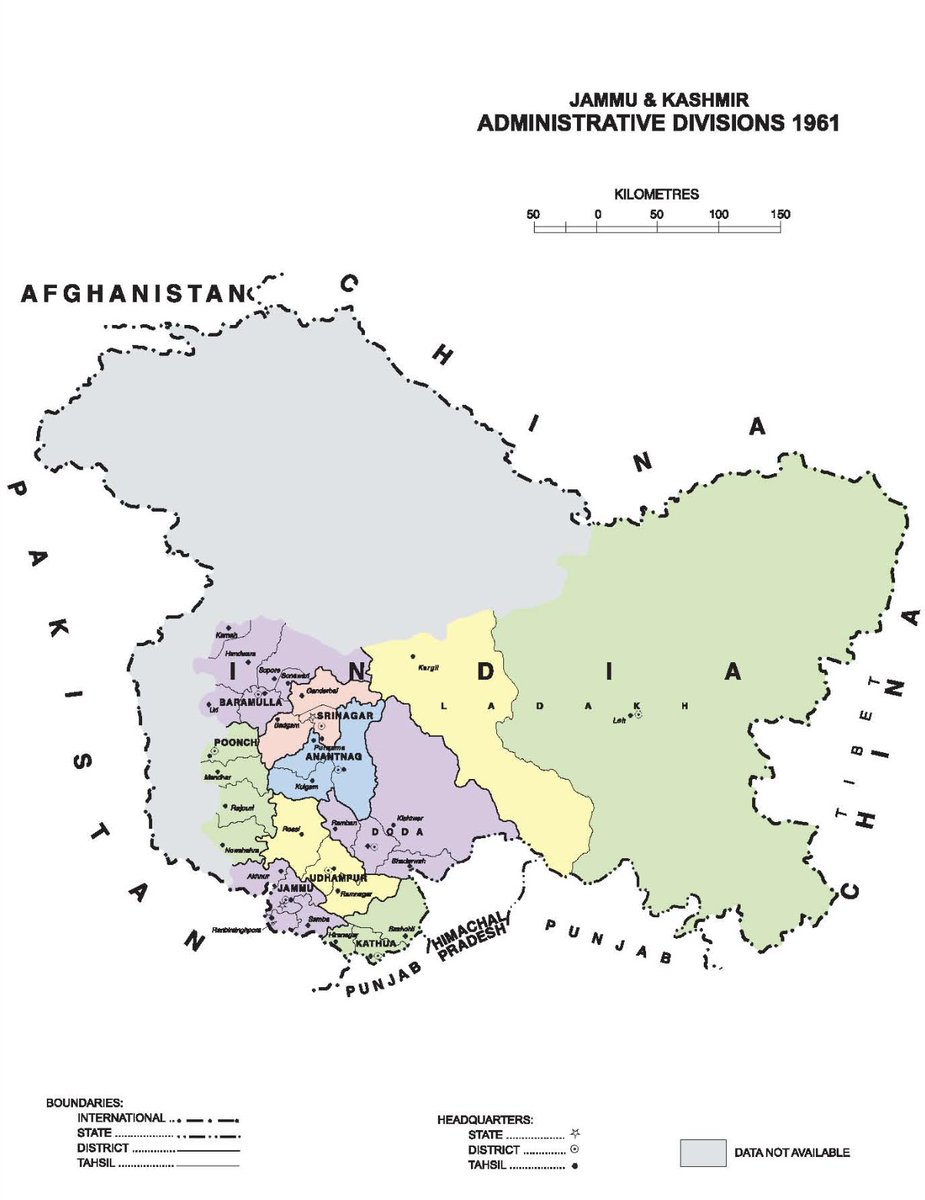
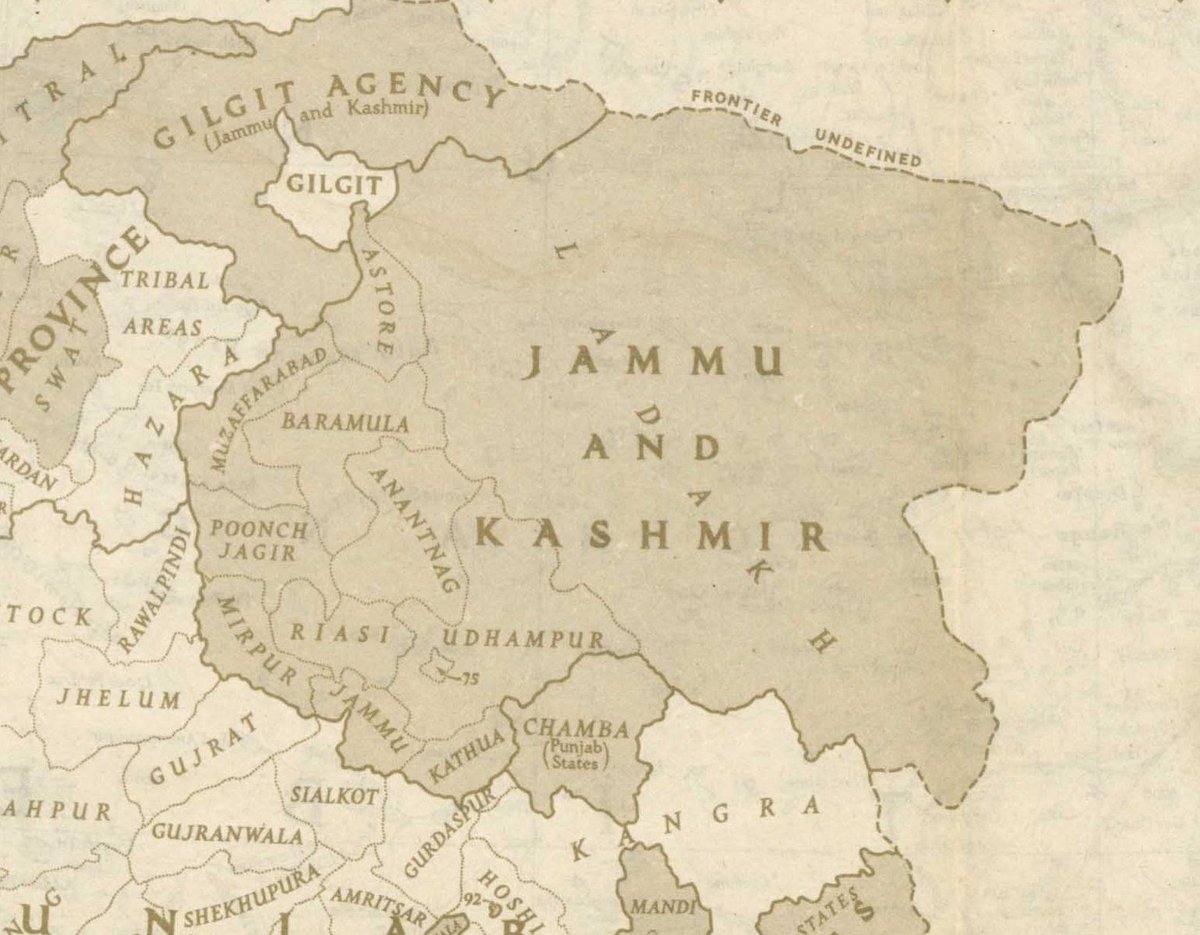
In the previous thread we looked at #Kashmir's history and the formation of united Jammu and Kashmir, Ladakh and Gilgit (Riyasat E Jammu Wa Kashmir Was Ladakh Wa Tibet Ha), Dogra rules and political developments upto the Accession to India. Here we trace we political developments #Kashmir post its Integration into the Indian Union.
1/n Hari Singh's demand for a special constitutional status for Kashmir
The #InstrumentofAccession signed by the erstwhile rulers specified that the document did not ‘commit in any way’ to the princely state to accept any future constitution of India. But later, when the Constitution was drafted, while every other Indian princely state fully integrated into India by accepting the Indian Constitution and relinquishing their autonomy. Maharaja #HariSingh of Jammu and Kashmir however sought to maintain the distinct status of his state. #SheikhAbdullah, leading the interim government, also valued the state’s autonomy, albeit with a different vision. Concurrently, four representatives from Jammu and Kashmir, including Sheikh Abdullah, participated in India’s Constituent Assembly.
2/n UN Cease fire and Call for Plebiscite (1948-1949)
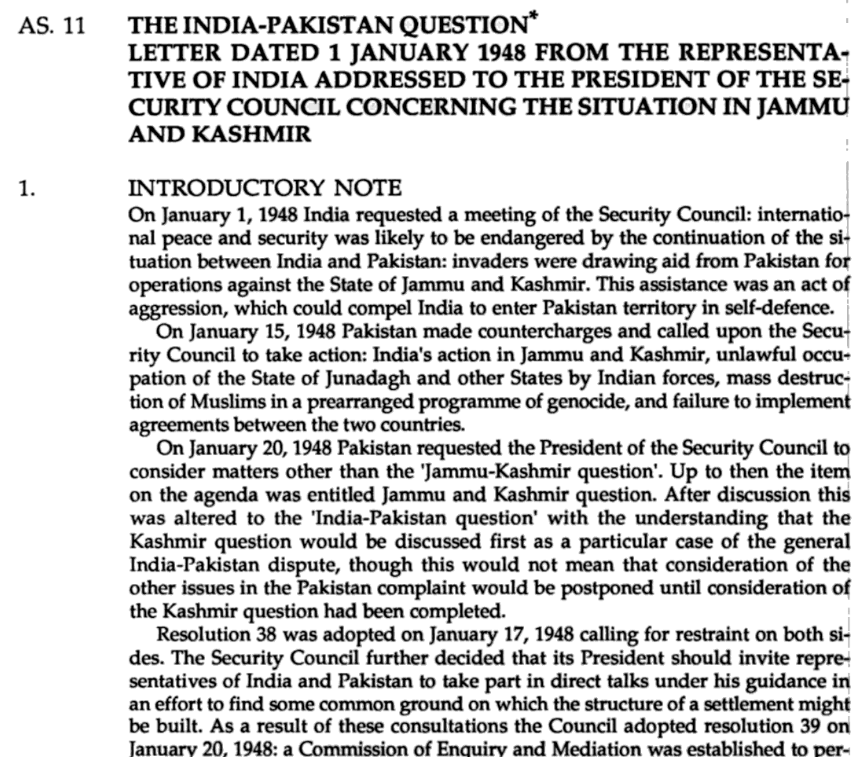
In the crucial years of 1948-1949, India brought the conflict over Jammu and Kashmir to international attention by complaining to the United Nations about Pakistan's involvement. Sheikh Abdullah, representing India, spoke at the UN Security Council, vividly describing the atrocities committed by tribal raiders who were supported by Pakistan. Abdullah asserted that the #plebiscite suggested by the UN was irrelevant, arguing that the decision to join India was a matter for the J&K Constituent Assembly. The UN Security Council however, called for an immediate ceasefire and directed Pakistan to withdraw its tribesmen and nationals. It also requested India to minimize its troop presence, setting the stage for a plebiscite to decide the state's accession to India or Pakistan. Yet, it took a year for the ceasefire to be effectively implemented, finally occurring on January 1, 1949.
Agar firdaus bar roo-e zameen ast, Hameen ast-o hameen ast-o hameen ast.
~
If there is paradise on this earth, it is thus, it is this, it is this.
- Amir Khusrau.
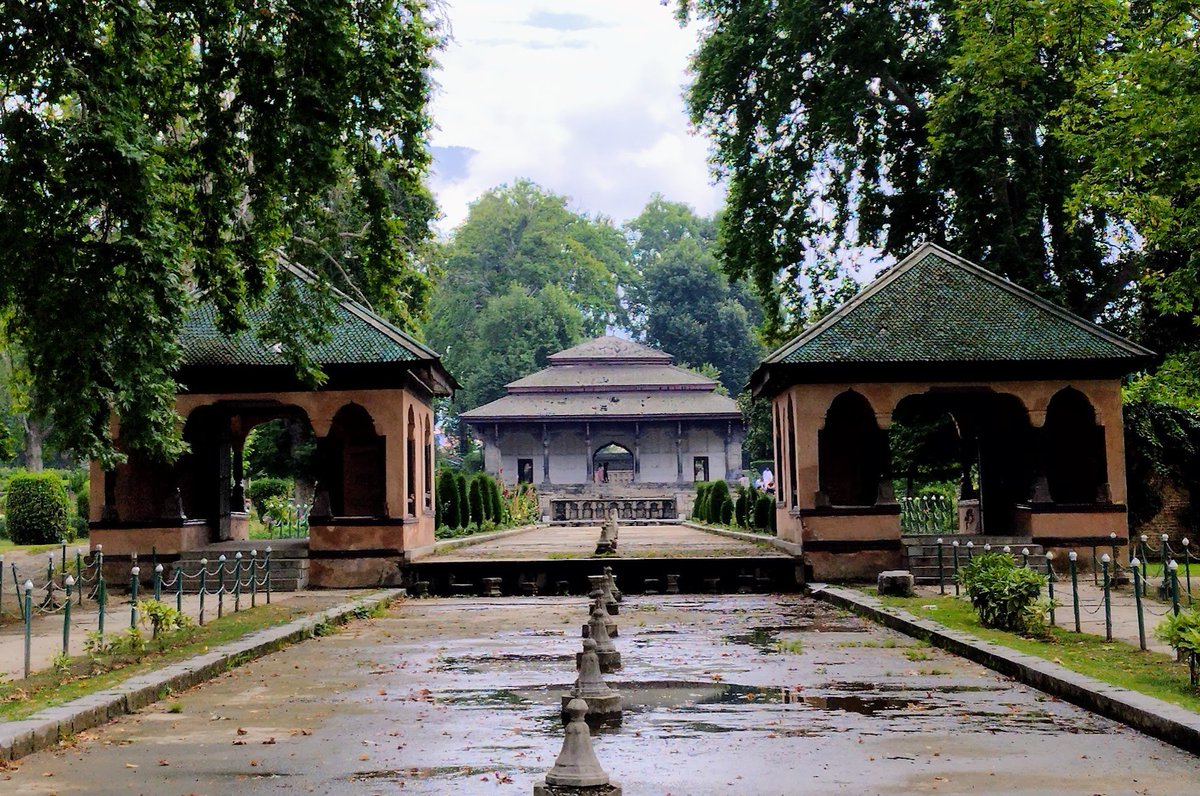
Kashmir's beauty is unparalleled, so is its history. Jammu, Kashmir and Ladakh, have strange nexus in history, making it triad of Hindu, Muslim, and Buddhist religions and cultures. Its unique place in India's political history, and the international controversies, makes it the most talked about state in media, politics, and public discourse. Dive into Kashmir's social and political history in the pre-independence era, from Ancient Rule to Sikh Accession and the Dogra rule with @indiastatestory
1/ Early History
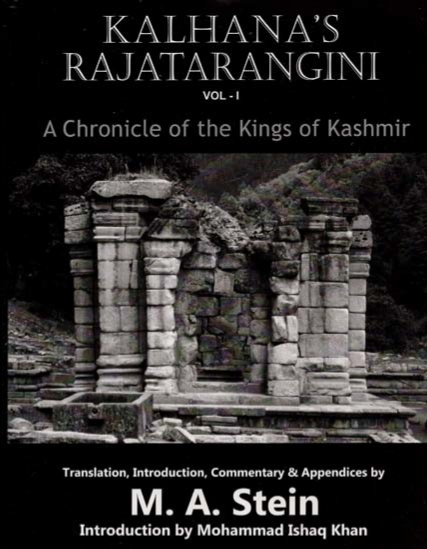
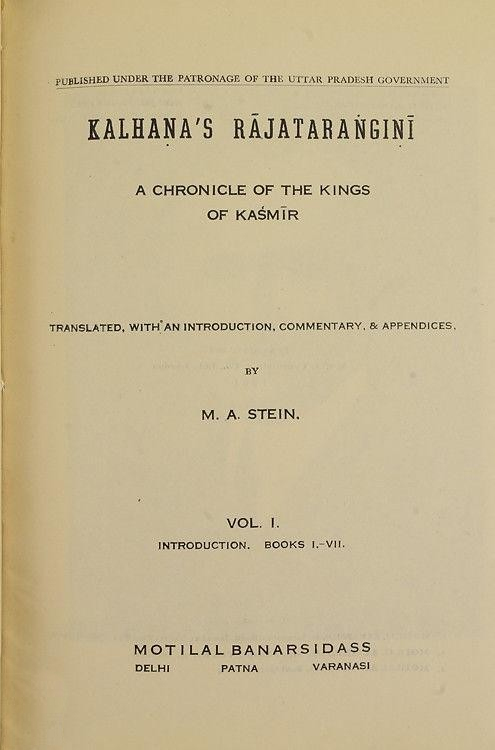
Kashmir is unique for its extensive tradition of historical documentation, dating back to the 12th century CE when Kalhana authored the #Rajatarangini. This text is a seminal chronicle of the region's ancient history, covering its dynastic politics and significant cultural shifts under a diverse array of rulers, including Hindus and Buddhists.
2/ Muslim and Sikh rule in Kashmir
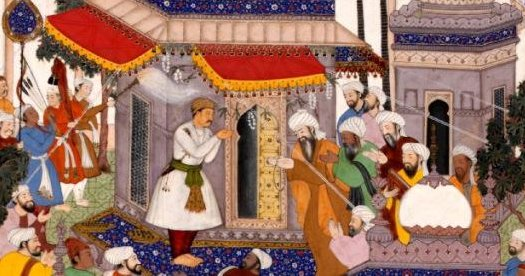
From 1339 to 1586, Kashmir was ruled by Muslim Sultans who brought in Islamic influence to the region. Following this period, the Mughals took control in 1586 under Emperor #Akbar, initiating a long stint of Mughal rule that lasted until 1752. This era was known for significant developments in art, architecture, and culture, alongside the consolidation of power. At this time, the region was also came to be influenced by Sufi tradition of Islam, introduced two centuries prior by Nund Rishi.
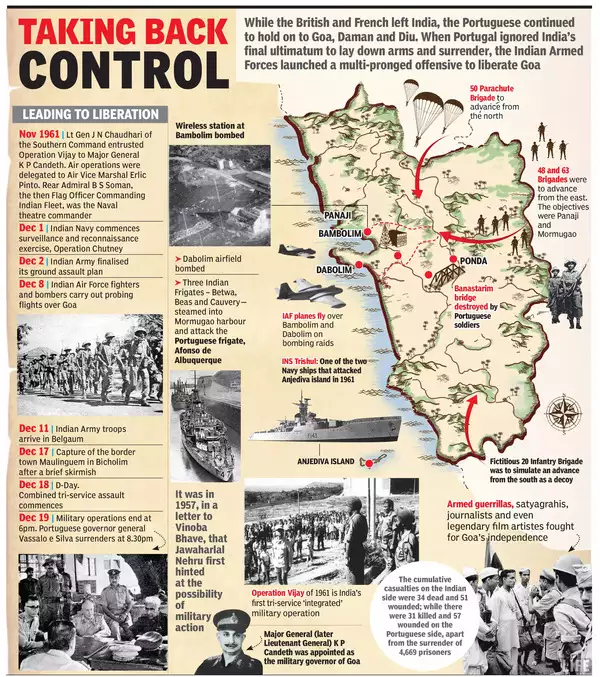
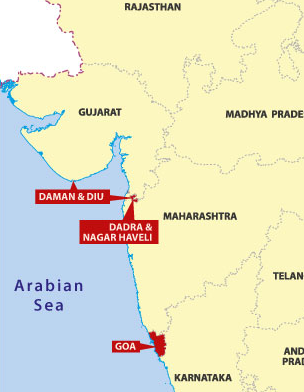
Today, we bring to you the story of the first of the European colonial powers to arrive in India, and the last ones to leave. Goa, Daman and Diu, Dadra and Nagar Haveli existed as territories under #PortugueseIndia. Dive into the story of their long drawn struggle for independence and statehood with @indiastatestory
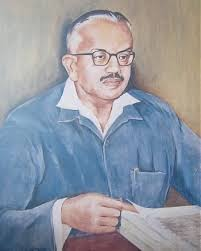
1/ The roots of the freedom movement in Goa were sown as early as 1928 with the creation of the #GoaCongressCommittee by T.B. Cunha. While the rest of India was protesting against the #SimonCommission, Goans were agitating against the 1930 Colonial Act of Portugal which made a clear distinction between Portugal and the overseas territories.
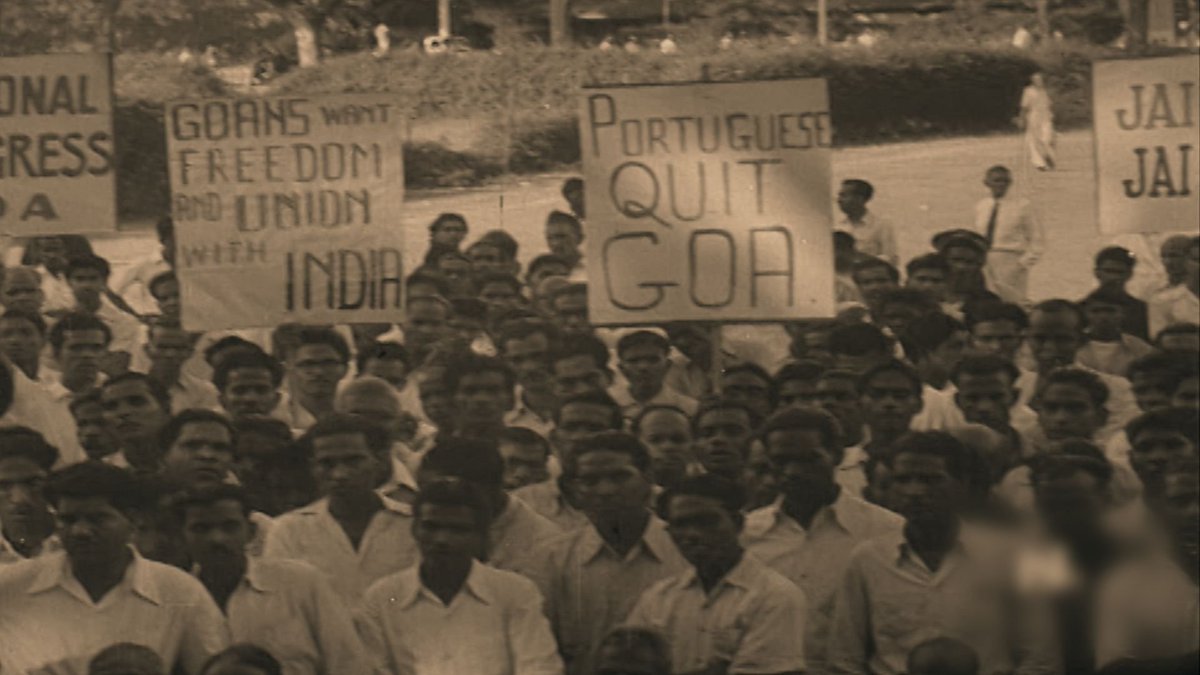
2/ Closer to independence, in June 1946, Dr Ram Manohar #Lohia led a disobedience movement and the Goan Political Conference passed the ‘#QuitGoa’ resolution, however Goa was unable to secure separation from the Portuguese. By 1949, both the Goan People’s Party and the Goan National Congress were demanding the end to foreign rule and the establishment of democracy.
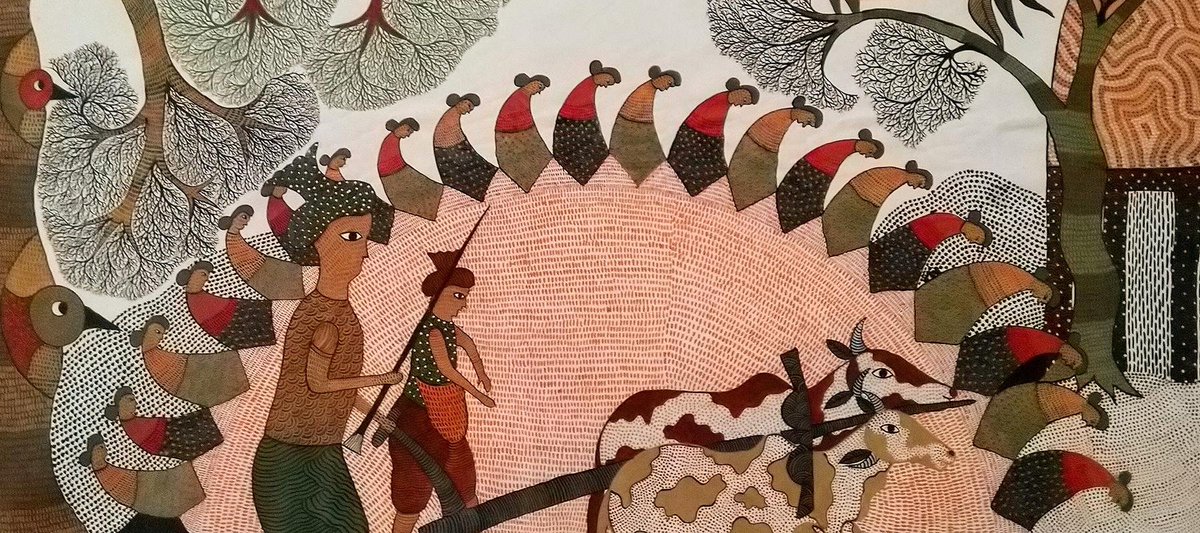
Today we bring the visual story of formation of #Chhattisgarh, the land of 36 forts and 42 tribes, including Gond, Baiga and Parghi tribes. Although formed somewhat recently in November, 2000, the demand for #Chhattisgarhi identity predates the emergence of Madhya Pradesh.
Political History and Colonial Impact 1/ The region traces its ancestry to Dakshin Kosala and Dandakaranya, regions linked to the epic #Ramayana. it was later governed by the Chedis and Chalukyas before falling under Mughal suzerainity and subsequently #British control.
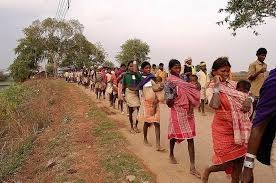
2/ British's colonial gaze led them to acquire control over the wealth and timber reserves in the forests of the region through laws that deprived local tribes from their rights to the region and its resources. This led to severe conflicts over traditional rights, and sparked revolts among #tribal communities.
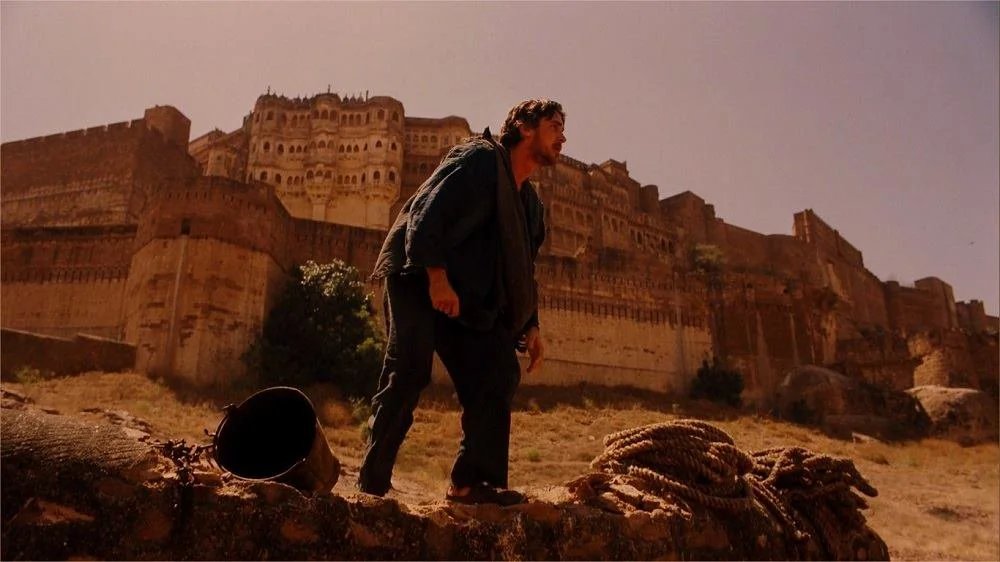
Today, we bring to you the story of #Rajasthan! From the colonial time to present, Rajasthan has been presented as land of Raja and Maharaja's adorning themselves with colourful robes and living in huge palaces. Monuments in the state have been featured in Hollywood movies such as #Octopussy, #TheDarkKnightRises and numerous Bollywood movies.
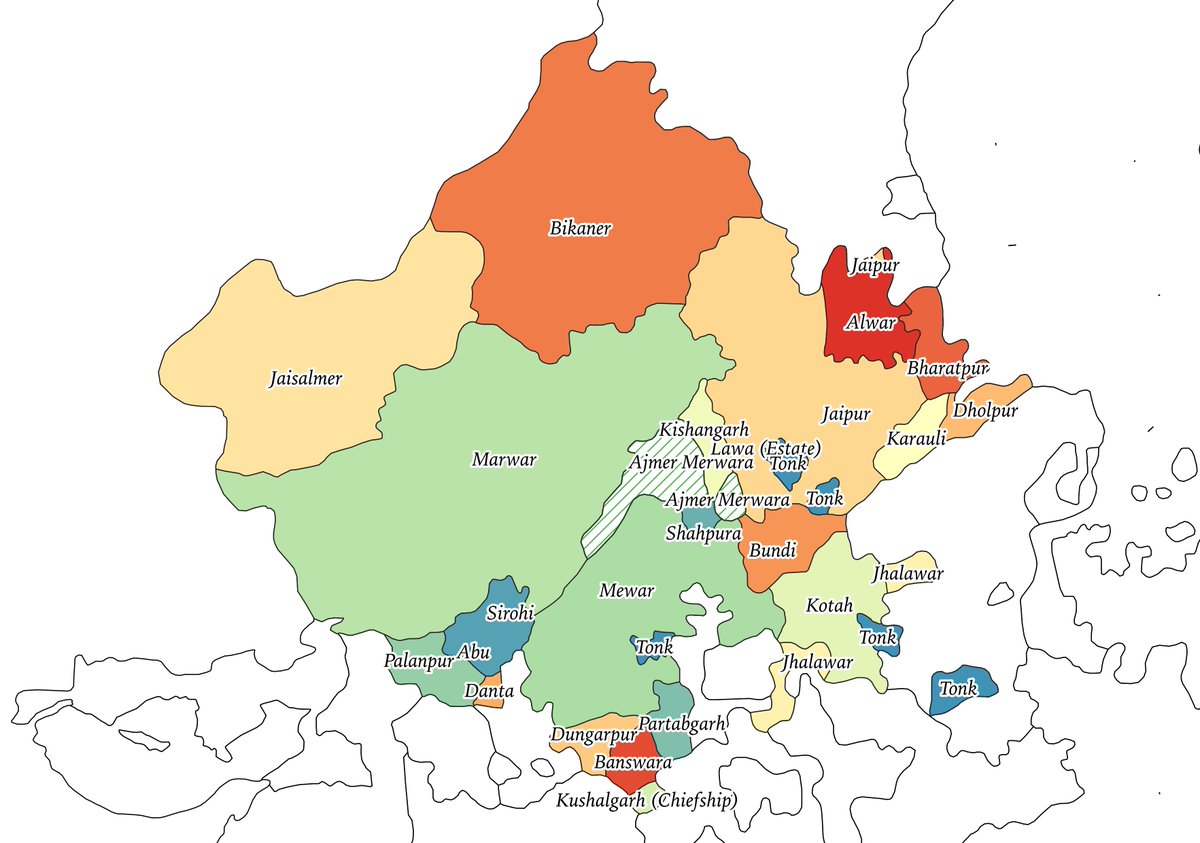
But did you know in the middle of Rajasthan, there were two districts fully administered by British? One of them is known for its Dargah. You might also find it interesting to know that a part of erstwhile Rajputana agency lies in Madhya Pradesh today! Dive in to know more !
Rajputana Agency
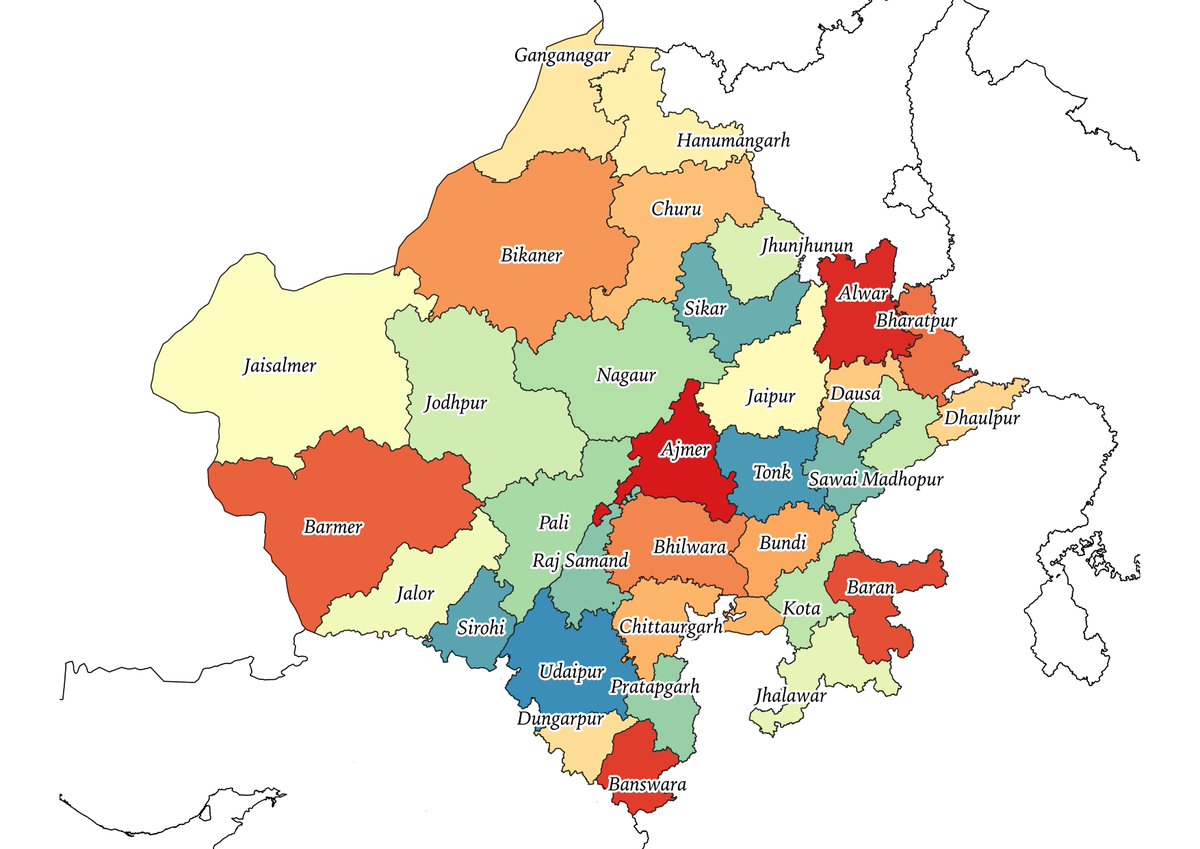
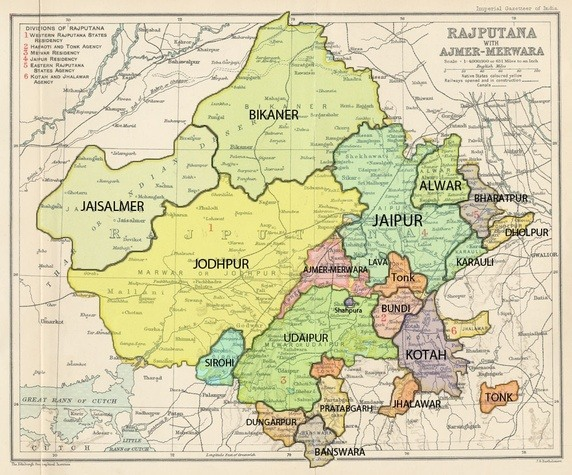
At the time of Independence, the present-day state of #Rajasthan was almost wholly contained in the #RajputanaAgency, a political office of the British Indian Empire. It consisted of twenty-two princely states and estates. In fact, in this large territory, the only area directly under British rule was Ajmer. From 1878, the region had been constituted as a chief commissioner’s province, known as #AjmerMerwara.
Today, we bring to the story of long-term occupation of Indian territories by the French in #ColonialIndia. Here, we also trace the lesser known story of the support offered by the French to Indian revolutionaries and the eventual merger of French territories into the Indian Union. Dive in -
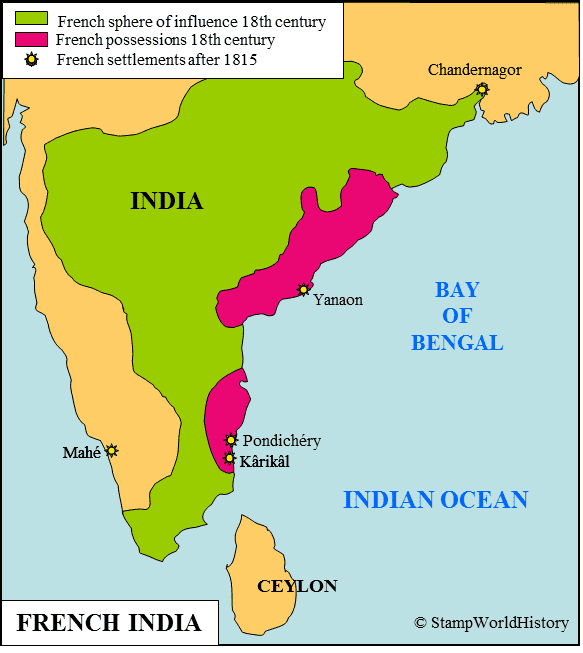
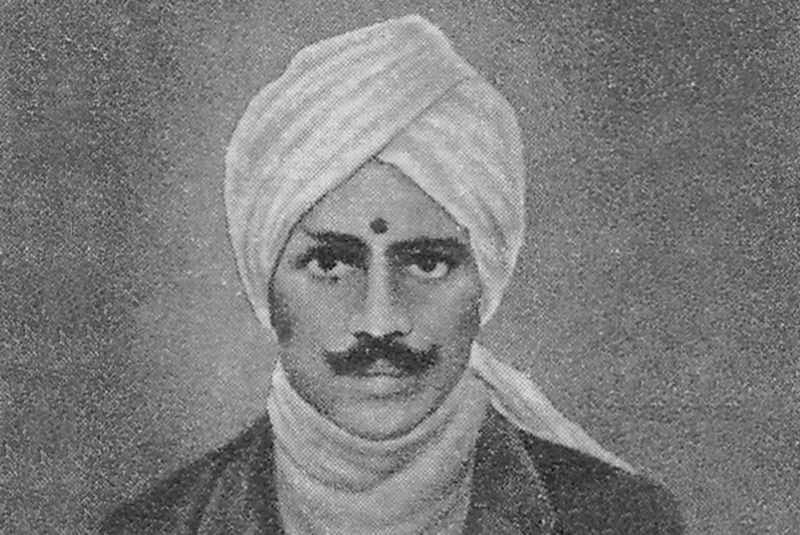
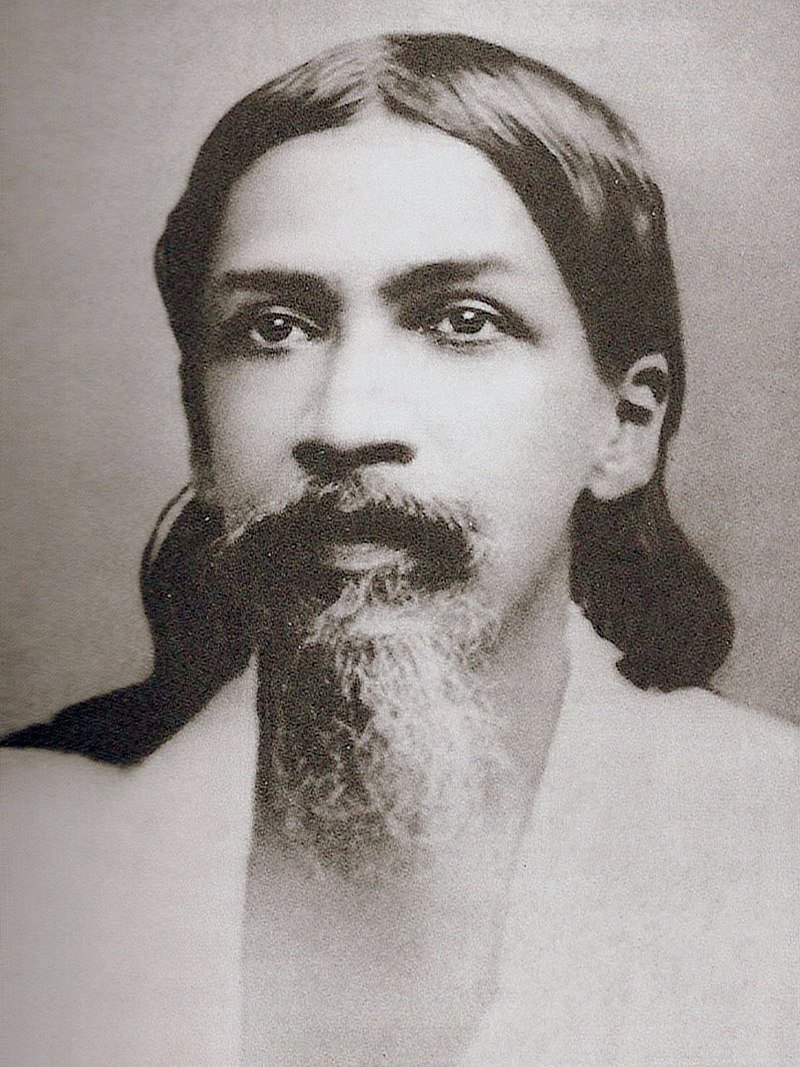
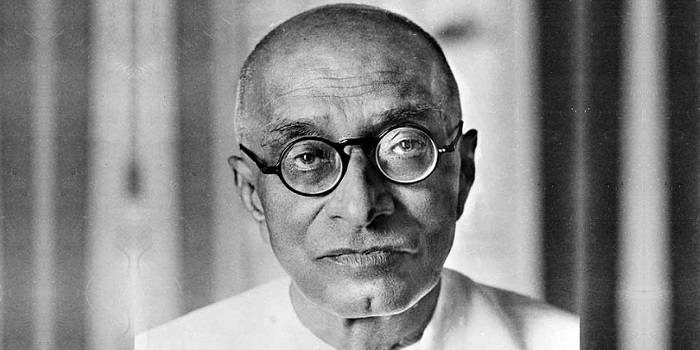
1/ Pondicherry served as the capital of #FrenchIndia between 1761 to 1954. It existed as a safe haven for many revolutionaries including Subramania Bharati, C Rajagopalachari, Lala Lajpat Rai and Aurobindo Ghosh, who confided in the intellectually and culturally vibrant environment that was characteristic of Pondicherry. amritmahotsav.nic.in/district-reops…
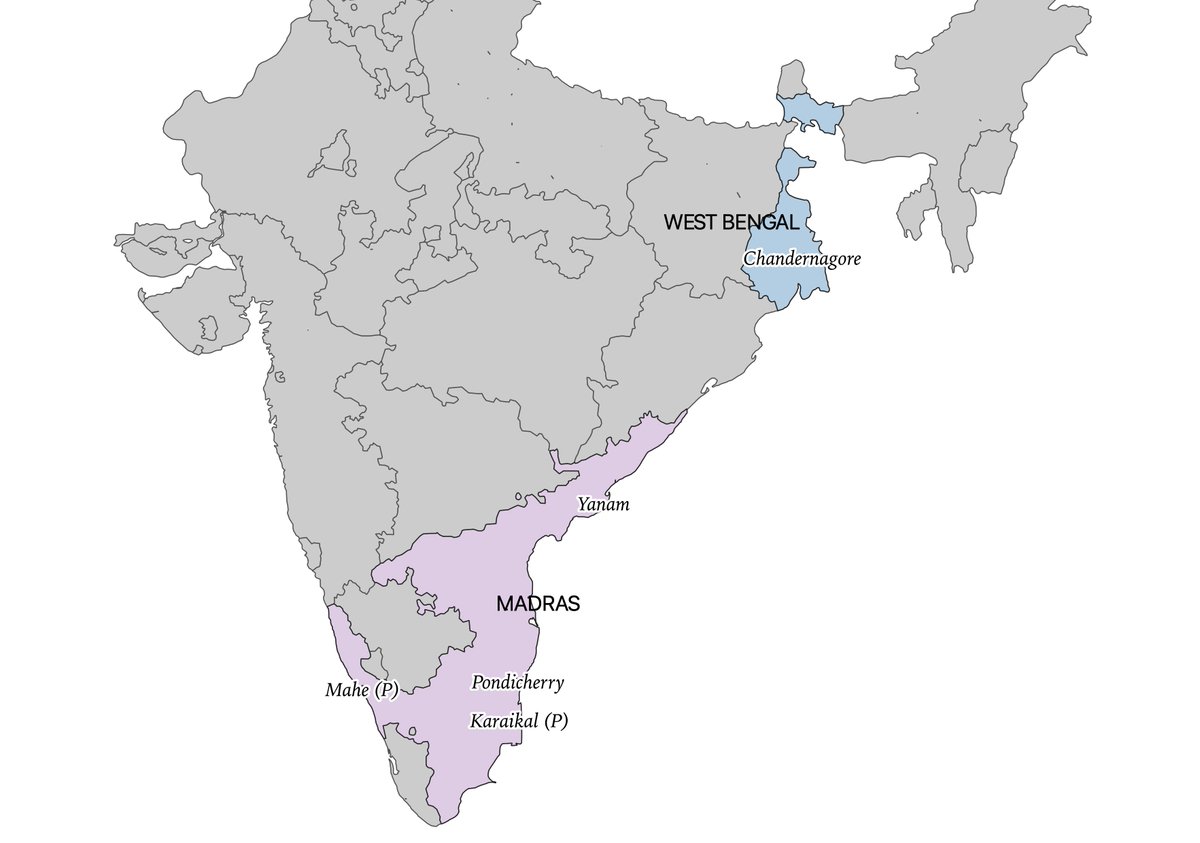
When India got independence from the British in 1947, five tiny French enclaves existed divided across the Arabian Sea and the Lakshadweep Islands.
#Pondicherry: about 150 km south of Madras (now Chennai);
#Karikal: on the eastern coast, about 130 km further south of Pondicherry;
#Yanaon: on the eastern coast, over 800 km north of Pondicherry;
#Chandernagore: on the outskirts of Calcutta, nearly 2000 km north of Pondicherry;
#Mahé: on the western coast, over 600 km west of Pondicherry