Many readers have asked me about the raft of lesbian pulp novels published in the '50s and '60s. How did they come about? And did they actually change people's attitudes to same-sex relationships?
Let's look back at the lesbian pulp explosion and try to uncover its legacy...
Let's look back at the lesbian pulp explosion and try to uncover its legacy...
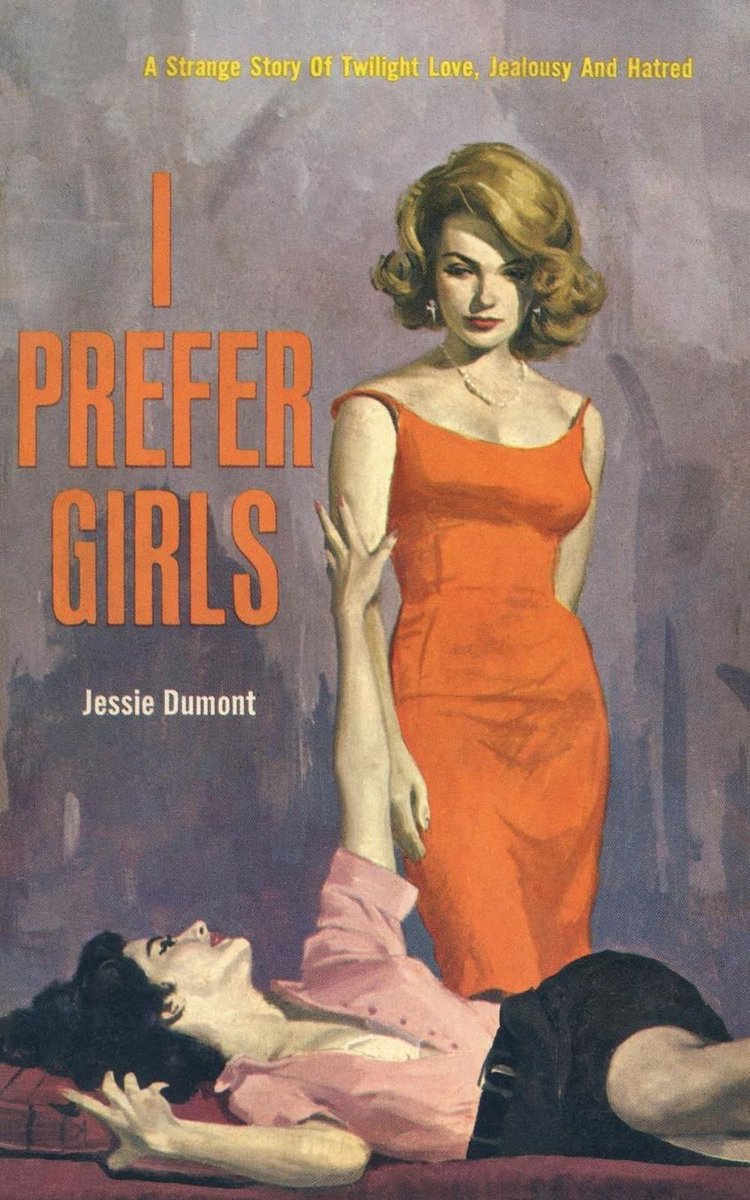
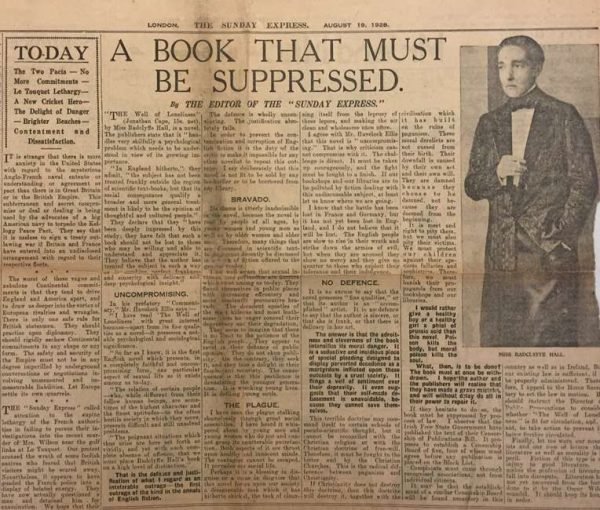
Pulp is often seen as lowbrow and cheap, so it could skirt around the censorship laws of the post-war period and cover subjects that 'serious' outlets had to hint at. And one taboo topic dominated pulp for decades: lesbian love!
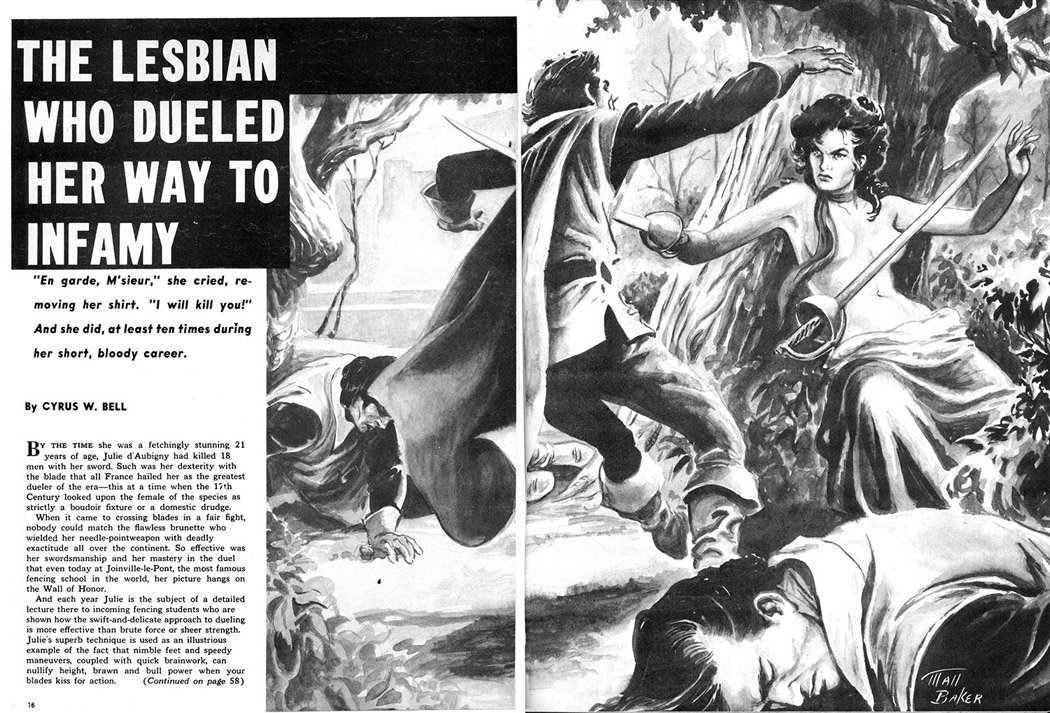
There were a few pre-war novels that treated lesbians as serious characters in relationships with other women, but mostly the topic was handled in circumspect code.
However all that changed in 1950...
However all that changed in 1950...
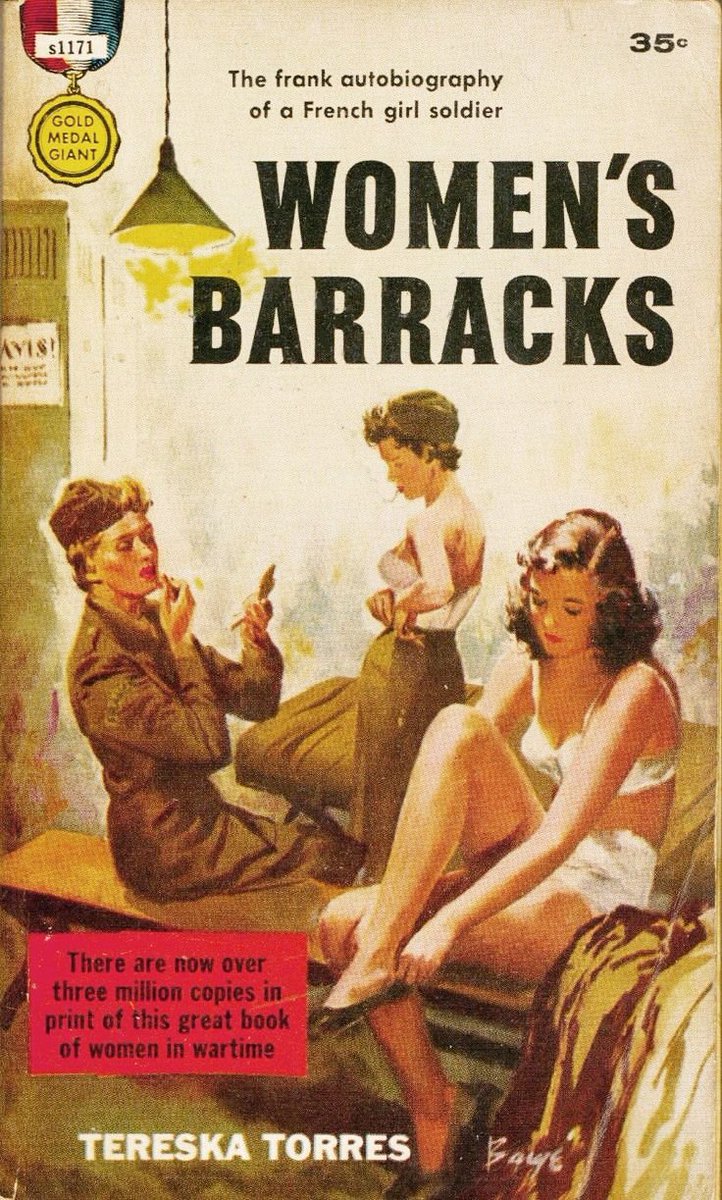
Women's Barracks by French author Tereska Torrès was published by Fawcett Gold Medal in 1950. Describing the lives of Free French Forces stationed in London in WWll it candidly discussed lesbian relationships and passions, and went on to sell over four million copies worldwide.
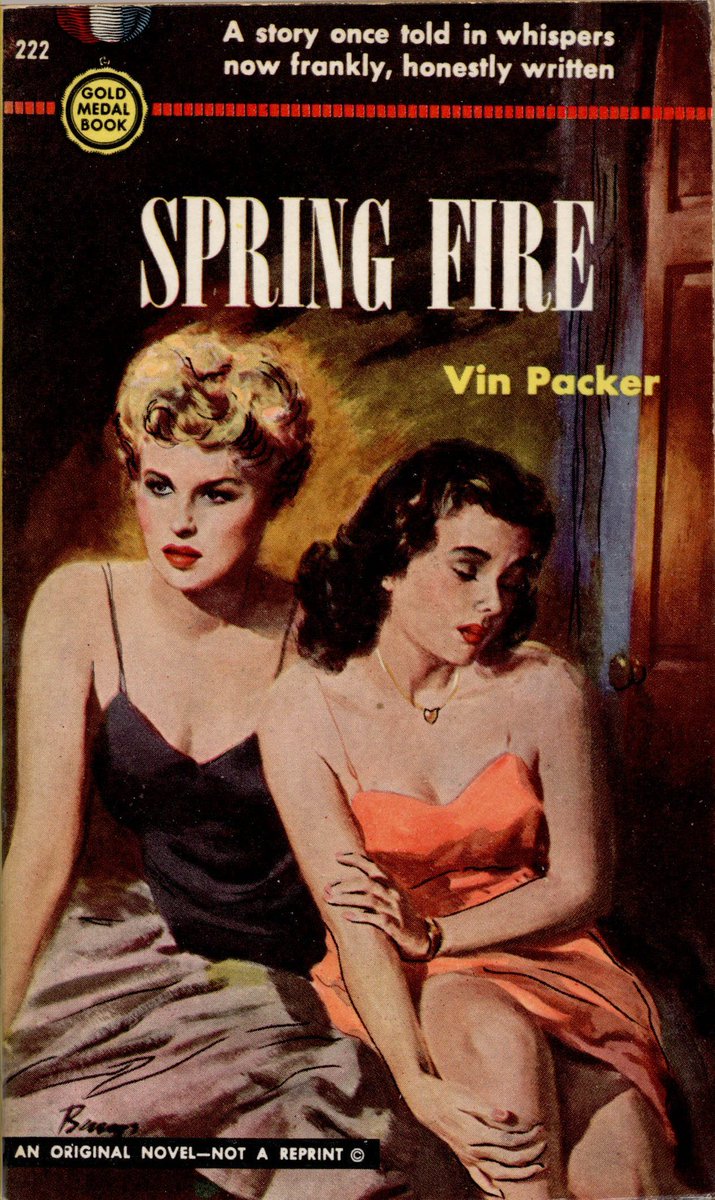
Sensing a market Gold Medal published Spring Fire in 1952, a novel by Vin Packer (aka Marijane Meaker) about a lesbian affair between two students. Again, sales were high.
The timing was also fortuitous. In 1953 the secomd Kinsey Report - "Sexual Behavior in the Human Female" - was published, showing over 13% of American women were attracted to other women. Lesbian attraction was suddenly big news.
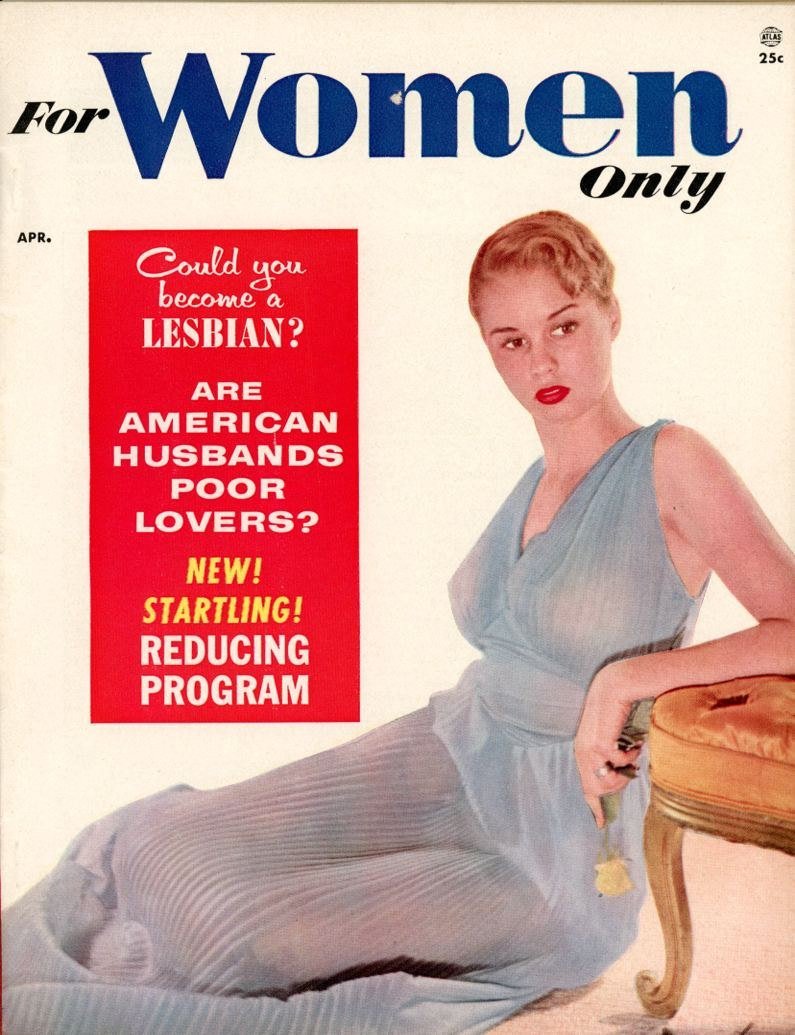
With the Kinsey report out there pulp publishers began to push out more novels about lesbian relationships, with dubious claims of 'exploring' or 'understanding' this type of love as a way to pretend this wasn't just about titillating curious male readers.
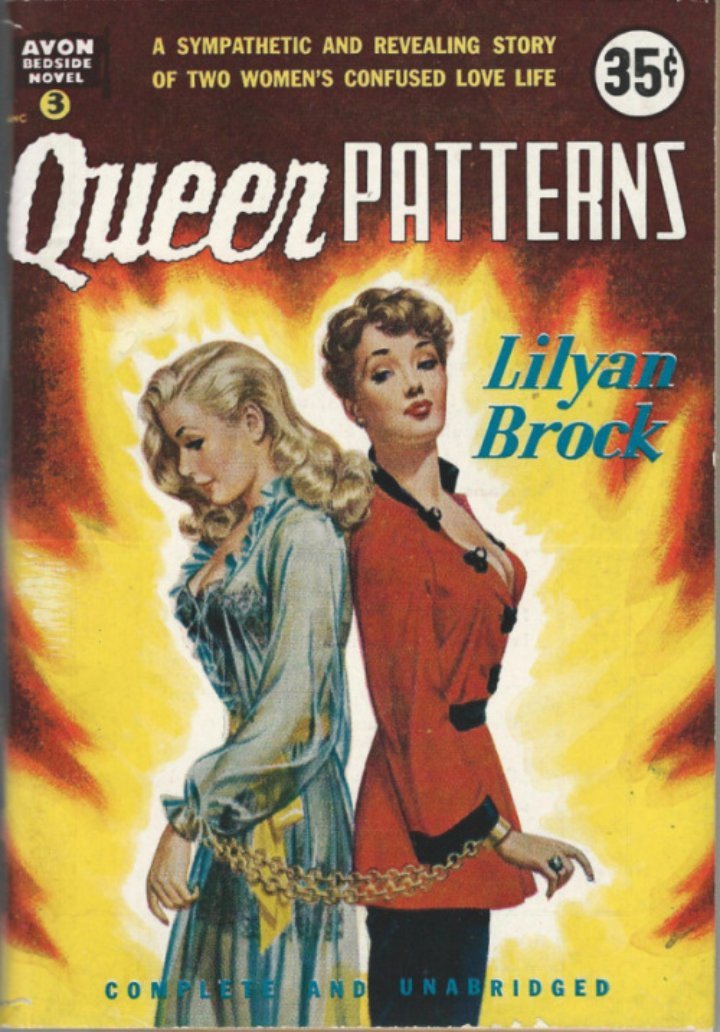
But there was a problem: US obscenity laws meant that books could not be sent through the mail if they promoted homosexuality. To get around this lesbian pulp stories had to have either a redemptive or unhappy ending: characters had to end up straight, or end up punished.
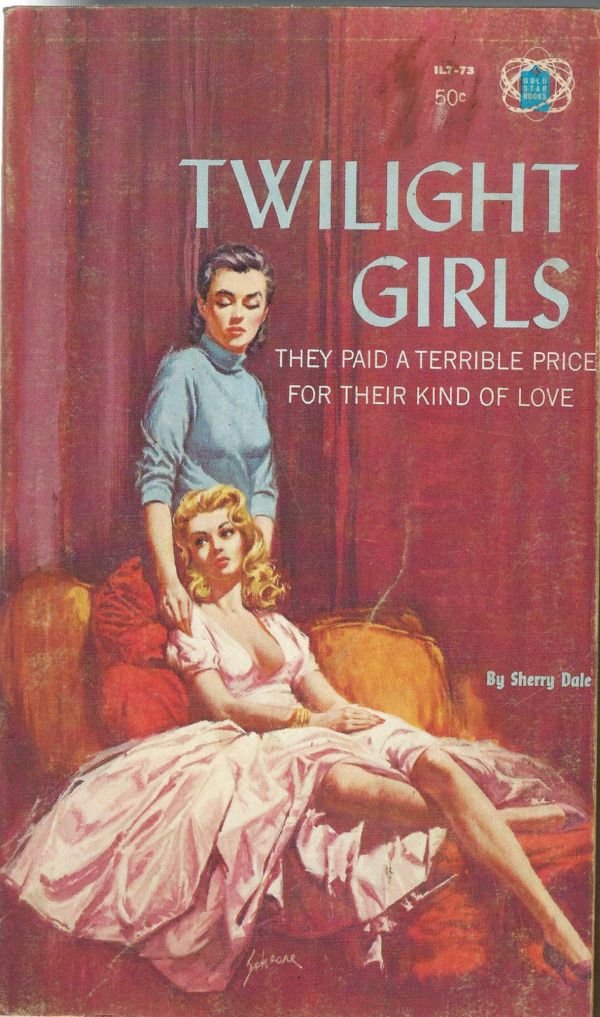
There were some exceptions: Patricia Highsmith's novel The Price of Salt (1953) has a relatively happy ending for the lovers. However Highsmith still had to publish it under the pseudonym Claire Morgan to 'protect' her reputation as a serious writer.
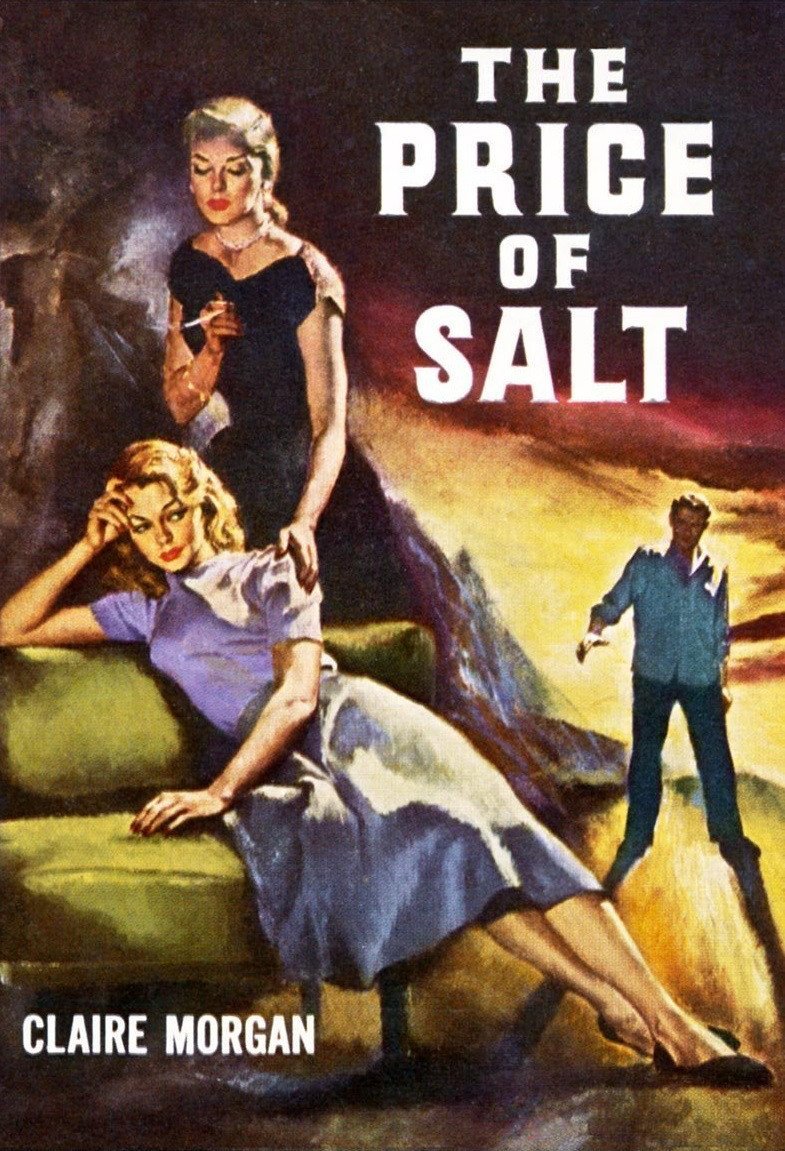
But by and large, pushed by the censorship laws, the 'doomed lesbian' became the main story trope of these novels. And it's a long-lived stereotype: even today it's a common cliché in popular storytelling.
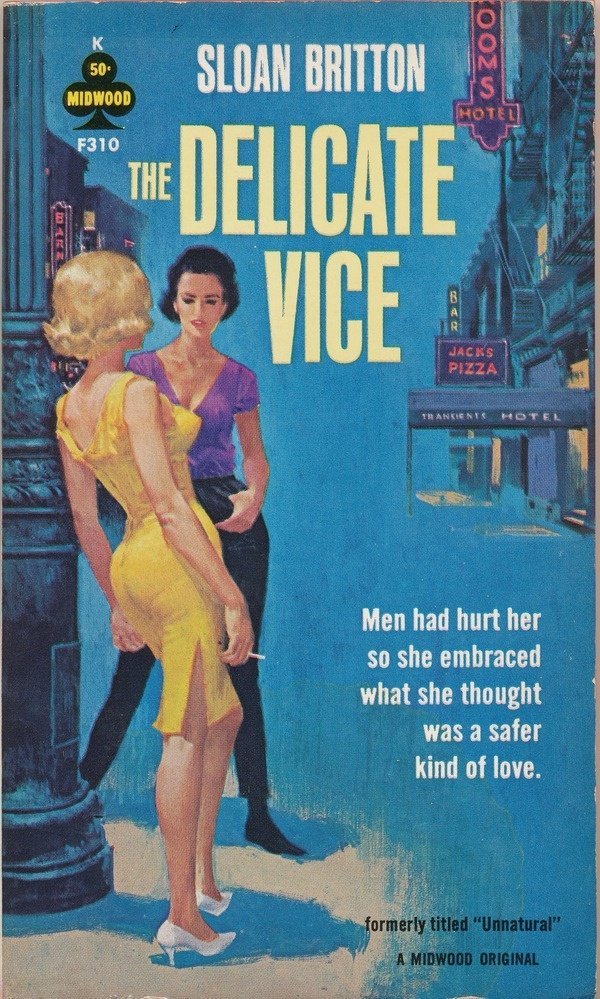
Whilst some lesbian pulps were written by lesbian writers, the bulk of the genre was produced by men - often using female pen names. Generally these were 'Lesploitation' novels: high on sex, low on story and aimed at males.
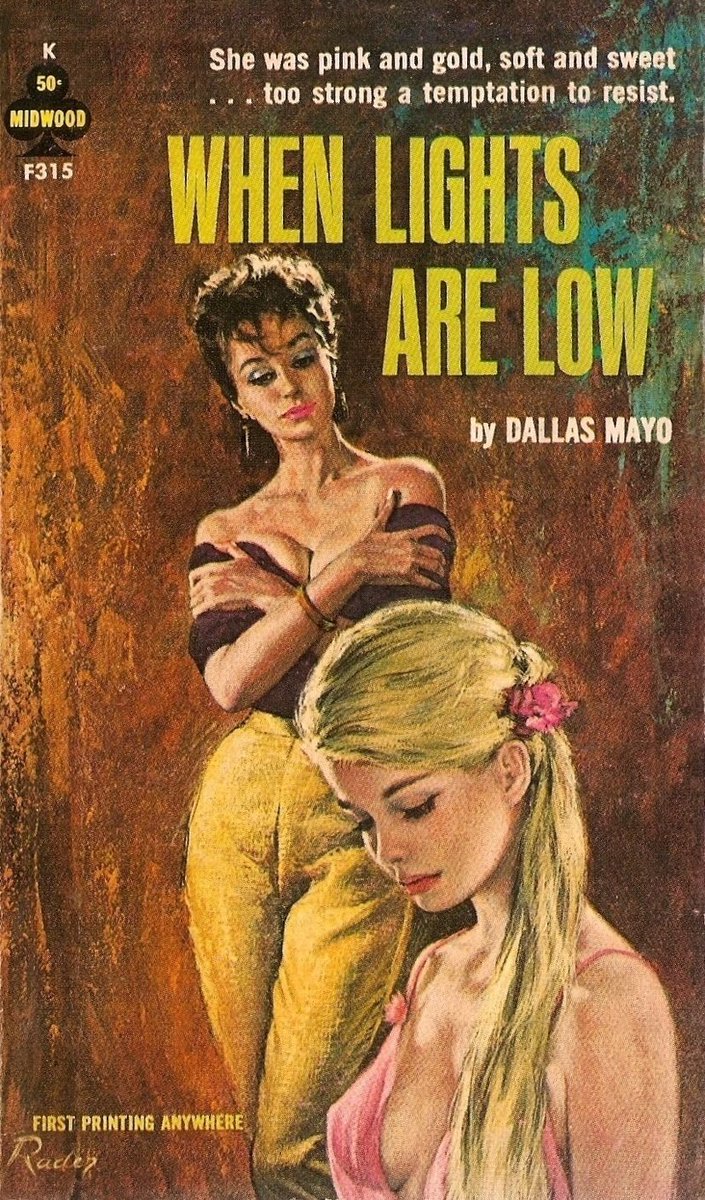
But in small-town America lesbian pulp was sometimes the only media people could access where same-sex themes were sympathetically dealt with. Whilst cheesy and sometimes exploitative they still sent out a message: if you're a lesbian, you're not alone.
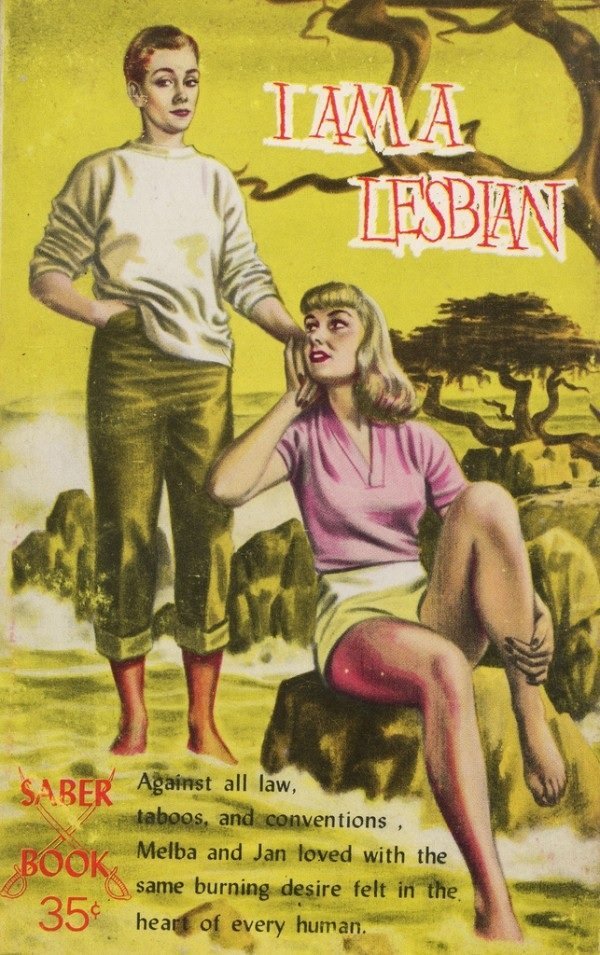
A lot of lesbian pulp is based on stereotype: furtive seduction, older controlling lesbians seducing young innocents, men fighting butch women for the love of a confused wife, small-town girls falling for big city vices etc.
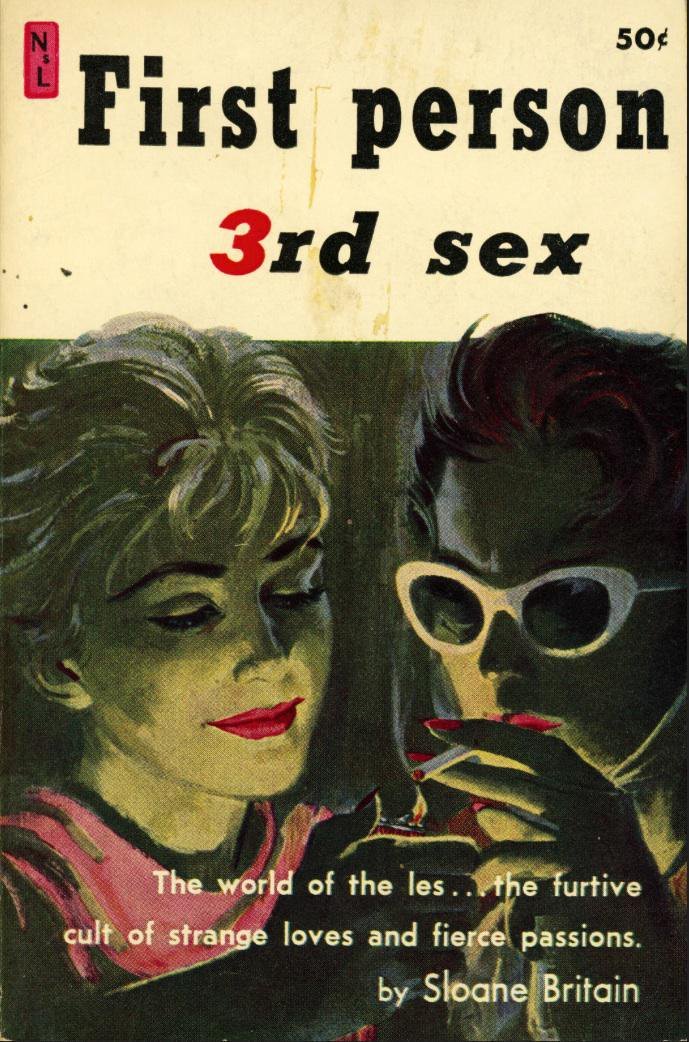
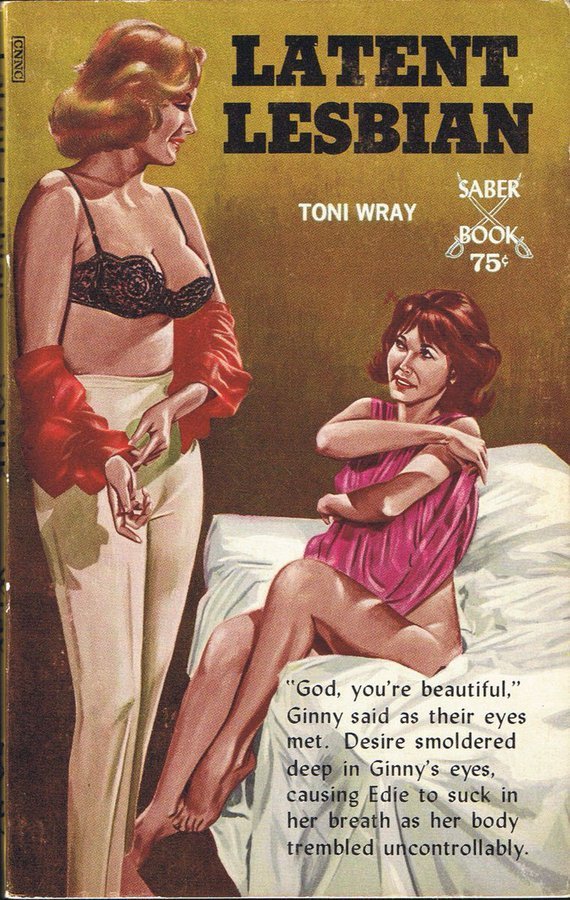
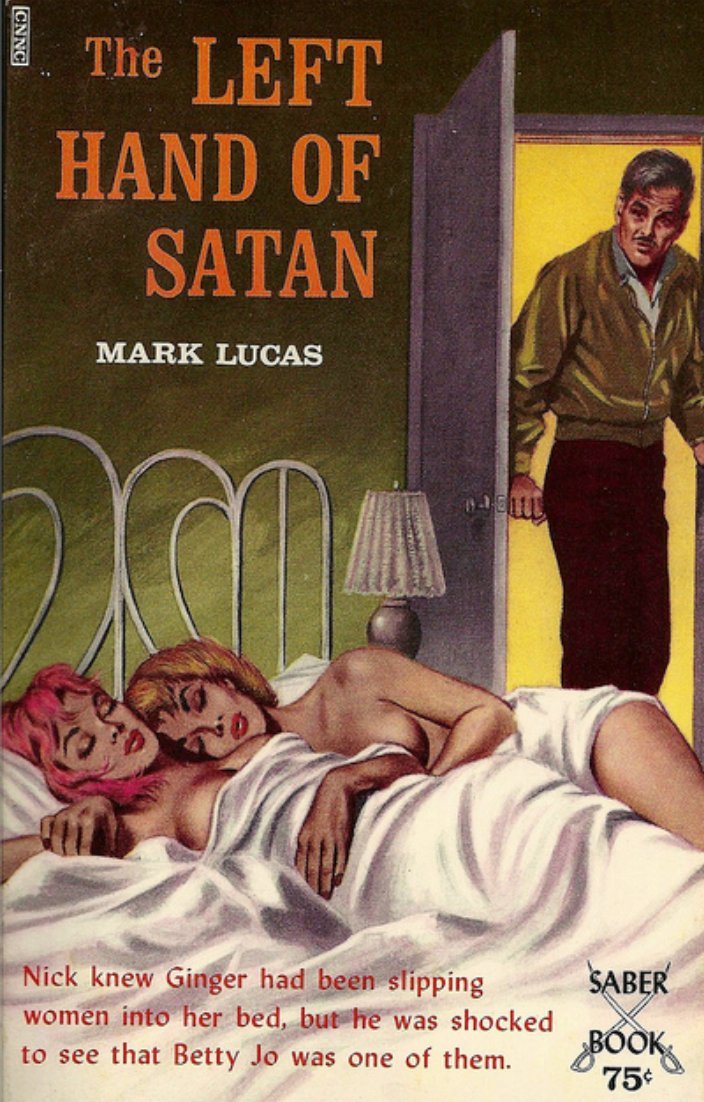
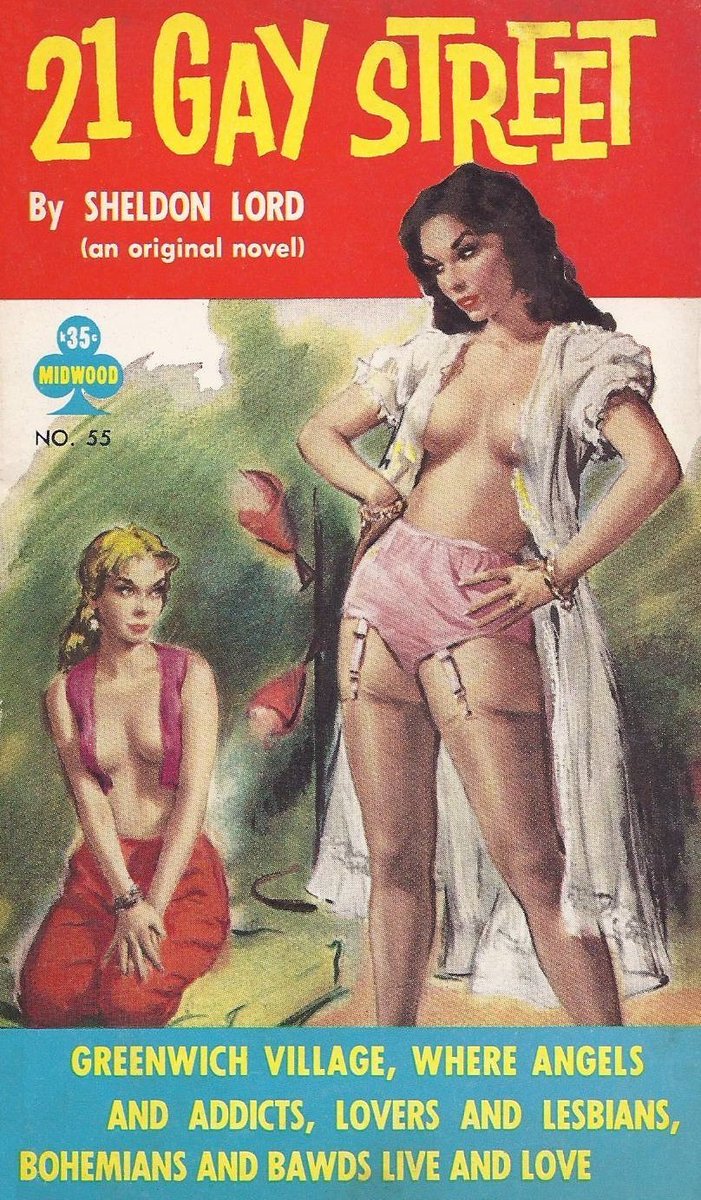
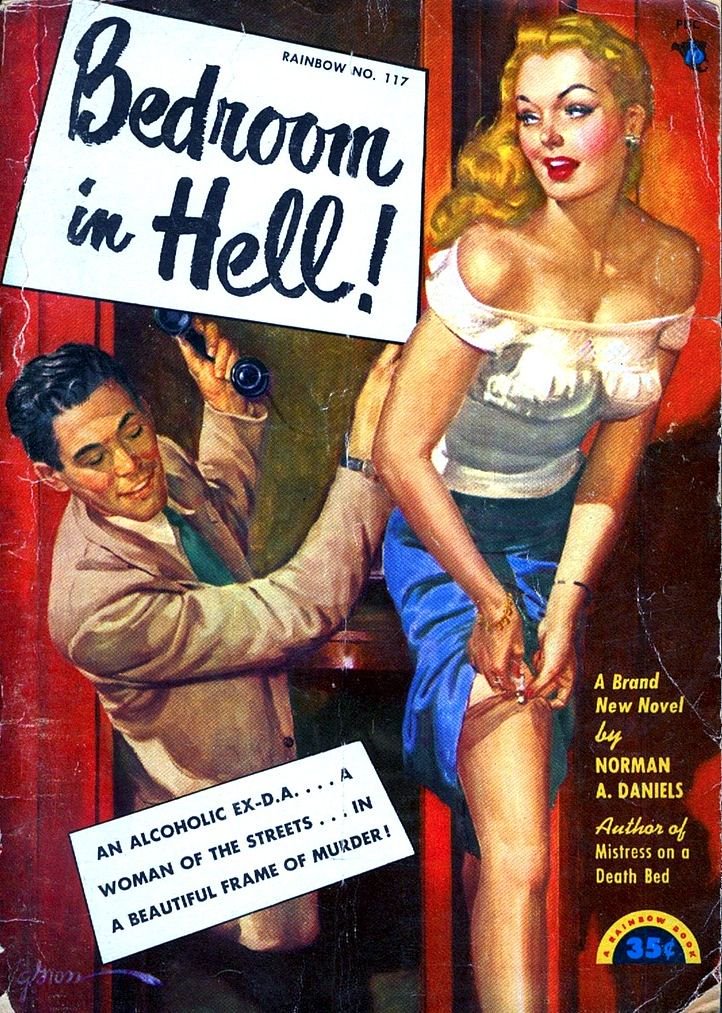
The cover blurb and titles also suggested faux-sympathy with the lesbian 'dilemma': a demi-monde, a soft sin, unnatural but irresistible hungers and desires. All this was aimed at men - curiosity and titilation in equal measure.

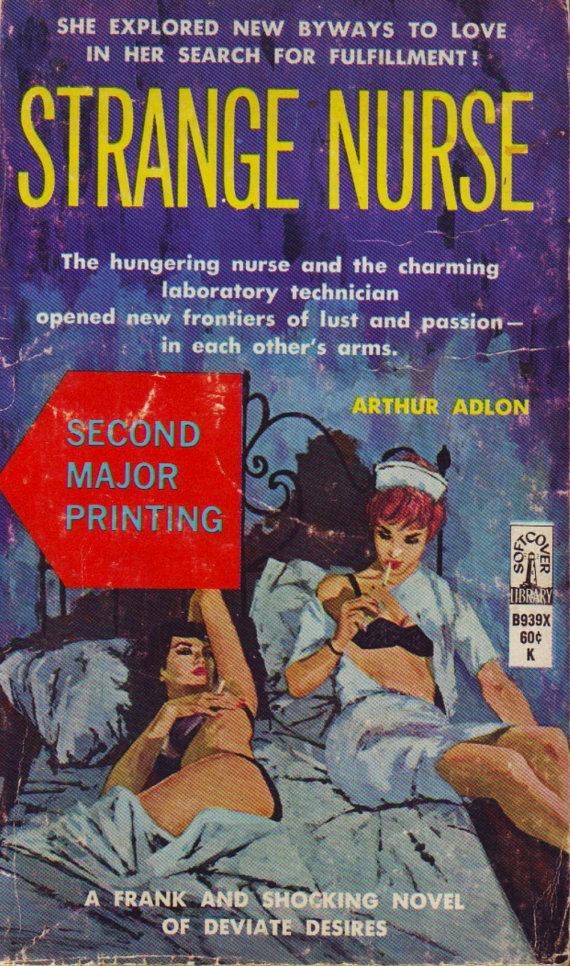
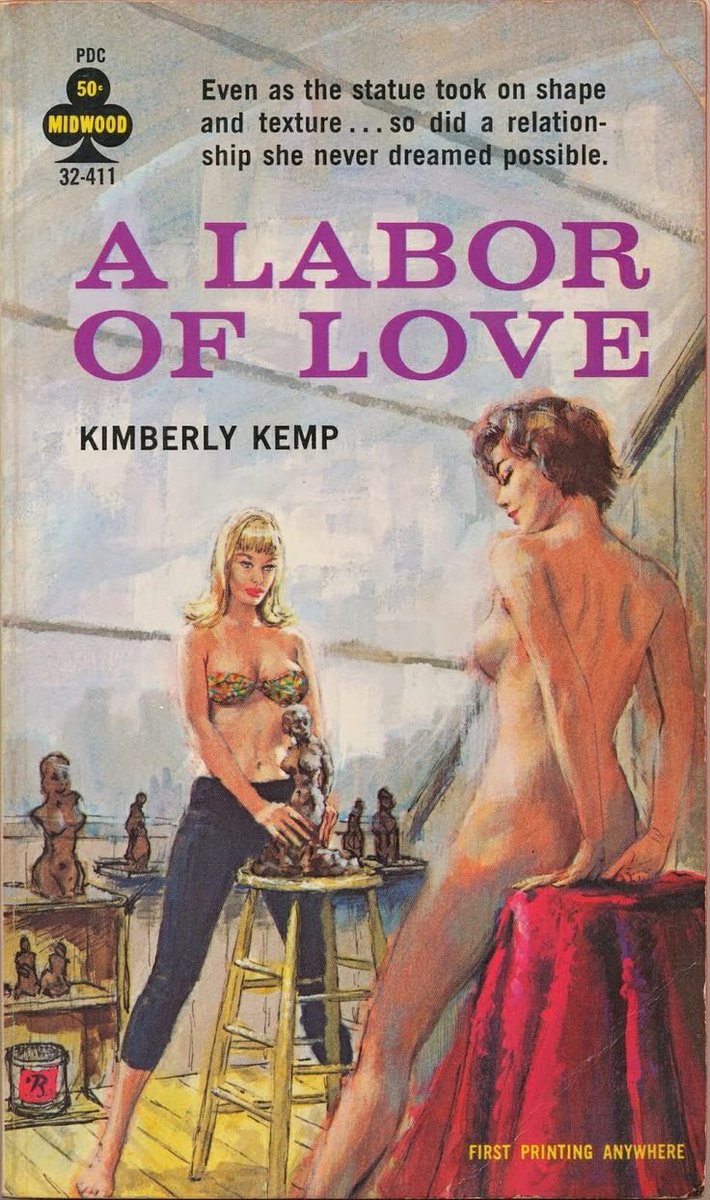
However the cover art for lesbian pulp generally shows the characters in a sympathetic light: women who deserve understanding and fulfilment.
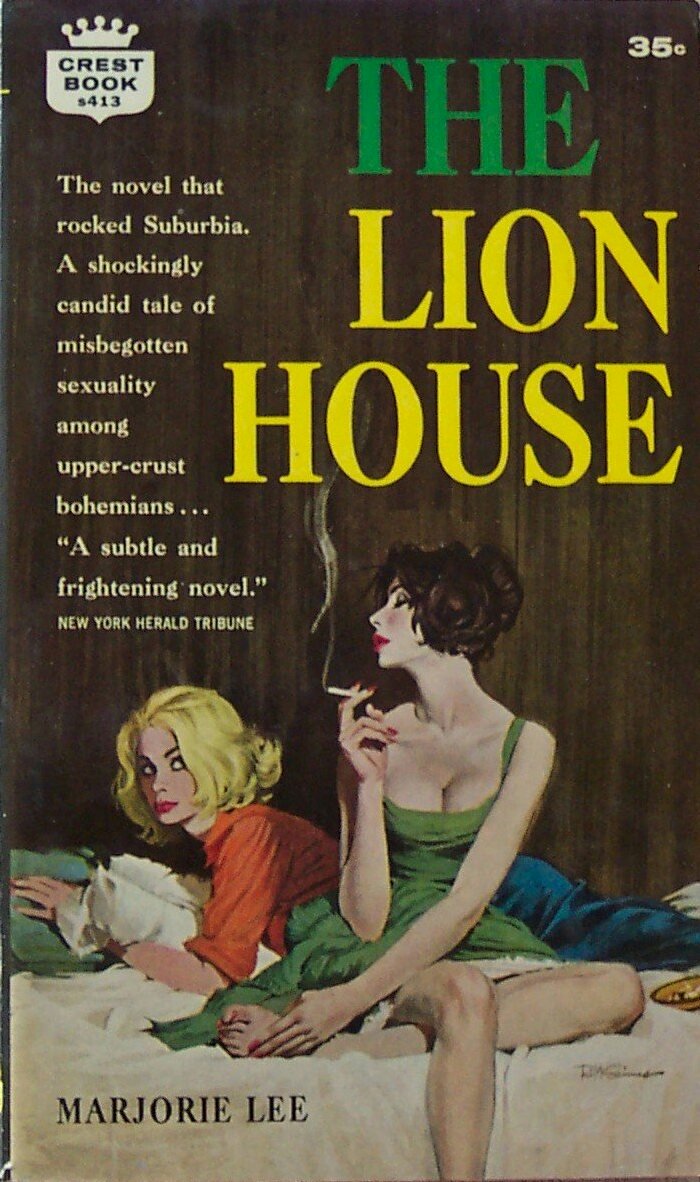
Most lesbian pulp was about middle-class white women, often in domestic settings. Women of colour were rarely featured, though there were a few exceptions.
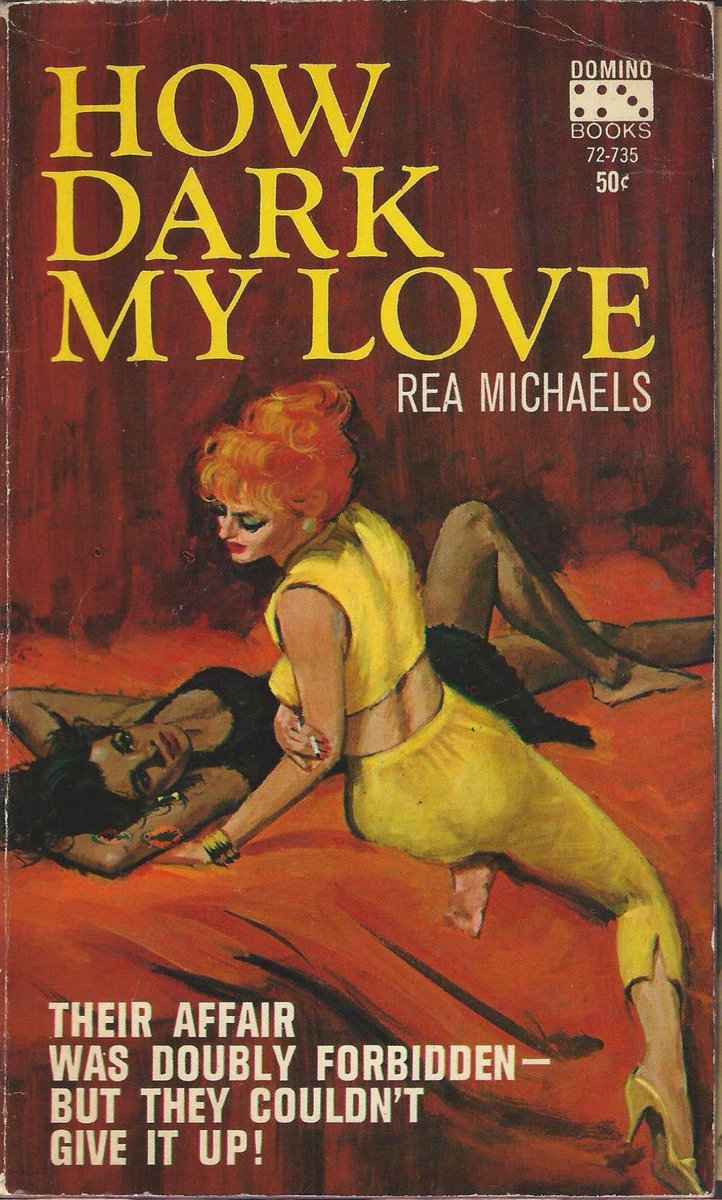
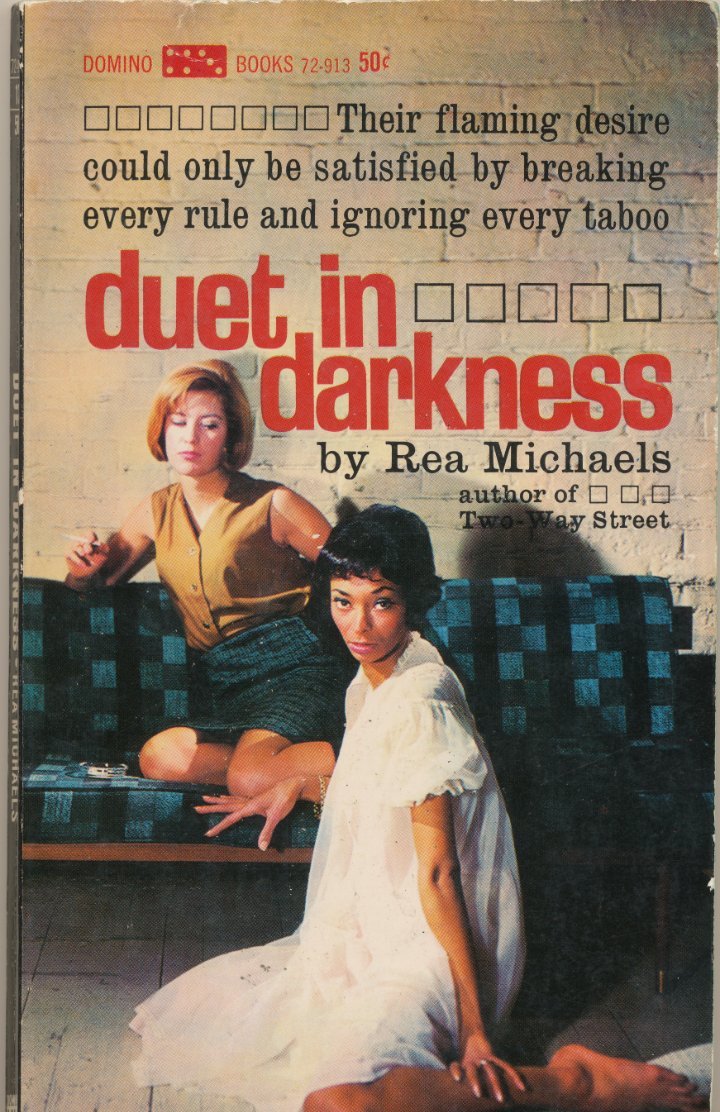
As obscenity laws were relaxed in the 1960s the lesbian pulp market began to decline. More serious and realistic lesbian stories began to be published, and the pulps were reduced to voyeurism and gimmicks to sell copies.
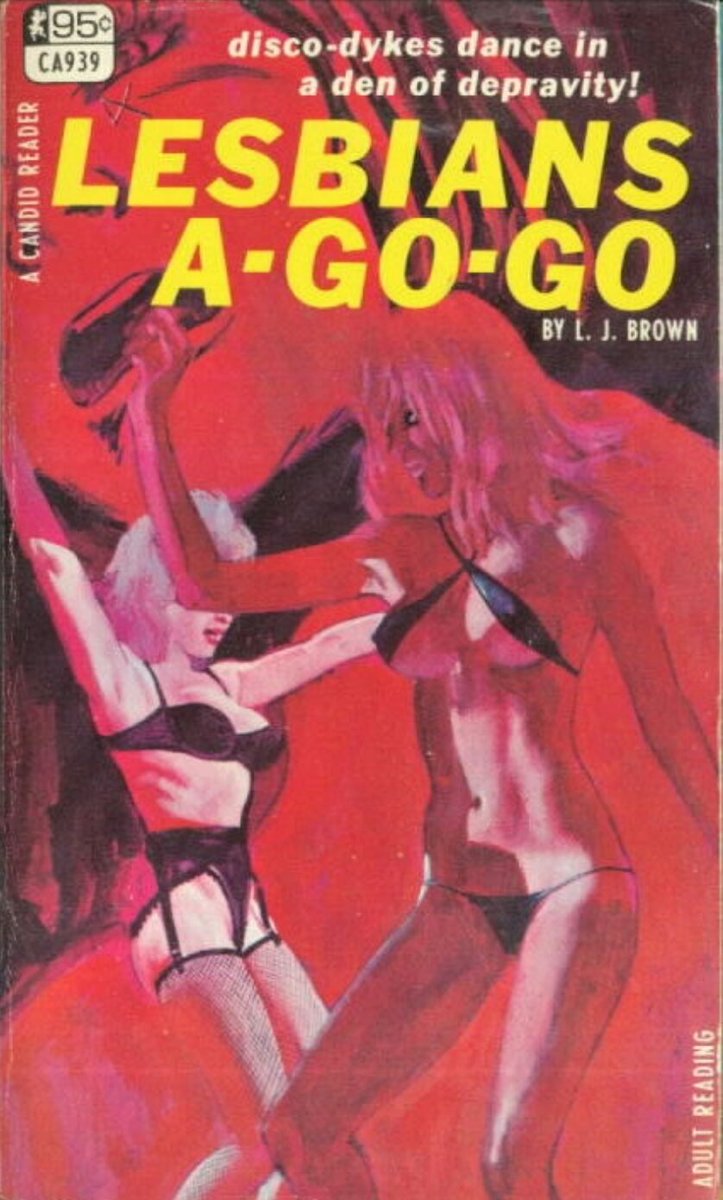
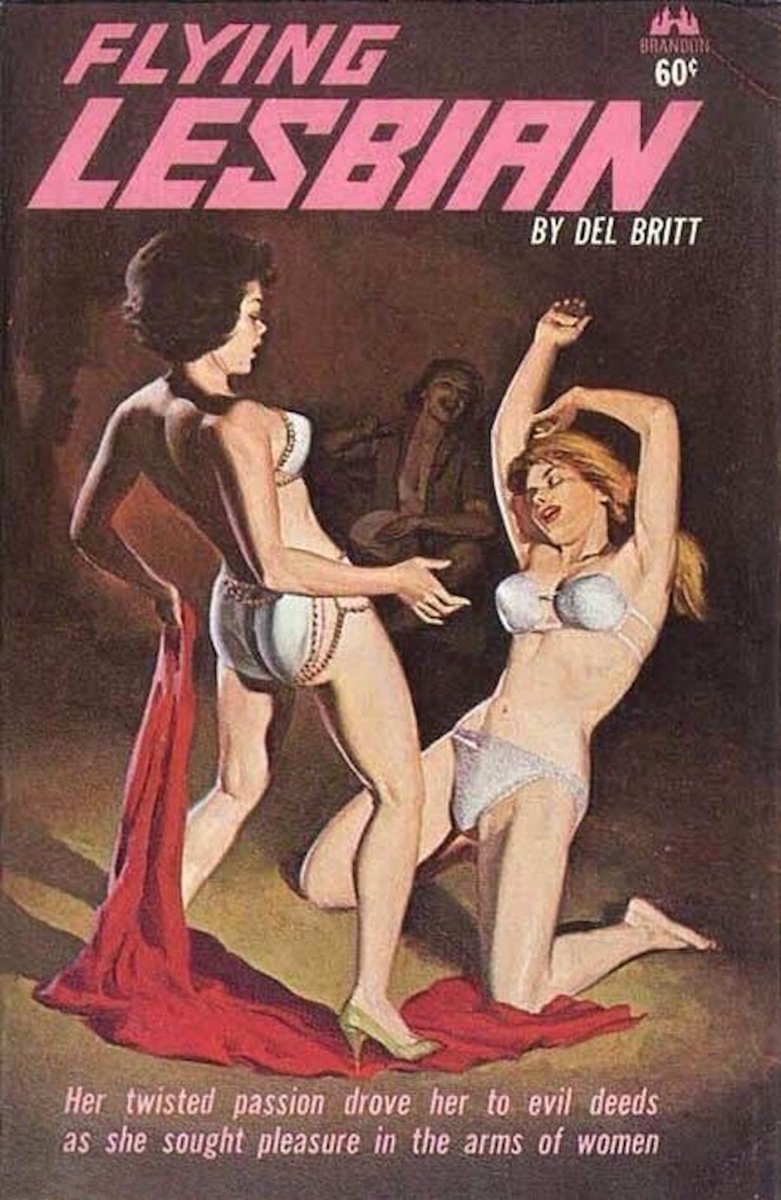
And by the start of the 1970s the lesbian pulp genre had all but disappeared. Pulp moved on to other things to keep keep its audience entertained.
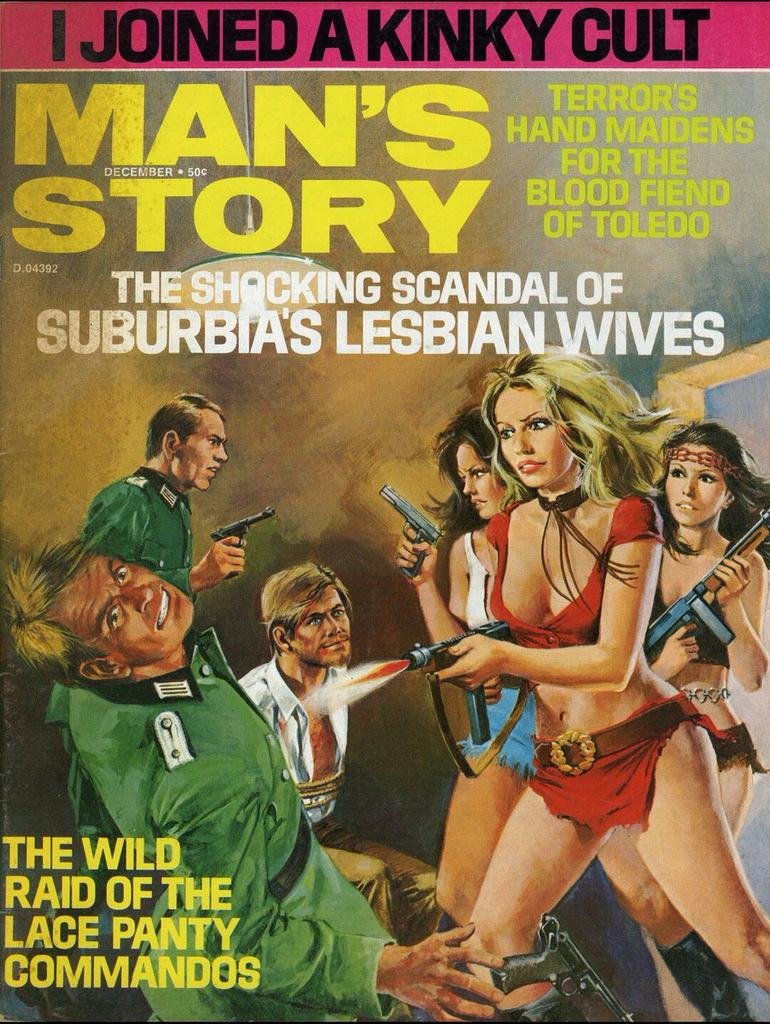
A number of pulp publishers paid a high price for daring to print lesbian stories: fined, imprisoned or hounded out of business by the courts. Thorough the '50s and '60s they risked jail under the obscenity laws for daring to talk about things that others only whispered about.
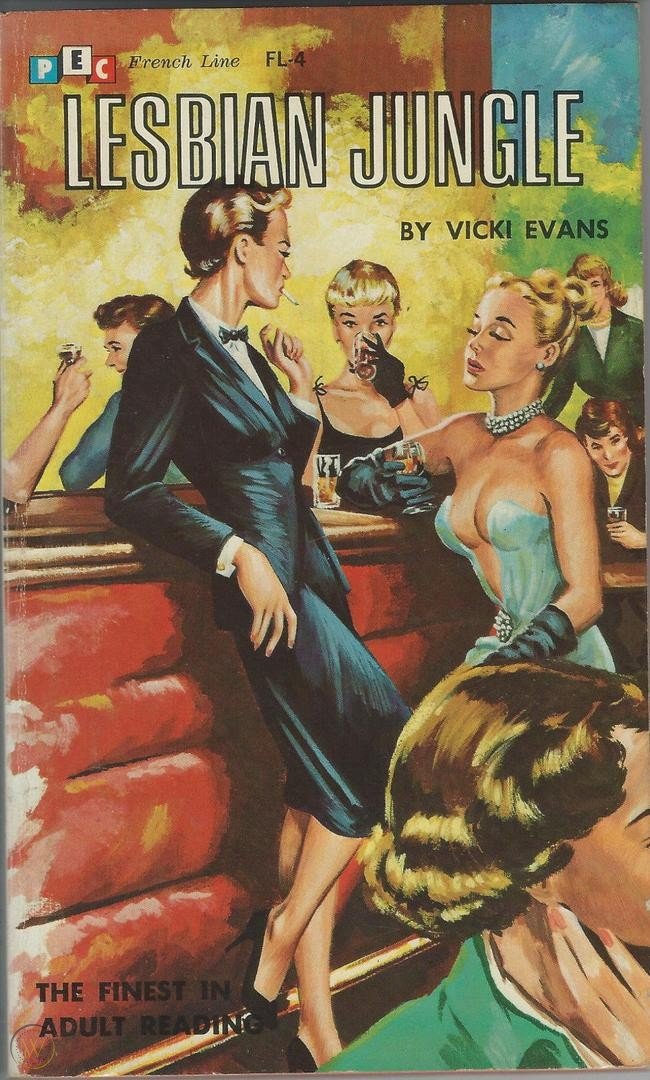
Pulp lesbian literature was brazen and sensationalist. But it tried to show its subjects in a sympathetic light and it wasn't prepared to bow down to censorship. If it was sometimes sleazy or cheesy - well that's pulp. But it played its part.
More stories another time...
More stories another time...
• • •
Missing some Tweet in this thread? You can try to
force a refresh