Ictinus ®️ Profile picture
Feb 3, 2024 18 tweets 7 min read Read on X
Greece is historically a maritime nation with 6,000 islands and the longest coastline in the Med, yet has the smallest maritime area of jurisdiction in the world.
The reason behind this: a 🇹🇷 threat of war should Greece chooses to exercise its sovereign rights in the Aegean.
🧵 Image
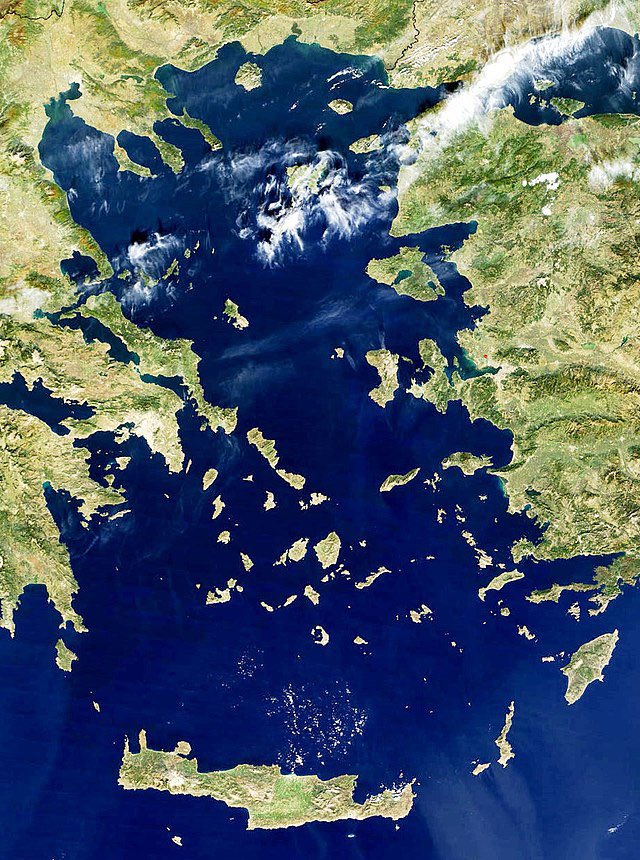
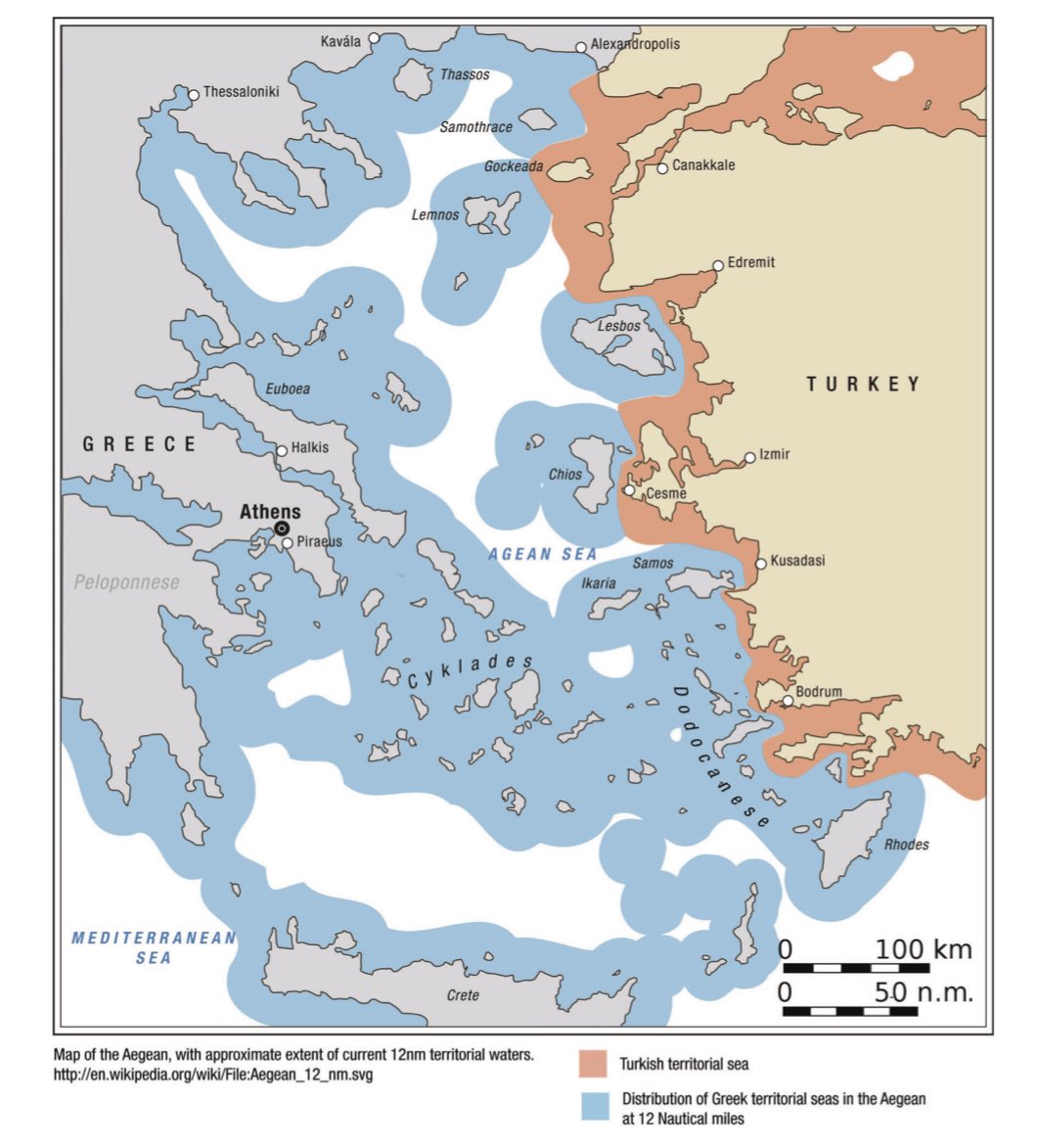
Under customary international law, Greece has a legal right to extend its territorial sea to 12nm in the Aegean Sea. The right for the expansion of territorial waters is an inalienable sovereign right that cannot be disputed by third countries. Image
Image
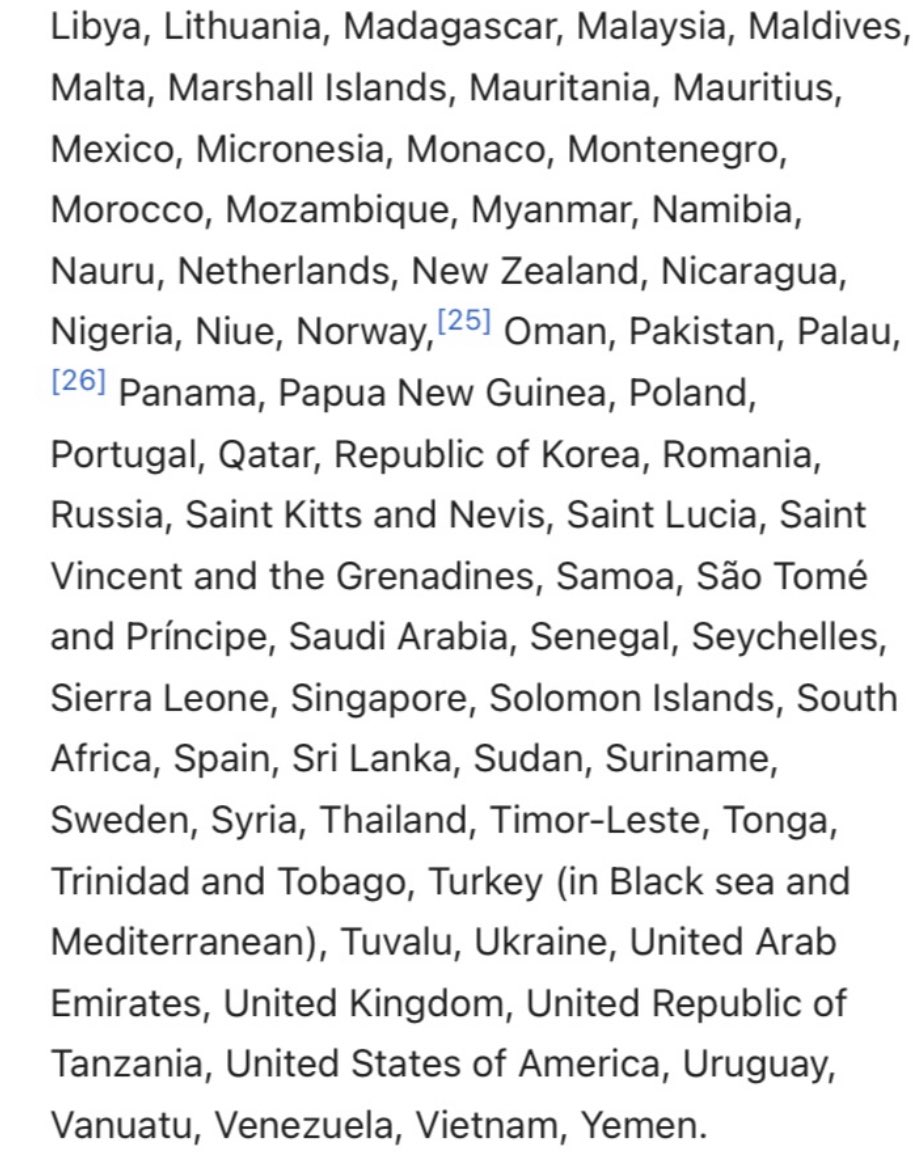
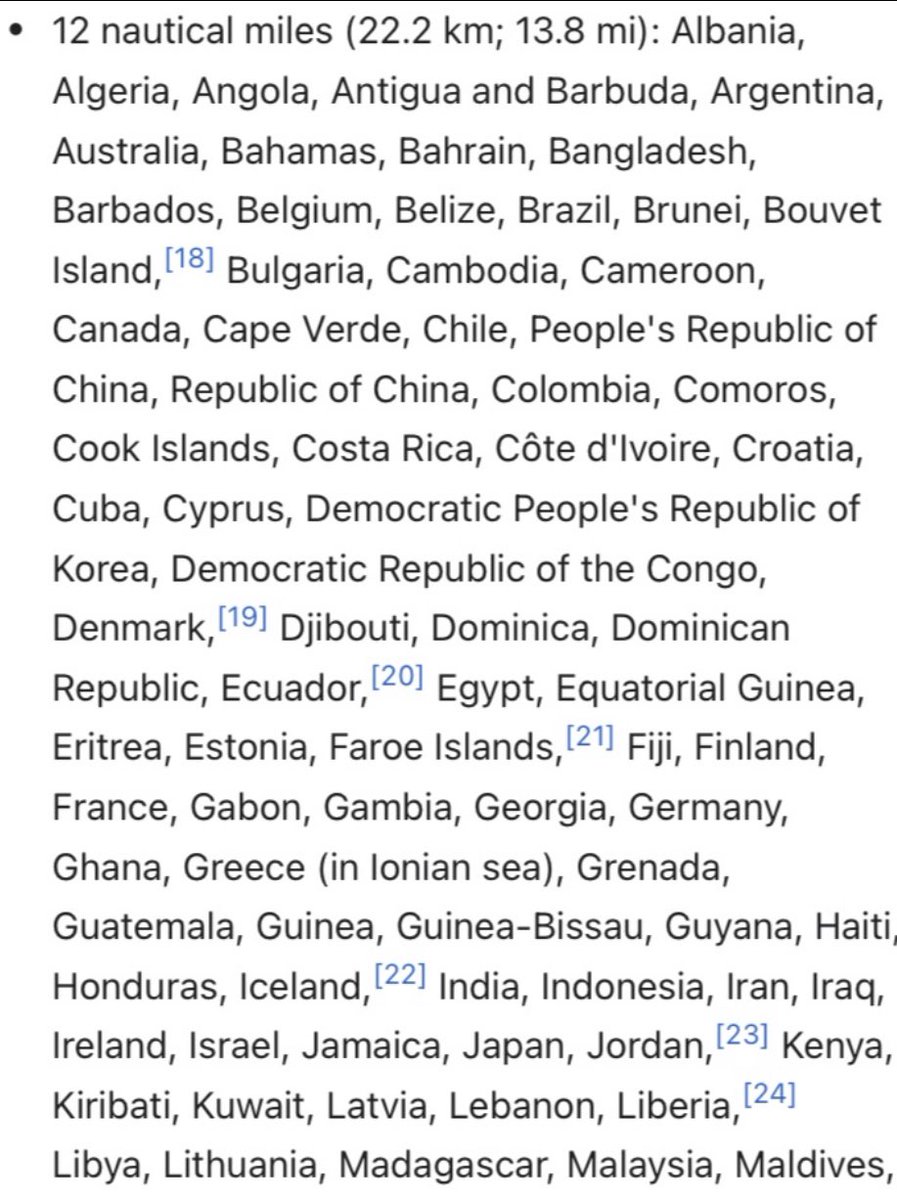
The overwhelming majority of coastal states in the world have expanded their territorial waters to 12 nautical miles.
Turkey itself has extended its territorial waters to 12nm in the Black Sea and the Mediterranean already since 1964. Image
Image
For a long time, territorial seas stretched as far as a state could exercise control from
land. That was linked to the distance of a cannon shot fired from shore. This was considered to be about 3nm. Image
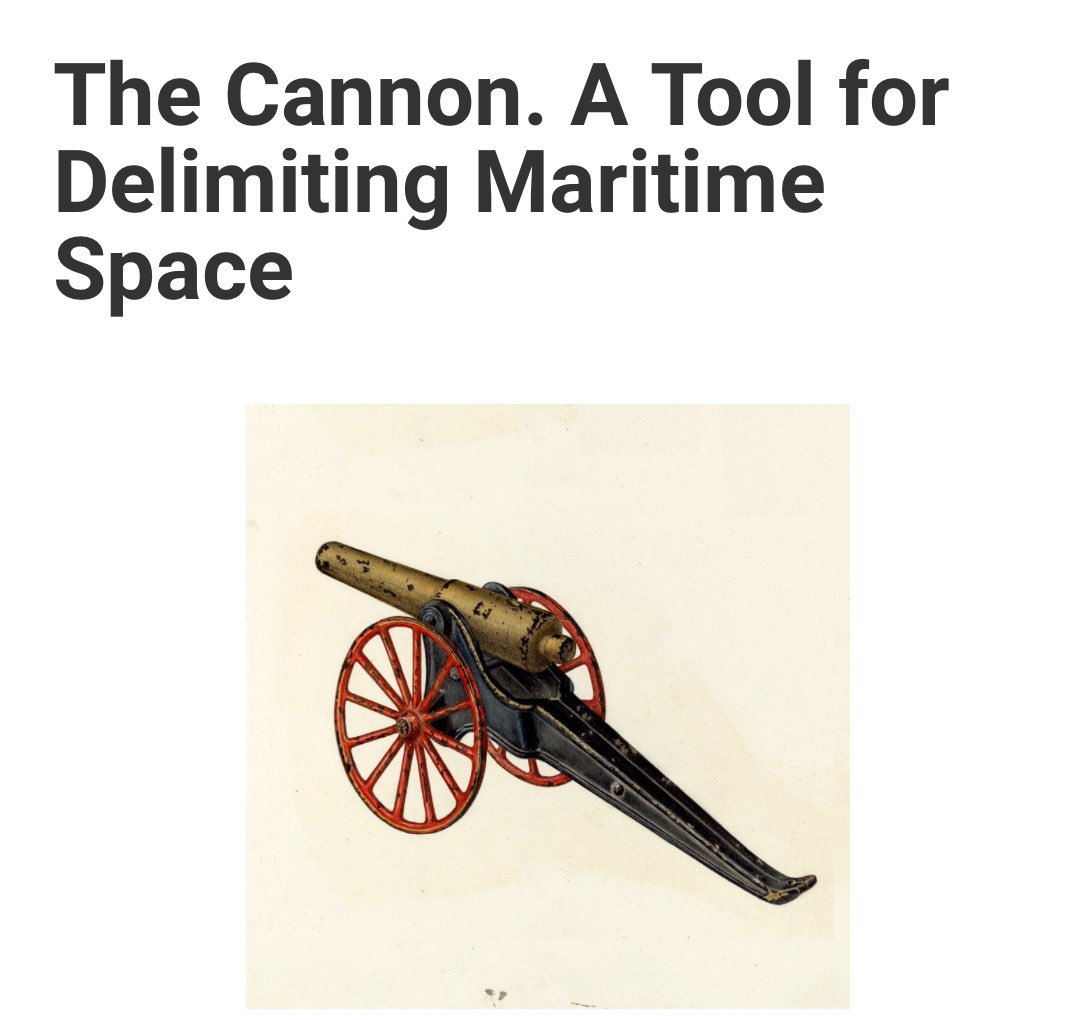
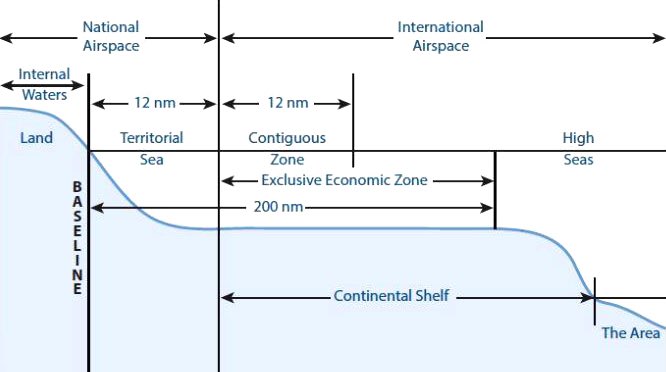
With the negotiation of the 1982 UN’s Law of the Sea Convention, the allowed breadth of a territorial sea claim was extended to 12nm. UNCLOS is the only international agreement that defines the rights & responsibilities of nations with respect to their use of the world’s oceans. Image
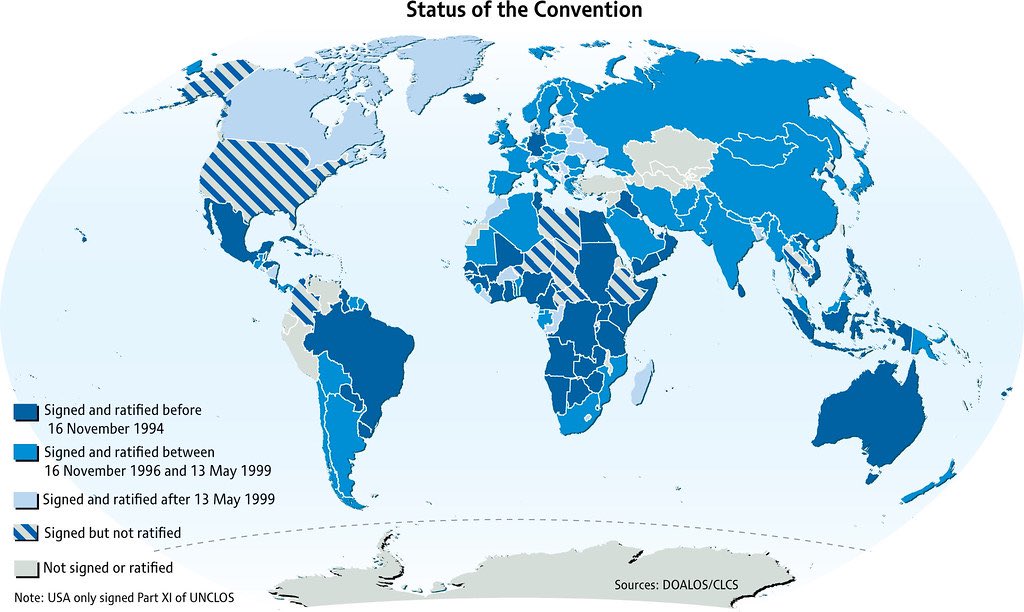
UNCLOS has been signed by 167 states & the EU. Non-signatories are still bound by many of the provisions of UNCLOS, as they are now generally accepted as reflecting customary international law, to which all states must adhere. Image
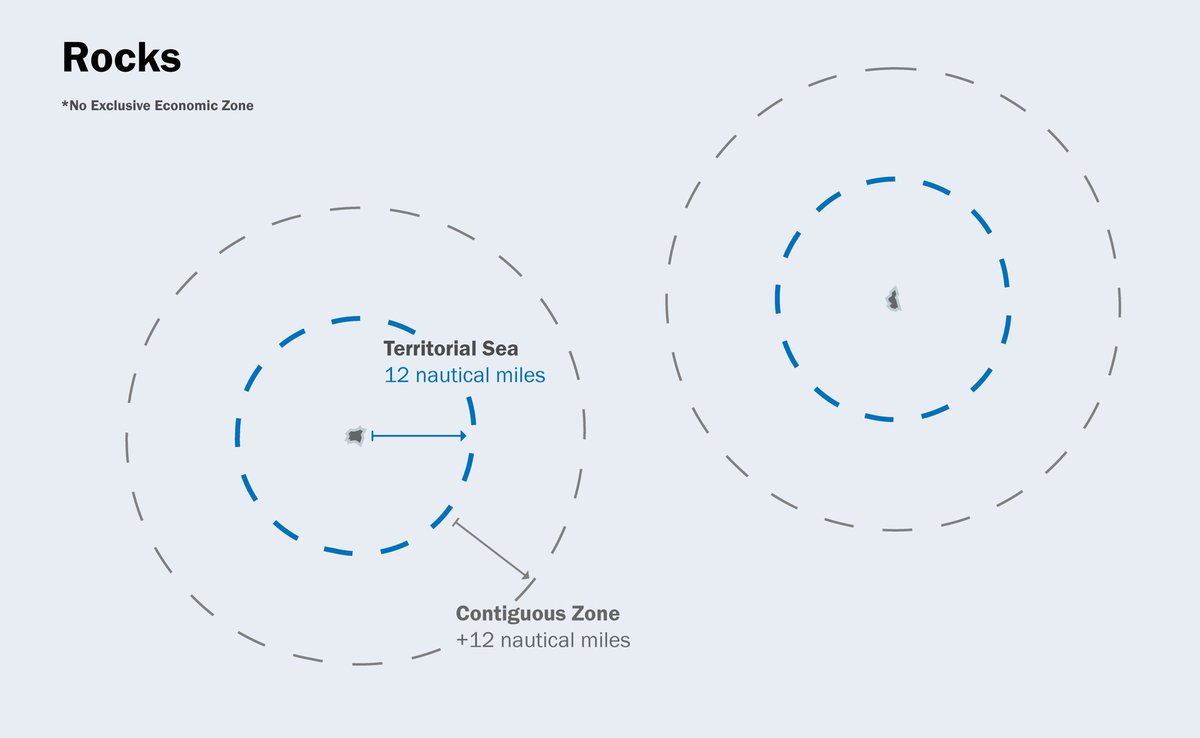
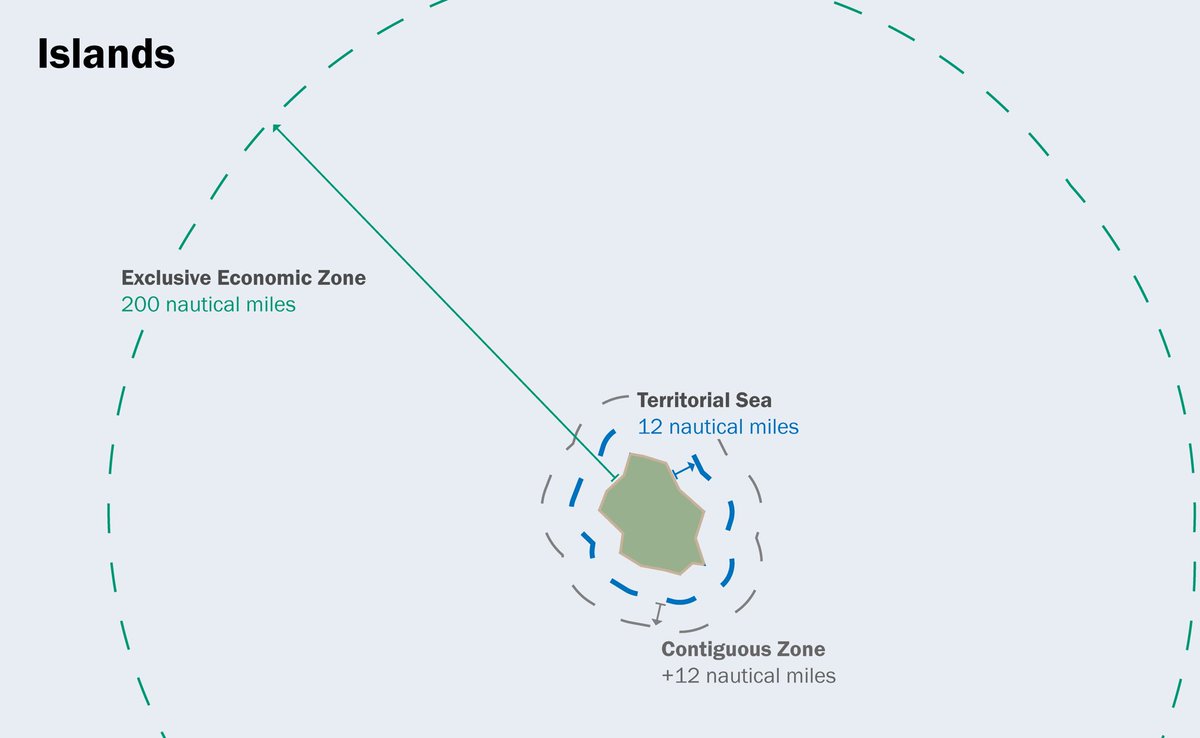
According to UN’s Law of the Sea, all islands & rocks, however small/ insignificant, can generate a territorial sea of 12nm from their baselines. This general rule is customary law and is binding. Image
Image
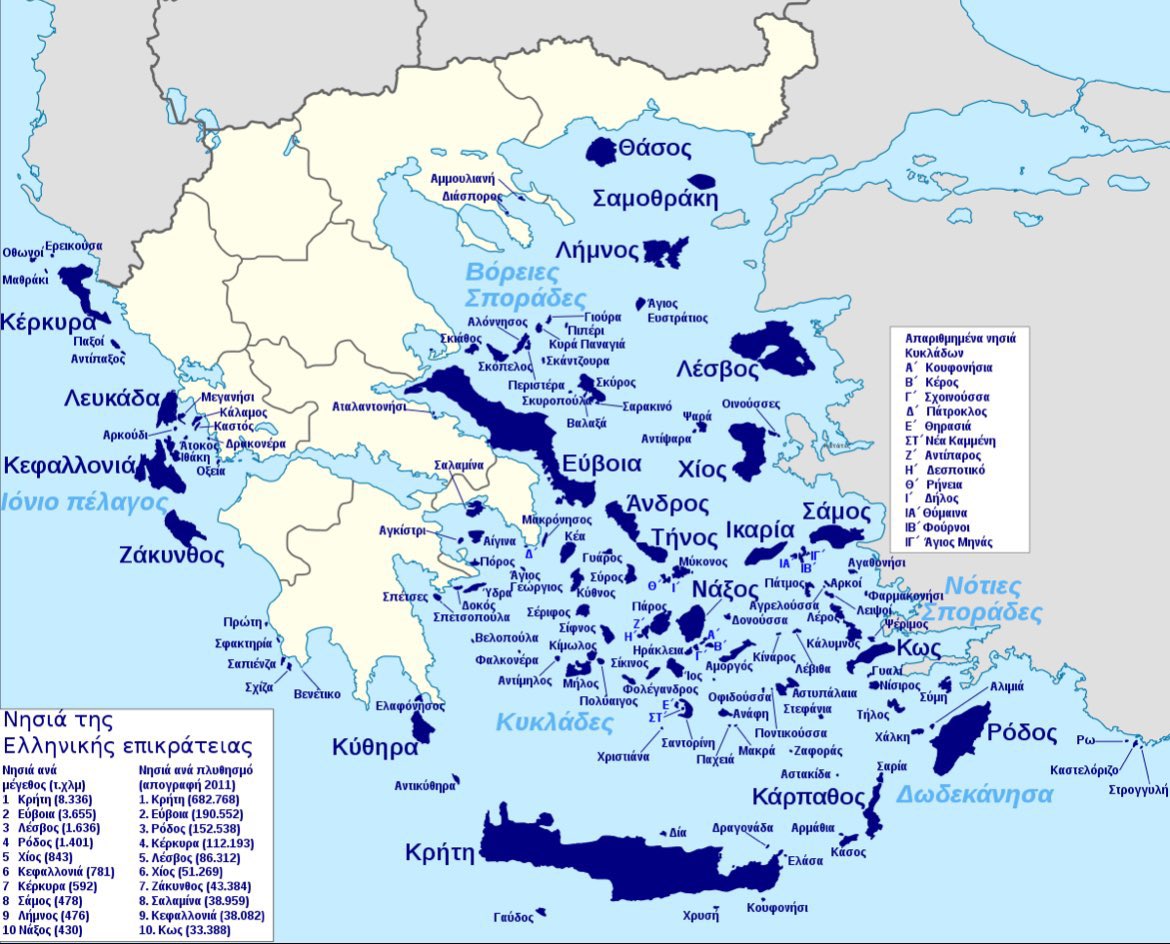
Greece has more than 3,000 islands in the Aegean, and Greece's interest in the security of, and sovereignty over, these islands is paramount.
According to international law, all the Greek islands in the Aegean are entitled to their own territorial sea of 12nm. Image
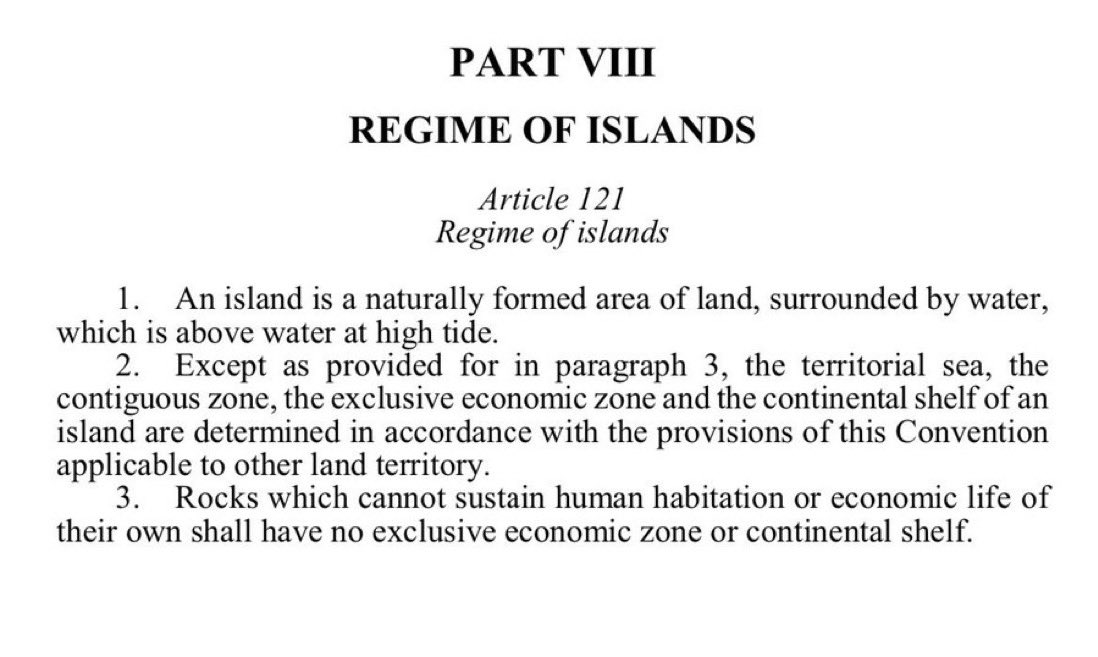
In accordance with Article 121 (2) of the Convention of the Law of the Sea, islands also have a right to a contiguous zone, an exclusive economic zone and a continental shelf.
This general rule is also customary law and is binding. Image
Image
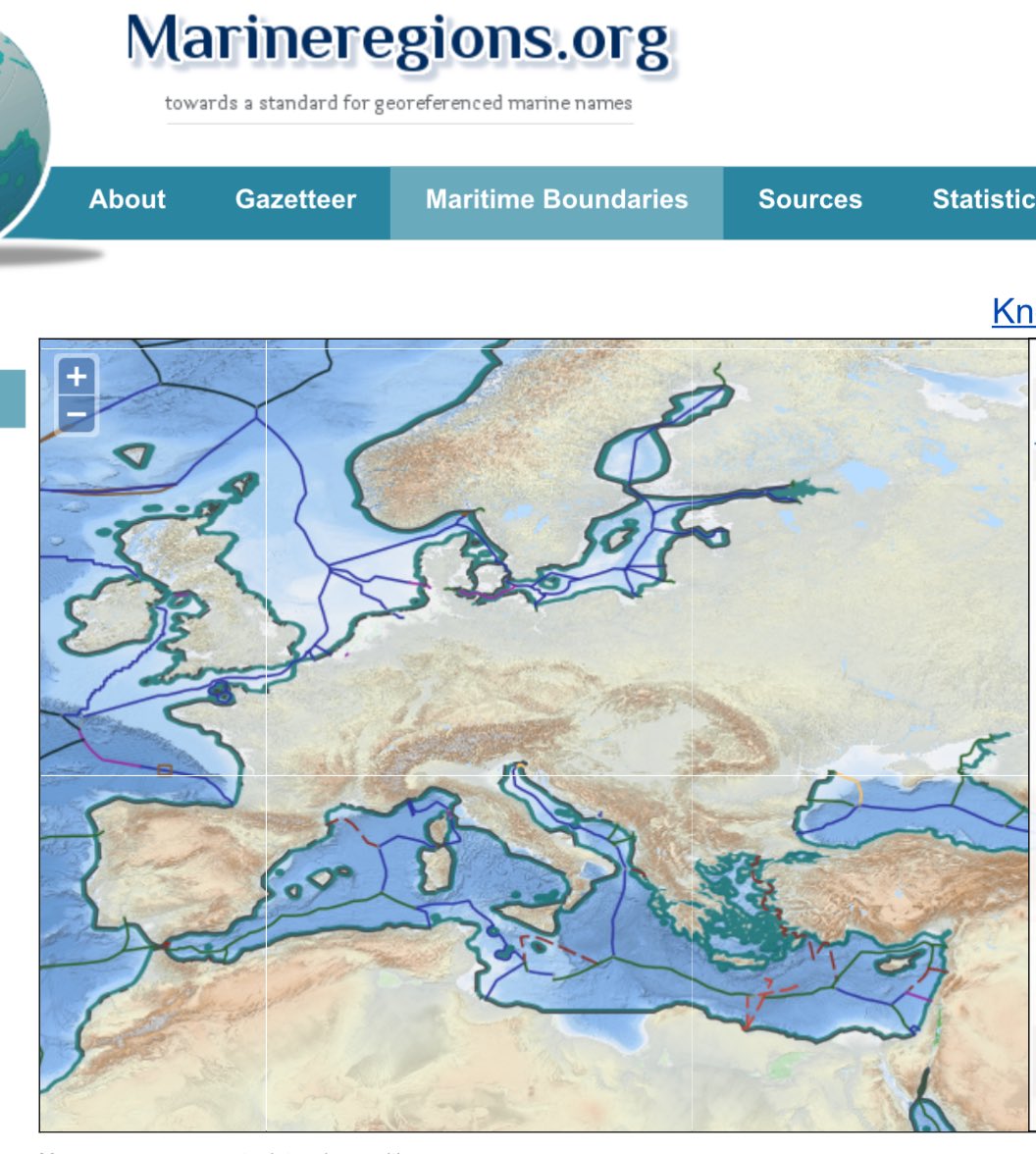
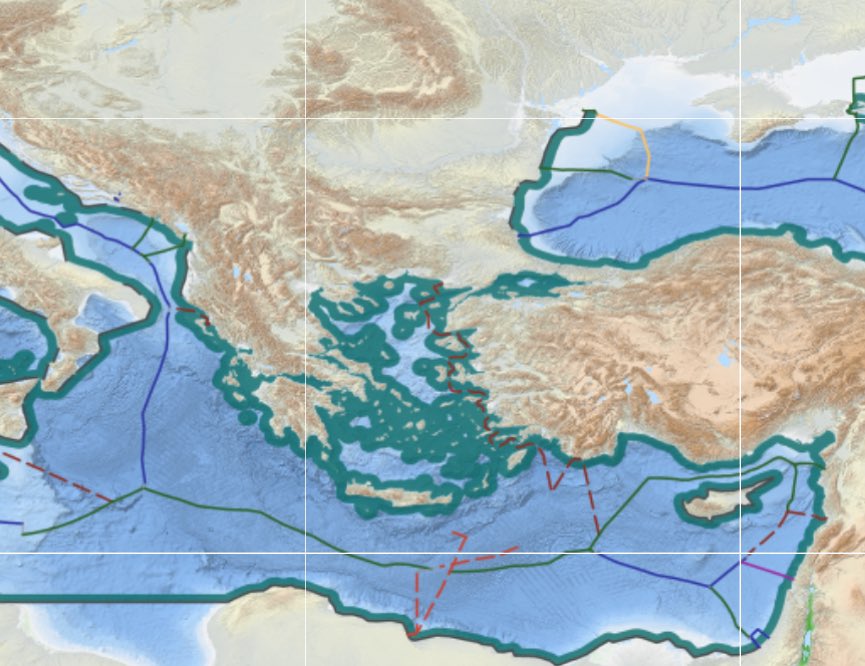
The EU has published in its official maps the Exclusive Economic Zones (EEZ) of its coastal states according to international law and clearly shows the extent of the EEZ that Greece is legally entitled to. Image
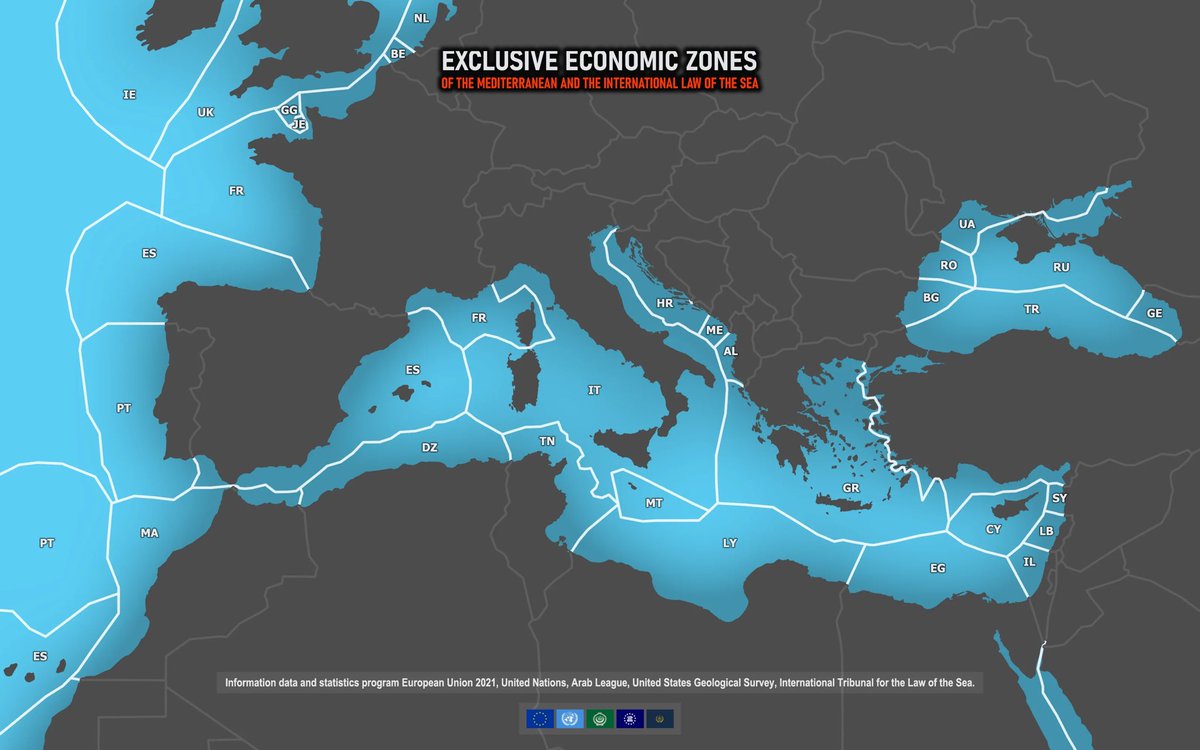
Turkey has notoriously refused to ratify the UN Convention on the Law of the Sea (UNCLOS) of 1982 in order to frustrate the rights afforded to the Greek islands in the Aegean and Eastern Mediterranean.
Realizing the consequences of a legal Greek territorial sea extension, the Turkish National Assembly issued a resolution in 1995 granting the Turkish government full & perpetual competence to declare war (casus belli) should Greece decide to extend its territorial waters over 6nm Image
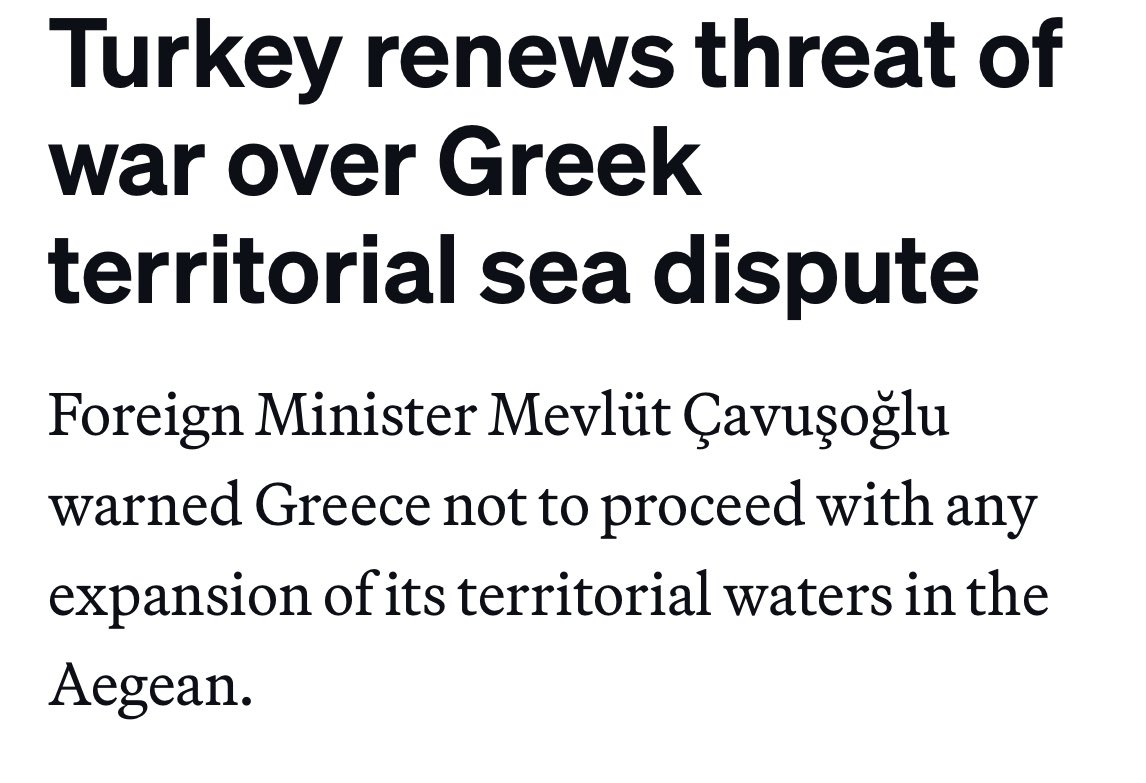
Turkey’s casus belli is in blatant violation of a fundamental rule of intl law; Article 2.4 of the UN Charter, which stipulates that all member-states shall refrain from the threat or use of force against the territorial integrity or political independence of other states.
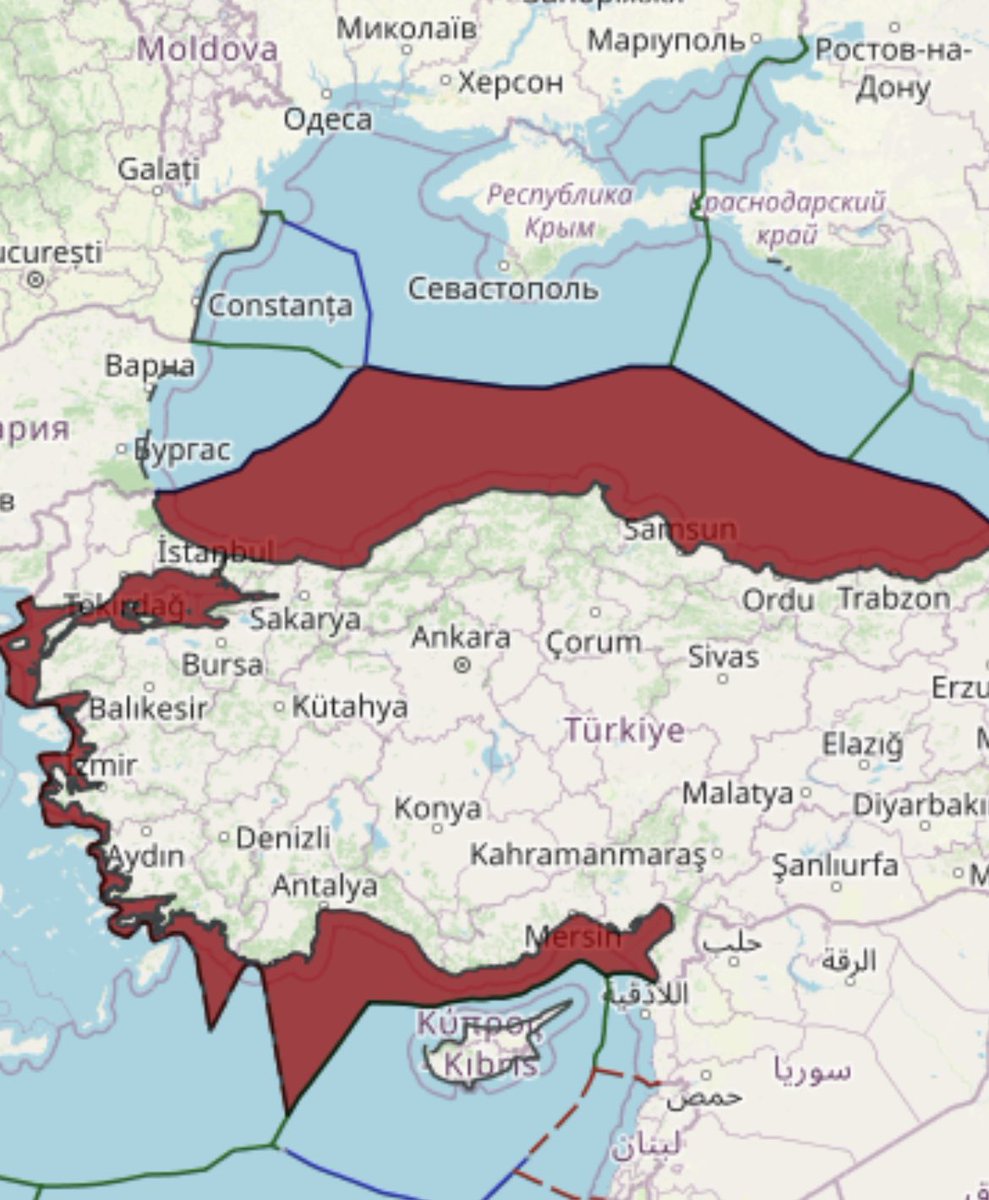
Ironically, Turkey has extended its territorial waters to 12nm in the Black Sea and the Mediterranean and in 1986 proclaimed a 200nm EEZ in the Black Sea.
Both, in accordance with the provisions of UNCLOS, which Turkey has never signed or ratified! Image
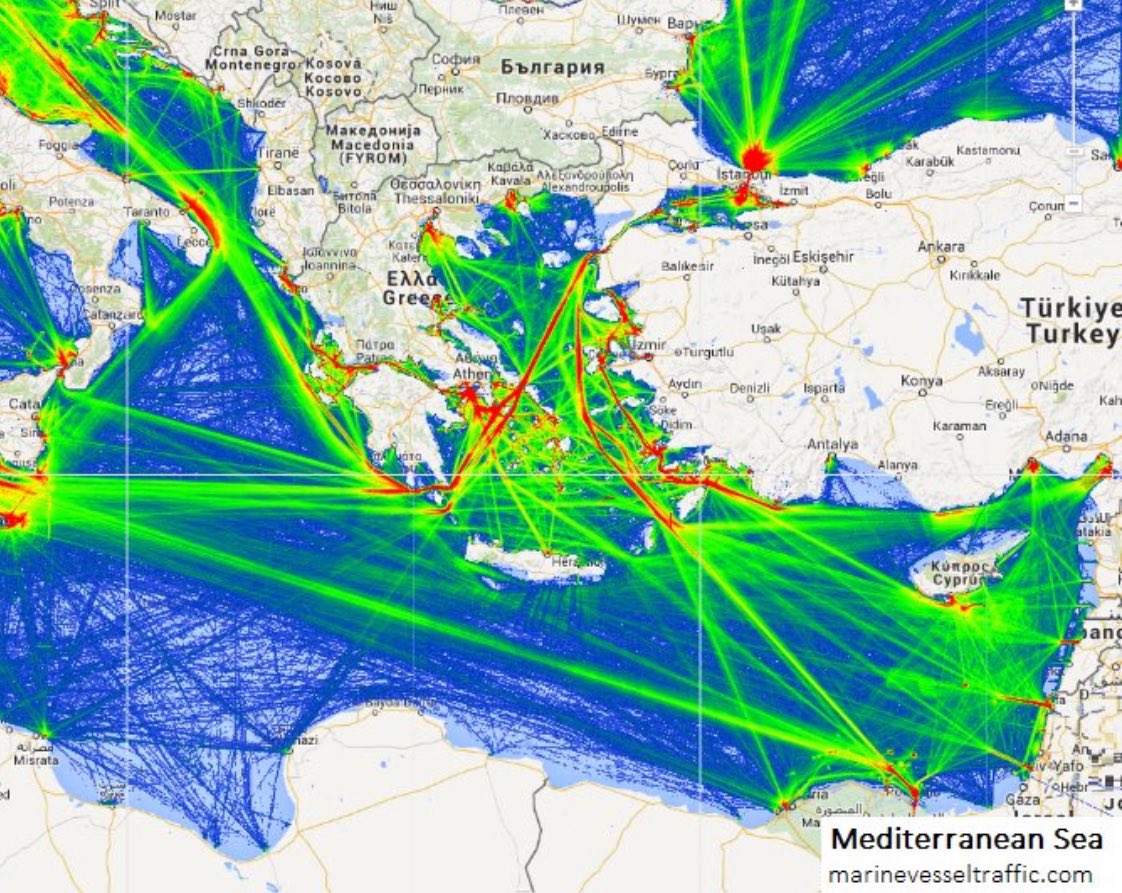
The Turkish claim that the extension of the Greek territorial sea will deprive Turkey from its fundamental rights, such as access to the high seas, is untenable.
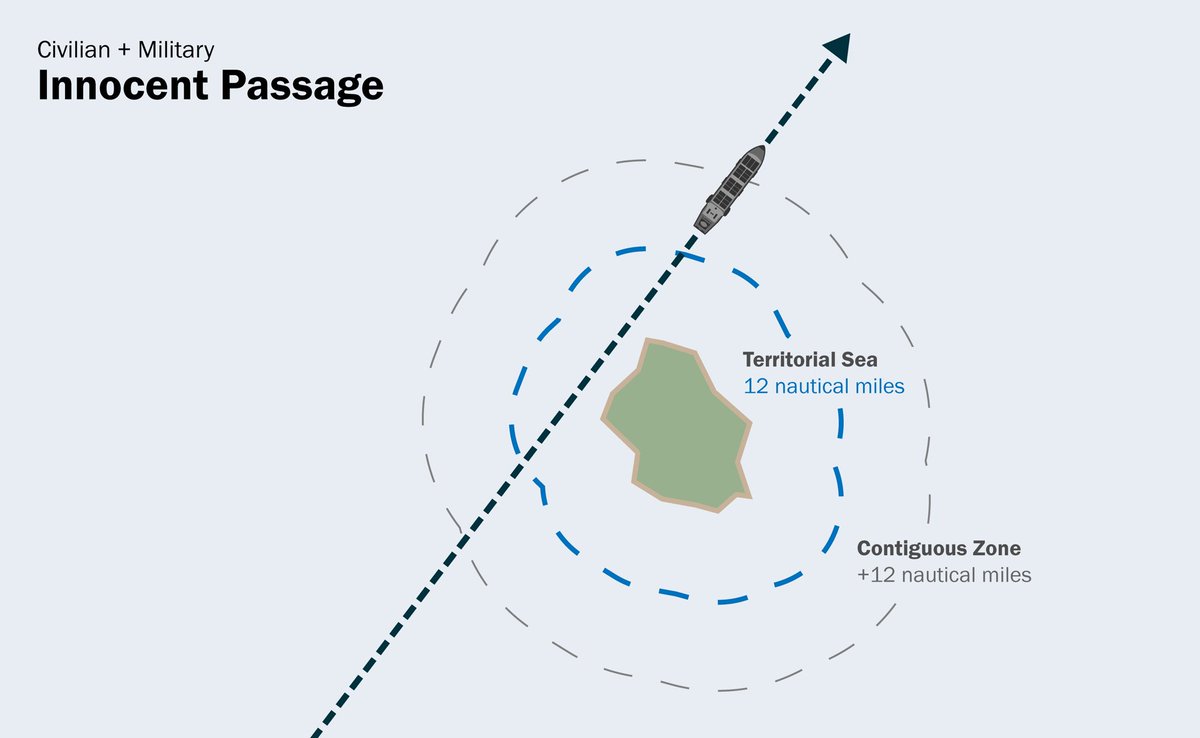
Under the Law of the Sea, the right of innocent & transit passage is fully safeguarded and even expanded. Image
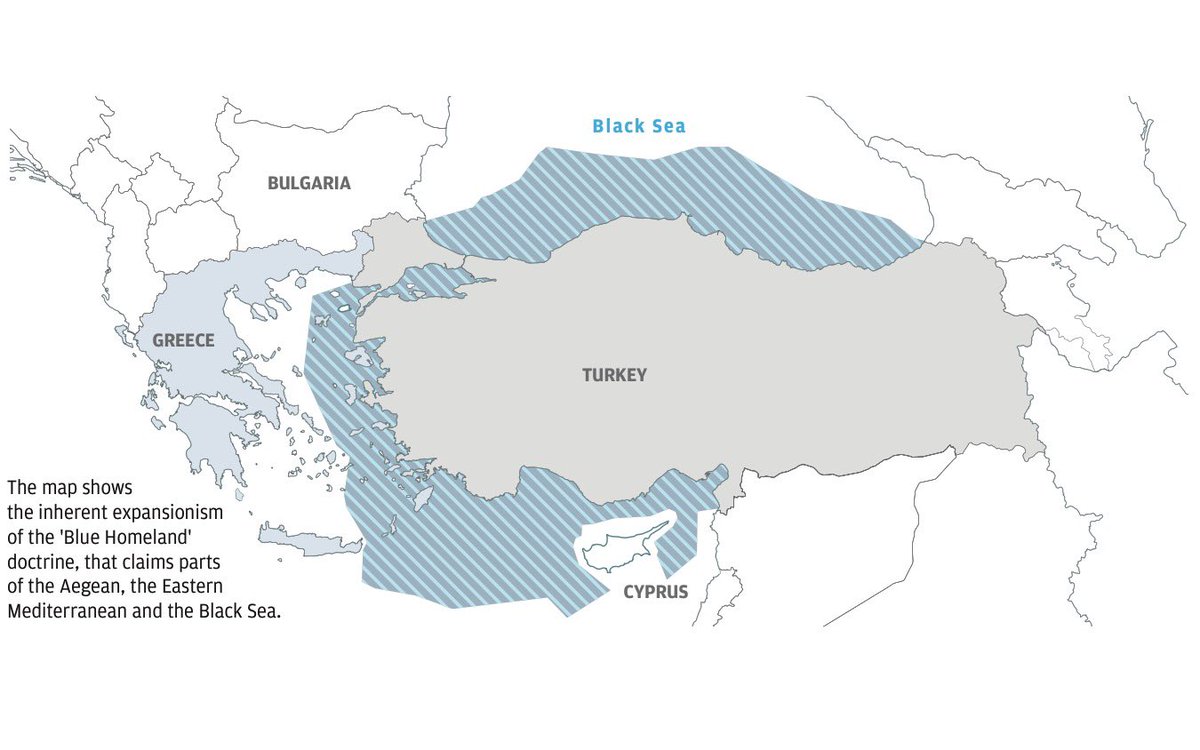
The reality is that Turkey is simply refusing to accept the maritime rights of its neighbors, and as such, making claims against their maritime sovereignty through its illegal Blue Homeland doctrine. Image
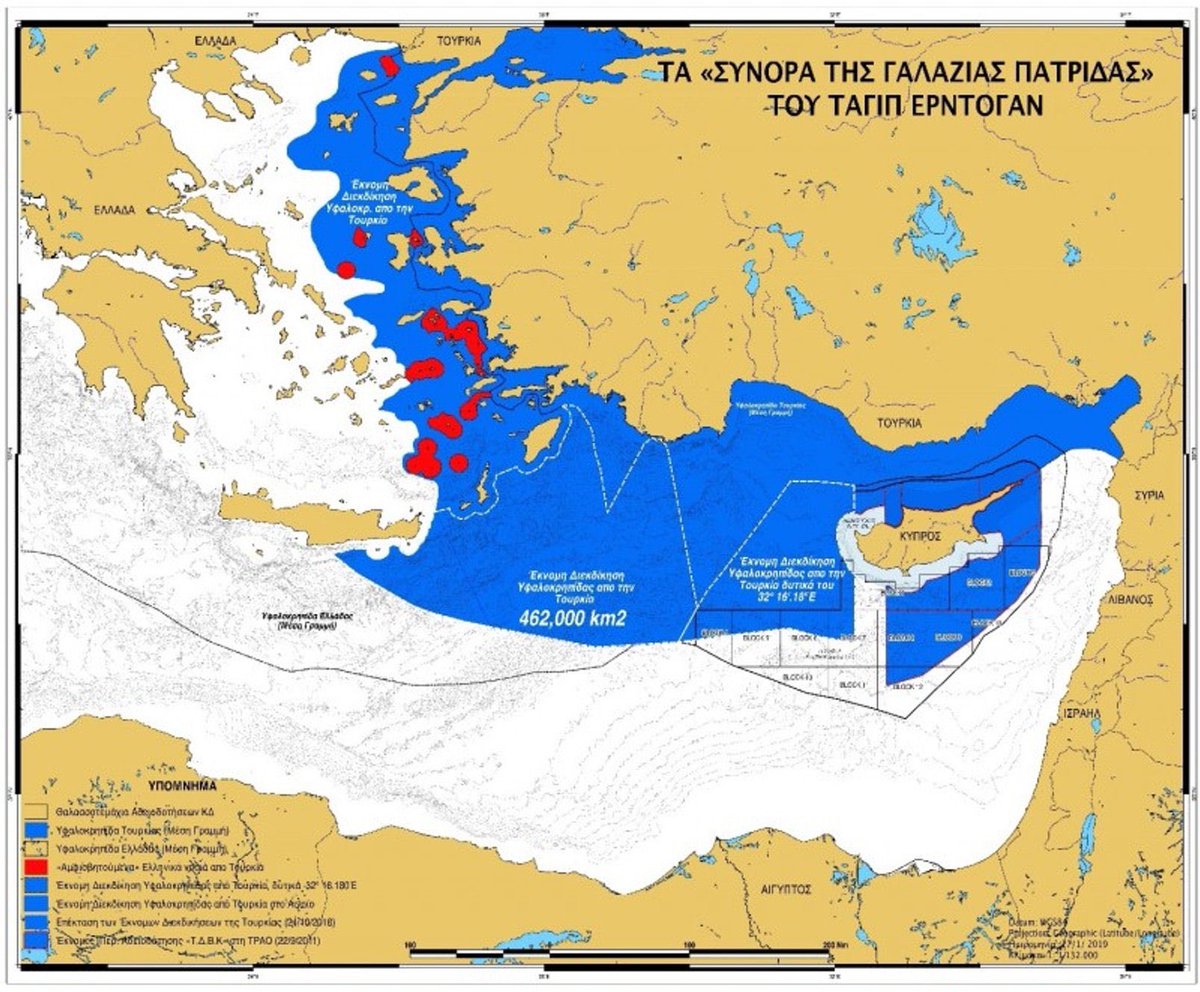
Turkey wants to limit Greek sovereign rights in the whole of the Aegean. Turkey's principle aim is to exploit the natural resources of the Aegean seabed, as well as to enclave the Greek islands of the Eastern Aegean in an area of Turkish jurisdiction. Image
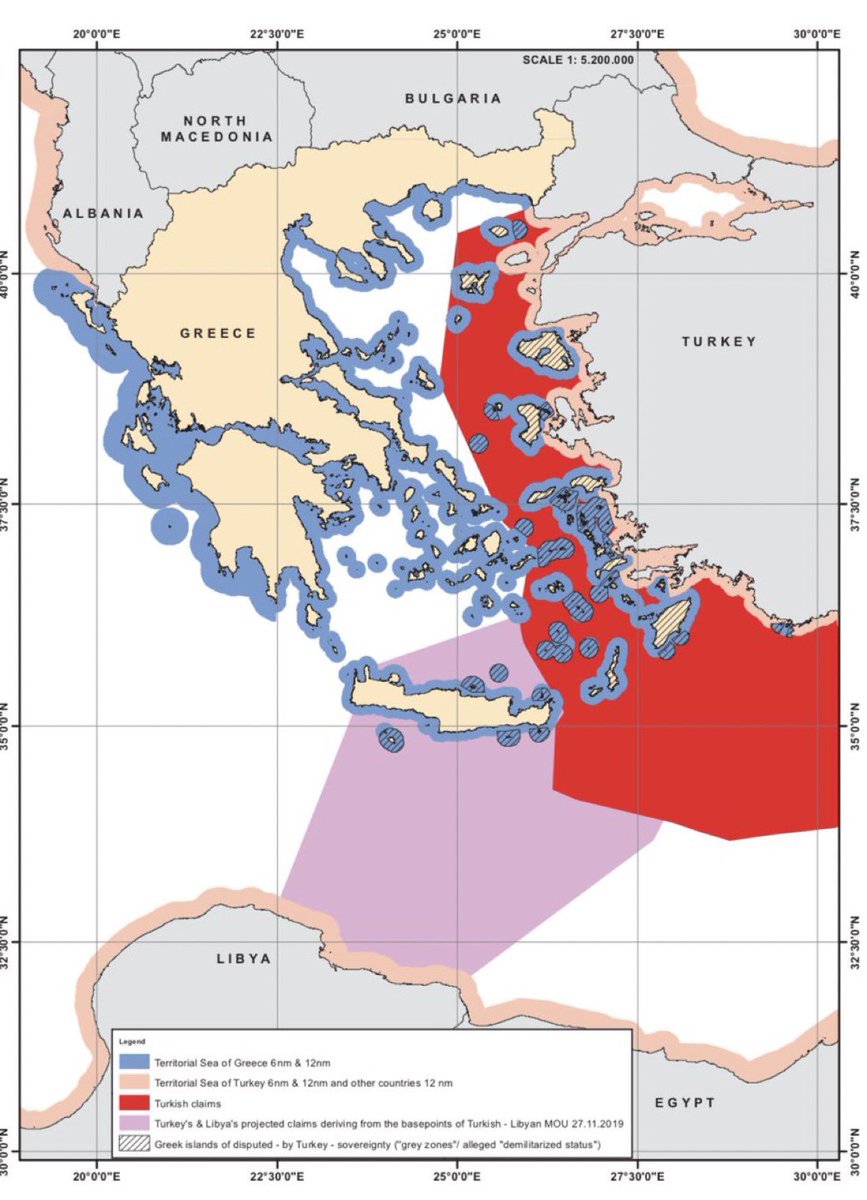
Turkey has been systematically building a list of so called "🇬🇷🇹🇷disputes” however there is actually only one valid dispute between the two countries:
The delimitation of the continental shelf & EEZ.
Unilateral & illegal Turkish claims do not constitute bilateral disputes. Image
• • •

Missing some Tweet in this thread? You can try to force a refresh

 

Keep Current with Ictinus ®️

Ictinus ®️ Profile picture

Stay in touch and get notified when new unrolls are available from this author!

Read all threads

This Thread may be Removed Anytime!

PDF

Twitter may remove this content at anytime! Save it as PDF for later use!

Try unrolling a thread yourself!

how to unroll video
  1. Follow @ThreadReaderApp to mention us!

  2. From a Twitter thread mention us with a keyword "unroll"
@threadreaderapp unroll

Practice here first or read more on our help page!

More from @ictinus_x

Aug 1, 2024
Innocent Passage -UNCLOS🧵

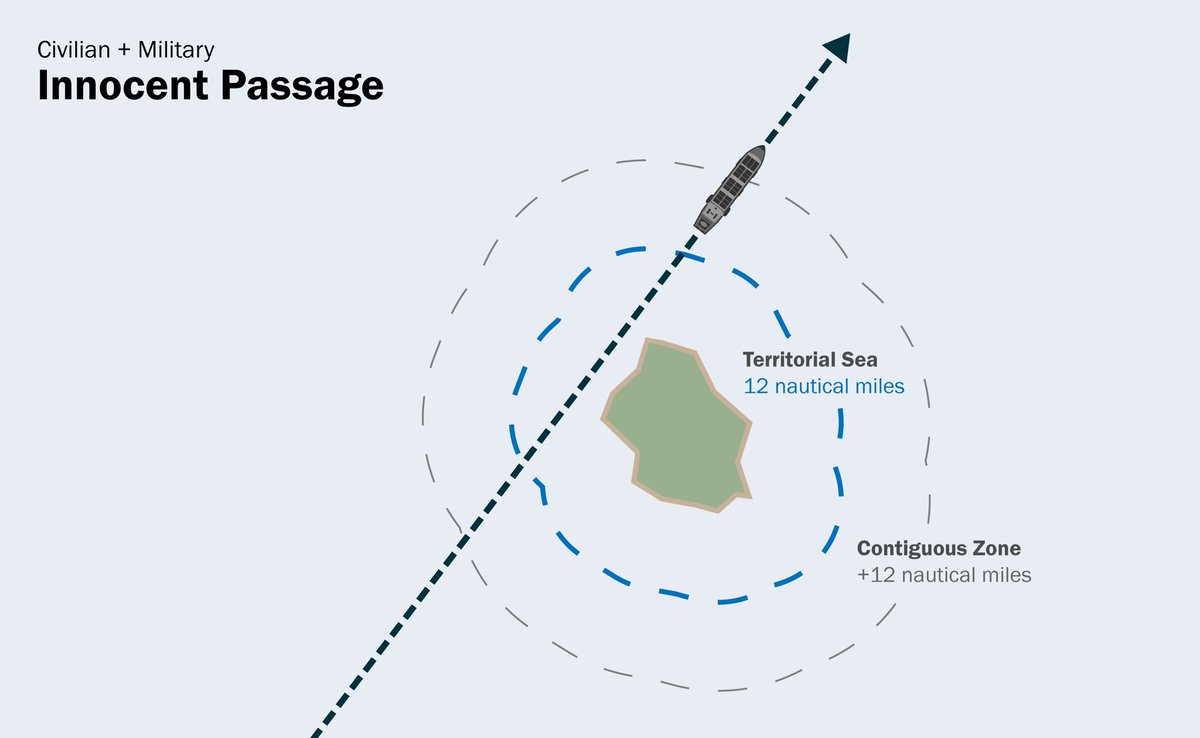
One of the fundamental principles of UNCLOS is that all ships of all states, including both civilian and military vessels, enjoy the right of innocent passage through the territorial sea of other states.

📍Passage is innocent so long as it is not prejudicial to the peace, good order or security of the coastal State. Such passage shall take place in conformity with UNCLOS and with other rules of international law.Image
Image
The right of innocent passage is already being used in the Aegean archipelago in the 6nm territorial waters. Ships from other countries already can move unperturbed through Greek territorial waters and through narrow passages between the islands. Image
Passage of a foreign ship shall be considered to be prejudicial to the peace, good order or security of the coastal State if in the territorial sea it engages in any of the following activities:

👇 📍any threat or use of force against the sovereignty, territorial integrity or political independence of the coastal State, or in any other manner in violation of the principles of international law embodied in the Charter of the United Nations;
📍any exercise or practice with weapons of any kind;
📍any act aimed at collecting information to the prejudice of the defence or security of the coastal State;
📍any act of propaganda aimed at affecting the defence or security of the coastal State;
📍the launching, landing or taking on board of any aircraft;
📍the launching, landing or taking on board of any military device;
📍the loading or unloading of any commodity, currency or person contrary to the customs, fiscal, immigration or sanitary laws and regulations of the coastal State;
📍any act of wilful and serious pollution contrary to this Convention;
📍any fishing activities;
📍the carrying out of research or survey activities;
📍any act aimed at interfering with any systems of communication or any other facilities or installations of the coastal State;
📍any other activity not having a direct bearing on passage.
Read 9 tweets
Jun 1, 2024
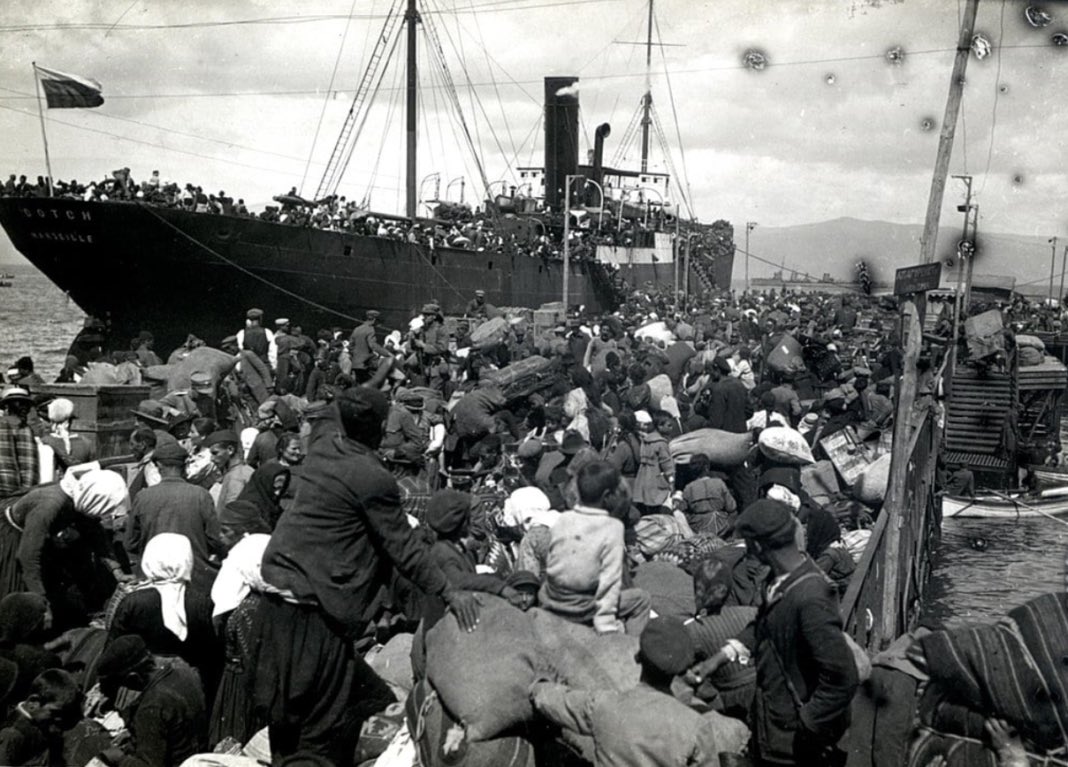
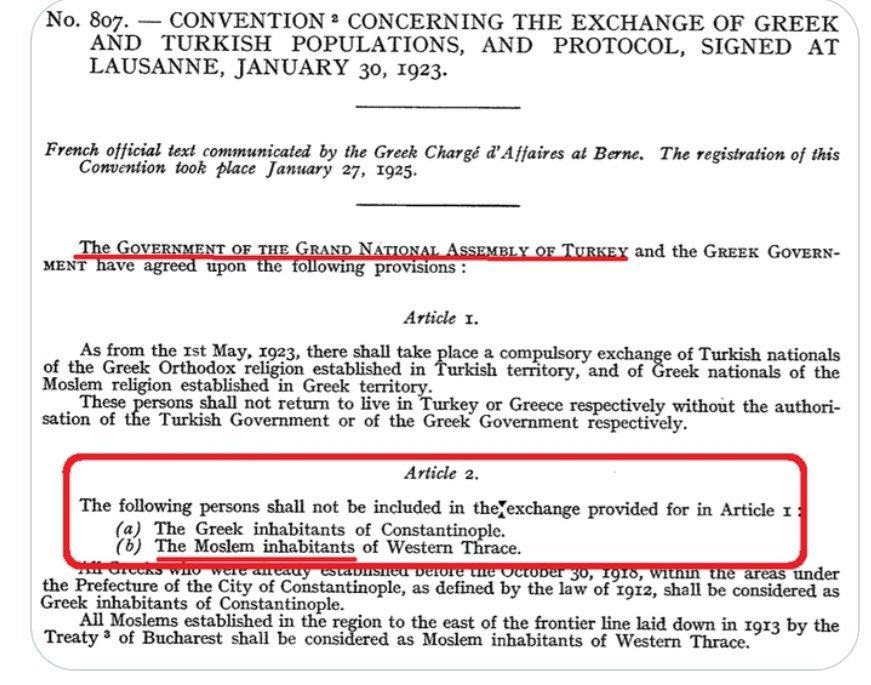
30th January 1923.
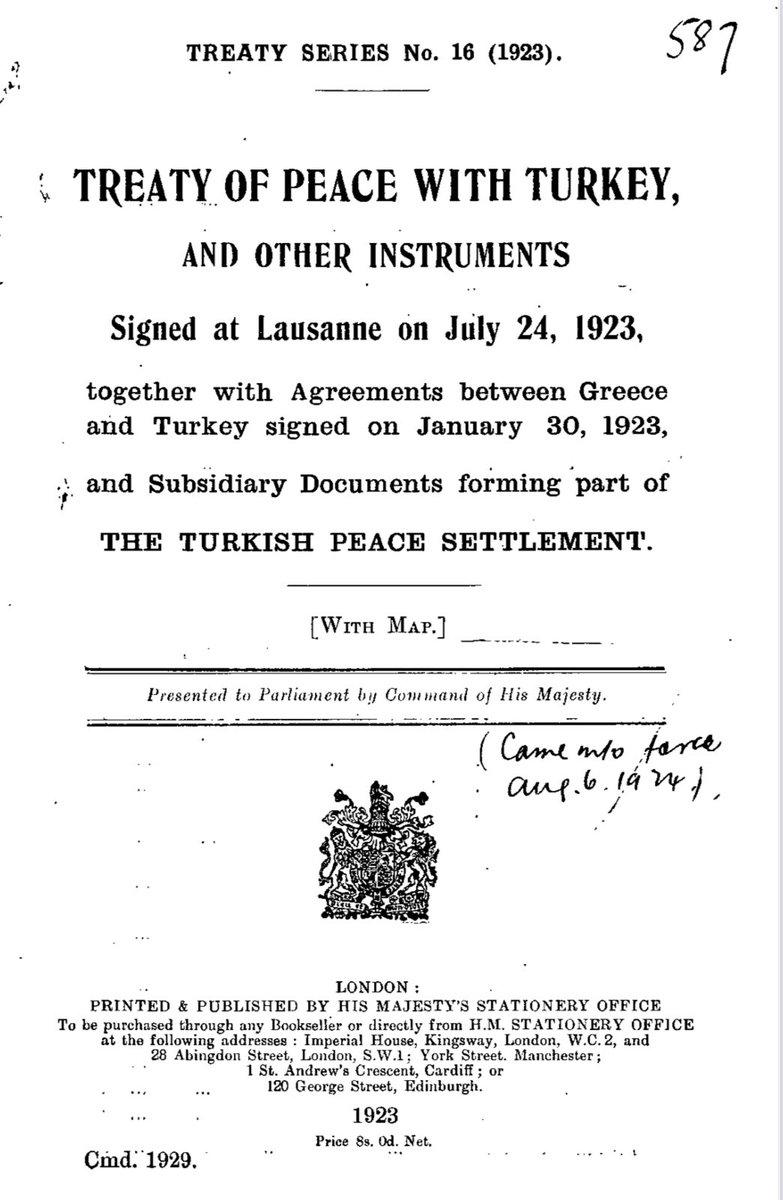
The “Convention Concerning the Exchange of Greek and Turkish Populations" is signed at Lausanne, Switzerland, by the governments of Greece and Turkey.
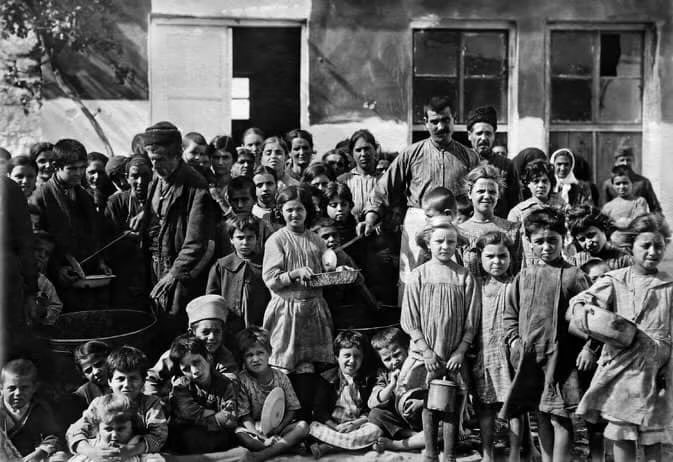
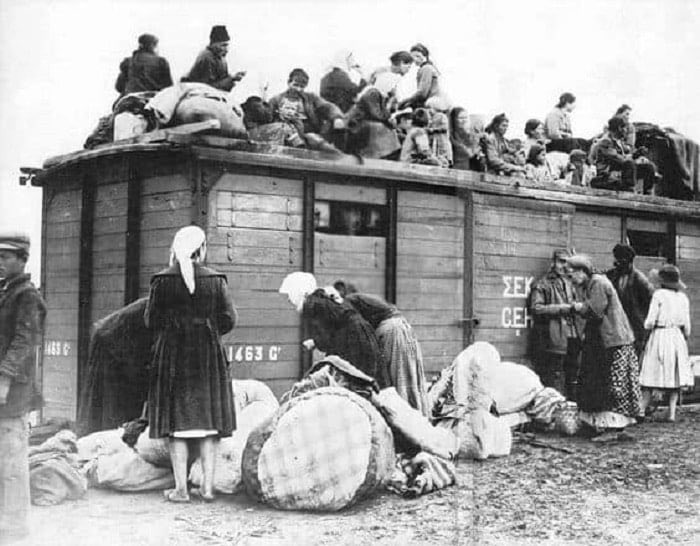
The convention provided for a compulsory exchange of populations: about 1.250.000 Greeks left Turkey for Greece, and about 400,000 Turks left Greece for Turkey.
Because the Patriarchate of the Eastern Orthodox Church was located in Istanbul, the Patriarchate and Greeks who had been living in Istanbul at least since 1918 were excluded from the population exchange as the Turkish side accepted their right to stay in their place of birth.
As part of the agreement, the Muslim minority living in Western Thrace-roughly equivalent numerically-was also excluded.
🧵⬇️Image
Image
The population exchange was designed to protect the remaining Greek Christian minority in Asia Minor, who had been massacred repeatedly in the Ottoman Empire before and during WWI.
However, by the time the agreement was to take effect on 1 May 1923, most of the Greeks of Asia Minor had either fled or had been killed. Thus, of the 1,250,000 to be transferred only about 190,000 still remained in Turkey by that time.Image
Image
In the context of the negotiations for the signing of the Treaty, the Turkish delegation insisted that there should be no (i.e. not recognized) national minorities but only religious ones, which it demanded for fear of the Kurds (mainly Muslims) living in Turkey. Only Greek and Armenian Christians and Jews were formally acknowledged as minorities.

After first insisting on its Muslim character a main goal of Turkish diplomacy since then has been to impose a Turkish identity on the Muslim minority in Greece. Turkey is persistently and systematically trying to "Turkify" them, and by force. Yet, Kurdish Muslims are forbidden to be an ethnic minority within Turkey.Image
Read 14 tweets
May 25, 2024
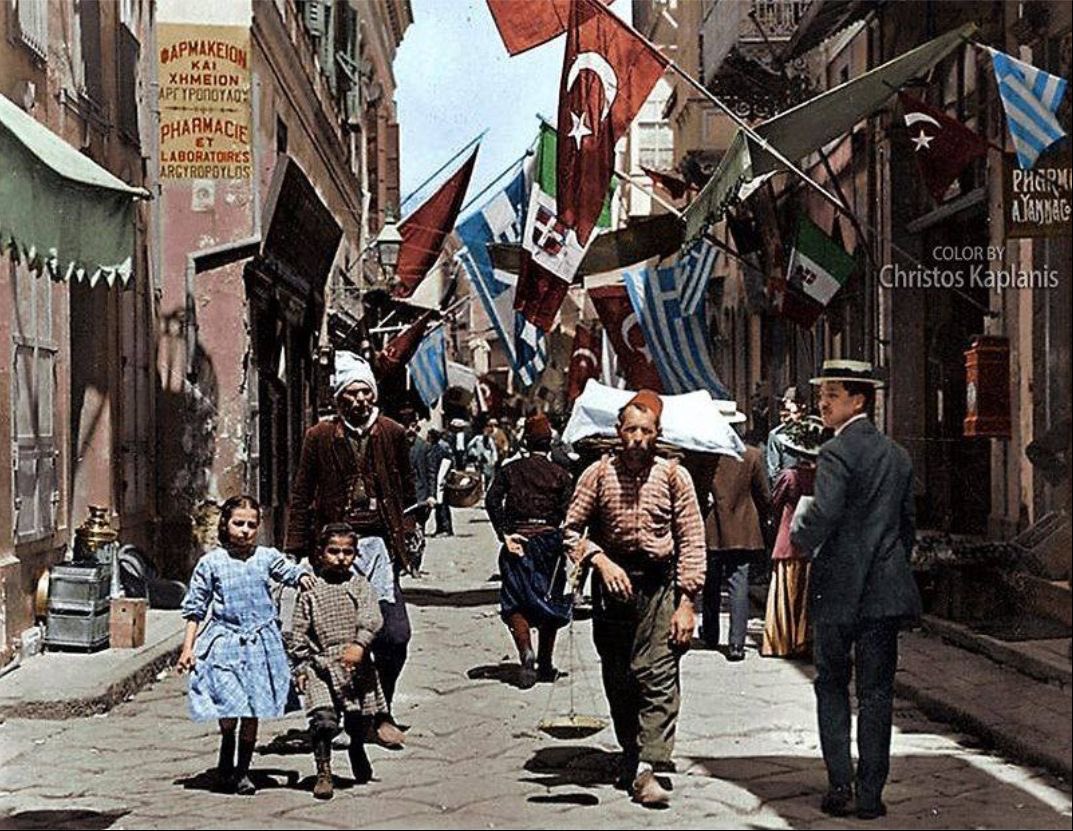
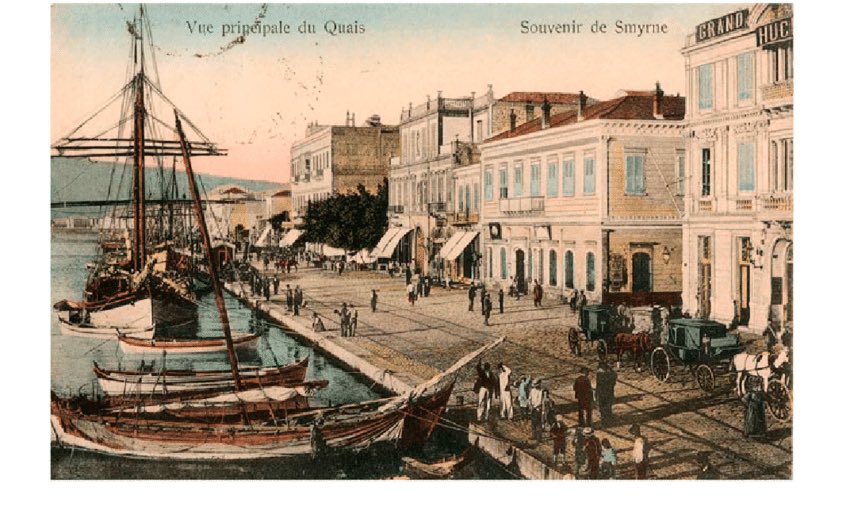
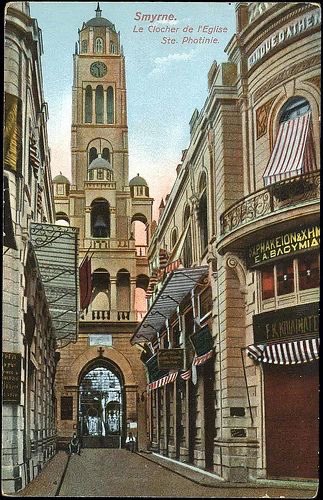
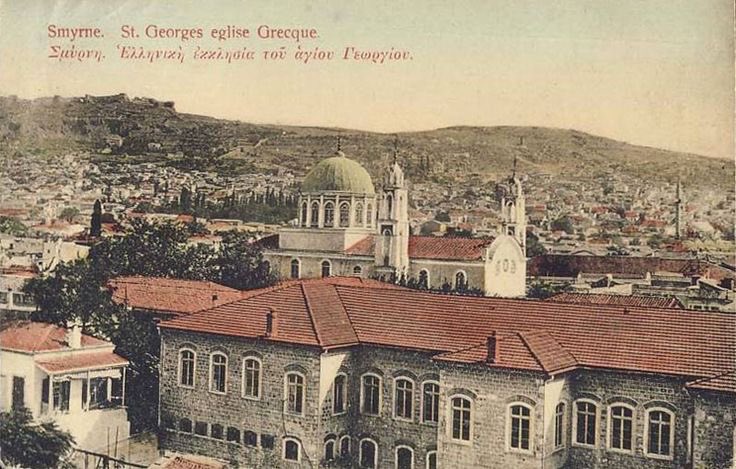
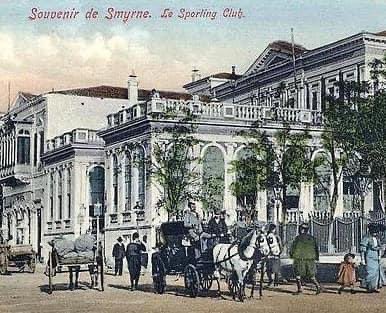
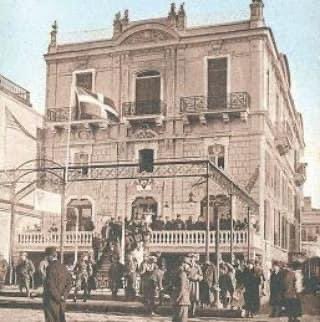
Smyrna 1908.
The multicultural city that the Europeans called "the Paris of the Levant" and the jewell of Asia Minor.

Before its destruction by the Turks, the city of Smyrna on the Anatolian coast was one of the world’s richest, most cosmopolitan and ethnically diverse metropolises, comprising of Greeks, Ottomans, Armenians, Jews, Europeans, and Levantines.
🧵Image
Image
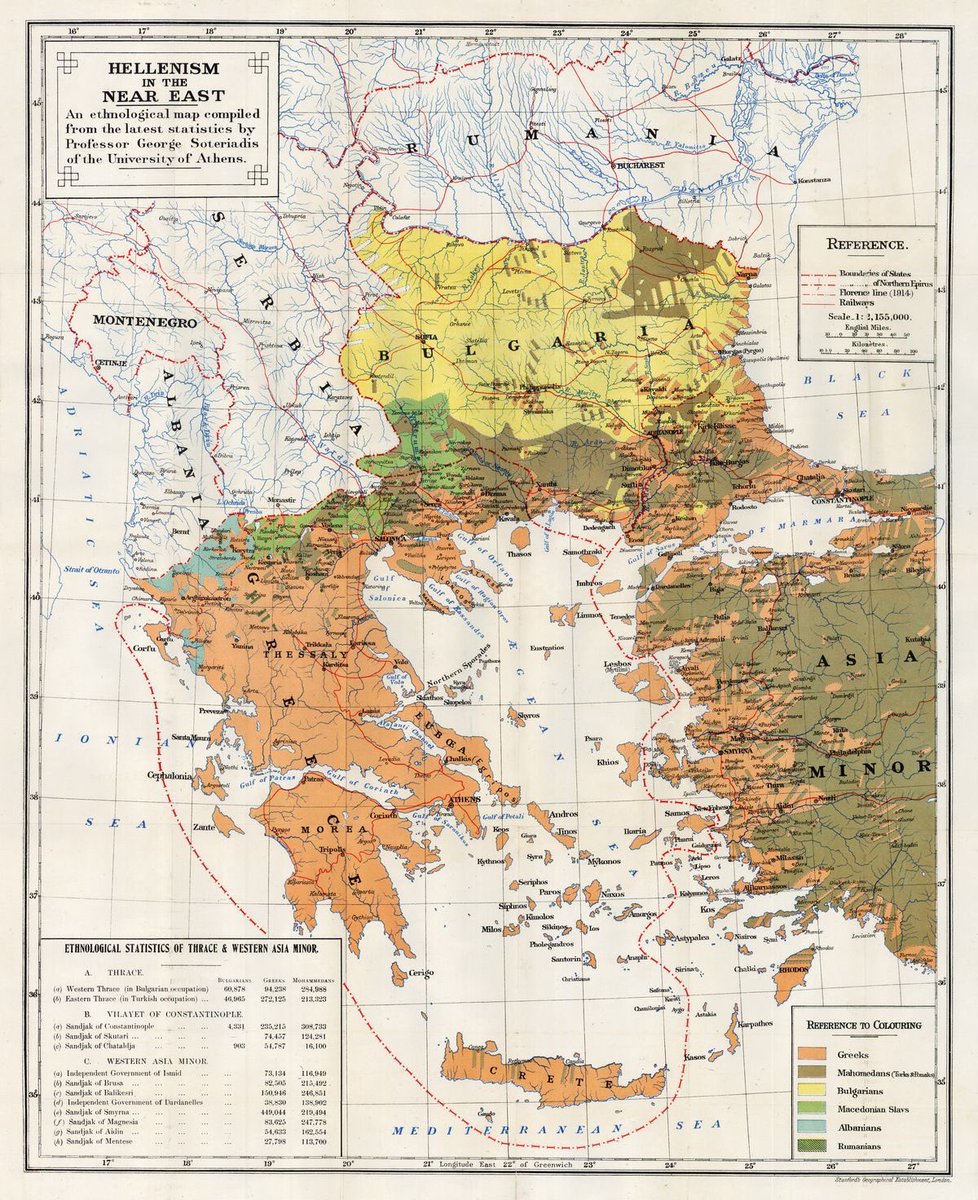
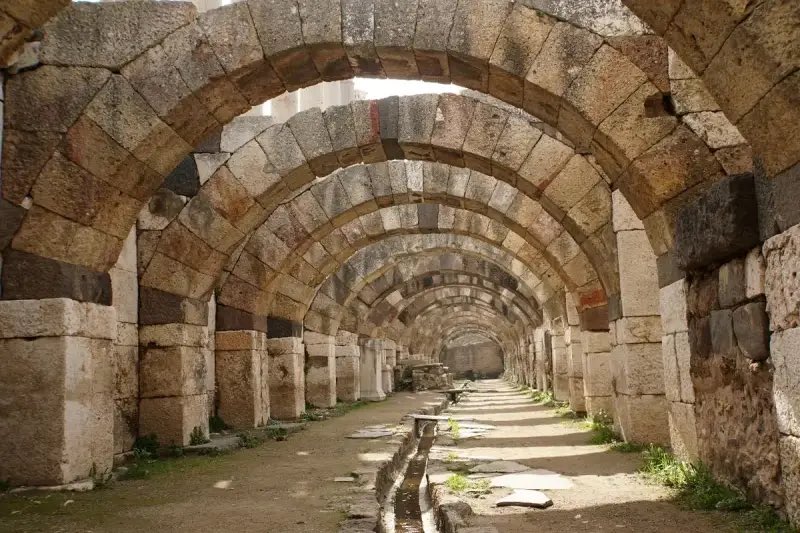
Greeks had lived in Smyrna for thousands of years.
The coastline of Asia Minor along with Pontus have been cradles of Hellenism since the 9th century B.C. and Greeks settled in most of the hinterland, already since the 2nd century B.C.

Byzantium, lost gradually its sovereignty over the wider area in a time lapse of 400 years, starting from the mid 11th century. All Greek communities of Asia Minor and Pontus fell under the sovereignty of the Ottoman Empire in the mid 15th century.
In spite of difficult conditions faced by Greek people throughout that period, they maintained their religious and communal existence till the beginning of the WWI.Image
Image
During the Ottoman period, the Turks referred to Smyrna as Gâvur İzmir (Infidel Smyrna) due to its large Christian population.
Of Smyrna’s approximately half-million inhabitants, the city’s 320,000 Greeks dominated the urban center’s cultural and economic life and built for themselves and their city dynamic international connections through global trade, as well as vibrant domestic networks that linked the wide-spread Greek communities throughout Asia Minor.Image
Image
Read 16 tweets
Sep 13, 2023
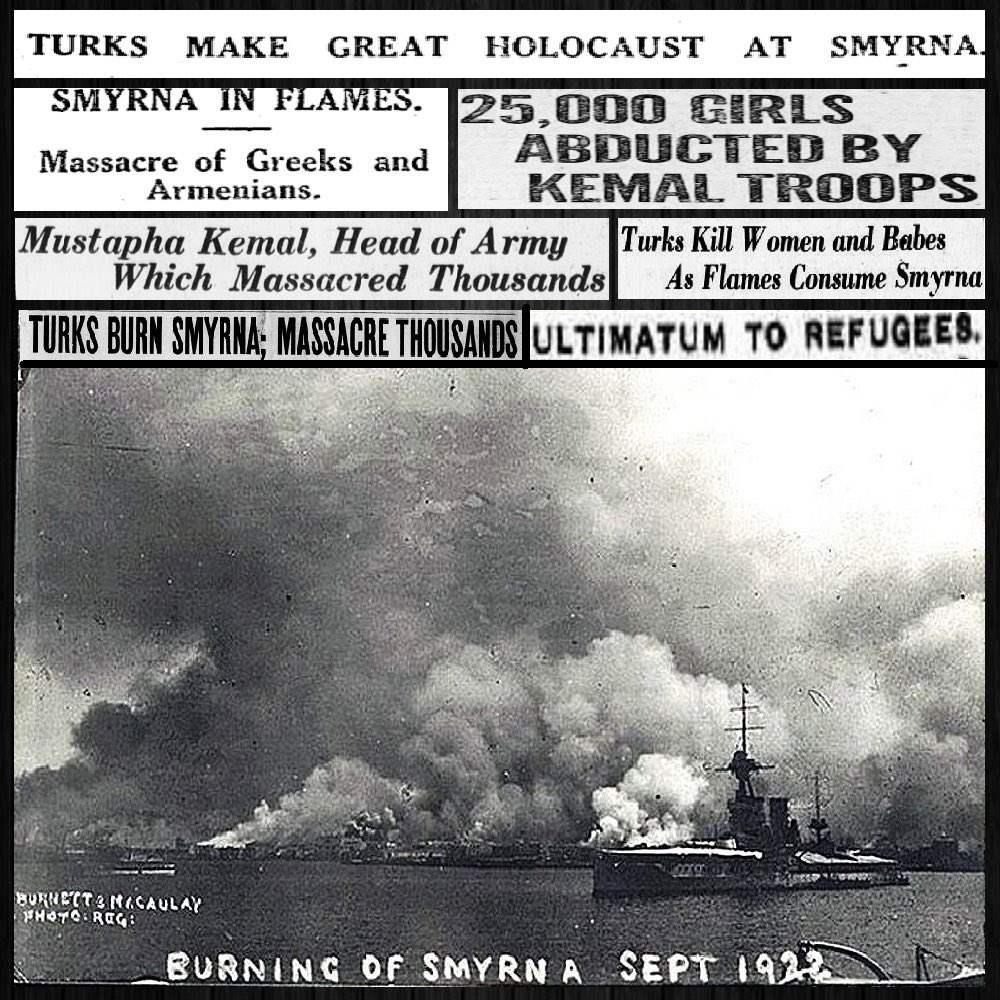
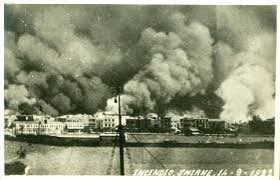
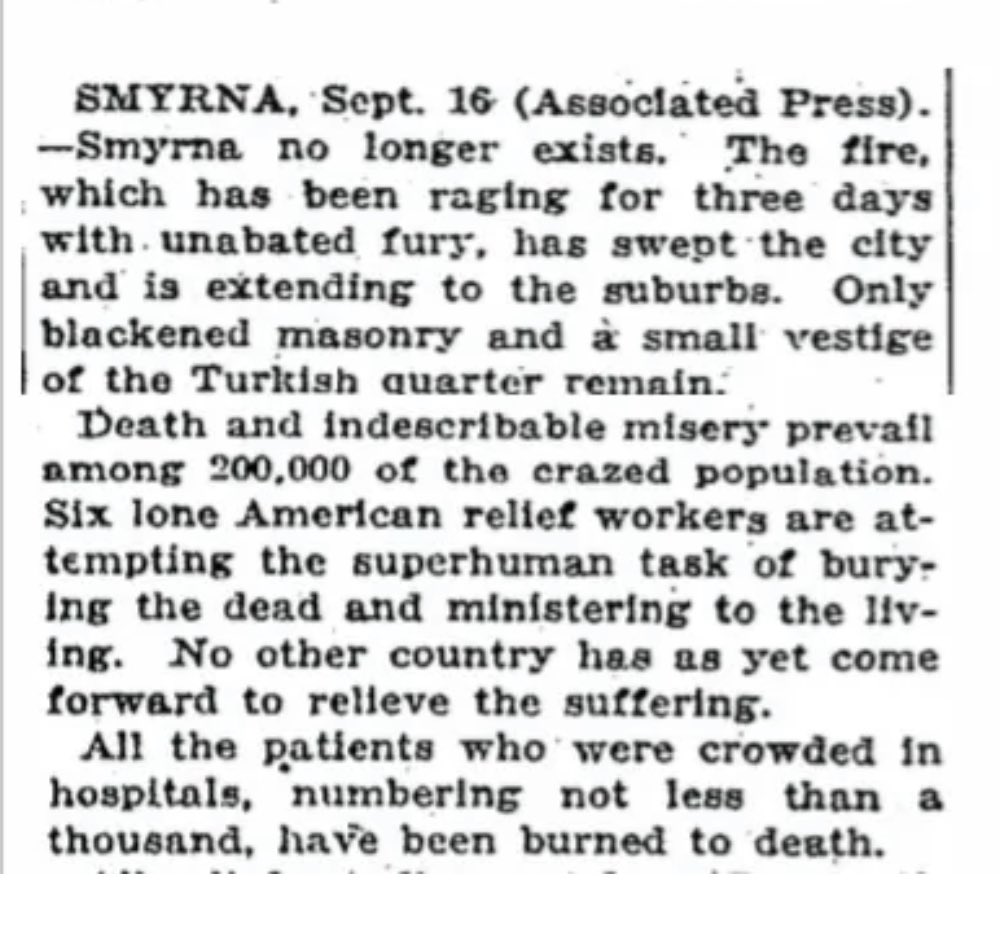
On this day: September 13th 1922, Turkish soldiers set fire to Smyrna’s Greek and Armenian quarters and went on a rampage of rape, pillage and mass murder.

🧵The destruction of #Smyrna;
One of the great atrocities of the 20th century. Image
The Great Fire of Smyrna was the peak of the Asia Minor Catastrophe, and the last phase of the Greek genocide, bringing an end to the 3,000-year Greek presence on Anatolia’s Aegean shore and shifting the population ratio between Muslims and non-Muslims.
Image
Image
Before its destruction by the Turks, the great city of Smyrna on the Anatolian coast was one of the world’s richest, most cosmopolitan and ethnically diverse metropolises, containing twice as many Greeks as then lived in Athens.
Image
Image
Read 17 tweets
Feb 14, 2023
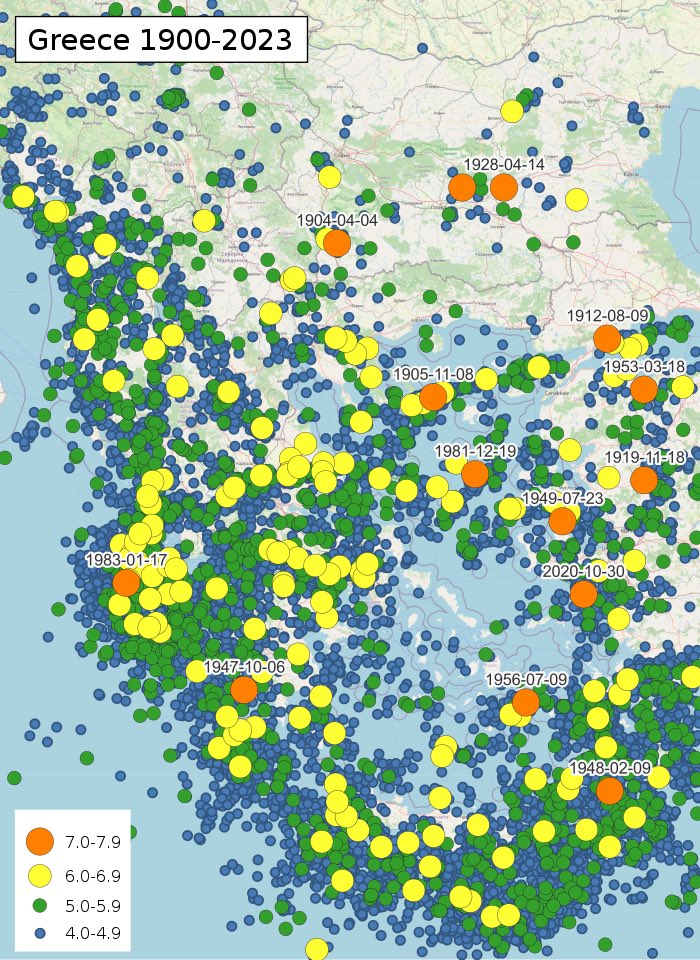
Since 1900, Greece had 679 earthquakes up to a magnitude of 7.7.

The strongest earthquake since 1900 occurred 67 years ago:
Major magnitude 7.7 earthquake - 19 km south of Amorgos, Cyclades, South Aegean, Greece, on Monday, July 9, 1956 at 03:11 GMT

Earthquakes in Greece:🧵
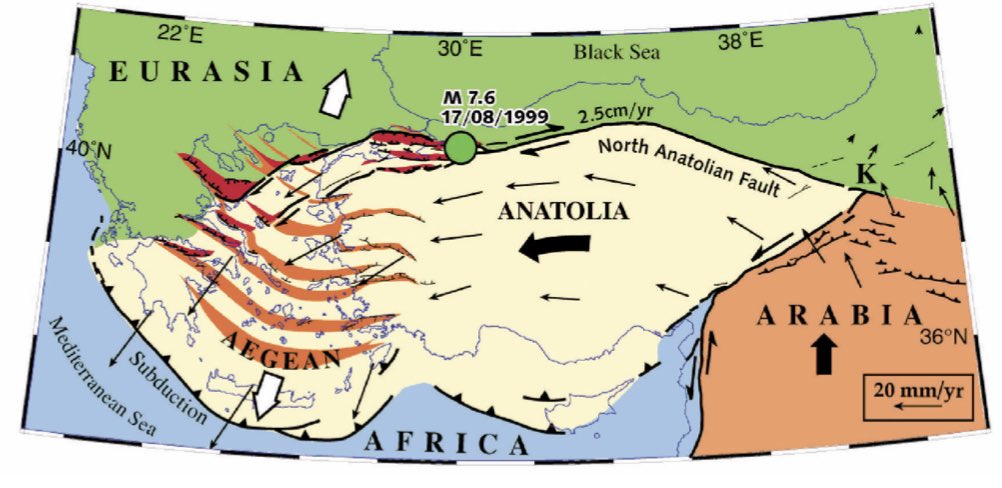
Greece is the most earthquake-prone country in Europe, as it located at the convergence of the Eurasian plate over the African one, as well as the western termination of the North Anatolian Fault Zone.

researchgate.net/publication/26…
Since 1950, more than 990 people have been killed in Greece by the direct consequences of earthquakes. There were 23 earthquakes that also caused a subsequent tsunami, which claimed further lives, and cause additional damage.

worlddata.info/europe/greece/…
Read 17 tweets
Jan 22, 2023
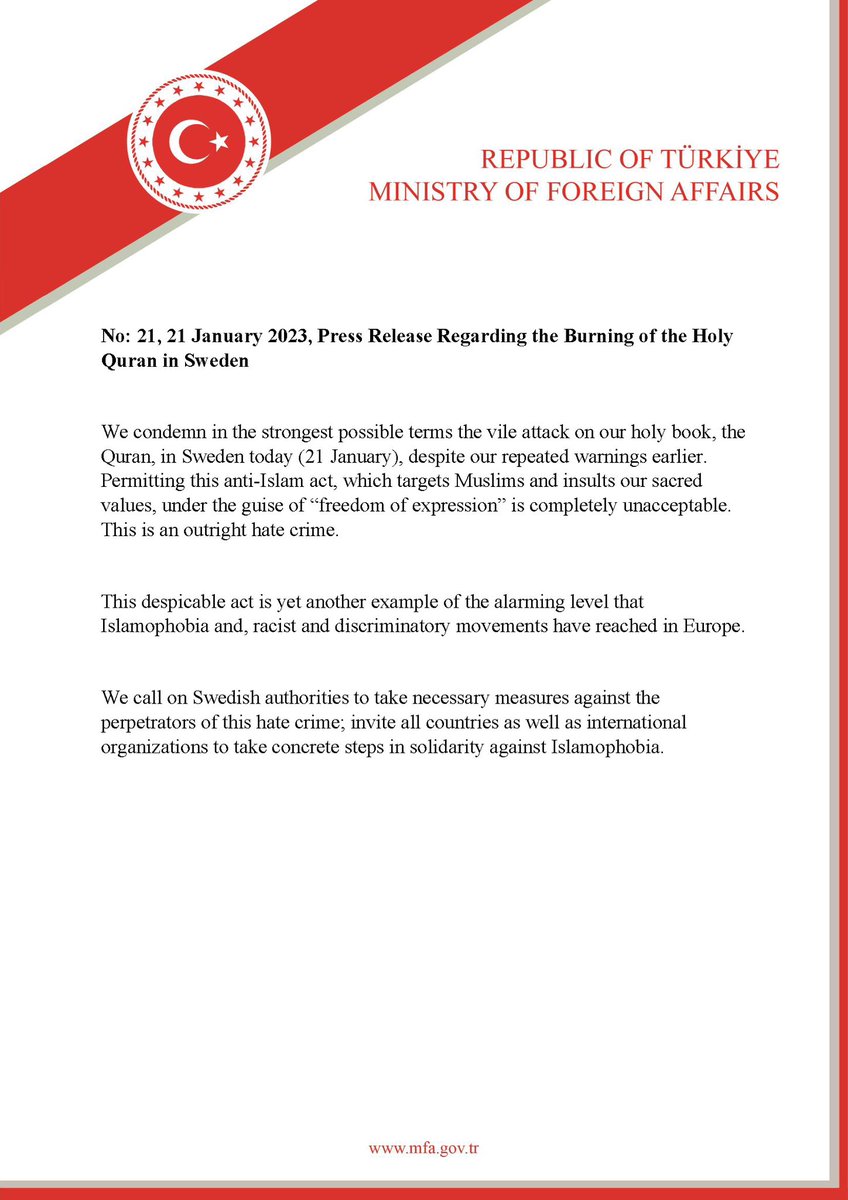
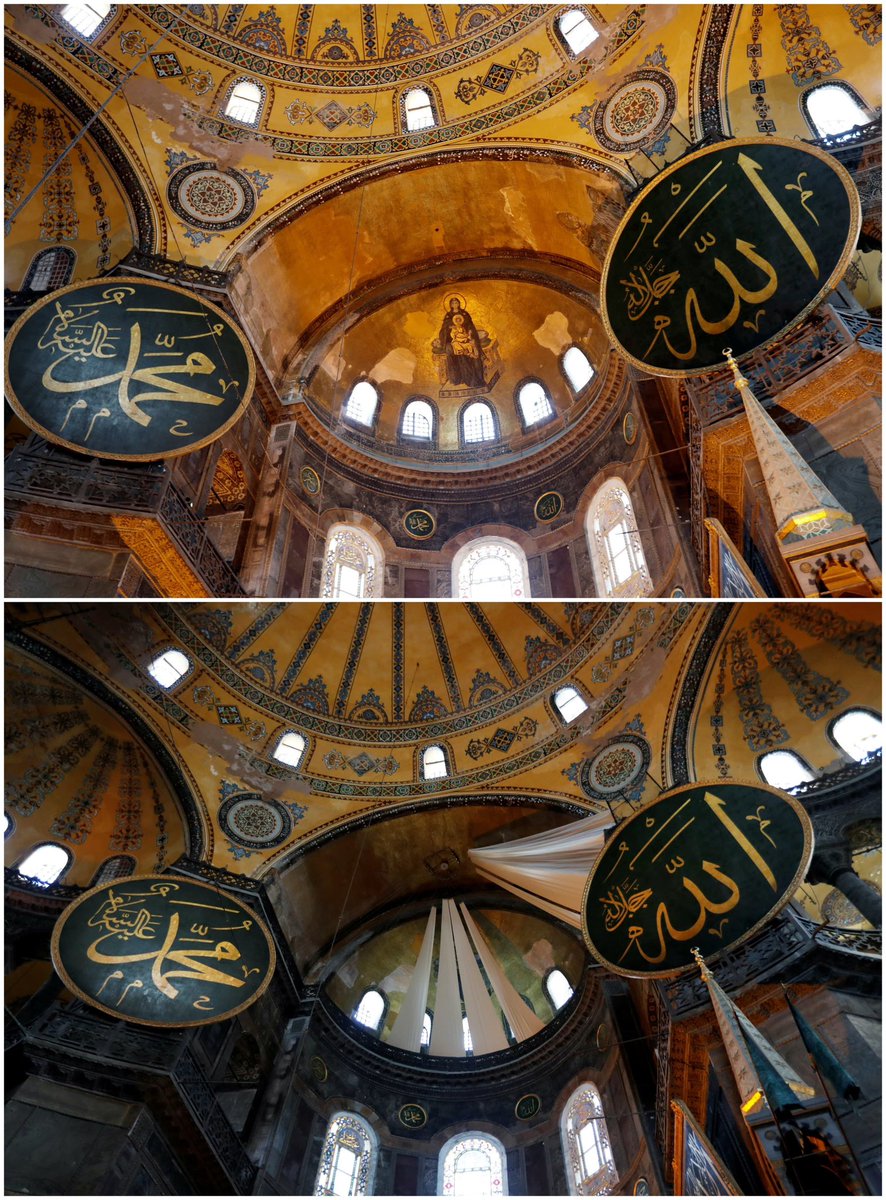
The same Turkey that refers to “insults of sacred values”& respect for religious symbols desecrated Hagia Sophia-the Christian church that was once the center of Christian Orthodox faith converting it into a mosque.

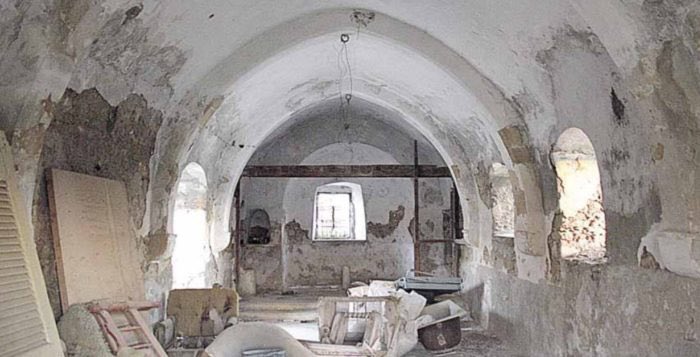
Turkey has a long tradition desecrating Christian churches.
In the church of Hagia Sophia, the Christian religious symbols have been covered with large curtains and large disks depicting the names of Allah, the Prophet Muhammad and four caliphs.
Turkey still violates places of worship, religious liberty and history unapologetically after wiping out indigenous Christians from the region. This demonstrates the Turkish government’s utter disregard for human life and cultural heritage.
Read 6 tweets

Did Thread Reader help you today?

Support us! We are indie developers!


This site is made by just two indie developers on a laptop doing marketing, support and development! Read more about the story.

Become a Premium Member ($3/month or $30/year) and get exclusive features!

Become Premium

Don't want to be a Premium member but still want to support us?

Make a small donation by buying us coffee ($5) or help with server cost ($10)

Donate via Paypal

Or Donate anonymously using crypto!

Ethereum

0xfe58350B80634f60Fa6Dc149a72b4DFbc17D341E copy

Bitcoin

3ATGMxNzCUFzxpMCHL5sWSt4DVtS8UqXpi copy

Thank you for your support!

Follow Us!

:(