Studies looking for evidence that mRNA COVID vaccines cross the placenta have not found it (192 babies).
A case report finds degraded vaccine mRNA in umbilical cord blood from one baby, born 2d after their mother was vaccinated.
What does this mean? 🧵
ajog.org/article/S0002-…
A case report finds degraded vaccine mRNA in umbilical cord blood from one baby, born 2d after their mother was vaccinated.
What does this mean? 🧵
ajog.org/article/S0002-…
mRNA degrades quickly, so it’s possible we haven't detected vaccine mRNA in the placenta because we didn’t look quickly enough.
To address this, the authors look at placentas for two babies born two and ten days after their mothers received a dose of COVID vaccine. 2/
To address this, the authors look at placentas for two babies born two and ten days after their mothers received a dose of COVID vaccine. 2/
The authors used a much more sensitive form of PCR than has been used in previous studies, called ddPCR. This technique also tells us whether the mRNA is intact. 3/
In the baby born 2 days after vaccination, they found vaccine mRNA in the placenta (77% degraded) and umbilical cord blood (87% degraded). In the baby born 10 days after vaccination, they found vaccine mRNA in the placenta (58% degraded) and did not look in cord blood. 4/ 

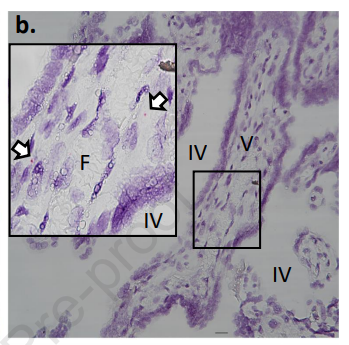
Using a technique that allows us to actually look at the mRNA, called FISH, the authors see occasional spots of mRNA in the placenta (marked with arrows). 5/
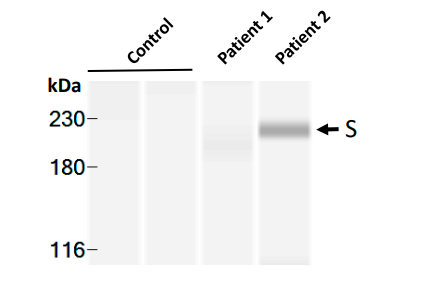
But is any of this mRNA active? The authors say they detect protein in the placenta of one of the babies but the technique they use looks at mixed maternal tissues and placenta, so I’m not convinced they do.
Staining on sections would clear this up. 6/
Staining on sections would clear this up. 6/
This paper doesn't look for COVID vaccine protein crossing the placenta, so can't tell us anything about that. But 4 papers have looked for evidence of vaccine protein in 192 babies and don’t find it. 7/
(Links to those papers...) 8/
jci.org/articles/view/…
jci.org/articles/view/…
ajog.org/article/S0002-…
ncbi.nlm.nih.gov/pmc/articles/P…
jci.org/articles/view/…
jci.org/articles/view/…
ajog.org/article/S0002-…
ncbi.nlm.nih.gov/pmc/articles/P…
So what’s the take home here? We still don’t have any evidence that mRNA COVID vaccines given in pregnancy are active in the baby, but the possibility that they could be active in the placenta definitely merits further research. 9/
In the meantime, the most important question for people making a decision for themselves is: how do babies born after COVID vaccination in pregnancy do?
And the answer is… just fine. 10/10
And the answer is… just fine. 10/10
https://twitter.com/VikiLovesFACS/status/1755182170631450987?s=20
PS! Completely forgot about this paper, which uses the better technique of staining sections - 48 of them - and finds no spike protein in placentas collected following COVID vaccination in pregnancy.
nature.com/articles/s4137…
nature.com/articles/s4137…
• • •
Missing some Tweet in this thread? You can try to
force a refresh