i used to have a job working around comedians and comedy writers. it wasnt my job, but i was there.
ive done a lot of public speaking - some of it humorous. i dont talk about it, but many very large companies have technically paid me to do this.
heres something interesting:
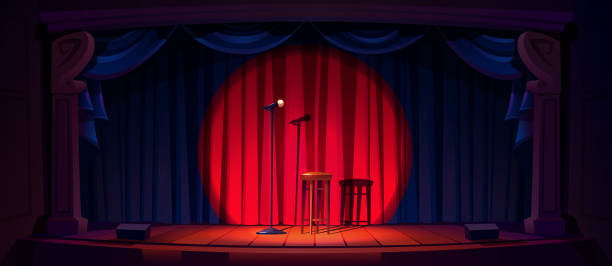
when you get good at "working" a crowd, its a skill in and of itself. an odd sociological data point is that once you cluster... over ten people together and you take on the role of "the speaker", they almost always react the exact same way
to everything. almost every time.
functionally, 99% of the time, the people will respond the exact same way. you can take a dumb thing that isnt even really that funny, and with the right conditions, a group of people - no matter who they are, will basically always laugh at it, if they're "supposed to".
after a while, this starts to affect your perception of people. its difficult for it not to. behind the scenes, theres two routes:
you either start to view people as monkeys - like you're above them, manipulating them
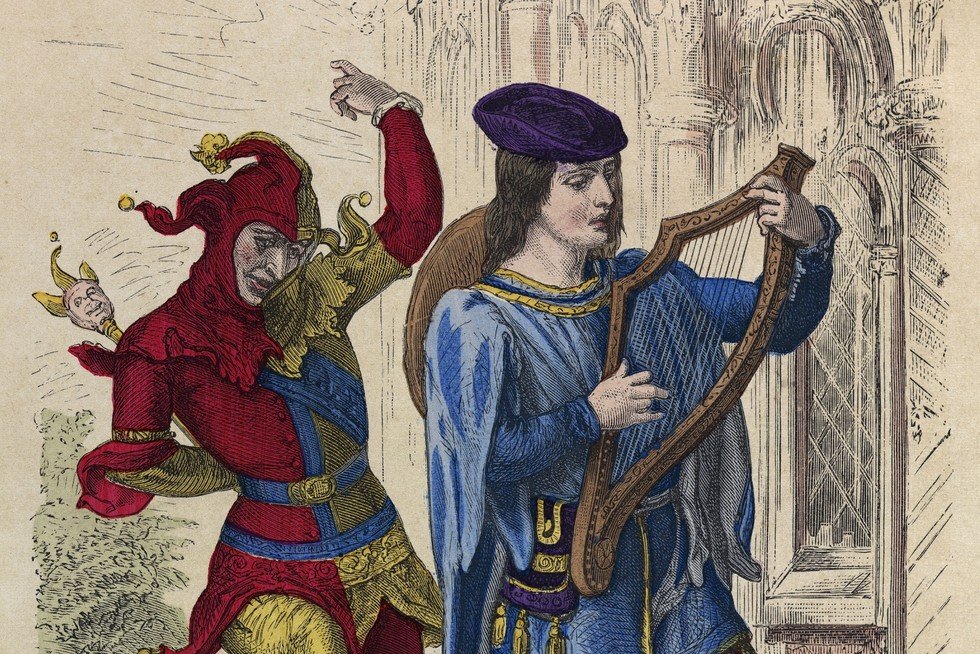
or youre the monkey, the idiot, dancing for them. two paths
its clear which path people take. in my world, most people took on a more negative view of human nature as a result of this. you have this power, you can basically make people behave a certain way, they like it - its easy to start viewing them as dumb and interchangeable.
the other path is totally different. you're the idiot. you're under the audience. they pay you, you do a little trick, that's really it
so, you choose to go under or over the audience. in that world, i think after talking to people for a while, you can tell which path they took
i think this is interesting in terms of modern comedy, and the direction its taken. everyone has noticed that comedians basically just lecture people now. their whole schtick is usually how smart they are, and how dumb everyone else is. theyre not jesters. theyre "smart".

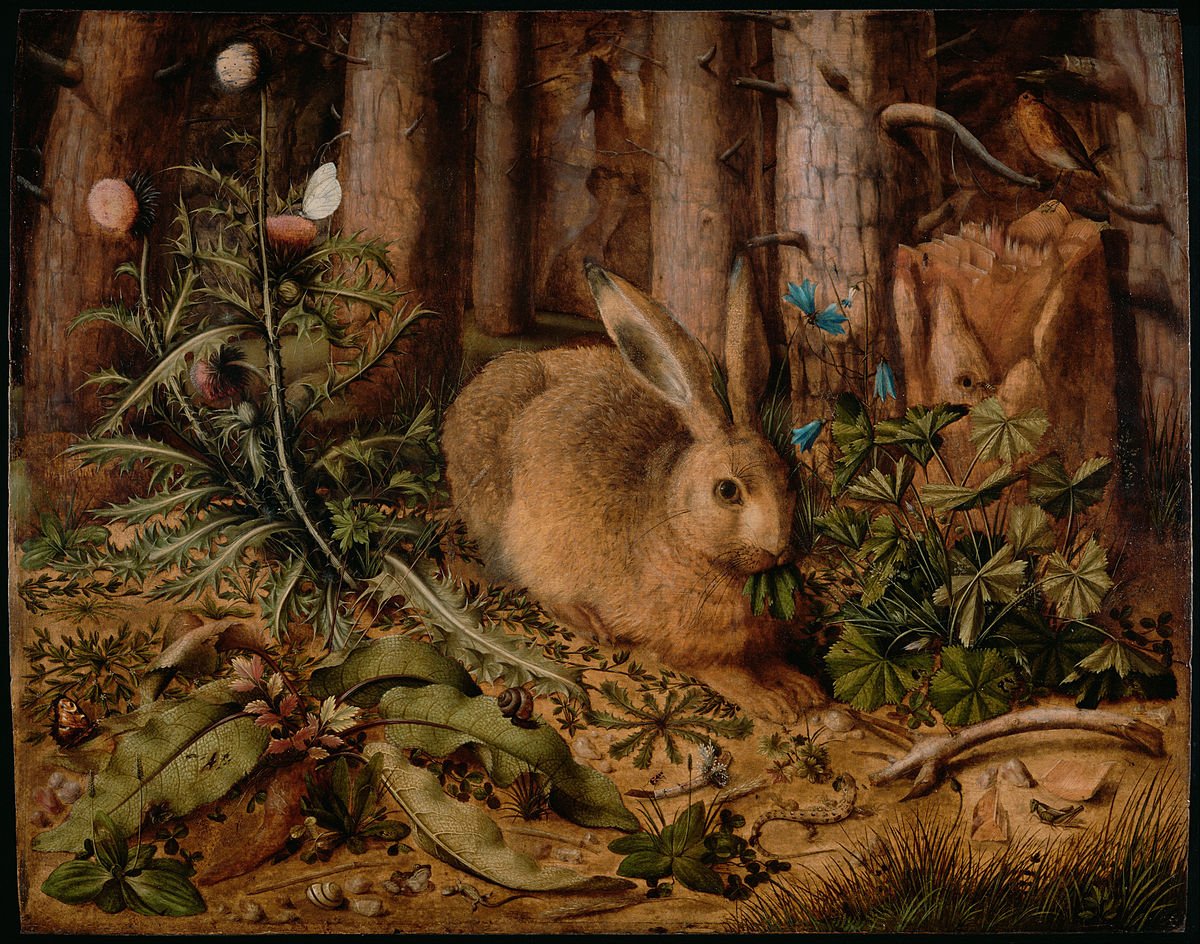
i obviously took the opposite route. i identify with the jester archetype, even outside of this. i think this goes with the painting thing. you paint a picture of a rabbit, people think its cool. its kind of like a magic trick. thats really it. its just for fun. no big deal.
theres a dark side of the "showman" performer archetype that is distasteful to see up close and personal. it feels bad to see someone working an audience, and then leave the stage and actively have a kind of contempt for them. i think it feels wrong because its an inversion.
in one swedenborg tale the angels get power from a kind of spiritual sun. but for even the highest ones, God has the sun set, just for a moment - so they feel the power go away. otherwise, they would think the power came from them, and not God. even they need a little ego check.
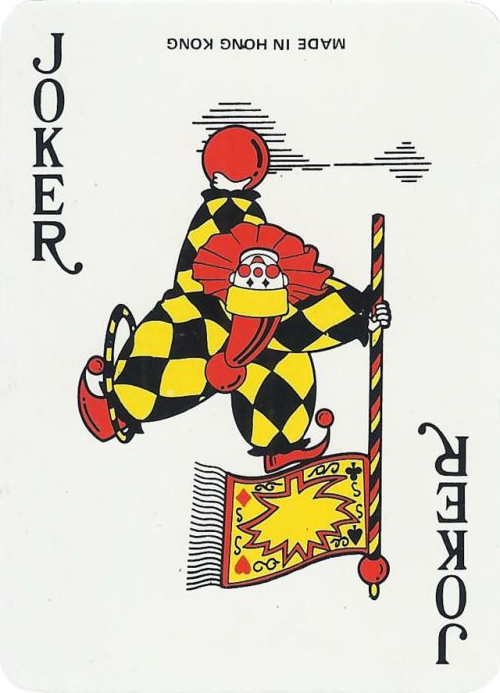
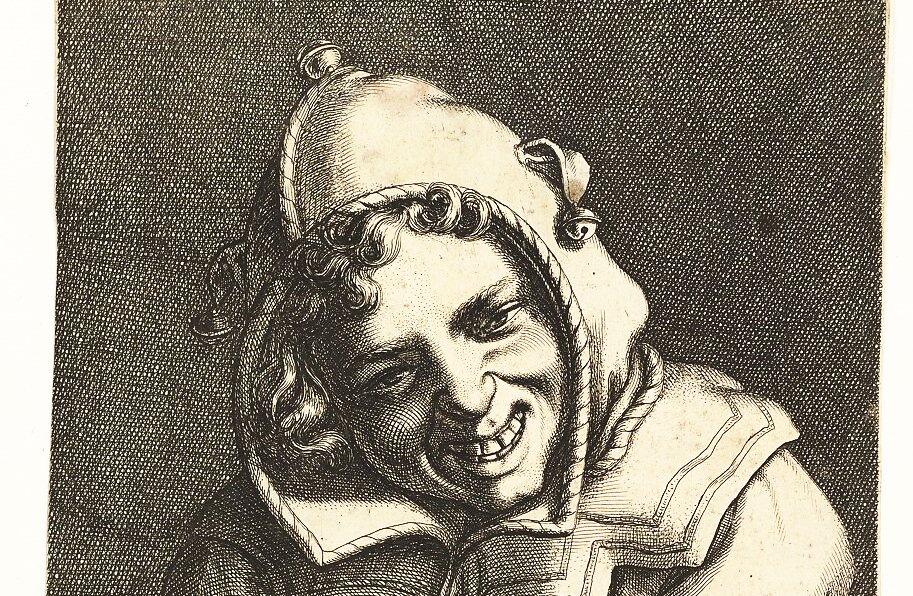
sometimes ive thought of the jesters hat this way. it always has little bells. maybe thats why - he's on stage, everyone's looking at him, in that situation its easy to feel like a star, like the cool smart one. but he can hear the bells when he moves. he can hear: he's the fool
some people found this thread interesting. thanks, very cool.
if youd like to keep scrolling, heres another thread that has no direct relation to this, but i was thinking about these images this morning:
HP lovecraft and joseph smith:
thoughtforms in the american spirit
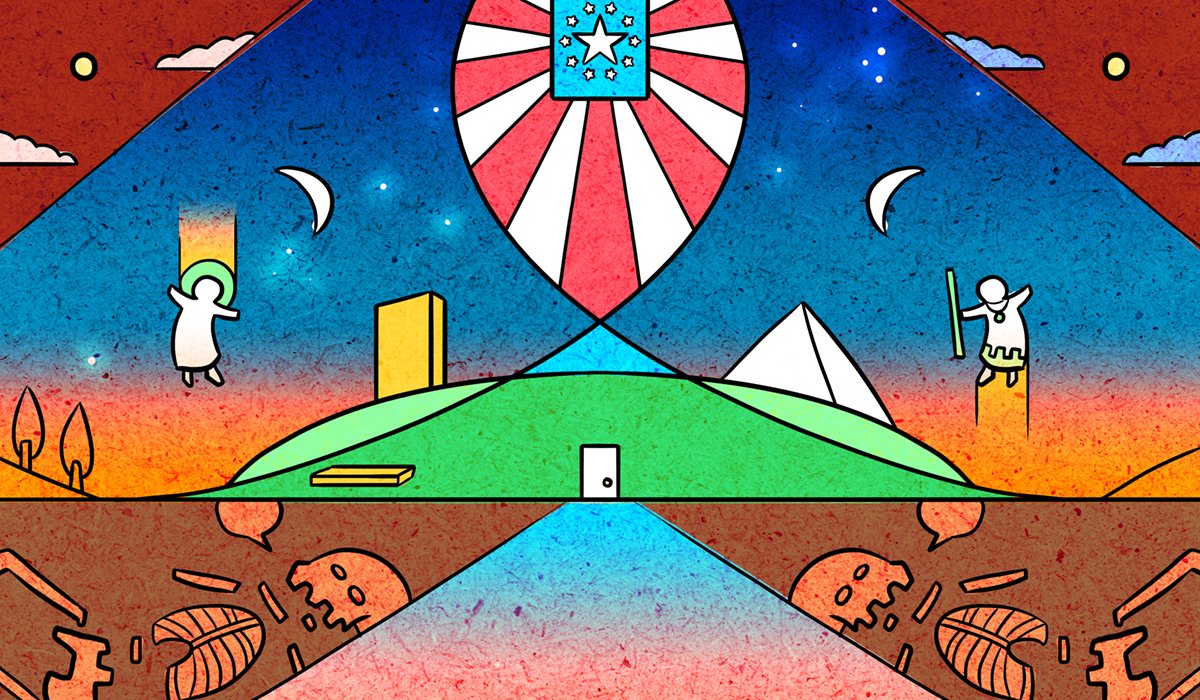
quasi-physical ancient native americans. lost civilizations. magical metal artifacts. piles of earth, dotting the horizon of the mind - and the actual horizon, in a place called: the northeastern united states.
when we survey the spiritual landscape of a people, certain motifs make themselves known. in tibet, we find mountains infested with spirits, charnel grounds littered with burnt bodies, colorful flags that write prayers onto the wind. obviously, this "means something" about tibet
likewise, when we turn to our (my) home, america, certain themes and patterns emerge. what do these seemingly spontaneously emerging images tell us about this place? what unique spiritual motifs do we find arising here - one might say: out of the ground itself?
today, "pluralism" in religious thought means something like tolerance or acceptance. this was not the case in the 1800s, when it often referred to a different kind of plurality - cosmic pluralism: other worlds, and other planets
this concept, which existed prior to modernity but seems to have really broken the surface (at least in the west) in the last few hundred years, was touched on by a variety of strange individuals, some of whom we have mentioned here before: ellen white, swedenborg, for example
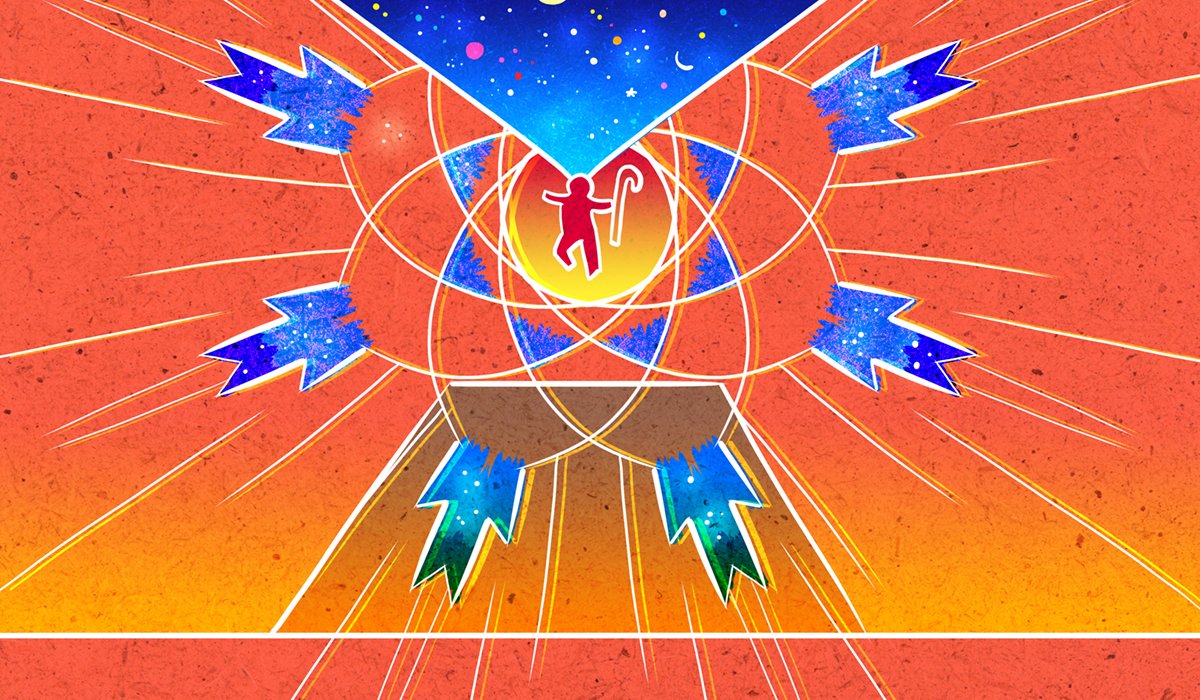
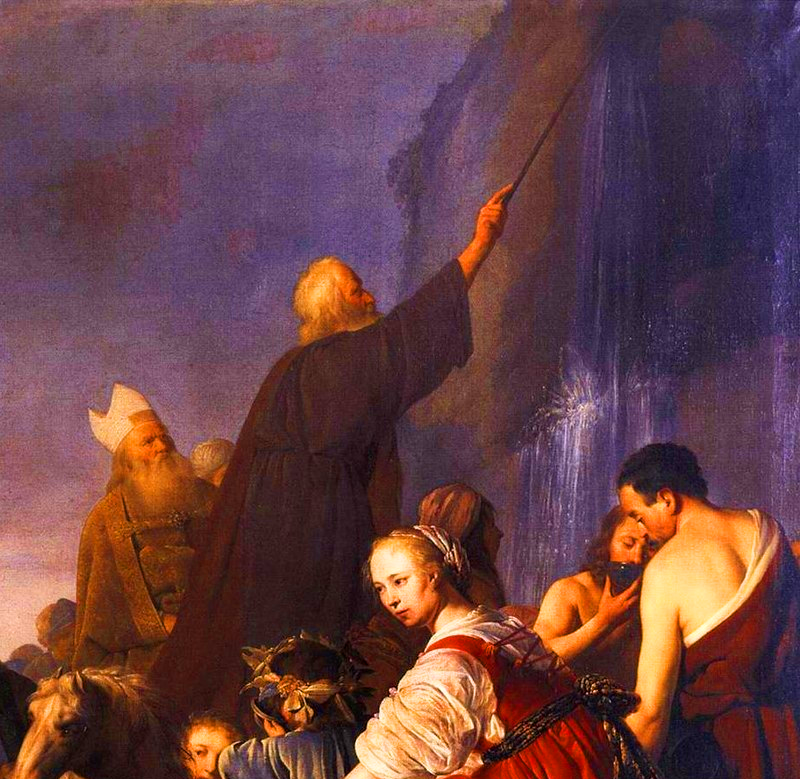
interestingly, space is part of the mormon cosmology right from the get go - which for them, is sometime in the early 1800s. this is a large topic so we'll put a small dent in it this afternoon with a scene centered around a figure most people are familiar with: moses.
a popular topic on the internet is cultural shifts that will result from generational changes - usually, in terms of politics
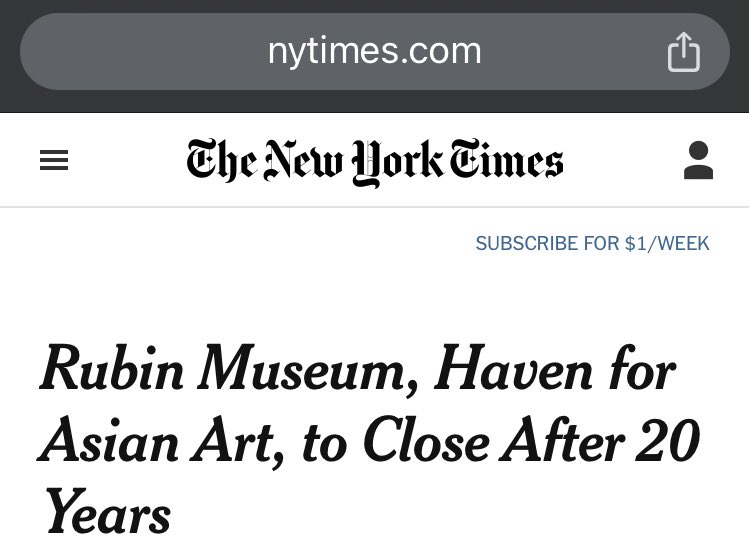
one area this is rarely discussed in is the arts, at a meta level. put simply, every museum survives because rich silent generation cuts them huge checks
in case youre unfamiliar, thats the generation before boomers
their wealthy urban members just give museums huge amounts of money - if they have it. usually this is totally thankless. maybe they get their name somewhere or a call. they just do it because they think they should.
frankly, its not even clear (imo) that boomers will do this. someone dies and gives a museum a pile of money, and gets nothing out of it. or, just continually passes along money for no ostensible material benefit while still alive. really feels like an “our grandparents” thing.
modern man has a relationship to invisible forces he does not understand that is qualitatively similar to the type of relationship a “primitive” person had. you buy a house. theres this gas, called CO. you dont understand it, but it could kill you. its functionally magic, to you.
you understand that it isnt magic, but you dont really know anything about it. its in these machines that surround you, i guess. it does something, but you cant see or hear or smell it, and if it gets out, you can die. only special men deal with and understand this thing. not you
this is that much different, in terms of effect and impact, than the way a guy living in “a hut” probably felt about various dangerous forces surrounding him. maybe he saw a tiger once. does he know what it is? maybe. its just there, and could kill you, i guess. randomly.
[magic catholic indian rocks and the fundamentals of hindu axiology]
this is something i heard (do your own research).
please imagine - we have met, at a party. perhaps in venice. perhaps in the 1700s. i am wearing this ring. do you like it? thanks. i got this stone from an ox
specifically, i got in from an ox intestine. as you know, we are both educated of course, this is a bezoar stone. its a kind of undigested mass that you find when you butcher animals, in their intestines or stomach.
of course, it is magic. thats why we put them in these cases:
bezoar stones, famously, can cure any poison, as everyone esoteric or rich in europe knows. but they are very hard to acquire, and now, they are very expensive. if you put some in a glass, or maybe eat a piece, it can heal any ailment, its very useful, and cool. heres another:
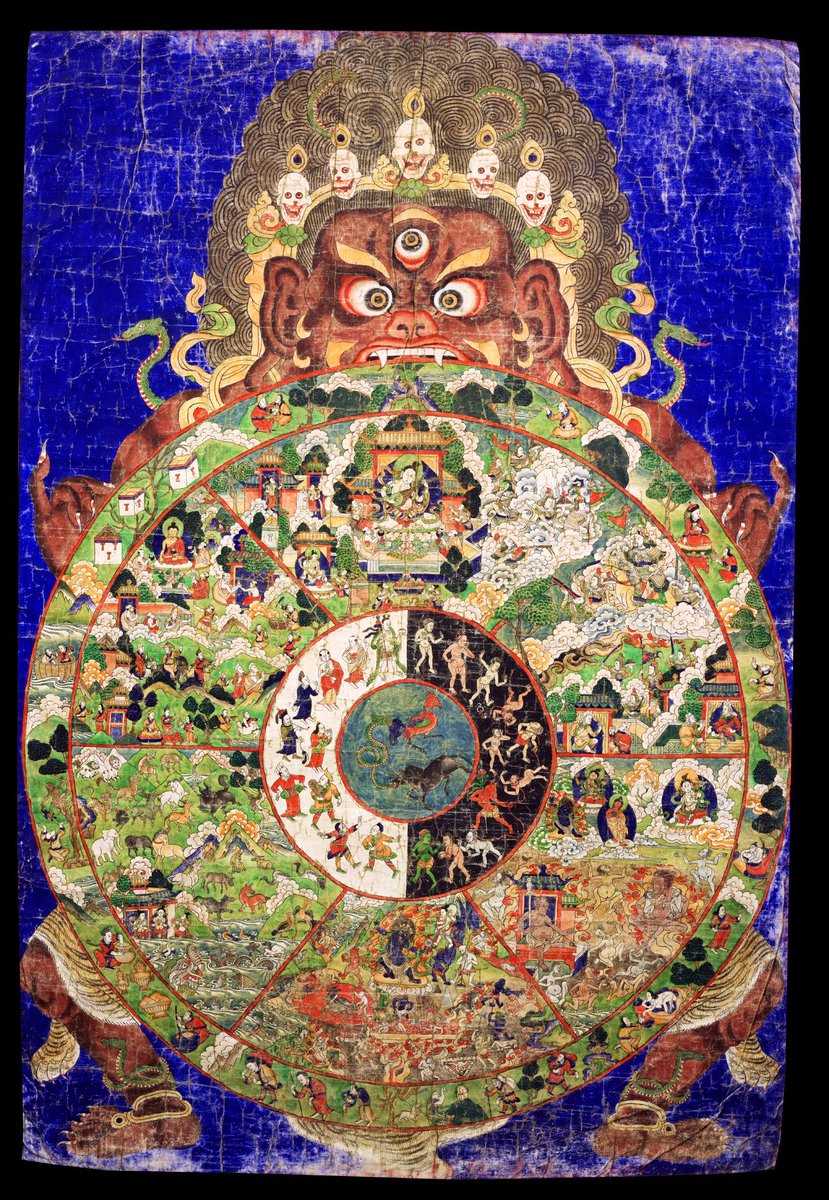
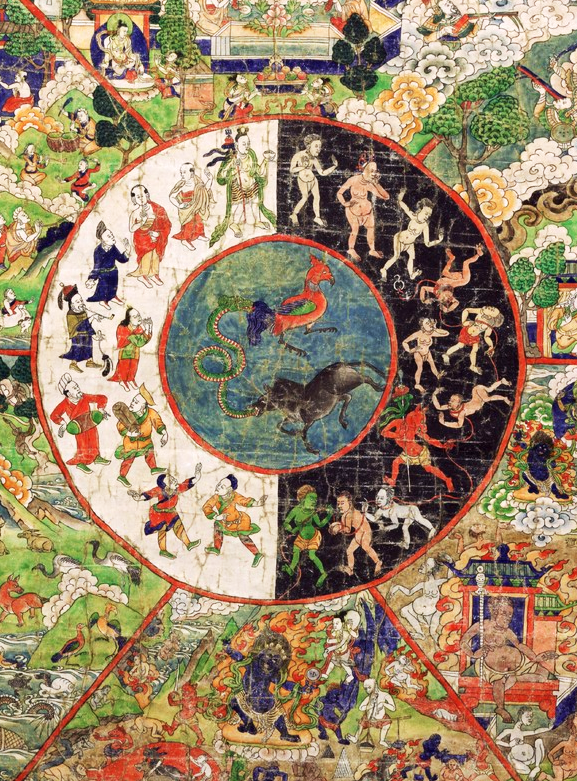
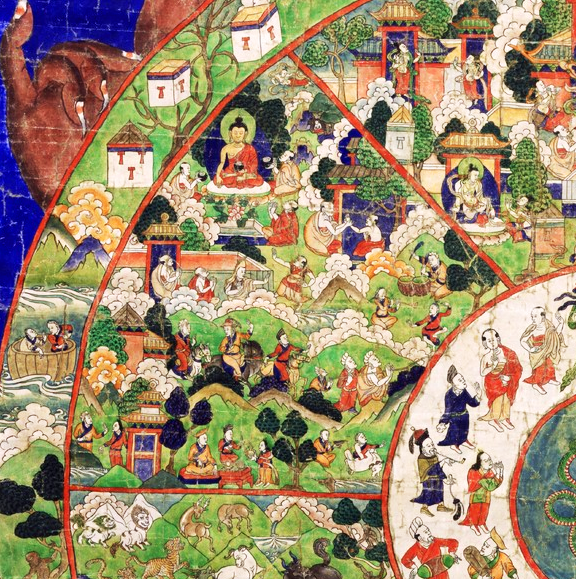
i really love the bhavachakra. although i obviously do not subscribe to buddhism or reincarnation, this is one of the all time ultimate illustrations. the entire buddhist cosmology is basically contained in one image, right here:
you really could just stand here for hours going over this - reading some of it as literal, then extrapolating metaphors from it, it works for both an illiterate non-scholastic person, a child, or a 3000 IQ scholastic type. frankly, more religions should have something like this.
on the most basic literal level, this functions as a "subway map" to the buddhist universe. you are here (the human realm), here's where you can go, here's why, here's what you should do, and so on.
one day, i was looking at this with a guy who used to be a monk.