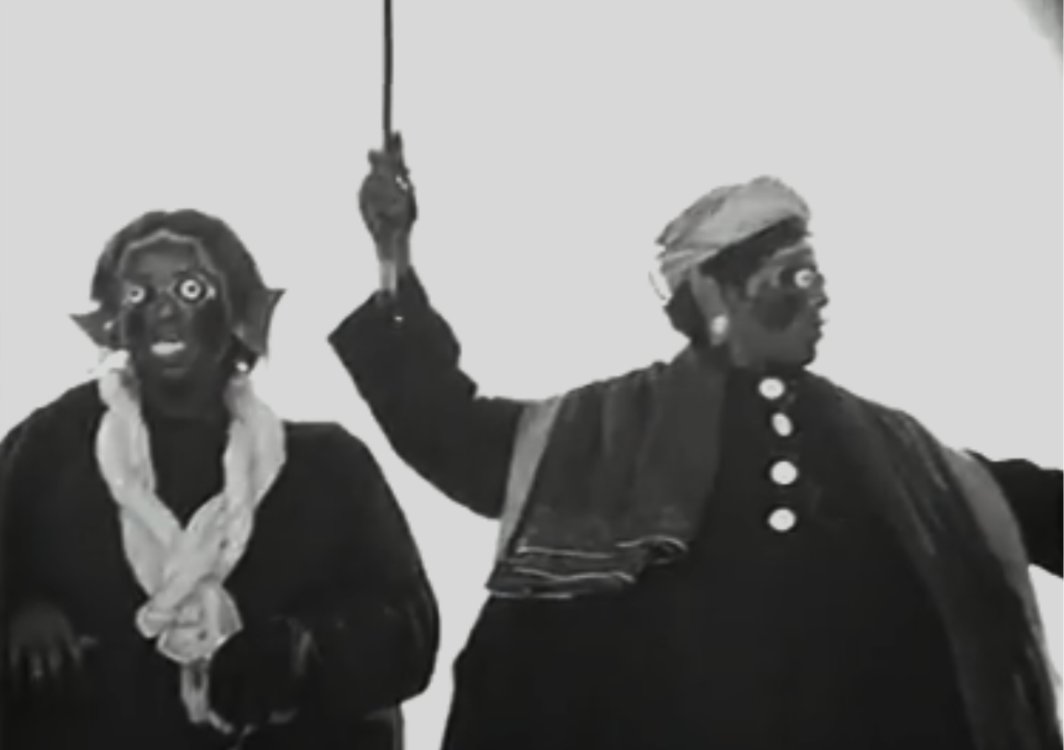
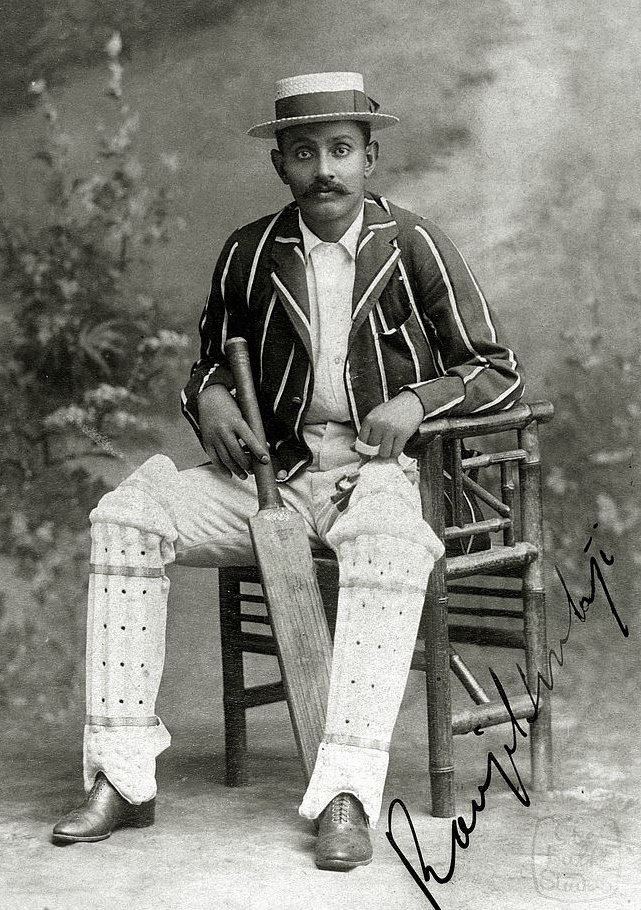
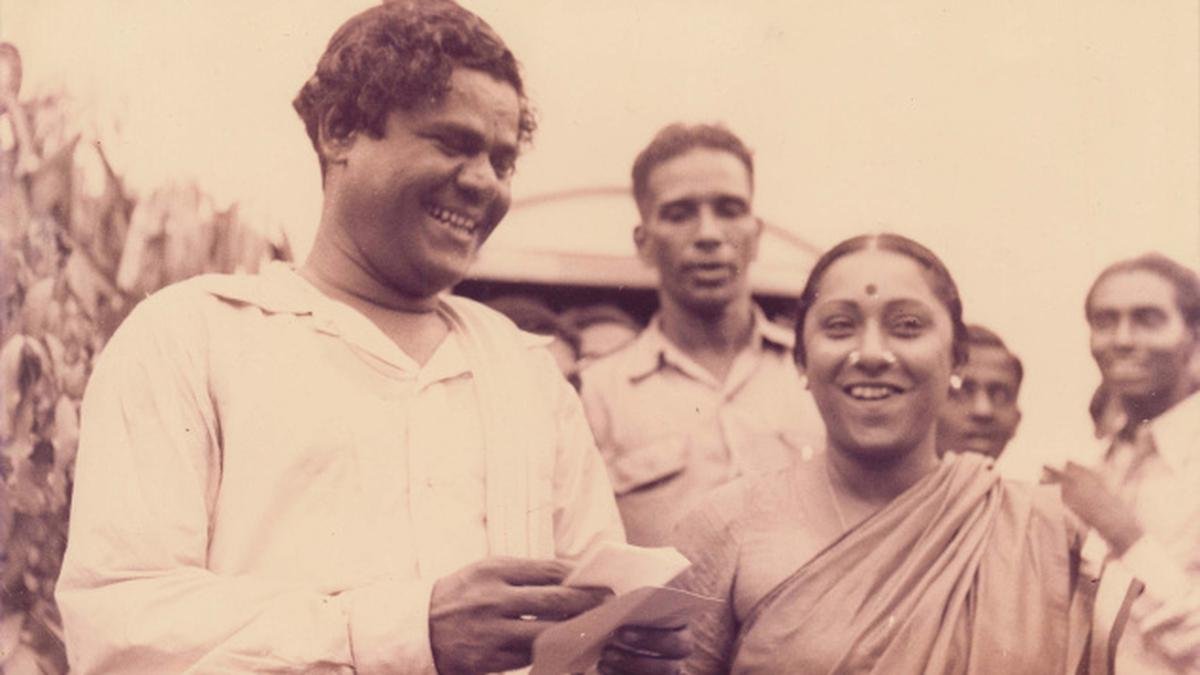
So, how many of you remember this iconic song from Amar Akbar Anthony? Did you notice the man in the white suit dancing with Big-B? Bewilderingly, he took us on a journey which revealed the story of a Polish wrestler who came to Patiala to settle an unfinished battle. 🧵1/17 
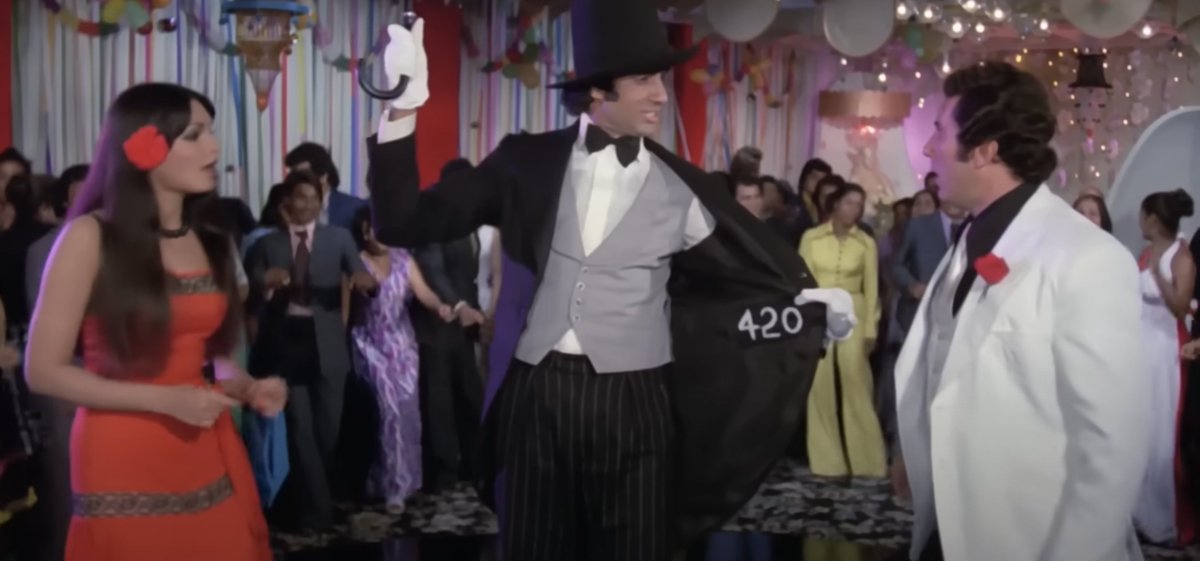
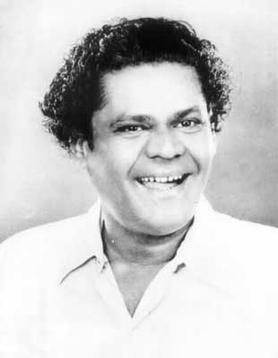
So, where do we begin? The man swaying to the iconic beats of "My Name Is Anthony Gonsalves" - that's Yusuf Khan for you. No, not the legendary Dilip Kumar, but one among those hundreds of Bollywood supporting cast members who lived their lives in the shadows. 2/17
Born Yousuff Abousher in Egypt, he made his way to Bombay, India, and carved out a niche for himself in the film industry. He became the de facto muscleman and villain throughout the groovy '70s and '80s. Certainly, you recognize him. 3/17
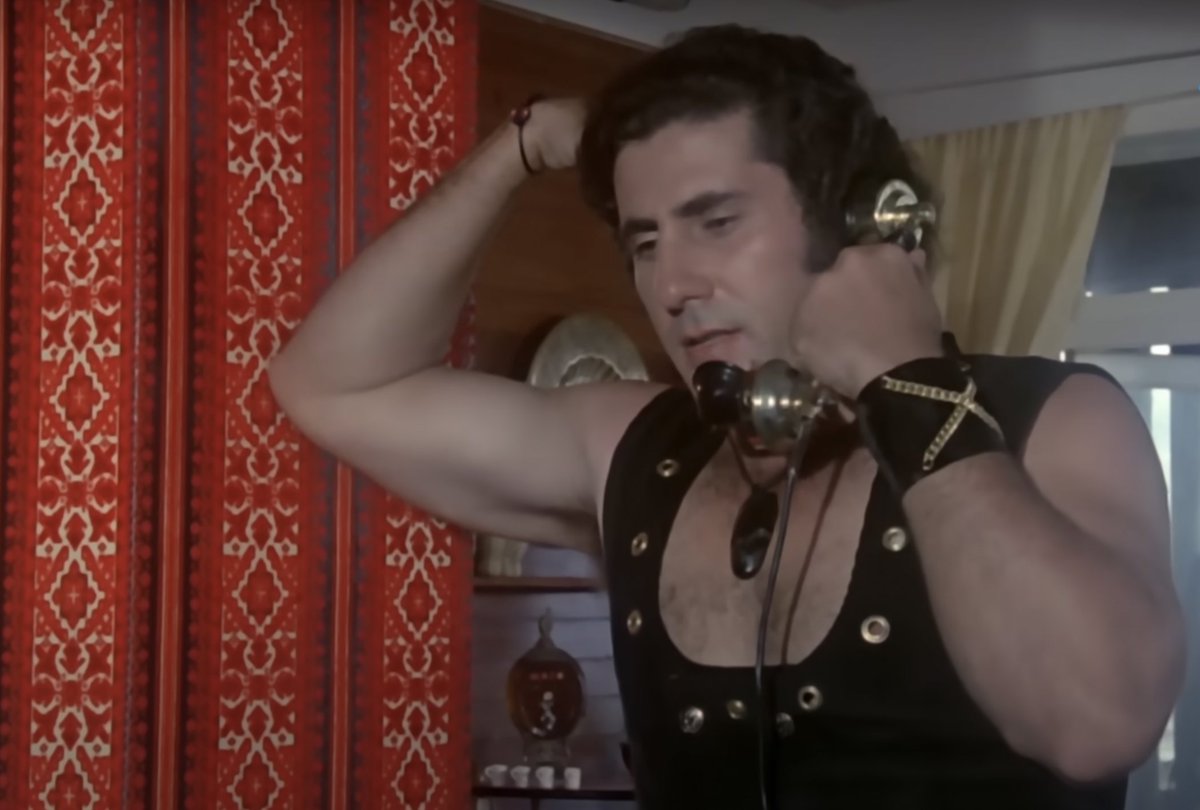
Sure, he had his fair share of screen time, featuring in around 35 films, but it was one particular role that shot him to fame. It’s his role in "Amar Akbar Anthony" where he played the toughnut bodyguard to Parveen Babi's character. 4/17
Now, you might be wondering, what's the connection between this Bollywood fringe actor and a Polish powerhouse wrestler? It’s all in the name of the character. The famous bodyguard in the movie was named Zebisko. 5/17
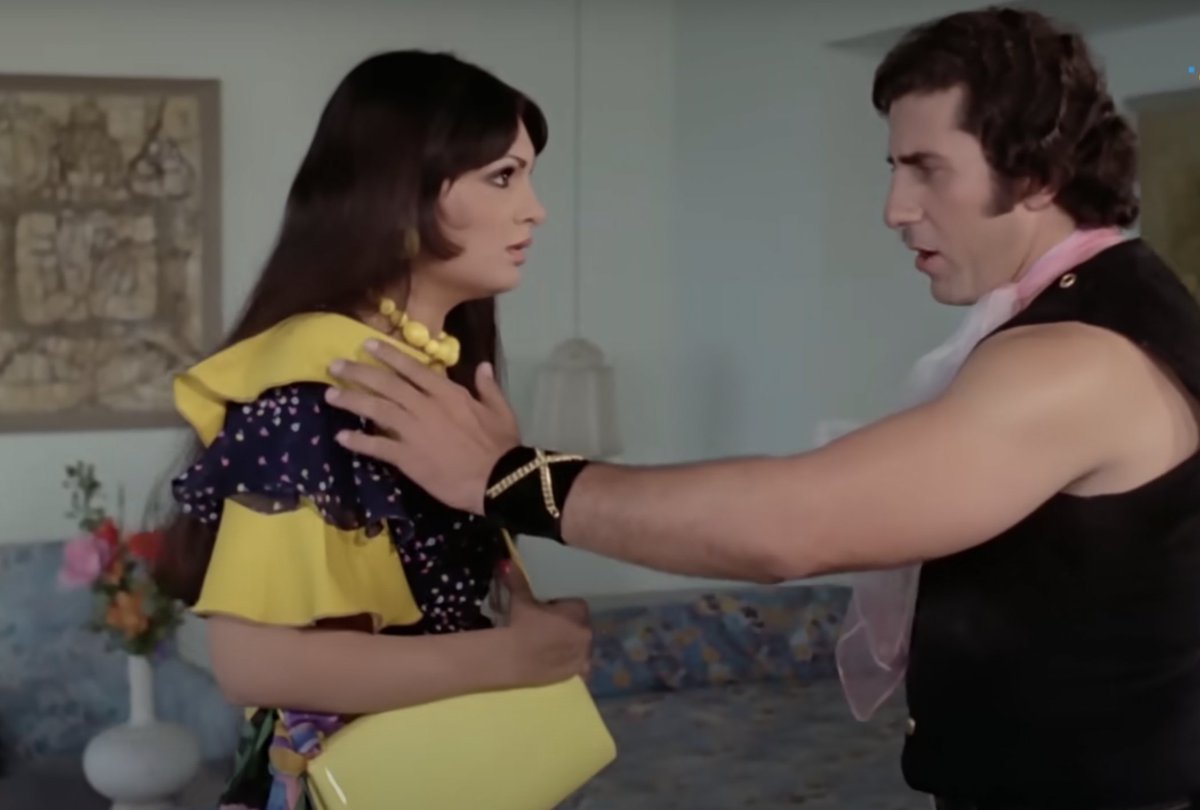
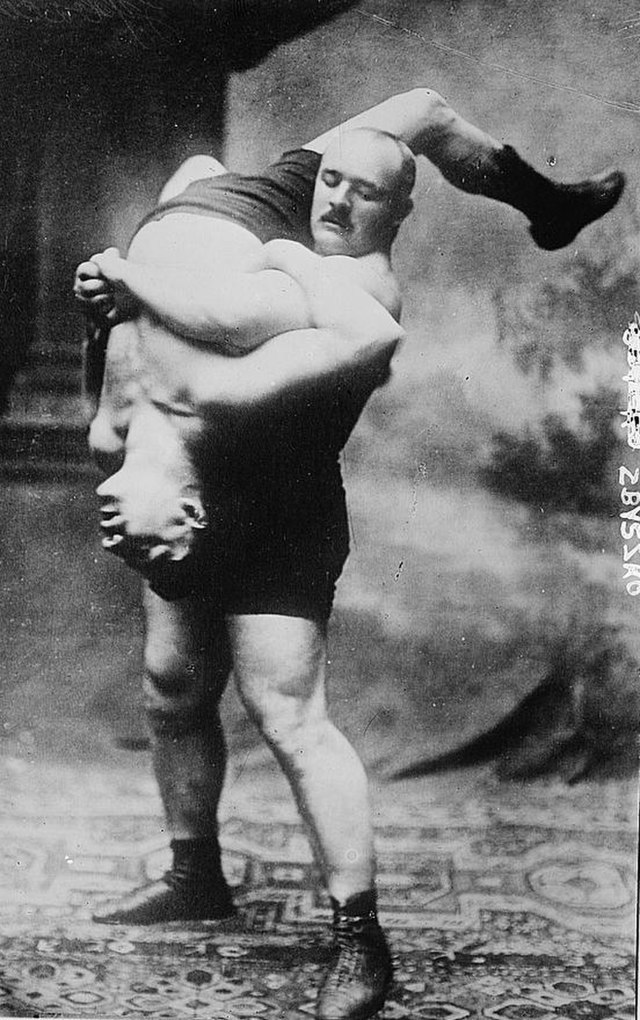
The reason behind the director's choice remains a mystery. Perhaps it was meant to highlight his exotic background. But here's the twist. It's not just a random moniker but a nod to the legendary Polish wrestler, Stanislaus Zbyszko, one of the greatest in the world. 6/17
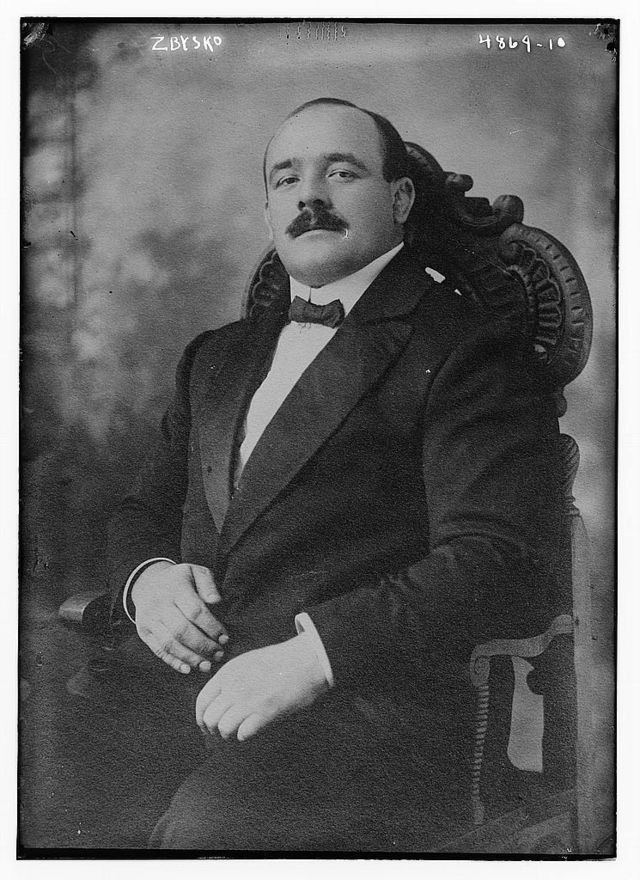
Zbyszko's journey is as captivating as his bouts in the ring. Born in 1879 near Kraków, Poland, Zbyszko was no ordinary wrestler, but also a man of intellect, delving into music, philosophy, and law during his upbringing in Vienna, Austria. 7/17
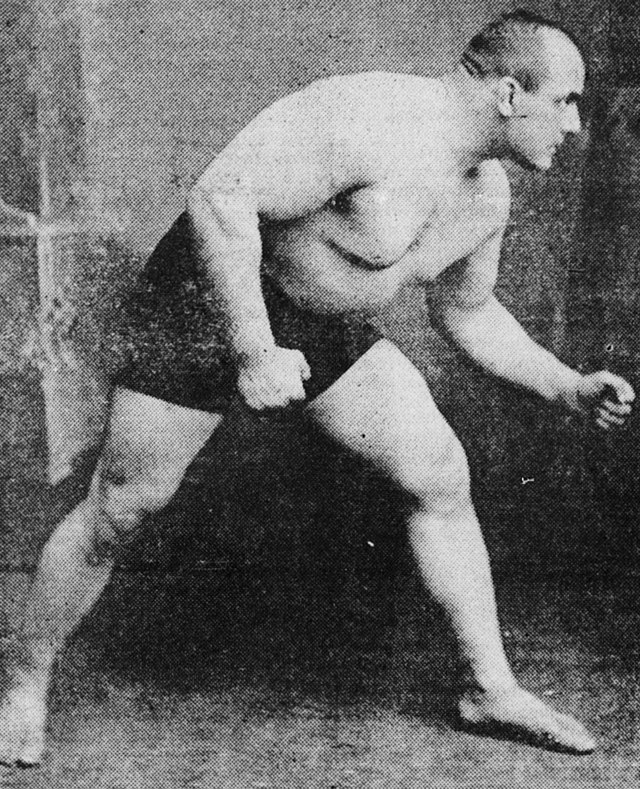
Blessed with Herculean strength and a keen intellect, he rose through the ranks of Greco-Roman wrestling, dominating opponents across Europe and beyond. But perhaps the most crucial moment of Zbyszko's career came in 1910. 8/17
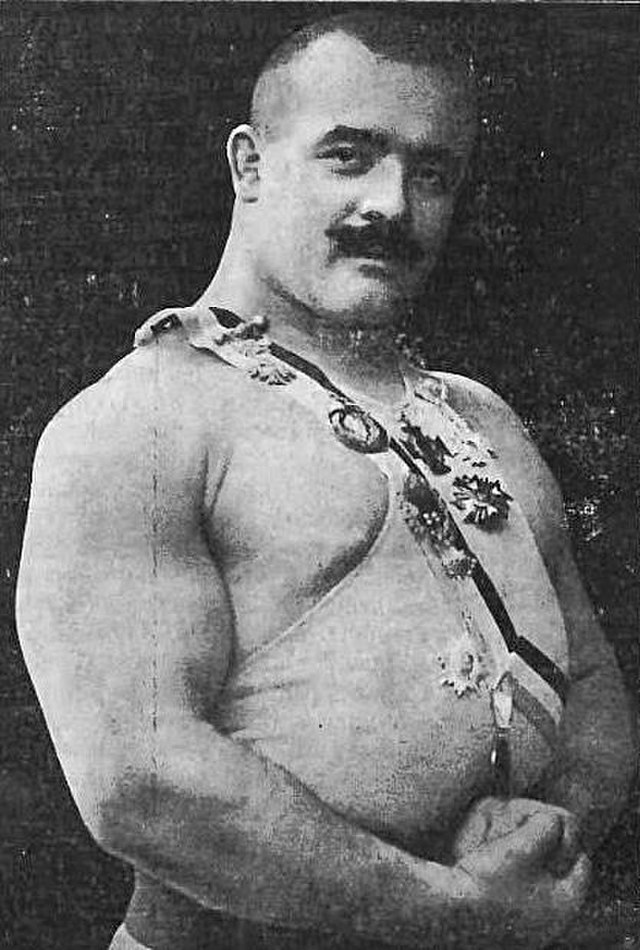
Someone from the East arrived in London. An opponent who was unknown to him but who posed a seemingly insurmountable challenge. He was India's feared Great Gama, a wrestling titan undefeated and untamed. And so, Gama challenged Zbyszko. 9/17
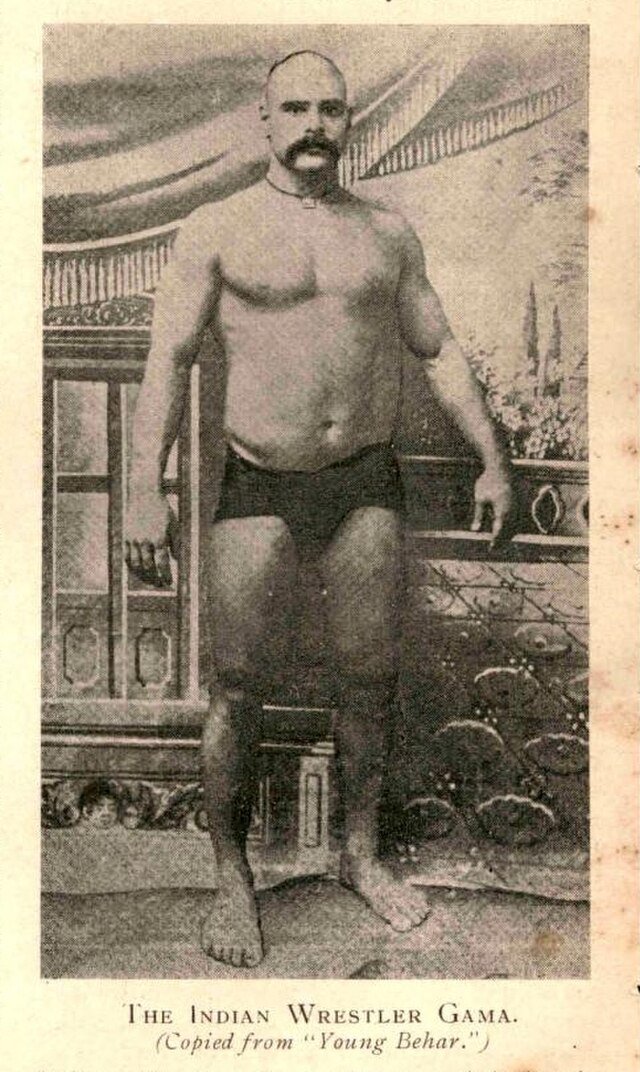
In 1910, under the bright lights of London, Zbyszko faced off against the Great Gama in a clash of titans that would go down in wrestling lore. For hours on end, the two behemoths grappled, with Zbyszko employing a defensive strategy to stave off Gama's onslaught. 10/17
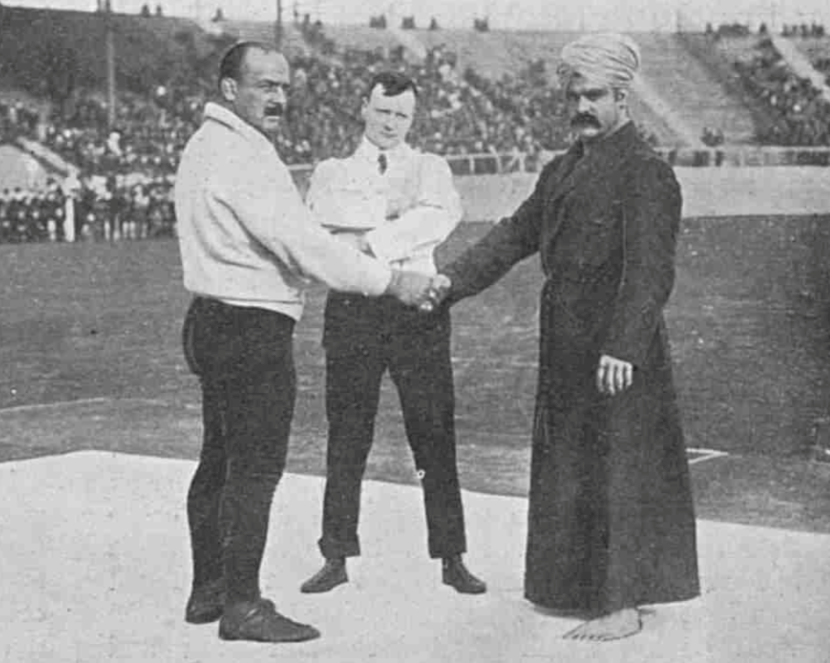
The match ended in a draw after over two grueling hours of fighting, making Zbyszko one of the very few to stand toe-to-toe with Gama without tasting defeat. The anticipated rematch was scheduled for September 17, 1910. 11/17
However, Zbyszko never returned to the arena. Gama returned to Patiala with the world championship belt, yet the victory likely brought him little satisfaction. Years passed, and the echoes of their unfinished battle lingered in their memories. 12/17
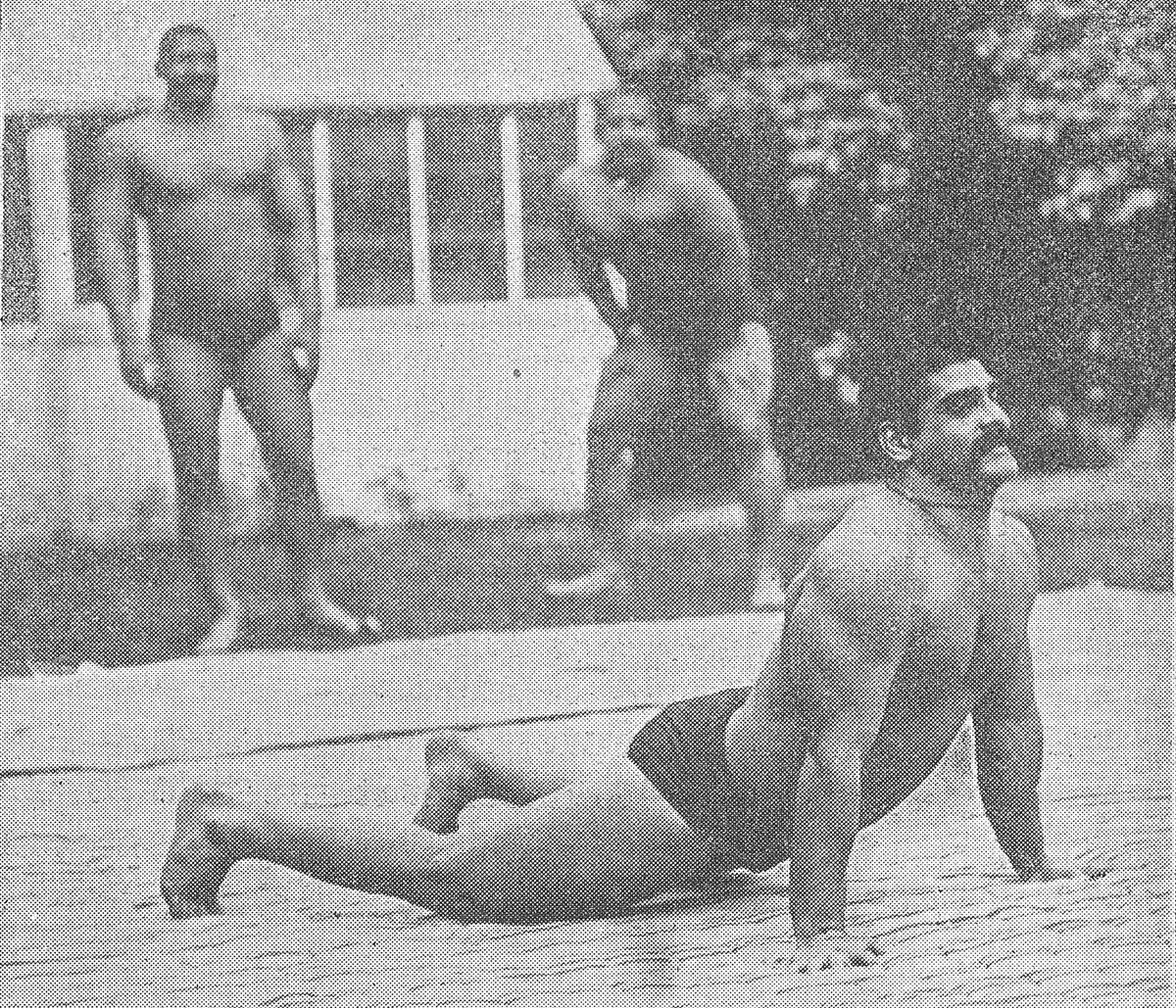
It wasn't until 1928, by which time both men had weathered the trials of time, that fate beckoned them once more to the ring. In a rematch organized by the Maharaja of Patiala, Gama and Zbyszko faced off for the final time after 18 long years. 13/17
This time the great Zbyszko came to India for the unfinished battle. The stage was set for a final showdown between Zbyszko and Gama, now both in their twilight years. In front of a hushed audience in Patiala, the two warriors squared off for one last time. 14/17
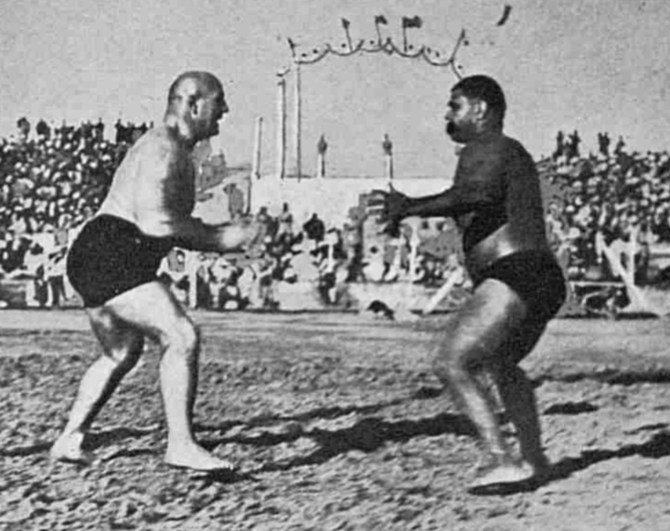
As they entered the ring, anticipation hung thick in the air. But Gama was unstoppable. In a swift turn of events, Zbyszko found himself pinned to the ground within moments of the match commencing, signaling the end of an era. 15/17
Gama emerged victorious, solidifying his charisma as the reigning champion. For Zbyszko, it marked the end of an illustrious career, as he gracefully bowed out of the arena, content in the knowledge that he had faced his formidable opponent with courage and dignity. 16/17
Who would've thought that Yusuf Khan's portrayal of Zebisko in Bollywood would unravel a captivating rivalry between Stanislaus Zbyszko and the Great Gama? Isn't it amazing how even the smallest footnote in Bollywood history can reveal intriguing stories? 17/17
Source and images:
NATALIA LASKOWSKA, SHIRAZ HASSAN, Great Gama's two-decade wait to avenge 'wrestling farce',
Farid Azam, Great Gama vs. Zbyszko, The London Wrestilng Match,
@Wikimedia @WikiCommonsarabnews.pk/node/1663256/p…
wrestling-titles.com/personalities/…
NATALIA LASKOWSKA, SHIRAZ HASSAN, Great Gama's two-decade wait to avenge 'wrestling farce',
Farid Azam, Great Gama vs. Zbyszko, The London Wrestilng Match,
@Wikimedia @WikiCommonsarabnews.pk/node/1663256/p…
wrestling-titles.com/personalities/…
Image Courtesy: Shemaroo Movies YouTube Channel.
• • •
Missing some Tweet in this thread? You can try to
force a refresh