No one gets famous by accident. If Alexey @Navalny rose as the unalternative leader of Russian opposition, recognised as such both in Moscow and in DC, this indicates he had something that others lacked. Today we will discuss what it was and why it did not suffice 🧵
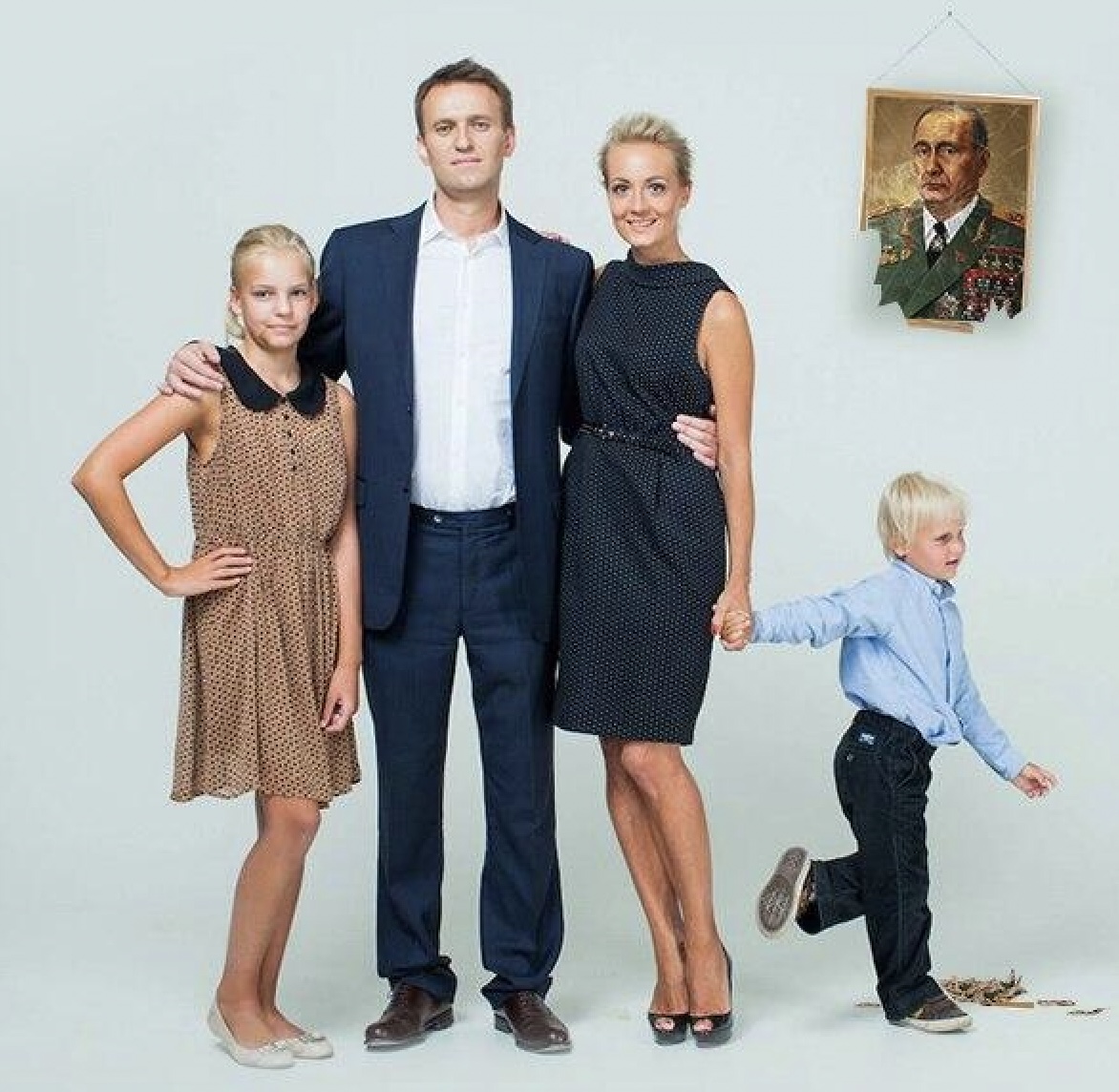
Let's start with the public image. What was so special about the (mature) @navalny is that his public image represented normality. And by normality I mean first and foremost the American, Hollywood normality
Look at this photo. He represents himself as American politicians do
Look at this photo. He represents himself as American politicians do
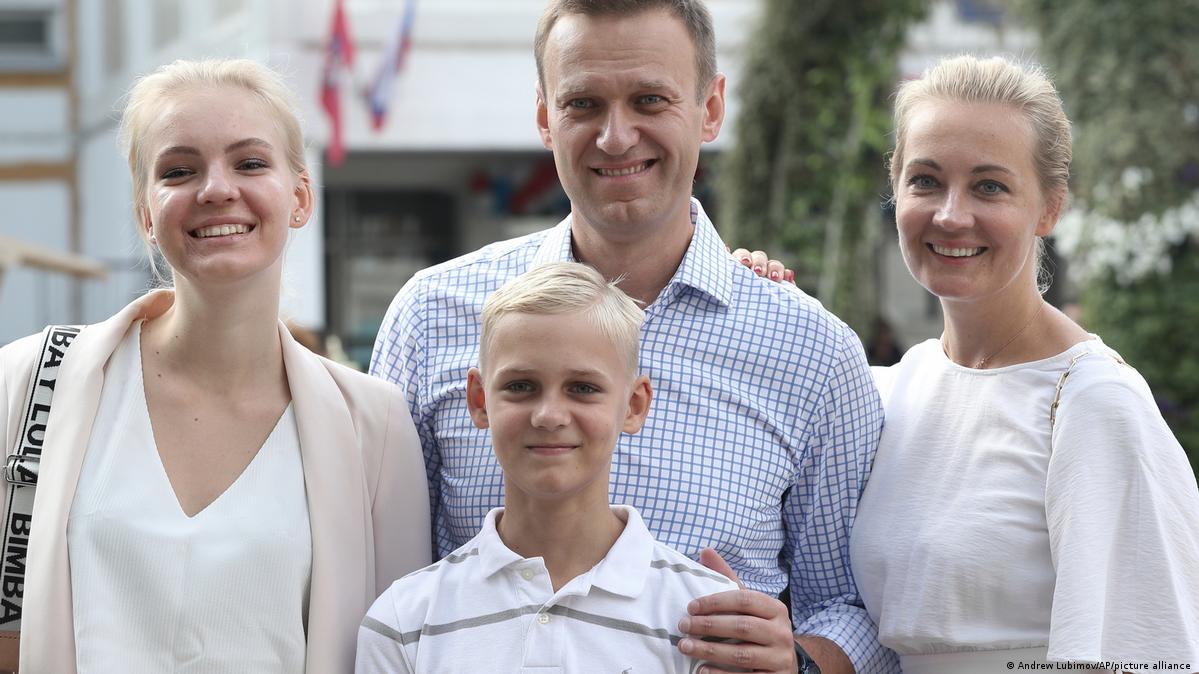
For an American politician, it is very important to present himself as a good family man (or woman). Exceptions do only corroborate the rule. Notice how McCain defends @BarackObama
"No, he's a decent family man, citizen"
In America one thing is tied with another
"No, he's a decent family man, citizen"
In America one thing is tied with another
I am making a special focus on the political significance of family, because it is unusual. It is a peculiar aspect of the American political culture, that most other cultures do not share (or at least not to the same extent)
Personal = political
There's no boundary in between
Personal = political
There's no boundary in between
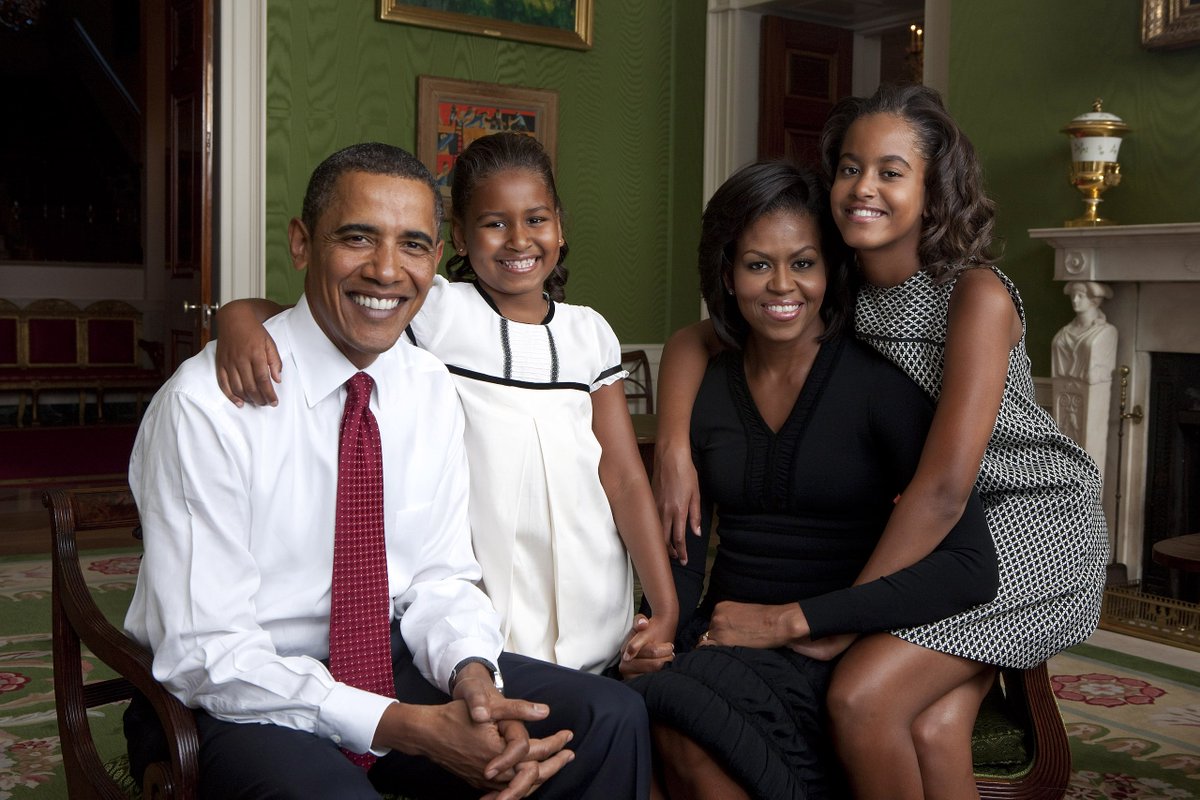
If American politicians must have a family, if they must show their family, if they must brand themselves as familymen and sell their familymanship in the course of an electoral campaign (while most politicians around the world don't have to), now there's a good reason for that
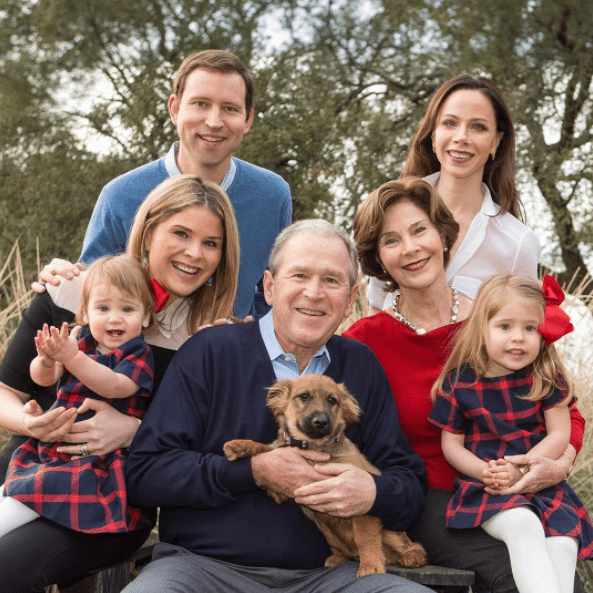
Political origins of America are very peculiar, and different from those of Europe. Unlike most European states, America has never been a monarchy. As a result, it is less affected by the monarchic, and more by the theocratic institutions
POTUS is not a King. He is a Presbyter
POTUS is not a King. He is a Presbyter

This is one singular reason why their family life (and sexual life) are of such immense political significance. US President is first and foremost a priest. A shepherd guiding his flock, a minister instructing his parish. He must serve as an example of Protestant purity
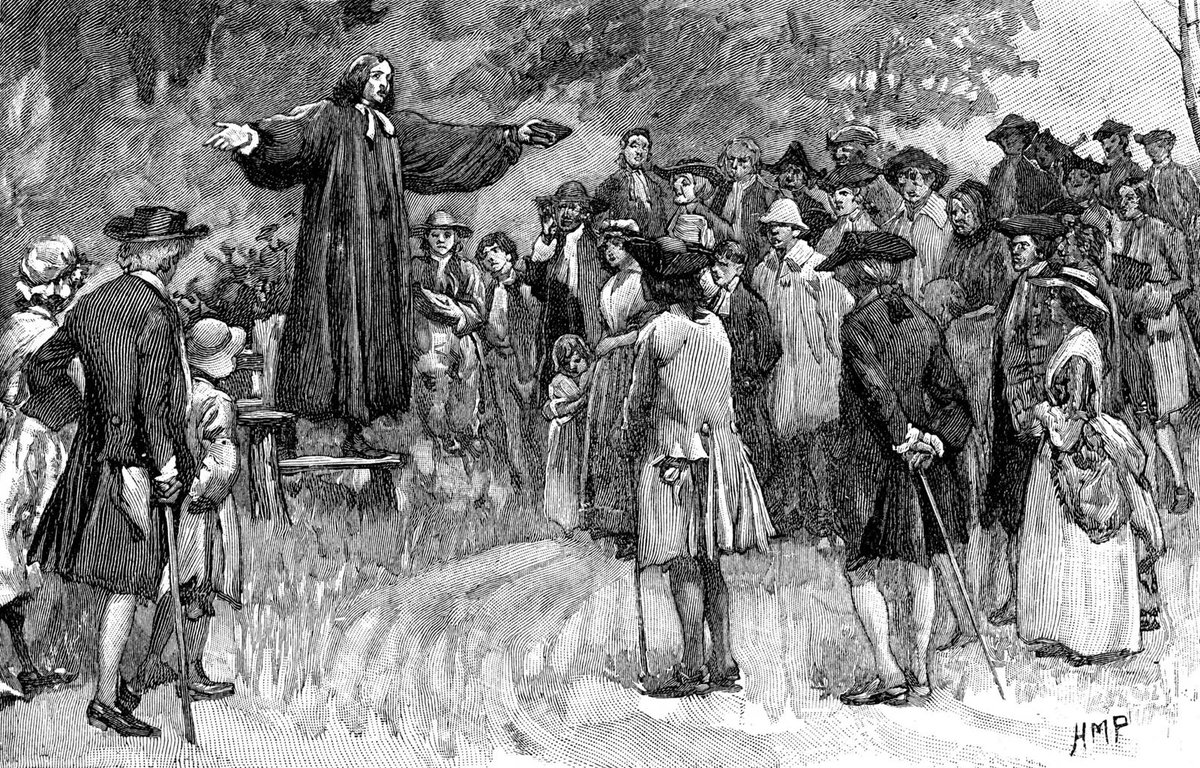
Now to understand America, you must realise it is unusual. It is peculiar. It is like a National Covenant winning, and winning on a global scale. Once it has won a global hegemony, we tend to underestimate how unusual it is
America is more of an exception, than the rule
America is more of an exception, than the rule
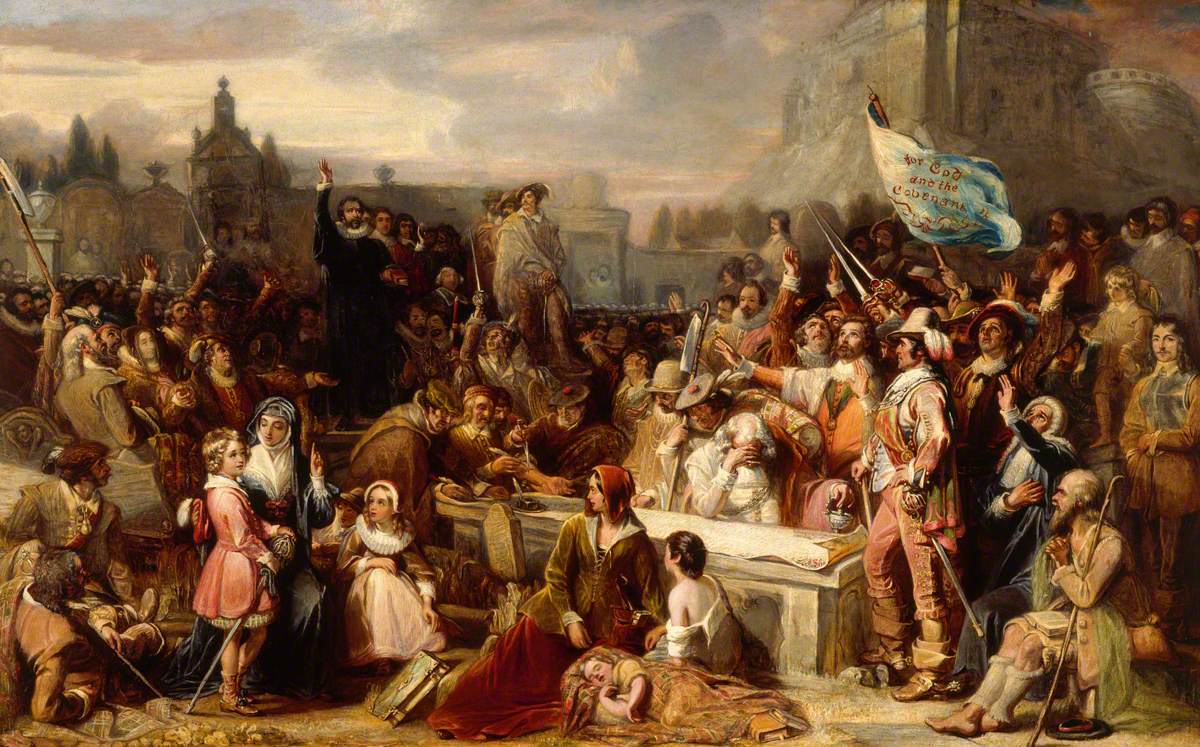
Now one major difference between the American and Russian political culture is that the family does not normally bring a bonus point to Russian politicians
It is probably the other way around. Going around with your wife, showing her to the public generates the active hate
It is probably the other way around. Going around with your wife, showing her to the public generates the active hate
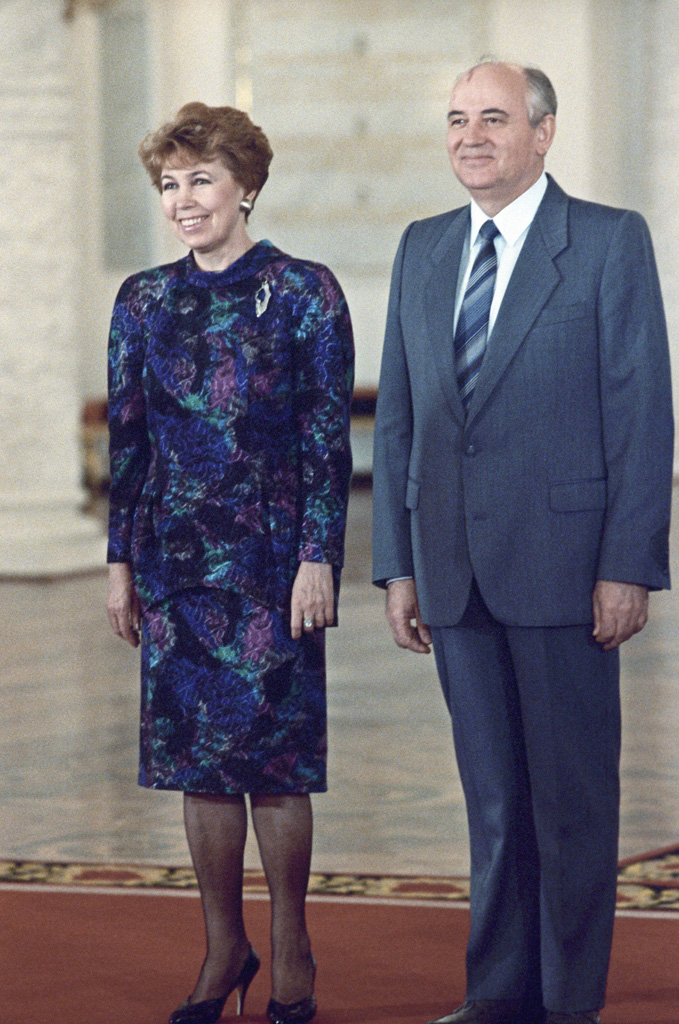
What do you see? I see a washing rag. Weak, pathetic "Tsar" who allows himself to be dominated by his wife. If he can't control her, he can't control anyone. Obviously, he destroys the empire he is supposed to lead
He would be much better off sending the bitch to the monastery
He would be much better off sending the bitch to the monastery
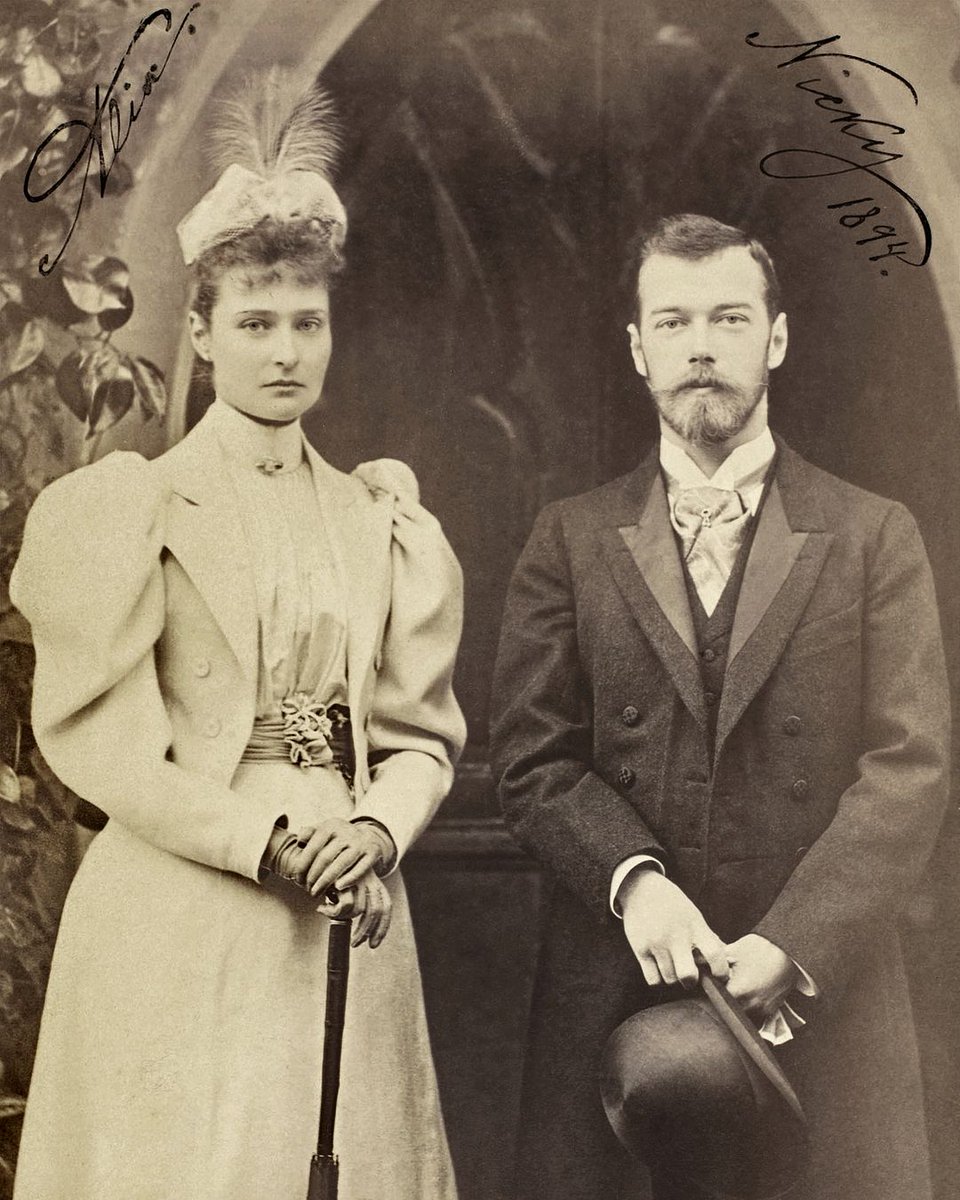
Public imagination tends to associate an influential wife with the unacceptable weakness, getting us all destroyed (Nicholas II, Gorbachev). In contrast, better, stronger leaders tend to be single. No wife, good life
Or at the very least, do not show her to the public too much
Or at the very least, do not show her to the public too much
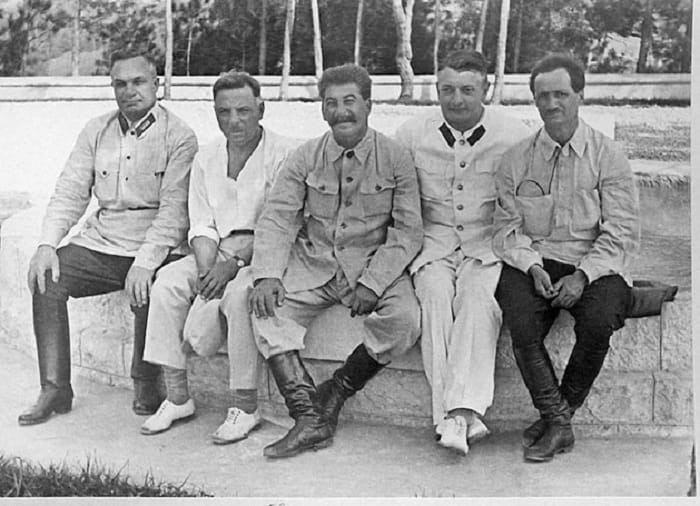
Contrary to the US perception, Putin's personal life does not damage his public standing in Russia. It's probably the other way around
1. Divorced -> Strong, independent man
2. Keep your gf far from Kremlin -> Again, strong & independent
3. She is pretty -> You must be straight
1. Divorced -> Strong, independent man
2. Keep your gf far from Kremlin -> Again, strong & independent
3. She is pretty -> You must be straight
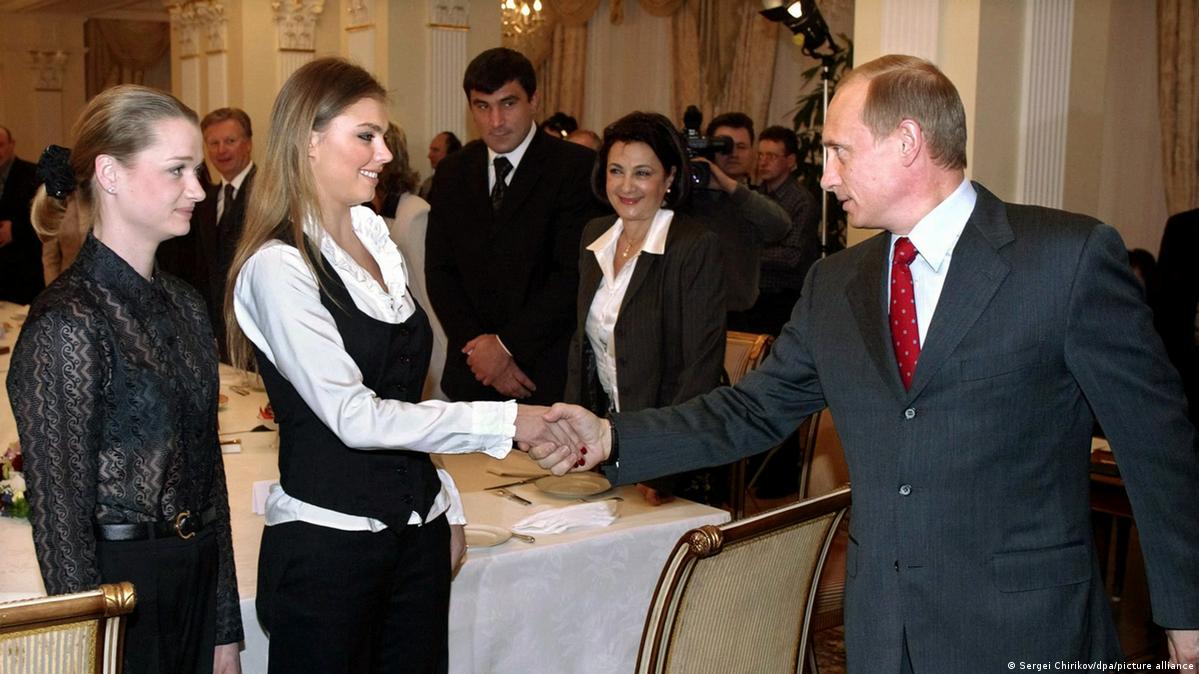
As a general rule, Russian public has been extremely negative about the spouses/children of a ruler holding any political influence at all. When discussing the filth & corruption of Yeltsin's rule, what do we say? The Family (Семья).
The epitome of all the evil in the country
The epitome of all the evil in the country
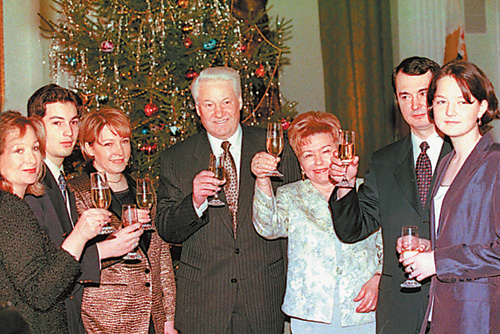
When Kremlin tried to compromise the oppositional leader Nemtsov as a womanizer (which he was), that was dumb. Basically, Kremlin portrayed him as a Saint Chad 😎. Like he used to be the Deputy Prime Minister of Russia and girls is all you could find?
He is Jesus, literally 😇
He is Jesus, literally 😇
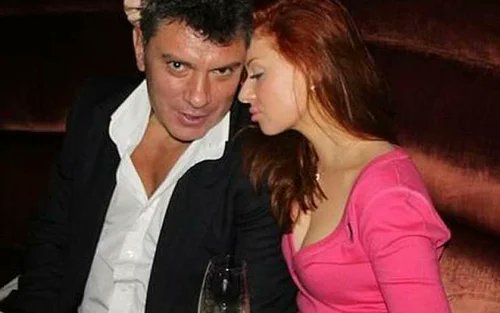
Navalny may have been the first politician in Russia who branded himself in American fasion. He was the first to present himself as a "good family man" and to advance his family on a political scene with any degree of success
For Russia, it is a major political innovation
For Russia, it is a major political innovation
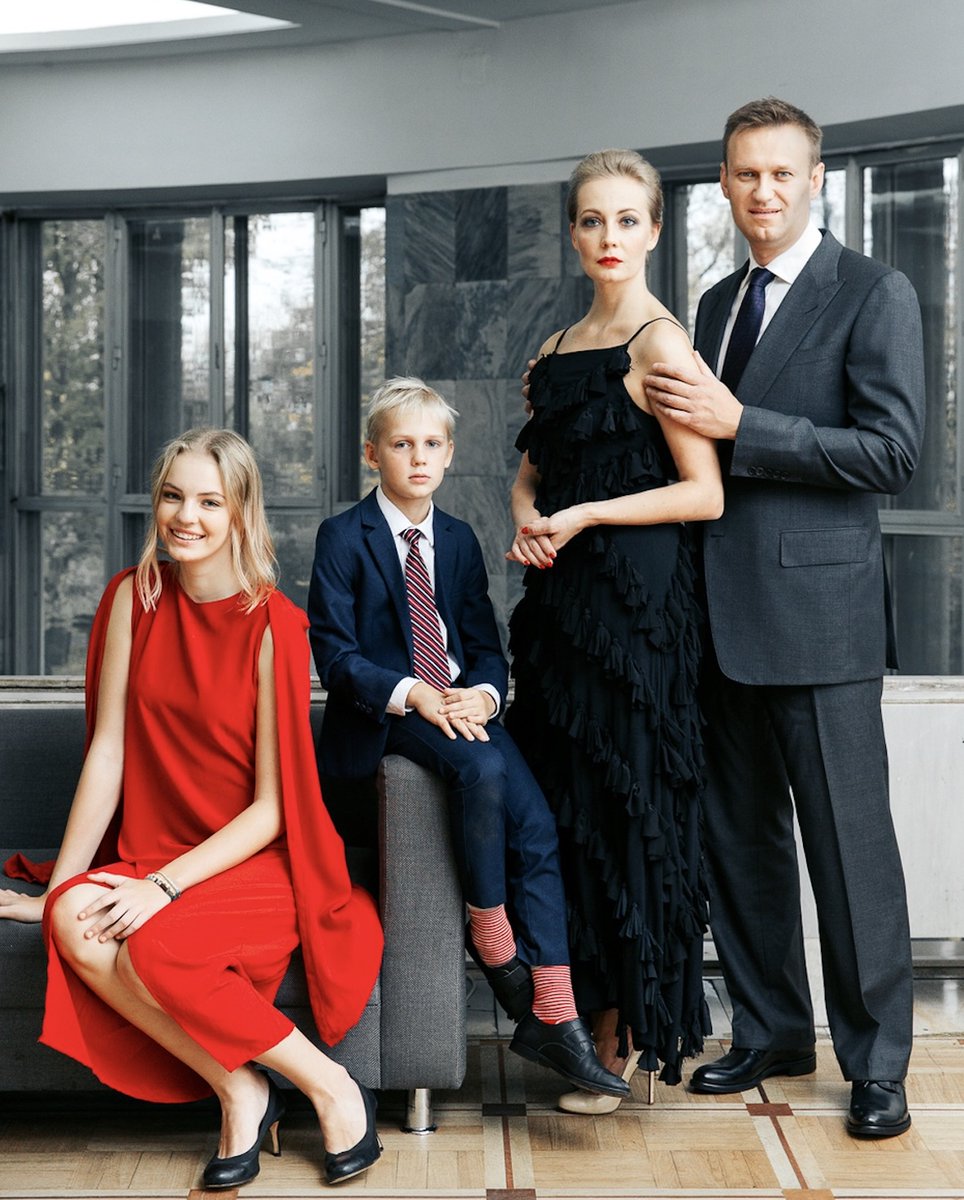
A taste for political innovation, that's what Navalny had. He experimented with forms, with styles, with platforms. He was good at it. He correctly realised that much of the urban population has a demand on more up-to-date, "Western" style politics and was willing to fulfill it
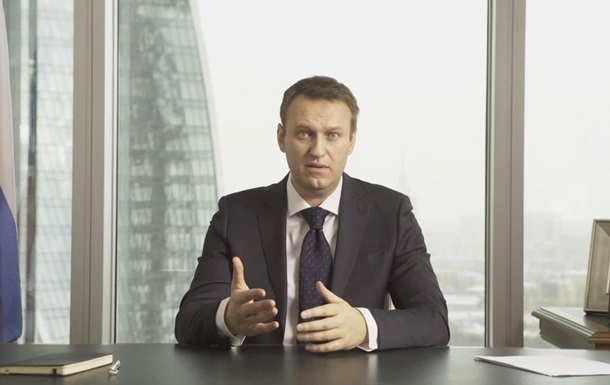
I personally have been always sceptical of Navalny's movement. Yet many, very many in my Moscow circles of friends were fascinated. For many, it felt like a breath of the fresh air in the otherwise suffocating atmosphere of late Putinism
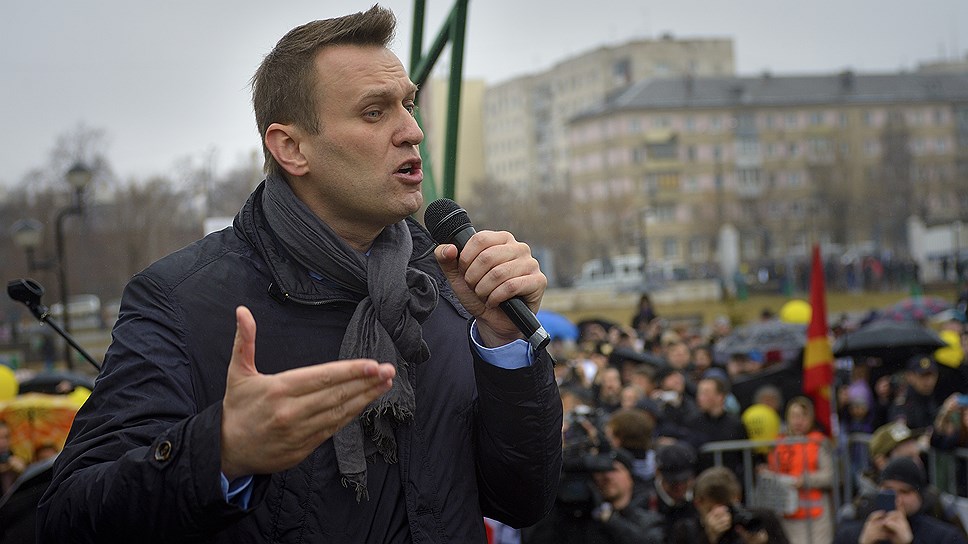
For many, Navalny's death feels like a personal catastrophe. Like the destruction of the world. For many, he was literally the Prince Who is Promised. His struggle, suffering, failures, were all parts of a story arc that must have culminated in a victory
He couldn't just die
He couldn't just die
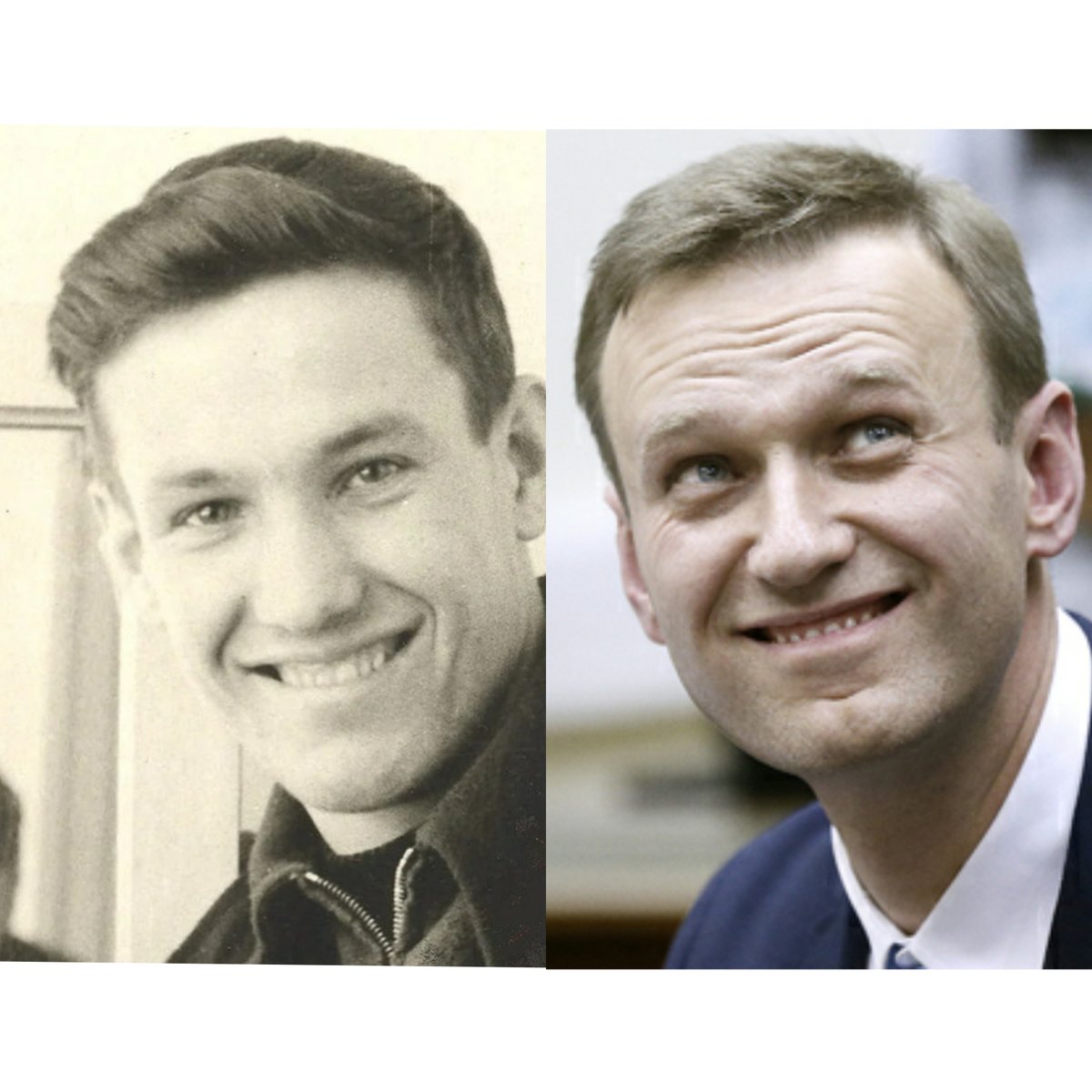
Like, in 2023 I was chatting with a good and old friend now living abroad. He was talking about the future President Navalny, and Minister Guriev and how all the ministries will be distributed in a new cabinet
He is a smart man. And he was talking with 100% certainty
He is a smart man. And he was talking with 100% certainty
Now this brings us to another quality Navalny had, and others did not. Confidence. The absolute, 100% confidence, and the ability to inspire it in others. Yes, Navalnism is a cult. But it takes rare and precious qualities to build one
Increasingly rare qualities, I would say
Increasingly rare qualities, I would say
We know that Navalny's return to Russia turned out to be suicidal. Therefore, we may struggle to comprehend why he did it in the first place. The thing is that we know it retrospectively. Back then, nobody could know it with a 100% degree of certainty
Nobody knows the future
Nobody knows the future
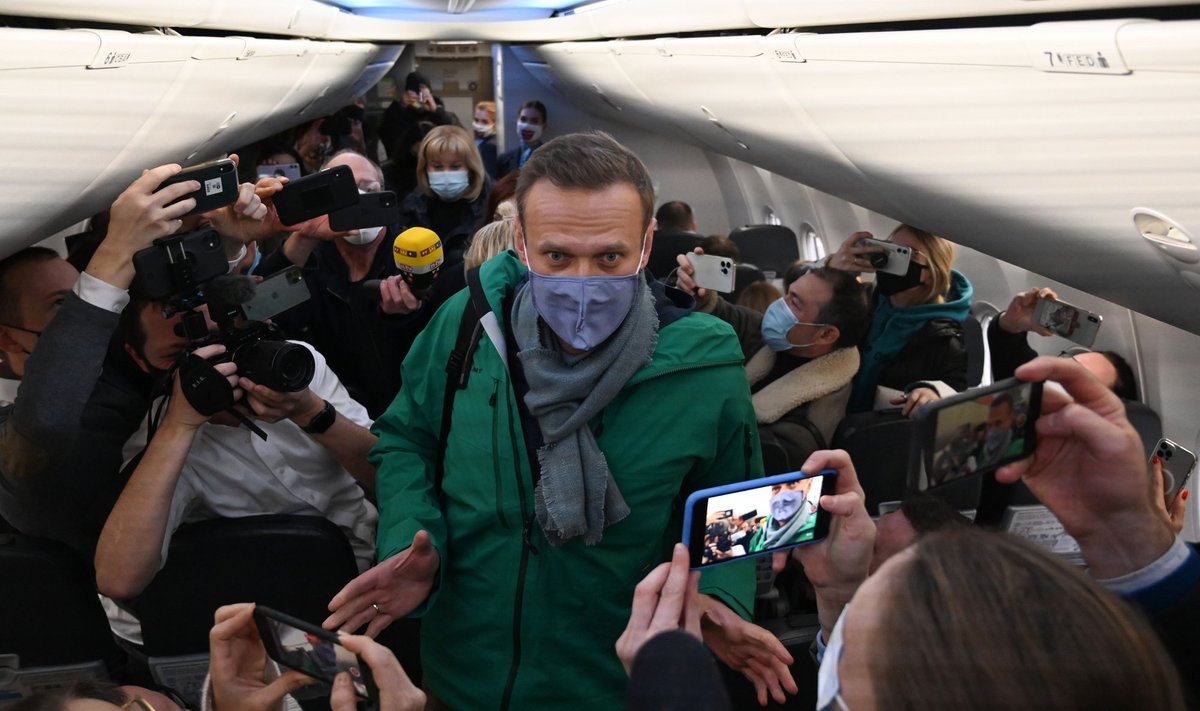
The most likely explanation is that Navalny believed in his promise. He knew he was going to survive and overcome, that all the troubles will be merely a nuisance on his way to the victory. If he lacked confidence himself, it would be very difficult for him to convince others
That being said, Navalny's movement had strong and probably irreparable drawbacks that made its ascent to power highly unlikely. Today, I discussed the strong sides, next time I will do the shortcomings
The end
The end
• • •
Missing some Tweet in this thread? You can try to
force a refresh