Jon Bruner Profile picture
Feb 28, 2024 9 tweets 4 min read Read on X
This is a CT scan of Heinz’s new ketchup cap. It represents a $1.2 million engineering investment over 8 years. Here’s why it’s significant… 🧵
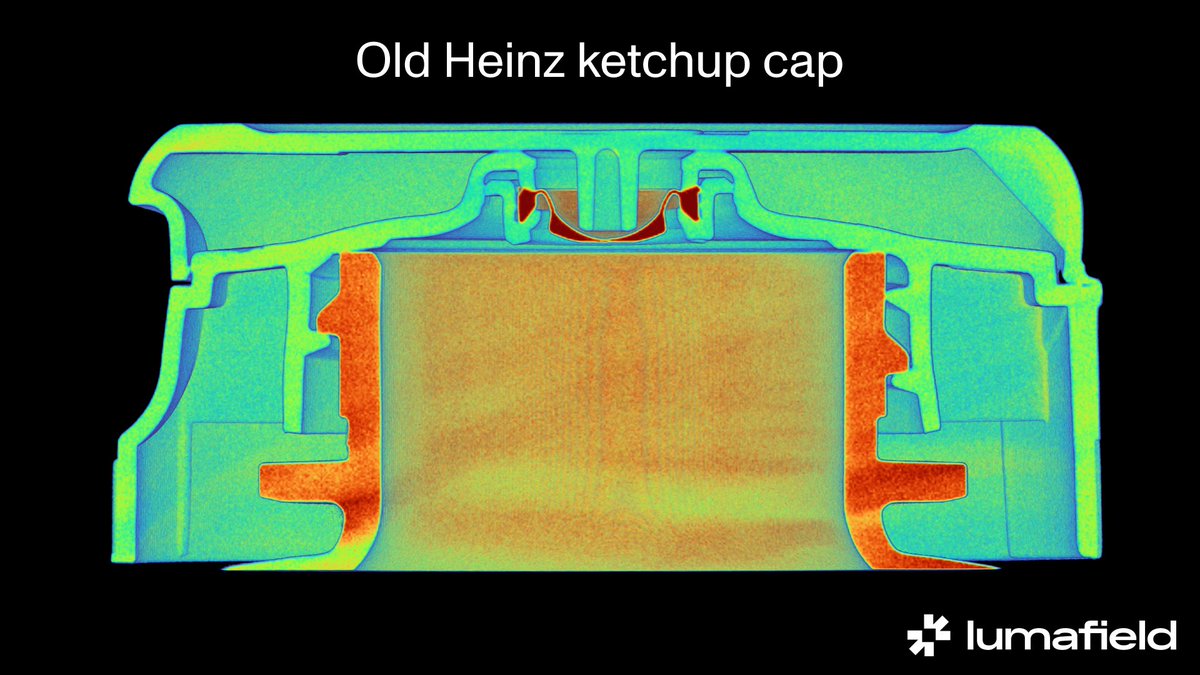
This is the previous Heinz cap design. CT scans like @lumafield’s capture density, shown here on a blue-red spectrum. There are three plastics in this cross-section. The bottle is PET, and the cap is unlabeled but likely polypropylene. Inside the cap is another material. Lumafield industrial CT scan of an older Heinz ketchup cap design
@lumafield @HeinzTweets @KraftHeinzCo @BerryGlobalInc It's a small silicone valve. Here we strip out low-density plastic (the PP cap) and isolate the PET body and the silicone valve. Silicone is flexible and durable, and the design of the valve lets ketchup pass at a predictable rate when the bottle is squeezed.
@lumafield @HeinzTweets @KraftHeinzCo @BerryGlobalInc The silicone valve embedded in the polypropylene cap makes it impossible to recycle the cap. Finding a mono-material cap design that could perform as well as the silicone was an enormous engineering challenge. Lumafield industrial CT scan showing the silicone valve in an old Heinz ketchup cap, isolated from the surrounding plastic
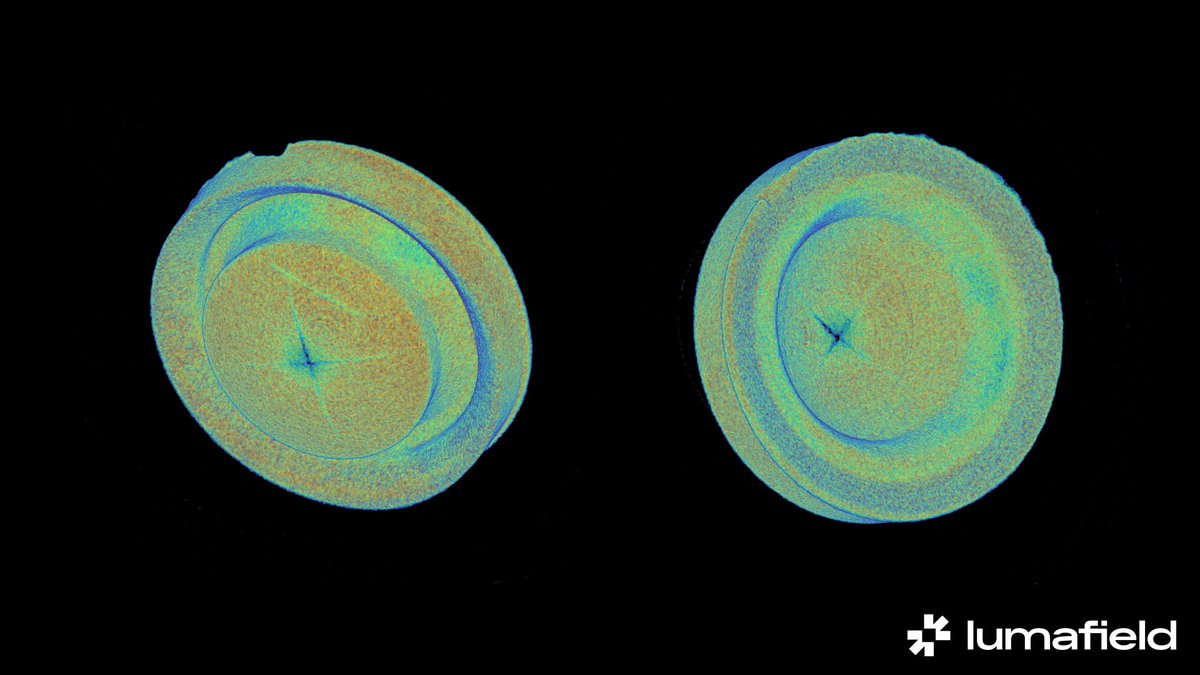
@lumafield @HeinzTweets @KraftHeinzCo @BerryGlobalInc Here’s Heinz’s new, fully recyclable ketchup cap. It’s made of polypropylene and doesn’t use a silicone valve. You can explore the scan right here! lumafield.com/article/heinzs…
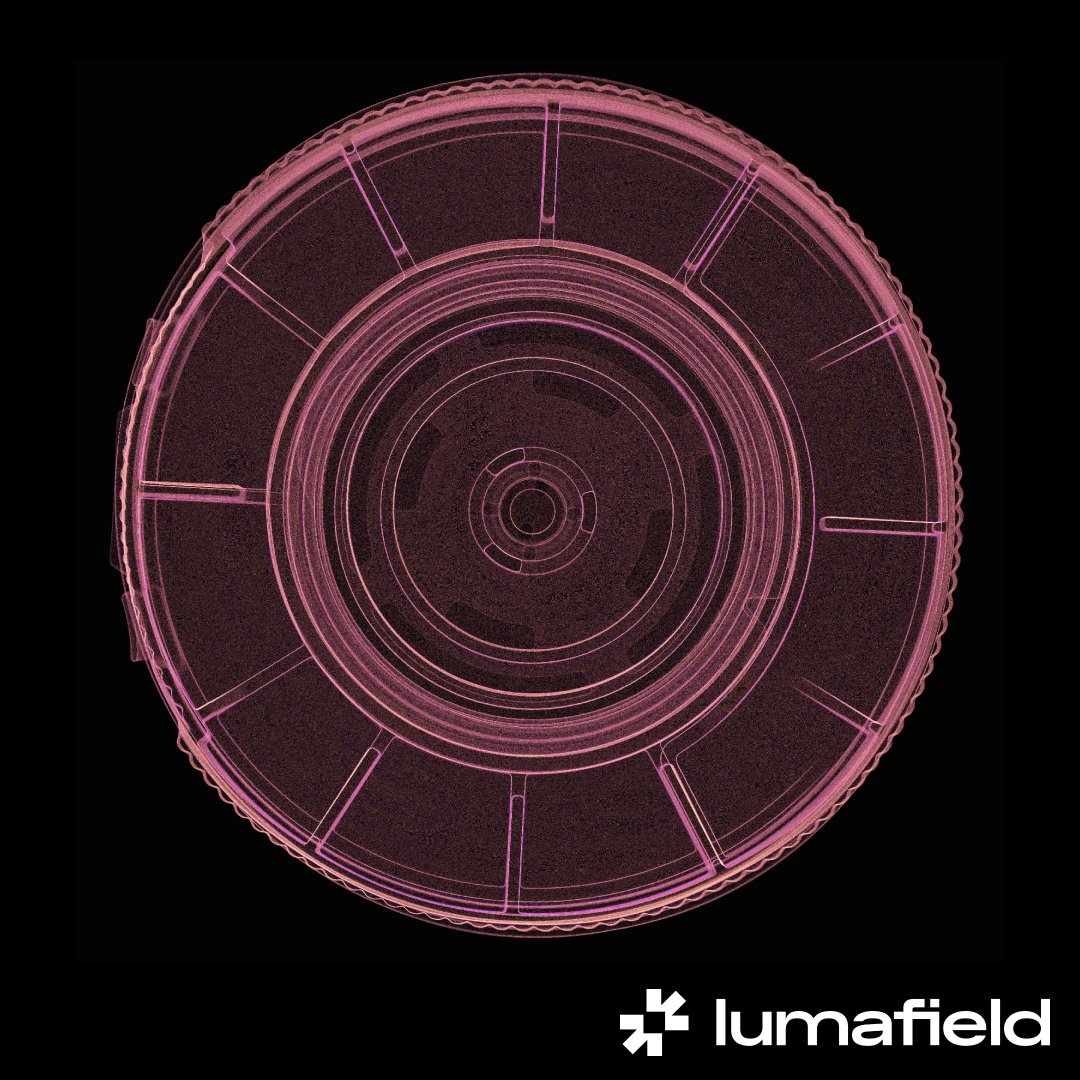
The silicone valve is replaced by a complex set of channels and an antechamber inside the cap. Ketchup is a shear-thinning fluid that becomes less viscous as it’s deformed. A firm squeeze of the bottle forces ketchup through these channels, where it becomes thinner and dispenses at the familiar, predictable rate.Lumafield industrial CT scan of a new Heinz ketchup cap, showing internal channels that shear ketchup and cause it to become thinner during the dispensing process
@lumafield @HeinzTweets @KraftHeinzCo @BerryGlobalInc Heinz's 8-year, $1.2M engineering investment with @BerryGlobalInc, which produces the new packaging, is a good–if extreme–example of what it takes to develop sustainable plastic packaging. This is an incredibly complex design, with a lot of underlying physics.
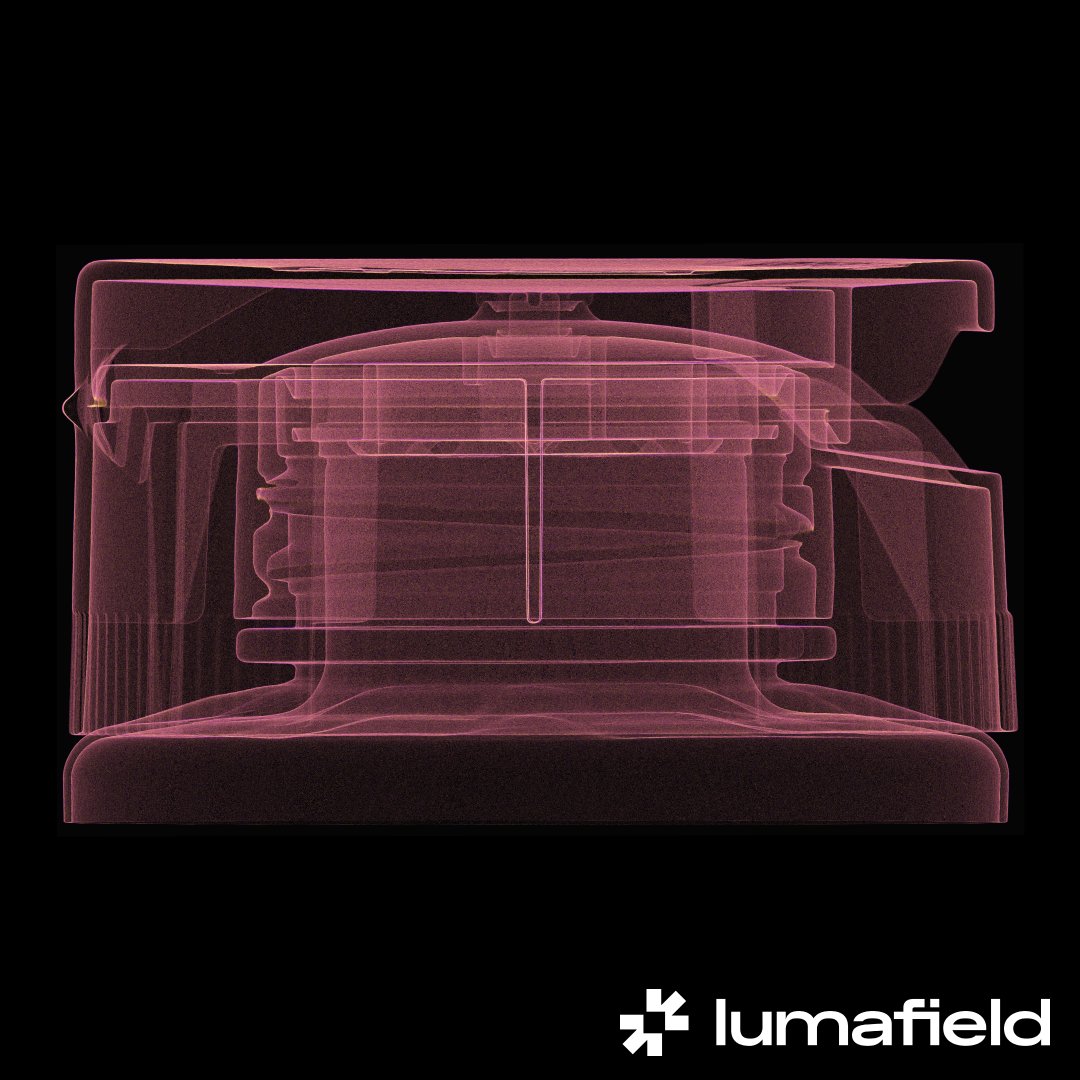
Lumafield industrial CT scan of a new Heinz ketchup cap
@lumafield @HeinzTweets @KraftHeinzCo @BerryGlobalInc Recyclable plastic can’t just be substituted directly for non-recyclable plastic; even small changes in polymer characteristics have a big effect on product performance. In the case of packaging, that means leaks and breakage that can cause lots of waste.
@lumafield @HeinzTweets @KraftHeinzCo @BerryGlobalInc Developing sustainable packaging is a giant engineering and manufacturing challenge that often involves comprehensive redesigns. You can learn about this challenge–and explore our CT scan of the new Heinz cap, here: lumafield.com/article/heinzs…

• • •

Missing some Tweet in this thread? You can try to force a refresh

 

Keep Current with Jon Bruner

Jon Bruner Profile picture

Stay in touch and get notified when new unrolls are available from this author!

Read all threads

This Thread may be Removed Anytime!

PDF

Twitter may remove this content at anytime! Save it as PDF for later use!

Try unrolling a thread yourself!

how to unroll video
  1. Follow @ThreadReaderApp to mention us!

  2. From a Twitter thread mention us with a keyword "unroll"
@threadreaderapp unroll

Practice here first or read more on our help page!

More from @JonBruner

Nov 26, 2025
Have you seen this Haribo power bank? It's cute! It's also become a sensation on social media because it offers one of the best power-to-weight ratios on the market, with a capacity of 20,000 mAh at just 286 grams.

We CT scanned one and found something alarming inside... 🧵
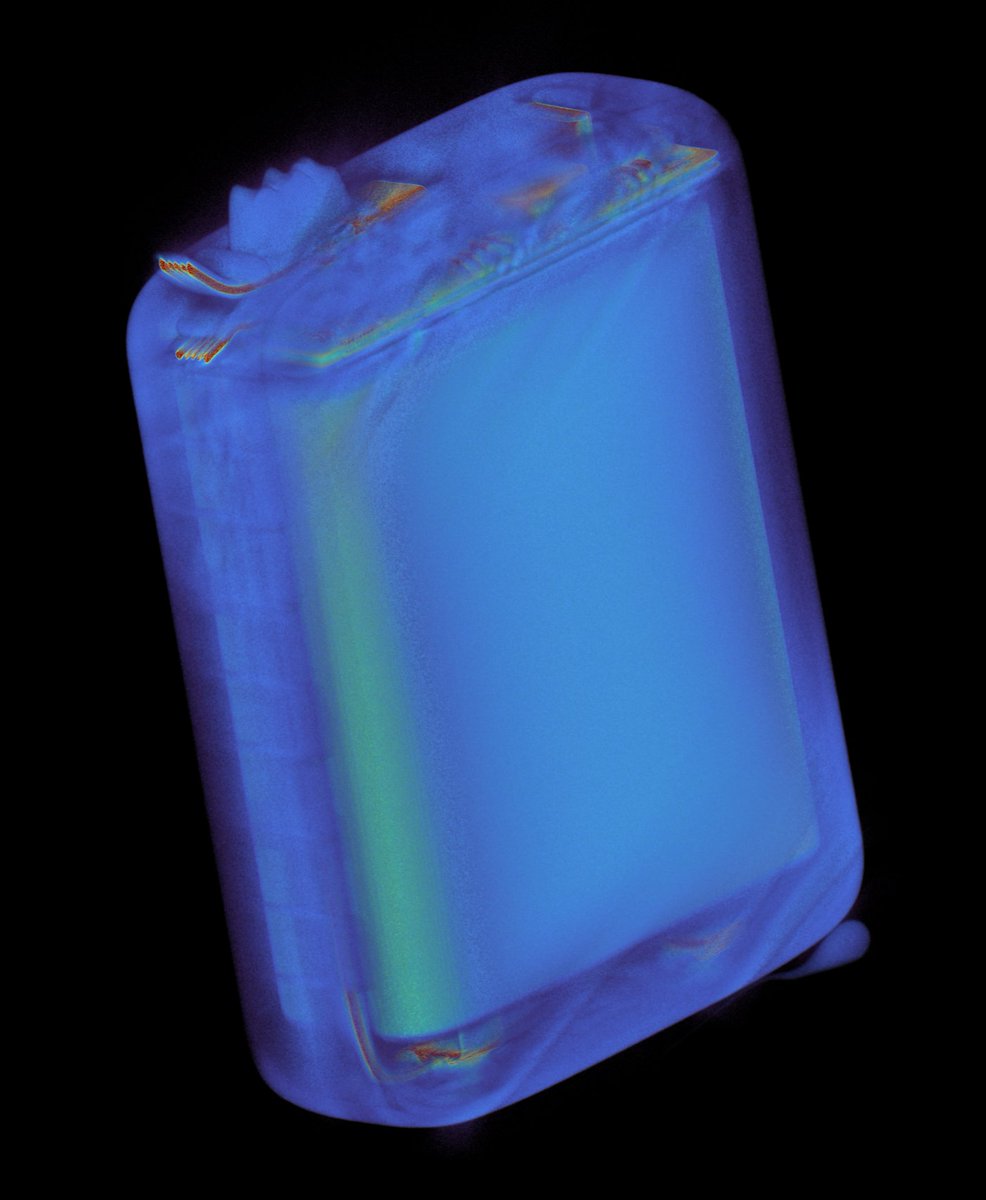
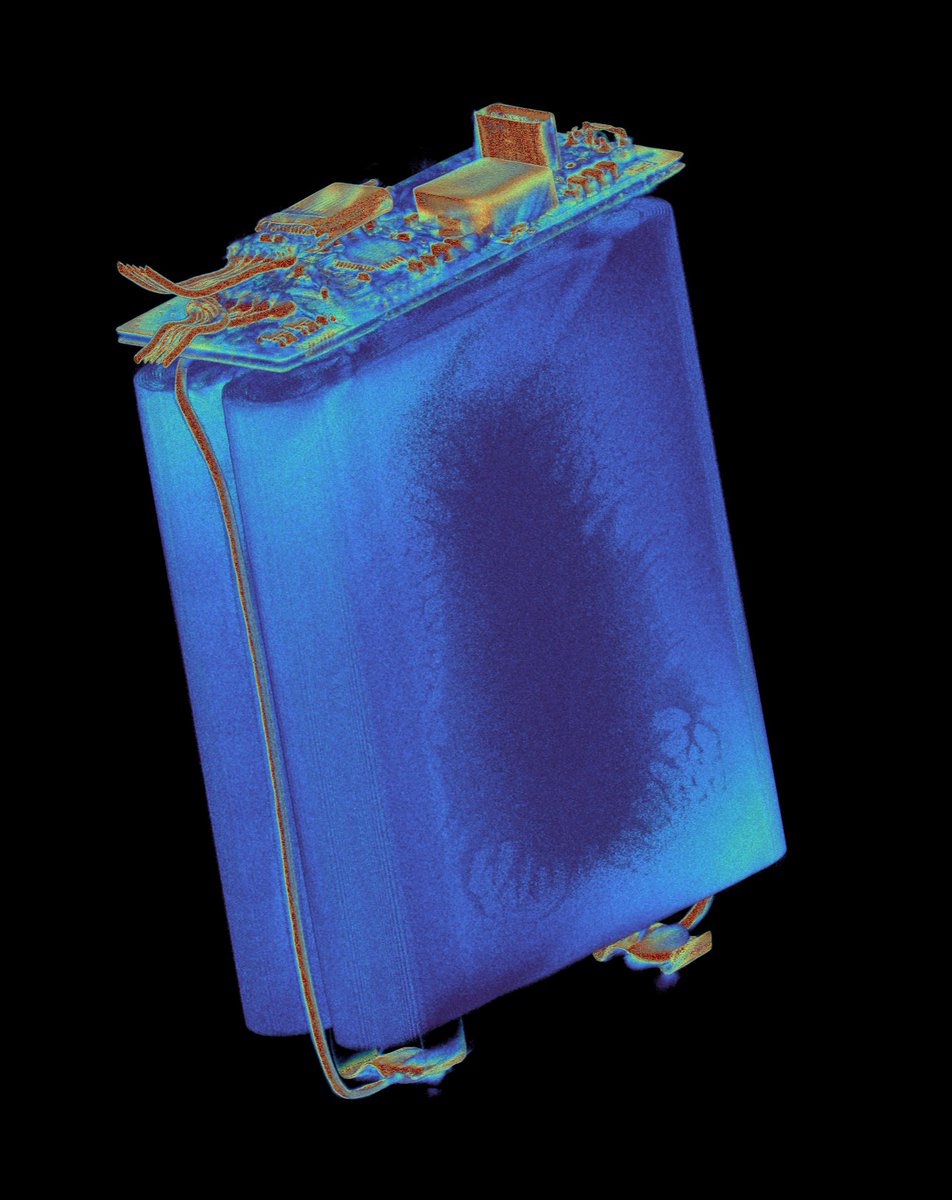
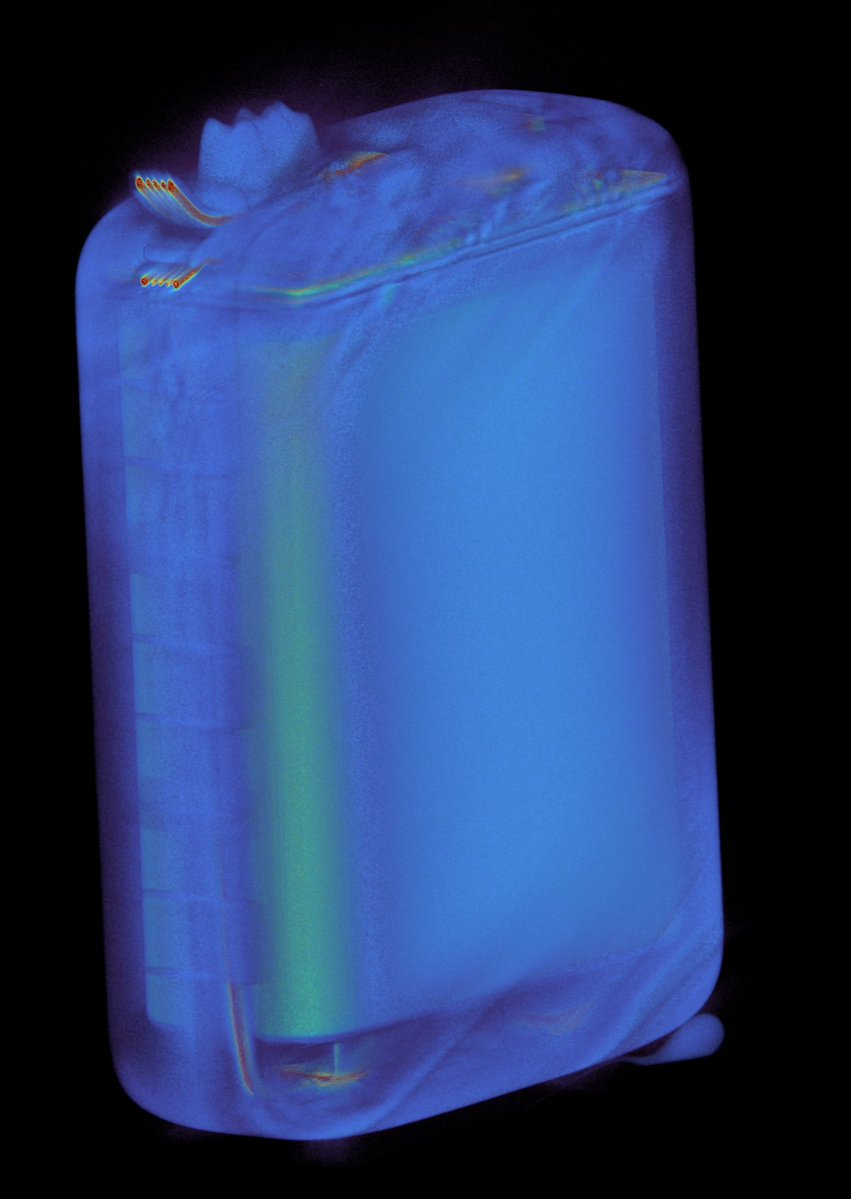
The power bank's enclosure contains two lithium-ion pouch cells. In this @lumafield CT scan we can strip away the lower-density plastic shell and isolate the bank's electronics and side-by-side battery cells. Lumafield industrial X-ray CT scan of a Haribo power bank
Lumafield industrial X-ray CT scan of a Haribo power bank
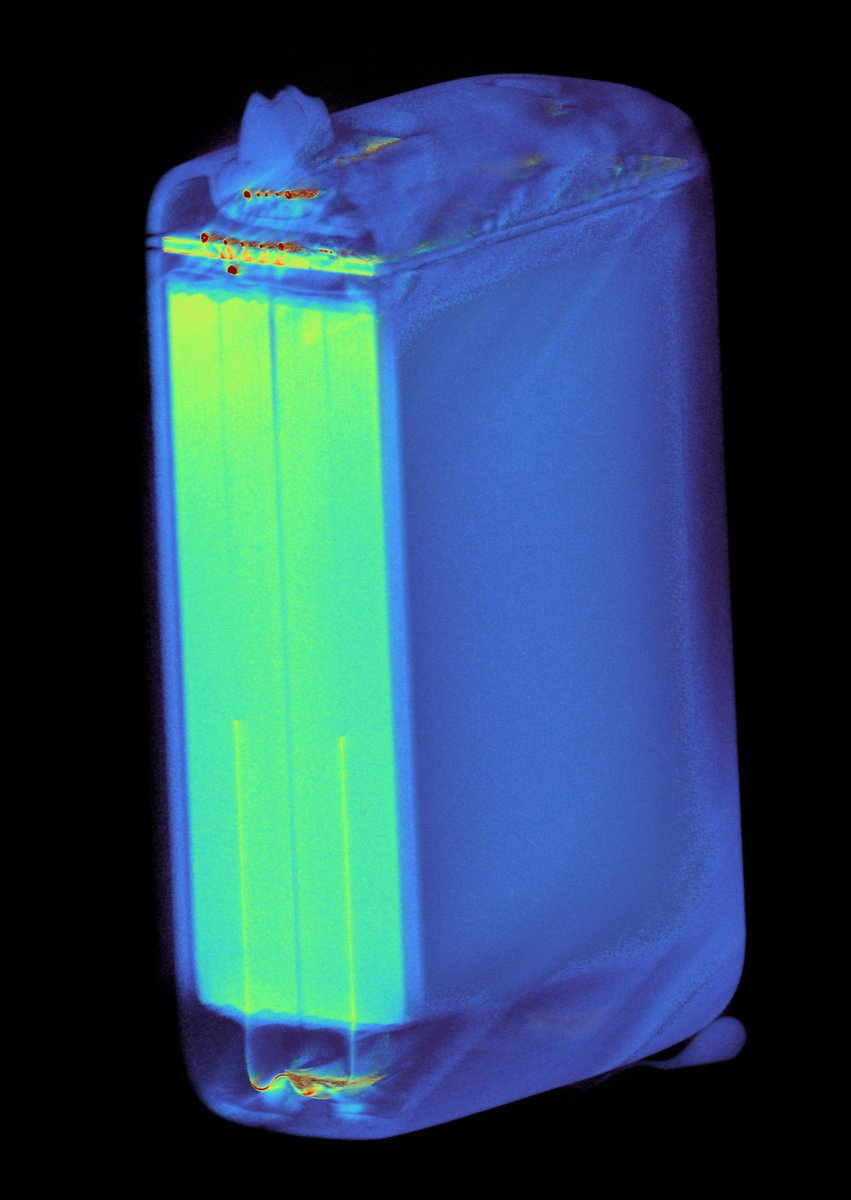
We can section in from the side to see a cross-section of the battery cells. Lumafield industrial X-ray CT scan of a Haribo power bank
Lumafield industrial X-ray CT scan of a Haribo power bank
Read 14 tweets
Sep 24, 2025
We just CT scanned 1,000 lithium-ion batteries from 10 brands to see how they compare inside.

The differences we found are enormous, and point to serious safety risks in off-brand batteries that can easily make their way into the supply chain. Here’s what we saw… 🧵
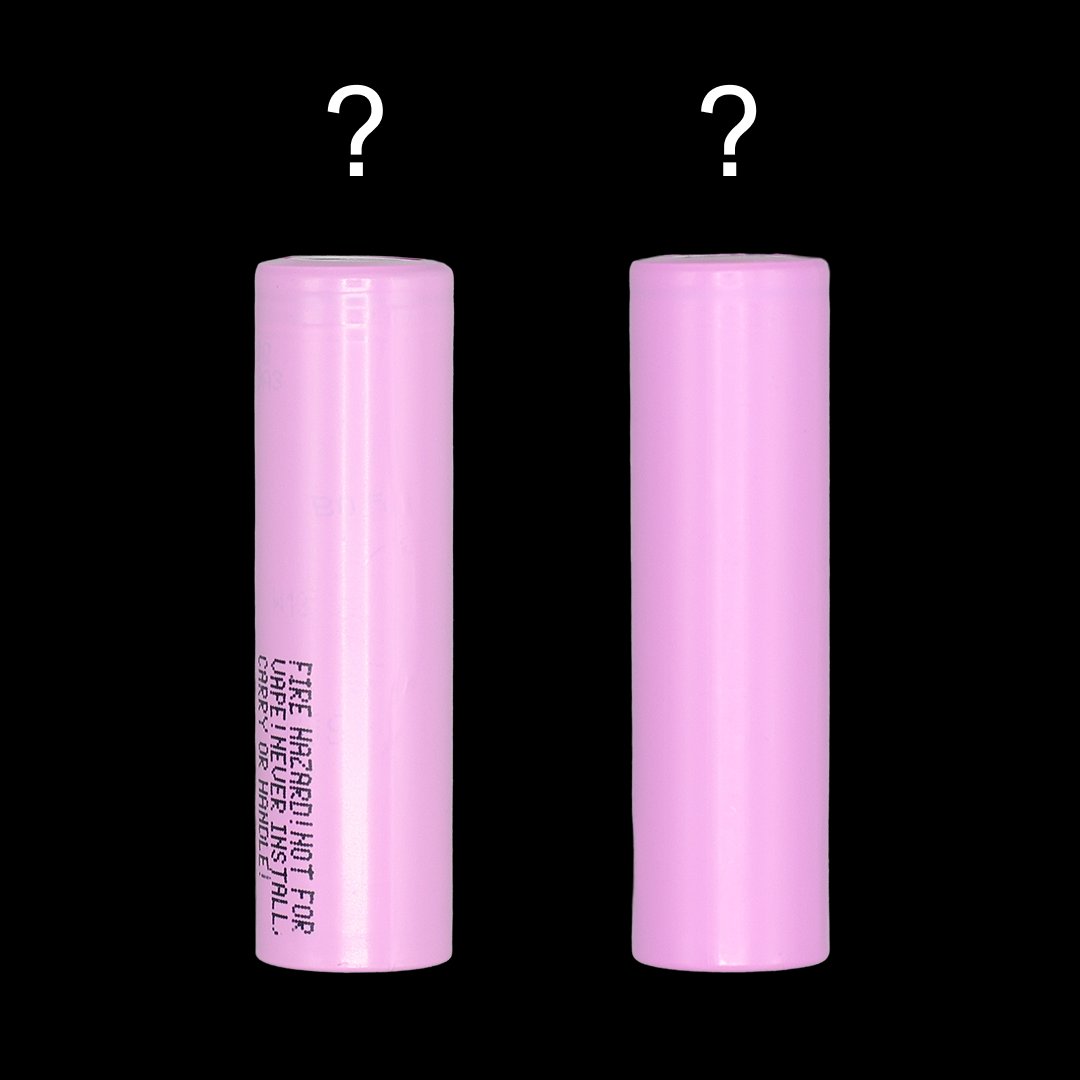
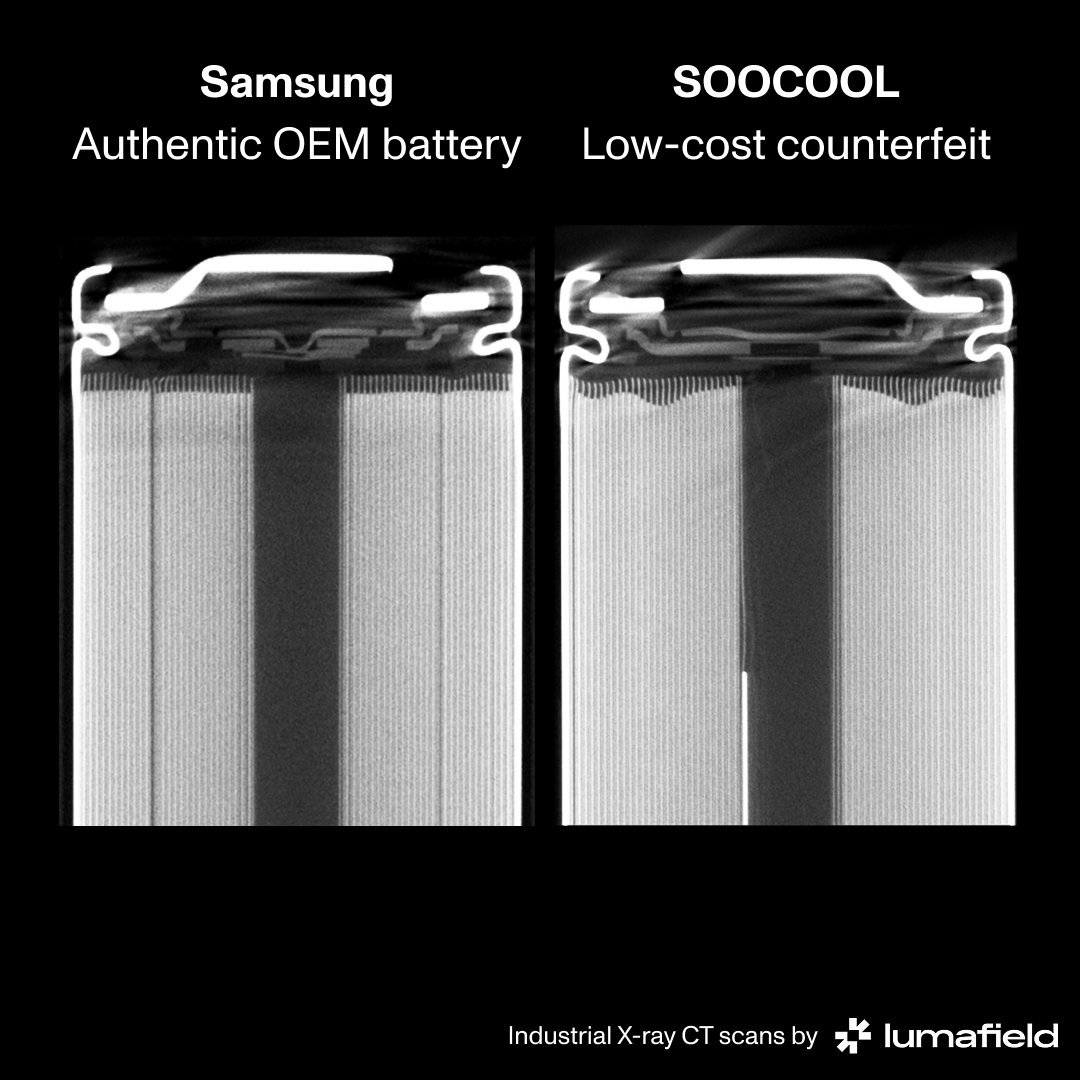
Can you spot the differences between these two batteries? One is a legitimate Samsung cell; the other is a counterfeit. It’s marked with a Samsung-style part number and feels well-made. Two identical-looking lithium-ion 18650 cells, one made by Samsung and one by a counterfeiter
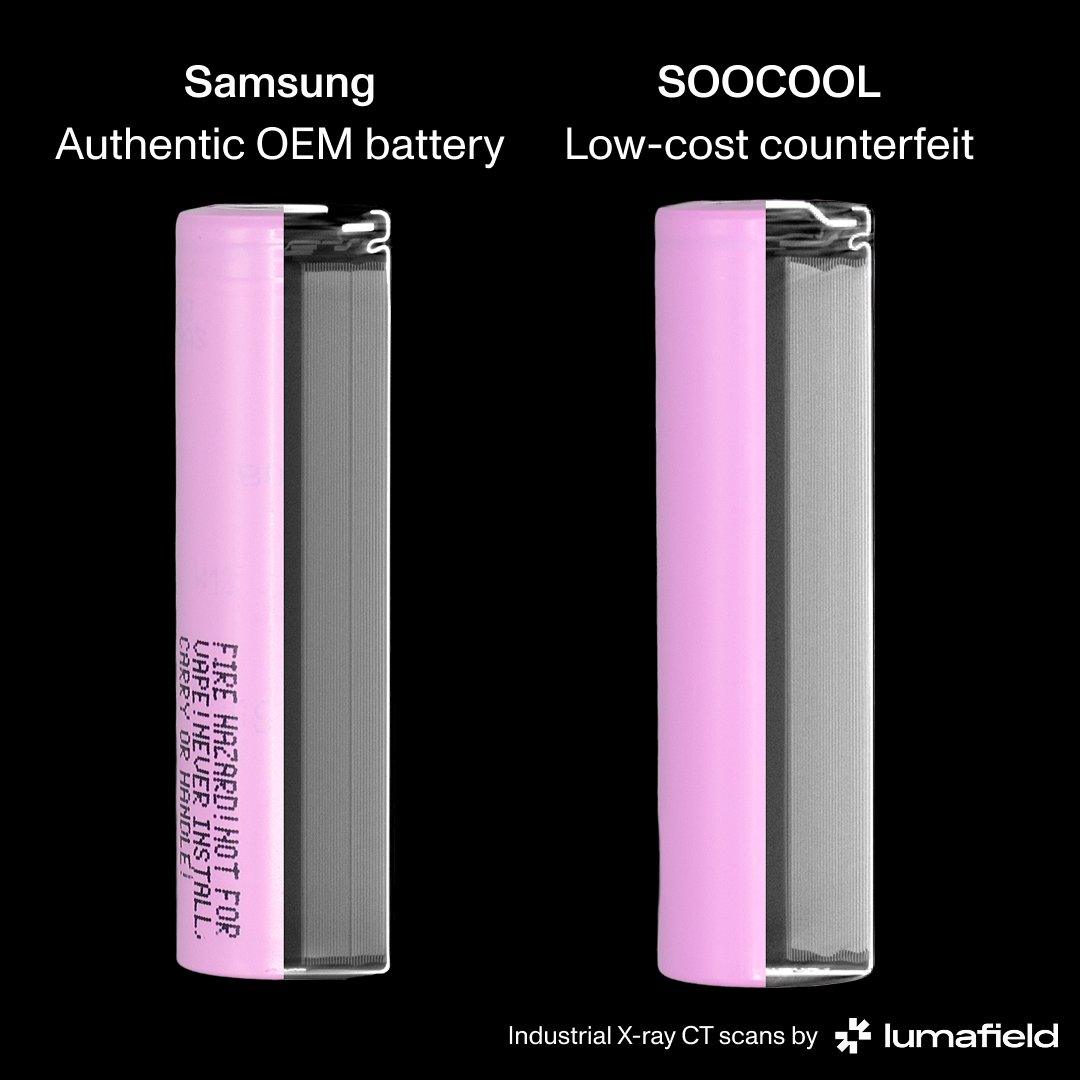
@Samsung But inside, these cells are completely different. Our @lumafield X-ray CT scans reveal that the Samsung cell has consistently high quality; its anode layers overhang the cathodes evenly. The counterfeit is a battery fire waiting to happen. Lumafield industrial X-ray CT scan cutaways of the insides of a Samsung 18650 lithium-ion battery cell and a counterfeit. The Samsung cell has uniform layer alignment and the counterfeit has poor layer alignment.
Lumafield industrial X-ray CT scan cutaways of the insides of a Samsung 18650 lithium-ion battery cell and a counterfeit. The Samsung cell has uniform layer alignment and the counterfeit has poor layer alignment.
Read 17 tweets
Jul 21, 2025
Last month @AnkerOfficial recalled over one million power banks due to an unspecified battery manufacturing issue. We CT scanned 3 recalled power banks and 2 that weren’t recalled to see what’s going on inside. Here’s what we found…
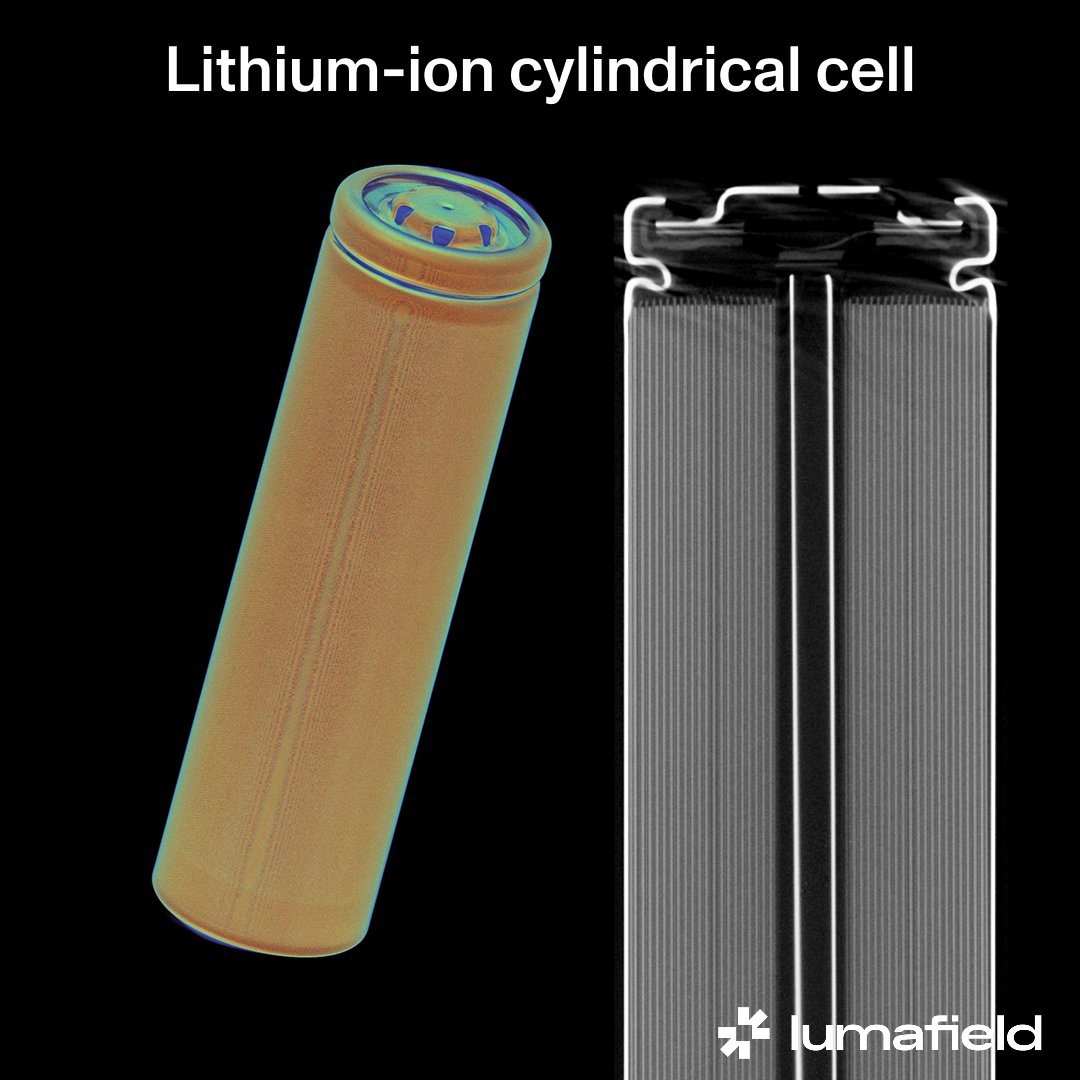
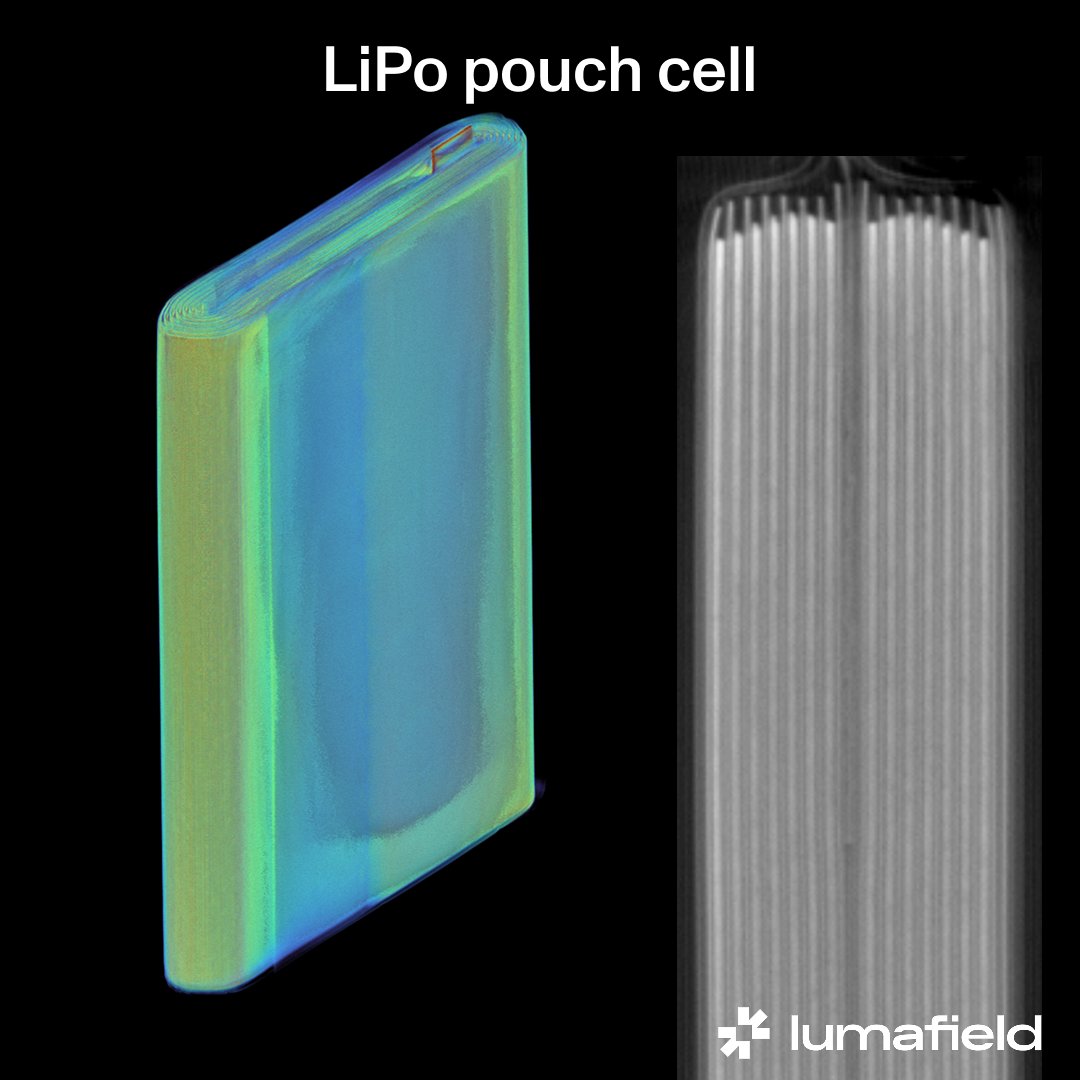
Lithium-ion batteries must be manufactured to extremely tight tolerances. They’re made by winding thin films of positive electrode (cathode), negative electrode (anode), and separator into a tightly packed “jelly roll” that's sealed into a cylindrical can or rectangular pouch. Lumafield industrial X-ray CT scan of a cylindrical lithium-ion battery cell
Lumafield industrial X-ray CT scan of a LiPo pouch battery cell
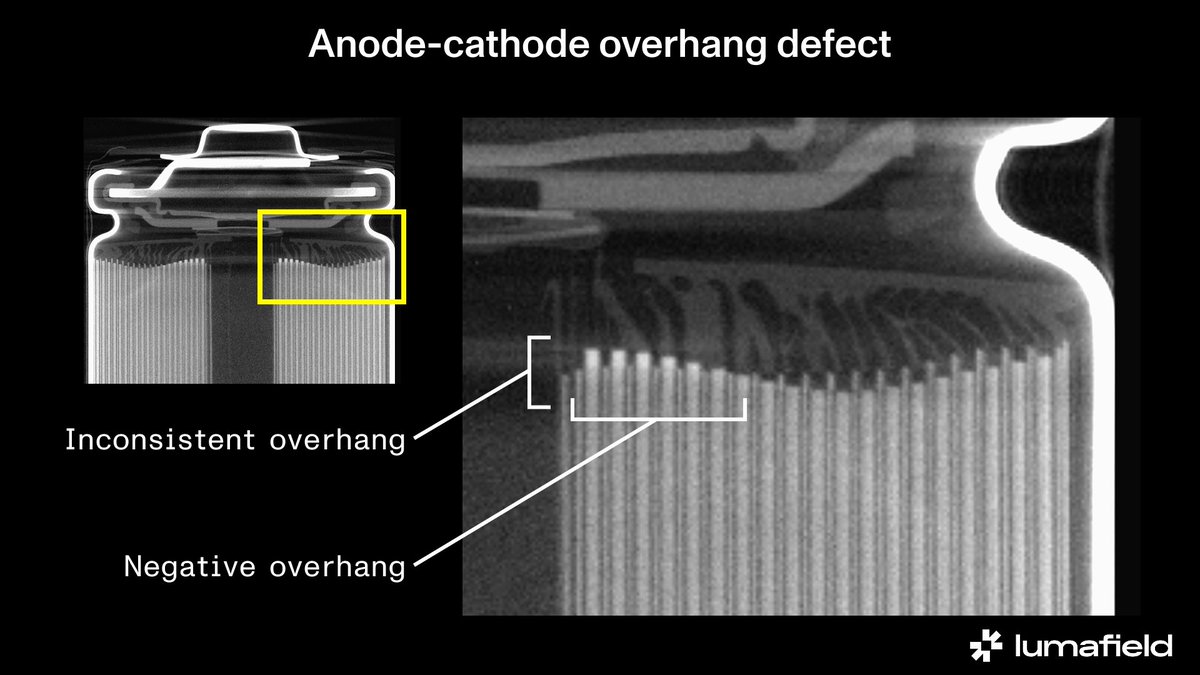
If a contaminant is introduced during manufacturing or the film is wound unevenly, it can cause a short circuit between the layers. This can lead to rapid discharge, overheating, and potentially fire—making even small defects a serious safety risk. Lumafield industrial X-ray CT scan of a cylindrical lithium-ion battery showing negative anode-cathode overhang distance
Read 14 tweets
Jan 30, 2025
Do water filters actually do anything? We CT scanned several popular water filters before and after use to see what they’re able to keep out of your body. Here’s what we found… 🧵
These are before-and-after @lumafield scans of a Brita water filter; it’s filled with a blend of activated carbon and ion-exchange resin and claims to trap chlorine, sediment, and heavy metals like lead. The filter medium swells with use, and it also gets denser. How do we know? Lumafield industrial X-ray CT scans of a Brita water filter cartridge, before and after use
Industrial CT scans capture both geometry and relative density. We start by taking hundreds of X-ray images from different angles, then reconstruct them into a 3D model that can be sectioned and analyzed. A dark area in a 2D X-ray image could be either thicker material or denser material; by rotating the object we’re scanning, we can separate geometry from density. In this @lumafield CT scan, density is visualized as a blue-red color map.
Read 13 tweets
Dec 4, 2024
This looks like an ordinary USB-C connector, but when we CT scan it, we find something sinister inside…🧵
Last year we CT scanned a top-of-the-line Thunderbolt 4 connector and were astonished to find a 10-layer PCB with lots of active electronics. A lot of people saw the scan and wondered whether malicious electronics could be hidden in a tiny USB connector.
The answer is yes. This is an cable created by @_MG_, a security researcher and malicious hardware expert. It looks like an ordinary USB cable, but it can log keystrokes, inject malicious code, and communicate with an attacker via WiFi. Let’s see inside… O.MGThe O.MG cable has what looks like an ordinary USB-C connector
Read 15 tweets
Oct 8, 2024
We just announced a major breakthrough in X-ray CT technology at @lumafield: scans that take hours with conventional CT will now take seconds. Here's why that's important 🧵
A CT scan is the richest possible source of industrial inspection data: it gives you a full 3D model of your part, inside and out, along with relative density information. But it's always been too slow for use in high-volume production environments—until now.
By bringing scan times down to as little as 0.1 seconds, we've overcome the major drawback of CT. Now it's a practical inspection technology for high-volume production. Comparison of various industrial inspection technologies, including visible light 3D scanning, contact metrology, ultrasonic inspection, AXI, and X-ray CT
Read 7 tweets

Did Thread Reader help you today?

Support us! We are indie developers!


This site is made by just two indie developers on a laptop doing marketing, support and development! Read more about the story.

Become a Premium Member ($3/month or $30/year) and get exclusive features!

Become Premium

Don't want to be a Premium member but still want to support us?

Make a small donation by buying us coffee ($5) or help with server cost ($10)

Donate via Paypal

Or Donate anonymously using crypto!

Ethereum

0xfe58350B80634f60Fa6Dc149a72b4DFbc17D341E copy

Bitcoin

3ATGMxNzCUFzxpMCHL5sWSt4DVtS8UqXpi copy

Thank you for your support!

Follow Us!

:(