A thread on Honeywell's VTAS: the world's first operational helmet-mounted cueing system, entering service in 1969. I will cover the program's origin, the function of VTAS, and the differences between VTAS I and II for now. 
Much of this story begins in 1968 with the Ault Report. At the time, the F-4 was limited in its ability to launch missiles to radar boresight only or a full fire control system track.

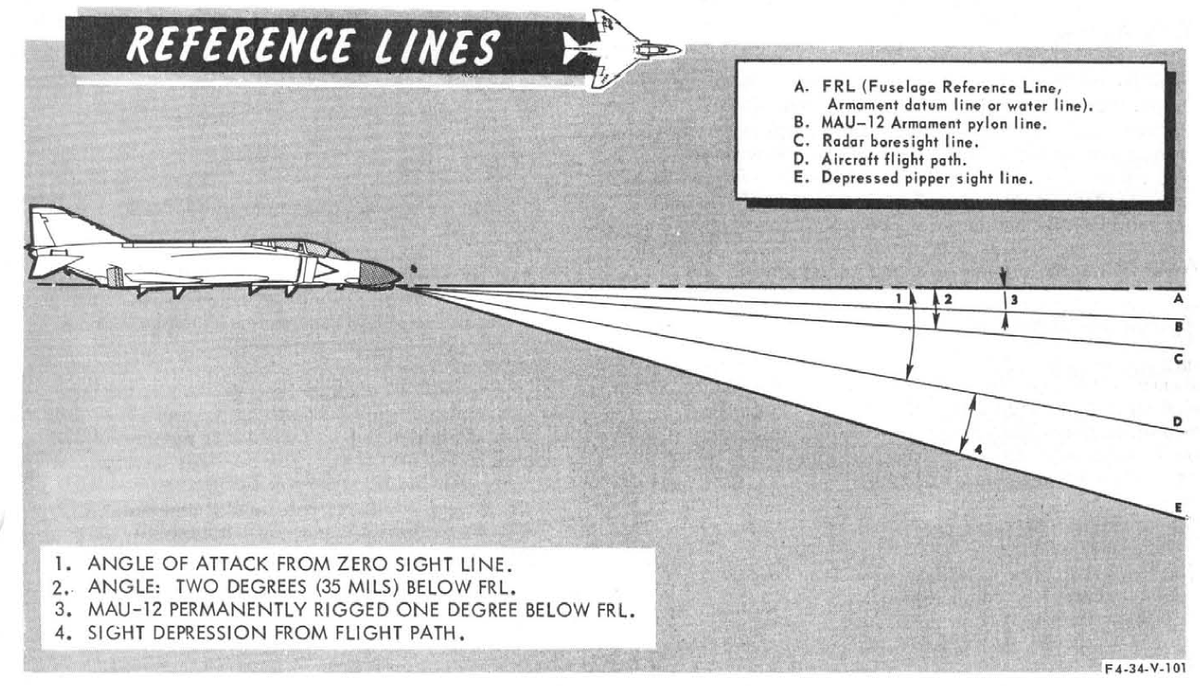
For infrared missiles, 9B and 9D for the Navy, the seekerhead was slaved to the radar boresight, meaning that the pilot had to put the gunsight on the target to achieve a lock. In a high-G situation, this could prove difficult.
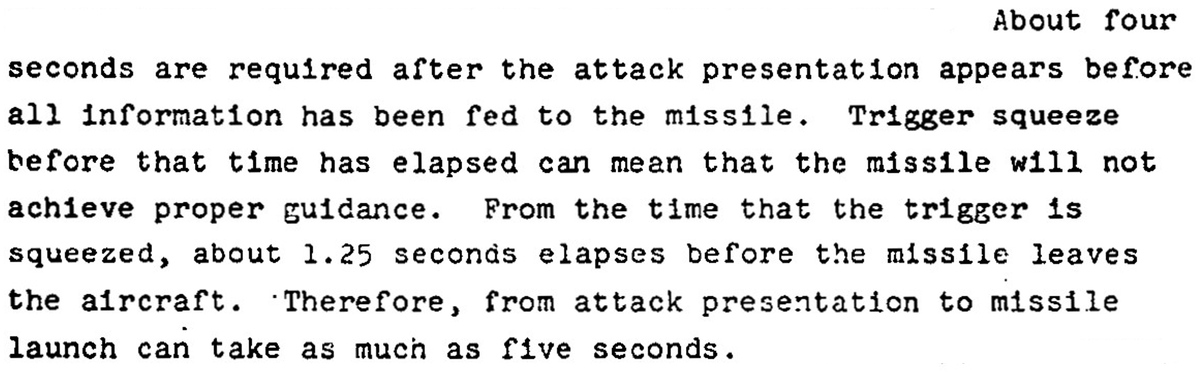
A full system track took up to 5 seconds before a Sparrow launch could be completed, so pilots tended to fire them in boresight without track.
This mode was of very limited effectiveness.
This mode was of very limited effectiveness.
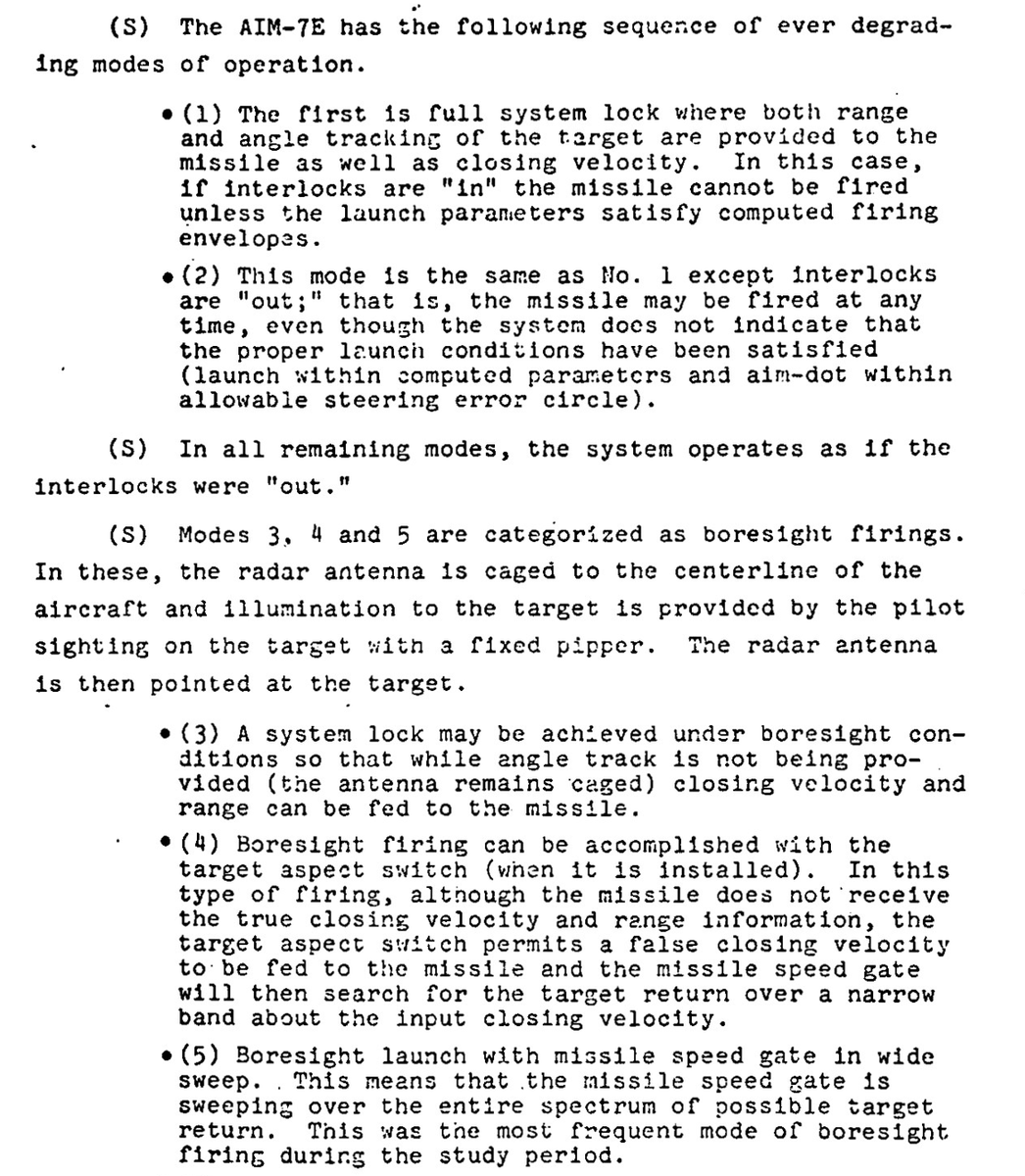

For context, radar boresight in this case is defined as locking the radar antenna to the radar boresight line and letting it perform its conical scanning pattern, as seen below:
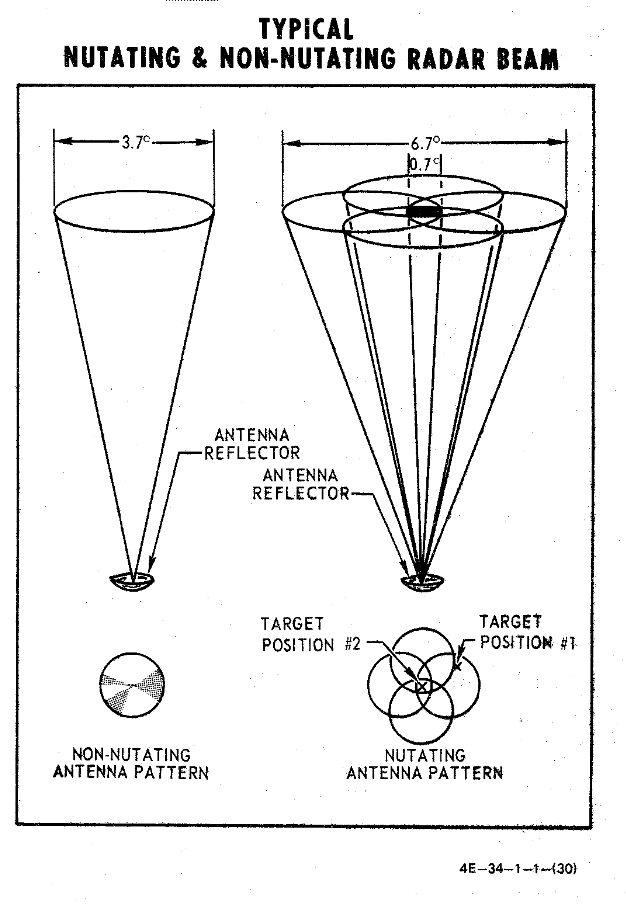
The first solution to this was the Pilot Lockon Modification, or PLM. This was a system that allowed for the computer to automatically initiate a track on a target in radar boresight, which appeared in 1969. This was a substantial improvement, but it wasn't enough yet.
Though I will go into the details of it in a later thread, one of the programs that came out of the results of the Air Combat over Vietnam was Sidewinder Expanded Acquisition Mode, or SEAM.
This modified AIM-9Ds to be able to slave the seekerhead to the radar line-of-sight.
This modified AIM-9Ds to be able to slave the seekerhead to the radar line-of-sight.

Around the same time, the first of the helmet-mounted tracking systems began to come into existence. This was an infrared-based system, developed by Honeywell.
Though this mentions the B-50, the first usage of it that I know of was actually on an AH-56 in 1966!
Though this mentions the B-50, the first usage of it that I know of was actually on an AH-56 in 1966!


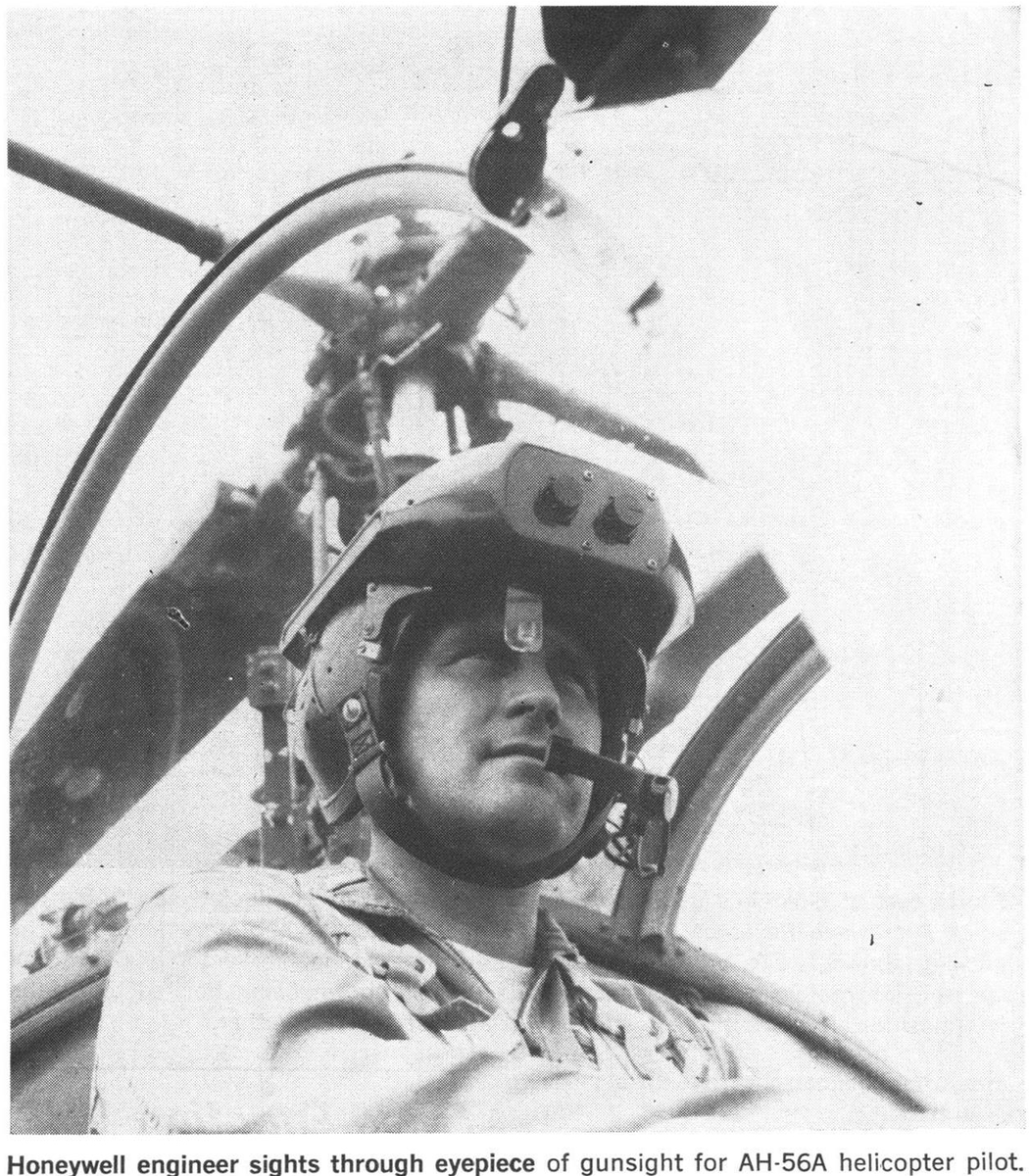
video of the early helmet sight.
The Navy obviously took note of the performance of this system and realized that they could use it to suit their needs. This would mean slightly redesigning the system and fitting it to their existing APH-6 helmet.
In 1969, the development of this system was completed and it was installed on a batch of F-4Js. This would be VTAS I, and the infrared tracking system would be designated AN/AVG-8.

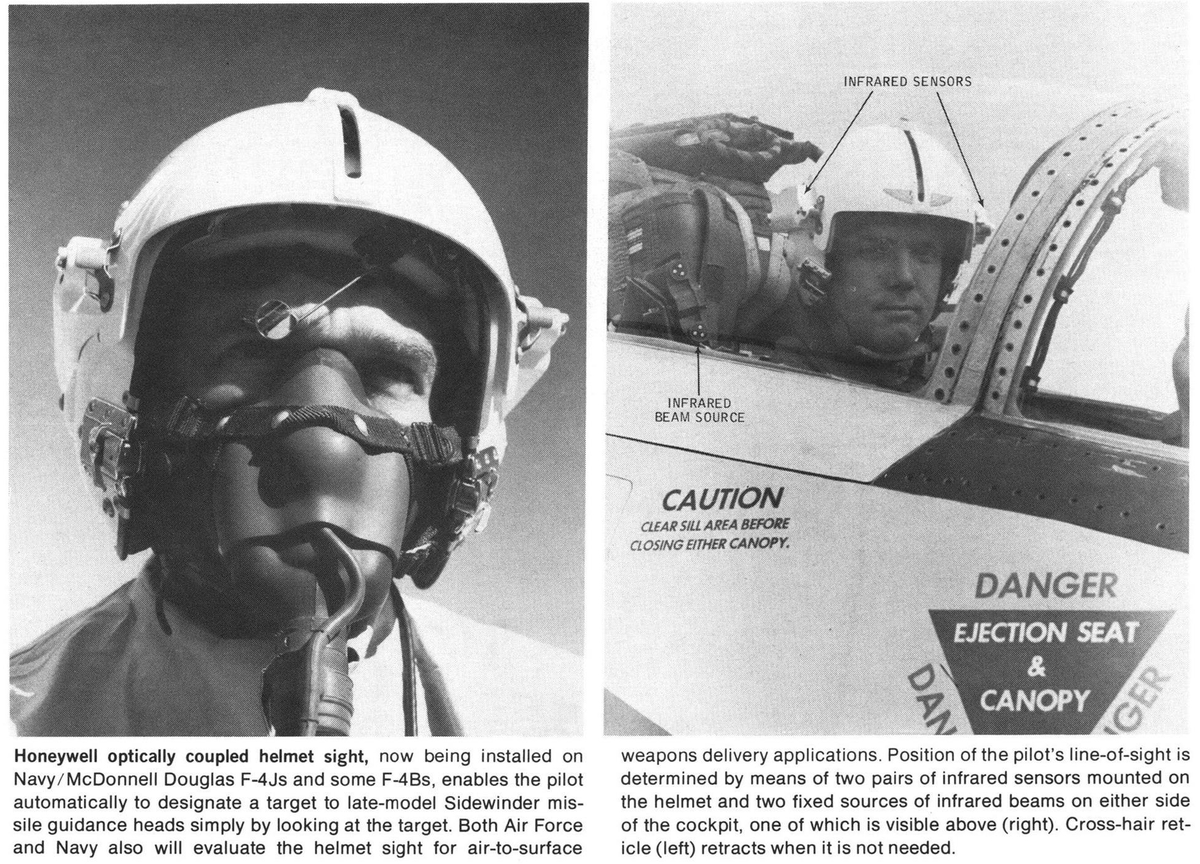
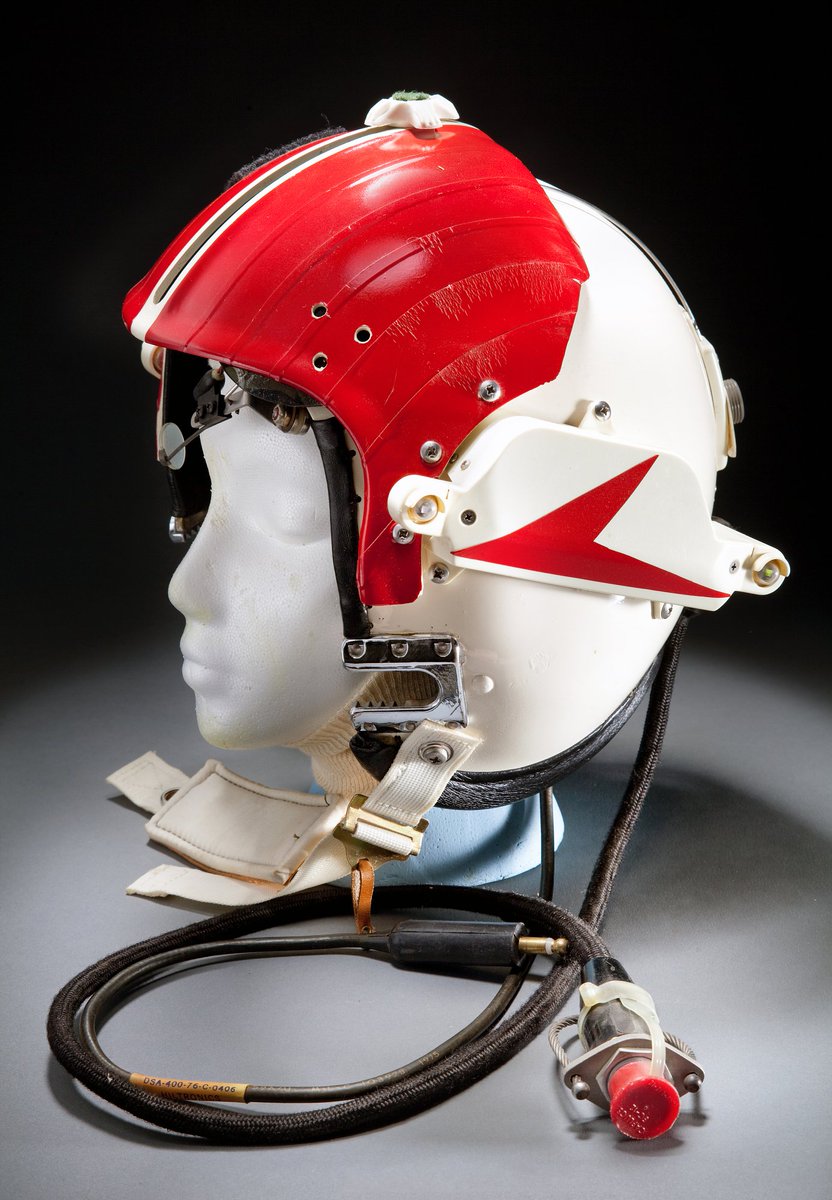
Since the function of VTAS I and II is mostly the same, we'll cover it now as one piece.
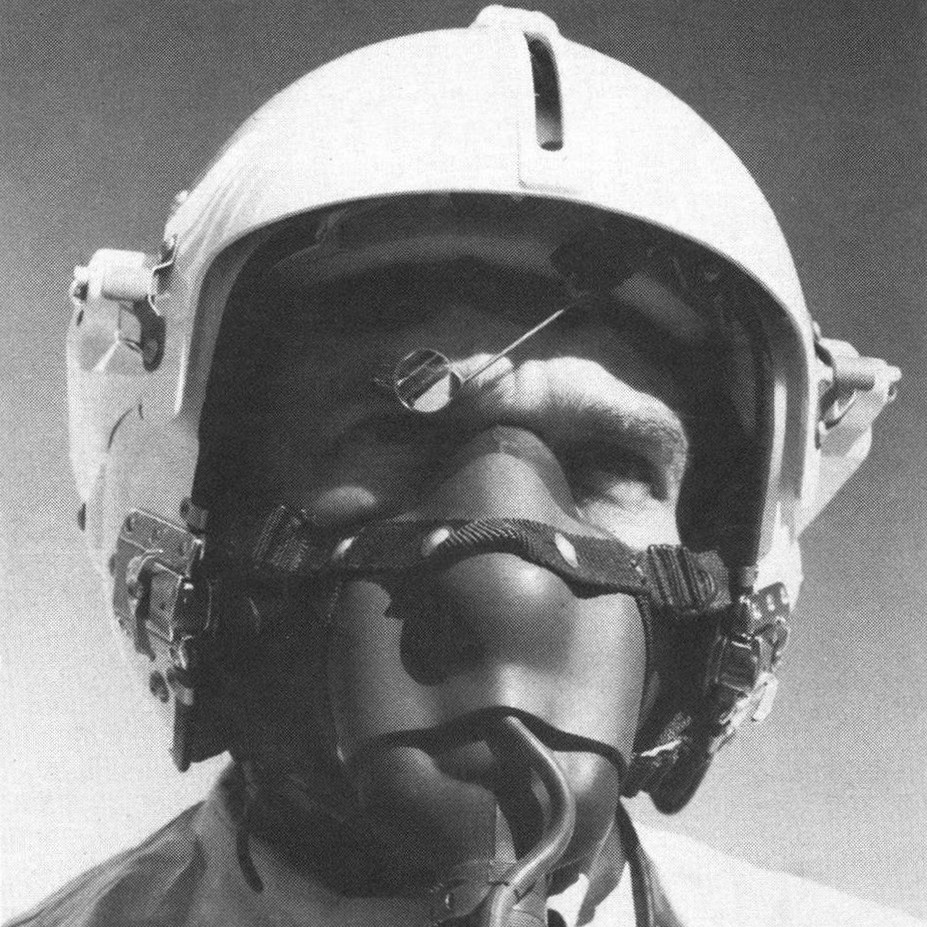
The sight was a very simple reflector-style unit with five different lights: the two reticles were illuminated by one light, and there were four other indicator lights.
The sight was a very simple reflector-style unit with five different lights: the two reticles were illuminated by one light, and there were four other indicator lights.

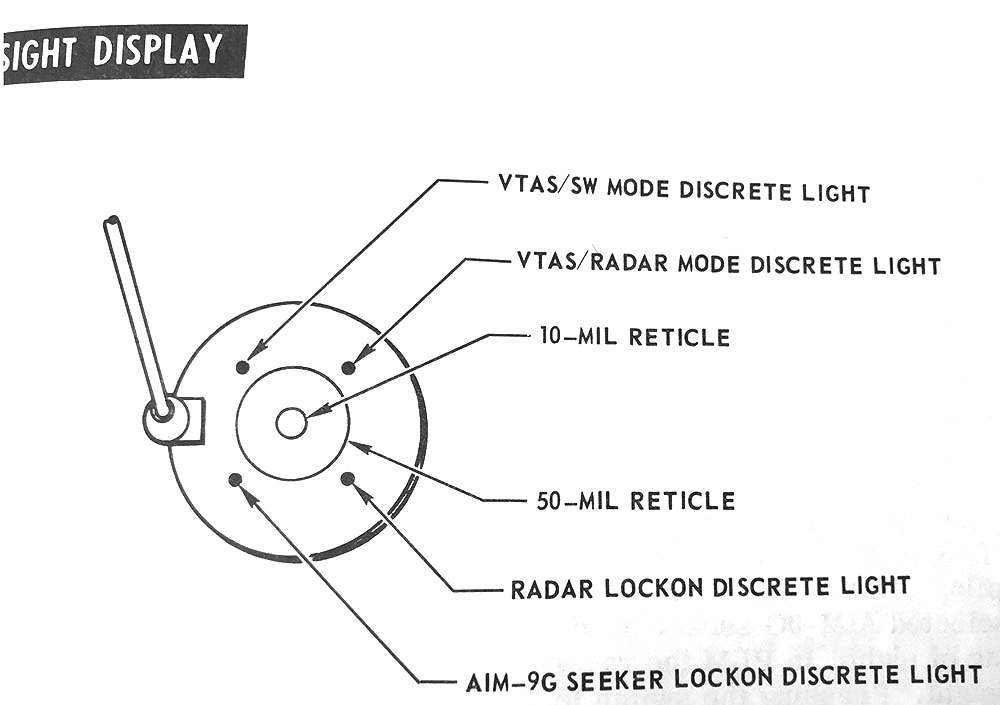
There were two primary modes, radar-slaving and sidewinder-slaving. In the VTAS installation, there was no camera like shown below.

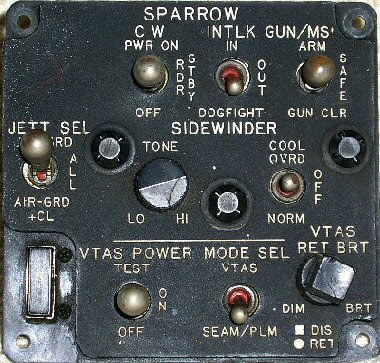
Like it sounds, the system would measure the pilot's line of sight, and calculate the angle that the missile seeker or the radar had to point to align with the line of sight.
A functional description. Notably, this was NOT just a one-way cueing system, but it provided feedback to the operator. Once lock-on was achieved with either the Sidewinder seeker or Radar, if the pilot looked within 3 degrees, the lower two lights would turn on.
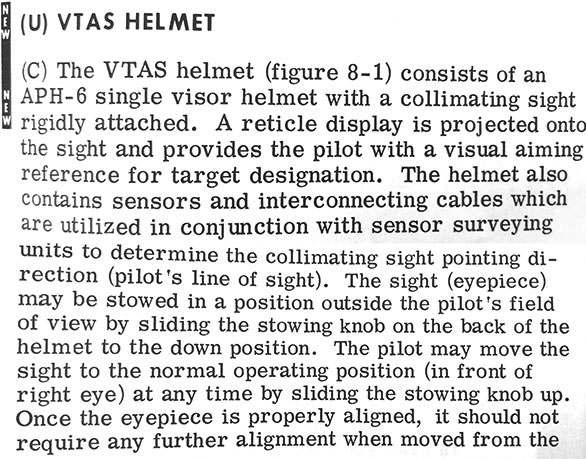
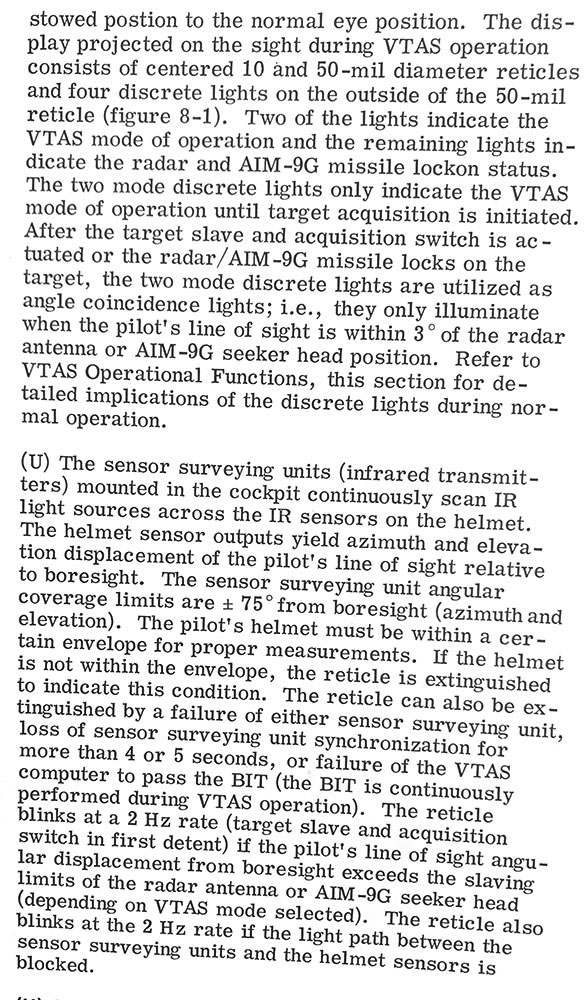
This allowed the pilot to confirm that he had the correct target locked by simply looking at it. From a human interface perspective, this was a quantum leap ahead of the heads-down systems in combat over Vietnam at the same time.
I'm not sure if VTAS I or II ever saw combat, but they absolutely saw tons of testing. Around 220 initial VTAS I helmets were made, from what I can find, and were distributed between Point Mugu (VX-4) and a few other F-4 squadrons. No idea what the other ones were.
However, not everything was perfect. The initial "granny-glass" style of reflector on VTAS I was deemed visually obstructive, and more significantly, the weight was deemed unacceptable. From my rough calculations, VTAS I was around 5.5-6 pounds. At 7.5gs, this was 42-45 pounds!

Helmet fitment was also very poor with APH-6, causing slippage, which meant that the careful alignment of the helmet with the pilot's line of sight at 1g would be completely thrown off!
The answer to this was VTAS II, a complete redesign of the helmet and repackaging of the detector system. Though no high-res images exist, this system projected the reticle directly onto a secondary visor in the helmet. It also used a new, lighter-weight, more stable helmet.




VTAS II's repackaging of the infrared detector assembly allowed the helmet to be much narrower than VTAS I, meaning that the last obstacle was weight, which was slightly lower, but not significantly so. Note the infrared detector covers in the second image. These were fragile.
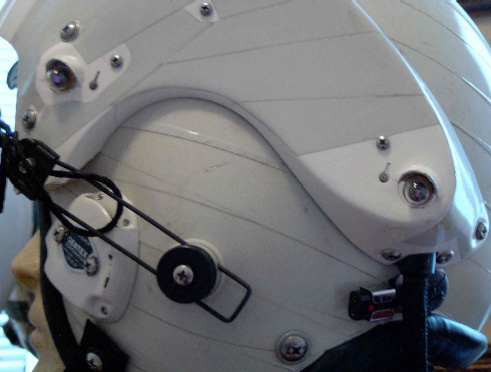
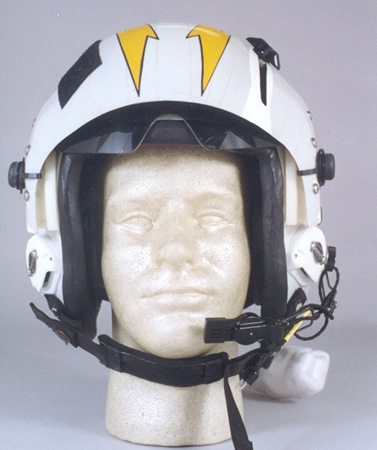
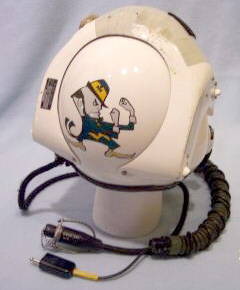
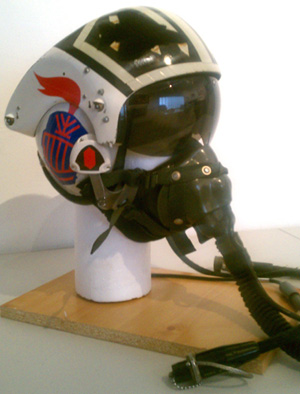
Around 500 VTAS II units were produced from what I can tell. Unfortunately, service descriptions vary. Some claim that all were removed after 1979, whereas Navy documents mention AVG-8 on the equipment list of the F-4S in the 80s, and some stories of their use in the '80s exist.
The biggest problems with VTAS were expense and fragility. These helmets were surprisingly fragile, and many pilots did not yet appreciate the advantage they carried with them.
They required frequent re-fitting, which was unpopular for obvious reasons.
They required frequent re-fitting, which was unpopular for obvious reasons.
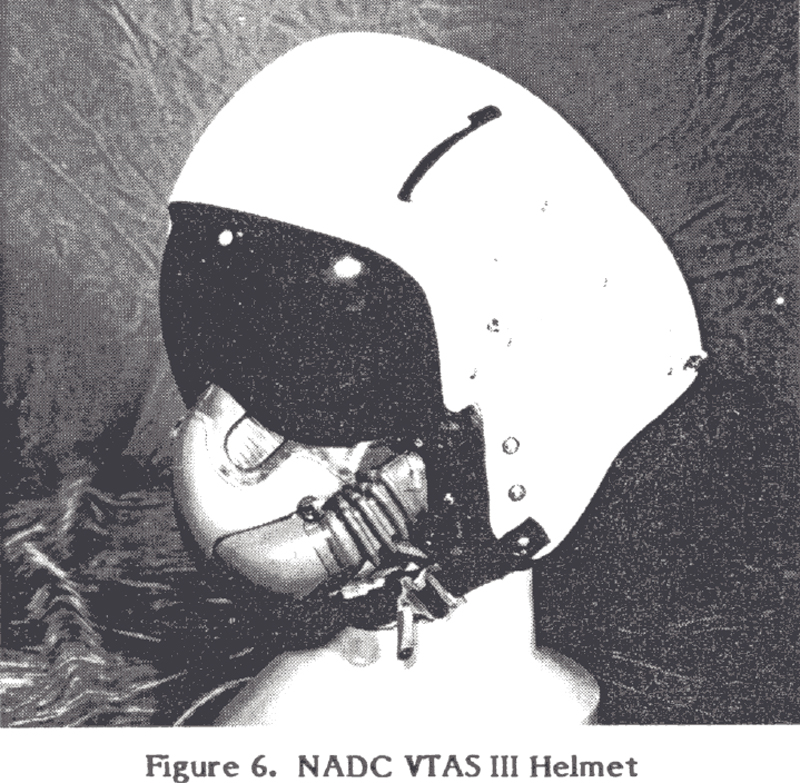
This lack of popularity combined with the expense is what really killed the VTAS program for the USN in the '70s. VTAS III, which I don't have enough material on to cover in-depth, came just as further funding for development began to dry up. This one was designed to save weight.
But for now, I think that's enough (I'm also running out of space in this thread). At least you now know the background for why I love this picture of a VMFA-323 pilot so much.

• • •
Missing some Tweet in this thread? You can try to
force a refresh