RIP graphic designers?
AI can create a logo in seconds.
Here is how to create logo for free using AI↓:

AI can create a logo in seconds.
Here is how to create logo for free using AI↓:


Check out StockIMG AI:
@stockimgAI offers a free AI tool for creating logos, stock images, UI design, wallpapers, and more instantly.
Sign up for free at stockimg.ai
@stockimgAI offers a free AI tool for creating logos, stock images, UI design, wallpapers, and more instantly.
Sign up for free at stockimg.ai
Step 2: Create your logo design
- Choose the "Logo" category.
- Click the button confidently.
- Let your creativity flow with these prompts:
- Pug dog
- City Melbourne
- Japanese Weather
- Cute eyes
Now, click on "Generate".
- Choose the "Logo" category.
- Click the button confidently.
- Let your creativity flow with these prompts:
- Pug dog
- City Melbourne
- Japanese Weather
- Cute eyes
Now, click on "Generate".
3. Customize the logo:
- Click to modify it.
- Make desired changes.
- Use multiple edit options.
- Click to modify it.
- Make desired changes.
- Use multiple edit options.
4. Save Your Logo Design
- Make your tweaks and ensure you're happy with the logo.
- Locate the "Export" button.
- Download your logo.
- Make your tweaks and ensure you're happy with the logo.
- Locate the "Export" button.
- Download your logo.
Here is the exciting final result!

Bonus FREE GIFT:
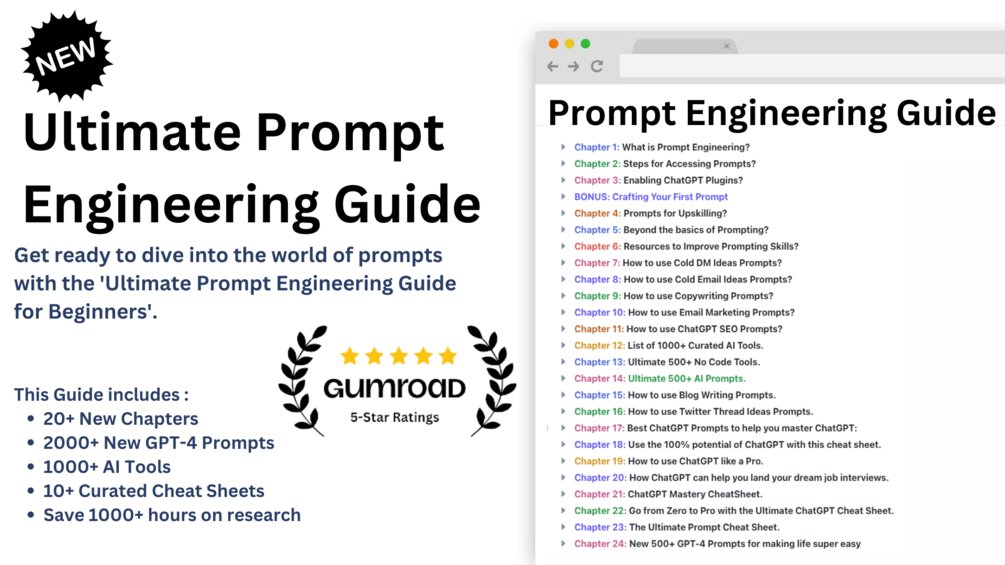
Get your hands on the Ultimate Prompt Engineering Guide for beginners:
• 20+ Chapters
• 700+ No Code & AI Tools
• 1000+ GPT-4 Prompts
Here is the FREE link for everyone.
hasantoxr.gumroad.com/l/pb
Get your hands on the Ultimate Prompt Engineering Guide for beginners:
• 20+ Chapters
• 700+ No Code & AI Tools
• 1000+ GPT-4 Prompts
Here is the FREE link for everyone.
hasantoxr.gumroad.com/l/pb
I daily share insights on Al, Tech Tools, Online Business, follow me @hasantoxr for more.
If you want to support, don't forget to like/retweet the tweet below to share 🤝
If you want to support, don't forget to like/retweet the tweet below to share 🤝
https://twitter.com/1506055005992026115/status/1767173553882067221
• • •
Missing some Tweet in this thread? You can try to
force a refresh