views

In the midst of the chaos and bloodshed of World War I, an unlikely name appeared on a German propaganda postcard: Dum Dum. This quaint neighborhood nestled near Calcutta seemed an odd reference in the context of a war raging in Europe. What was happening?
Thread.
1/15
Thread.
1/15
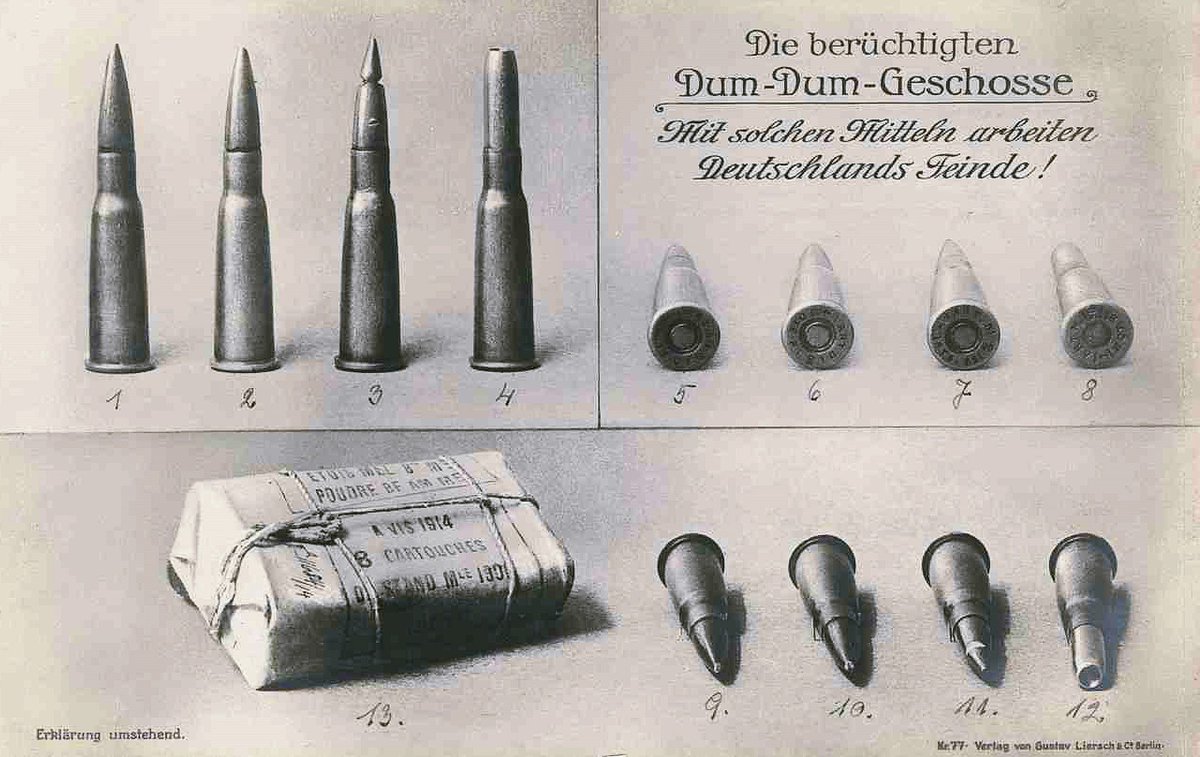
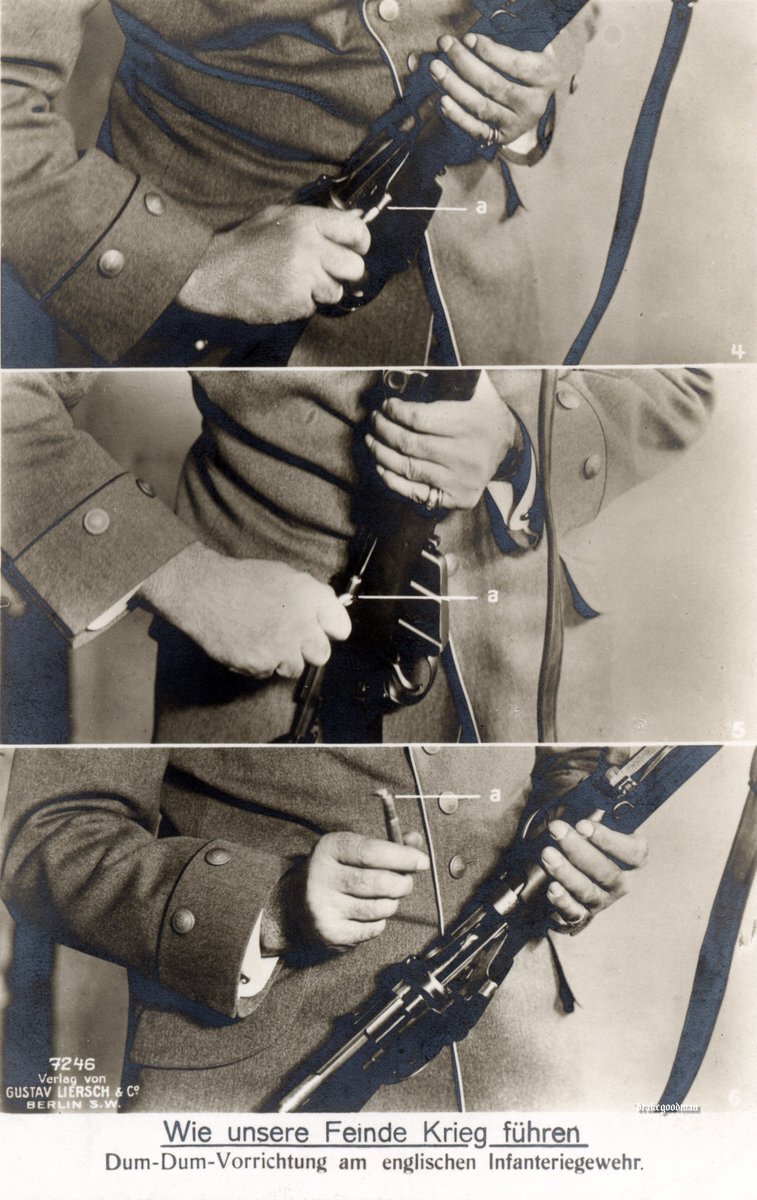
The postcard, published by the Germans between late 1914 and 1918, pointed an accusatory finger at French troops, alleging they used "The infamous Dum-Dum Bullets," found in the pockets of French prisoners of war. 2/15
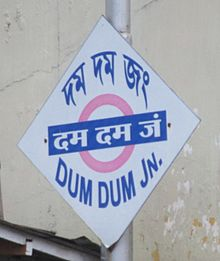
Those who have travelled to Kolkata by air will easily recognize this name. Dum Dum is the area where Netaji Subhash Chandra Bose International Airport is located. What connection could this distant locale possibly have to the grim realities of warfare raging across Europe? 3/15
It ignited questions about the origins and implications of these bullets, shrouded in controversy. There were whispered tales of their devastating impact on the battlefield that stirred an international political conspiracy. 4/15
Expanding bullets, colloquially known as Dum-Dum bullets, are not unfamiliar in the world of ammunition. Designed to expand upon impact, they cause greater damage to their target by increasing in diameter, ensuring a more effective hit. 5/15
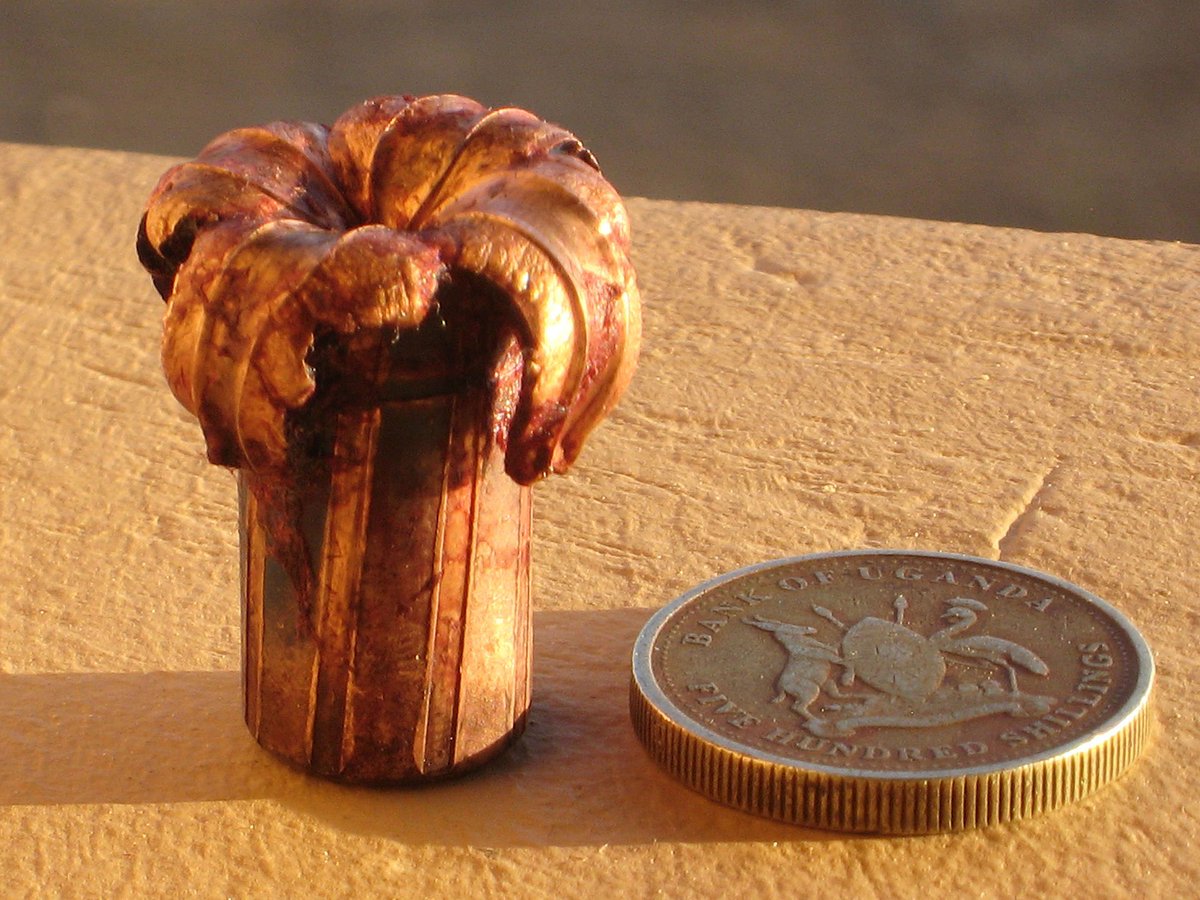
While commonly used in hunting and law enforcement, these bullets, sometimes also known as butterfly bullets, are forbidden in warfare due to their potential for excessive harm and unnecessary cruelty. But why are they popularly known as Dum-Dum bullets? 6/15

Dum Dum, today, is an urban and bustling neighborhood north of Kolkata but has a very interesting history. The genesis of the term "Dum-Dum" traces back to the Dum Dum Arsenal near Calcutta in British India. 7/15
Dum Dum wasn't just a small town; it was a symbol of British military prowess in colonial India. The Bengal Artillery, headquartered in Dum Dum, played a pivotal role in expanding British control. 8/15
The British Officers cherished Dum Dum, considering it their home away from home. The Dum Dum Arsenal churned out cutting-edge arms and ammunition, even rivaling its British counterpart in Woolwich. 9/15
In 1896, Captain Neville Bertie-Clay, introduced the expanding bullet, forever etching Dum Dum Arsenal into military history. Although subsequent models were produced elsewhere, the name Dum-Dum stuck, becoming synonymous with expanding bullets. 10/15
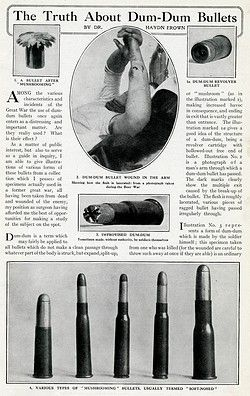
In 1898, the German government protested against the excessive wounds inflicted by the said bullet, leading to international condemnation and a ban on expanding bullets in warfare during the first Hague Conventions of 1899. 11/15
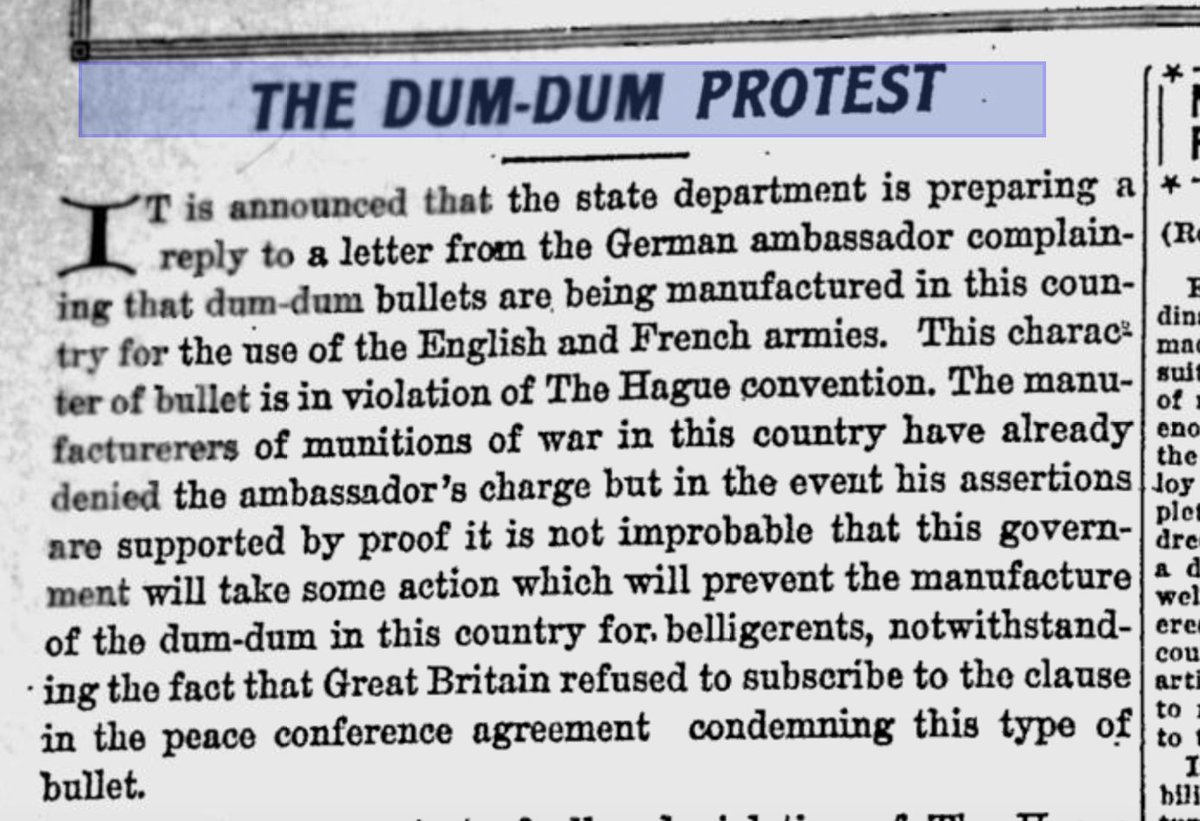
Yet, the insidious nature of warfare found ways to circumvent these prohibitions. World War I, with its trench warfare and brutal attrition, witnessed the resurgence of dum-dum bullets, despite being banned. 12/15
Even in modern times, there have been several controversial allegations that Israeli soldiers are allegedly killing Palestinians with illegal Dum-Dum bullets, inflicting horrific injuries. 13/15

The appearance of Dum Dum in a German propaganda postcard serves as a poignant reminder of the tangled web of history, where distant places and obscure inventions can leave an indelible mark on the course of global conflicts. 14/15
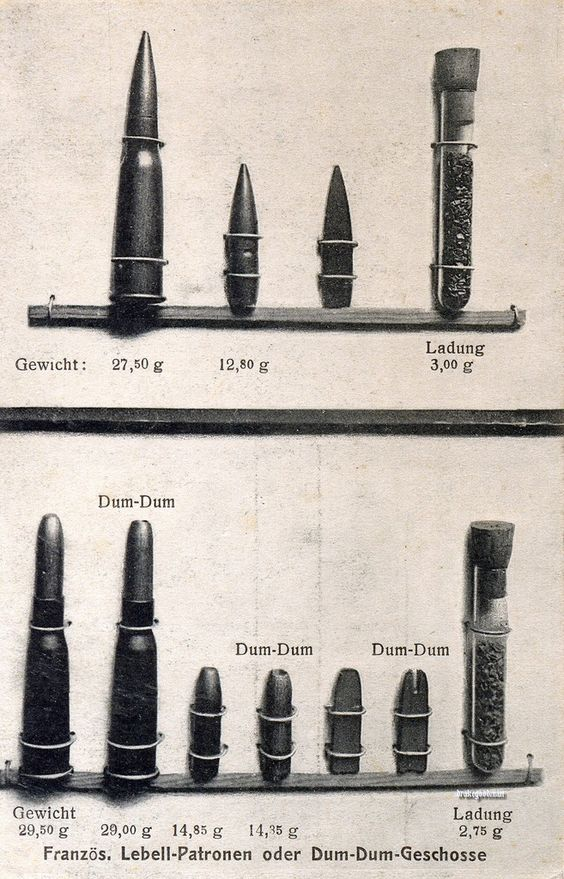
Their lethal effectiveness in a battlefield became a grim reality, prompting questions about the ethics of warfare and the limits of human cruelty. 15/15
Source and References:
Edward M. Spiers, The use of the Dum Dum bullet in colonial warfare, The Journal of Imperial and Commonwealth History,
Terry Willson, THE BRITISH SOLDIER'S DUM DUM BULLET, Military History Journal, The South African Military History Society,
Dum-Dum Protest, Eugene Register-Guard Jan 4, 1915
Israeli Soldiers Are Allegedly Killing Palestinians with Horrible Illegal Bullets,
Wounded with dum-dum bullet, Library of Congress Prints and Photographs,
@WikiCommonsdoi.org/10.1080/030865…
samilitaryhistory.org/vol172tw.html
vice.com/en/article/nnm…
loc.gov/item/201464626…
Edward M. Spiers, The use of the Dum Dum bullet in colonial warfare, The Journal of Imperial and Commonwealth History,
Terry Willson, THE BRITISH SOLDIER'S DUM DUM BULLET, Military History Journal, The South African Military History Society,
Dum-Dum Protest, Eugene Register-Guard Jan 4, 1915
Israeli Soldiers Are Allegedly Killing Palestinians with Horrible Illegal Bullets,
Wounded with dum-dum bullet, Library of Congress Prints and Photographs,
@WikiCommonsdoi.org/10.1080/030865…
samilitaryhistory.org/vol172tw.html
vice.com/en/article/nnm…
loc.gov/item/201464626…
• • •
Missing some Tweet in this thread? You can try to
force a refresh