ok, I've now read the NYT response this week to attempts by OpenAI to dismiss NYT's landmark lawsuit against the high-flying AI company.
Put simply, NYT makes it brutally clear on page one how you can tell the difference between the two companies.
Oomph. /1
A few other observations from me. Like NYT's original complaint, it's smart and future-focused on fair value. Where OpenAI made frankly bizarre claims NYT was hacking the platform as it detected OpenAI had its content, NYT is right. OpenAI isn't and can't dispute it copied it. /2
Um, 2022 > 2020 = TRUE. Where OpenAI tried to inject a statute-of-limitations argument that OpenAI's lifting of content was "common knowledge" in 2020, NYT points out that ChatGPT and OpenAI didn't go viral until Nov 2022. /3
This can't be pointed out enough so I'm glad NYT reminds everyone not only how the OpenAI business was built but that it has shifted from a non-profit front to a full-blown for-profit. This shift also plays a major role in Elon Musk's lawsuit against OpenAI. /4
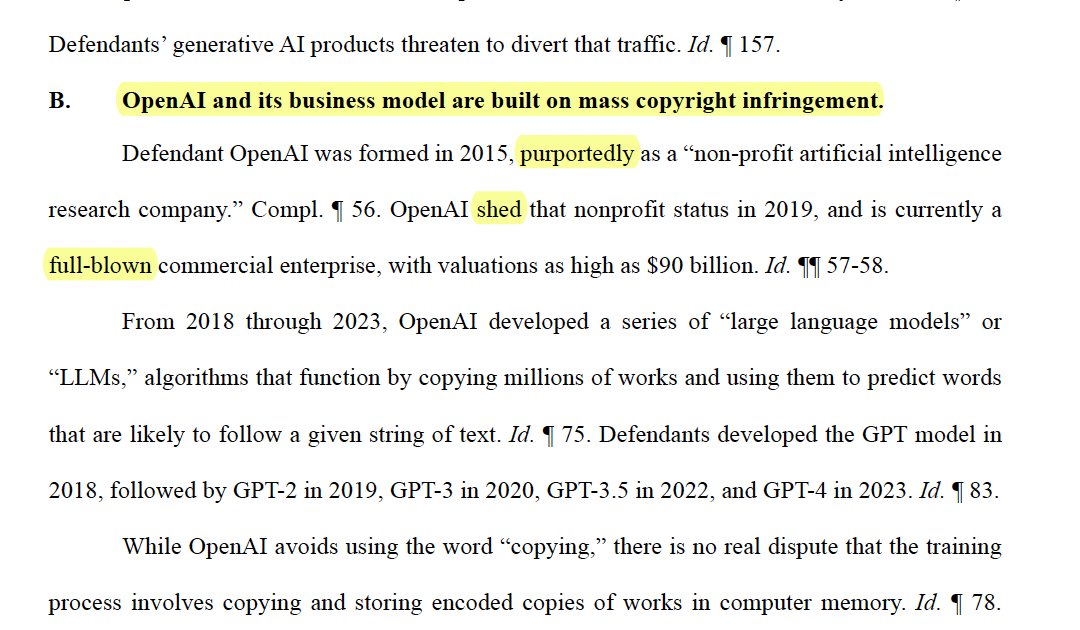
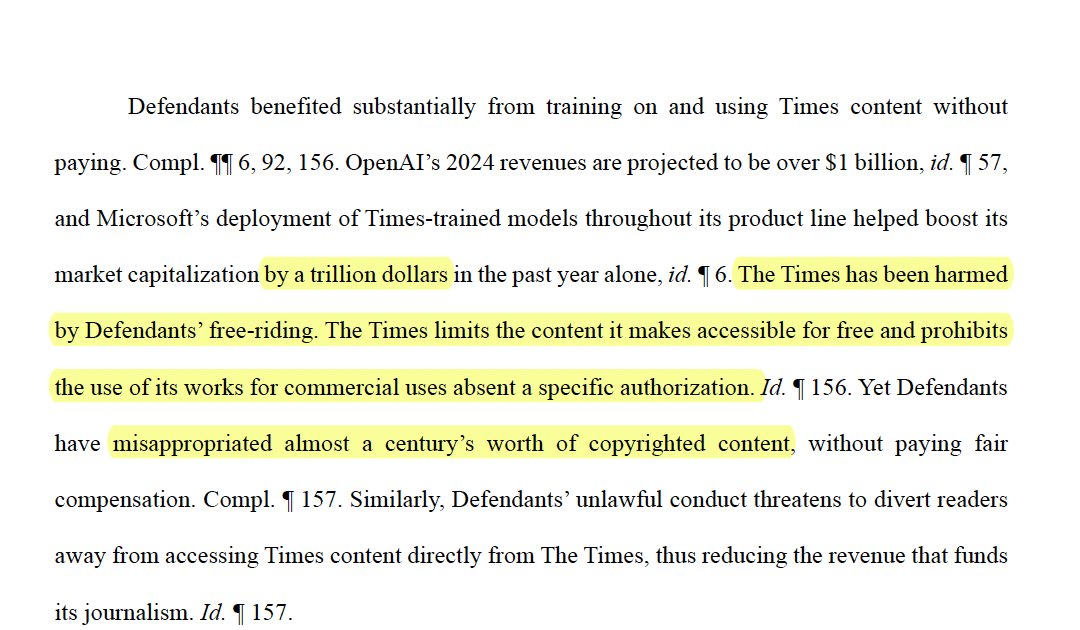
In fact, these numbers capture what is going on with the allegation that OpenAI has misappropriated almost a century of copyrighted journalism helping boost its market cap by a trillions dollars.
This may well describe one of the biggest violations of the law in history. /5
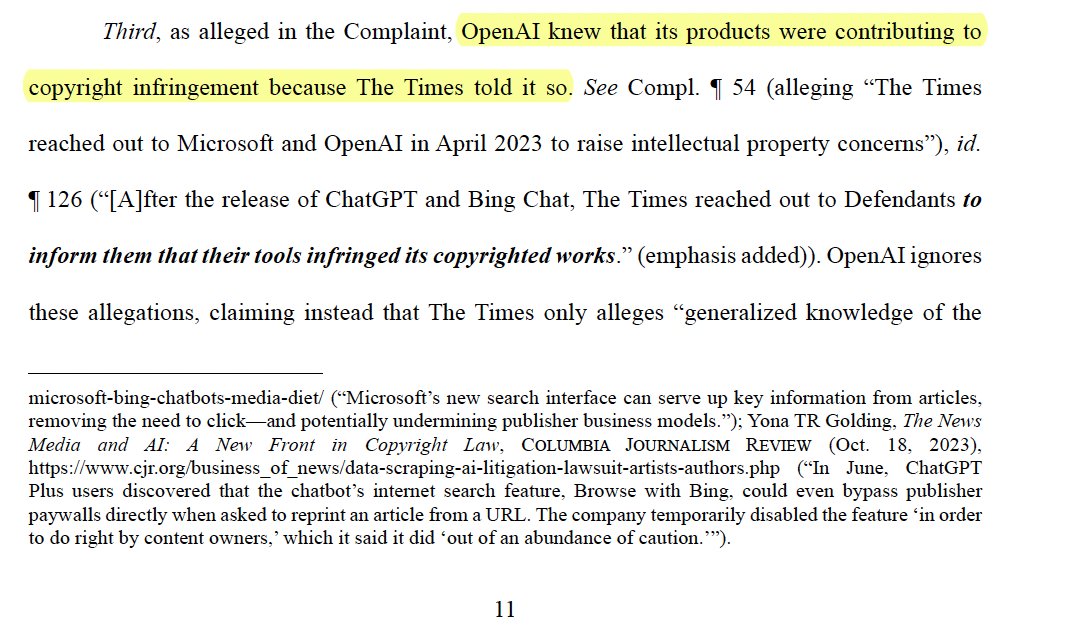
And how was OpenAI aware that it was happening? "because The Times told it so." /6
In fact, NYT wisely picks up on OpenAI's defense by blog and PR spin including a claim that OpenAI was "working hard" to address the issues in the NYT complaint. That's proof of knowledge of the infringements if I've ever seen it. /7
And like in the complaint, there is an important point that the violations happen in the training and in the output. In fact, NYT's copyright [management information] is allegedly stripped out of the content during the training and then in the output. /8
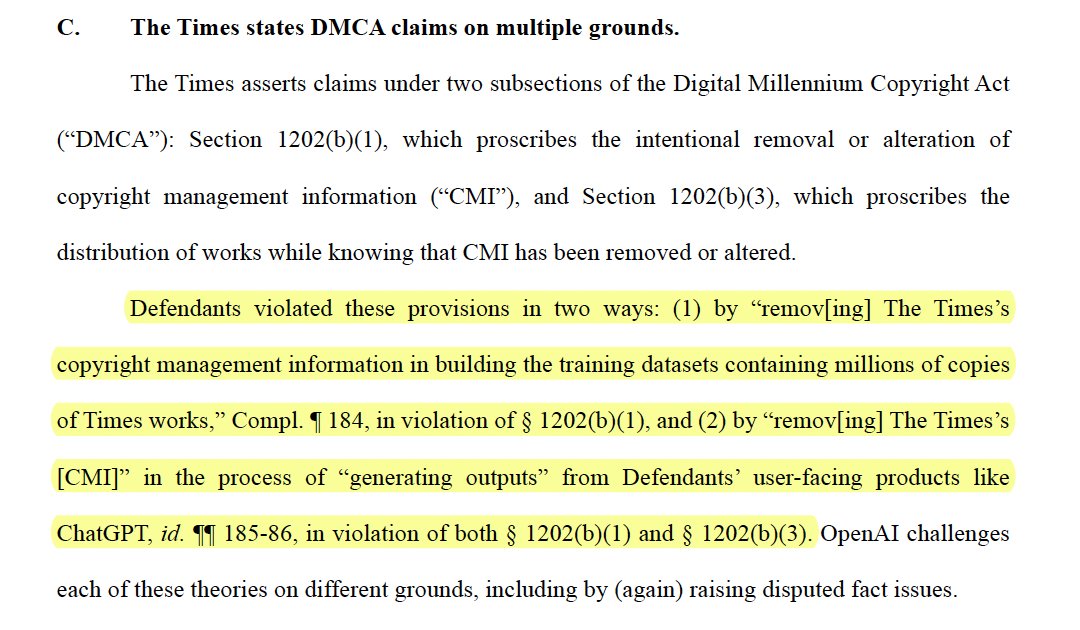
Yes, OpenAI's (bad) argument is that the notice is small and at the bottom of the page which common sense says is irrelevant to their machines ripping the content who simply don't seem to care about copyright (or journalism) because they've likely been told it doesn't matter. /9
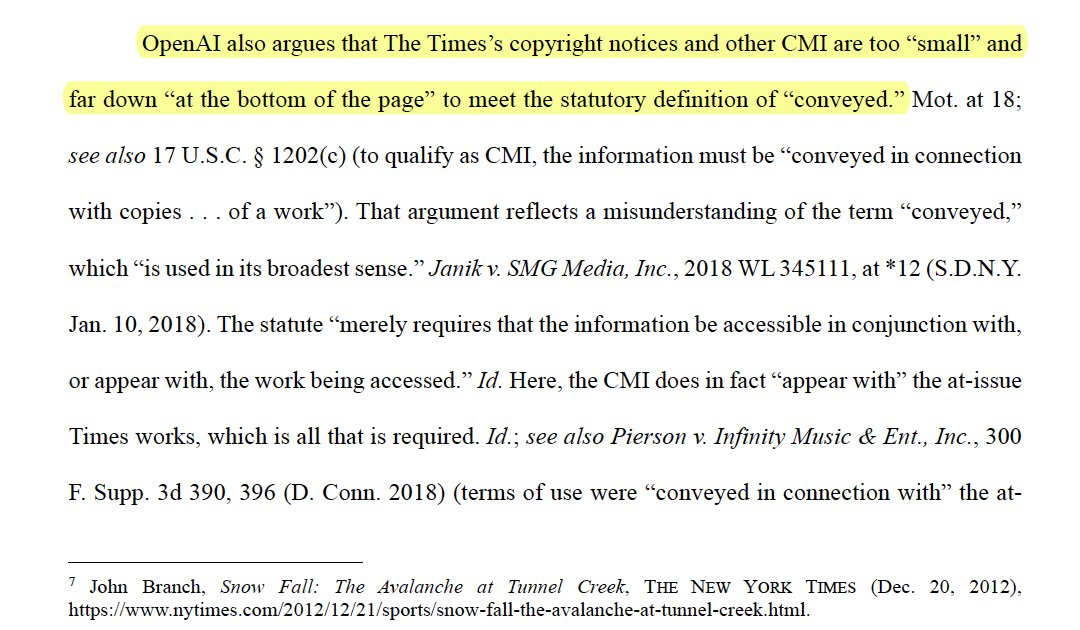
Here is where it certainly matters and a super important point in the lawsuit. This failure to recognize copyright through licensing results in harm to publishers by substituting a fast-growing licensing market with one where content can be lifted for free (aka stolen). /10
and so I agree with the Conclusion here. OpenAI's isn't even disputing what NYT claimed they're doing in the complaint. Taking all of those facts in, the MtD should be denied, let's get on with it. Value is being ripped. /11
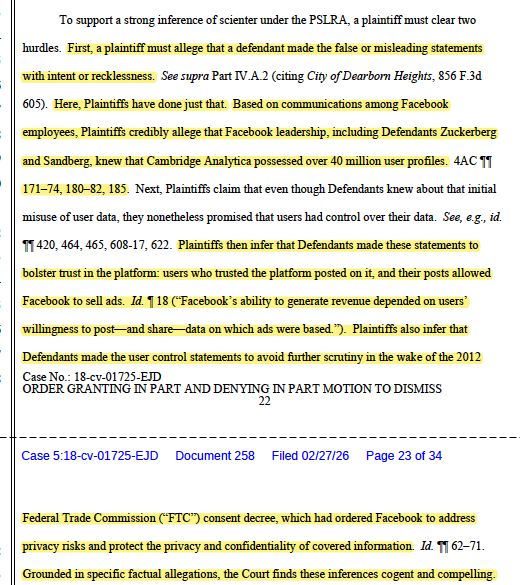
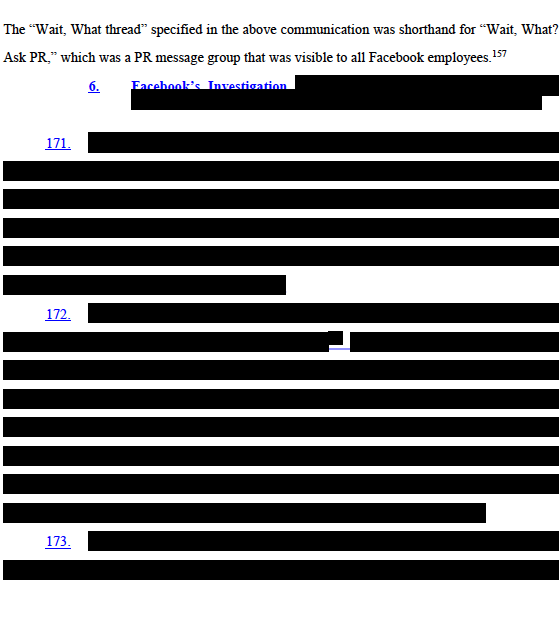
wow. NdCal just denied Facebook's attempt to dismiss securities suit for Cambridge Analytica cover-up. Court says plaintiffs credibly alleged Zuckerberg and Sandberg knew it "possessed over 40mil user profiles" way earlier. 4th amended complaint added/redacted cited evidence. /1
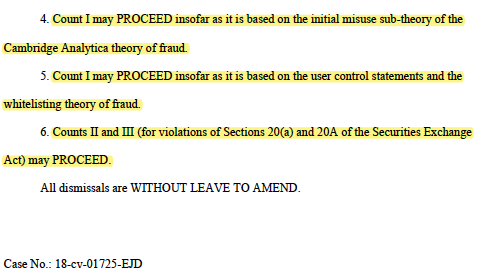
Count I, II and III now proceed, all alleged (civil) violations of 1934 SEC Act including over $5B in stock sales by Zuckerberg. This is the case Facebook already took up to SCOTUS to be denied cert. In DE, they settled similar case as director Andreessen was set to testify. /2
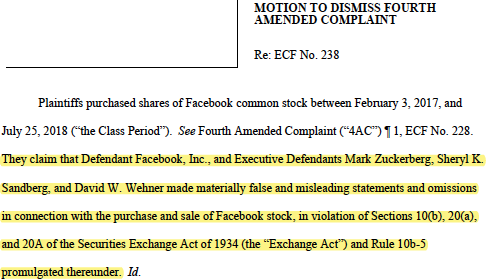
In this case, the executive defendants are Zuckerberg, Sandberg and CFO Wehner. What is interesting is it's added new evidence squeezed out more recently in courts including Court sanctions against Sandberg for deleting "relevant emails" over a pseudonymous gmail account. /3
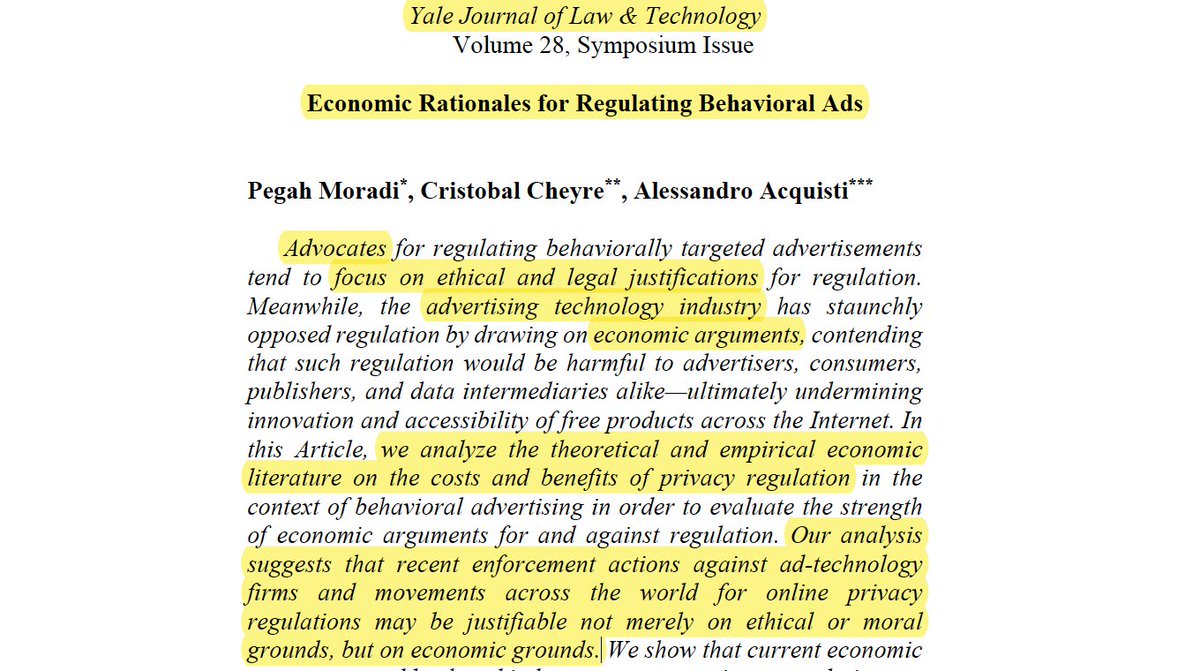
Big. A major new law & tech paper takes on the economics of behavioral advertising - the kind that tracks users across multiple businesses and contexts, not just on sites they choose to visit.
It challenges industry’s favorite claim: that tracking is a “win-win” for everyone. /1
Bear with my thread. You may know I've been sharing Google and Meta monopoly abuse concerns for nearly a decade (courts now ruling). That said, I've always said ubiquitous data collection across the web (mostly NOT on the duopoly's own services!) is what fuels their dominance. /2
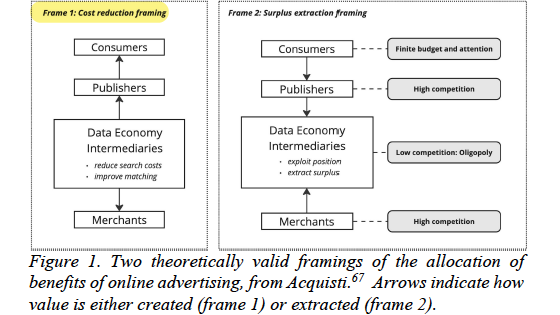
At the heart of the debate is this Figure 1 - and two very different ways to frame it.
Framing #1 (the industry narrative): Data aka 'signal' -> Better targeting -> More relevant ads -> More revenue -> Free content -> Everyone wins!
Simple. Elegant. But entirely misleading. /3
The 8hr video of Jack Smith’s testimony was released by Congress on New Years’ Eve in between Epstein and Venezuela. It’s an extraordinary display of Smith’s integrity and attention to justice and fairness on 1/6. Allison Gill deserves praise for curating the key clips. 1/4
Smith clearly represents all who worked towards justice and public interest, expressing his confidence and rationale he had the evidence to prove Jan 6th case to a jury. He also shows his gratitude to those retaliated against - in just doing their jobs. This stood out to me. 2/4
I must say I’m impressed by Covington & Burling law firm who has stood strong during this retaliation. This is just 1/6 - they’ve worked with Smith to be cautious to not discuss any confidential details in his classified docs report still sealed by Judge Cannon. (1.3x to fit) 3/4
So many mind blowing sentences in this just incredible Wall Street Journal report. Starting here, “Witkoff, who hasn’t traveled to Ukraine this year, is set to visit Russia for the sixth time next week and will again meet Putin. He insisted he isn’t playing favorites.” /1
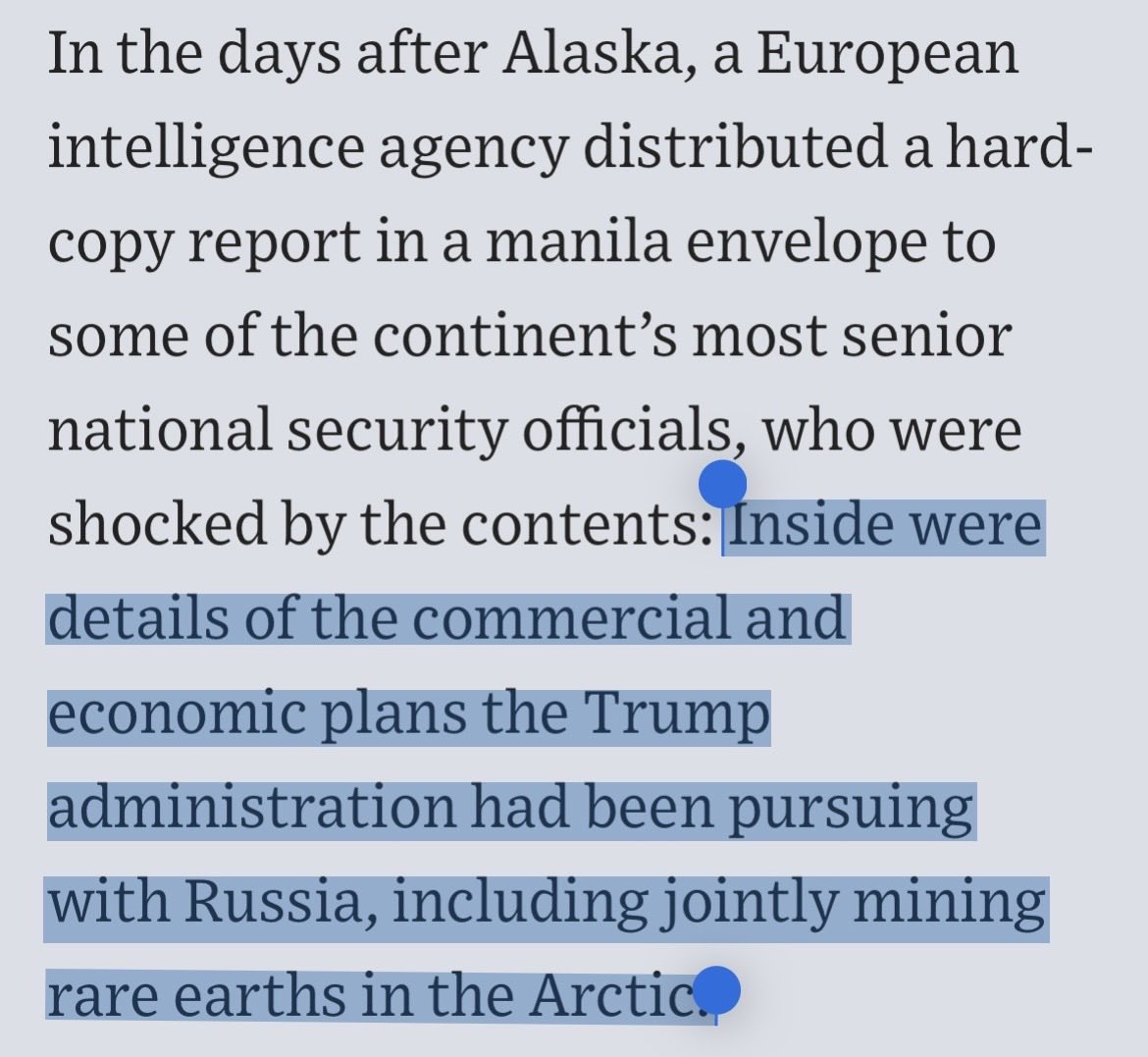
“Inside were details of the commercial and
economic plans the Trump administration had been pursuing with Russia, including jointly mining rare earths in the Arctic.” /2
“European official asked Witkoff to start speaking with allies over the secure fixed line Europe's heads of state use to conduct sensitive
diplomatic conversations. Witkoff demurred, as he traveled too much to use the cumbersome system.” /3
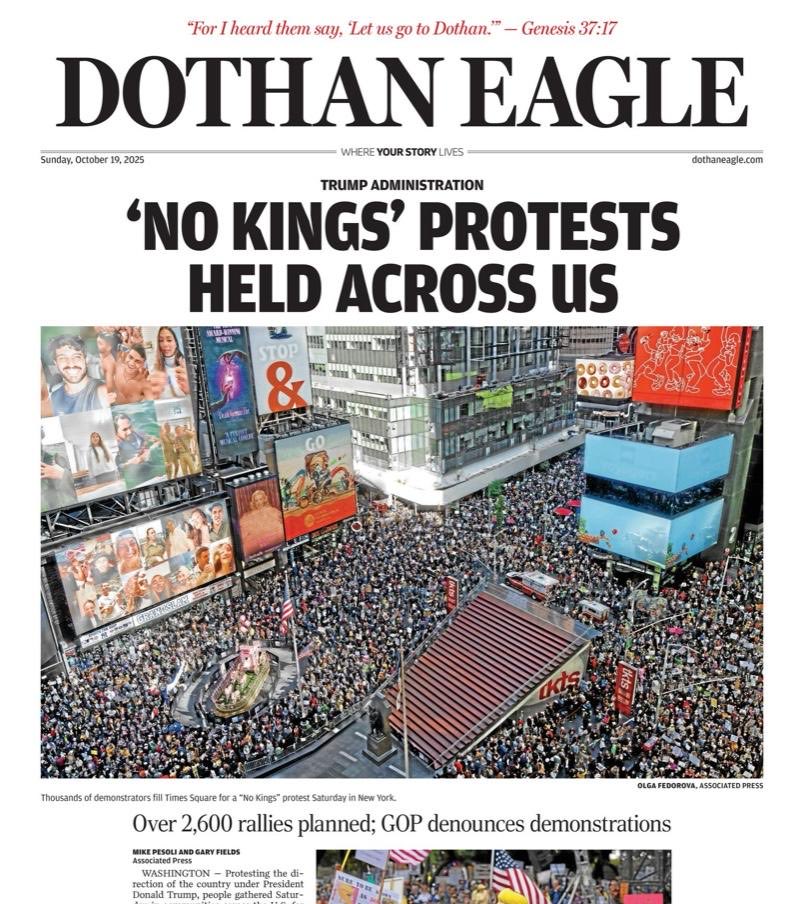
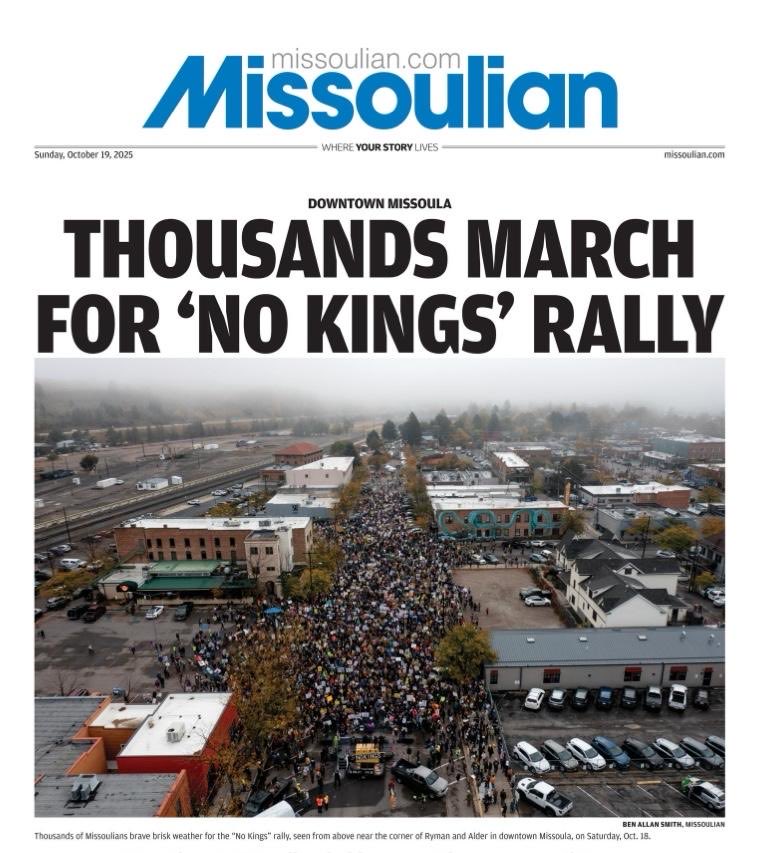
Saturday’s “No Kings” protests have filled front pages across America with impactful visuals and headlines of peaceful protests. Many included the eye popping NYC Times Square shot. Here in the Dothan Eagle (Alabama). But everyone turned out. See Montana in its Missoulian. /1
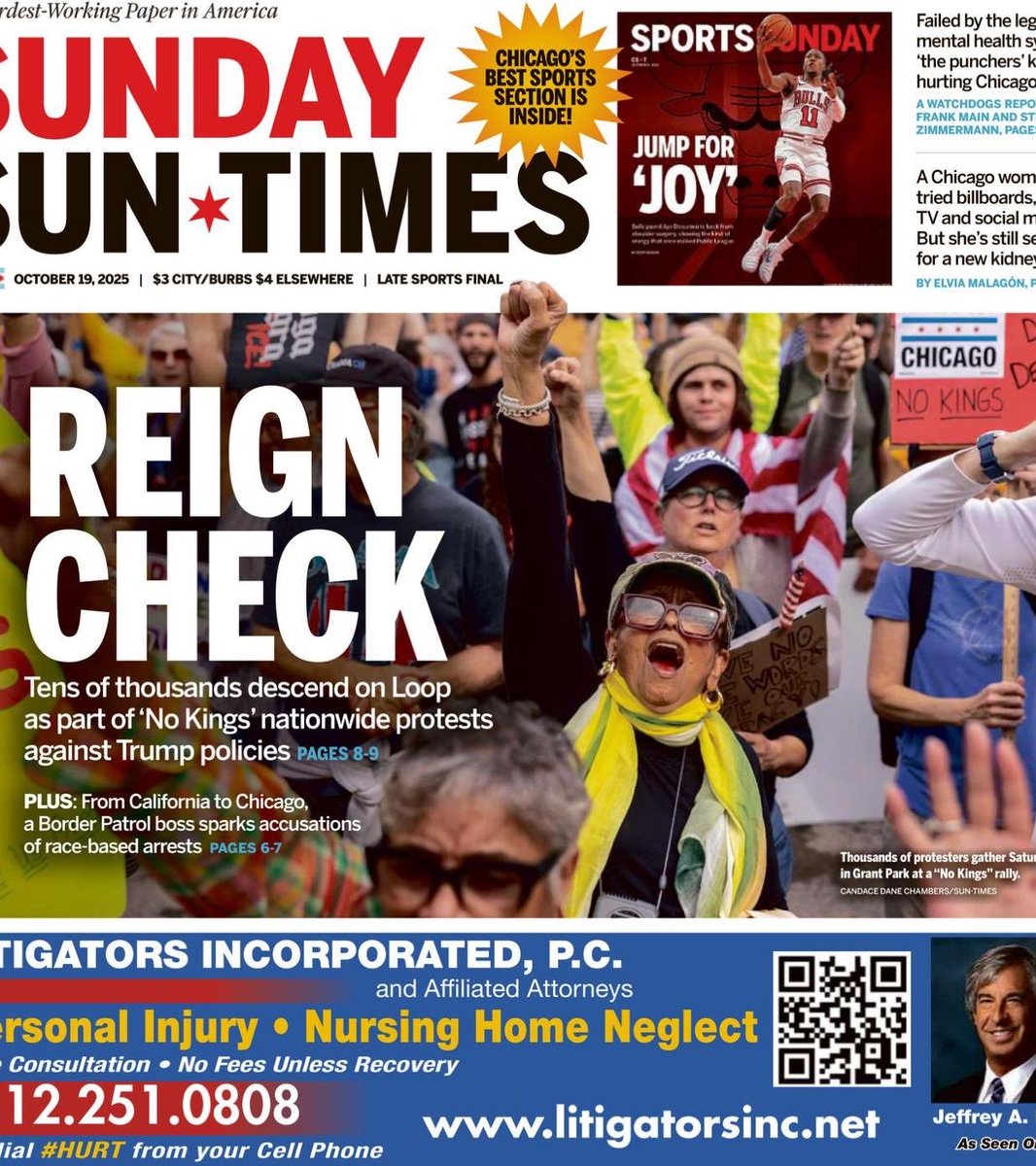
Plenty of big city energy from St. Louis, Missouri to Chicago, Illinois. /2
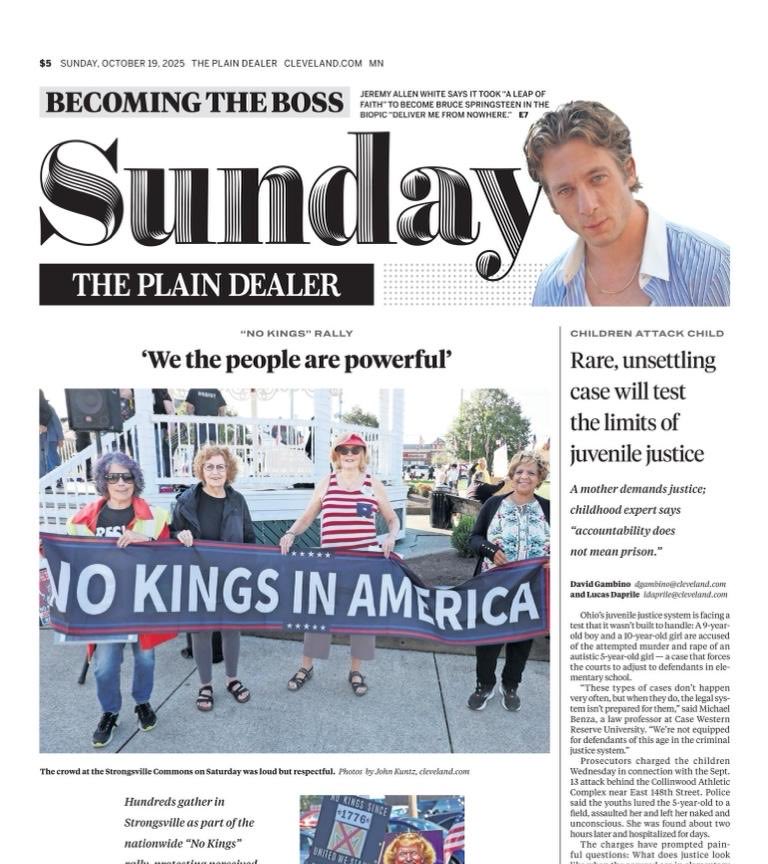
Midwest with Cleveland, Ohio to Pittsburgh, Pennsylvania. /3
US v Google remedies: Nothing groundbreaking from return of DOJ’s star economist this morning. Court tested if his concerns over solely behavioral remedies assume distrust in Google (won’t follow court orders). I don’t think it mattered relative to where we were last night... /1
Yes, some will read as leaning against structural-remedy interest. I took it simply her clarifying she doesn’t need to lean on distrust if structural is shown tech feasible. Although witness pointed out distrust harms competition investment levels. /2
Court also very much nodded head when witness Lee explained why he didn’t do “but for” analysis to a dollar amount. Mehta also determined in search it was infeasible and unnecessary so cross that out of Google’s defense imho. /3