Gunsen History Profile picture
Mar 17, 2024 17 tweets 8 min read Read on X
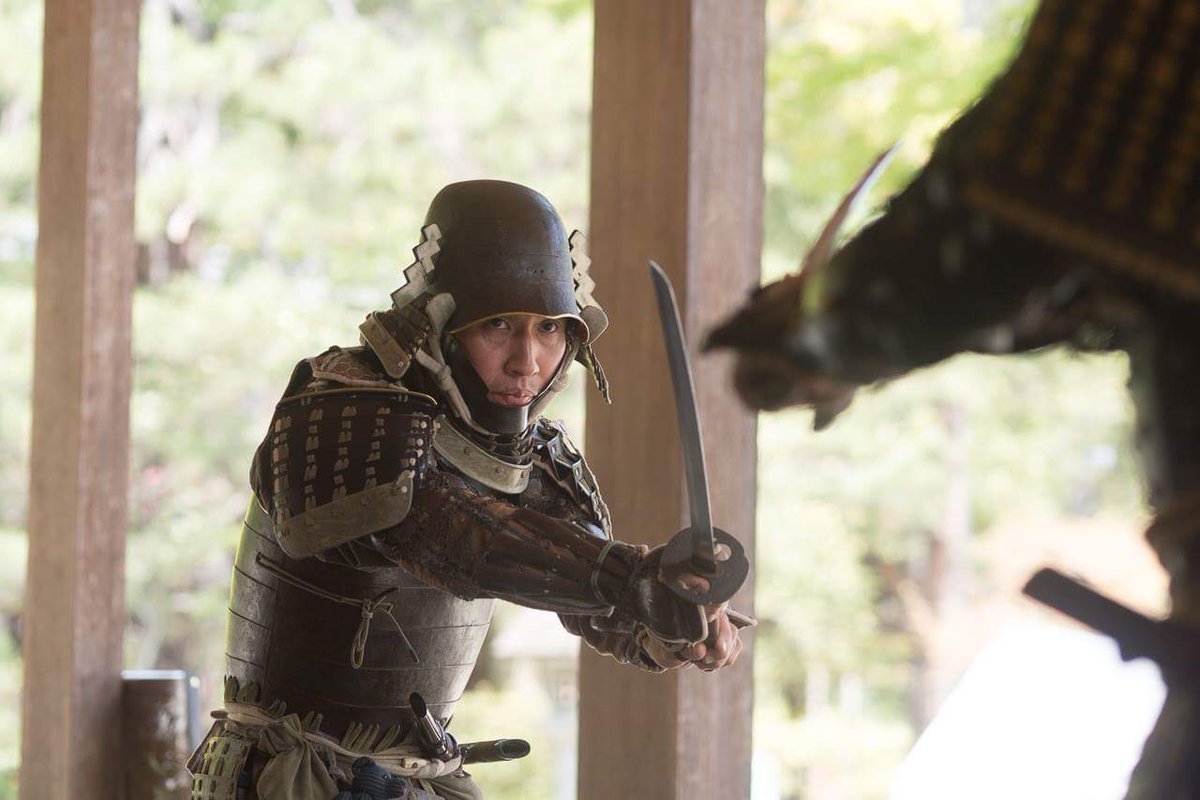
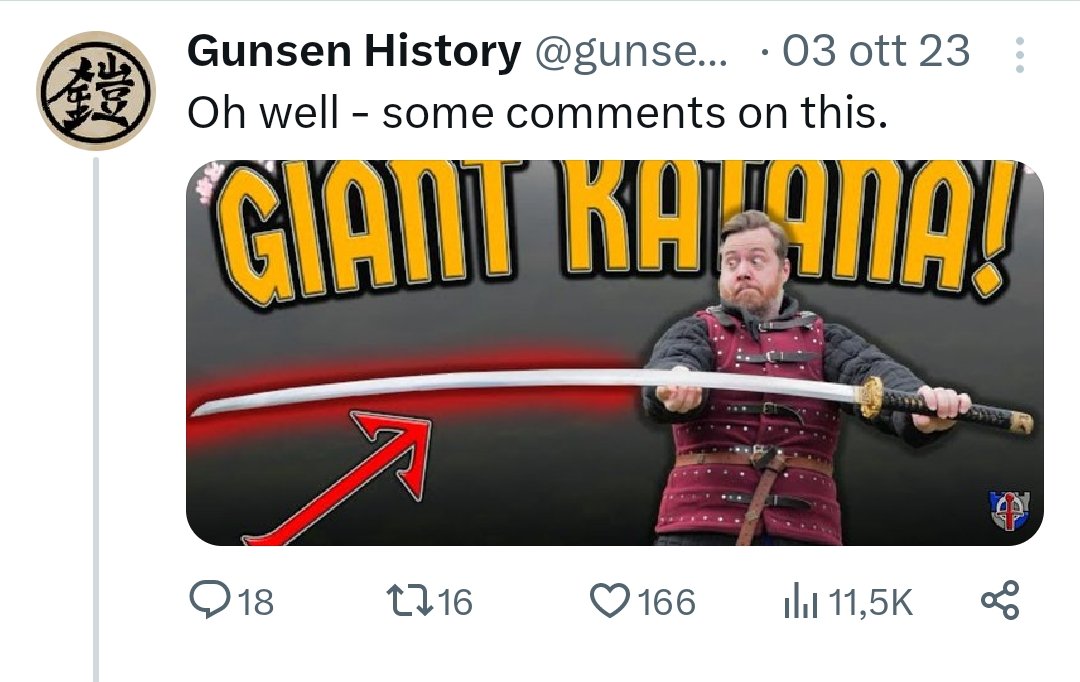
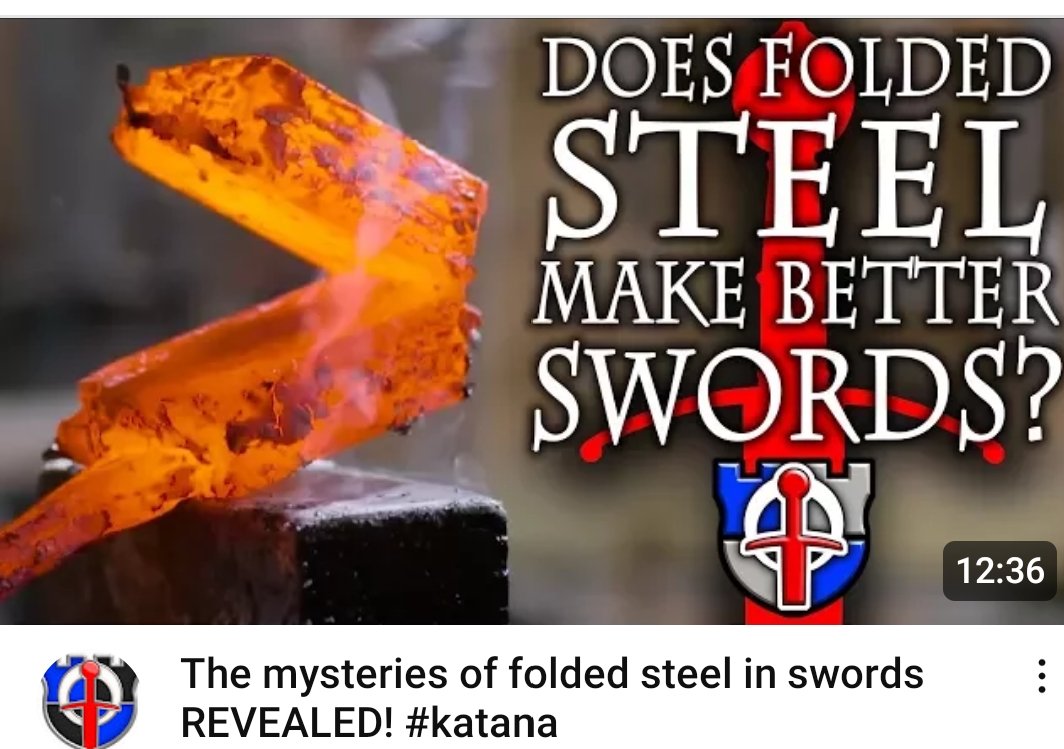
Recently I saw a video discussing the efficacy of a katana (used as a proxy for Japanese swords) on armor, in particular medieval armor.

I think it can be interesting to discuss how swords were used against armor in a Japanese context.
Reference: https://jmty.jp/s/yamanashi/les-spo/article-17xnwb
Taken from 甲冑拳法 柳生心眼流
For the sake of this thread, I want to focus on Arms&Armor of the 1575-1615 as it is a rather complex and nuanced topic. And because most of sources available discuss the topic of sword against armor in such framework, with extensive material from the Edo period.
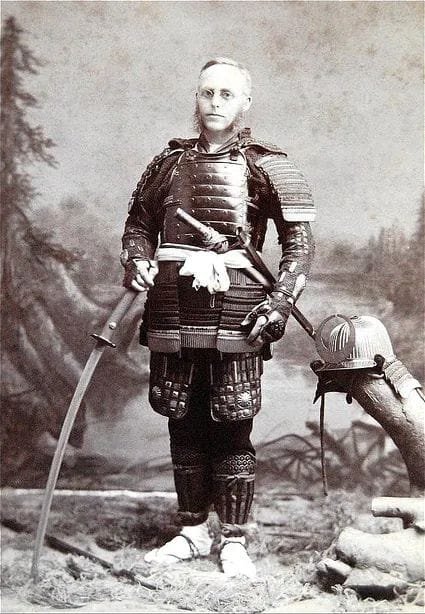
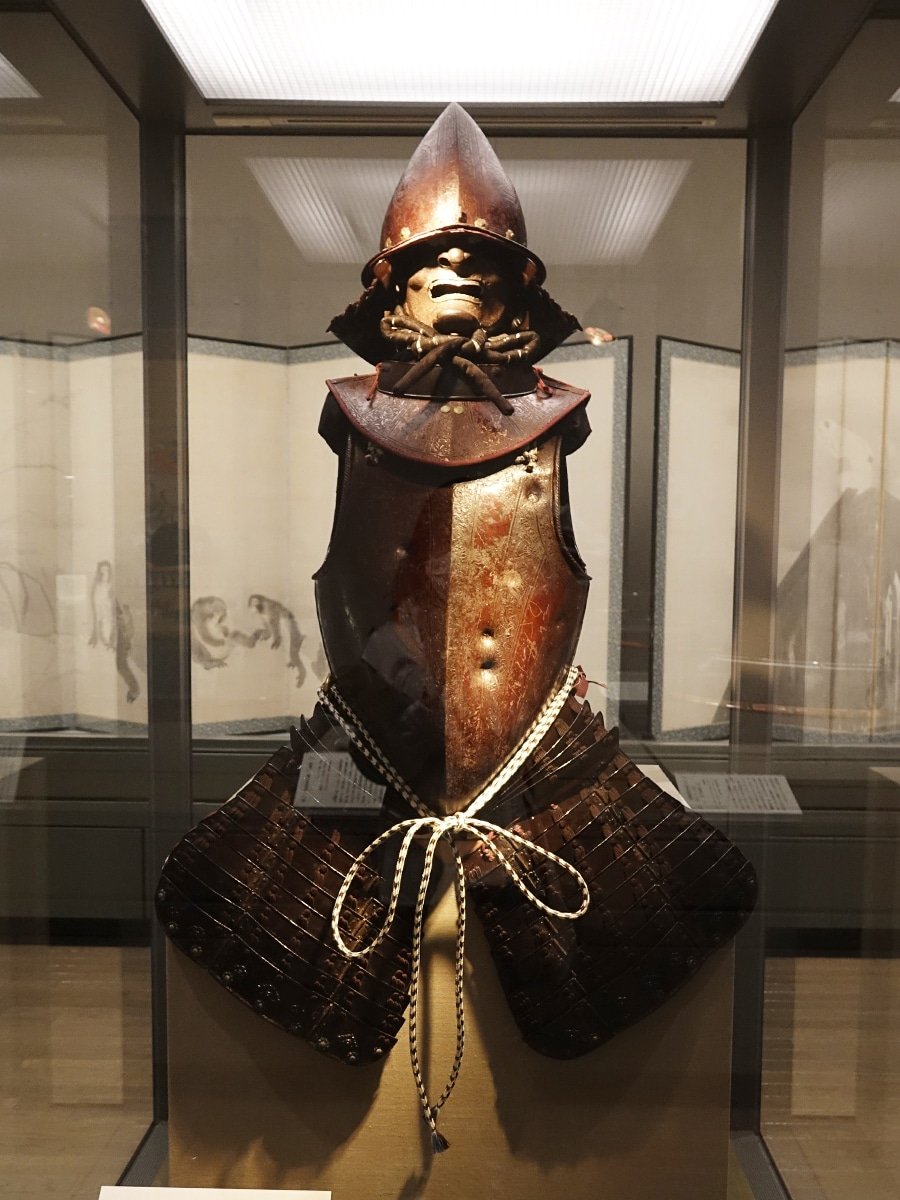
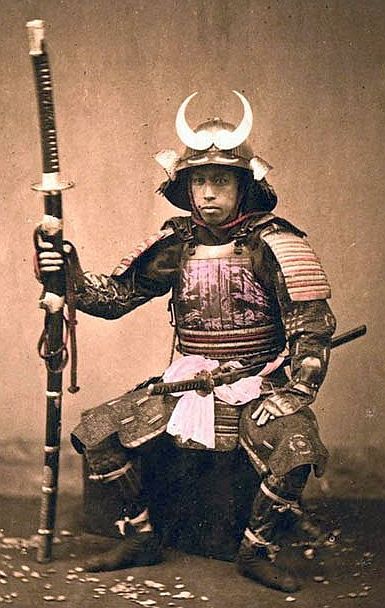
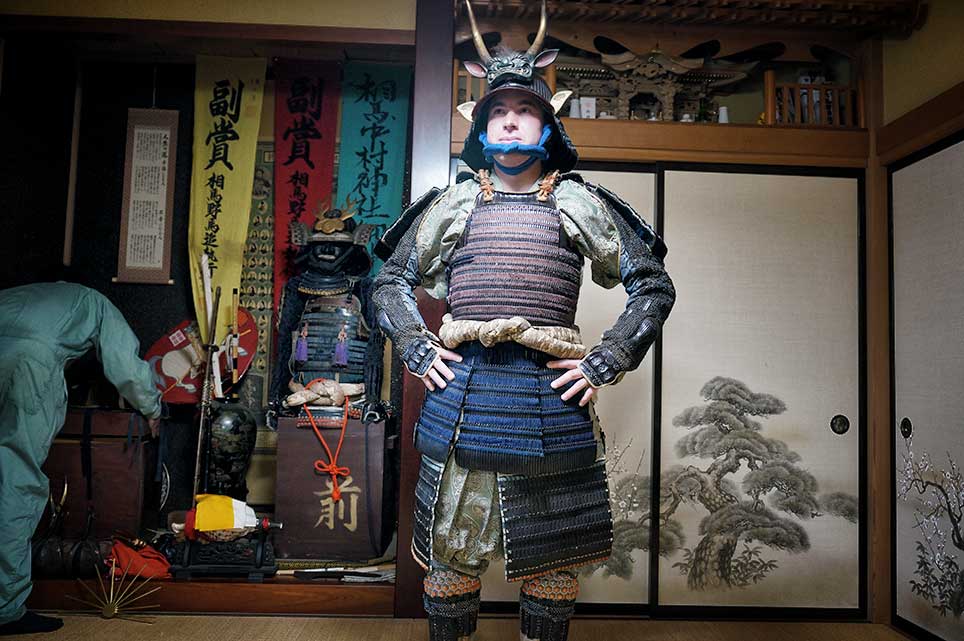
Late Tōsei Gusoku in Edo period portrait, 1590-1615
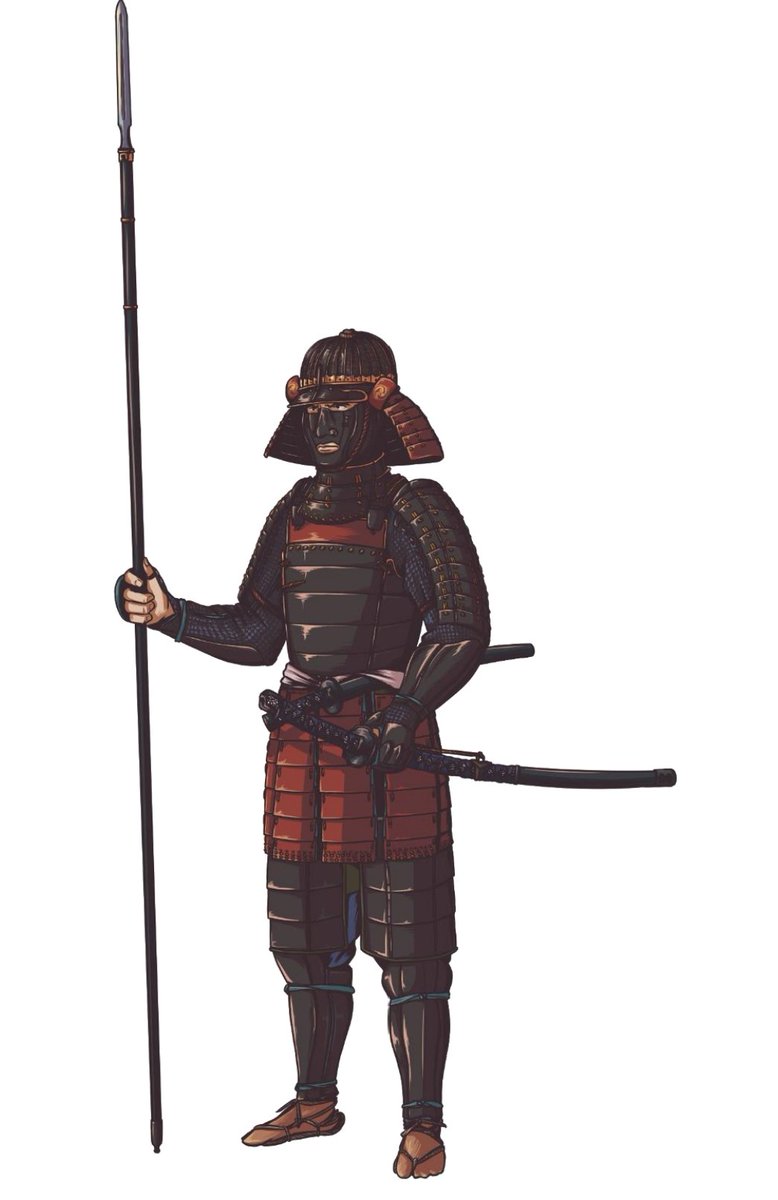
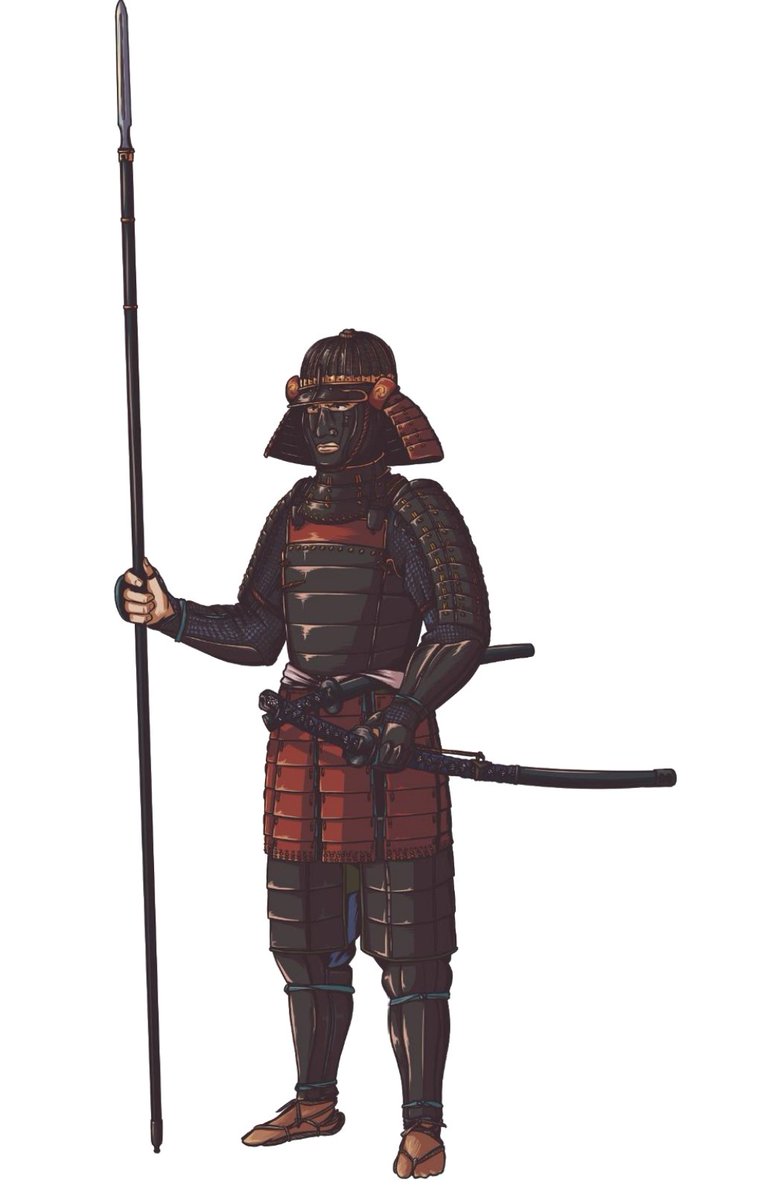
Artwork from @Yoritomoart of a Kantō warrior in full gear, 1575-85.  From my latest paper, Tōgoku no bugu (東国の武具): Study Notes, https://www.academia.edu/115026184/T%C5%8Dgoku_No_Bugu_%E6%9D%B1%E5%9B%BD%E3%81%AE%E6%AD%A6%E5%85%B7_Study_Notes_An_essay_on_the_gear_of_a_Samurai_from_the_T%C5%8Dgoku_regions_during_the_Tensh%C5%8D_era
Furthermore, when dealing with the martial art, as I am not a well versed practitioner, I would limit myself to report the techniques and describe them as they are described in the references.

I want to discuss the topic focusing on the tools, primarily. Let's start! Martial art scroll picture, taken from https://japanbujut.exblog.jp/21816057/
When it comes to (late) Japanese armor, especially in the west, it is common practice to emphasize the relative large gaps in the armor. Everyone is well aware that with a sword, it would be extremely impractical to strike directly at the Dō or Kabuto, being made of plates.
Image
Image
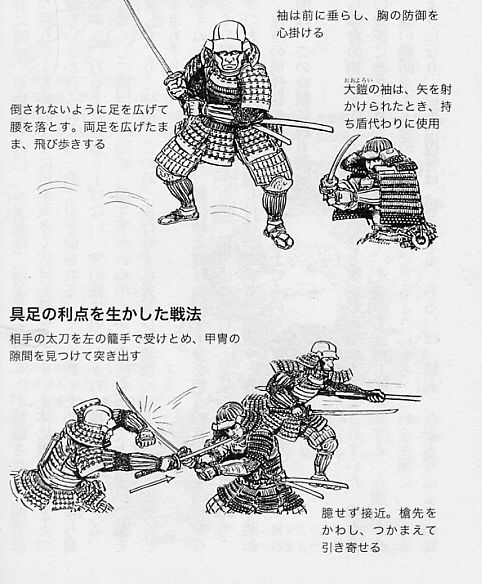
Using a cut-centric sword to target the non protected areas is a straight forward idea and it is still part of the repertoire of techniques of many koryū schools, known as Kaisha Kenjutsu (介者剣術). It targets the inside of the arm, around the neck, the inside of the leg etc.
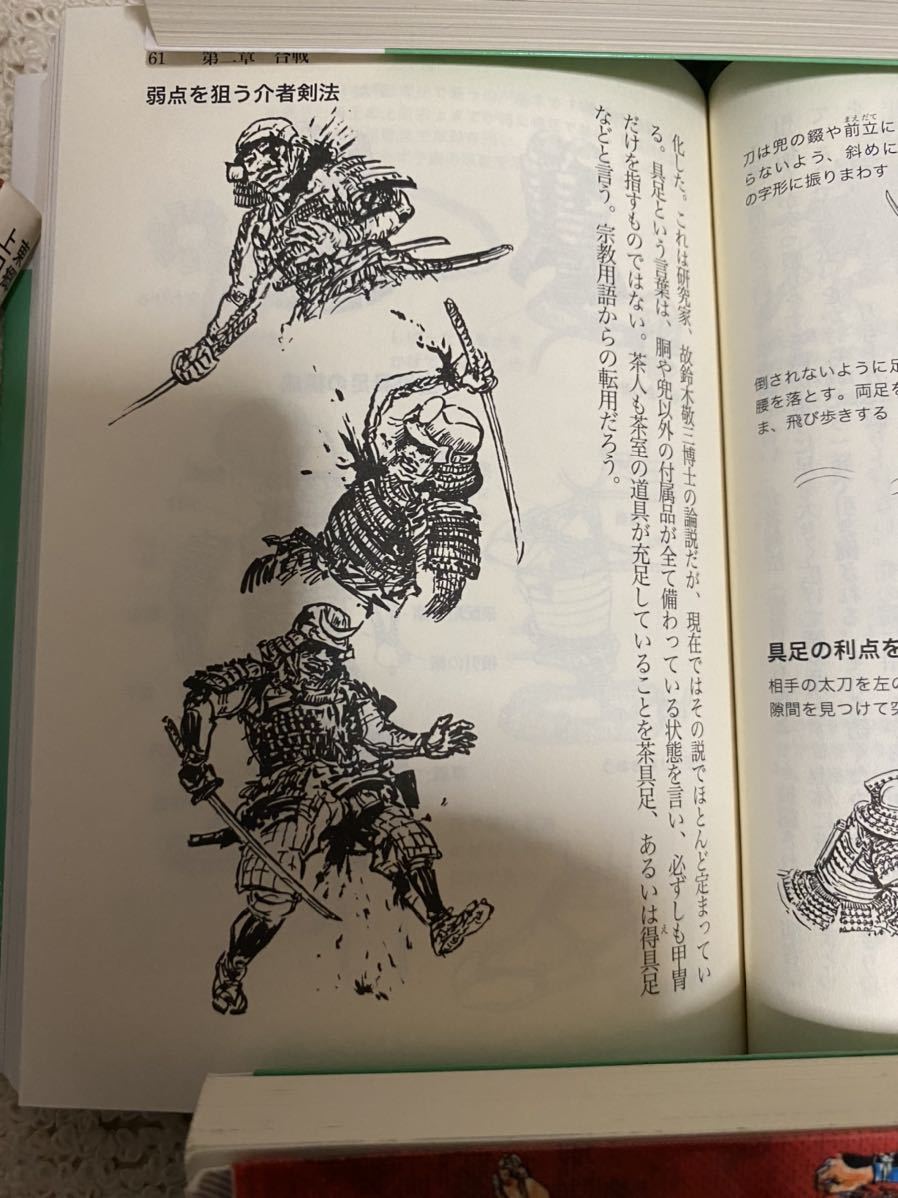
Snippet and illustrations from  戦国武士の合戦心得
Image
This is, however, a partial analysis.

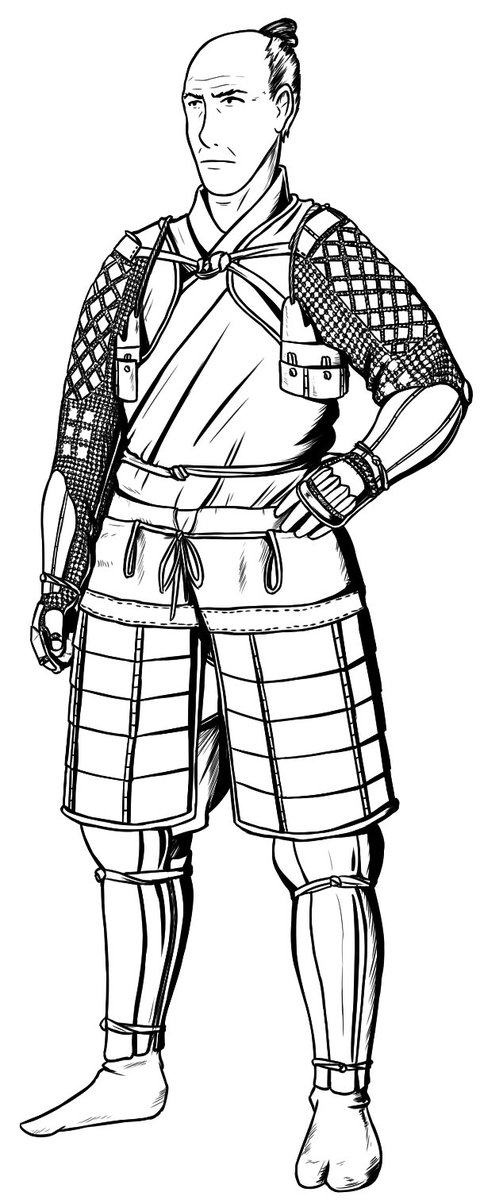
There were different degree of protection when it comes to Japanese armor - auxiliary armor pieces were worn to address these gaps. A lot of cuts on the inside of the arm will be useless if the kote has mail there, for example.

Image
Artwork from YoritomoArt showcasing full mail on the kote and under armor armpit protector known as wakibiki. From my latest paper Tōgoku no bugu (東国の武具): study notes.
Image
With the wide spectrum of armor to consider, the most protective gear will nullify most of these cut techniques. Here, you need to use the point to bypass the mail covering the weak spots, half swording etc; not dissimilar to the European tradition.
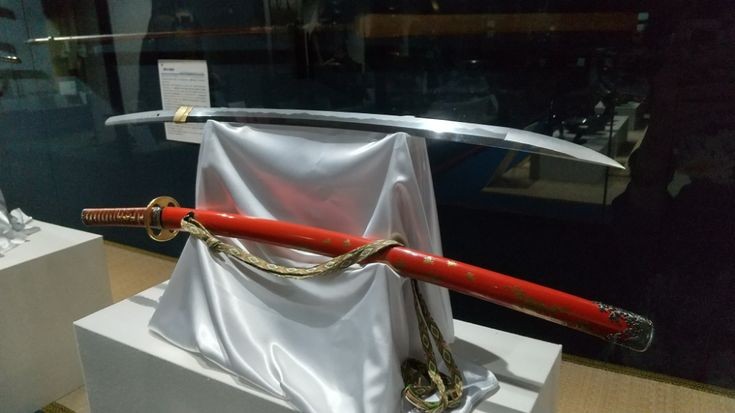
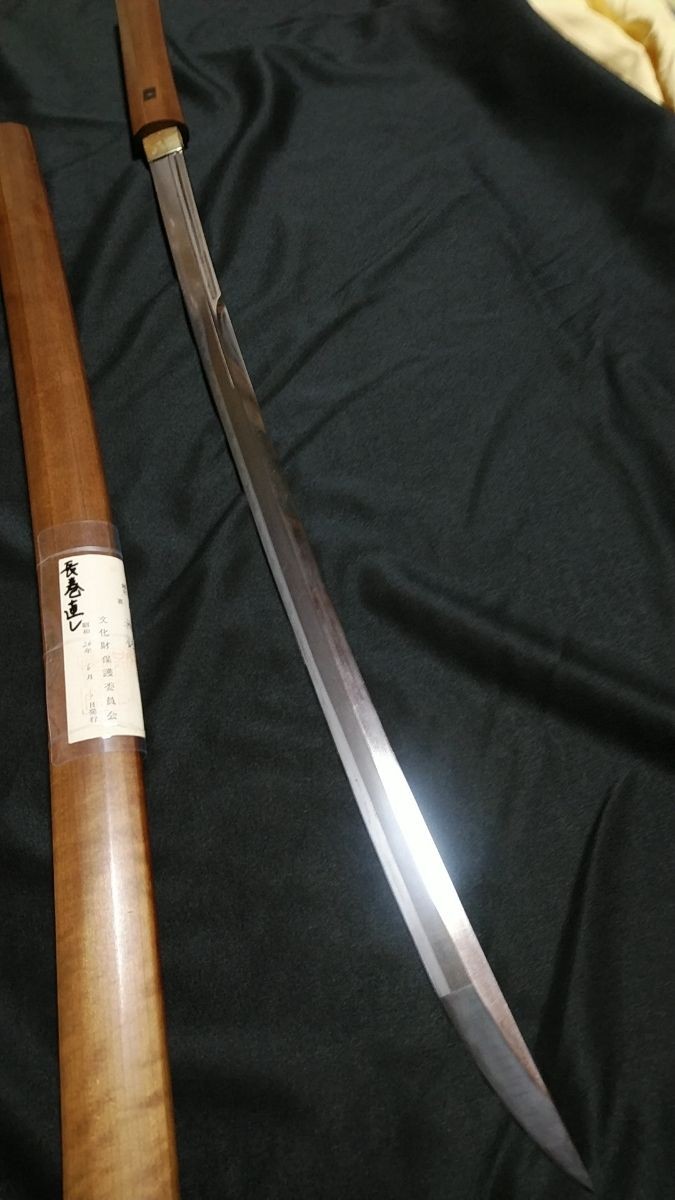
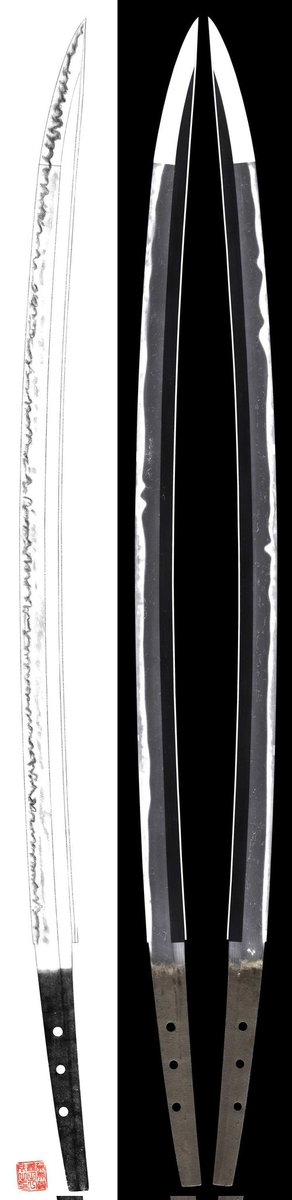
Within this context, what do we know about Japanese swords and their evolution related to armor? In the 14th century, we see the development of thicker blades with slender and long points. This tip geometry is known as Ōkissaki (大切先), opposed to the classic chū kissaki(中切先)

Image
Image
Image
Image
Such blades have a stronger advantage at delivering cuts with the tip and their slender point can be used to bypass flexible armor, or slip in between plates. In this sense, we can see a form of development towards fighting armor, compared to the average chū kissaki katana.
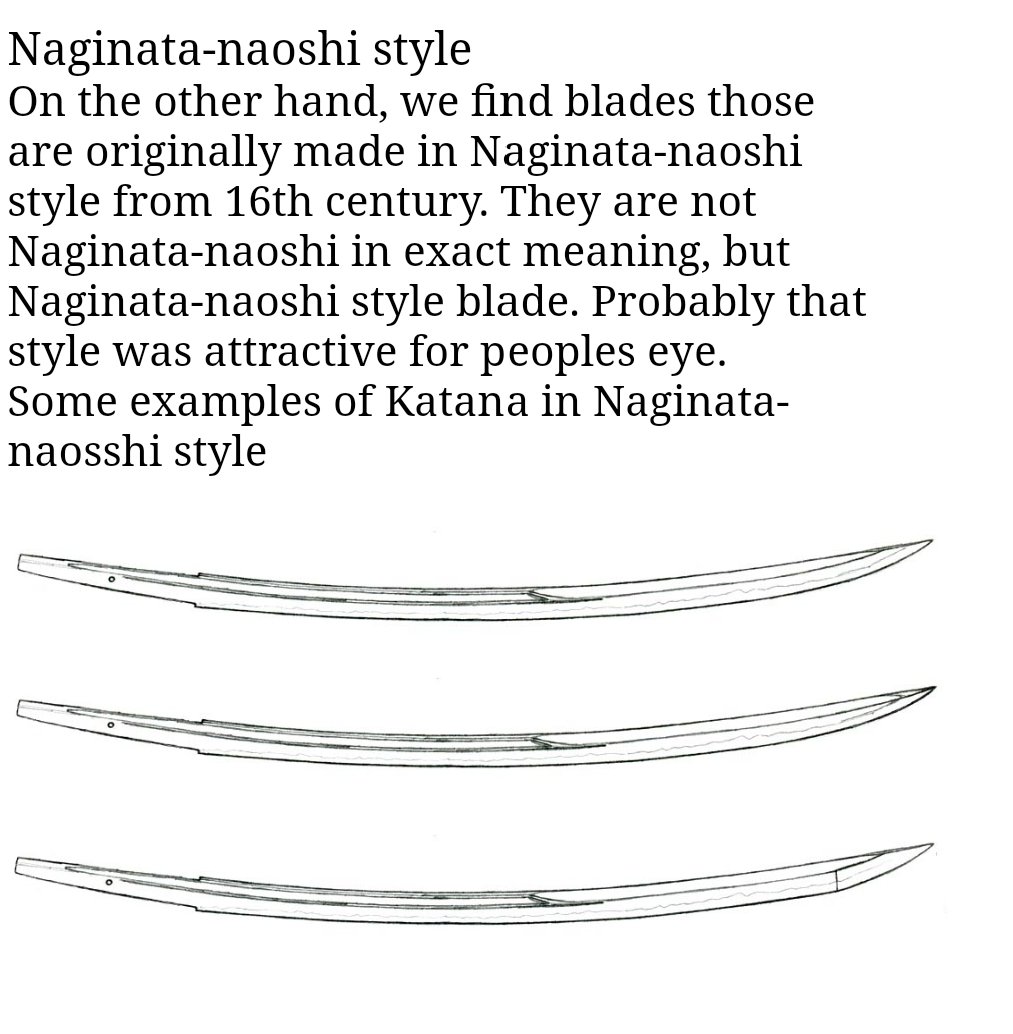
Source: http://www.ksky.ne.jp/~sumie99/naginata.html
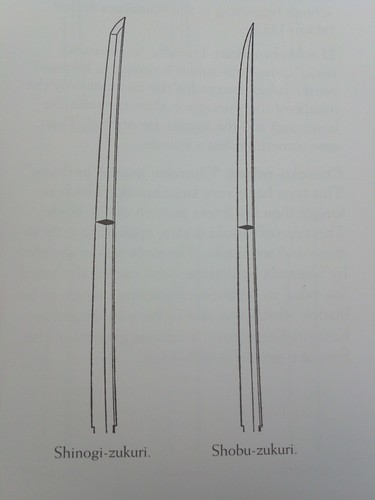
In this example, a classic shinogi zukuri with a defined yokote line and a chukissaki compared to a slender shobu zukuri, with no yokote line and a longer ōkissaki. Source: The Connoisseur's Book of Japanese Swords
Therefore, when considering the variety of armor of this time frame in Japan, your " regular" katana is quite suitable. Even when dealing with minimal armored limbs, if they are on the light side of the spectrum, you can still damage the bones underneath. Edo period armor example. Notice the kote made primarily of mail, with gourd shaped plates known as odagote.  Source: http://www.sognandoriente.it/2014/09/17/nel-cuore-del-giappone/
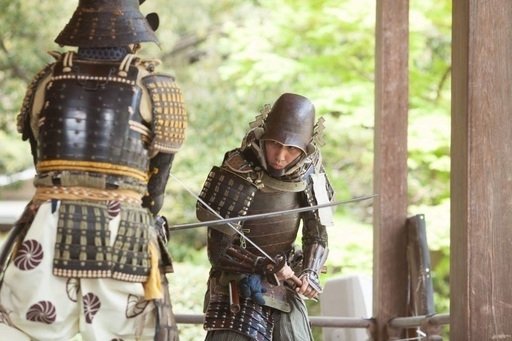
In case more armor is present, the techniques of Kaisha kenjutsu will allow you to strike at the enemy armors gaps, using a mix of cuts, stabs and grappling to defeat the opponent. Source: https://jmty.jp/yamanashi/les-spo
When facing the high-end armor technology of the period, specialized swords as the one above and a good deal of techniques will be needed to overcome it. That being said, without even going to discuss how to use armor to your own advantage. This topic is huge.
Image
Image
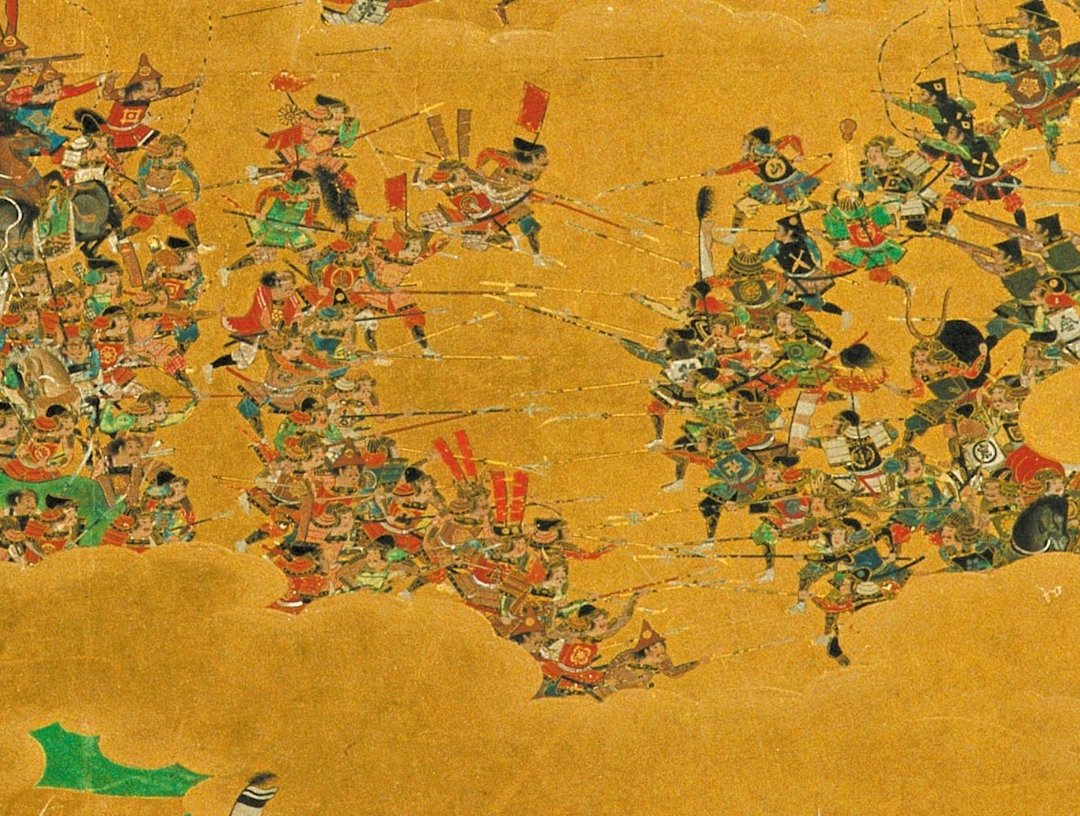
Ultimately, in 16th/17th century Japan, at the height of its armored combat period, swords were not the main tool designed to deal with it (minus some specific exceptions). Spears, polearms, daggers and most importantly bows and guns were the favoured weapons in such scenario. Section of the Osaka siege battle screen, Edo period
@C4nn0n_F0dd3r I wanted to express that with all the possible weapons available, a sword would have not been the first choice to use against a heavily armored opponent on the field. But I do agree that they have their use on the field, and can still be used as second-best.
@C4nn0n_F0dd3r And I would also agree that ranged weapons do not necessarilly fill the same role as hand held ones, although there is some overlapping
@RuiseartMcSpain @C4nn0n_F0dd3r @yoritomoart There is also more from the Taheiki. Now this is not to say that armor was helpless against bow and arrows, quite the opposite. But it work as parallel for a spear in the sense that it was used by high end warriors, with specific arrow heads, aiming against armored warriors
@RuiseartMcSpain @C4nn0n_F0dd3r @yoritomoart I think it might be an interesting future thread tbh to discuss the use of the bow in Japanese warfare!

• • •

Missing some Tweet in this thread? You can try to force a refresh

 

Keep Current with Gunsen History

Gunsen History Profile picture

Stay in touch and get notified when new unrolls are available from this author!

Read all threads

This Thread may be Removed Anytime!

PDF

Twitter may remove this content at anytime! Save it as PDF for later use!

Try unrolling a thread yourself!

how to unroll video
  1. Follow @ThreadReaderApp to mention us!

  2. From a Twitter thread mention us with a keyword "unroll"
@threadreaderapp unroll

Practice here first or read more on our help page!

More from @gunsen_history

Feb 26, 2024
Nerigawa or nerikawa (練革・煉革) is a key material used in Japanese armor making since the Nara period. It is often translated as "hardened rawhide", and it is essentially "leather" based armor. It was used to make sane (札) or lamellae and occasionally sword guards too. Source: https://shop.suzukine.com/blogs/yuzan-blog/221012
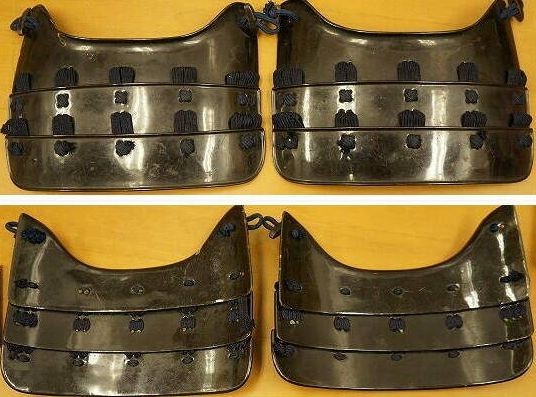
These nerigawa sane were assembled in rows known as sane-ita, either mixed with metal ones or exclusively rawhide, depending on the type of armor and the part that would have covered. Source: https://www.touken-world.jp/tips/14281/
Rawhide sane were lighter and absorbed energy by compression, but could not to prevent penetration as good as iron. While edged weapons and projectiles could bite into surface, the use of thick rawhide partially solved the problem and thus were deemed to be good against arrows.
Read 8 tweets
Jan 30, 2024
I want to talk about this, but I want to make a short premise before diving into this video, since there is a lot to talk about.

This is Part 1. Image
If one looks at my youtubers' replies, one would only see Shad from Shadiversity, despite the various personalities dealing with these topics on you tube. So why is that? Is it personal? Of course not

Image
Image
Image
So why am I addressing primarily those videos? I know this practice creates mixed feelings. I do not want to create drama, pick a target and get followers out of it, anything like that.
Read 25 tweets
Jun 5, 2023
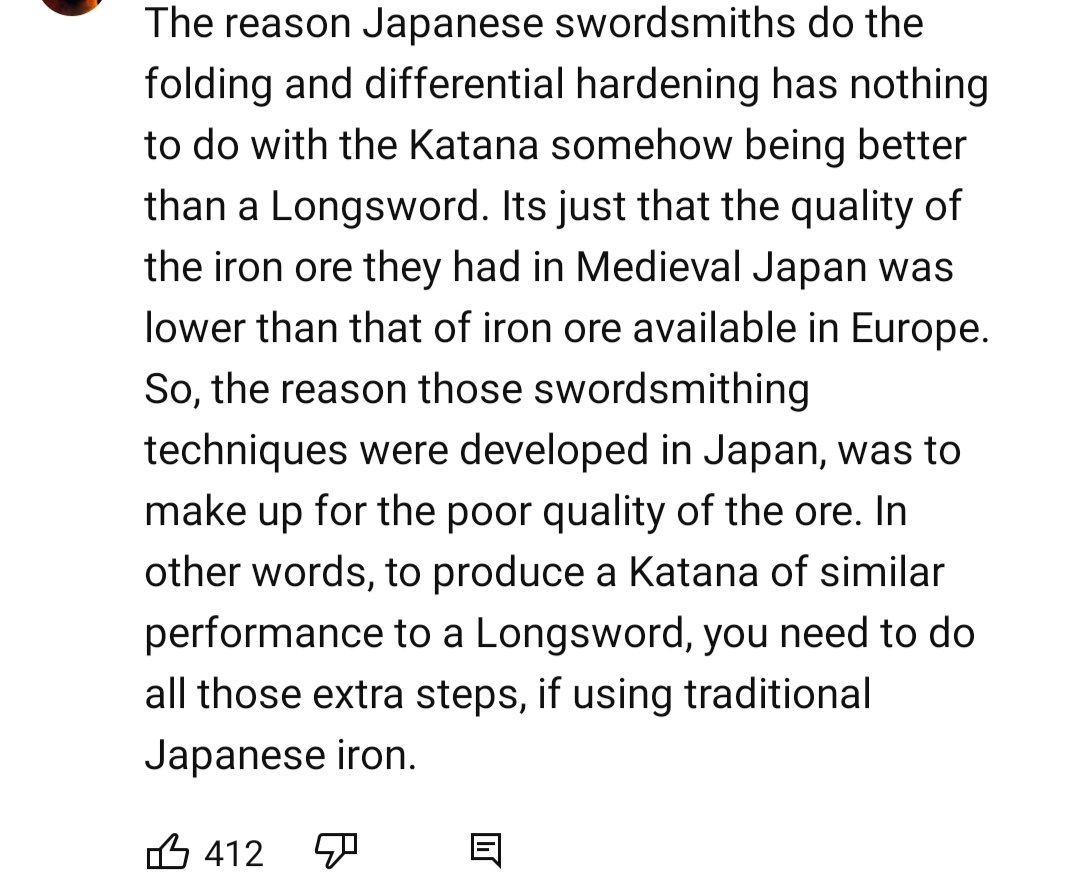
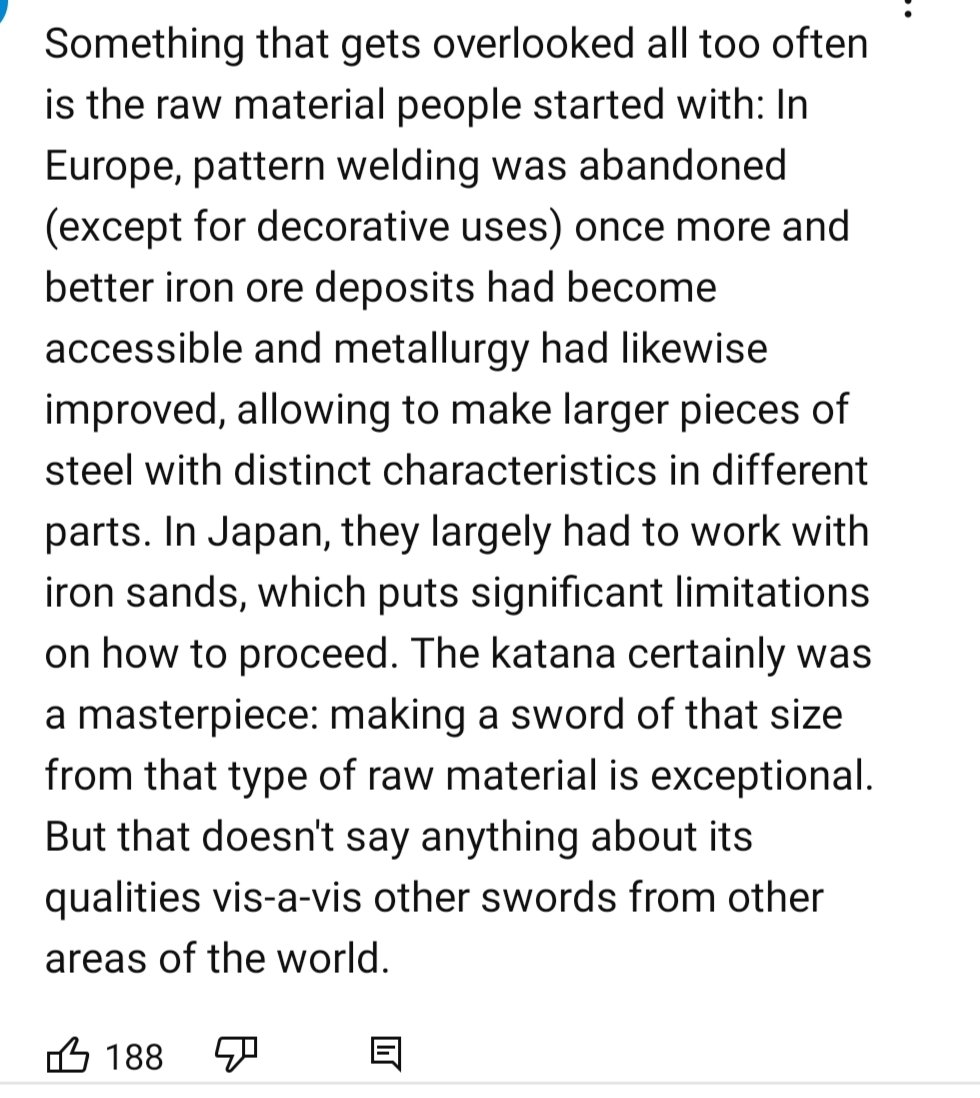
One of the most popular misconception about Japanese Arms&Armors that is constantly being repeated all over as an endless mantra, is the quality of the steel and iron used, in the context of pre-industrial technology. This is true especially among western sword "enthusiasts"


Image
Image
Image
Image
This also is paired with the notion that steel and iron were extremely rare in Japan, to the point that the nation was in "constant iron shortage" and that iron was a luxurious commodity, and other amenities such as the lack of iron nails produced in Japan (laughs).

Image
From Hesselink, Reinier. (2015). A Metal Dealer and Spy from Nagasaki in Manila. Monies, Markets, and Finance in East Asia, 1600-1900, 6, 489-509. https://doi.org/10.1163/9789004288355_020
There is a lot to unpack here, so let's go in order: steel making processes.
Read 40 tweets
Feb 20, 2023
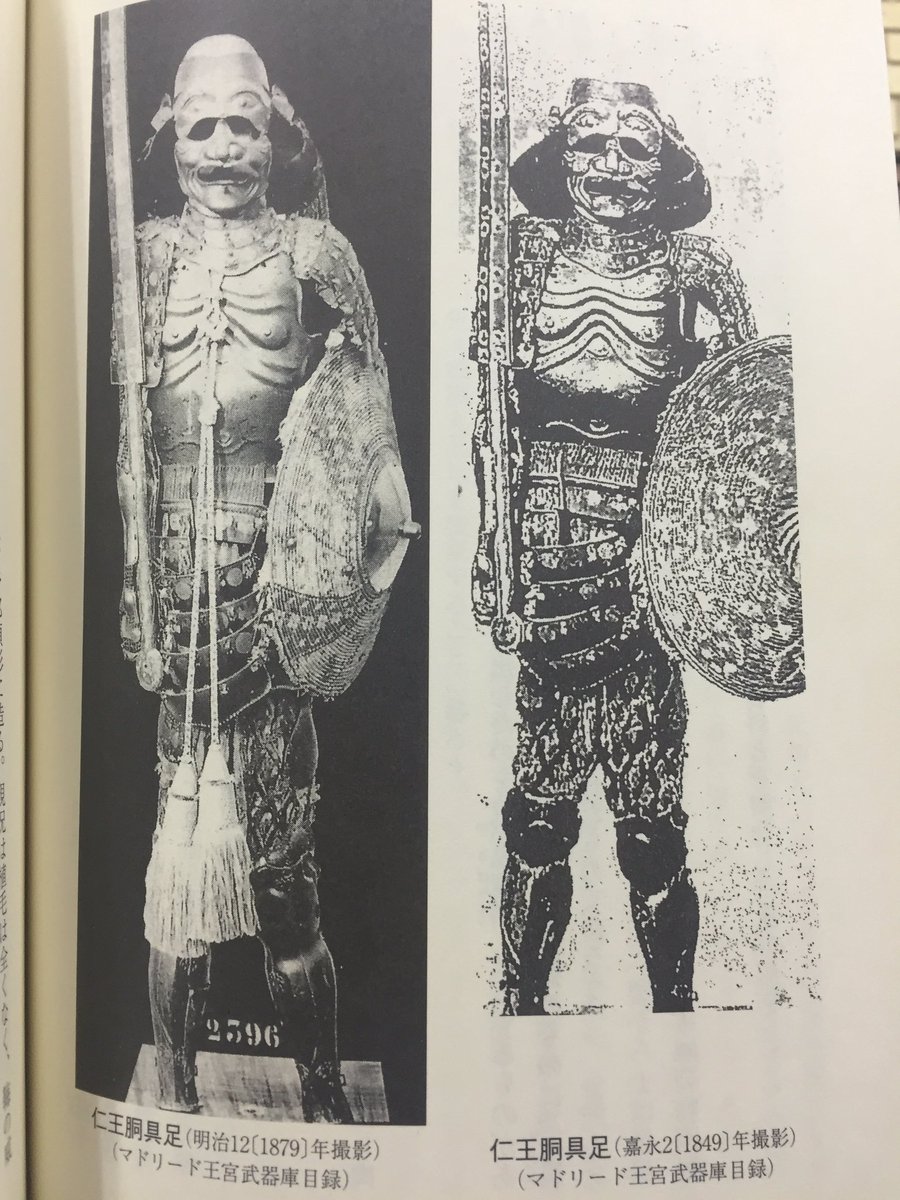
Common Japanese armour misconceptions: the Nanban Dō. If you have ever read about the development of tōsei gusoku armor in the azuchi momoyama period, it is very likely you have come across the influence of European armor and the Nanban dō. Let's clarify some myths Image
The first account of suits of European armors in Japan is dated 1591, and it is recorded through the writings of Luis Frois. It was a diplomatic gift to Hideyoshi from Philip II of Spain - in all of his letters and accounts, this is the first time we read of such exchange.
By that time, Japanese armor has evolved into its final tōsei gusoku shape: in exchange, Hideyoshi gave a suit of Niō dō to Philip II which can still be seen in Madrid, although highly damaged.
Image
Image
Read 19 tweets

Did Thread Reader help you today?

Support us! We are indie developers!


This site is made by just two indie developers on a laptop doing marketing, support and development! Read more about the story.

Become a Premium Member ($3/month or $30/year) and get exclusive features!

Become Premium

Don't want to be a Premium member but still want to support us?

Make a small donation by buying us coffee ($5) or help with server cost ($10)

Donate via Paypal

Or Donate anonymously using crypto!

Ethereum

0xfe58350B80634f60Fa6Dc149a72b4DFbc17D341E copy

Bitcoin

3ATGMxNzCUFzxpMCHL5sWSt4DVtS8UqXpi copy

Thank you for your support!

Follow Us!

:(