views

Recently I saw a video discussing the efficacy of a katana (used as a proxy for Japanese swords) on armor, in particular medieval armor.
I think it can be interesting to discuss how swords were used against armor in a Japanese context.

I think it can be interesting to discuss how swords were used against armor in a Japanese context.
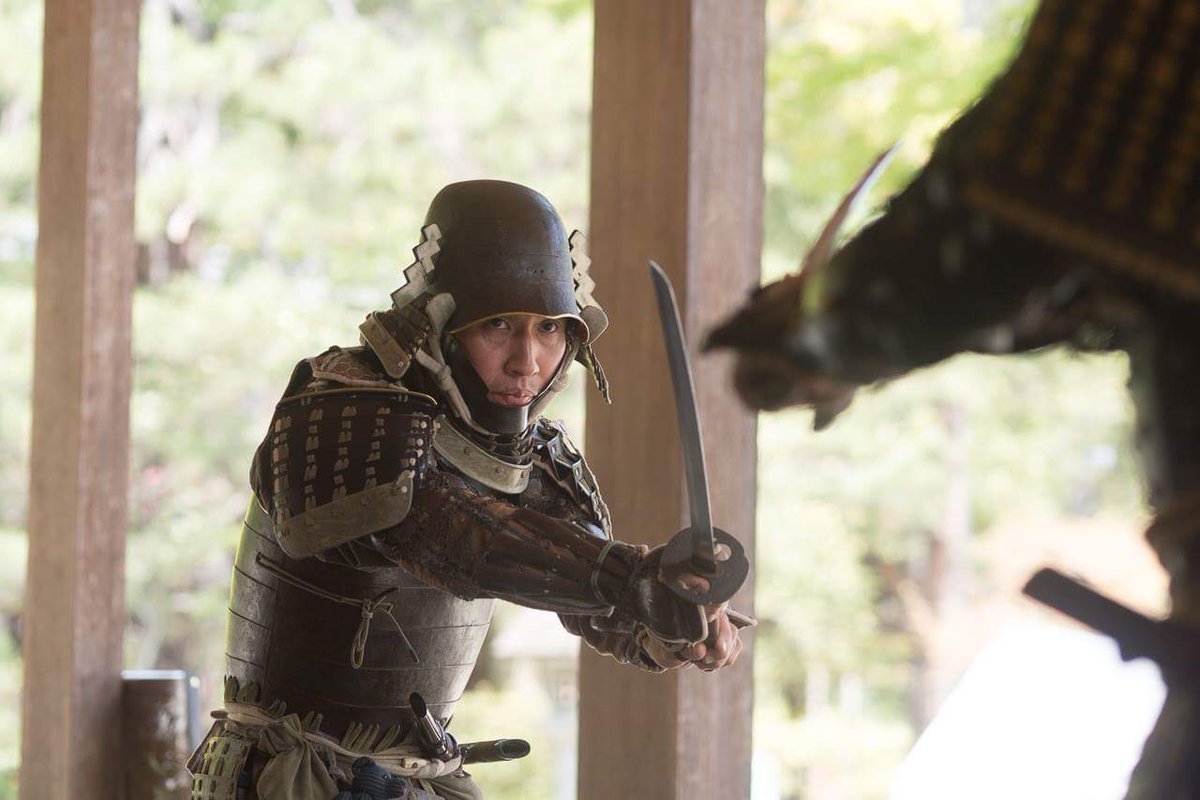

For the sake of this thread, I want to focus on Arms&Armor of the 1575-1615 as it is a rather complex and nuanced topic. And because most of sources available discuss the topic of sword against armor in such framework, with extensive material from the Edo period.

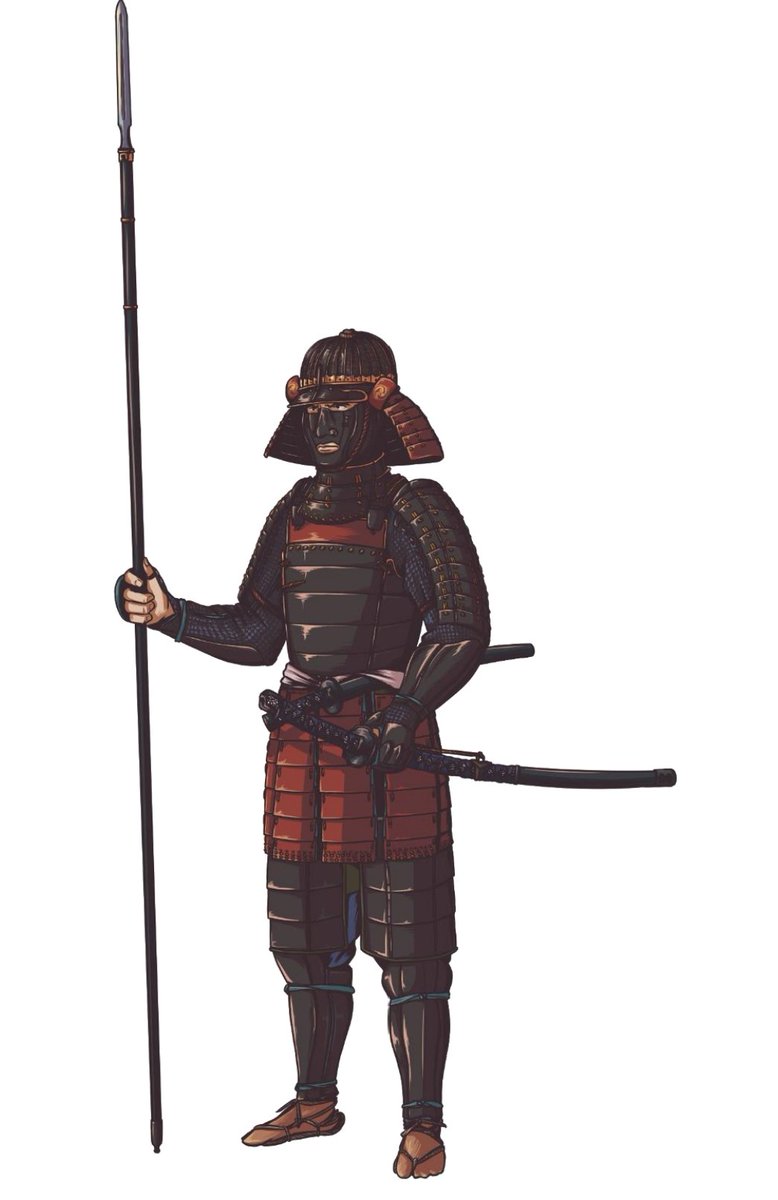
Furthermore, when dealing with the martial art, as I am not a well versed practitioner, I would limit myself to report the techniques and describe them as they are described in the references.
I want to discuss the topic focusing on the tools, primarily. Let's start!
I want to discuss the topic focusing on the tools, primarily. Let's start!

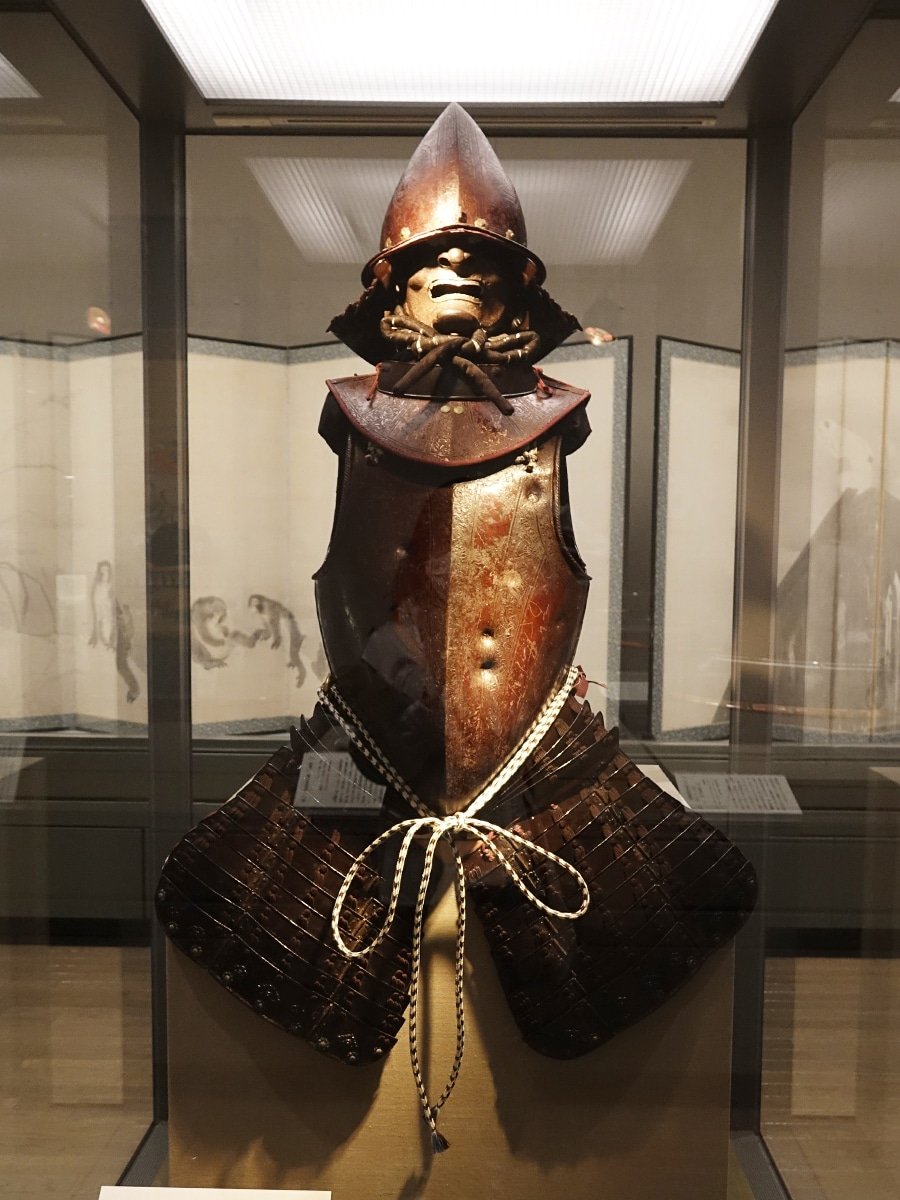
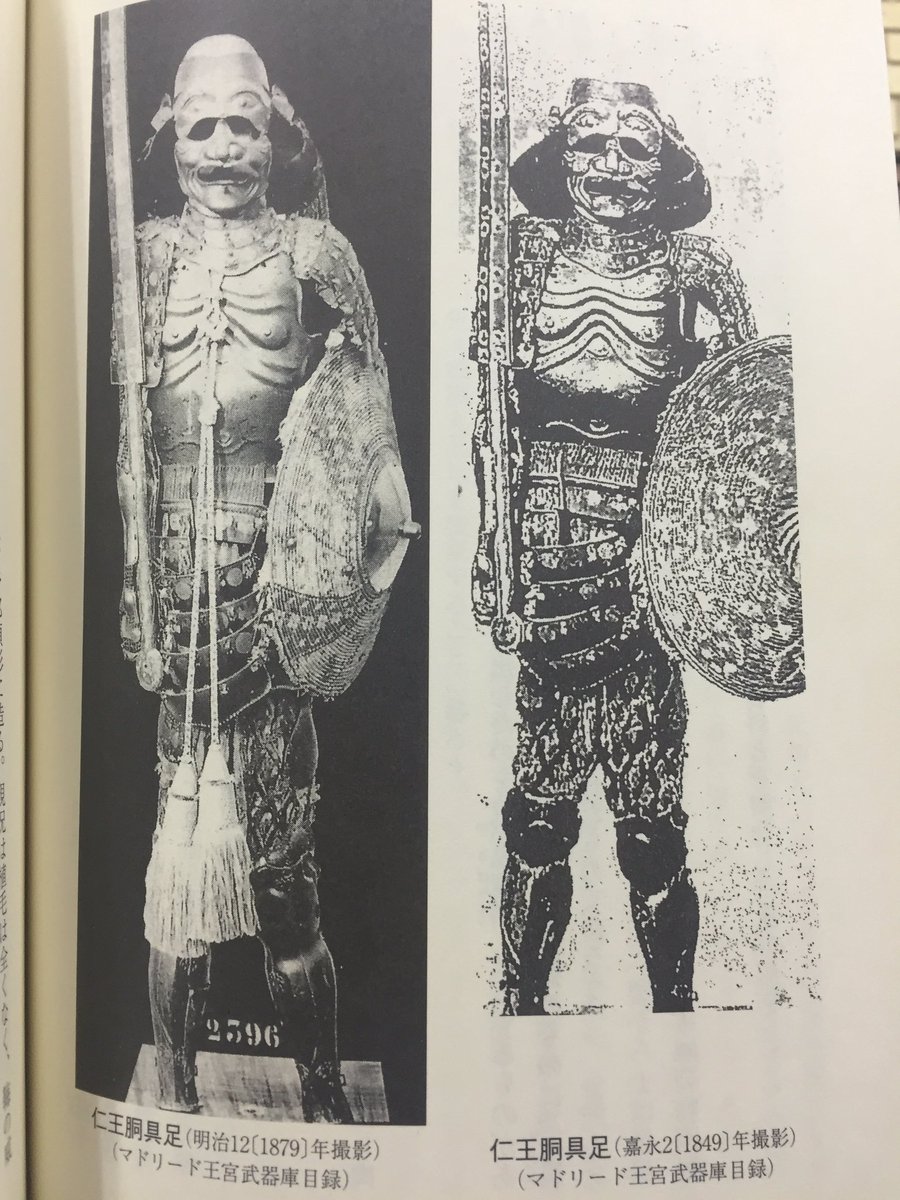
When it comes to (late) Japanese armor, especially in the west, it is common practice to emphasize the relative large gaps in the armor. Everyone is well aware that with a sword, it would be extremely impractical to strike directly at the Dō or Kabuto, being made of plates.
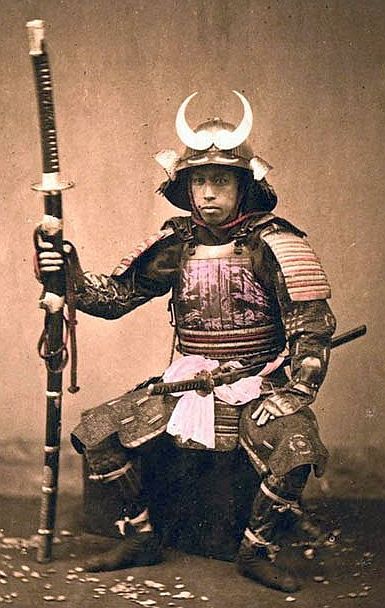
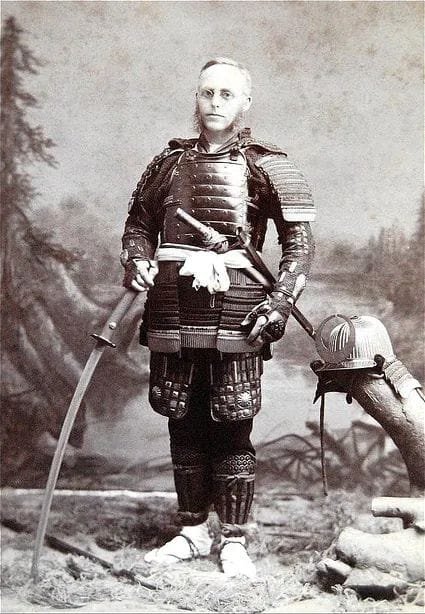
Using a cut-centric sword to target the non protected areas is a straight forward idea and it is still part of the repertoire of techniques of many koryū schools, known as Kaisha Kenjutsu (介者剣術). It targets the inside of the arm, around the neck, the inside of the leg etc.
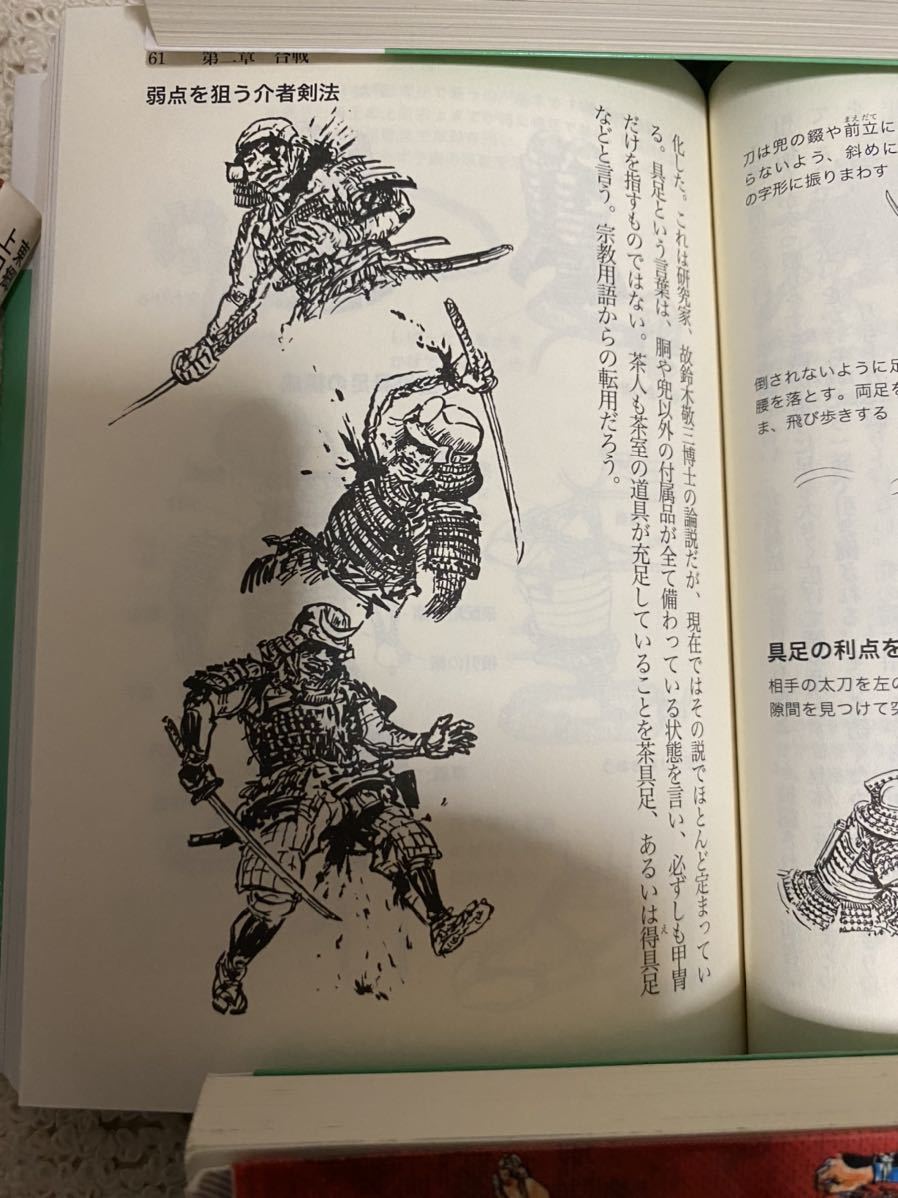

This is, however, a partial analysis.
There were different degree of protection when it comes to Japanese armor - auxiliary armor pieces were worn to address these gaps. A lot of cuts on the inside of the arm will be useless if the kote has mail there, for example.
There were different degree of protection when it comes to Japanese armor - auxiliary armor pieces were worn to address these gaps. A lot of cuts on the inside of the arm will be useless if the kote has mail there, for example.

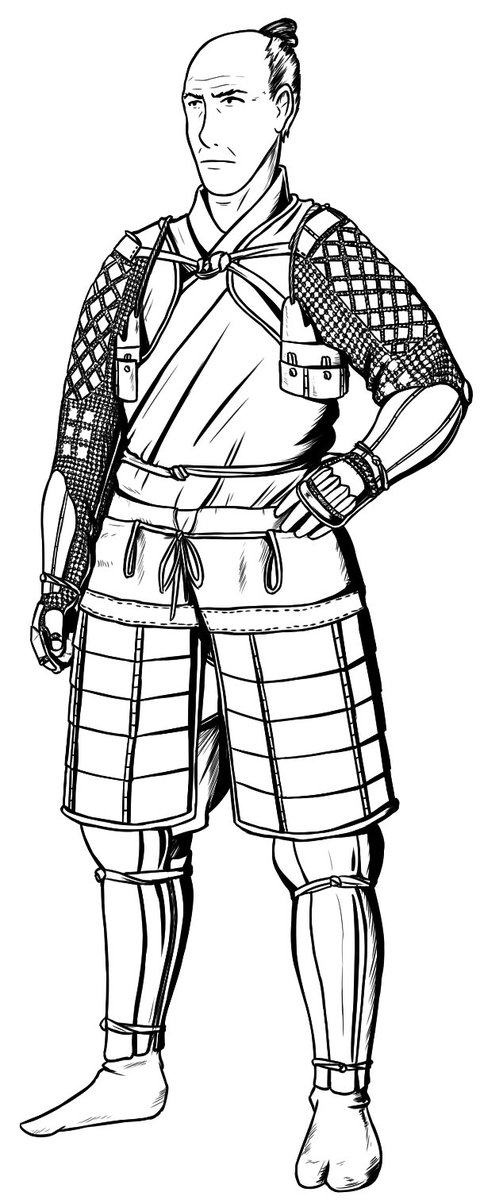
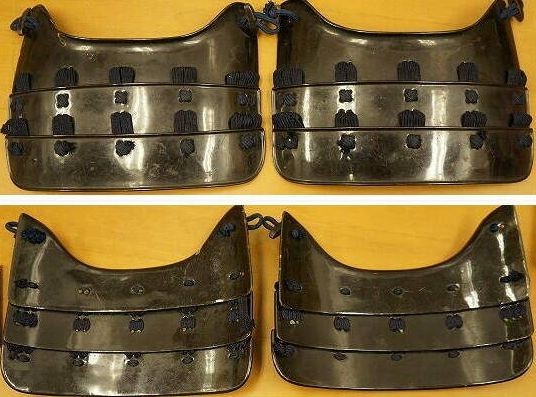
With the wide spectrum of armor to consider, the most protective gear will nullify most of these cut techniques. Here, you need to use the point to bypass the mail covering the weak spots, half swording etc; not dissimilar to the European tradition.
https://twitter.com/inuchochin/status/902507513588867072?t=uZc3LCntVEVDQXSag7Y0hg&s=19
Within this context, what do we know about Japanese swords and their evolution related to armor? In the 14th century, we see the development of thicker blades with slender and long points. This tip geometry is known as Ōkissaki (大切先), opposed to the classic chū kissaki(中切先)

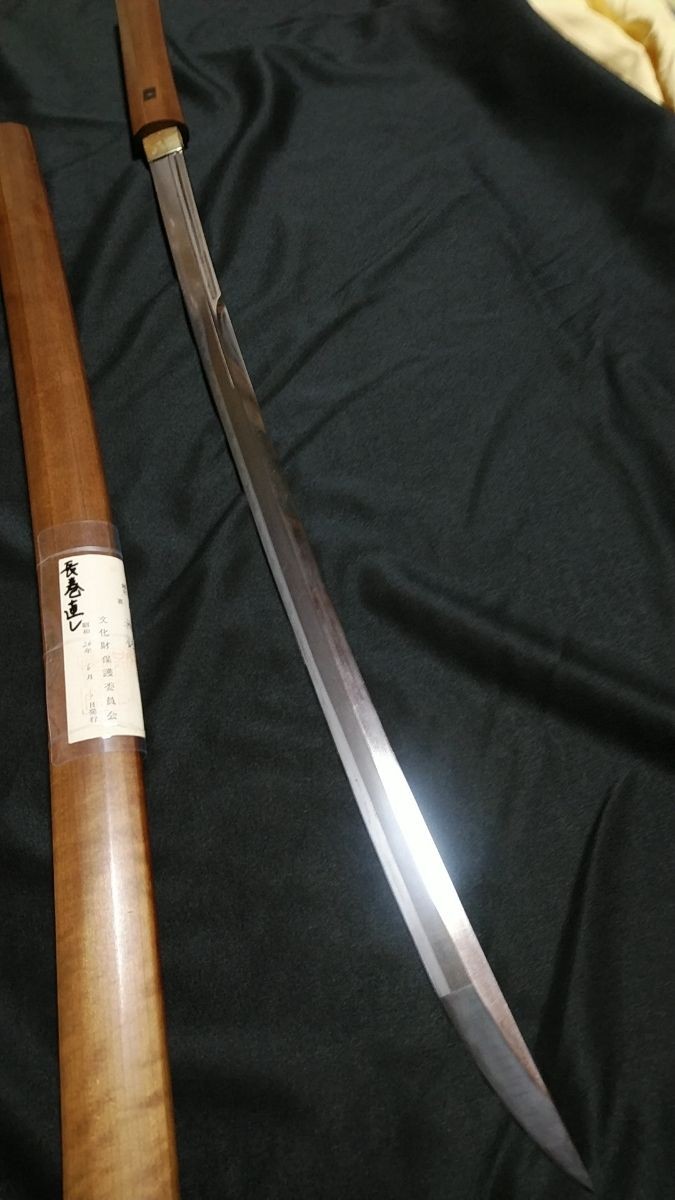
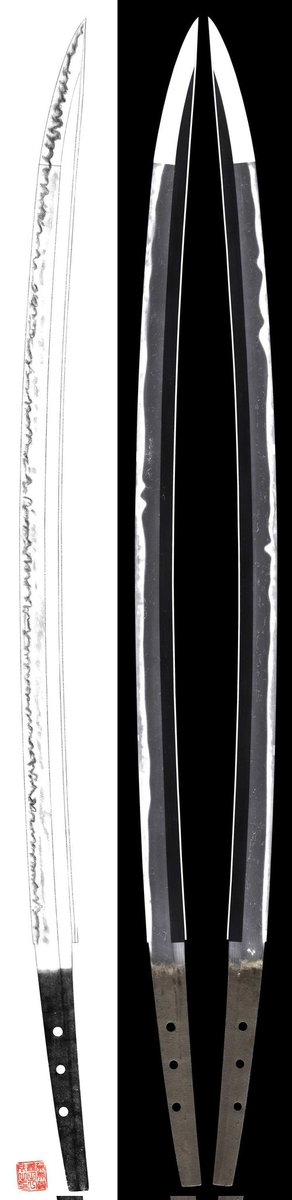
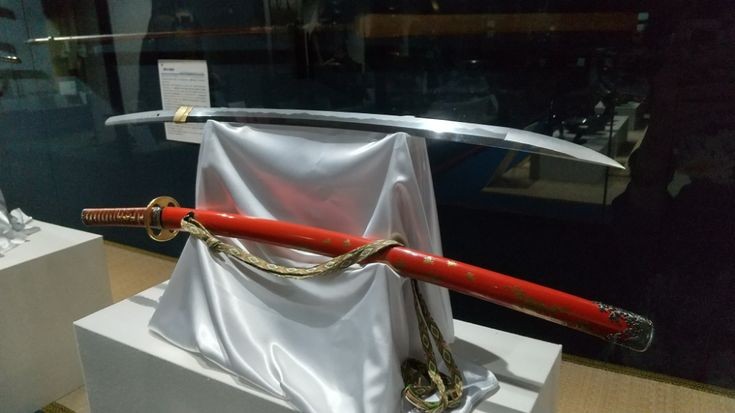
Such blades have a stronger advantage at delivering cuts with the tip and their slender point can be used to bypass flexible armor, or slip in between plates. In this sense, we can see a form of development towards fighting armor, compared to the average chū kissaki katana.
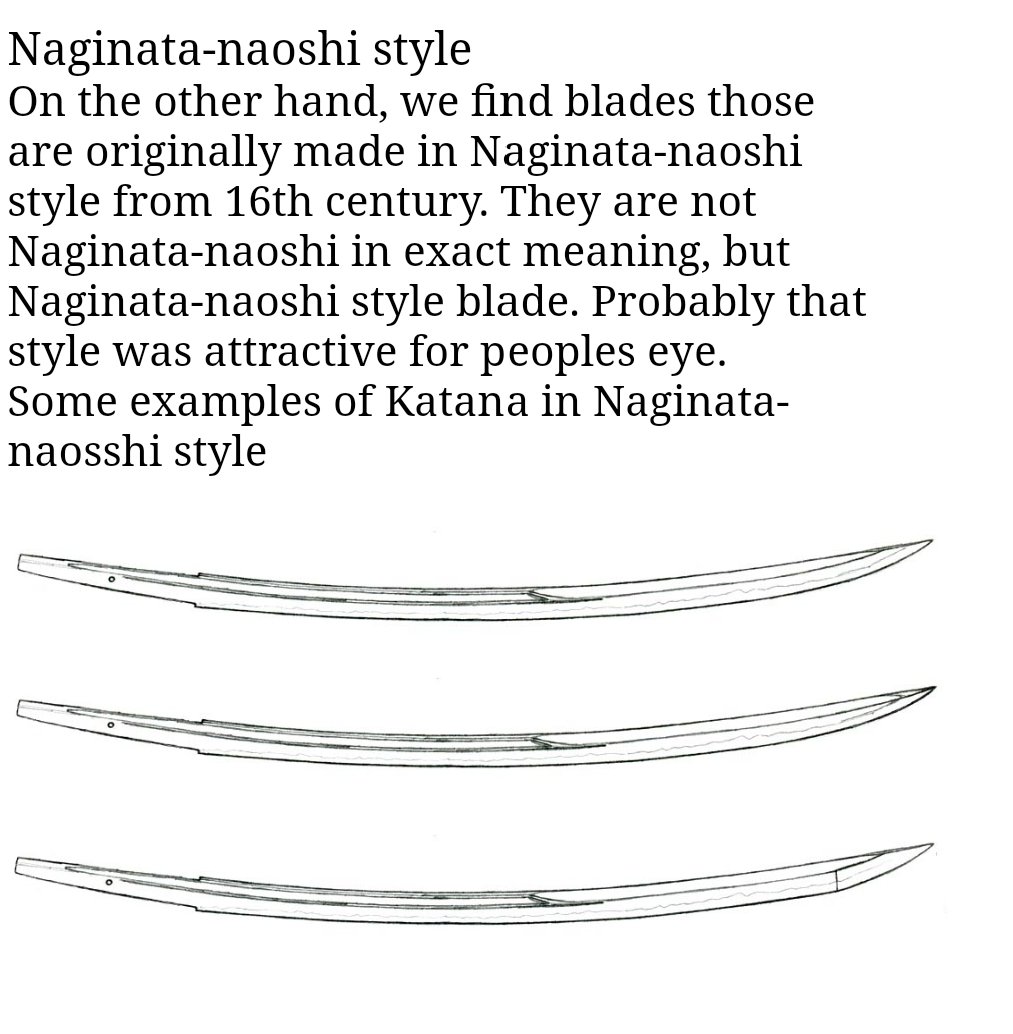
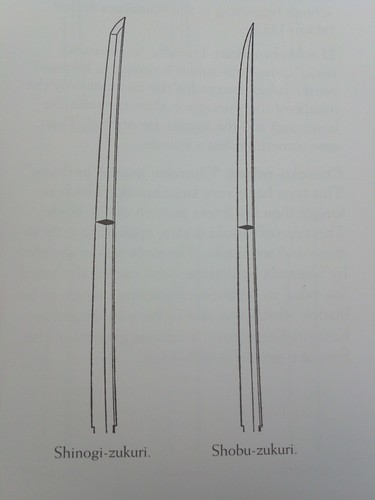
Therefore, when considering the variety of armor of this time frame in Japan, your " regular" katana is quite suitable. Even when dealing with minimal armored limbs, if they are on the light side of the spectrum, you can still damage the bones underneath.
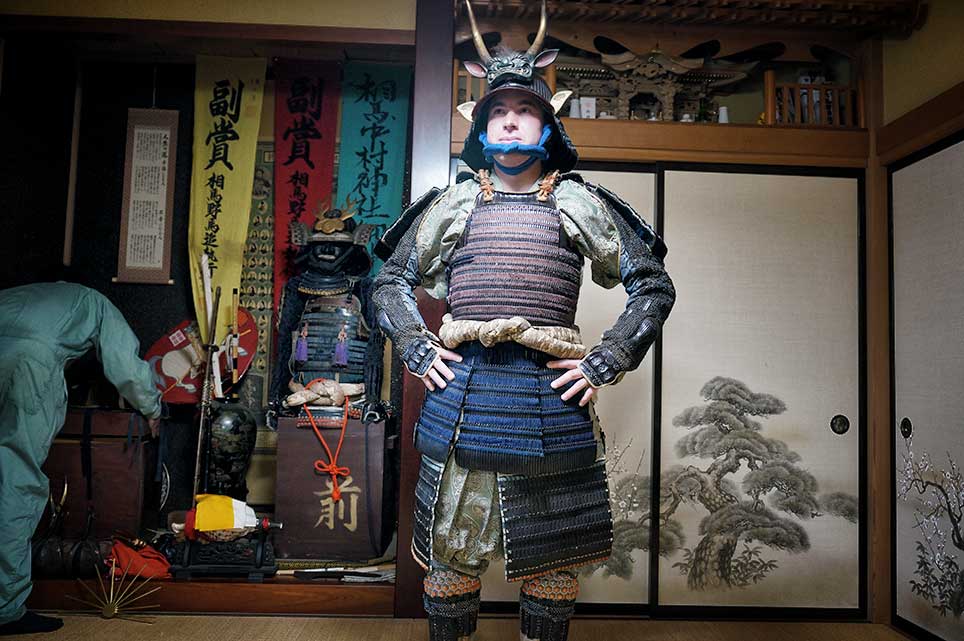
In case more armor is present, the techniques of Kaisha kenjutsu will allow you to strike at the enemy armors gaps, using a mix of cuts, stabs and grappling to defeat the opponent.
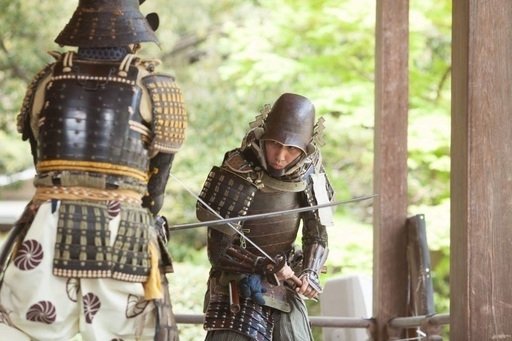
When facing the high-end armor technology of the period, specialized swords as the one above and a good deal of techniques will be needed to overcome it. That being said, without even going to discuss how to use armor to your own advantage. This topic is huge.
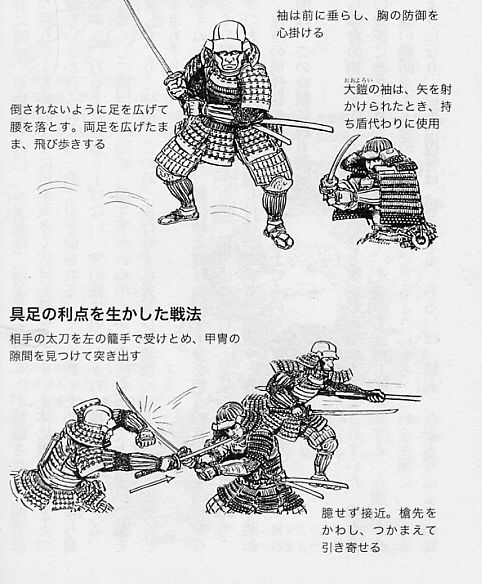
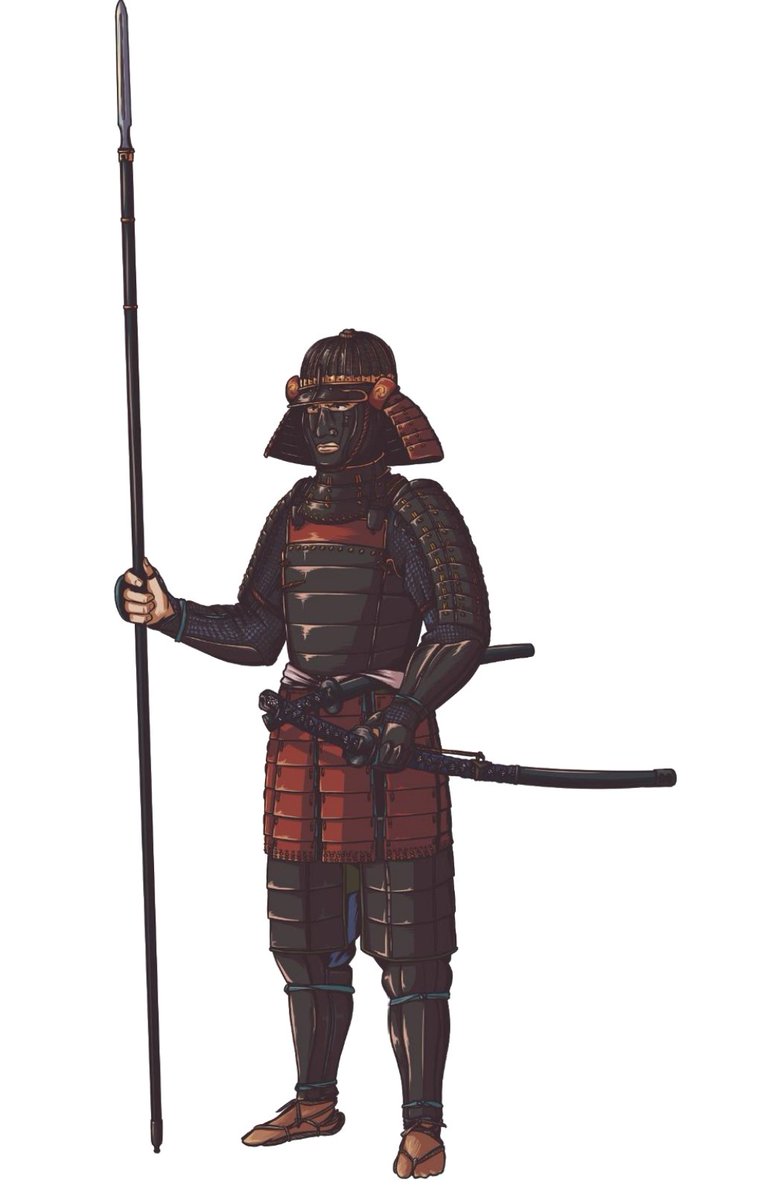
Ultimately, in 16th/17th century Japan, at the height of its armored combat period, swords were not the main tool designed to deal with it (minus some specific exceptions). Spears, polearms, daggers and most importantly bows and guns were the favoured weapons in such scenario.
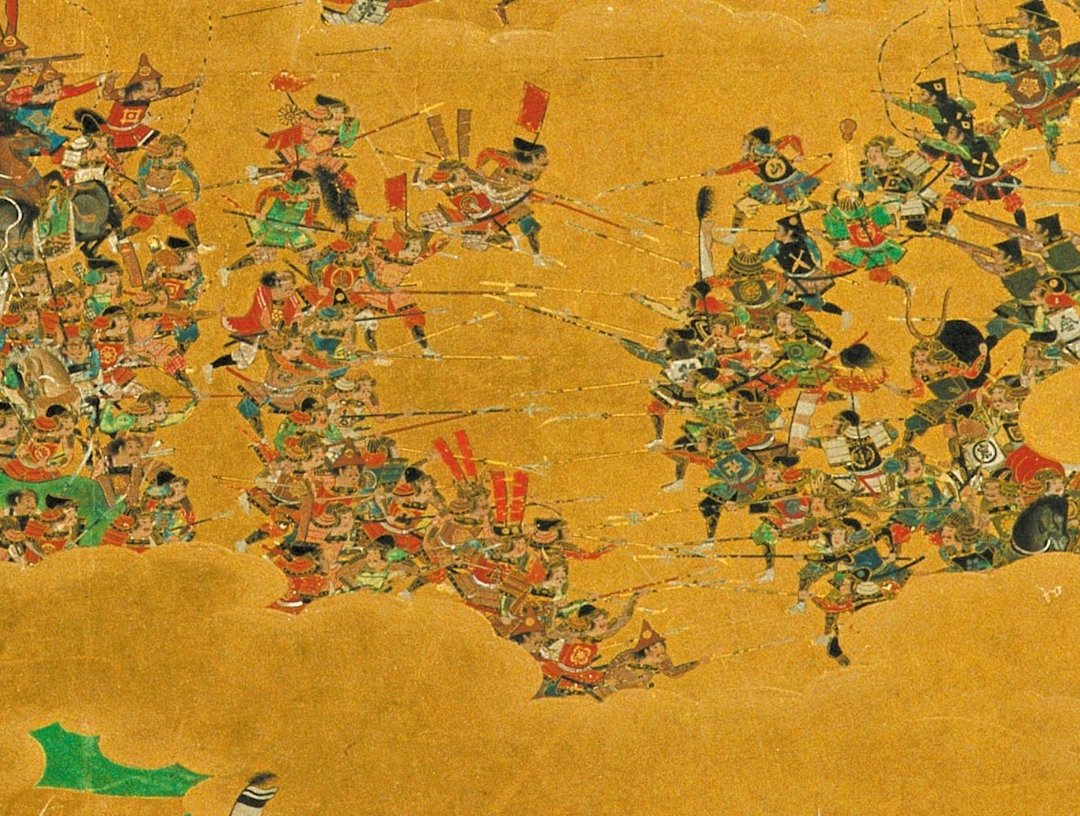
@C4nn0n_F0dd3r I wanted to express that with all the possible weapons available, a sword would have not been the first choice to use against a heavily armored opponent on the field. But I do agree that they have their use on the field, and can still be used as second-best.
@C4nn0n_F0dd3r And I would also agree that ranged weapons do not necessarilly fill the same role as hand held ones, although there is some overlapping
@RuiseartMcSpain @C4nn0n_F0dd3r @yoritomoart There is also more from the Taheiki. Now this is not to say that armor was helpless against bow and arrows, quite the opposite. But it work as parallel for a spear in the sense that it was used by high end warriors, with specific arrow heads, aiming against armored warriors
@RuiseartMcSpain @C4nn0n_F0dd3r @yoritomoart I think it might be an interesting future thread tbh to discuss the use of the bow in Japanese warfare!
• • •
Missing some Tweet in this thread? You can try to
force a refresh