views

@joelgombiner @RARohde 1/5》I agree. Without those ice sheets, there's no source for vast influxes of freshwater into the northern North Atlantic, to slow the AMOC.
There are a few key lessons to be learned from Dansgaard-Oeschger events (and D-O #0, a/k/a the Younger Dryas).
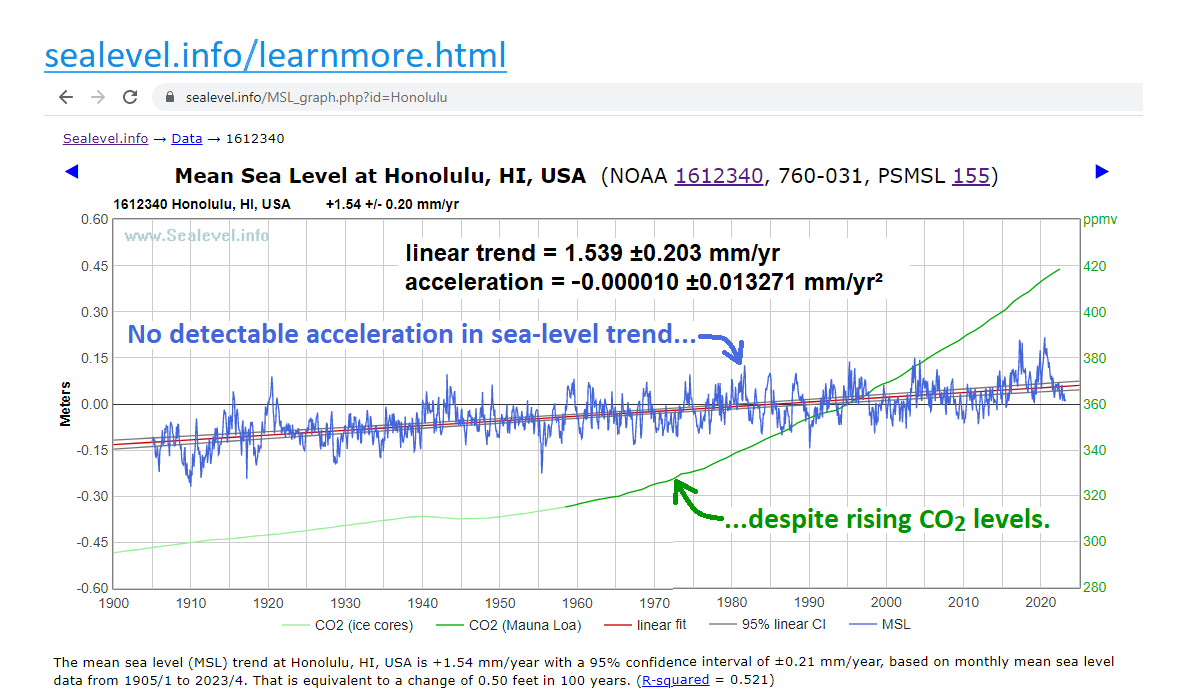
sealevel.info/learnmore.html…
There are a few key lessons to be learned from Dansgaard-Oeschger events (and D-O #0, a/k/a the Younger Dryas).
sealevel.info/learnmore.html…
@joelgombiner @RARohde 2/5》Because D-O terminations had warming trends an order of magnitude faster than current warming, and because nearly all extant species survived those large, sharp warming events, we needn't worry that the current slight warming could cause extinctions.
archive.is/aUi9R#selectio…
archive.is/aUi9R#selectio…
3/5》Because D-O events only occur during glaciations, and never during interglacials, we can say with confidence that warmer climates are more stable than colder climates.
That might be largely because without the great northern ice sheets, there's nothing which could pour vast quantities of freshwater into the northern North Atlantic, slowing the AMOC.
It's surely also because Planck Feedback is ∝ T⁴, so the warmer the climate gets, the stronger that negative (stabilizing) feedback is.
sealevel.info/feedbacks.html…
That might be largely because without the great northern ice sheets, there's nothing which could pour vast quantities of freshwater into the northern North Atlantic, slowing the AMOC.
It's surely also because Planck Feedback is ∝ T⁴, so the warmer the climate gets, the stronger that negative (stabilizing) feedback is.
https://twitter.com/ncdave4life/status/1753793884352610608
sealevel.info/feedbacks.html…
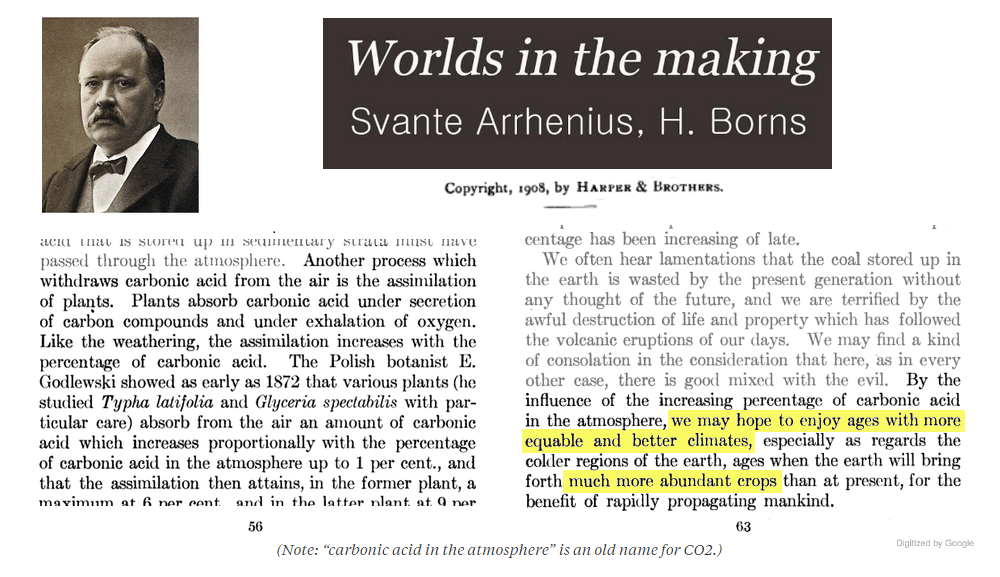
@joelgombiner @RARohde 4/5》The relative stability of warmer climates is also evident in "Arctic Amplification," which is the fact that climate change disproportionately warms chilly high northern latitudes.
sealevel.info/Svante_Arrheni…

https://twitter.com/ncdave4life/status/1753784007743987741
sealevel.info/Svante_Arrheni…

@joelgombiner @RARohde 5/5》Another takeaway is that, because the evidence for D-O events is conclusive, revisionist paleoclimate reconstructions by the Pages2K "hockey team," which erase D-O events to "straighten the hockey stick handle," are debunked.
https://twitter.com/ncdave4life/status/1698163096970305721
@joelgombiner @RARohde Compilation:
@ThreadReaderApp @Rattibha @threaddotblue unroll
@reSeeIt save conversationtwitter-thread.com/t/177020434719…
@ThreadReaderApp @Rattibha @threaddotblue unroll
@reSeeIt save conversationtwitter-thread.com/t/177020434719…
• • •
Missing some Tweet in this thread? You can try to
force a refresh