Leonardo da Vinci's drawings - a thread 🧵
1. Vitruvian Man
1. Vitruvian Man

2. Study of an Angel
The soul of this young girl seems almost visible in her eyes.
Even if da Vinci only produced about 20 paintings in his lifetime, we have over 13,000 pages of his notes and drawings.
The soul of this young girl seems almost visible in her eyes.
Even if da Vinci only produced about 20 paintings in his lifetime, we have over 13,000 pages of his notes and drawings.

3. Fetus in the Womb
More than 500 years ago, Leonardo correctly depicted the human fetus in its proper position inside a dissected uterus.
More than 500 years ago, Leonardo correctly depicted the human fetus in its proper position inside a dissected uterus.

4. Anatomical Studies of the Shoulder
Leonardo dissected more than 30 bodies of both genders and all ages in his lifetime, leaving behind many stunning - and incredibly accurate - anatomical drawings.
Leonardo dissected more than 30 bodies of both genders and all ages in his lifetime, leaving behind many stunning - and incredibly accurate - anatomical drawings.

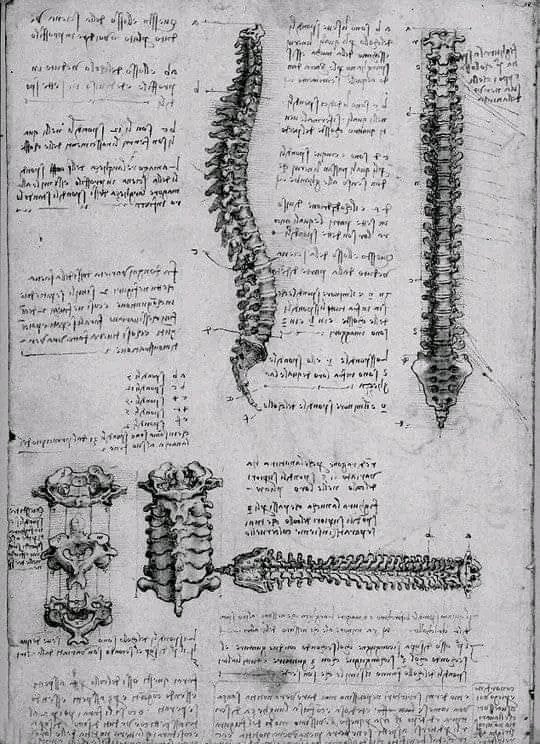
5. Anatomical Studies
His sketches were so precise that many are still used to illustrate medical textbooks.
His sketches were so precise that many are still used to illustrate medical textbooks.


6. Head of a Young Woman (La Scapigliata)

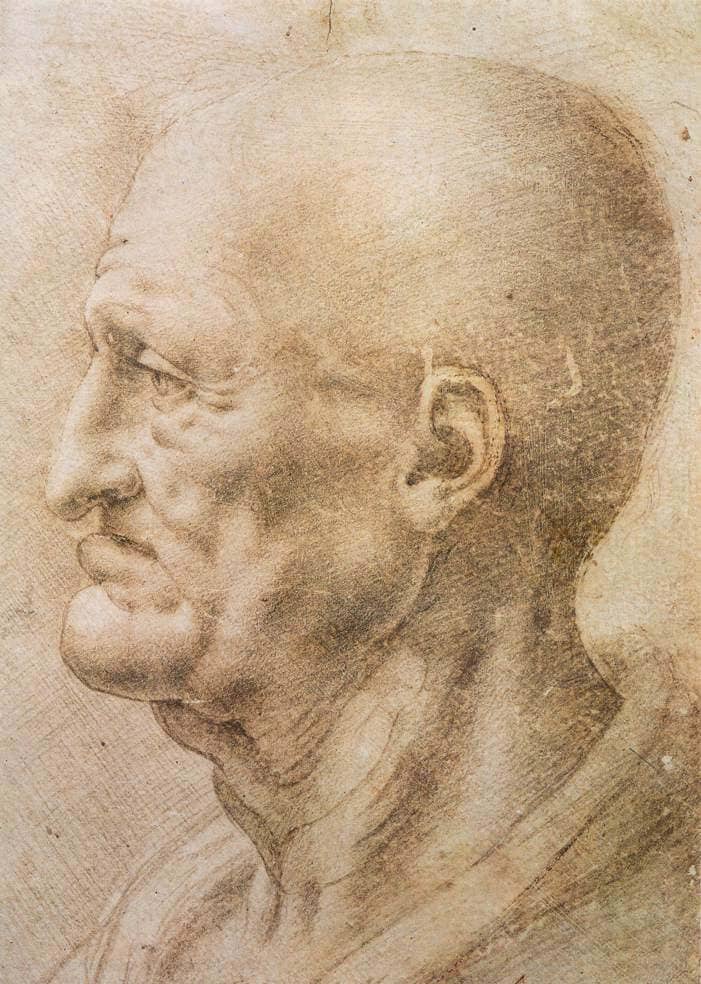
7. Profile of an Old Man
8. Studies of Crabs

9. Study of a Child

10. Study of Horses

11. Study of Hands

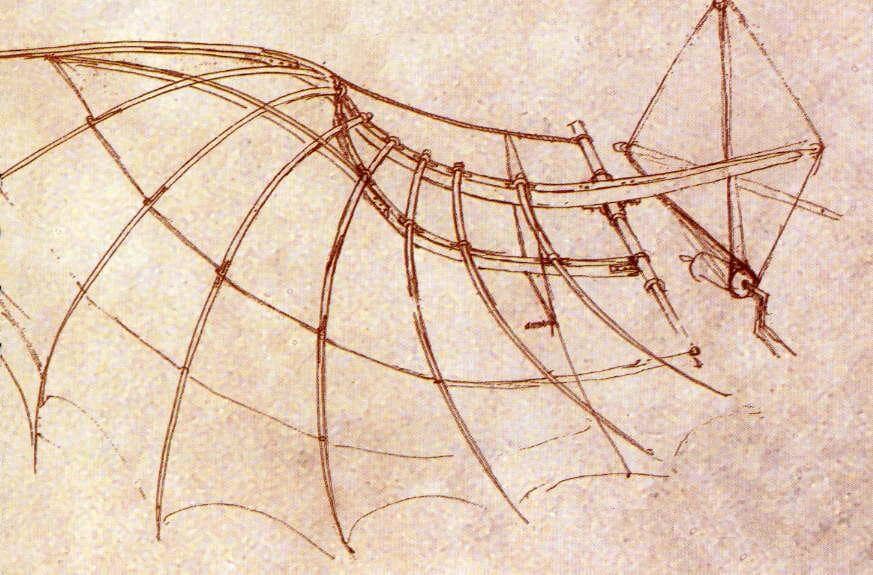
12. Ornithopter
Leonardo studied the flight of birds for years, and then he famously made designs for his "ornithopter", a flying machine.
Leonardo studied the flight of birds for years, and then he famously made designs for his "ornithopter", a flying machine.


13. Helicopter
In the late 1480s, he even drew his design for an "aerial screw", a flying machine which is incredibly similar to a modern helicopter.
In the late 1480s, he even drew his design for an "aerial screw", a flying machine which is incredibly similar to a modern helicopter.

14. Dragon Striking Down Lion

15. The Skull
This iconic drawing is universally admired for its accuracy and proportion.
This iconic drawing is universally admired for its accuracy and proportion.

16. Leonardo's self-propelled cart, considered the ancestor of the modern automobile.

17. Study of Five Grotesque Heads

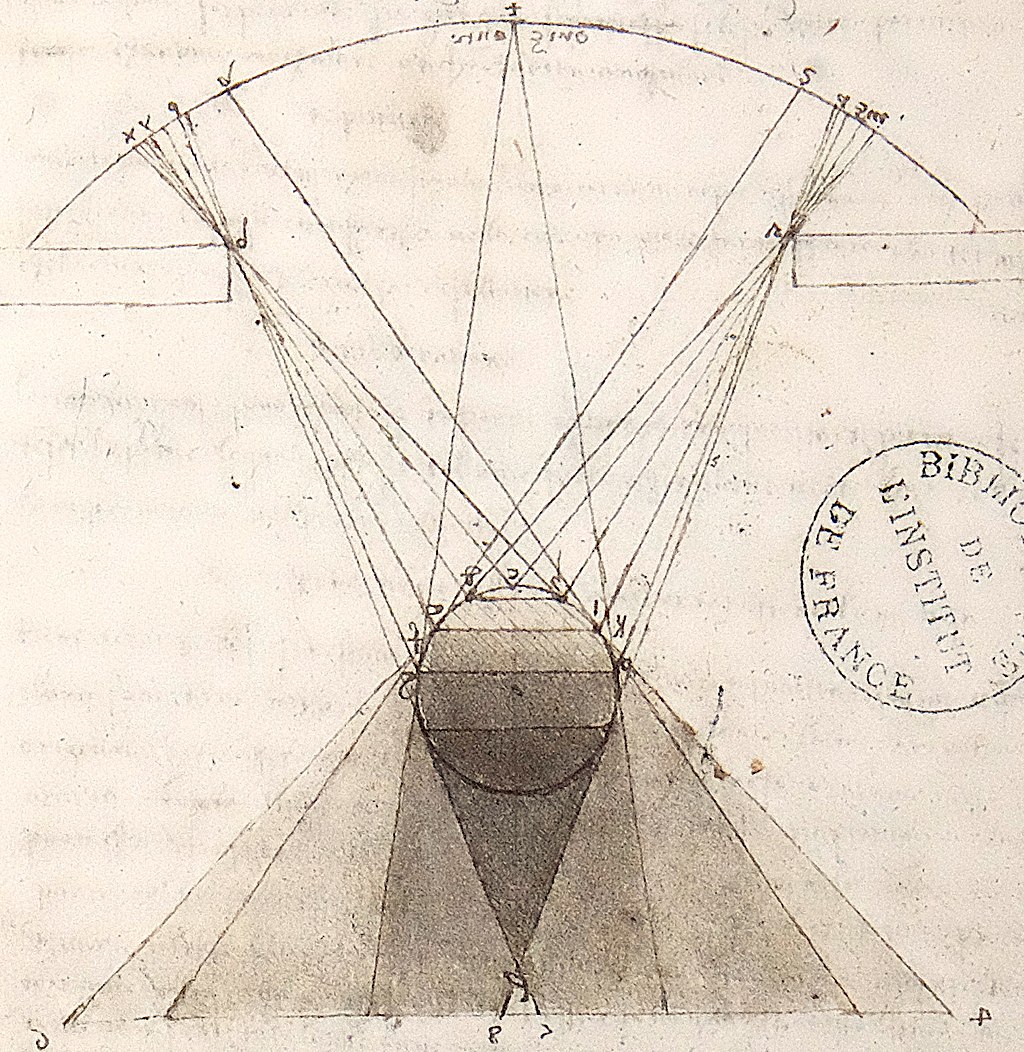
18. Study of the graduations of light and shade on a sphere (chiaroscuro).
19. The organs of a woman's body

20. Comparison of the leg of a man and a dog

21. Walking on water
A peculiar method of walking on water using skis made of cork and paddle-like poles.
A peculiar method of walking on water using skis made of cork and paddle-like poles.

22. Landscape drawing for Santa Maria Della Neve & botanical drawings
"The painter’s mind is a copy of the divine mind, since it operates freely in creating the many kinds of animals, plants, fruits, landscapes, countrysides, ruins, and awe-inspiring places."
"The painter’s mind is a copy of the divine mind, since it operates freely in creating the many kinds of animals, plants, fruits, landscapes, countrysides, ruins, and awe-inspiring places."


23. Cat drawings

24. Leonardo also produced several extremely accurate maps, such as the town plan of Imola.

25. Portrait of a Man in Red Chalk
This iconic drawing is widely regarded as a self-portrait of Leonardo da Vinci at the age of 60.
This iconic drawing is widely regarded as a self-portrait of Leonardo da Vinci at the age of 60.

26. Studies of Water Passing Obstacles

27. Female Head

28. Study for the Last Supper
Before painting his timeless masterpiece, Leonardo drew a few preparatory sketches that depict many different variations of the apostles' poses and gestures.
Before painting his timeless masterpiece, Leonardo drew a few preparatory sketches that depict many different variations of the apostles' poses and gestures.

29. Heads of an old man and a youth

30. Muscles of the Torso and Back
These drawings give a clear picture of how the musculature lies over the ribcage and around the abdomen. In the notes, Leonardo also indicates exactly how the muscles are connected to the skeleton and to each other.
These drawings give a clear picture of how the musculature lies over the ribcage and around the abdomen. In the notes, Leonardo also indicates exactly how the muscles are connected to the skeleton and to each other.

If you enjoyed this thread, you can follow me for more content (@JamesLucasIT) and share the first post, so that others can see it as well 👇🏻
https://twitter.com/jameslucasit/status/1773416967174554078
• • •
Missing some Tweet in this thread? You can try to
force a refresh