BEETLEJUICE was released 36 years ago this week. A surreal comedy that catapulted the careers of director Tim Burton and star Michael Keaton, the making of story is 'strange and unusual'. It’s showtime…
1/42

1/42

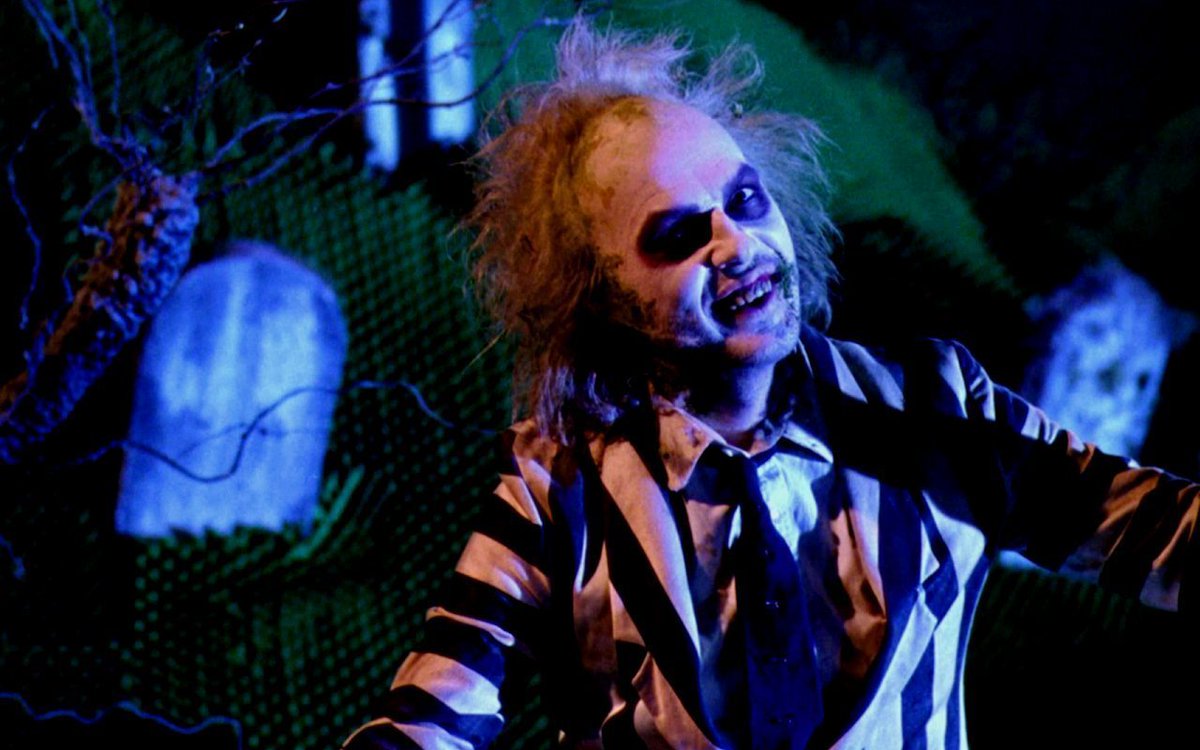

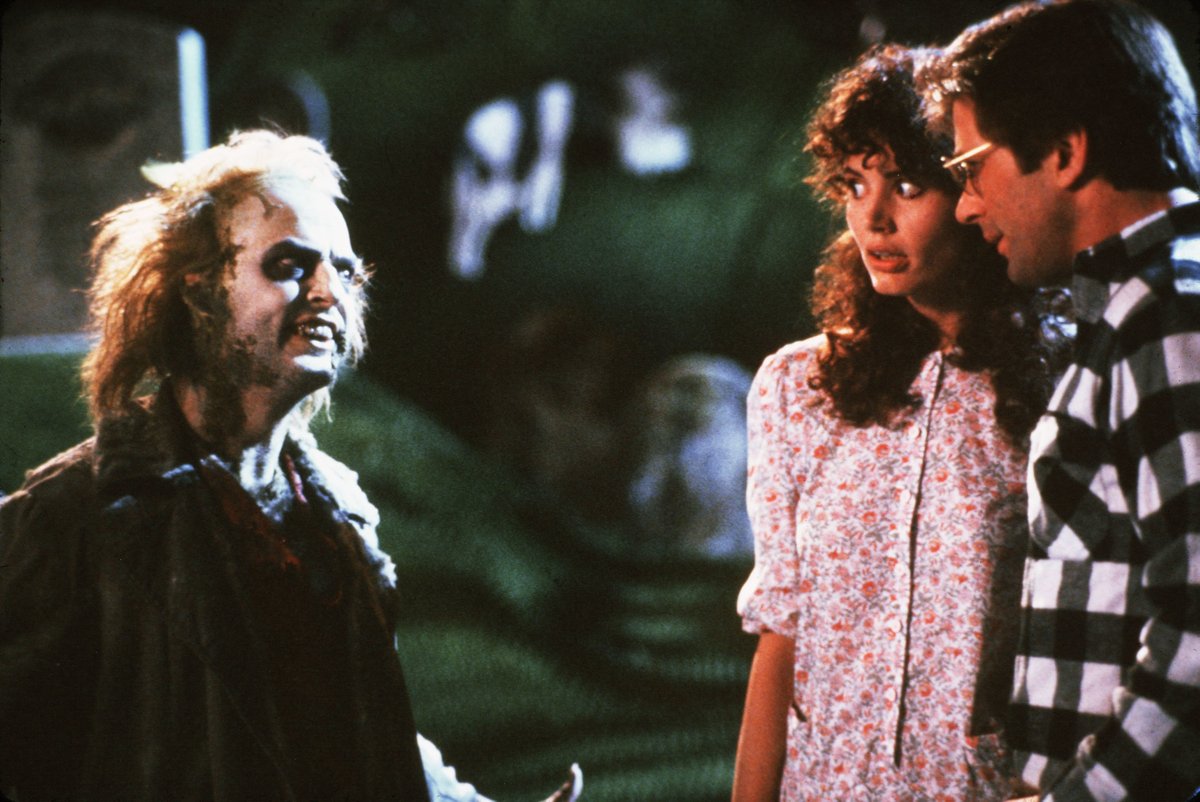
Following the success of supernatural movies like Poltergeist and Ghostbusters, screenwriter Michael McDowell came up with a new idea: ‘what if we took the movie cliché of good people being haunted by bad ghosts, and flipped it?’ and developed it into a script, calling it Beetlejuice.
2/42
2/42


The script was read by development director Larry Wilson, who recommended it to a Universal Pictures. A “very prominent executive” said to him “You’re developing into a very good executive…. Why are you going to squander all that for this piece of sh*t?”
3/42
3/42

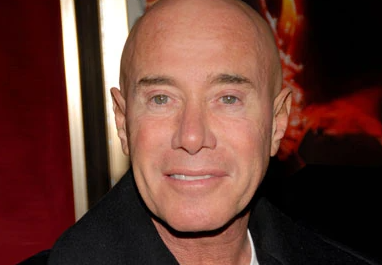
Wilson believed in the project though and, after helping out with some rewrites, shopped it round other studios for him to produce. David Geffen was immediately interested, and the film was greenlit by The Geffen Company.
4/42
4/42
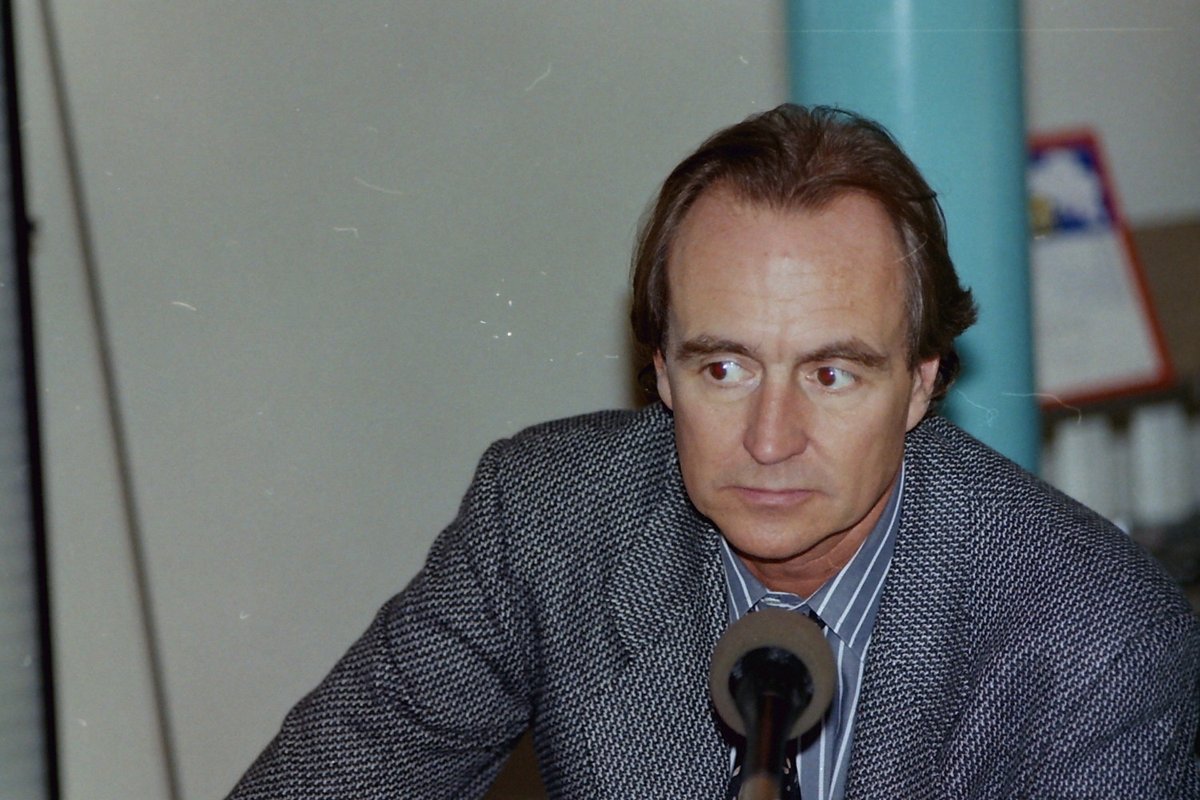
Horror icon Wes Craven was mooted as a possible director, but McDowell suggested somebody else. He’d recently worked with a young director on Alfred Hitchcock Presents called Tim Burton and had been impressed. Burton was sent the script.
5/42
5/42
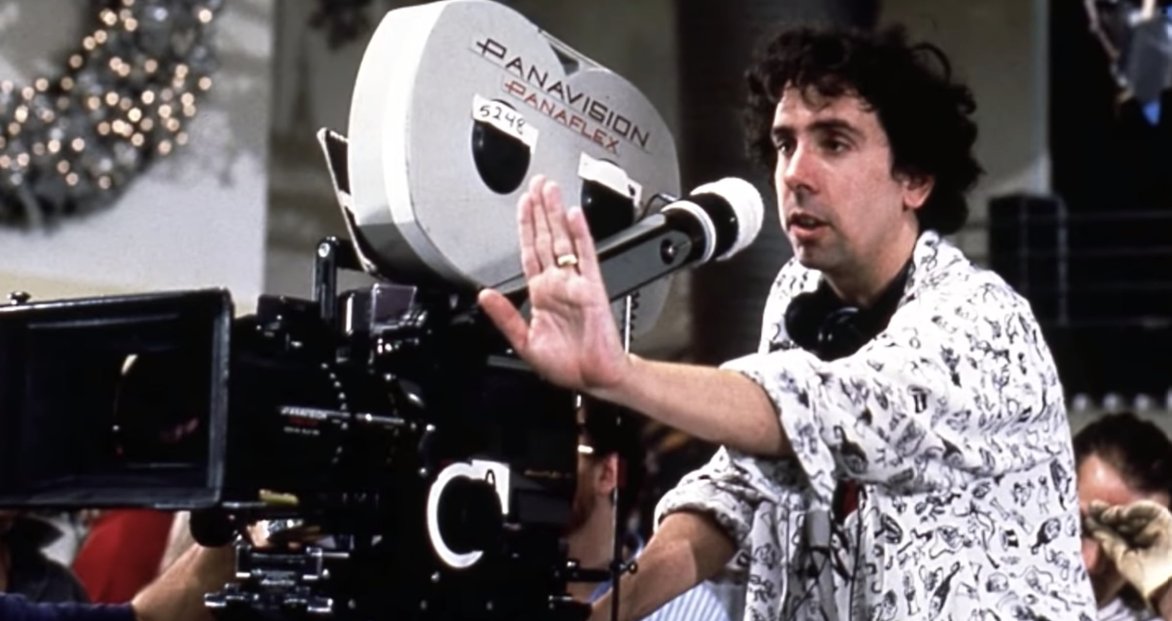
Burton was waiting for Warners to greenlight his Batman movie, so between projects. He agreed to make Beetlejuice but creative differences between himself and Larry Wilson led to Batman co-writer Warren Skaaren coming in for script rewrites.
6/42
6/42
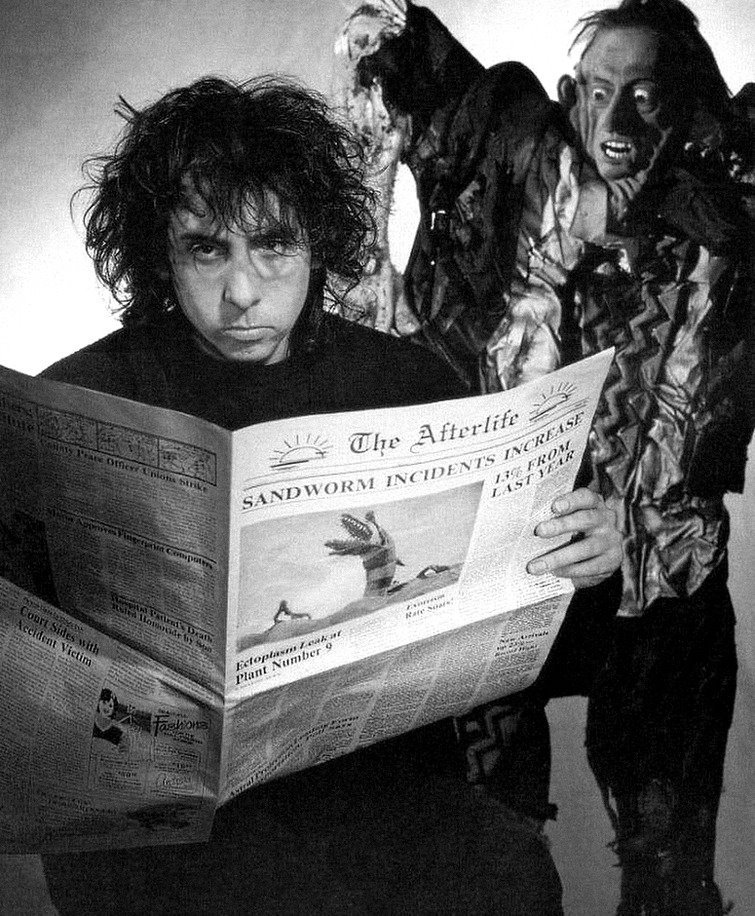
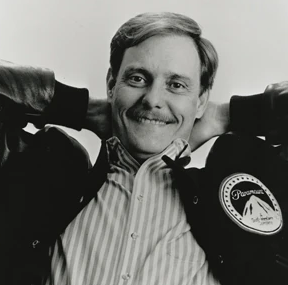
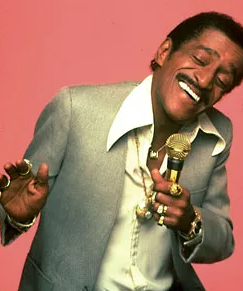
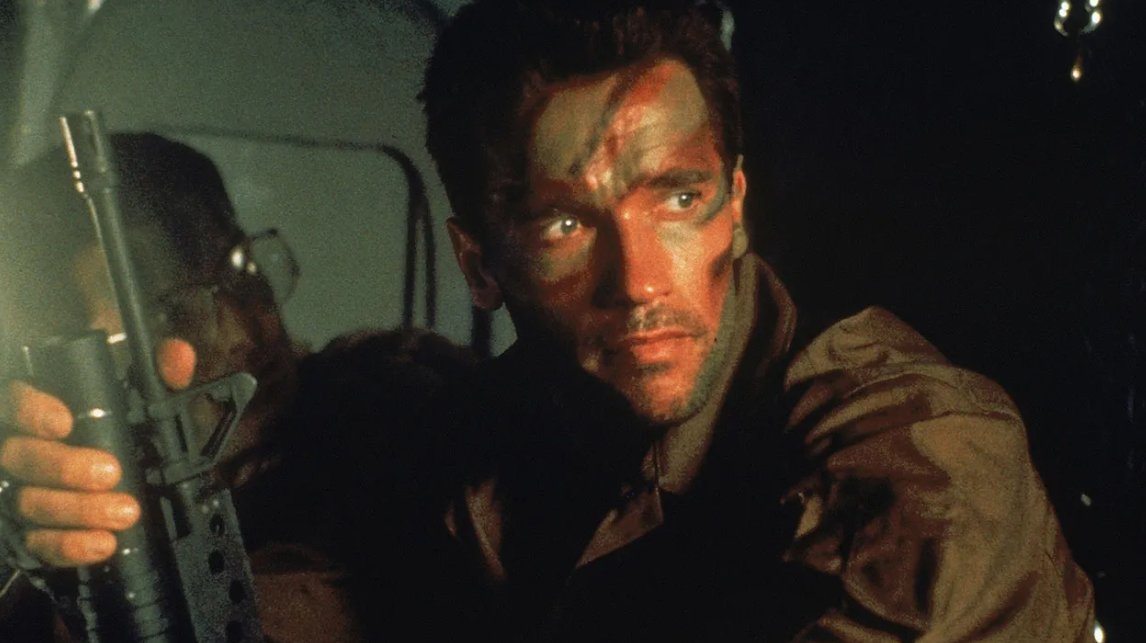
Burton’s original choice to play the lead role of Betelgeuse was crooner Sammy Davis, jr. The studio vetoed that immediately. Burton also approached Arnold Schwarzenegger, who turned the role down. Dustin Hoffman and Robin Williams were also reportedly considered.
7/42
7/42
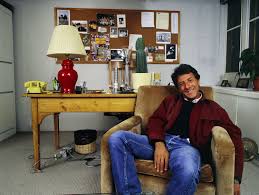
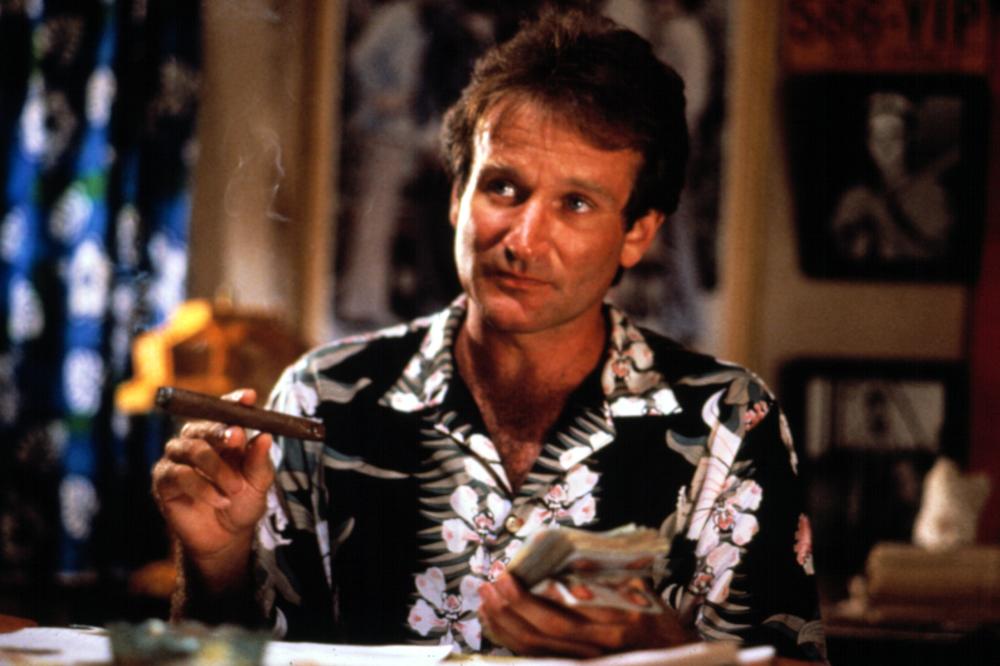
Geffen then suggested the comic star of Johnny Dangerously and Mr Mom, Michael Keaton. Burton met him but Keaton turned the part down at first. He later said: "I had no idea what he was talking about. But I liked him."
8/42
8/42
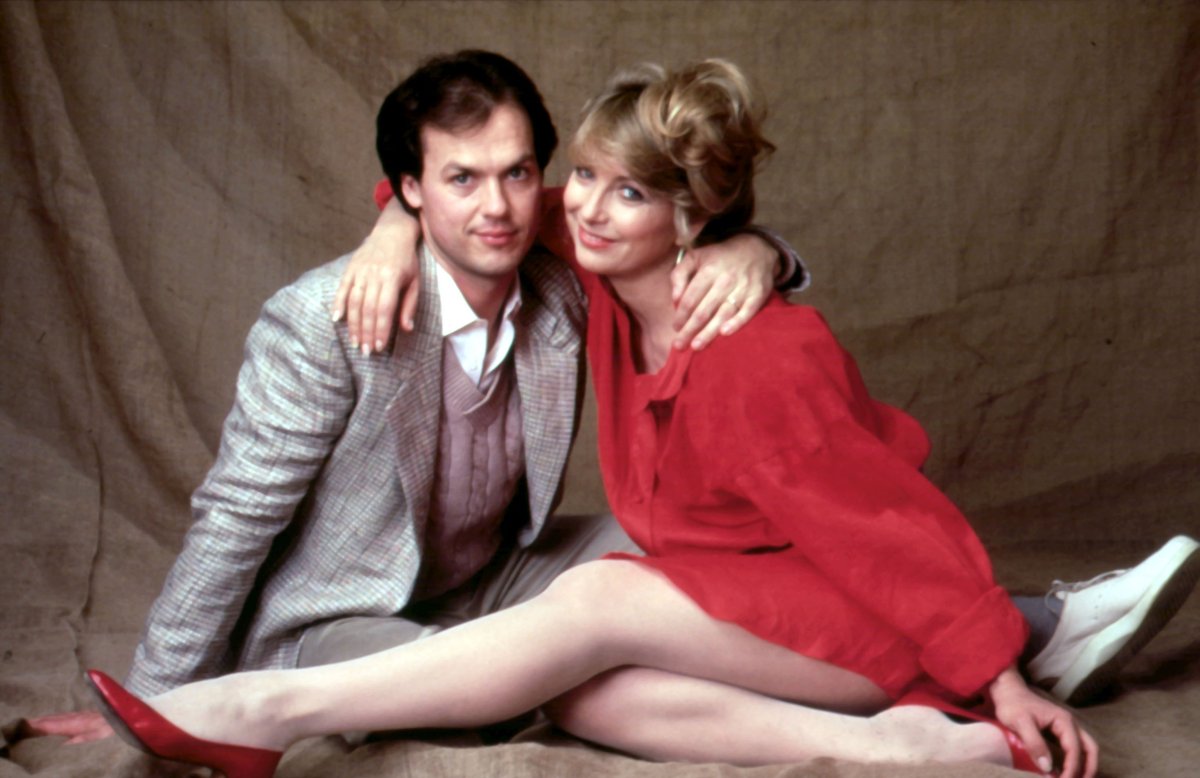
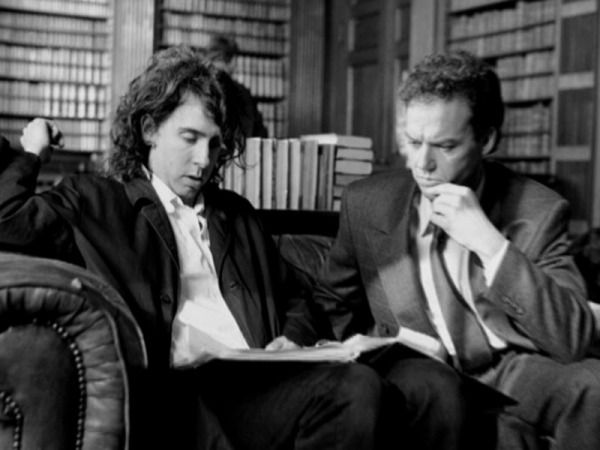
Despite playing the title character, Keaton is only on screen for just over 14 minutes. Burton told Keaton that Betelgeuse " lived in every time period but no time period", leading to Keaton ad-libbing 90% of his dialogue.
9/42
9/42
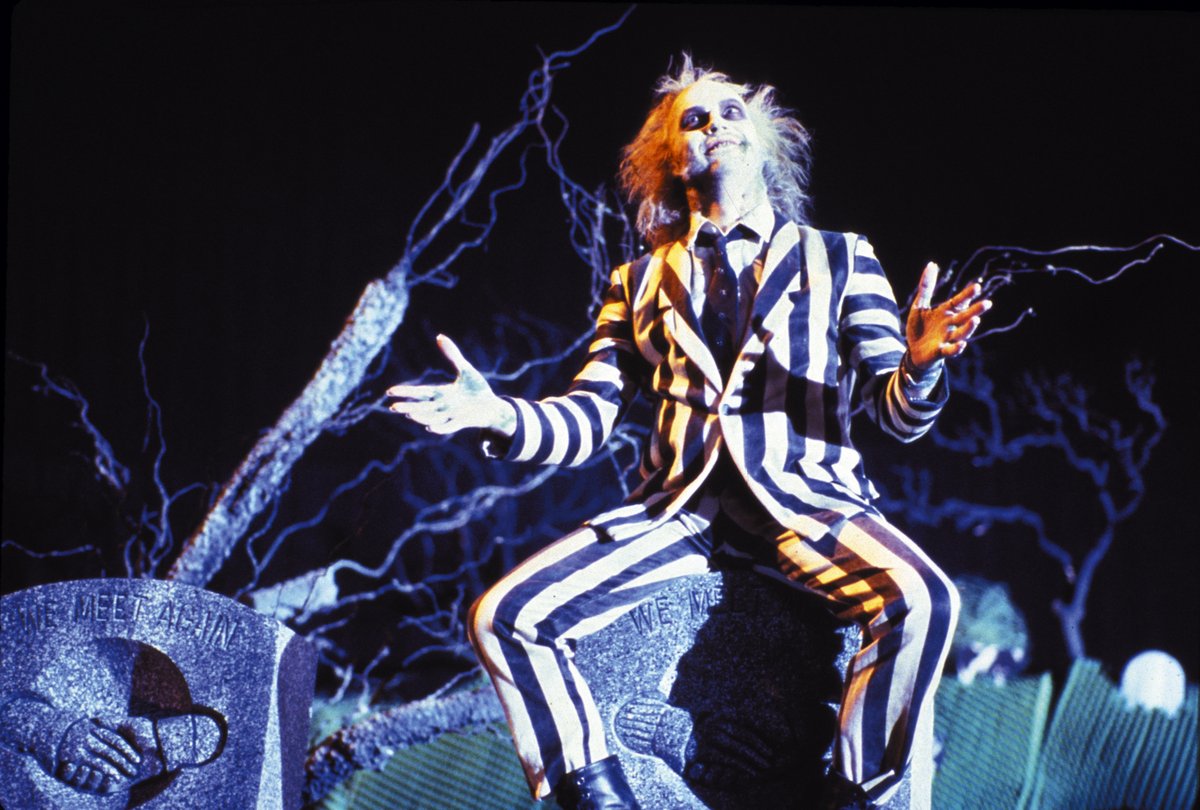
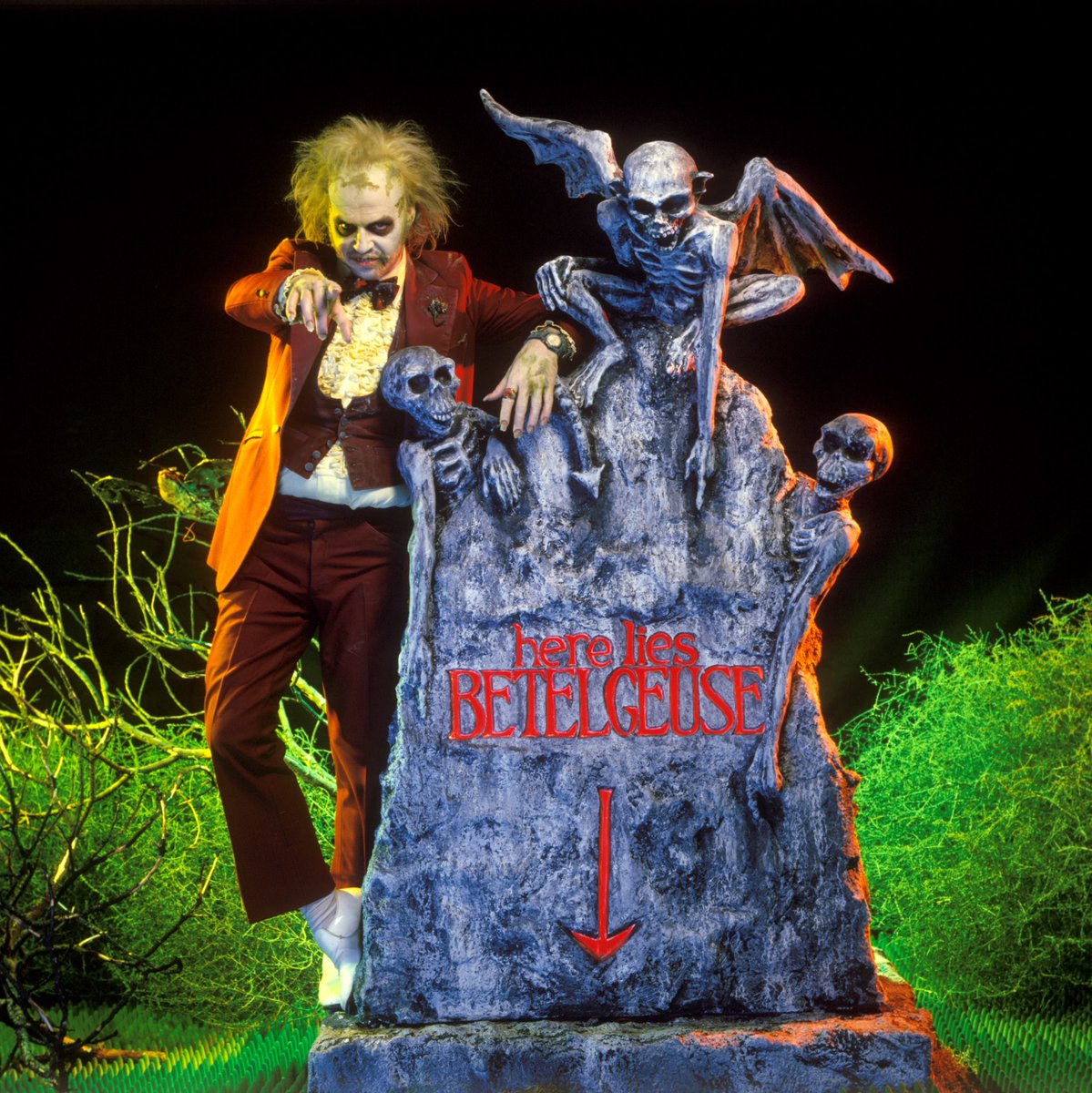
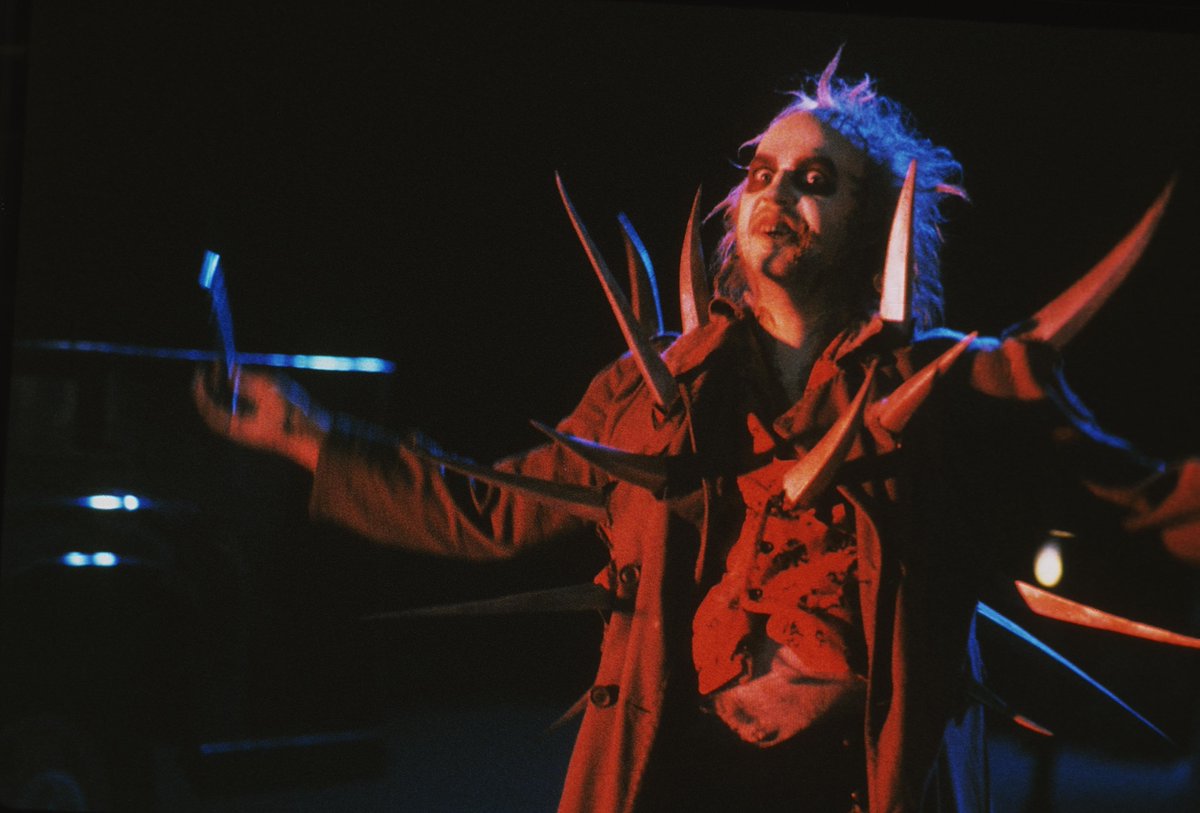
Keaton brought a lot to the look of the character too, it being his idea to have the crazy shock hairstyle, moldy skin and oversized teeth. Keaton said the first time he walked on set in costume, the crew started chanting "Juice, Juice, Juice!"
10/42
10/42


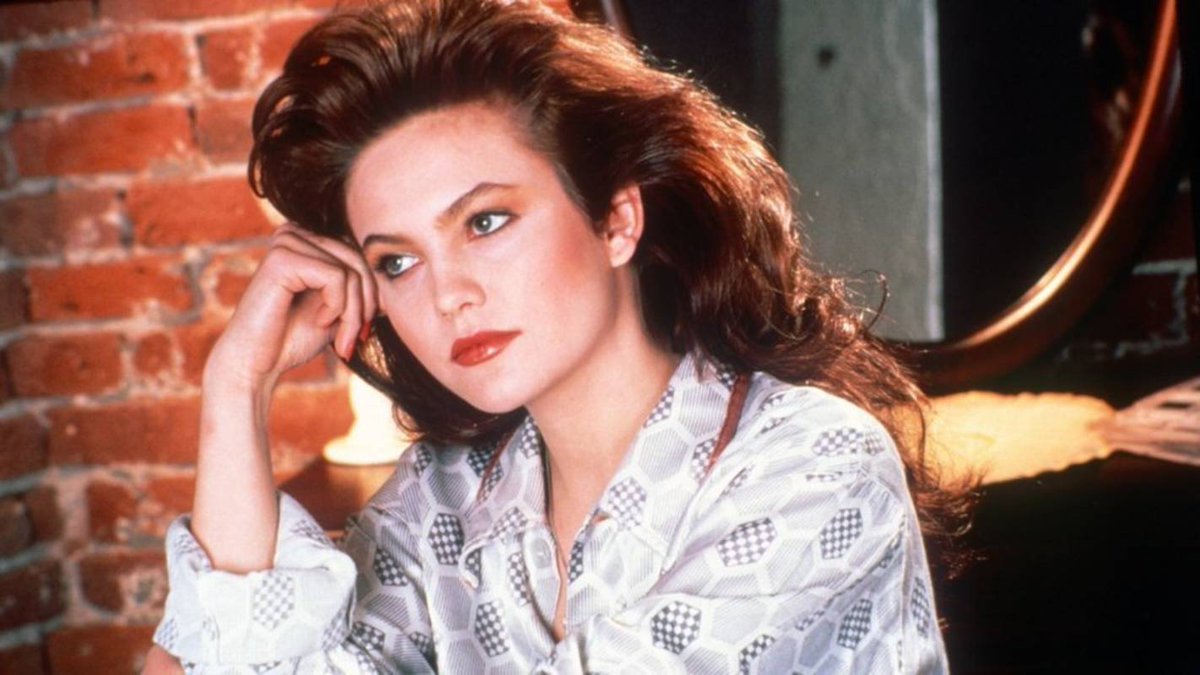
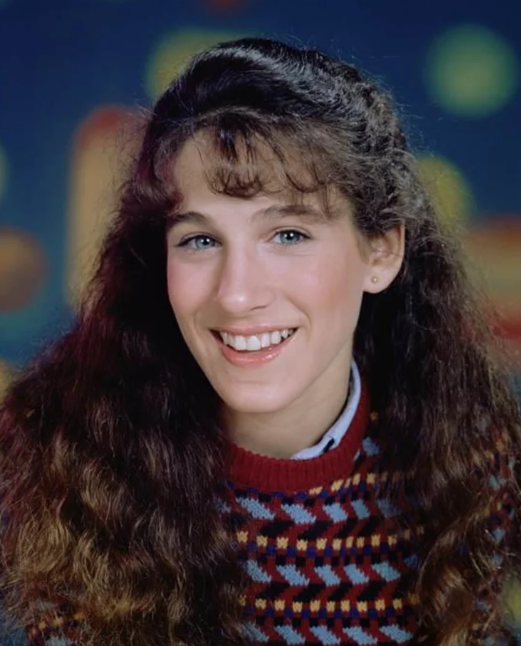
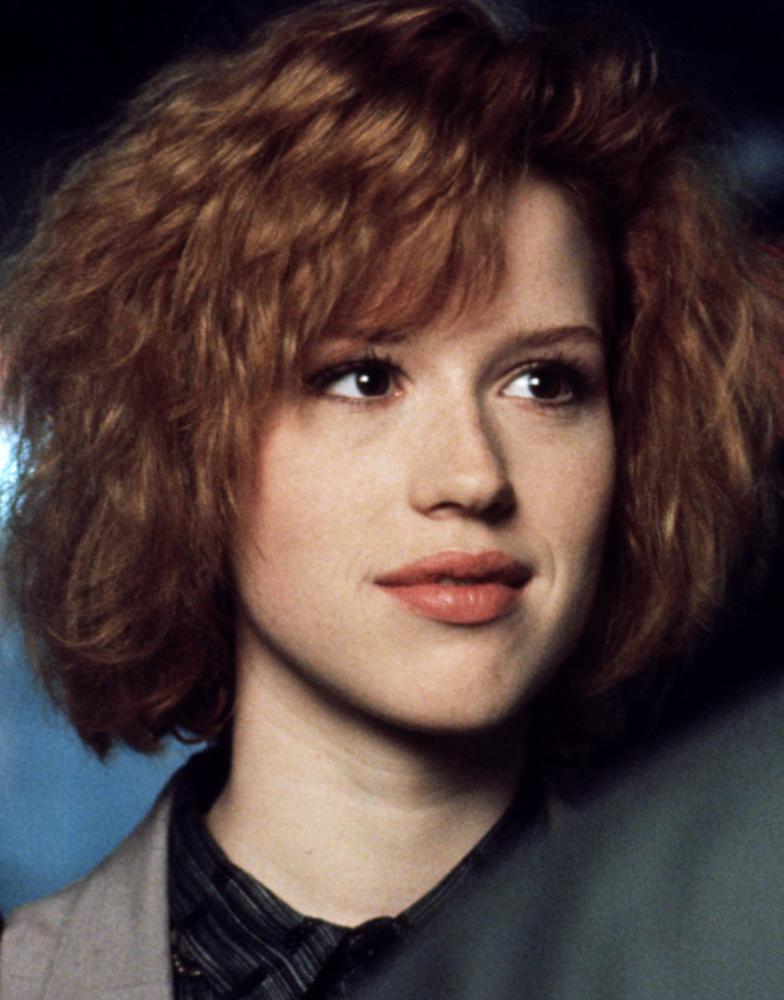
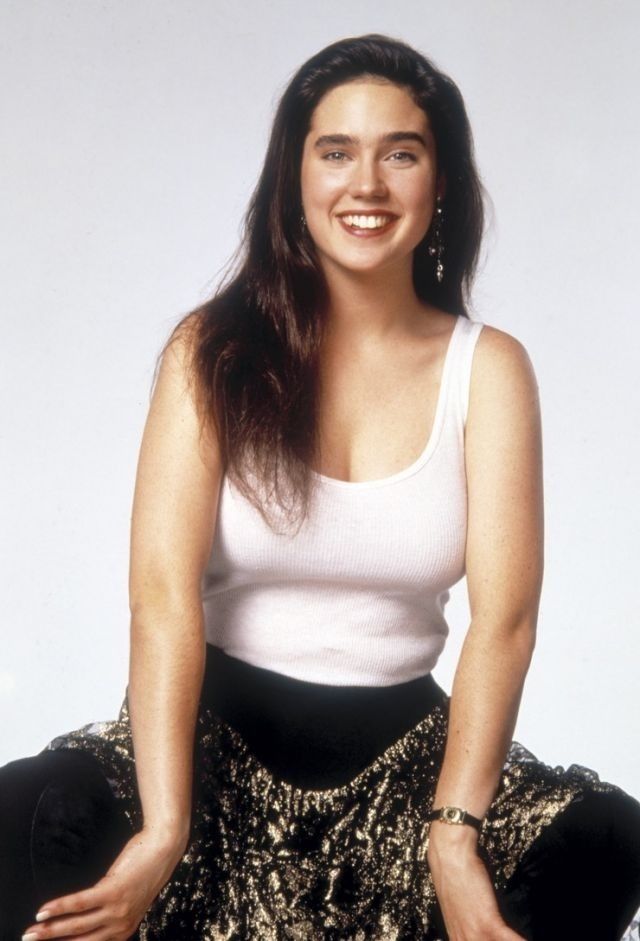
Burton auditioned many young actresses for the part of teenager Lydia Deetz. Diane Lane, Sarah Jessica Parker, Molly Ringwald and Jennifer Connelly all reportedly turned the part down.
11/42
11/42
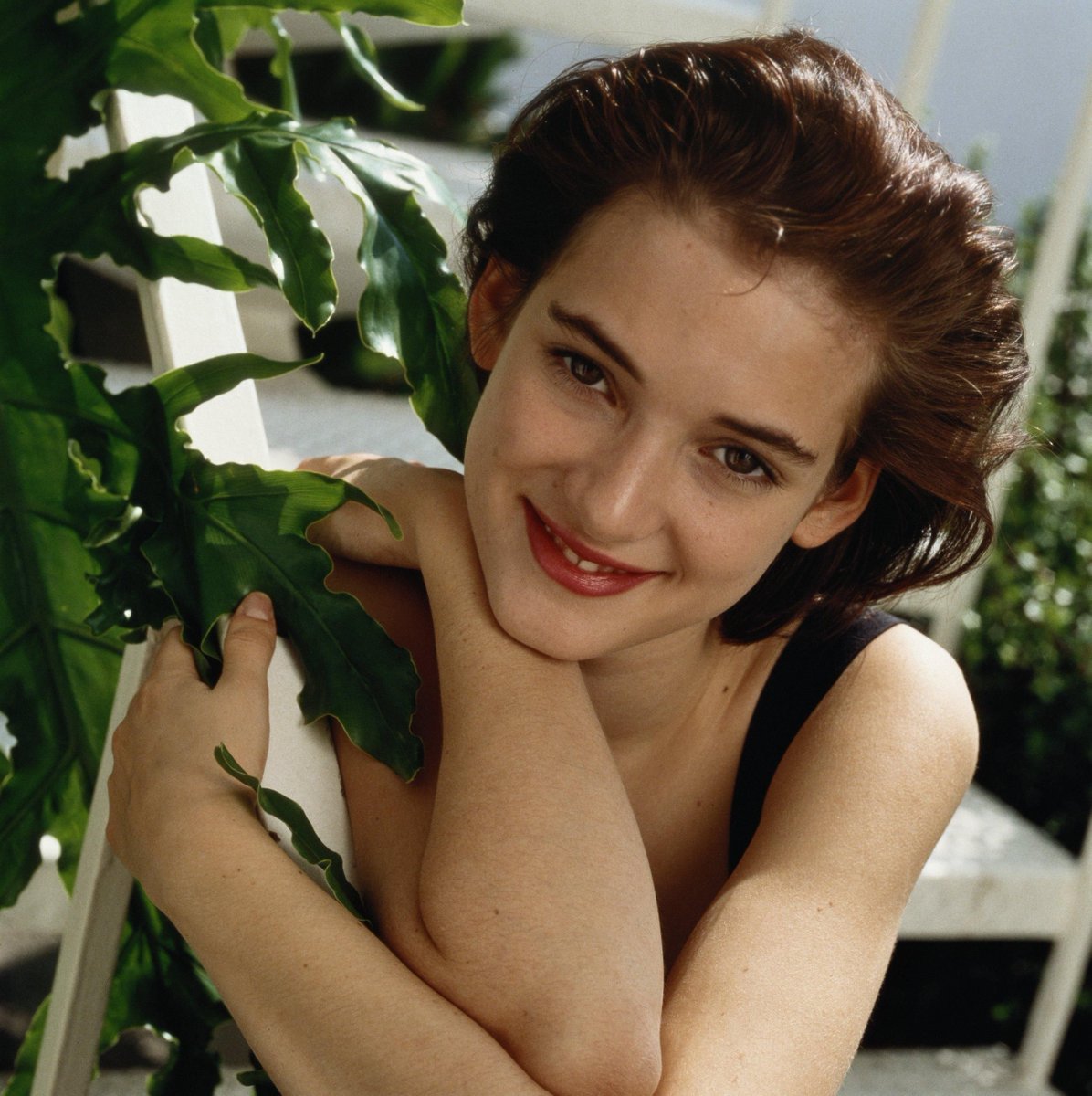
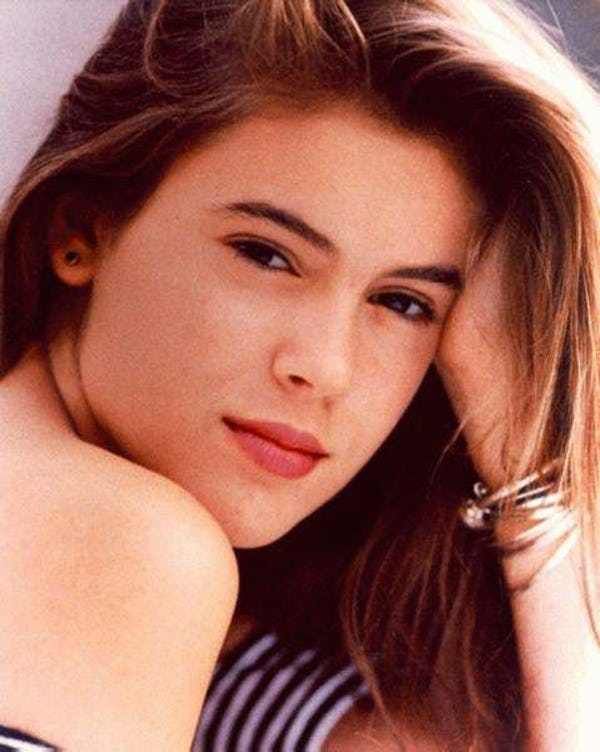
The audition process came down to two actresses – Winona Ryder and Alyssa Milano. With Burton having loved Ryder’s performance in sports rom-com Lucas, he cast her as Lydia.
12/42
12/42
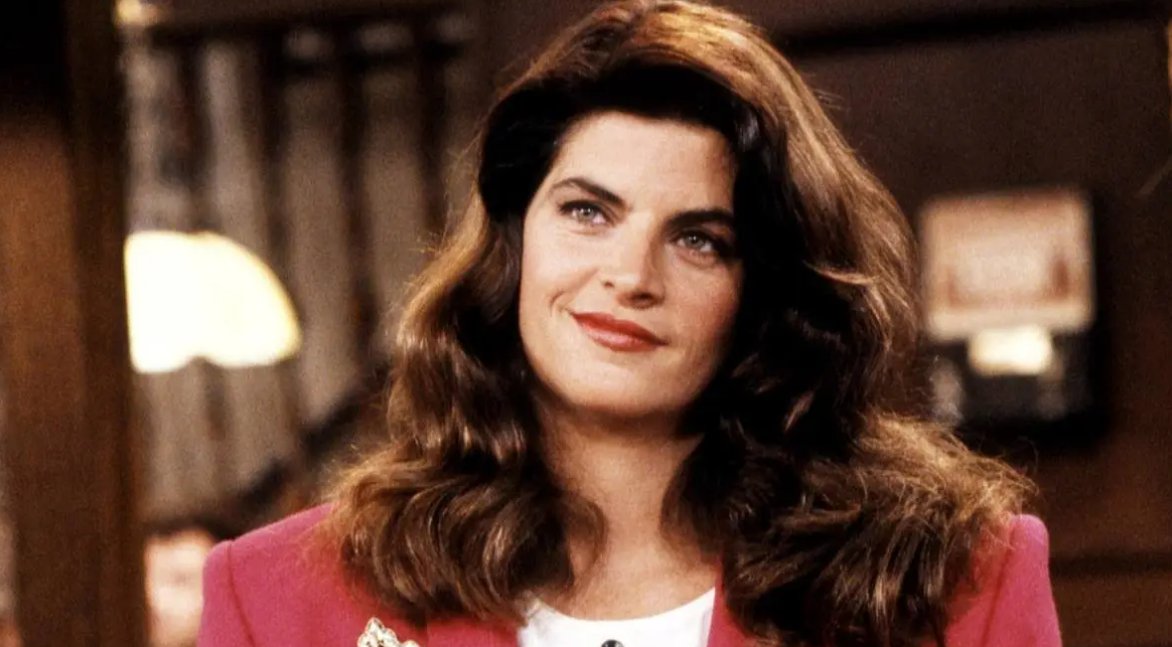
Kirstie Alley was Buton’s first choice to play the ghostly Barbara Maitland, but she had scheduling conflicts with Cheers. Sigourney Weaver, Linda Hamilton and Goldie Hawn were also considered.
13/42
13/42
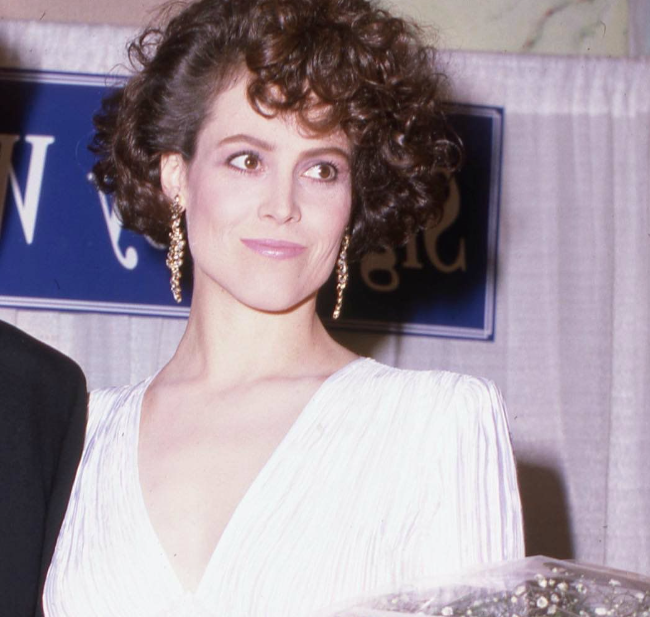
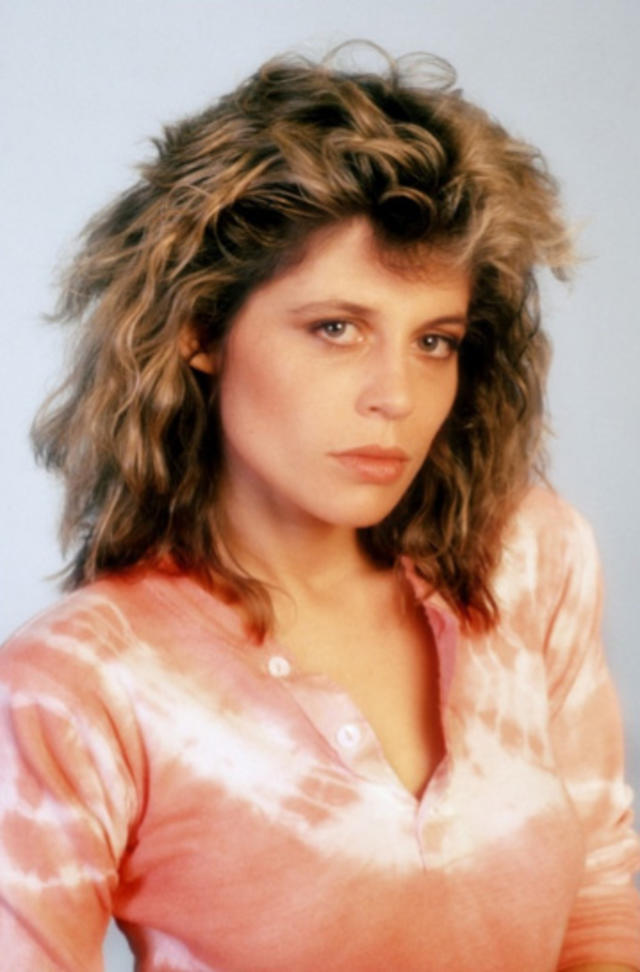
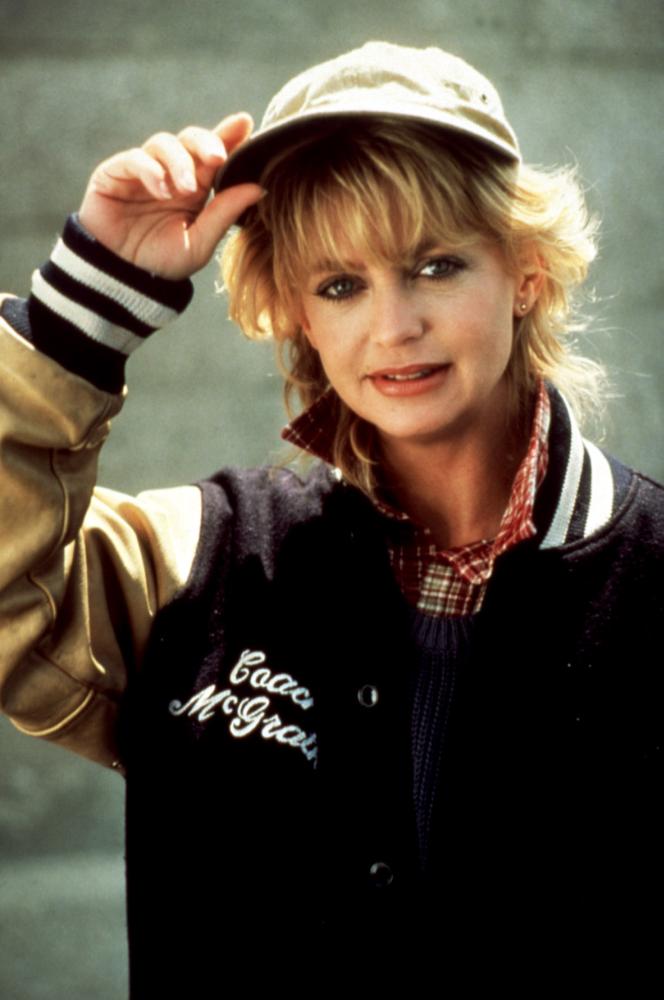
Burton instead cast Geena Davis after she met him and said “I get this movie, I really get it." Burton later told Davis one of the reasons he cast her was because he wasn't sure he really got the movie.
14/42
14/42
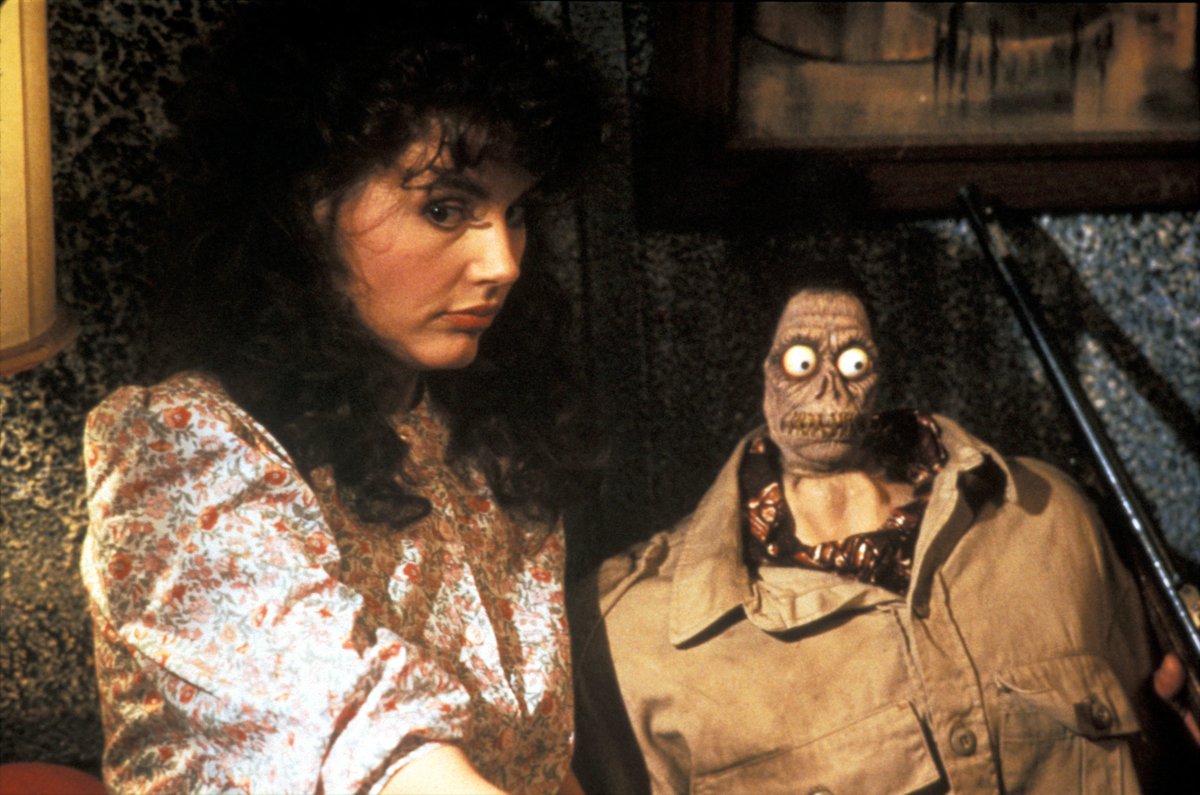
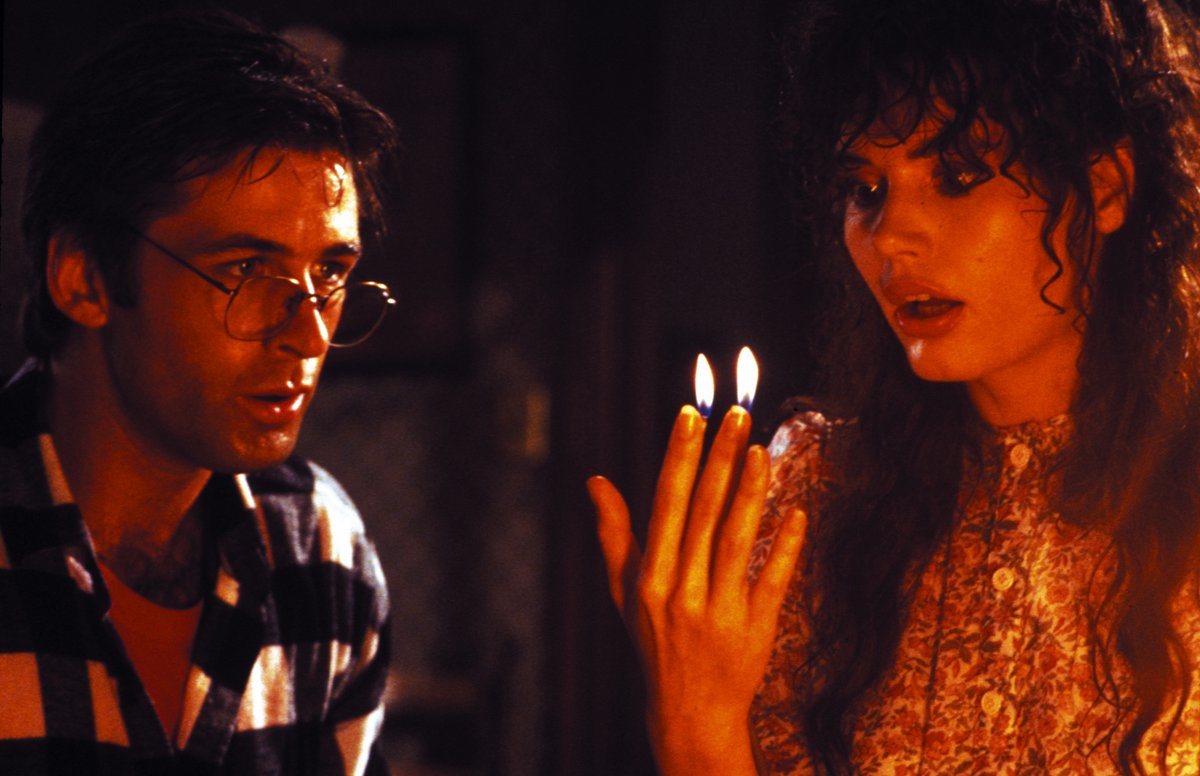
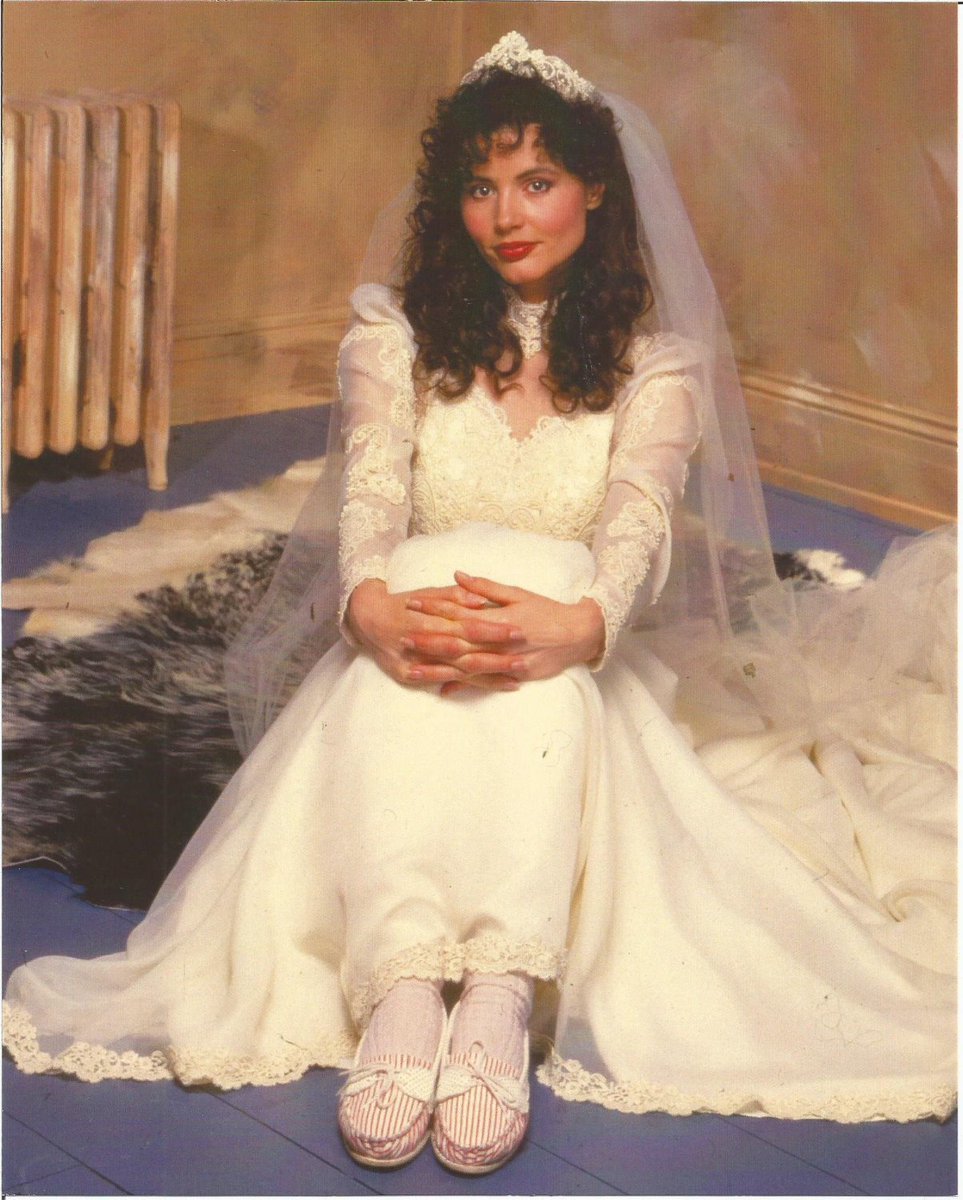
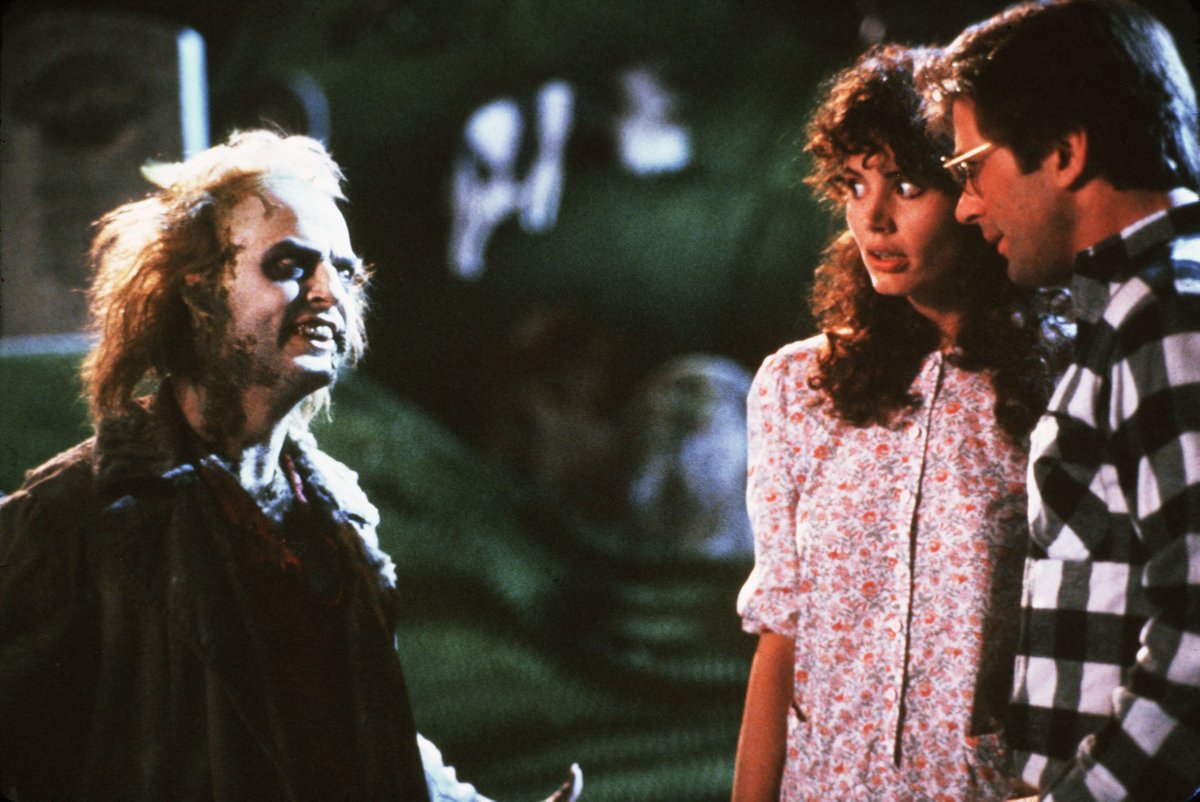
Davis’ parents lived near New Hampshire, where filming took place, and would visit the set with homemade cakes. And both her parents were used as extras in several scenes. Her father asked to be credited as Will Davis instead of his name, Bill, because: "That's my stage name."
15/42
15/42
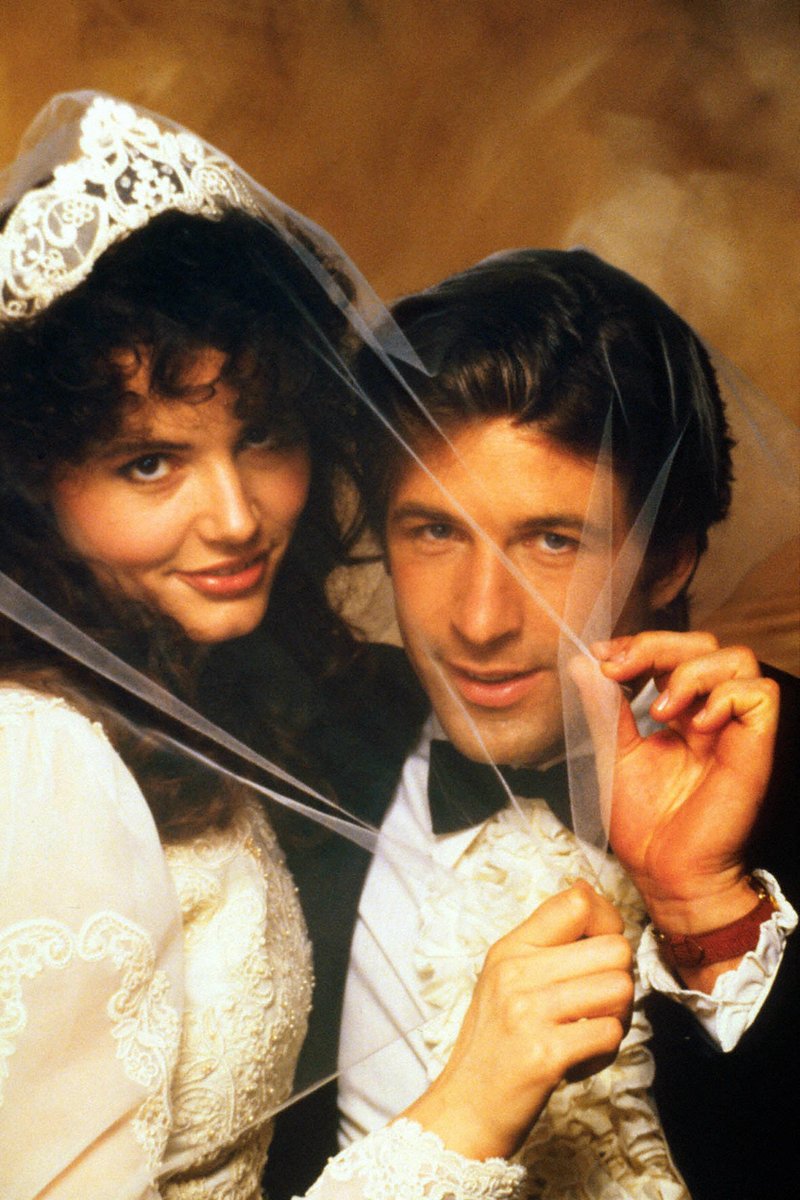
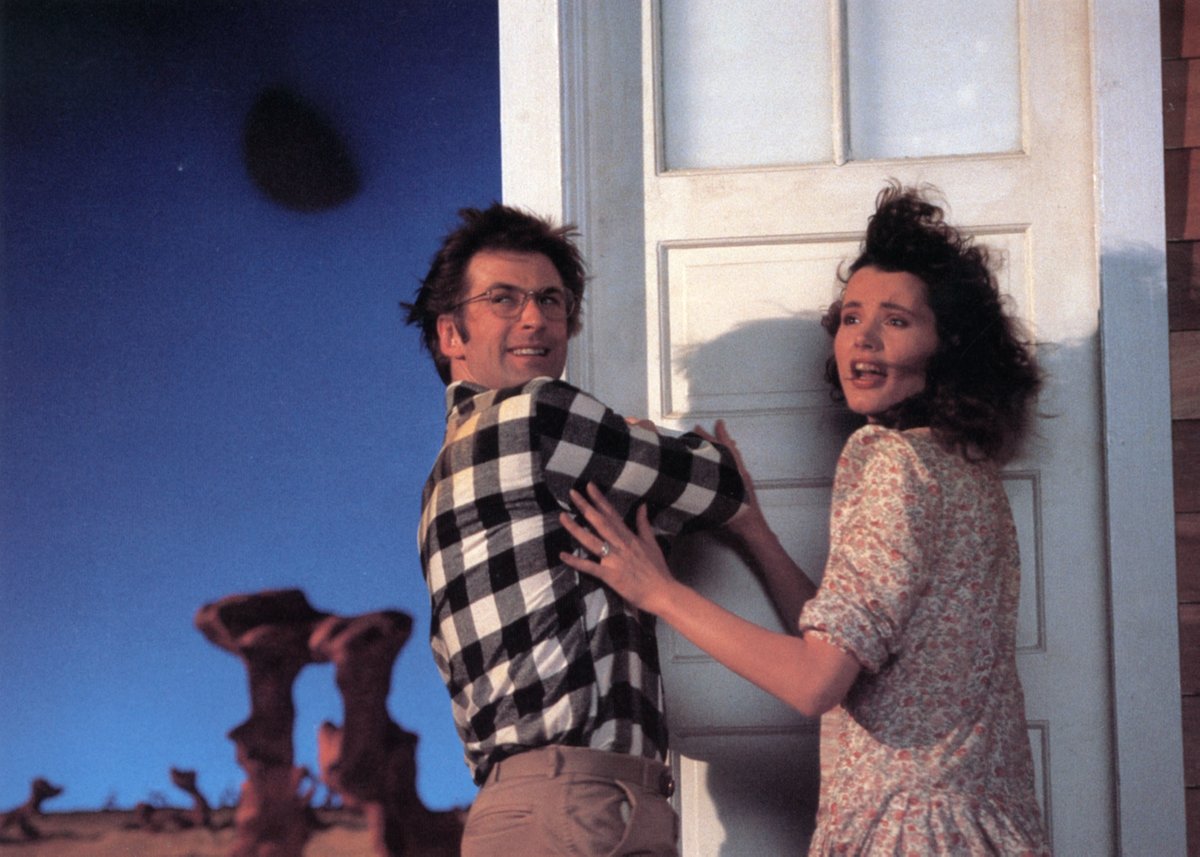
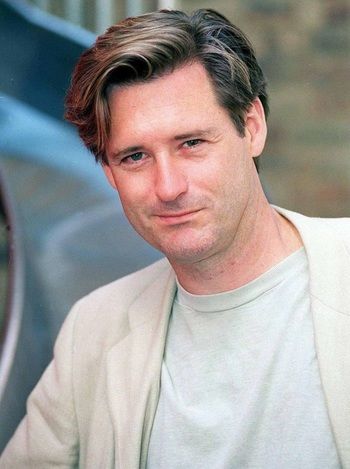
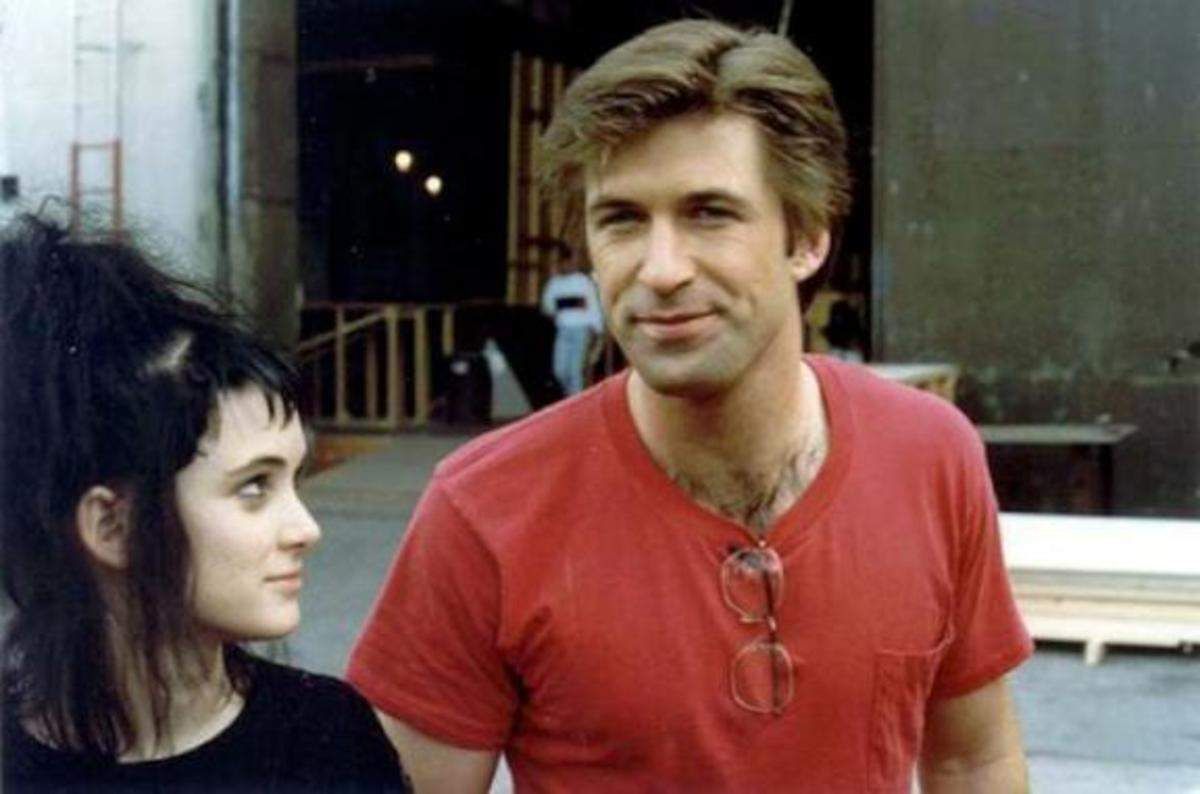
Bill Pullman was considered for the role of second ghost Adam Maitland, before Alec Baldwin was cast. Baldwin had concerns though, later saying “I had no idea what it was about. I thought my, all of our, careers are going to end with the release of this film."
16/42
16/42
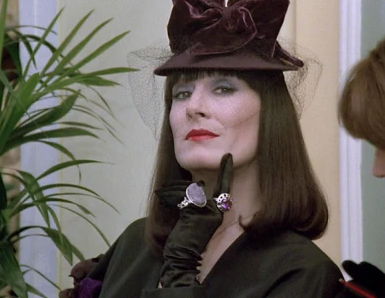
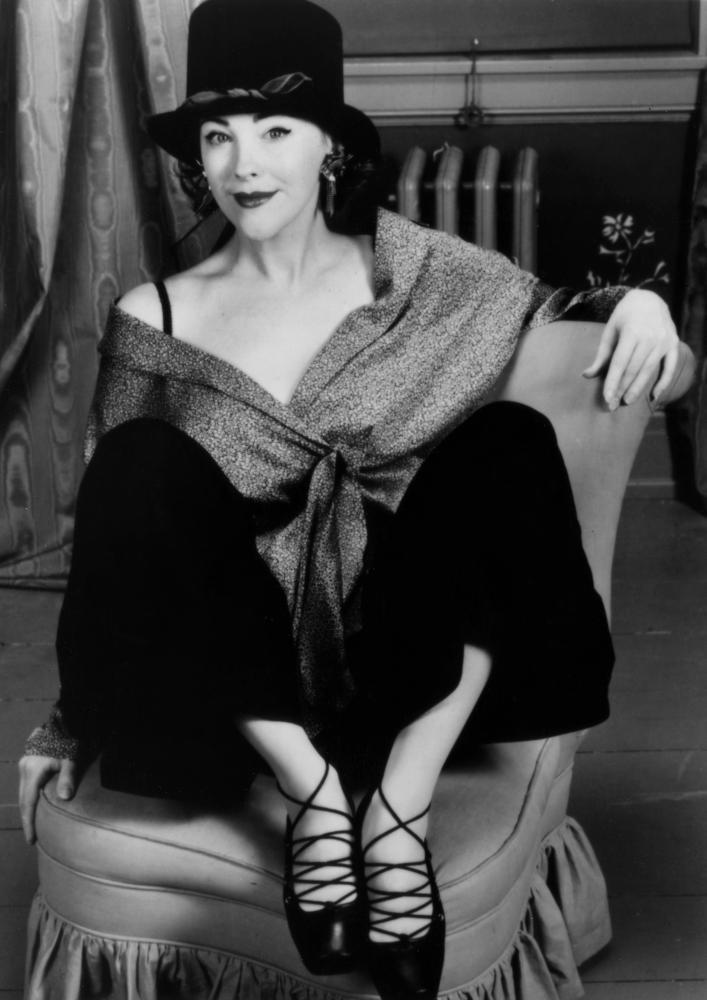
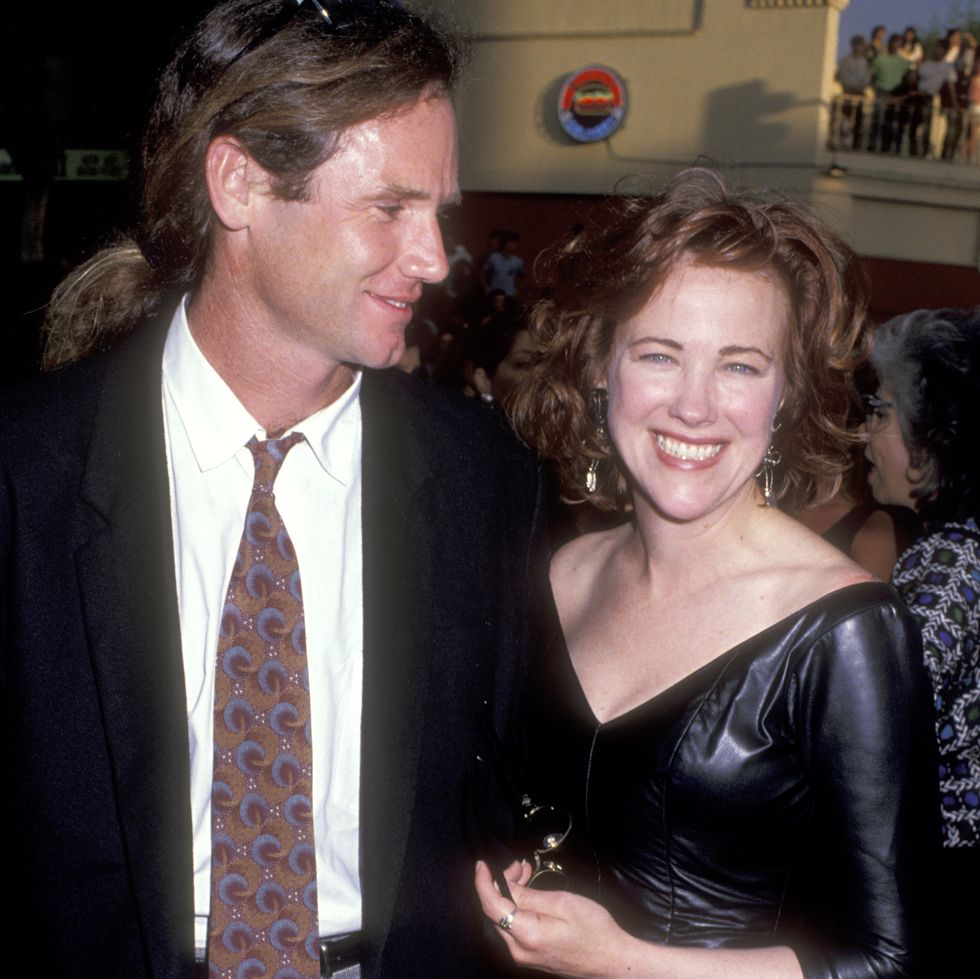
Anjelica Huston was cast as Lydia’s mother, Delia Deetz, but had to pull out due to illness. Burton asked Catherine O’Hara to step in and, when she said no, flew out to meet her and convinced her to take the part. O’Hara met and married production designer Bo Welch on the film.
17/42
17/42
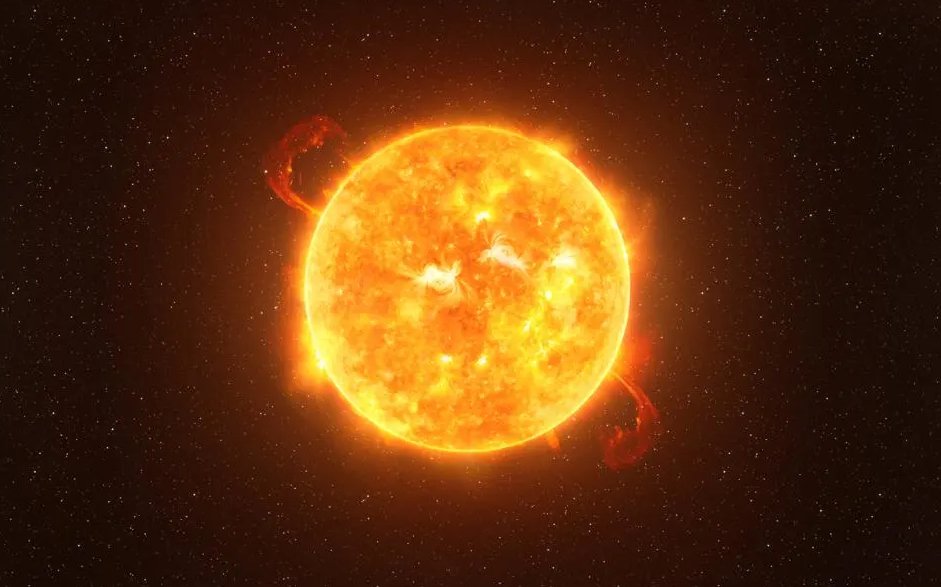
The name of the main character come from a very bright red star in the constellation of Orion, called Betelgeuse. It is pronounced “Beetlejuice.”
18/42
18/42
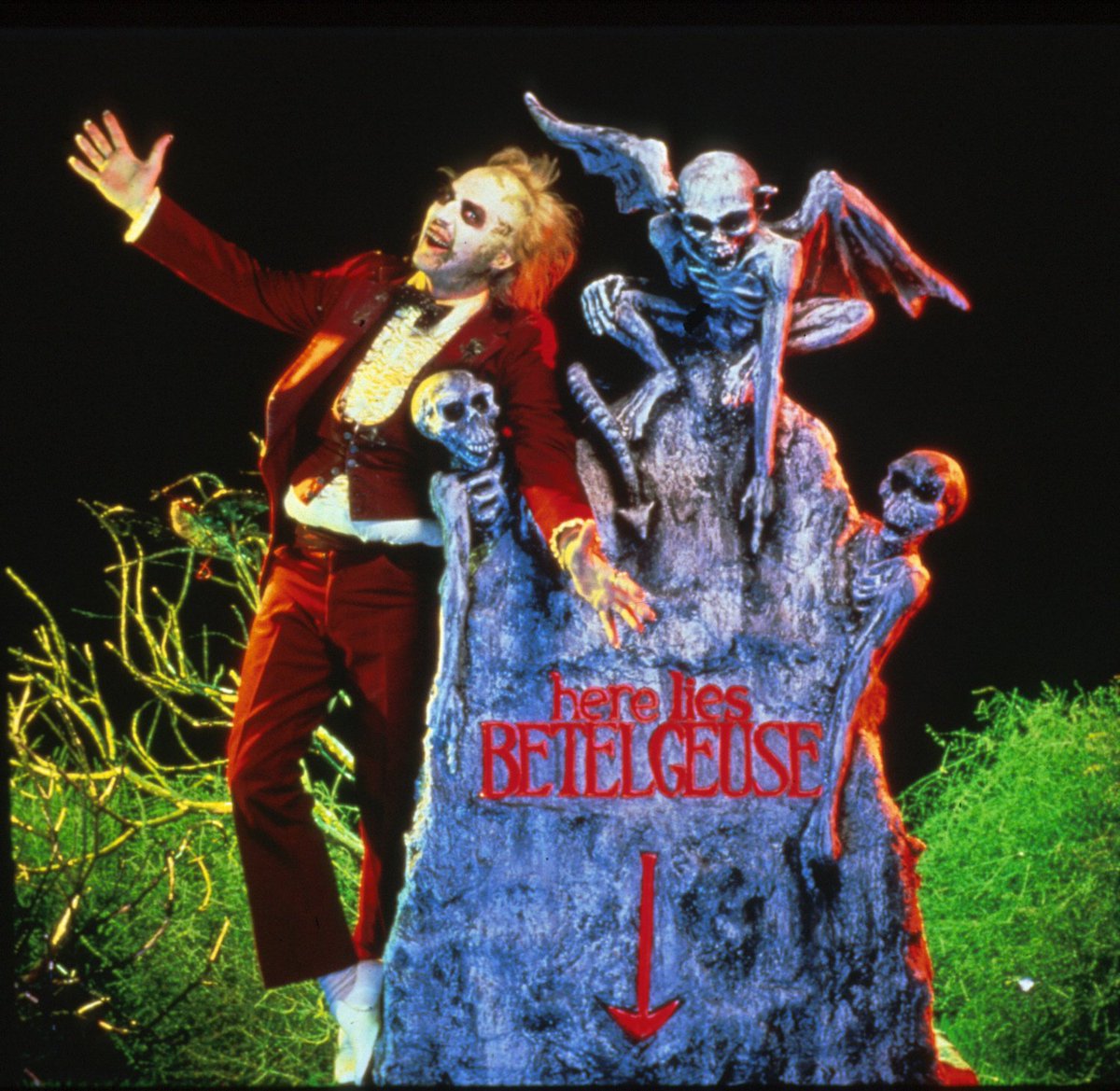
The studio wasn’t keen on the name of the film though, and wanted to call it House Ghosts. As a joke, Tim Burton suggested they go with "Scared Sheetless" and was mortified when the they actually considered using it.
19/42
19/42
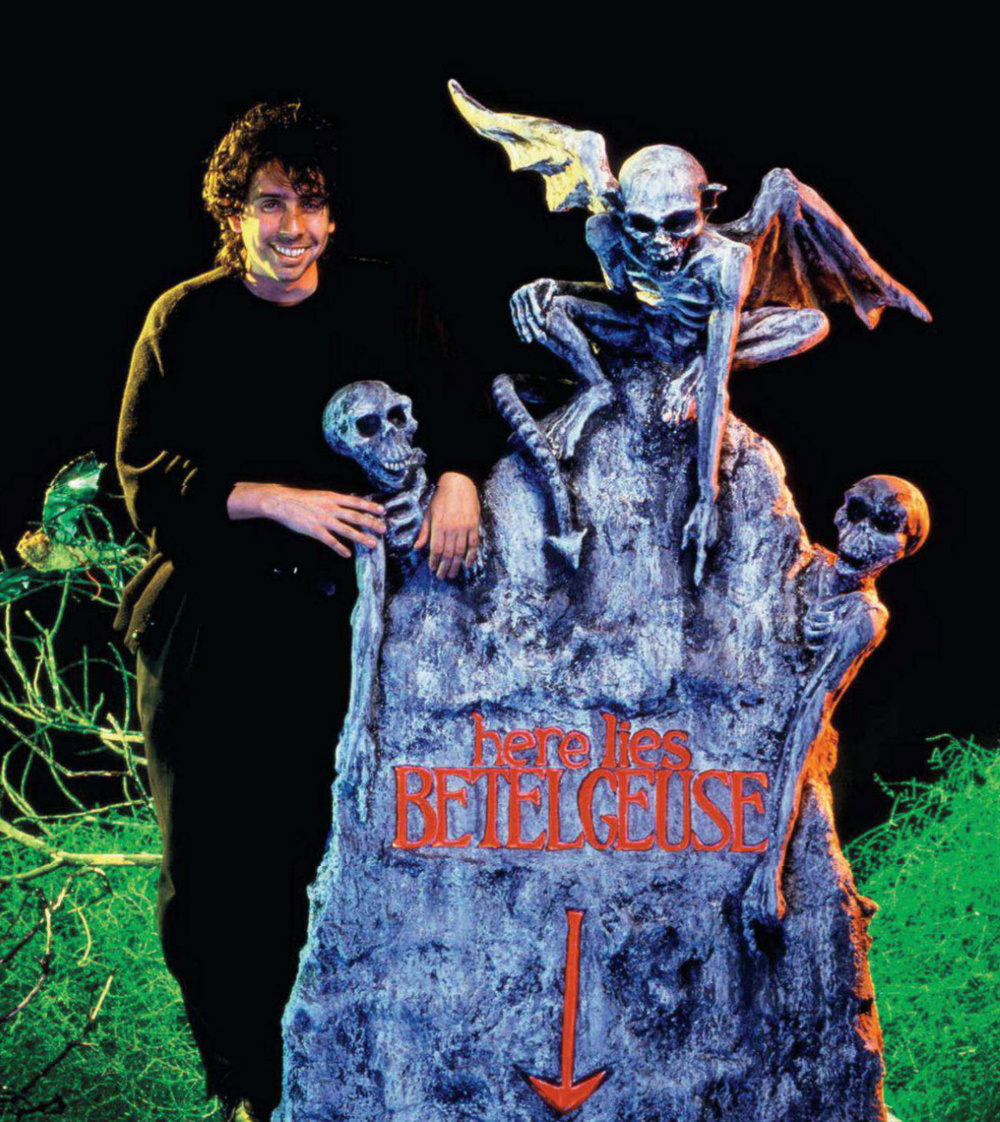
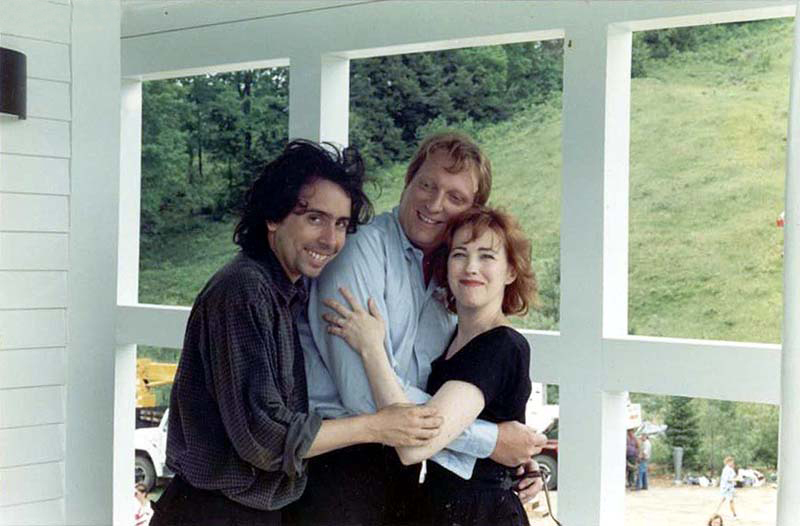
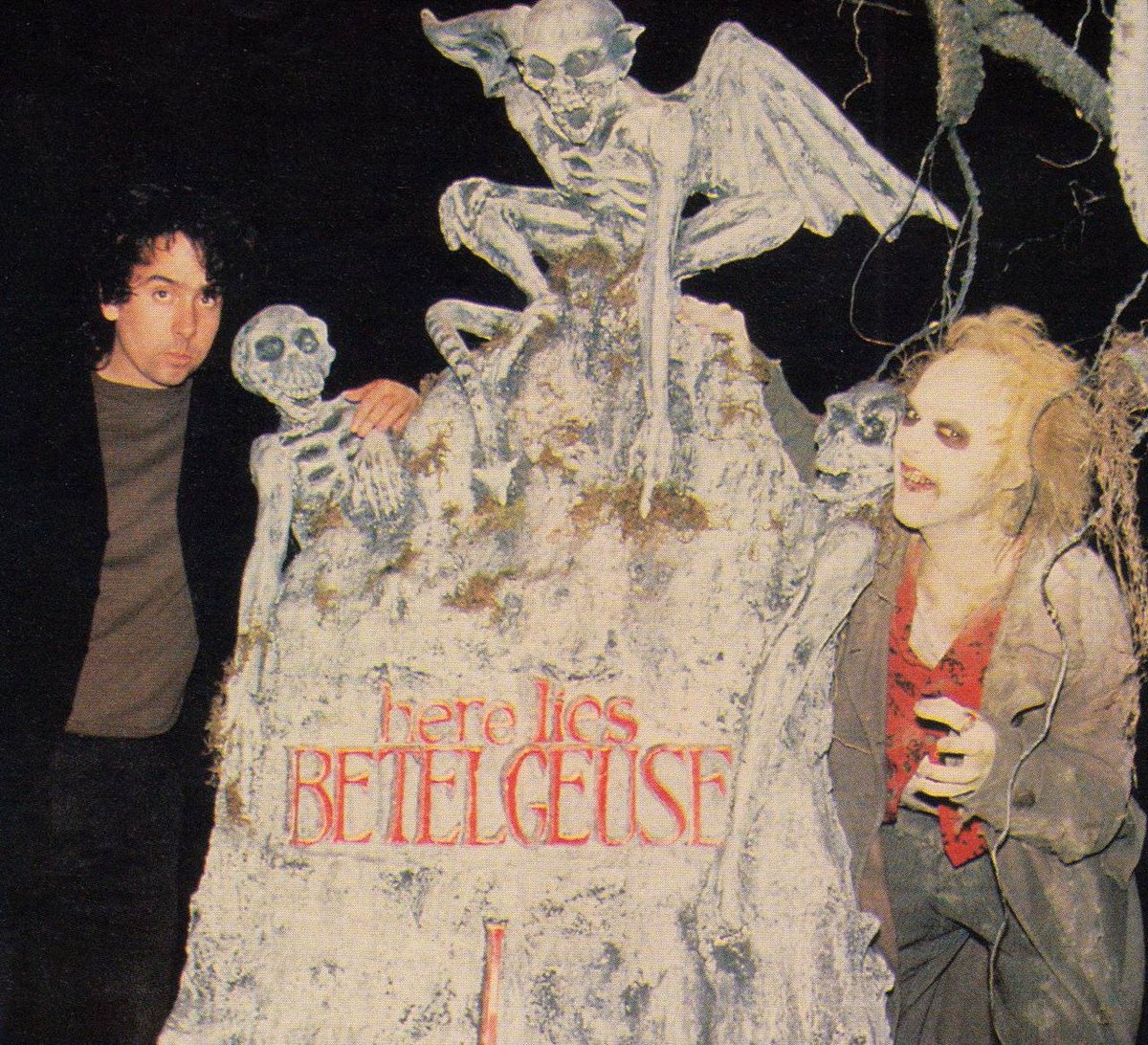
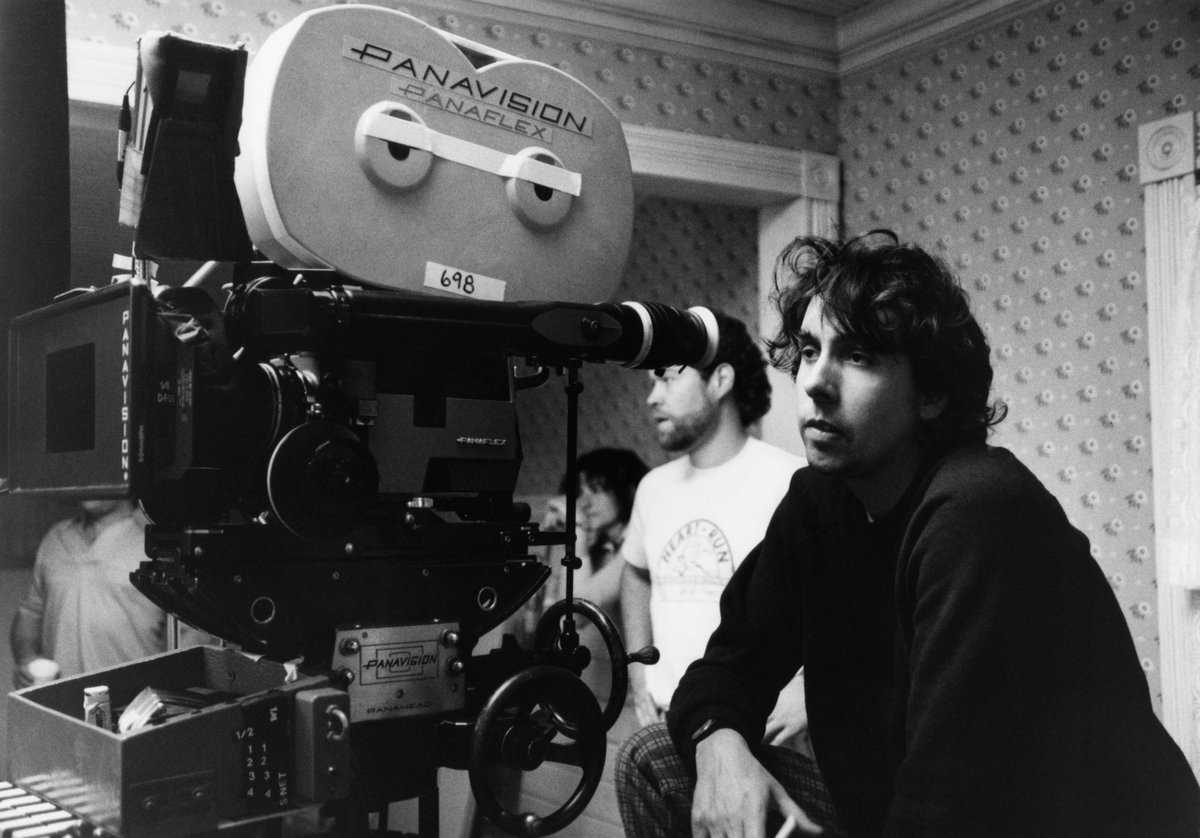
Betelgeuse was originally conceived as a winged demon that took on human form as a middle eastern or African-American man. This is the point at which Burton wanted Sammy Davis to play him.
20/42
20/42
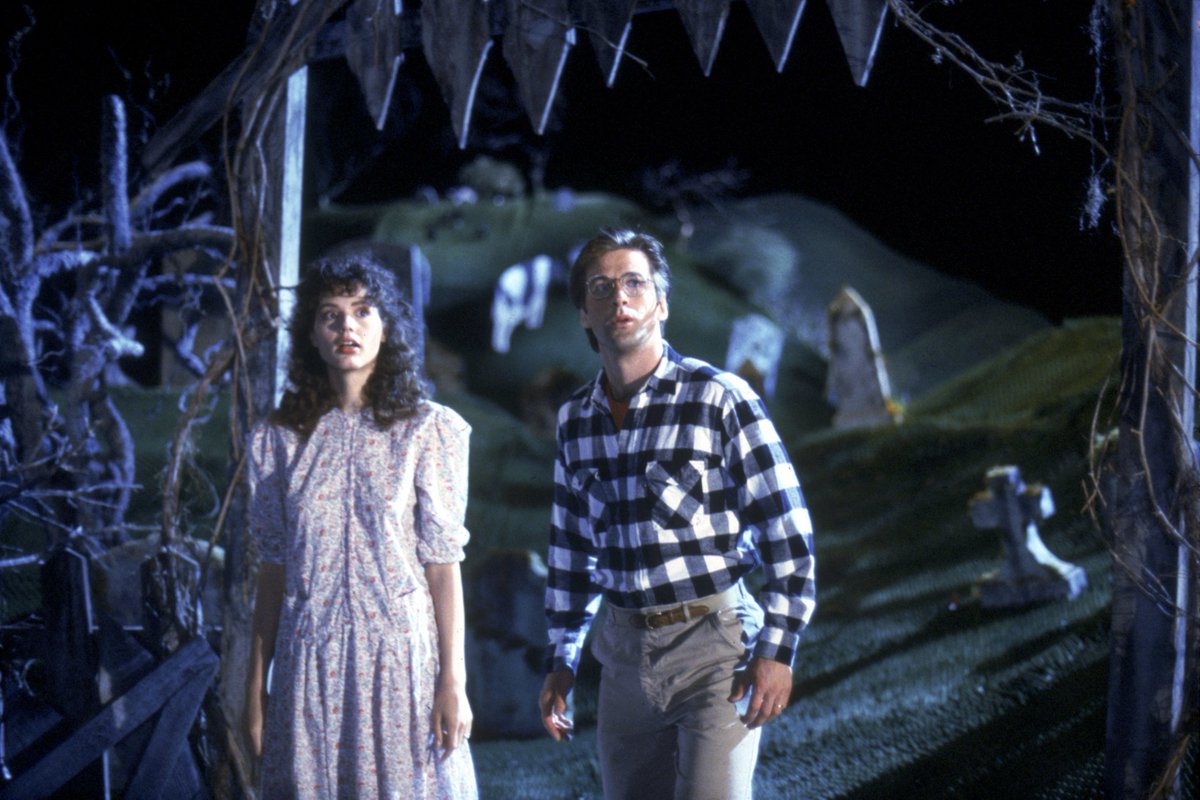
The original script was more sinister. The Maitland's death was originally way more graphic and we saw them drowning. The part in the film where Adam asks "How's your arm?" and Barbara says "It feels frozen" is from that version of the script.
21/42
21/42
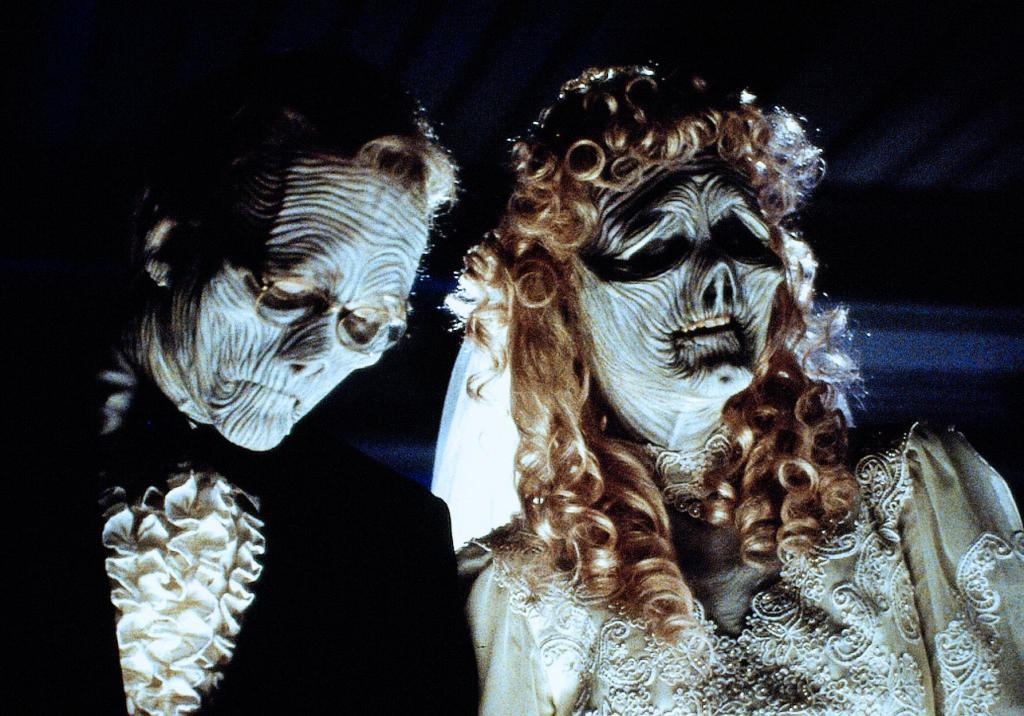
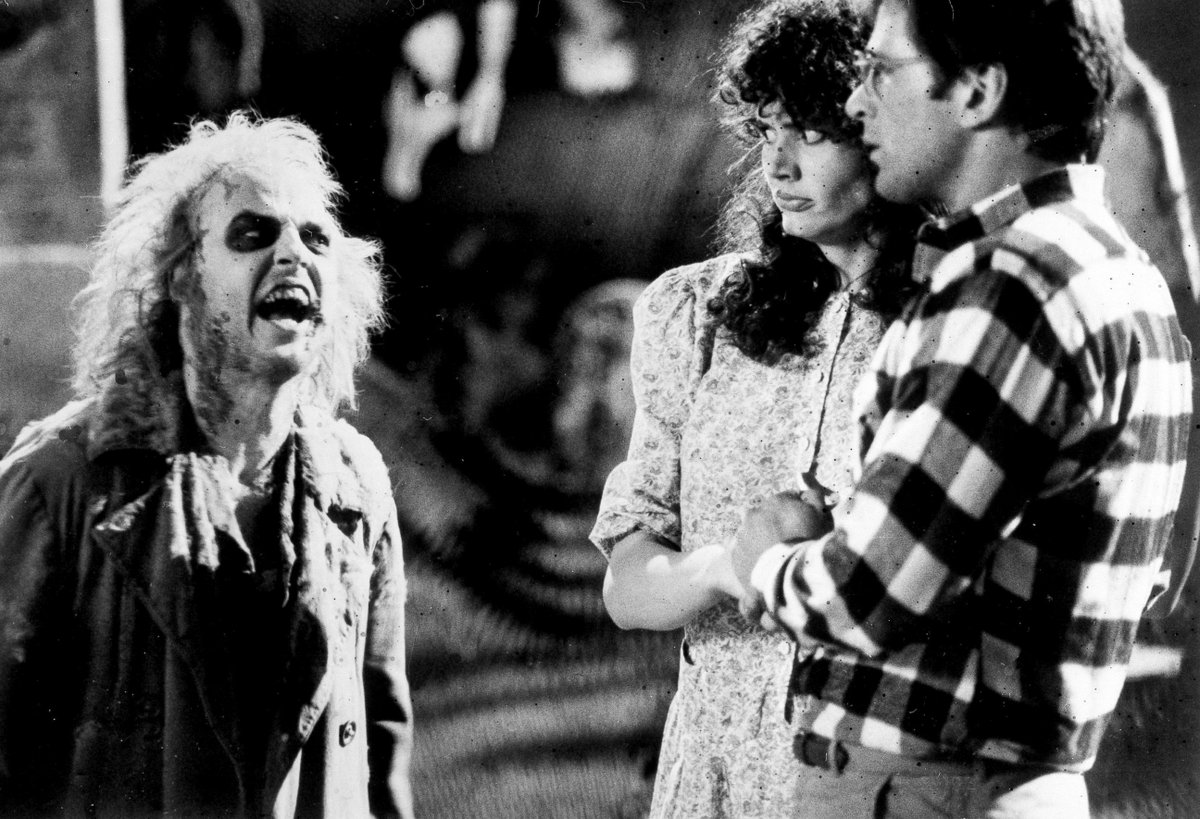
Also, Lydia at one point had a sister, with Lydia being the goth and her sister being the straight one. When Warren Skaaren came in, he scrapped the sister and focused on Lydia more.
22/42
22/42
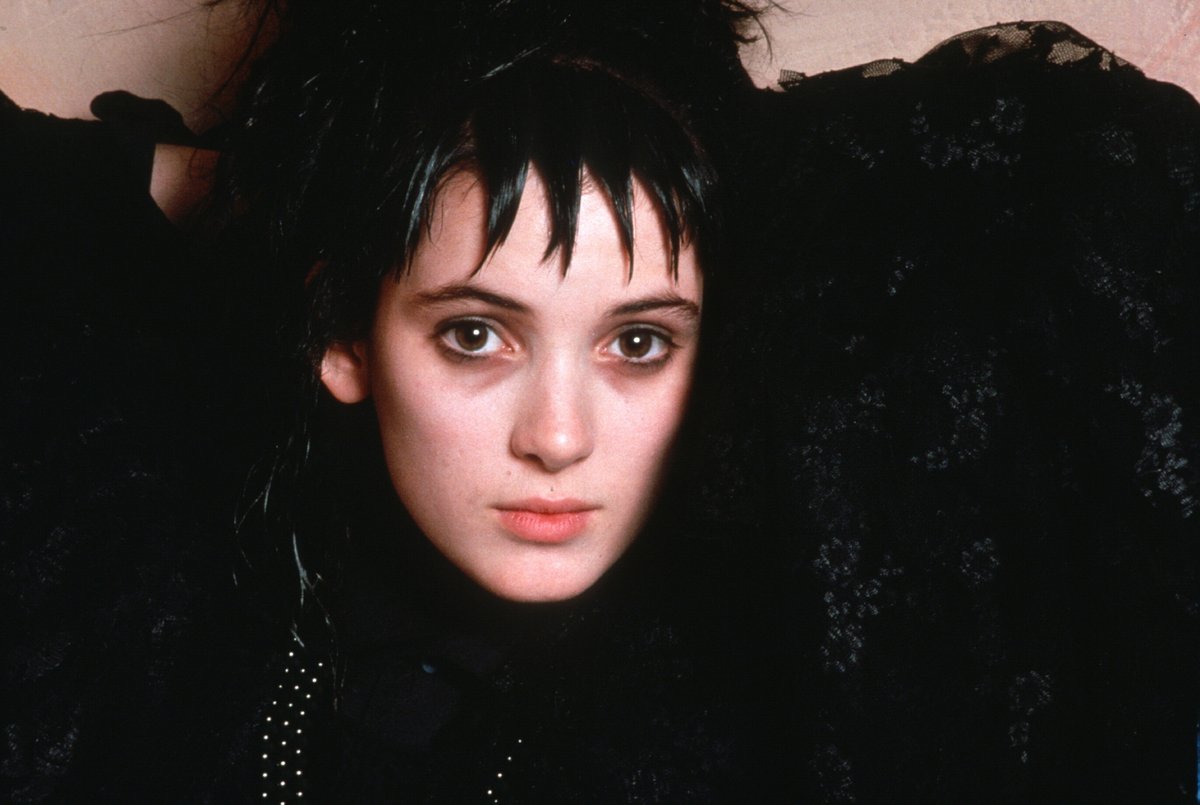
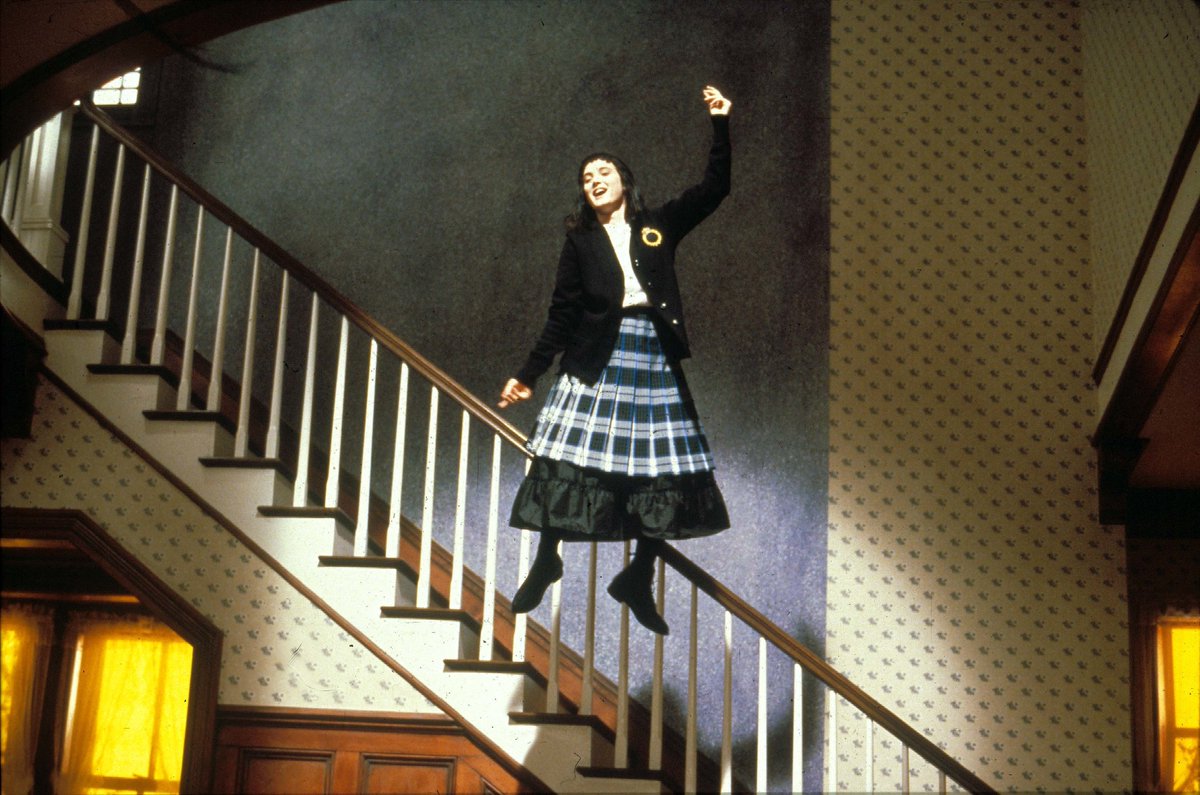
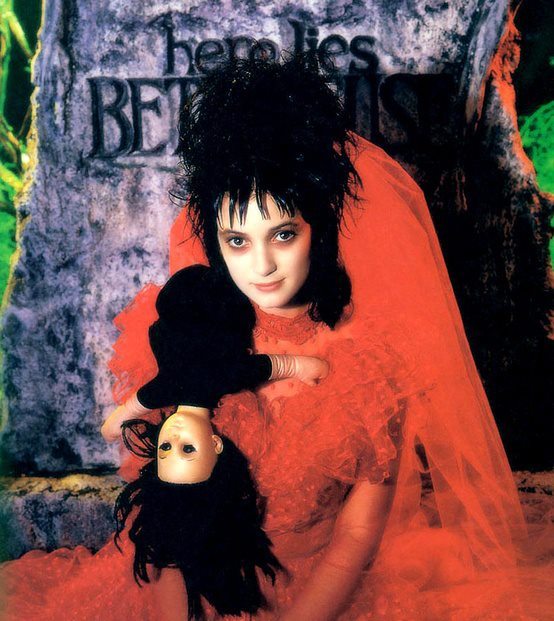

The number 3 is a recurring theme in the film: that is how many times you have to say Betelgeuse’s name before he appears; the number of times to knock on the door to get to the other side, and Betelgeuse wears three watches.
23/42
23/42
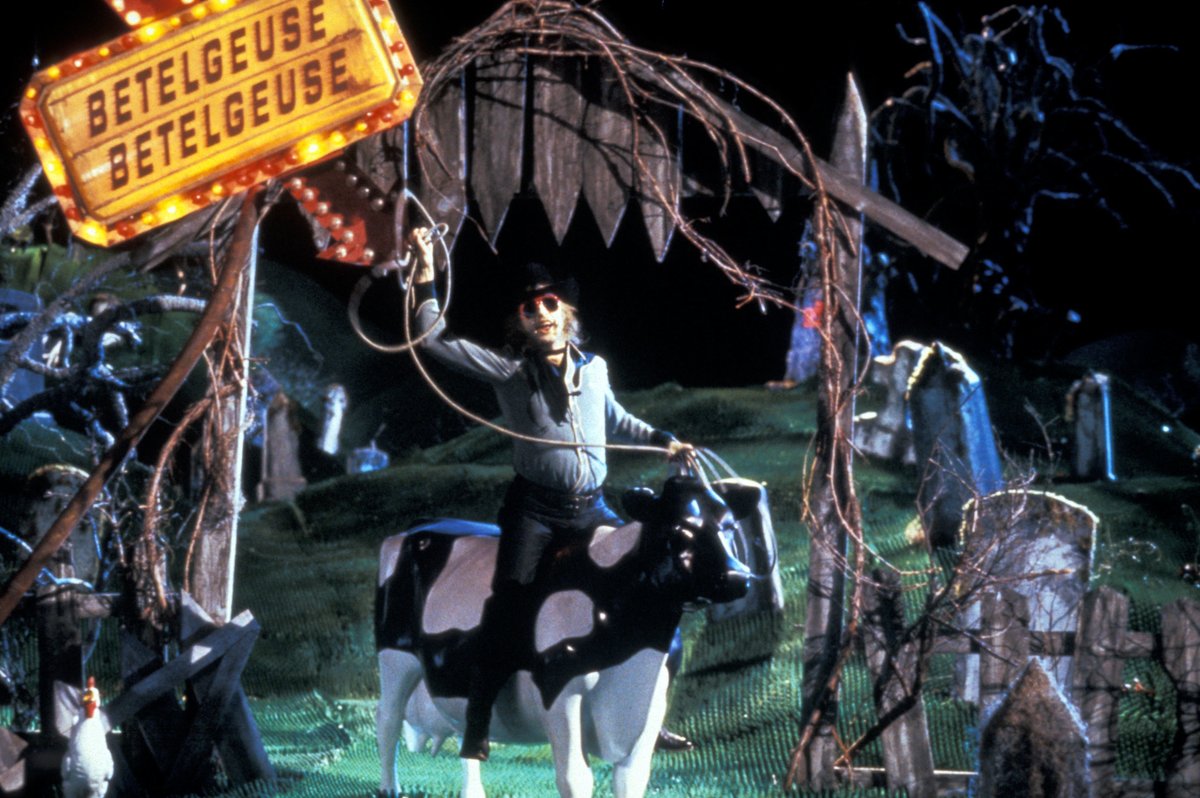

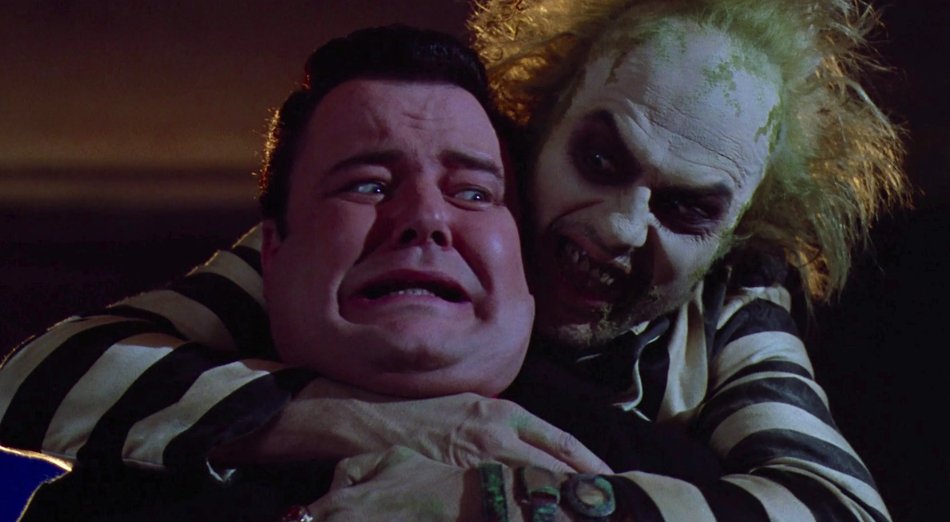
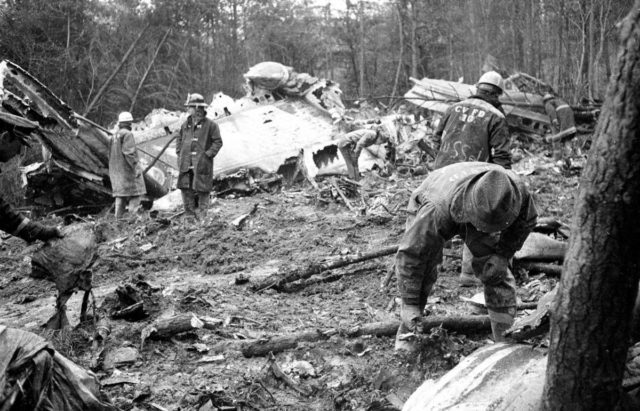
There are some real-life references too. When Adam and Barbara are in the office, a voice on the PA announces "Flight 409 is arriving at Gate 3." United Airlines Flight 409 crashed in 1955, killing all passengers.
24/42
24/42


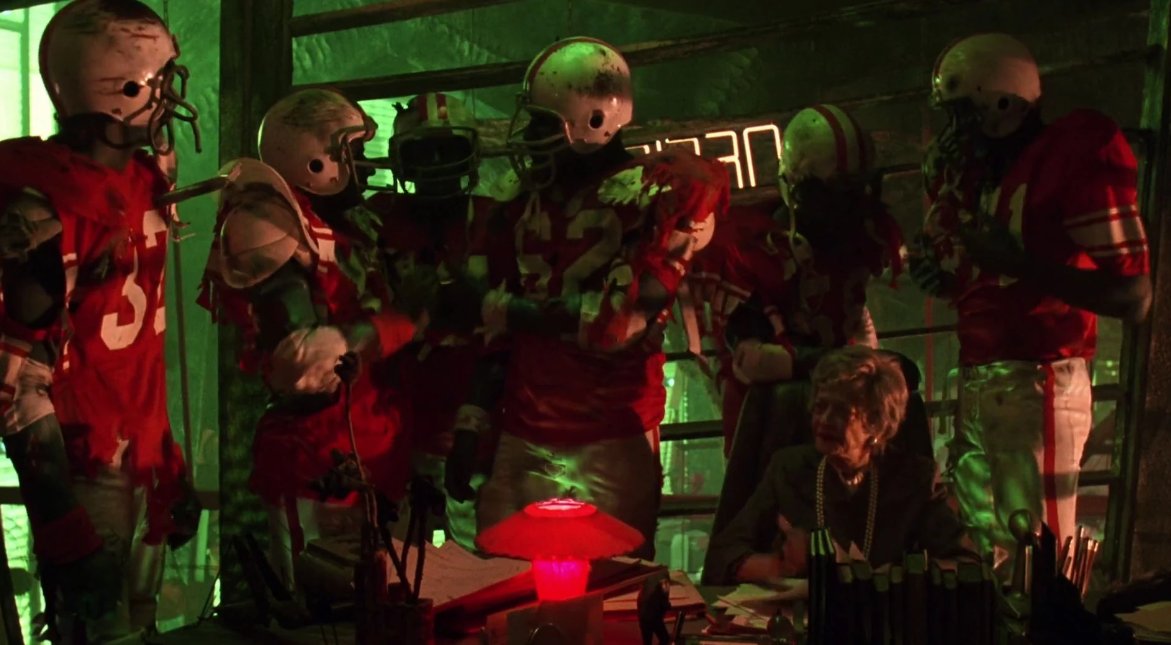
Similarly, the football players bothering Juno are a reference to the 1970 crash of Southern Airways Flight 932. In this incident, 70 players and coaches of the Marshall University football team were killed.
25/42
25/42
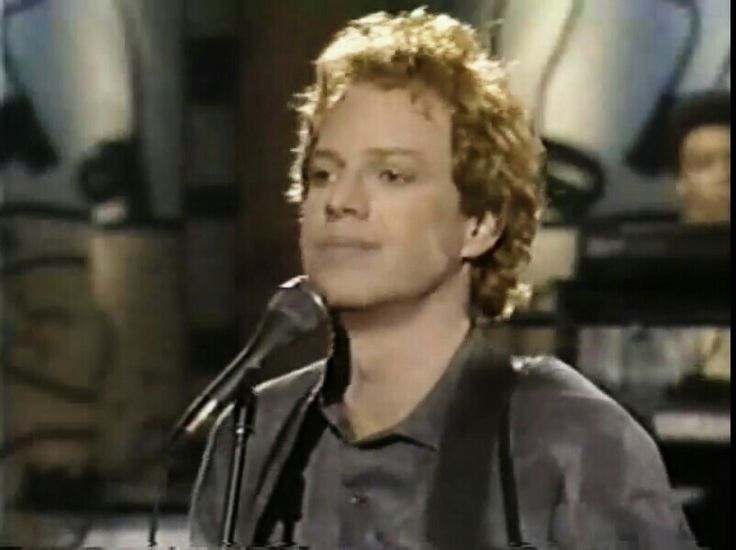
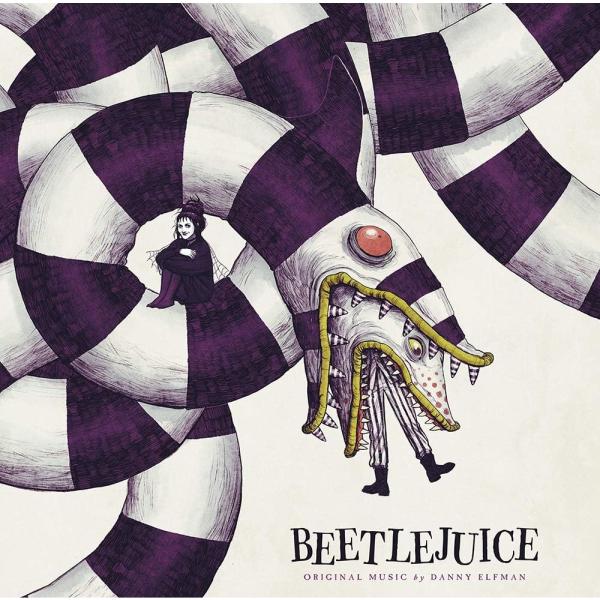
To write the score, Burton brought in Danny Elfman, who had written music for him on Pee-wee’s Big Adventure. There were some issues recording the music when conductor Lionel Newman kept making changes to what Elfman had written, and had to be replaced.
26/42
26/42
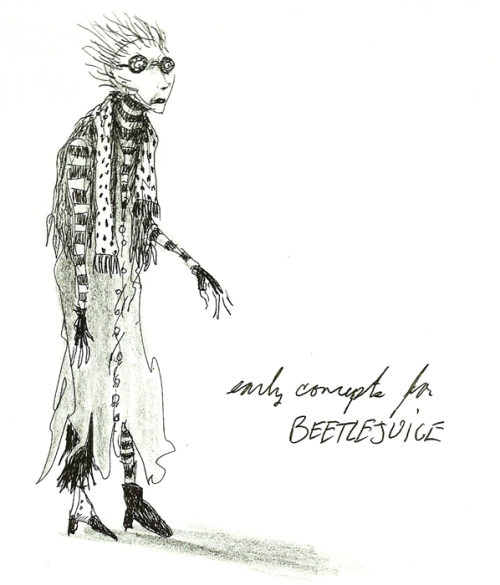
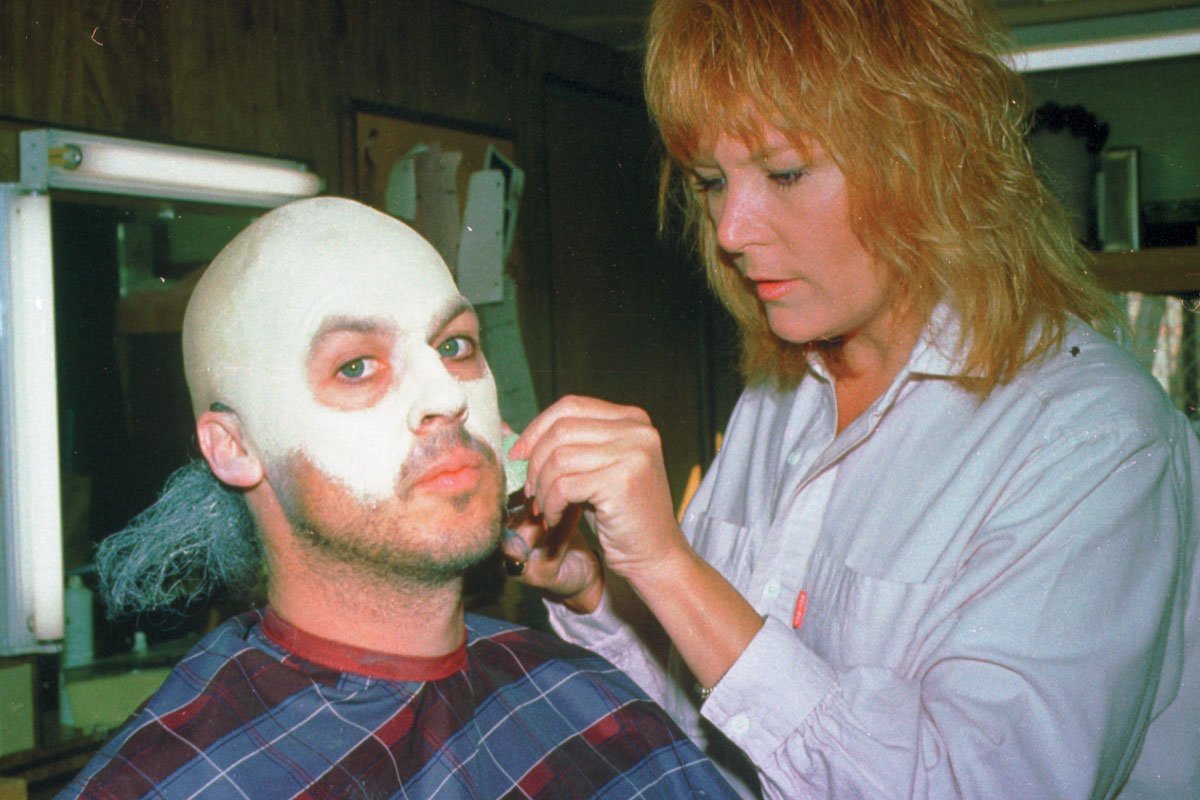
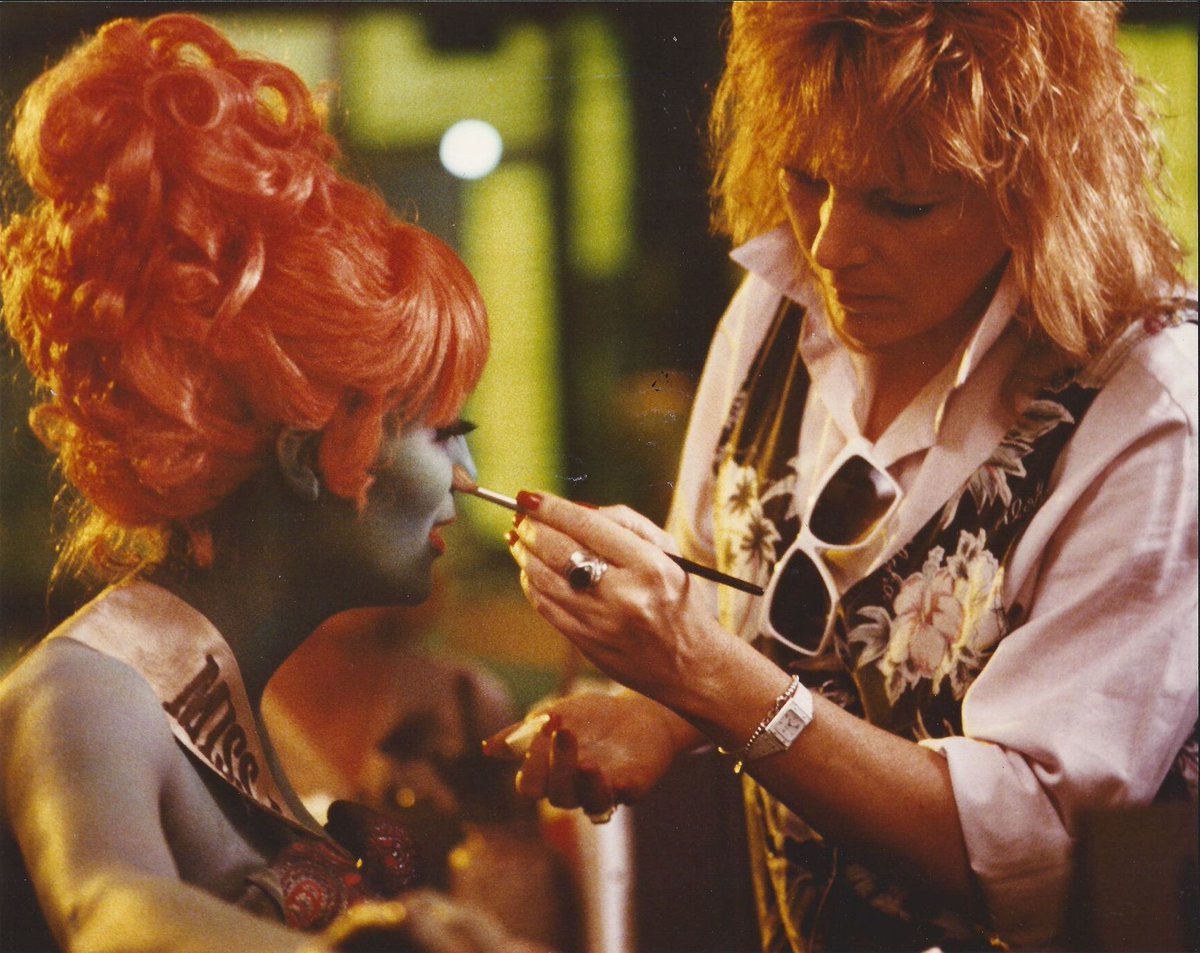
The make-up artist tasked with transforming Keaton into Betelgeuse was Ve Neill. She said Burton’s first sketches were scary more than silly and they made changes like giving the character yellow skin, green hair, and under-eye circles.
27/42
27/42
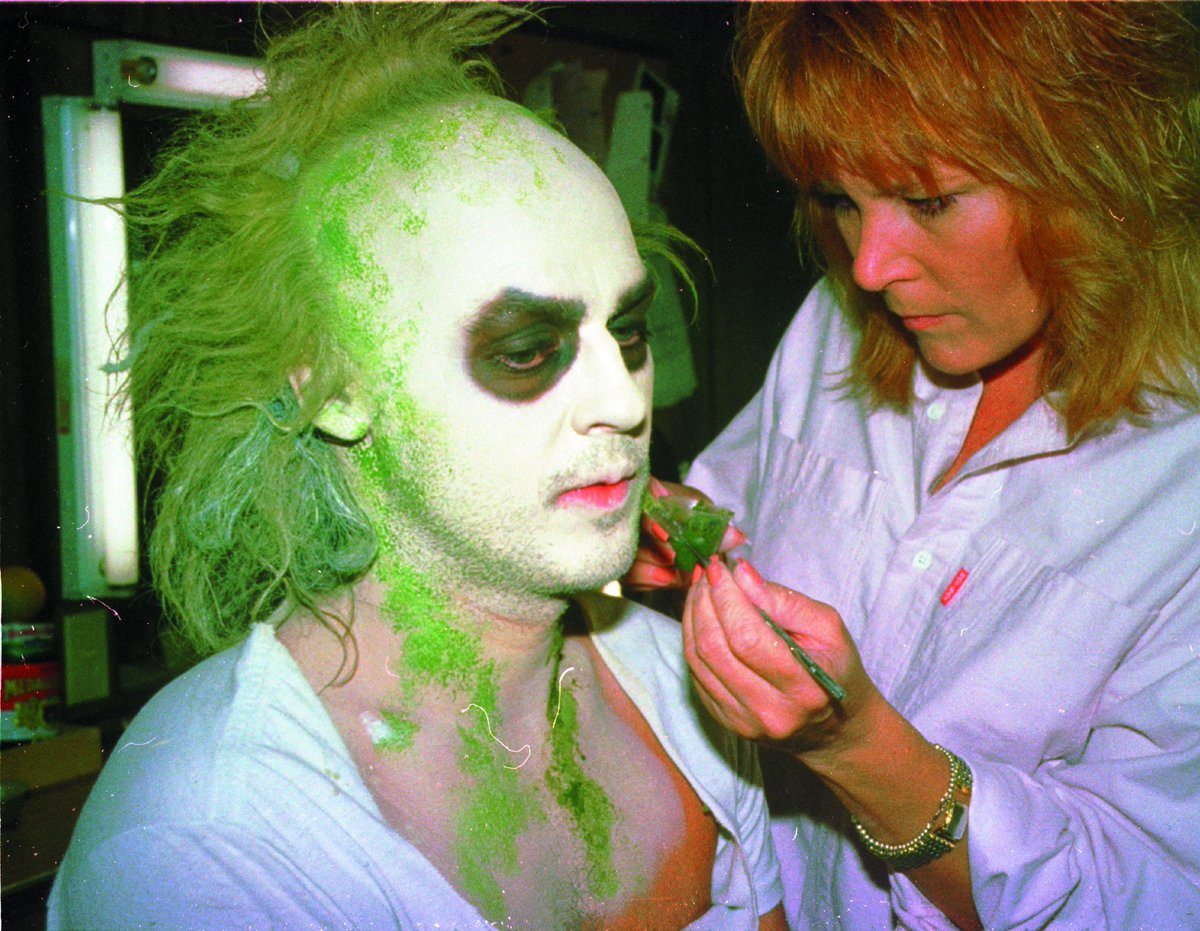
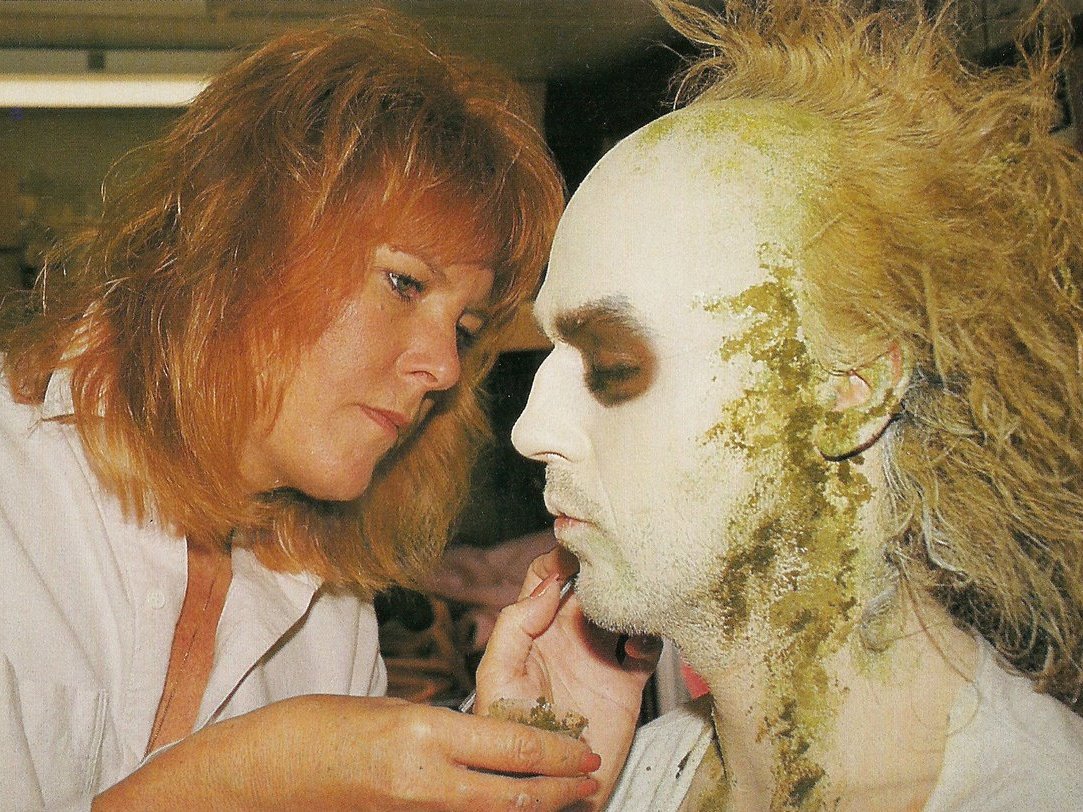
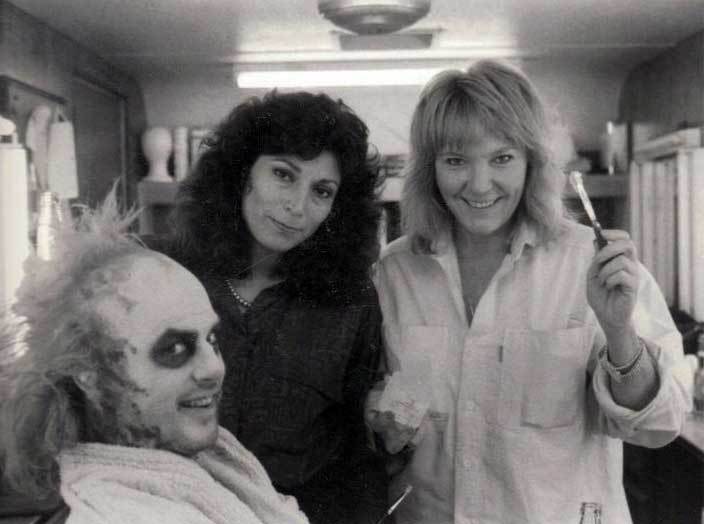
Geffen told Burton they couldn’t go any higher than $1 million on the visual effects budget – not a huge amount. As such, Burton decided to lean into the limitations to give the film a B-movie kind of feel.
28/42
28/42
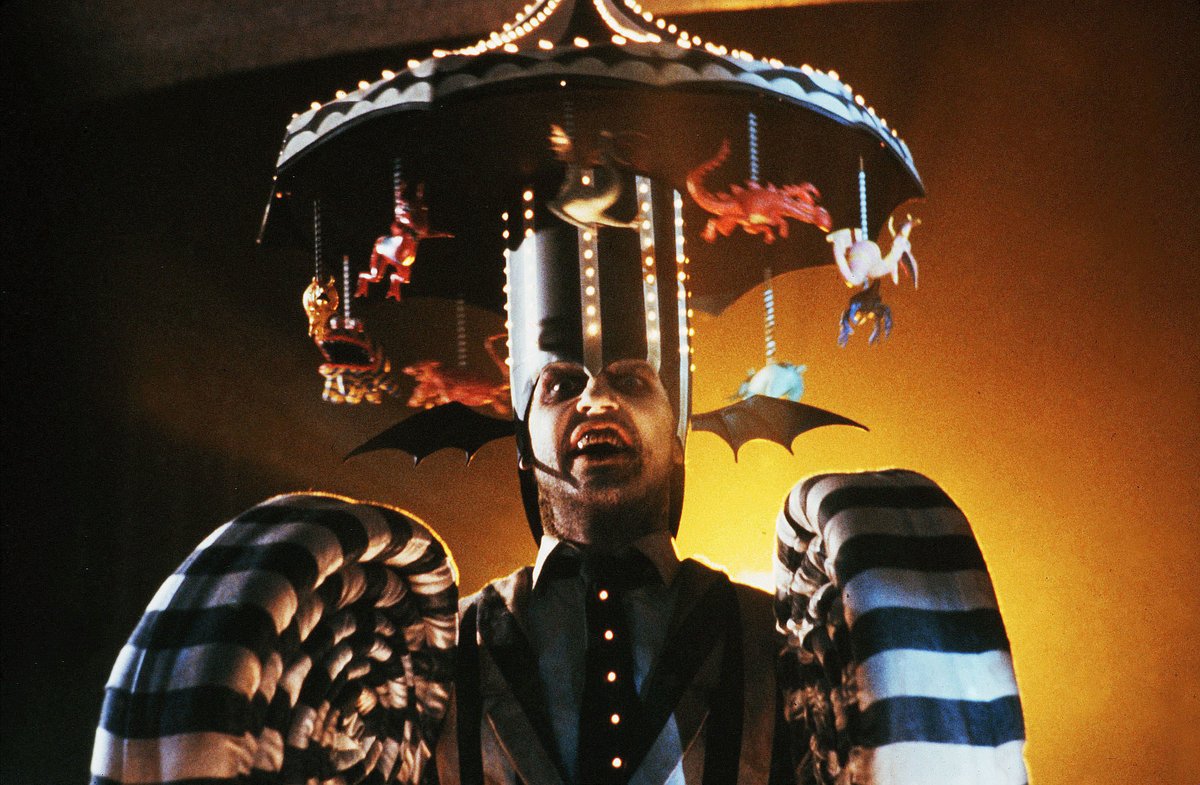
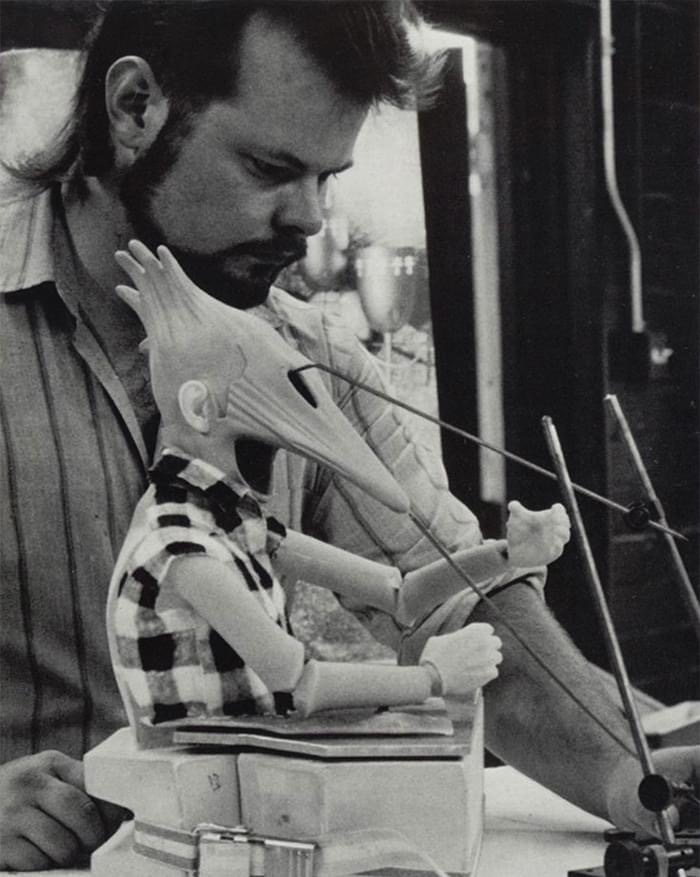
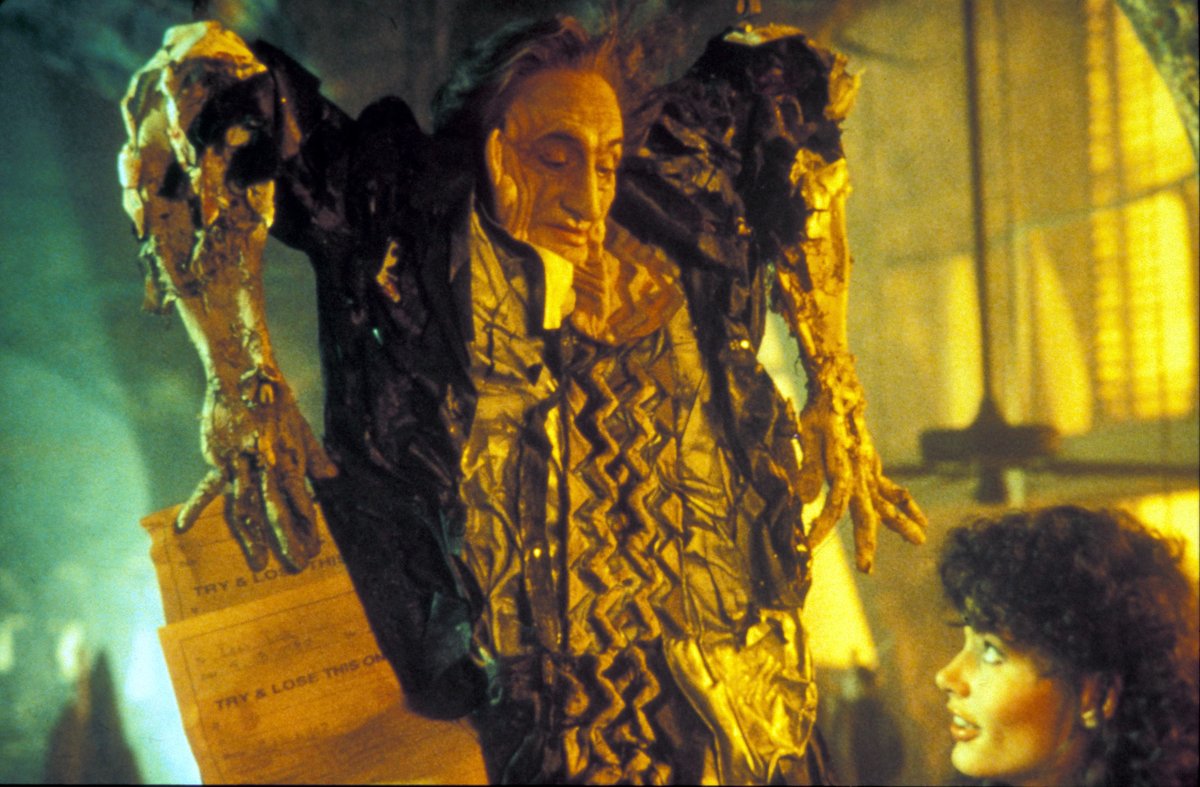
The movie was filmed in East Corinth, Vermont. A small creek was dammed to provide deeper water for the bridge scene. The bridge was custom built and the Maitlands' house was a front facade built in a farm field one hundred yards from the bridge.
29/42
29/42
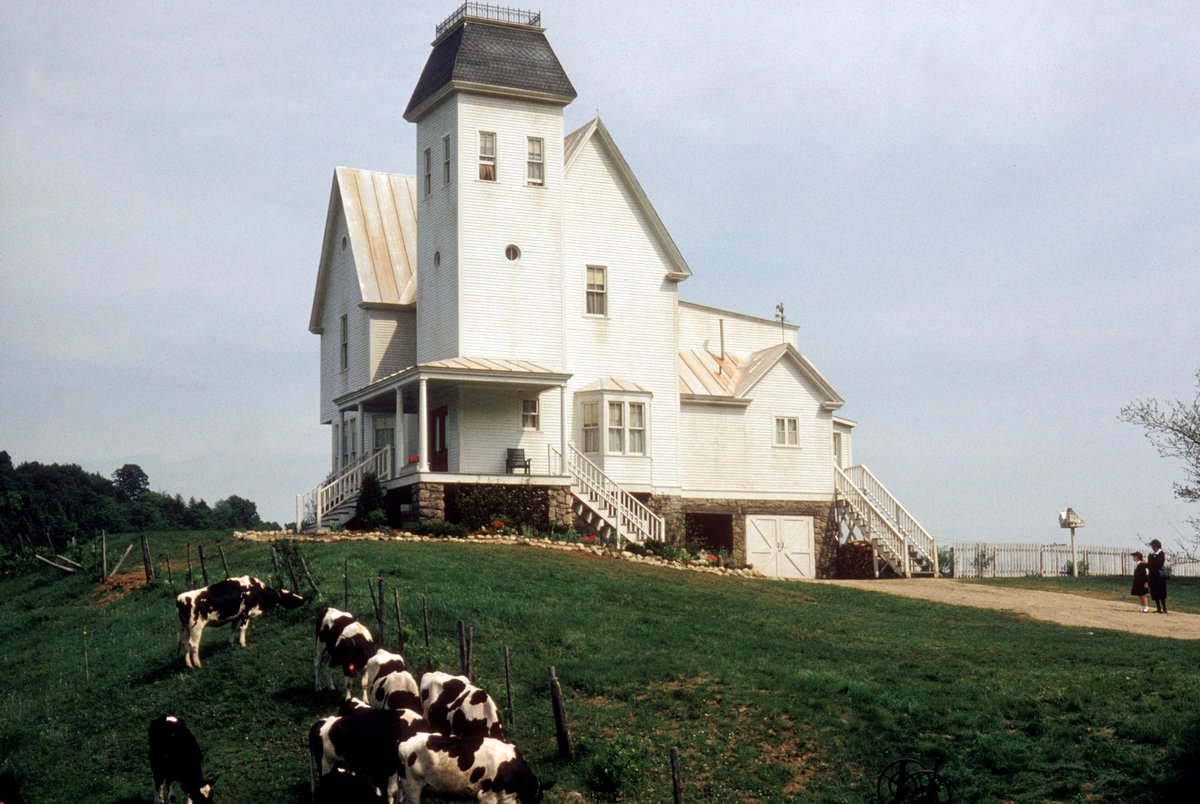
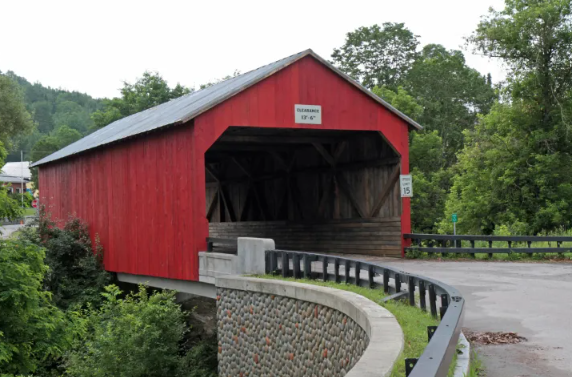
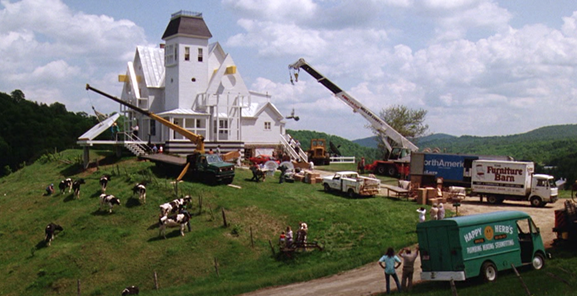
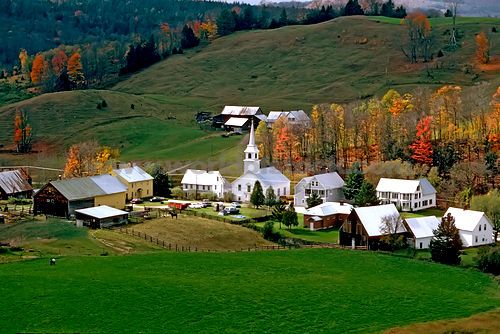
Production designer Bo Welch and his team spent weeks researching suitable locations for the film. He said “We just drove aimlessly from one end of Vermont to the other. We kept seeing this postcard over and over for this town called East Corinth and thought ‘Well, that one looks great.’”
30/42
30/42
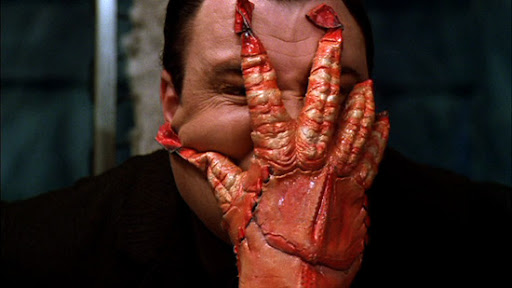
The shrimp arm attack at the dinner party was achieved by placing shrimp on the actors’ faces, filming as they fell off, then playing it in reverse. Burton planned to have the guests dance to a song by the Ink Spots, but Catherine O’Hara suggested the music be calypso.
31/42
31/42

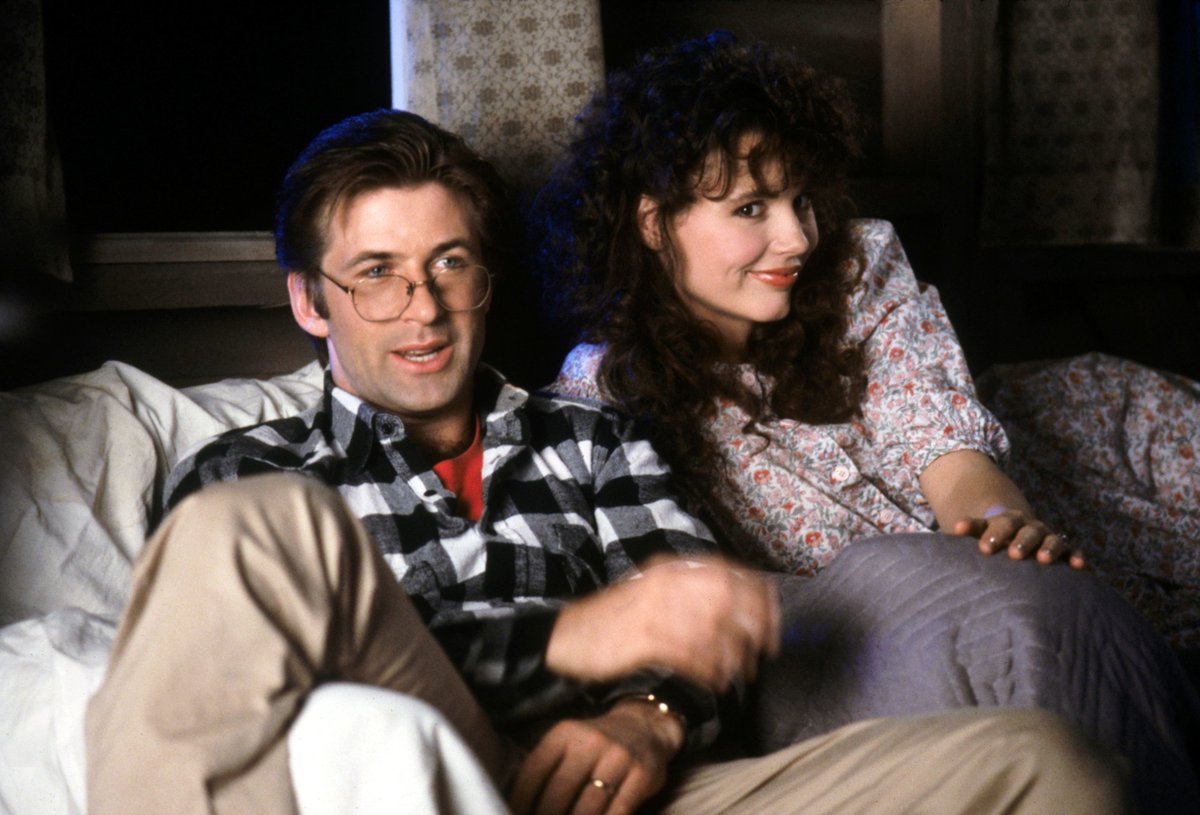
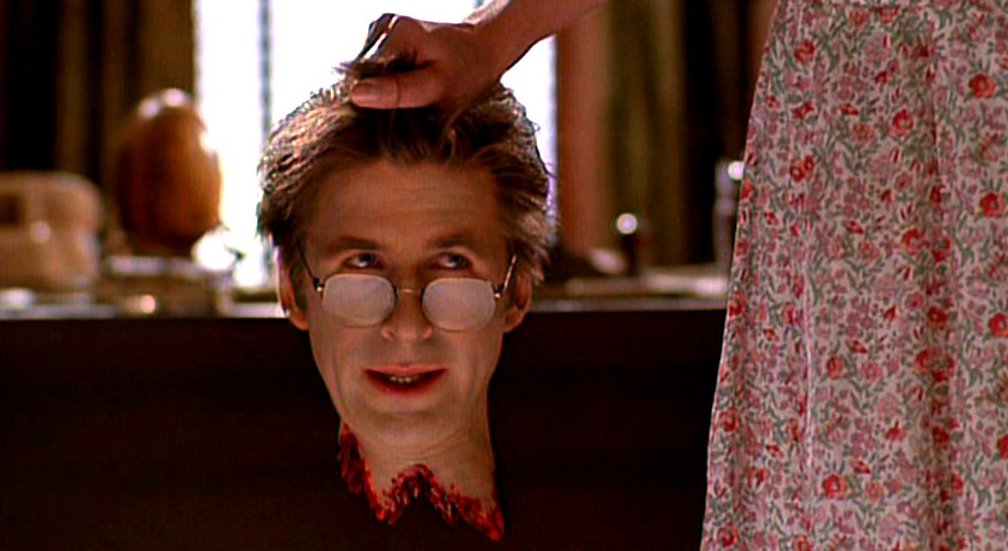
When Adam and Barbara can't see their reflections, Geena Davis and Alec Baldwin were looking into the set with the glass removed. And when Barbara holds up Adam's severed head, Baldwin was kneeling behind a large black card cut round his chin.
32/42
32/42
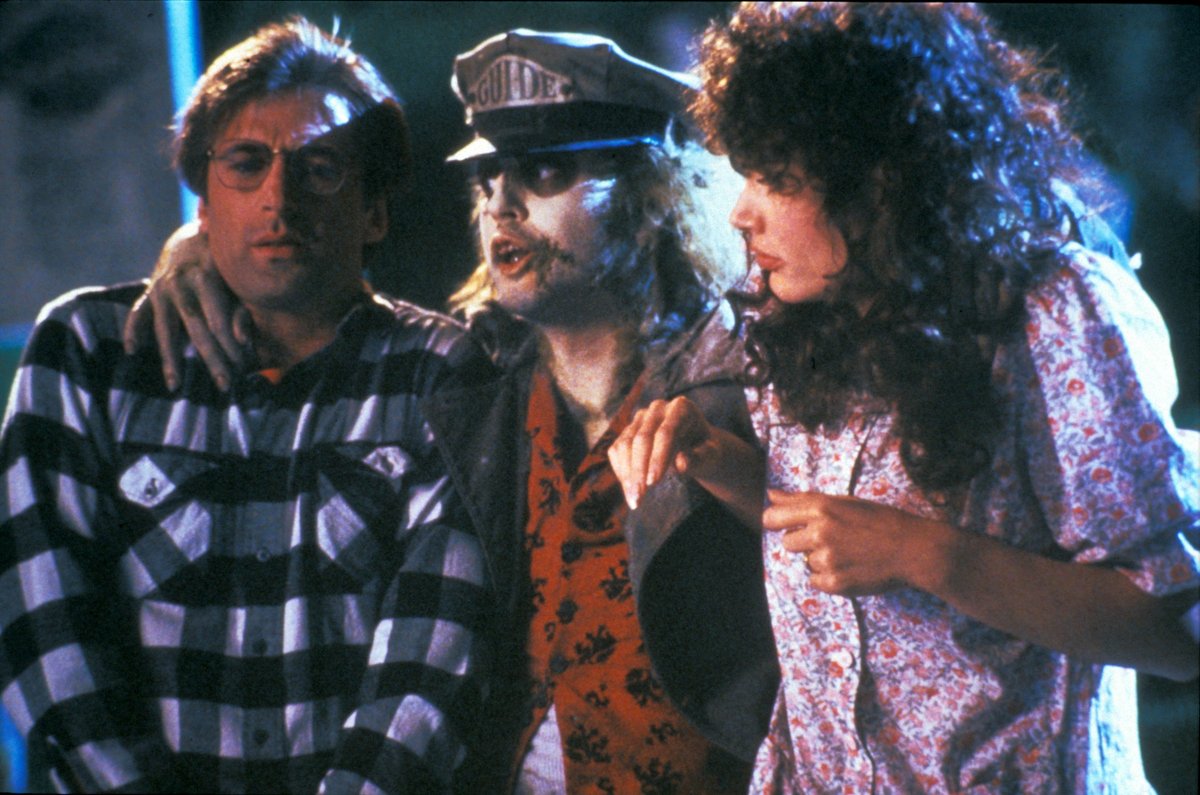
Betelgeuse's TV ad was a parody of a well-known car dealer ad at the time for Cal Worthington. At the time of the film's release, Worthington made $316.8m, making him the largest single owner of a car dealership.
33/42
33/42
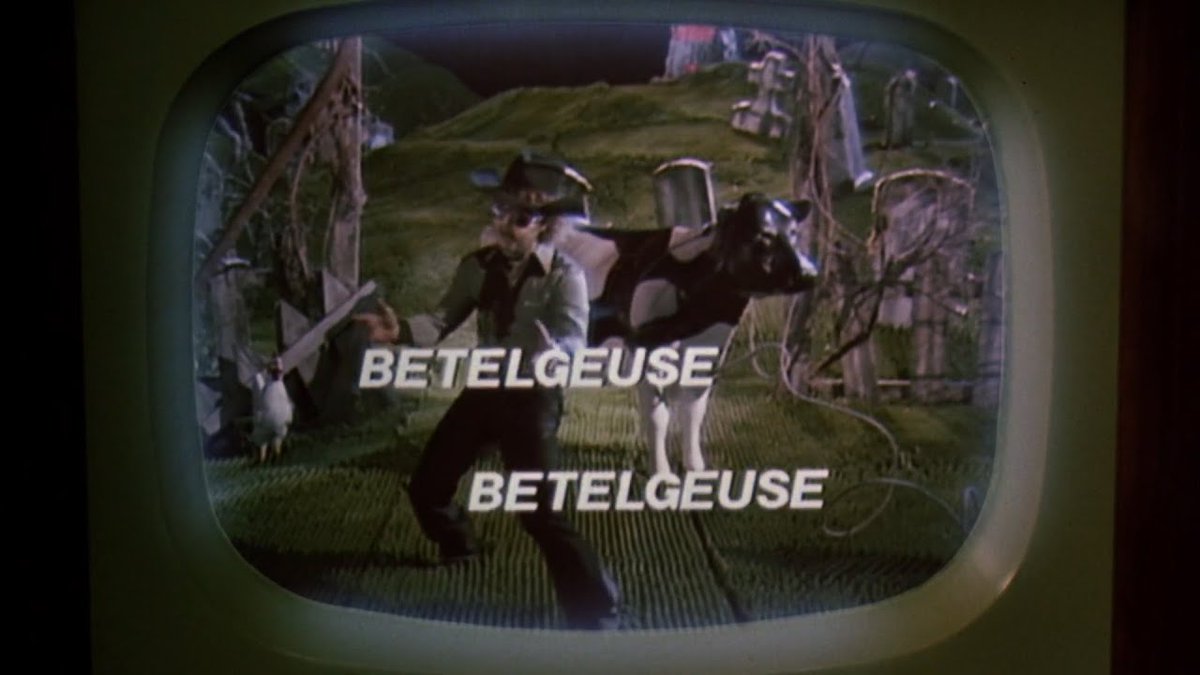

During the graveyard scene, Betelgeuse kicks the tree and it falls. That wasn’t planned and Keaton ad-libbed the line "Nice f***ing model!" Burton love it and kept it in the film.
34/42
34/42
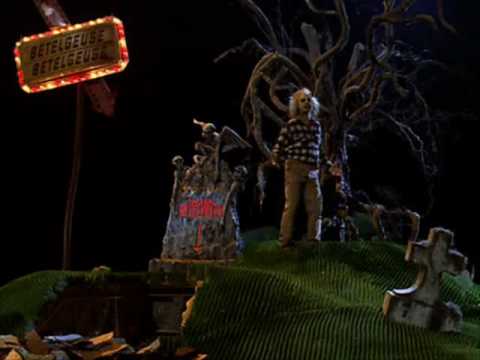
Originally, the ending was darker, where Lydia died in a fire and joined her friends in the afterlife. It was changed when Burton decided he didn’t like the message of death being a happy ending.
35/42
35/42
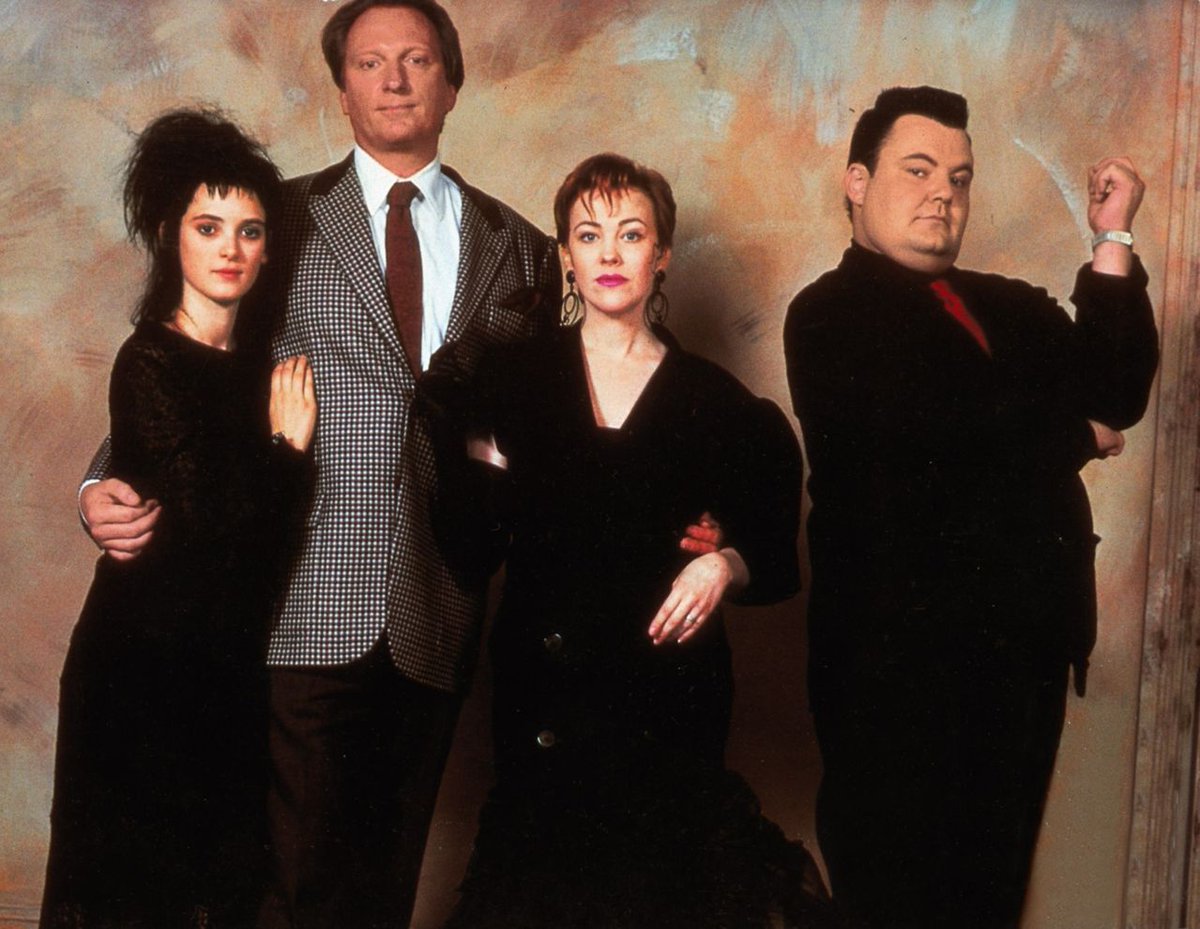
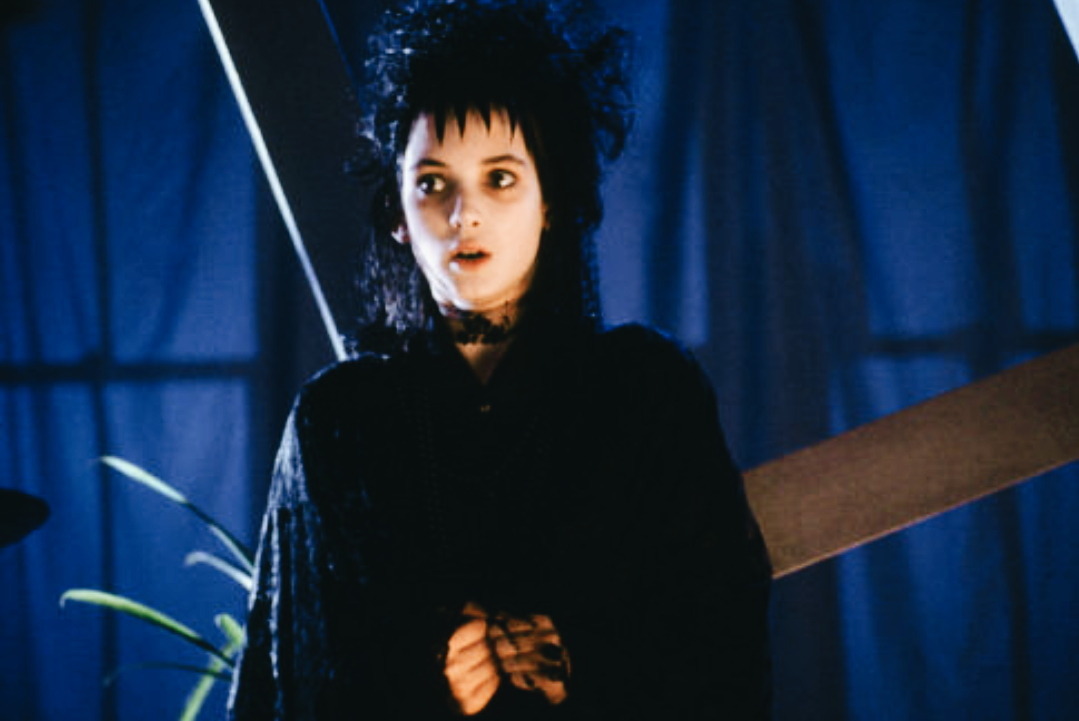
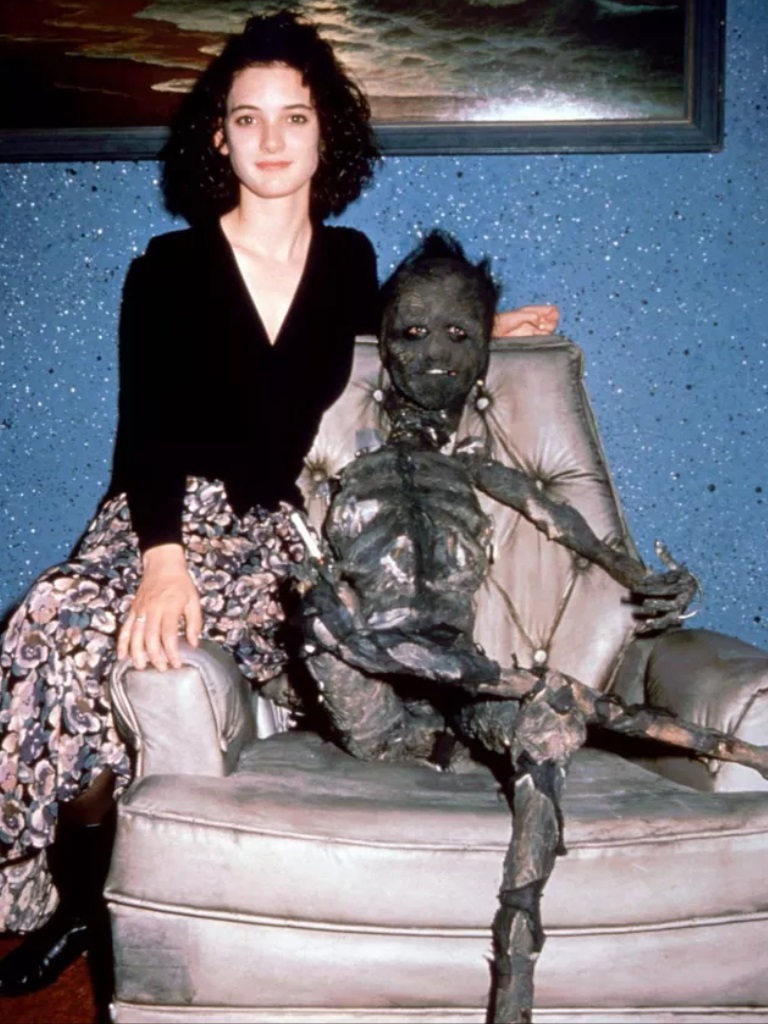
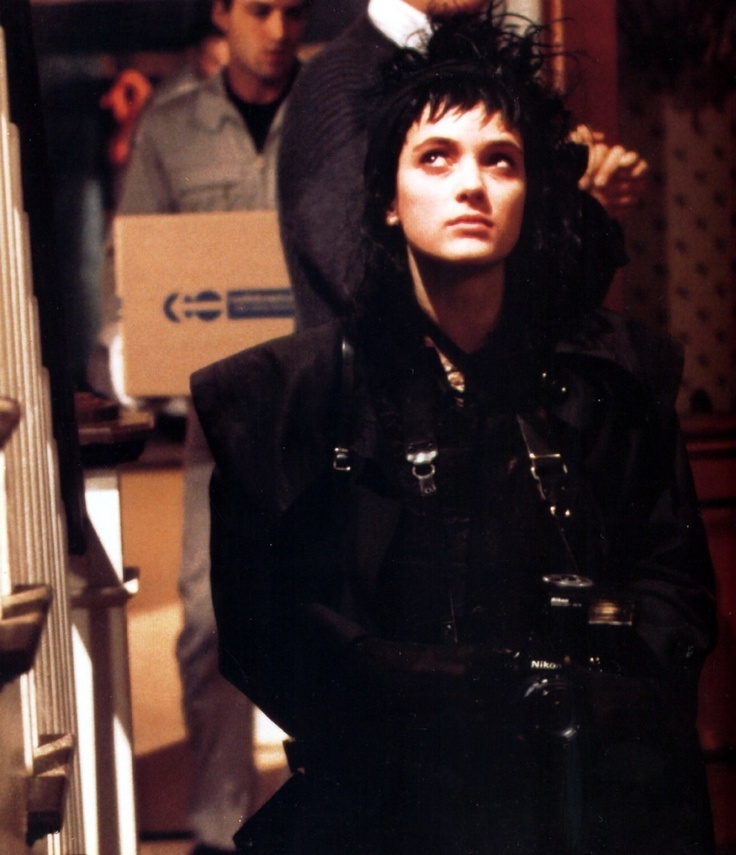
The snake scene had been filmed before Keaton was cast, so the animatronic snake looked nothing like him. After Keaton was cast, some stop-motion footage of the snake was created with Keaton’s likeness.
36/42
36/42
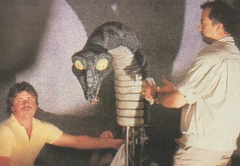
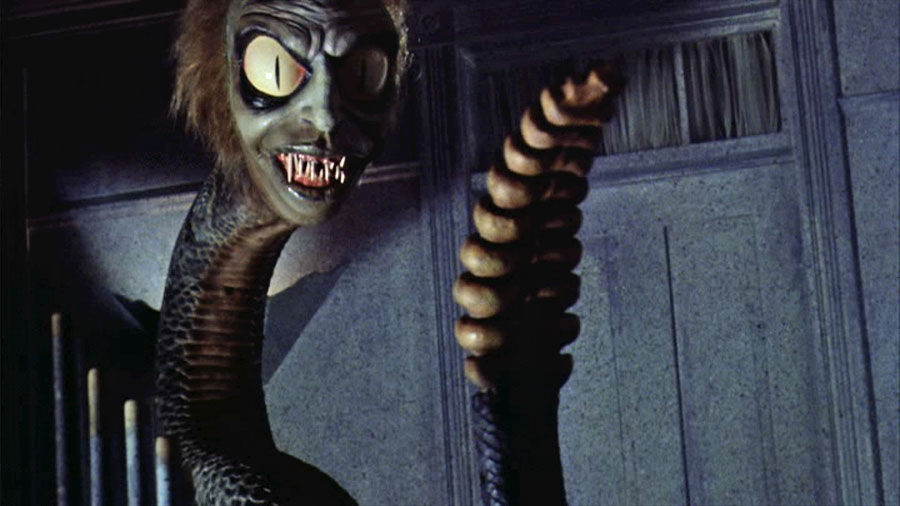
Test audiences responded to the Betelgeuse character so well that Burton had the idea of filming a final epilogue scene. They thought about showing him living in the model town but decided to show him in the afterlife waiting room.
37/42
37/42
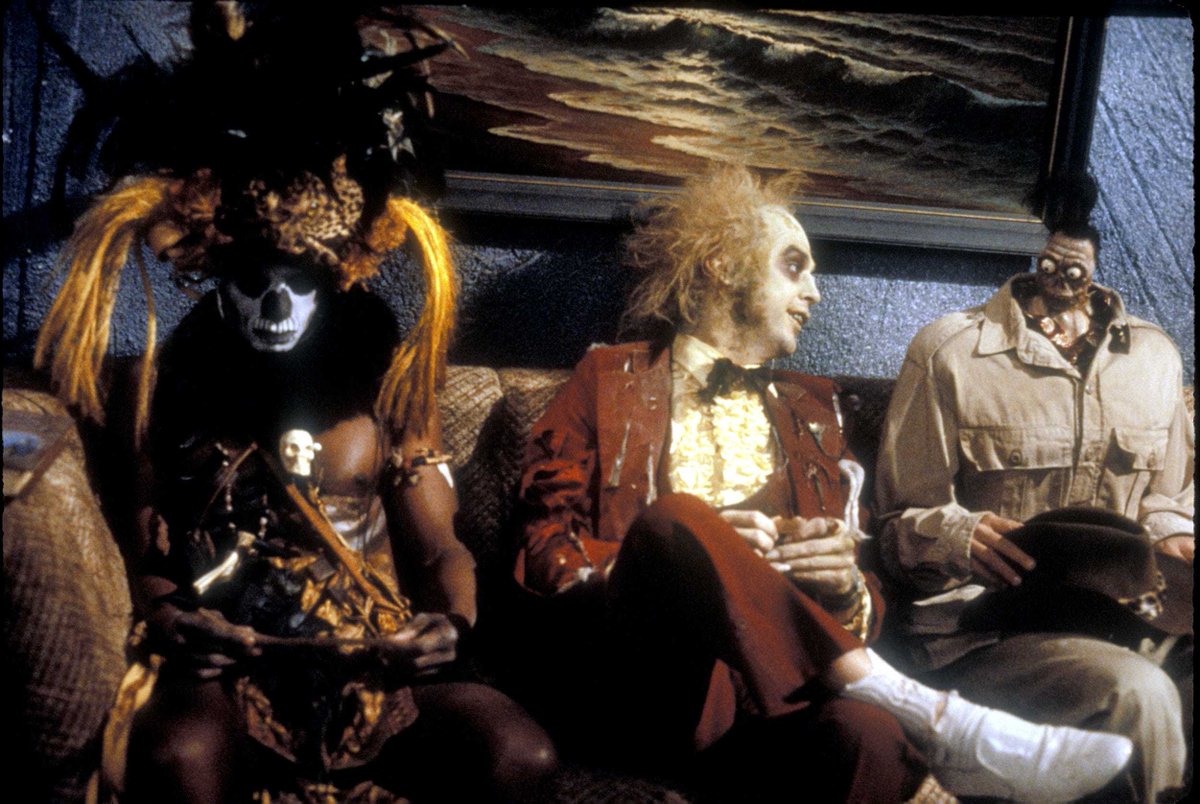
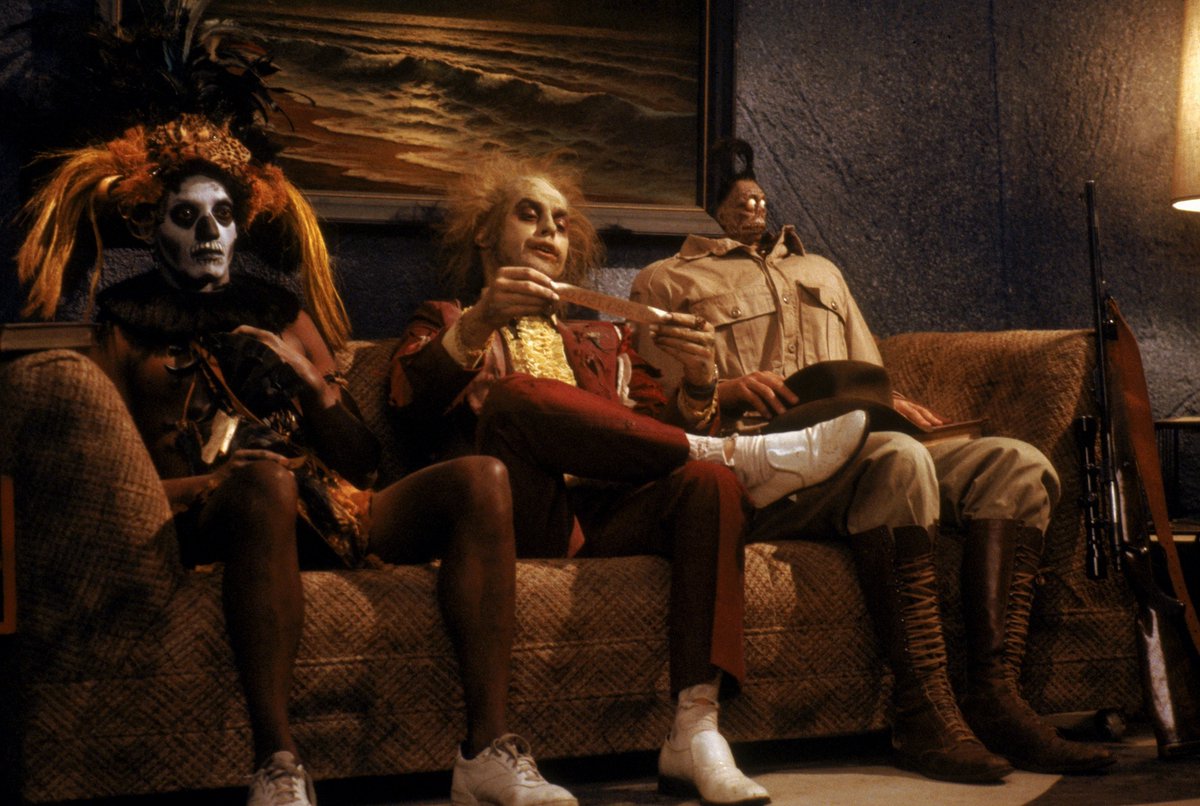
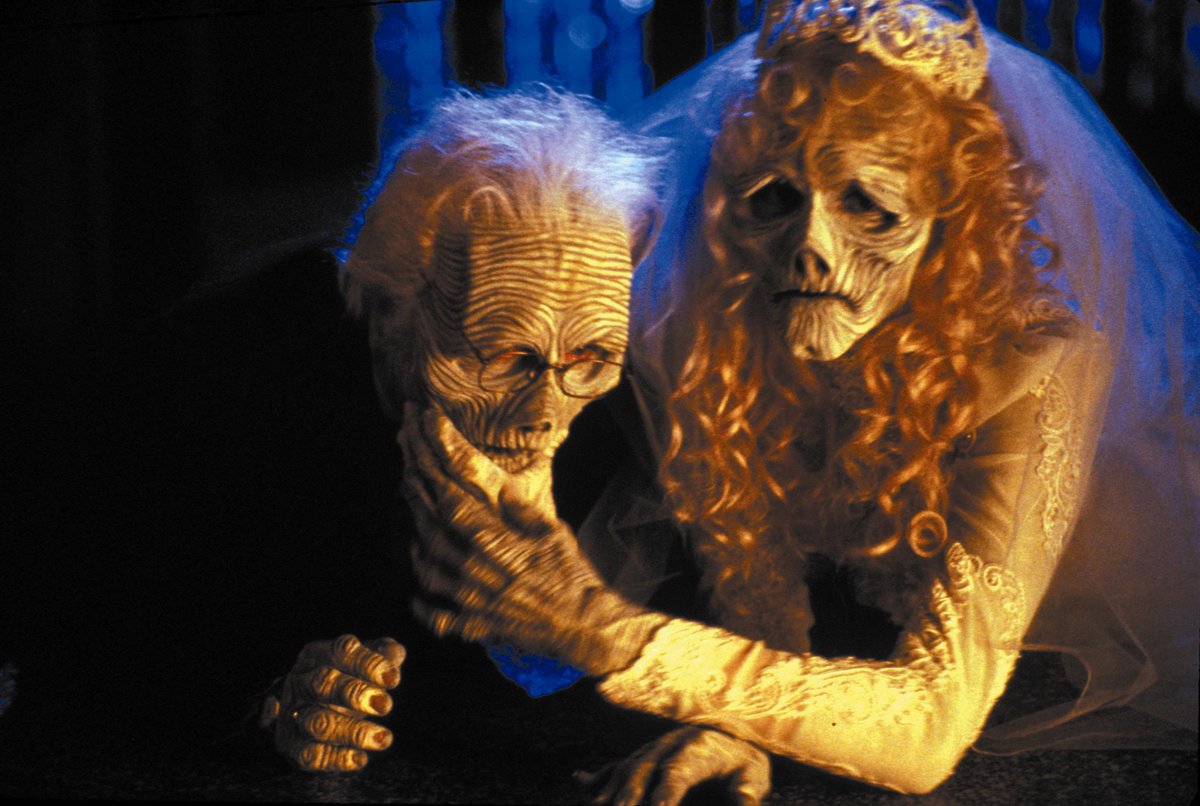
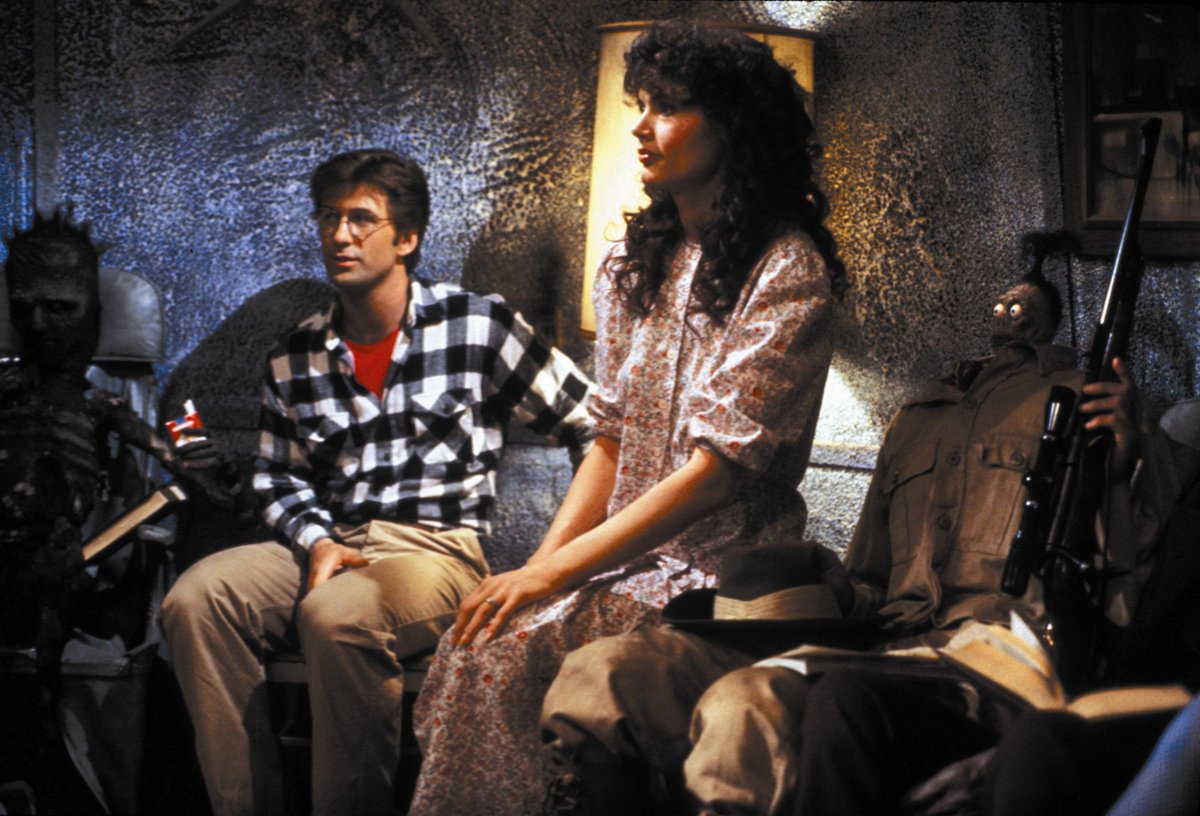
All the people in the waiting room are in the same condition as when they died, showing us how they died. However, the Maitlands, who drowned, are not wet. Burton felt keeping the actors wet between takes wasn’t fair so allowed them to stay dry.
38/42
38/42

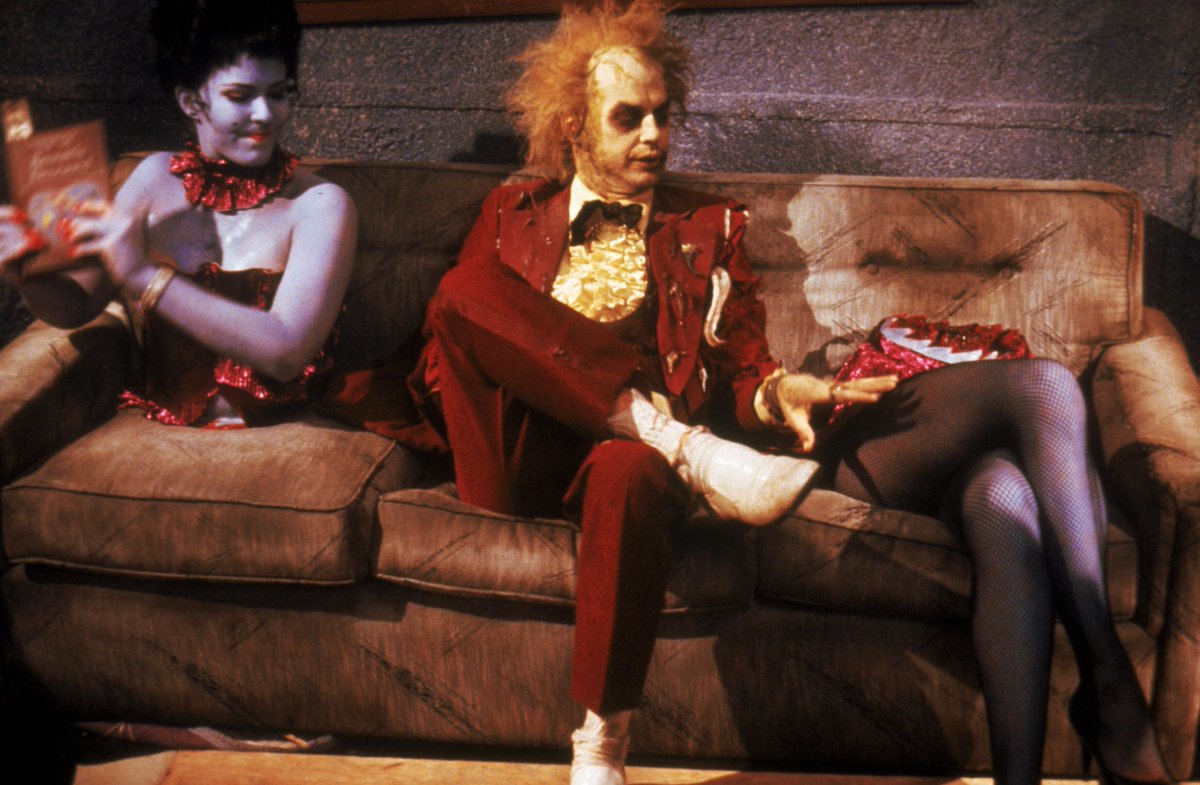
Also in the waiting room scene, we see a magician’s assistant who has been sawed in half. The bottom half of the assistant was played by Burton's girlfriend at the time.
39/42
39/42
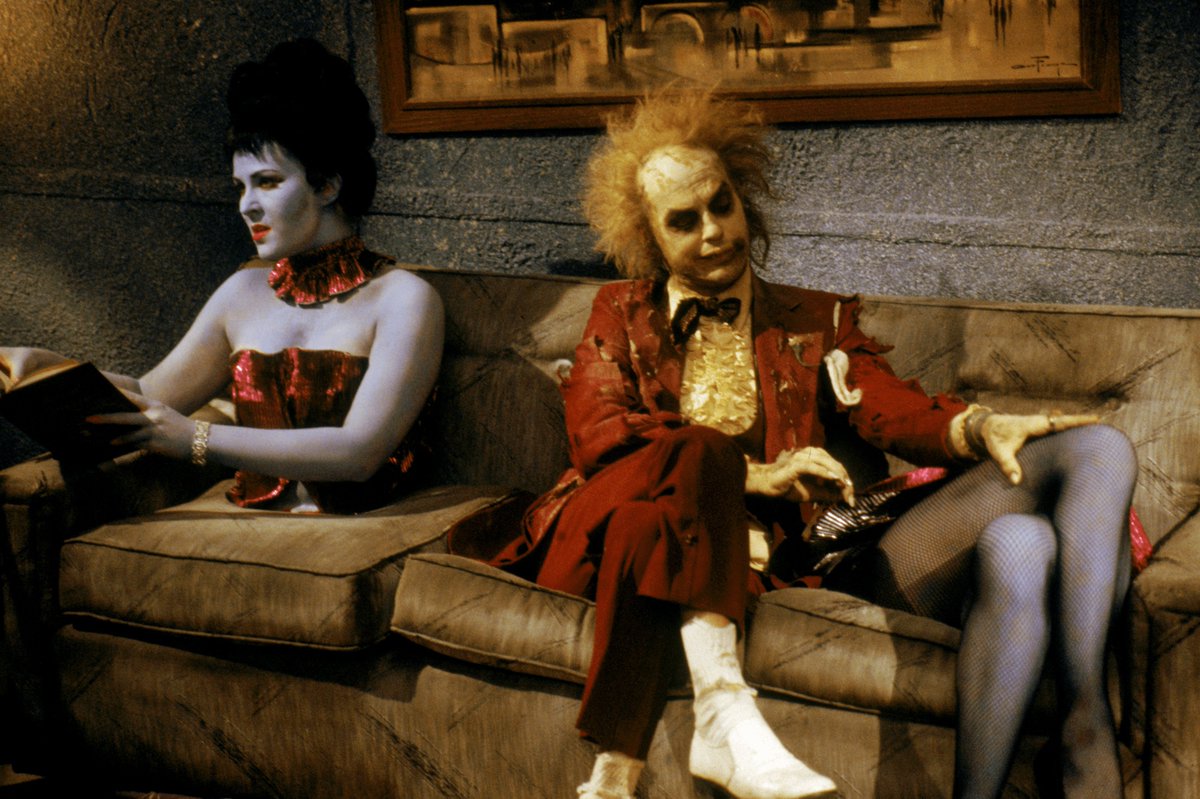
Beetlejuice was an instant hit on its release. Made on a $15 million budget it earned $73.7 million domestically, the 10th-highest-grossing film of 1988. And Ve Neill, Steve La Porte, and Robert Short won Best Makeup at the Oscars.
40/42
40/42
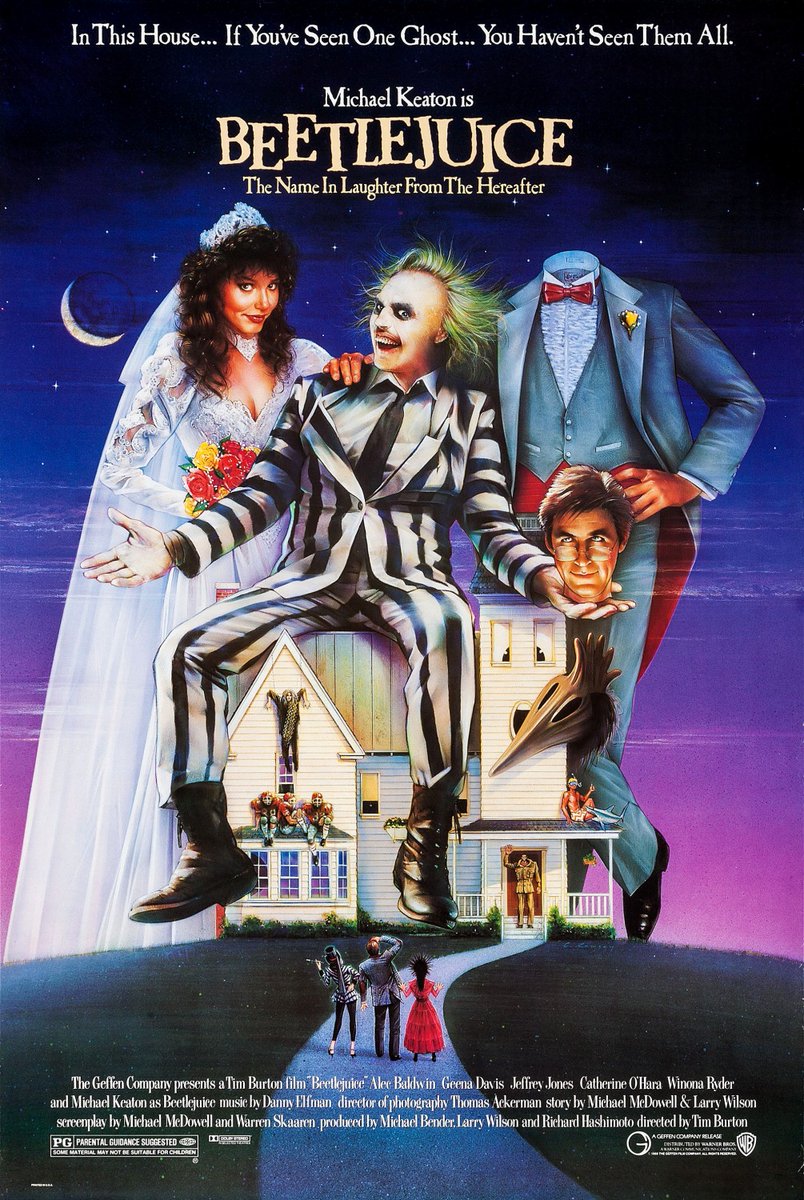
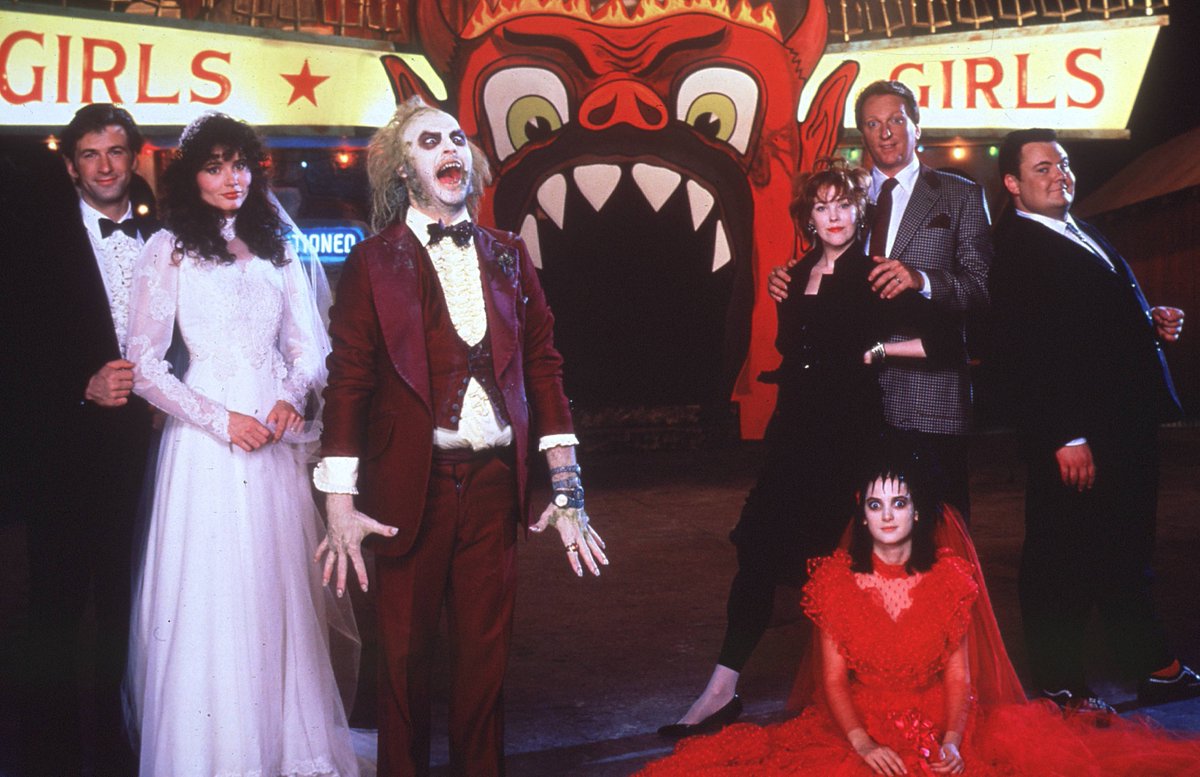
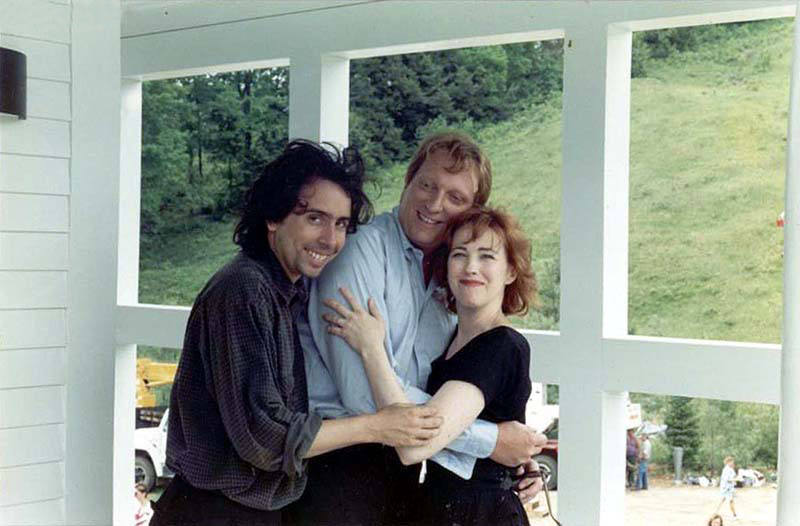
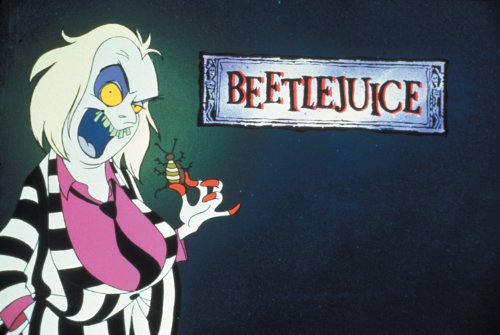
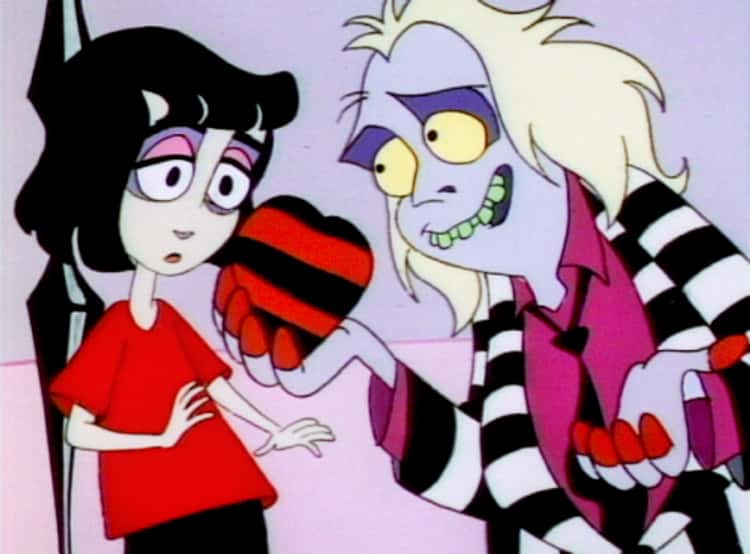
There were plans for a sequel called Beetlejuice Goes Hawaiian. Keaton and Ryder were both interested, but Burton wasn’t. A cartoon spinoff ran for 94 episodes, though, where Betelgeuse and Lydia go on crazy adventures in the afterlife.
41/42
41/42


Finally… hit sitcom Community has paid homage to Beetlejuice. During the series’ run, the word "Beetlejuice" was said three times. The third time is in a Halloween episode, and we see an extra dressed as Beetlejuice in the background.
42/42
42/42
If you liked our making of story behind BEETLEJUICE, please share the opening post 😃
https://x.com/ATRightMovies/status/1776541971139444886
• • •
Missing some Tweet in this thread? You can try to
force a refresh