It's about time I re-did my AIM-4 thread on this account. The AIM-4 family, despite their poor reputation, were, in reality, very advanced missiles, despite starting life as the U.S.A.F's first operational air-to-air self-guided missile (it's also my favorite missile family).🧵 

There are three major varieties of AIM-4. First, the GAR-1, the first airframe design, the GAR-1C, the second airframe design, and the GAR-3/4, the third major revision to the design. These all were designed to serve on different interceptors. (GAR-1/-1D/-3A&-4A)


Within all of these different versions, there was always a radar-guided and an infrared-guided version. The purpose of this was to improve the probability of a successful interception against a target that was either jamming or dropping flares.
Another common feature of AIM-4-launching aircraft was a complex fire control system. This has led to the belief that this was necessary for the employment of the AIM-4, but it was not. This FCS instead increased the chance of a successful hit.
These fire control systems worked by guiding the pilot to fly in an intercept course to the target, and automatically firing the missiles at the correct distance to the target to ensure an impact on target. This increased the effective range and accuracy of the missiles.
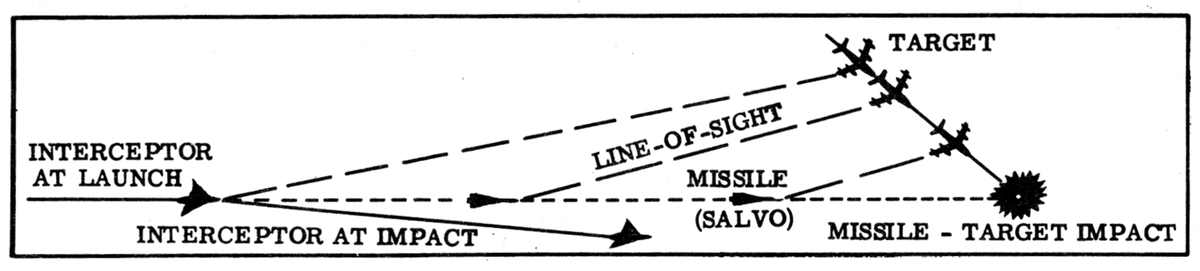
These missiles all were guided on a principle called Proportional Navigation. In this, the seeker moves to bring the target to a constant angle between the missile line of flight and the target line of flight.
The angle of the line of sight to missile line of flight does not change, ideally, but any movements made by the target force the seeker to move, which are monitored by the missile guidance system, which generates proportional corrections to the line of flight.
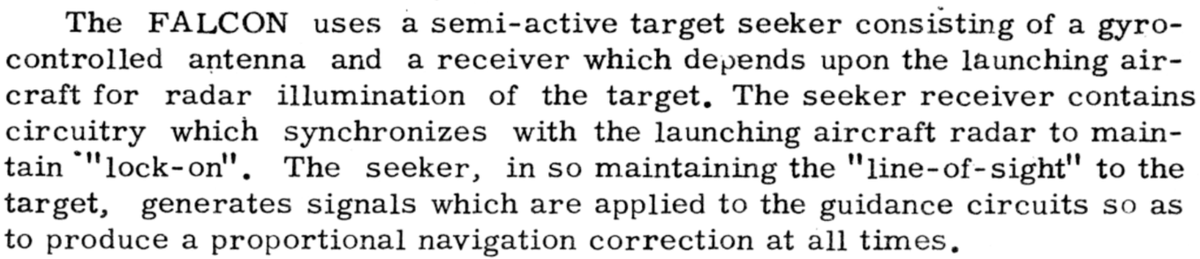
The control autopilot for the missile would interpret changes in target movement and generate steering signals for the fins. This was so well designed that engineers dubbed the AIM-4 the "Hittle", as nearly all test-firings ended up with a direct hit on the target.
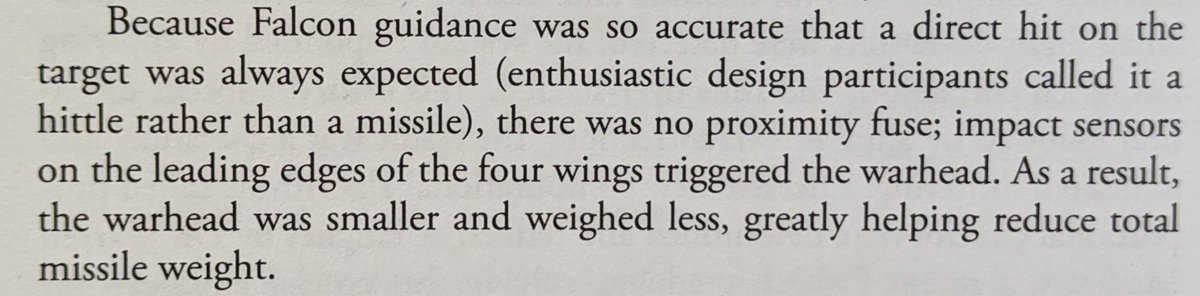
Because of this high accuracy, none of the AIM-4s were equipped with a proximity fuze. All of them used contact detonation and a small warhead to allow for that extra weight to go towards performance improvements.
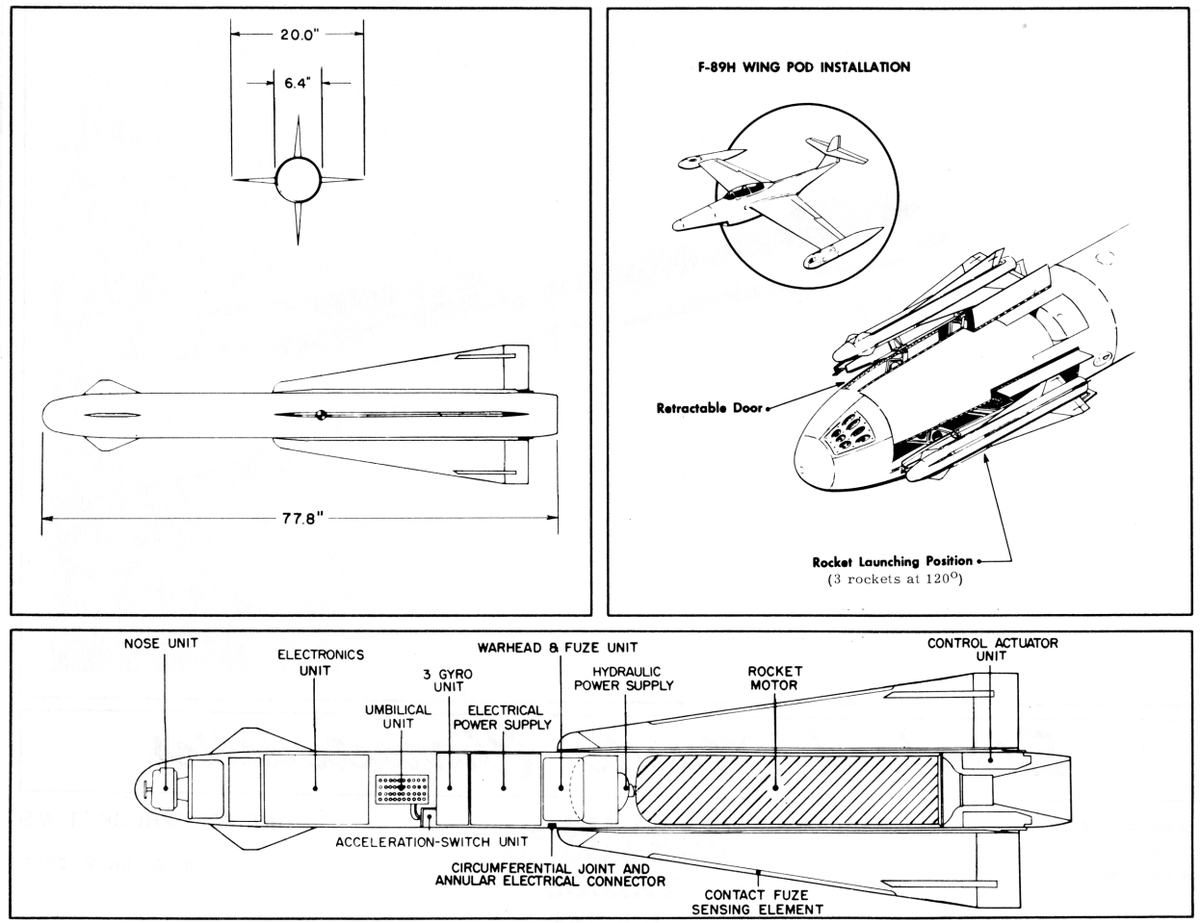
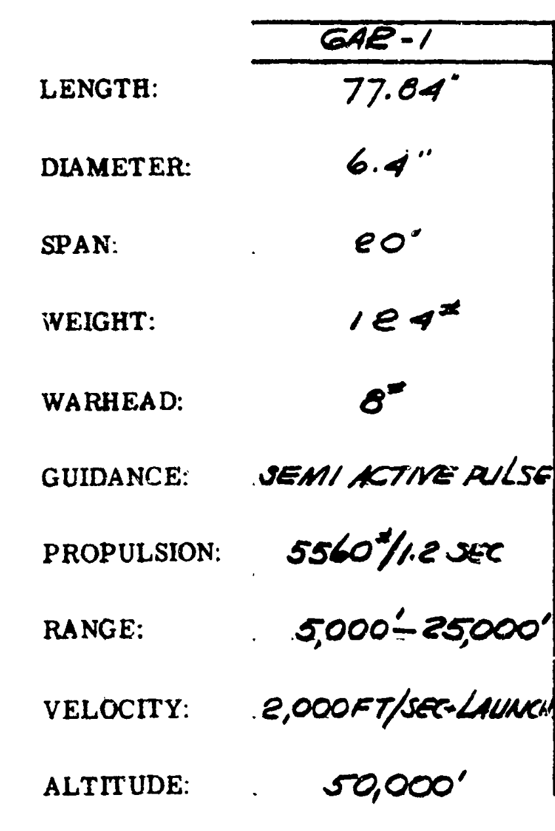
Now, the first one: GAR-1, or Guided Aerial Rocket-1. GAR-1(AIM-4) was the first Hughes Falcon, developed for use on the Northrop F-89H. This was a semi-active radar-homing missile, which used a gyro-stabilized radar antenna to track the target and produce steering corrections.
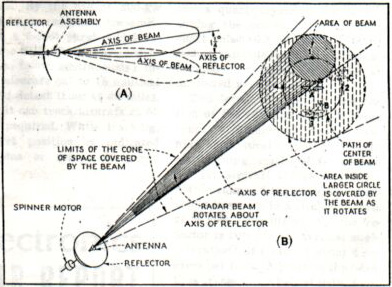
Those of you familiar with my AIM-9C thread will recognize this control system. The radar dish itself spun, and there was a system of sensors that would detect the position of the radar dish at any given time. The dish was tilted off-center at a fixed angle from the antenna.
Given this fixed angle, when the radar dish spun, it would draw a small circle, and when a target was not centered, the return strength would be higher. Based on this return's position, the guidance electronics would determine the angular error and produce steering corrections.
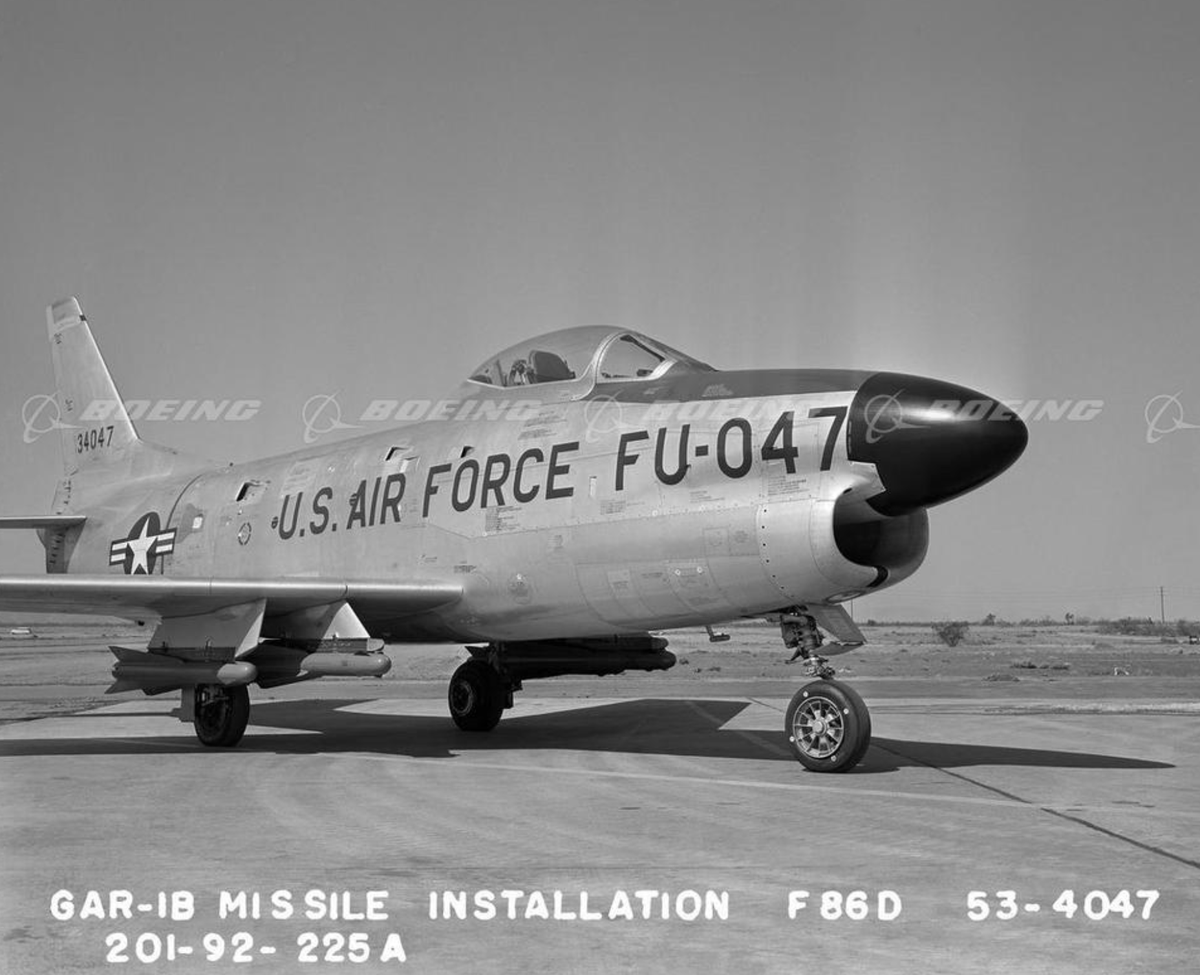
There was a second missile in this airframe design, called GAR-1B, which was identical in every way except its guidance, which was basic, short-range infrared. The seeker assembly was very similar to that of the AIM-9B Sidewinder, though the control scheme was different.
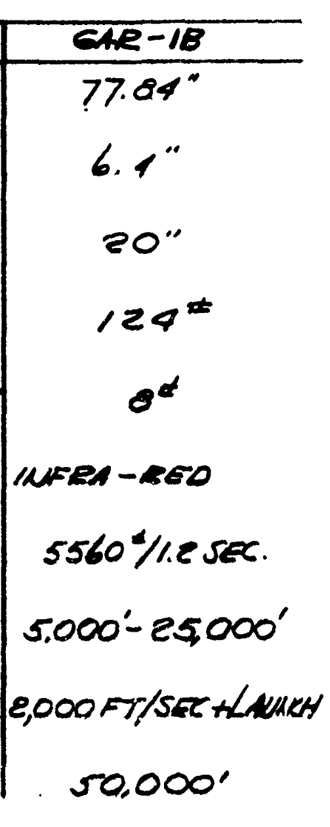
Immediately, problems were recognized with this airframe design. The early GAR-1s suffered in performance at high altitudes, where interceptions were expected to be taking place. A new design was needed.
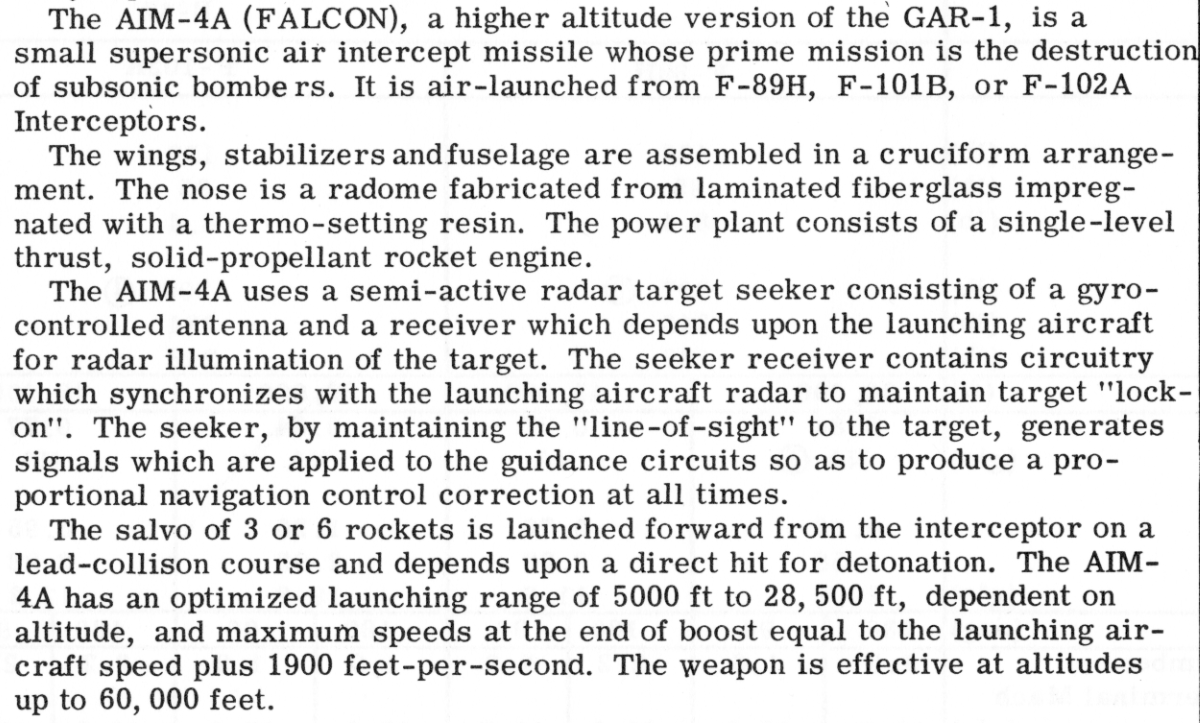
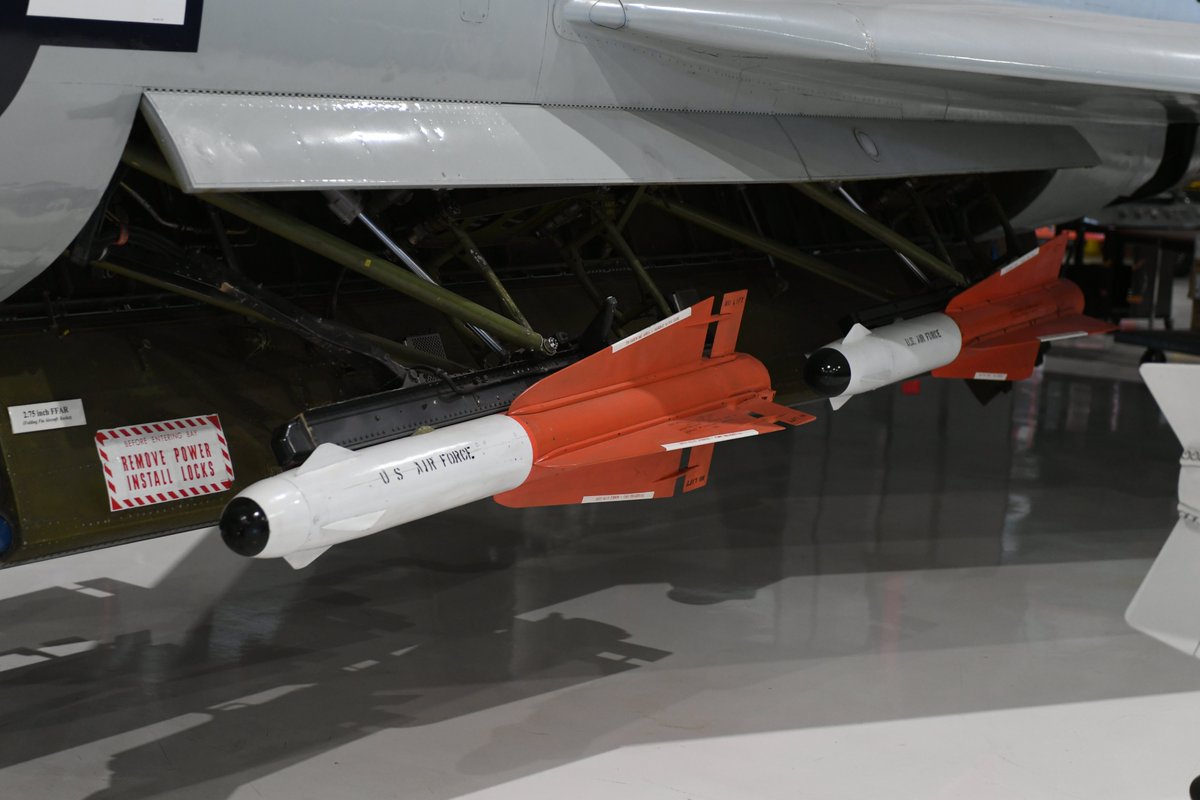
The guidance was kept the same, but the control surfaces were enlarged and a gap was added between the back of the wings and the control surfaces. The GAR-1D(AIM-4A) and GAR-2(AIM-4B) were the Semi-Active Radar and Infrared-Homing versions respectively. (4A/4B pictured)
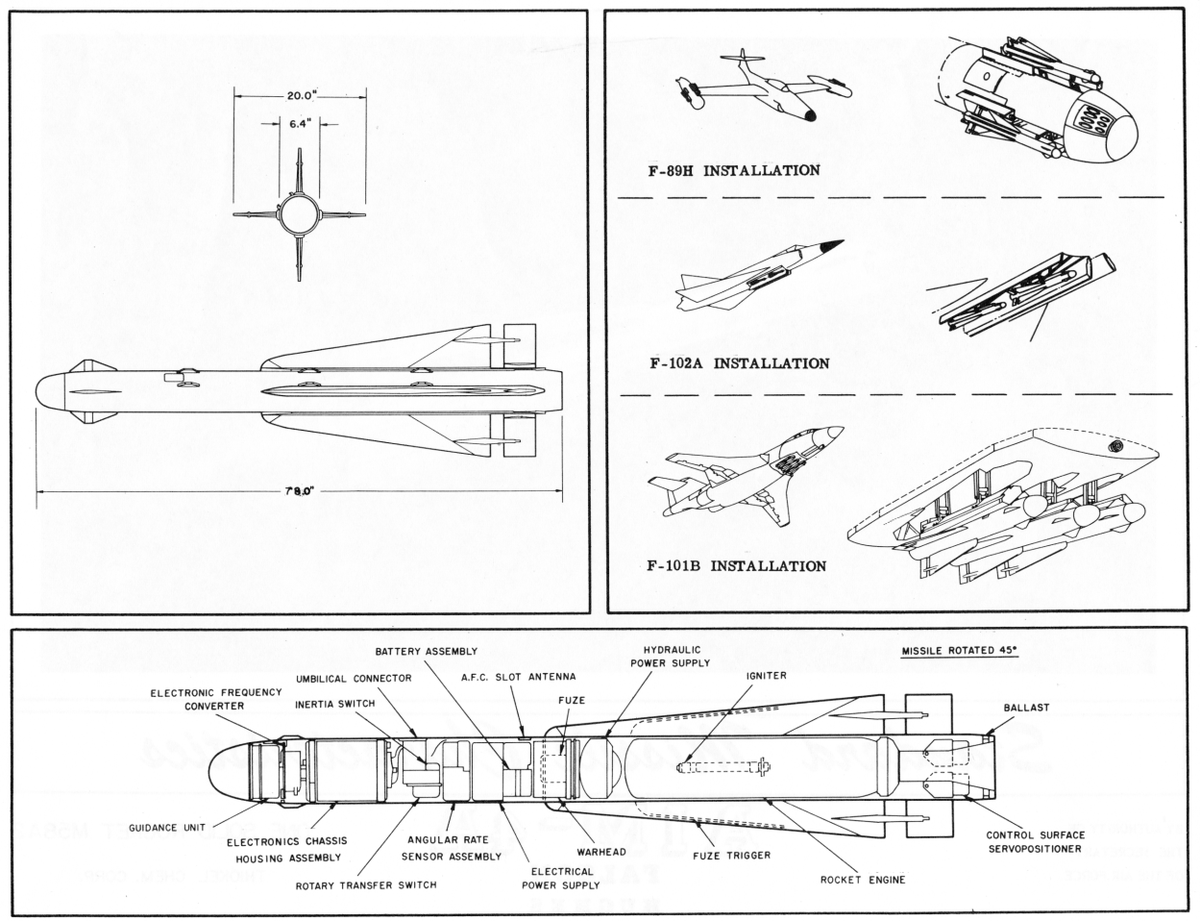
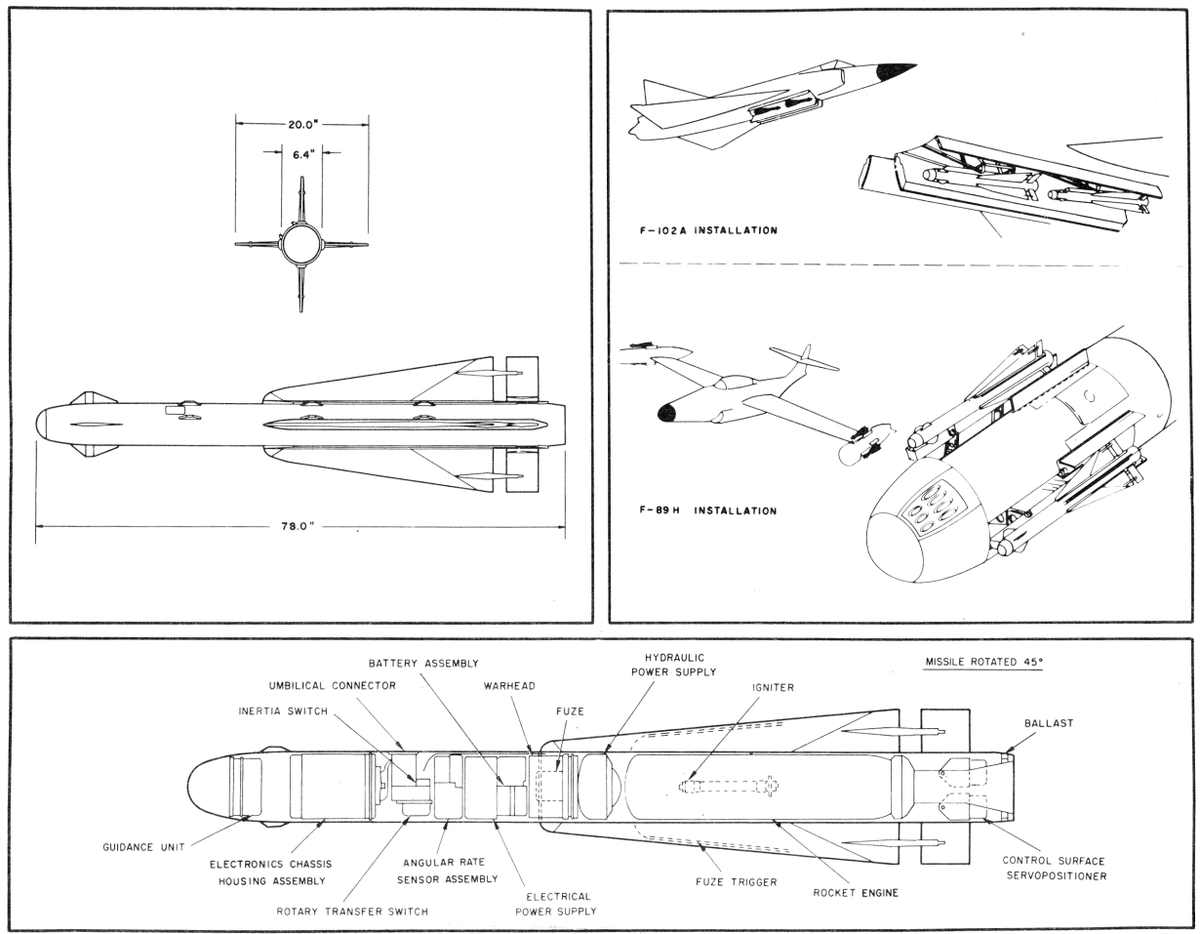
The improvements were successful. The GAR-1D/-2 had a max altitude of 60,000 feet, and though the speed was slightly reduced, the maximum range was increased slightly. Its maximum turning capabilities were also increased by this change.
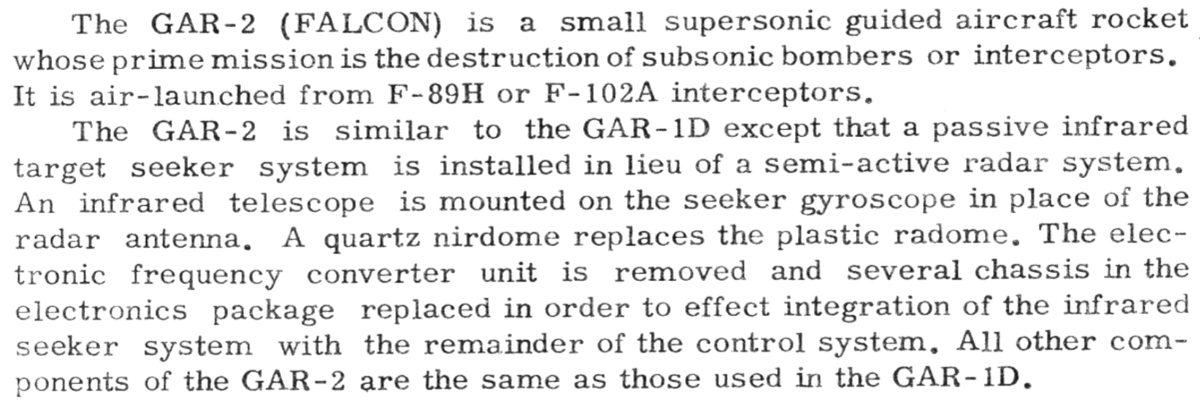
The GAR-2's seeker, however, was rear-aspect only, operating in the range from 1.8-2.7 microns--the exact same as the early AIM-9B Sidewinder!
IR AIM-4s were often carried behind the radar missiles in the weapons bays of F-102s and F-106s, but were fired first. The seeker of an IR AIM-4 could be confused by the exhaust plume of the missile in front of it, but the radar seekers could not as easily be confused.
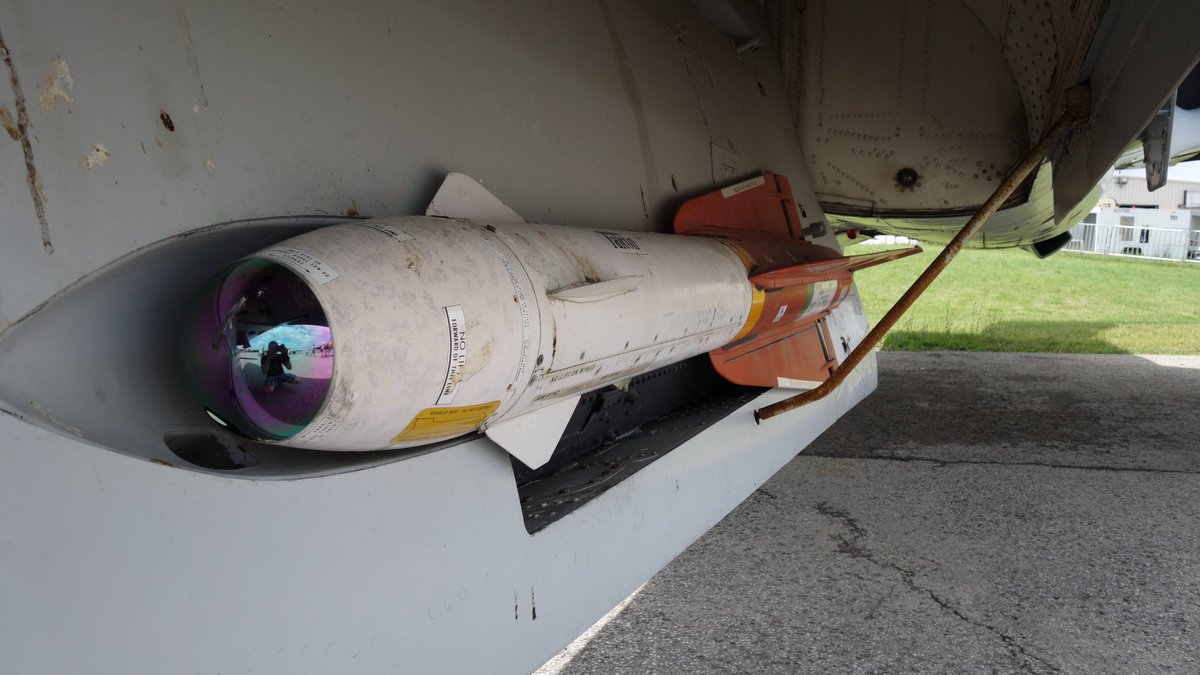
The next AIM-4, the AIM-4C/GAR-2A, was primarily designed to provide safe external carriage on interceptors without internal missile bays. It included weather-sealing, a slightly more sensitive seeker to improve range, but was otherwise the same as the AIM-4B/GAR-2.
The last of this series of AIM-4 was the GAR-2B, or AIM-4D. This, developed in 1959 and entering service in 1963, incorporated improvements and lessons gained from the development of the "Super Falcon" series, primarily the Nitrogen-cooled Lead Selenide infrared detector.
This improvement moved the AIM-4D's infrared range into one that was more sensitive to colder temperatures, and therefore allowed head-on firings against faster and hotter targets. Interceptors could now fire IR AIM-4s from the front, reducing interception time.

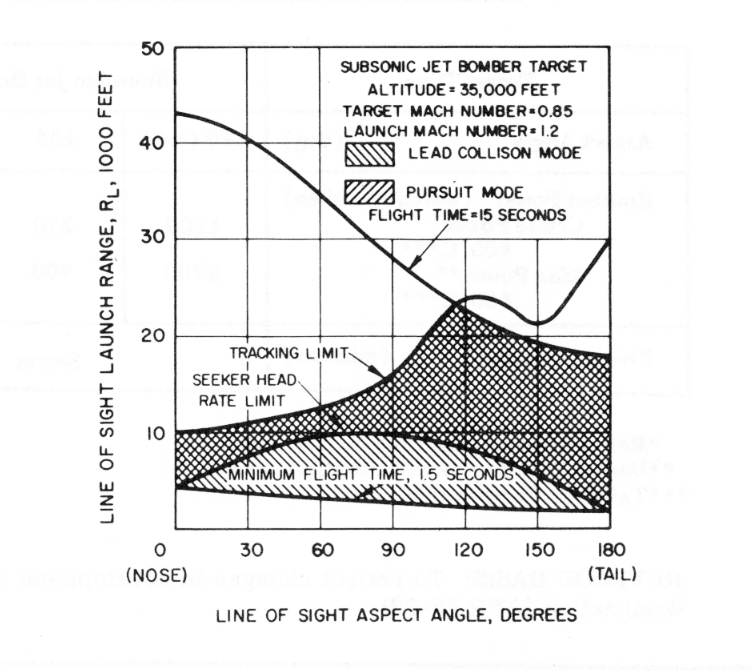
The final major variants of the AIM-4, the ones that would stay in service until the retirement of the F-106 in the late 1980s, were the Super Falcons. These began life very early on, as an extended-range concept for the GAR-1, and would go on to serve on the F-106 only.
GAR-1A and GAR-1C, the Super Falcon prototypes, were not far off from what the GAR-3 and GAR-4 would become. These used a different motor with two burn stages, boost and sustain, and a much increased maximum range of about 7 miles at high altitudes. (GAR-1A/1C pictured)
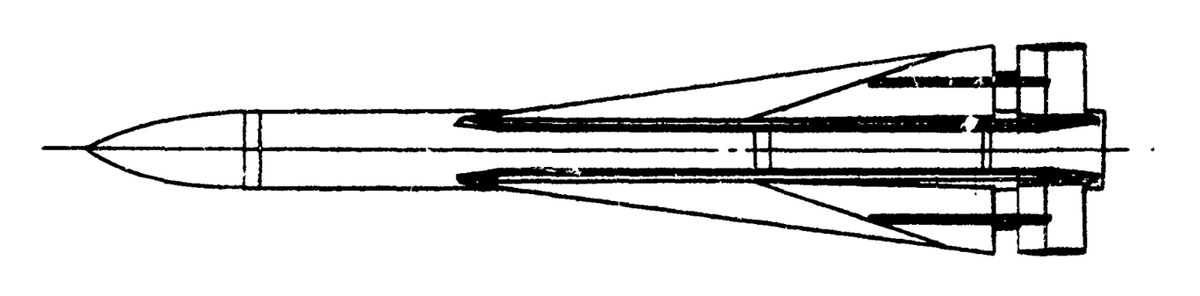
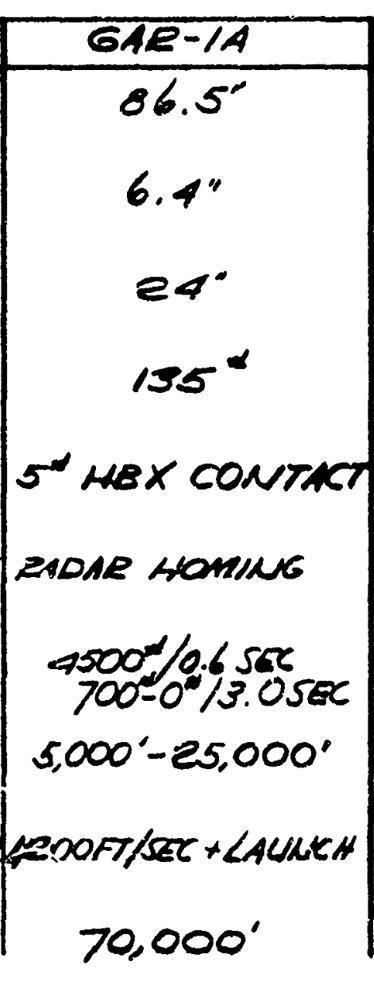
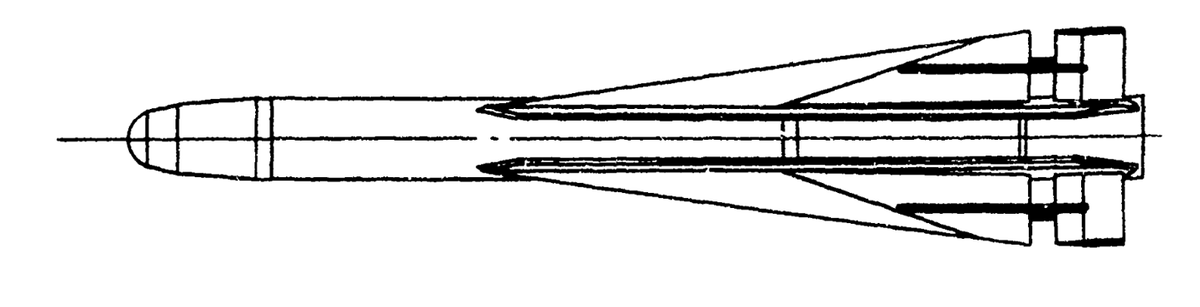
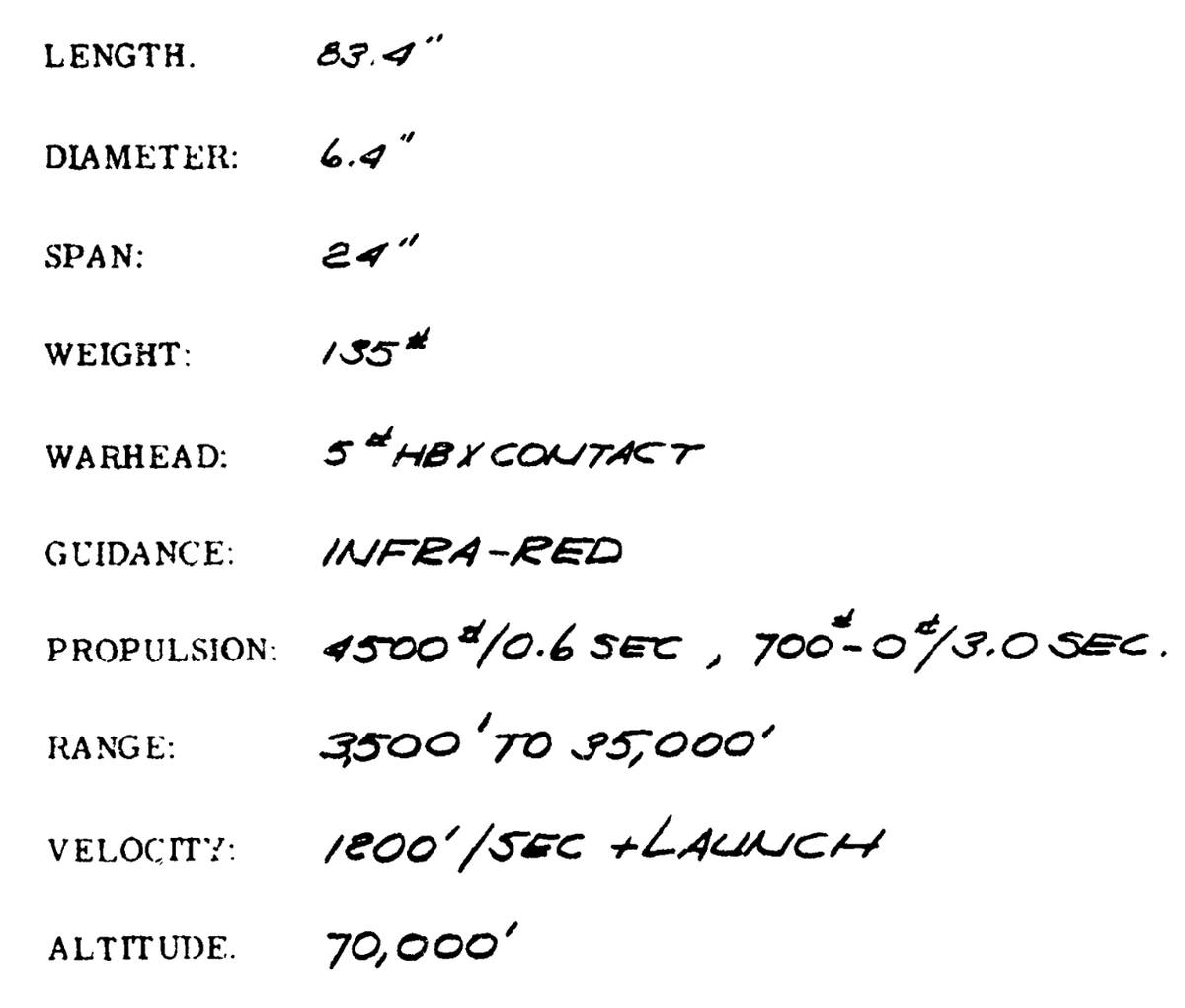
The GAR-3, derived from the GAR-1A, became the AIM-4E and incorporated anti-jamming circuitry to prevent the missiles from losing a lock on a target that was trying to jam the F-106's radar and the missile seekers themselves. It also had a larger antenna.
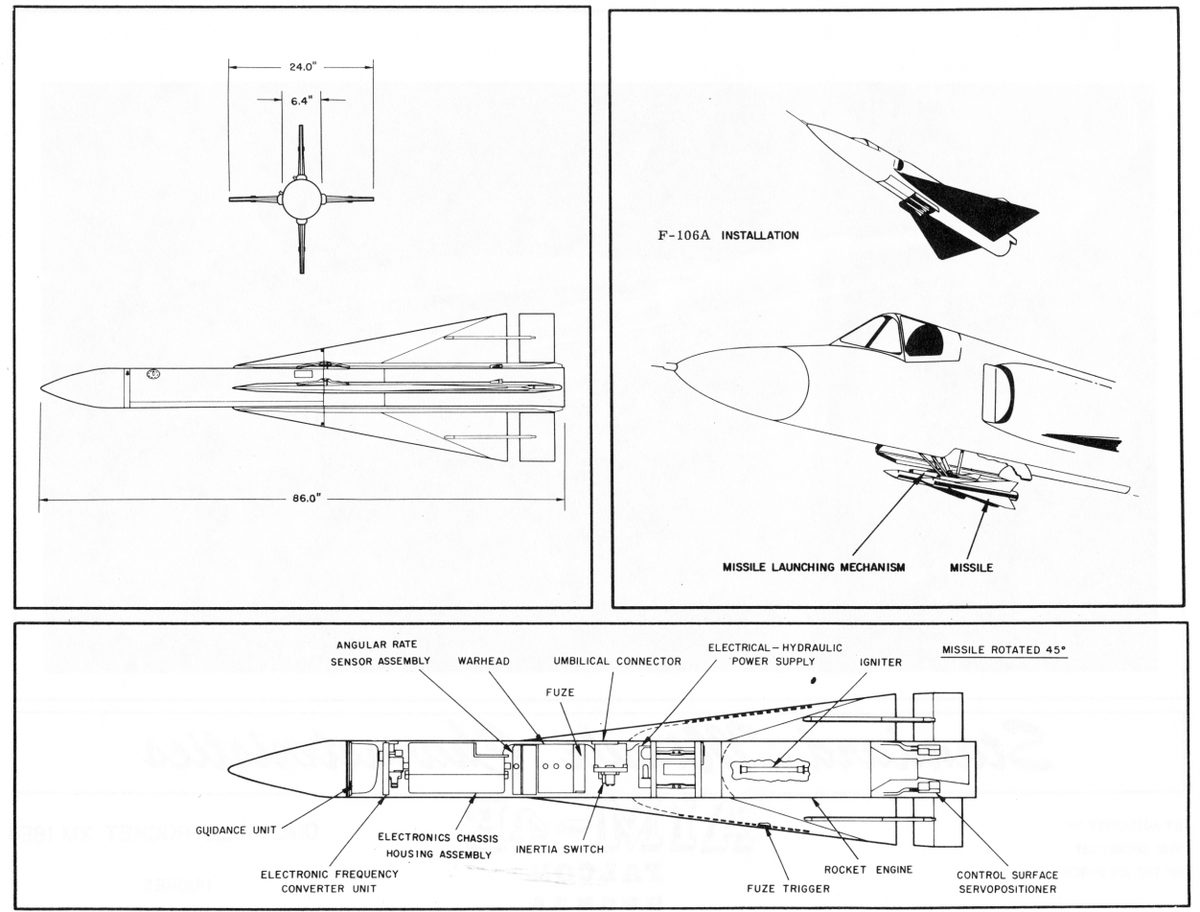
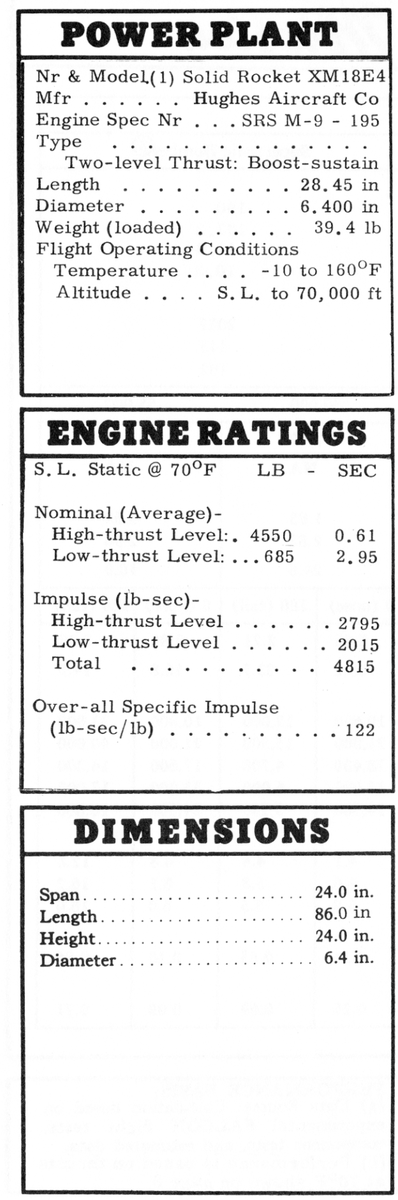
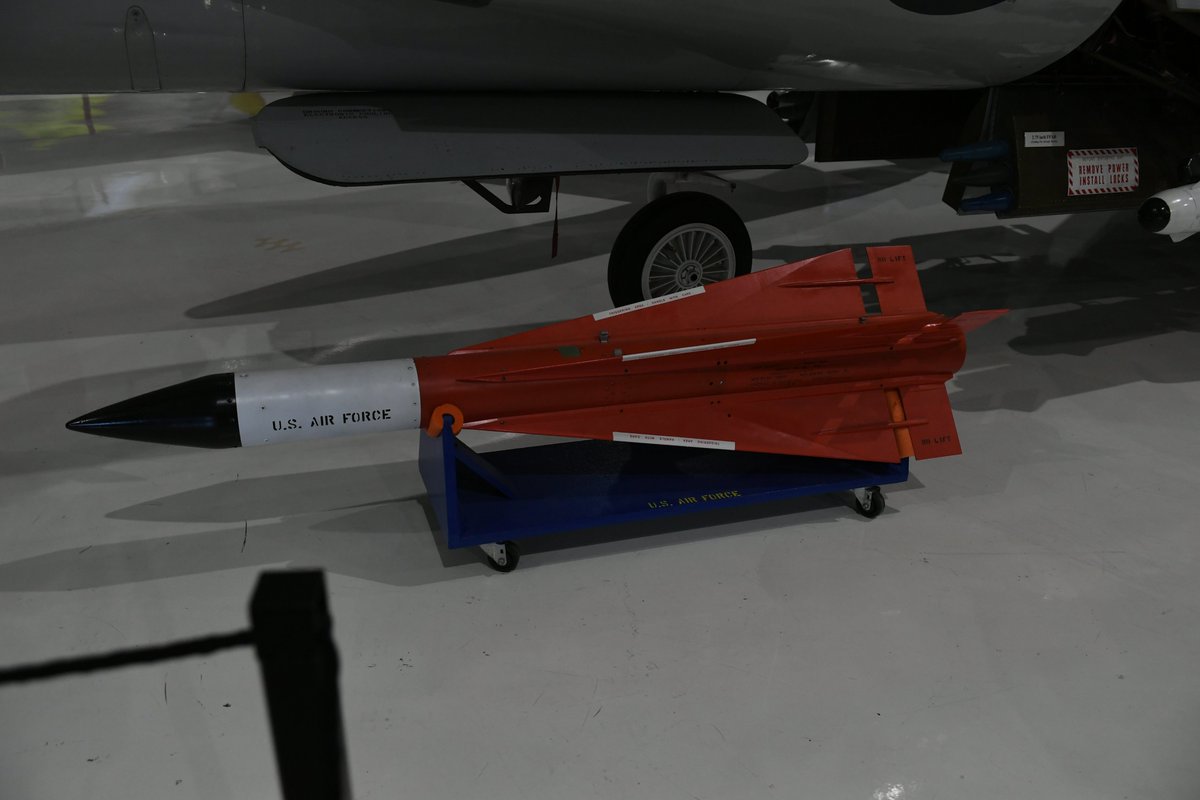
The GAR-4 was the GAR-3's infrared version, but so few were made that, until recently, I believed that none existed to this day.
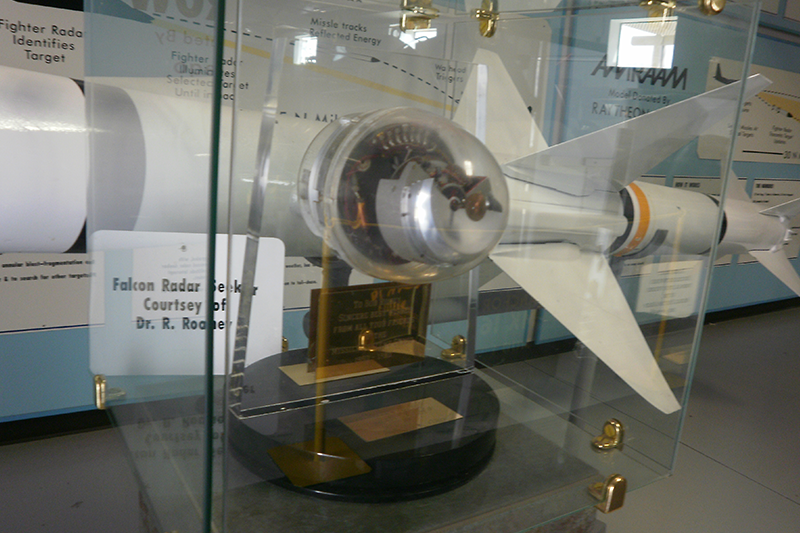
Thankfully, I found one example at a museum, shown here as the front missile. I know nothing about its development and features.
Thankfully, I found one example at a museum, shown here as the front missile. I know nothing about its development and features.
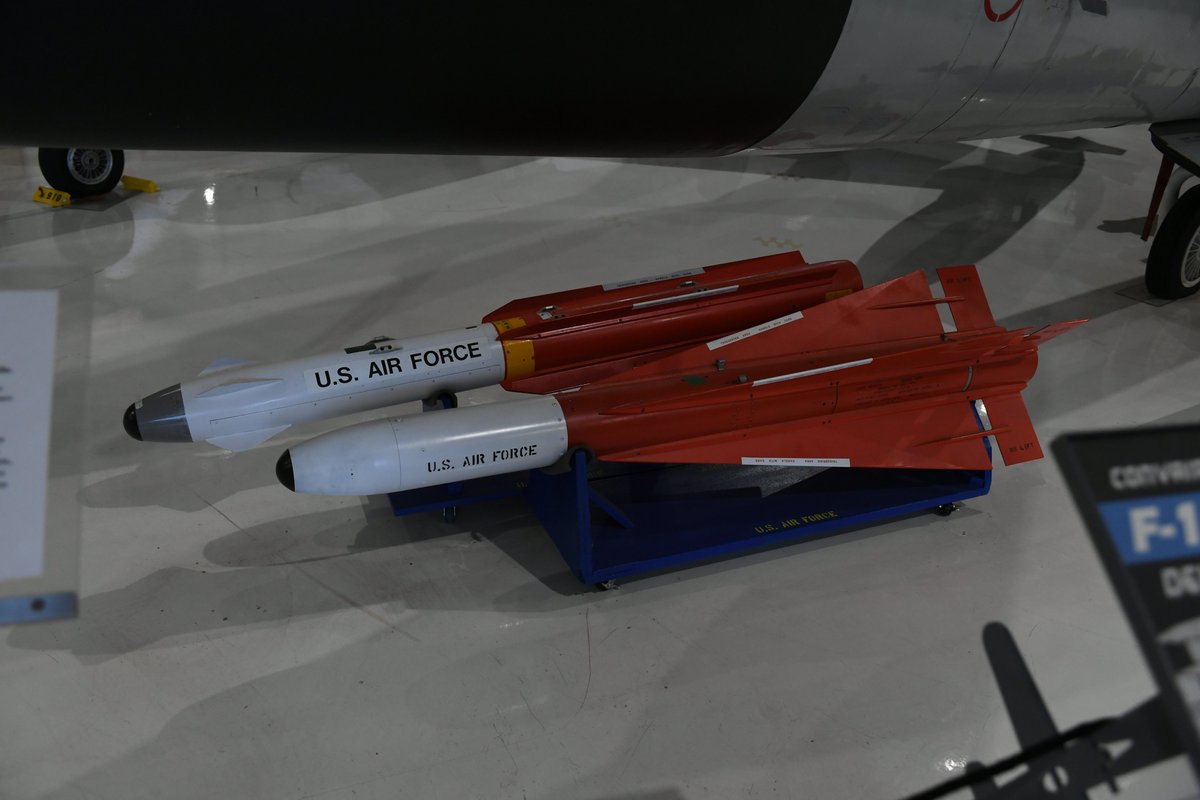
These Super Falcons, along with better range and electronics, boasted a slightly more powerful warhead, up to 10.3 pounds (5 pounds of explosive) from 8.4 pounds (2.75 pounds of explosive) and higher maneuverability.
However, the GAR-3 and -4 had problems. The aerodynamics of both missiles had issues and needed to be changed substantially, as well as some of the guidance features.
This would lead the the Falcons that would stay in service until 1988: the GAR-3A and GAR-4A, the AIM-4F and AIM-4G respectively. These would enter service in 1959.
The GAR-3A was a significant departure from the GAR-3, in terms of guidance and aerodynamics. It had an ogival radome, which provided lower drag and more predictable diffraction characteristics, and strakes were added to the body.
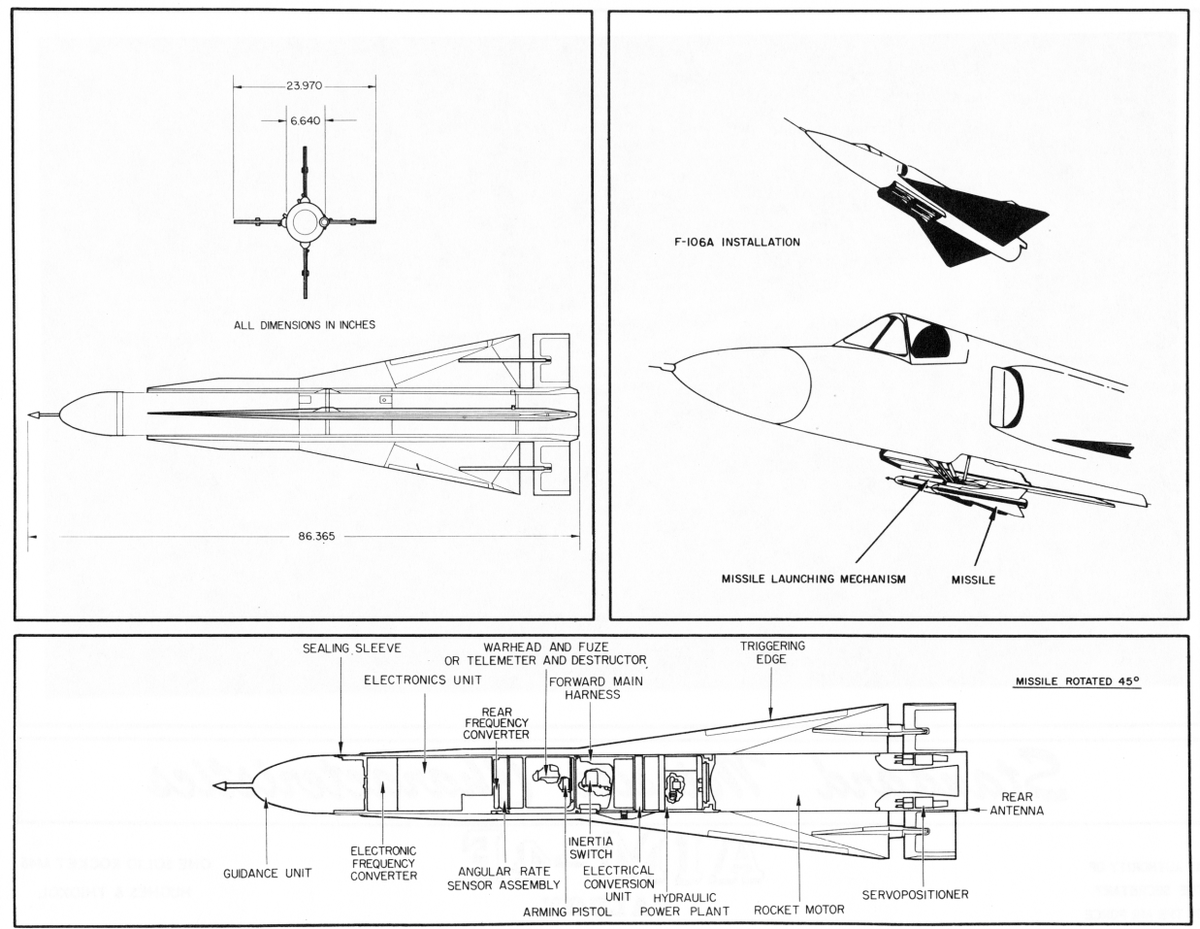
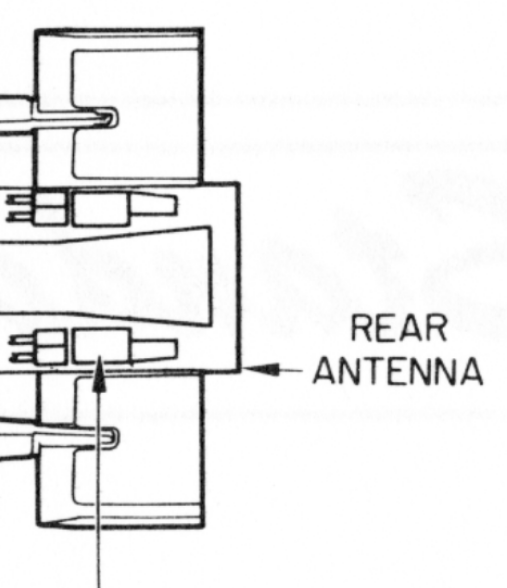
It retained much of the circuitry from the GAR-3, but the biggest difference was the addition of a "rear antenna." Due to a fixed pulse repetition frequency on previous interceptors, the guidance system would be synchronized to look for a radar return at a set time.
However, around the same time as the GAR-3 was developed, a system was introduced to increase the F-106's jamming resistance. This would "jitter" the pulse repetition frequency, a random staggering of pulses to prevent a jammer from sending out false return pulses at a fixed PRF.
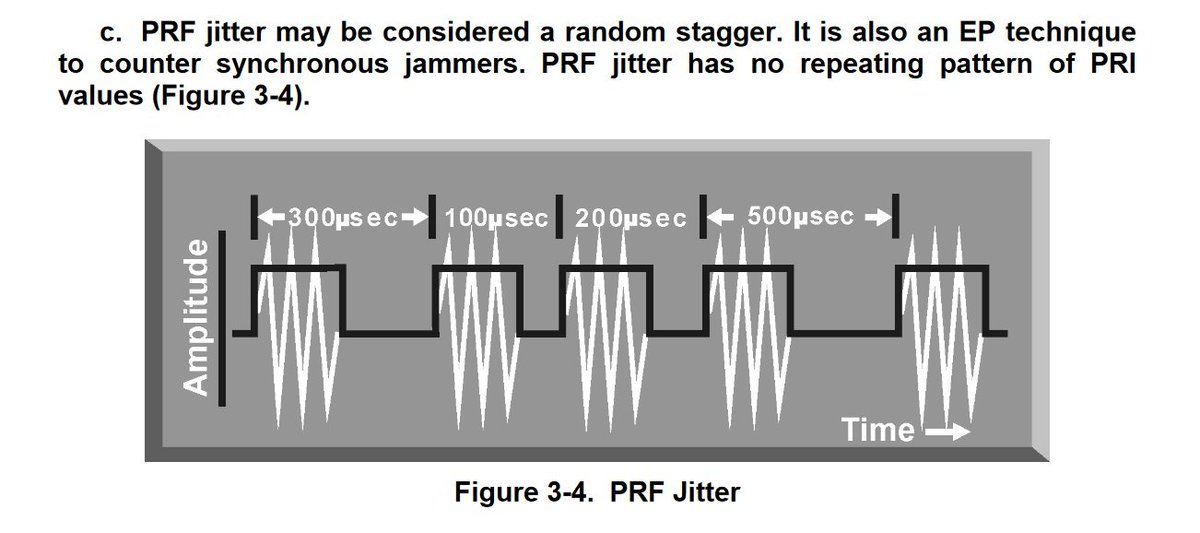
This jittering meant that the timing system for the early GAR-3s was non-functional with the new MA-1 radar, and so a "rear antenna" was added to the GAR-3A to allow the missile to reference when the pulse was sent to properly time the expectation of a return.
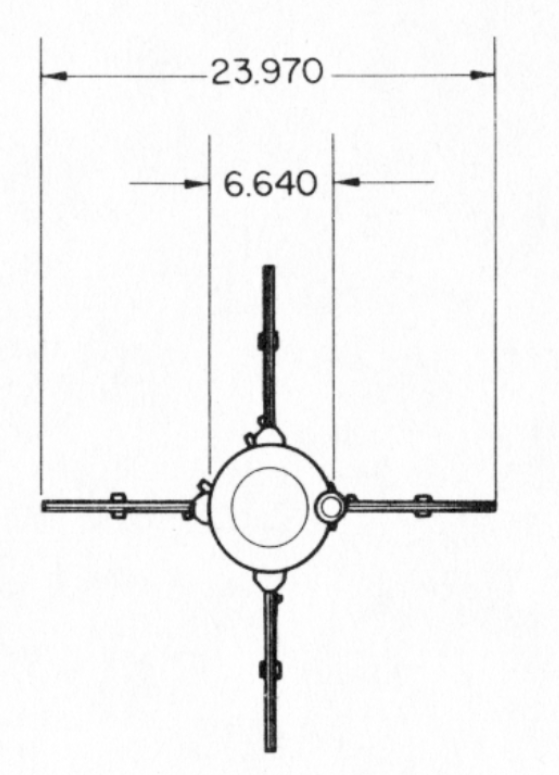
The last one, the infrared-guided GAR-4A, or AIM-4G, was the first to use the cooled Lead Selenide detector, pre-dating the GAR-2B/AIM-4D by four years in service. This also moved to a much more complicated guidance system that was resistant to interference.
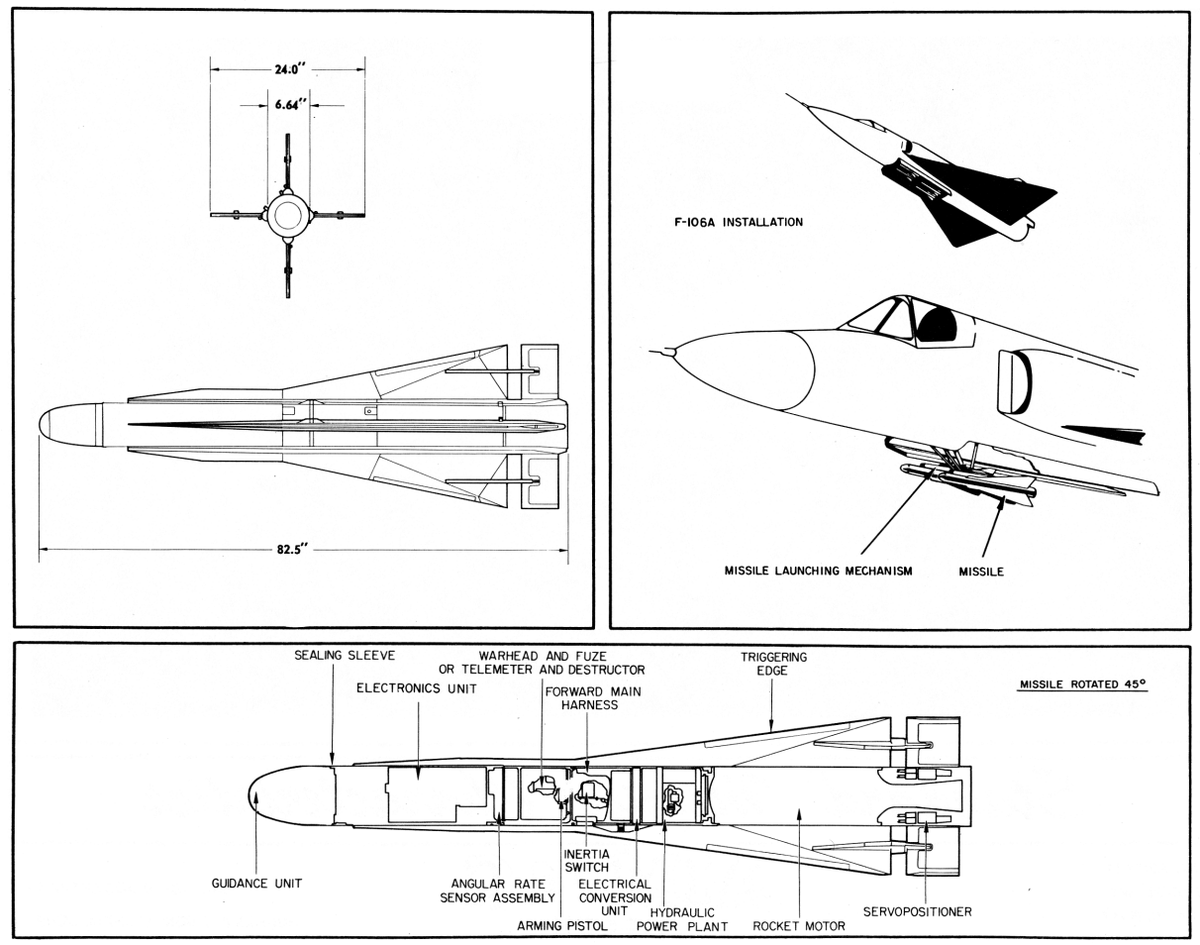
The mirror-based reflecting (Cassegrain) telescope of previous Falcons was replaced by an optical direct-view telescope, which itself spun in a circle, a system called "conical scanning". The single detector was replaced by four detectors, which produced a frequency.
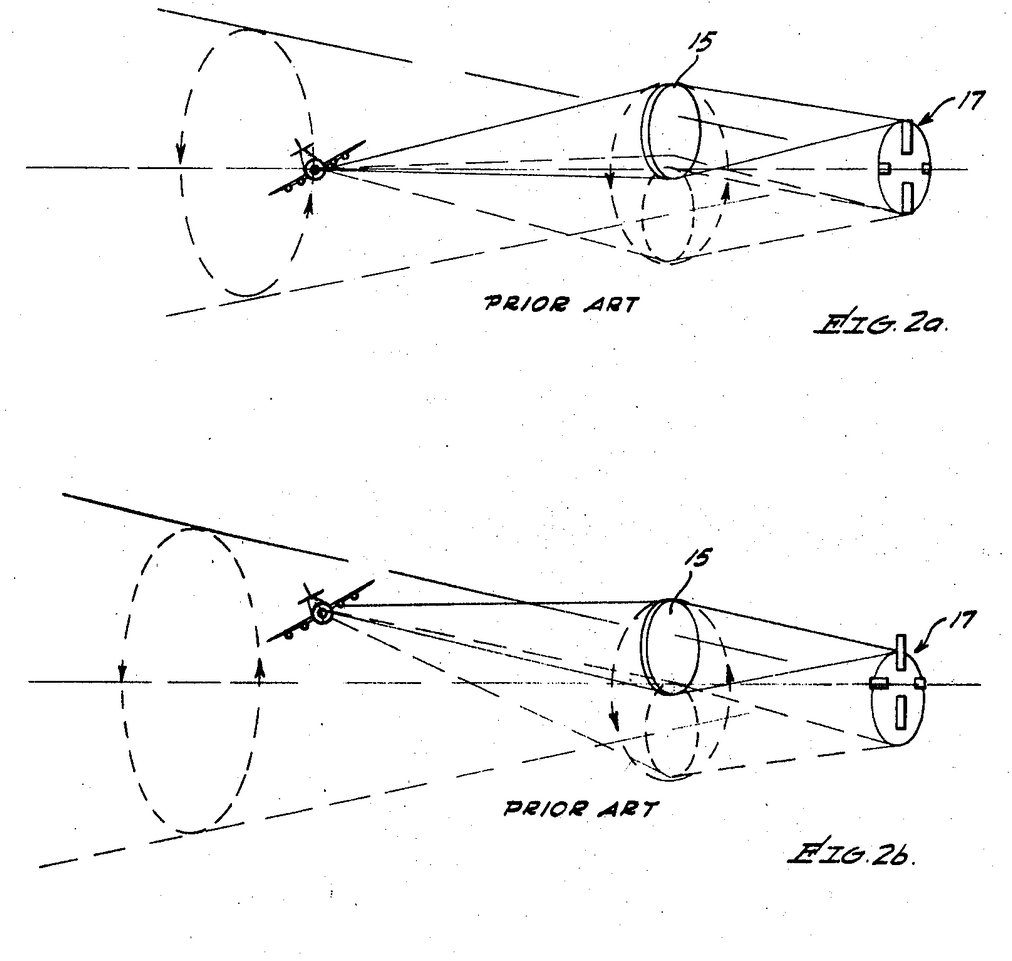
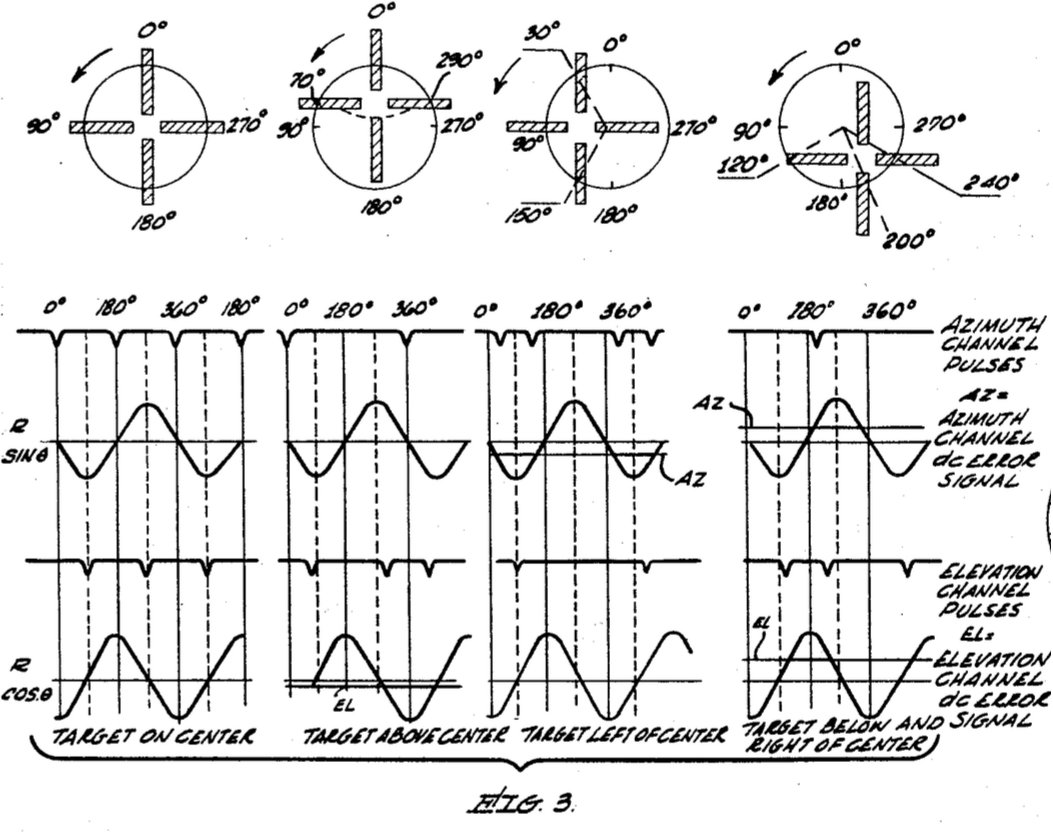
This produced an expected frequency as the target hot spot passed over the detectors, which could be used to blank out background interference and other unwanted returns.
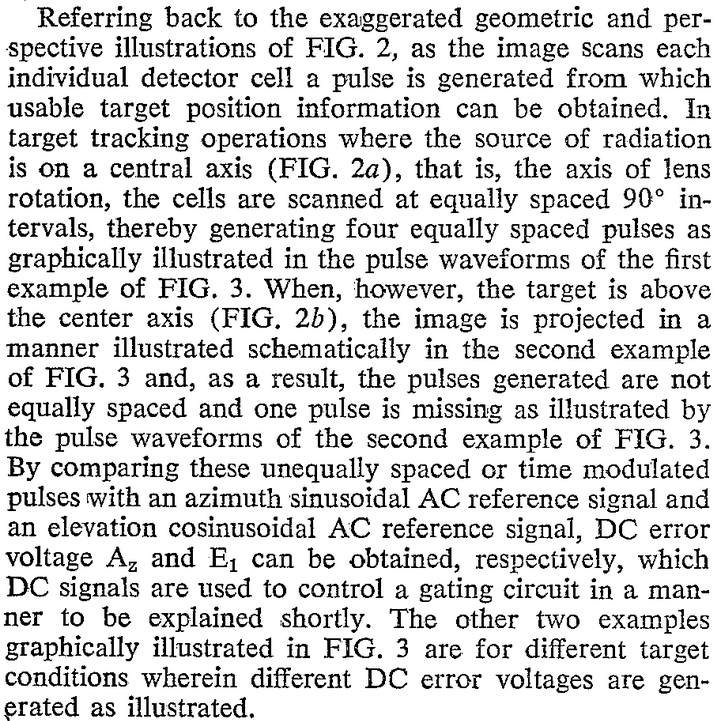
Though I cannot prove this, I suspect this provided the AIM-4G with limited flare-rejection capabilities, which was very important as bombers began to deploy more advanced countermeasures against interceptors.
Thus ends this version of the AIM-4 thread. Over time, as I dig up more information on all of the variants, I will likely do more in-depth threads from tip to tail on all the ones I can. I also plan on finishing a longer piece about the myth of the AIM-4's poor performance.
• • •
Missing some Tweet in this thread? You can try to
force a refresh