On the surface, the rise in workplace burnout makes no sense.
Despite choosing our hours, working where we want and taking meetings in our underwear, we're suffering burnout more than ever.
Are we just whiny & weak, or is there something deeper going on?
Let’s investigate👇
Despite choosing our hours, working where we want and taking meetings in our underwear, we're suffering burnout more than ever.
Are we just whiny & weak, or is there something deeper going on?
Let’s investigate👇

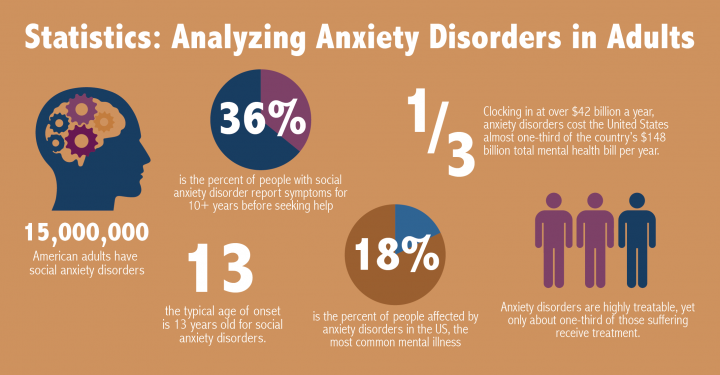
Burnout is defined as chronic workplace stress, or constant feelings of energy depletion & exhaustion.
In a recent Deloitte survey, 77% of workers said they'd experienced it in their current job—yet, this is despite the majority saying they're passionate about their current job.
In a recent Deloitte survey, 77% of workers said they'd experienced it in their current job—yet, this is despite the majority saying they're passionate about their current job.

So if people love their jobs, why are they so burnt out from them?
The non-obvious thing to consider here is the friction that’s been removed with the shift to digital work.
The non-obvious thing to consider here is the friction that’s been removed with the shift to digital work.
We no longer have to walk down the hall to ask Bob for a report and Karen to make a copy, we can just send an email. Which turns into multiple emails. Which turns into multiple unnecessary Zoom meetings. Which turns into dozens of notifications, follow-ups, check-ins, etc.
Basically, the perceived quantity of tasks to achieve the same thing has skyrocketed.
Even if these tasks are just 5 minutes each, and they seem minor and easy, there’s a cognitive load associated with switching between dozens of 5-minute tasks.
Even if these tasks are just 5 minutes each, and they seem minor and easy, there’s a cognitive load associated with switching between dozens of 5-minute tasks.
Ever noticed how when you sit down to do something, it takes a while for your brain to boot up and focus? Yeah, well, that.
Any time you focus your brain on a new task, cognitive processes need time to set up. Therefore, constant context-switching, even if the tasks are simple and easy, drains us and makes us feel exhausted.
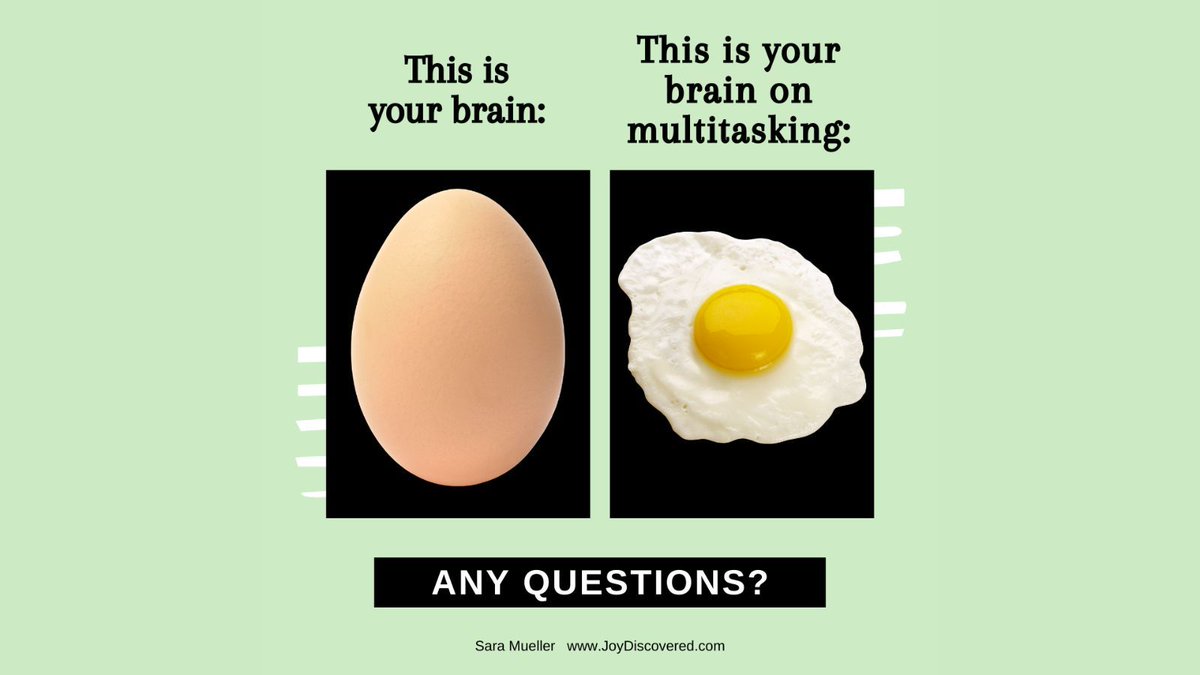
The human brain is designed to manage 2-3 big tasks at a time, not dozens and dozens of small ones.
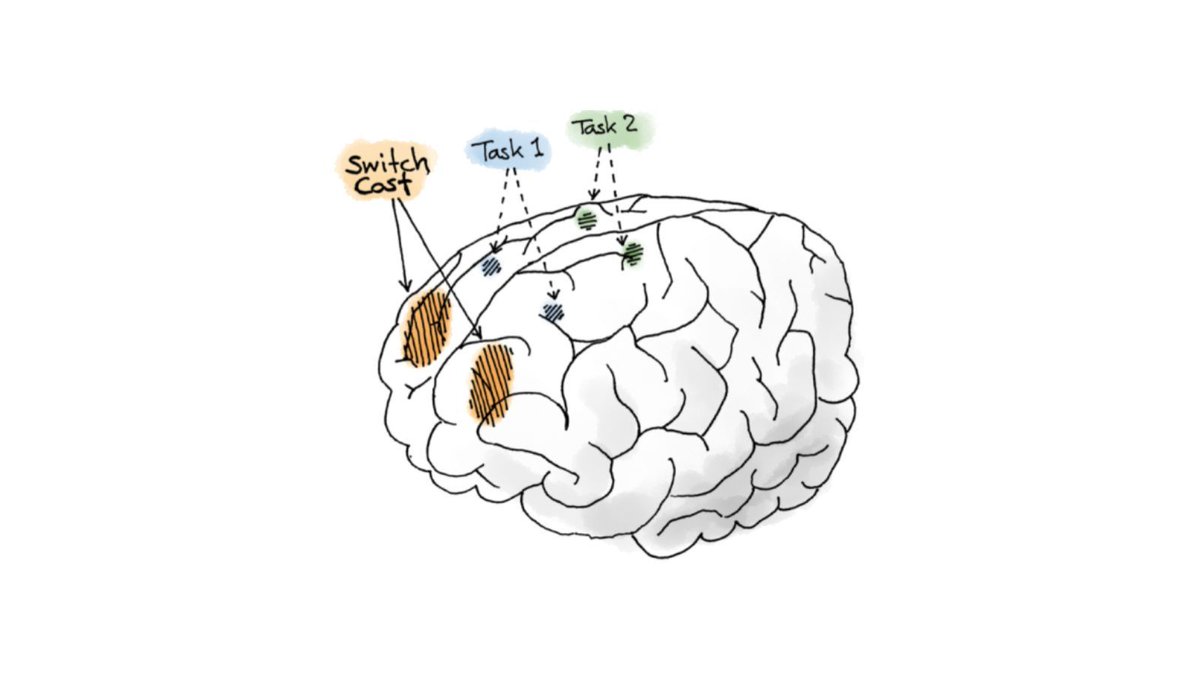
For us to switch focus from one thing to another, we have to reconfigure & activate different neuronal networks relevant to the new task. Unlike a robot, we have a “switch cost”, which can take more brainpower than the task itself.
One way to mitigate the cognitive load caused by dozens of small tasks is to mentally “chunk” them into large over-arching tasks—basically, zoom out & maintain perspective on the long-term goal.
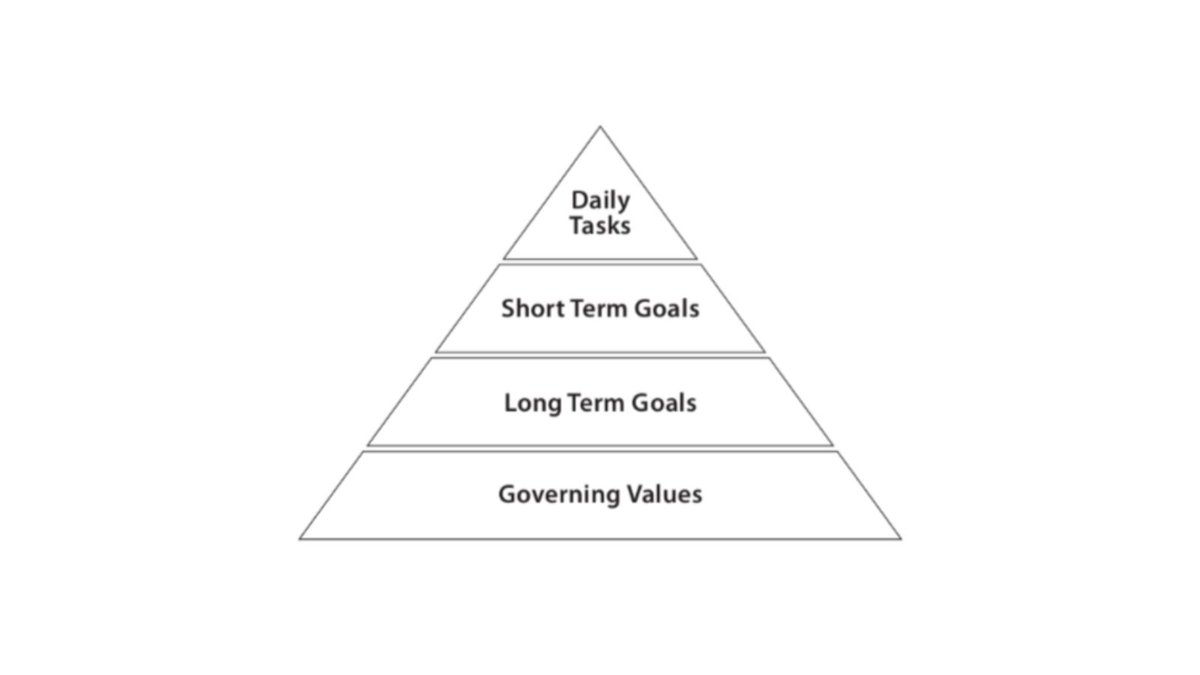
Another way is to simply remove bullshit tasks and notifications altogether. Prune ruthlessly.
Finally: only do one big task at a time. So don’t respond to 20 emails about 10 different things, only respond to the emails related to one project. Then go back later and respond to the emails related to another project, and so on.
@ProfCalNewport talks about how there's an imperceptible “overhead tax” with managing digital work. He often shares a lot of practical ways to limit the cognitive load required to switch between dozens of small tasks every day.
@ProfCalNewport The key to all of this, of course, is learning to say no to shit that interferes with your main objective.
For more ideas to help you succeed in this rat race of a world, sign up to my weekly newsletter: buff.ly/4dbFmH0
For more ideas to help you succeed in this rat race of a world, sign up to my weekly newsletter: buff.ly/4dbFmH0
• • •
Missing some Tweet in this thread? You can try to
force a refresh