Summary of my presentation at the Directors of Improvement conference today.
(Strap in, it's a bit of a beast)
↓
(Strap in, it's a bit of a beast)
↓

First up, expertise matters.
The most expert teachers help their students to learn at multiple times the rate of the least expert.
Improving teaching is the biggest lever we have for improving the learning and life chances of the young people in our care.
The most expert teachers help their students to learn at multiple times the rate of the least expert.
Improving teaching is the biggest lever we have for improving the learning and life chances of the young people in our care.
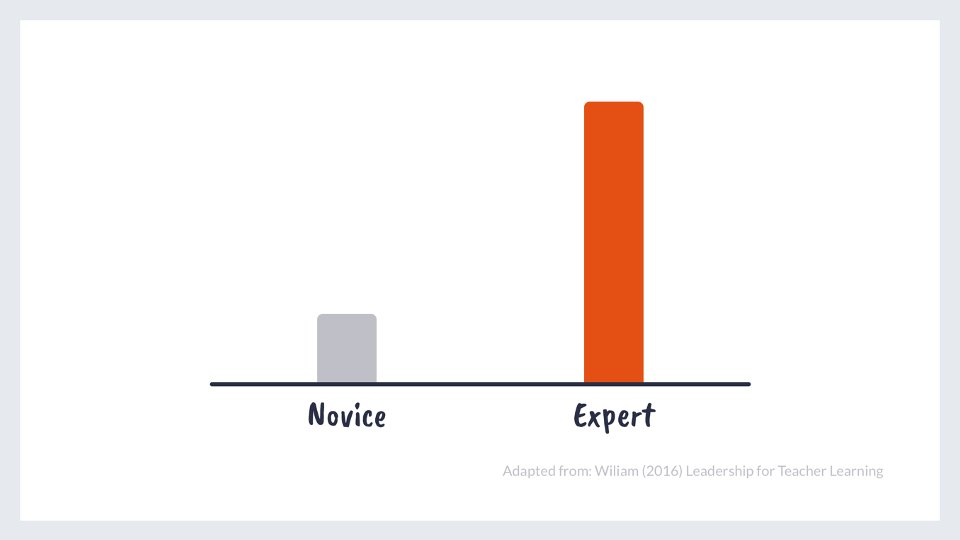
Which is why high quality professional development is so vital.
BUT... the rate at which teachers get better also partly depends on the conditions within their school.
Teacher expertise is not a solo sport.
BUT... the rate at which teachers get better also partly depends on the conditions within their school.
Teacher expertise is not a solo sport.
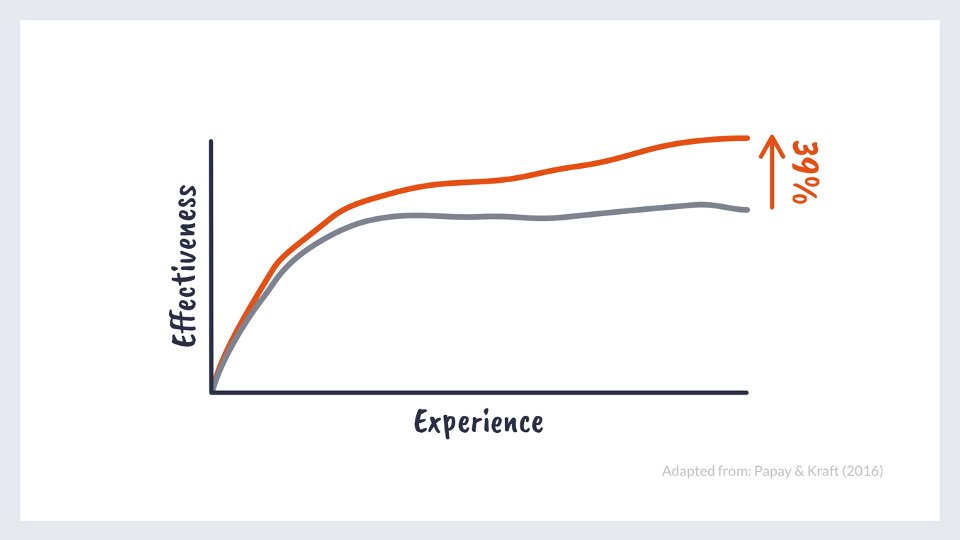
We have a handle on some of these 'collective conditions' that enable teachers to flourish in schools.
But there's a bunch of stuff which is also fairly unintuitive.
I'm going to outline 5 things of these 'powerful yet unintuitive' aspects.
But there's a bunch of stuff which is also fairly unintuitive.
I'm going to outline 5 things of these 'powerful yet unintuitive' aspects.

But first, WHY are some aspects of schooling unintuitive?
Well, it's largely due to the fuzzy feedback loop between teaching and learning, which makes it really hard to understand these aspects via trial and error.
(it's a bit like playing darts blind)
Well, it's largely due to the fuzzy feedback loop between teaching and learning, which makes it really hard to understand these aspects via trial and error.
(it's a bit like playing darts blind)

Which is why, as a profession, we have found ourselves in the past flirting with things like learning styles and brain gym.
It's not easy to discern, just from experience, that these things are bunk.
Teaching is so f*&king complex.
It's not easy to discern, just from experience, that these things are bunk.
Teaching is so f*&king complex.

Which is why there's so much potential up for grabs from being evidence informed.
Researchers can isolate some of the chaos of the classroom and develop insights that so amount of classroom experience can great.
Experience can supercharge teaching experience.
Researchers can isolate some of the chaos of the classroom and develop insights that so amount of classroom experience can great.
Experience can supercharge teaching experience.

Anyway, here are the 5 powerful yet unintuitive things leaders can double down on to create the conditions for accelerated development:
1. Distractions
2. Attention
3. Routines
4. Norms
5. Alignment
Let's look briefly at each...
(deep breath)
1. Distractions
2. Attention
3. Routines
4. Norms
5. Alignment
Let's look briefly at each...
(deep breath)
1/ DISTRACTIONS
The classroom is a distraction rich environment. There are constantly multiple things competing for student precious attention.
If we can reduce the number of distractions, we can increase the chances they focus on—and learn—the stuff that is of most value.
The classroom is a distraction rich environment. There are constantly multiple things competing for student precious attention.
If we can reduce the number of distractions, we can increase the chances they focus on—and learn—the stuff that is of most value.

This is obvious Peps. Get in the bin.
Well... partly. I think the EXTENT of the cost is distractions is not quite that intuitive.
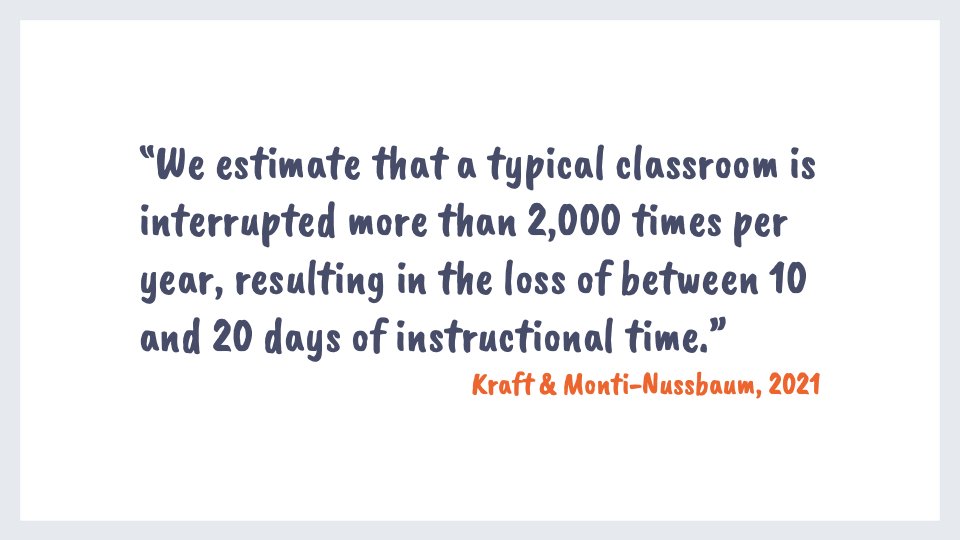
For example, a study from @MatthewAKraft found that, in a typical US school, up to 20 days of learning time was lost per year to distractions.
Well... partly. I think the EXTENT of the cost is distractions is not quite that intuitive.
For example, a study from @MatthewAKraft found that, in a typical US school, up to 20 days of learning time was lost per year to distractions.
@MatthewAKraft That figure doesn't even include disruptions due to behaviour.
(which last week's DfE report suggests is more like a quarter of lesson time 😱)
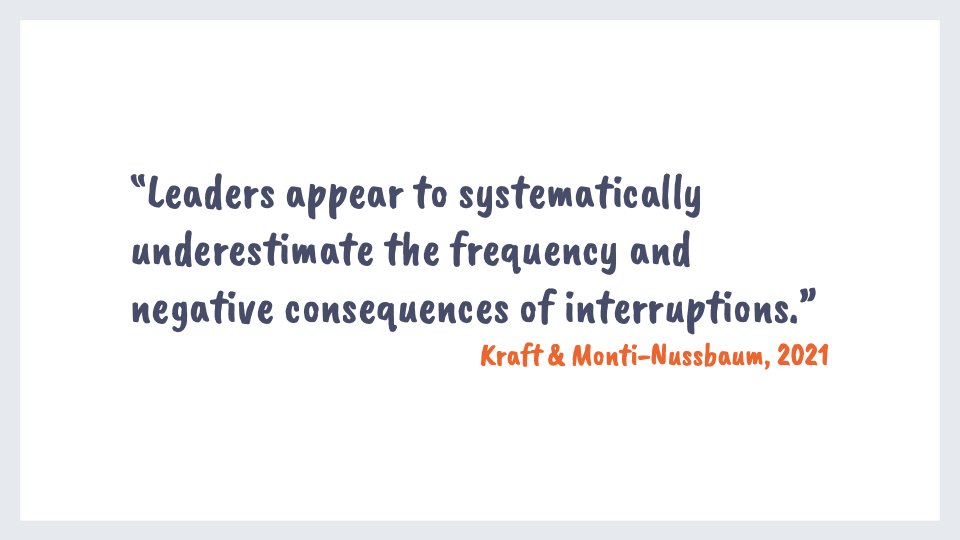
Regardless, all this tends to be systematically under-estimated by leaders.
(which last week's DfE report suggests is more like a quarter of lesson time 😱)
Regardless, all this tends to be systematically under-estimated by leaders.
@MatthewAKraft Why are distractions take up SO much more time than we think?
Well, it's partly because of the 'aftermath' of distractions.
Students will often focus on something else and then it can take time for them to get back to the point they were at in their thinking.
Well, it's partly because of the 'aftermath' of distractions.
Students will often focus on something else and then it can take time for them to get back to the point they were at in their thinking.

@MatthewAKraft In short, distractions leave a wake.
🦆
🦆

@MatthewAKraft We can reduce distractions by:
• Getting students coming in on time
• Reducing colleague interruptions
• Keeping slides and explanations clean
• Removing bells & whistles from activities
• Not over-narrating
• Effective behaviour systems
• Banning phones
• Etc.
• Getting students coming in on time
• Reducing colleague interruptions
• Keeping slides and explanations clean
• Removing bells & whistles from activities
• Not over-narrating
• Effective behaviour systems
• Banning phones
• Etc.

@MatthewAKraft 2/ ATTENTION
So, we've reduced distractions. Now we need to max out the amount of attention that students are paying to the stuff we want them to learn.
The substance of our teaching... the content of our curricula.
So, we've reduced distractions. Now we need to max out the amount of attention that students are paying to the stuff we want them to learn.
The substance of our teaching... the content of our curricula.
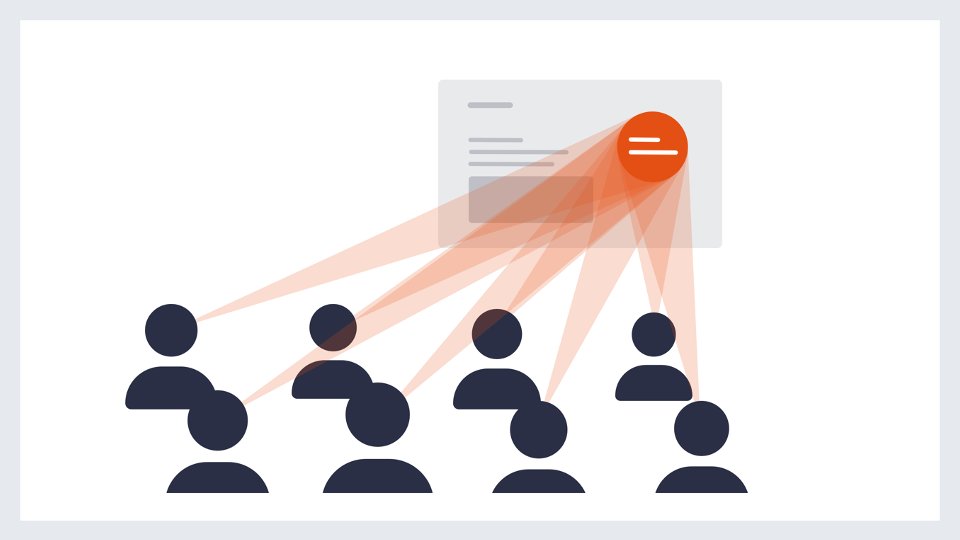
@MatthewAKraft @Doug_Lemov's participation ratio and thinking ratio are a great lens for wrestling with this.
(and @adamboxer1 has some great blogs elaborating these ideas further)
(and @adamboxer1 has some great blogs elaborating these ideas further)
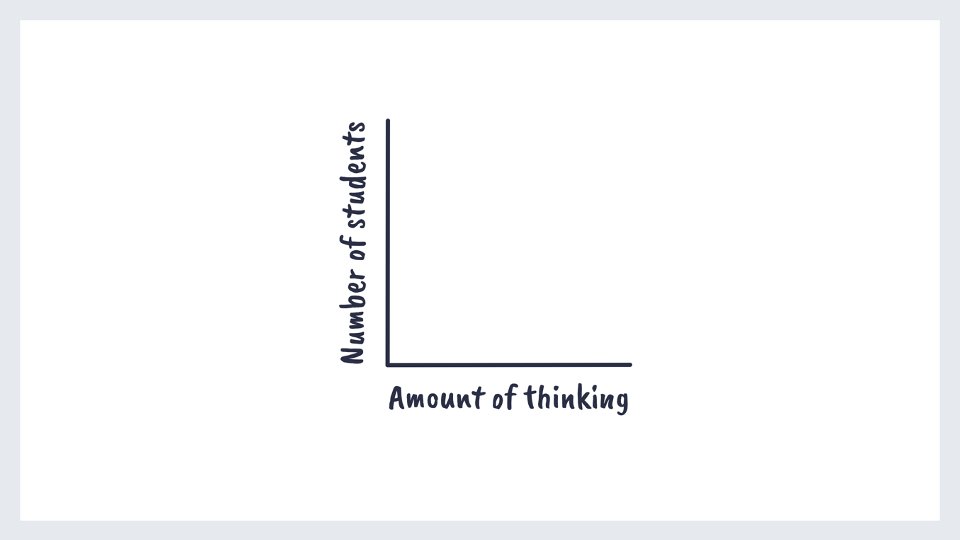
@MatthewAKraft @Doug_Lemov @adamboxer1 In short, small tweaks can lead to big differences in attentional expenditure.
EXAMPLE We often ask questions using this structure...
[name then question]
EXAMPLE We often ask questions using this structure...
[name then question]

@MatthewAKraft @Doug_Lemov @adamboxer1 But if we swap around the parts...
[question then name]
[question then name]

@MatthewAKraft @Doug_Lemov @adamboxer1 Then we instantly increase the number of students who are thinking about the question.
This could end up leading to a 20x increase in attentional expenditure.
(you'll all know/do this I'm sure, but just using this simple example to illustrate)
This could end up leading to a 20x increase in attentional expenditure.
(you'll all know/do this I'm sure, but just using this simple example to illustrate)

@MatthewAKraft @Doug_Lemov @adamboxer1 We can do something similar with thinking ratio (the amount of attention being paid).
Such as adding 'thinking time' to a question...
Such as adding 'thinking time' to a question...

@MatthewAKraft @Doug_Lemov @adamboxer1 Or going even further by using a 'write, pair, share' structure...
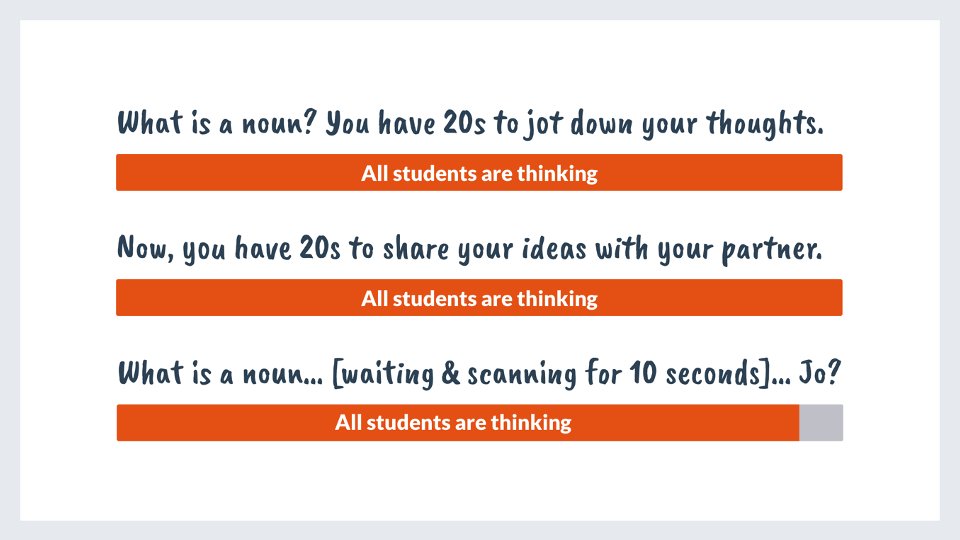
@MatthewAKraft @Doug_Lemov @adamboxer1 Which could lead to x50 the amount of attention being paid.
(if you just crudely count the time and ignore opportunity cost etc)
(if you just crudely count the time and ignore opportunity cost etc)
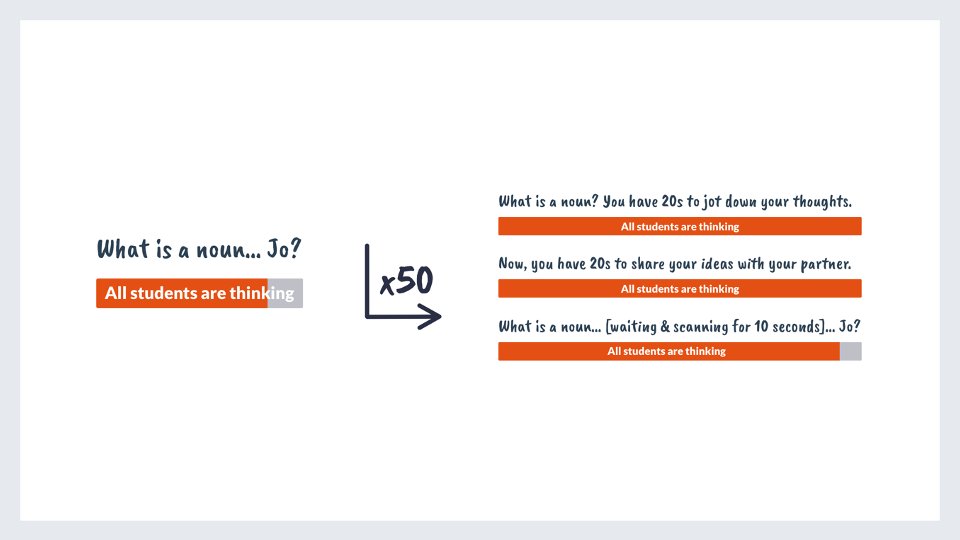
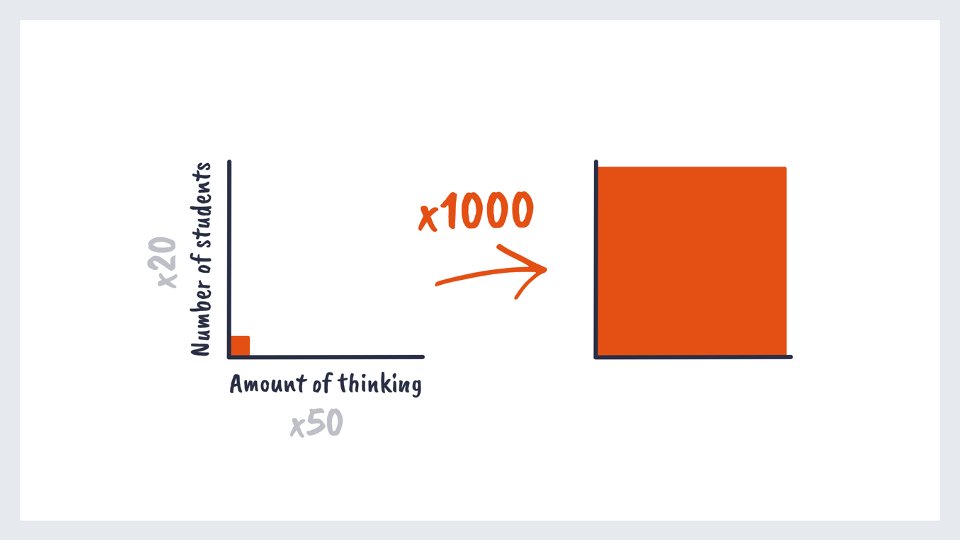
@MatthewAKraft @Doug_Lemov @adamboxer1 Together, these gains in participation and thinking ratio can generate SIGNIFICANT increases in attentional expenditure.
x1000? 🤯
Probably not, but even if it's just a few percentage points, it's worth it.
(because what our students attend to is what they learn about)
x1000? 🤯
Probably not, but even if it's just a few percentage points, it's worth it.
(because what our students attend to is what they learn about)
@MatthewAKraft @Doug_Lemov @adamboxer1 AND just as importantly, these approaches (implemented well) tend to increase equity within the classroom too.
Cause it's no longer just the smartest and most confident kids dominating.
[NOTE All this assumes that WHAT students are paying attention to is rigorous obvs]
Cause it's no longer just the smartest and most confident kids dominating.
[NOTE All this assumes that WHAT students are paying attention to is rigorous obvs]

@MatthewAKraft @Doug_Lemov @adamboxer1 3/ ROUTINES
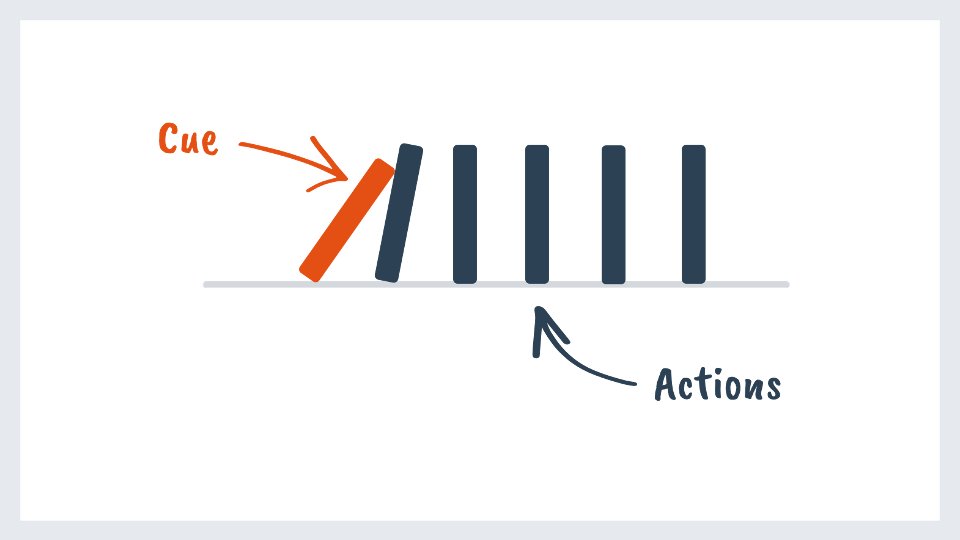
A routine is a sequence of actions that happens automatically after being prompted by a cue (aka trigger), all of which happens with minimal thought.
They can be super powerful in school because...
A routine is a sequence of actions that happens automatically after being prompted by a cue (aka trigger), all of which happens with minimal thought.
They can be super powerful in school because...
@MatthewAKraft @Doug_Lemov @adamboxer1 When a routine is put in place, it enables students to think less about the *process* of learning, and as a result, think more about the *content* of learning.
Routines redeploy student attention.
(AND they create a safe environment, which is important for students with SEND)
Routines redeploy student attention.
(AND they create a safe environment, which is important for students with SEND)

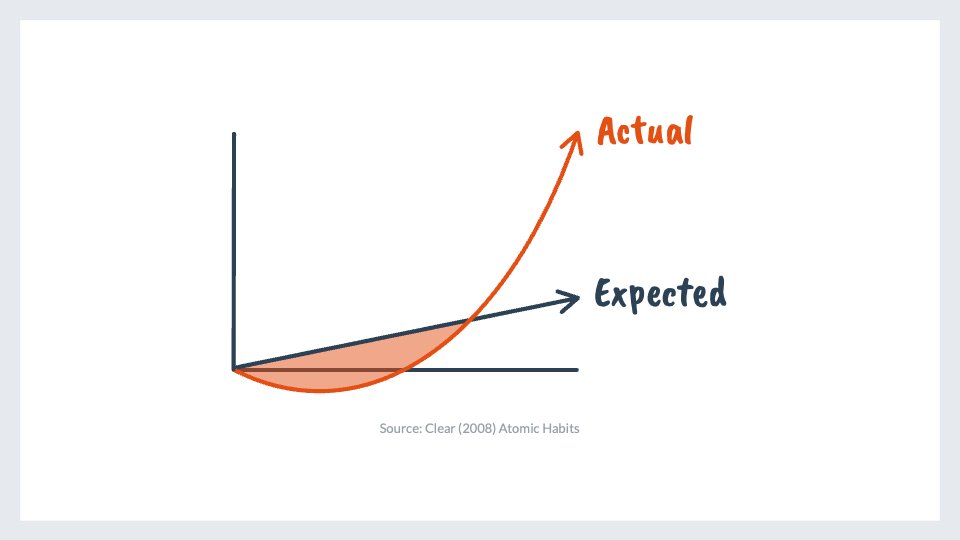
@MatthewAKraft @Doug_Lemov @adamboxer1 NOTE Routines don't always 'bear fruit' as quickly as we expect.
In the early phases, we are less skilled, and our students are less familiar. As a result, we'll likely see a dip information to begin with.
It's only once we've automated things do all the benefits emerge.
In the early phases, we are less skilled, and our students are less familiar. As a result, we'll likely see a dip information to begin with.
It's only once we've automated things do all the benefits emerge.
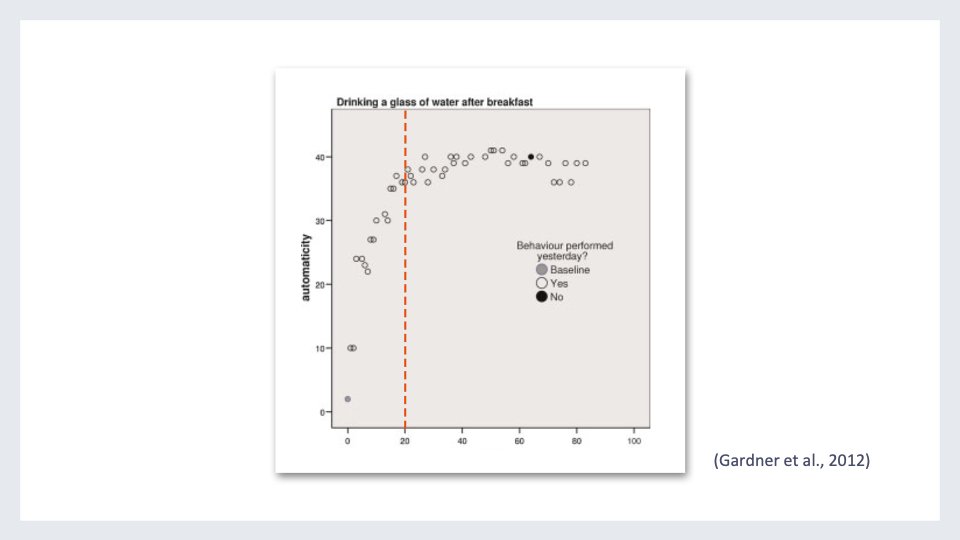
@MatthewAKraft @Doug_Lemov @adamboxer1 How long does it take for a routine to become automated?
Well, it partly depends on the complexity. For simple stuff (drinking a glass of water with breakfast), it might take 20 reps. For more complex stuff (school stuff), it might take 50.
Which could be weeks or months.
Well, it partly depends on the complexity. For simple stuff (drinking a glass of water with breakfast), it might take 20 reps. For more complex stuff (school stuff), it might take 50.
Which could be weeks or months.
@MatthewAKraft @Doug_Lemov @adamboxer1 Fortunately, there's a magic way to rapidly accelerate this process.
If multiple teachers use the same routine (actions + cue), then students will cover those reps WAY quicker.
(this is EXHIBIT A on the value of *alignment* between colleagues)
If multiple teachers use the same routine (actions + cue), then students will cover those reps WAY quicker.
(this is EXHIBIT A on the value of *alignment* between colleagues)

@MatthewAKraft @Doug_Lemov @adamboxer1 4/ NORMS
We are deeply hardwired to emulate the behaviours and attitudes of those in our group.
(way more than we think)
So much so that norms—these unwritten rules of a group—often ride roughshod over more formal school rules or policies.
We are deeply hardwired to emulate the behaviours and attitudes of those in our group.
(way more than we think)
So much so that norms—these unwritten rules of a group—often ride roughshod over more formal school rules or policies.

@MatthewAKraft @Doug_Lemov @adamboxer1 Influencing norms is relatively straightforward. We just need to *amplify* the visibility of those behaviours and attitudes we want other students (or staff) to emulate.
You do this already... "Singh has come in and got started on the task straight away."
Just do more.
You do this already... "Singh has come in and got started on the task straight away."
Just do more.

@MatthewAKraft @Doug_Lemov @adamboxer1 Norms are mediated by belonging.
When we feel part of a group, its norms have an even greater influence on us.
(belonging also increases feeling of wellbeing too... it's proper)
When we feel part of a group, its norms have an even greater influence on us.
(belonging also increases feeling of wellbeing too... it's proper)

@MatthewAKraft @Doug_Lemov @adamboxer1 As well as creating inclusive environments, we can boost belonging by building 'common ground' between people.
One of the most powerful ways to achieve this is by having a fierce sense of *purpose* that everyone lines up behind.
This immediately gives folks something in common.
One of the most powerful ways to achieve this is by having a fierce sense of *purpose* that everyone lines up behind.
This immediately gives folks something in common.

@MatthewAKraft @Doug_Lemov @adamboxer1 5/ ALIGNMENT
The norms of different groups (aka classrooms) interfere with and bleed into each other.
The more teachers in a school are aligned on their norms (and values), the stronger the effect will be for students.
(EXHIBIT B)
The norms of different groups (aka classrooms) interfere with and bleed into each other.
The more teachers in a school are aligned on their norms (and values), the stronger the effect will be for students.
(EXHIBIT B)

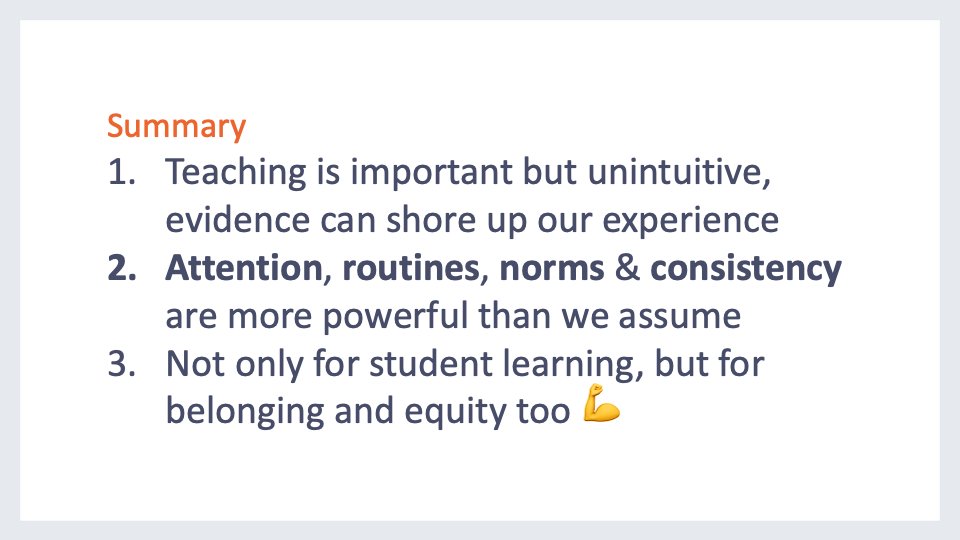
@MatthewAKraft @Doug_Lemov @adamboxer1 SUMMARY ⤵️
(finally)
(finally)
@MatthewAKraft @Doug_Lemov @adamboxer1 IMPORTANT This is a *sustainable* approach to school improvement.
These are things you ALREADY DO.
(it's just a case of doubling down on this stuff, and maybe doing less of other stuff).
These are things you ALREADY DO.
(it's just a case of doubling down on this stuff, and maybe doing less of other stuff).

@MatthewAKraft @Doug_Lemov @adamboxer1 HUGE thanks to @LeoraCruddas & @steverollett for giving me the stage at this ace event.
And to all you Directors of Improvement (and readers of this thread) for giving me your precious attention.
Education ROCKS 🤘
And to all you Directors of Improvement (and readers of this thread) for giving me your precious attention.
Education ROCKS 🤘
@MatthewAKraft @Doug_Lemov @adamboxer1 @LeoraCruddas @steverollett Now, if you wanna get serious about this stuff, then it can be helpful to have some power tools in your kit.
This is exactly what @Steplab_co (the whole school version) has been designed to achieve.
→ steplab.co
This is exactly what @Steplab_co (the whole school version) has been designed to achieve.
→ steplab.co

@MatthewAKraft @Doug_Lemov @adamboxer1 @LeoraCruddas @steverollett @Steplab_co And after all this, you want even more Peps, then mosey on over to Evidence Snacks and fill yer boots.
→
👊 snacks.pepsmccrea.com
→
👊 snacks.pepsmccrea.com

@MatthewAKraft @Doug_Lemov @adamboxer1 @LeoraCruddas @steverollett @Steplab_co PS. Link to @CSTvoice new framework ⤵️
https://twitter.com/schoolsweek/status/1785158387153432898
• • •
Missing some Tweet in this thread? You can try to
force a refresh