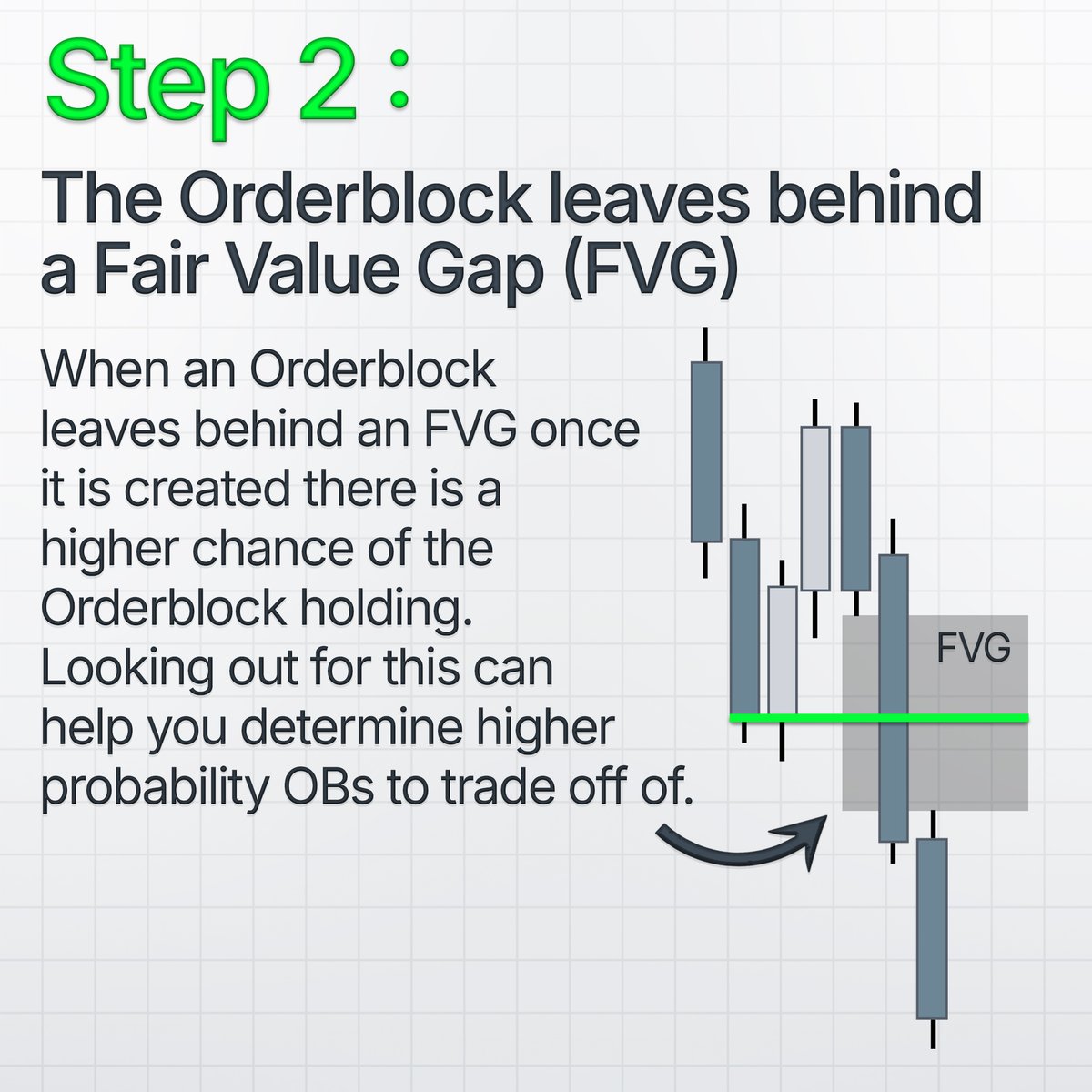
FVGs tell you everything
A Thread 🧵
A Thread 🧵
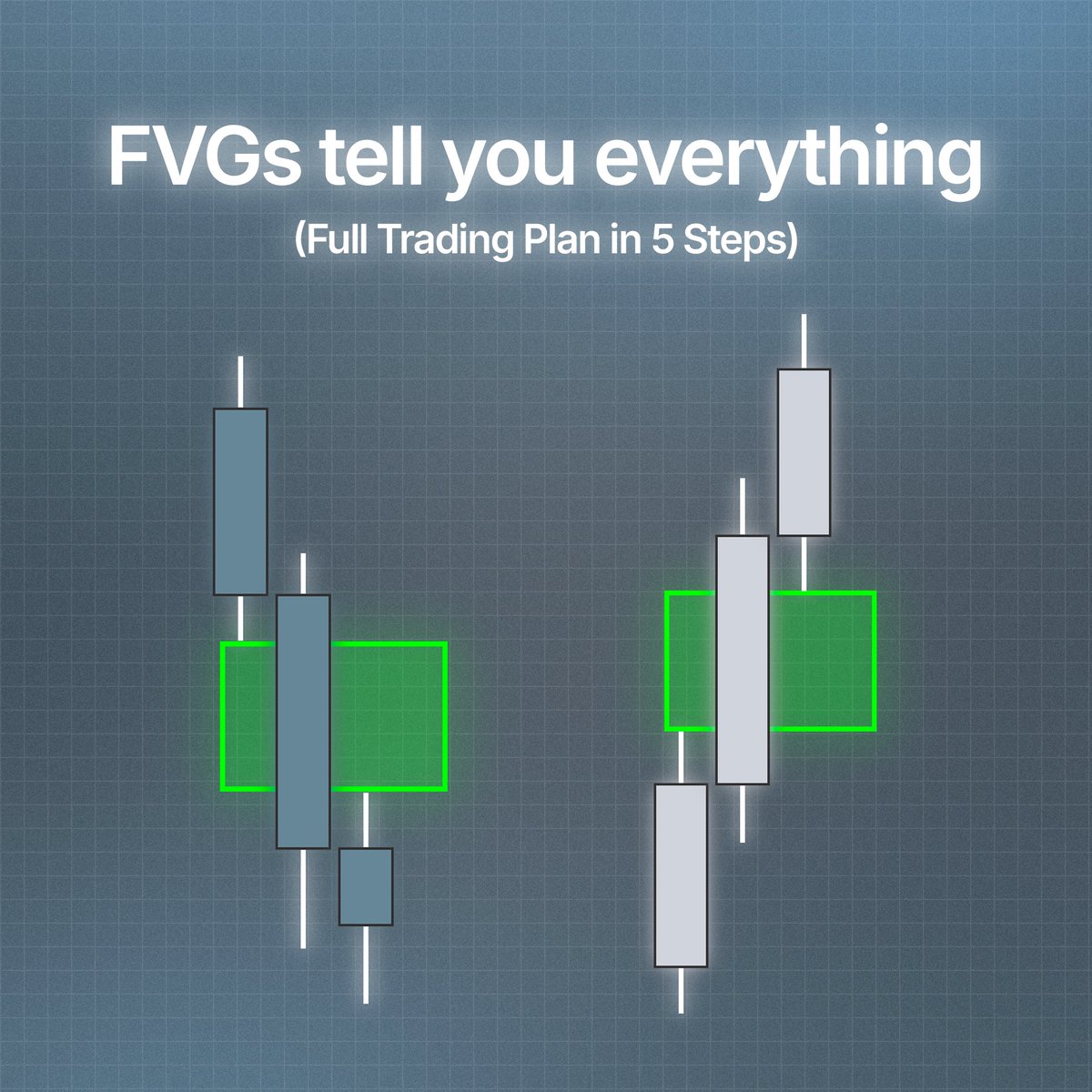
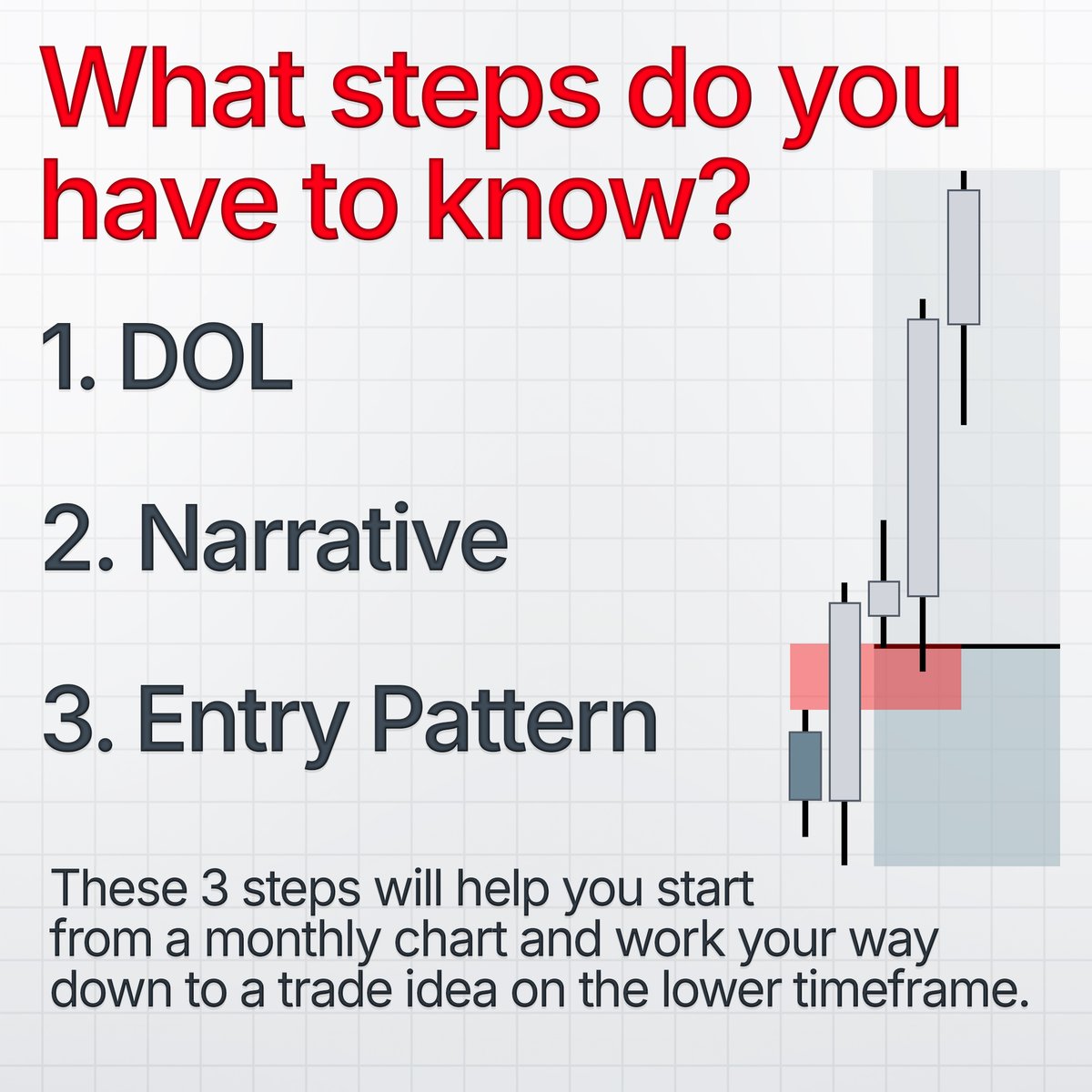
FVGs tell you everything. To define it further , you can use FVGs in the 5 Foundational Levels of a trading plan.
Step 1 - Bias
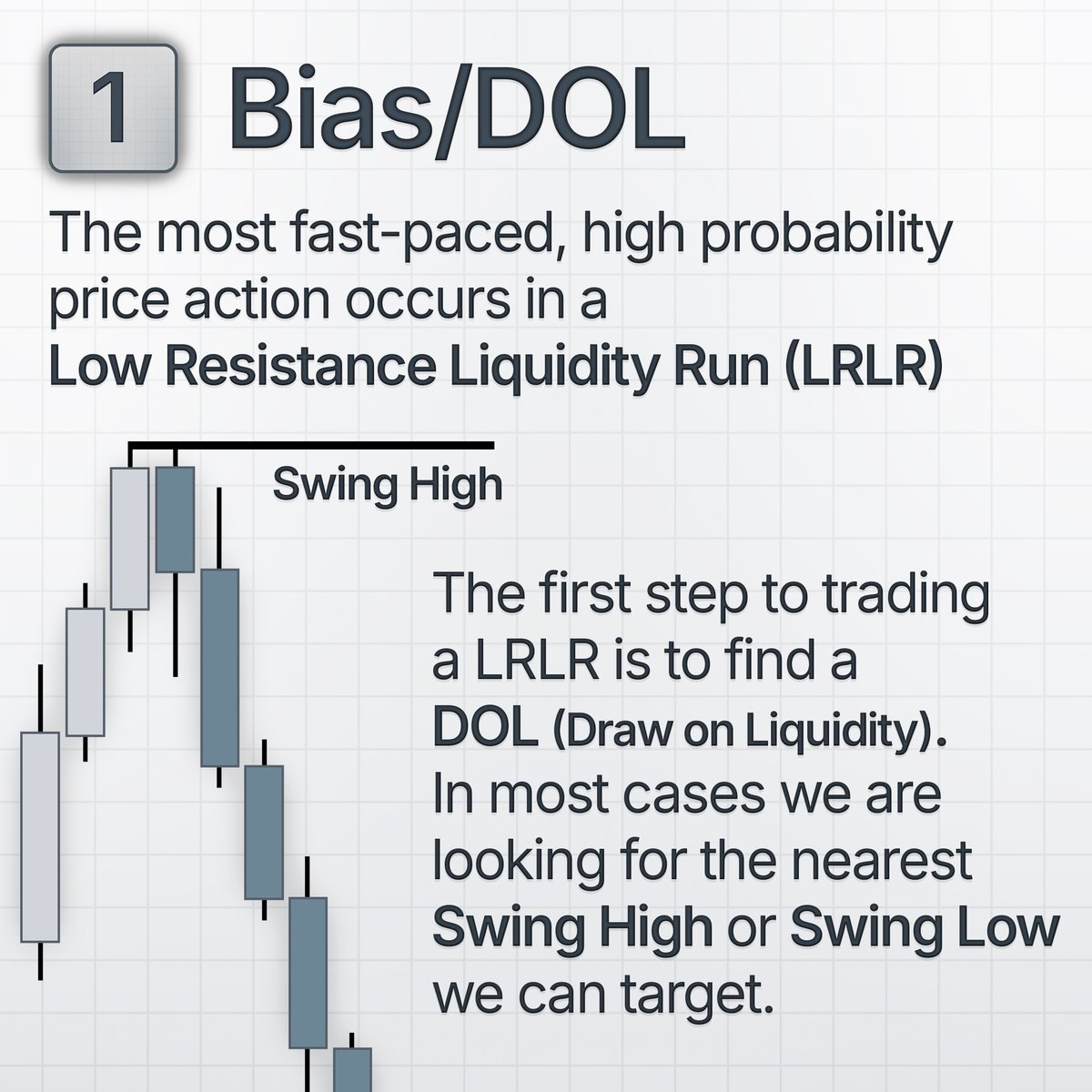
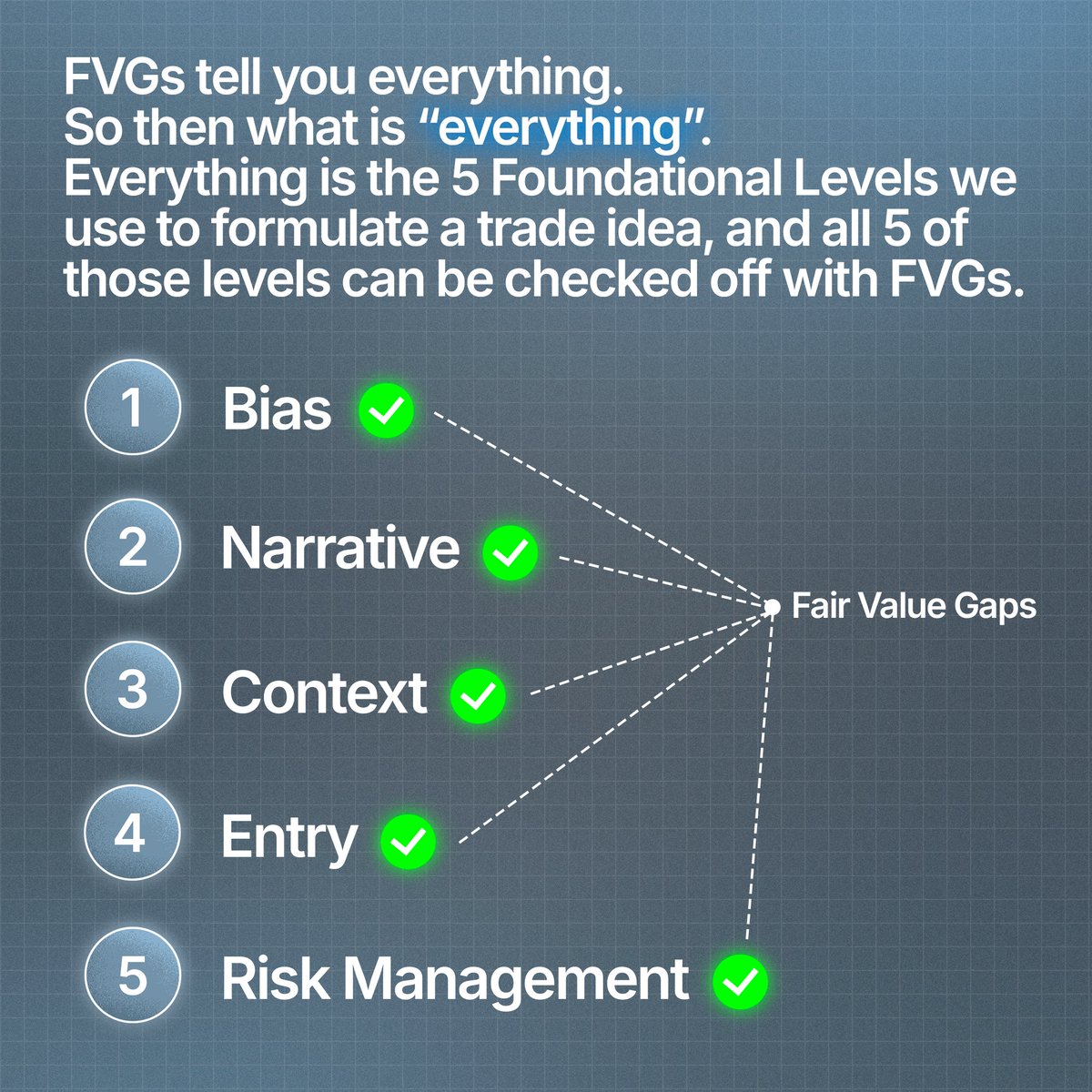
This consists of determining what direction of the market we want to trade in and what the DOL (Draw on Liquidity) is.
This consists of determining what direction of the market we want to trade in and what the DOL (Draw on Liquidity) is.
Step 2 - Narrative
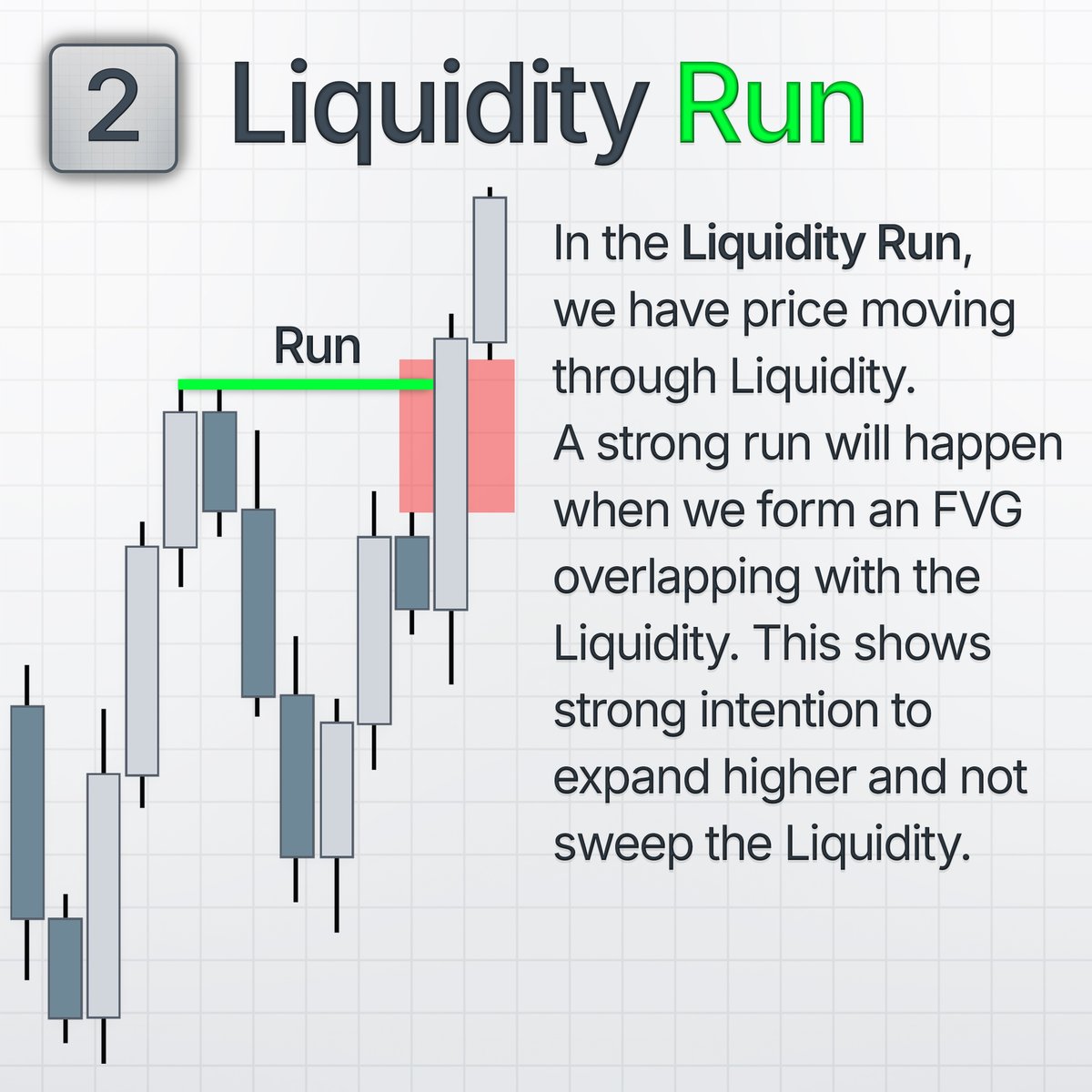
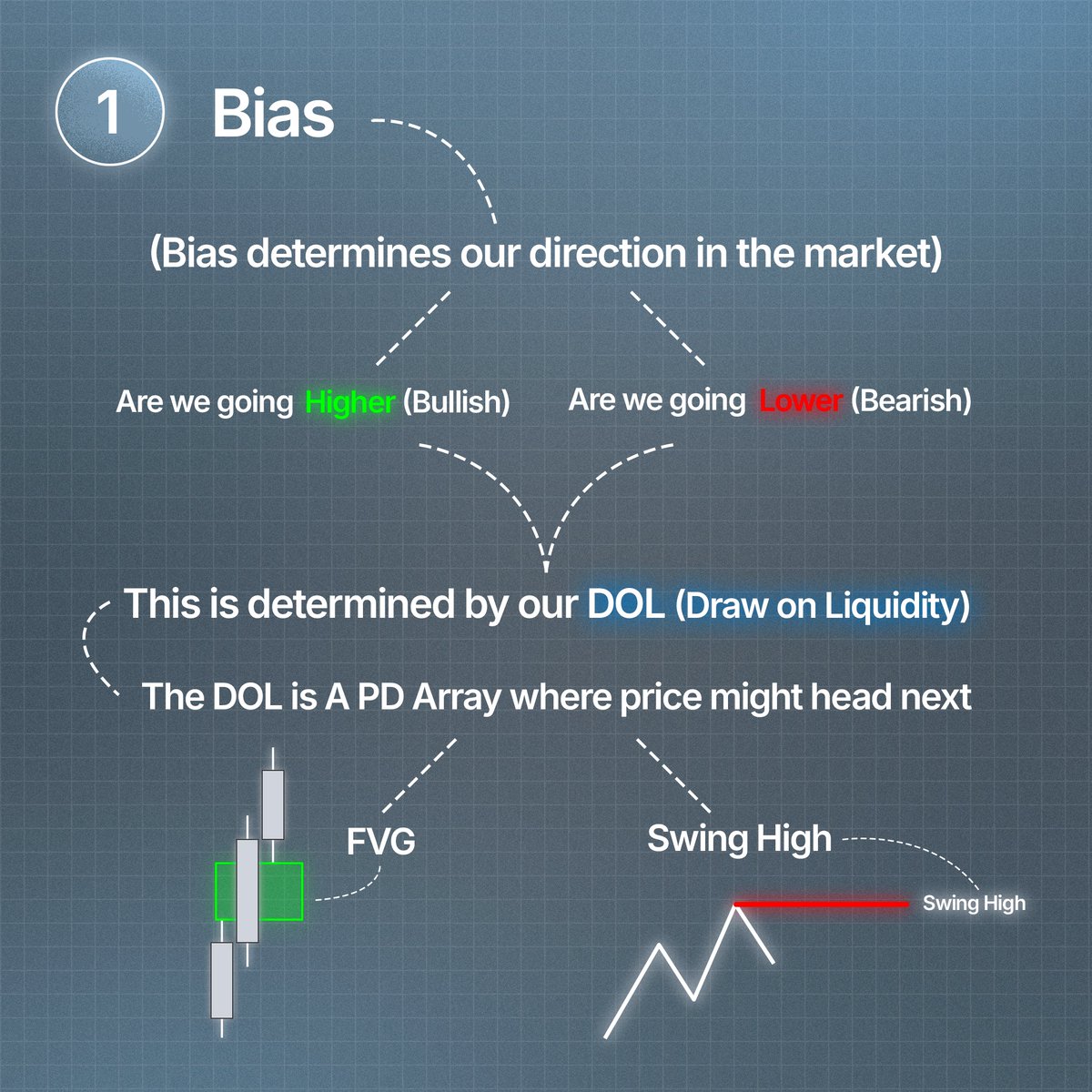
Once we have determined our Bias we now need to determine how price will get to our DOL. We now need to determine the PD Array that will be responsible for moving price towards the DOL.
Once we have determined our Bias we now need to determine how price will get to our DOL. We now need to determine the PD Array that will be responsible for moving price towards the DOL.

Step 3 - Context
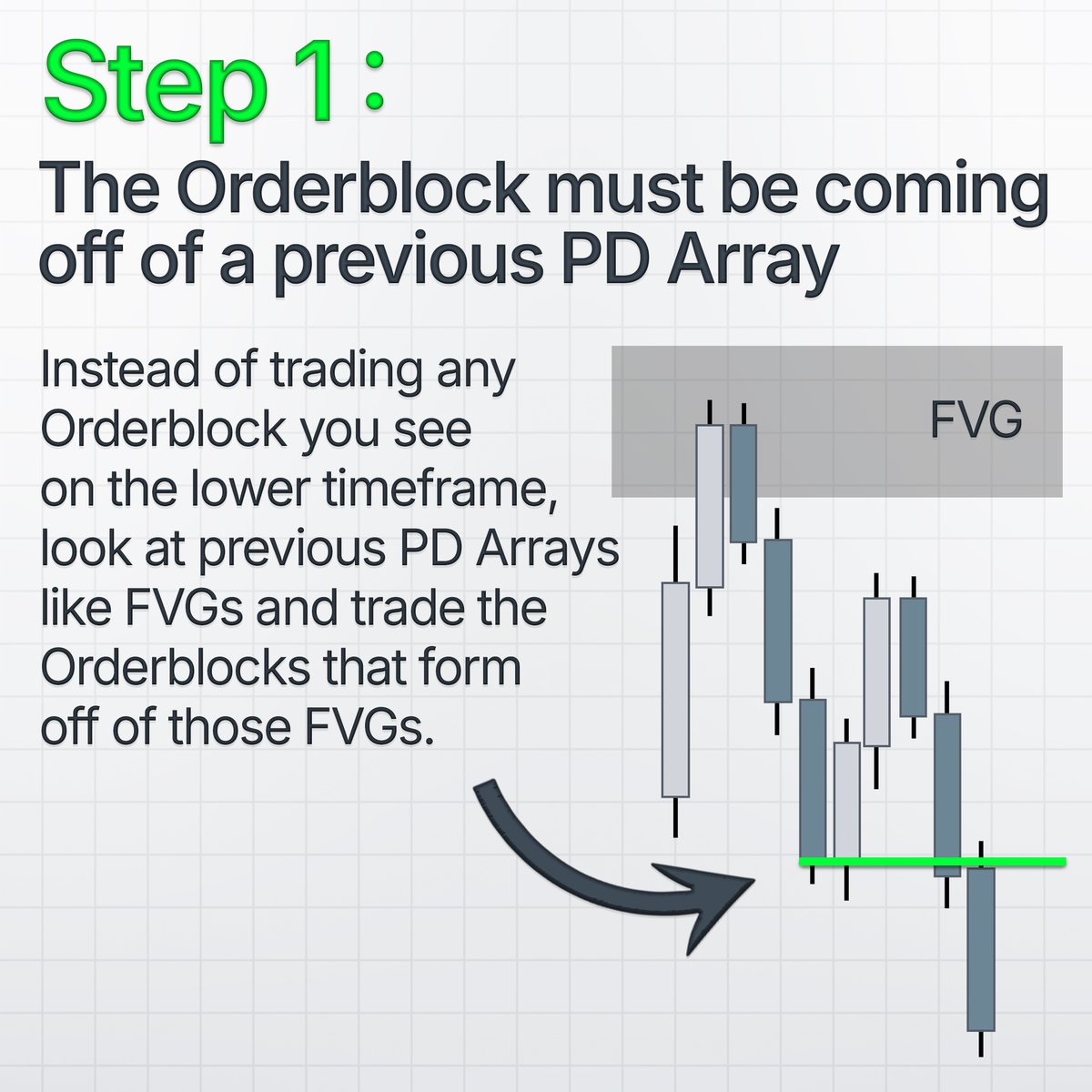
Once we have identified our Narrative PD Array we can then look at Context. This consists of our Narrative PD Array and the Target. The Target is the closest opposing PD Array which we can trade towards.
Once we have identified our Narrative PD Array we can then look at Context. This consists of our Narrative PD Array and the Target. The Target is the closest opposing PD Array which we can trade towards.

Step 4 - Entry
We now have a Context PD Array that we can trade off of. Now we can look for an entry. There are 2 types of entries we can use. The first entry type is the Sharp Turn Entry.
We now have a Context PD Array that we can trade off of. Now we can look for an entry. There are 2 types of entries we can use. The first entry type is the Sharp Turn Entry.

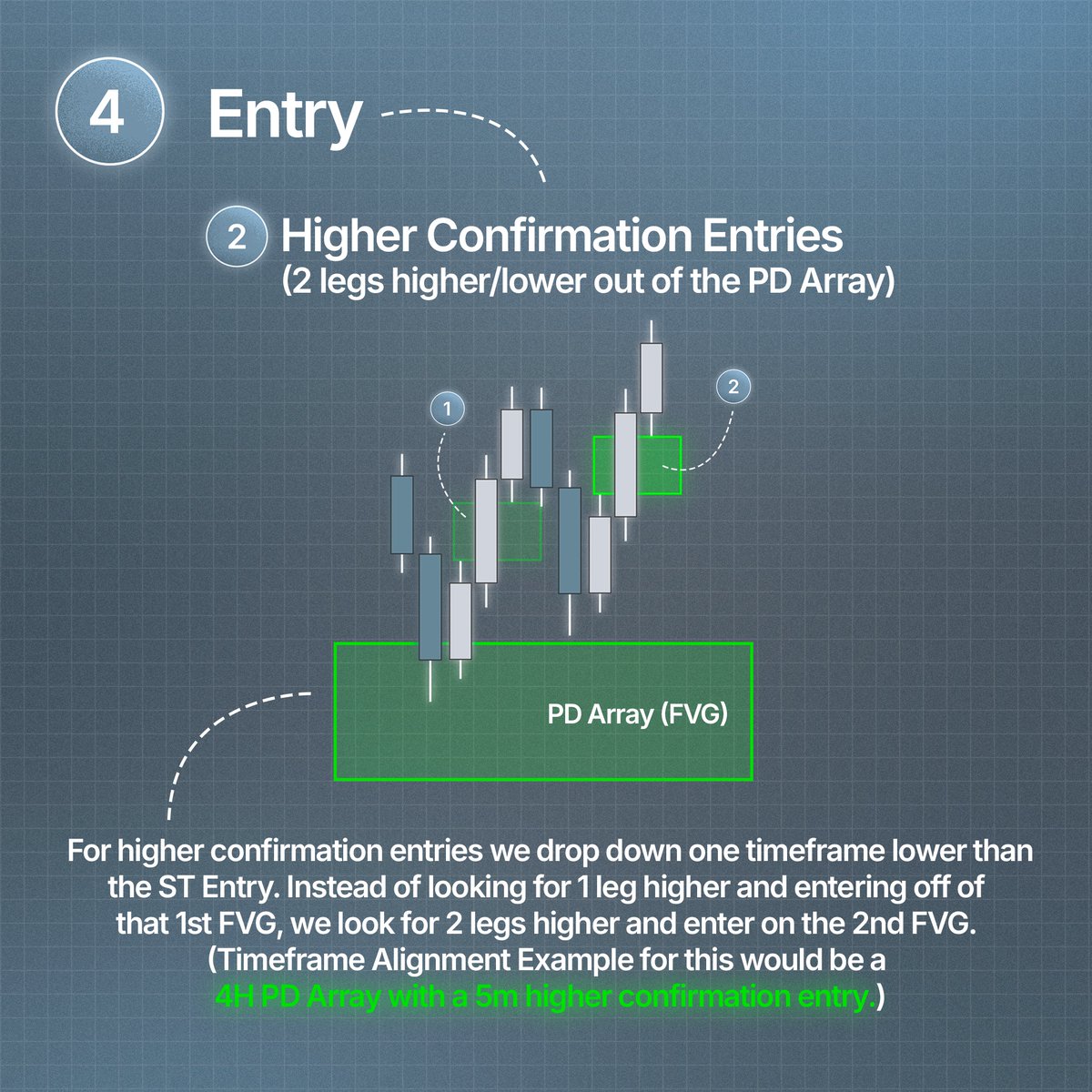
Step 4 - Entry 2
The second entry type is the Higher Confirmation Entry. Compared to the ST Entry that is only 1 leg higher, this entry pattern uses 2 legs higher off of our PD Array.
The second entry type is the Higher Confirmation Entry. Compared to the ST Entry that is only 1 leg higher, this entry pattern uses 2 legs higher off of our PD Array.
Step 5 - Risk Management
The last step is to manage our risk. This means we have to define our risk percentage as well as defining rules that will guide us when to place our stop loss at breakeven.
The last step is to manage our risk. This means we have to define our risk percentage as well as defining rules that will guide us when to place our stop loss at breakeven.

Full Video👇
• • •
Missing some Tweet in this thread? You can try to
force a refresh