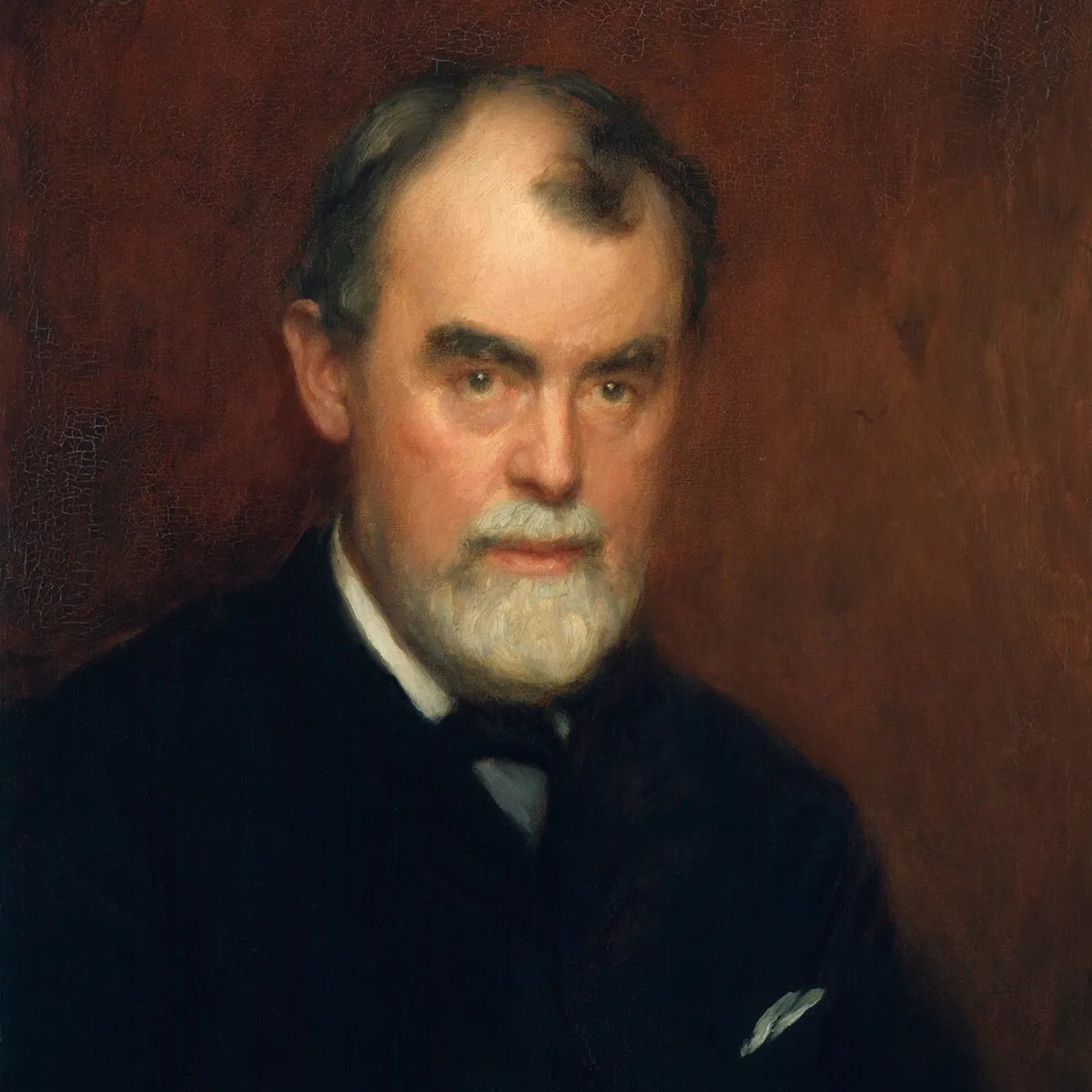
Dostoevsky🧵
A literary rockstar at 24. Almost executed by a firing squad at 28...
Exiled to Siberia. Returns to write some of the greatest books ever...
In his lesser-known letters and essays, we get a more intimate look at what he loved, hated, fiercely believed in
Dig in👇🏻
A literary rockstar at 24. Almost executed by a firing squad at 28...
Exiled to Siberia. Returns to write some of the greatest books ever...
In his lesser-known letters and essays, we get a more intimate look at what he loved, hated, fiercely believed in
Dig in👇🏻
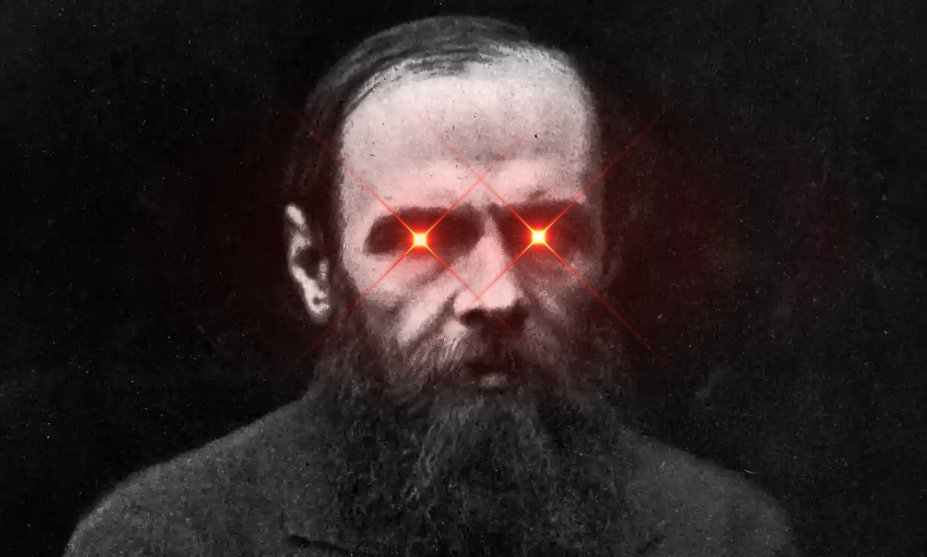
1/ Dostoevsky believed life is only possible when you have a philosophical north star you swear by:
"Neither a person nor a nation can exist without some higher idea"
Dostoevsky: "In order to maintain itself and live, every society must necessarily respect someone & something"
"Neither a person nor a nation can exist without some higher idea"
Dostoevsky: "In order to maintain itself and live, every society must necessarily respect someone & something"
2/ In his essay against Environmental determinism, Dostoevsky writes:
"The doctrine of the environment reduces man to an absolute nonentity, exempts him totally from every personal moral duty and from all independence, reduces him to the lowest form of slavery imaginable..."
"The doctrine of the environment reduces man to an absolute nonentity, exempts him totally from every personal moral duty and from all independence, reduces him to the lowest form of slavery imaginable..."
3/ In a letter, Dostoevsky revealed the mystery he wanted to solve:
“I have faith in myself. Man is a mystery: if you spend your entire life trying to puzzle it out, then do not say that you have wasted your time. I occupy myself with this mystery, because I want to be a man."
“I have faith in myself. Man is a mystery: if you spend your entire life trying to puzzle it out, then do not say that you have wasted your time. I occupy myself with this mystery, because I want to be a man."
4/ Dostoevsky needed only three things:
“I need nothing but books, the possibility of writing, and of being daily for a few hours alone. To be alone is a natural need, like eating and drinking."
Certain spiritual and intellectual problems DEMAND solitude
“I need nothing but books, the possibility of writing, and of being daily for a few hours alone. To be alone is a natural need, like eating and drinking."
Certain spiritual and intellectual problems DEMAND solitude
5/ BUT Dostoevsky also warned against introversion:
"Lacking external experiences, those of the inward life will gain the upper hand. The nerves and the fancy then take up too much room. Every external happening seems colossal, and frightens us. We begin to fear life.”
"Lacking external experiences, those of the inward life will gain the upper hand. The nerves and the fancy then take up too much room. Every external happening seems colossal, and frightens us. We begin to fear life.”
6/ Dostoevsky lists important questions all societies must ask:
"Whom can we now consider our best people? Most important, where shall we find them? Who will take the responsibility for proclaiming them the best, and on what basis? Does someone need to take this responsibility?"
"Whom can we now consider our best people? Most important, where shall we find them? Who will take the responsibility for proclaiming them the best, and on what basis? Does someone need to take this responsibility?"
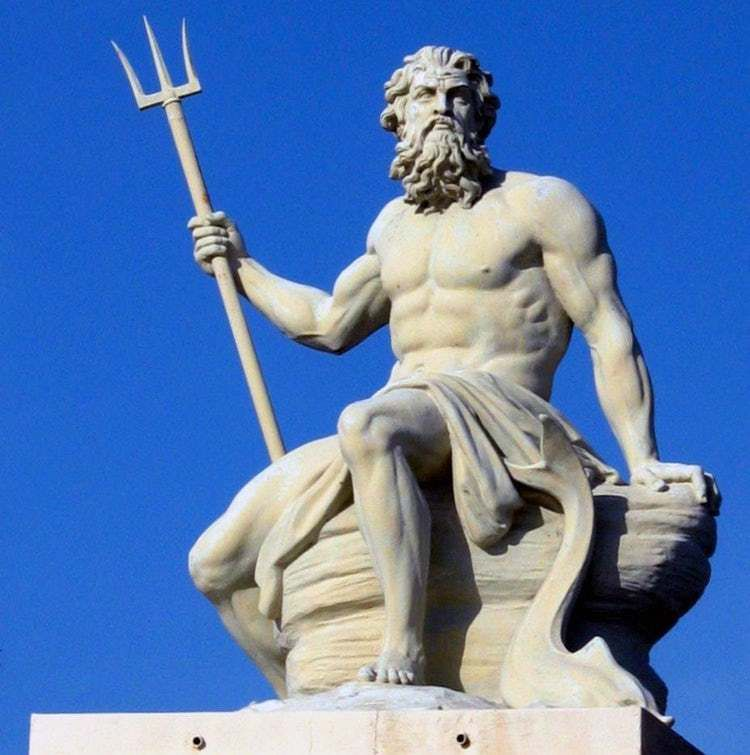
7/ Do we possess talent or does talent possess us?
Dostoevsky: “It's very rare to find a person capable of handling his gift. The talent almost always enslaves its possessor, taking him, as it were, by the scruff of the neck & carrying him off far away from his proper path.”
Dostoevsky: “It's very rare to find a person capable of handling his gift. The talent almost always enslaves its possessor, taking him, as it were, by the scruff of the neck & carrying him off far away from his proper path.”
8/ Dostoevsky hated the "small-souled" people who preach "contentment with one's destiny” and "modest demands from life."
Dostoevsky: "Their contentment is that of cloistered self-castration."
All vital souls will instinctively reject such an "insipid" existence...
Dostoevsky: "Their contentment is that of cloistered self-castration."
All vital souls will instinctively reject such an "insipid" existence...

9/ Dostoevsky on the measure of great art:
“Art is always true to reality in the highest degree…it cannot be unfaithful to contemporary reality. Otherwise it would not be art. It is the measure of true art that it is always contemporary, urgent and useful.”
“Art is always true to reality in the highest degree…it cannot be unfaithful to contemporary reality. Otherwise it would not be art. It is the measure of true art that it is always contemporary, urgent and useful.”
10/ Art becomes abnormal when we become abnormal: “During his life man may deviate from normality, from the laws of nature; in this case art will deviate with him. But this serves to show art’s close and indissoluble link with man, its constant loyalty to man and his interests.”


11/ For Dostoevsky beauty is synonymous with health and ascending life:
“Beauty is useful because man has a constant need for (his) highest ideal. If a people preserves an ideal of beauty and a need for it, it means that the need for health and normality is also there..."
“Beauty is useful because man has a constant need for (his) highest ideal. If a people preserves an ideal of beauty and a need for it, it means that the need for health and normality is also there..."

This is a (small) snippet from my book:
"HIT REVERSE: New Ideas From Old Books"
It has 64 such chapters. Incredible insights on life from profound thinkers like Dostoevsky, Jung, Nietzsche...
Get your copy: jashdholani.gumroad.com/l/hitreverse
"HIT REVERSE: New Ideas From Old Books"
It has 64 such chapters. Incredible insights on life from profound thinkers like Dostoevsky, Jung, Nietzsche...
Get your copy: jashdholani.gumroad.com/l/hitreverse

Thank you for reading fren! I appreciate your time
If you enjoyed this...
Do RT and Dostoevsky-Pill your timeline:
If you enjoyed this...
Do RT and Dostoevsky-Pill your timeline:
https://x.com/oldbooksguy/status/1787492956246585616

• • •
Missing some Tweet in this thread? You can try to
force a refresh