Petra, in Jordan, is one of the most famous places in the world.
But what is it? How old is it? And who built it?
The story begins with an ancient civilisation you've probably never heard of...
But what is it? How old is it? And who built it?
The story begins with an ancient civilisation you've probably never heard of...
The entrance to Petra is unremarkable.
Hidden away in Wadi Arabah, in southern Jordan, there is a small valley surrounded by mountains.
It is called Wadi Musa, meaning the Valley of Moses, and at its edge there is a small opening in the cliffs.
Hidden away in Wadi Arabah, in southern Jordan, there is a small valley surrounded by mountains.
It is called Wadi Musa, meaning the Valley of Moses, and at its edge there is a small opening in the cliffs.
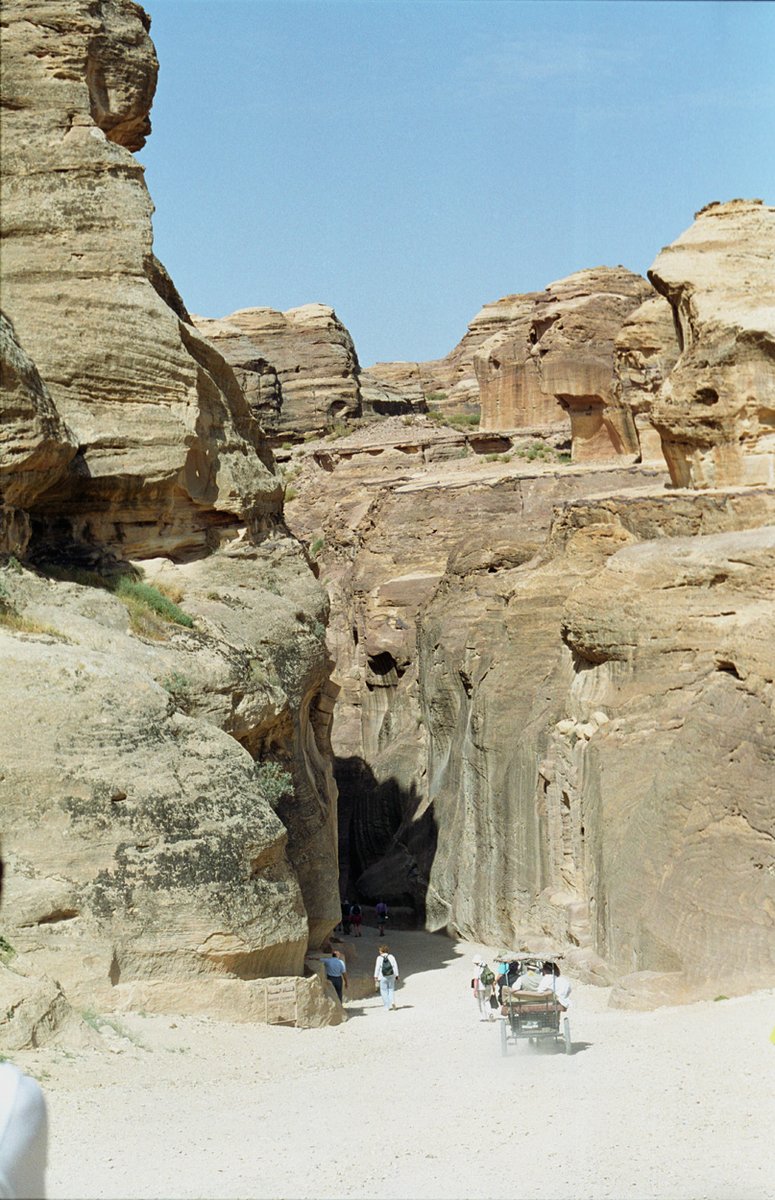
This innocuous opening leads to the Siq — a winding, narrow gorge almost one mile long.
Lined with stone trenches and mysterious carvings, it is over 100 metres tall and in some spots only a few feet wide.
At its end you are greeted by an astonishing sight:
Lined with stone trenches and mysterious carvings, it is over 100 metres tall and in some spots only a few feet wide.
At its end you are greeted by an astonishing sight:
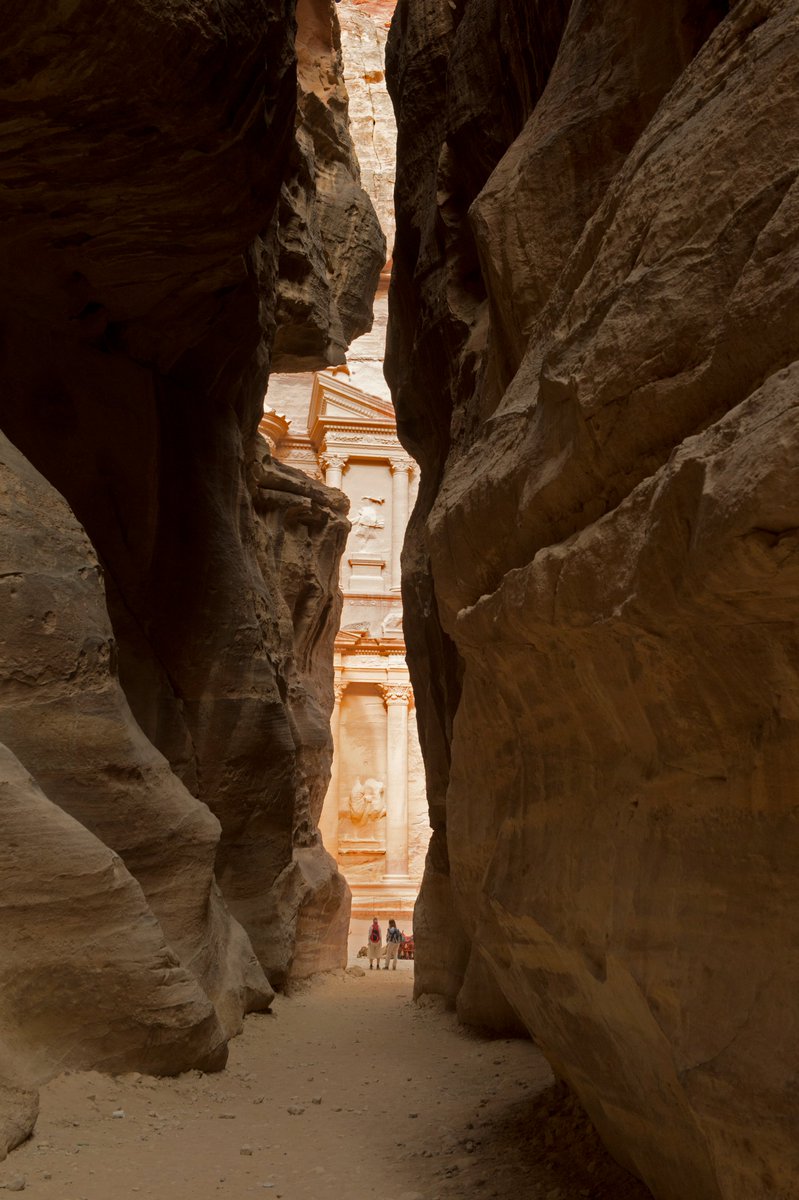
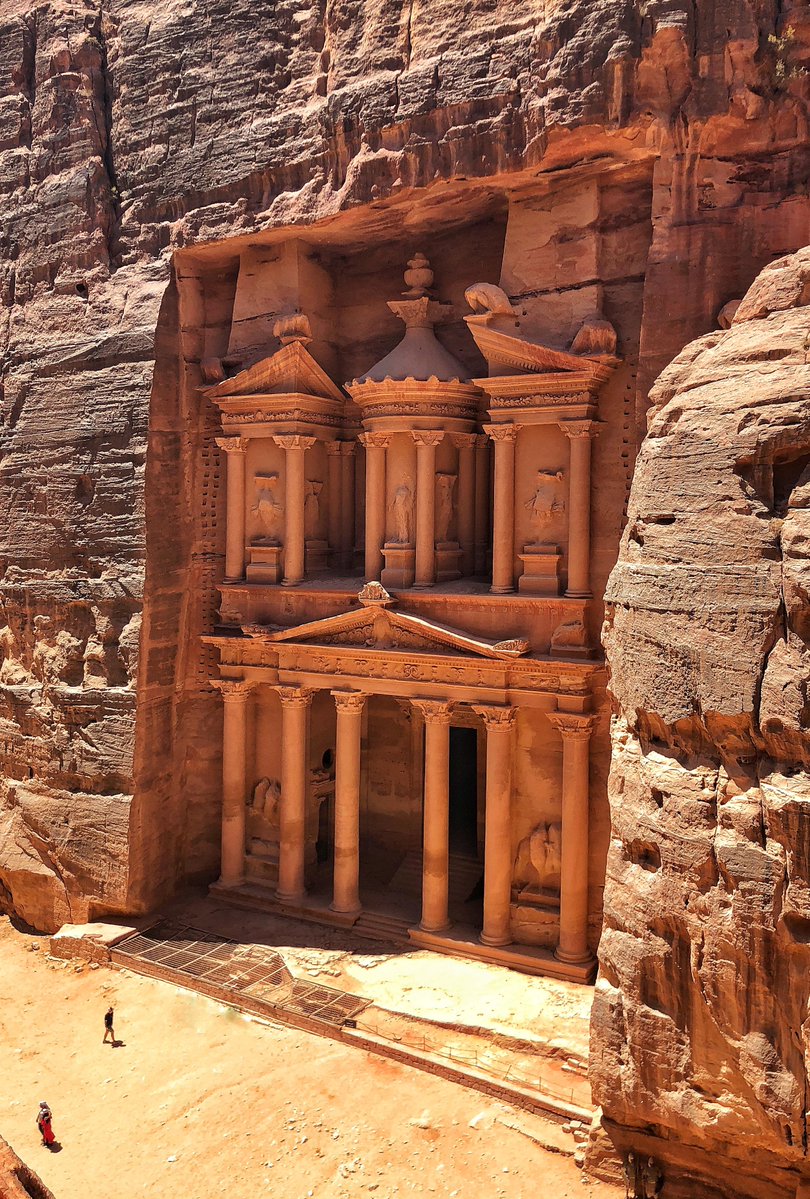
This is Al-Khazneh, which means "the Treasury".
It is the most famous part of Petra and you can see why — Al-Khazneh is 40 metres tall, 25 metes wide, and carved directly into the pink-orange sandstone.
Rock-cut architecture at its finest.
It is the most famous part of Petra and you can see why — Al-Khazneh is 40 metres tall, 25 metes wide, and carved directly into the pink-orange sandstone.
Rock-cut architecture at its finest.

But Al-Khazneh, which makes up for the vast majority of photographs of Petra, represents only a tiny portion of its full extent.
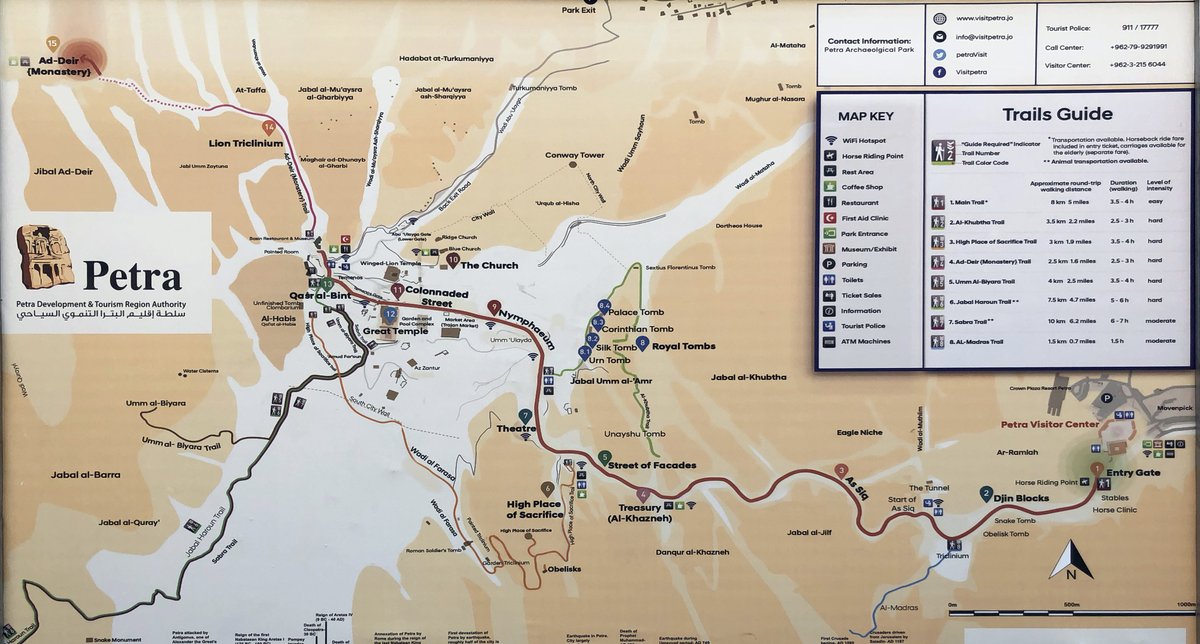
Because Petra is not just one building — it is an entire city, partly carved into the cliffs and partly built up.
Because Petra is not just one building — it is an entire city, partly carved into the cliffs and partly built up.

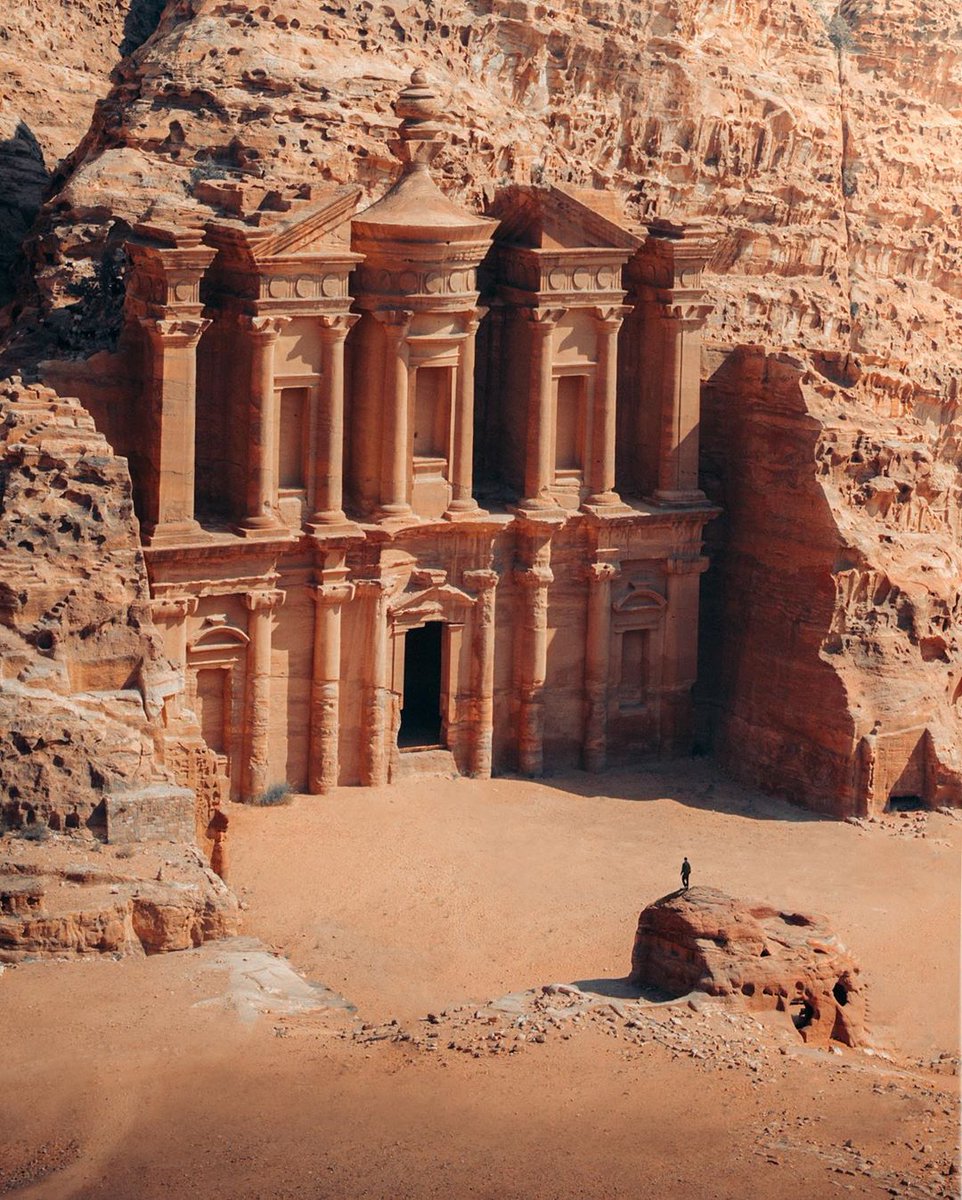
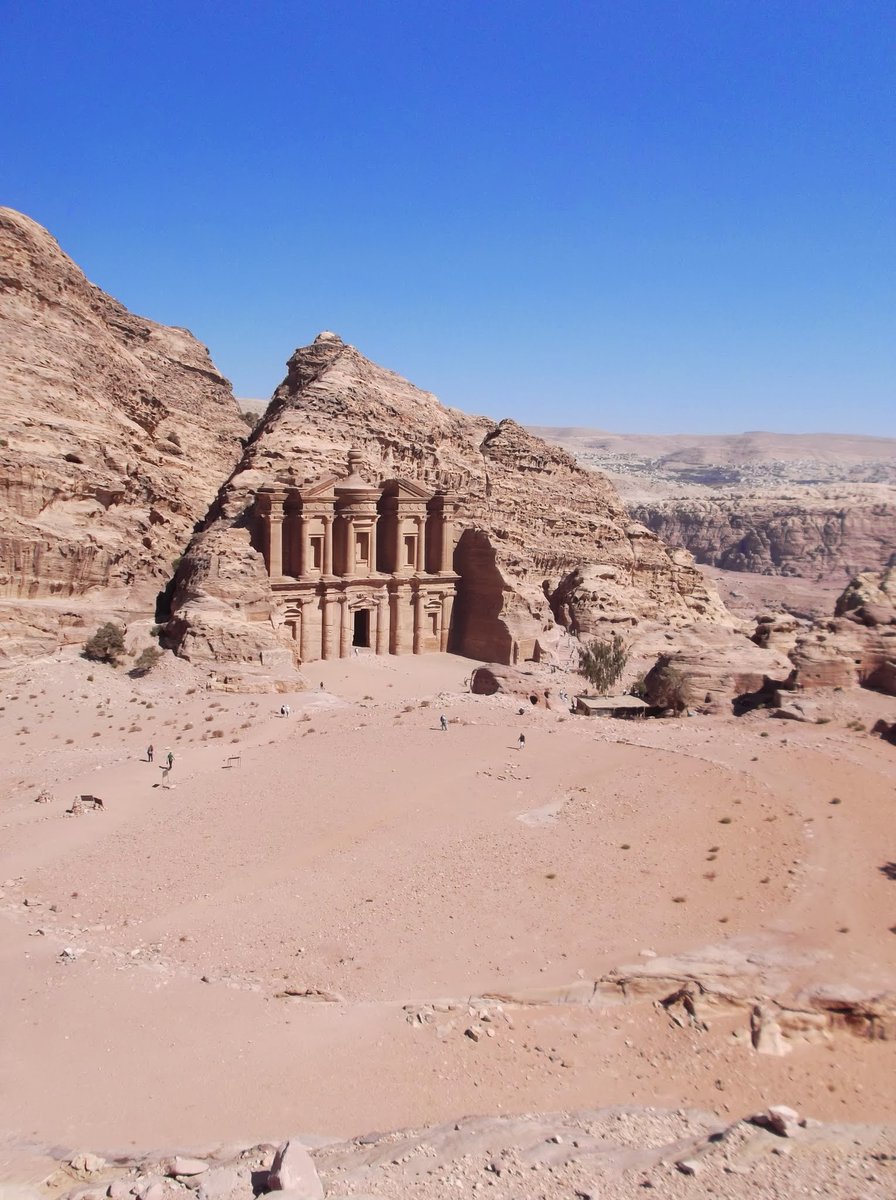
One of the most impressive buildings in Petra is Ad Deir, meaning "the Monastery", which is actually larger than Al-Khazneh.
But Petra goes on and on.
There are the ruins of a large complex of gardens and pools, along with countless tombs, houses, and temples.
Any of these would be historical wonders on their own; the fact they are clustered together is a marvel.
There are the ruins of a large complex of gardens and pools, along with countless tombs, houses, and temples.
Any of these would be historical wonders on their own; the fact they are clustered together is a marvel.
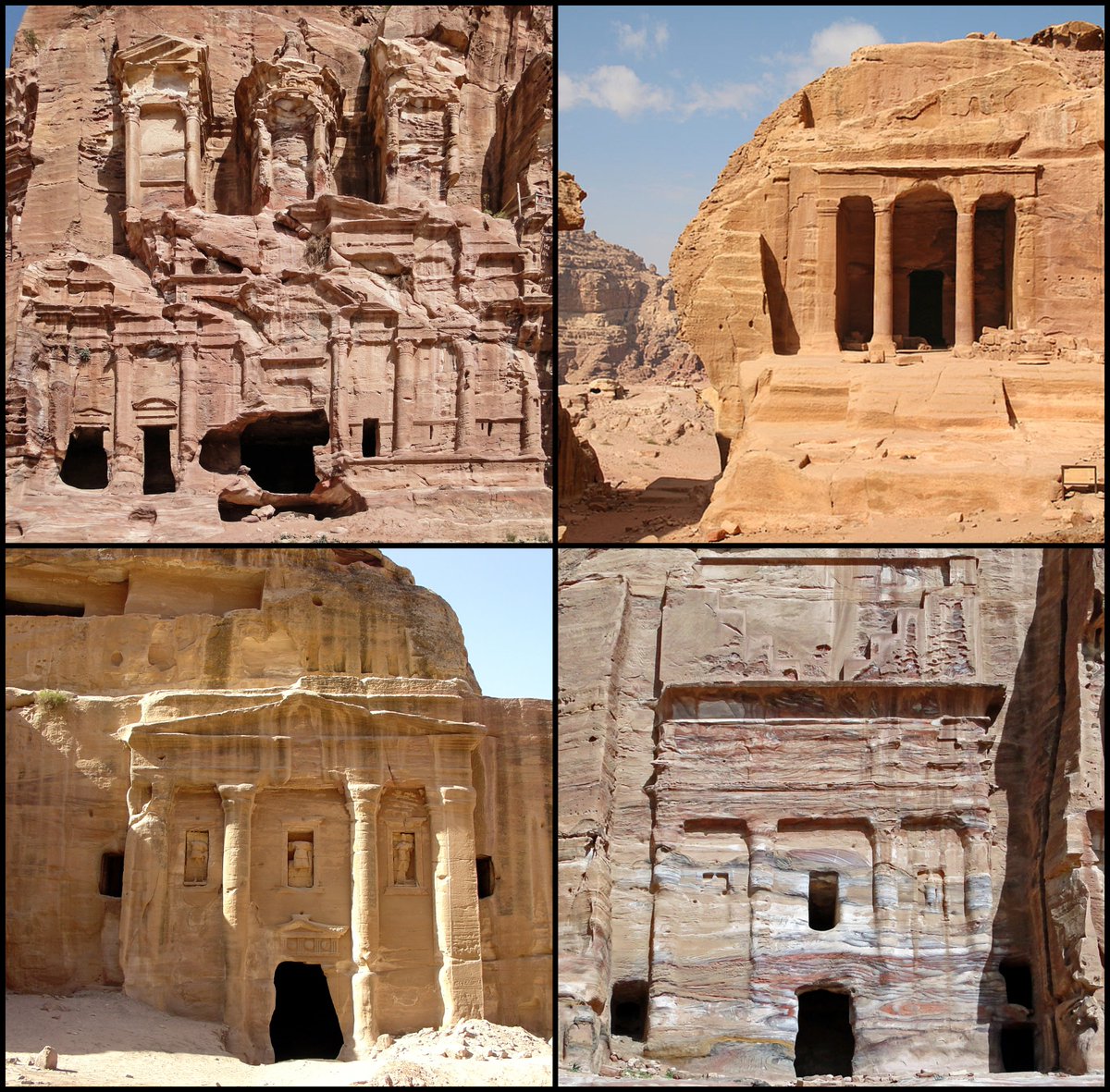
There is something uniquely atmospheric about these elaborately decorated buildings carved into the technicolour sandstone, glittering in the midday sun and dotted with mysterious, shadowy entranceways.
This one is the Palace Tomb.
This one is the Palace Tomb.
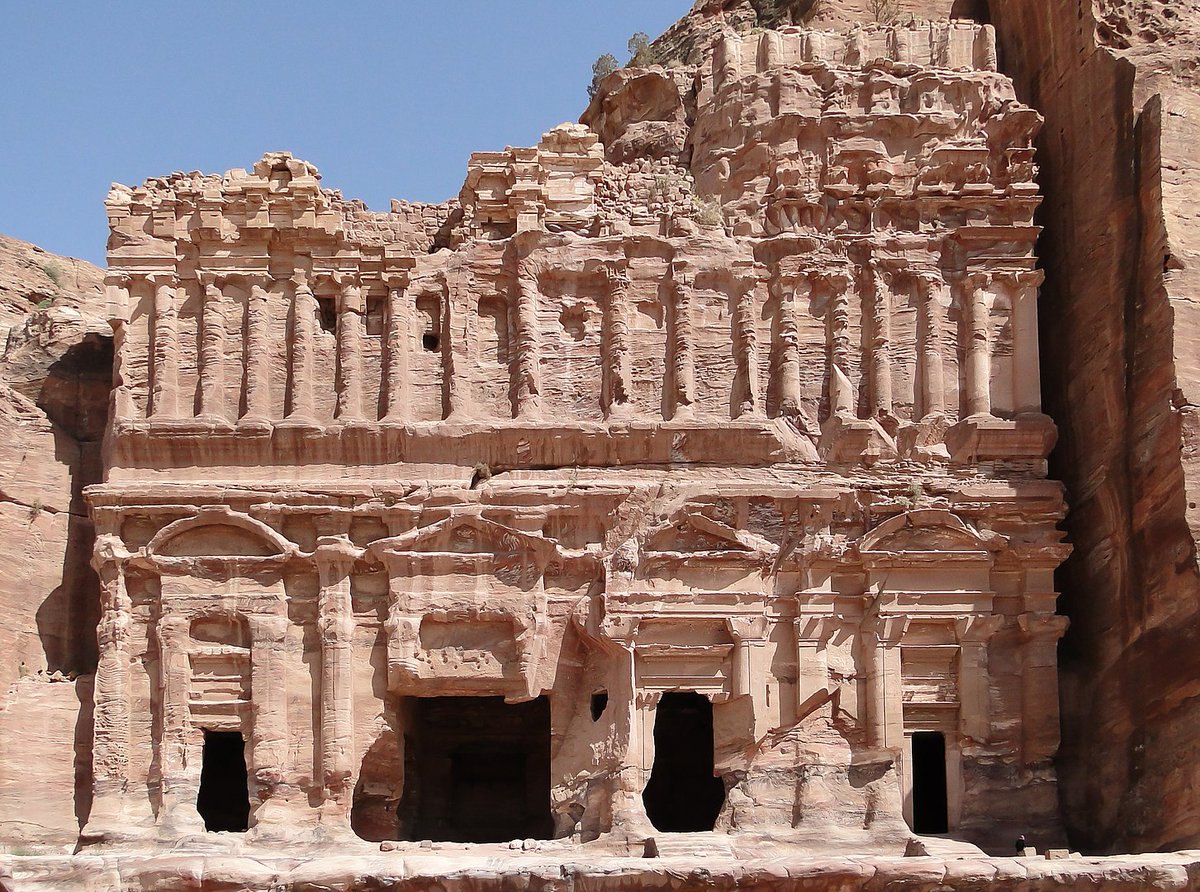
And here we see the Urn Tomb, with more beside it.
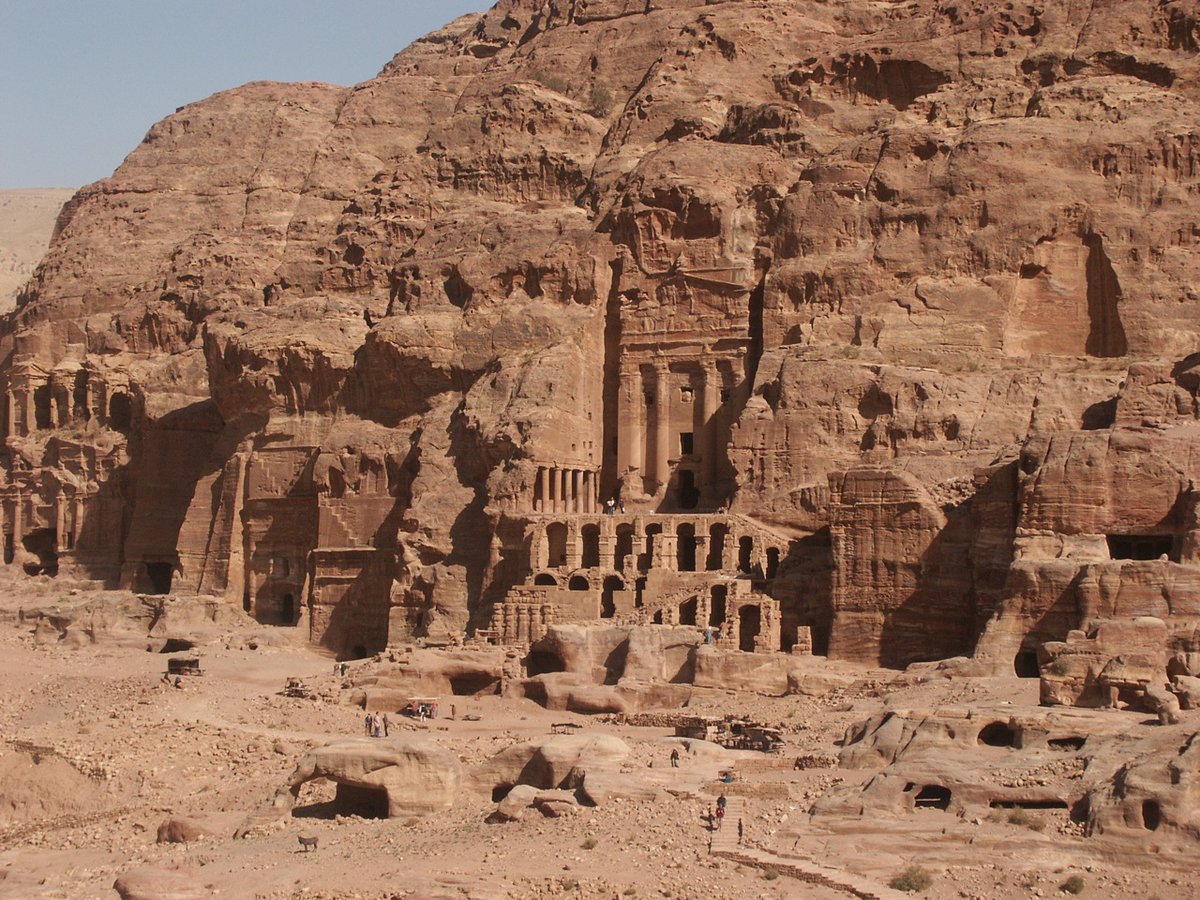
These tombs have survived because they were carved into the mountains; most of Petra's actual buildings are in ruins, many of them still buried and waiting to be excavated.
These tombs have survived because they were carved into the mountains; most of Petra's actual buildings are in ruins, many of them still buried and waiting to be excavated.
So... who created Petra? The Nabataeans.
The origins of these people are relatively mysterious, but what seems clear is that they emerged from the Arabian peninsula and were firmly established by the 4th century BC.
From nomadic roots they settled down and built cities.
The origins of these people are relatively mysterious, but what seems clear is that they emerged from the Arabian peninsula and were firmly established by the 4th century BC.
From nomadic roots they settled down and built cities.
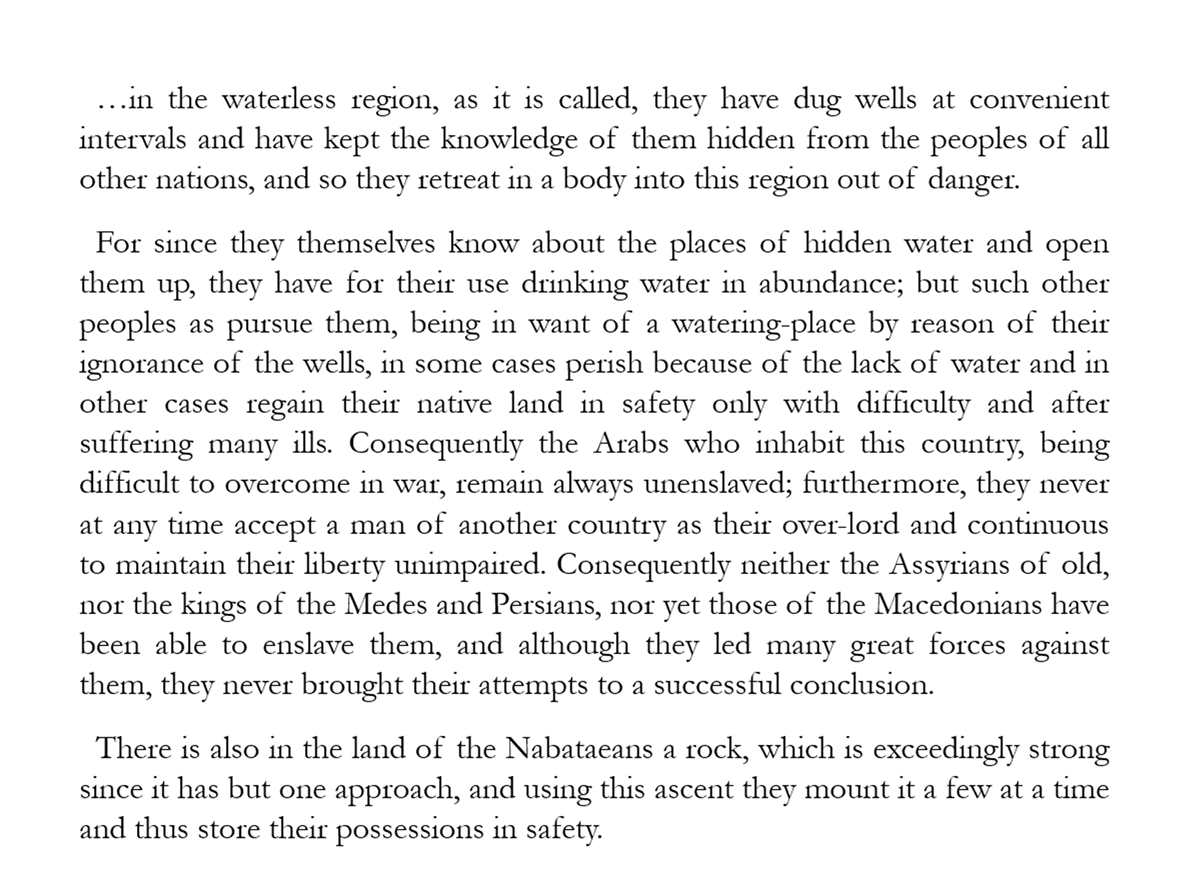
The first time they are mentioned in written history was by the Greek historian Diodorus Siculus, active in the 1st century BC.
He calls them unconquerable and mentions a mysterious "rock" hidden in the desert, which may be the place that later became Petra.
He calls them unconquerable and mentions a mysterious "rock" hidden in the desert, which may be the place that later became Petra.
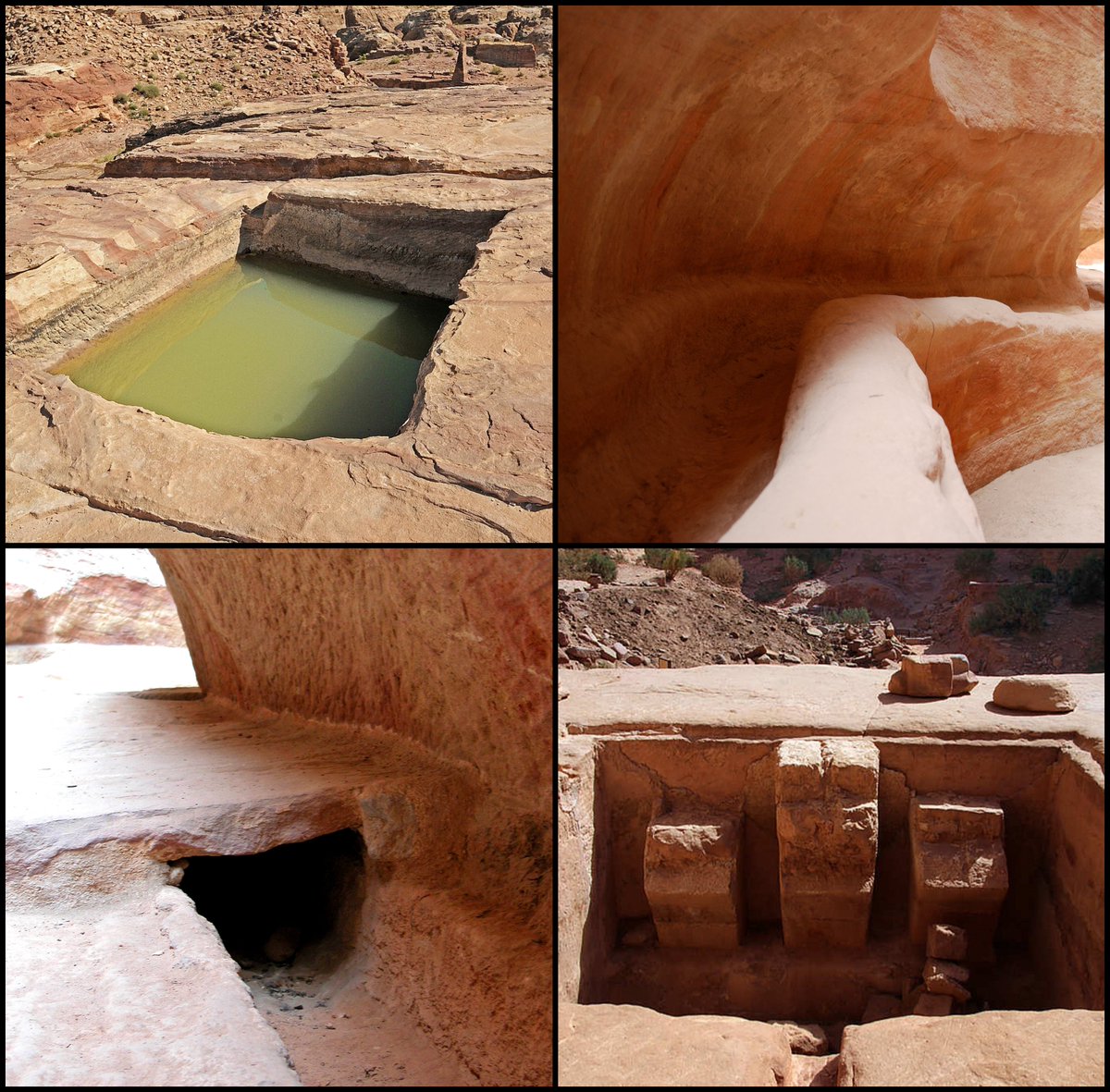
Water management was, indeed, part of what allowed the Nabataeans to flourish and made them so hard to fight.
Whereas foreigners struggled for water, the Nabataeans had created a complex system of cisterns, conduits, dams, and clay pipes to make sure Petra was always supplied.
Whereas foreigners struggled for water, the Nabataeans had created a complex system of cisterns, conduits, dams, and clay pipes to make sure Petra was always supplied.
It was mainly in the 1st century BC and 1st century AD that Petra as we know it was created.
The Nabataeans had come to occupy a critical position at the crossing of several major, international trade routes.
Petra was the last stop before reaching the Mediterranean.
The Nabataeans had come to occupy a critical position at the crossing of several major, international trade routes.
Petra was the last stop before reaching the Mediterranean.
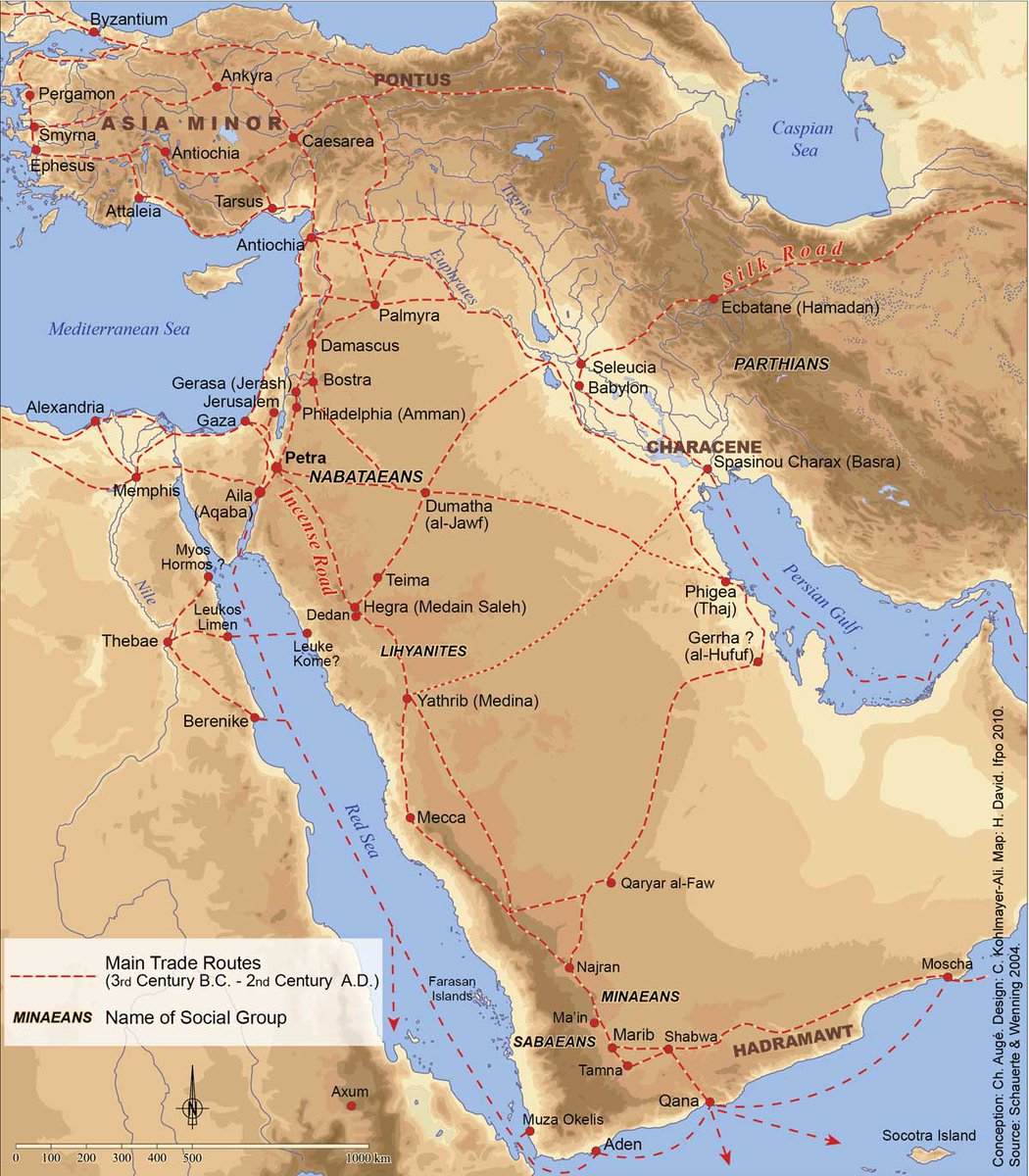
So money came pouring in and with it they enlavished their capital, Petra — whose population may have been 30,000 — by building temples like the Qasr al-Bint.
And thus the Nabataeans became an important regional power, eventually coming into conflict with the Roman Republic.
And thus the Nabataeans became an important regional power, eventually coming into conflict with the Roman Republic.
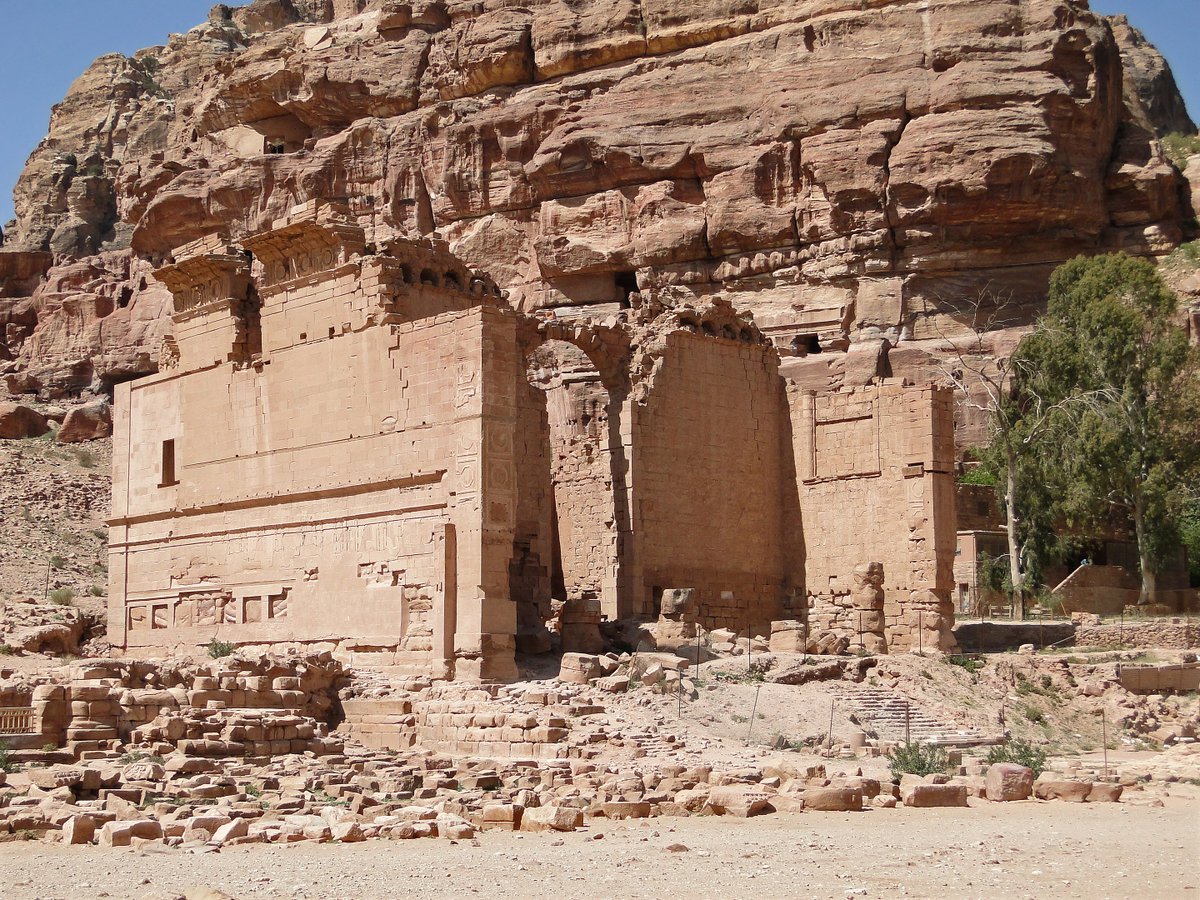
Cultural exchange with the Hellenistic world influenced the design of Petra.
Because at that time, across the Middle East and Europe, it was Greek culture that dominated.
And so Petra has all the hallmarks of classical architecture, from pediments to Corinthian columns:
Because at that time, across the Middle East and Europe, it was Greek culture that dominated.
And so Petra has all the hallmarks of classical architecture, from pediments to Corinthian columns:
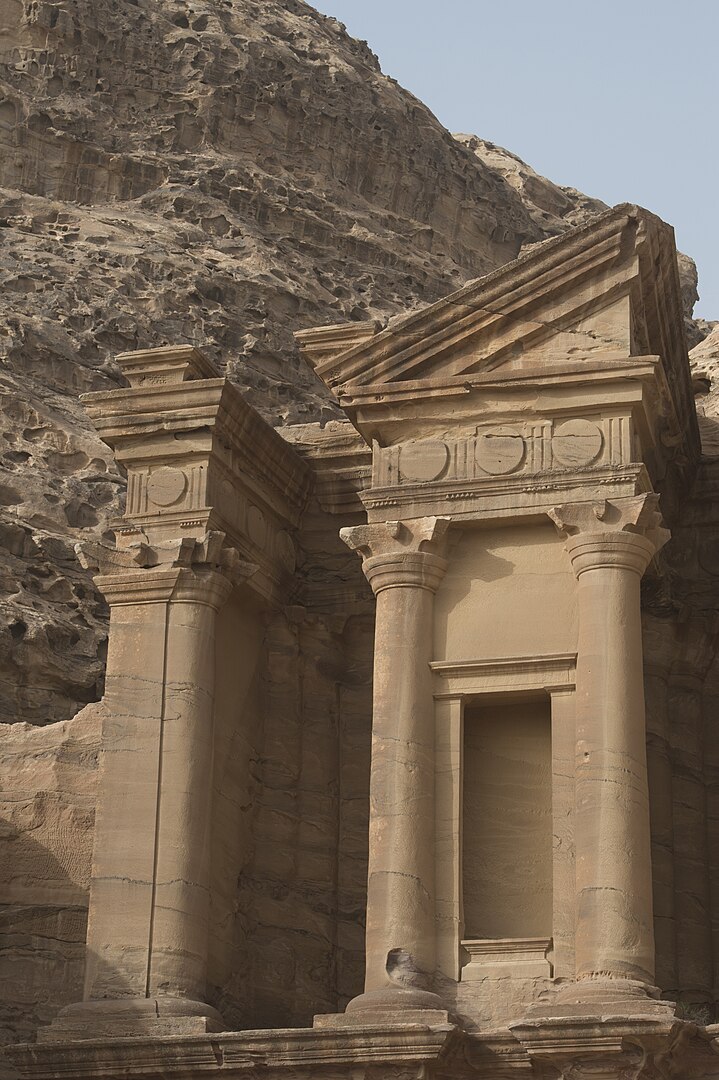
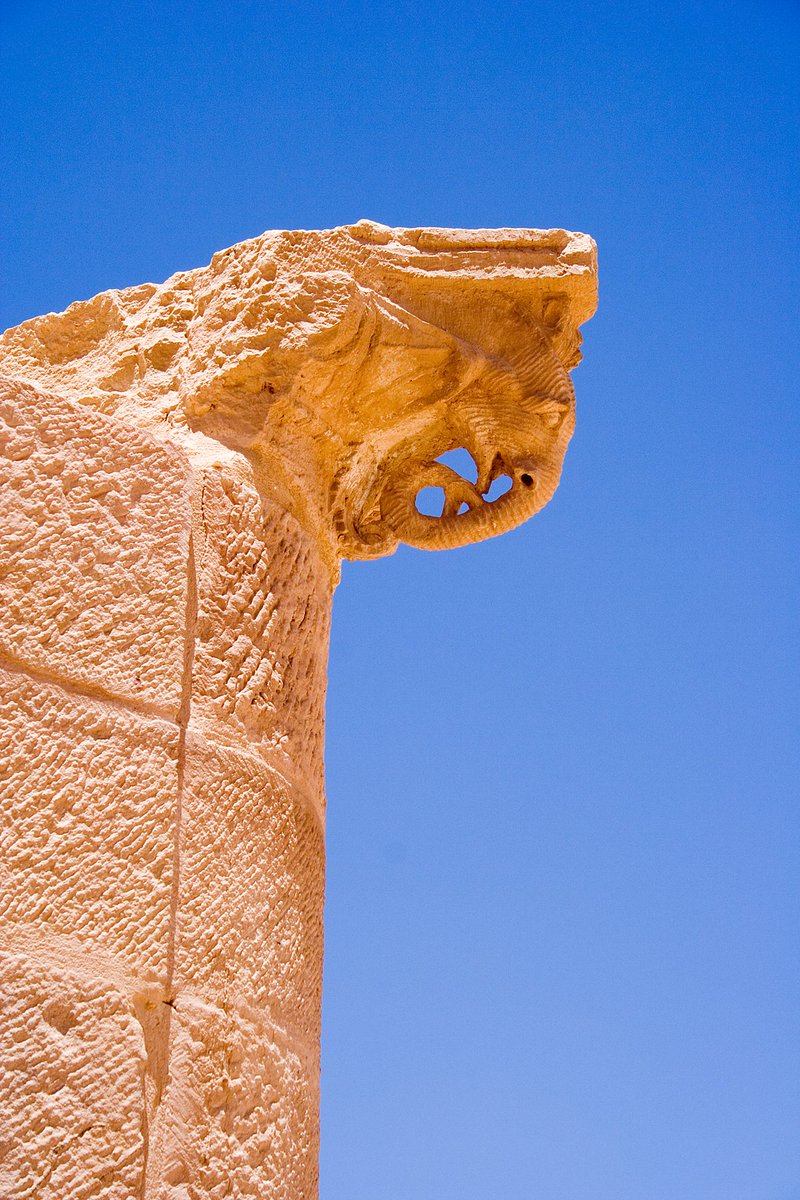
Though there are some crucial differences and local idiosyncracies, such as these wonderful elephant capitals.
Not to forget, of course, that the Nabataeans were masters of rock-cut architecture — the only equivalent is probably the rock-cut temples and stepwells of India.
Not to forget, of course, that the Nabataeans were masters of rock-cut architecture — the only equivalent is probably the rock-cut temples and stepwells of India.
All of which brings us back Al-Khazneh, now believed to be the tomb of King Aretas IV Philopatris, ruler of the Nabataeans from 9 to 40 AD.
The sheer size and complexity of his tomb is testament to how wealthy, sophisticated, and important the Nabataeans had become.
The sheer size and complexity of his tomb is testament to how wealthy, sophisticated, and important the Nabataeans had become.
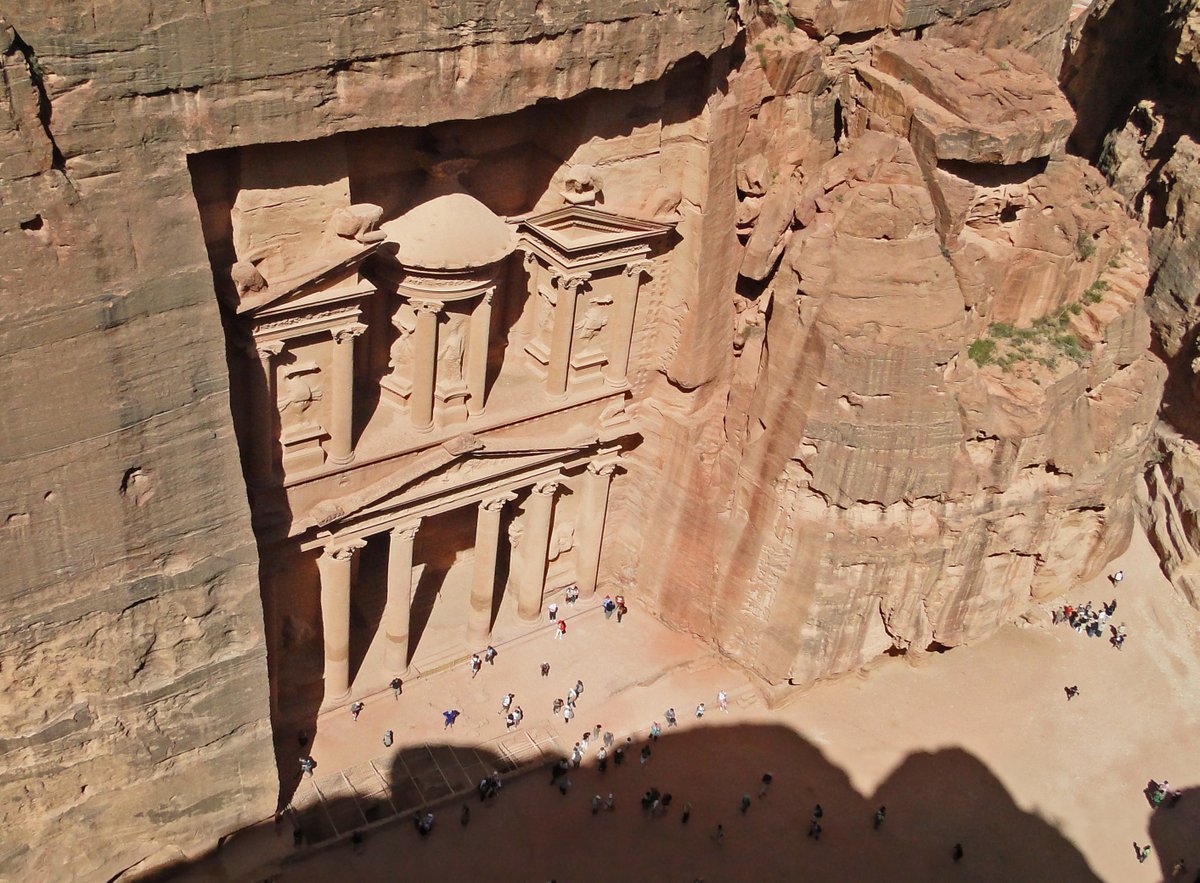
For example, under King Aretas a huge theatre was built in Petra, partly carved into the cliffs and partly constructed with masonry.
Though, once again, this shows the increasing influence of Greco-Roman culture on the Nabataeans.
Though, once again, this shows the increasing influence of Greco-Roman culture on the Nabataeans.
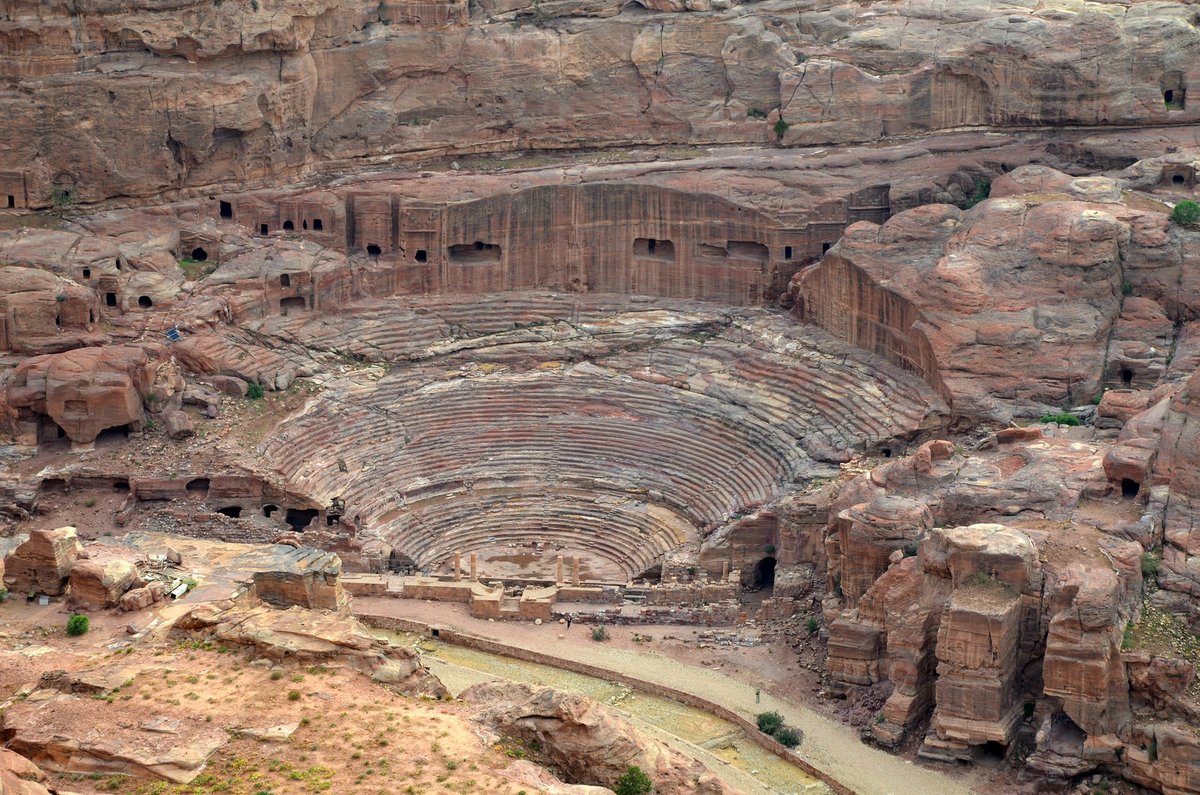
The Grand Temple of Petra was probably its most impressive building — because of earthquakes only ruins remain, though their vast extent shows how majestic it must have been.
Who was worshipped here? Well, the Nabataean gods originated in the religions of Pre-Islamic Arabia.
Who was worshipped here? Well, the Nabataean gods originated in the religions of Pre-Islamic Arabia.
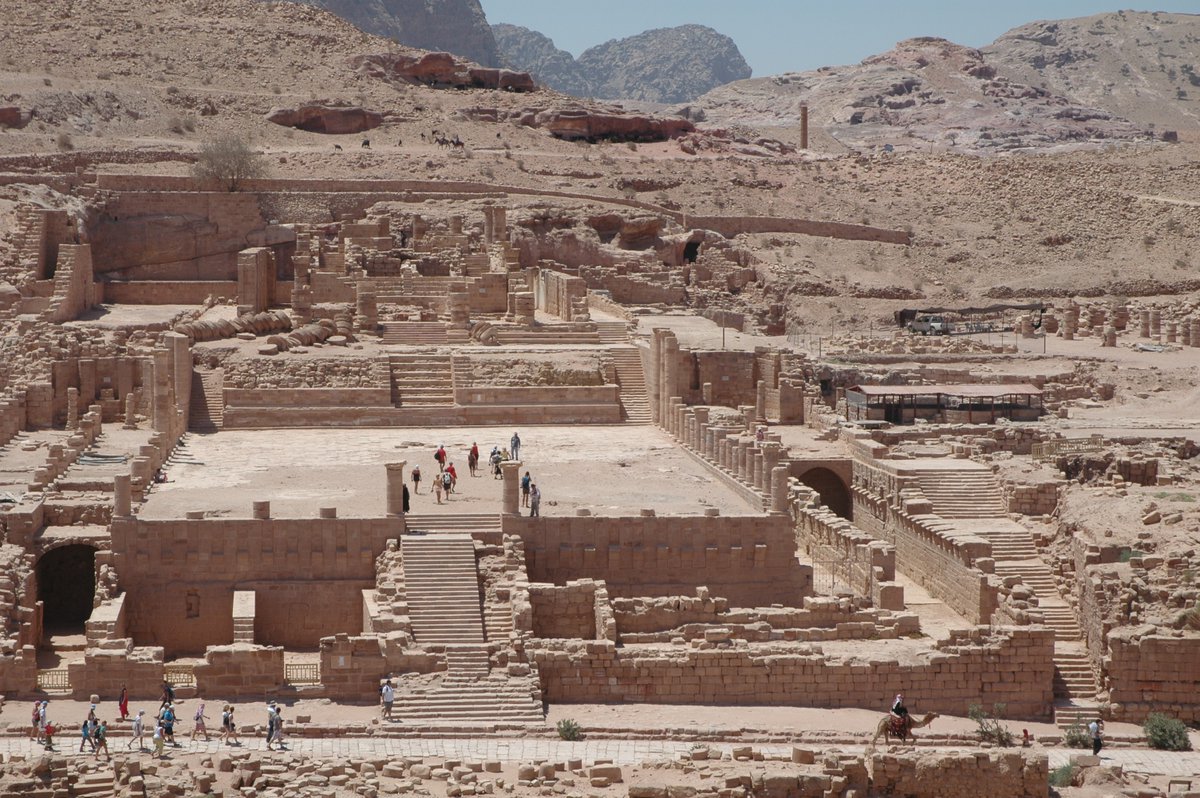
Along with temples there are also "High Places", sites of worship carved into the cliffs above the city.
As the influence of Greco-Roman culture grew, Dushara — the main Nabataean god — was synthesised with Zeus and Jupiter.
As the influence of Greco-Roman culture grew, Dushara — the main Nabataean god — was synthesised with Zeus and Jupiter.
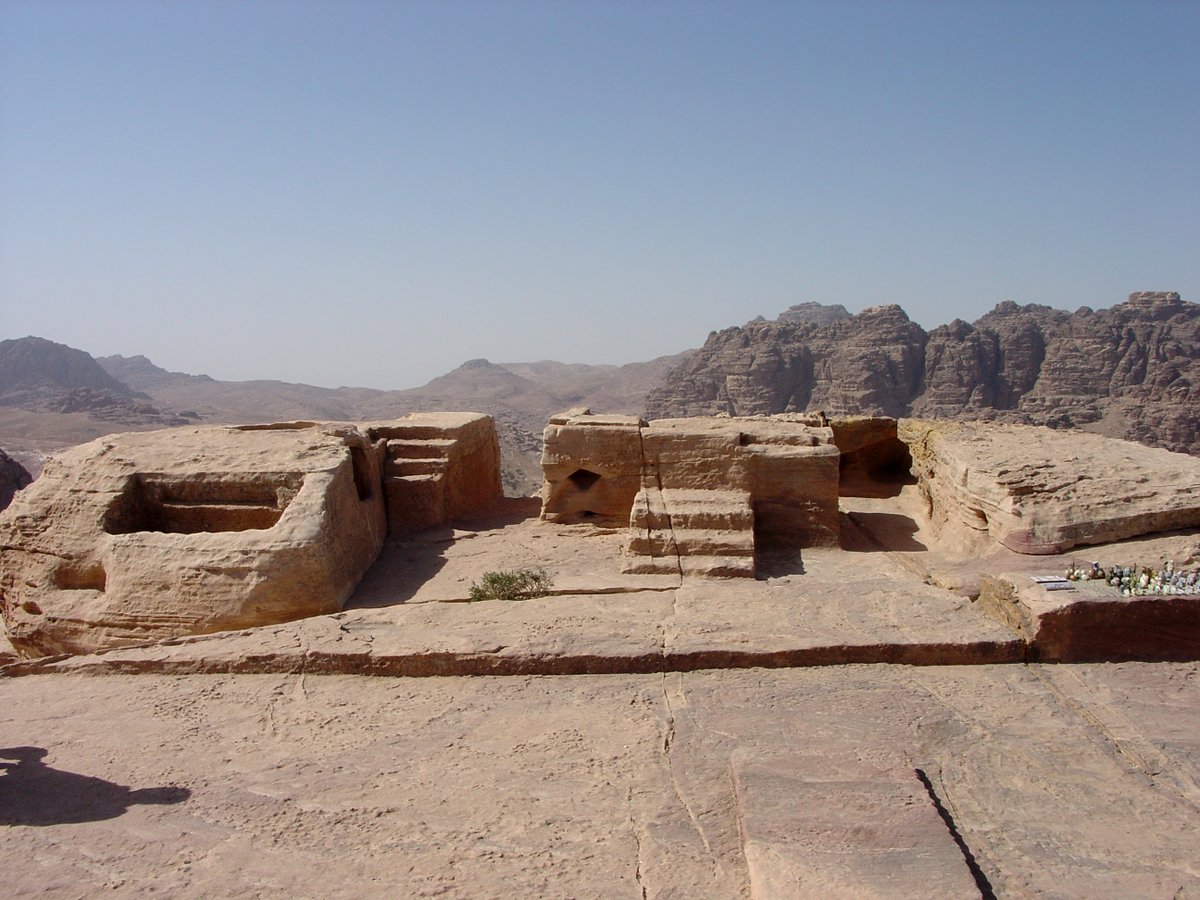
The unstoppable expansion of Rome forced the Nabataeans to become a client state, and in 106 AD the Romans did what nobody had before.
They conquered the Nabataeans, got rid of their king, made Petra the capital of a province called Arabia Petraea, and (of course) built roads:
They conquered the Nabataeans, got rid of their king, made Petra the capital of a province called Arabia Petraea, and (of course) built roads:
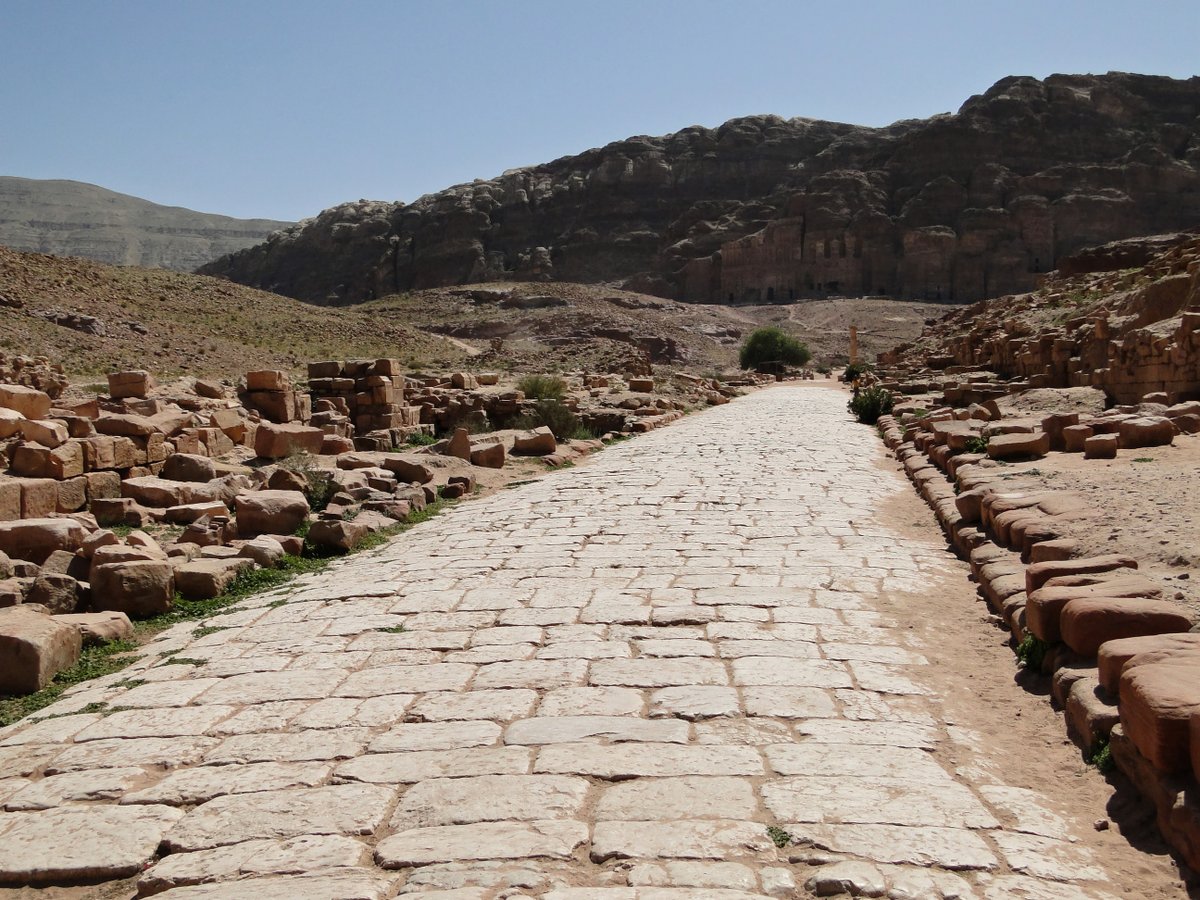
Under the Romans Petra continued to flourish as a major city, and after their decline it was the Byzantines who then took over and further Christianised the region.
Their legacy in Petra is marked by several churches, including one whose fabulous mosaics have survived:
Their legacy in Petra is marked by several churches, including one whose fabulous mosaics have survived:
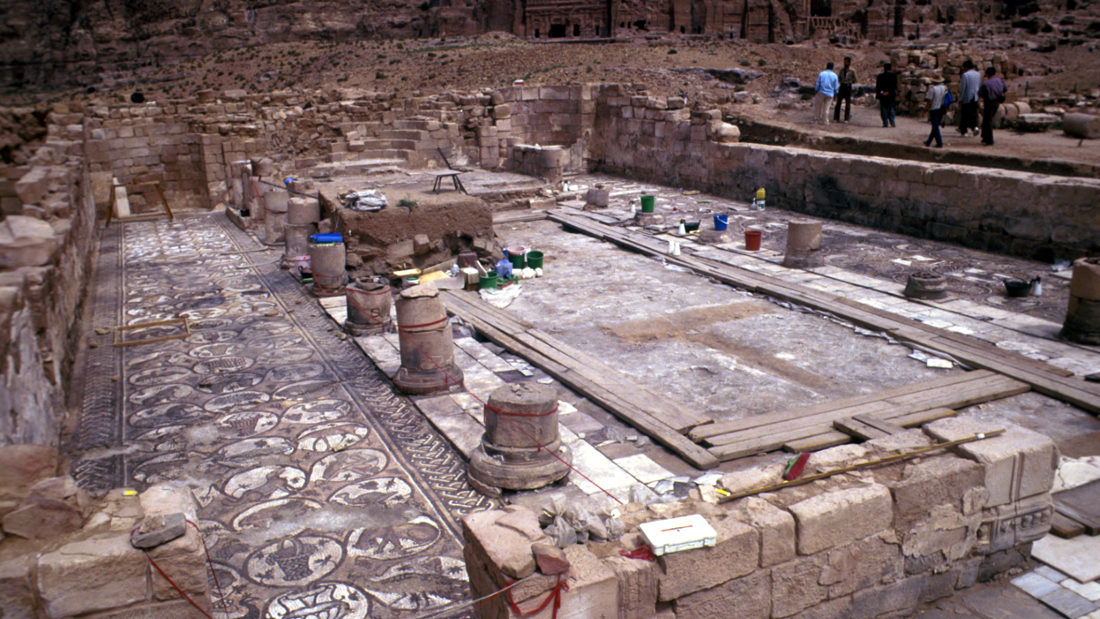
But as the Byzantine Empire weakened, and as geopolitics shifted and trade routes altered, Petra's importance started to fade — exacerbated by major earthquakes that damaged its infrastructure.
Still, European Crusaders did build a now-ruined castle there in the 12th century.
Still, European Crusaders did build a now-ruined castle there in the 12th century.
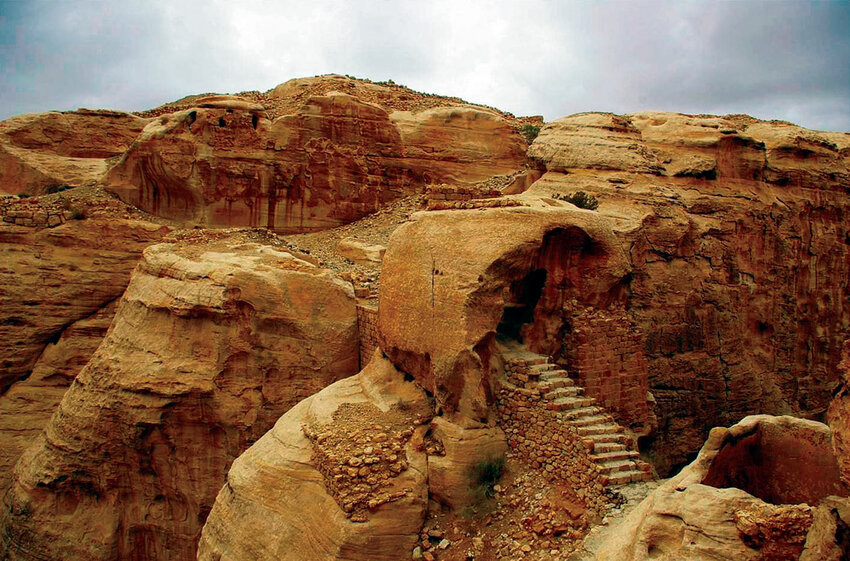
But by the Late Middle Ages Petra was forgotten, known only to the local peoples who continued living in its ruins.
Its "rediscovery" in the 19th century was a phenomenon, and since then Petra has been excavated, documented, studied, restored, and preserved.
Its "rediscovery" in the 19th century was a phenomenon, and since then Petra has been excavated, documented, studied, restored, and preserved.
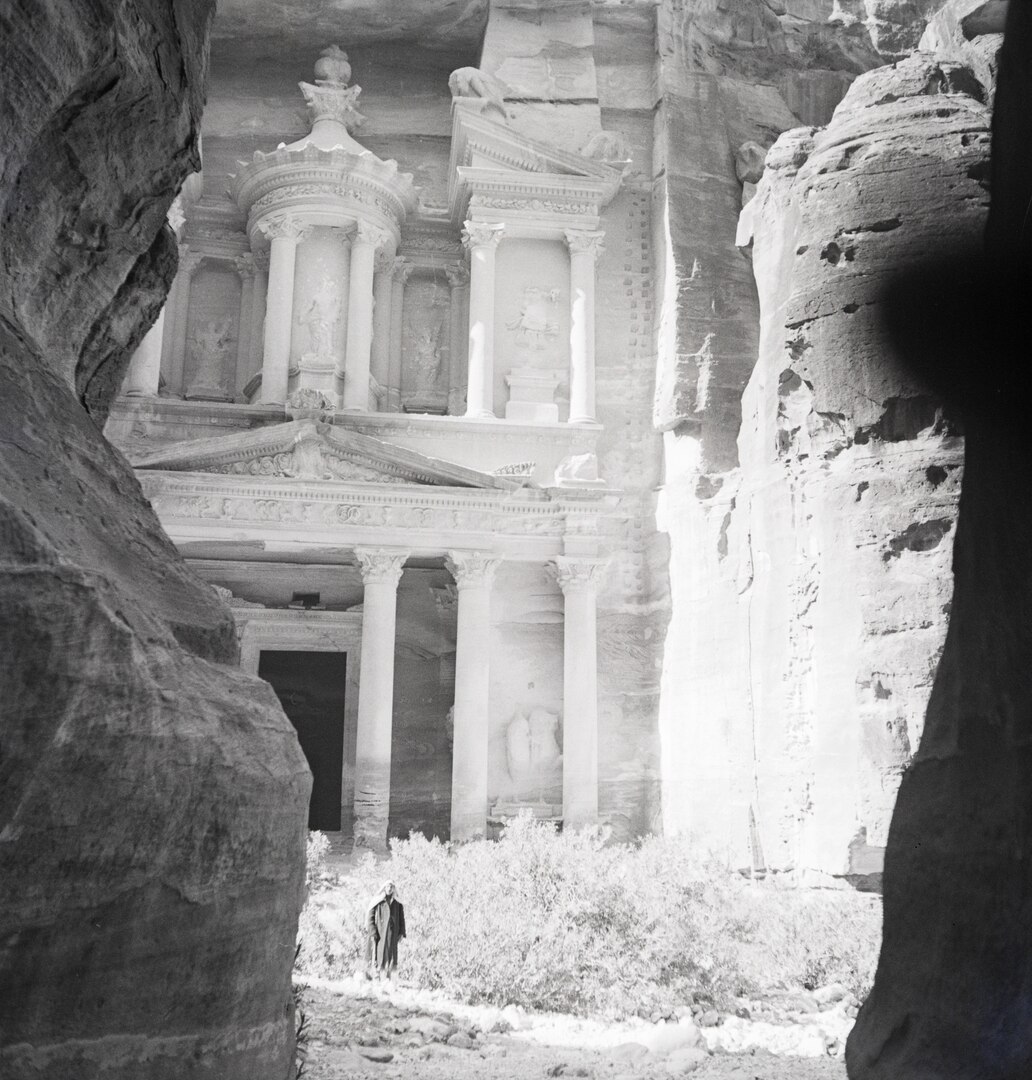
Now Petra is internationally famous, and rightly so.
It is a symbol of Jordan and was voted one of the "New Seven Wonders of the World" in 2007.
Petra itself means "rock" in Greek — an appropriate name for this magical city, one that is genuinely unlike anything else on Earth.
It is a symbol of Jordan and was voted one of the "New Seven Wonders of the World" in 2007.
Petra itself means "rock" in Greek — an appropriate name for this magical city, one that is genuinely unlike anything else on Earth.
• • •
Missing some Tweet in this thread? You can try to
force a refresh