
C.S. Lewis wasn't just a great writer.
He was a great reader.
And he was always anxious to credit the great books that made him who he was.
A thread of the classic books C.S. Lewis credited with inspiring his writing and worldview: 🧵👇
He was a great reader.
And he was always anxious to credit the great books that made him who he was.
A thread of the classic books C.S. Lewis credited with inspiring his writing and worldview: 🧵👇
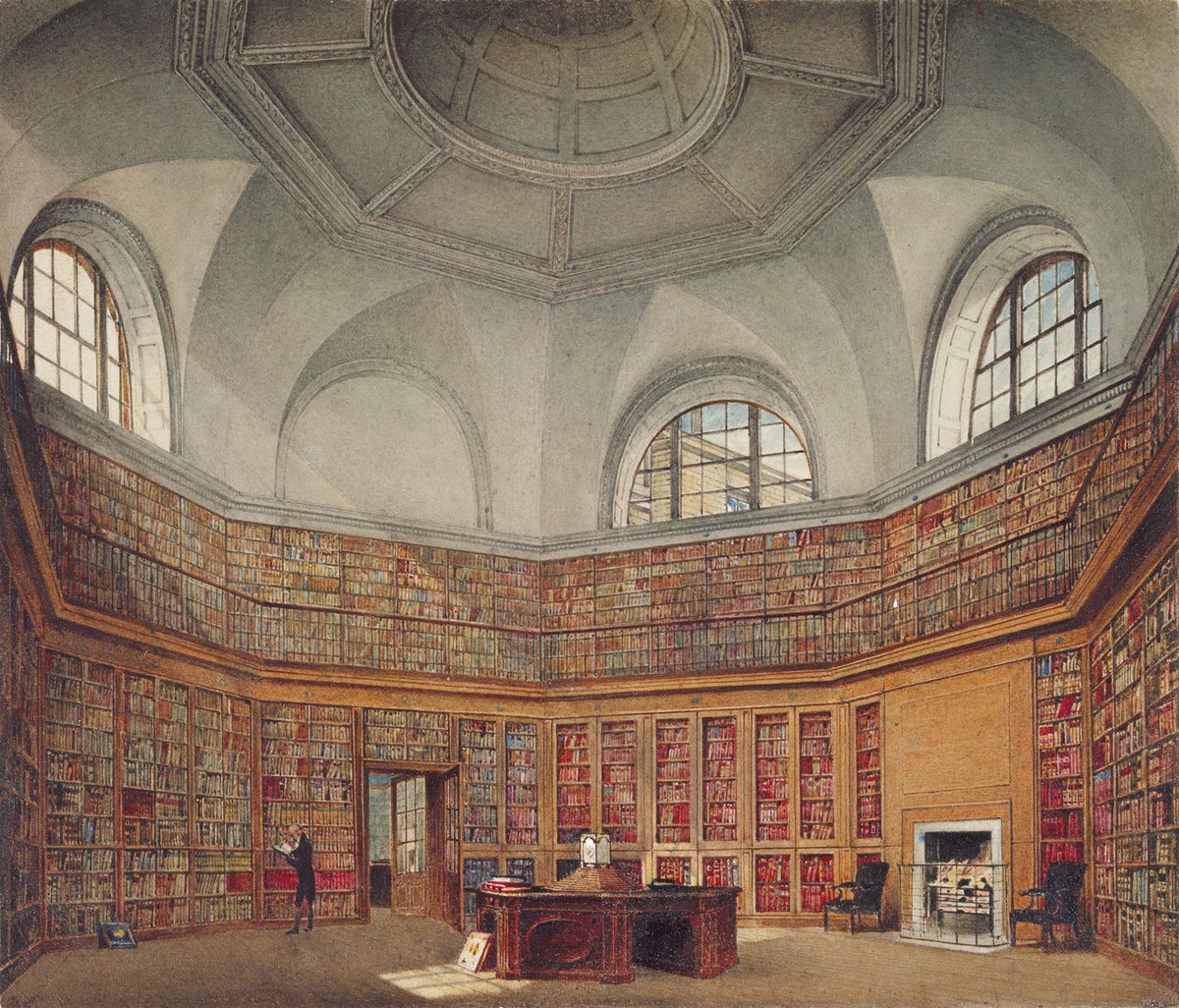
12. Edith Nesbit's The Story of the Treasure Seekers
Nesbit's children's books, featuring the imaginative Bastable kids, were among Lewis's childhood favorites.
When he began work on Narnia, he told a friend that he wanted his book to be "in the tradition of E. Nesbit."
Nesbit's children's books, featuring the imaginative Bastable kids, were among Lewis's childhood favorites.
When he began work on Narnia, he told a friend that he wanted his book to be "in the tradition of E. Nesbit."

11. Charles Williams's Descent into Hell
This "theological thriller" was by a close friend and fellow member of the Inklings.
Its themes of self-sacrifice, spiritual warfare, and redemption, influenced Lewis, most evident in his Space Trilogy novels.
This "theological thriller" was by a close friend and fellow member of the Inklings.
Its themes of self-sacrifice, spiritual warfare, and redemption, influenced Lewis, most evident in his Space Trilogy novels.

10. G.K. Chesterton's The Everlasting Man
Lewis called this book "the best popular defense of the full Christian position I know."
While Lewis credited George MacDonald with "baptizing his imagination," it was Chesterton who "baptized his intellect."
Lewis called this book "the best popular defense of the full Christian position I know."
While Lewis credited George MacDonald with "baptizing his imagination," it was Chesterton who "baptized his intellect."
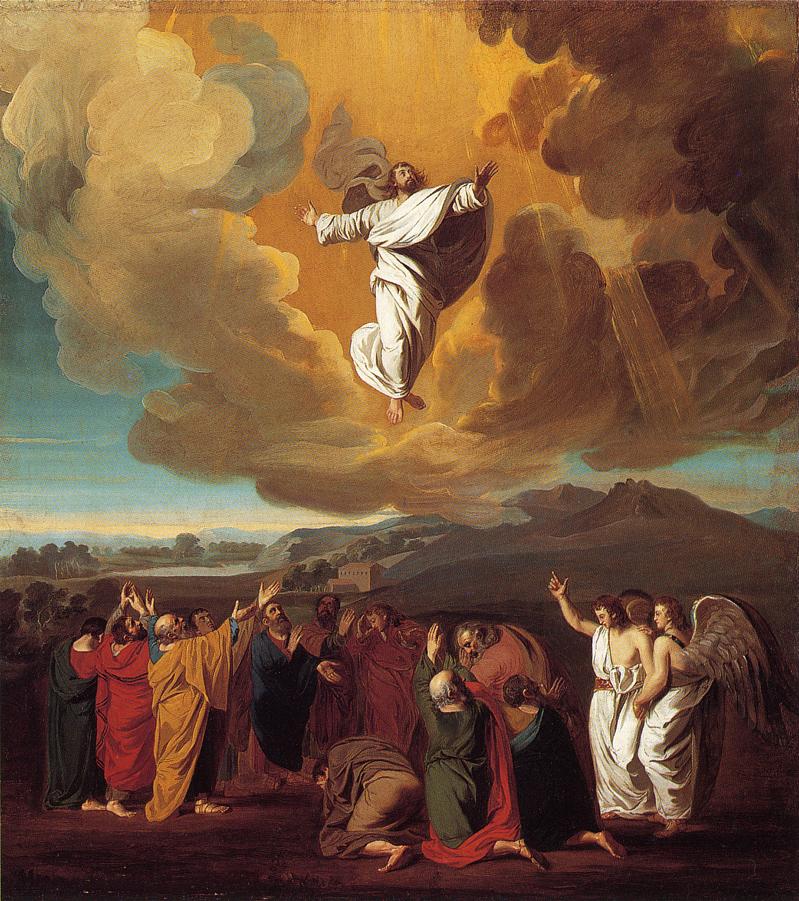
9. Arthur James Balfour's Theism and Humanism
This intellectual defense of faith, by a former British prime minister, further bolstered Lewis as he journeyed from atheism to Christianity.
This intellectual defense of faith, by a former British prime minister, further bolstered Lewis as he journeyed from atheism to Christianity.

8. Boethius's Consolation of Philosophy
This medieval meditation on the problem of pain influenced Lewis’s views on this thorniest of subjects.
On Boethius:
"Until about 200 years ago it would have been hard to find an educated man in any European country who did not love it.”
This medieval meditation on the problem of pain influenced Lewis’s views on this thorniest of subjects.
On Boethius:
"Until about 200 years ago it would have been hard to find an educated man in any European country who did not love it.”

7. Rudolf Otto's The Idea of the Holy
Lewis credited Otto’s concept of the numinous—an awe-inspiring presence that is at once terrifying and fascinating—as playing a large role in shaping Lewis’s conception of God and the divine.
Lewis credited Otto’s concept of the numinous—an awe-inspiring presence that is at once terrifying and fascinating—as playing a large role in shaping Lewis’s conception of God and the divine.
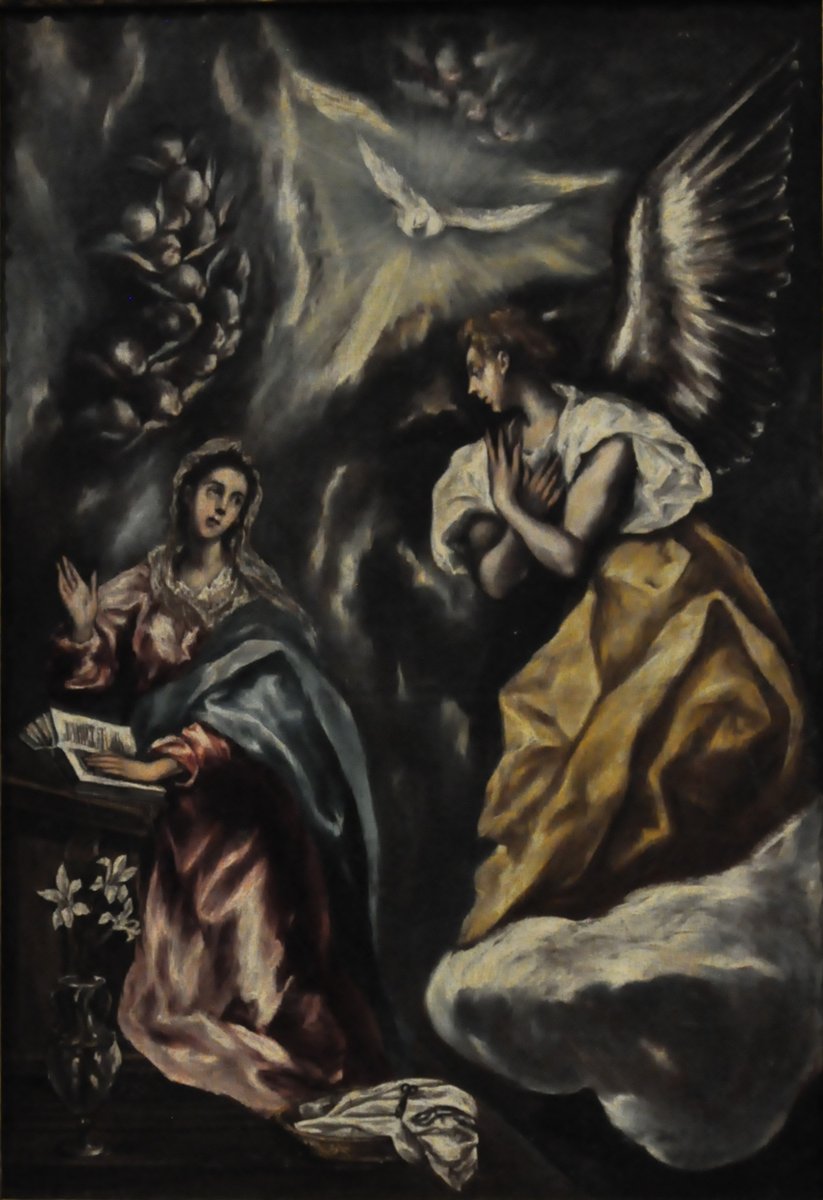
6. George Herbert's The Temple
Herbert's poetry is complex but beautiful, tackling challenging theological issues through simple, poignant images.
Lewis once wrote to a friend:
"Do you read George Herbert? He’s a good poet and one who helped bring me back to the Faith."
Herbert's poetry is complex but beautiful, tackling challenging theological issues through simple, poignant images.
Lewis once wrote to a friend:
"Do you read George Herbert? He’s a good poet and one who helped bring me back to the Faith."
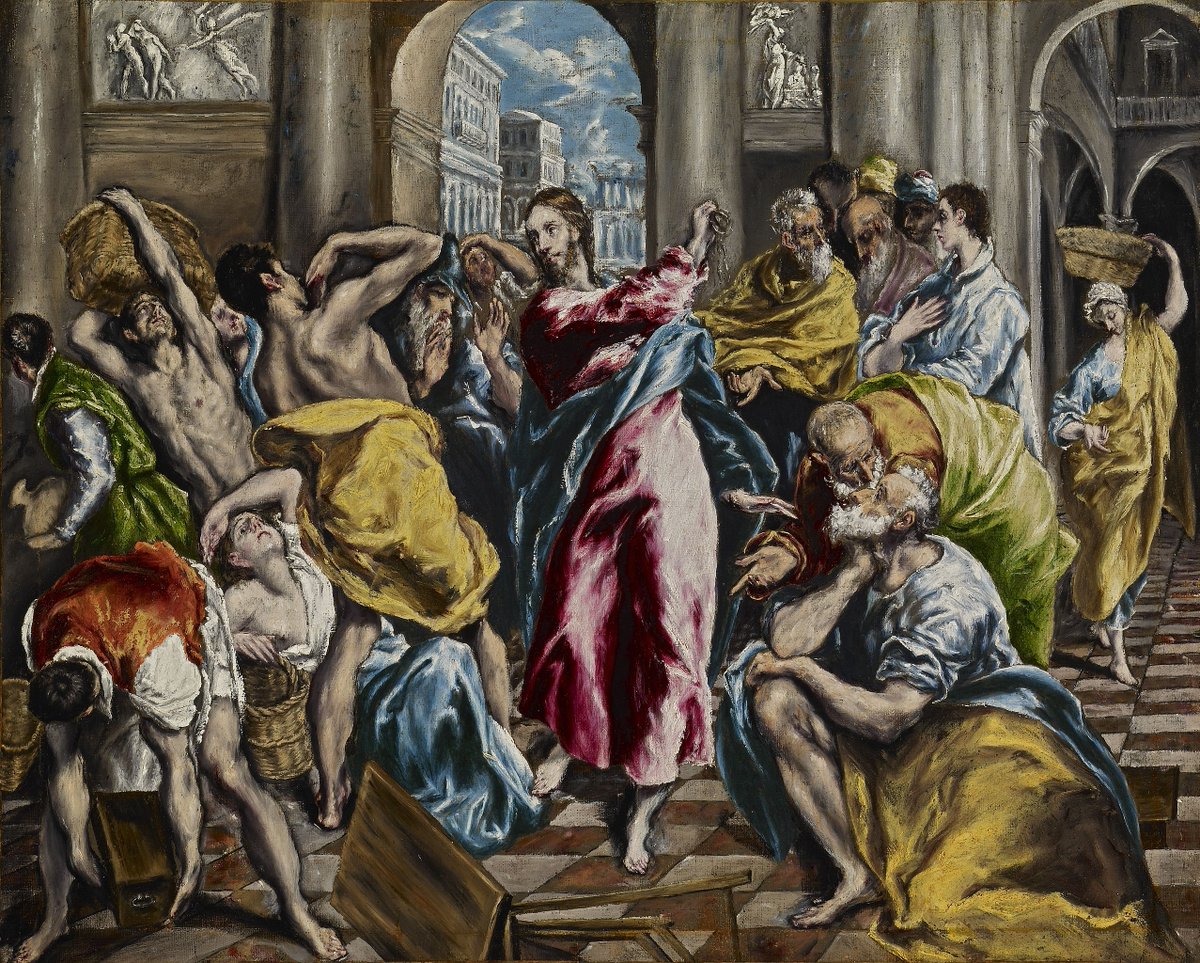
5. Virgil's The Aeneid
The epic tale of Aeneas's journey from the ruins of Troy to the shores of Italy is a canonical work, shaping his sense of duty and heroic virtue.
Lewis once wrote:
"A man, an adult, is precisely what [Aeneas] is... With Virgil European poetry grows up."
The epic tale of Aeneas's journey from the ruins of Troy to the shores of Italy is a canonical work, shaping his sense of duty and heroic virtue.
Lewis once wrote:
"A man, an adult, is precisely what [Aeneas] is... With Virgil European poetry grows up."

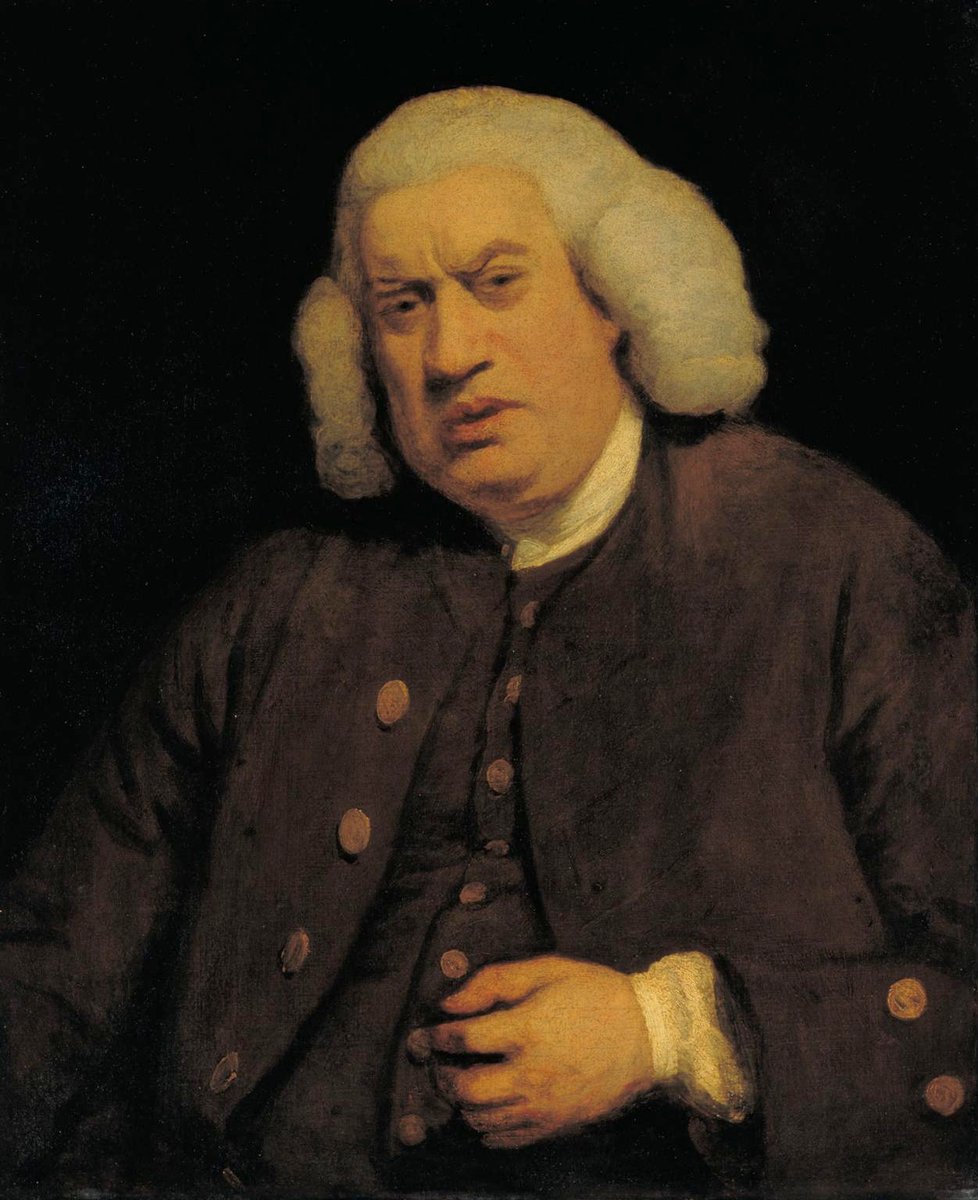
4. James Boswell's Life of Samuel Johnson
Lewis read this book while convalescing during WWI, and for the rest of his life, it remained a book he'd dip in and out of frequently.
Lewis once wrote:
"I find Johnson very bracing when I am in my slack, self-pitying mood."
Lewis read this book while convalescing during WWI, and for the rest of his life, it remained a book he'd dip in and out of frequently.
Lewis once wrote:
"I find Johnson very bracing when I am in my slack, self-pitying mood."
3. Edmund Spenser's The Faerie Queene
This 1590 epic, a series of allegorical knightly adventures, was a focus of Lewis's academic career and ignited his imagination.
He wrote:
"The things we read about in it are not like life, but the experience of reading it is like living."
This 1590 epic, a series of allegorical knightly adventures, was a focus of Lewis's academic career and ignited his imagination.
He wrote:
"The things we read about in it are not like life, but the experience of reading it is like living."

2. William Wordsworth's The Prelude
When Lewis first read Wordsworth as a teen, he supposedly hated it.
But when he read him as an adult, he was won over by the poet's sense of the numinous and willingness to be "surprised by joy" in life and nature.
When Lewis first read Wordsworth as a teen, he supposedly hated it.
But when he read him as an adult, he was won over by the poet's sense of the numinous and willingness to be "surprised by joy" in life and nature.

1. George MacDonald's Phantastes
On the Scottish fantasy novelist and Christian apologist, Lewis once wrote:
"I have never concealed the fact that I regard [MacDonald] as my master, indeed I fancy I have never written a book in which I did not quote from him."
On the Scottish fantasy novelist and Christian apologist, Lewis once wrote:
"I have never concealed the fact that I regard [MacDonald] as my master, indeed I fancy I have never written a book in which I did not quote from him."

Thanks for reading.
If you enjoyed this thread, please share it with your friends, with the link below.
And follow @CoffeewClassics for more goodness from great literature.
If you enjoyed this thread, please share it with your friends, with the link below.
And follow @CoffeewClassics for more goodness from great literature.
https://twitter.com/coffeewclassics/status/1788206750056776148
• • •
Missing some Tweet in this thread? You can try to
force a refresh






