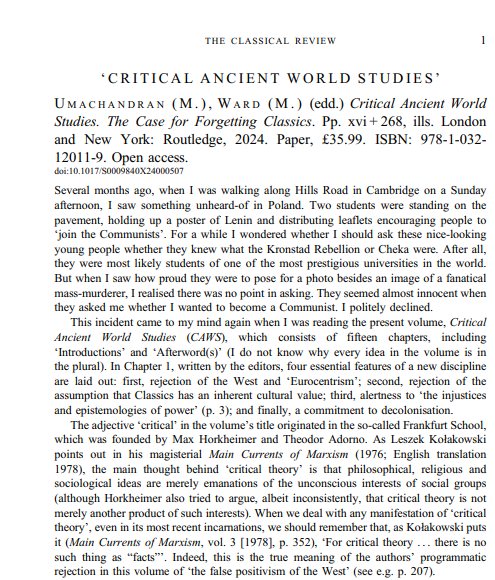
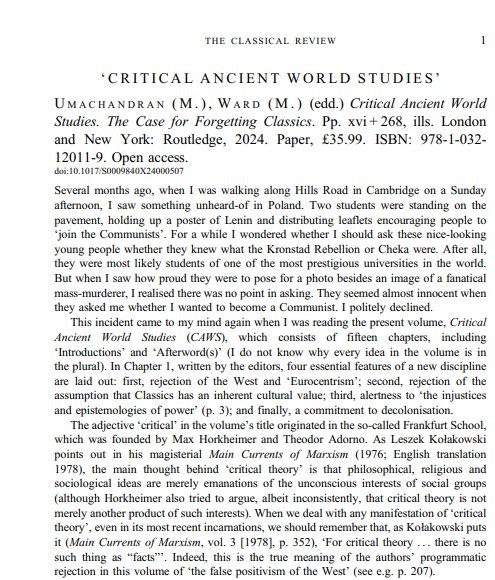
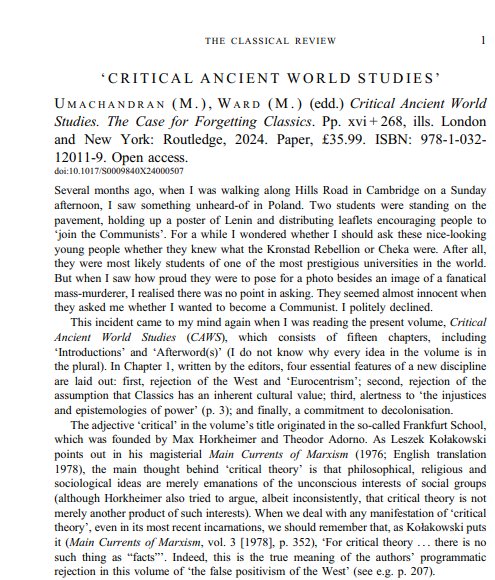
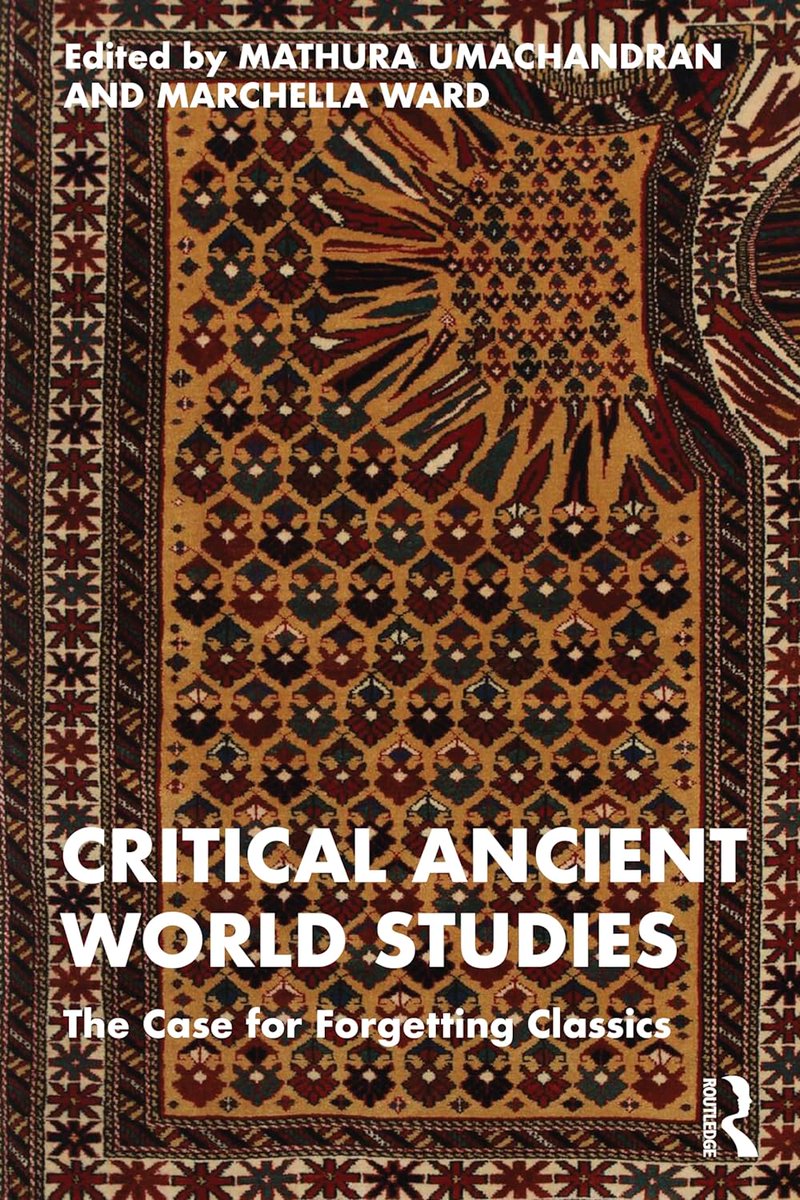
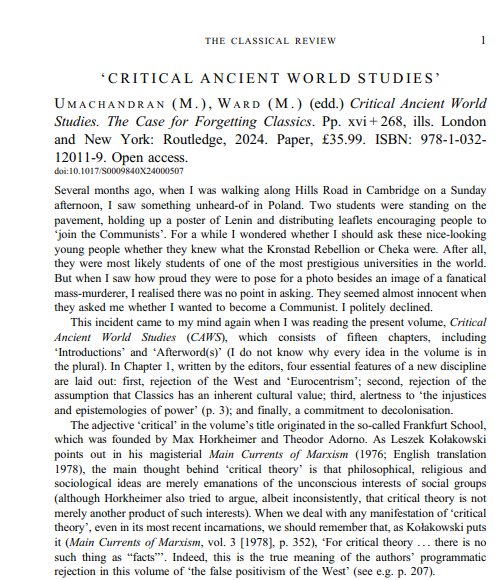
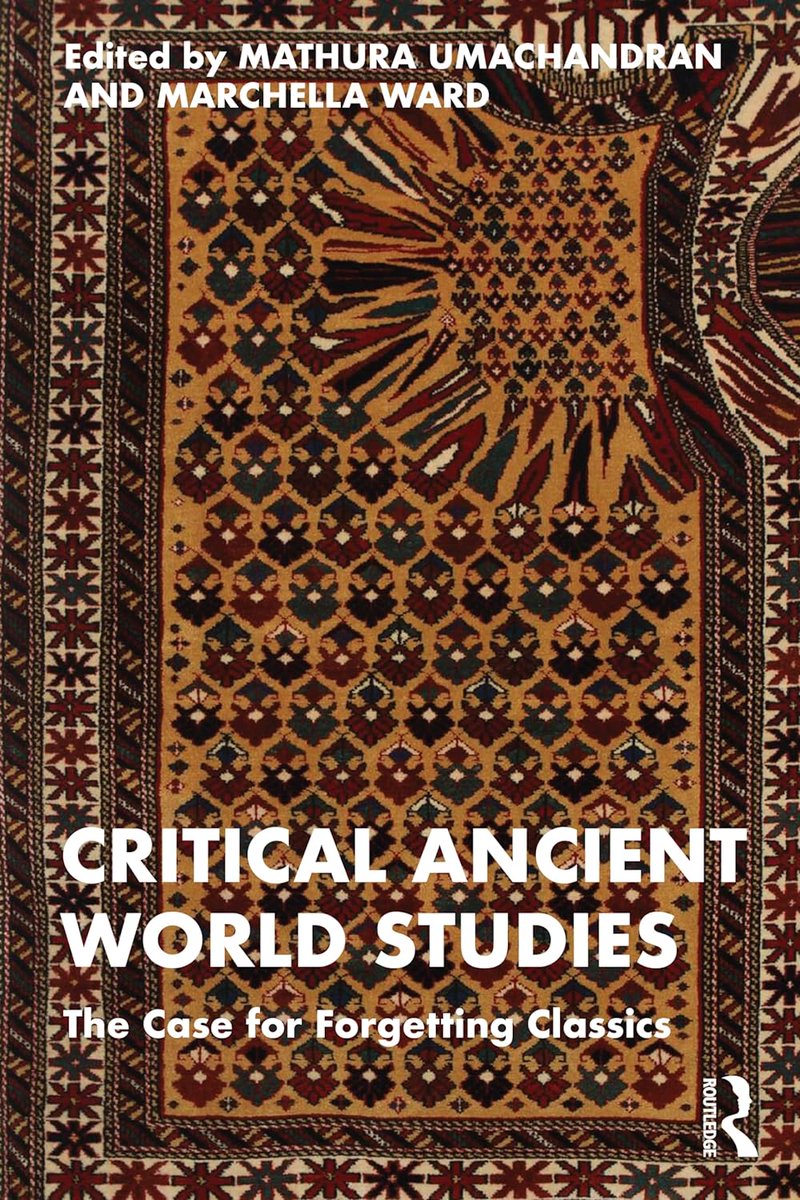
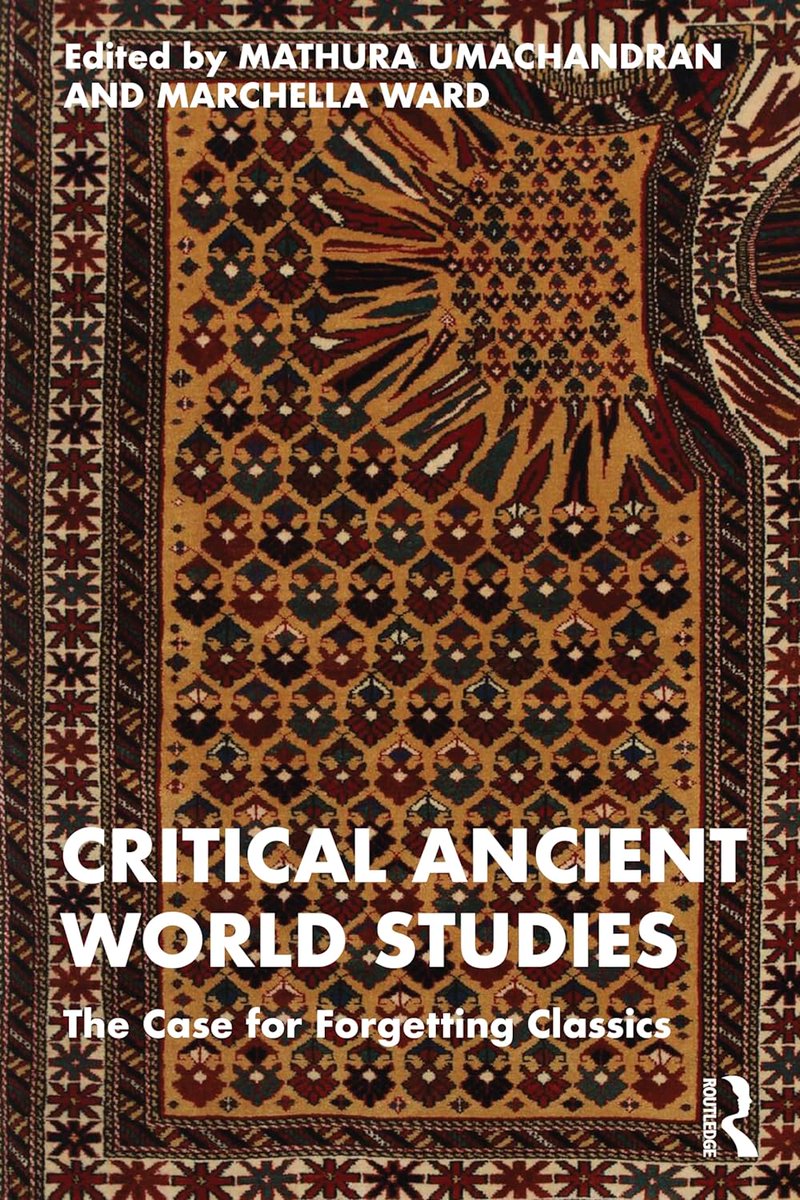
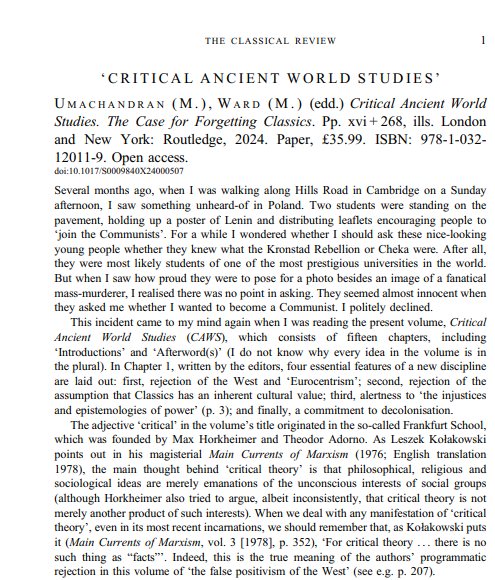
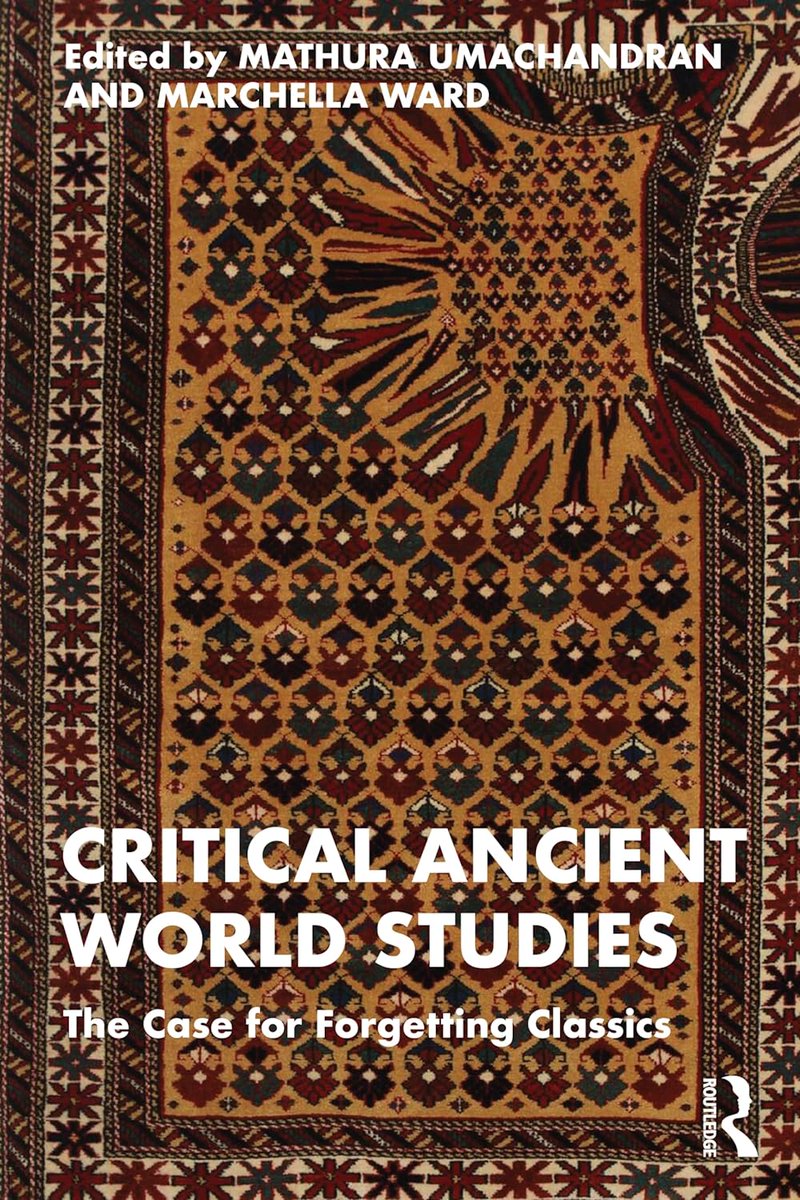
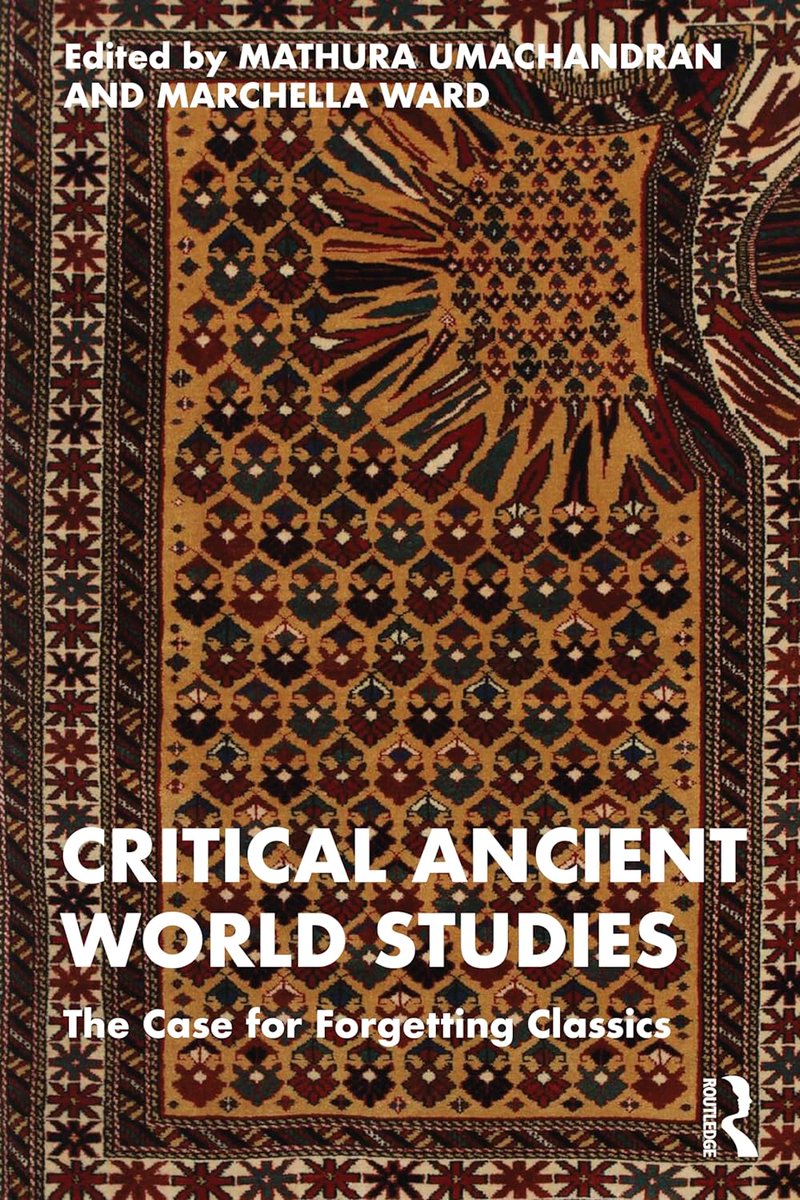
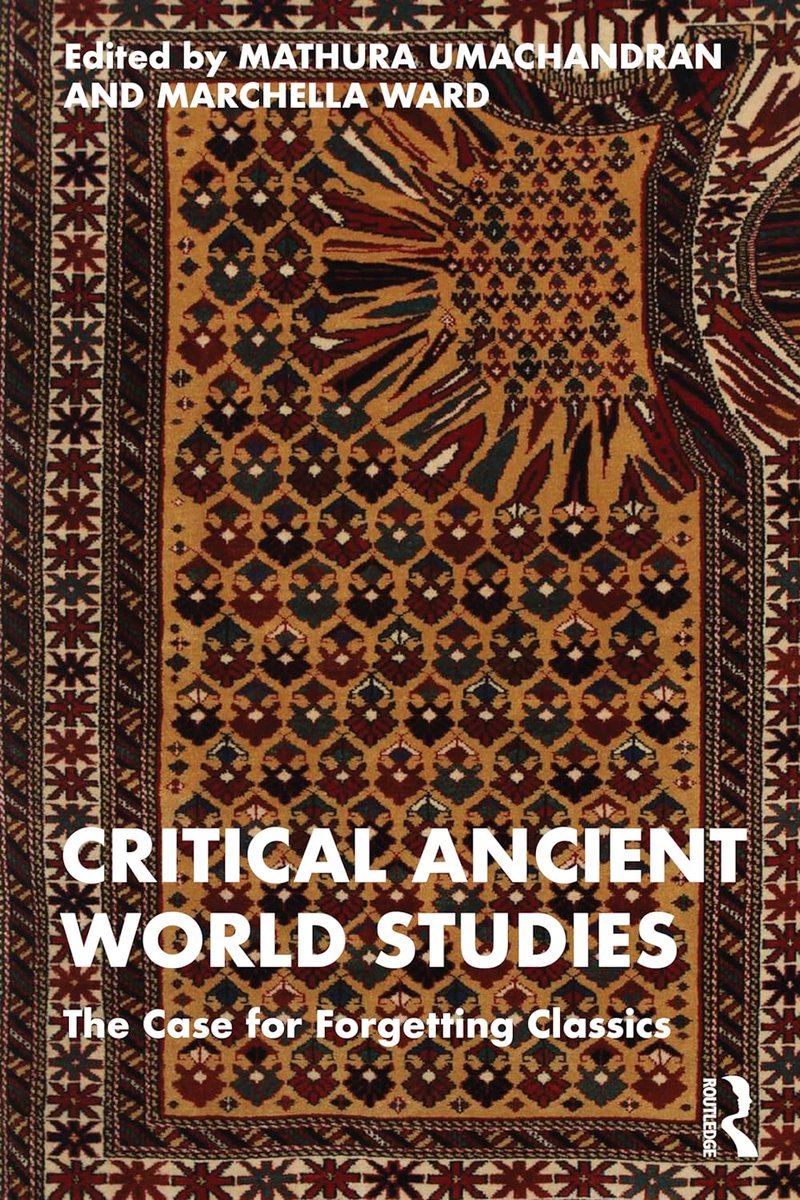
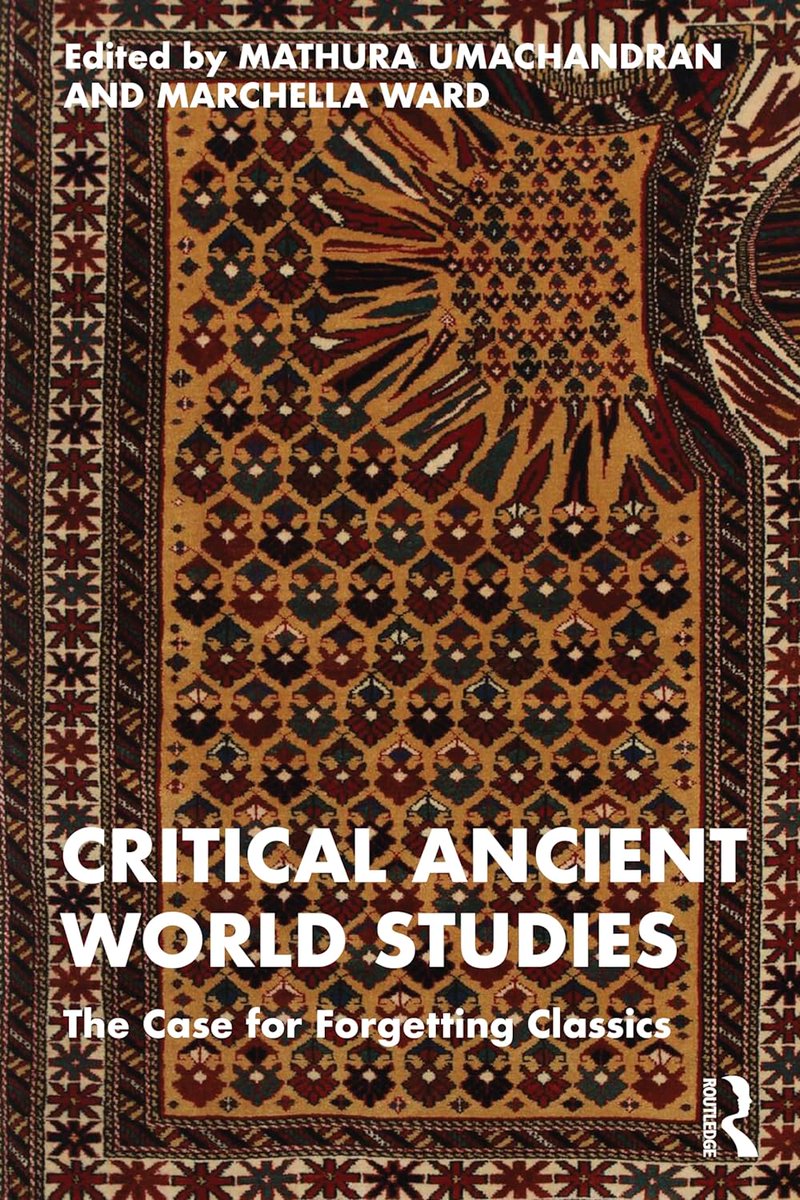
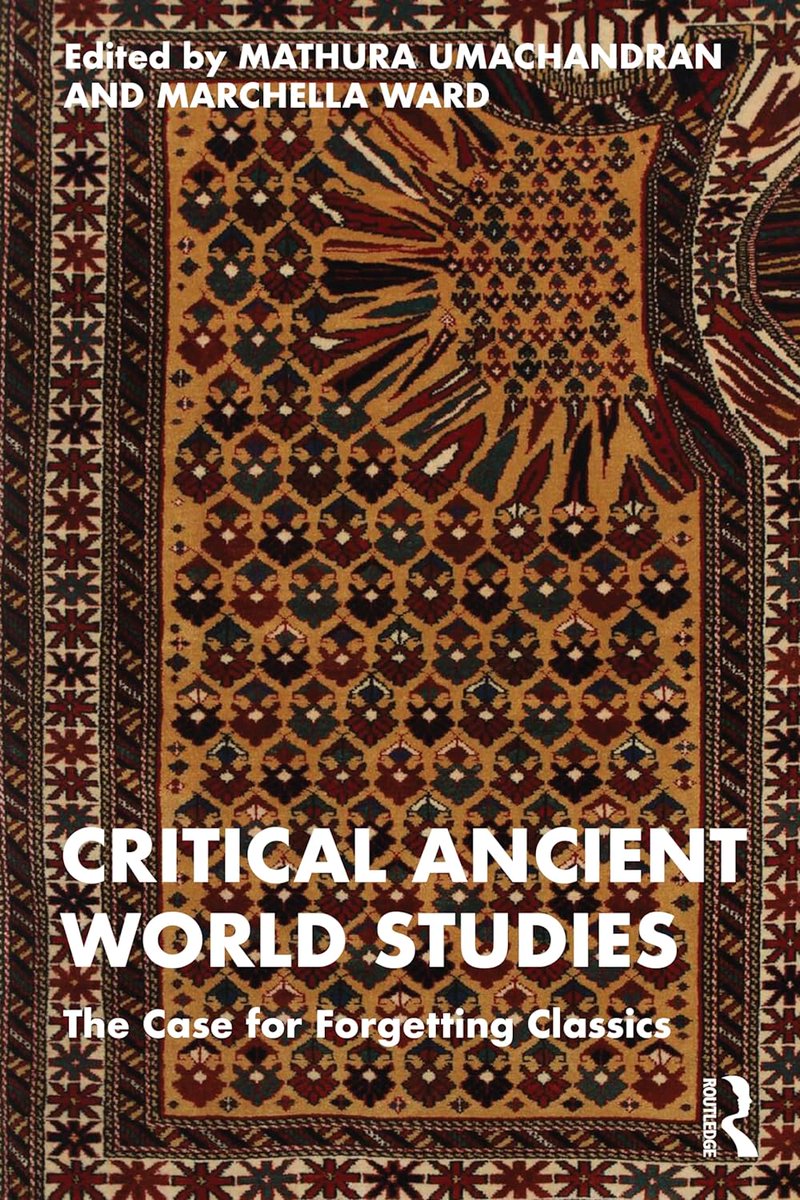
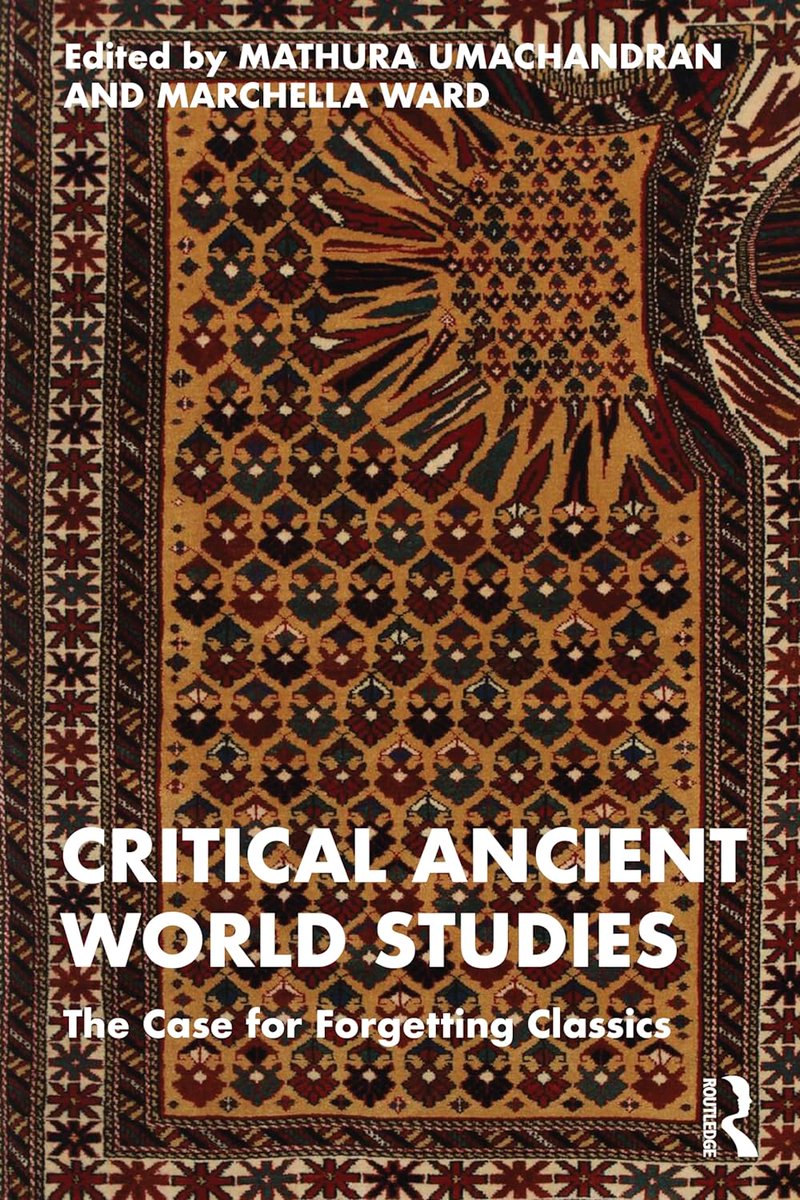
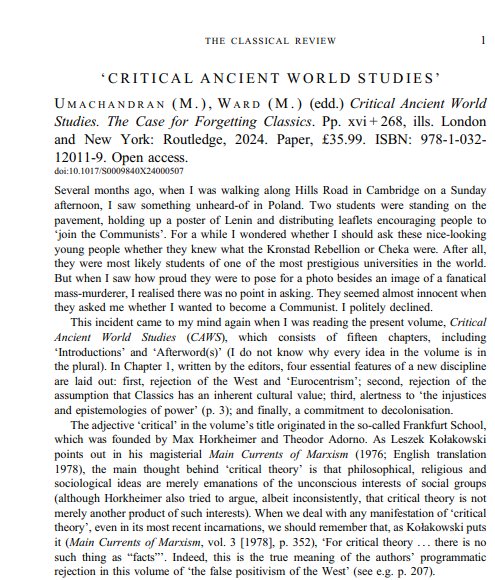
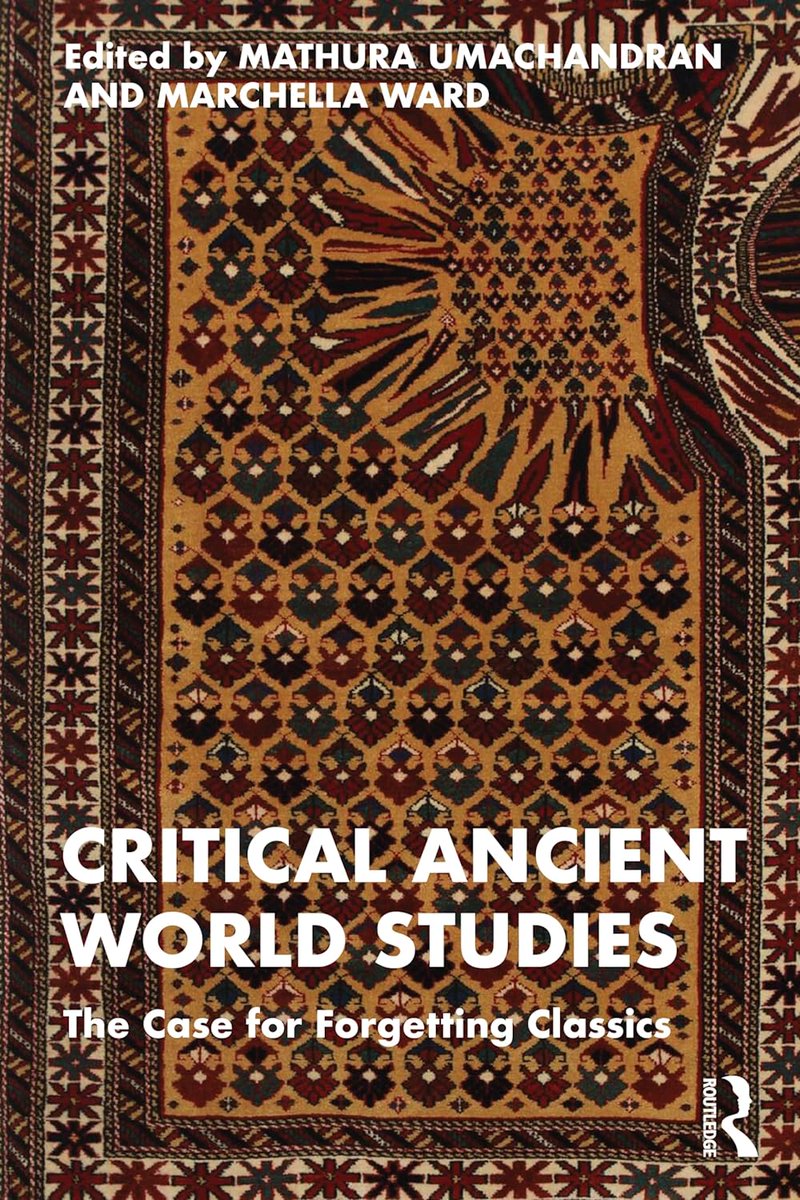
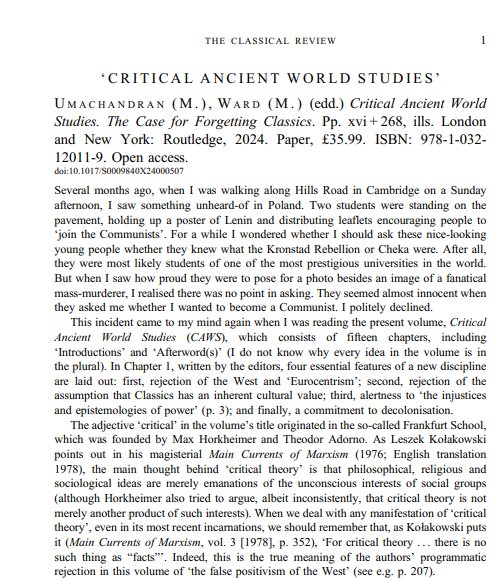
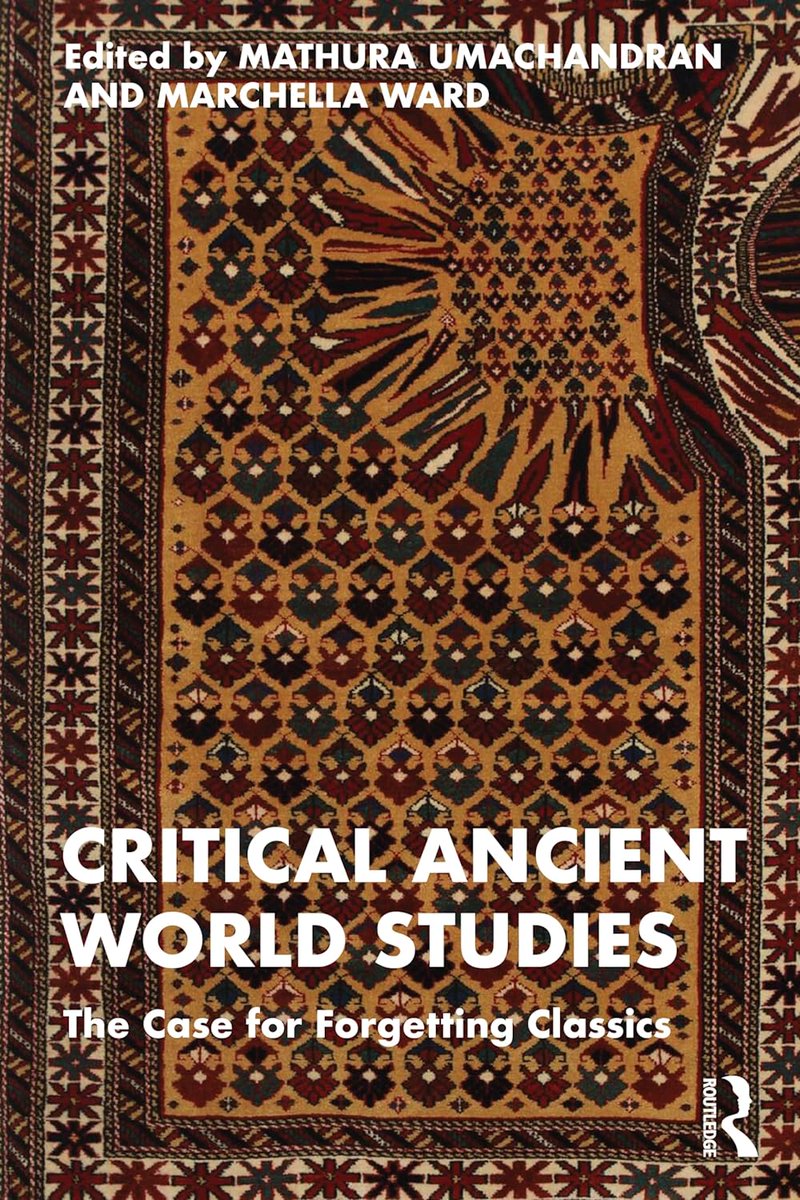
DEVASTATING review of 𝘊𝘳𝘪𝘵𝘪𝘤𝘢𝘭 𝘈𝘯𝘤𝘪𝘦𝘯𝘵 𝘞𝘰𝘳𝘭𝘥 𝘚𝘵𝘶𝘥𝘪𝘦𝘴:
"The authors of the volume...appear not to be ‘scholars,’ but rather ideologues and political activists, interested in changing political reality rather than in studying the ancient world. ..."
🧵

"The authors of the volume...appear not to be ‘scholars,’ but rather ideologues and political activists, interested in changing political reality rather than in studying the ancient world. ..."
🧵


2/
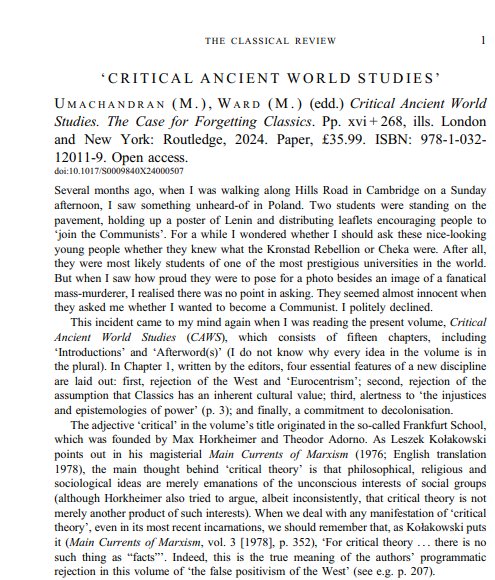
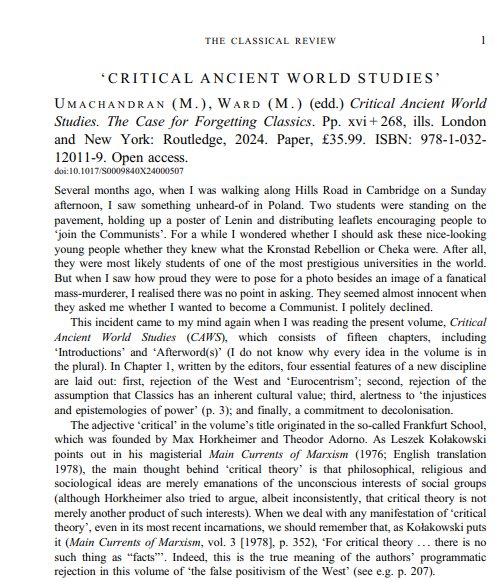
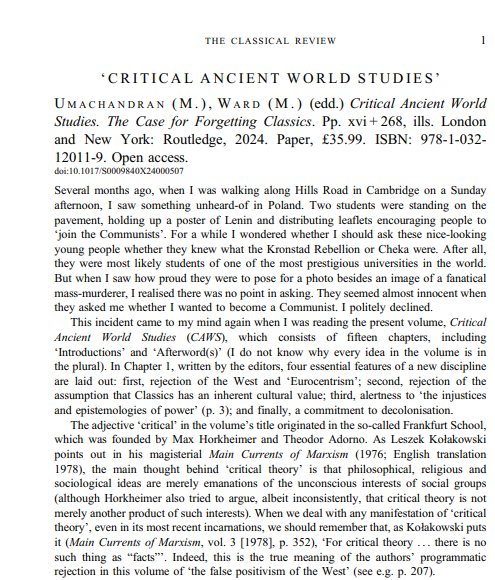
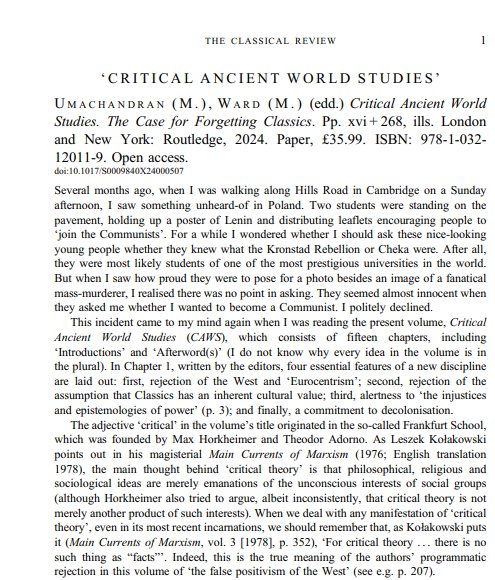
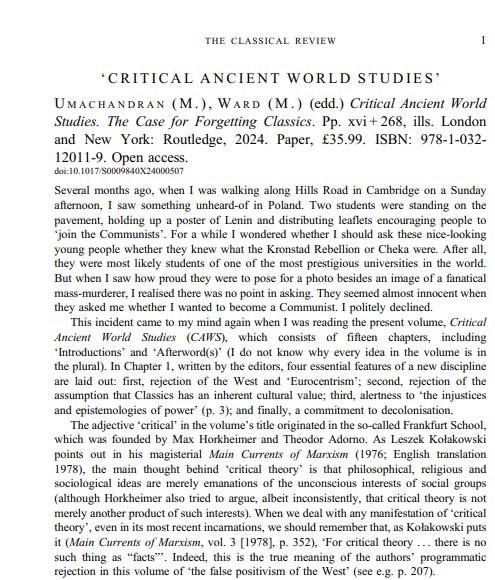
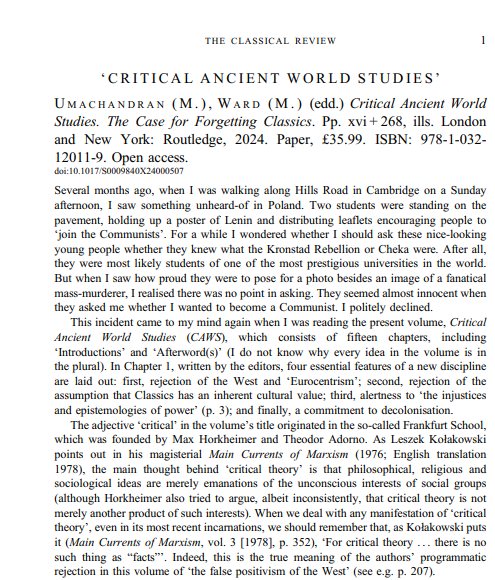
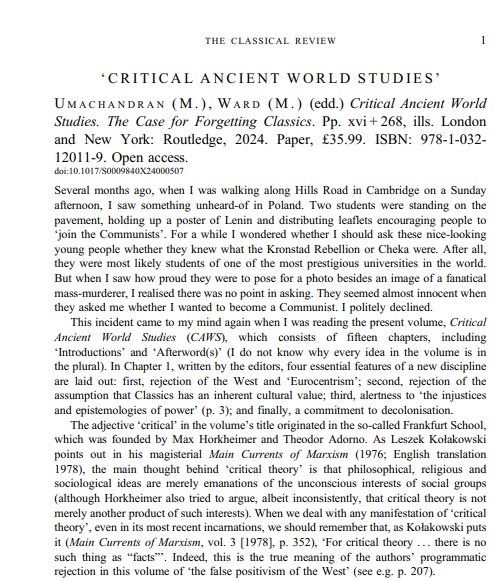
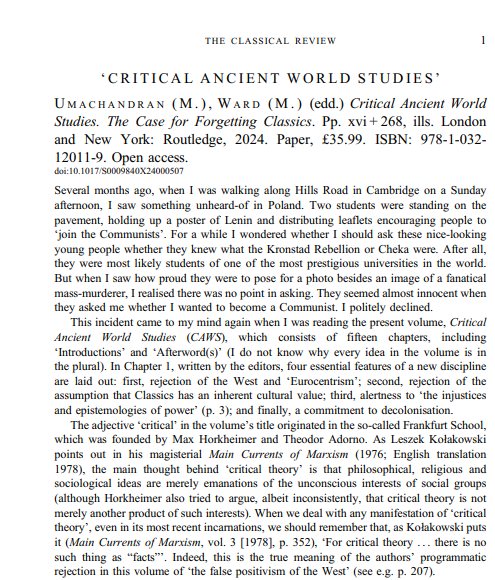
"Several months ago, when I was walking along Hills Road in Cambridge on a Sunday afternoon, I saw something unheard-of in Poland. Two students were standing on the pavement, holding up a poster of Lenin and distributing leaflets encouraging people to ‘join the Communists’.
"Several months ago, when I was walking along Hills Road in Cambridge on a Sunday afternoon, I saw something unheard-of in Poland. Two students were standing on the pavement, holding up a poster of Lenin and distributing leaflets encouraging people to ‘join the Communists’.

3/
"For a while I wondered whether I should ask these nice-looking young people whether they knew what the Kronstad Rebellion or Cheka were. After all, they were most likely students of one of the most prestigious universities in the world.
"For a while I wondered whether I should ask these nice-looking young people whether they knew what the Kronstad Rebellion or Cheka were. After all, they were most likely students of one of the most prestigious universities in the world.

4/
"But when I saw how proud they were to pose for a photo besides an image of a fanatical mass-murderer, I realised there was no point in asking. They seemed almost innocent when they asked me whether I wanted to become a Communist. I politely declined.
"But when I saw how proud they were to pose for a photo besides an image of a fanatical mass-murderer, I realised there was no point in asking. They seemed almost innocent when they asked me whether I wanted to become a Communist. I politely declined.
5/
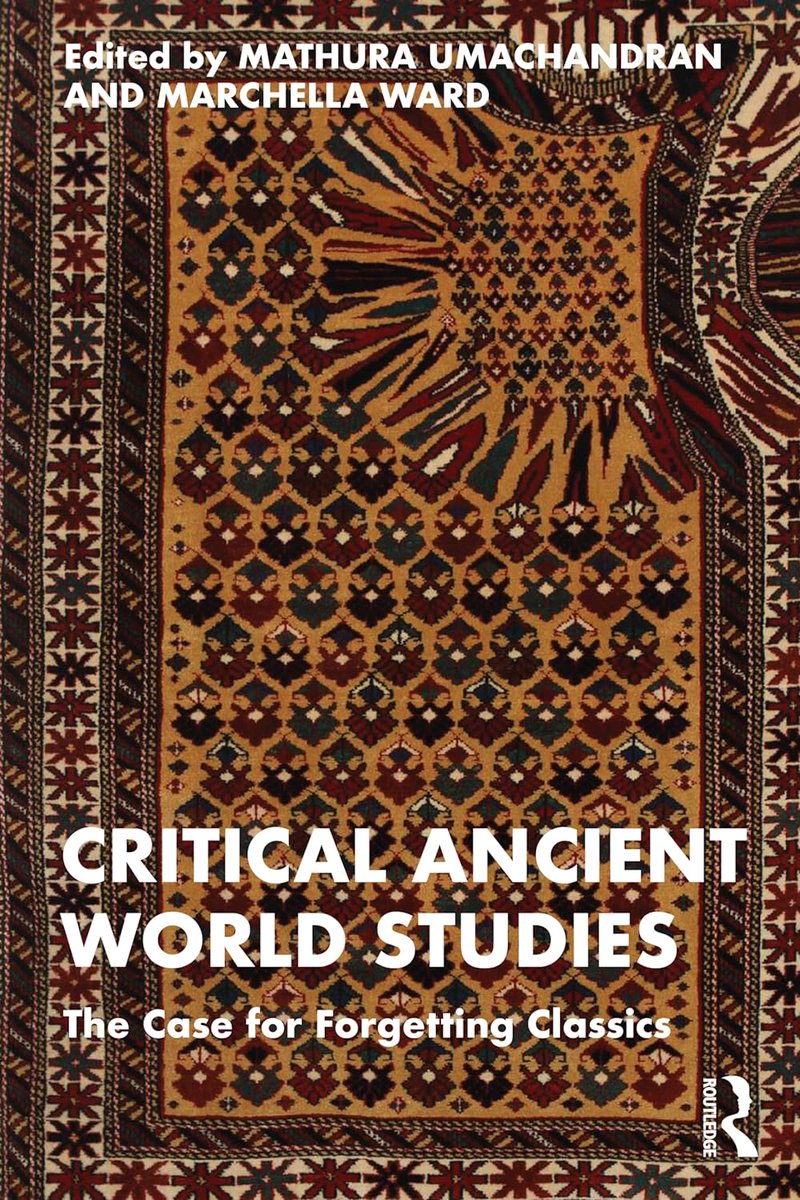
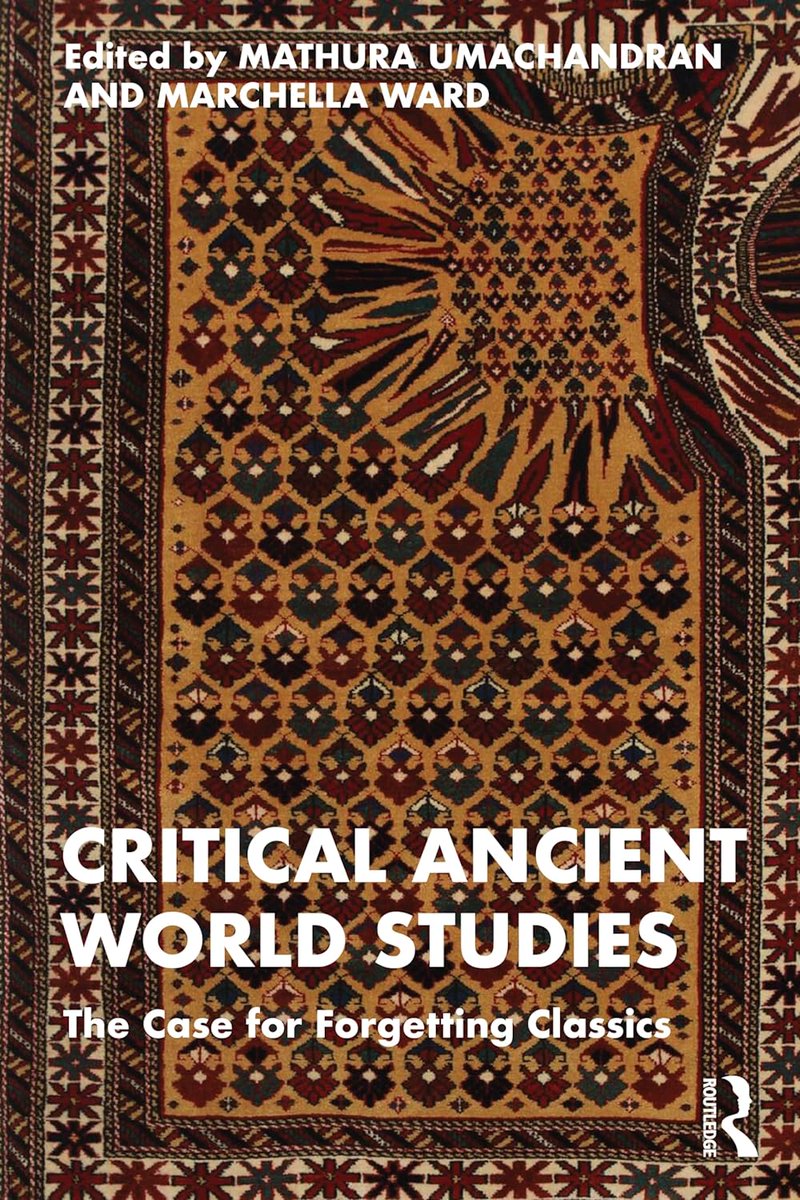
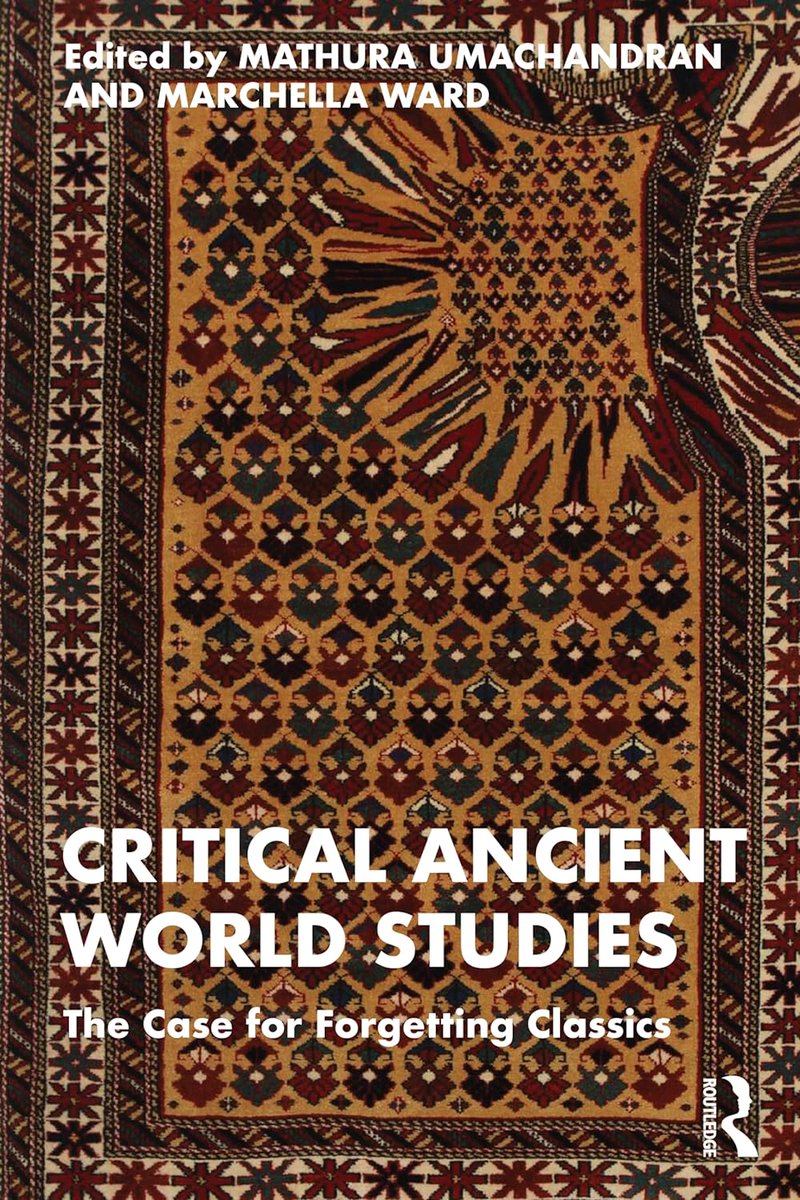
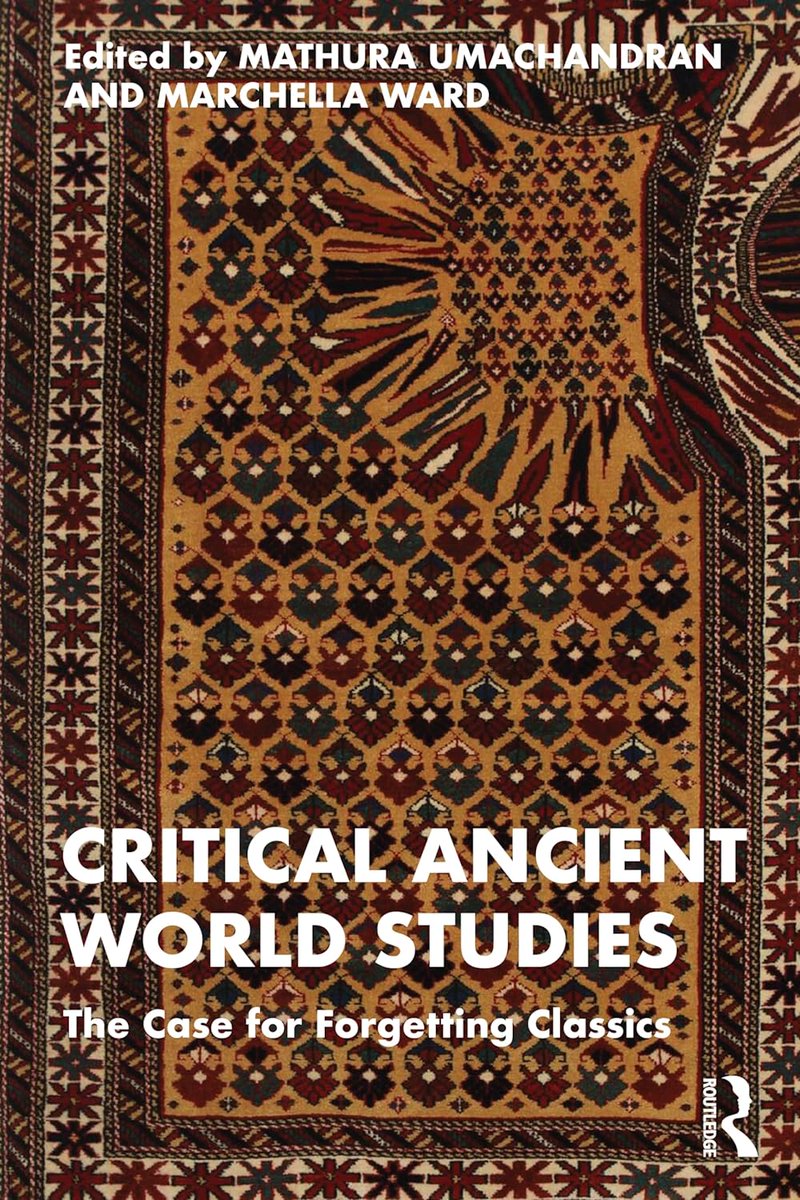
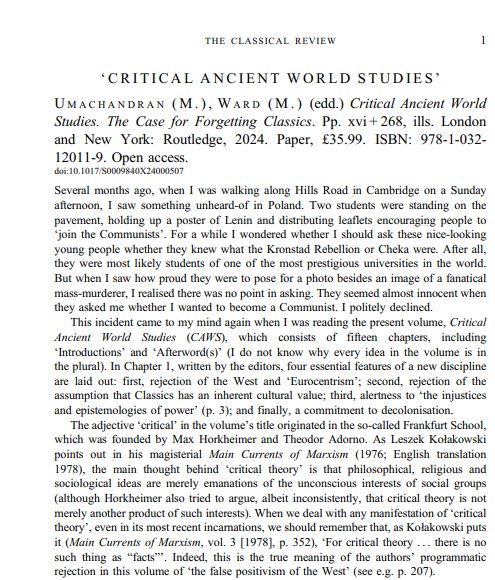
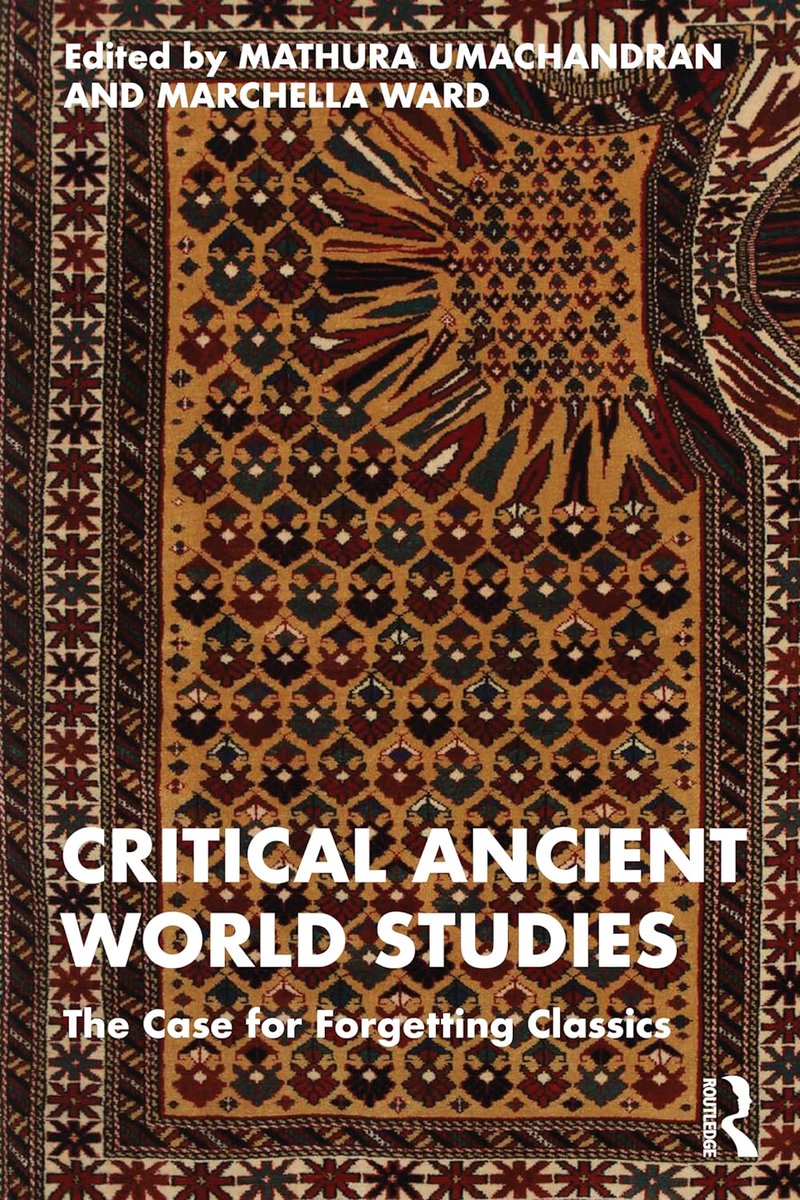
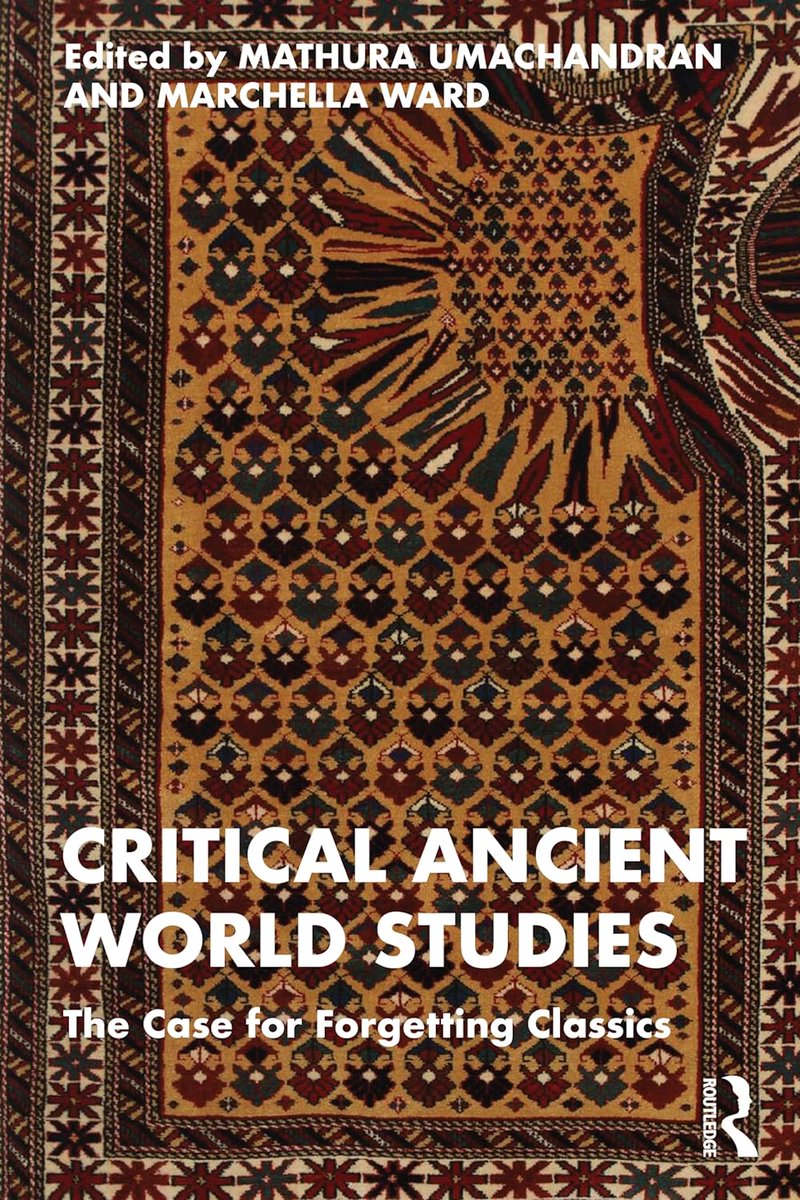
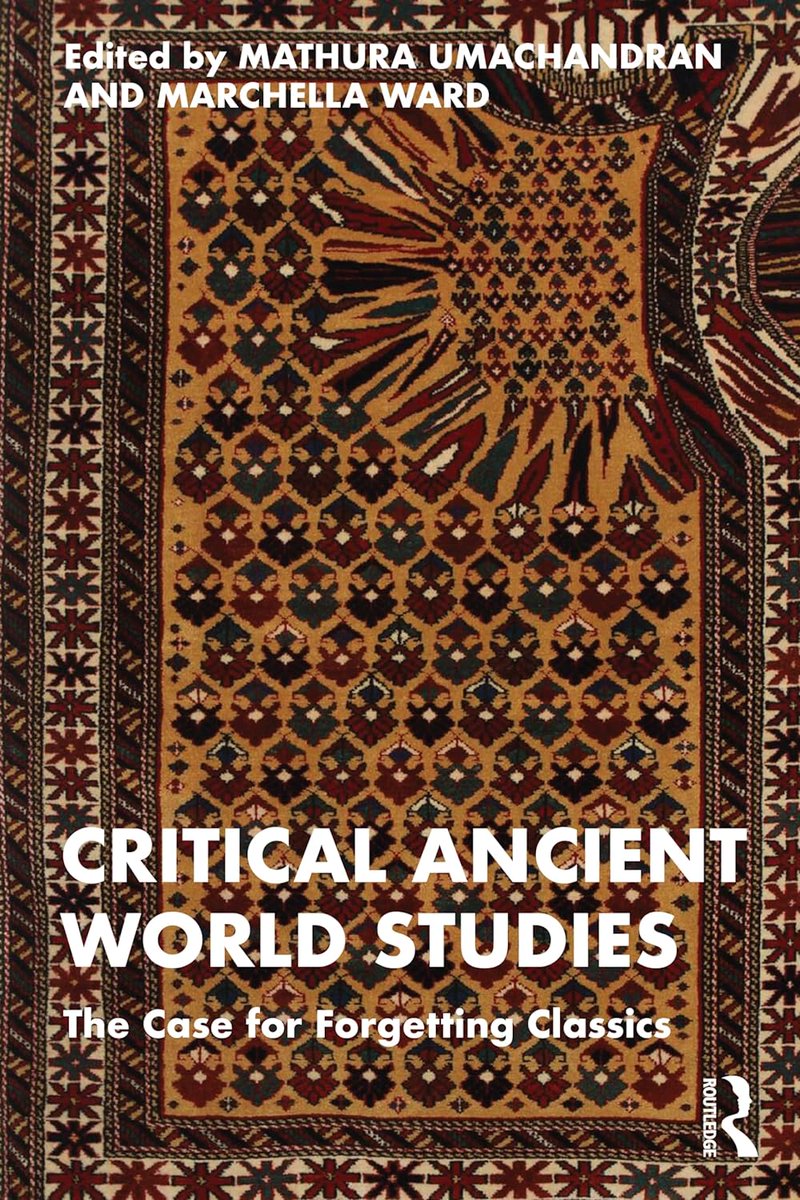
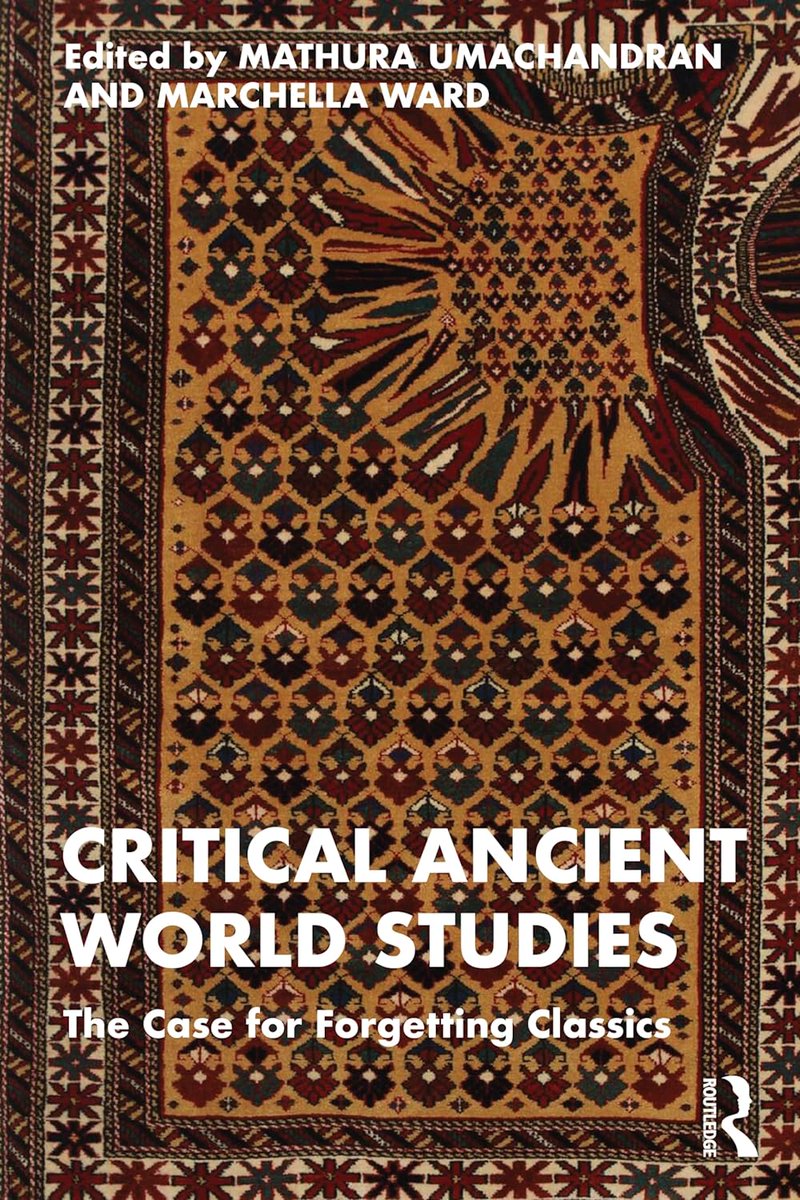
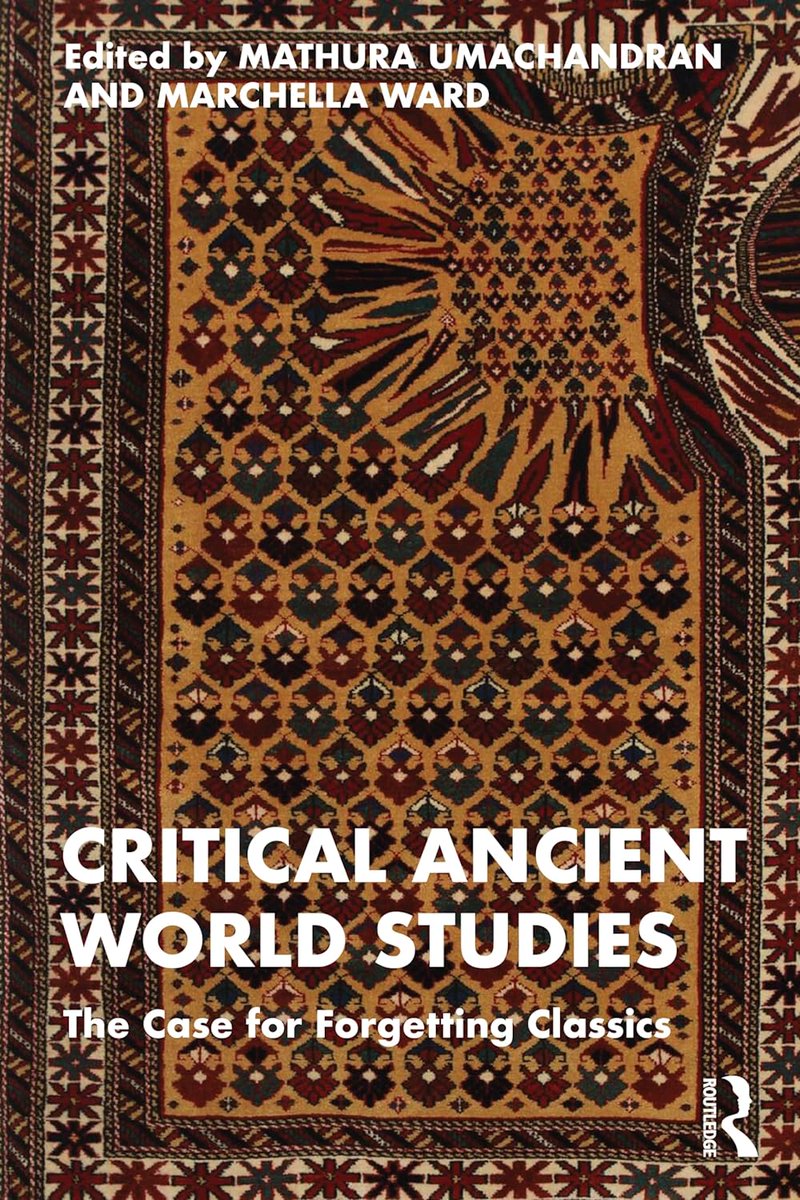
"This incident came to mind again when I was reading the present volume, 𝘊𝘳𝘪𝘵𝘪𝘤𝘢𝘭 𝘈𝘯𝘤𝘪𝘦𝘯𝘵 𝘞𝘰𝘳𝘭𝘥 𝘚𝘵𝘶𝘥𝘪𝘦𝘴 (CAWS), which consists of 15 chapters, including ‘Introductions’ & ‘Afterword(s)’ (I do not know why every idea in the volume is in the plural).
"This incident came to mind again when I was reading the present volume, 𝘊𝘳𝘪𝘵𝘪𝘤𝘢𝘭 𝘈𝘯𝘤𝘪𝘦𝘯𝘵 𝘞𝘰𝘳𝘭𝘥 𝘚𝘵𝘶𝘥𝘪𝘦𝘴 (CAWS), which consists of 15 chapters, including ‘Introductions’ & ‘Afterword(s)’ (I do not know why every idea in the volume is in the plural).
6/
"In Chapter 1, written by the editors, four essential features of a new discipline are laid out: first, rejection of the West and ‘Eurocentrism’; second, rejection of the assumption that Classics has an inherent cultural value; ...
"In Chapter 1, written by the editors, four essential features of a new discipline are laid out: first, rejection of the West and ‘Eurocentrism’; second, rejection of the assumption that Classics has an inherent cultural value; ...

7/
"... third, alertness to ‘the injustices and epistemologies of power’ (p. 3); and finally, a commitment to decolonisation.
"... third, alertness to ‘the injustices and epistemologies of power’ (p. 3); and finally, a commitment to decolonisation.
8/
"The adjective ‘critical’ in the volume’s title originated in the so-called Frankfurt School, which was founded by Horkheimer and Adorno. As Leszek Kołakowski points out in his magisterial 𝘔𝘢𝘪𝘯 𝘊𝘶𝘳𝘳𝘦𝘯𝘵𝘴 𝘰𝘧 𝘔𝘢𝘳𝘹𝘪𝘴𝘮 (1976; English translation 1978), ...
"The adjective ‘critical’ in the volume’s title originated in the so-called Frankfurt School, which was founded by Horkheimer and Adorno. As Leszek Kołakowski points out in his magisterial 𝘔𝘢𝘪𝘯 𝘊𝘶𝘳𝘳𝘦𝘯𝘵𝘴 𝘰𝘧 𝘔𝘢𝘳𝘹𝘪𝘴𝘮 (1976; English translation 1978), ...
9/
"...the main thought behind ‘critical theory’ is that philosophical, religious and sociological ideas are merely emanations of the unconscious interests of social groups (Horkheimer also tried to argue that critical theory is not merely another product of such interests).
"...the main thought behind ‘critical theory’ is that philosophical, religious and sociological ideas are merely emanations of the unconscious interests of social groups (Horkheimer also tried to argue that critical theory is not merely another product of such interests).
10/
"When we deal with any manifestation of ‘critical theory’, even in its most recent incarnations, we should remember that, as Kołakowski puts it, ‘For critical theory...there is no such thing as “facts.”’
"When we deal with any manifestation of ‘critical theory’, even in its most recent incarnations, we should remember that, as Kołakowski puts it, ‘For critical theory...there is no such thing as “facts.”’

11/
"Indeed, this is the true meaning of the authors’ programmatic rejection in this volume of ‘the false positivism of the West.’
For the contributors to this volume ‘facts’ are interpretations created by social groups according to their economic interests and pursuit of power.
"Indeed, this is the true meaning of the authors’ programmatic rejection in this volume of ‘the false positivism of the West.’
For the contributors to this volume ‘facts’ are interpretations created by social groups according to their economic interests and pursuit of power.

12/
"If there are no facts that we can agree on, and no shared rules of discussion, what is it that we do as scholars and academics? And how should we approach the CAWS project? The conclusion must be that there is no possibility of engaging it in a scholarly debate...
"If there are no facts that we can agree on, and no shared rules of discussion, what is it that we do as scholars and academics? And how should we approach the CAWS project? The conclusion must be that there is no possibility of engaging it in a scholarly debate...
13/
"It makes writing this review a paradoxical endeavour because any criticism of the volume is unlikely to be confronted with counter-arguments, but rather treated as an expression of the social interests of a group to which the author belongs.
"It makes writing this review a paradoxical endeavour because any criticism of the volume is unlikely to be confronted with counter-arguments, but rather treated as an expression of the social interests of a group to which the author belongs.
14/
"In fact, Padilla Peralta asserts at the end of the volume that those who oppose ‘criticality’ (as he defines and practises it) represent ‘right-wing infrastructure.’
The authors of the volume promote such a view. They appear not to be ‘scholars’, but rather ideologues...
"In fact, Padilla Peralta asserts at the end of the volume that those who oppose ‘criticality’ (as he defines and practises it) represent ‘right-wing infrastructure.’
The authors of the volume promote such a view. They appear not to be ‘scholars’, but rather ideologues...
15/
"...and political activists, interested in changing political reality rather than in studying the ancient world. In this they follow another founder of critical theory, Marcuse, who saw in Western universities a revolutionary force with the potential to destroy ‘the system.’
"...and political activists, interested in changing political reality rather than in studying the ancient world. In this they follow another founder of critical theory, Marcuse, who saw in Western universities a revolutionary force with the potential to destroy ‘the system.’
16/
"[Marcuse] observed in the last of his influential 'Five Lectures' that there was no question of ‘politicization of the university, for the university is already political.’ Why? Because even mathematics was being used in America for allegedly ‘fascist’ purposes.
"[Marcuse] observed in the last of his influential 'Five Lectures' that there was no question of ‘politicization of the university, for the university is already political.’ Why? Because even mathematics was being used in America for allegedly ‘fascist’ purposes.
17/
"Even as political activism, the CAWS project is questionable on its own ideological grounds. On the first page of the ‘manifesto’ (Ch. 1) Umachandran and Ward posit themselves as defenders of the ‘wretched of the earth’ and opponents of ‘the privileged and the powerful.’
"Even as political activism, the CAWS project is questionable on its own ideological grounds. On the first page of the ‘manifesto’ (Ch. 1) Umachandran and Ward posit themselves as defenders of the ‘wretched of the earth’ and opponents of ‘the privileged and the powerful.’
18/
"In her biographical note Ward writes that she has dedicated her life at the university not so much to research as to opposing ‘inequalities, inequities and biases that structure access to higher education’.
The problem is that the authors do exactly the opposite.
"In her biographical note Ward writes that she has dedicated her life at the university not so much to research as to opposing ‘inequalities, inequities and biases that structure access to higher education’.
The problem is that the authors do exactly the opposite.
19/
"Their view of Classics is hierarchical and hegemonic. In their mind Classics seems to exist only in the United Kingdom and the former British colonies. An uninformed reader of the volume might conclude that there is no Classics in Bulgaria, Brazil or Japan.
"Their view of Classics is hierarchical and hegemonic. In their mind Classics seems to exist only in the United Kingdom and the former British colonies. An uninformed reader of the volume might conclude that there is no Classics in Bulgaria, Brazil or Japan.
20/
"The only world that the authors see consists of the British Empire, which, in their eyes, is the oppressor of the wretched of the earth. Other countries, nations or cultures seem irrelevant, silenced and marginalised (to use the authors’ own language).
"The only world that the authors see consists of the British Empire, which, in their eyes, is the oppressor of the wretched of the earth. Other countries, nations or cultures seem irrelevant, silenced and marginalised (to use the authors’ own language).
21/
"To provide just one counter-example, namely Central-Eastern Europe; Poland, Czechia and Ukraine were also colonised by an empire: the Soviet Empire. The Soviet Union’s economy was entirely built on slave labour in a system of concentration camps that cost millions of lives.
"To provide just one counter-example, namely Central-Eastern Europe; Poland, Czechia and Ukraine were also colonised by an empire: the Soviet Empire. The Soviet Union’s economy was entirely built on slave labour in a system of concentration camps that cost millions of lives.

22/
"In the former Soviet colonies Classics was not ‘systemically racist’ or ‘colonial.’ On the contrary, it was seen by many of the ‘wretched of the earth’ as a path towards liberation, equality and dignity.
"In the former Soviet colonies Classics was not ‘systemically racist’ or ‘colonial.’ On the contrary, it was seen by many of the ‘wretched of the earth’ as a path towards liberation, equality and dignity.
23/
"There is, for instance, Osip Mandelstam, for whom Classics provided the last refuge of inner freedom during the Soviet terror of the 1930s: he froze to death on his way to a Soviet concentration camp.
"There is, for instance, Osip Mandelstam, for whom Classics provided the last refuge of inner freedom during the Soviet terror of the 1930s: he froze to death on his way to a Soviet concentration camp.
24/
"The Czech philosopher Jan Patočka risked his life during the 1970s conducting secret seminars in Prague for young people to discuss Plato: he died as a result of being investigated by the secret police.
"The Czech philosopher Jan Patočka risked his life during the 1970s conducting secret seminars in Prague for young people to discuss Plato: he died as a result of being investigated by the secret police.
25/
"Hanna Malewska, a Polish novelist and editor, lost her job when her journal (Tygodnik Powszechny) refused to publish an obituary for Stalin in 1953: as a result she lived in such poverty that she could only afford to eat buckwheat as she sat in her (literally freezing-cold)
"Hanna Malewska, a Polish novelist and editor, lost her job when her journal (Tygodnik Powszechny) refused to publish an obituary for Stalin in 1953: as a result she lived in such poverty that she could only afford to eat buckwheat as she sat in her (literally freezing-cold)
26/
"...apartment writing a historical novel about the legacy of Classics in the face of despotism, war and barbarism.
The volume is dedicated to ‘all those that Classics in its colonial formation has excluded, othered and dehumanised—with love and hope for a different future.’
"...apartment writing a historical novel about the legacy of Classics in the face of despotism, war and barbarism.
The volume is dedicated to ‘all those that Classics in its colonial formation has excluded, othered and dehumanised—with love and hope for a different future.’
27/
"However, the authors only focus on some people who are ‘excluded, othered and dehumanised.’ This is evident from the two chapters dedicated to ‘critical Muslim studies’, even though Islam originated, not in the ancient, but in the medieval world.
"However, the authors only focus on some people who are ‘excluded, othered and dehumanised.’ This is evident from the two chapters dedicated to ‘critical Muslim studies’, even though Islam originated, not in the ancient, but in the medieval world.
28/
"My first point was that the CAWS project is not about studying, but about changing reality; the second point is that it is not about the ancient world either.
"My first point was that the CAWS project is not about studying, but about changing reality; the second point is that it is not about the ancient world either.
29/
"The evidence for this is the fact that, according to the authors, it is the ‘critical Muslim studies’ that ‘created a model we could use to build the foundations of CAWS from classics.’
"The evidence for this is the fact that, according to the authors, it is the ‘critical Muslim studies’ that ‘created a model we could use to build the foundations of CAWS from classics.’
30/
"Are ‘critical Muslim studies’ critical of the Arab Empire, which conquered and colonised vast portions of Africa, Asia and Europe, flourishing for centuries by selling and buying black slaves? Are they concerned with the Ottoman Empire, which abolished slavery only in 1924,
"Are ‘critical Muslim studies’ critical of the Arab Empire, which conquered and colonised vast portions of Africa, Asia and Europe, flourishing for centuries by selling and buying black slaves? Are they concerned with the Ottoman Empire, which abolished slavery only in 1924,
31/
"...a few years after perpetrating the first genocide in history (on the Armenian people), which the Turkish state continues to deny? Slavery was officially abolished in the Arabian Peninsula only in the 1960s and 1970s, while in Pakistan there are still millions of slaves,
"...a few years after perpetrating the first genocide in history (on the Armenian people), which the Turkish state continues to deny? Slavery was officially abolished in the Arabian Peninsula only in the 1960s and 1970s, while in Pakistan there are still millions of slaves,
32/
"...adults and children alike, who live and work in terrifying conditions. The examples of ‘critical Muslim studies’ included in this volume do not seem to show concern for Pakistani slave-girls who are forced to manufacture bricks from dawn to sunset;
"...adults and children alike, who live and work in terrifying conditions. The examples of ‘critical Muslim studies’ included in this volume do not seem to show concern for Pakistani slave-girls who are forced to manufacture bricks from dawn to sunset;
33/
"...instead, the authors deplore the fact that ‘Islamic history has been erased in favour of the classical (and Christian) history of sites in the eastern Mediterranean.’
"...instead, the authors deplore the fact that ‘Islamic history has been erased in favour of the classical (and Christian) history of sites in the eastern Mediterranean.’
34/
"This volume has been ‘de-Judaized’, even though Jews never had an empire engaged in slave trade and oppression; instead, they engaged deeply with Graeco-Roman culture throughout antiquity. Two chapters on Muslims ‘oppressed’ by Classics, but there is nothing on the Jews.
"This volume has been ‘de-Judaized’, even though Jews never had an empire engaged in slave trade and oppression; instead, they engaged deeply with Graeco-Roman culture throughout antiquity. Two chapters on Muslims ‘oppressed’ by Classics, but there is nothing on the Jews.
35/
"The quality of scholarship presented in the volume is disappointing. As a whole, the collection is incoherent, wandering between reception studies, a few essays on ancient history or literature, even fewer chapters on philology, & the authors’ omnipresent political agenda.
"The quality of scholarship presented in the volume is disappointing. As a whole, the collection is incoherent, wandering between reception studies, a few essays on ancient history or literature, even fewer chapters on philology, & the authors’ omnipresent political agenda.
36/
"The language used in the volume tends to be frank about the aims of the CAWS project, and it brings to mind Hannah Arendt’s important point about the frankness of all revolutions (H. Arendt, On Revolution [1990], pp. 98–109).
"The language used in the volume tends to be frank about the aims of the CAWS project, and it brings to mind Hannah Arendt’s important point about the frankness of all revolutions (H. Arendt, On Revolution [1990], pp. 98–109).
37/
"Sayyid and Vakil state in Chapter 2 that CAWS as well as ‘critical Muslim studies would be able to ameliorate the Eurocentrism inherent in classical studies and Orientalism by applying one or more of these strategies to destabilise Europe.’
"Sayyid and Vakil state in Chapter 2 that CAWS as well as ‘critical Muslim studies would be able to ameliorate the Eurocentrism inherent in classical studies and Orientalism by applying one or more of these strategies to destabilise Europe.’
38/
"One may have doubts whether Europe needs ‘destabilisation’ in the current political situation. Padilla Peralta writes that those who understand his call to ‘decolonise Classics’ as a means of introducing diversity to the subject misunderstand him completely.
"One may have doubts whether Europe needs ‘destabilisation’ in the current political situation. Padilla Peralta writes that those who understand his call to ‘decolonise Classics’ as a means of introducing diversity to the subject misunderstand him completely.
39/
"Marx said philosophers merely tried to interpret the world, when the point was to change it. Why do we not leave ‘change’ to democratically elected politicians and leave Classicists to interpret the ancient world, since that is their job and only demonstrable competence?
"Marx said philosophers merely tried to interpret the world, when the point was to change it. Why do we not leave ‘change’ to democratically elected politicians and leave Classicists to interpret the ancient world, since that is their job and only demonstrable competence?
40/
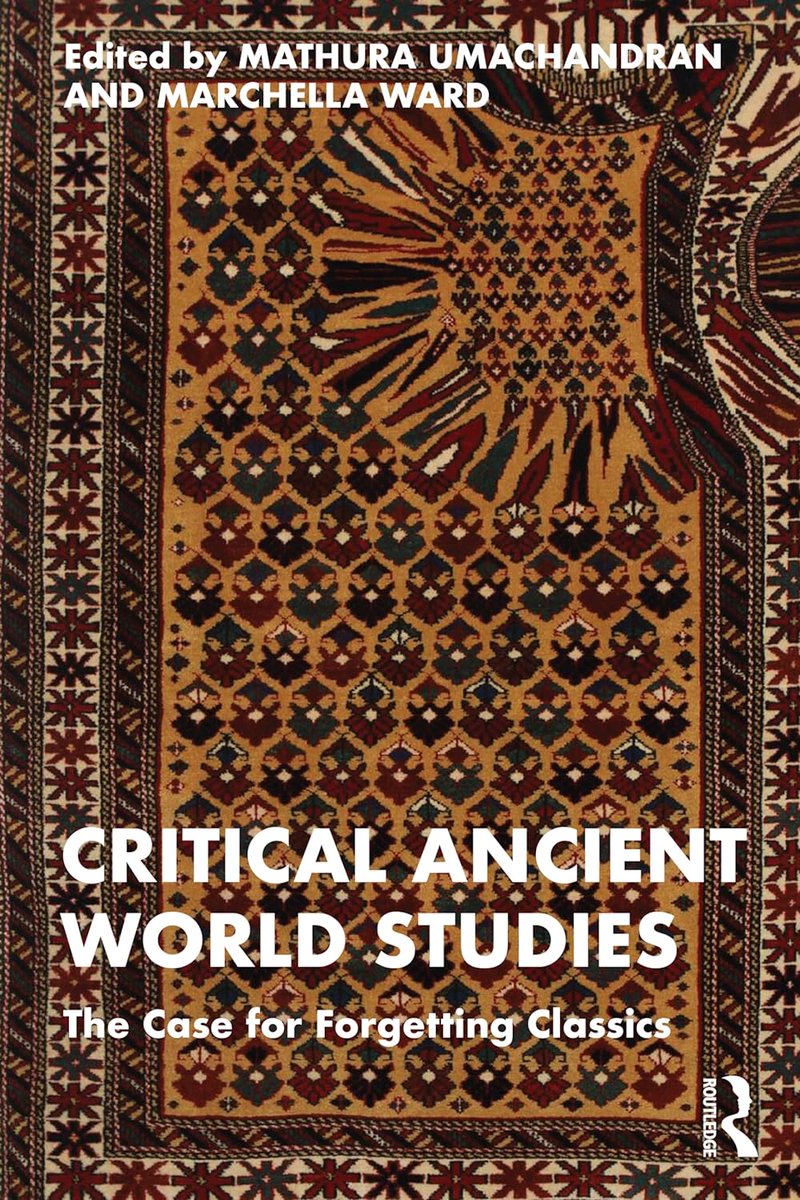
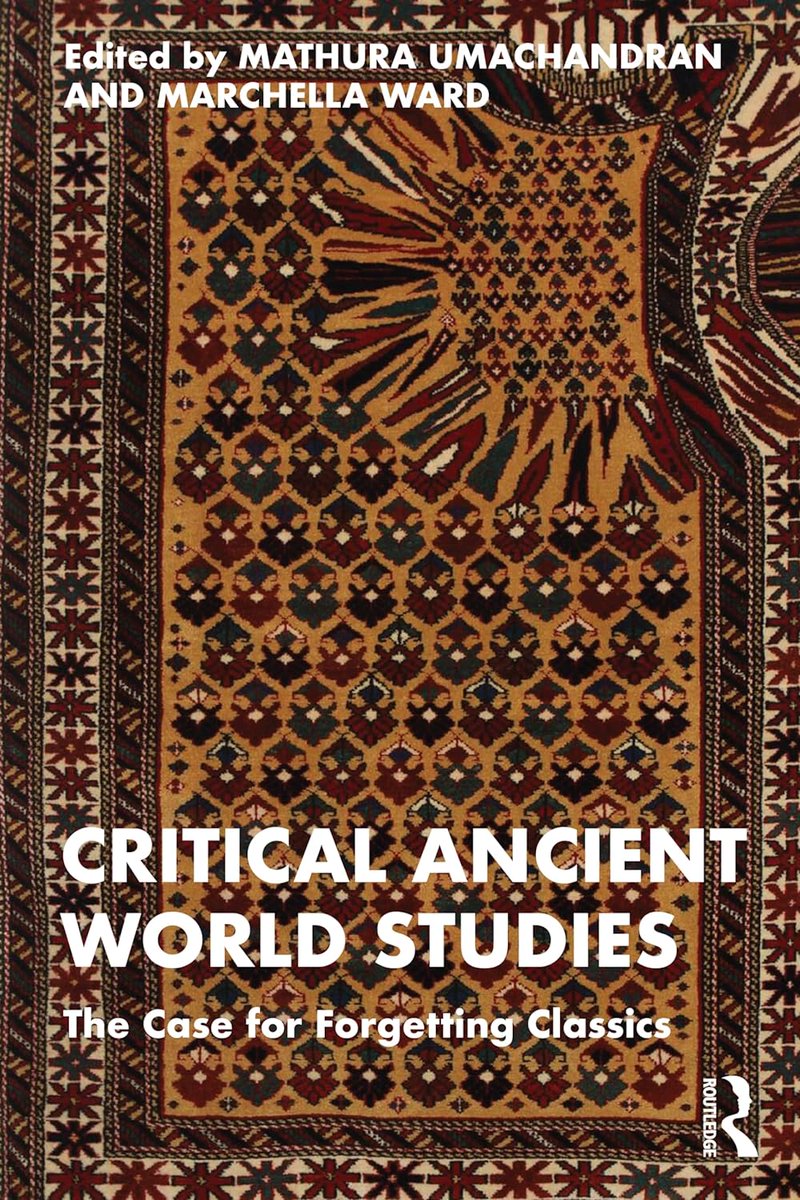
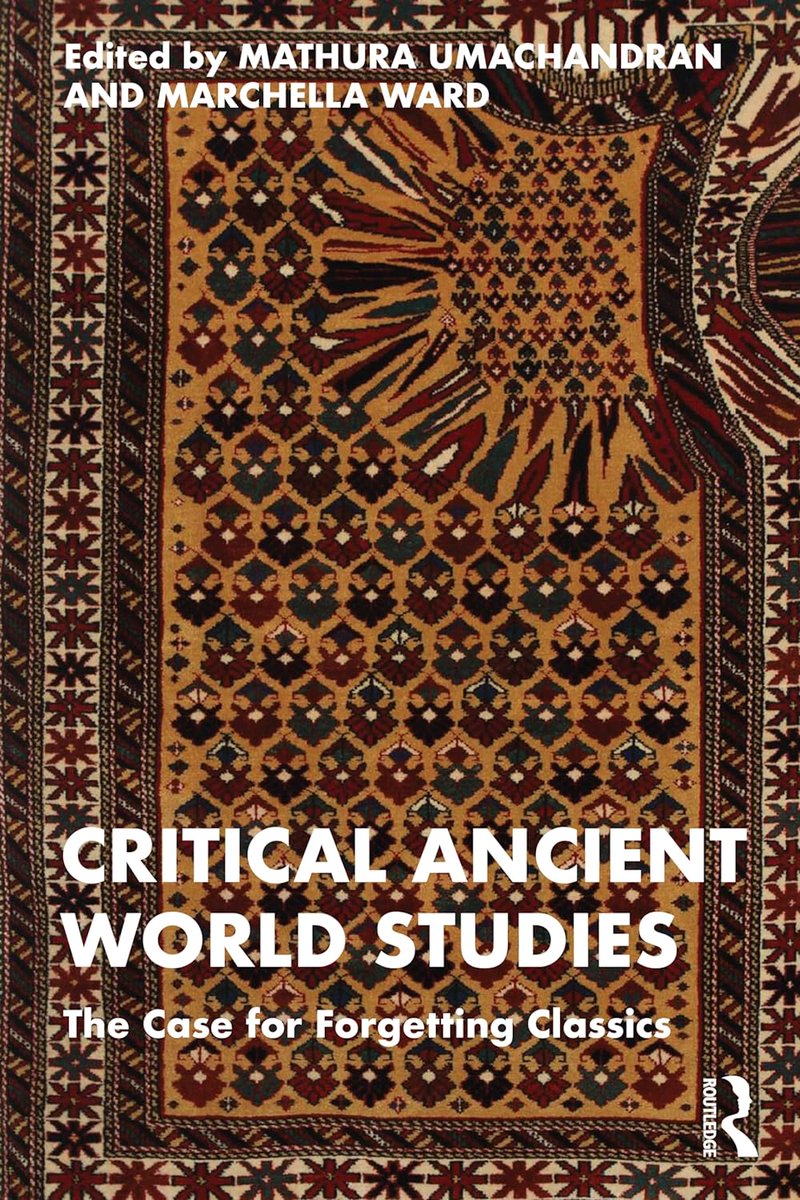
"The subtitle is ‘The Case for Forgetting Classics’; but if we agree that the goal of our discipline is to study and not to change, it is not Classics, but the CAWS project that should be forgotten as soon as possible."
—Mateusz Stróżyński
cambridge.org/core/journals/…
"The subtitle is ‘The Case for Forgetting Classics’; but if we agree that the goal of our discipline is to study and not to change, it is not Classics, but the CAWS project that should be forgotten as soon as possible."
—Mateusz Stróżyński
cambridge.org/core/journals/…
@ThreadReaderApp unroll
• • •
Missing some Tweet in this thread? You can try to
force a refresh