9 biggest scandals in history:
1. Watergate: Tapes revealed that President Nixon and his top advisors were involved in covering up a break-in at a Democratic National Committee office in the Watergate complex in Washington, D.C. Nixon resigned before he could be impeached, becoming the first President to step down. Several of his top advisors — including the White House lawyer, Chief of Staff and Attorney General — did prison time.
The Committee to Re-elect the President was using mechanisms of government to attack domestic opponents in the press and the political world, even breaking into the psychiatrist’s office of the Pentagon Papers leaker, Daniel Ellsberg, to see what kind of dirt they could use to smear him.
1. Watergate: Tapes revealed that President Nixon and his top advisors were involved in covering up a break-in at a Democratic National Committee office in the Watergate complex in Washington, D.C. Nixon resigned before he could be impeached, becoming the first President to step down. Several of his top advisors — including the White House lawyer, Chief of Staff and Attorney General — did prison time.
The Committee to Re-elect the President was using mechanisms of government to attack domestic opponents in the press and the political world, even breaking into the psychiatrist’s office of the Pentagon Papers leaker, Daniel Ellsberg, to see what kind of dirt they could use to smear him.
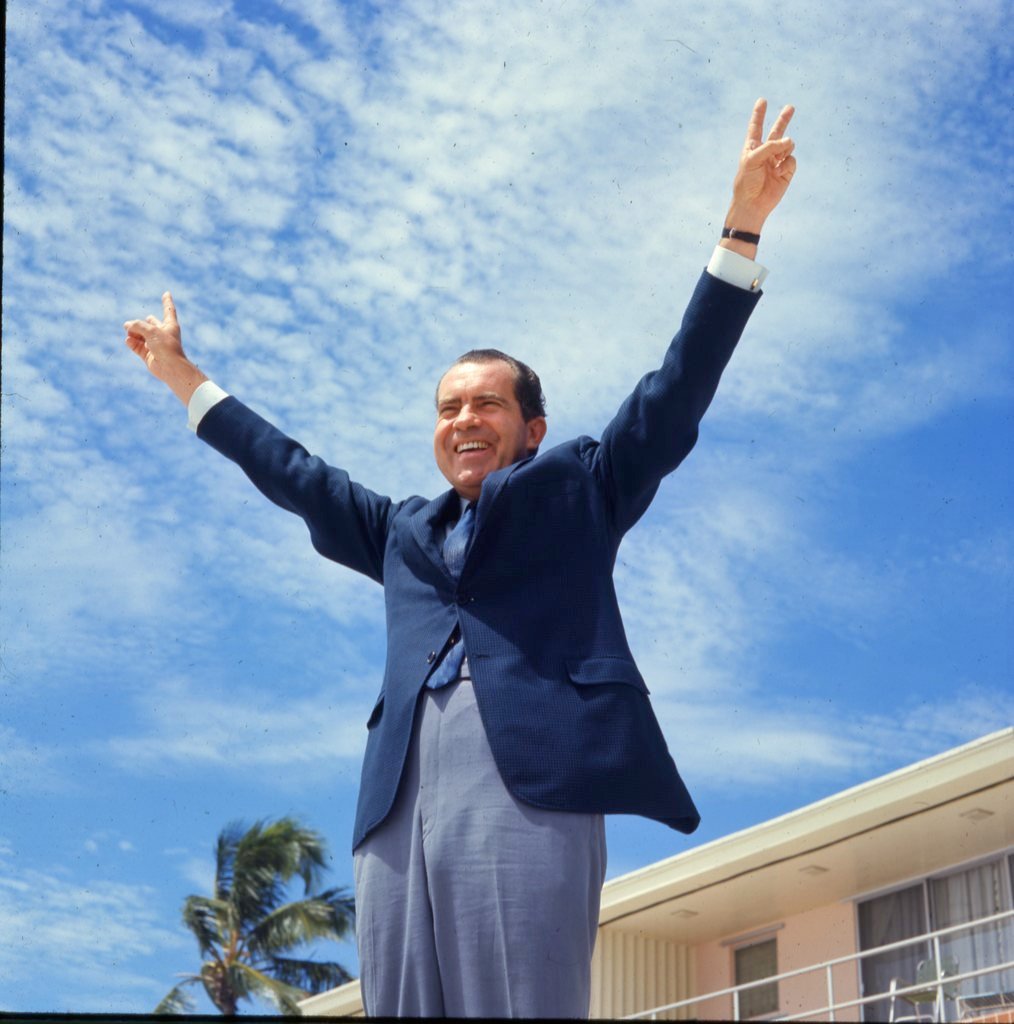
2. Bill Clinton – Monica Lewinsky Scandal: In 1988, news broke of President Clinton's affair with White House intern Monica Lewinsky. Clinton initially denied the allegations, famously stating, "I did not have sexual relations with that woman." However, evidence, including Lewinsky's blue dress with Clinton's DNA, led to his admission of an inappropriate relationship. This scandal resulted in Clinton's impeachment by the House of Representatives on charges of perjury and obstruction of justice, although he was acquitted by the Senate and completed his term in office.

3. Prince Charles & Princess Diana's divorce: The scandal was highly publicized, marked by revelations of infidelity and personal struggles within their marriage. The media frenzy peaked with Diana's candid interview in 1995, where she famously stated, "There were three of us in this marriage," referring to Charles' relationship with Camilla Parker Bowles.
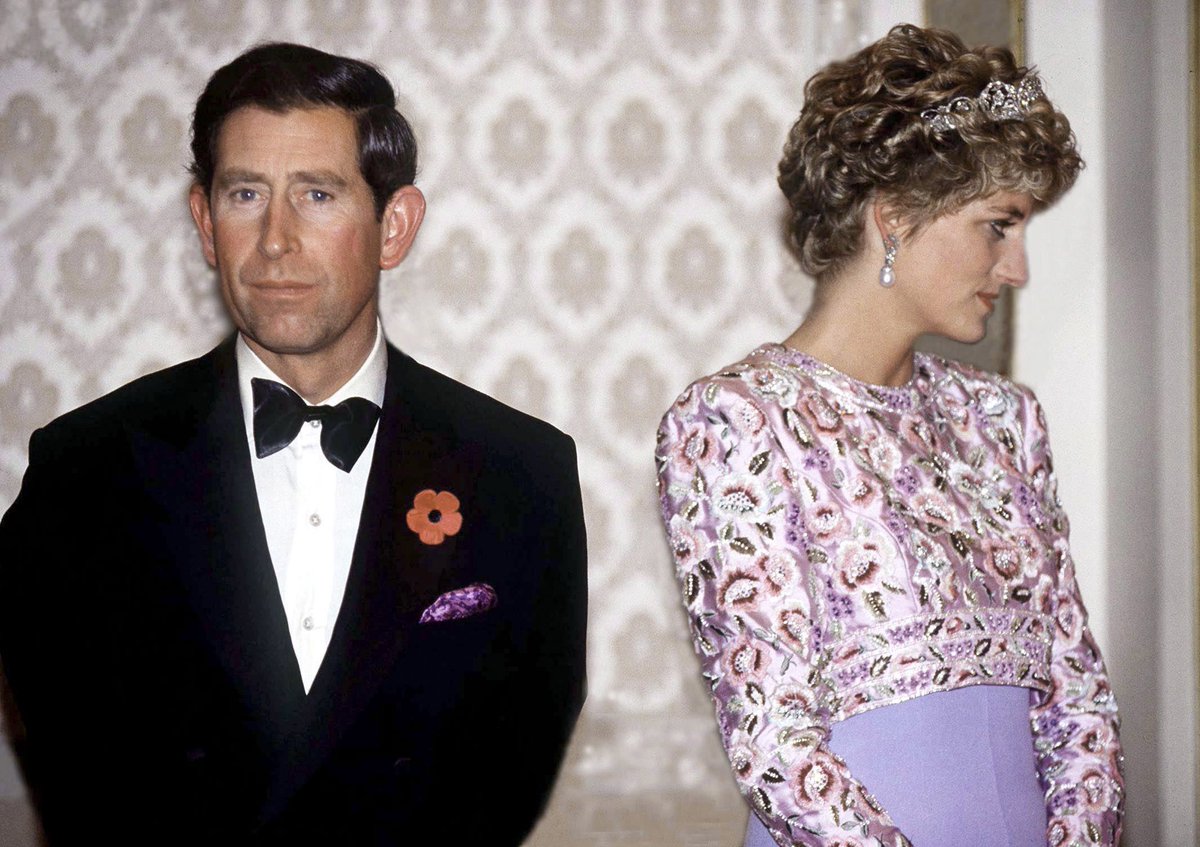
Here is Diana smashing a sugar glass bottle over Charles' head in 1986. I bet she wished it was real glass.
4. Abu Ghraib: Early on in the Iraq War, US army members & the CIA committed human rights violations and war crimes against detainees at the Abu Ghraib prison in Iraq. The abuse came to light in 2004 with the Department of Defense removing 17 soldiers from duty in response. Specialist Charles Graner and PFC Lynndie England were found to have committed some of the worst offenses & they received much harsher sentences.

5. Teapot Dome scandal: In the 1920s, President Warren G. Harding’s Secretary of the Interior Albert Fall secretly accepted hundreds of thousands of dollars in Liberty Bonds in exchange for leasing former Navy oil reserves in Wyoming known as Teapot Dome to a private company. He became the first Cabinet secretary to go to prison because of his actions on the job.
The entire administration crumbled in his first term, right out of the gate. The scandal infected his entire close friend group and Harding became synonymous with cronyism and corruption. Scrutiny into Harding’s personal life led to the discovery that he had a mistress. It put so much pressure on President Harding that he died in office of a heart attack.
People in the government were selling the administration to the highest bidder, using their government power to exploit bad positions to make a lot of money. They weren’t interested in the national interest; they were interested in their self-interest.
The entire administration crumbled in his first term, right out of the gate. The scandal infected his entire close friend group and Harding became synonymous with cronyism and corruption. Scrutiny into Harding’s personal life led to the discovery that he had a mistress. It put so much pressure on President Harding that he died in office of a heart attack.
People in the government were selling the administration to the highest bidder, using their government power to exploit bad positions to make a lot of money. They weren’t interested in the national interest; they were interested in their self-interest.
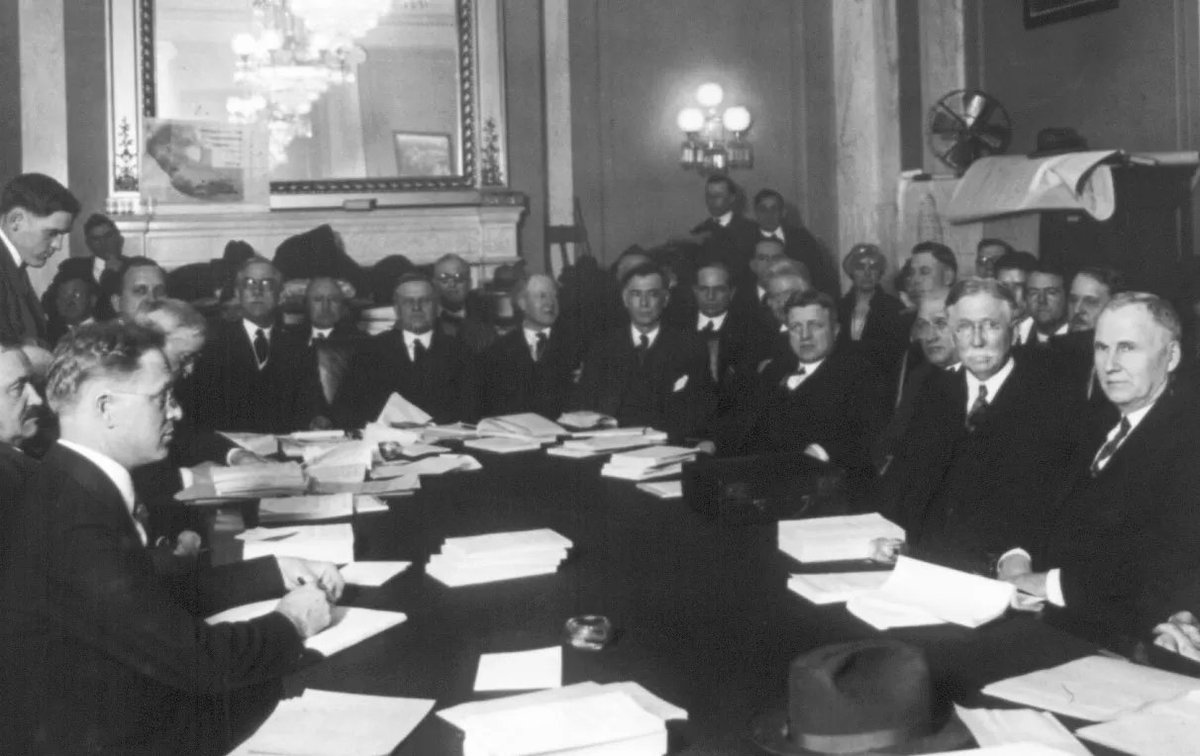
6. The Crédit Mobilier Scandal (1872): Crédit Mobilier, the company hired to build the Union Pacific Railroad, used its stock to bribe top officials in President Ulysses S. Grant’s administration — including the Vice President, the Speaker of the House and other members of Congress — to secure federal support to build a transcontinental railroad. The scandal came to light in 1872, but it took place in 1867 before Grant was President.
It was a prime example of corrupt crony capitalism that plagued the U.S. government. The scandal discredited the Grant Administration, even though the President was not involved in it personally, and, by extension, the Administration’s Reconstruction policy of protecting black rights against white terror in the post-Civil War South.
It was a prime example of corrupt crony capitalism that plagued the U.S. government. The scandal discredited the Grant Administration, even though the President was not involved in it personally, and, by extension, the Administration’s Reconstruction policy of protecting black rights against white terror in the post-Civil War South.

7. Tangentopoli: The Tangentopoli scandal, also known as "Bribesville," erupted in Italy in the early 1990s, revealing extensive political corruption and bribery involving numerous politicians and businessmen. The investigation, led by Milan magistrates and dubbed "Operation Clean Hands," uncovered a network of illicit payments made in exchange for public contracts.
The scandal implicated leaders from Italy's major political parties, including the long-dominant Christian Democrats and Socialists, leading to widespread public outrage. As a result, many prominent figures were arrested, and several parties dissolved, fundamentally reshaping the Italian political landscape. The Tangentopoli scandal exposed systemic corruption and significantly undermined public trust in Italian political institutions.
The scandal implicated leaders from Italy's major political parties, including the long-dominant Christian Democrats and Socialists, leading to widespread public outrage. As a result, many prominent figures were arrested, and several parties dissolved, fundamentally reshaping the Italian political landscape. The Tangentopoli scandal exposed systemic corruption and significantly undermined public trust in Italian political institutions.

8. The Profumo scandal: The Profumo scandal of the 1960s rocked the United Kingdom when it was revealed that John Profumo, the Secretary of State for War, had an affair with Christine Keeler, a model with connections to a Soviet naval attaché. The affair raised national security concerns and questions about potential espionage. Initially, Profumo denied the relationship in a statement to the House of Commons but was later forced to admit the truth and resign. The scandal severely damaged the credibility of Prime Minister Harold Macmillan's government, contributing to its eventual downfall.

9. Enron scandal: In 2001, it was revealed that the Houston-based energy company had engaged in widespread accounting fraud to hide its financial losses. Enron used complex financial structures and off-the-books partnerships to inflate profits and conceal debts, misleading investors and regulators.
The company's collapse led to the largest bankruptcy in U.S. history at the time, erasing billions in shareholder value and leading to significant job losses. Key executives, including CEO Jeffrey Skilling and founder Kenneth Lay, were convicted of multiple charges related to the fraud. The scandal also resulted in the dissolution of Arthur Andersen LLP, Enron's auditing firm, and led to significant regulatory reforms, including the Sarbanes-Oxley Act, to improve corporate governance and financial disclosure.
The company's collapse led to the largest bankruptcy in U.S. history at the time, erasing billions in shareholder value and leading to significant job losses. Key executives, including CEO Jeffrey Skilling and founder Kenneth Lay, were convicted of multiple charges related to the fraud. The scandal also resulted in the dissolution of Arthur Andersen LLP, Enron's auditing firm, and led to significant regulatory reforms, including the Sarbanes-Oxley Act, to improve corporate governance and financial disclosure.

Any I missed?
Mistyped on this one sorry this happened in 1998 not ‘88
• • •
Missing some Tweet in this thread? You can try to
force a refresh