We fall in love with reading because we love the characters in stories. Today I bring you a thread of the BEST characters in literature: 

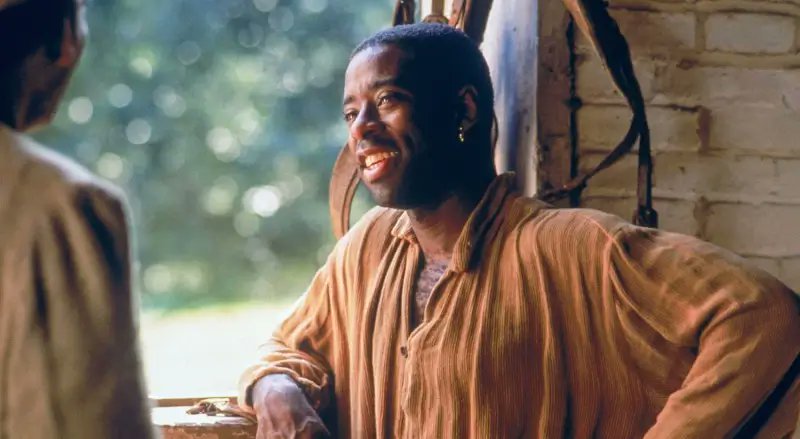
Jim, from Huckleberry Finn. The moral center of Mark Twain’s best novel, he becomes a surrogate father for the orphaned Huck, who decides he would rather go to hell than betray Jim to slavery. Jim is also the hero of a recent novel, “James,” by Percival Everett.
Mr Collins, from Pride & Prejudice. Everyone’s favorite slightly awkward vicar has a special fondness for Fordyce’s Sermons, shelves in the closet and the esteemed patronage of the Lady Catherine de Bourgh. He deserved a happily ever after with Mary Bennet.
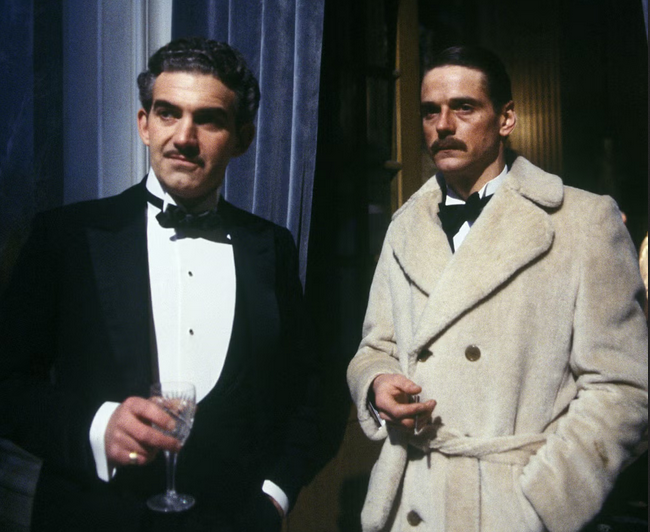
Rex Mottram, from Brideshead Revisited. Destined for a career in politics, Rex loves women and money. When he becomes Catholic to win the hand of Julia Flyte, her sister convinces him that you can bribe a priest to send an enemy of your choosing to hell. A glorious chump.
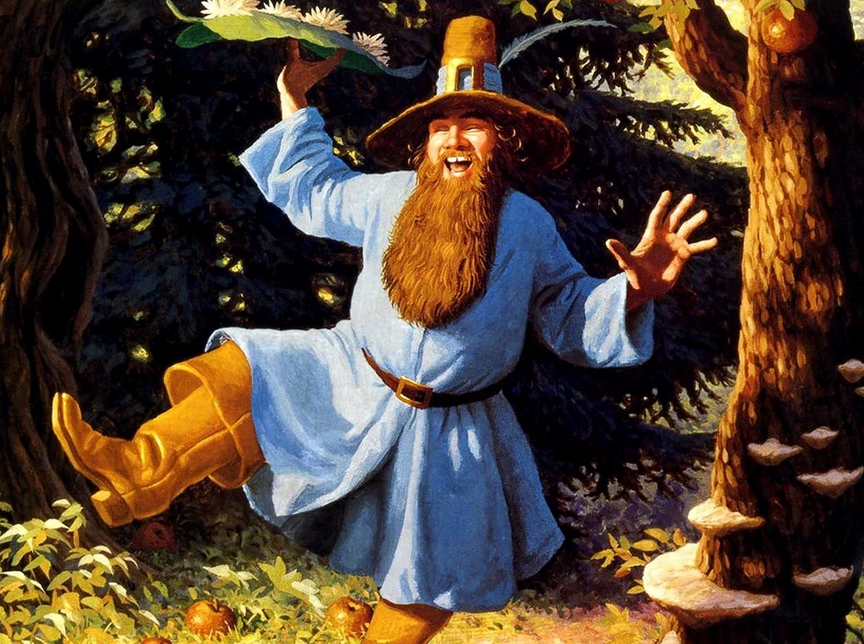
Tom Bombadil, from The Lord of the Rings. He wears yellow boats and sings silly songs. He makes the hobbits frolic in the nude. He’s an unsolvable mystery, and his inclusion bolsters the story’s sense of “measureless depth.” Old Tom, he is the master.
Alfred Jingle, from The Pickwick Papers. Jingle turns up in the second chapter of Dickens’s first novel to seduce ladies, start duels and spread mayhem. His sentences peppered with dashes, he’s the first in a long line of scoundrels that includes the Artful Dodger and Uriah Heep.

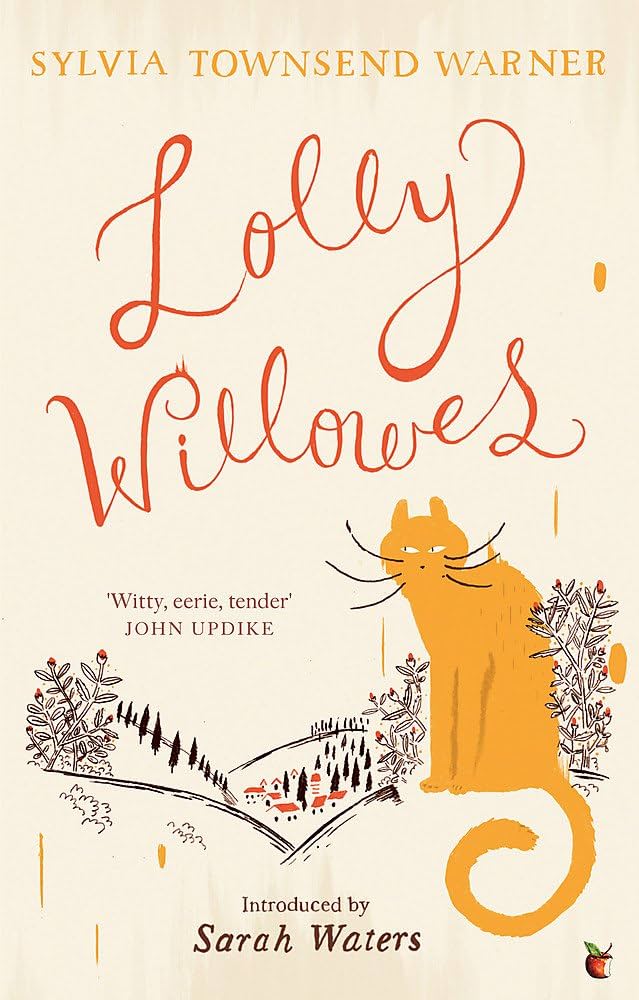
Cassandra Mortmain, from I Capture the Castle. She begins keeping a journal after her once-famous father moves the family into a rented castle. There she conspires to imprison him in a tower to cure his writer’s block. The book she narrates might be the best journal in fiction.

Puddleglum the Marsh-Wiggle, from The Silver Chair. When Eustace Scrubb and Jill Pole must travel north, Aslan sends them Puddleglum, amphibious and incurably pessimistic. Yet when the three are facing down the Green Lady, it’s Puddleglum’s heroism that saves the day.
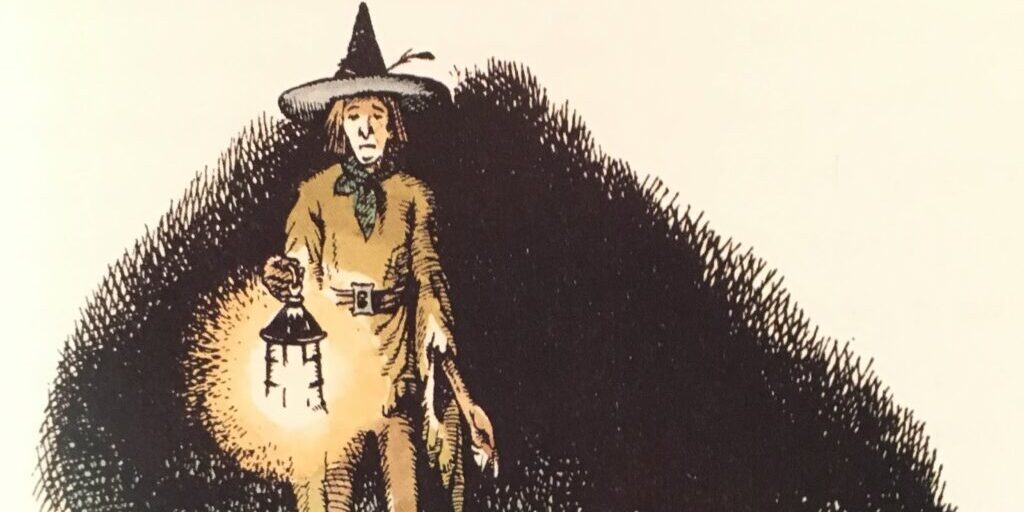
Scheherazade, from the Arabian Nights. Married to a sultan with a habit of murdering his wives on the morning after the wedding, Scheherazade keeps death at bay by telling stories with cliffhanger endings—and becomes the model for all storytellers, then and now.

The Cucumber-Throwing Gentleman, from Nicholas Nickleby. The widowed Mrs. Nickleby finds herself pursued by an amorous neighbor who throws cucumbers into the garden to signal his affections. He claims to possess estates, jewels, whaleries, which seems unlikely.

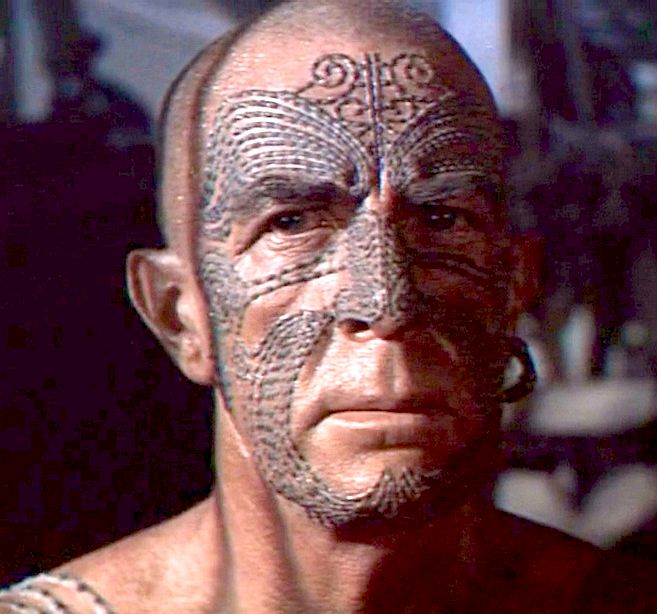
Queequeg, from Moby-Dick. A cannibal harpooner with whom Ishmael is obliged to share a bed on his first night in New Bedford. Ishmael finds himself smitten with the brawny young man, and the two forge a friendship that only death can end.
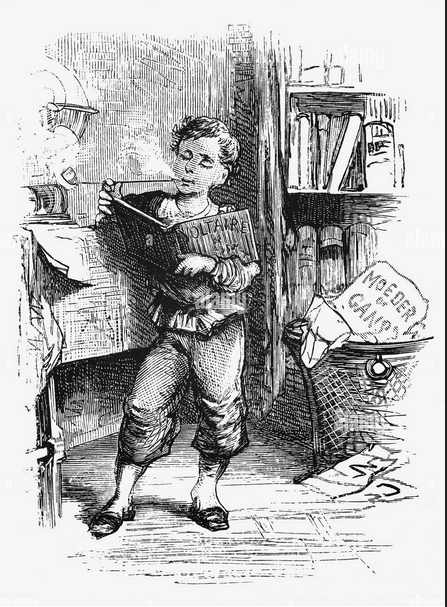
Boy Reading Tacitus, from “The Garden of Forking Paths” by Borges. While boarding a train on his way to kill Stephen Albert, a man he loves and reveres, Yu Tsun sees a child on the platform reading the Annals of Tacitus, in what is probably the last happy moment of his life.
Catherine Morland, from Northanger Abbey. Bookish, inquisitive, romantic, and just a touch naïve, Catherine is all of us who read stories and wish ourselves into their pages. Jane Austen nails that feeling of being young and not yet knowing how the world works.

The Cheshire Cat, from Alice in Wonderland. One of the more enigmatic creatures our girl Alice encounters. His habit of partially disappearing causes trouble for the King of Hearts, who attempts to behead him—but how do you behead a cat with a head but no body?
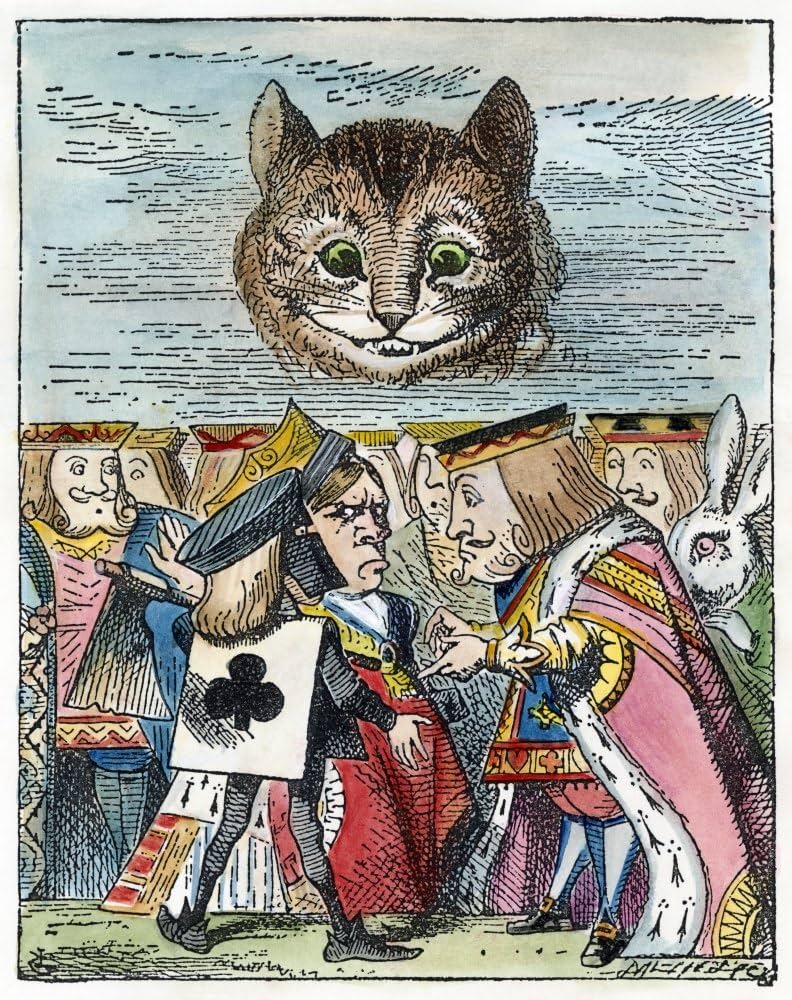
Pierre Bezukhov, from War & Peace. He’s rich but hopelessly awkward. He drinks and reads too much. He becomes obsessed with prophecy and tries to kill Napoleon. The women all pity him because he’s married but not in love. There’s even a song about him!
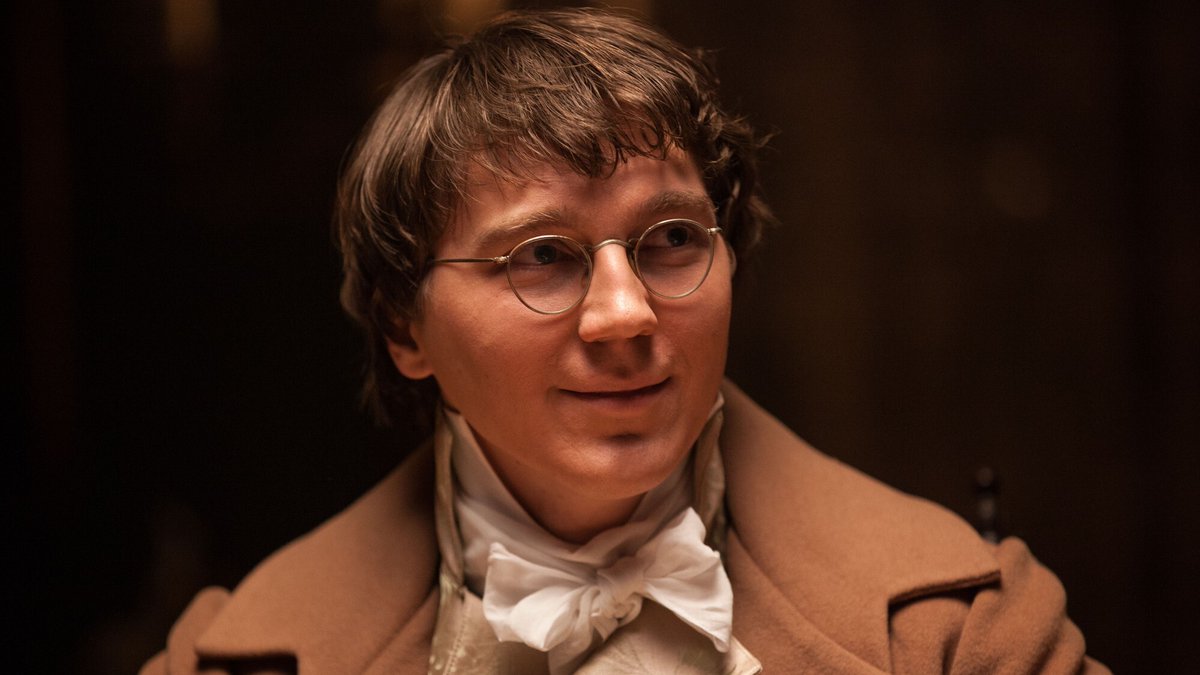
Krishna. The most mysterious character in the Mahabharata, Krishna assists the Pandava brothers because he hopes to start a war in which millions die. When questioned about this at the end of his life, he says, “I fought against terrible powers, and I did what I could.”

Circe, from the Odyssey. Possibly the only character on this list to have turned a boat full of sailors into pigs, she seduces Odysseus and then acts as his GPS into the underworld. Her influence can be seen in everything from Morgan le Fay to “Hotel California.”
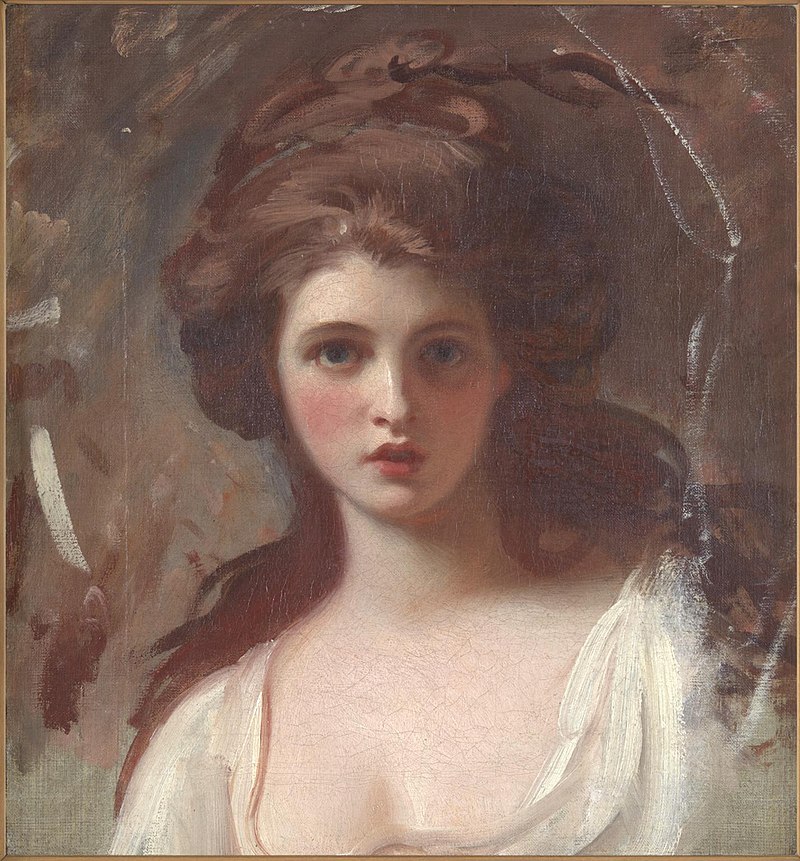
Madame Zeroni, from Holes. Listen: if Madame Zeroni tells you to carry a pig up the mountain every day and you don’t follow through, I don’t want to hear you complaining when a curse is laid on you and all your descendants forever.
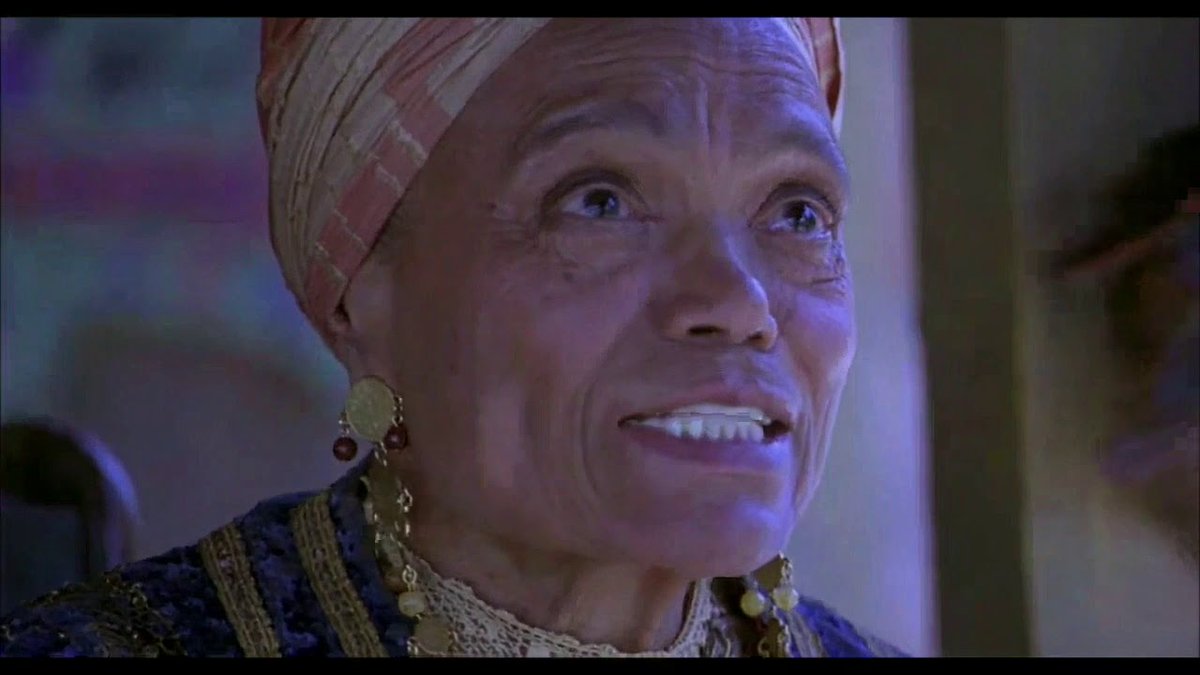
José Arcadio Buendía, from One Hundred Years of Solitude. A good illustration of the dangers of becoming obsessed with magical instruments, obliging your loved ones to drag you from the house and chain you to a tree in your back yard.

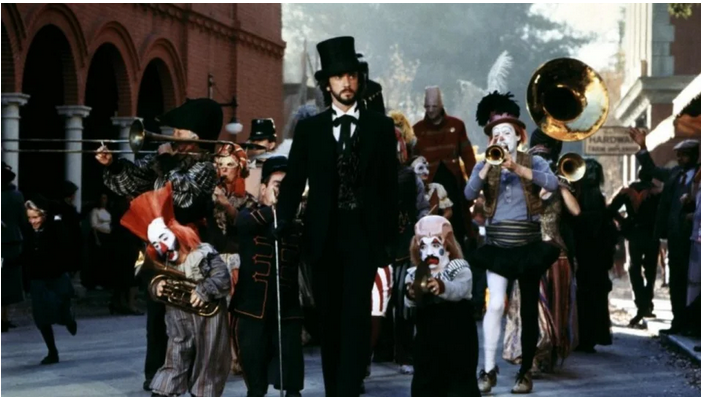
Mr Dark, from Something Wicked This Way Comes. A mysterious gentleman who turns up every few decades, tempting folk with their hearts’ deepest desires. He makes people feel bad about getting older and, worst of all, rips up a library book. Truly wicked!
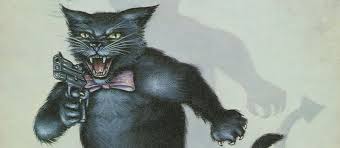
Behemoth, from The Master & Margarita. A sort of dark version of the Cheshire Cat, Behemoth is a wise-cracking associate of the devil. He can transform his appearance at will, he gets into gun battles with the police, and has a special fondness for vodka and pineapple.
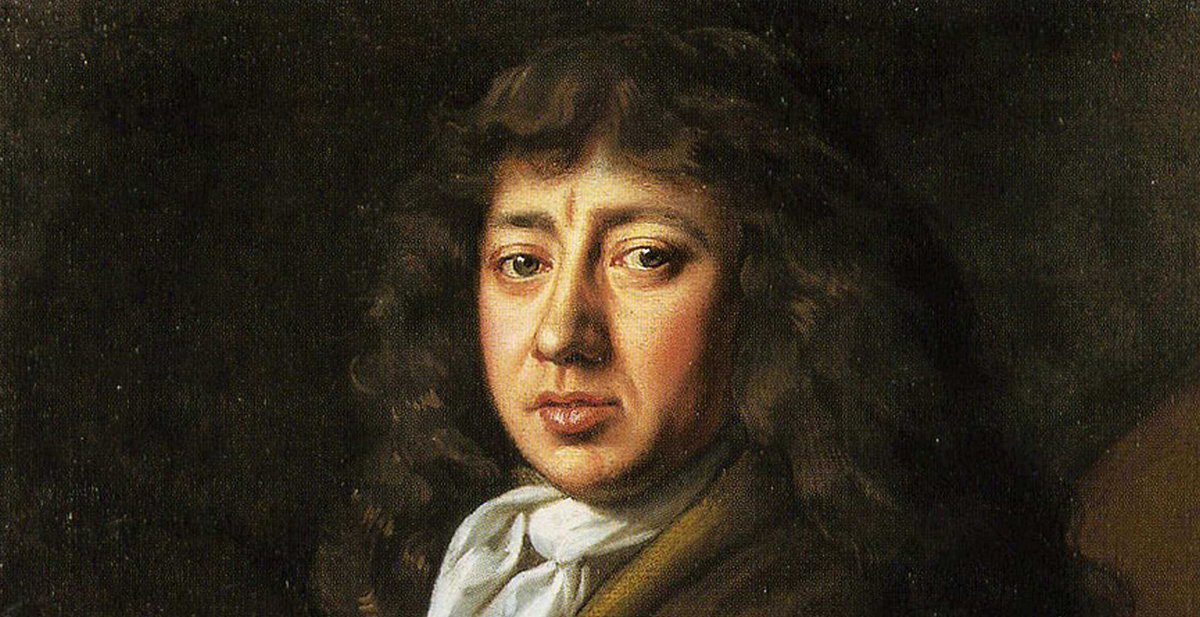
The Dog Who Annoyed Samuel Pepys. In his diary for February 12, 1660, Pepys writes that he had some “high words” with his wife, threatening to “fling the dog which her brother gave her out at the window if he pissed the house any more.” Team Dog!
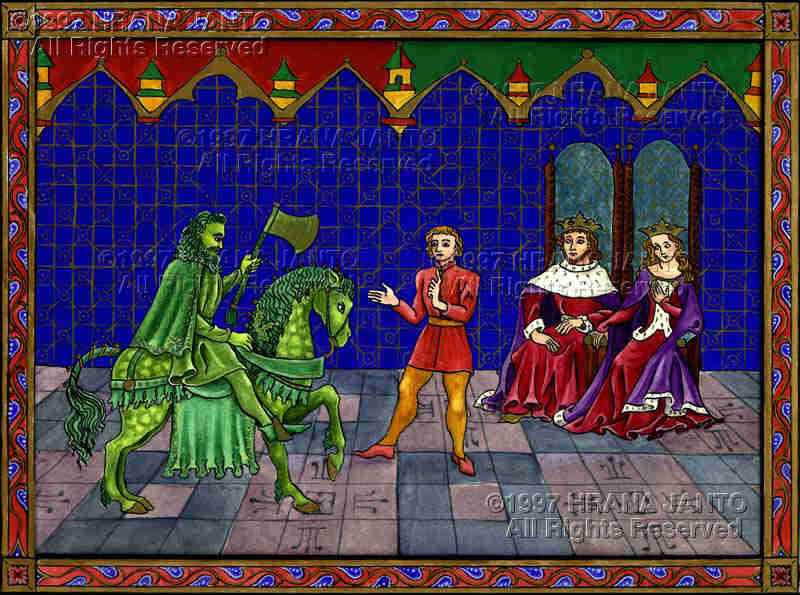
Sir Gawain. Gawain tends to have the weirdest adventures of all the knights at Camelot. In one story, he finds himself having to marry a loathly lady. In another, he must allow himself to be beheaded by a green man. He’s the Arya Stark of the Middle Ages.

Mrs Danvers, from Rebecca. One can’t help wondering why Mr. de Winter doesn’t simply find a new housekeeper, when this one hangs about attempting to embarrass his second wife and nudging her into throwing herself out of a window.

Bergotte, from In Search of Lost Time. The novelist Bergotte appears for maybe ten pages in volume two of Proust’s masterpiece, but in those ten pages Marcel compares him to (a) the devil and (b) a magician who fires a gun out of which a flock of pigeons emerges. Pretty cool!

Turtle Wexler, from The Westing Game. A direct descendant of the precocious teen Josephine in Agatha Christie’s Crooked House, Turtle has formidable intelligence and a habit of kicking people in the shins. She’s an inspiration for more recent sleuths like Flavia de Luce.

Jane Eyre, from Jane Eyre. Possibly the best female character in literature? Jane is smart, sassy, doesn’t care whom she offends, and shows a remarkable tolerance for Rochester and his many tricks and disguises. She’s also complex and developed in a way no one has ever equaled.

If you enjoyed this list, kindly check out my previous list of the weirdest classics. And follow me on patreon @ sketchesbyboze, where I’m constantly posting bookish joy!
https://twitter.com/SketchesbyBoze/status/1790109761129885958
• • •
Missing some Tweet in this thread? You can try to
force a refresh