8 of history's worst experiments:
1. Unit 731: During World War II, the Imperial Japanese Army conducted extensive chemical & biological warfare research on human test subjects. An estimated 200,000 people died from these cruel experiments.
Victims were intentionally exposed to anthrax, the bubonic plague, cholera, syphilis, typhus and other pathogens. Other experiments included vivisection, controlled dehydration, biological weapons testing, hypobaric pressure chamber testing, organ harvesting amputation, and standard weapons testing, all without anesthesia or a care of whether the victim lived or died.
Unit 731 victims included men, women, children, and even infants that were born after victims were r*ped by the staff. Unit 731 was led by General Shirō Ishii who was granted immunity & then hired after WWII by the United States government.
1. Unit 731: During World War II, the Imperial Japanese Army conducted extensive chemical & biological warfare research on human test subjects. An estimated 200,000 people died from these cruel experiments.
Victims were intentionally exposed to anthrax, the bubonic plague, cholera, syphilis, typhus and other pathogens. Other experiments included vivisection, controlled dehydration, biological weapons testing, hypobaric pressure chamber testing, organ harvesting amputation, and standard weapons testing, all without anesthesia or a care of whether the victim lived or died.
Unit 731 victims included men, women, children, and even infants that were born after victims were r*ped by the staff. Unit 731 was led by General Shirō Ishii who was granted immunity & then hired after WWII by the United States government.

2. MK-Ultra Subproject 68: MK-Ultra is infamous for its mind-control experimentation, but more than 150 subprojects were sponsored by the CIA under the same name. Subproject 68 experimentation was led by Dr. Donald Cameron on patients admitted to the Royal Victoria Hospital's Allan Memorial Institute in Montreal (mostly for issues like bipolar disorder and anxiety disorders) where he conducted "therapy" on them - treatment that was life-altering and scarring.
Between 1957 and 1964, Cameron administered electroconvulsive therapy as frequently as twice daily, as opposed to the recommended limit of three times a week. He would put patients into drug-induced comas and play back tapes of simple statements or repetitive noises over and over again.
The victims often lost the ability to speak, forgot about their parents, and suffered serious amnesia. All of this was performed on Canadian citizens because the CIA wasn’t willing to risk such operations on Americans.
To ensure continuous funding, Cameron experimented upon admitted children, and in one situation filmed a child engaging in intimate acts with high-ranking government officials, which he used as blackmail.
Between 1957 and 1964, Cameron administered electroconvulsive therapy as frequently as twice daily, as opposed to the recommended limit of three times a week. He would put patients into drug-induced comas and play back tapes of simple statements or repetitive noises over and over again.
The victims often lost the ability to speak, forgot about their parents, and suffered serious amnesia. All of this was performed on Canadian citizens because the CIA wasn’t willing to risk such operations on Americans.
To ensure continuous funding, Cameron experimented upon admitted children, and in one situation filmed a child engaging in intimate acts with high-ranking government officials, which he used as blackmail.

3. Tuskegee Syphilis Study: In the 1930s, researchers from the US Public Health Service and Alabama's Tuskegee Institute recruited nearly 400 Black men of low socioeconomic status to study the natural progression of syphilis.
The initial study comprised 399 infected patients and 201 without the disease. None had the opportunity to consent to what happened; they were told they were simply being treated for “bad blood,” which colloquially at the time referred to anything from STDs to anemia to fatigue; many of the men did not even know they had syphilis. As compensation, they received free medical exams, free food, and burial insurance.
Penicillin became the gold standard for syphilis treatment by 1943, but researchers never offered it to the men in the Tuskegee study, instead letting them continue to suffer. The study continued for nearly 30 more years. More than 100 of the subjects died from syphilis directly or from complications from not being properly treated.
In 1972, the Associated Press broke the story of “The Tuskegee Study of Untreated Syphilis in the Negro Male” and backlash was swift from the patients, the public, and the medical community. “I don’t know why the decision was made in 1946 not to stop the program,” remarked Don Prince, an official with the CDC. "I was unpleasantly surprised when I first came here and found out about it. It really puzzles me.”
The patients filed a lawsuit and eventually shared a $9 million settlement. In May 1997, then-President Bill Clinton issued a formal apology, which included the passage: “I am sorry that your federal government orchestrated a study so clearly racist. That can never be allowed to happen again.”
The initial study comprised 399 infected patients and 201 without the disease. None had the opportunity to consent to what happened; they were told they were simply being treated for “bad blood,” which colloquially at the time referred to anything from STDs to anemia to fatigue; many of the men did not even know they had syphilis. As compensation, they received free medical exams, free food, and burial insurance.
Penicillin became the gold standard for syphilis treatment by 1943, but researchers never offered it to the men in the Tuskegee study, instead letting them continue to suffer. The study continued for nearly 30 more years. More than 100 of the subjects died from syphilis directly or from complications from not being properly treated.
In 1972, the Associated Press broke the story of “The Tuskegee Study of Untreated Syphilis in the Negro Male” and backlash was swift from the patients, the public, and the medical community. “I don’t know why the decision was made in 1946 not to stop the program,” remarked Don Prince, an official with the CDC. "I was unpleasantly surprised when I first came here and found out about it. It really puzzles me.”
The patients filed a lawsuit and eventually shared a $9 million settlement. In May 1997, then-President Bill Clinton issued a formal apology, which included the passage: “I am sorry that your federal government orchestrated a study so clearly racist. That can never be allowed to happen again.”

4. Kamera: Kamera, which means ‘The Cell’ in Russian, was testing done by the Soviet secret police on humans. The goal of the experiments was to find a tasteless, odorless chemical that could not be detected in the body after death. A variety of lethal poisons were tested on prisoners from the Gulags, including mustard gas, ricin, curare, cyanide, and digitoxin.
Soviet & Russian leaders have used what was learned during the Kamera experiments as is obvious from their long list of prominent figures & politicians assassinated by poisoning.
Soviet & Russian leaders have used what was learned during the Kamera experiments as is obvious from their long list of prominent figures & politicians assassinated by poisoning.

5. Nazi Experimentation: During WWII, Nazi Germany performed extensive experimentation on prisoners at concentration camps. Victims were abused, mutilated, starved, tortured, and experimented on. There are 15,754 documented victims; about a quarter of them died & many that survived were later killed in other ways or were permanently injured.
Types of experimentation included hypothermia testing, bone & muscle transplants, blood coagulation tests & seawater experiments. Twins and homosexuals were also singled out and tested on extensively.
Types of experimentation included hypothermia testing, bone & muscle transplants, blood coagulation tests & seawater experiments. Twins and homosexuals were also singled out and tested on extensively.
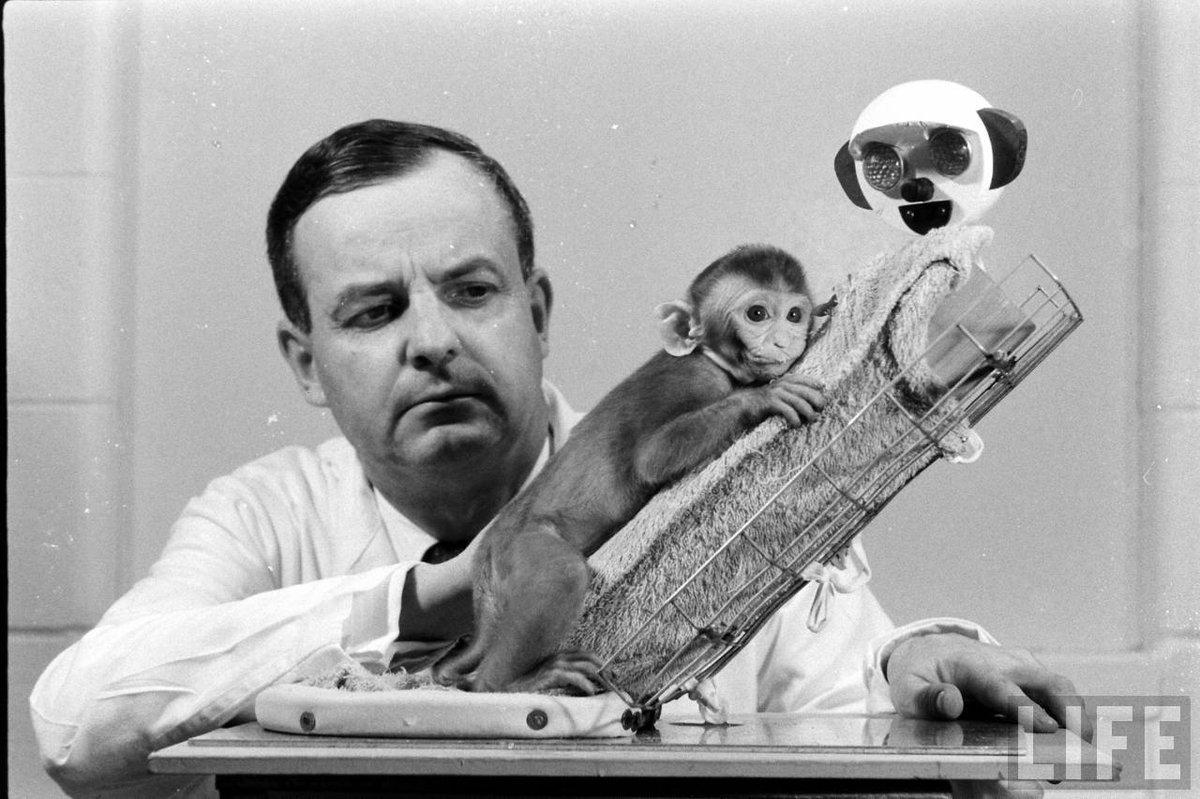
6. Pit of Despair: In the 1970s, while working at the University of Wisconsin, psychologist Harry Harlow did experiments on monkeys with the intent of researching depression in animals. Harlow built isolation chambers & would put young monkeys who had just bonded with their mother into the chamber for extended periods of time so they were isolated. After leaving the babies alone & isolated for weeks or months on end, they were found to be extremely depressed and often unresponsive when let out.
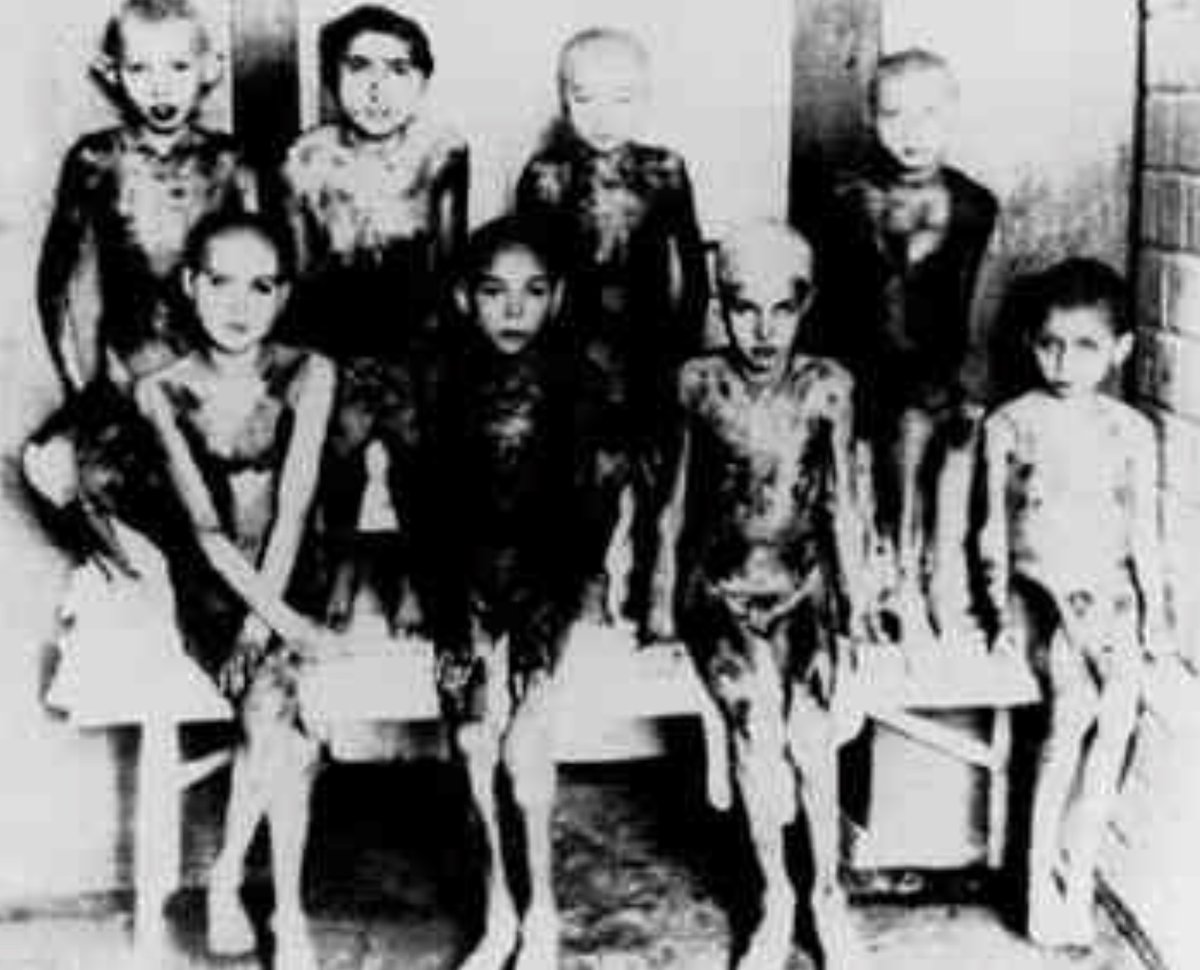
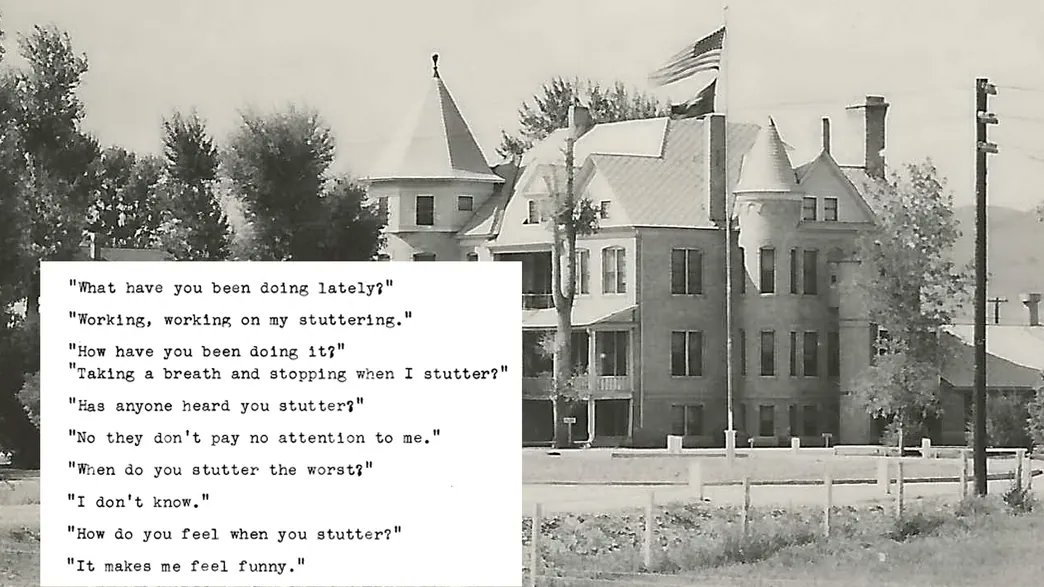
7. Monster Study: In 1939, speech pathologists at the University of Iowa wanted to prove their theory that stuttering was a learned behavior caused by a child's anxiety about speaking. Unfortunately, the way they chose to go about this was to try to induce stuttering in orphans by telling them they were doomed to start stuttering in the future.
The researchers sat down with 22 children at an orphanage in Ohio who were told they would be receiving speech therapy, but in reality they became subjects in a stuttering experiment; only about half were actually stutterers, and none received speech therapy.
The children were split into four groups:
• Half of the stutterers were given negative feedback.
• The other half of stutterers were given positive feedback.
• Half of the non-stuttering group were all told they were beginning to stutter and were criticized.
• The other half of non-stutterers were praised.
The third group, despite never actually developing a stutter, began to change their behavior, exhibiting low self-esteem and adopting the self-conscious behaviors associated with stutterers. And those who did stutter didn't cease doing so regardless of the feedback they received.
Future Iowa pathology students dubbed the study, "the Monster Study," according to a 2003 New York Times article on the research. Three surviving children and the estates of three others eventually sued Iowa and the university. In 2007, Iowa settled for a total of $925,000.
The researchers sat down with 22 children at an orphanage in Ohio who were told they would be receiving speech therapy, but in reality they became subjects in a stuttering experiment; only about half were actually stutterers, and none received speech therapy.
The children were split into four groups:
• Half of the stutterers were given negative feedback.
• The other half of stutterers were given positive feedback.
• Half of the non-stuttering group were all told they were beginning to stutter and were criticized.
• The other half of non-stutterers were praised.
The third group, despite never actually developing a stutter, began to change their behavior, exhibiting low self-esteem and adopting the self-conscious behaviors associated with stutterers. And those who did stutter didn't cease doing so regardless of the feedback they received.
Future Iowa pathology students dubbed the study, "the Monster Study," according to a 2003 New York Times article on the research. Three surviving children and the estates of three others eventually sued Iowa and the university. In 2007, Iowa settled for a total of $925,000.
8. Project 4.1: Between 1946 and 1958 the United States tested 67 nuclear weapons above ground on or near Bikini and Enewetok atolls in the Marshall Islands. Entire islands were vaporized & populated islands were blanketed with fallout. Marshall Island residents were exposed to high levels of radiation without their consent or knowledge of the effects, particularly after the Castle Bravo test, the most powerful nuclear test ever done by the US. Instead of warning them of the dangers, the US government observed the effects of the radiation on the Marshallese.
Here is the magnitude of the Castle Bravo test.
Here is the magnitude of the Castle Bravo test.
• • •
Missing some Tweet in this thread? You can try to
force a refresh