8 of history's evilest execution methods:
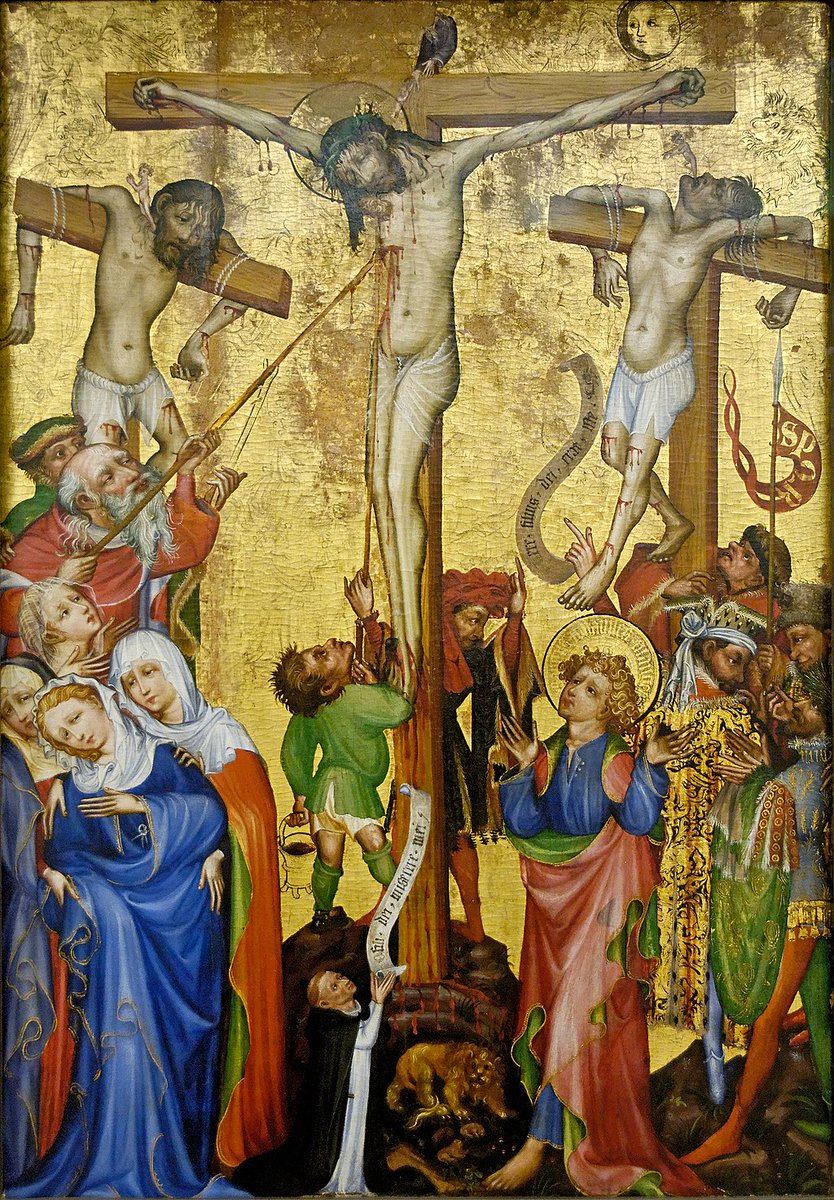
1. Crucifixion: The victim was tied or nailed to a wooden beam—or cross. Nails were pierced through the bones below the wrists to bear the weight of the person. It was a “brilliant” placement because no major blood vessels were hit—only the median nerve, which would cause the fingers to seize and the hands to flex down in an excruciating contracture.
The feet were nailed to the vertical part of the cross, and once the legs weakened, the arms had to hold up the body, resulting in the shoulders being pulled from their sockets. The elbows and wrists would soon follow, with the arms now several inches longer. At this point, the chest had to bear the body’s weight, triggering respiratory problems, and eventual suffocation.
1. Crucifixion: The victim was tied or nailed to a wooden beam—or cross. Nails were pierced through the bones below the wrists to bear the weight of the person. It was a “brilliant” placement because no major blood vessels were hit—only the median nerve, which would cause the fingers to seize and the hands to flex down in an excruciating contracture.
The feet were nailed to the vertical part of the cross, and once the legs weakened, the arms had to hold up the body, resulting in the shoulders being pulled from their sockets. The elbows and wrists would soon follow, with the arms now several inches longer. At this point, the chest had to bear the body’s weight, triggering respiratory problems, and eventual suffocation.
2. Keelhauling: The term comes from the Dutch word kielhalen, meaning “to drag along the keel”—which is precisely what this torture method did. The sailor was stripped, tied, and suspended by a rope from the ship’s mast, with weights or chains attached to their legs.
The rope was looped beneath the ship, and once the sailor was released, they were dragged under the keel. The fatality rate was practically 100 percent. If the person did not drown, they suffered severe head trauma from repeatedly smacking against the keel, as well as deep lacerations from the barnacles and other aquatic growth present on the hull. If they survived and were hauled back on board, death would most likely still result from wound infections.
The rope was looped beneath the ship, and once the sailor was released, they were dragged under the keel. The fatality rate was practically 100 percent. If the person did not drown, they suffered severe head trauma from repeatedly smacking against the keel, as well as deep lacerations from the barnacles and other aquatic growth present on the hull. If they survived and were hauled back on board, death would most likely still result from wound infections.

3. Impalement: Most famously used by Vlad the Impaler, 15th-century ruler of Wallachia and inspiration for Count Dracula, the act of impalement has a long, grim history. While images tend to depict people skewered through the midsection and then held aloft — in a manner that would almost certainly bring about a rapid death — the real process was a much longer, horrifically drawn-out ordeal.
Traditionally, the stake would be partially sharpened and planted point up in the ground. The victim would then be placed over the spike as it was inserted partway into the rectum or vagina.
As their own body weight dragged them further onto the pole, the semi-greased wooden stake would force its way up through their body, piercing organs with an agonizing slowness as it eventually penetrated the entire torso, finally tearing an exit wound through the skin of the shoulder, neck or throat.
According to some accounts, it could take the victim — exposed, bleeding, and writhing in tormented agony — as long as eight whole days to die.
Traditionally, the stake would be partially sharpened and planted point up in the ground. The victim would then be placed over the spike as it was inserted partway into the rectum or vagina.
As their own body weight dragged them further onto the pole, the semi-greased wooden stake would force its way up through their body, piercing organs with an agonizing slowness as it eventually penetrated the entire torso, finally tearing an exit wound through the skin of the shoulder, neck or throat.
According to some accounts, it could take the victim — exposed, bleeding, and writhing in tormented agony — as long as eight whole days to die.

4. Roman Candle: Victims were tied and nailed to tall stakes. Then, pitch, oil, wax, and other flammable liquid was poured over them before they were set alight. The fire started at the feet to prolong their suffering.
Infamously brutal Roman emperor Nero was a big fan of this method, often burning Christians this way at his lavish parties and using the burning victims as a source of light. Whether the Christians had rebelled against the state or not, this was a monstrous way to go.
Infamously brutal Roman emperor Nero was a big fan of this method, often burning Christians this way at his lavish parties and using the burning victims as a source of light. Whether the Christians had rebelled against the state or not, this was a monstrous way to go.

5. Flaying: The victim was first stripped, and their hands and feet bound to stop any movement. After this, the executioner would begin peeling away the individual’s skin with a sharp blade, often starting with the head as this area would inflict the most suffering due to the victim still being conscious.
In some instances, parts of the person’s body were even boiled to make the skin softer and easier to remove. There were a few ways one could die from flaying: shock, blood or fluid loss, hypothermia, or infection. The time of death could also be anywhere from a few hours to a few days.
In some instances, parts of the person’s body were even boiled to make the skin softer and easier to remove. There were a few ways one could die from flaying: shock, blood or fluid loss, hypothermia, or infection. The time of death could also be anywhere from a few hours to a few days.

6. The Rack: The Rack was a long table with axles and levers at both ends. The victim was forced to lay down, after which leather straps/belts bound their wrists and heels. The straps had chains or ropes tied to them, which wound over the axles. One or several torturers would then slowly push the levers, causing the axles to rotate and produce tension in the chains. This caused the straps to dig into the prisoner’s skin and gradually stretched their body outwards.
The internal physical turmoil that one would have suffered is hard to swallow: vertebrae expanded, joints, muscles, and tendons gave way, posture changed, the ribcage pressurized the lungs, bones shattered, nerve endings became exposed —the pain would be near unimaginable. As a bonus for the “especially tough,” they were placed on spiked axles that stripped their back of its flesh.
The internal physical turmoil that one would have suffered is hard to swallow: vertebrae expanded, joints, muscles, and tendons gave way, posture changed, the ribcage pressurized the lungs, bones shattered, nerve endings became exposed —the pain would be near unimaginable. As a bonus for the “especially tough,” they were placed on spiked axles that stripped their back of its flesh.

7. The Boats: Also known as scaphism, this method involved the victim being taken to a body of water and placed inside a boat. Another identical boat was then sealed on top of it to make a sort of shell, with the arms, legs, and head sticking out of the sides. force-fed honey and milk, covering his face and arms and legs with it too.
After a time in the direct sun, his face and limbs would become completely covered with flies. Suffering from diarrhea & other bodily functions in the boat, vermin would feed on the excrement and then also start to enter the victim’s body and devour him inside and out.
After a time in the direct sun, his face and limbs would become completely covered with flies. Suffering from diarrhea & other bodily functions in the boat, vermin would feed on the excrement and then also start to enter the victim’s body and devour him inside and out.

8. Rat Torture: One or often multiple rats would be placed inside a small cage positioned against the victim’s abdomen. The cage was heated from the outside—either by a candle, flaming stick, or hot coals—causing the rat to become agitated. So, how could it escape?
By clawing its way into the only available soft surface—human skin. Quite quickly, the rat would gnaw its way into the victim’s bowels, eliciting unbearable agony in the process. This technique effectively got information out of prisoners and played on their psyches, adding a psychological element to the torture.
By clawing its way into the only available soft surface—human skin. Quite quickly, the rat would gnaw its way into the victim’s bowels, eliciting unbearable agony in the process. This technique effectively got information out of prisoners and played on their psyches, adding a psychological element to the torture.

What others did I forget?
• • •
Missing some Tweet in this thread? You can try to
force a refresh