Time Capsule Tales Profile picture
May 24 9 tweets 6 min read Read on X
8 of history's evilest execution methods:

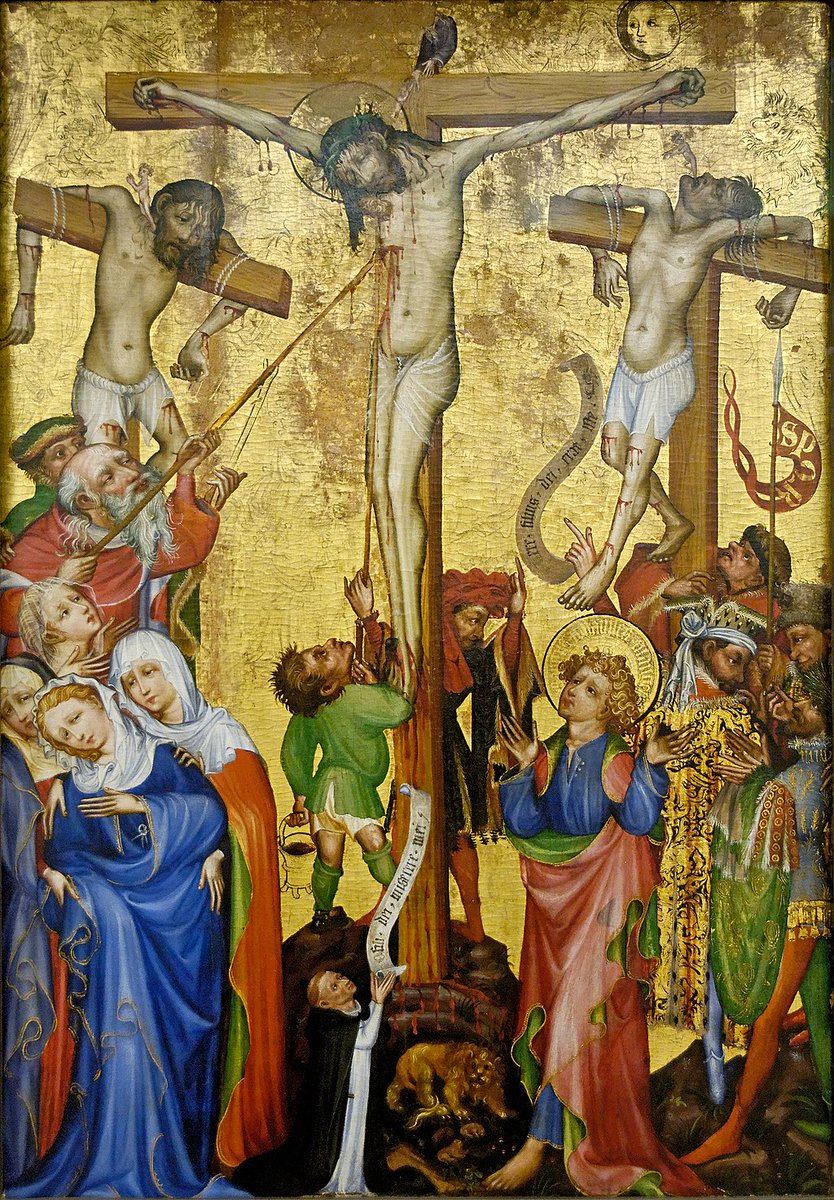
1. Crucifixion: The victim was tied or nailed to a wooden beam—or cross. Nails were pierced through the bones below the wrists to bear the weight of the person. It was a “brilliant” placement because no major blood vessels were hit—only the median nerve, which would cause the fingers to seize and the hands to flex down in an excruciating contracture.

The feet were nailed to the vertical part of the cross, and once the legs weakened, the arms had to hold up the body, resulting in the shoulders being pulled from their sockets. The elbows and wrists would soon follow, with the arms now several inches longer. At this point, the chest had to bear the body’s weight, triggering respiratory problems, and eventual suffocation.Image
2. Keelhauling: The term comes from the Dutch word kielhalen, meaning “to drag along the keel”—which is precisely what this torture method did. The sailor was stripped, tied, and suspended by a rope from the ship’s mast, with weights or chains attached to their legs.

The rope was looped beneath the ship, and once the sailor was released, they were dragged under the keel. The fatality rate was practically 100 percent. If the person did not drown, they suffered severe head trauma from repeatedly smacking against the keel, as well as deep lacerations from the barnacles and other aquatic growth present on the hull. If they survived and were hauled back on board, death would most likely still result from wound infections.Image
3. Impalement: Most famously used by Vlad the Impaler, 15th-century ruler of Wallachia and inspiration for Count Dracula, the act of impalement has a long, grim history. While images tend to depict people skewered through the midsection and then held aloft — in a manner that would almost certainly bring about a rapid death — the real process was a much longer, horrifically drawn-out ordeal.

Traditionally, the stake would be partially sharpened and planted point up in the ground. The victim would then be placed over the spike as it was inserted partway into the rectum or vagina.

As their own body weight dragged them further onto the pole, the semi-greased wooden stake would force its way up through their body, piercing organs with an agonizing slowness as it eventually penetrated the entire torso, finally tearing an exit wound through the skin of the shoulder, neck or throat.

According to some accounts, it could take the victim — exposed, bleeding, and writhing in tormented agony — as long as eight whole days to die.Image
4. Roman Candle: Victims were tied and nailed to tall stakes. Then, pitch, oil, wax, and other flammable liquid was poured over them before they were set alight. The fire started at the feet to prolong their suffering.

Infamously brutal Roman emperor Nero was a big fan of this method, often burning Christians this way at his lavish parties and using the burning victims as a source of light. Whether the Christians had rebelled against the state or not, this was a monstrous way to go.Image
5. Flaying: The victim was first stripped, and their hands and feet bound to stop any movement. After this, the executioner would begin peeling away the individual’s skin with a sharp blade, often starting with the head as this area would inflict the most suffering due to the victim still being conscious.

In some instances, parts of the person’s body were even boiled to make the skin softer and easier to remove. There were a few ways one could die from flaying: shock, blood or fluid loss, hypothermia, or infection. The time of death could also be anywhere from a few hours to a few days.Image
6. The Rack: The Rack was a long table with axles and levers at both ends. The victim was forced to lay down, after which leather straps/belts bound their wrists and heels. The straps had chains or ropes tied to them, which wound over the axles. One or several torturers would then slowly push the levers, causing the axles to rotate and produce tension in the chains. This caused the straps to dig into the prisoner’s skin and gradually stretched their body outwards.

The internal physical turmoil that one would have suffered is hard to swallow: vertebrae expanded, joints, muscles, and tendons gave way, posture changed, the ribcage pressurized the lungs, bones shattered, nerve endings became exposed —the pain would be near unimaginable. As a bonus for the “especially tough,” they were placed on spiked axles that stripped their back of its flesh.Image
7. The Boats: Also known as scaphism, this method involved the victim being taken to a body of water and placed inside a boat. Another identical boat was then sealed on top of it to make a sort of shell, with the arms, legs, and head sticking out of the sides. force-fed honey and milk, covering his face and arms and legs with it too.

After a time in the direct sun, his face and limbs would become completely covered with flies. Suffering from diarrhea & other bodily functions in the boat, vermin would feed on the excrement and then also start to enter the victim’s body and devour him inside and out.Image
8. Rat Torture: One or often multiple rats would be placed inside a small cage positioned against the victim’s abdomen. The cage was heated from the outside—either by a candle, flaming stick, or hot coals—causing the rat to become agitated. So, how could it escape?

By clawing its way into the only available soft surface—human skin. Quite quickly, the rat would gnaw its way into the victim’s bowels, eliciting unbearable agony in the process. This technique effectively got information out of prisoners and played on their psyches, adding a psychological element to the torture.Image
What others did I forget?

• • •

Missing some Tweet in this thread? You can try to force a refresh

 

Keep Current with Time Capsule Tales

Time Capsule Tales Profile picture

Stay in touch and get notified when new unrolls are available from this author!

Read all threads

This Thread may be Removed Anytime!

PDF

Twitter may remove this content at anytime! Save it as PDF for later use!

Try unrolling a thread yourself!

how to unroll video
  1. Follow @ThreadReaderApp to mention us!

  2. From a Twitter thread mention us with a keyword "unroll"
@threadreaderapp unroll

Practice here first or read more on our help page!

More from @timecaptales

May 23
10 of history's most notorious criminals:

1 & 2. Bonnie & Clyde: During the Great Depression, Bonnie & Clyde terrorized the American midwest by robbing banks & murdering anyone who tried to stop them.

She was just shy of five feet tall, all of 100 pounds, a part-time waitress and amateur poet from a poor Dallas home who was bored with life and wanted something more. He was a fast-talking, small-time thief from a similarly destitute Dallas family who hated poverty and wanted to make a name for himself. Together, they became the most notorious crime couple in American history.

The pair robbed gas stations, funeral homes, restaurants, and small-town banks chiefly in Texas, Oklahoma, New Mexico, and Missouri. They were responsible for the murder of at least nine police officers and three civilians. Law enforcement finally caught up to them in 1934, shooting them dead in Louisiana.Image
3. H. H. Holmes: In the late 1800s, Holmes scammed insurance companies to pay for his medical degree, essentially taking out insurance policies on cadavers. During the 1880s, he worked as a pharmacist in Chicago, where his access to drugs and his propensity for crime allowed him to earn money to open "The Castle" in 1893.

"The Castle" was where Holmes carried out murders, dissections, and acts of brutality as he continued to defraud insurance companies with bodies of people who stayed at the site. Castle "residents" weren't Holmes's only victims, however. After his partner, Benjamin Pitezel, was found dead in 1894, Holmes collected a $10,000 payout from the Fidelity Mutual Life Association.

An investigation led the insurance company to doubt the claim, and Holmes fled to Boston. He was arrested while there, but it wasn't for insurance fraud or murder. Rather, Holmes was detained by Boston police and a Pinkerton detective for "larceny of one horse." Once in captivity, Holmes was put on trial for Pitezel's murder.

Holmes was convicted and sentenced to death but, before his execution, he confessed to 27 murders. He received a hefty sum from Hearst newspapers for his statement, however, and the number of people he killed remains unclear. Holmes was hanged on May 7, 1896.Image
4. Bernie Madoff: Madoff orchestrated the largest Ponzi scheme in history, defrauding thousands of investors out of an estimated $65 billion. Founder of Bernard L. Madoff Investment Securities, he lured investors in with promises of high & steady returns. Madoff's operation relied on new investments to pay returns to earlier investors, creating the illusion of a successful business.

The scheme collapsed in 2008 during the Great Recession, when market conditions led to a surge in withdrawal requests that Madoff could not meet. He was arrested in December 2008 and pled guilty to 11 federal felonies, including securities fraud and money laundering. In 2009, Madoff was sentenced to 150 years in prison. His crimes devastated countless lives, wiping out the savings of many individual investors, charities, and institutional clients.Image
Read 9 tweets
May 23
8 of history’s most corrupt leaders:

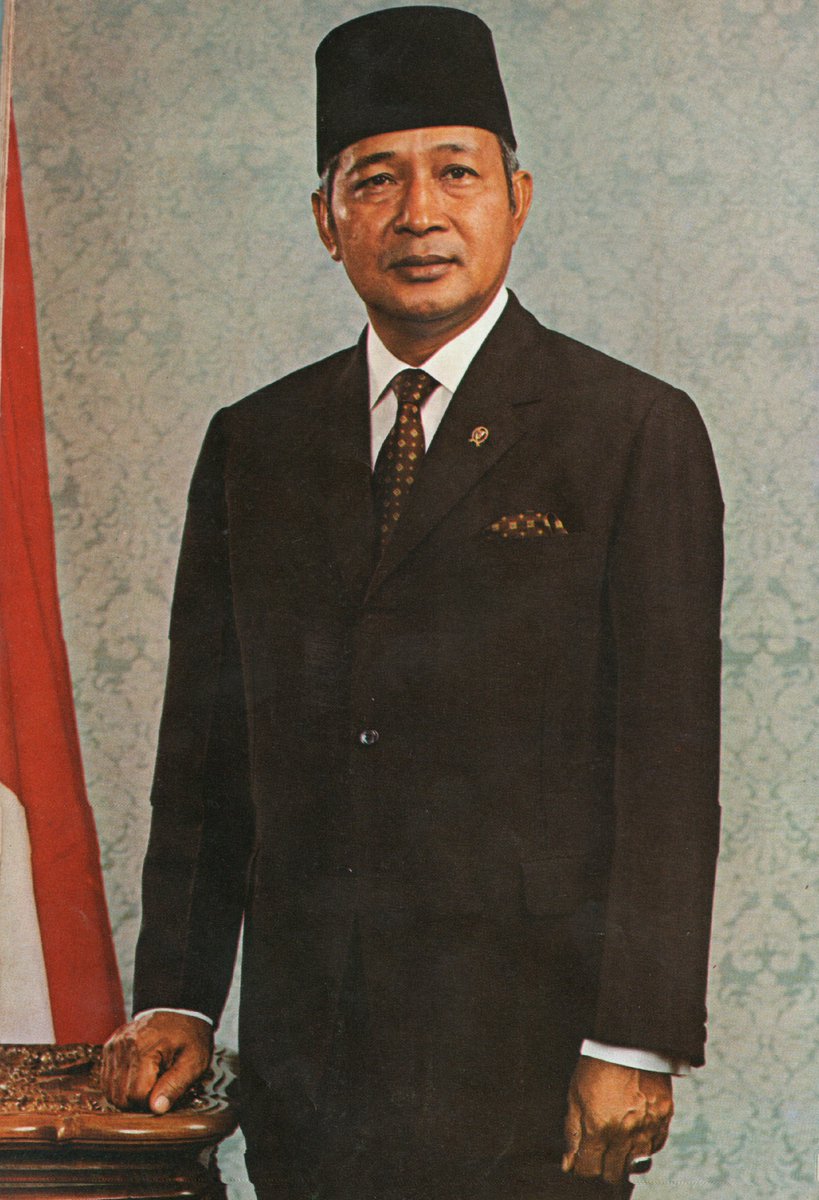
1. Suharto: President of Indonesia from 1967-1998, Suharto ended his rule with a personal net worth of $38 billion. He oversaw a military dictatorship, which evolved into an authoritarian regime built on his own cult of personality.

Following an economic downturn in 1997 that Indonesia was slow to recover from, prominent politicians began blaming Suharto and protests began in earnest that year. After mounting pressure and desertion by his political allies in May 1998, Suharto resigned.

He has been investigated for corruption numerous times since his resignation and was accused of embezzling $571 million of government funds through various personal charity foundations. Other lawsuits in Indonesia have sought to order Suharto to repay up to $1.5 billion in scholarship funds that supposedly disappeared during his tenure.

Suharto was never prosecuted, partly because he was said to be too ill to stand trial but also because he was still well-regarded by a large proportion of the population. He died in 2008Image
2. Ferdinand Marcos: Marcos oversaw a debt crisis resulting from his policy of high public expenditure on infrastructure projects. This led to civil interest and rising political opposition which caused Marcos to declare martial law, placing him in sole charge of the country.

This period lasted until 1986 when his reign as leader ended. In 1986, Marcos was forced to call a snap election due to his rising unpopularity and coup threats, which ended in complex indecision as various vote counts declared different winners. A revolution followed and Marcos was forced to flee to Hawaii.
Marcos took with him around $717 million in cash, numerous crates of valuable physical objects, gold, and deposit slips totaling $124 million.

All of this was amassed illegally during his time in power. In all, he is thought to have stolen $5-$10 billion from the Philippines Central Bank. He died in January 1995 without facing justice.Image
3. Mobutu Sese Seko: President of Zaire for more than 30 years, Seko was known for his extravagant shopping sprees in Paris & speculation about his corruption was never far from the truth. Conservative estimates state that Seko embezzled $5 billion directly from the state’s purse, using the money to fund a luxurious lifestyle and buy gifts for his cronies.

He is considered to be one of the richest world leaders of all time and was eventually deposed by a military coup in 1997. He died months later of prostate cancer without being prosecuted.Image
Read 9 tweets
May 22
8 of history's greatest scientists:

1. Albert Einstein: Einstein’s contributions to science, which include the famous equation E = mc2 and the theory of relativity, challenged conventional notions and reshaped our understanding of the universe. He gained further renown for his identification of the photoelectric effect, earning the Nobel Prize for Physics in 1921.

Einstein formulated both the special and general theories of relativity, challenging and broadening theories presented by Isaac Newton more than 200 years earlier. Beyond relativity, Einstein made significant contributions to Statistical Mechanics, Electrodynamics, optics, and the Einstein-Podolsky-Rosen paradox.

The German scientist was also a champion for civil rights, calling racism a “disease.” He joined the National Association for the Advancement of Colored People in the 1940s after escaping the clutches of a young Nazi Germany regime in the early 1930s.Image
2. Maria Salomea Skłodowska-Curie: Marie Curie was the first woman to win a Nobel Prize & the first person to win two Nobel prizes. Marie chose to explore uranium's rays for her Ph.D. thesis. Her research led her to the groundbreaking discovery of radioactivity, revealing that matter could undergo atomic-level transformations.

Marie Curie collaborated with her husband, Pierre Curie, and together they examined uranium-rich minerals, ultimately discovering two new elements, polonium and radium. Their work was published in 1898, and within just five months, they announced the discovery of radium. In 1903, Marie Curie, Pierre Curie, and Henri Becquerel were jointly awarded the Nobel Prize in Physics for their pioneering work in radioactivity.Image
3. Nikola Tesla: Tesla helped develop alternating current (AC) power transmission, which became the standard for electric power distribution due to its efficiency over long distances. He invented the Tesla coil, which is still used in radio technology and for generating high-voltage electricity.

His work on wireless transmission of energy laid the groundwork for modern wireless communication and even early concepts of wireless power transfer. Tesla also made significant advancements in electromagnetism, including the invention of the induction motor and the development of radio technology.Image
Read 9 tweets
May 22
10 of history's evilest leaders:

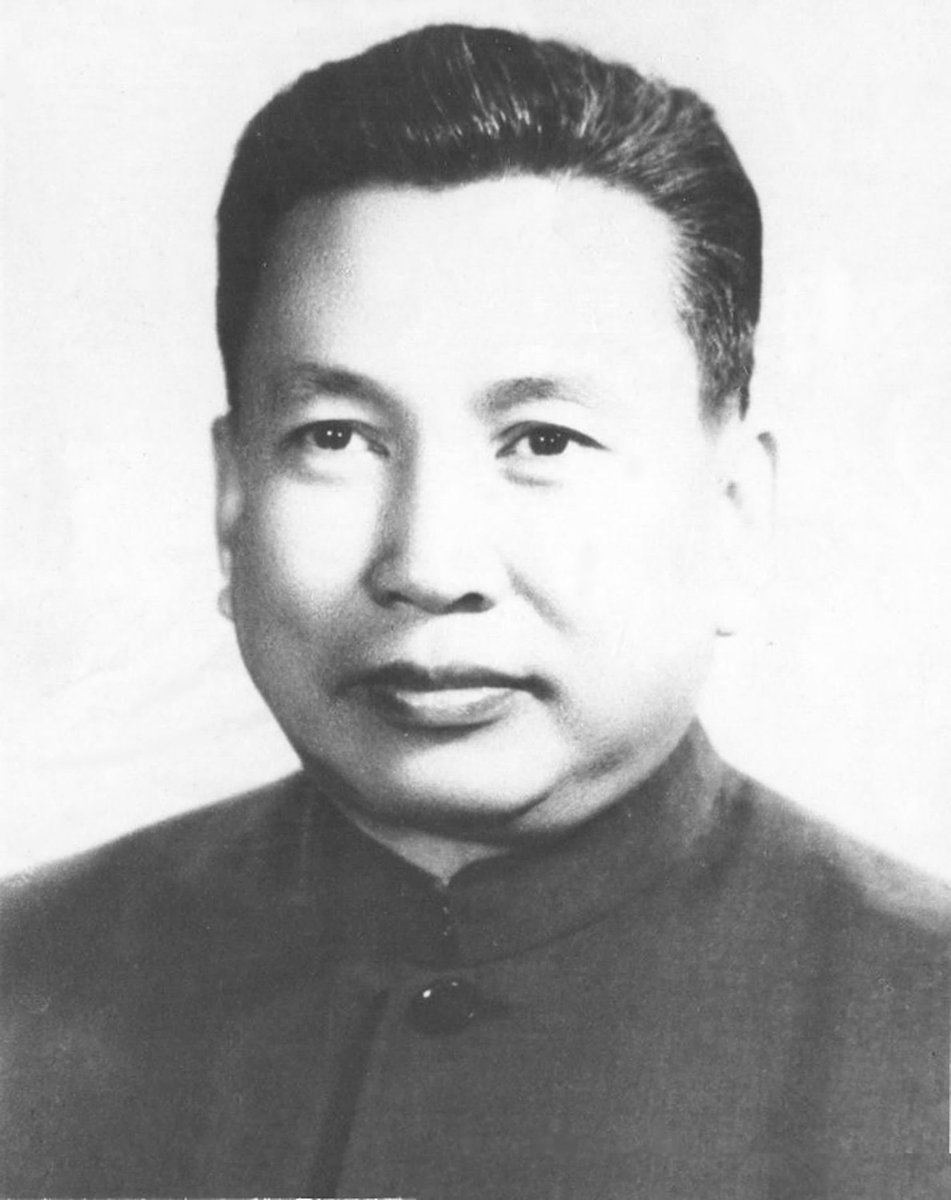
1. Pol Pot: Leader of the Cambodian revolutionary group Khmer Rogue, Pol Pot was a communist totalitarian dictator who ordered mass genocide on his own people. His regime imprisoned, tortured and destroyed those who opposed it.

Prisoners were subjected to horrific medical experiments, which often resulted in agonizingly drawn out deaths. Many prisoners, including babies and small children, were executed in the infamous Killing Fields and buried in mass graves. To save bullets, they were killed with pickaxes or smashed against trees.

During his reign as Prime Minister from 1976-1979, his policies led to the deaths of around 2 million people, about 25% of the entire population, from execution, starvation, and forced labor.Image
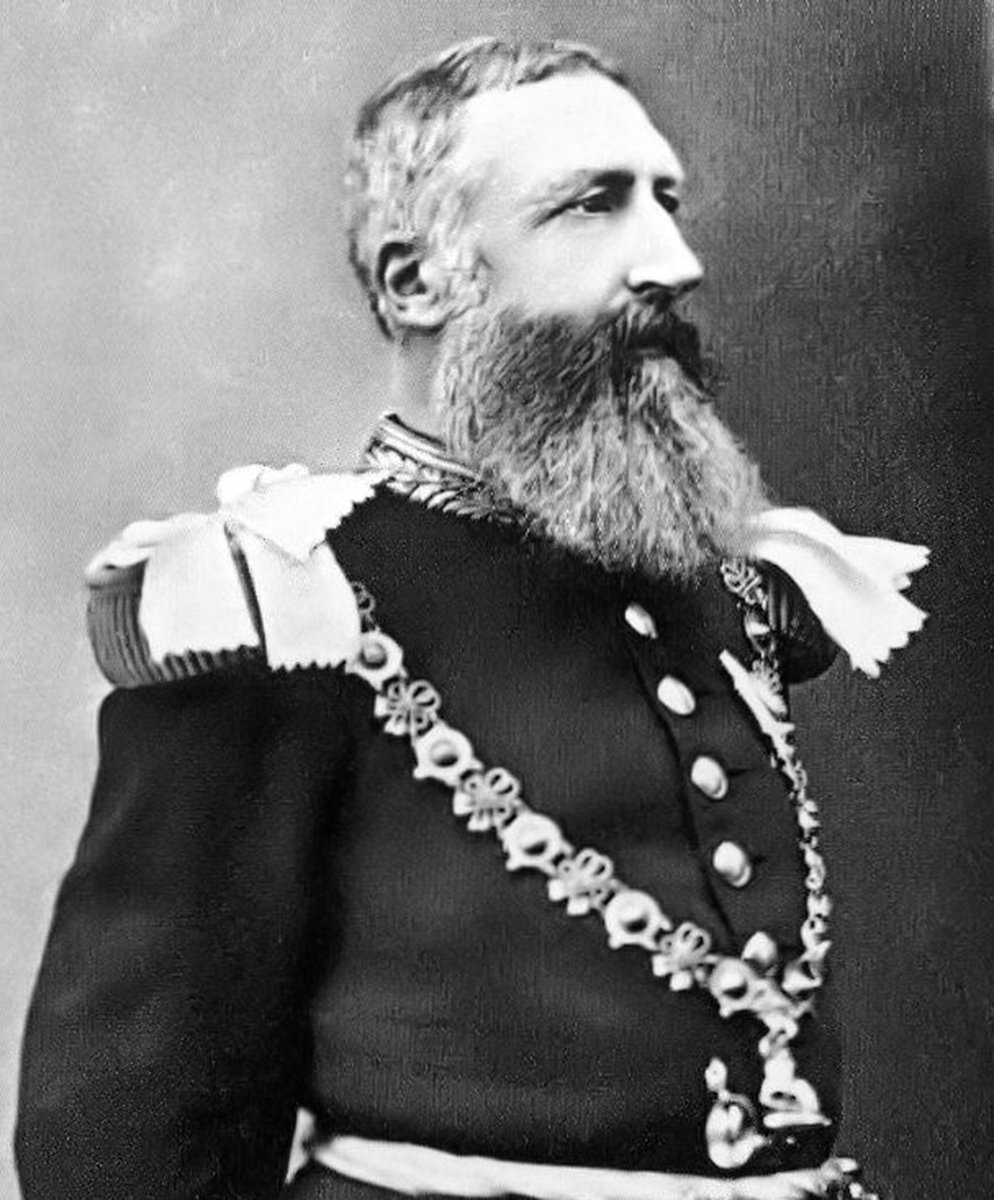
2. Leopold II: King of Belgium from 1865-1909, Leopold was a colonizer to his core. He claimed ownership of an area he called the Congo Free State, but its citizens were anything but free. Leopold exploited both the Congolese people and natural resources. The tyrant exported ivory to build his own personal wealth, but it was the labor-intensive collection and exportation of rubber tree sap that led to the majority of his atrocities.

Leopold forced the native population to harvest the rubber. When his insanely high quotas were not met, the people and their families were beaten, mutilated and killed. Leopold was responsible for the death of more than 10 million Congolese people, half of the population.Image
3. Kim Jong Il: The North Korean government under Kim Jong-il was regarded as one of the most repressive on the entire planet, with no freedom of religion, press or political opposition. With nearly every facet of day-to-day life controlled by the government, Kim Jong-il’s regime had hundreds of thousands of political prisoners wrongfully incarcerated.

During his regime, North Korea suffered through a famine, which was further exacerbated by Kim Jong-il’s mismanagement of land and the economy. Between 240,000 and 3.5 million North Koreans perished due to the four-year famine. Kim Jong-il’s oppressive and disastrous policies have continued under his son Kim Jong-un since the former’s 2011 death.Image
Read 13 tweets
May 21
8 of history's worst experiments:

1. Unit 731: During World War II, the Imperial Japanese Army conducted extensive chemical & biological warfare research on human test subjects. An estimated 200,000 people died from these cruel experiments.

Victims were intentionally exposed to anthrax, the bubonic plague, cholera, syphilis, typhus and other pathogens. Other experiments included vivisection, controlled dehydration, biological weapons testing, hypobaric pressure chamber testing, organ harvesting amputation, and standard weapons testing, all without anesthesia or a care of whether the victim lived or died.

Unit 731 victims included men, women, children, and even infants that were born after victims were r*ped by the staff. Unit 731 was led by General Shirō Ishii who was granted immunity & then hired after WWII by the United States government.Image
2. MK-Ultra Subproject 68: MK-Ultra is infamous for its mind-control experimentation, but more than 150 subprojects were sponsored by the CIA under the same name. Subproject 68 experimentation was led by Dr. Donald Cameron on patients admitted to the Royal Victoria Hospital's Allan Memorial Institute in Montreal (mostly for issues like bipolar disorder and anxiety disorders) where he conducted "therapy" on them - treatment that was life-altering and scarring.

Between 1957 and 1964, Cameron administered electroconvulsive therapy as frequently as twice daily, as opposed to the recommended limit of three times a week. He would put patients into drug-induced comas and play back tapes of simple statements or repetitive noises over and over again.

The victims often lost the ability to speak, forgot about their parents, and suffered serious amnesia. All of this was performed on Canadian citizens because the CIA wasn’t willing to risk such operations on Americans.

To ensure continuous funding, Cameron experimented upon admitted children, and in one situation filmed a child engaging in intimate acts with high-ranking government officials, which he used as blackmail.Image
3. Tuskegee Syphilis Study: In the 1930s, researchers from the US Public Health Service and Alabama's Tuskegee Institute recruited nearly 400 Black men of low socioeconomic status to study the natural progression of syphilis.

The initial study comprised 399 infected patients and 201 without the disease. None had the opportunity to consent to what happened; they were told they were simply being treated for “bad blood,” which colloquially at the time referred to anything from STDs to anemia to fatigue; many of the men did not even know they had syphilis. As compensation, they received free medical exams, free food, and burial insurance.

Penicillin became the gold standard for syphilis treatment by 1943, but researchers never offered it to the men in the Tuskegee study, instead letting them continue to suffer. The study continued for nearly 30 more years. More than 100 of the subjects died from syphilis directly or from complications from not being properly treated.

In 1972, the Associated Press broke the story of “The Tuskegee Study of Untreated Syphilis in the Negro Male” and backlash was swift from the patients, the public, and the medical community. “I don’t know why the decision was made in 1946 not to stop the program,” remarked Don Prince, an official with the CDC. "I was unpleasantly surprised when I first came here and found out about it. It really puzzles me.”

The patients filed a lawsuit and eventually shared a $9 million settlement. In May 1997, then-President Bill Clinton issued a formal apology, which included the passage: “I am sorry that your federal government orchestrated a study so clearly racist. That can never be allowed to happen again.”Image
Read 8 tweets
May 21
10 of history's most controversial events:

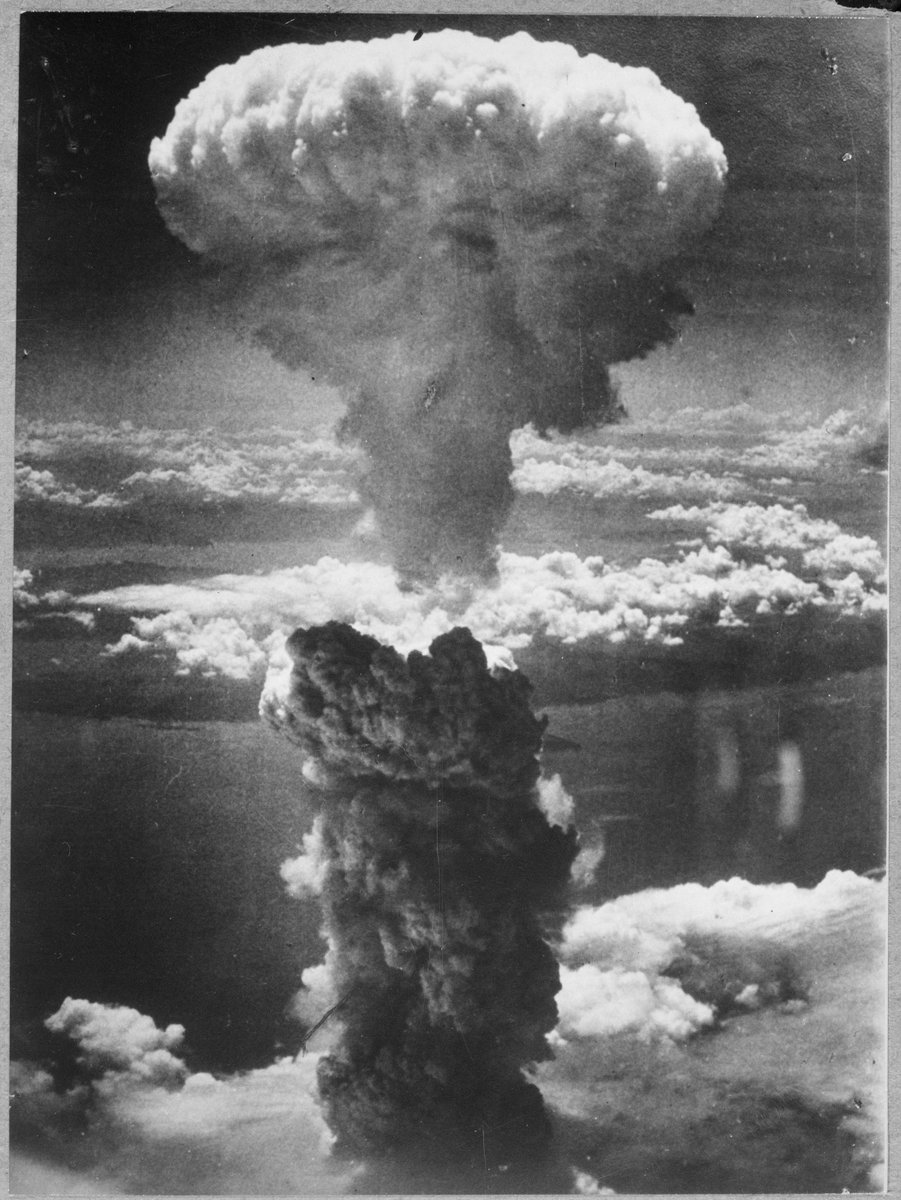
1. Atomic bombings of Hiroshima & Nagasaki: A 9,700-pound uranium bomb was detonated over Hiroshima on August 6, 1945. By the end of 1945, the death toll as a result of the Hiroshima bomb was estimated at about 100,000, climbing to an estimated 200,000 as cancer and other effects of radiation set in.

The US administration warned Japan that additional targets would be attacked if unconditional surrender wasn’t immediate. Japan refused, and on July 9th, a second bomb was dropped on the city of Nagasaki, its blast yield estimated at 40% greater than the initial bomb. Only 12% of homes in the city escaped the blast unscathed.

The next day, the Japanese emperor overruled the country’s military leaders and surrendered to the Allied forces. Some argue that using these bombs against civilians was equivalent to a war crime, while others maintain that their usage was necessary to end the war quickly and without further loss of Allied life.

A 1945 poll showed that 85% of Americans were in support of the bombings, but those numbers decreased over time as reports about the aftermath were spread worldwide. In August 2009, support had dropped to 61%. With nuclear weapons continuing to be a central controversy in America today, this is one historical argument that cannot be easily settled.Image
2. The United States' involvement in the Vietnam War: The U.S. was advising and financially supporting the South Vietnamese government in their efforts against the Communist North long before troops were actually on the ground. However, by the mid-1960s, the war was considered “escalated,” and US troops were on the ground by the thousands.

US involvement in the war was a legacy of containment theory and the “Domino Effect” promoted by presidents Truman and Eisenhower as the country navigated its way into the Cold War upon the conclusion of World War II. The goal was to prevent South Vietnam from becoming communist, but what resulted was chaos and long involvement in a foreign war.

With the growth of television and its increased prominence in American homes, citizens could watch the effects of the war unfold on the nightly news. Social and political protests were commonplace during the war era, some violent in nature. The draft caused increased controversy, as did rumors of village massacres, and people began to publicly question the credibility of the government and the military. The United States would gain nothing in the war, as the capital of South Vietnam would fall to the north in April 1975, and Vietnam remains one of the five communist countries in the world today.

The Vietnam War was the longest and costliest war that America had ever been involved in, costing the government $150 billion. Nearly 60,000 American troops lost their lives alongside 2 million Vietnamese. Today, the question remains: Was US involvement in Vietnam a noble effort or an unnecessary failure?Image
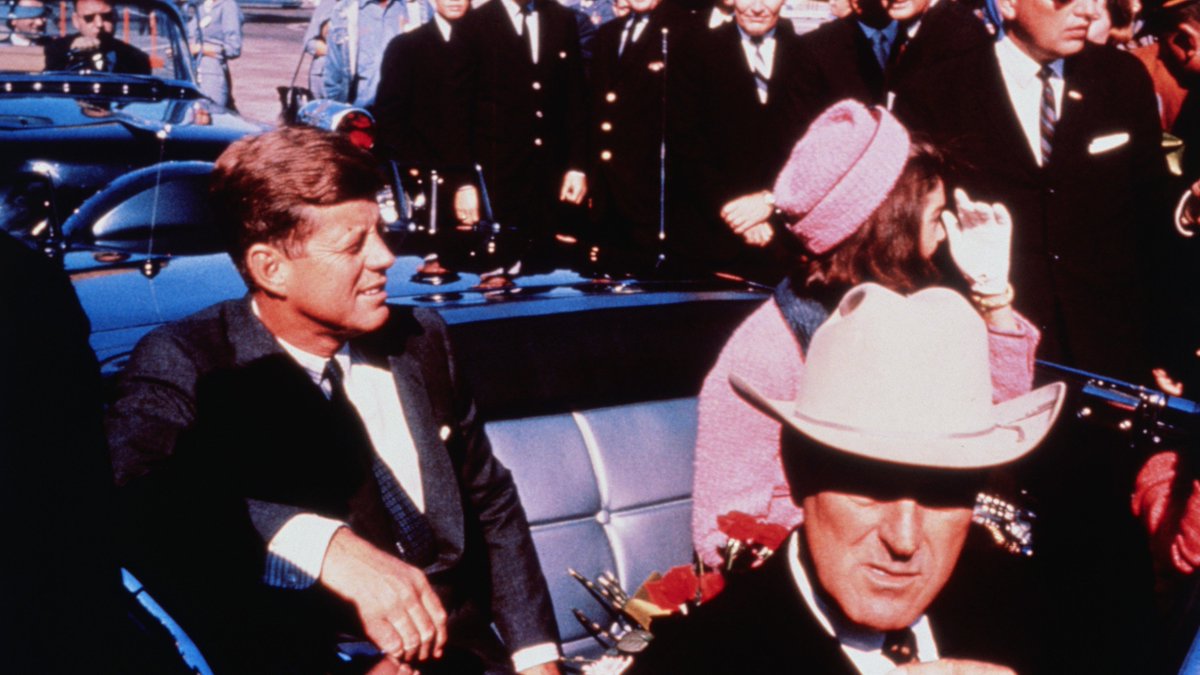
3. Assassination of JFK: 60 years after the assassination, many controversies still surround JFK’s death and I believe that we may never know the full truth of what happened. In 1964, TIME Magazine reported that, “The explanation of Oswald's motive for killing President Kennedy was buried with him.”

One big reason that JFK assassination conspiracy theories still persist is because not all of the files pertaining to that fateful day have been made available by the U.S. government. All of them were supposed to be released by 2017, but the release date has been postponed multiple times during the Trump and Biden administrations.

Larry Sabato, author of The Kennedy Half Century: The Presidency, Assassination, and Lasting Legacy of John F. Kennedy, does deep dives into the declassified JFK assassination files with his students at the University of Virginia & says there are thousands of pages that are classified and it’s unclear why. “We don't know what they cover and so that feeds the conspiracies even more,” as Sabato puts it. “What are they hiding?” Given Oswald never went to trial, many argue that we’re never going to feel as though the case is really settled.Image
Read 10 tweets

Did Thread Reader help you today?

Support us! We are indie developers!


This site is made by just two indie developers on a laptop doing marketing, support and development! Read more about the story.

Become a Premium Member ($3/month or $30/year) and get exclusive features!

Become Premium

Don't want to be a Premium member but still want to support us?

Make a small donation by buying us coffee ($5) or help with server cost ($10)

Donate via Paypal

Or Donate anonymously using crypto!

Ethereum

0xfe58350B80634f60Fa6Dc149a72b4DFbc17D341E copy

Bitcoin

3ATGMxNzCUFzxpMCHL5sWSt4DVtS8UqXpi copy

Thank you for your support!

Follow Us!

:(